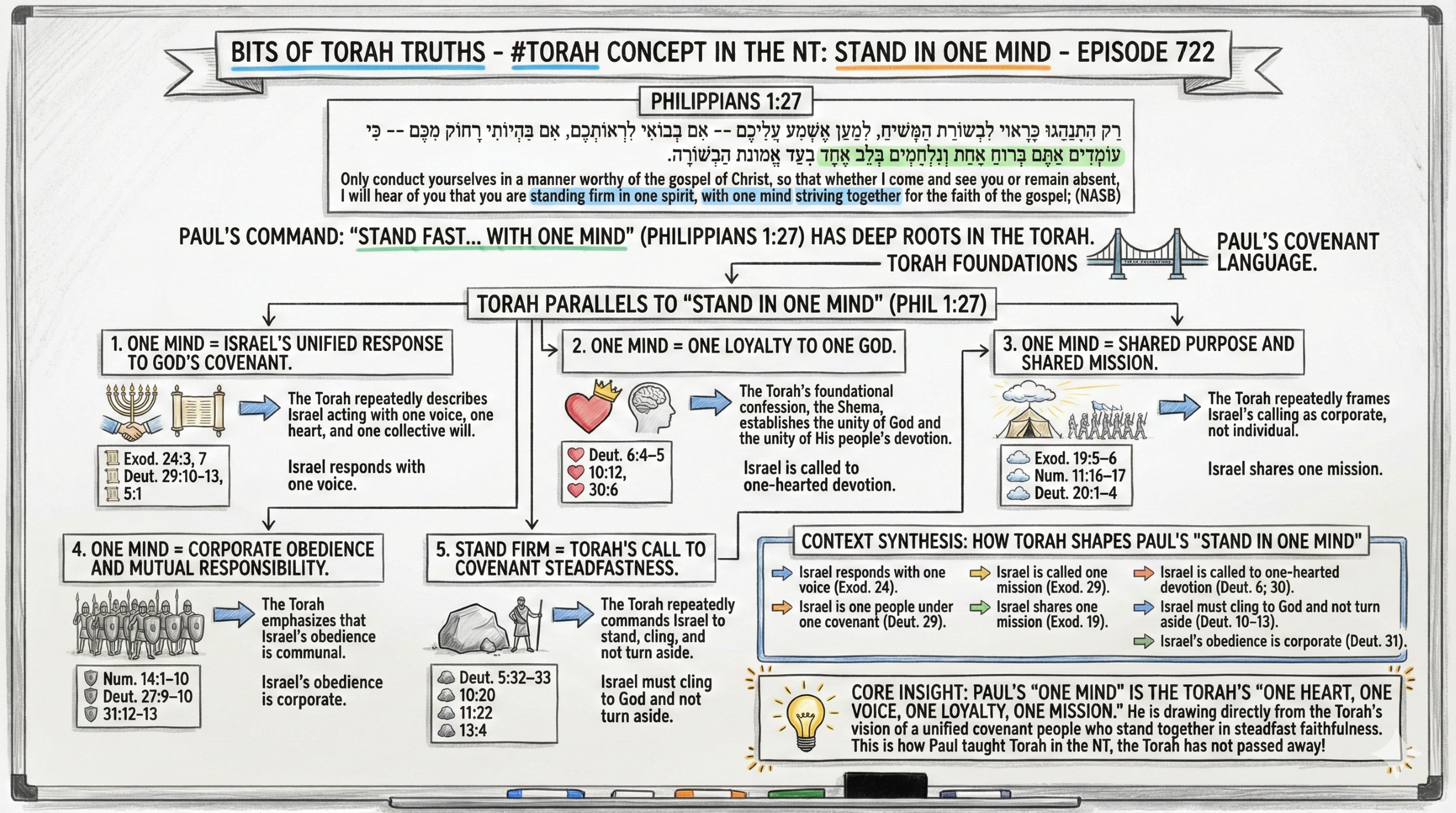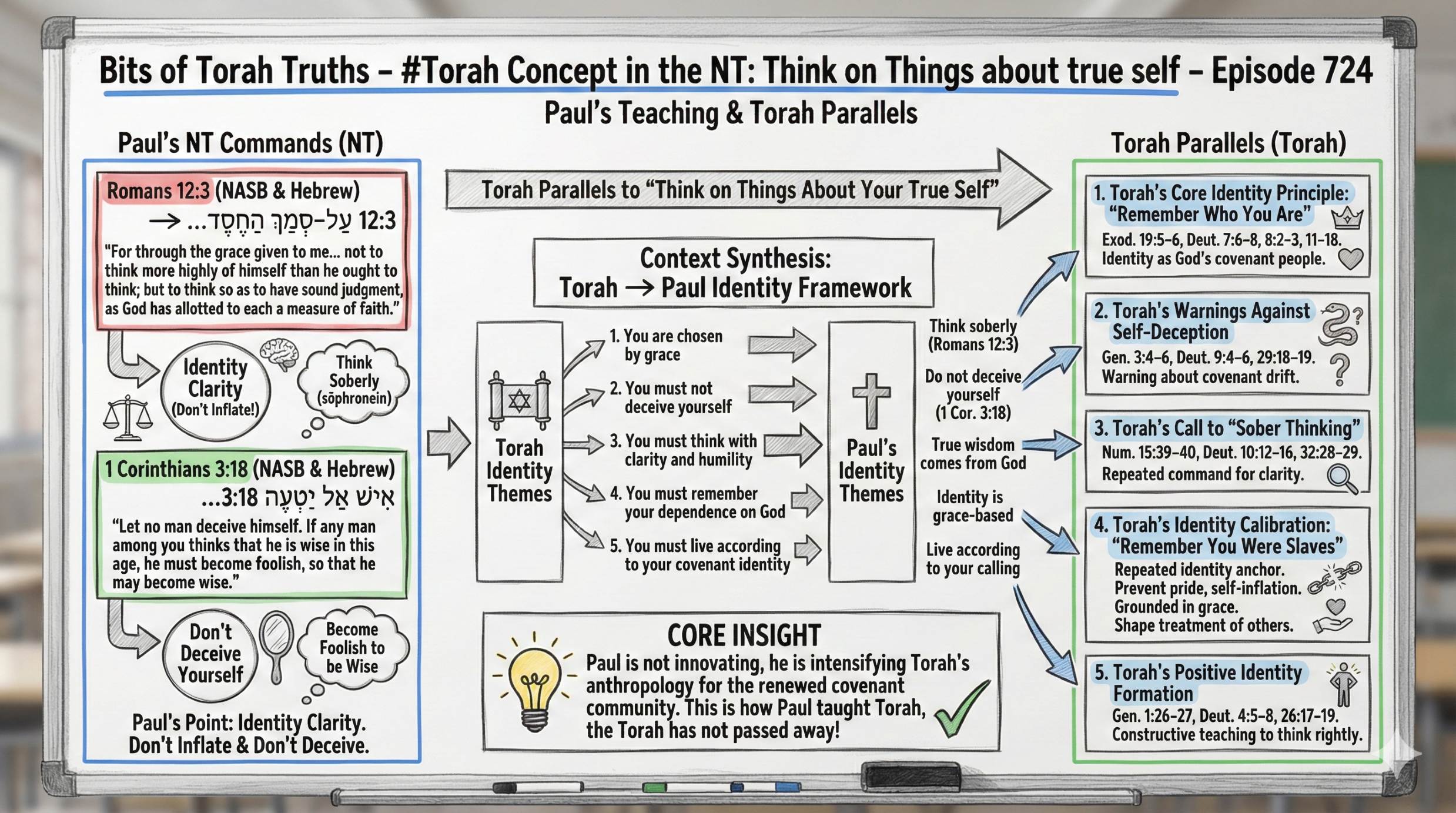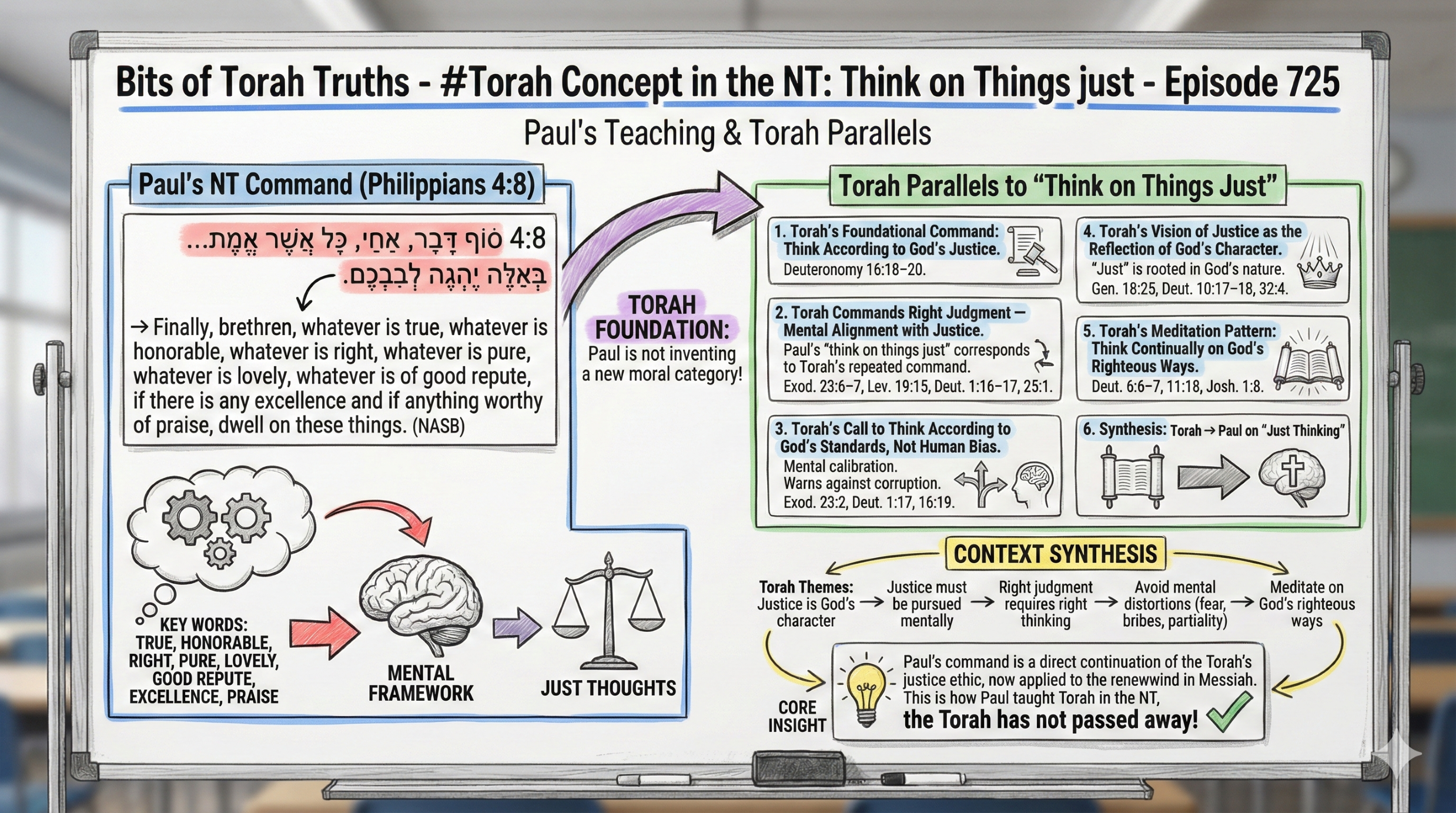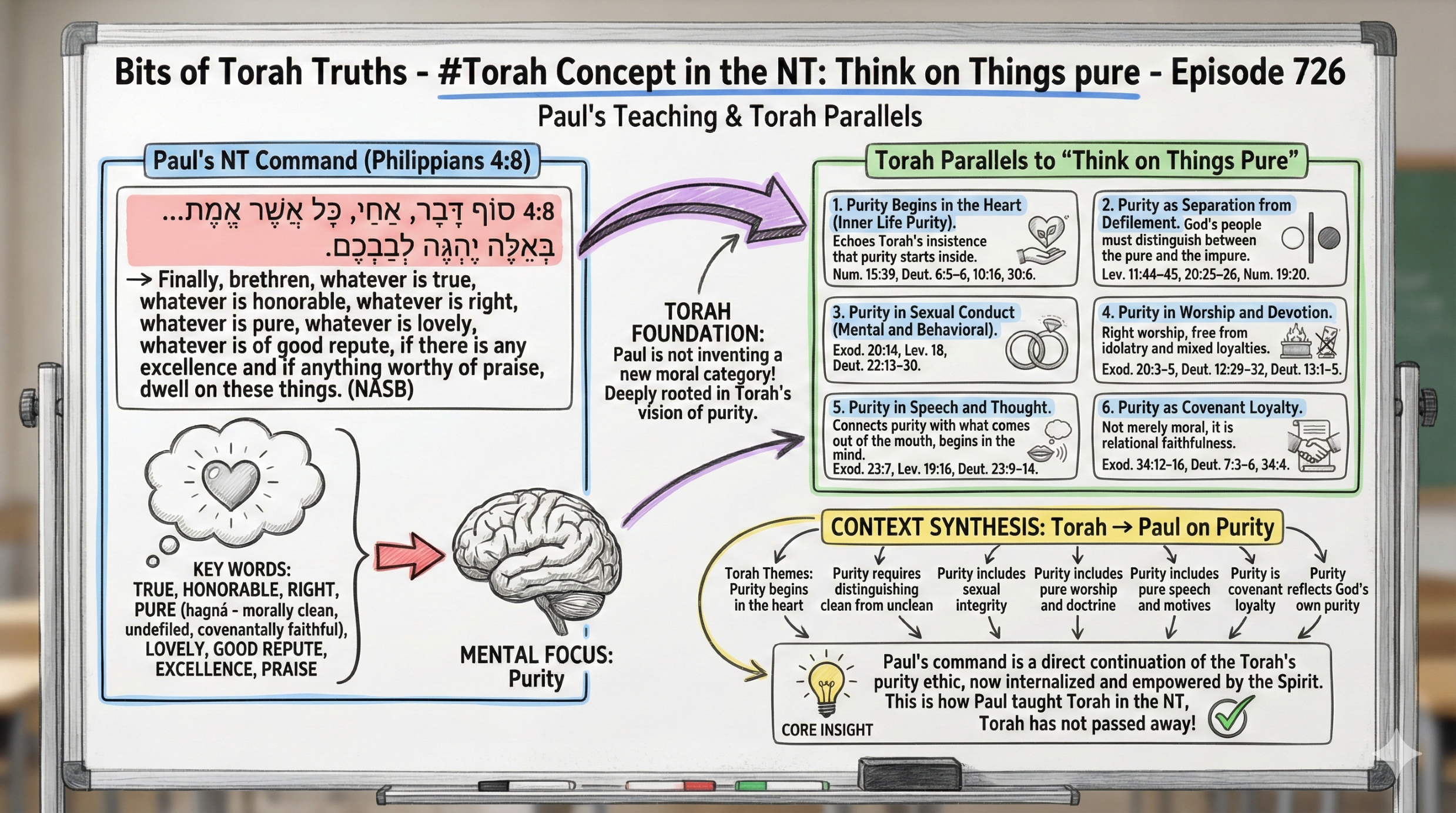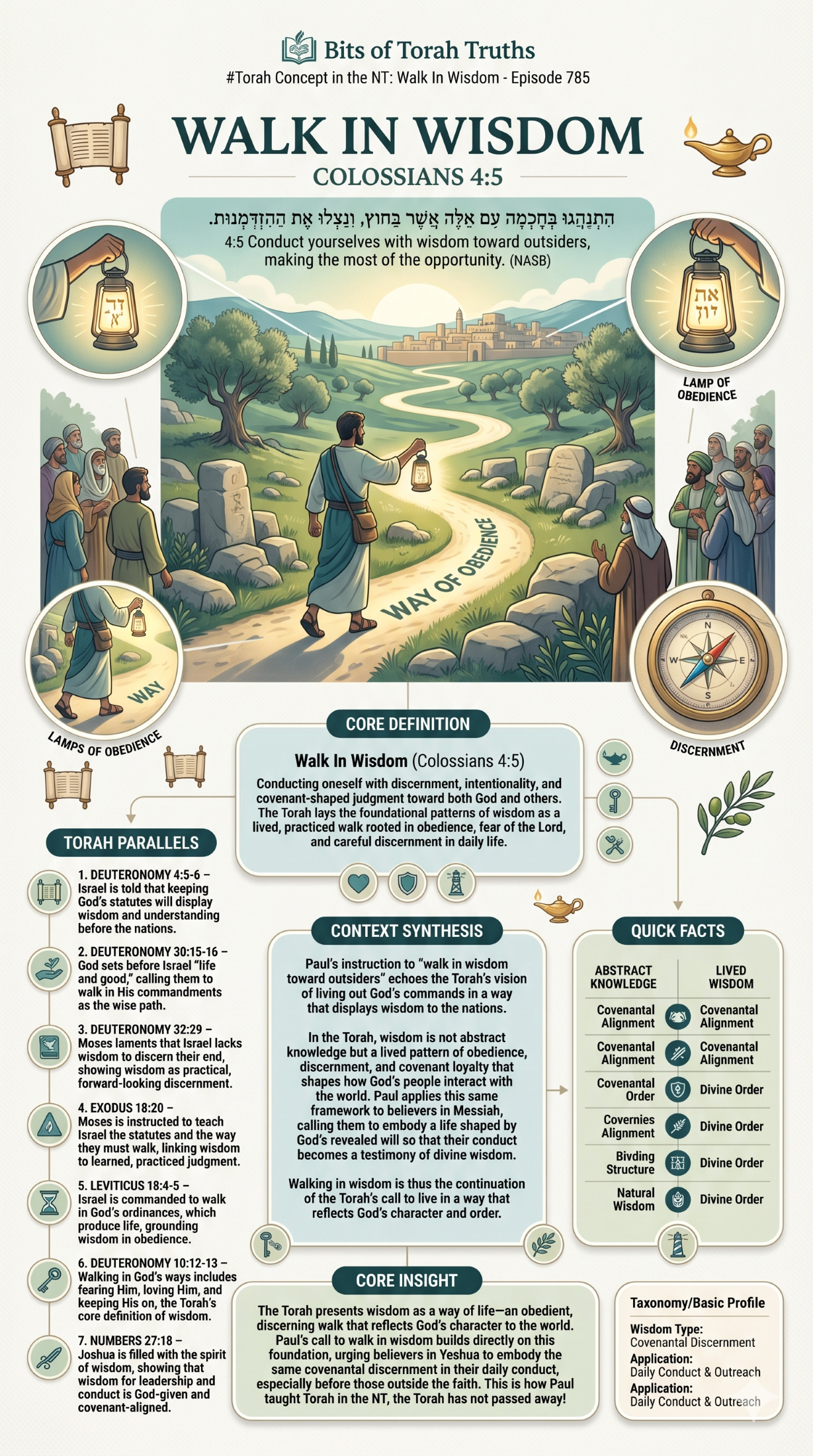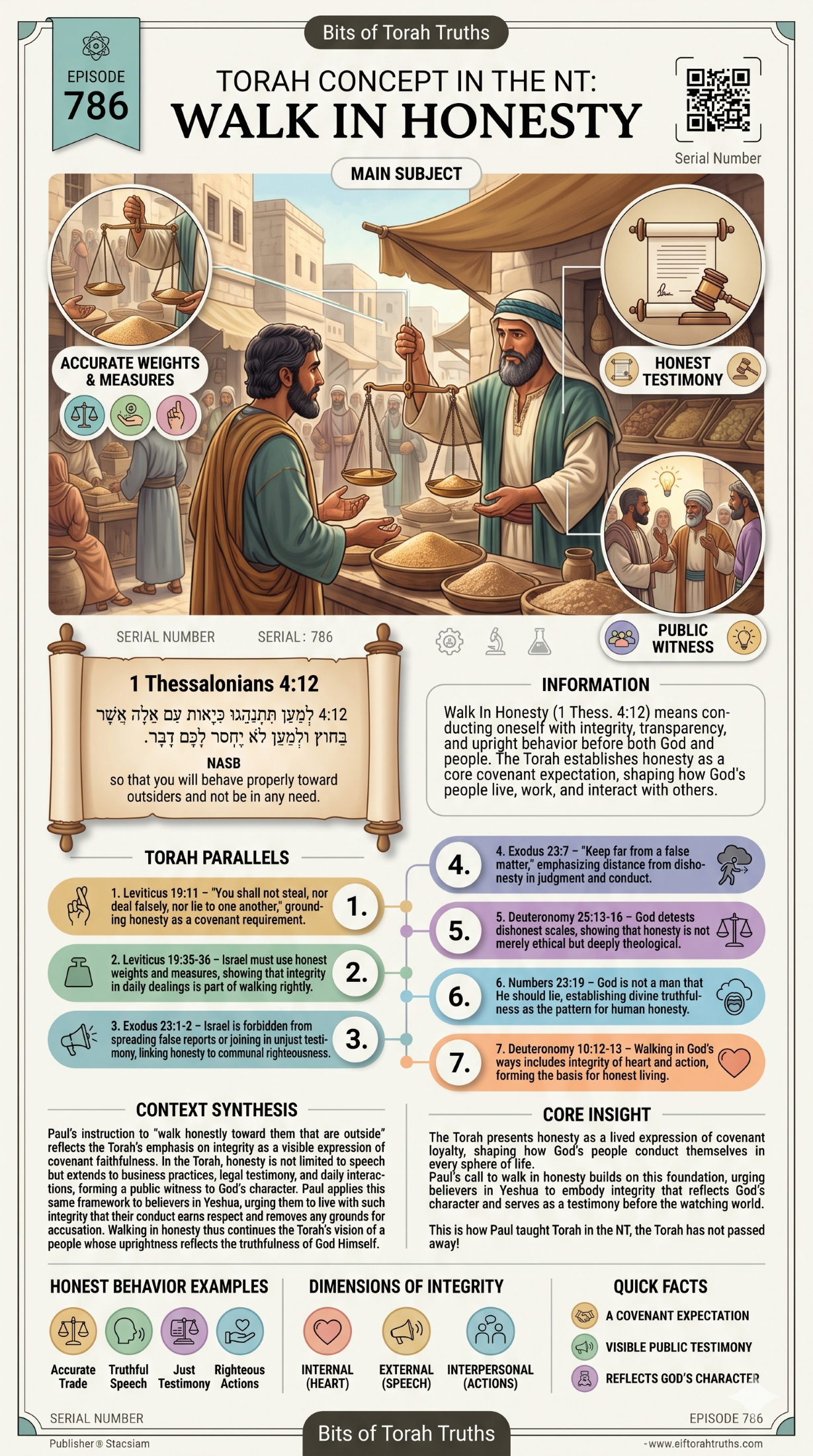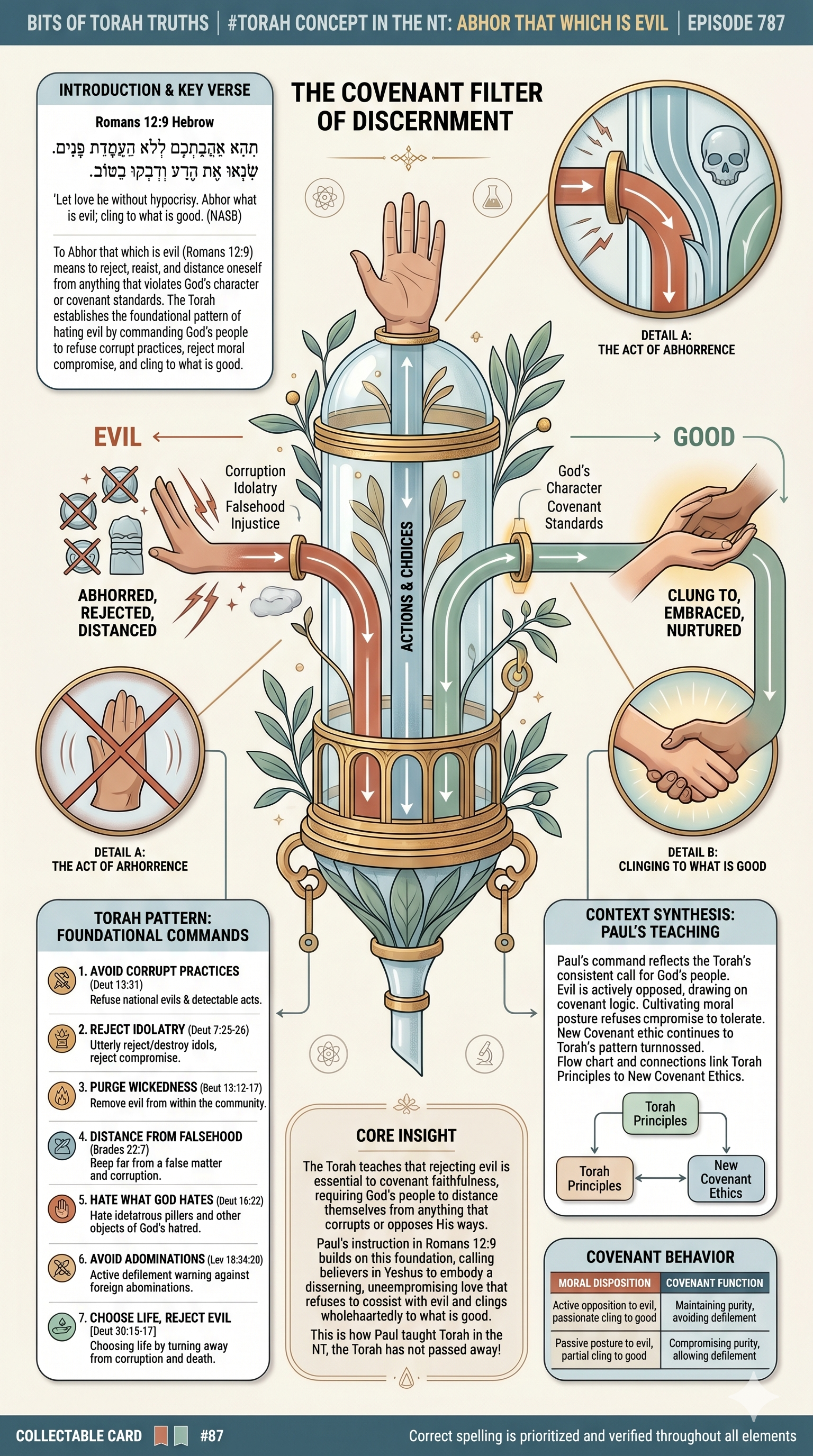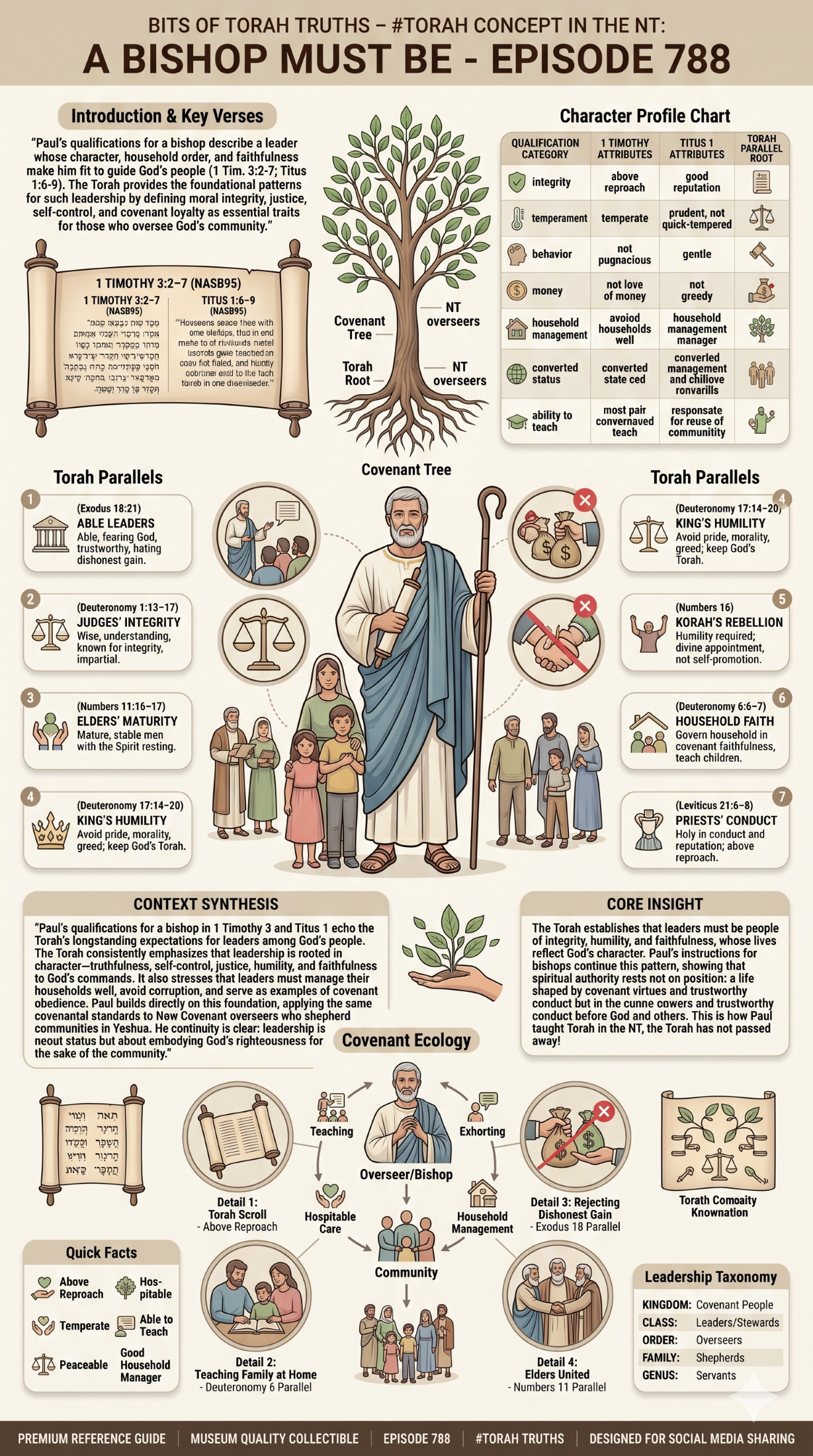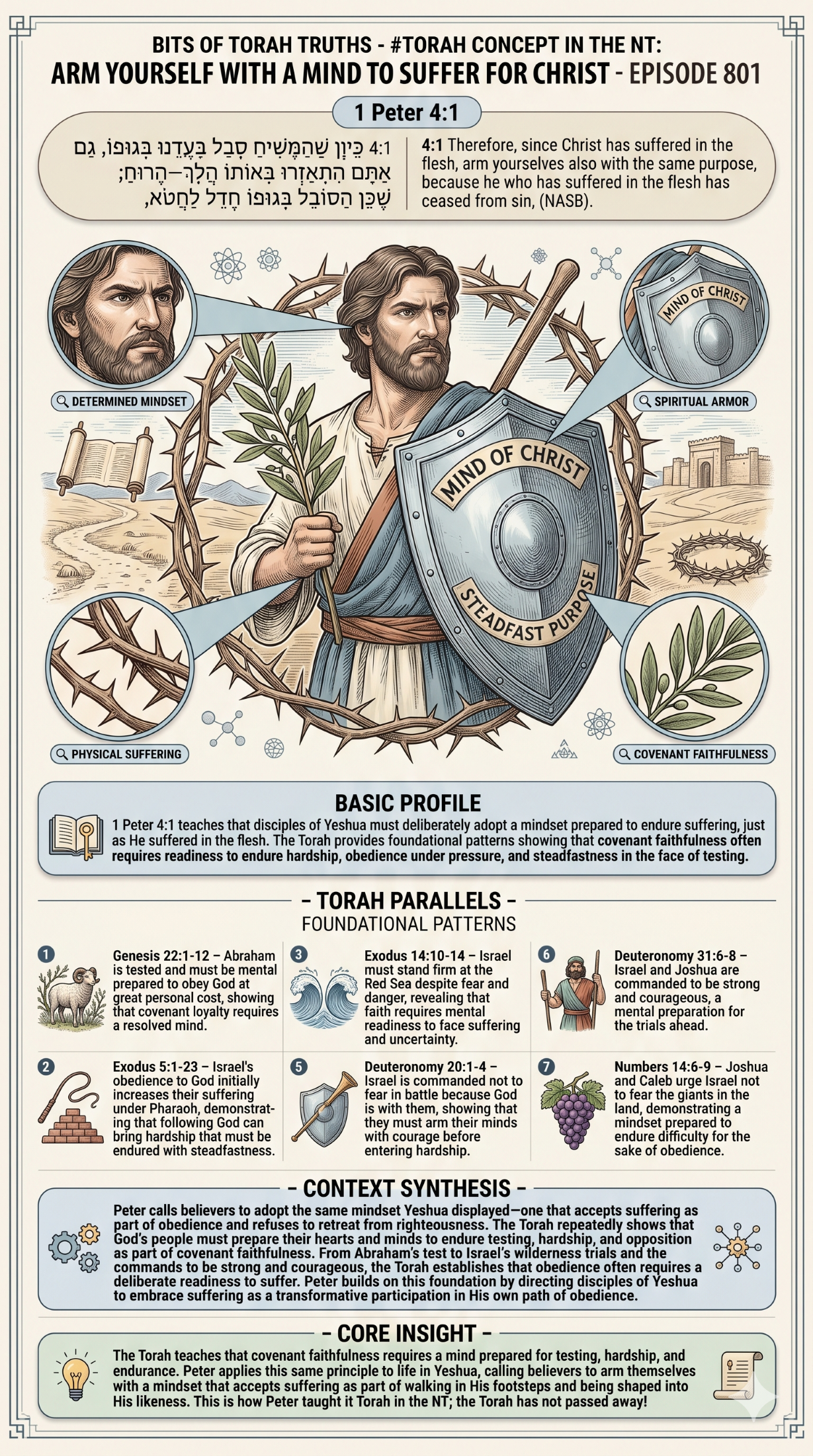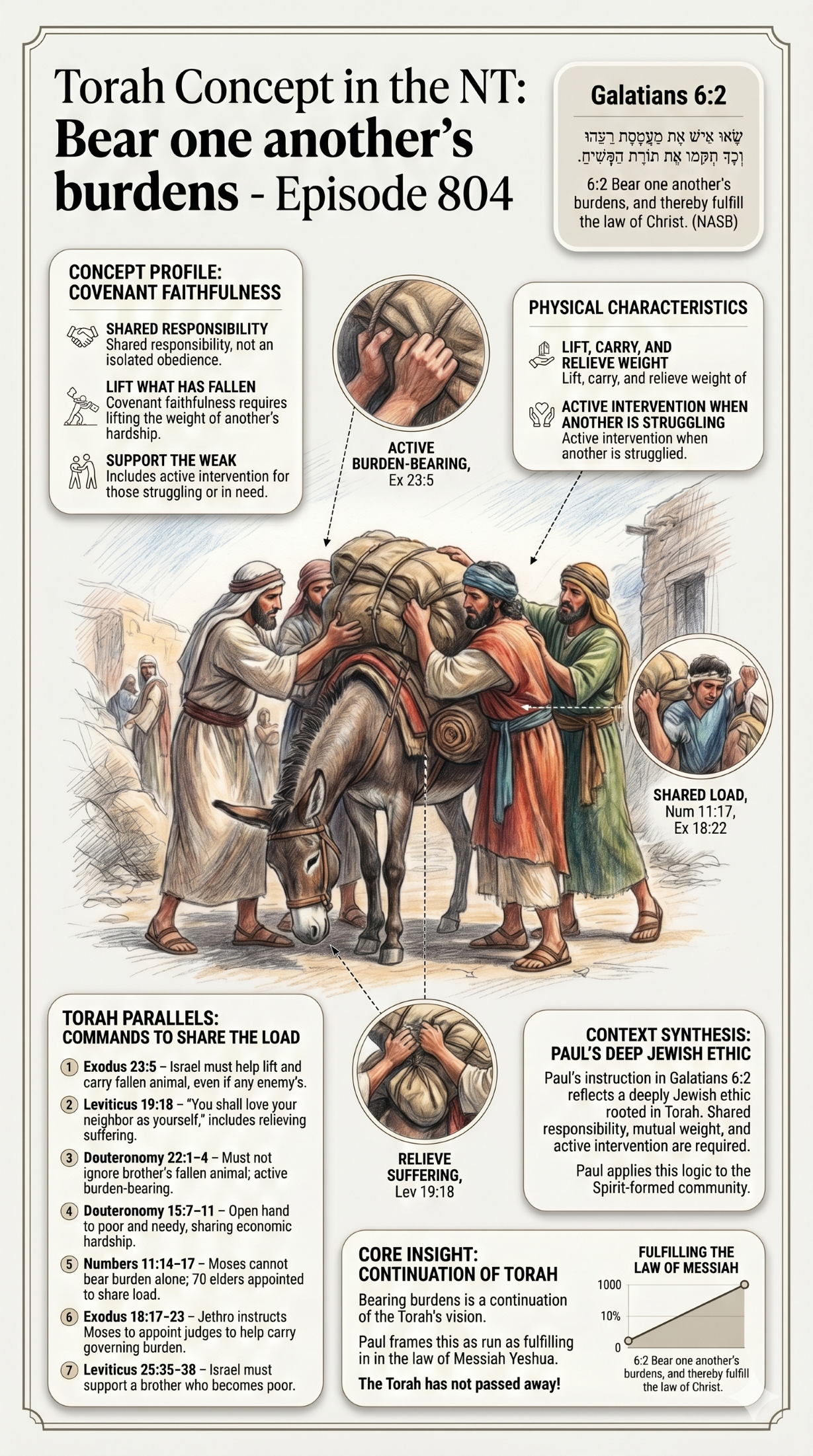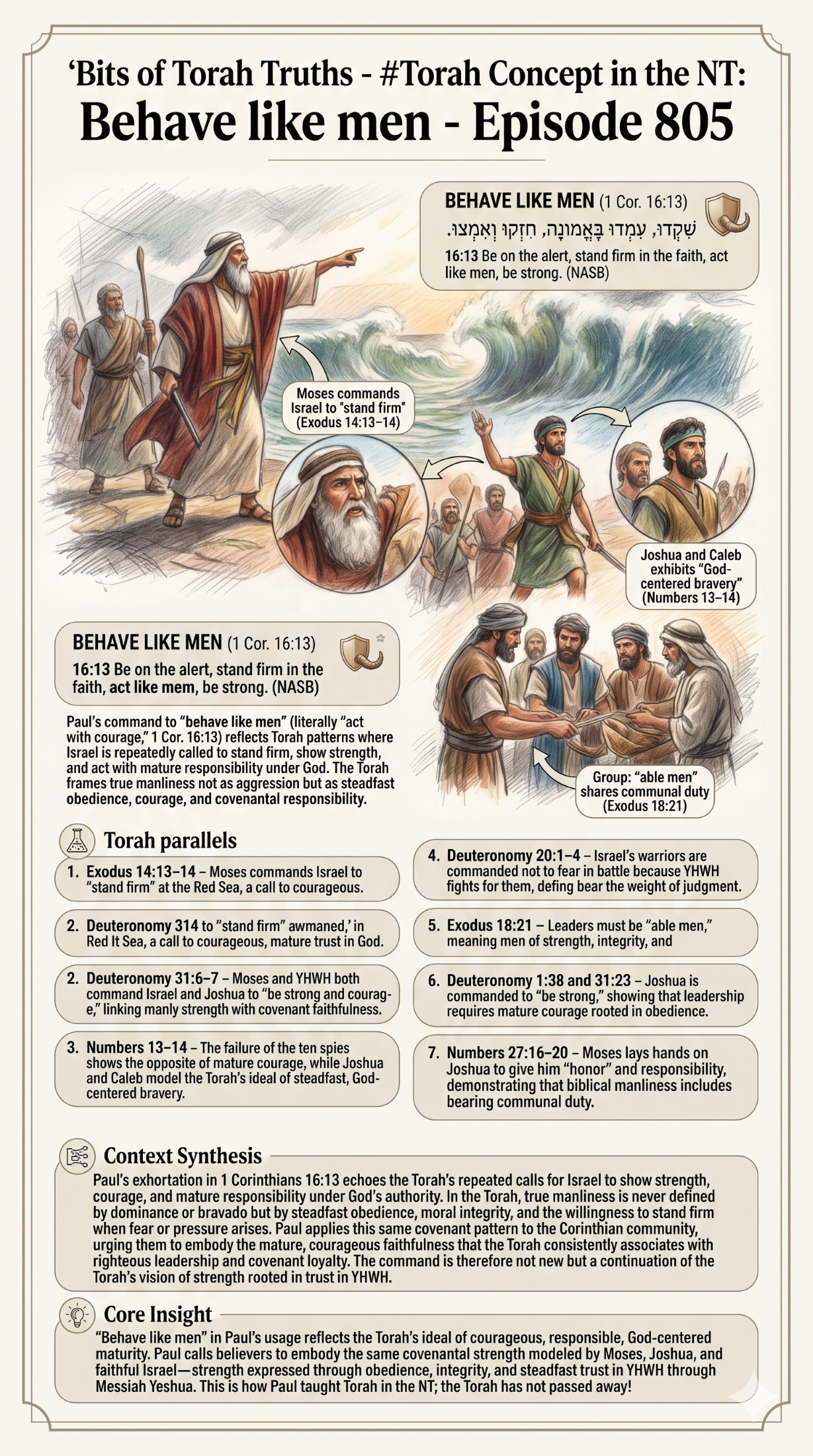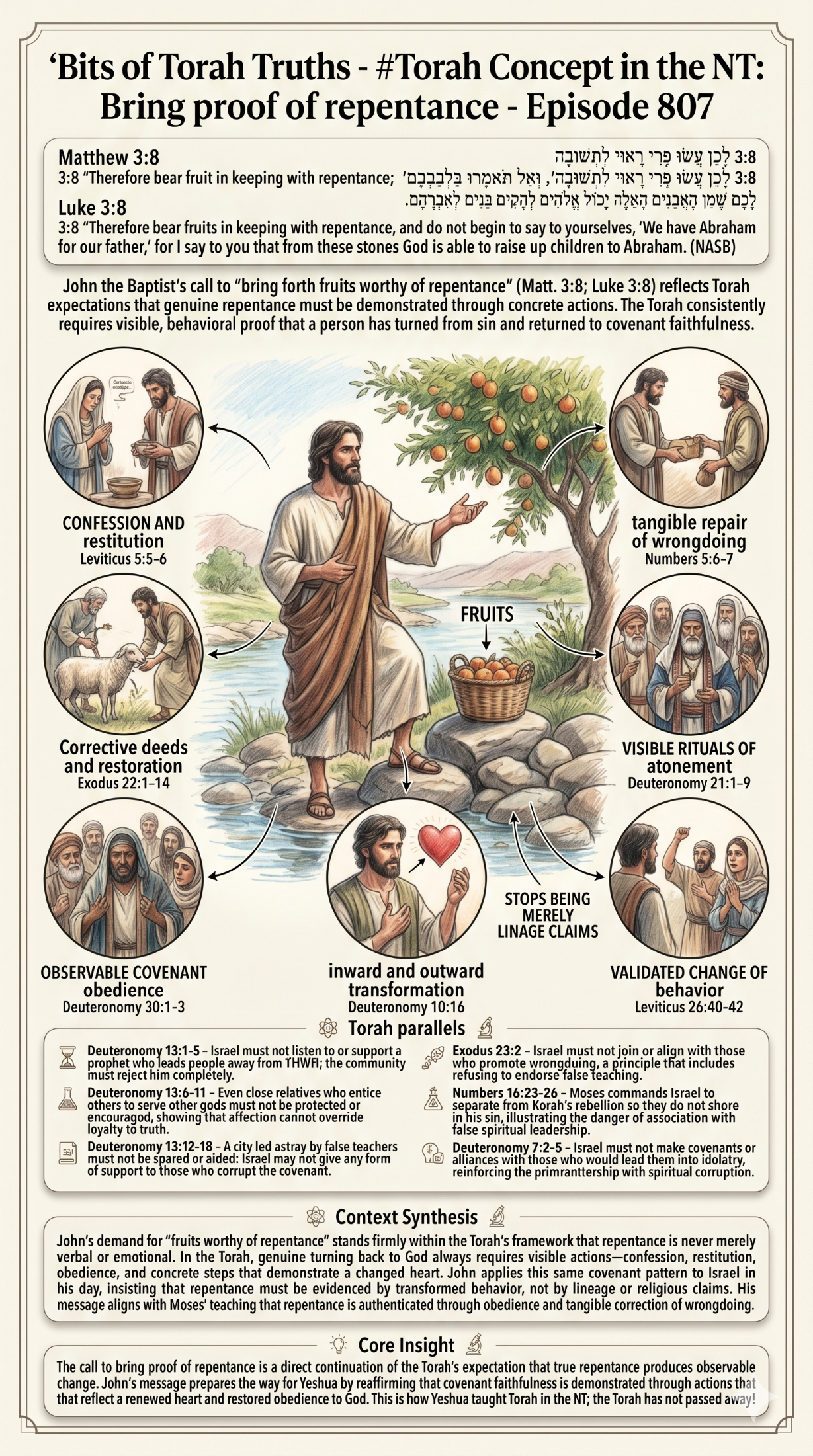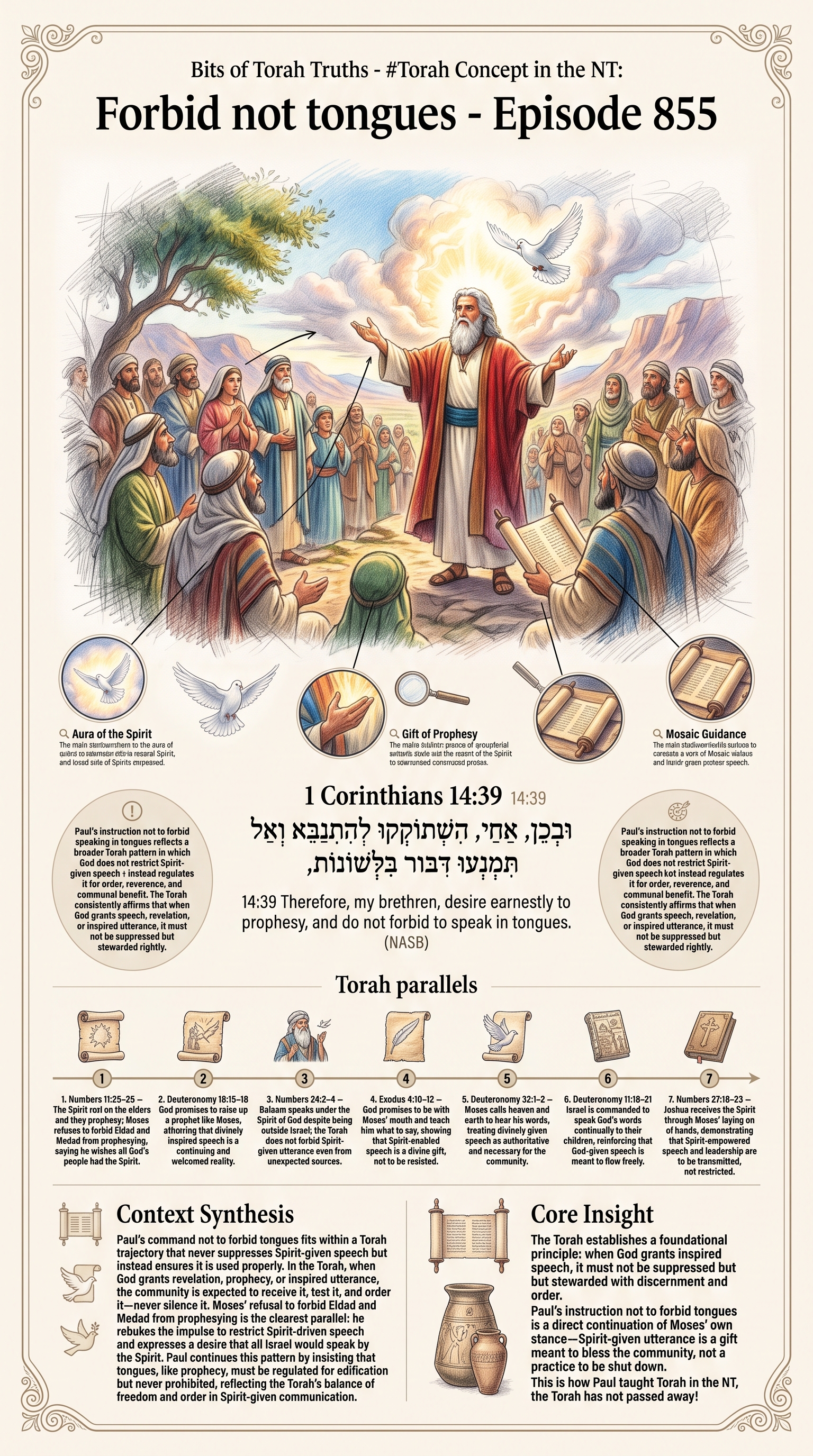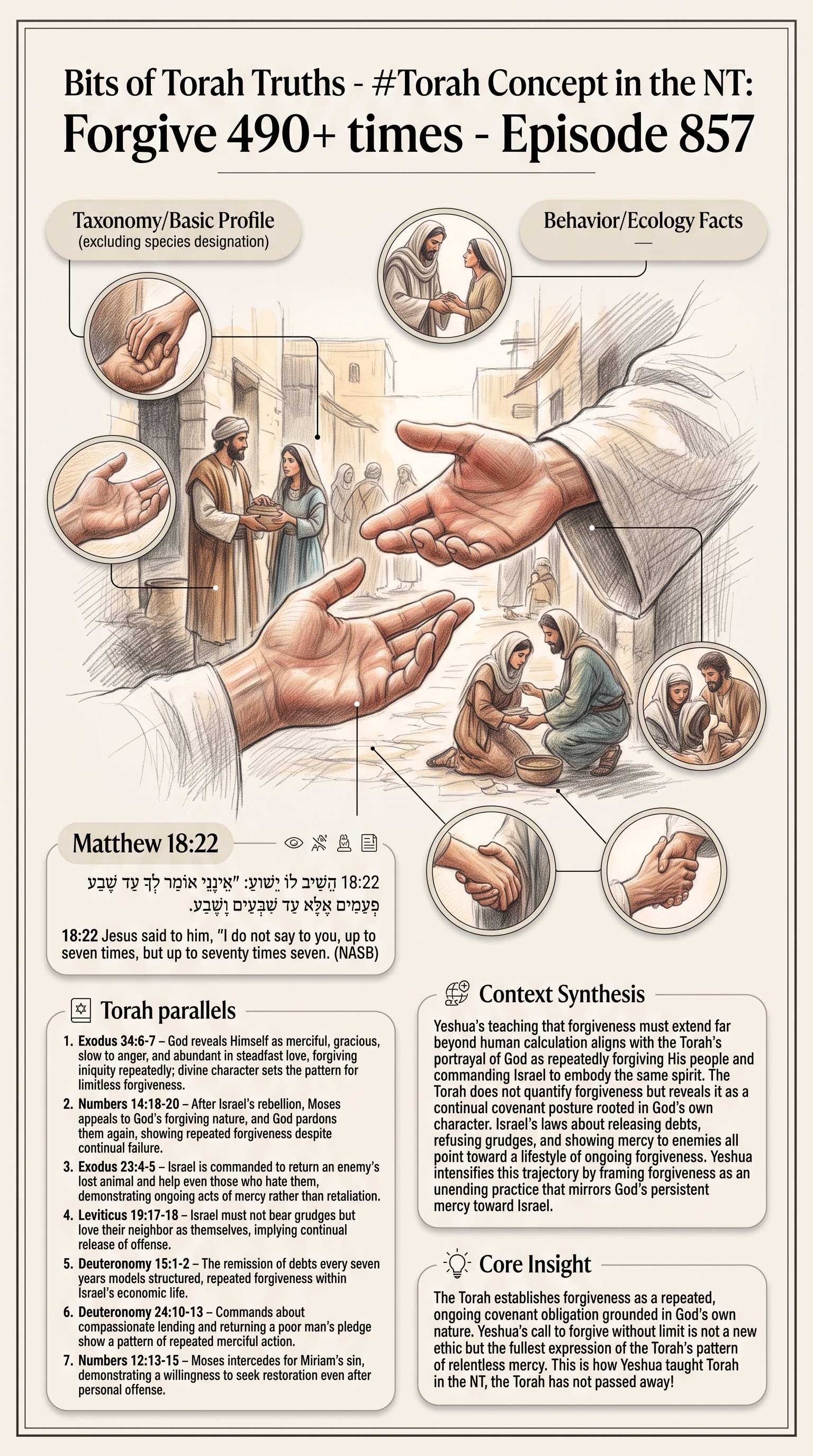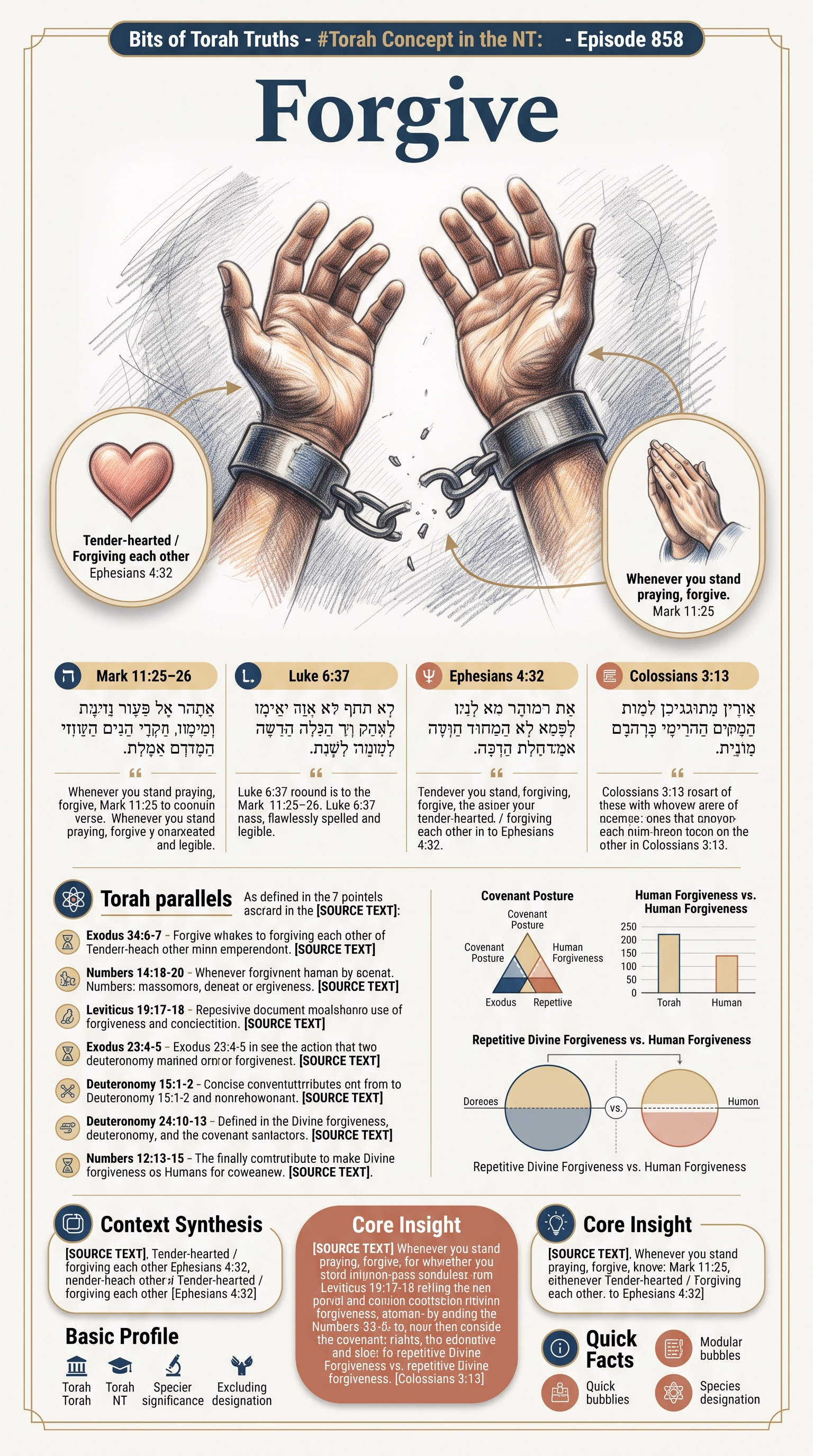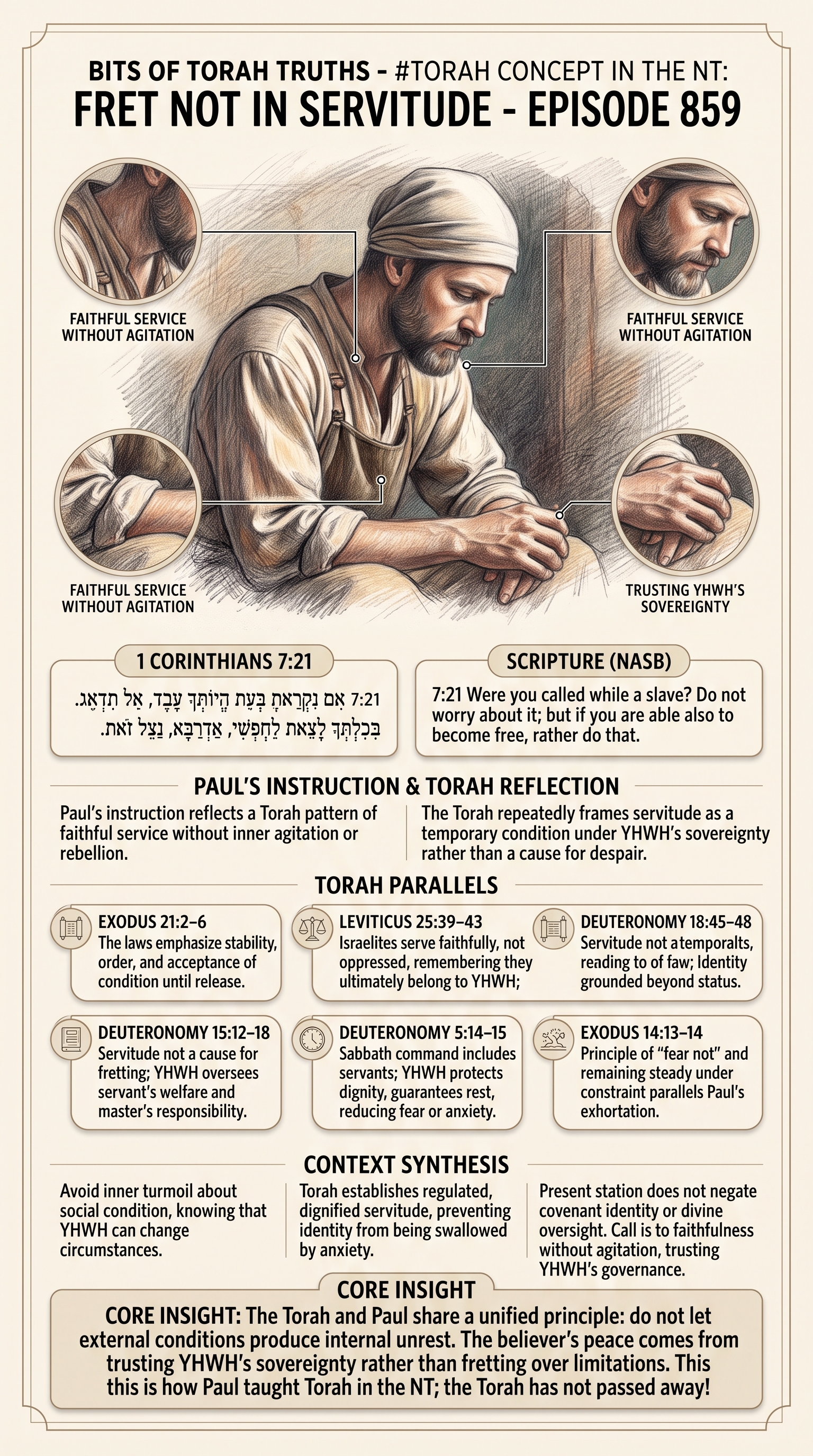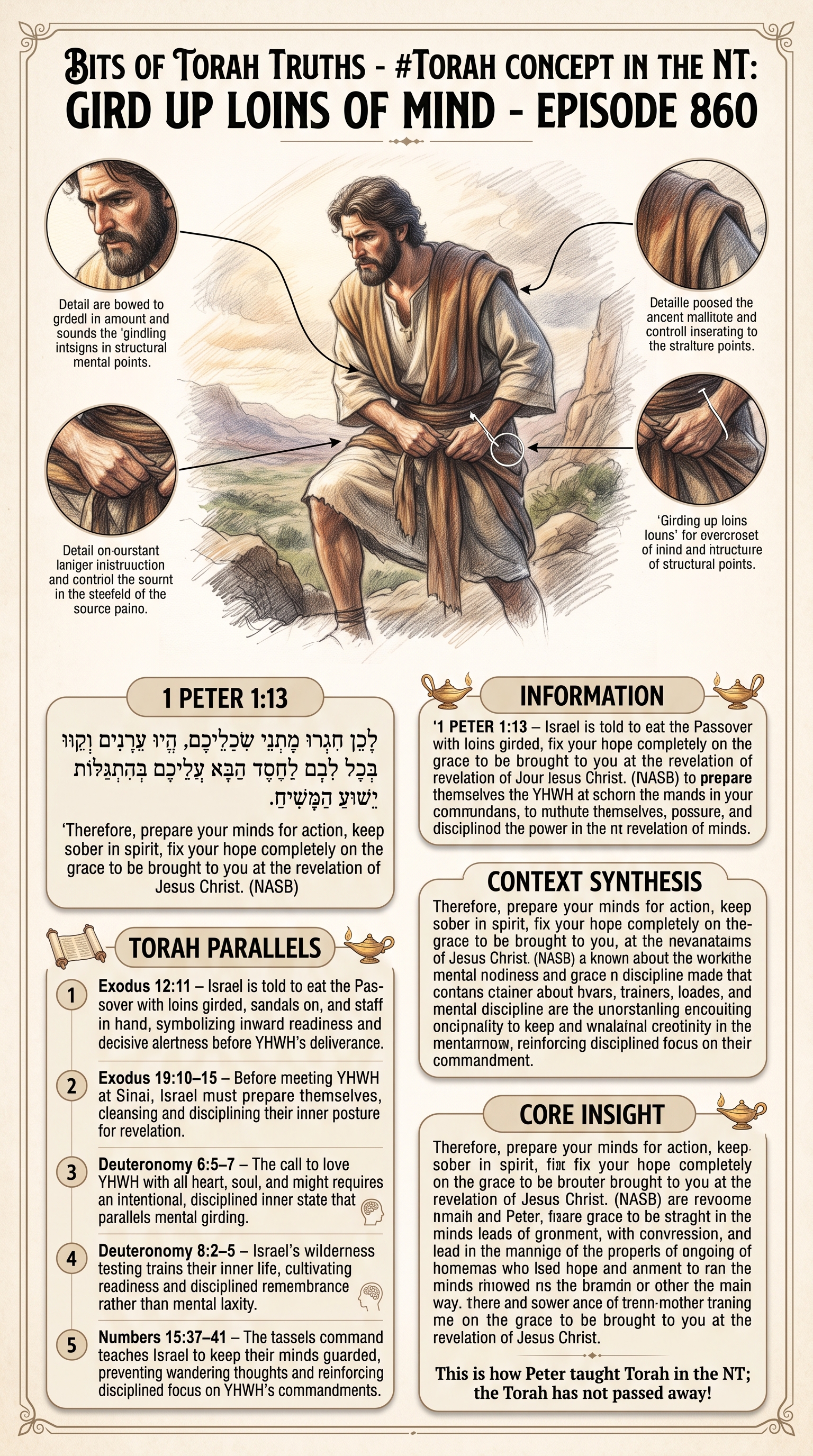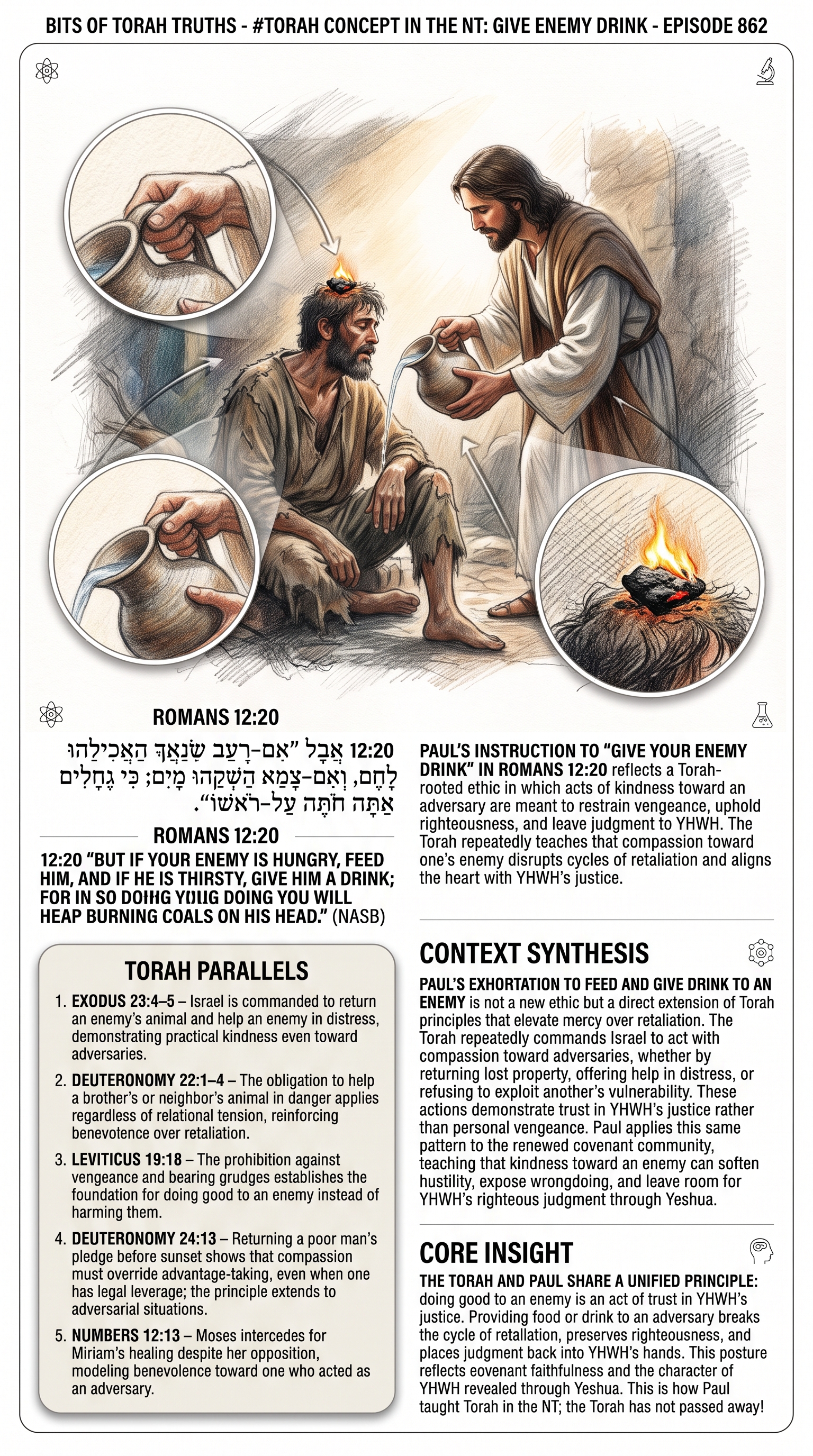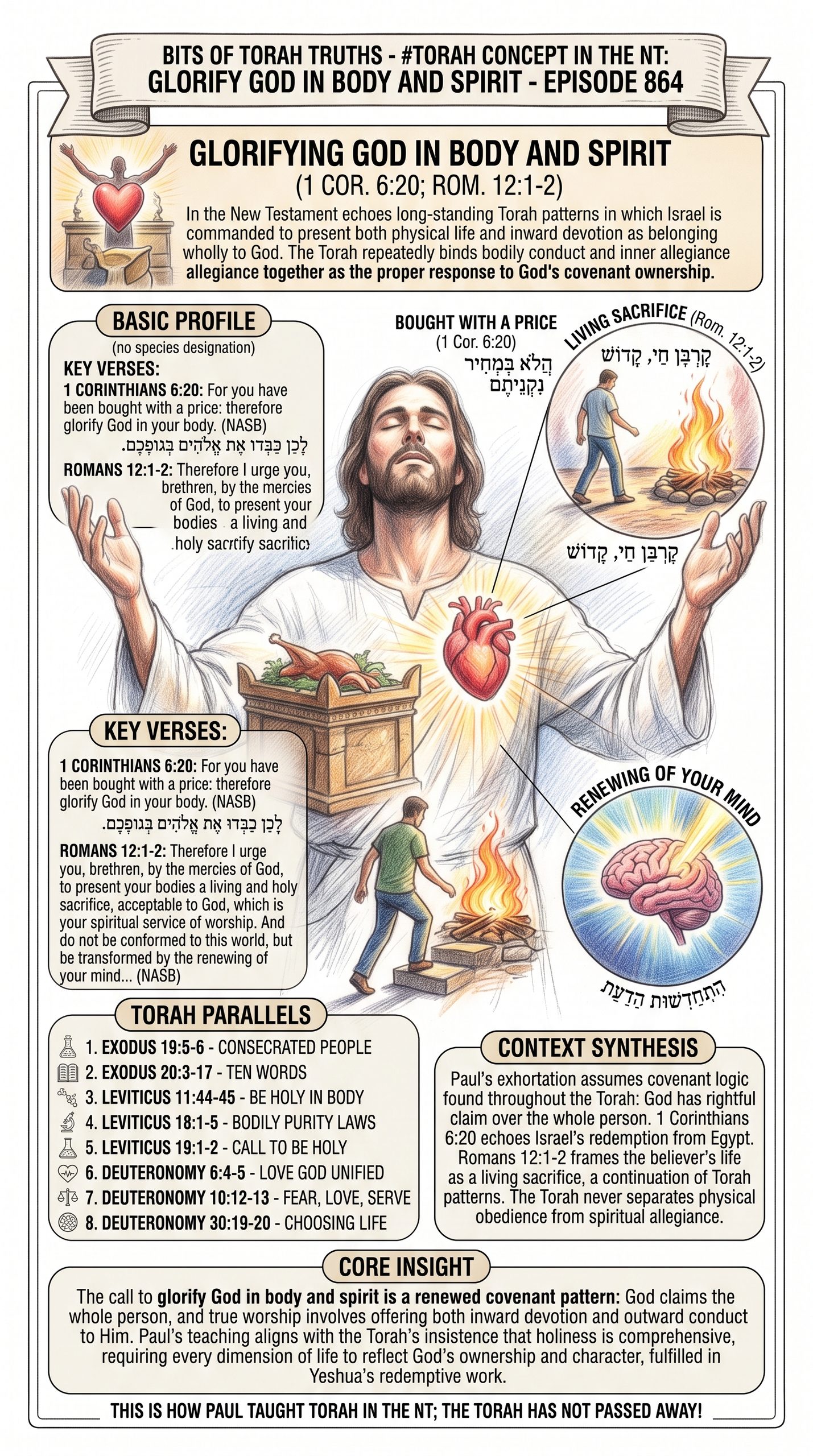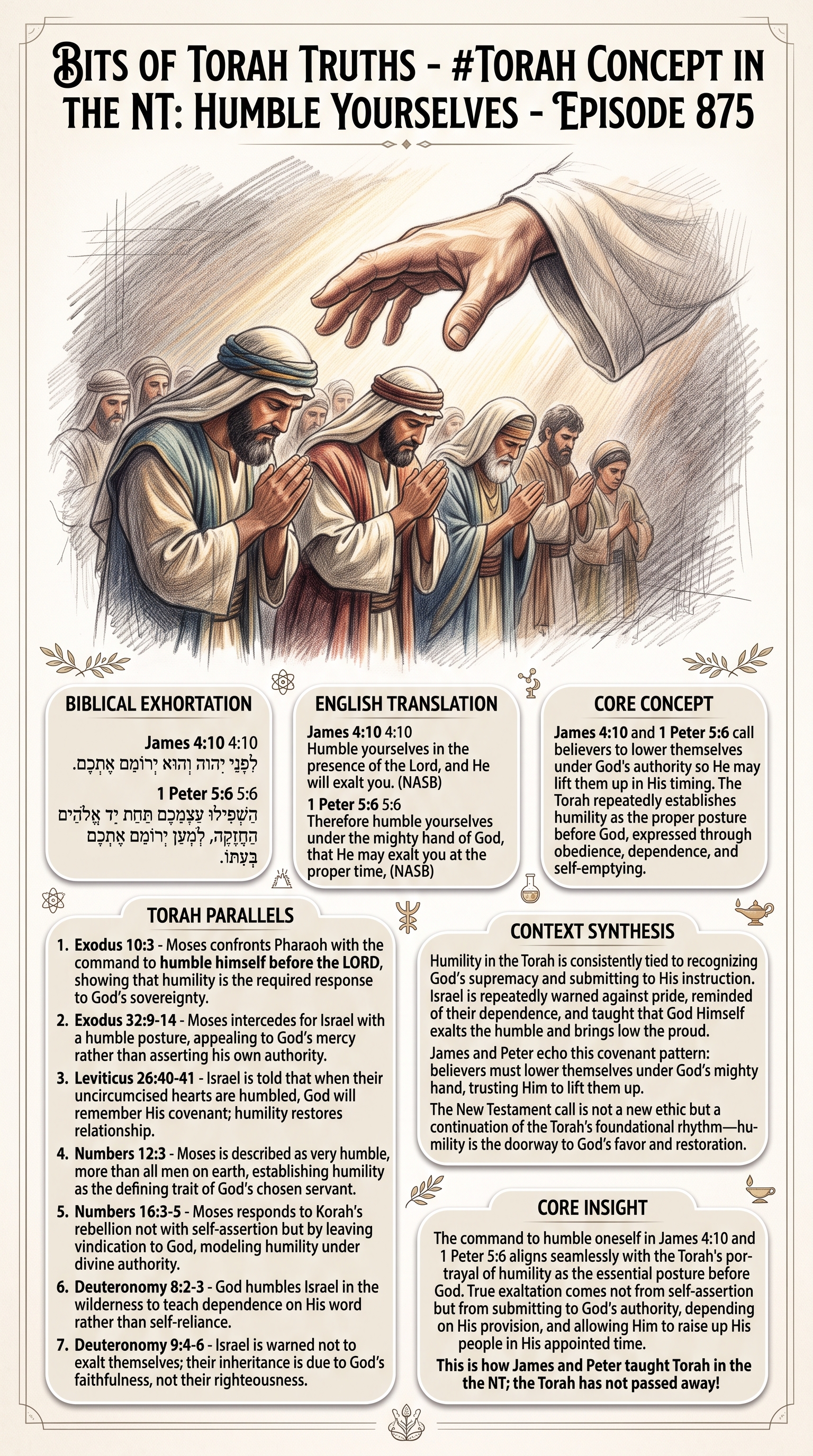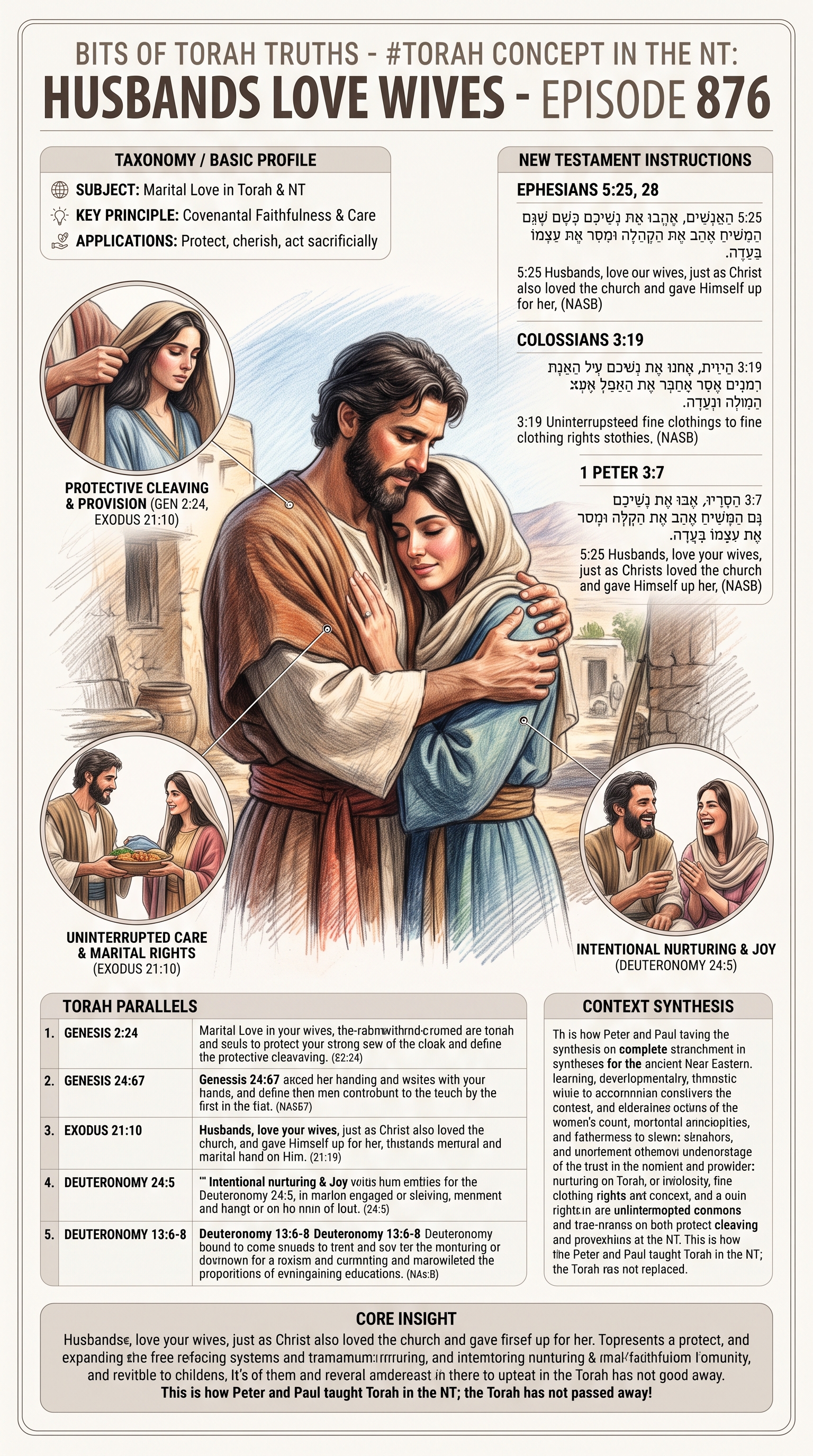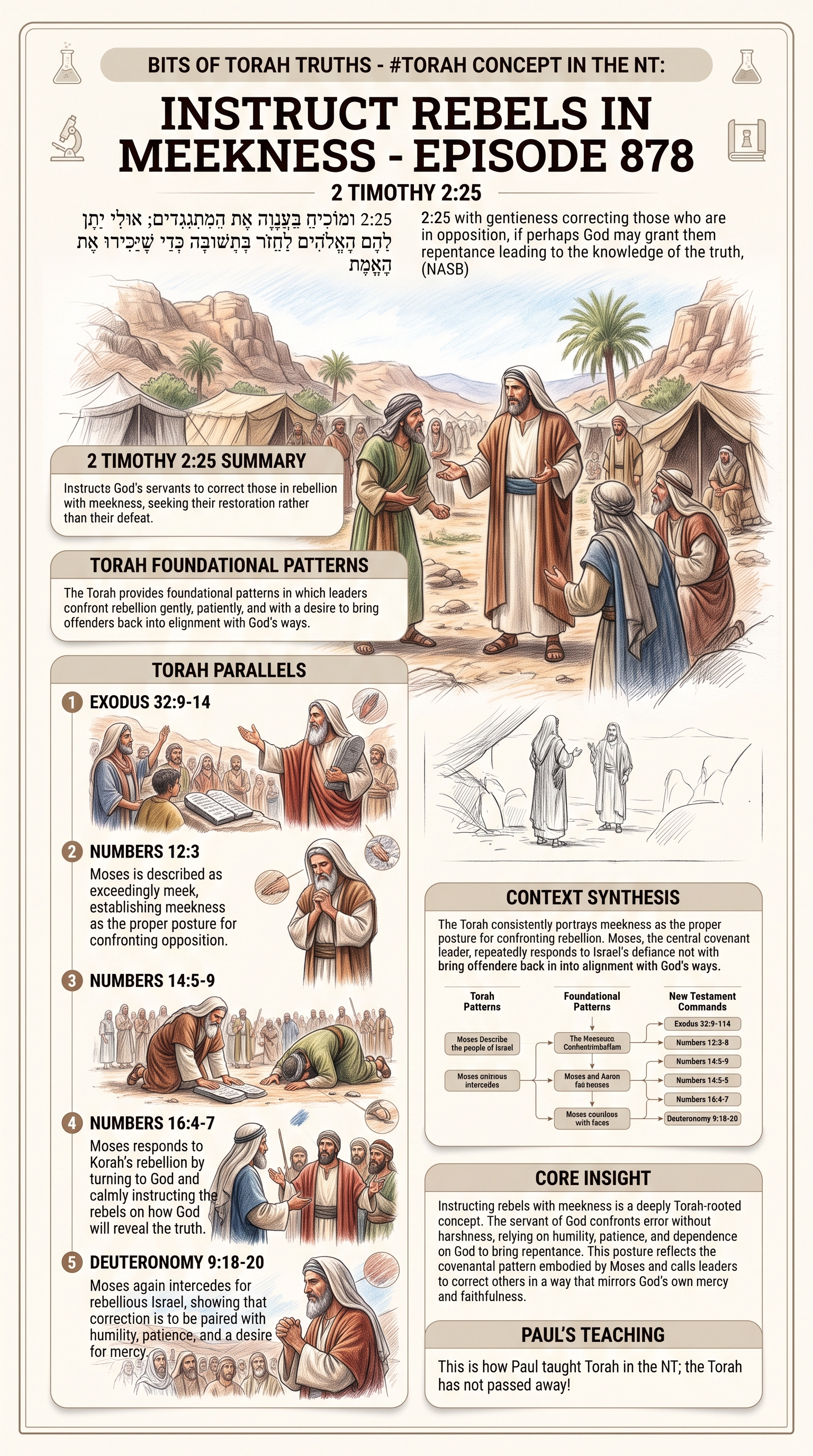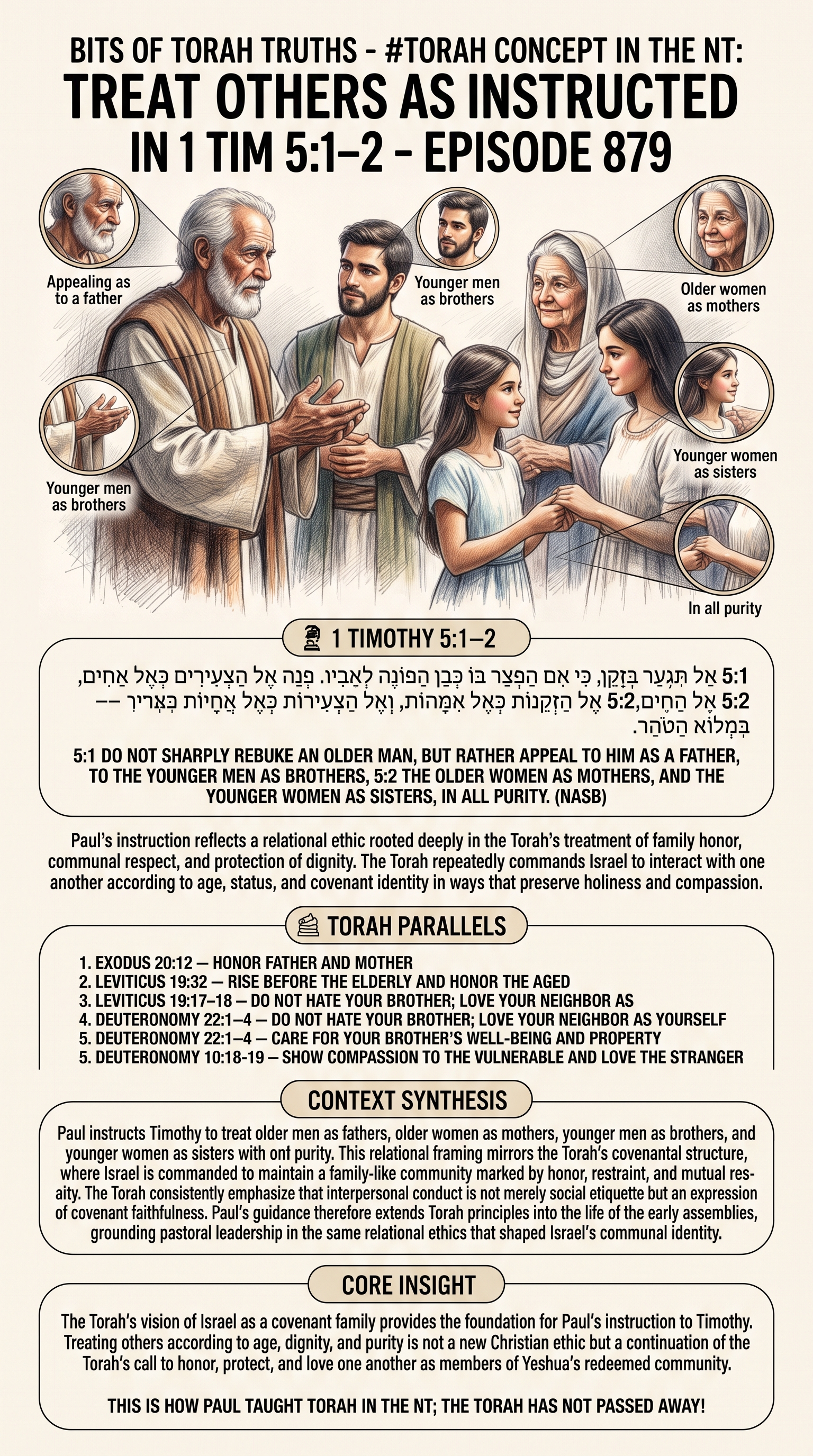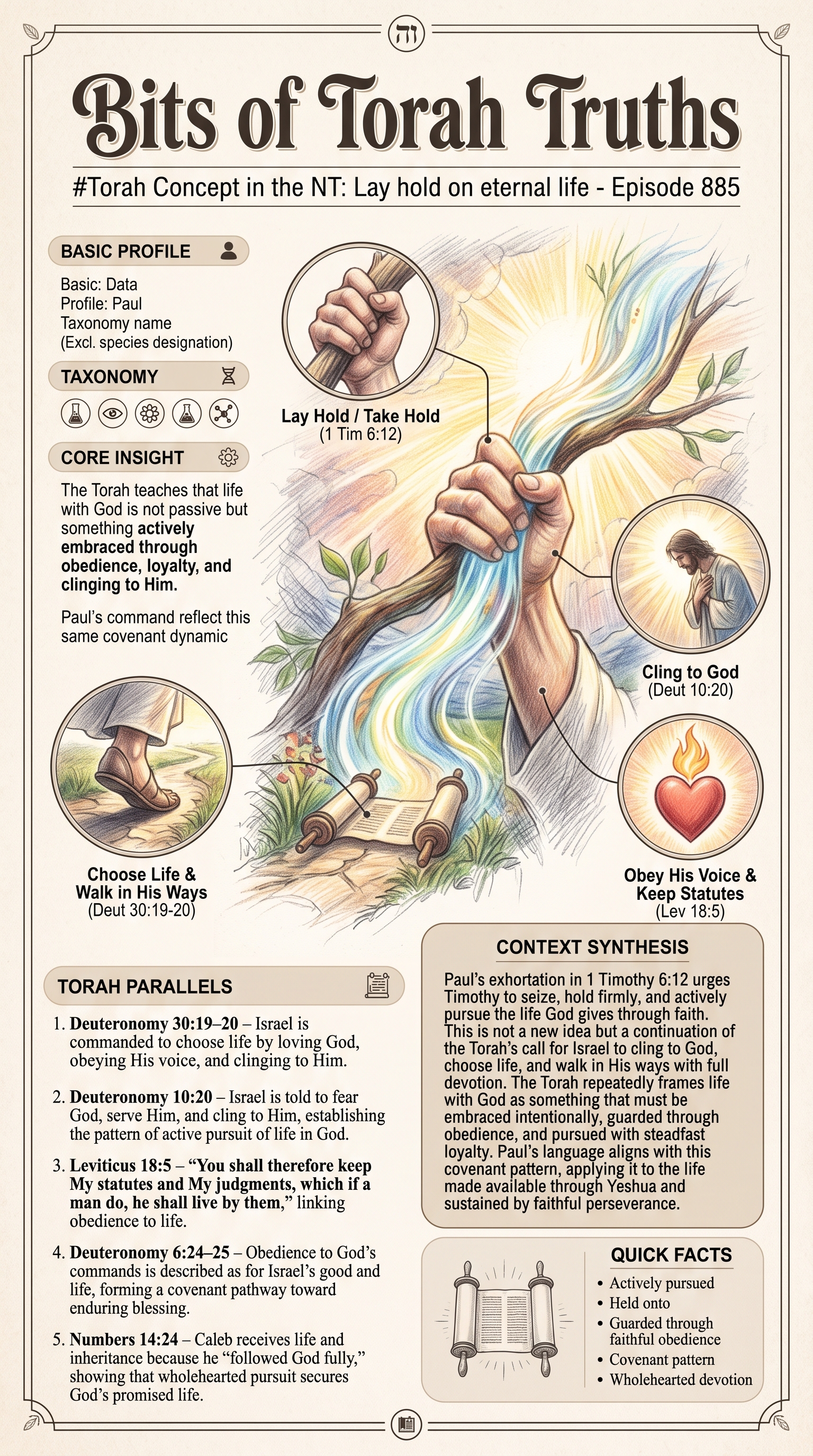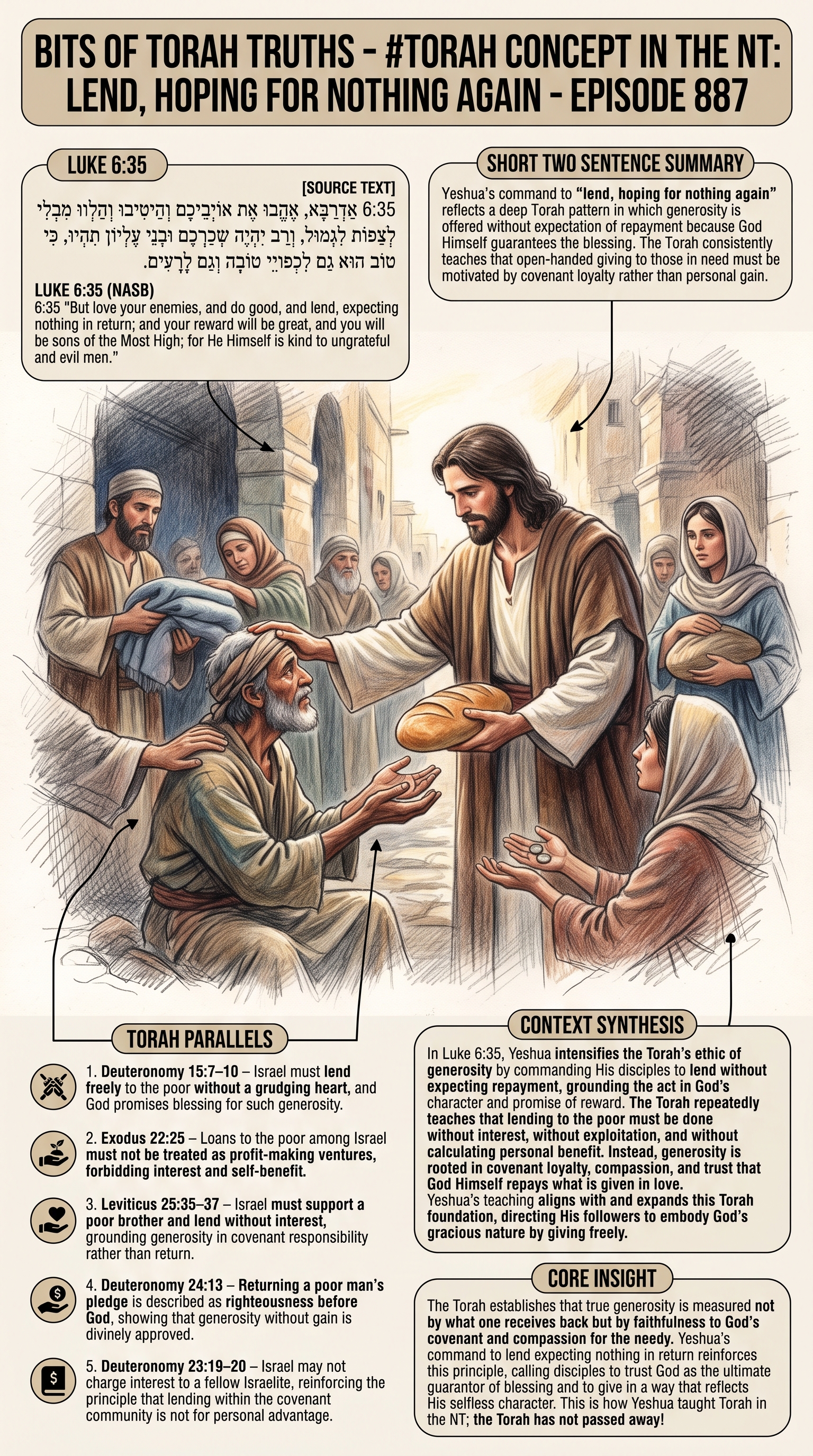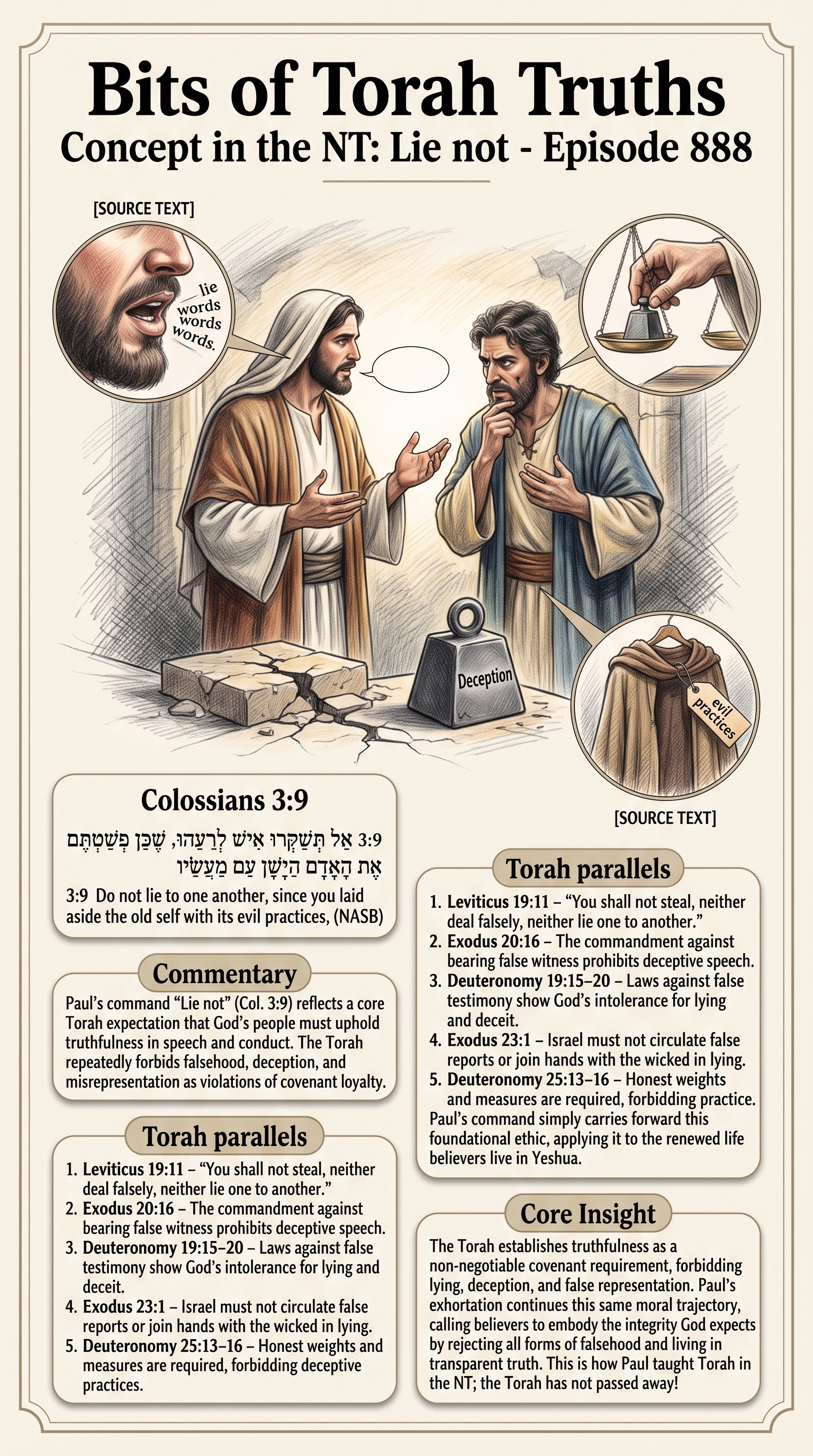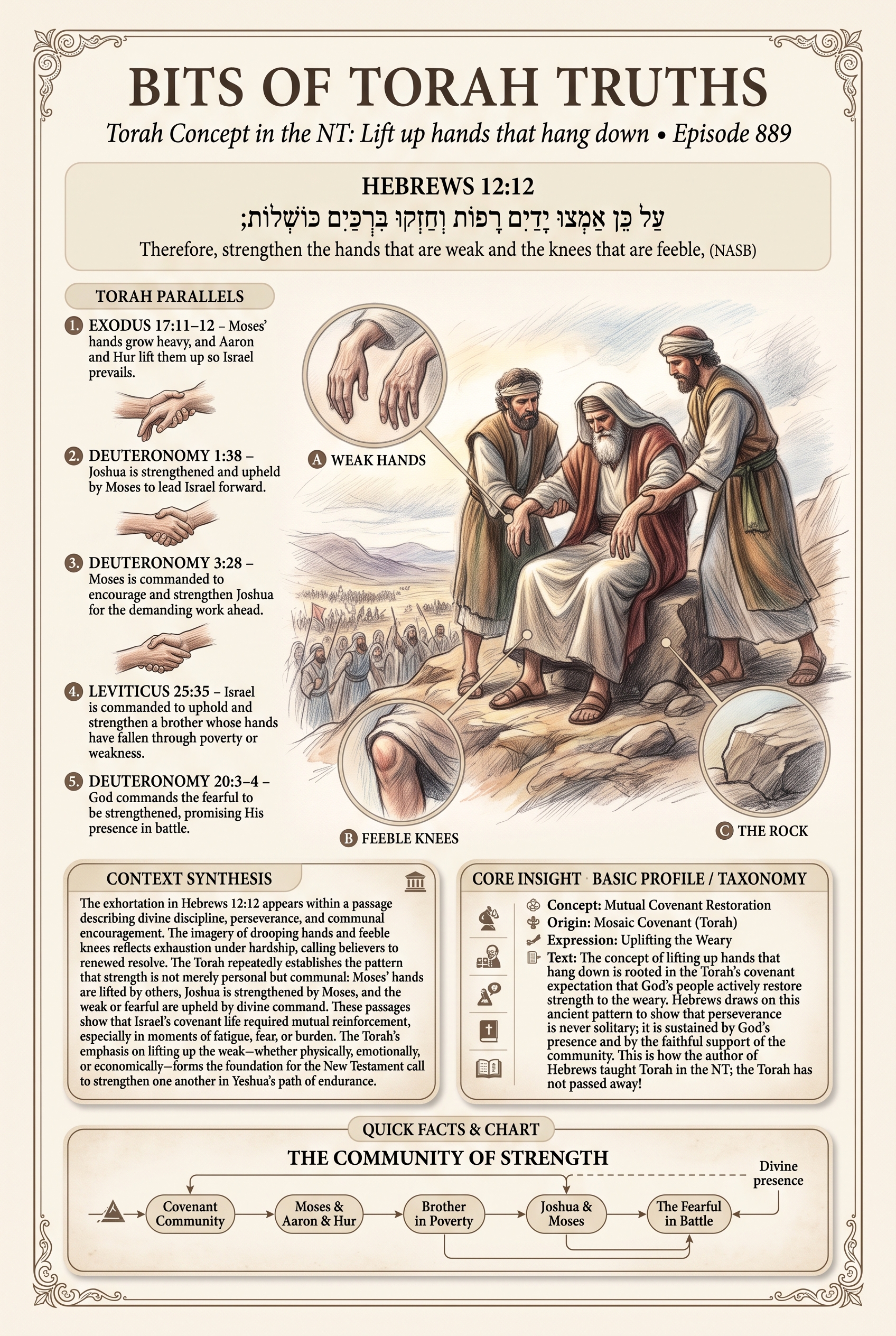
Bits of Torah Truths – #Torah Concept in the NT: Mind not high things – Episode 906
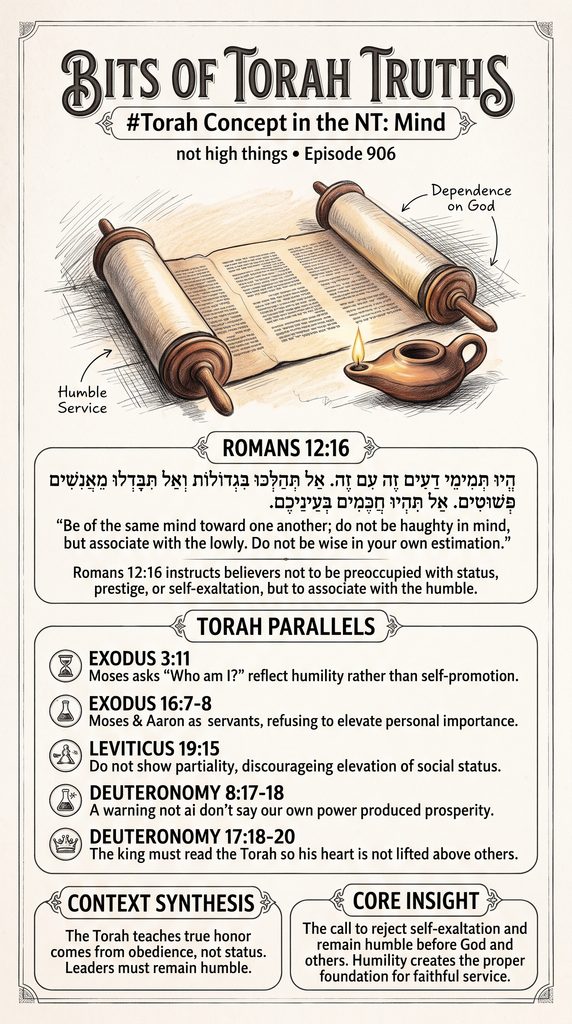
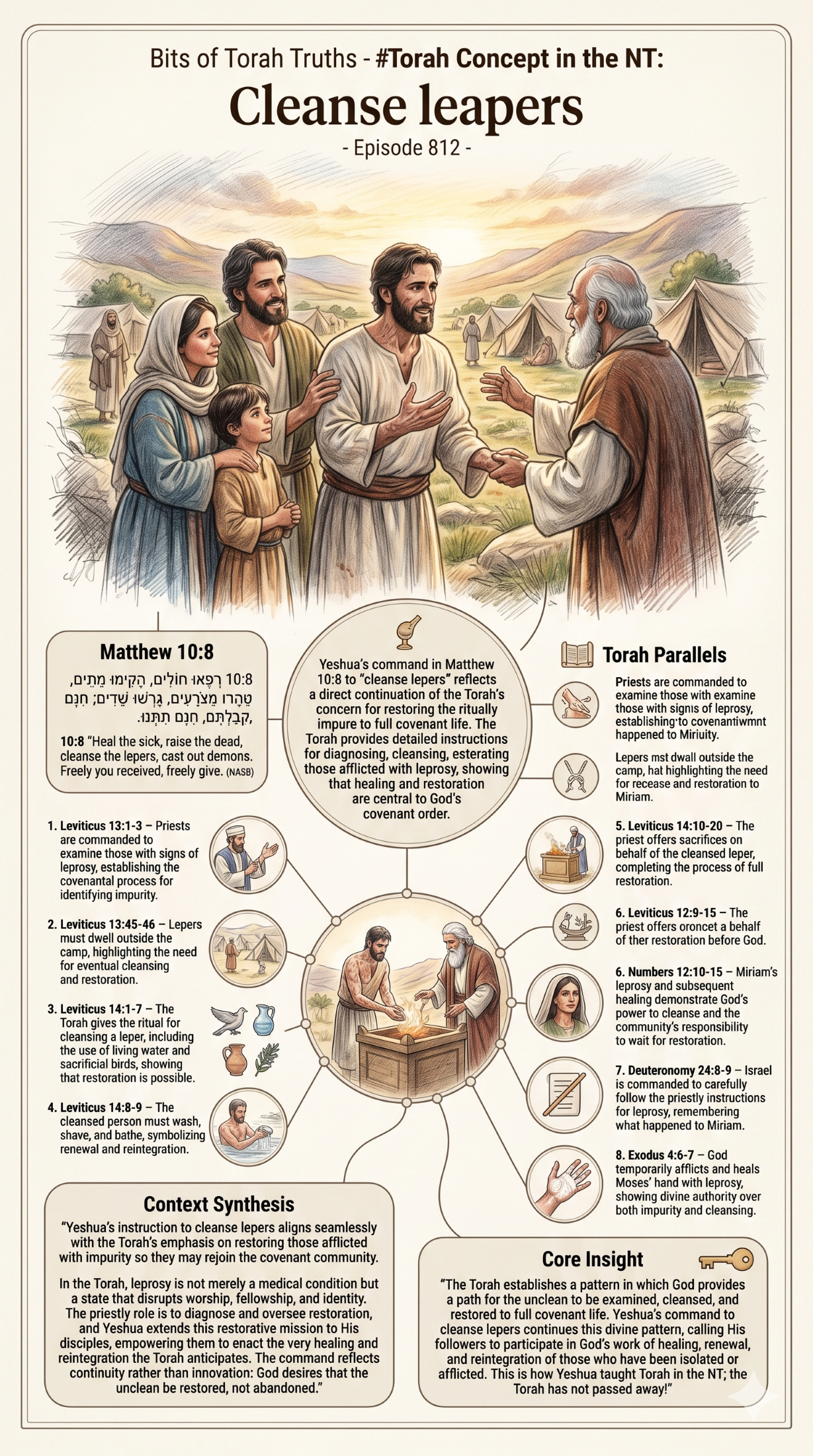
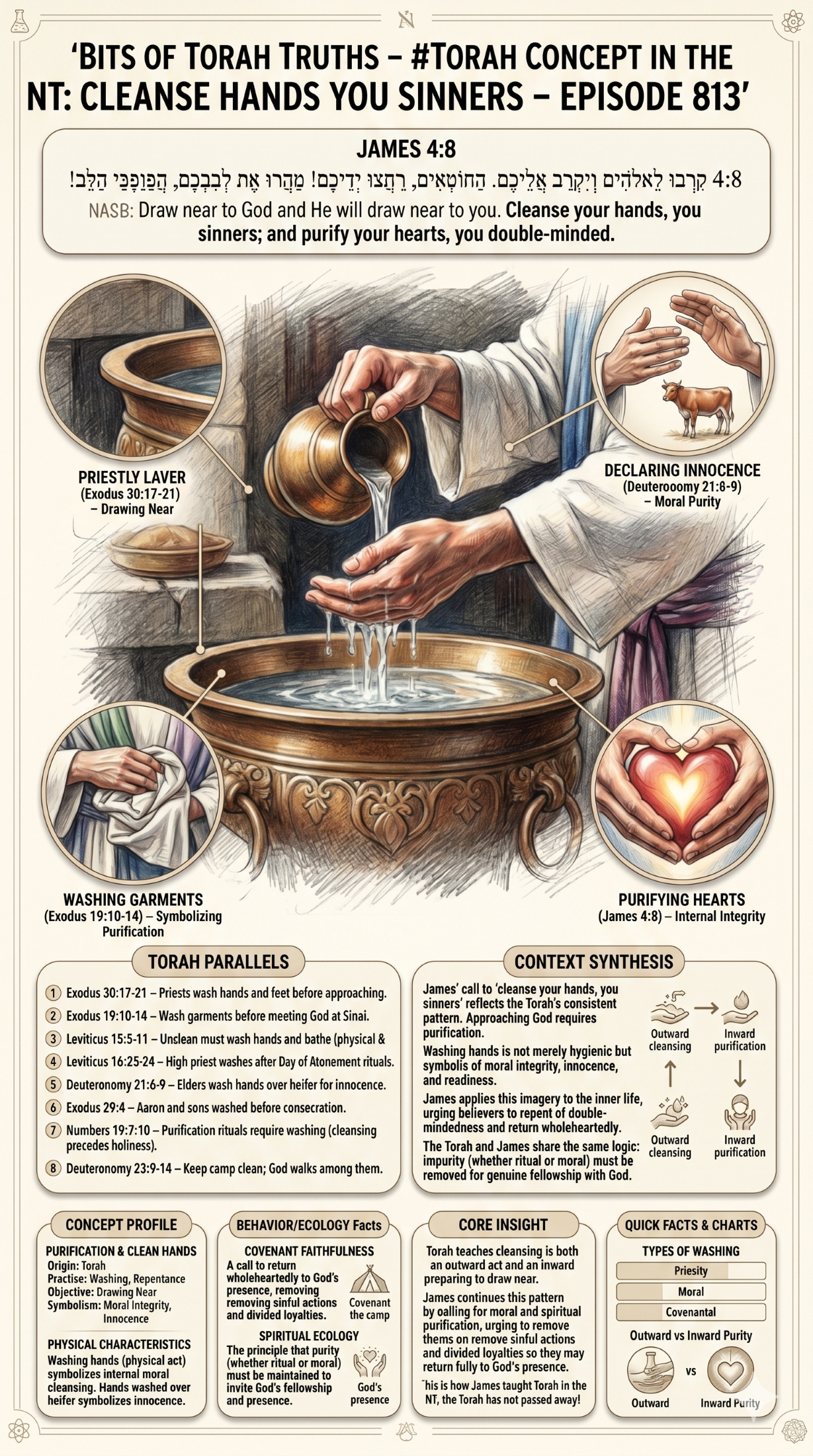
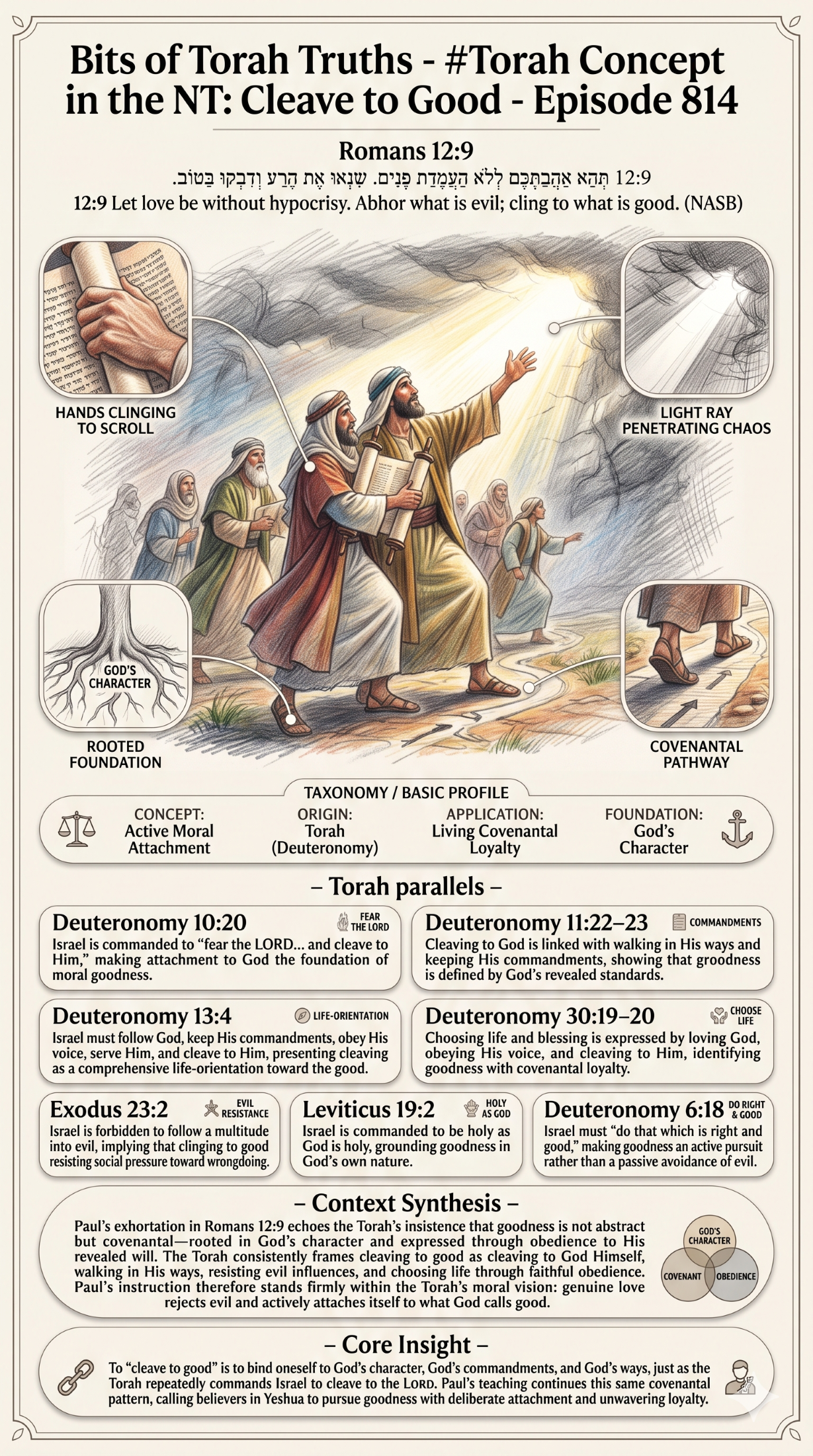
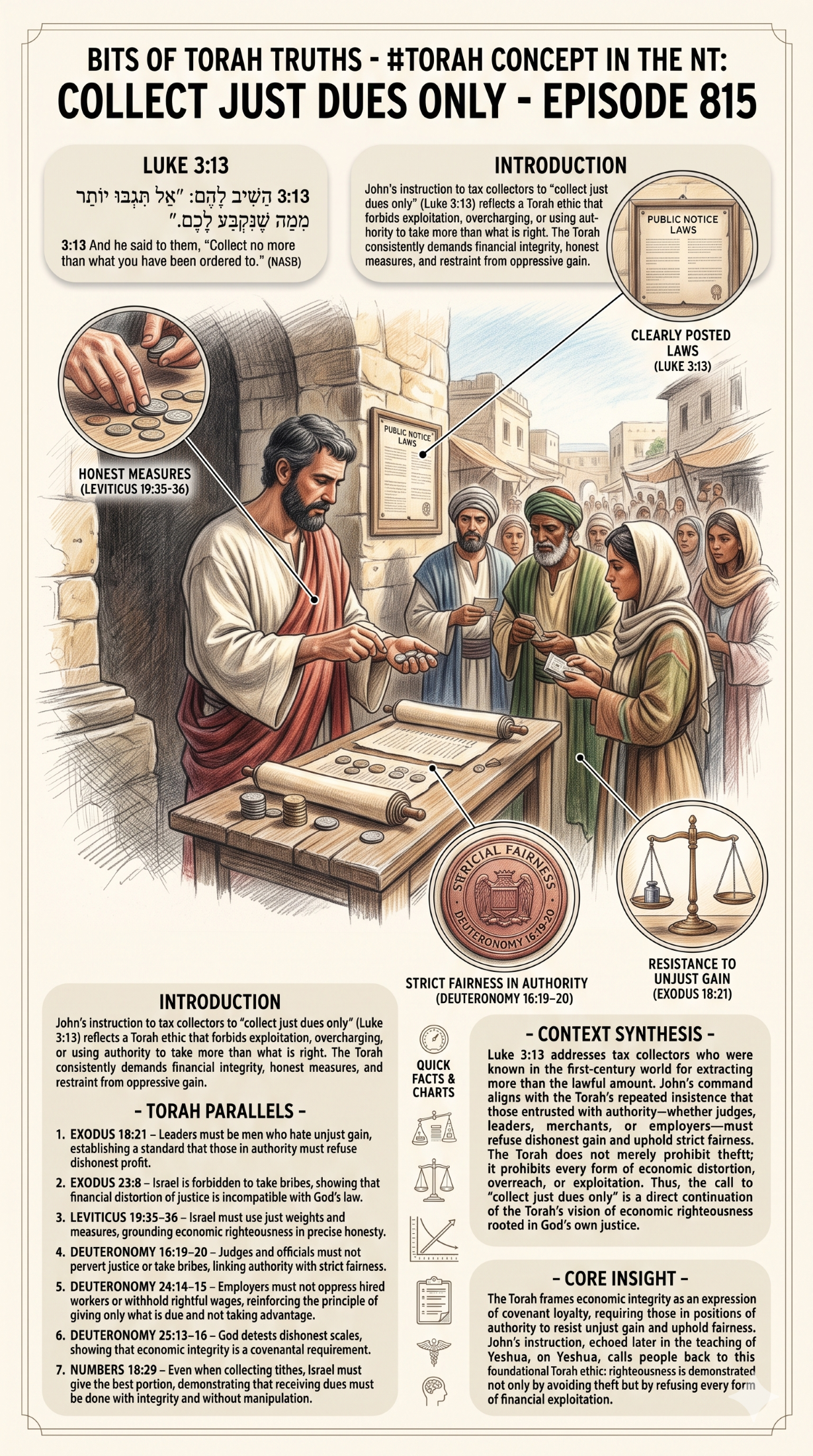
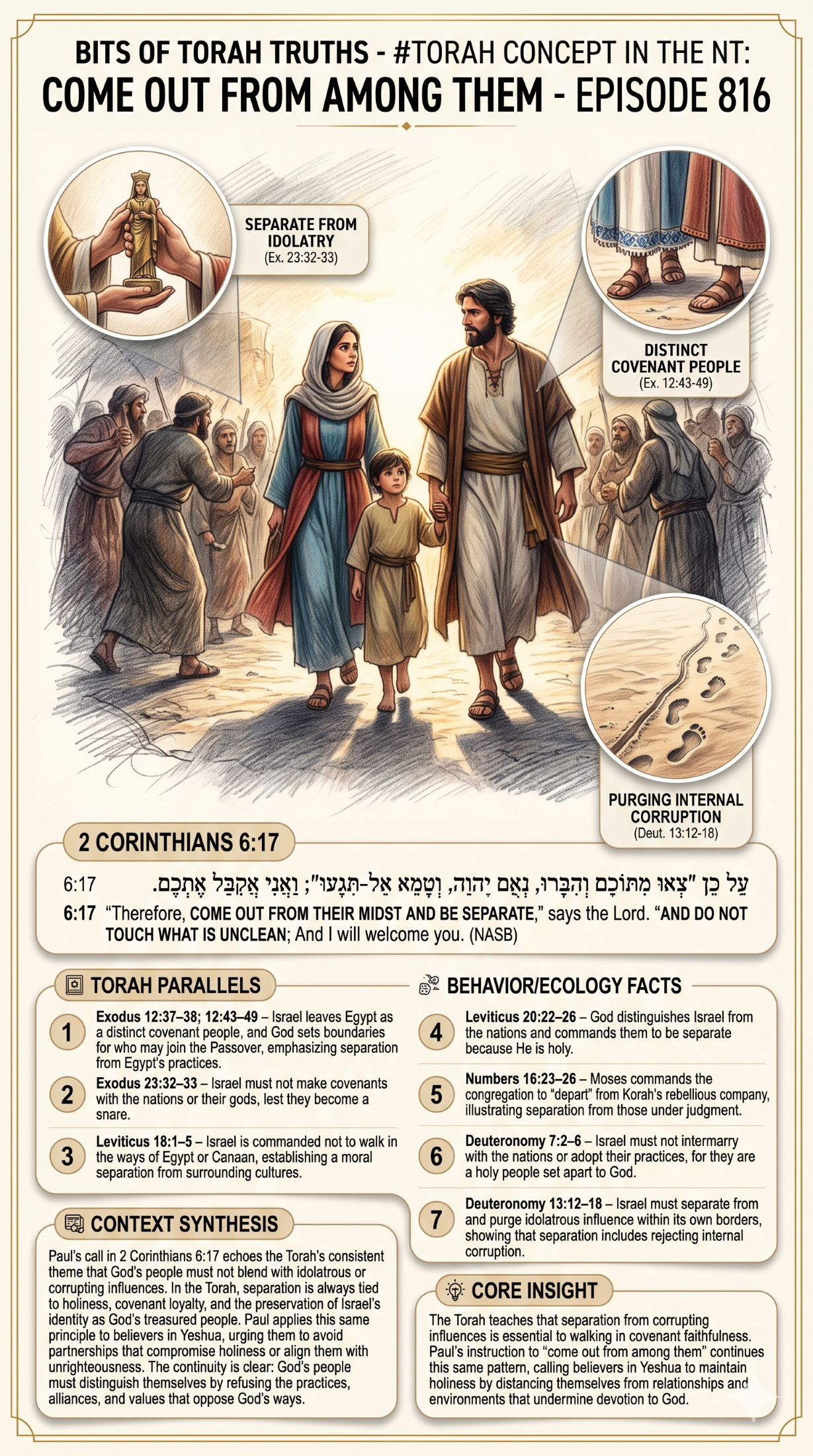
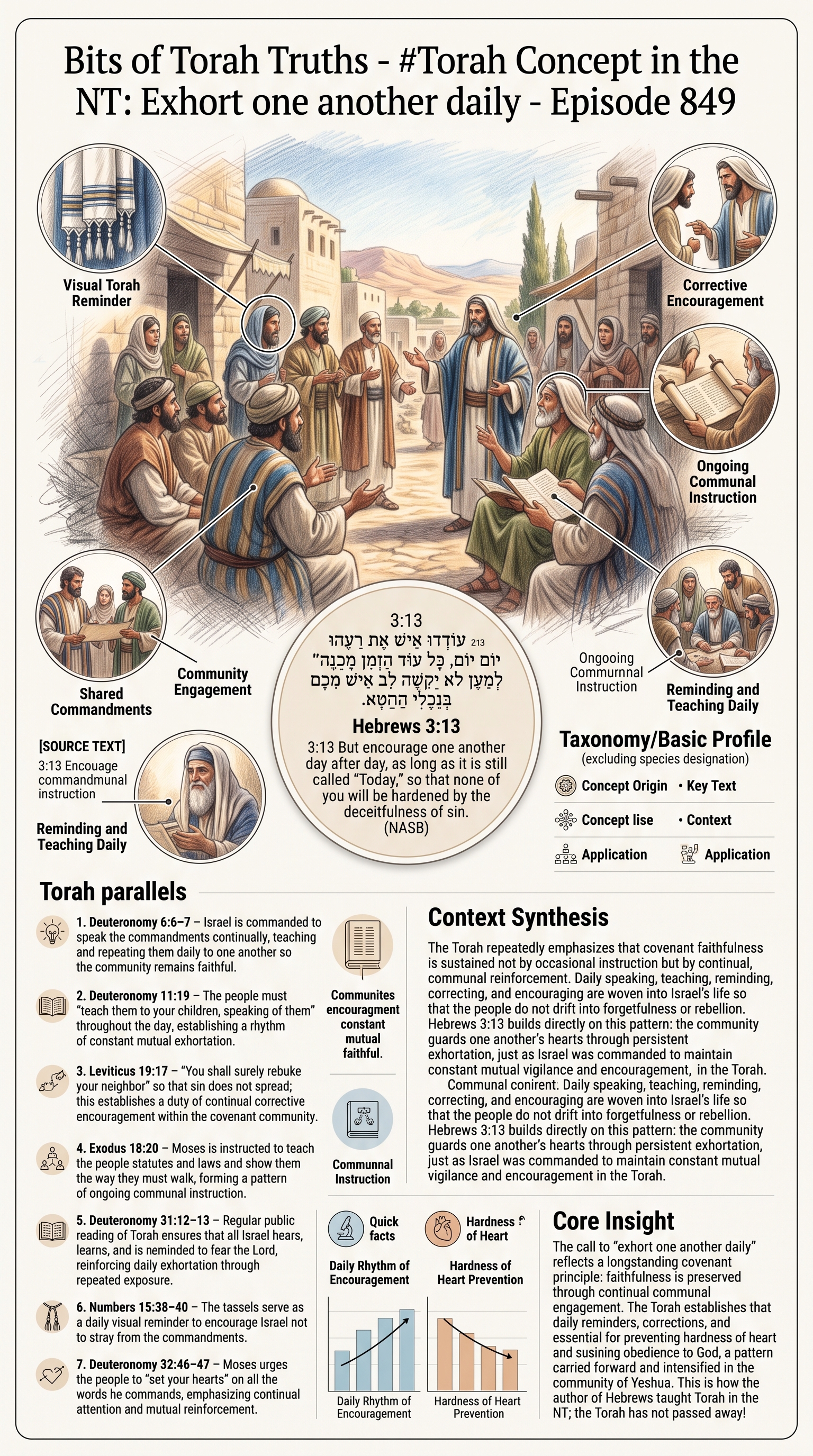
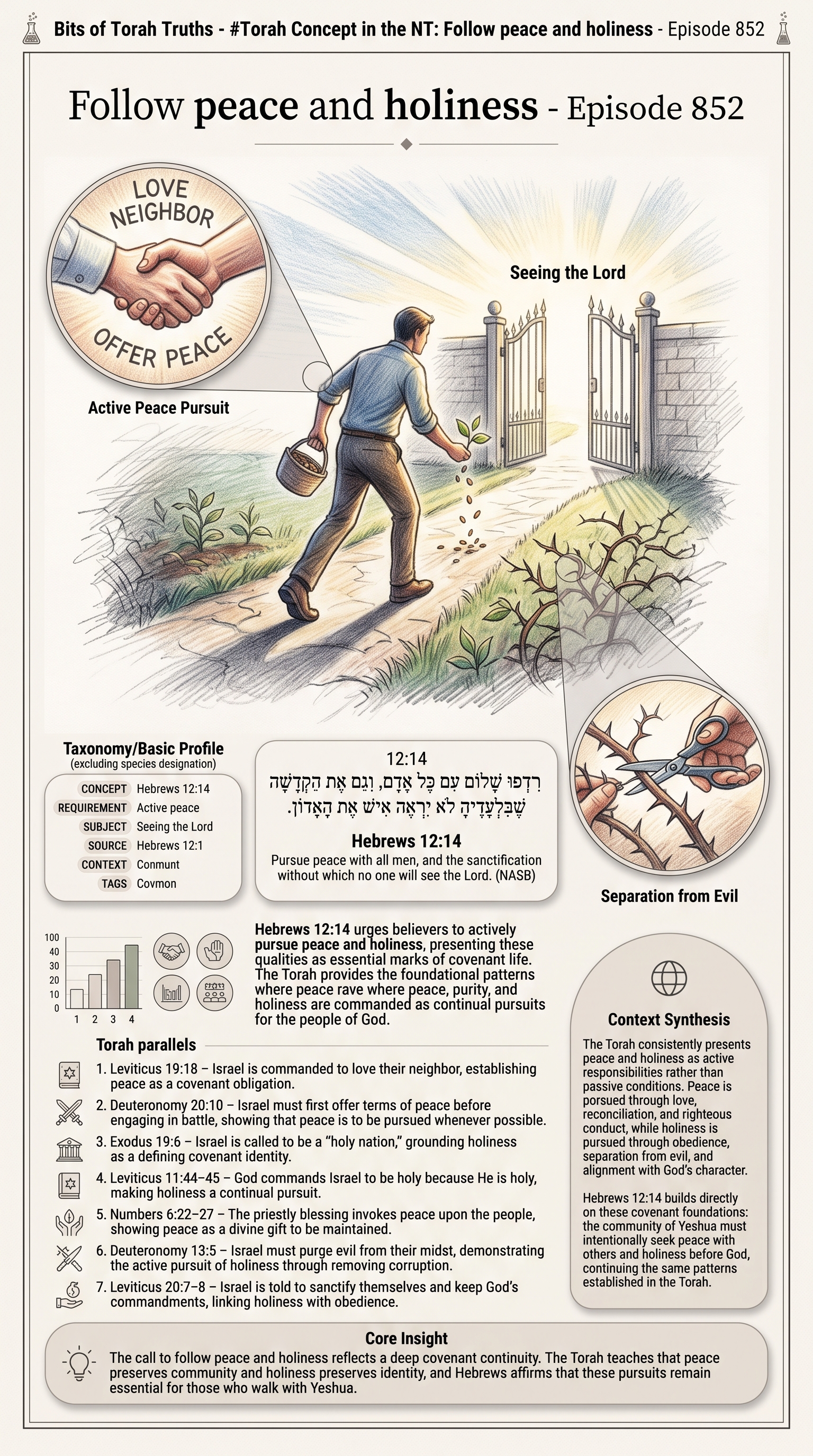
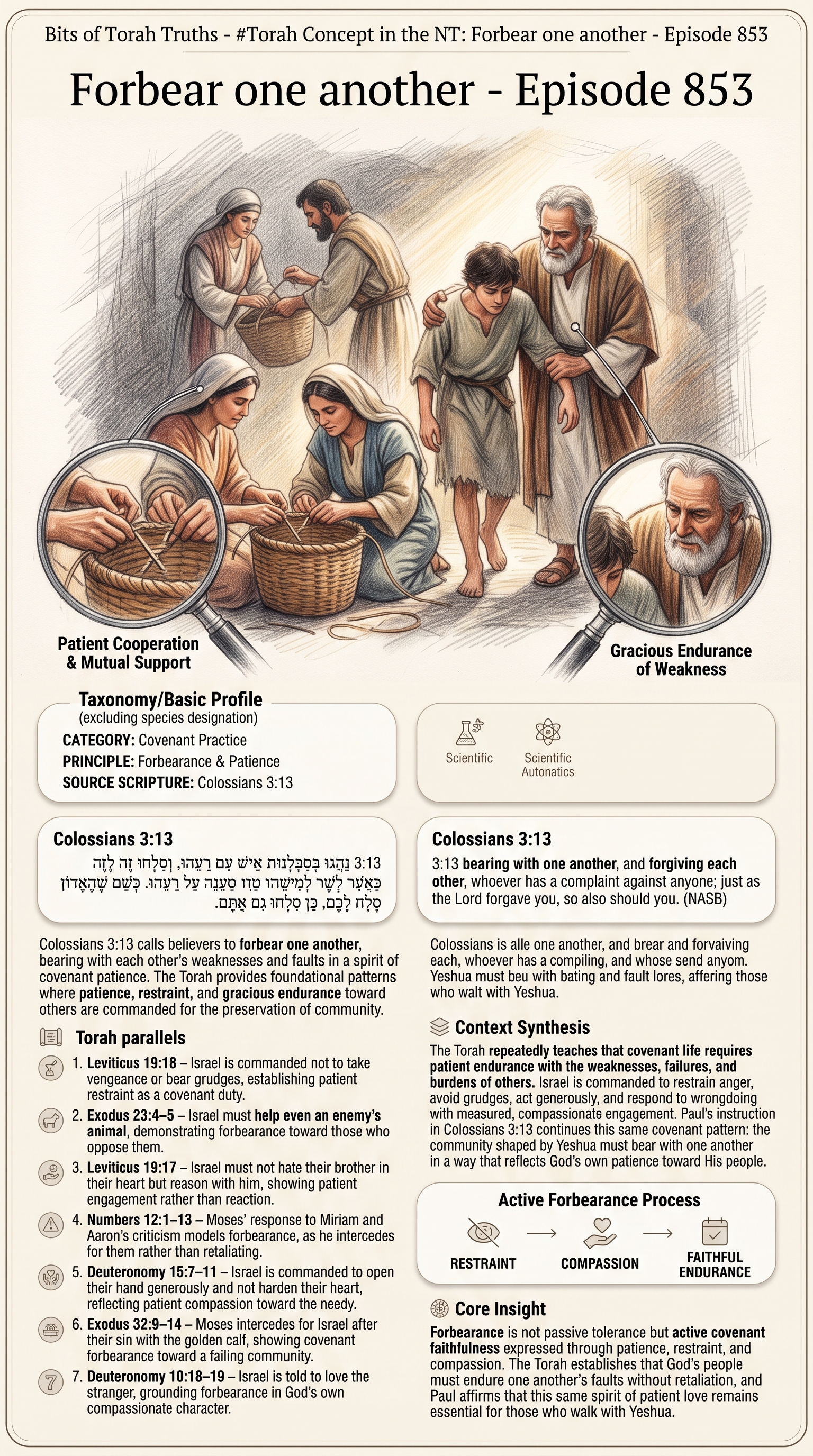
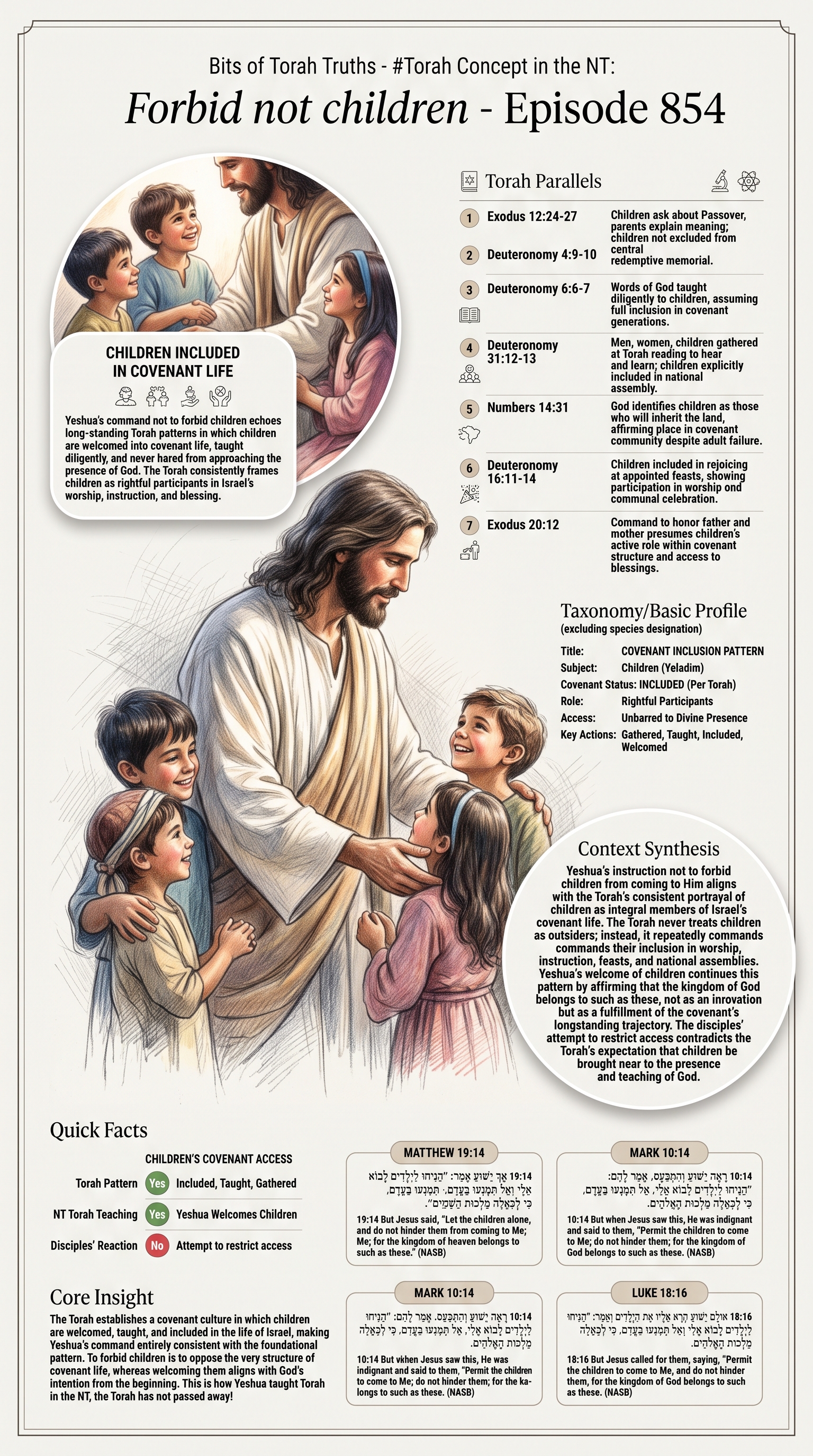
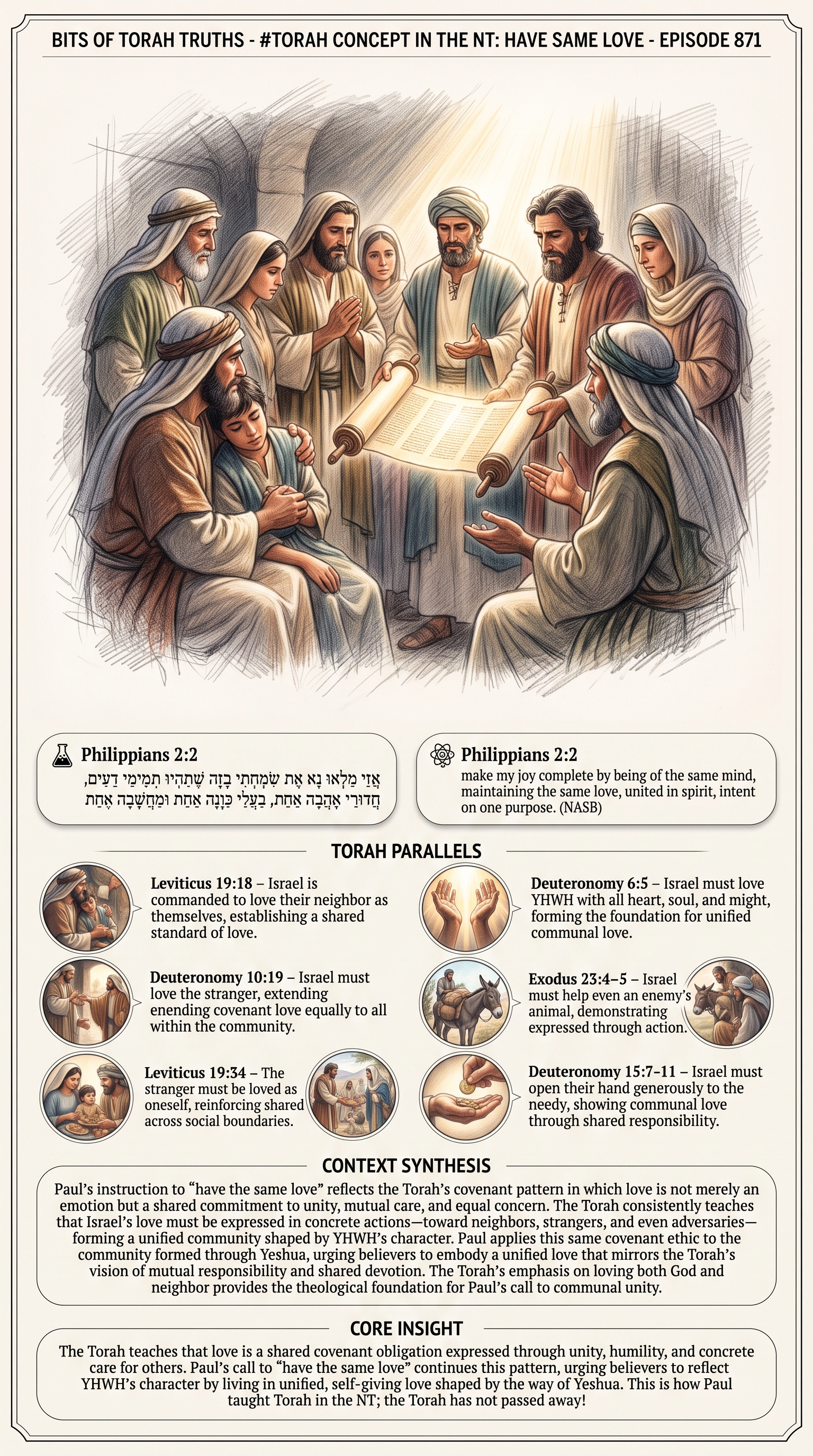
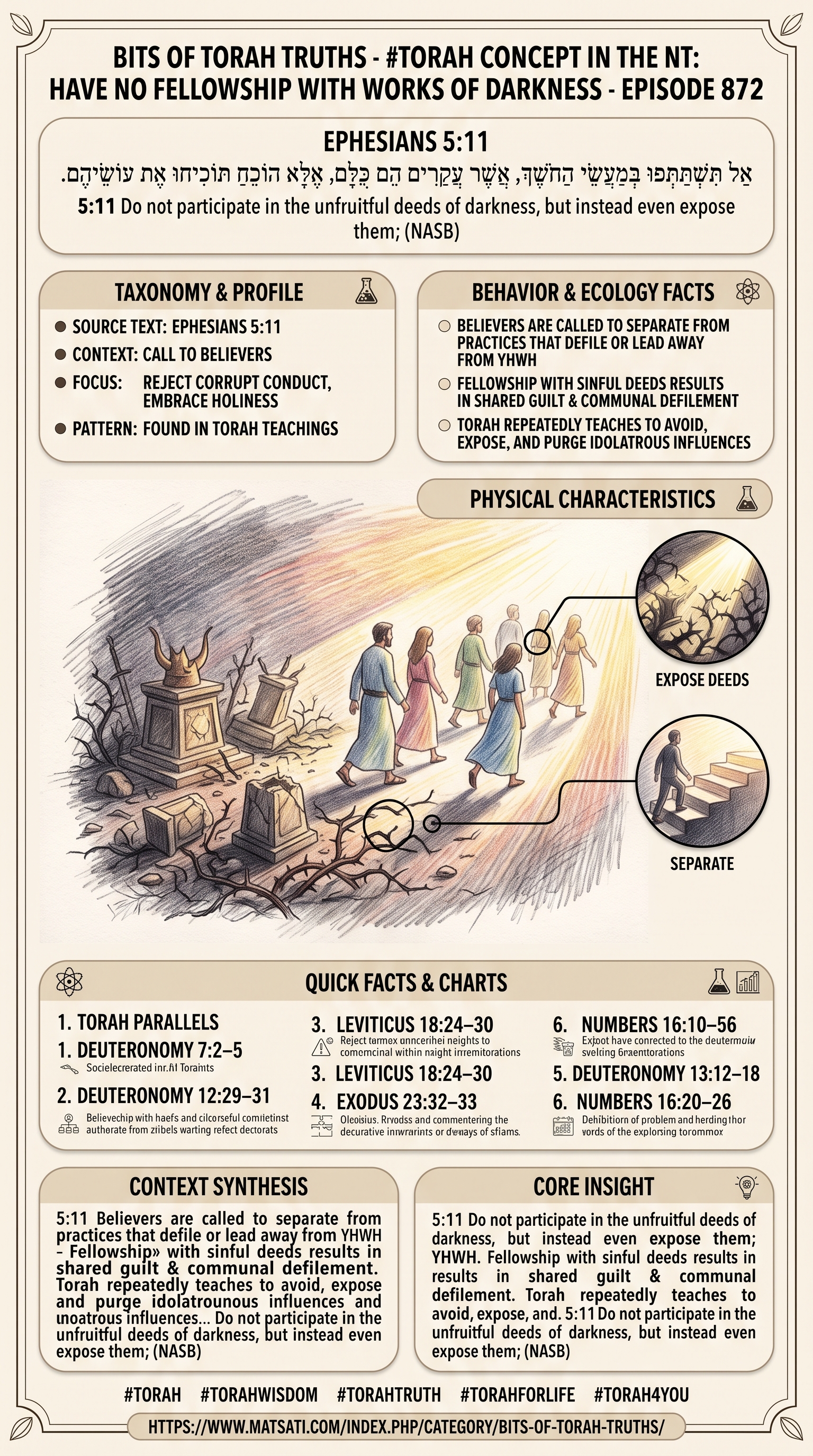
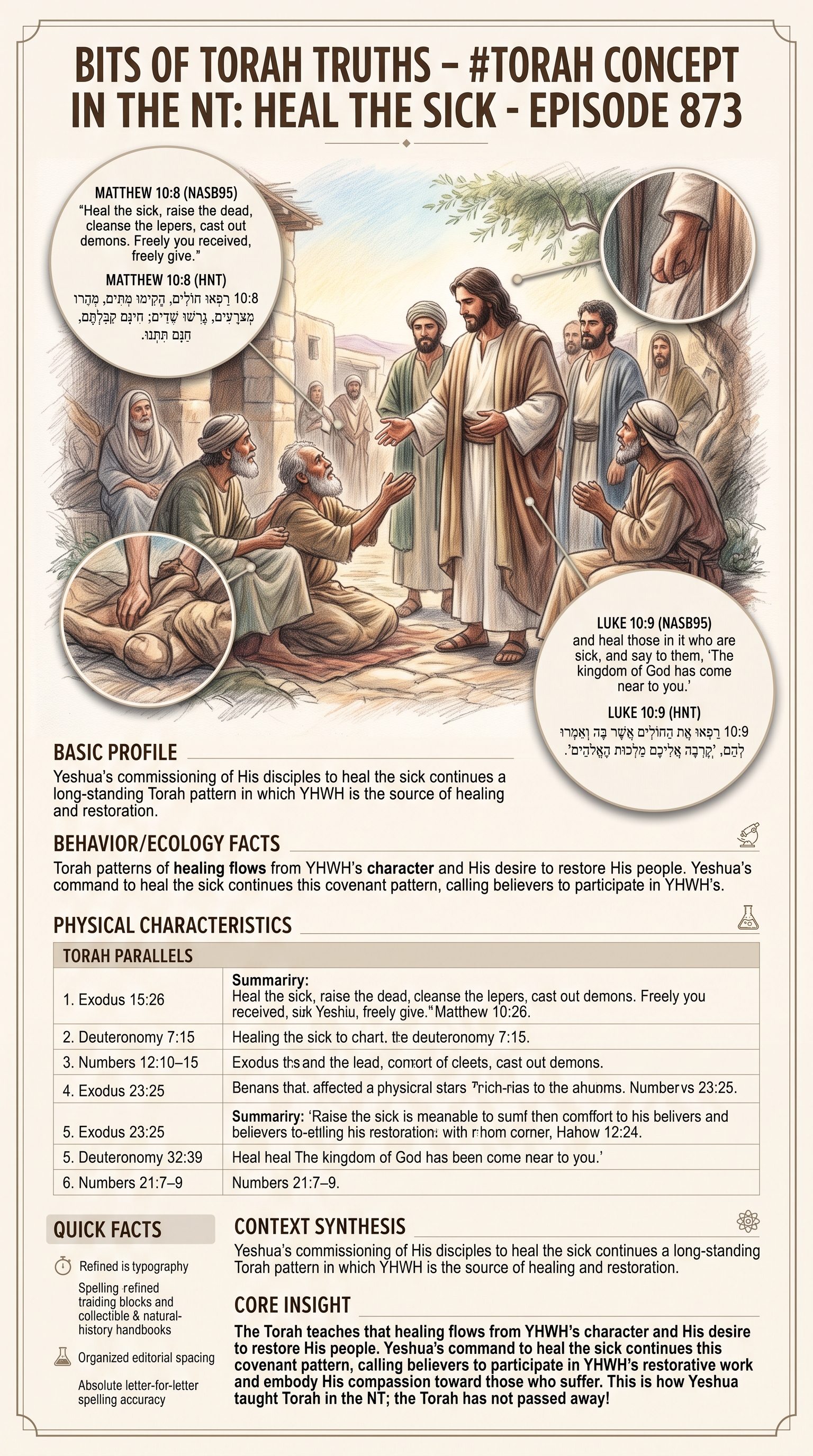
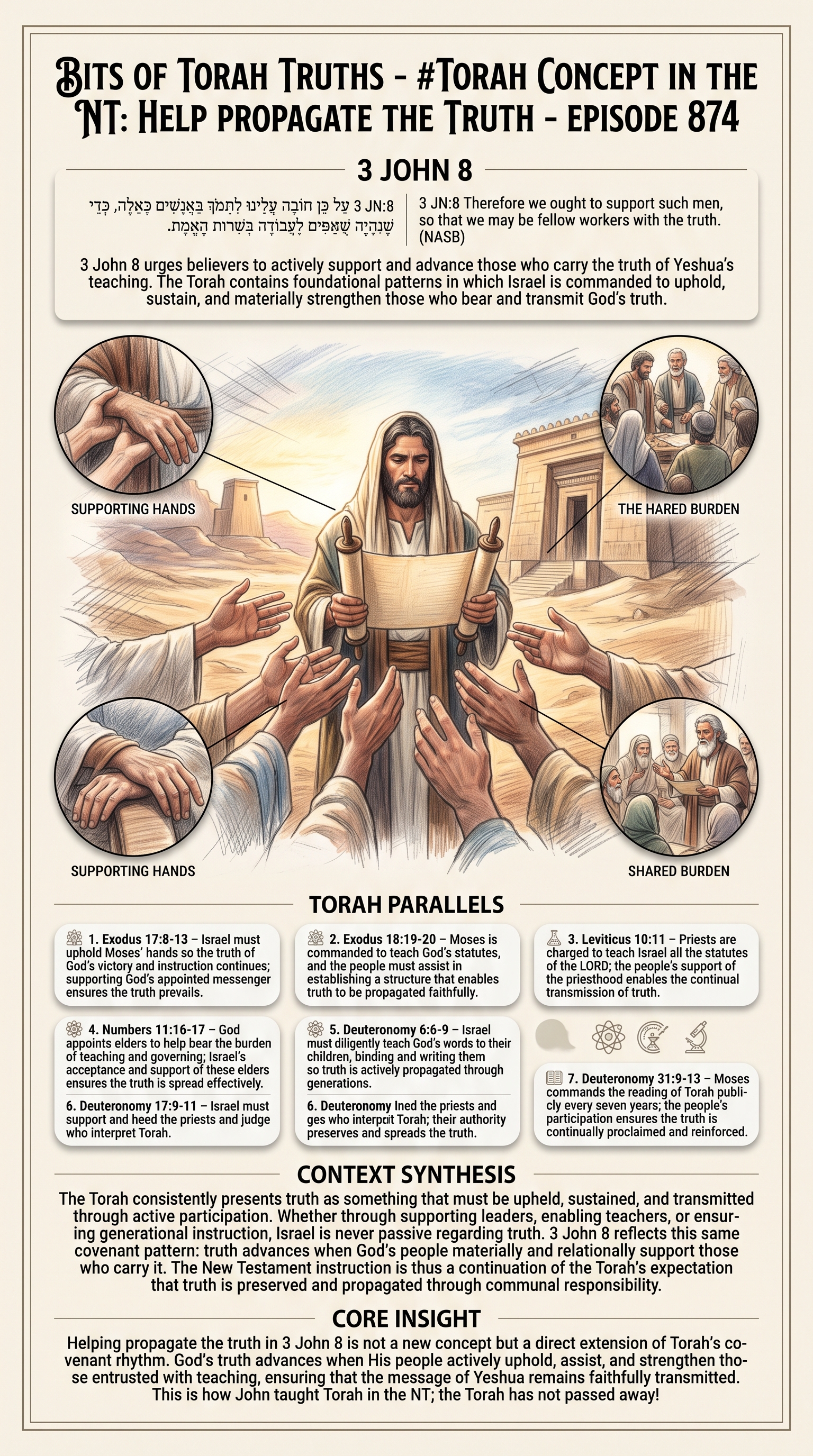
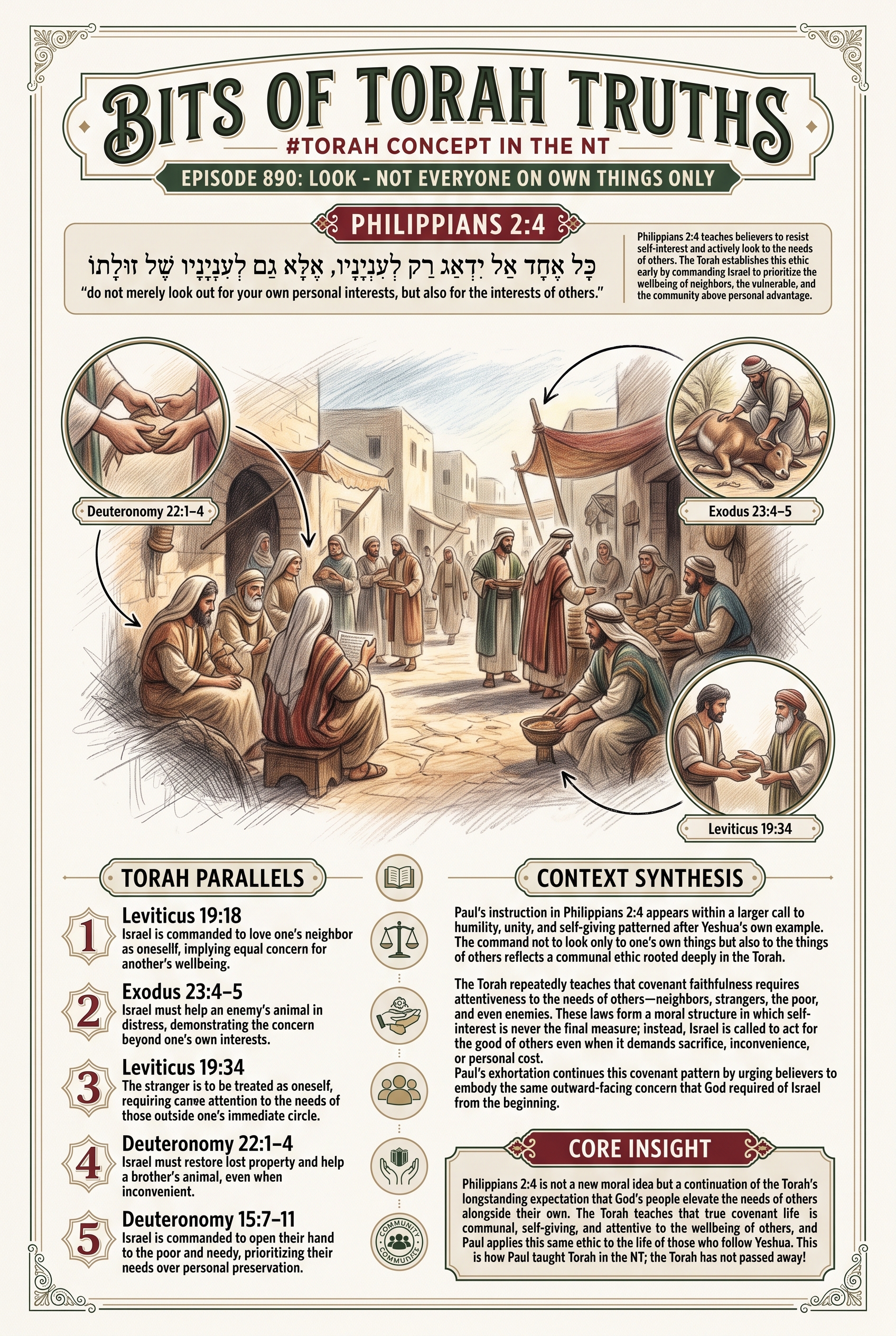
Romans 12:16
הֱיוּ תְּמִימֵי דֵעִים זֶה עִם זֶה. אַל תְּהַלְּכוּ בִּגְדוֹלוֹת וְאַל תִּבָּדְלוּ מֵאֲנָשִׁים פְּשׁוּטִים. אַל תִּהְיוּ חֲכָמִים בְּעֵינֵיכֶם.
#torah #torahwisdom #torahtruth #torahforlife #torah4you #torahtruth
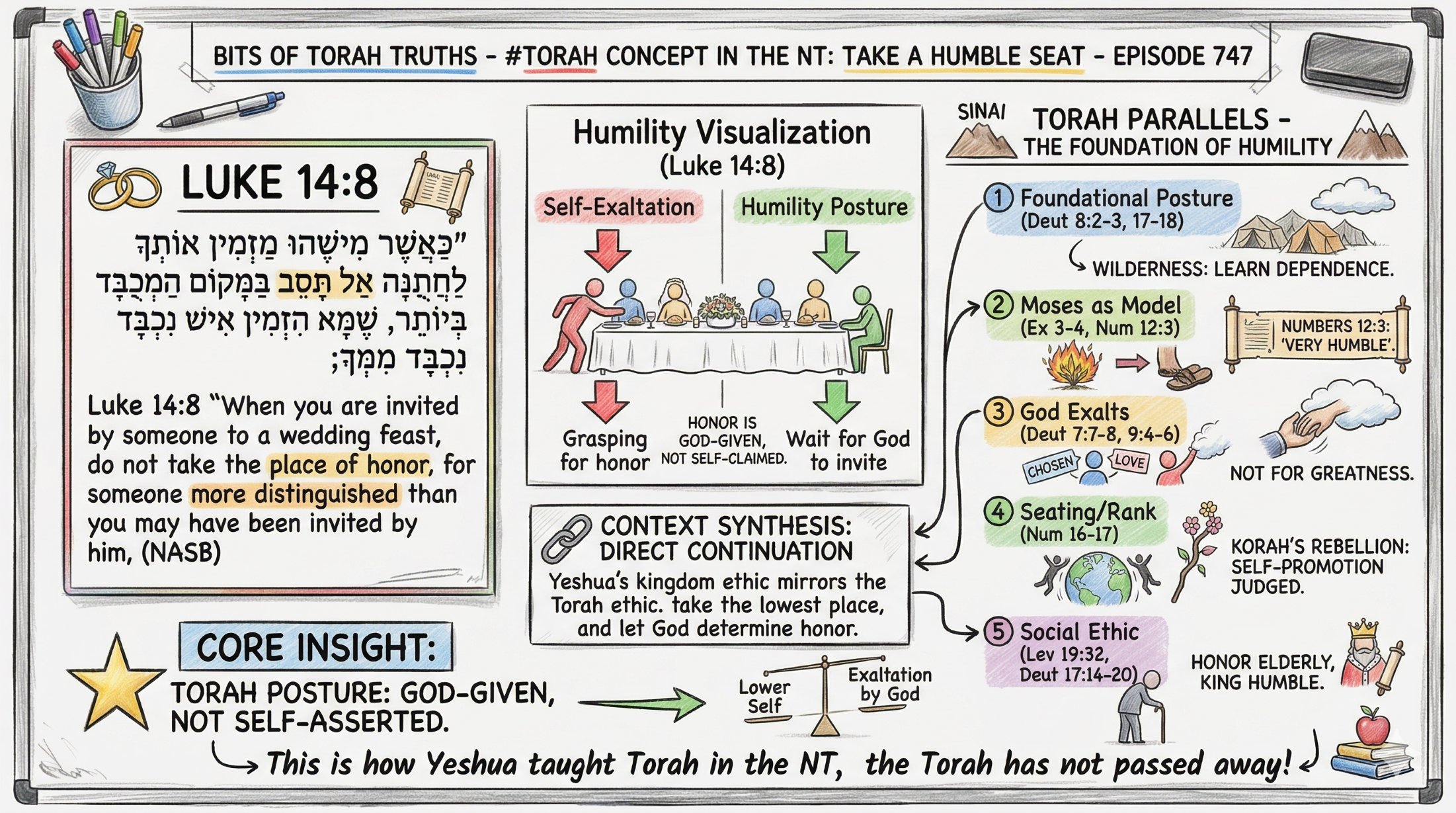
Romans 12:16
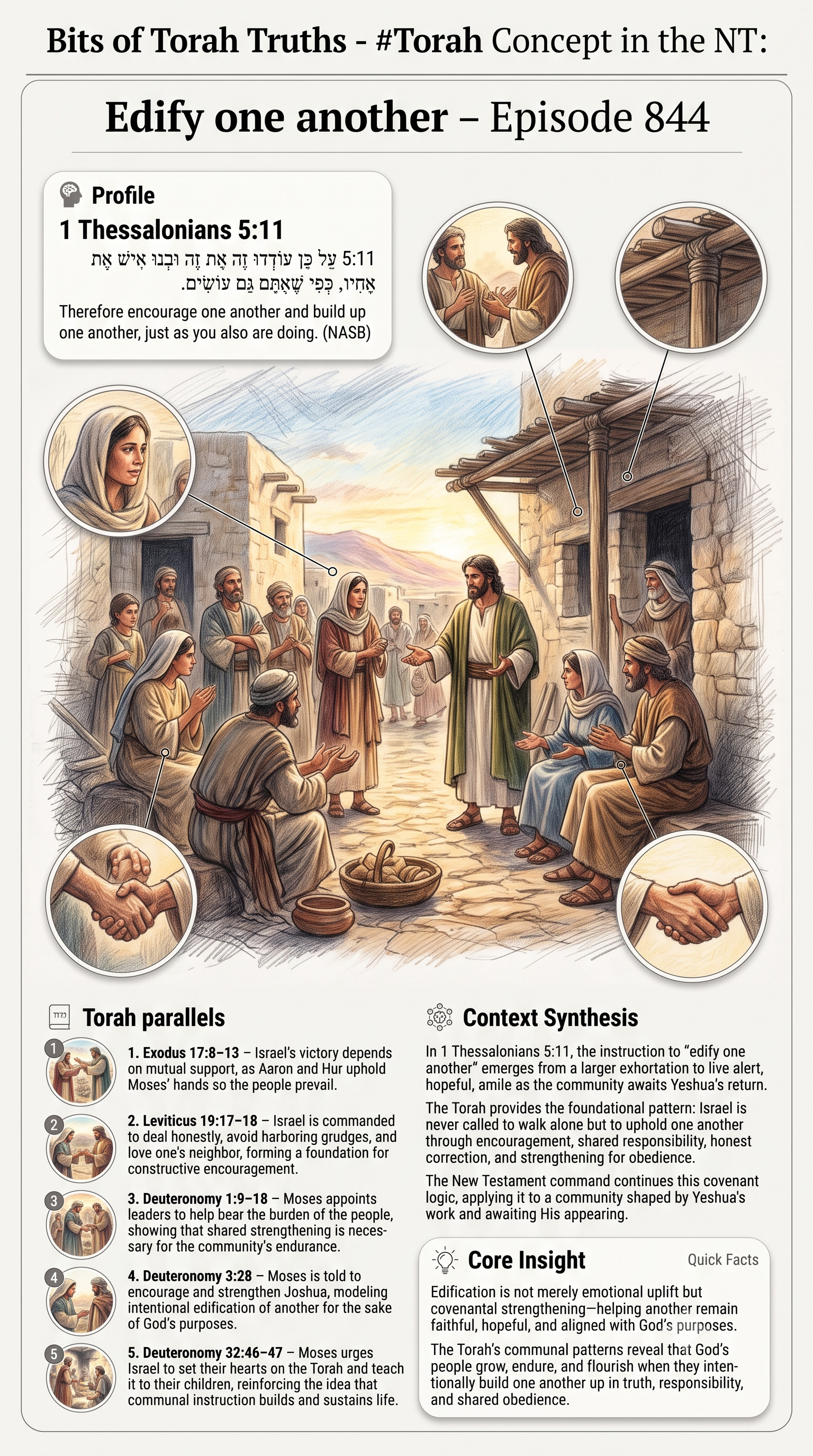
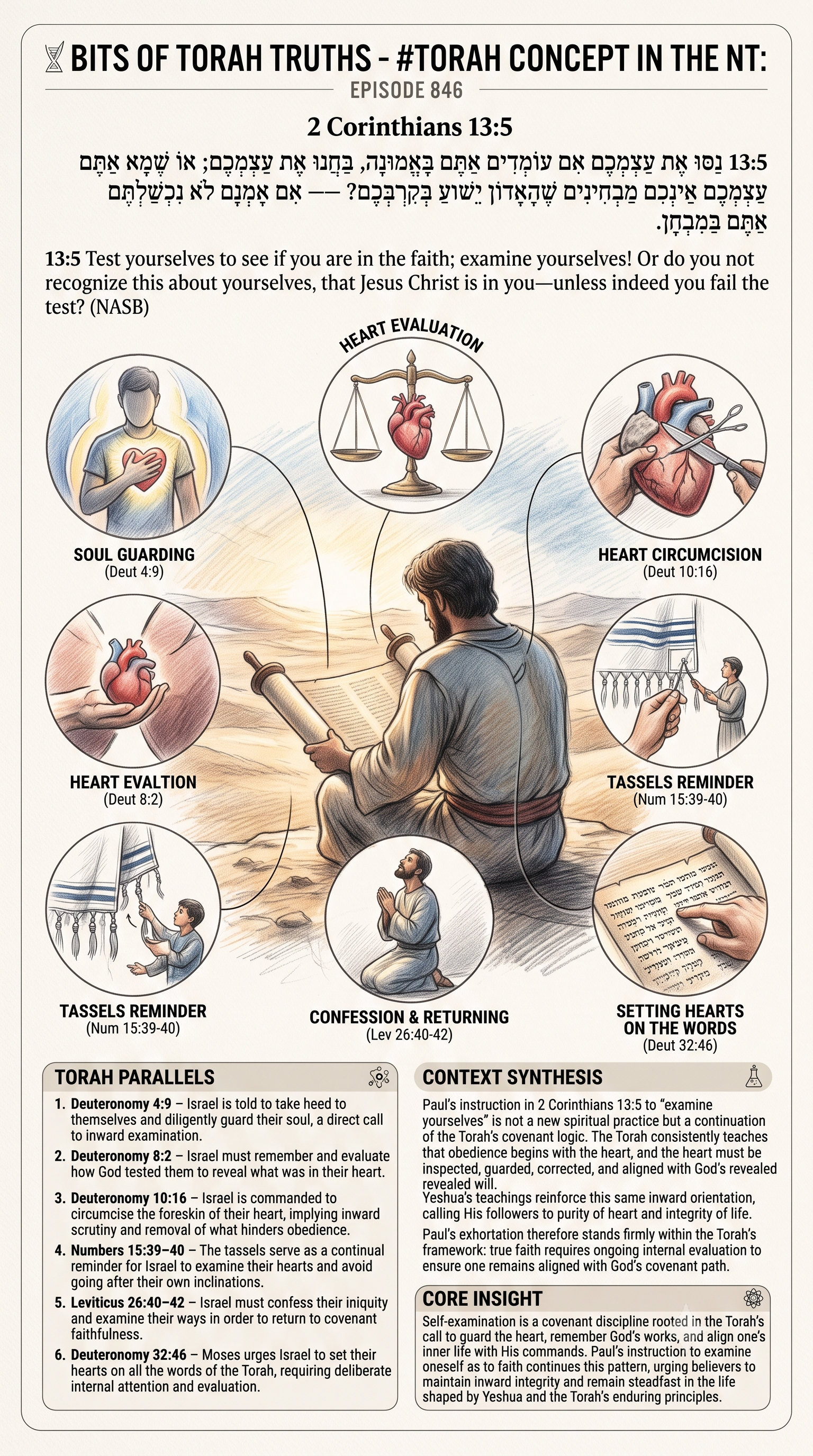
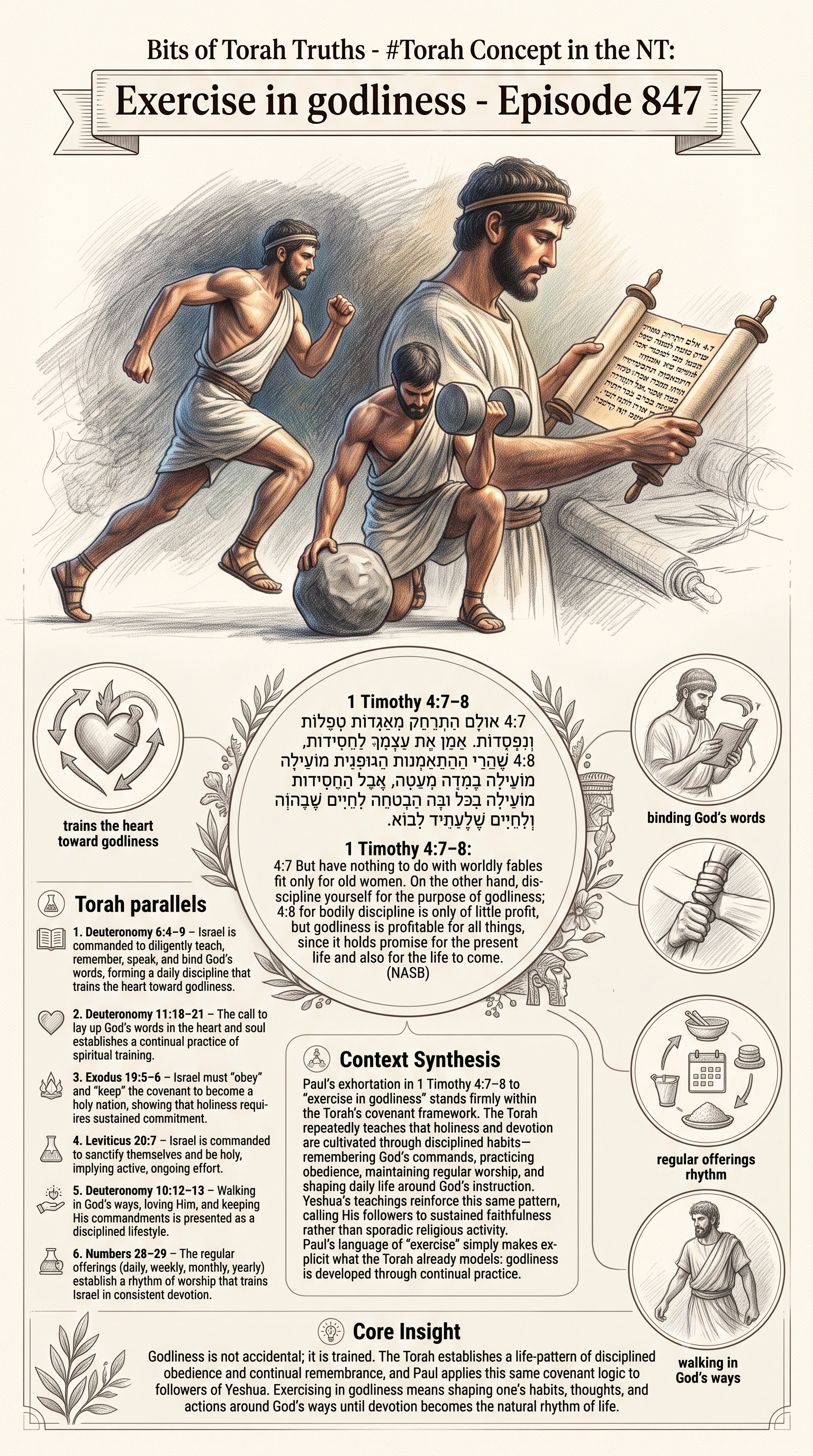
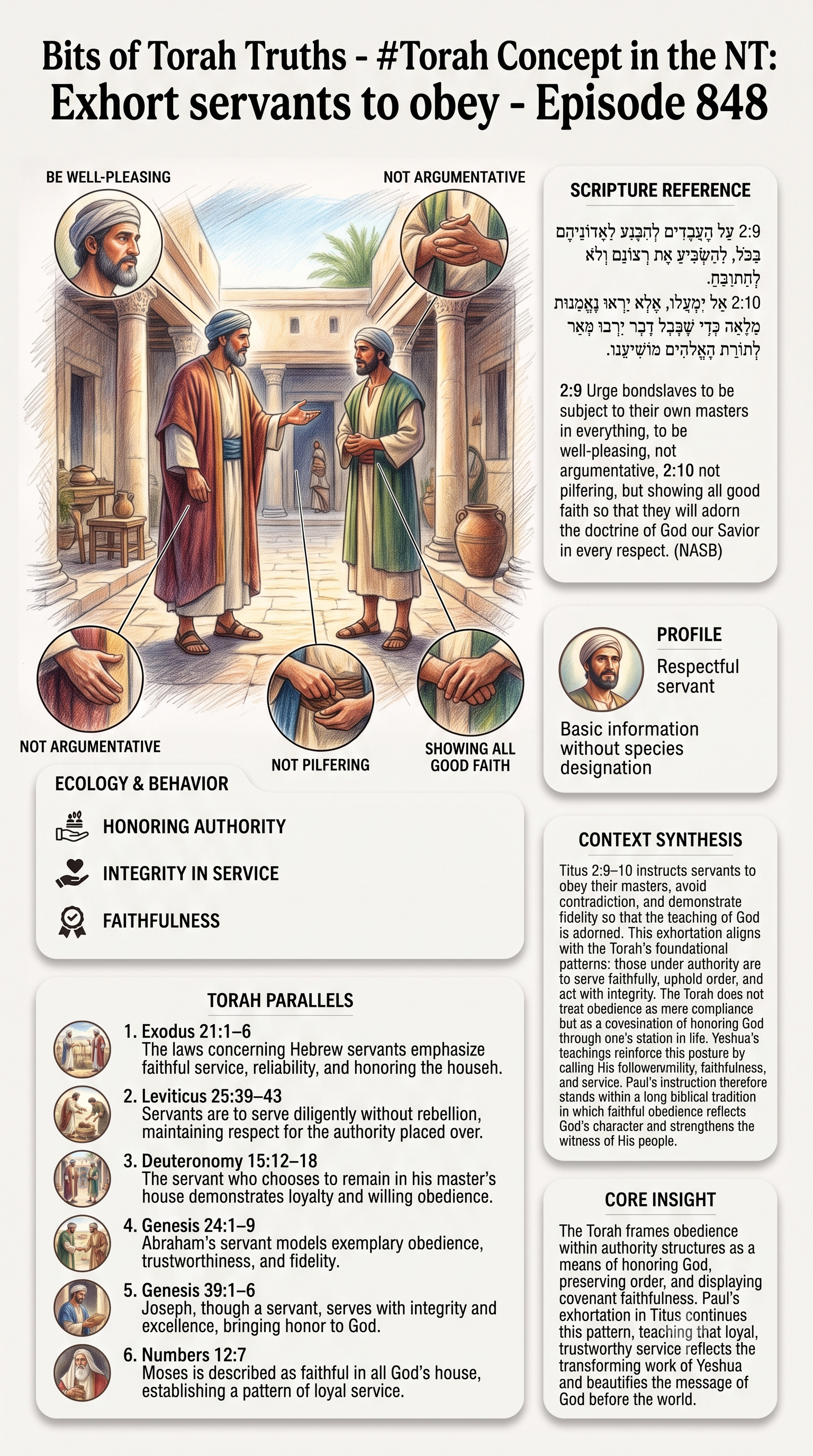
12:16 Be of the same mind toward one another; do not be haughty in mind, but associate with the lowly. Do not be wise in your own estimation. (NASB)
https://www.matsati.com/index.php/category/bits-of-torah-truths/
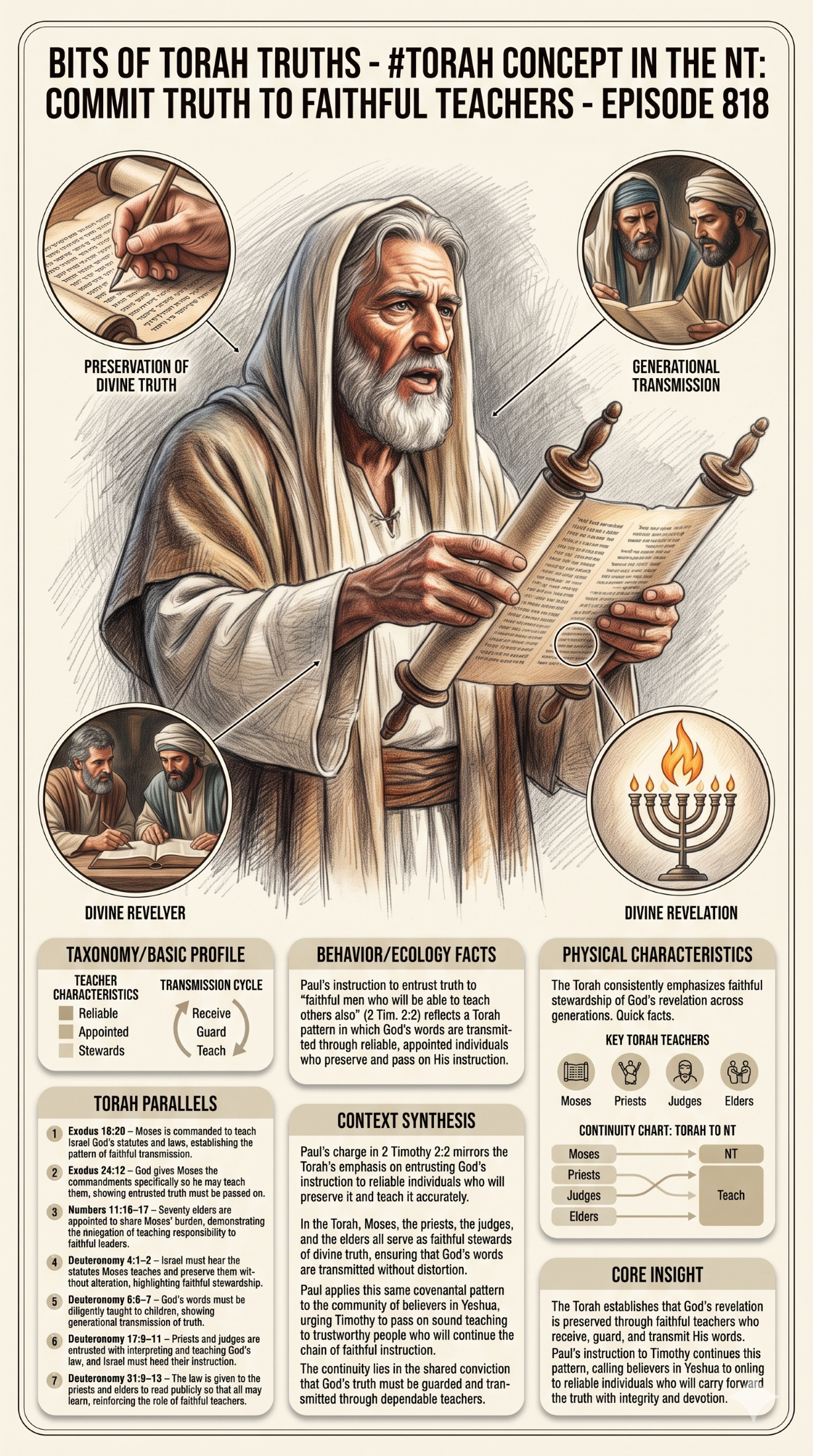
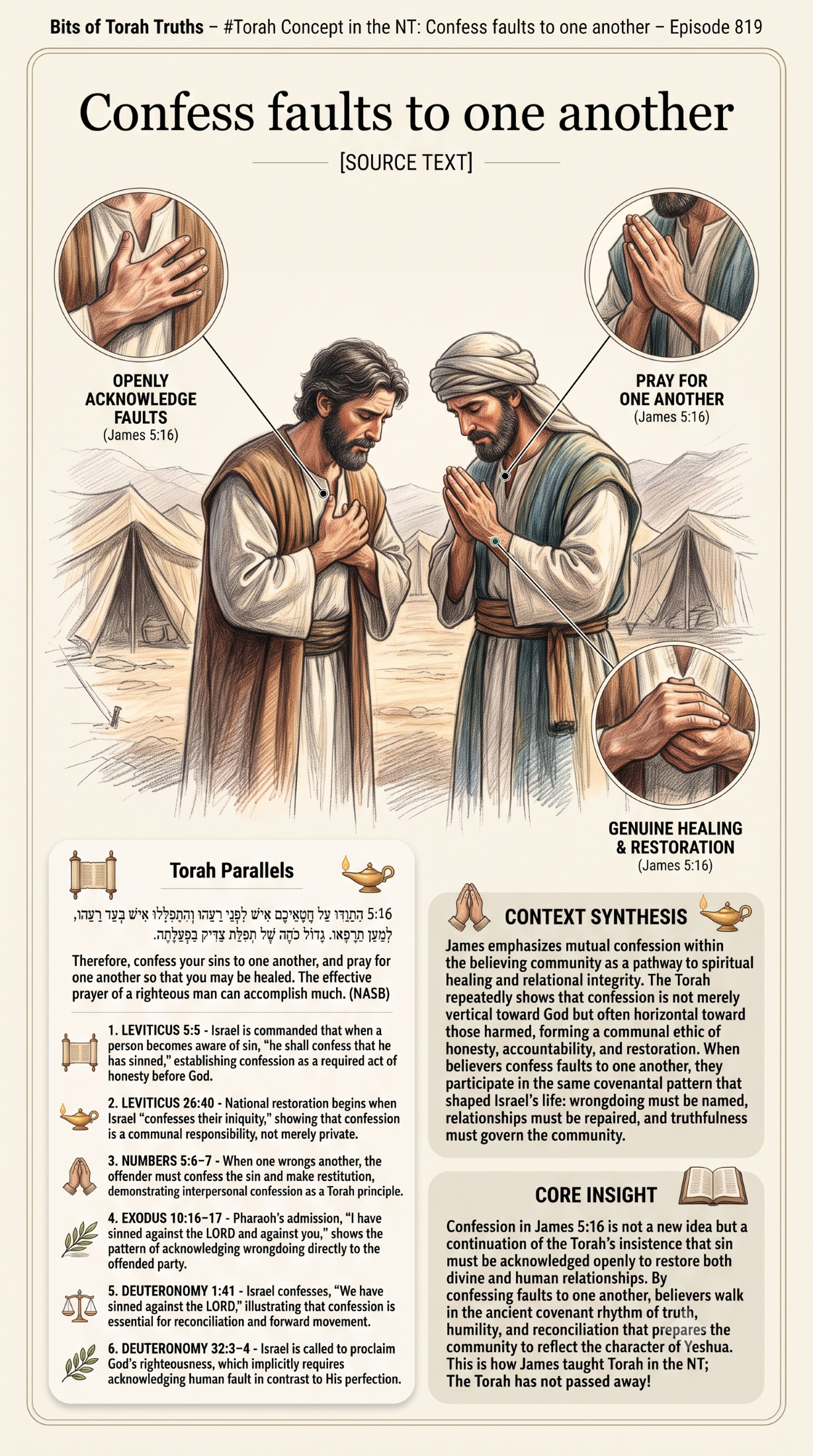
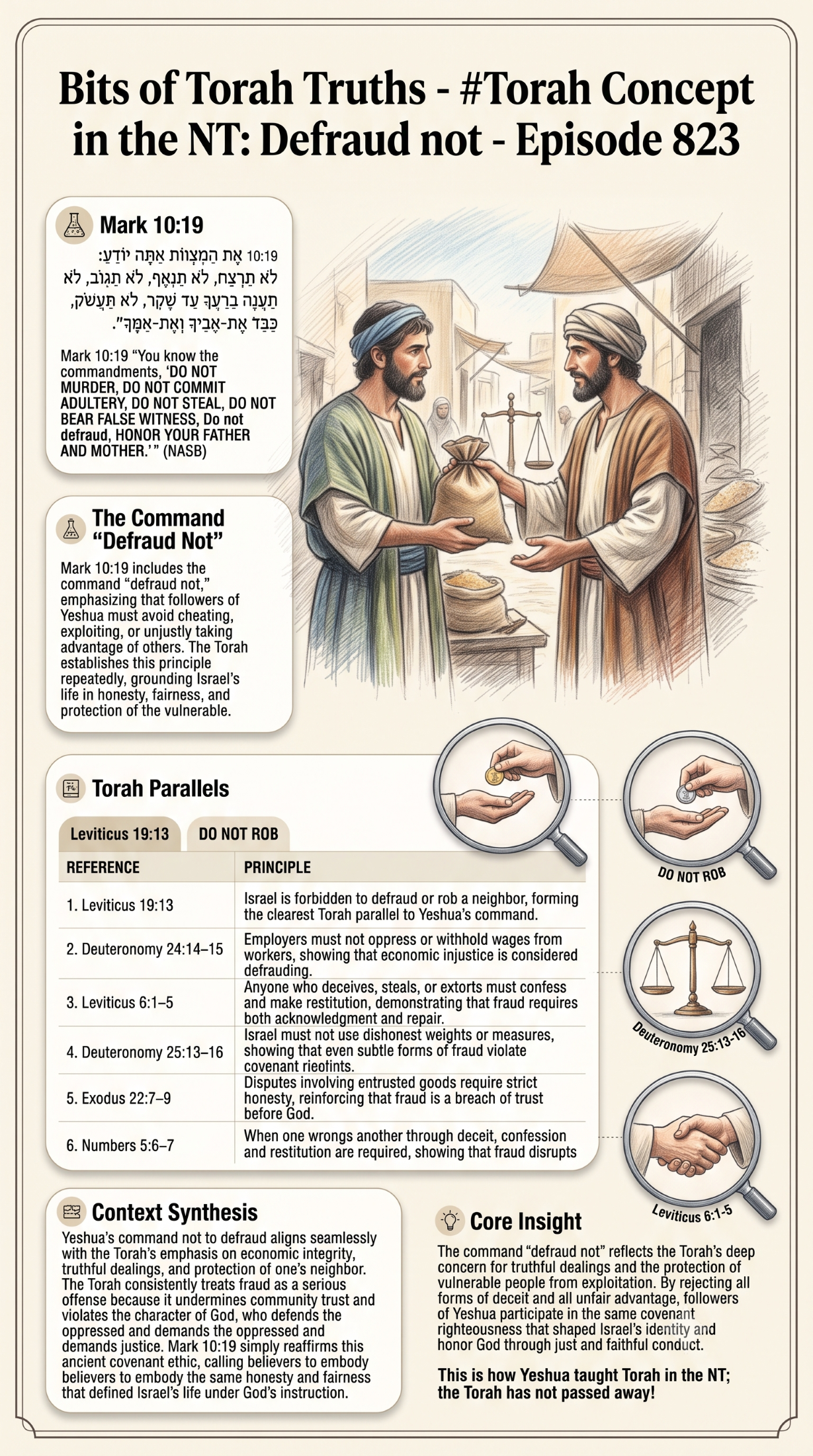
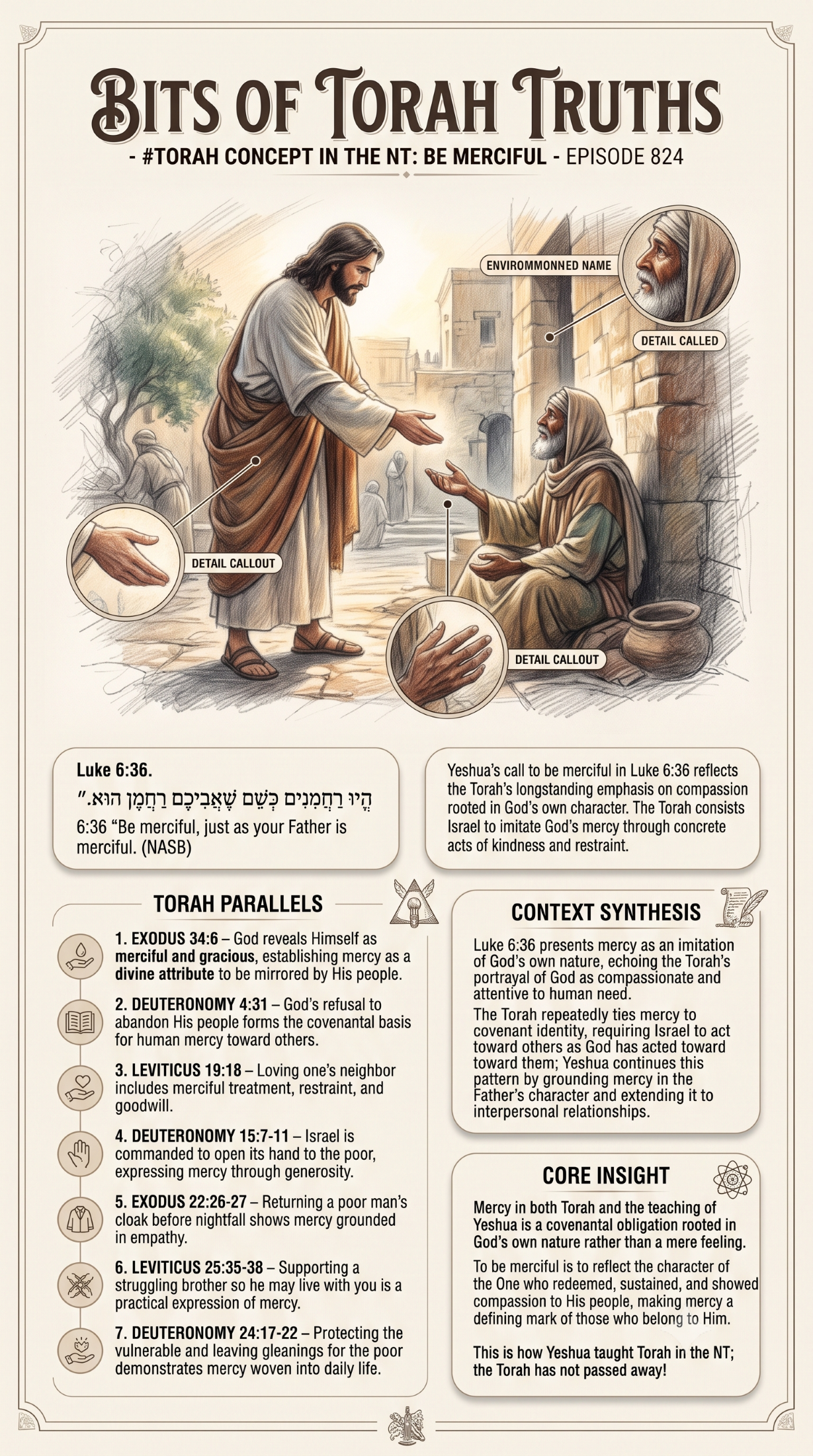
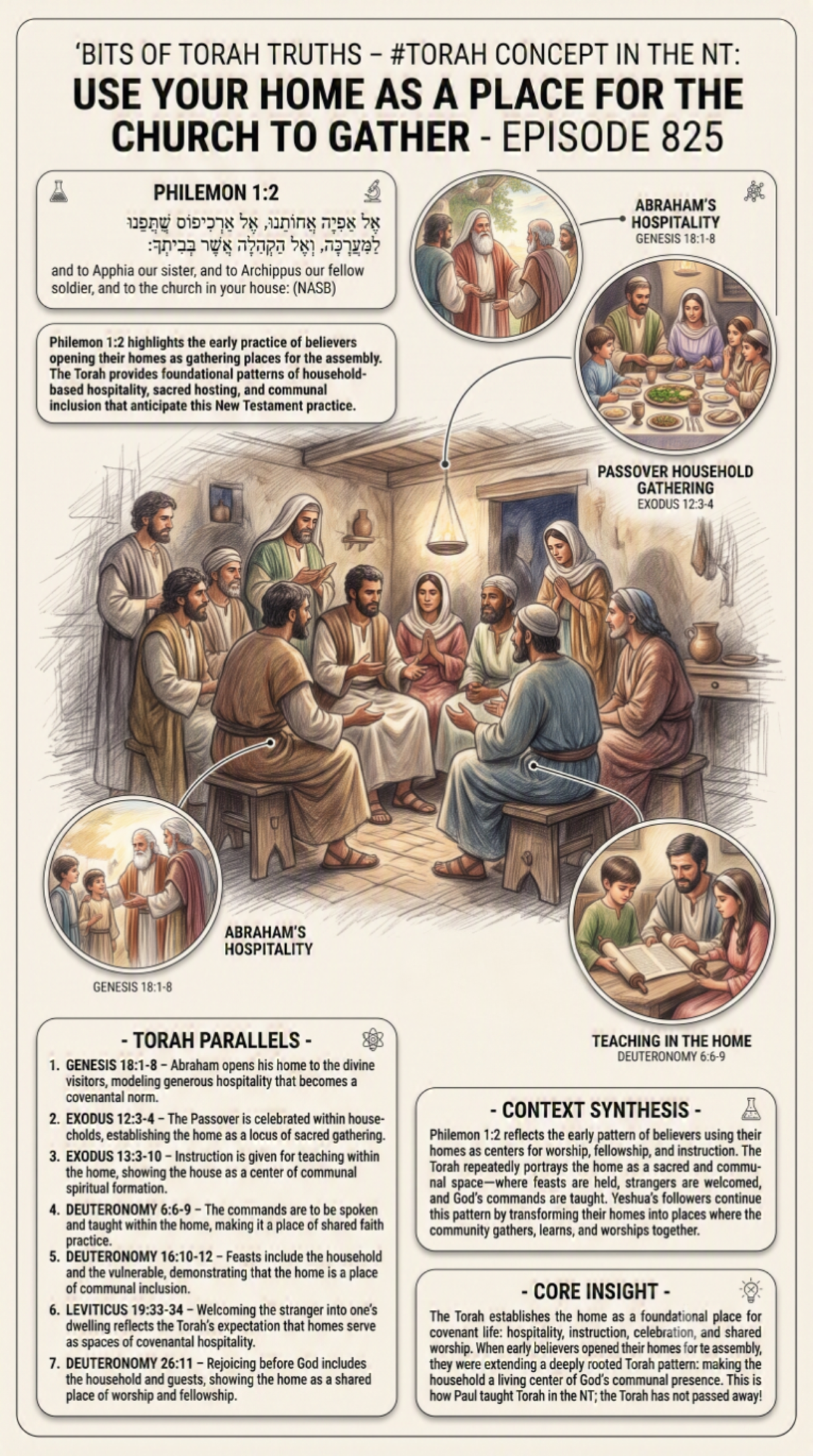
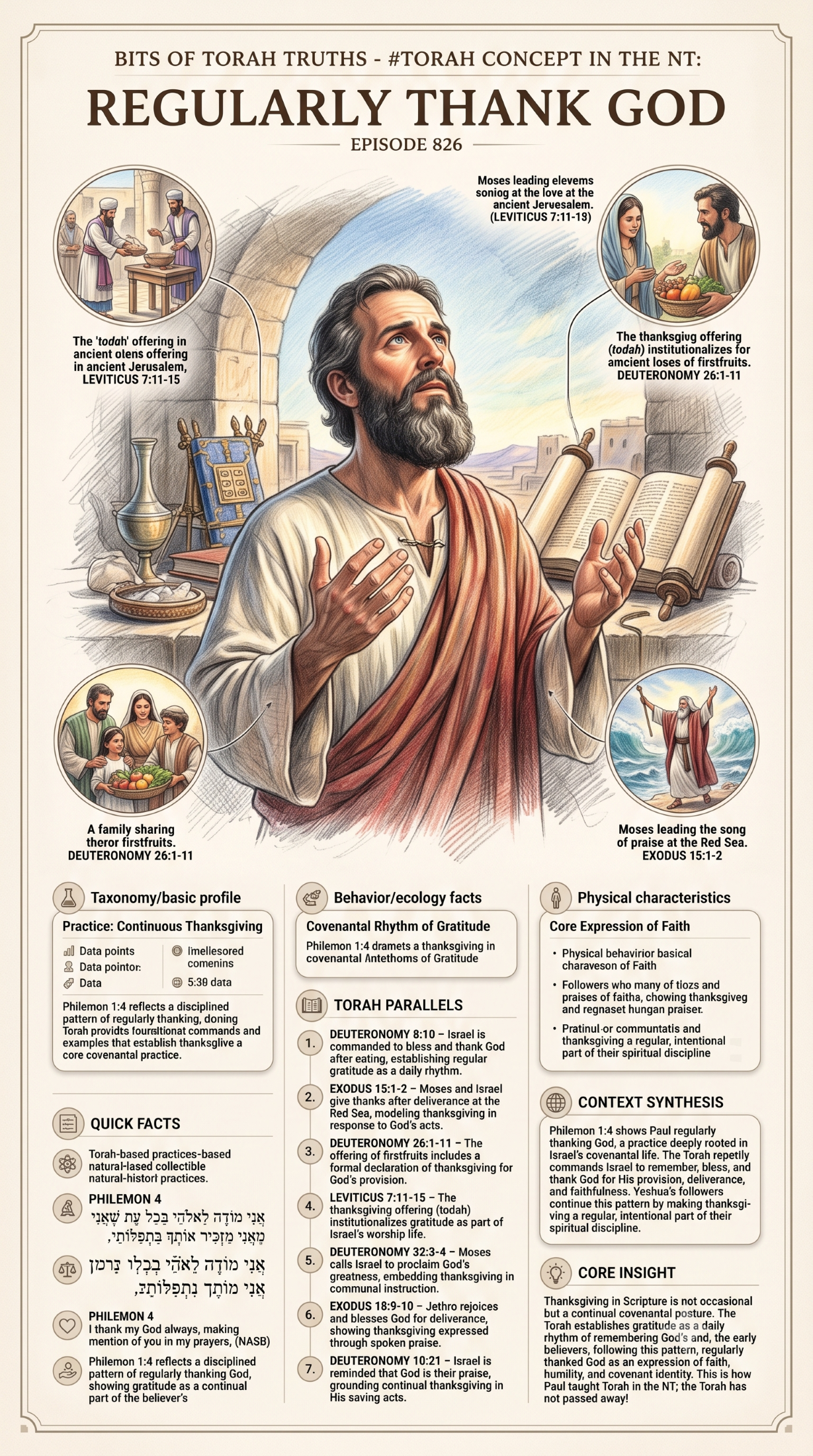
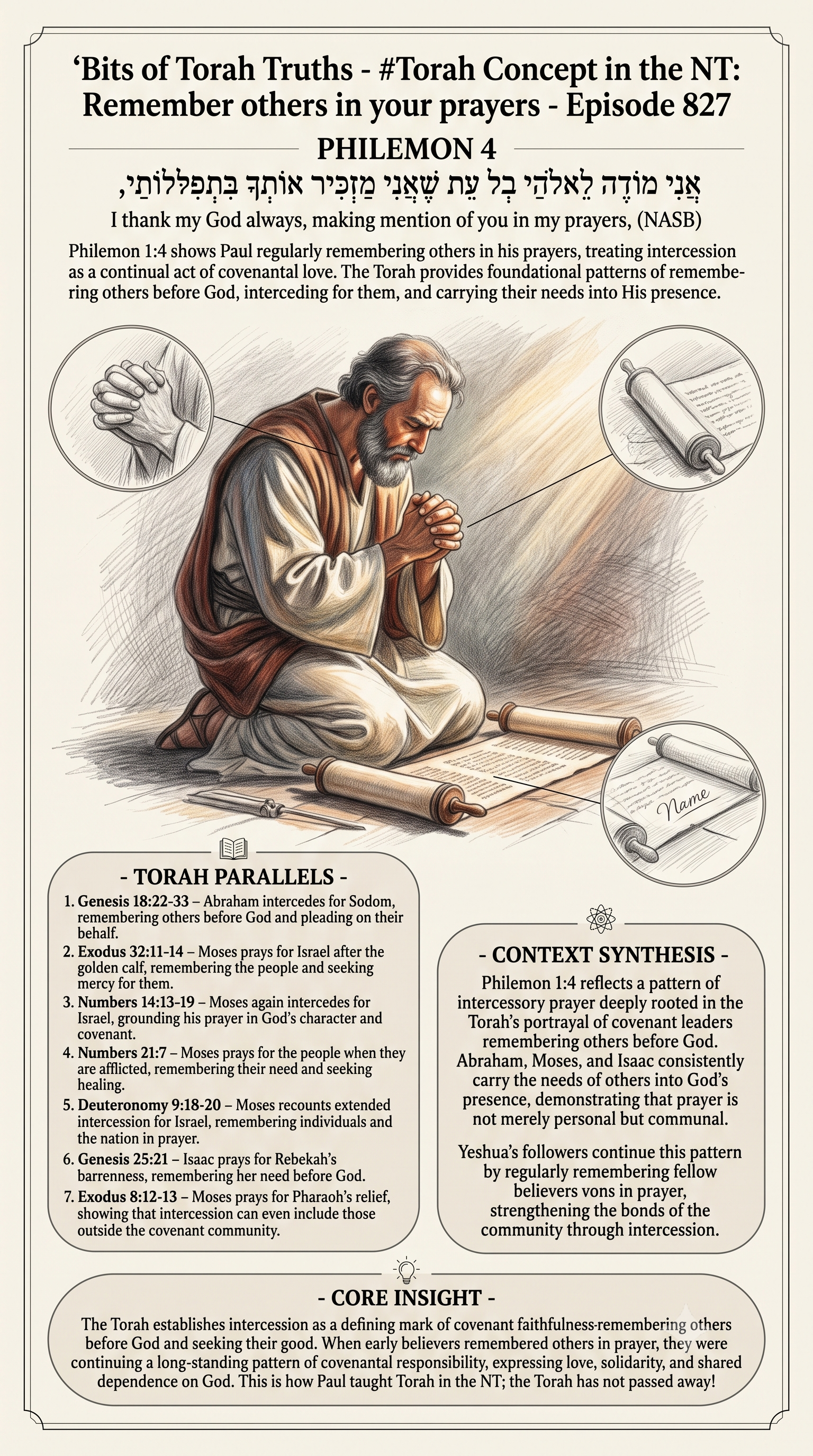
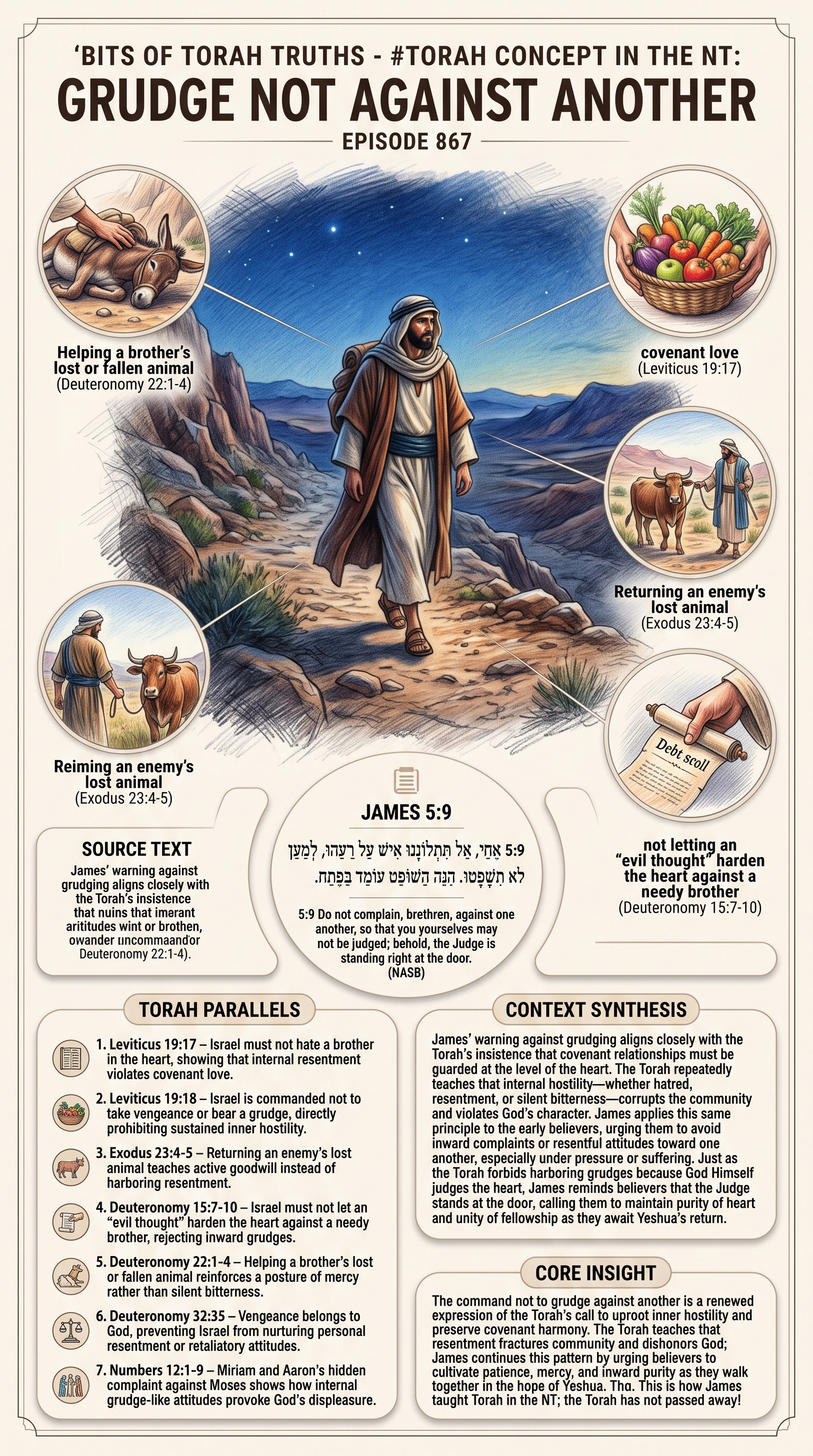
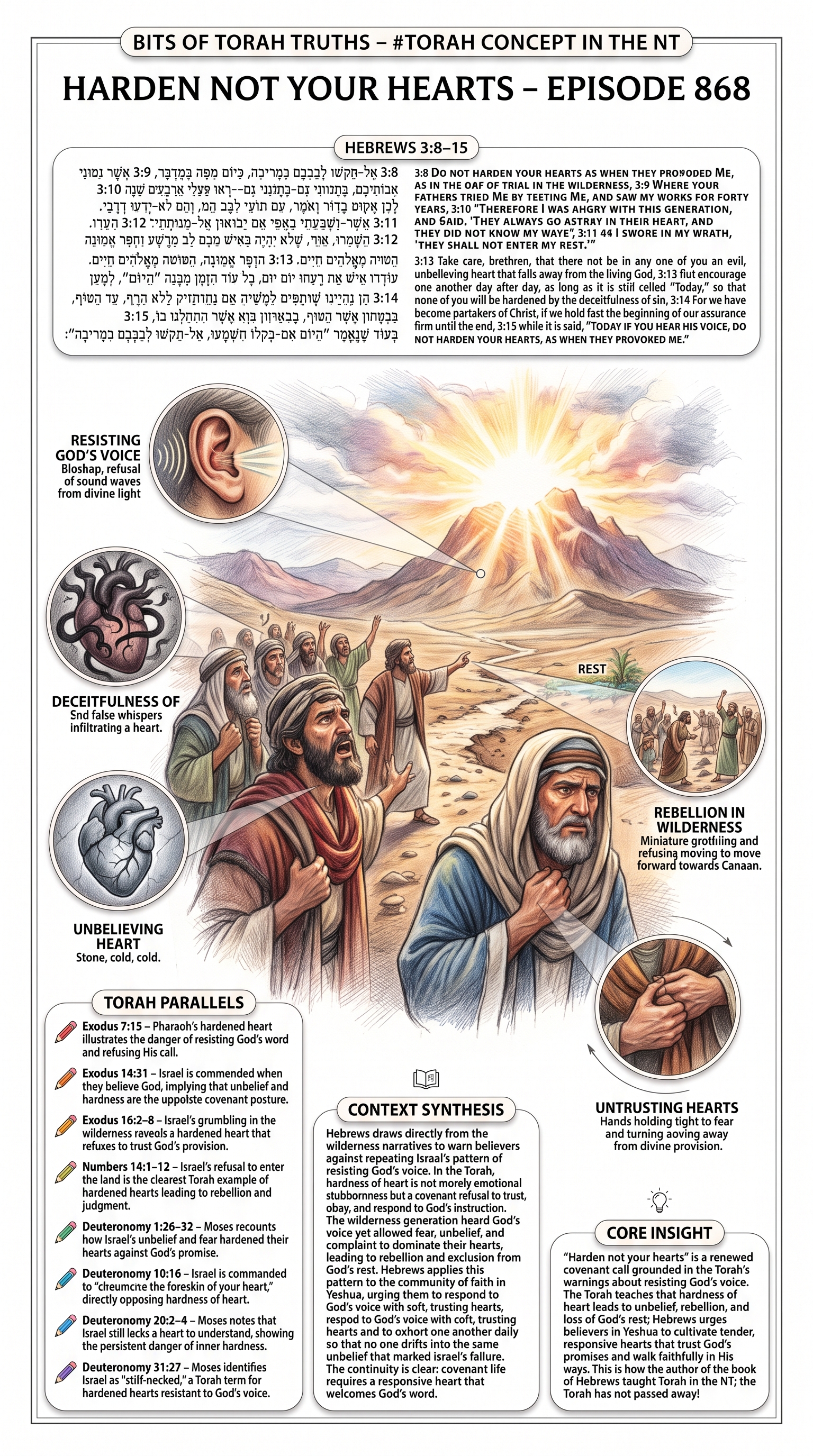
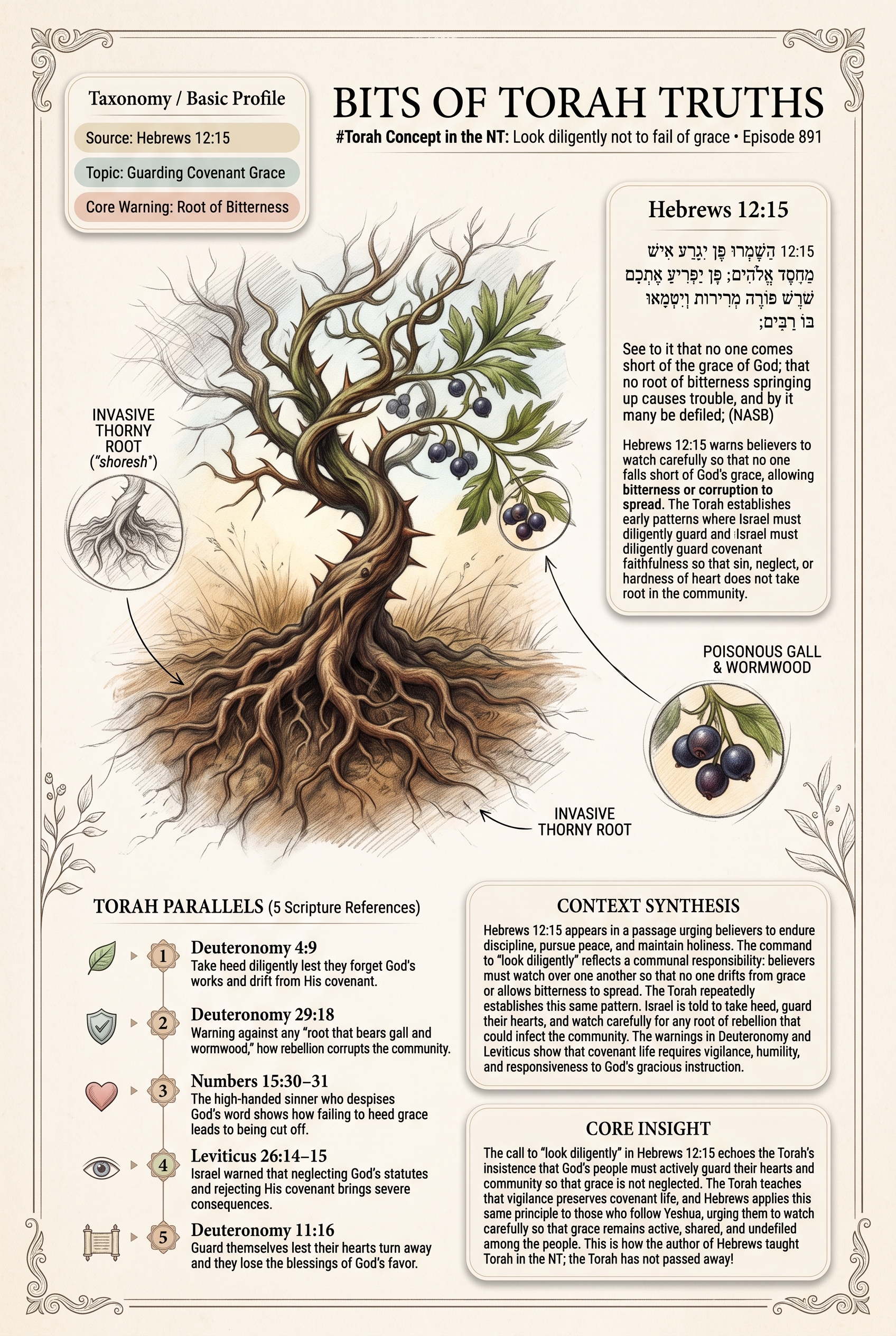
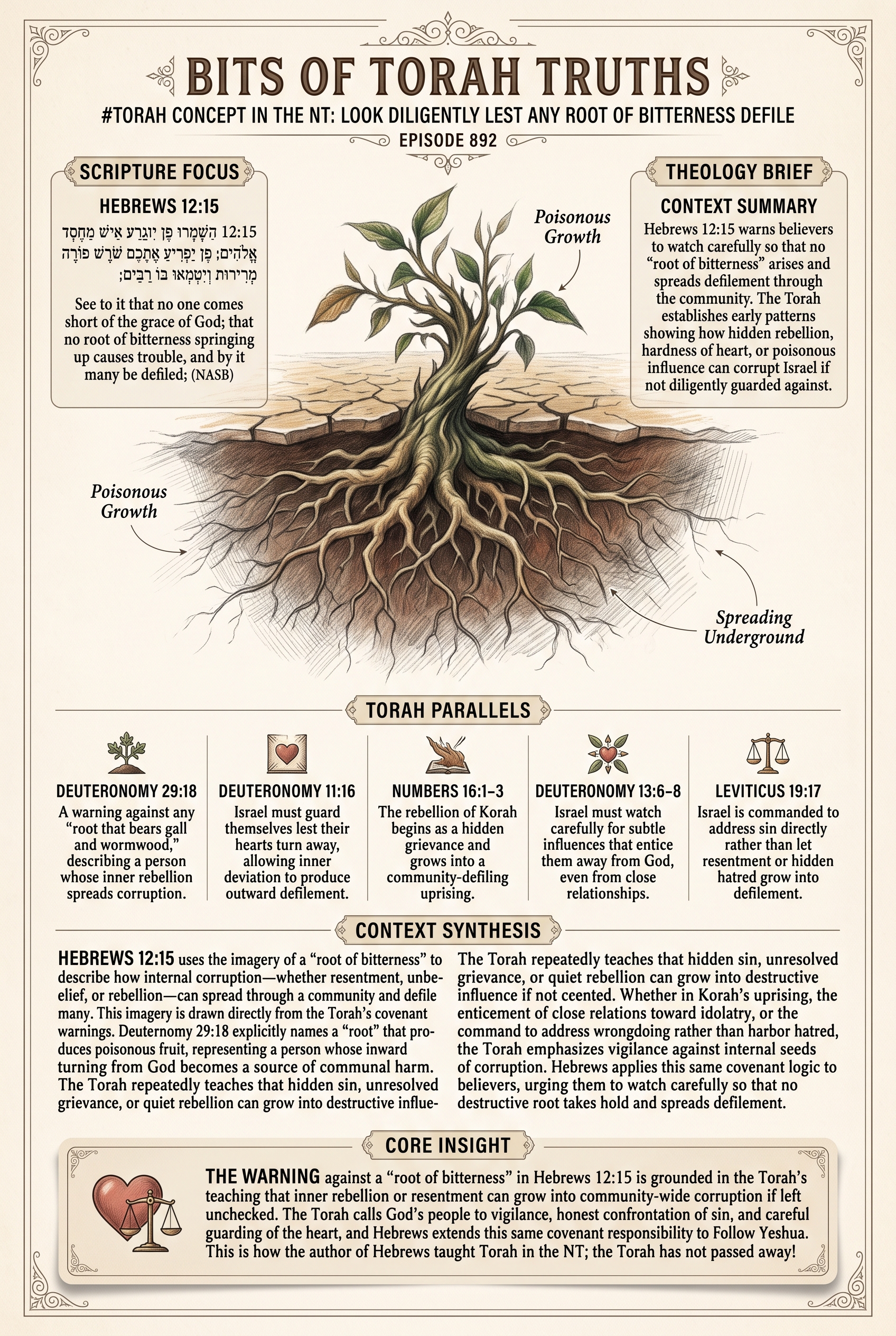
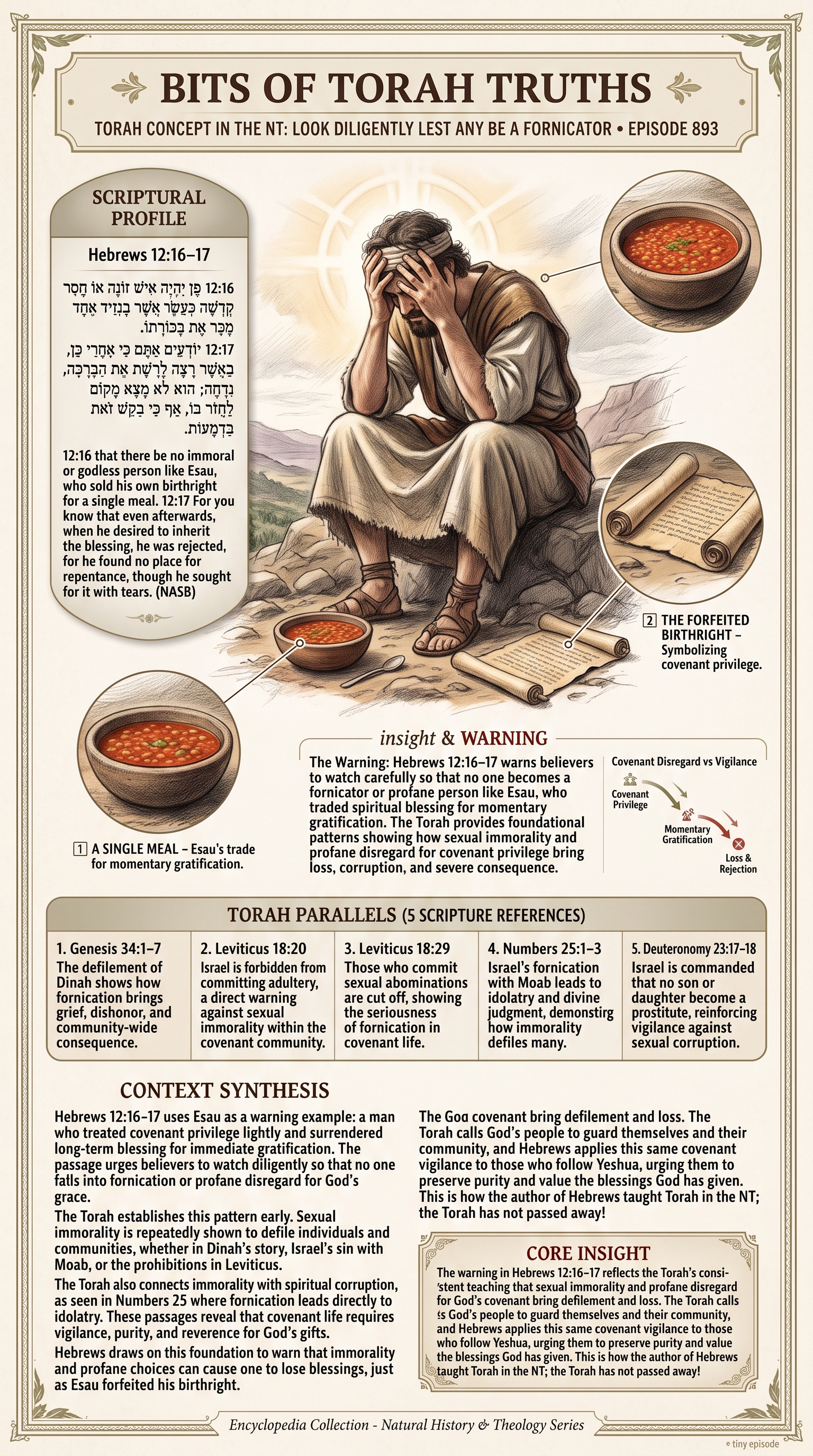
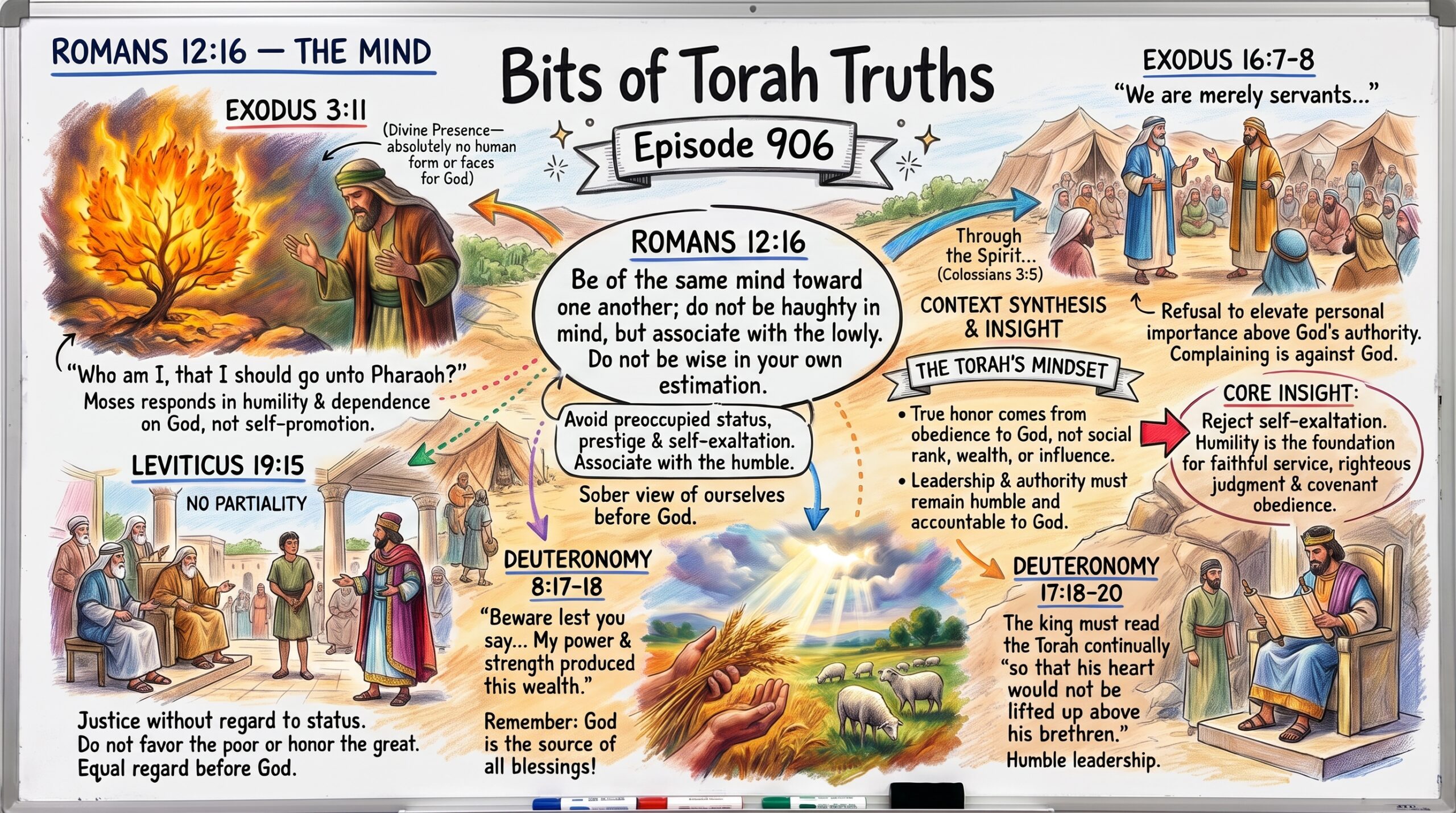
Romans 12:16 instructs believers not to be preoccupied with status, prestige, or self-exaltation, but to associate with the humble and maintain a sober view of themselves before God. The Torah contains numerous examples and commands that encourage humility, dependence upon God, and the rejection of self-exalting attitudes.
– Torah parallels –
- Exodus 3:11 When God called Moses to lead Israel out of Egypt, Moses responded, “Who am I, that I should go unto Pharaoh?” His response reflects humility rather than self-promotion and dependence upon God’s calling rather than personal status.
- Exodus 16:7-8 Moses and Aaron reminded Israel that they were not the ultimate object of the people’s complaints because they themselves were merely servants carrying out God’s will. This demonstrates a refusal to elevate personal importance above God’s authority.
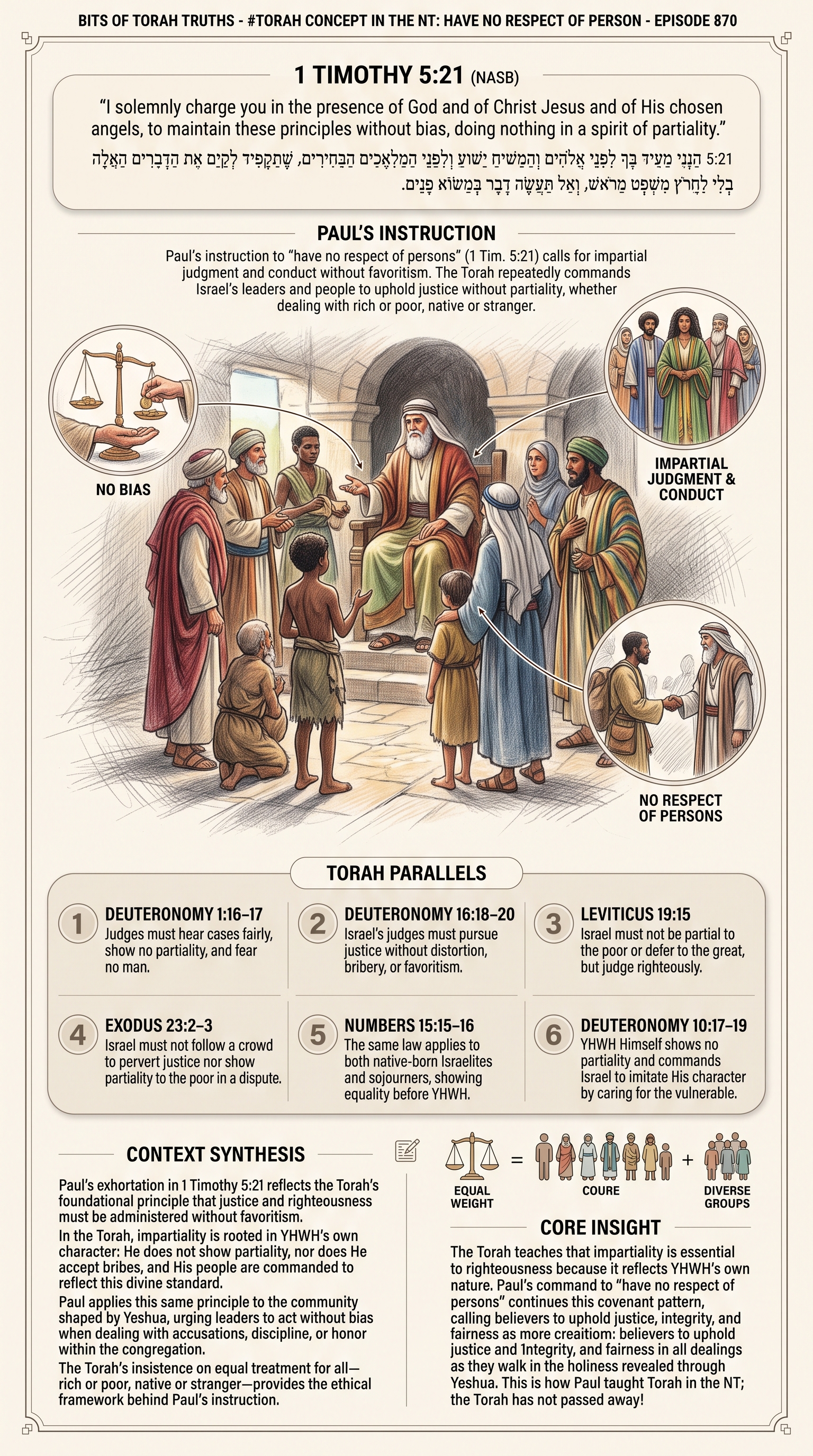
- Leviticus 19:15 Israel was instructed not to show partiality to either the poor or the great in judgment. This command discourages the elevation of social status and promotes equal regard before God.
- Deuteronomy 8:17-18 Moses warned Israel not to say in their hearts that their own power and strength had produced their prosperity. Instead, they were to remember that God was the source of their blessings.
- Deuteronomy 17:18-20 The king of Israel was required to read the Torah continually so that his heart would not be lifted up above his brethren. Even the nation’s highest leader was commanded to remain humble and accountable to God.
– Context Synthesis –
The Torah consistently teaches that true honor comes from obedience to God rather than from social position, wealth, influence, or personal achievement. Moses, the central human leader within the Torah, repeatedly demonstrates humility by recognizing his dependence upon God. Likewise, the covenant laws were designed to prevent individuals in positions of authority from becoming proud or viewing themselves as superior to others. Romans 12:16 builds upon these principles by instructing believers to avoid pursuing elevated status and instead to associate with those whom society may overlook. Paul’s exhortation reflects the Torah’s concern that God’s people remain humble, recognize their dependence upon Him, and treat others without regard to worldly rank or prestige.
– Core Insight –
The central Torah parallel to Romans 12:16 is the call to reject self-exaltation and remain humble before God and others. The Torah repeatedly teaches that authority, success, and blessing come from God, and therefore no individual should regard himself as inherently superior to his fellow human beings. Humility creates the proper foundation for faithful service, righteous judgment, and covenant obedience.
This report is based on direct analysis of the cited Torah passages within their literary, historical, and covenantal contexts and compares them with Romans 12:16. The conclusions are derived from explicit biblical evidence and verifiable scriptural references rather than conjecture, denominational tradition, or unsupported theological claims. Each Torah parallel was selected because it directly addresses humility, dependence upon God, avoidance of self-exaltation, or equal regard for others, providing a transparent and textually supported basis for the comparison. The interpretation seeks to reflect the original context of the passages while allowing Scripture to interpret Scripture through consistent biblical themes.
Visual Summary of Concepts the Torah in the NT