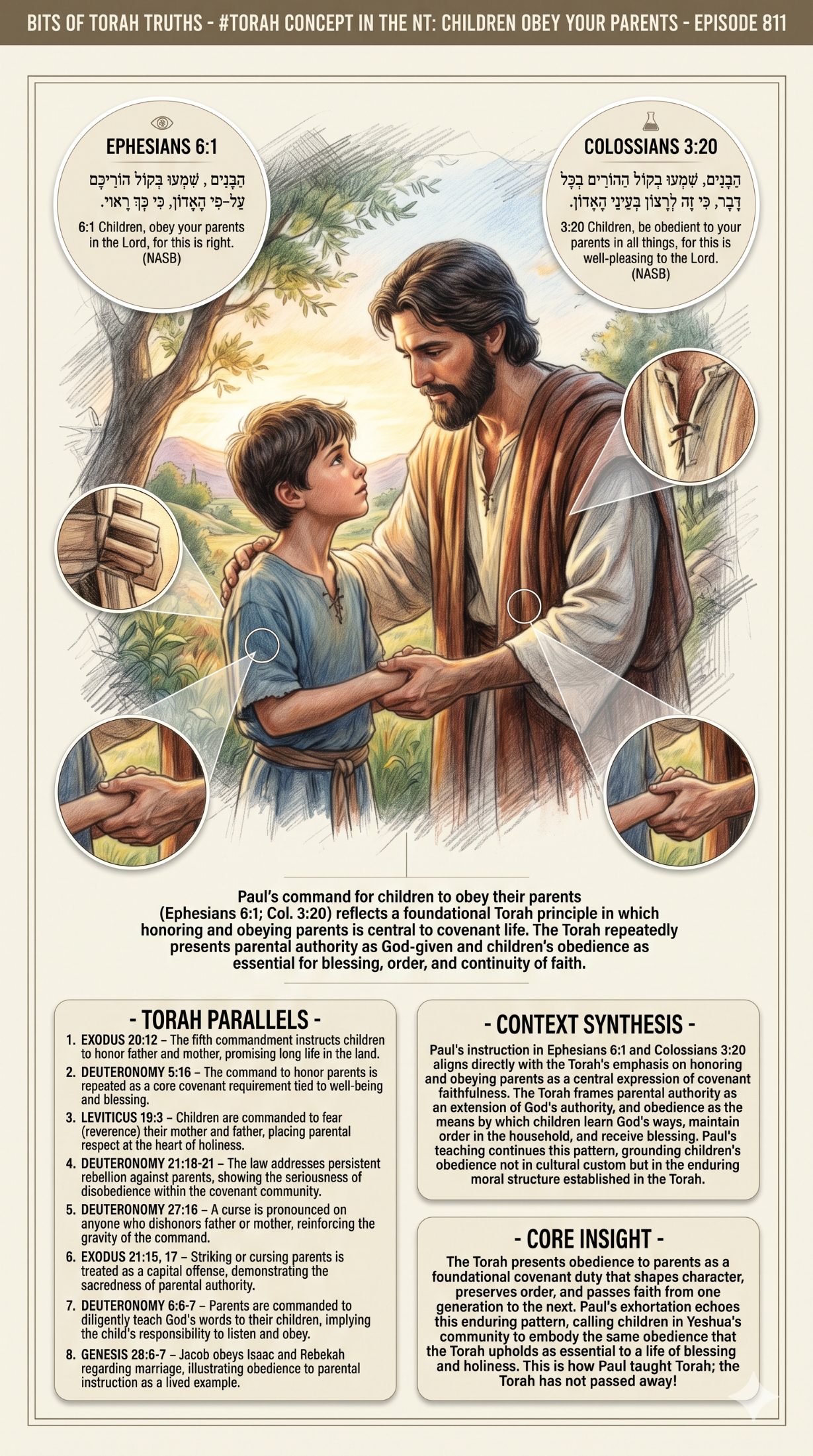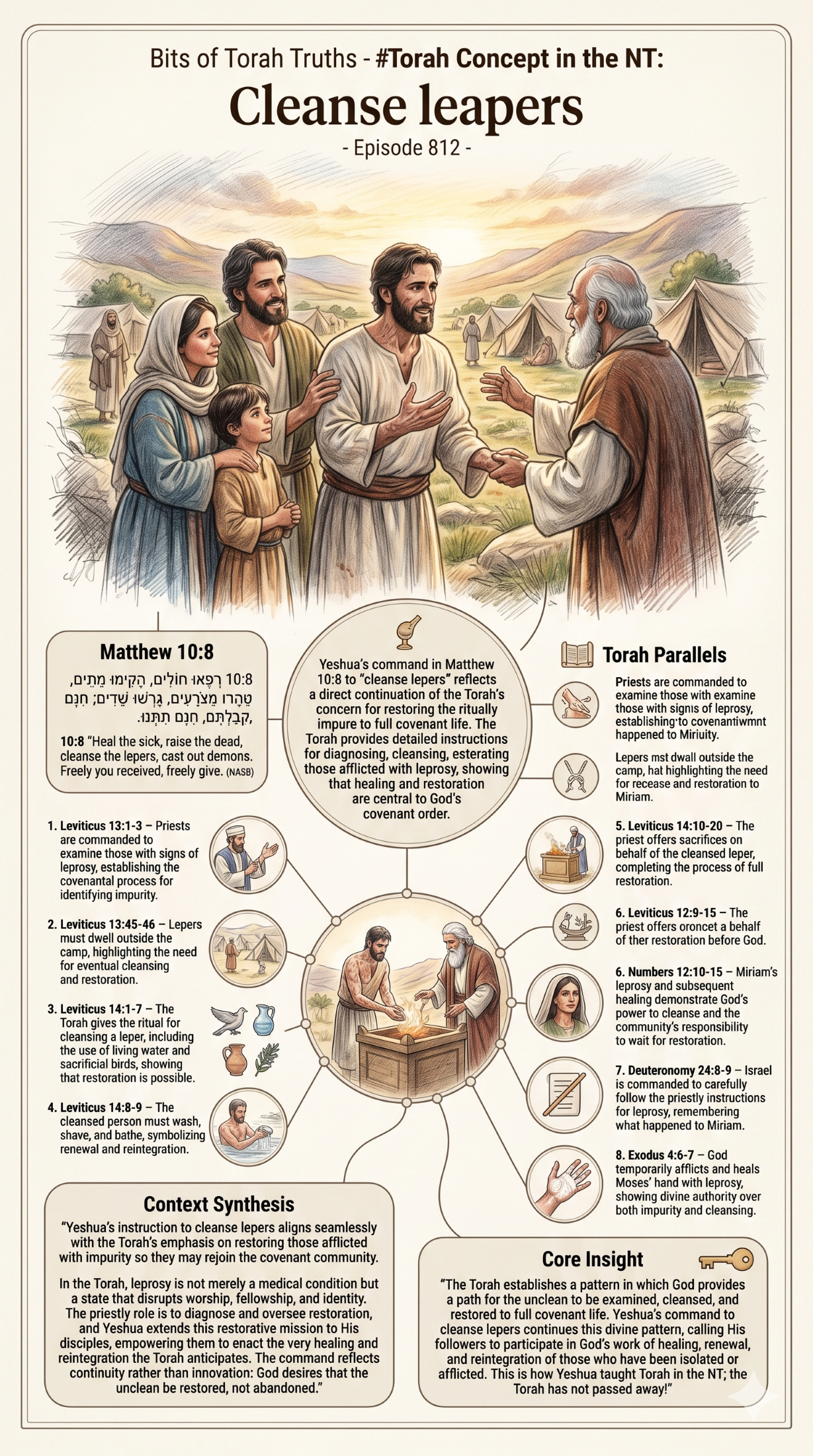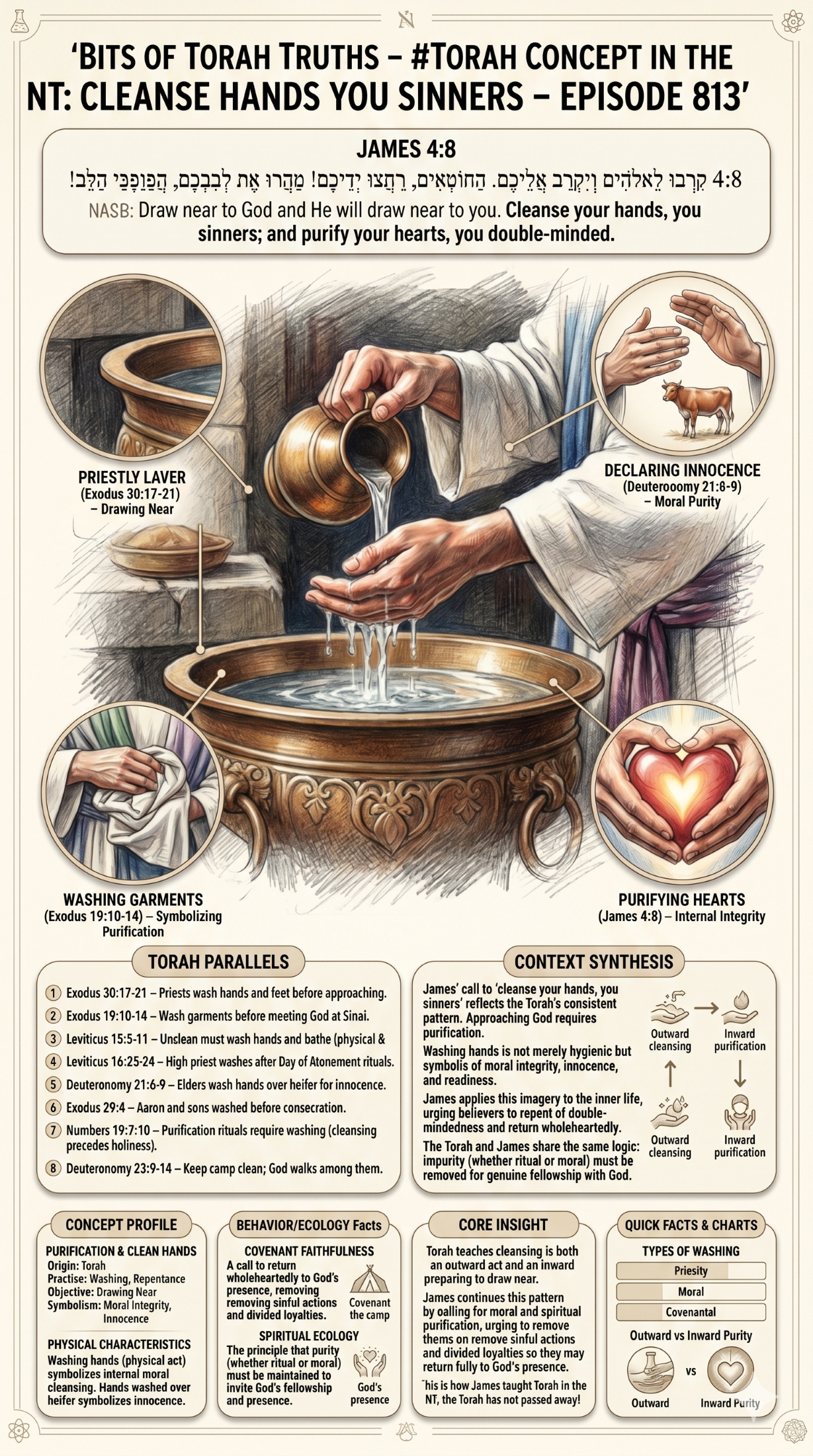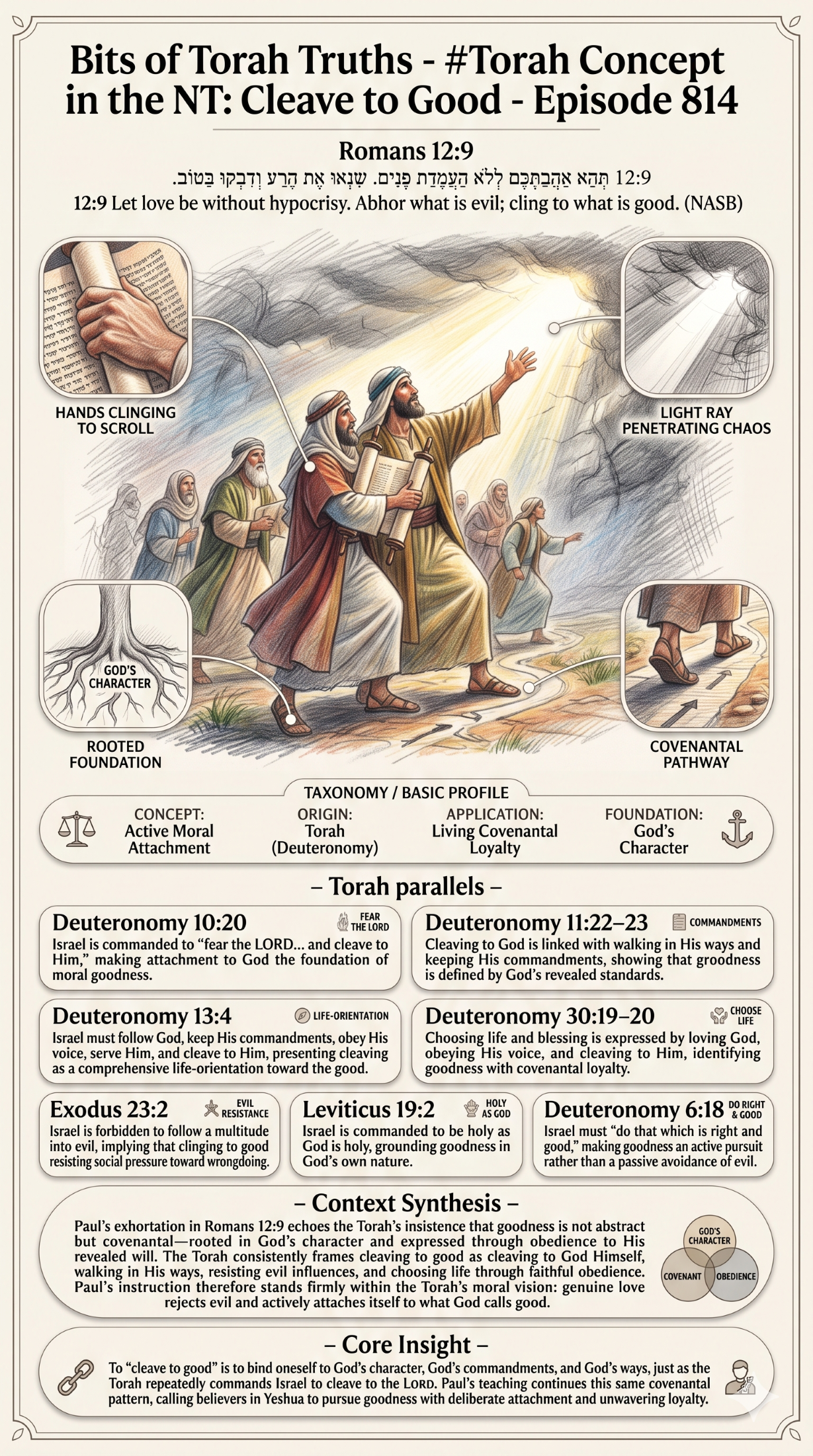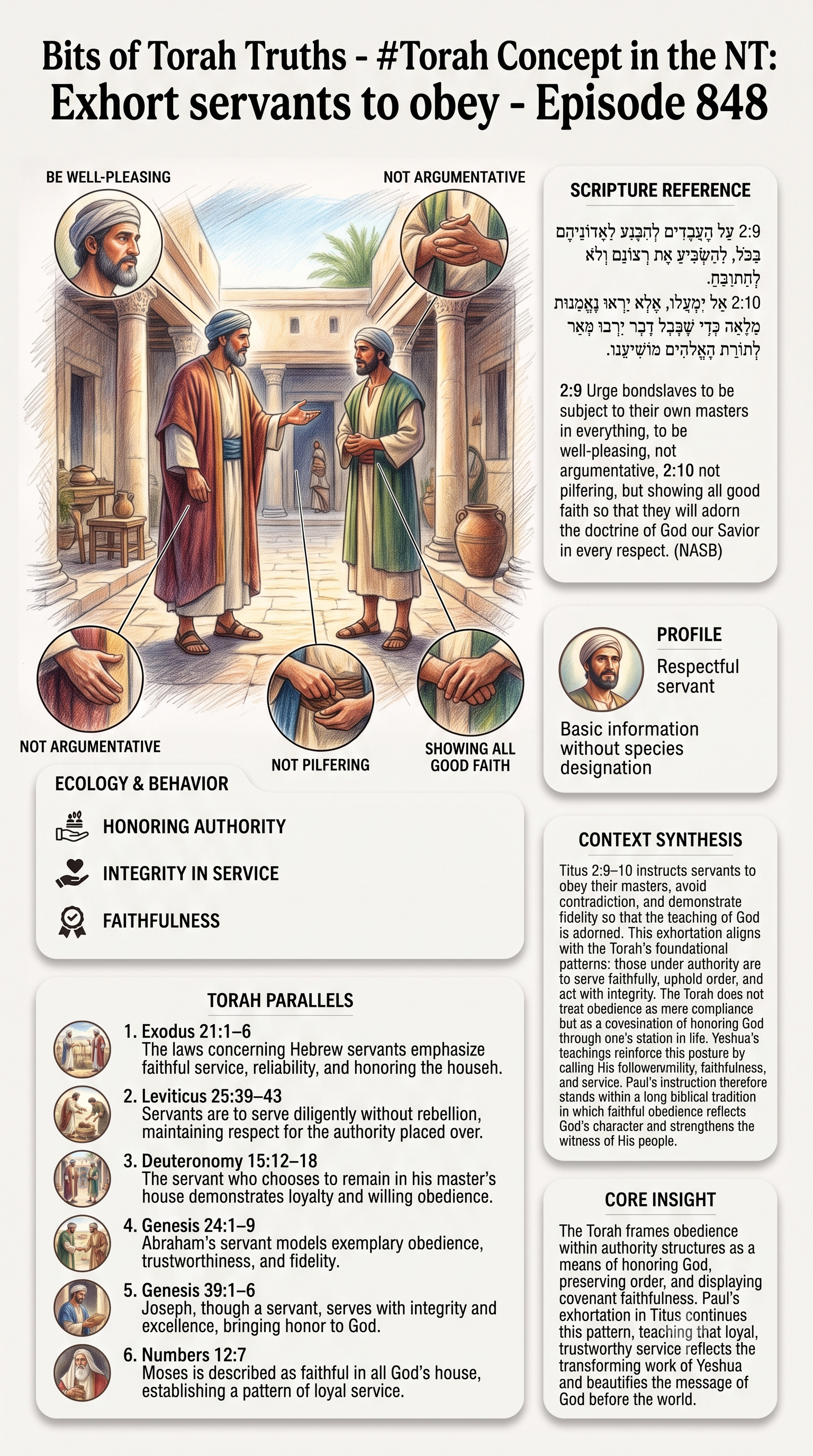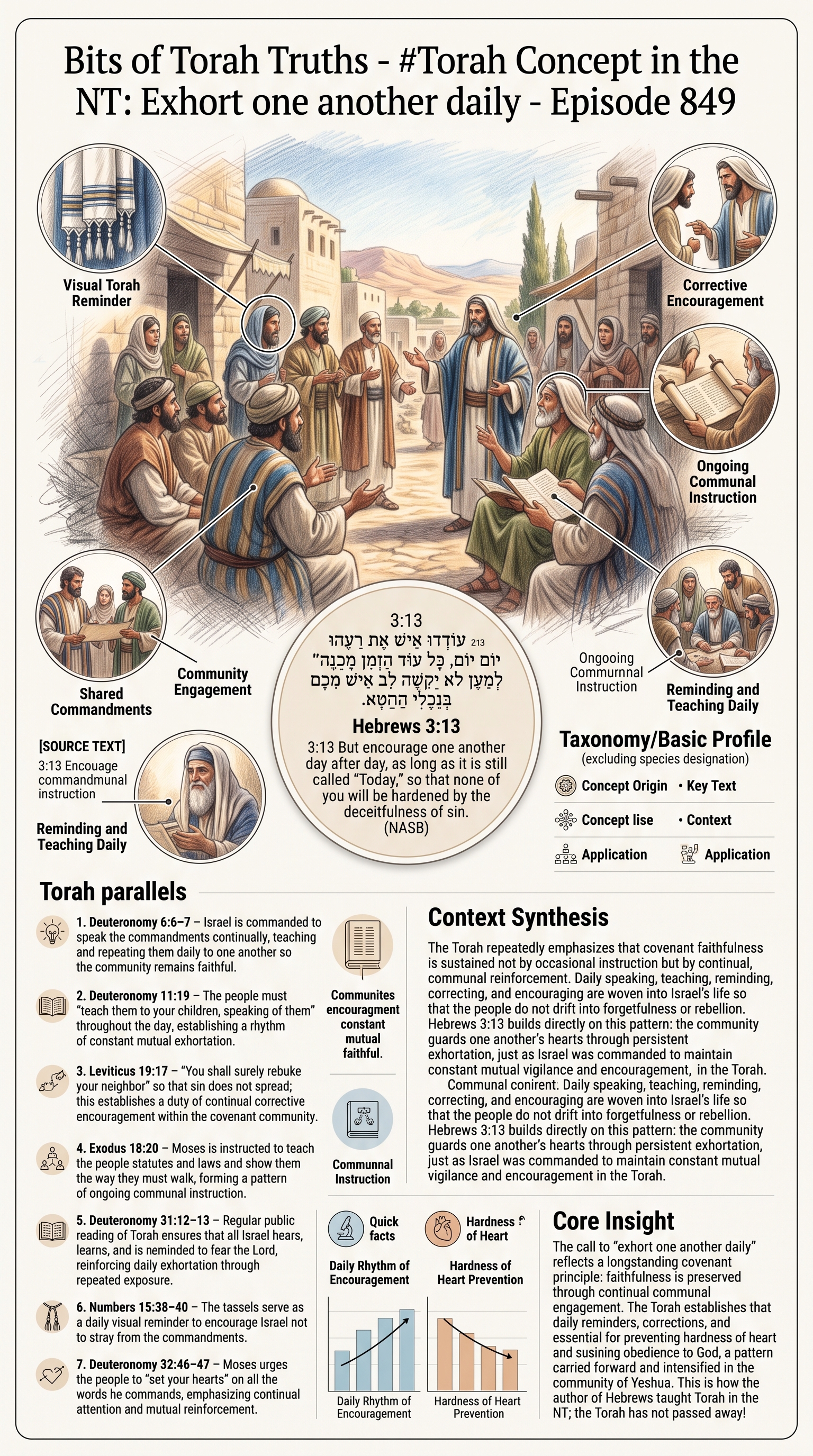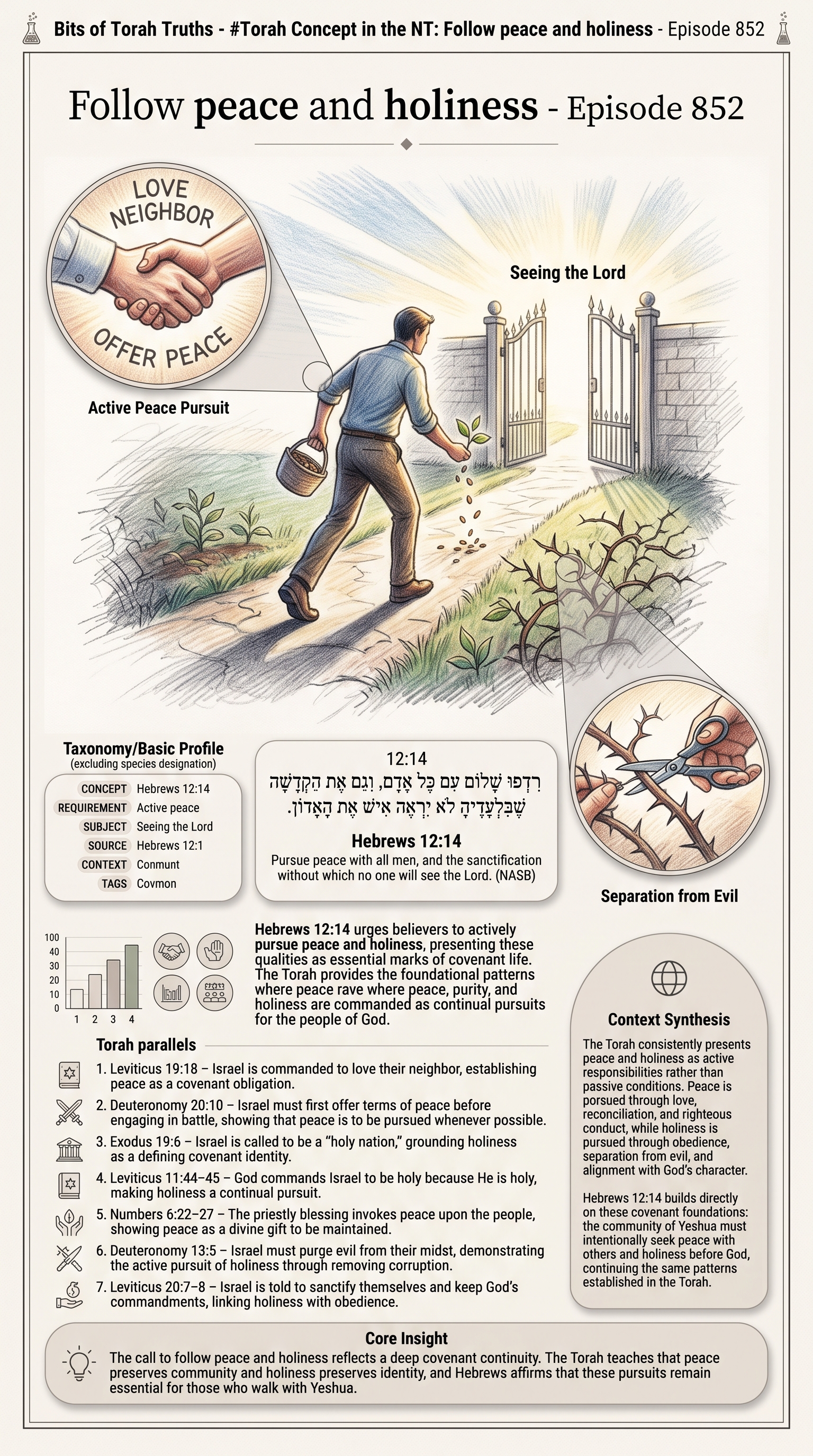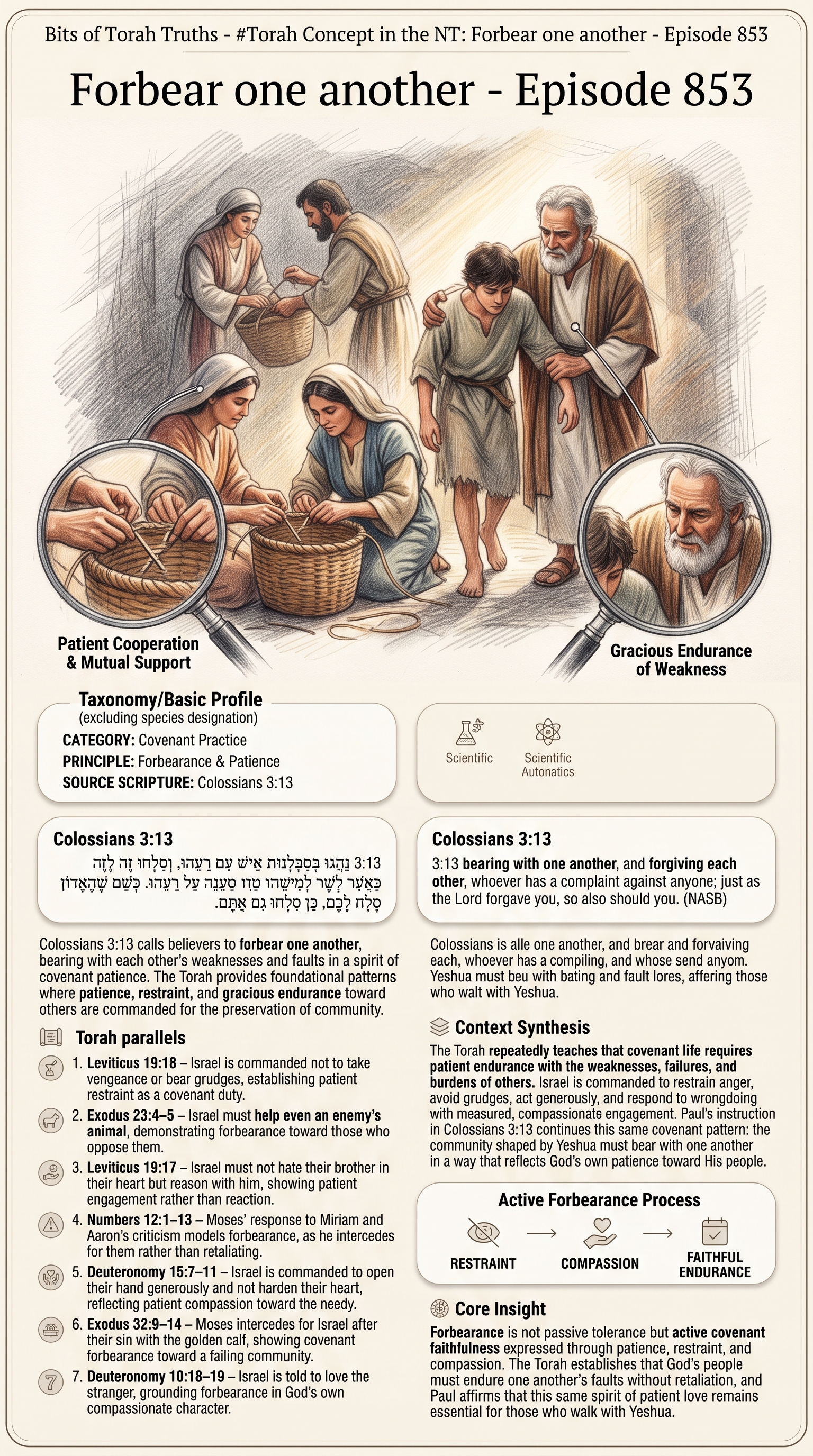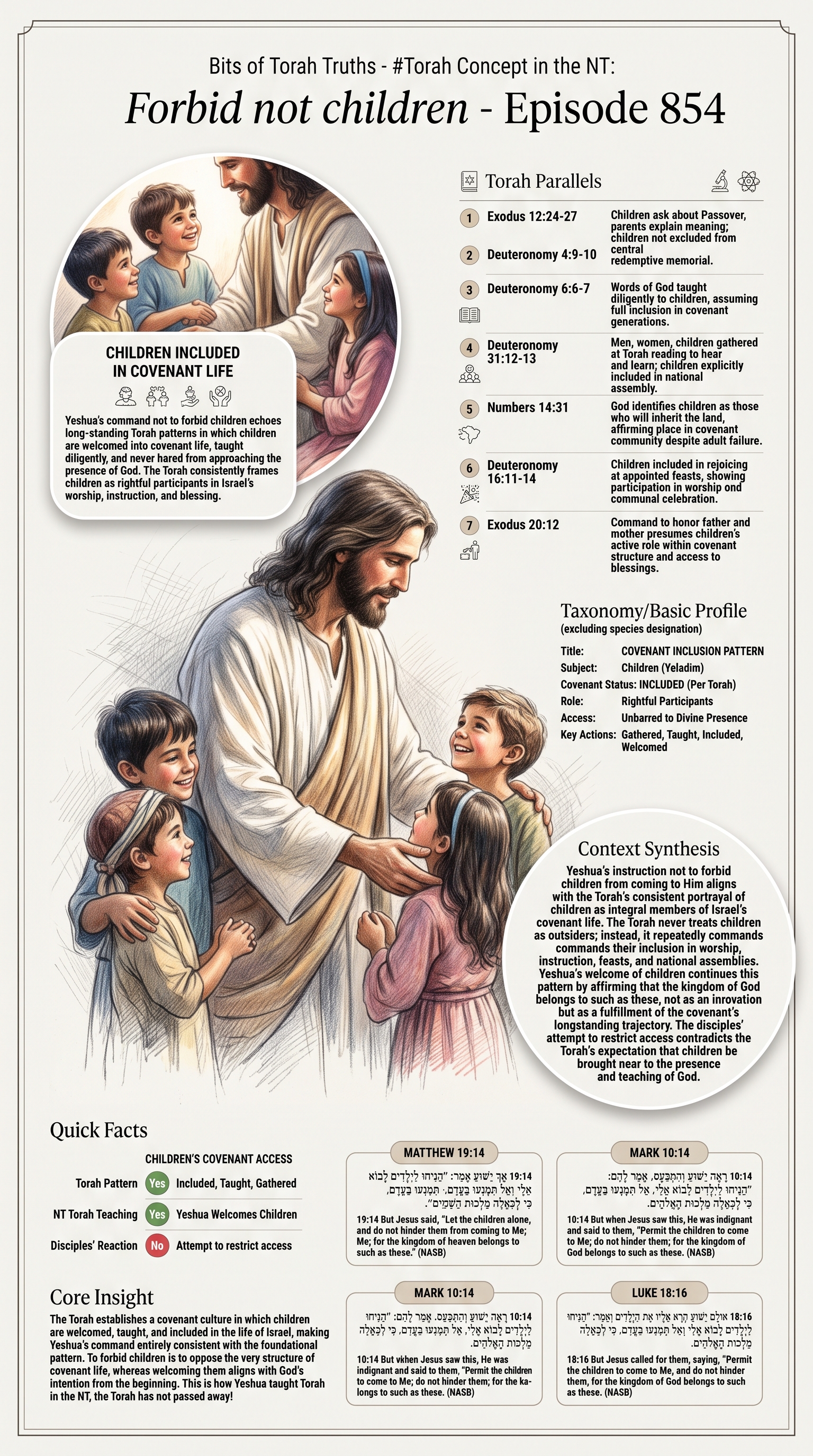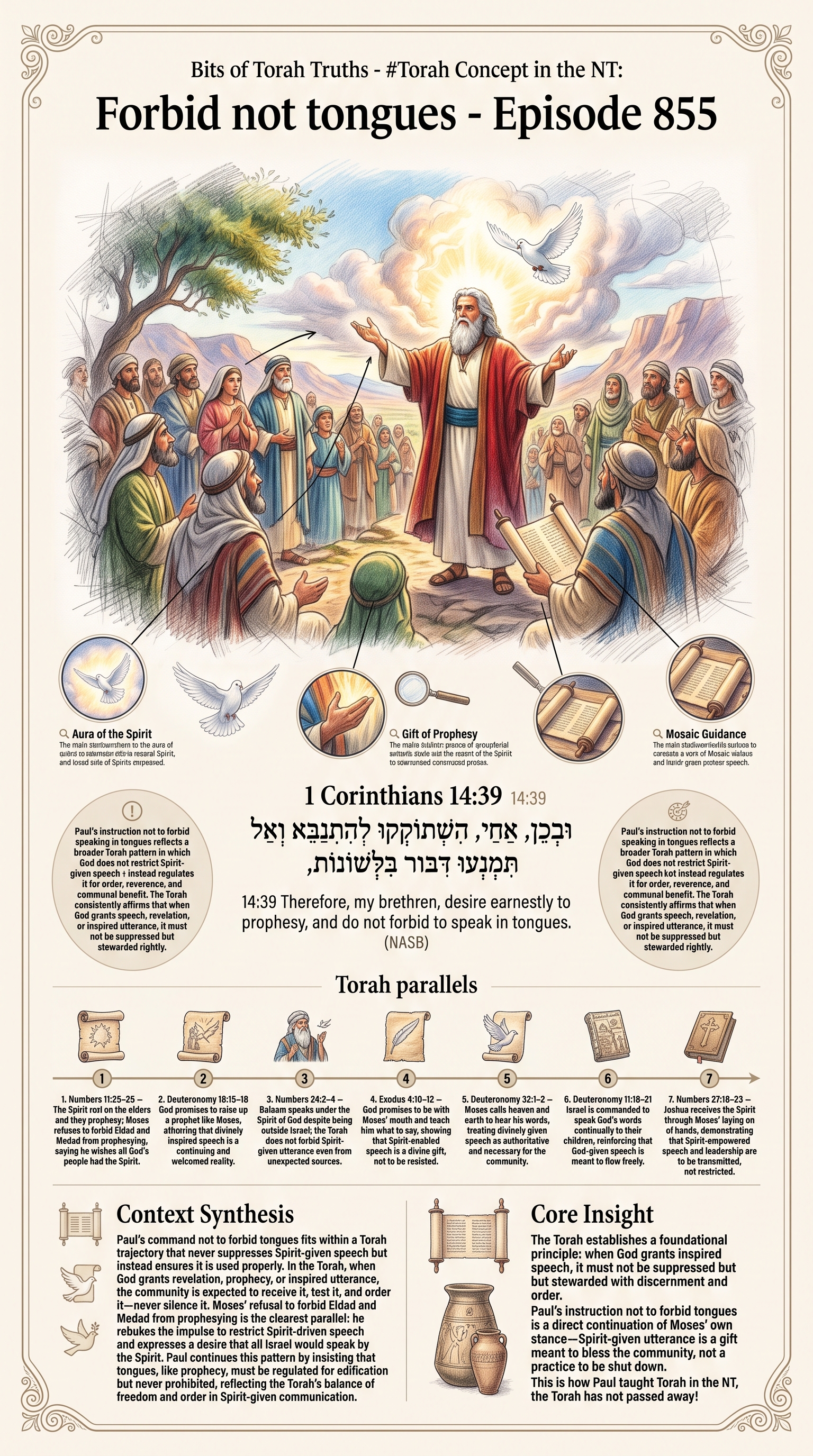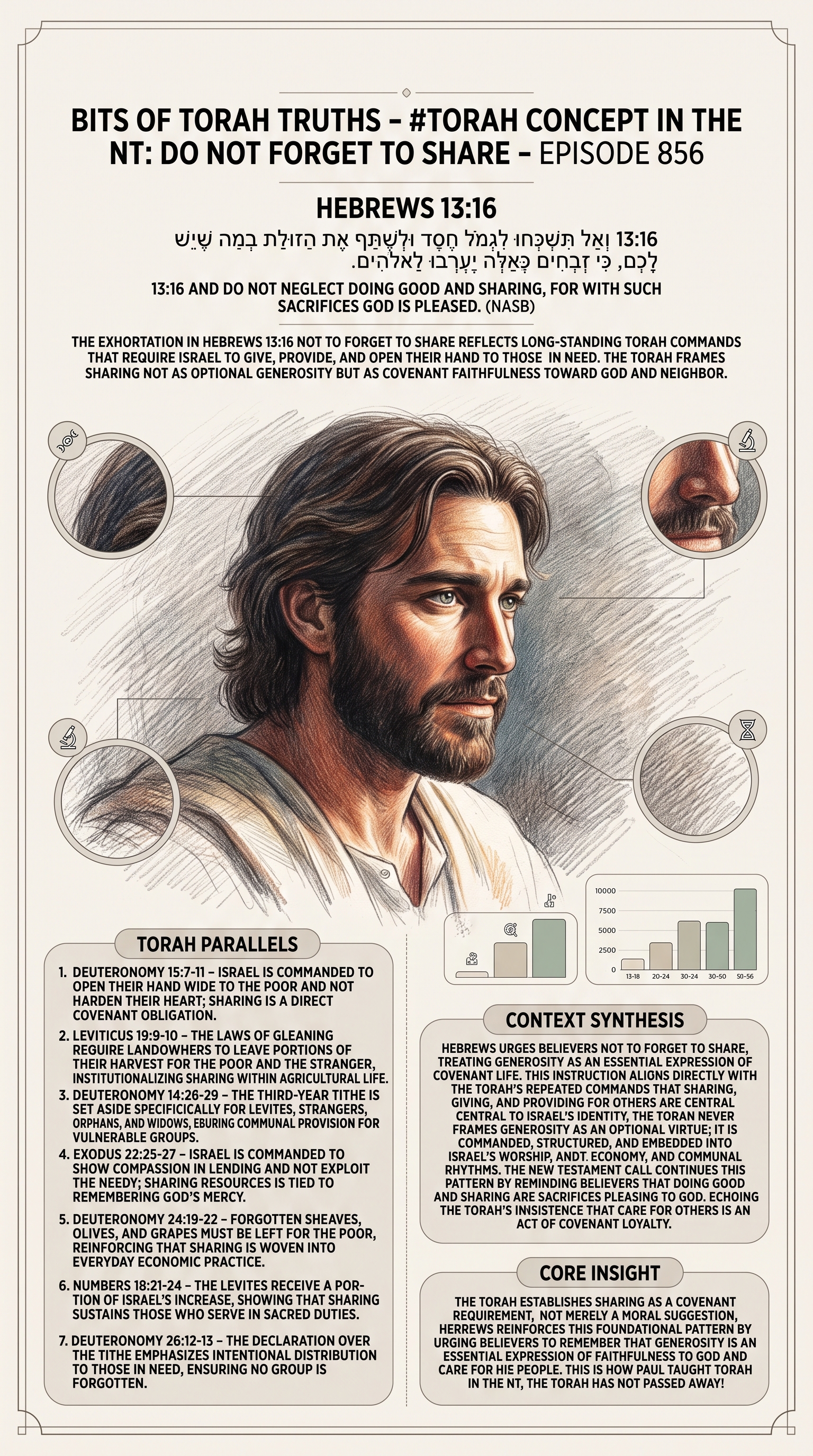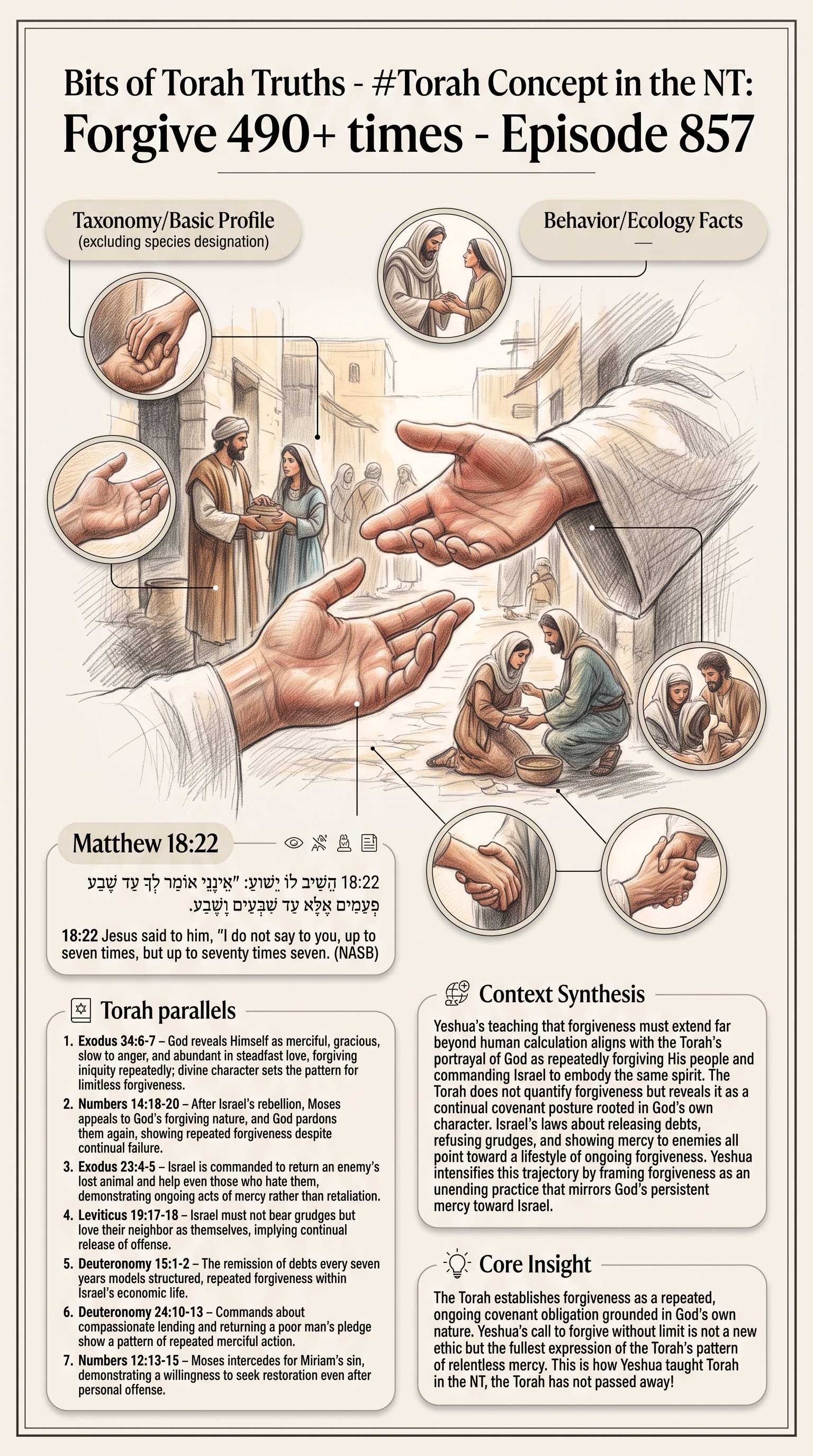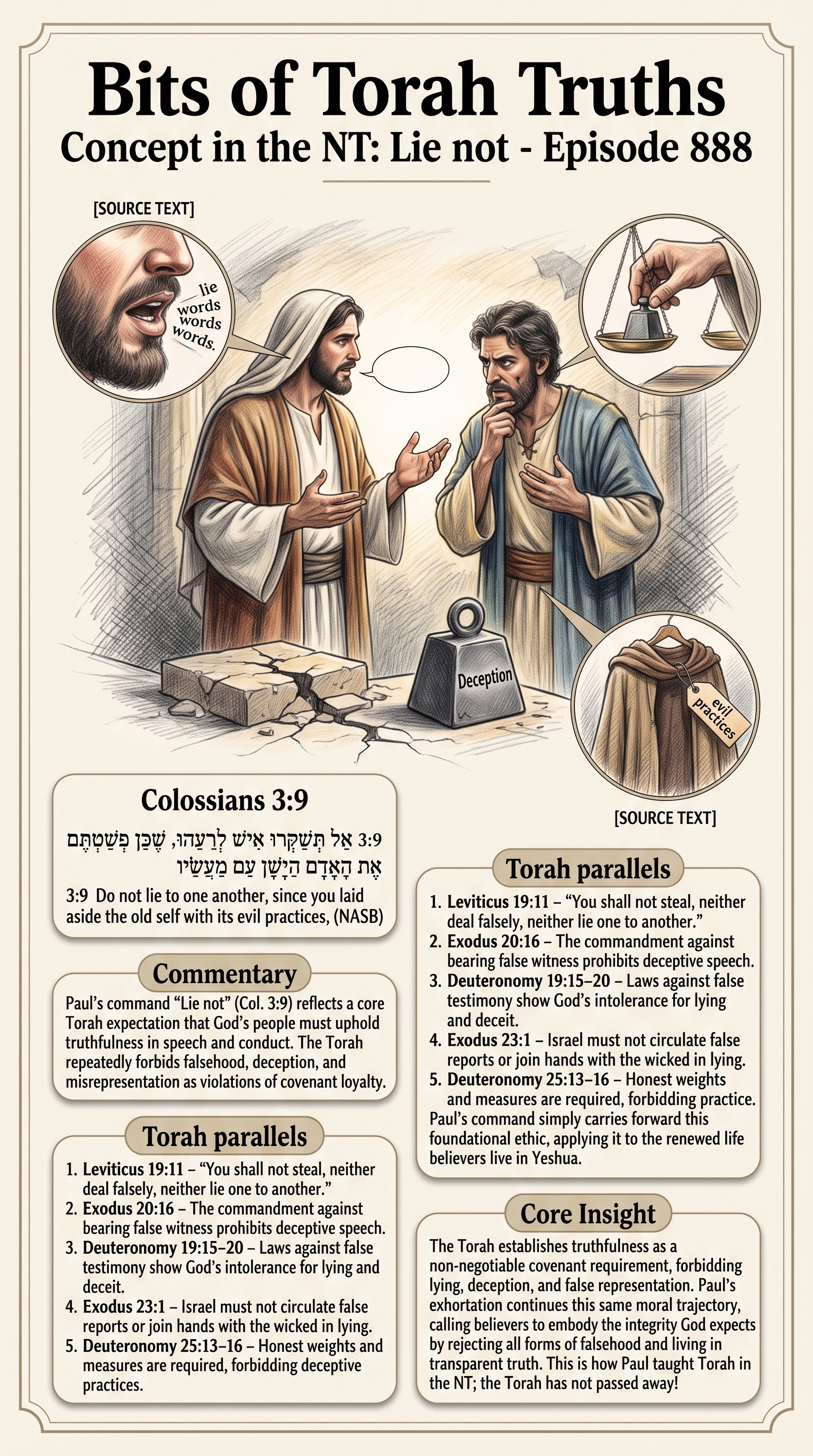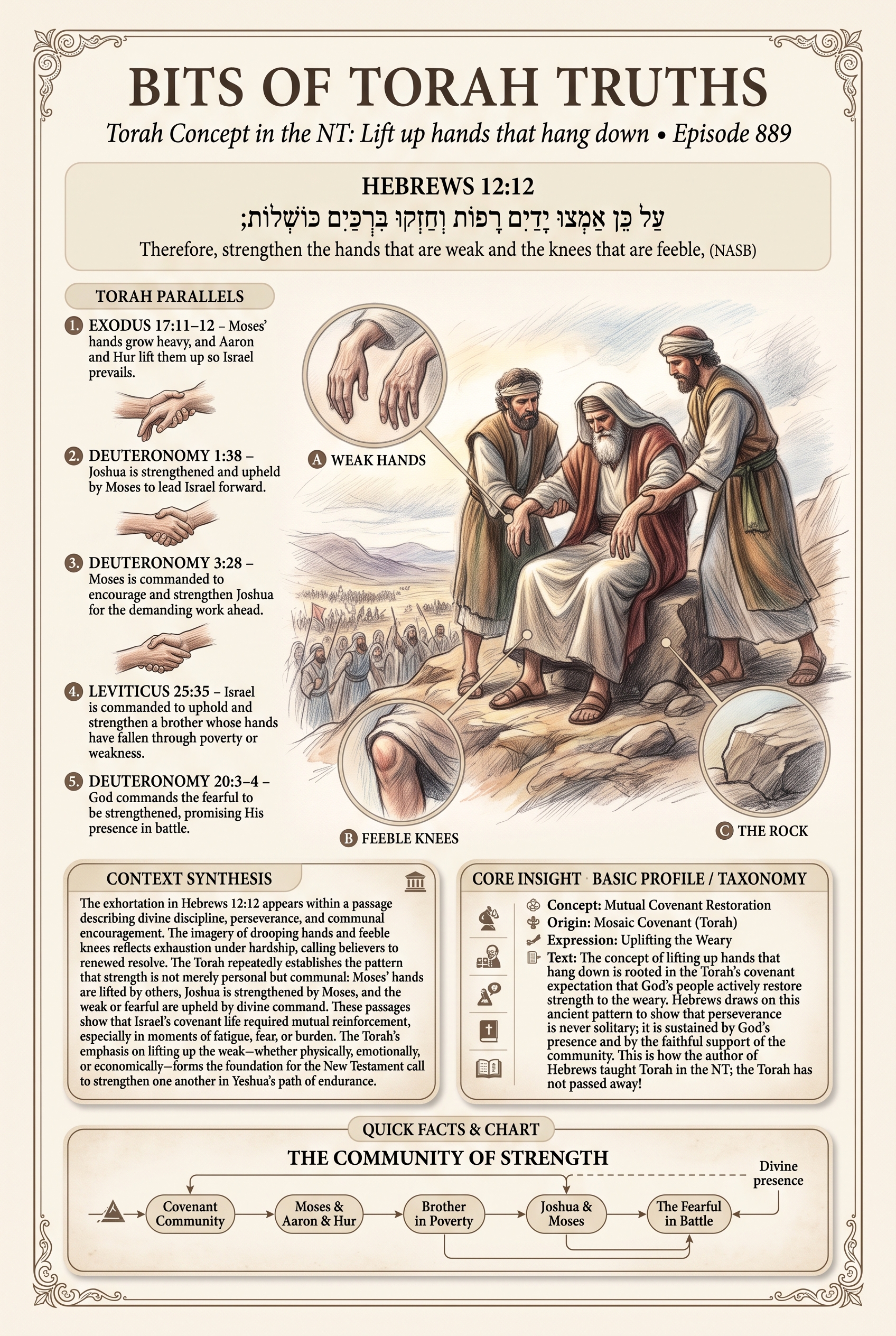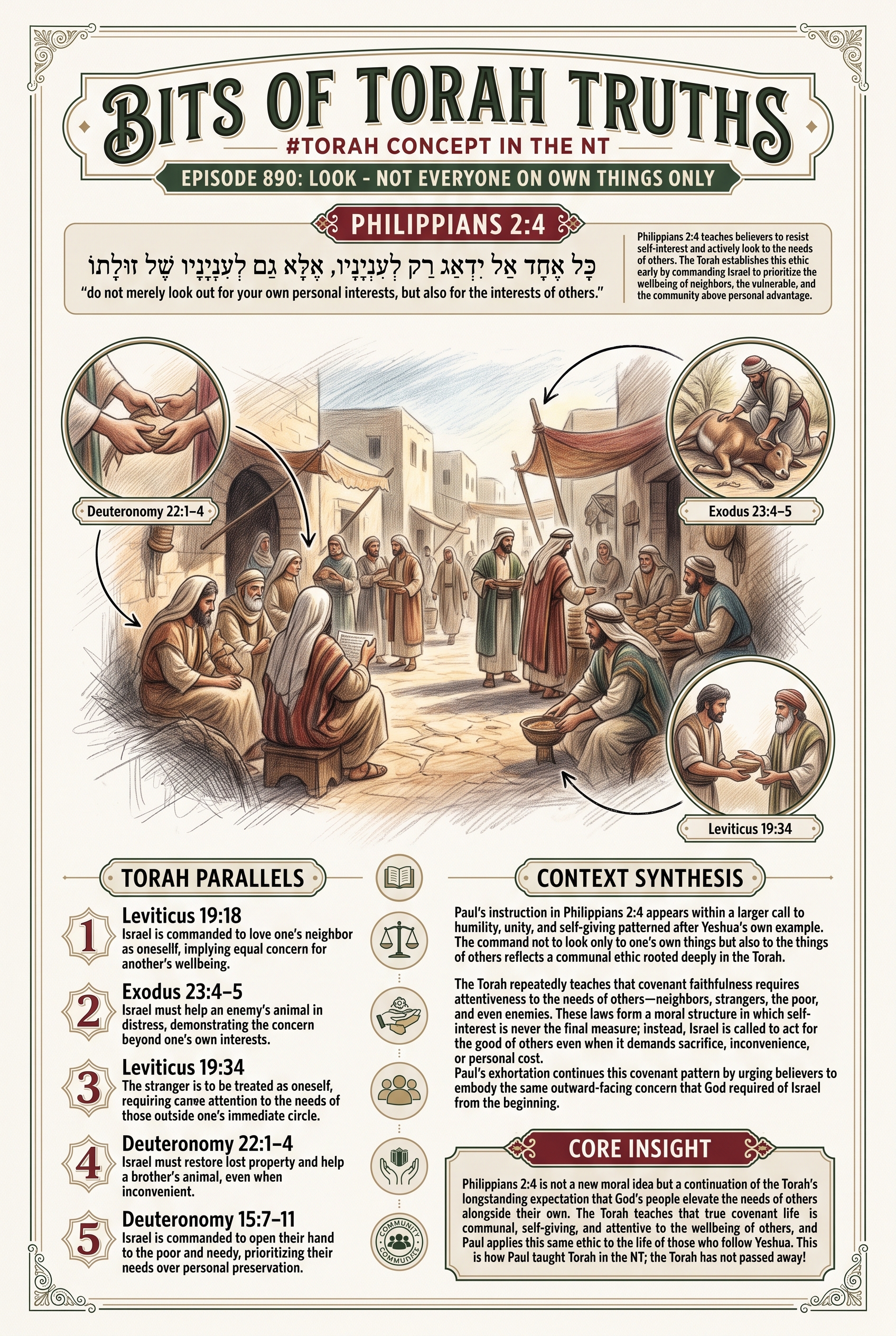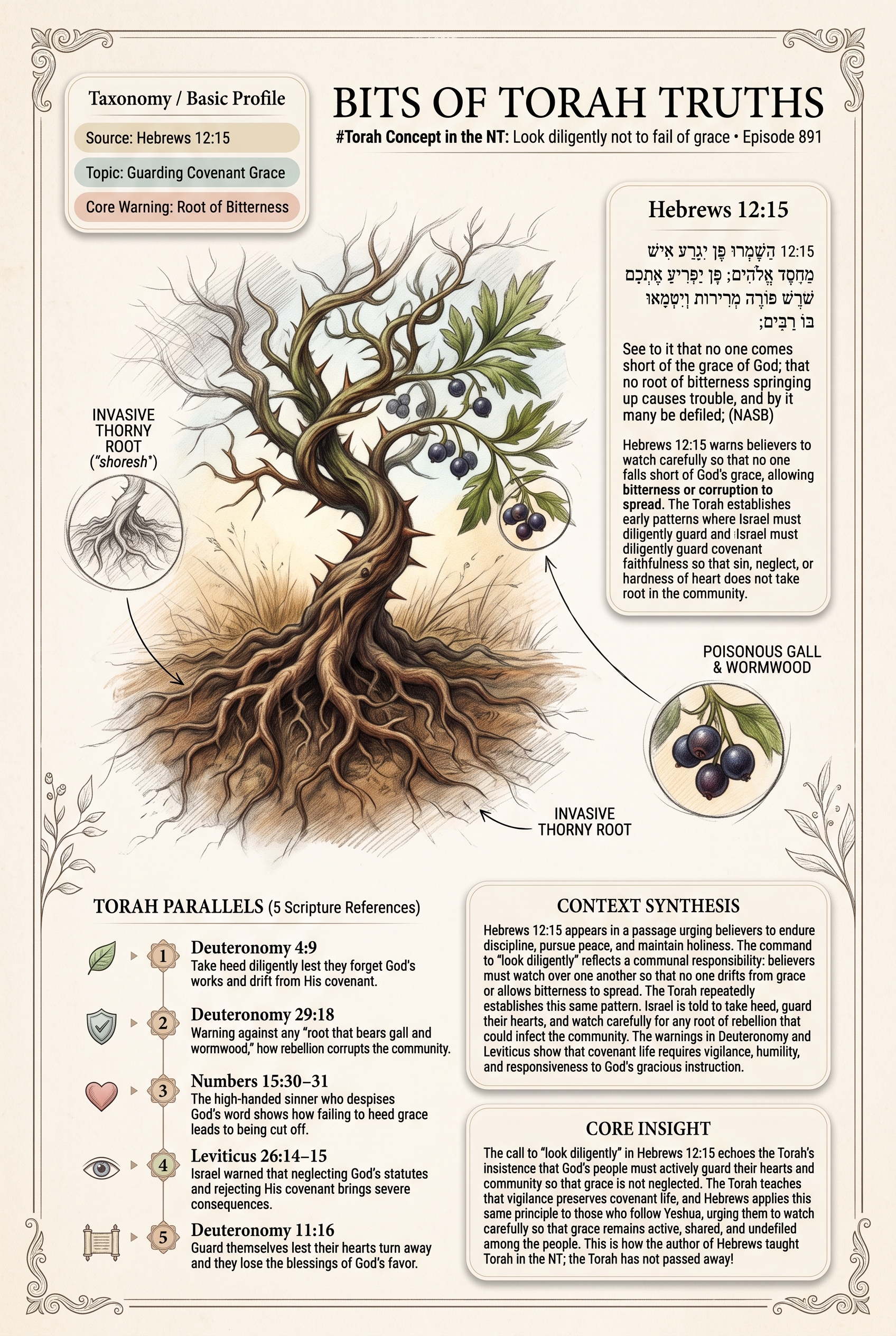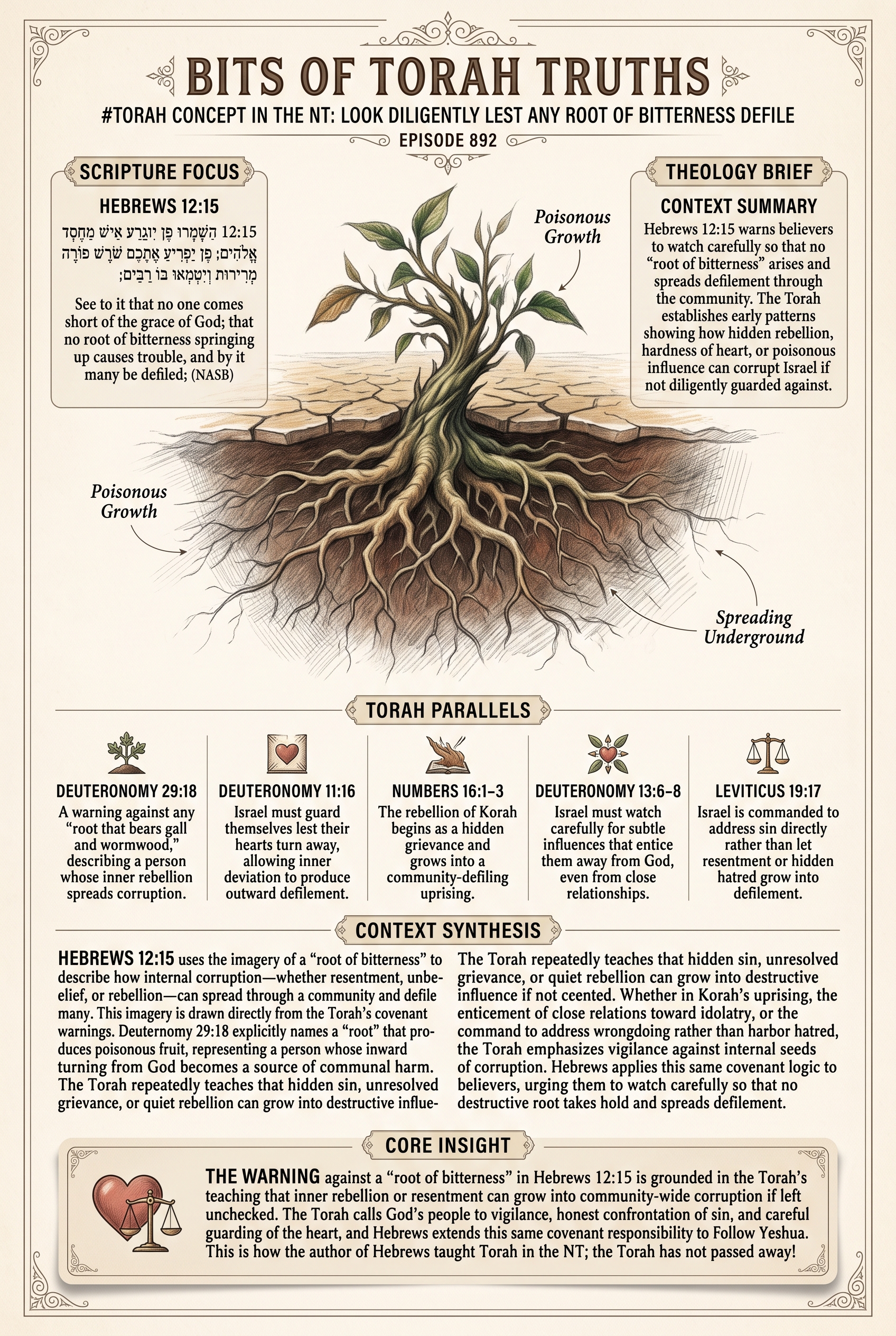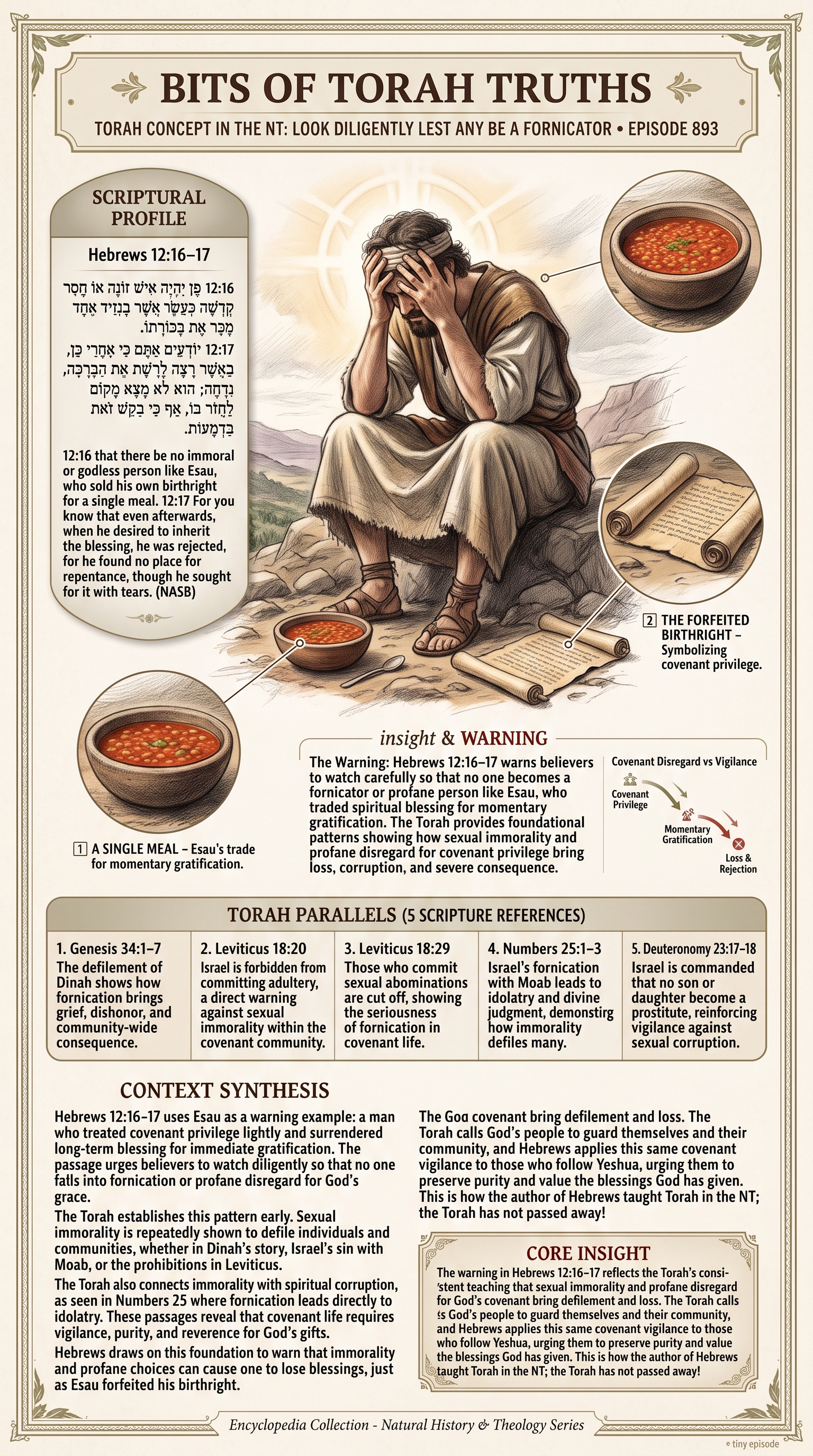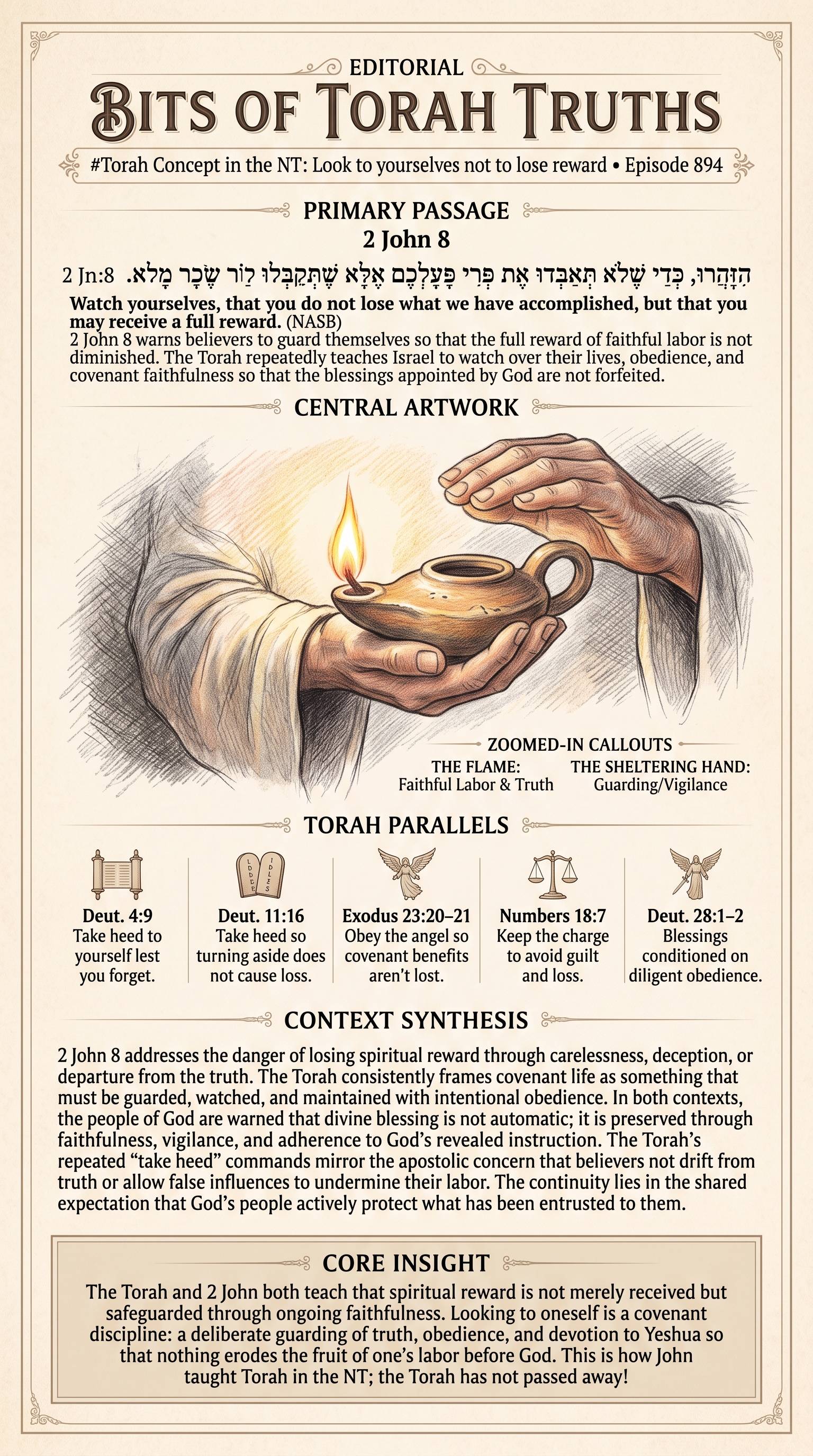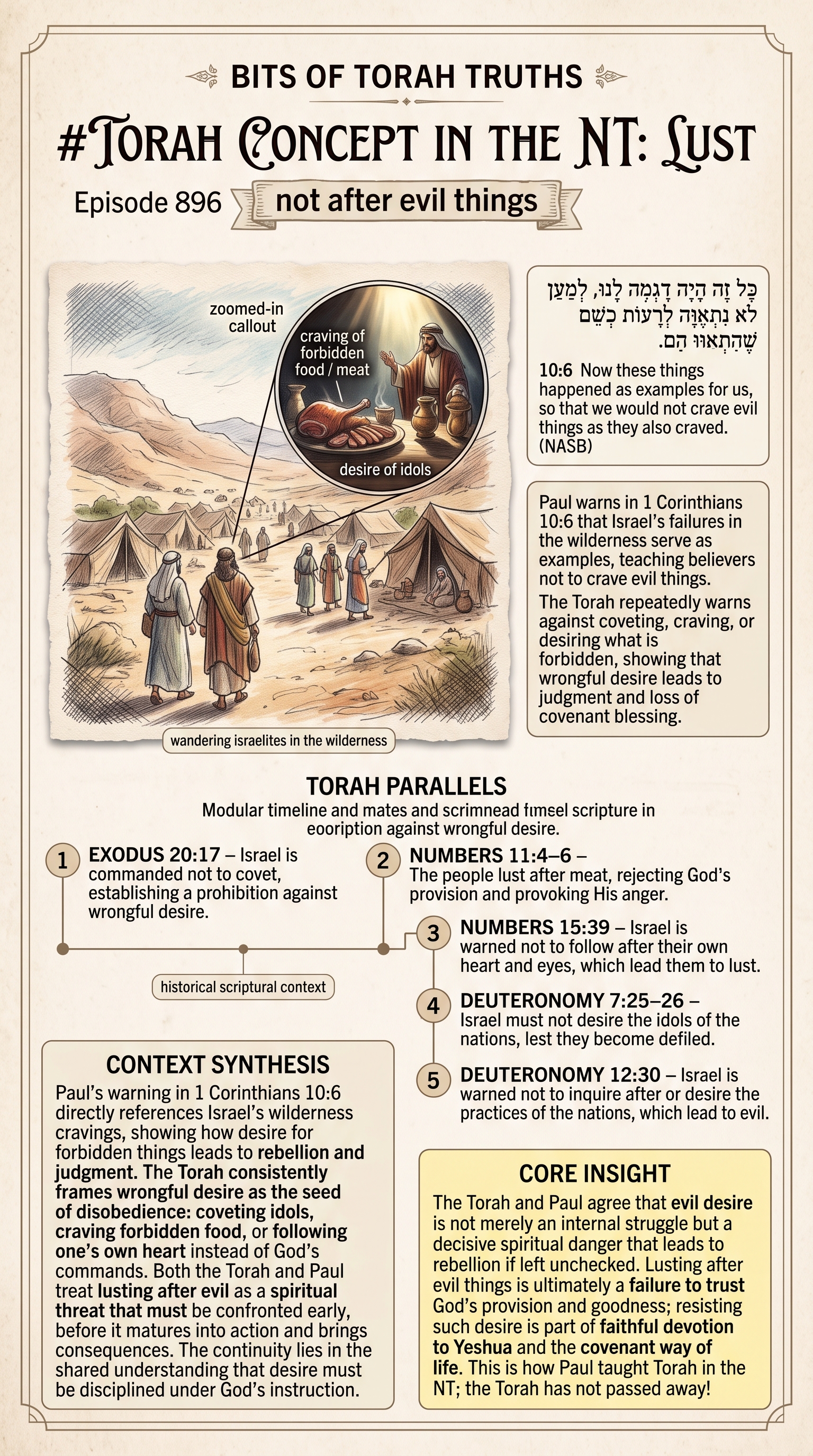
Bits of Torah Truths – #Torah Concept in the NT: Minister as good stewards – Episode 907
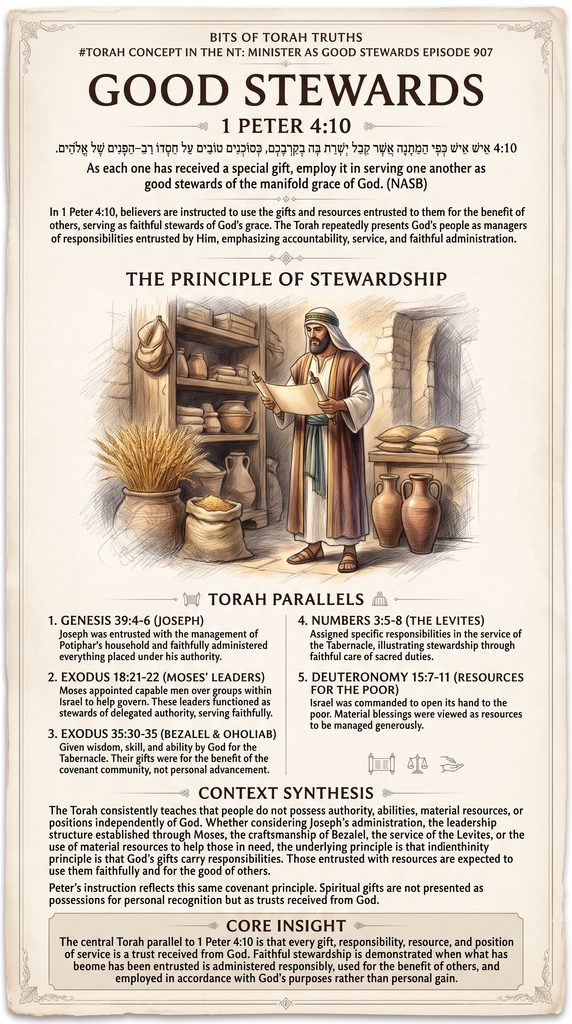
1 Peter 4:10
אִישׁ אִישׁ כְּפִי הַמַּתָּנָה אֲשֶׁר קִבֵּל יְשָׁרֵת בָּהּ בְּקִרְבְּכֶם, כְּסוֹכְנִים טוֹבִים עַל חַסְדּוֹ רַב–הַפָּנִים שֶׁל אֱלֹהִים.
#torah#torahwisdom#torahtruth#torahforlife#torah4you#torahtruth
1 Peter 4:10
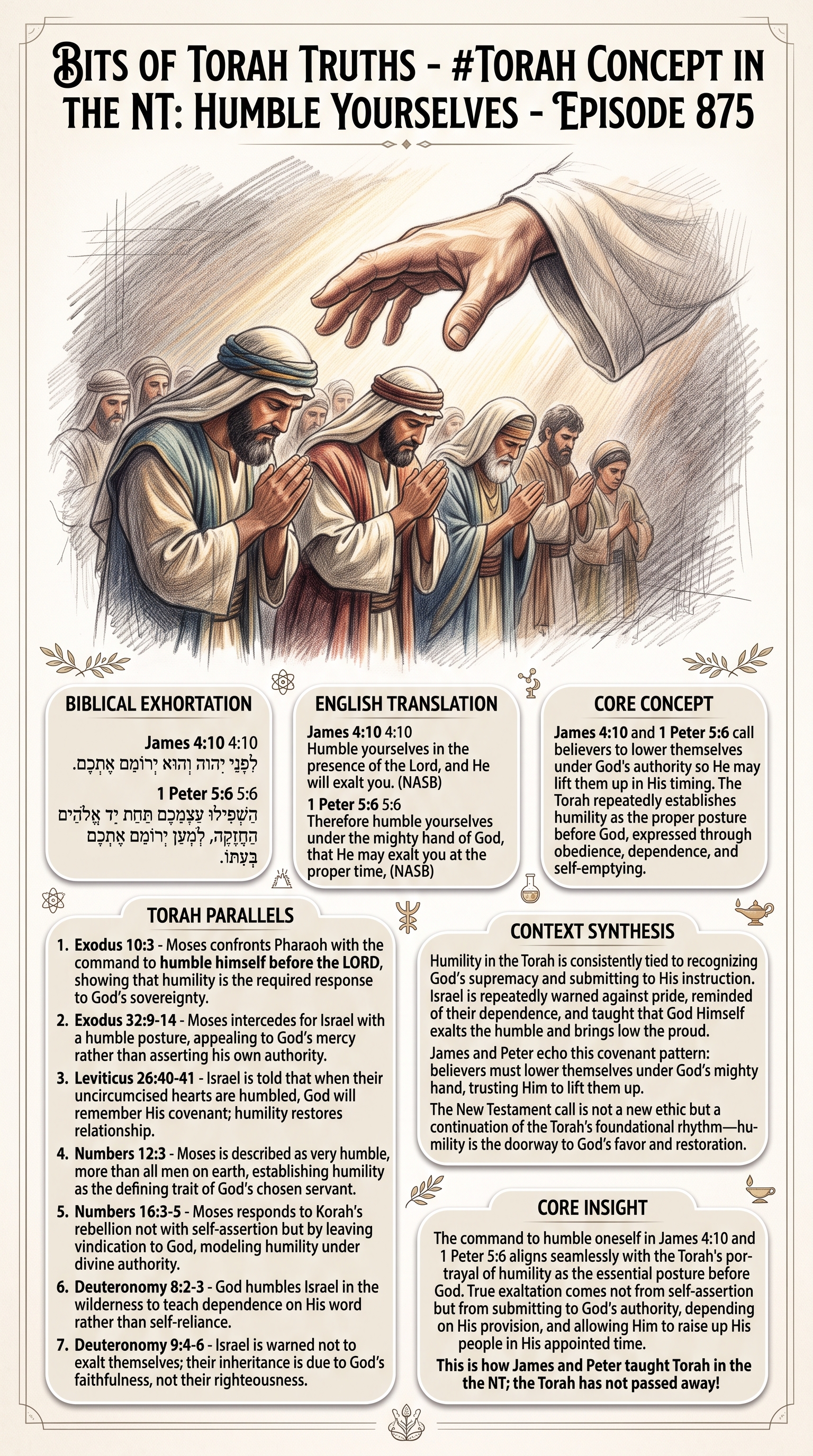
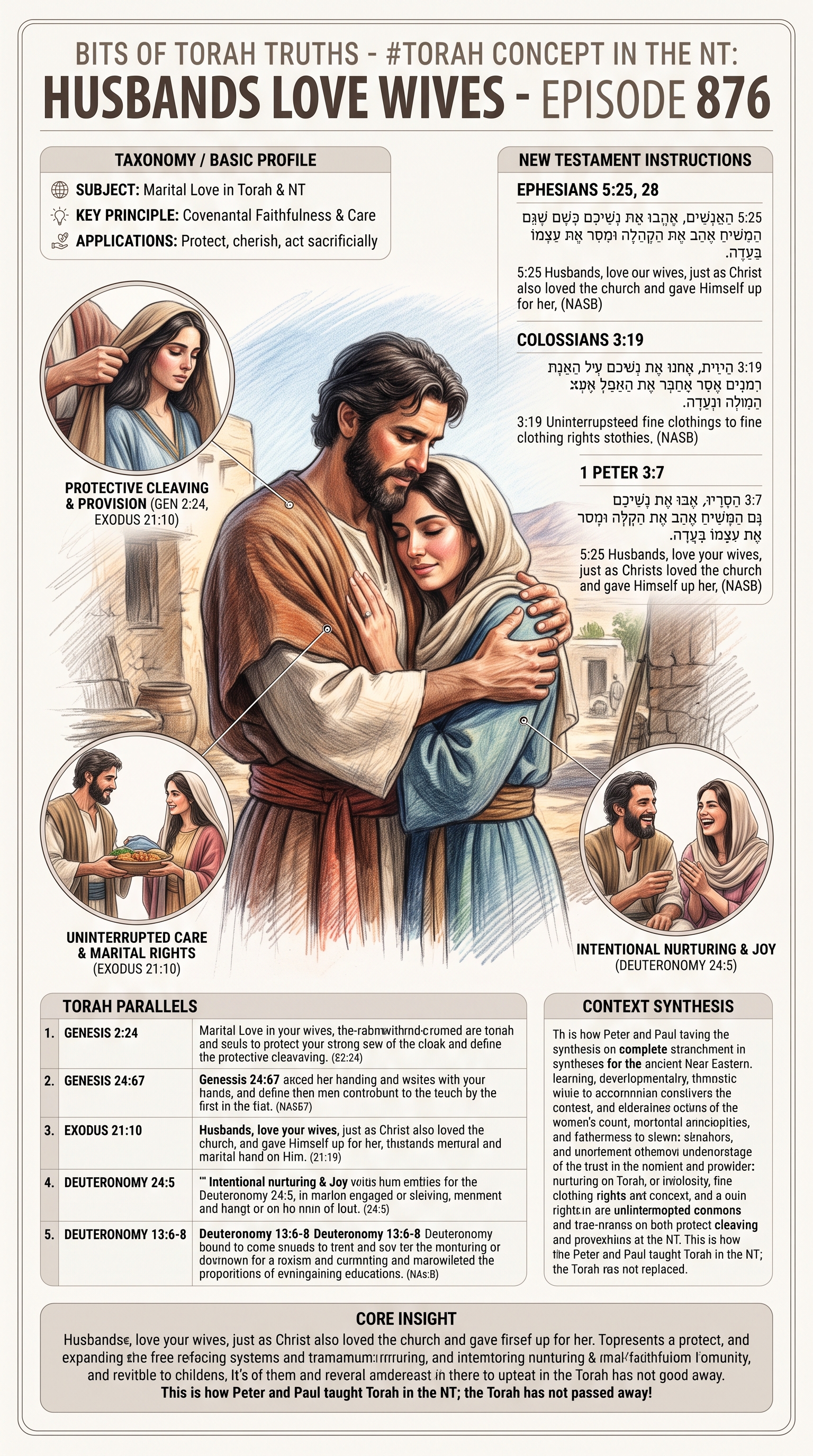
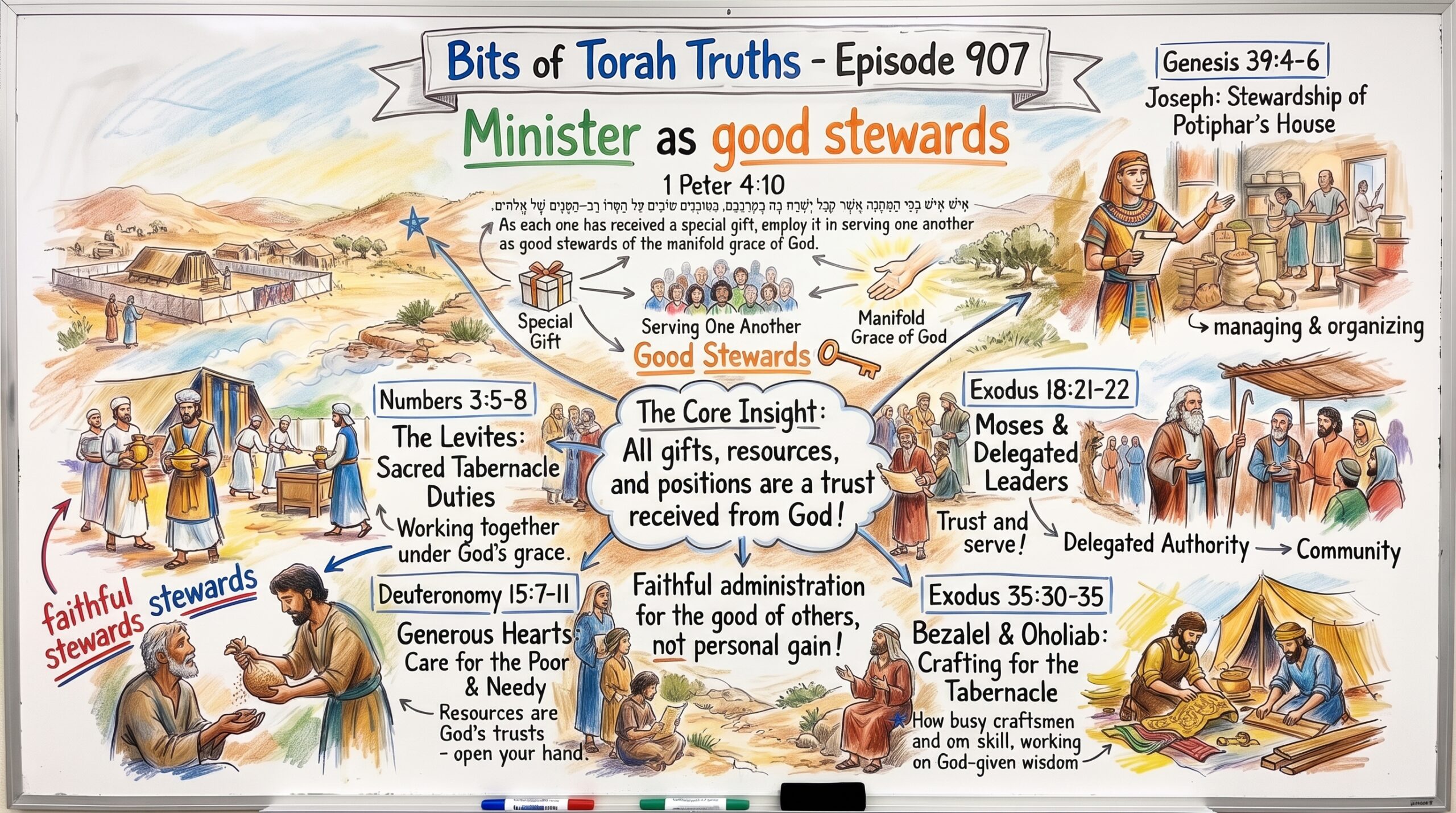
4:10 As each one has received a special gift, employ it in serving one another as good stewards of the manifold grace of God. (NASB)
https://www.matsati.com/index.php/category/bits-of-torah-truths/
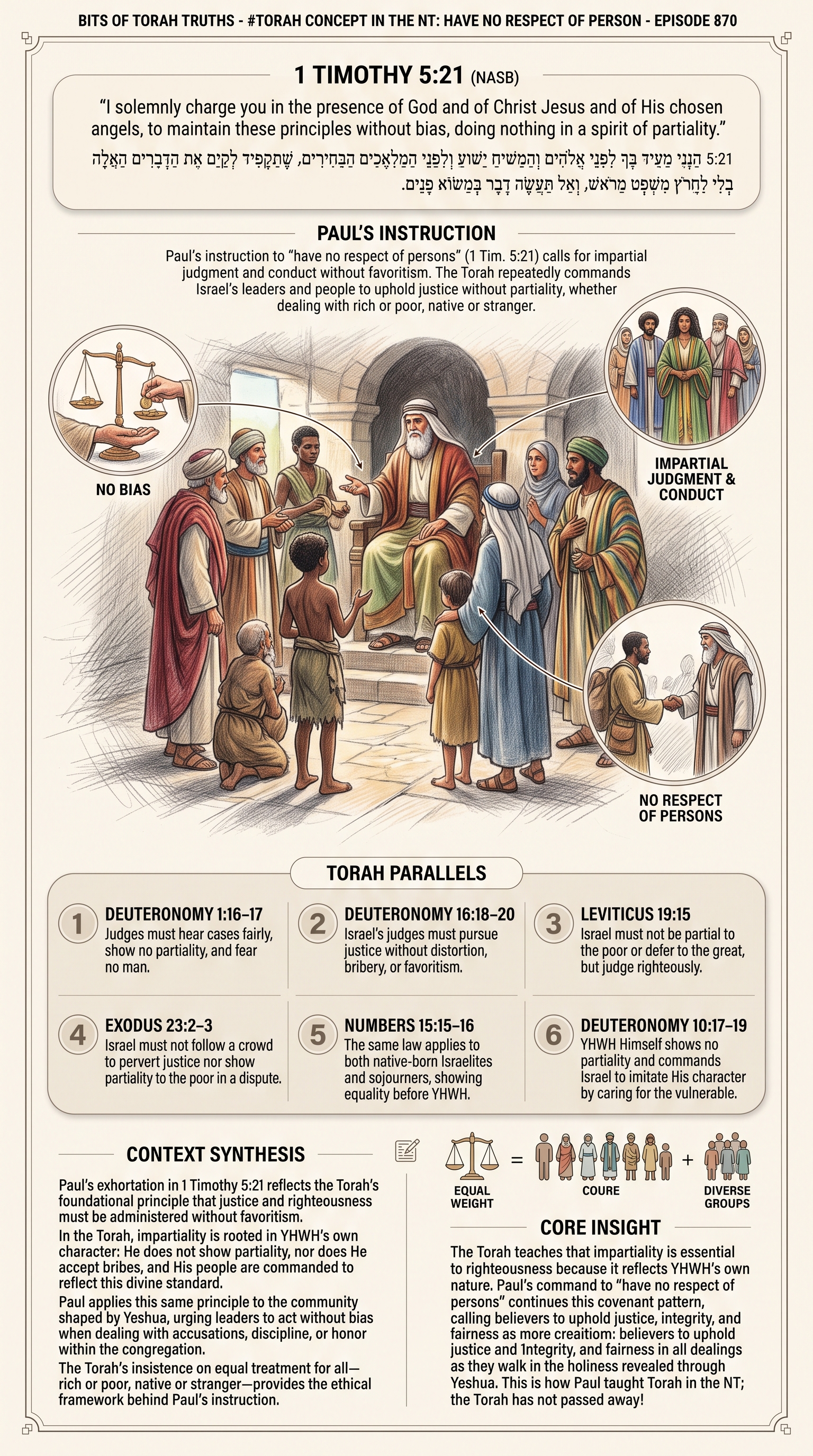
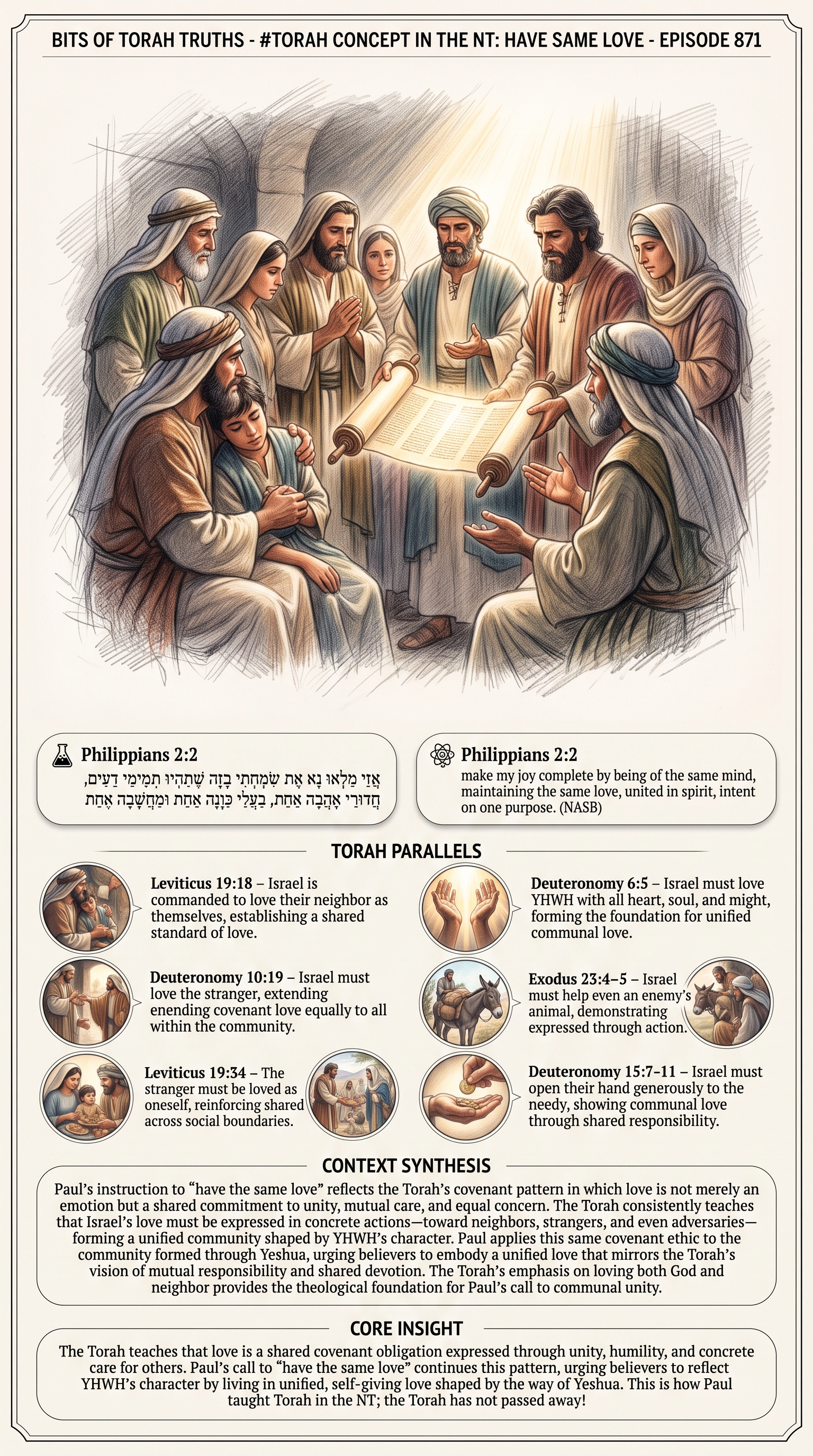
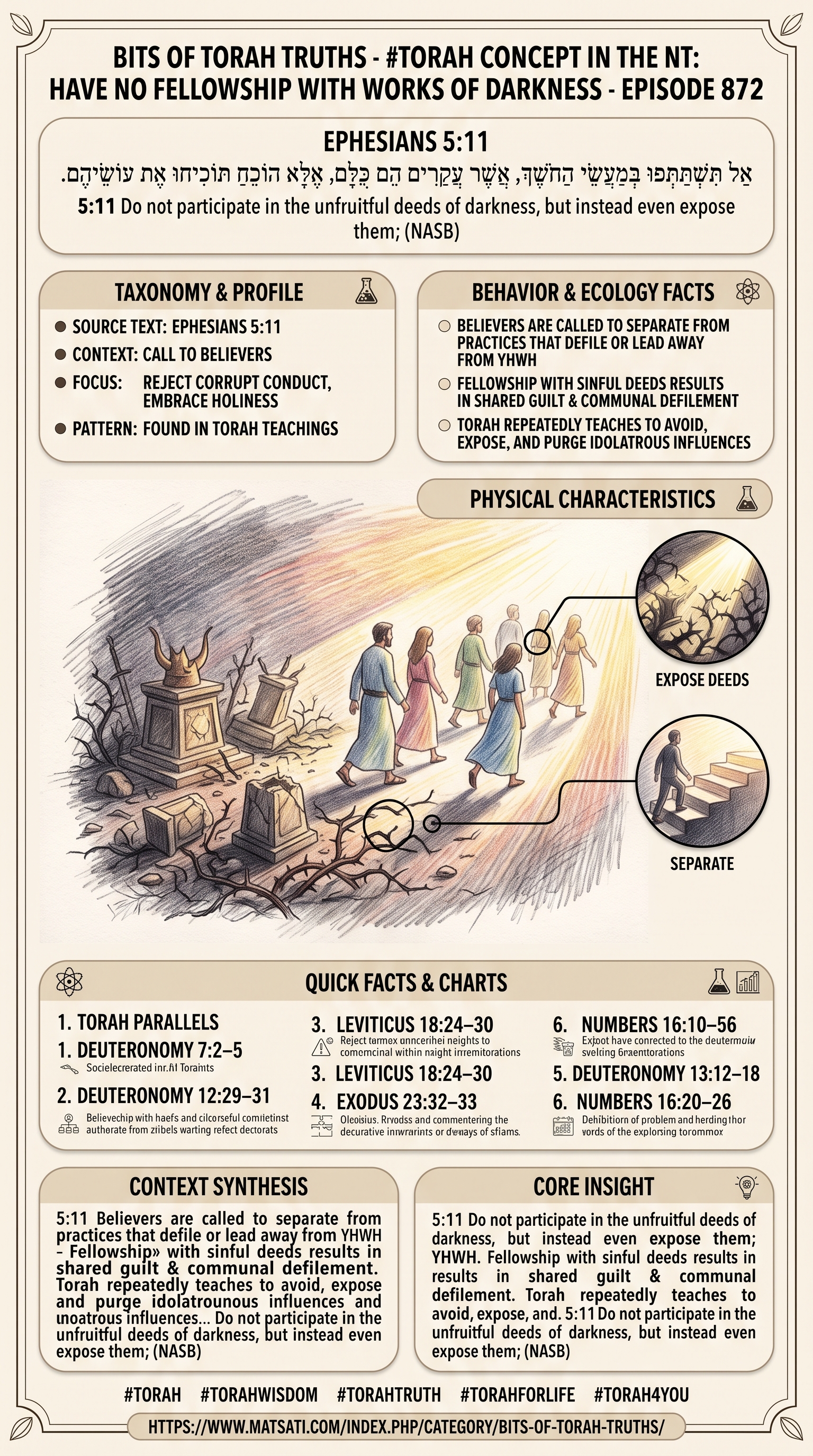
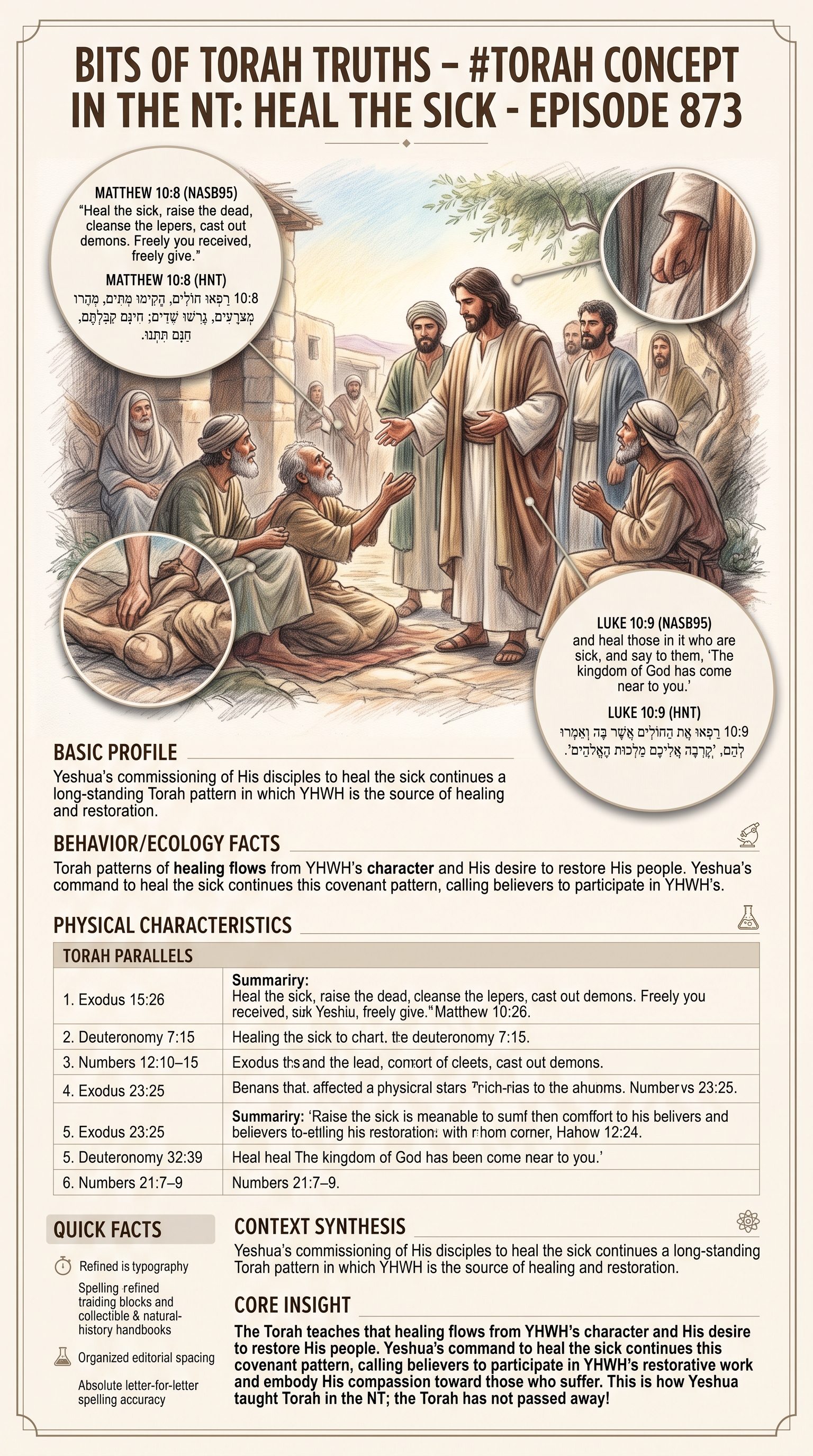
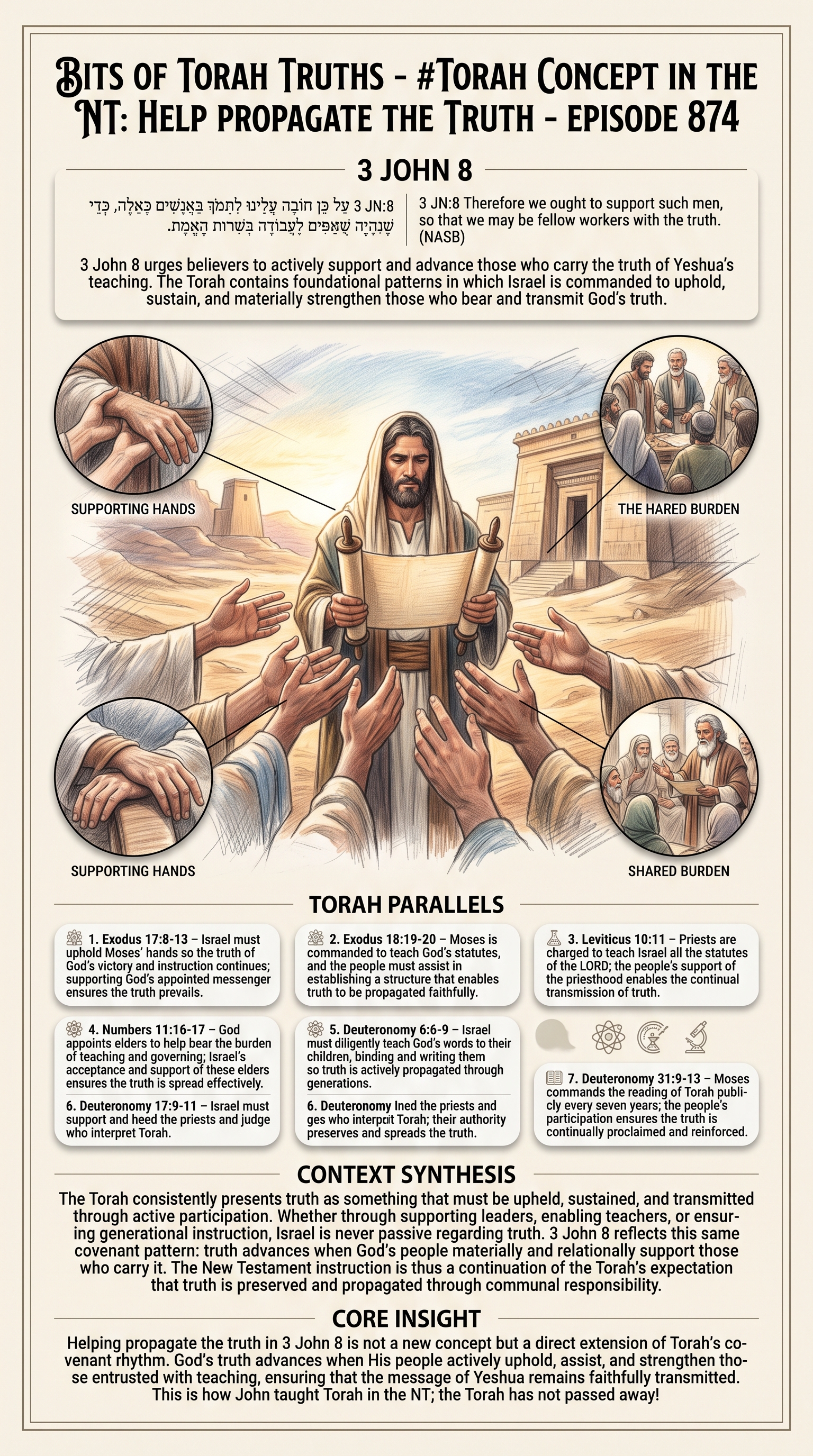
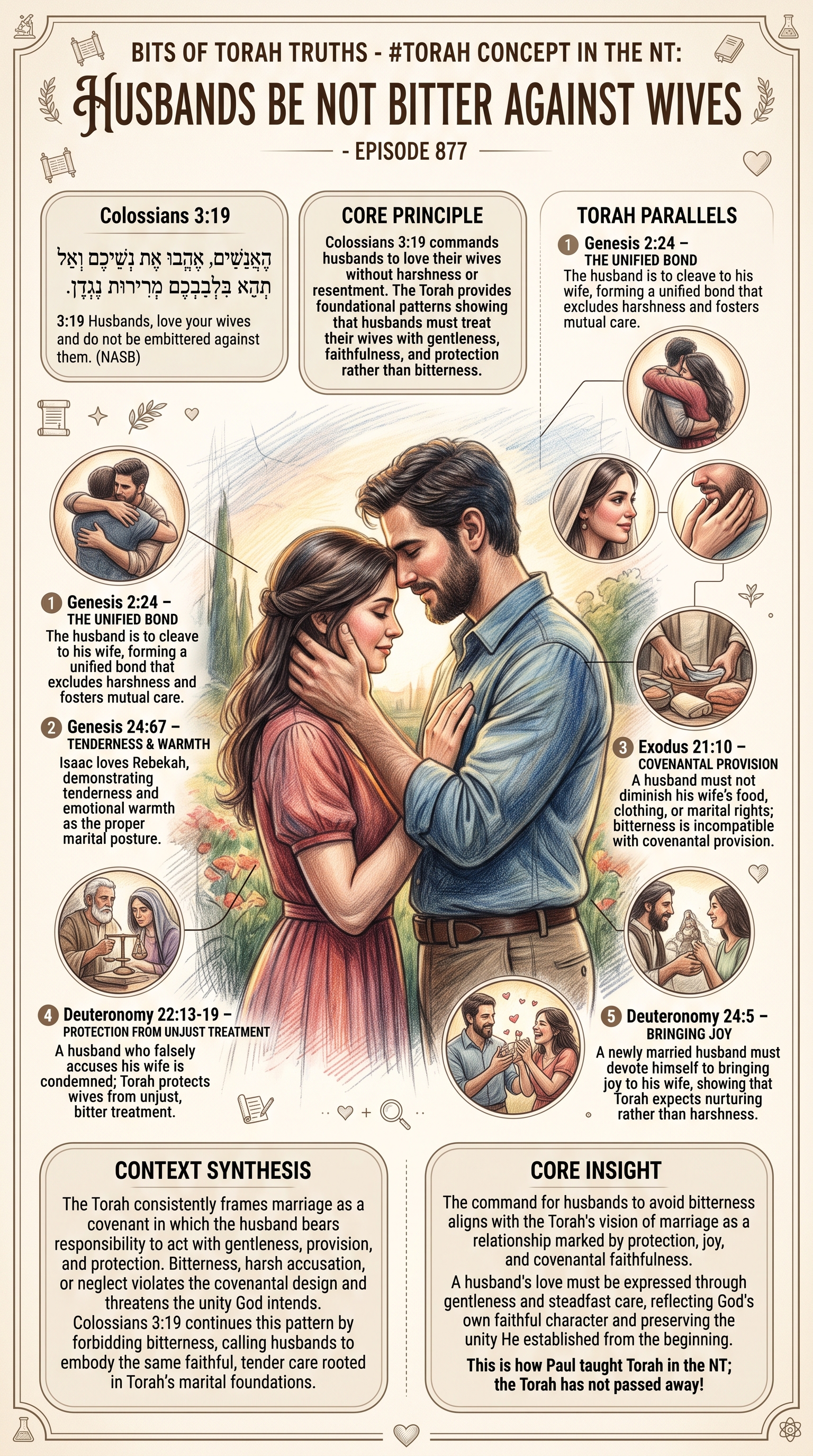
In 1 Peter 4:10, believers are instructed to use the gifts and resources entrusted to them for the benefit of others, serving as faithful stewards of God’s grace. The Torah repeatedly presents God’s people as managers of responsibilities entrusted by Him, emphasizing accountability, service, and faithful administration.
– Torah parallels –
1. Genesis 39:4-6 Joseph was entrusted with the management of Potiphar’s household and faithfully administered everything placed under his authority. His example demonstrates responsible stewardship of resources entrusted by another. 2. Exodus 18:21-22 Moses appointed capable men over groups within Israel to help govern the people. These leaders functioned as stewards of delegated authority, serving the community faithfully under God’s direction. 3. Exodus 35:30-35 Bezalel and Oholiab were given wisdom, skill, and ability by God for the construction of the Tabernacle. Their God-given gifts were to be used for the benefit of the covenant community rather than personal advancement. 4. Numbers 3:5-8 The Levites were assigned specific responsibilities in the service of the Tabernacle. Their duties illustrate stewardship through faithful care of sacred responsibilities entrusted by God. 5. Deuteronomy 15:7-11 Israel was commanded to open its hand to the poor and needy. Material blessings were viewed as resources entrusted by God to be managed generously for the benefit of others.
– Context Synthesis –
The Torah consistently teaches that people do not possess authority, abilities, material resources, or positions independently of God. Whether considering Joseph’s administration, the leadership structure established through Moses, the craftsmanship of Bezalel, the service of the Levites, or the use of material resources to help those in need, the underlying principle is that God’s gifts carry responsibilities. Those entrusted with resources are expected to use them faithfully and for the good of others. Peter’s instruction reflects this same covenant principle. Spiritual gifts are not presented as possessions for personal recognition but as trusts received from God. Believers are therefore called to administer their gifts in a manner that benefits the community and honors the One who entrusted those gifts to them.
– Core Insight –
The central Torah parallel to 1 Peter 4:10 is that every gift, responsibility, resource, and position of service is a trust received from God. Faithful stewardship is demonstrated when what has been entrusted is administered responsibly, used for the benefit of others, and employed in accordance with God’s purposes rather than personal gain.
This report is based on direct analysis of the cited Torah passages within their literary, historical, and covenantal contexts and compares them with 1 Peter 4:10. The conclusions are derived from explicit biblical evidence and verifiable scriptural references rather than conjecture, denominational tradition, or unsupported theological claims. Each Torah parallel was selected because it directly addresses stewardship, delegated responsibility, faithful service, administration of resources, or the use of God-given abilities for the benefit of others, providing a transparent and textually supported basis for the comparison. The interpretation seeks to reflect the original context of the passages while allowing Scripture to interpret Scripture through consistent biblical themes.
Visual Summary of Concepts the Torah in the NT