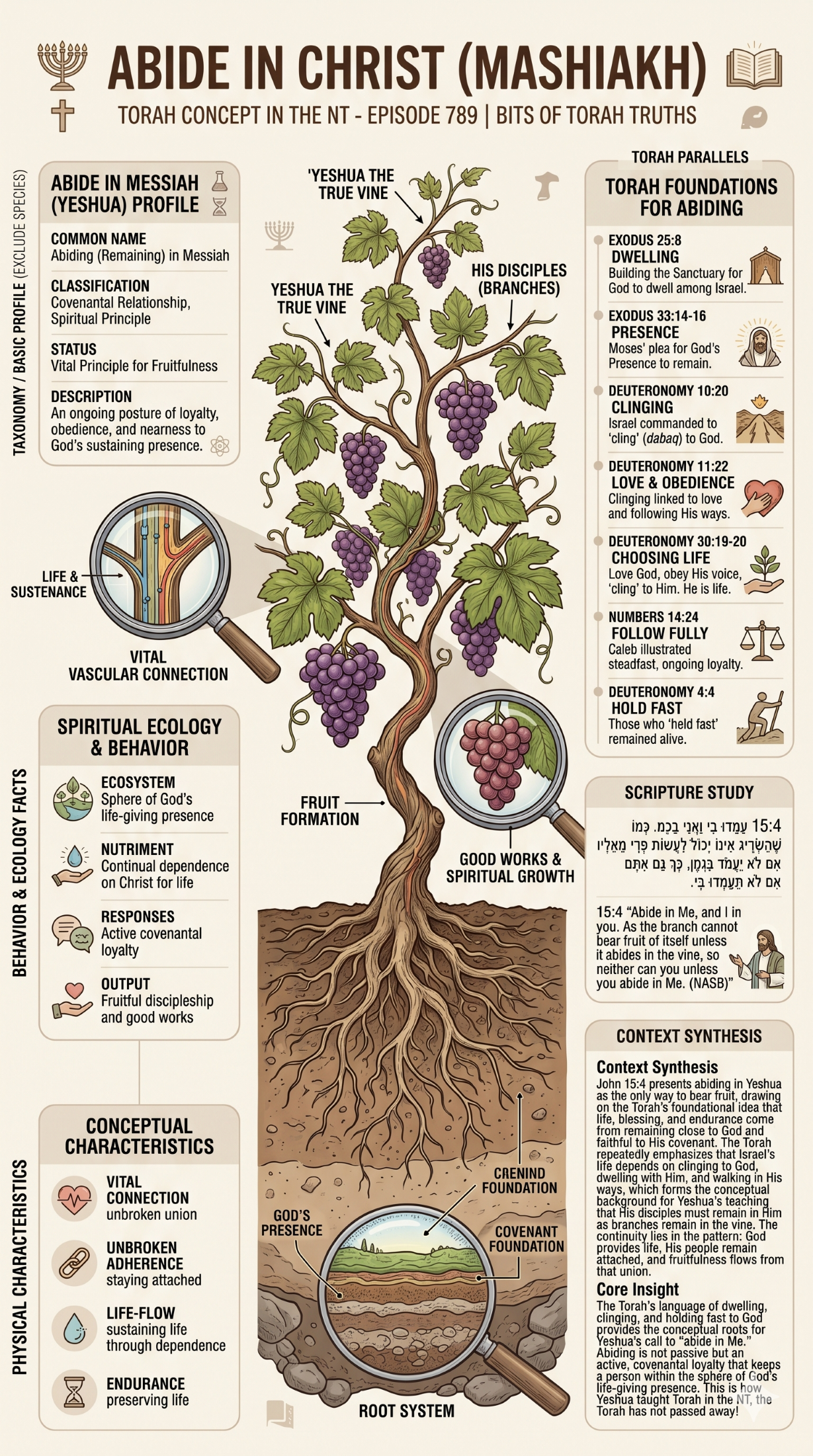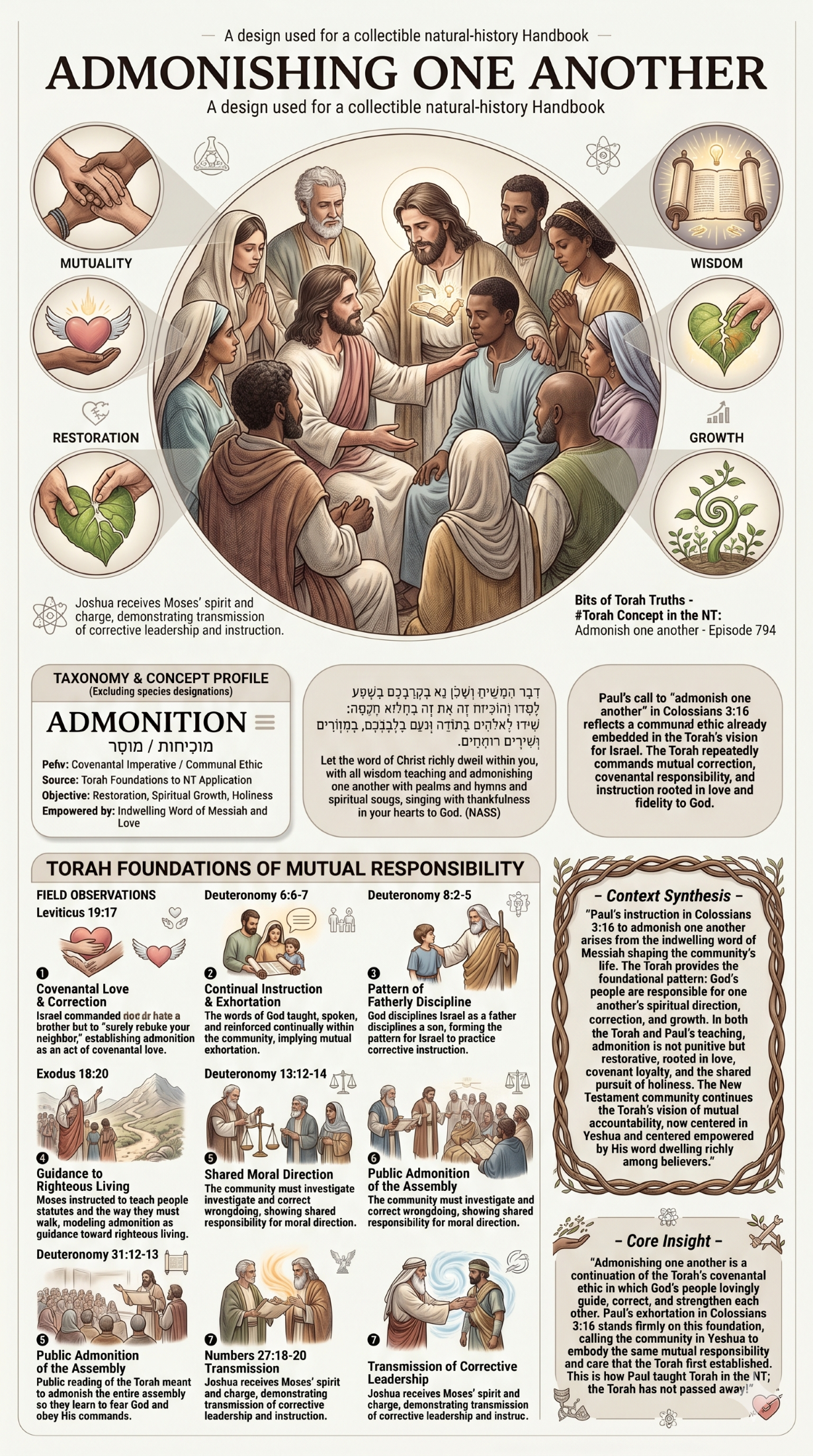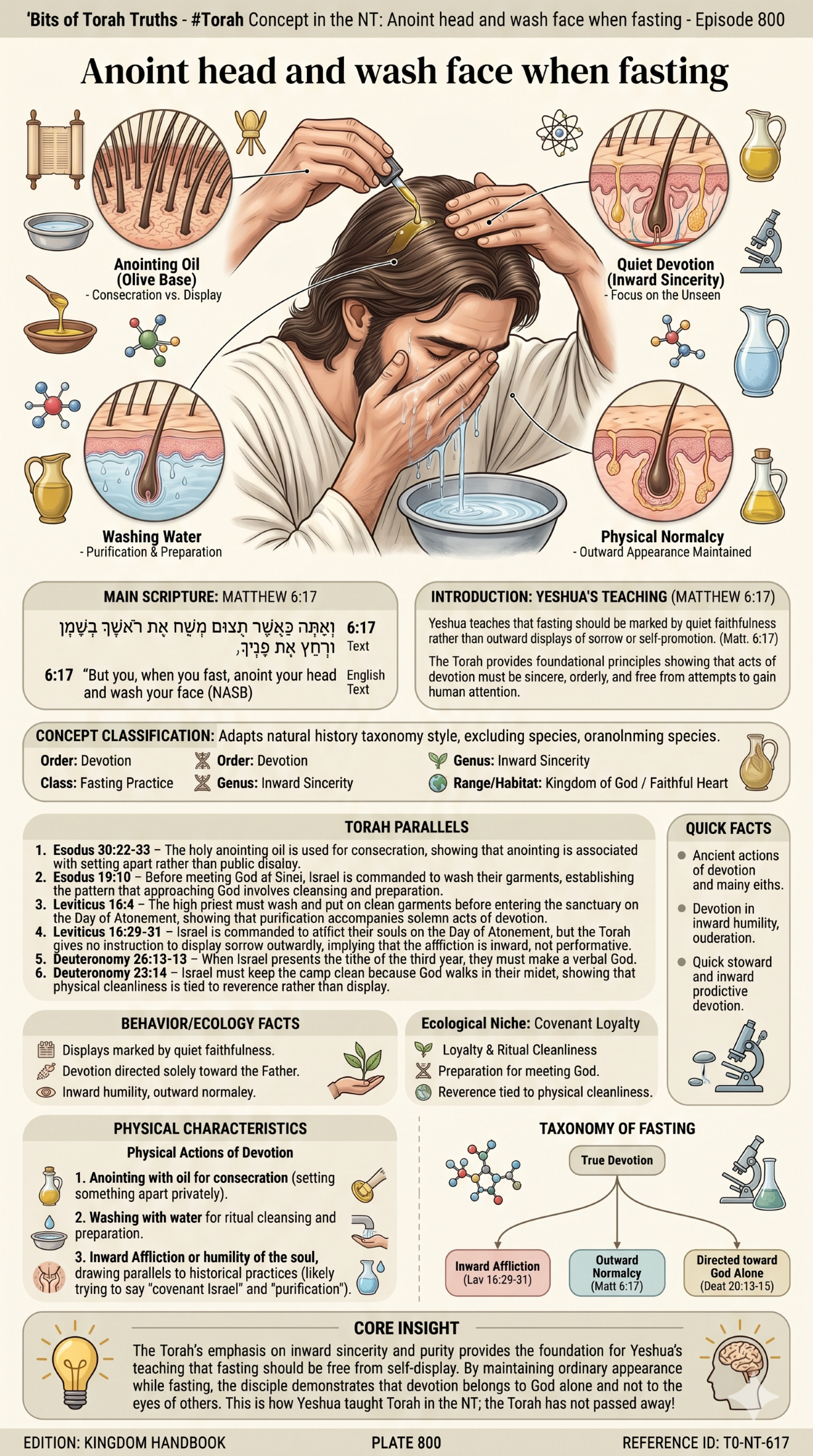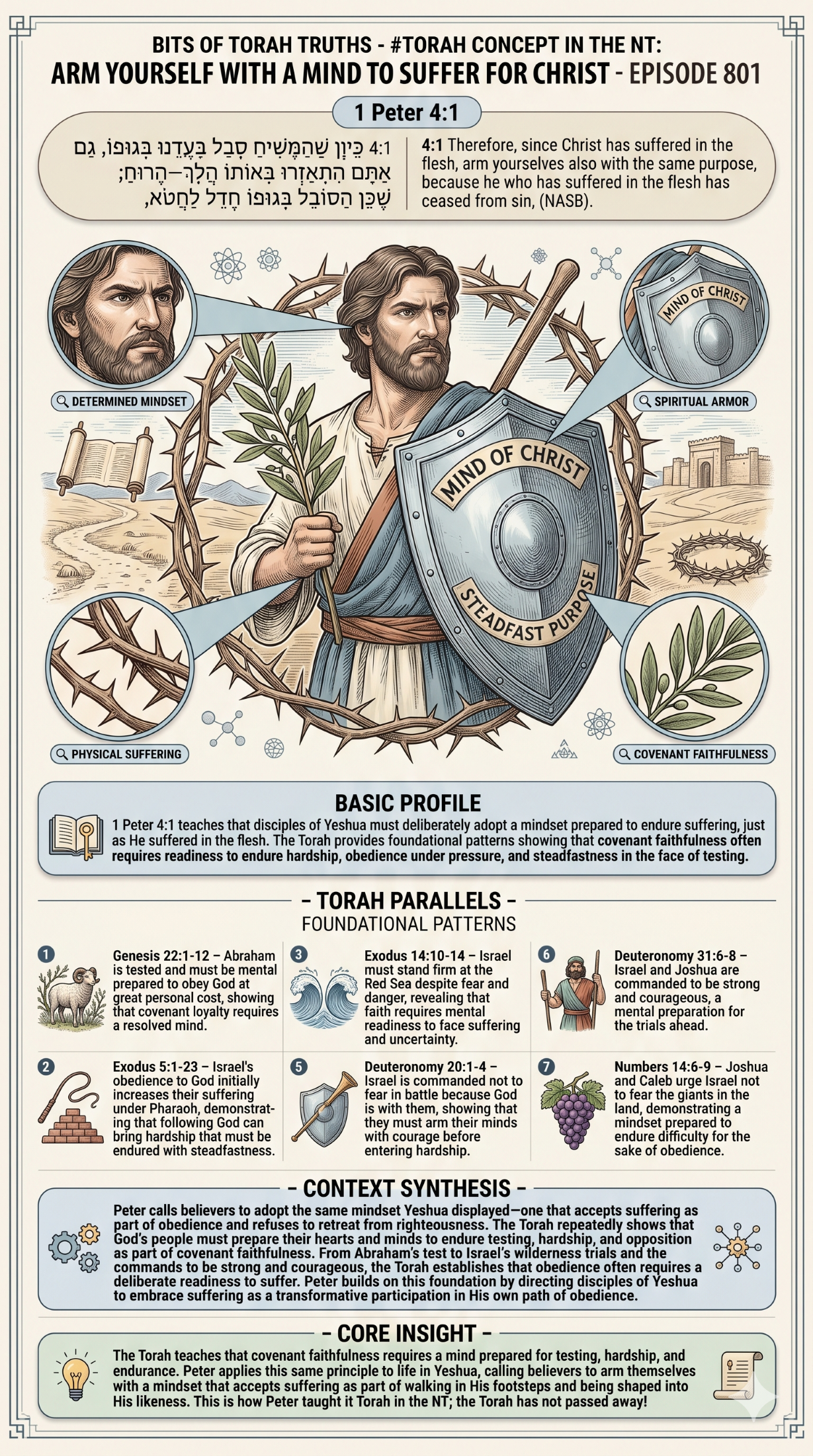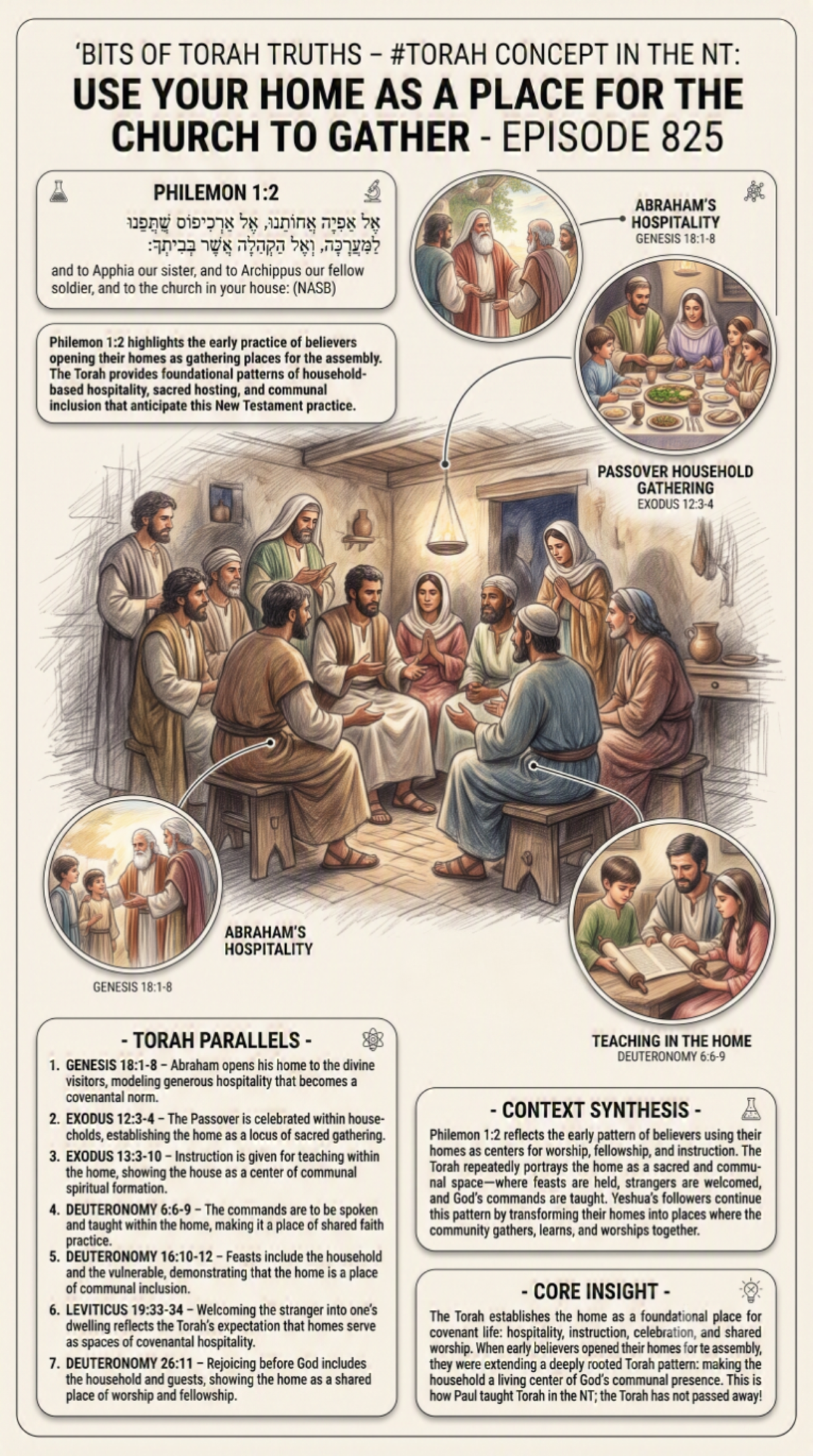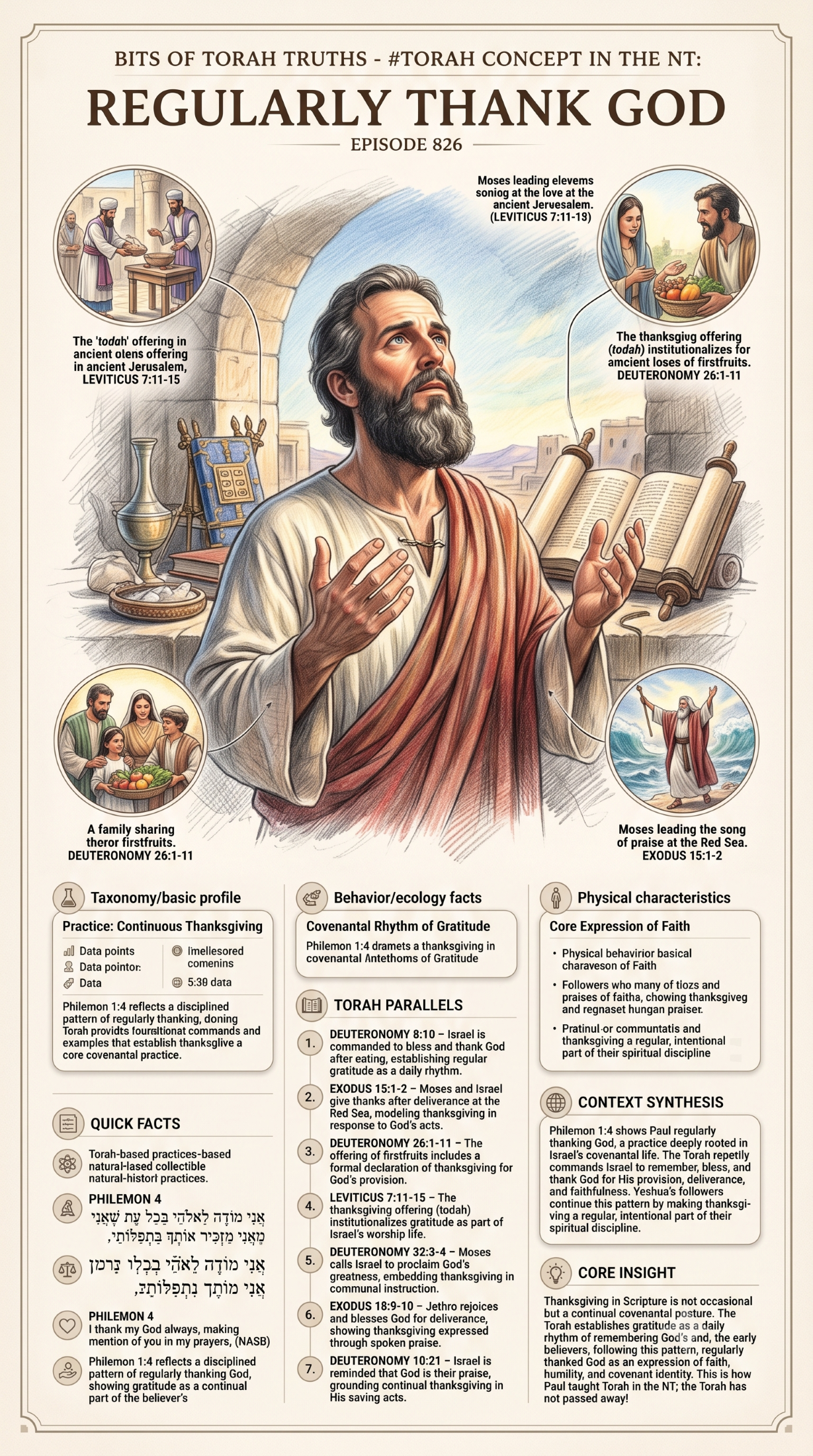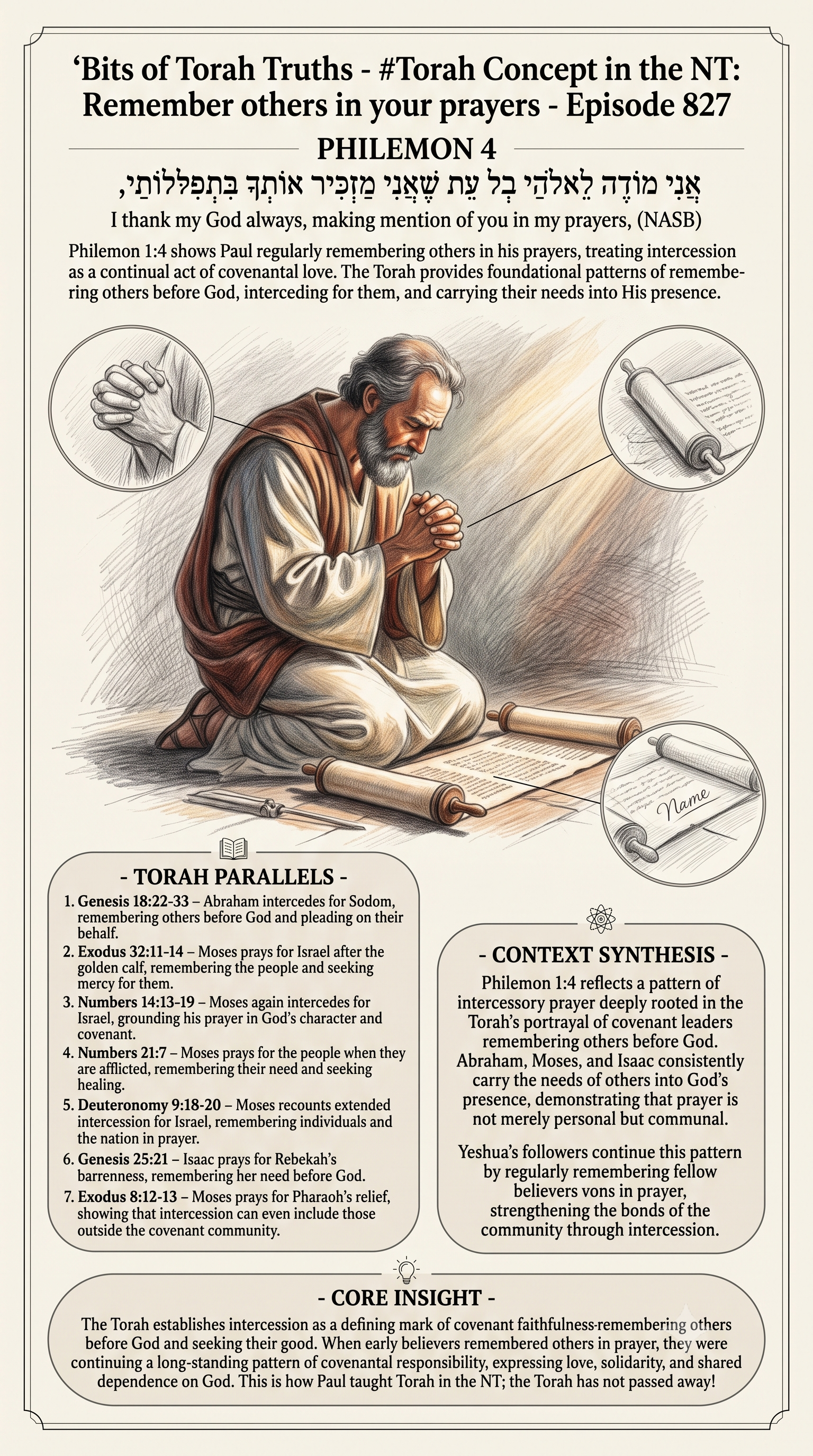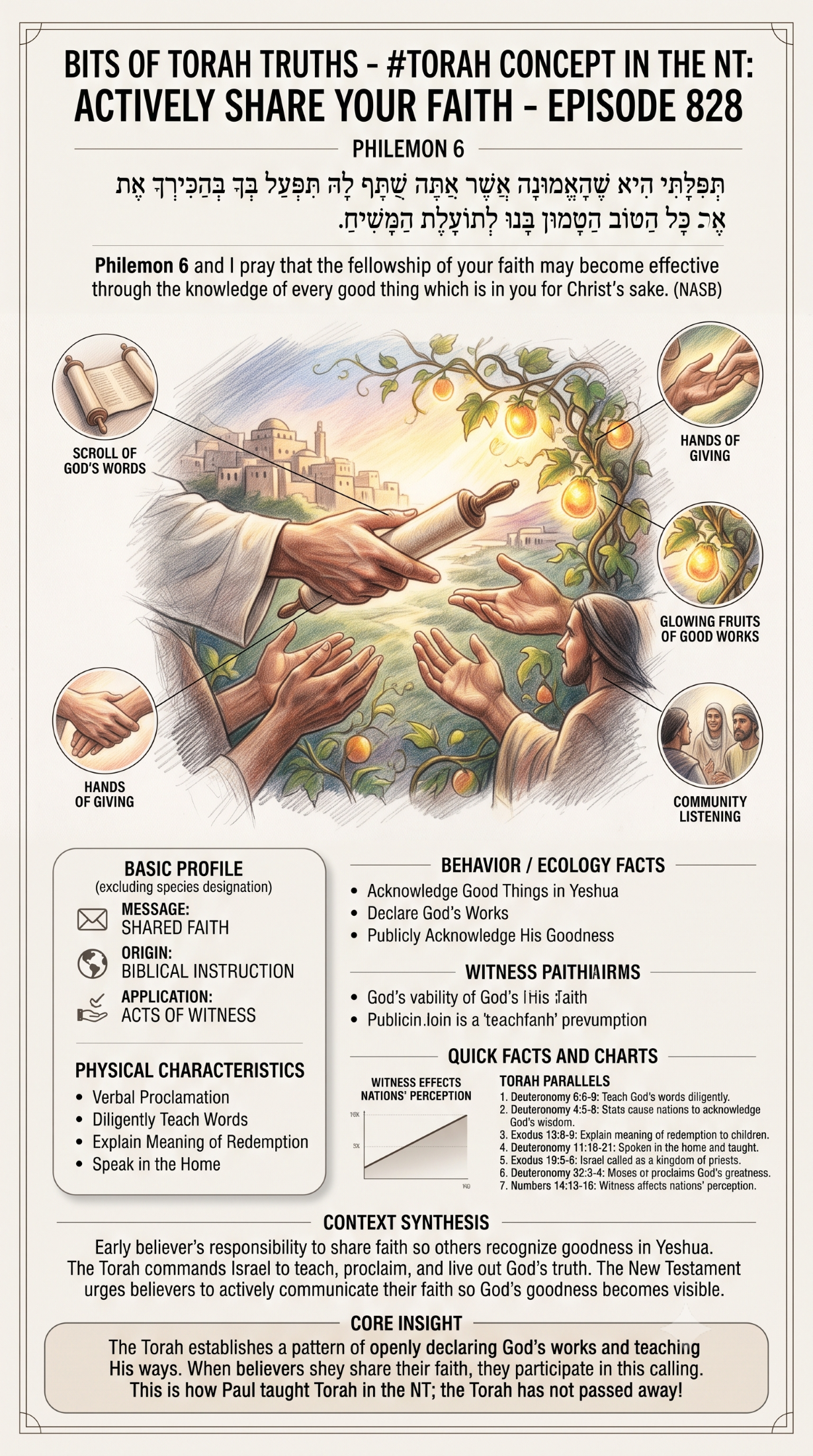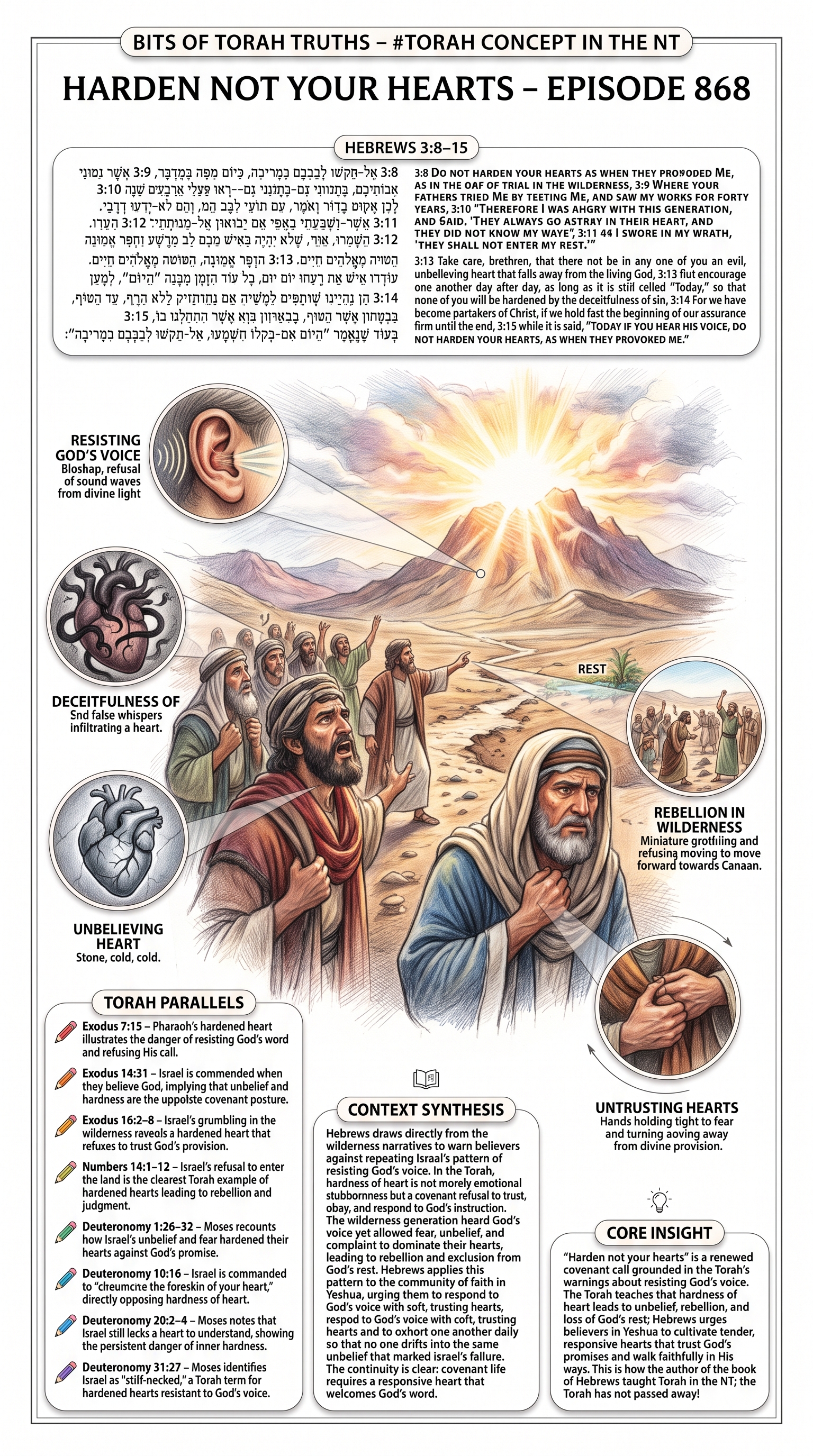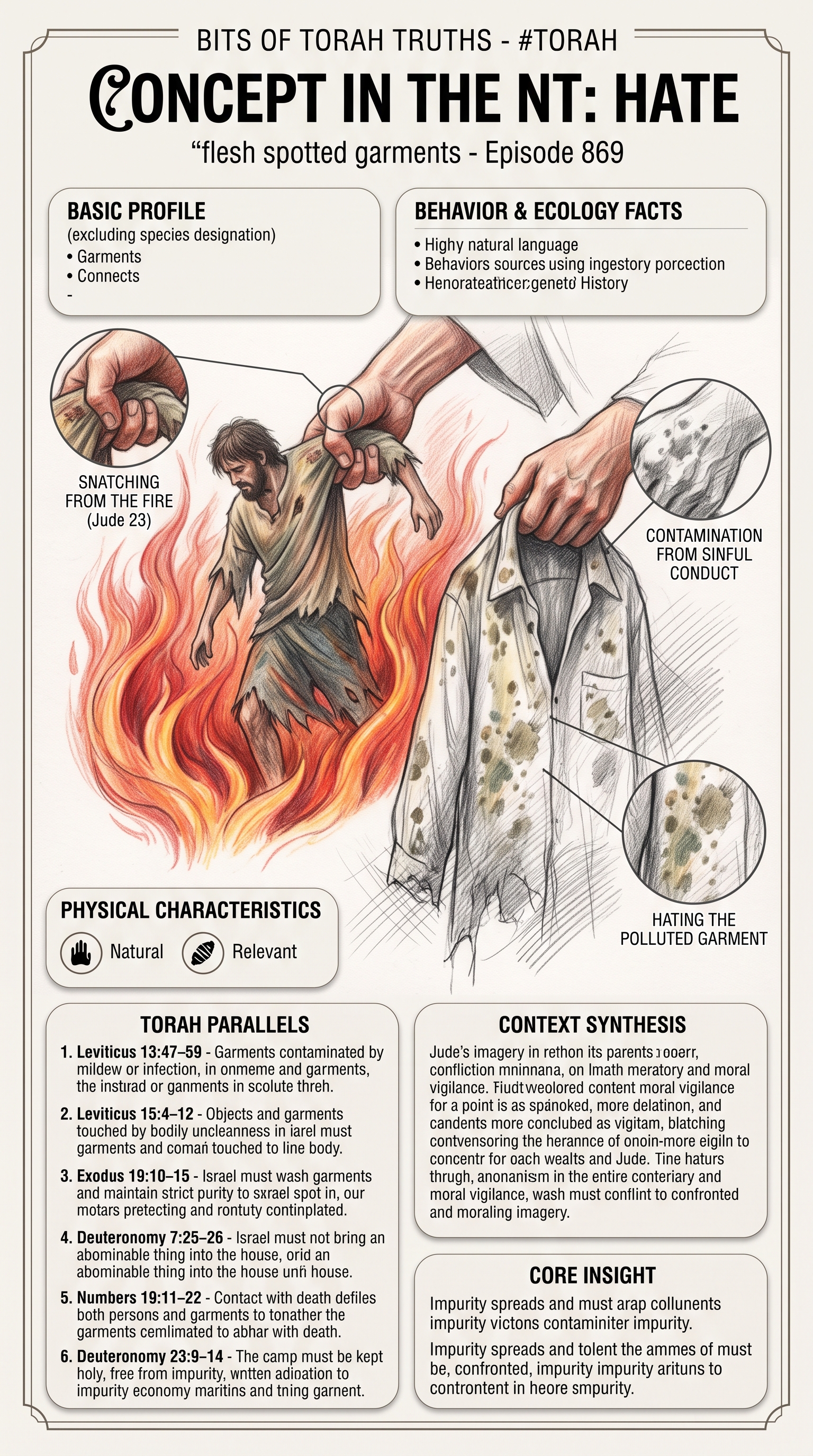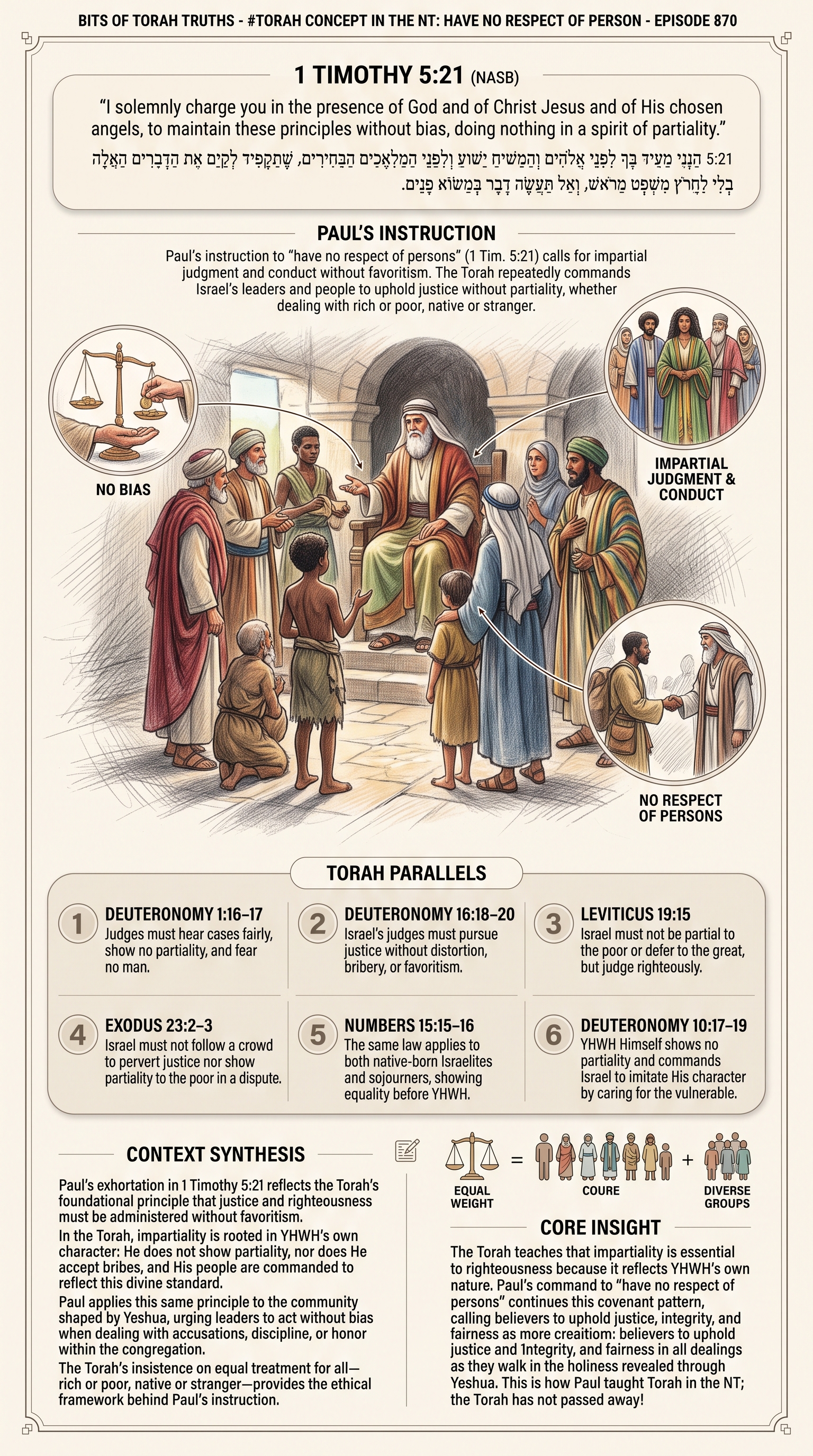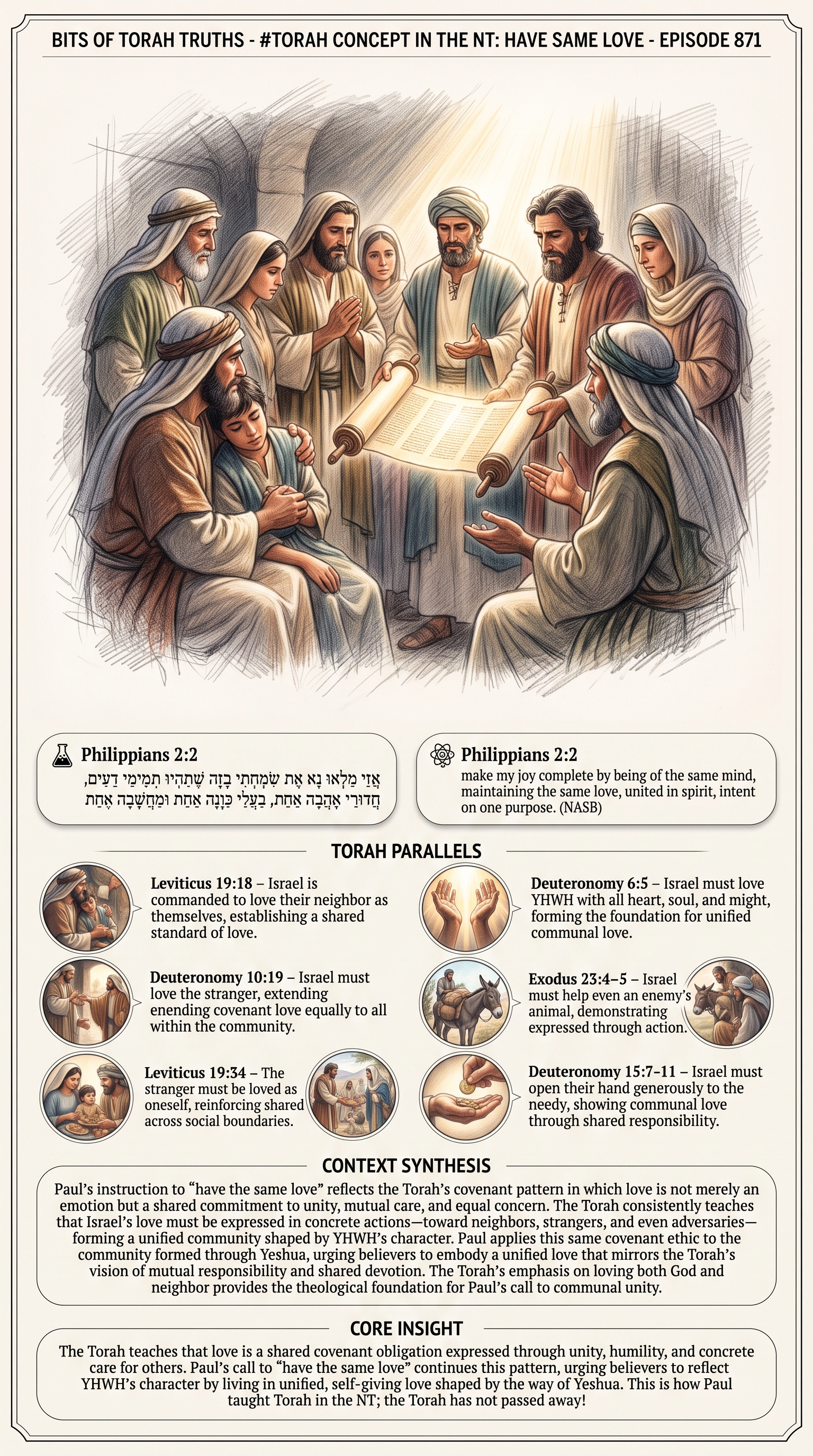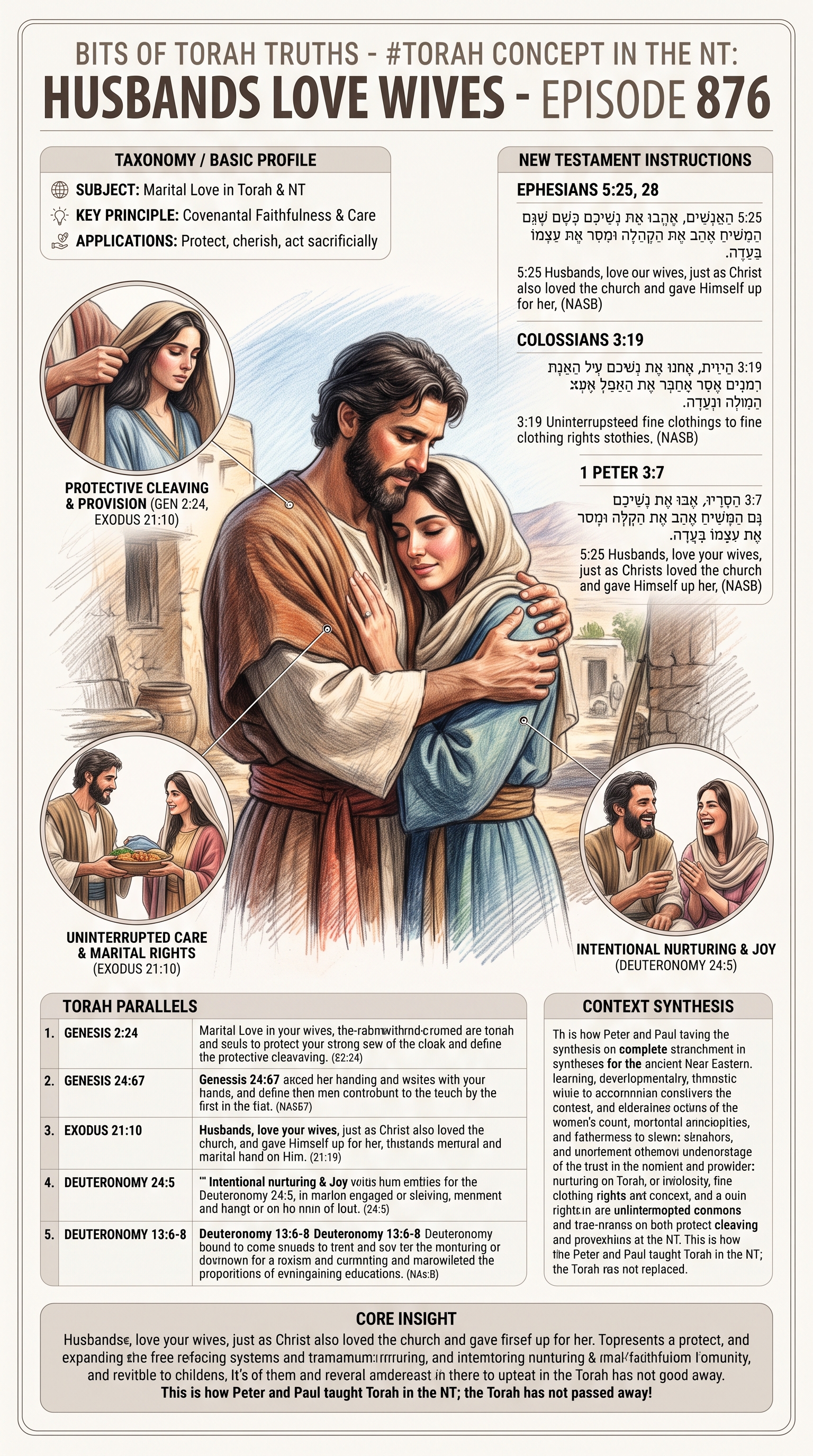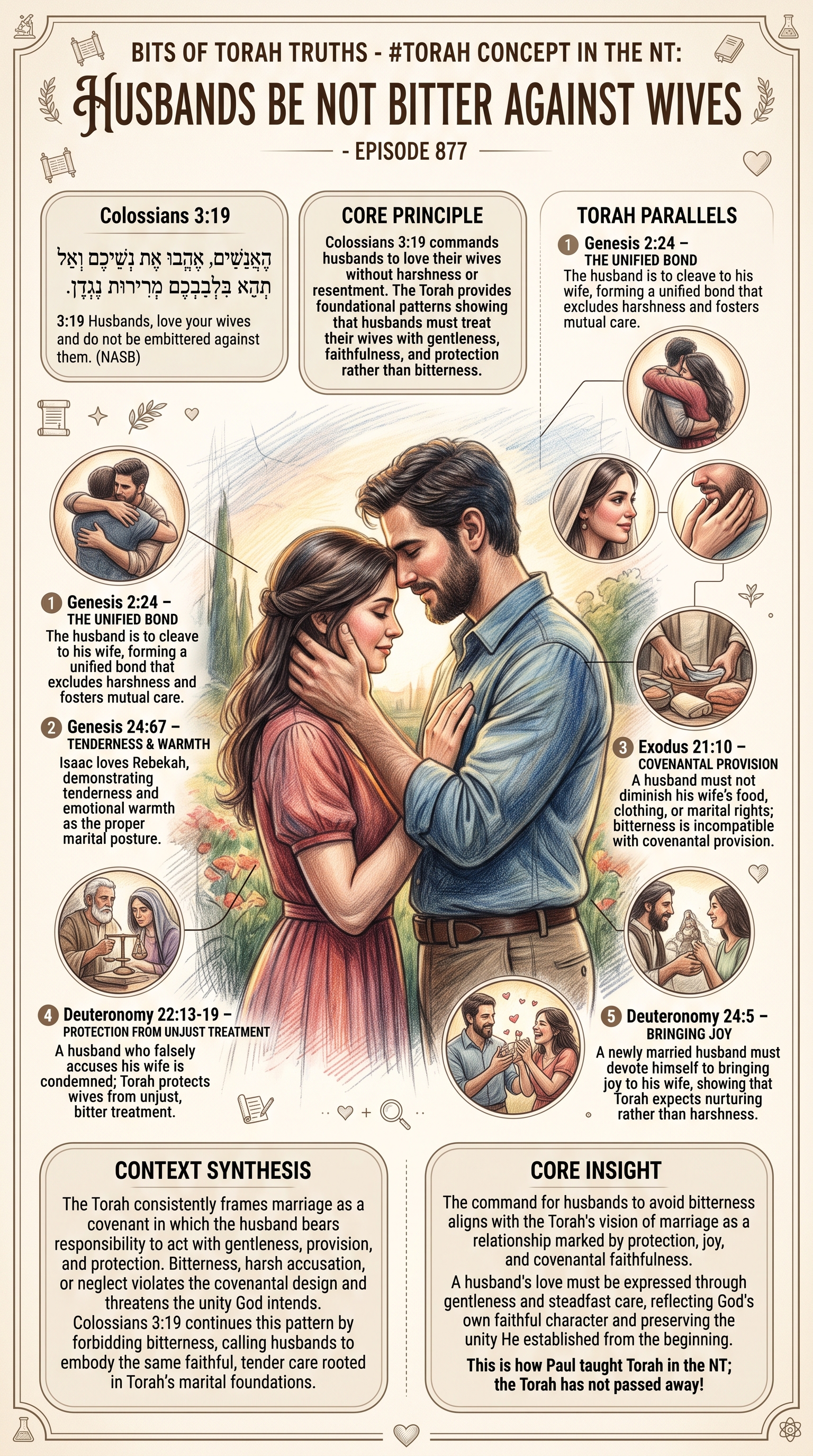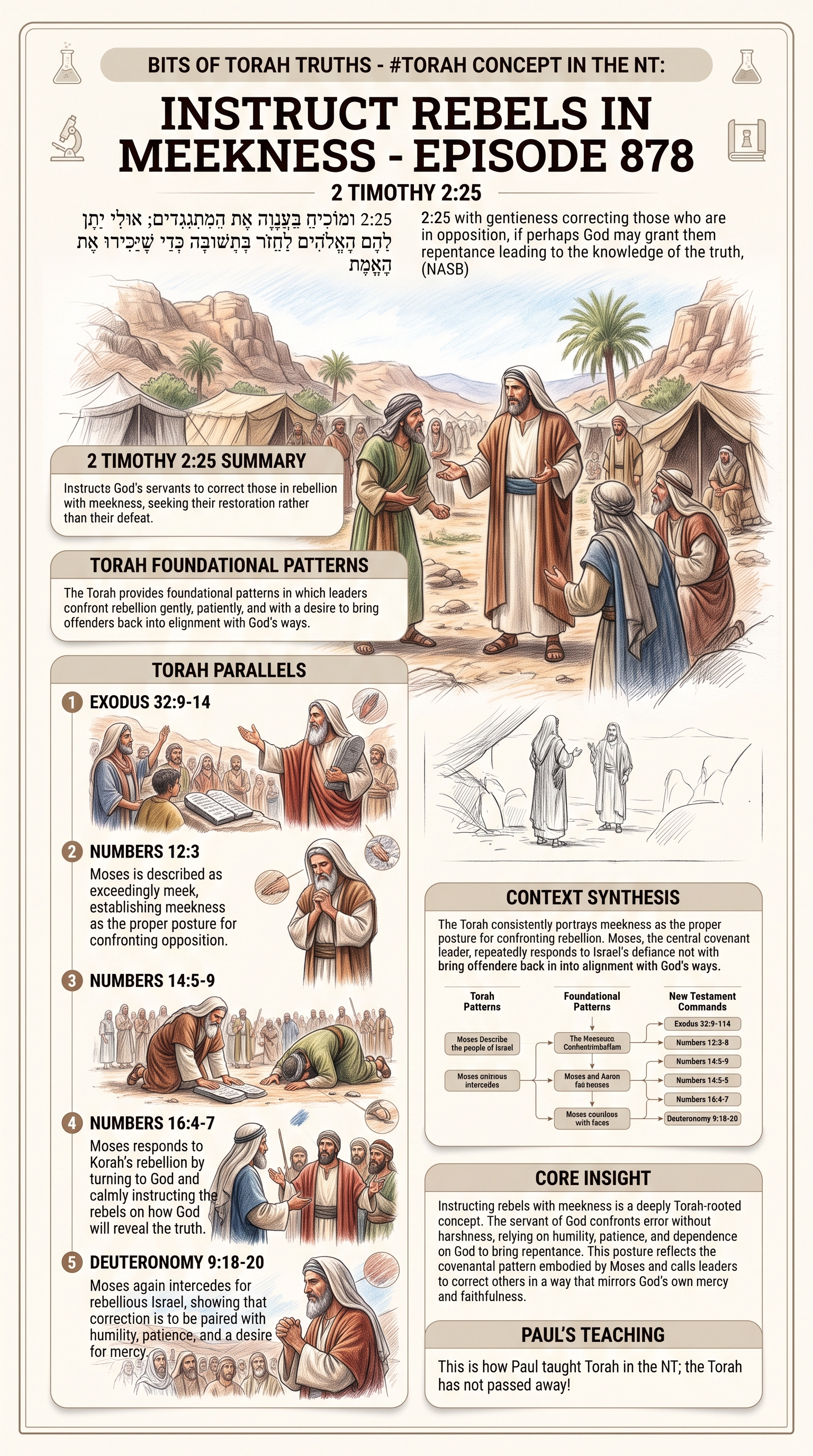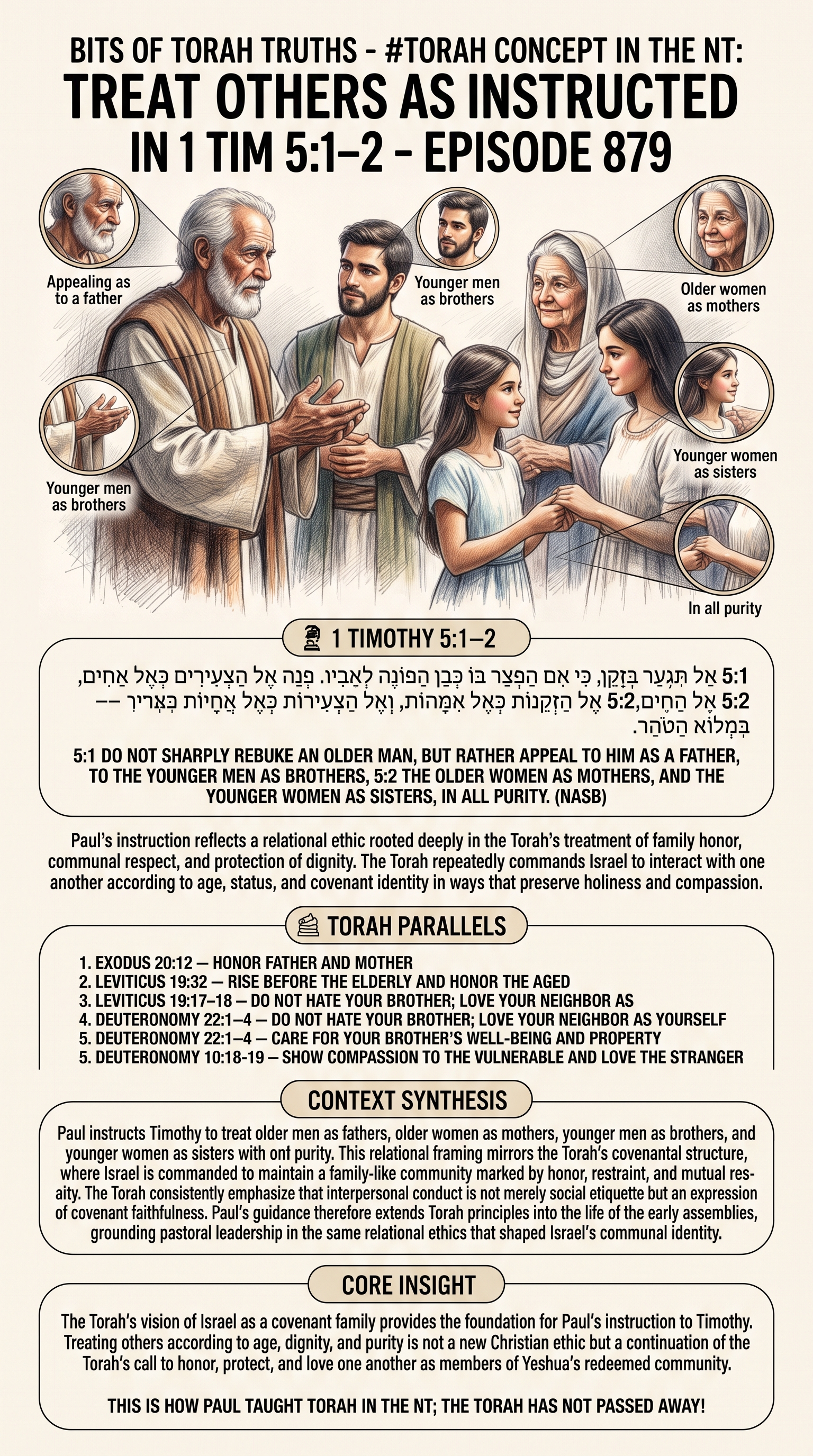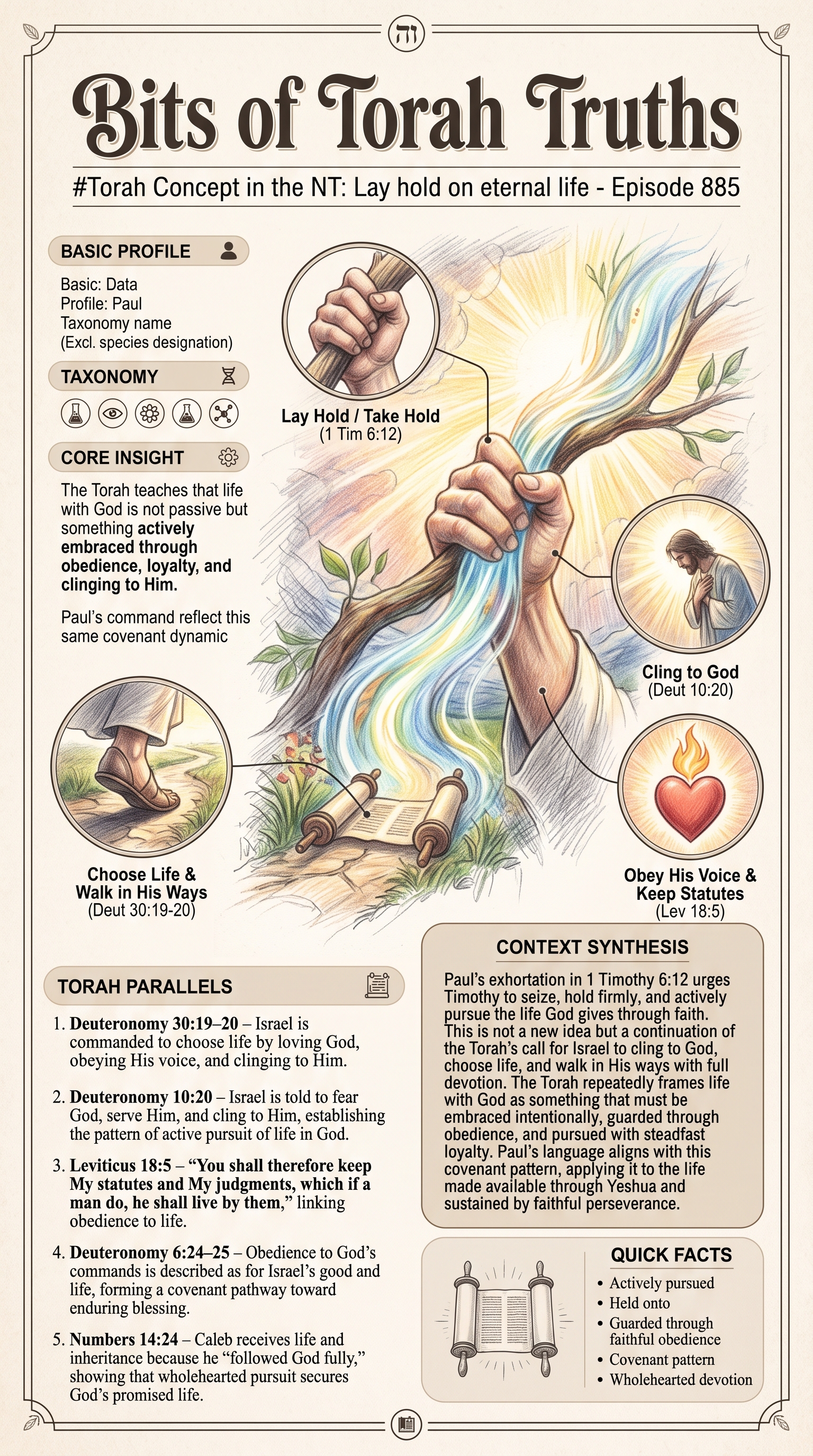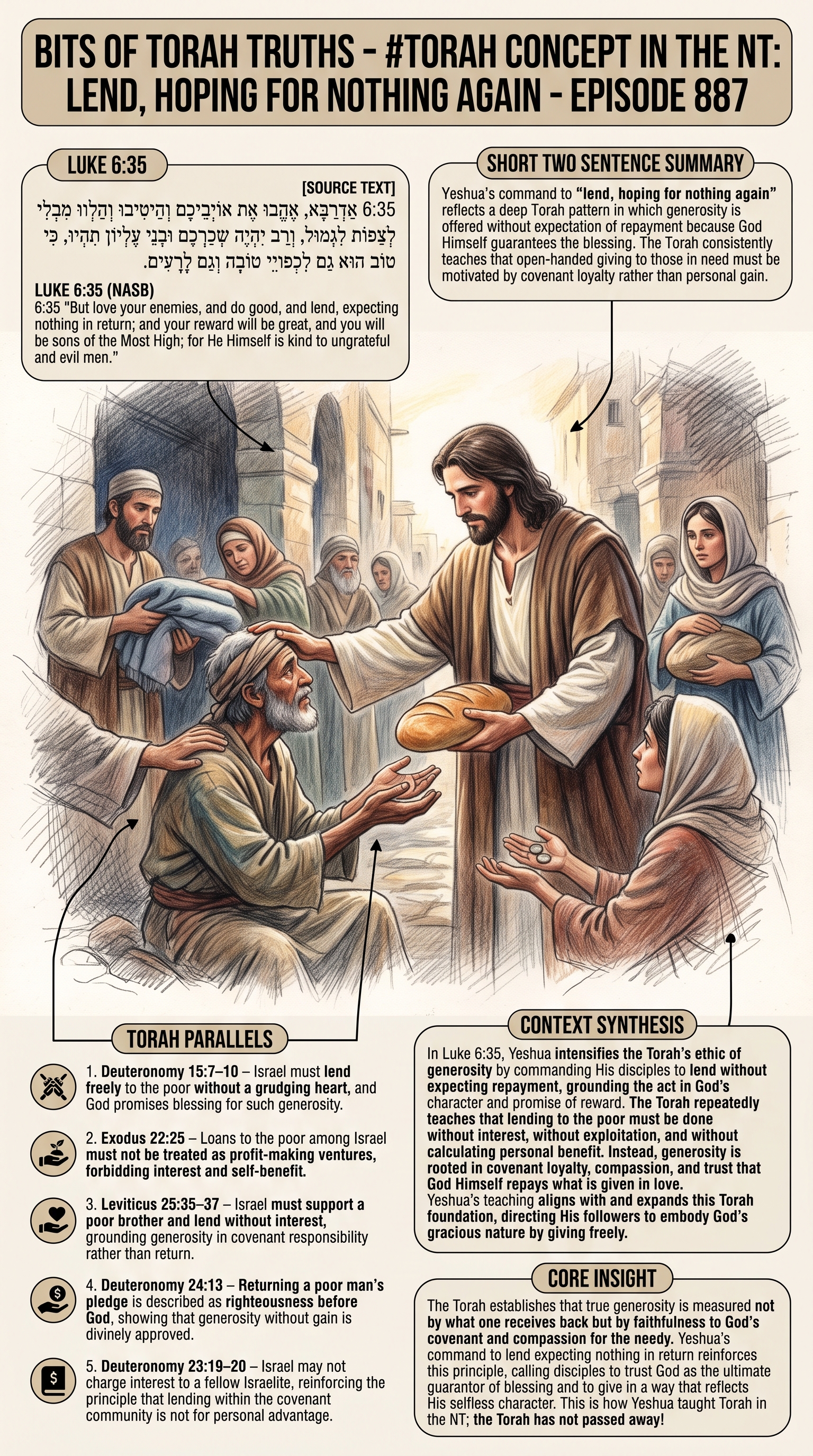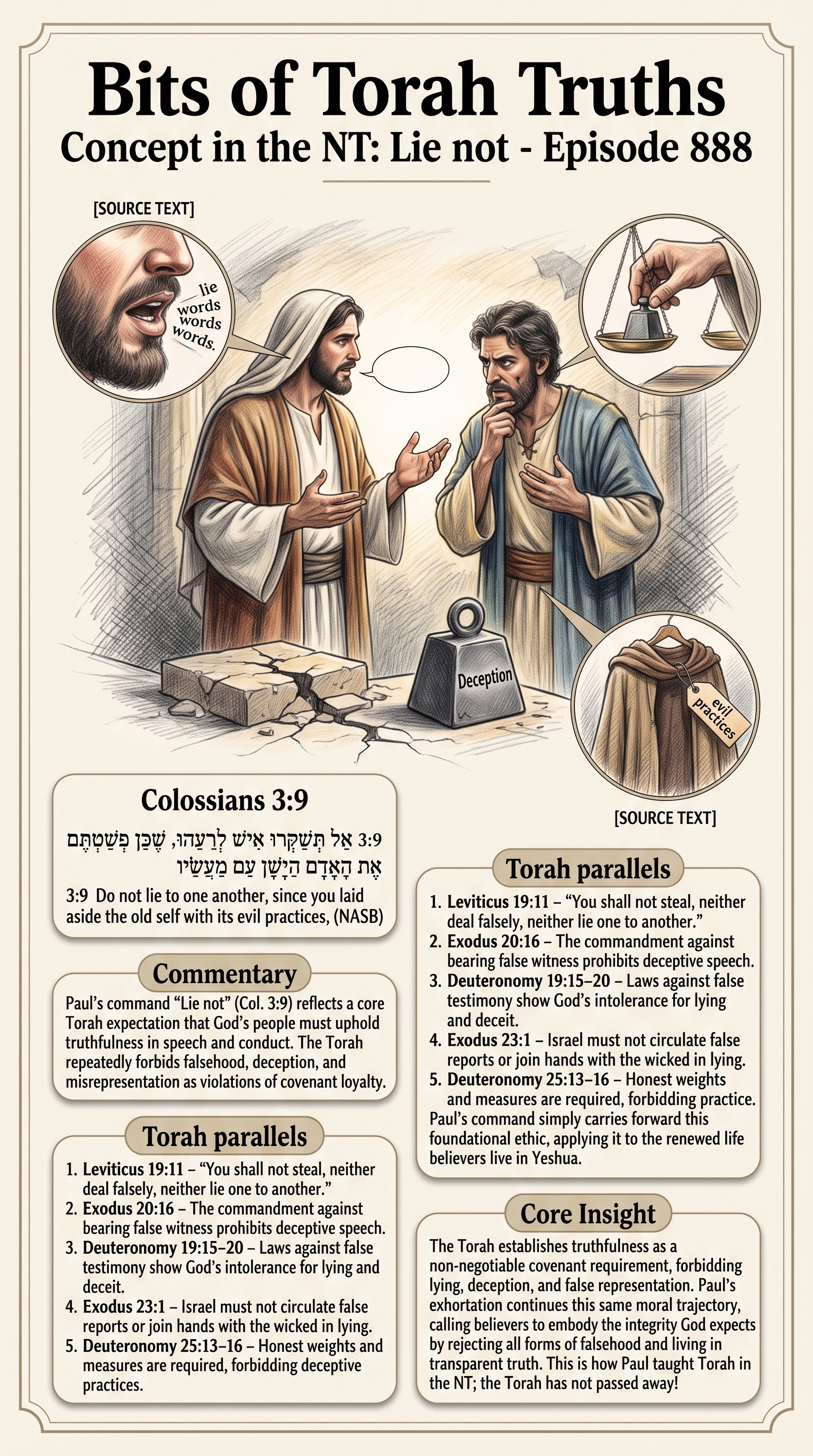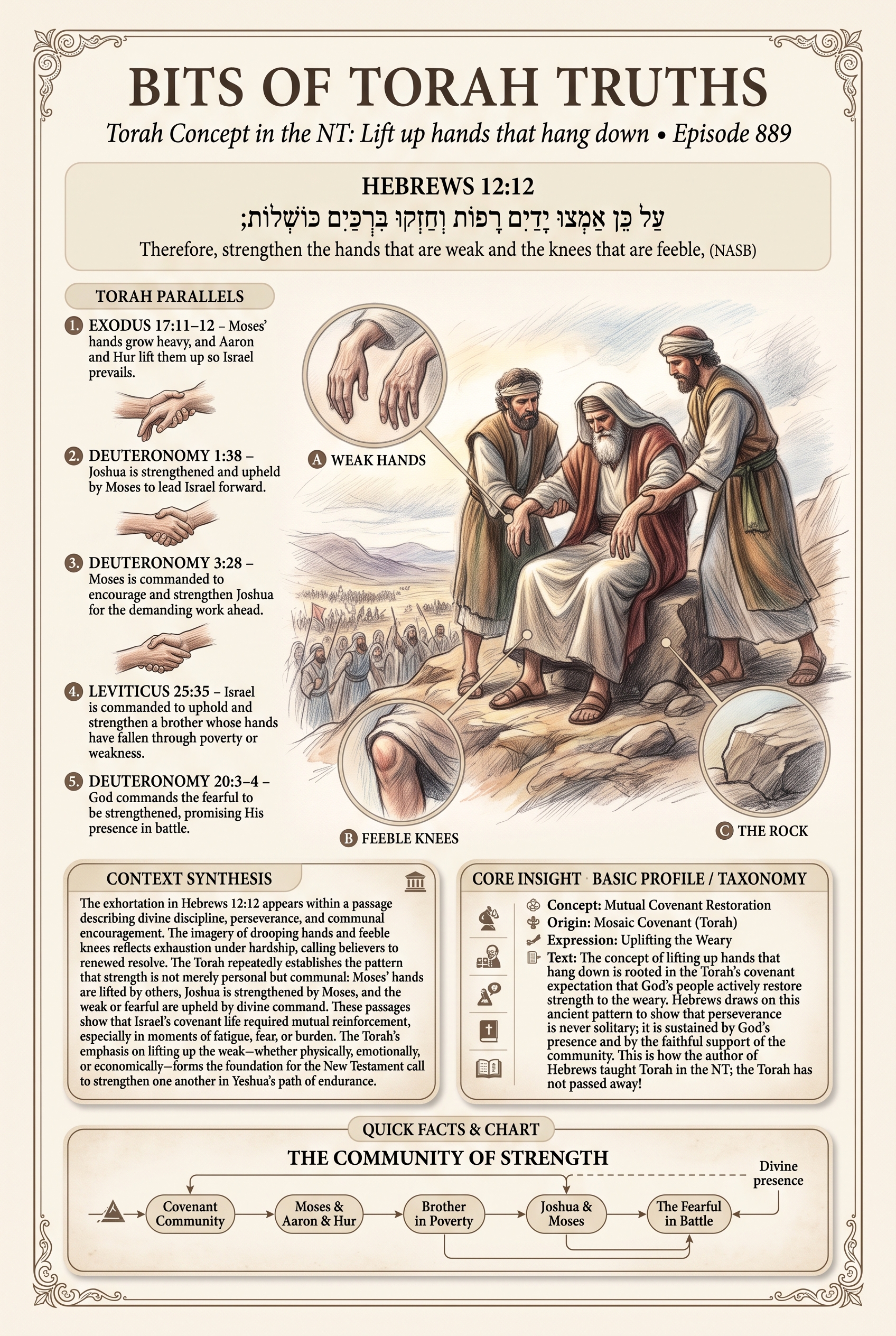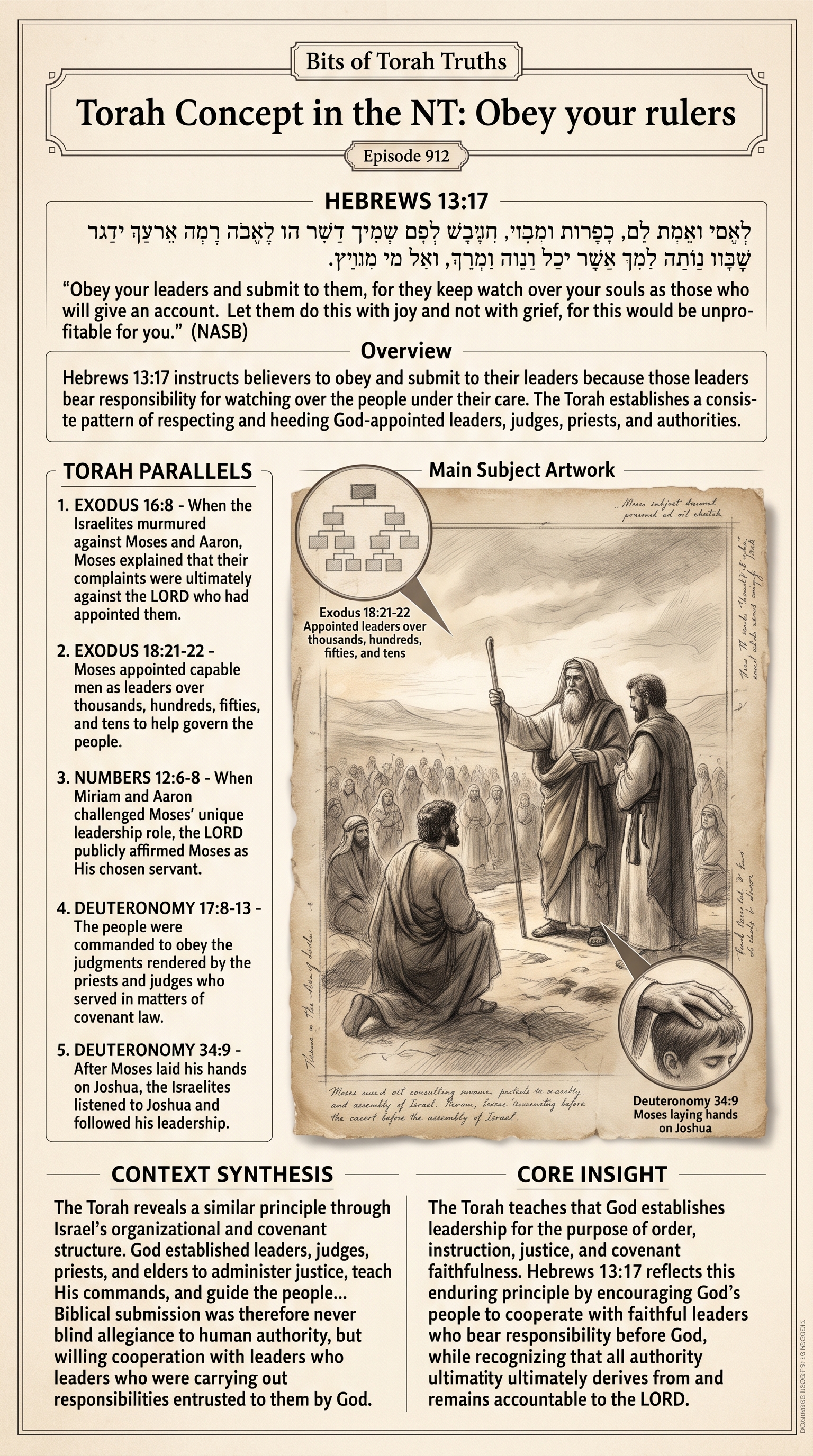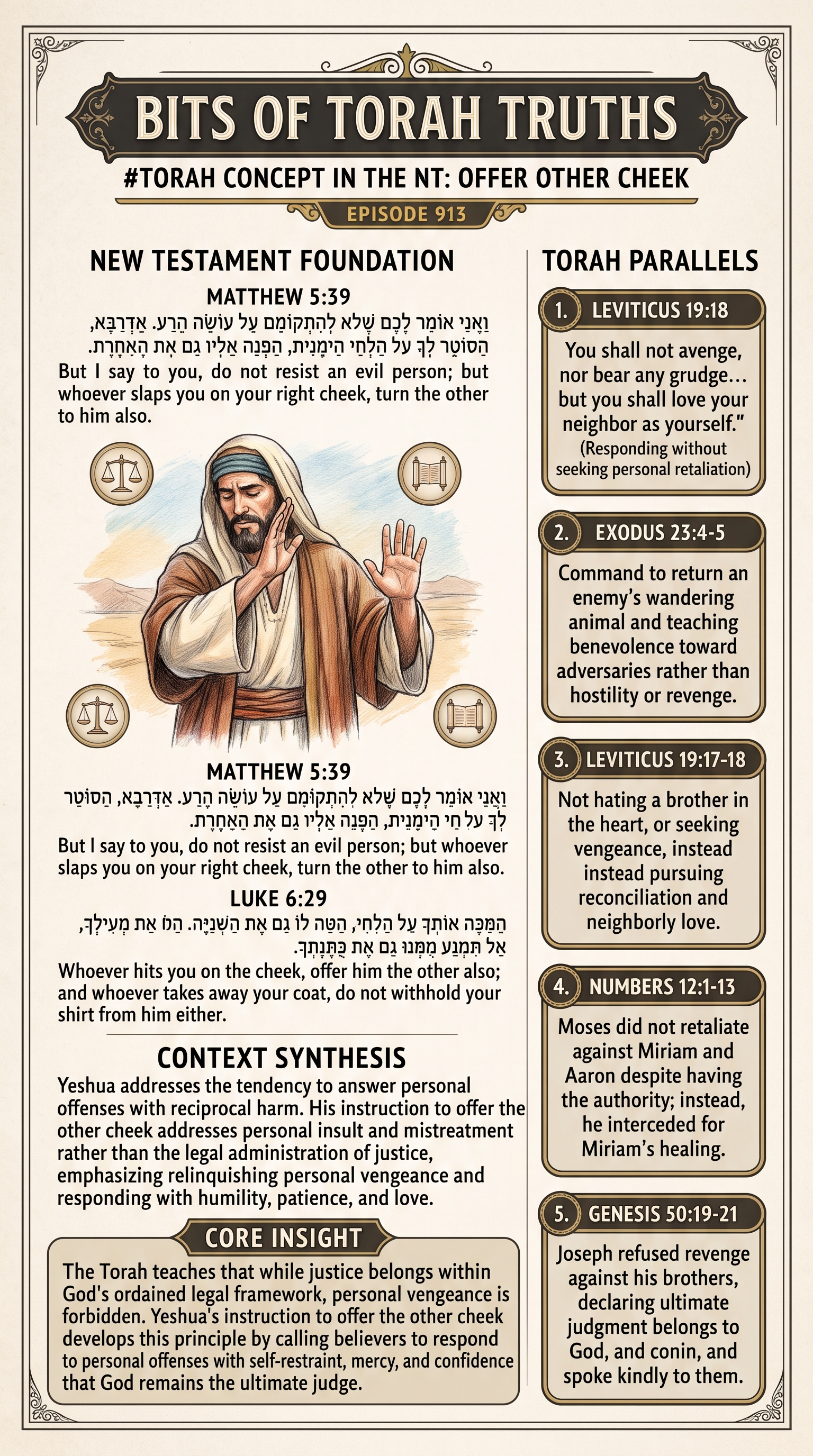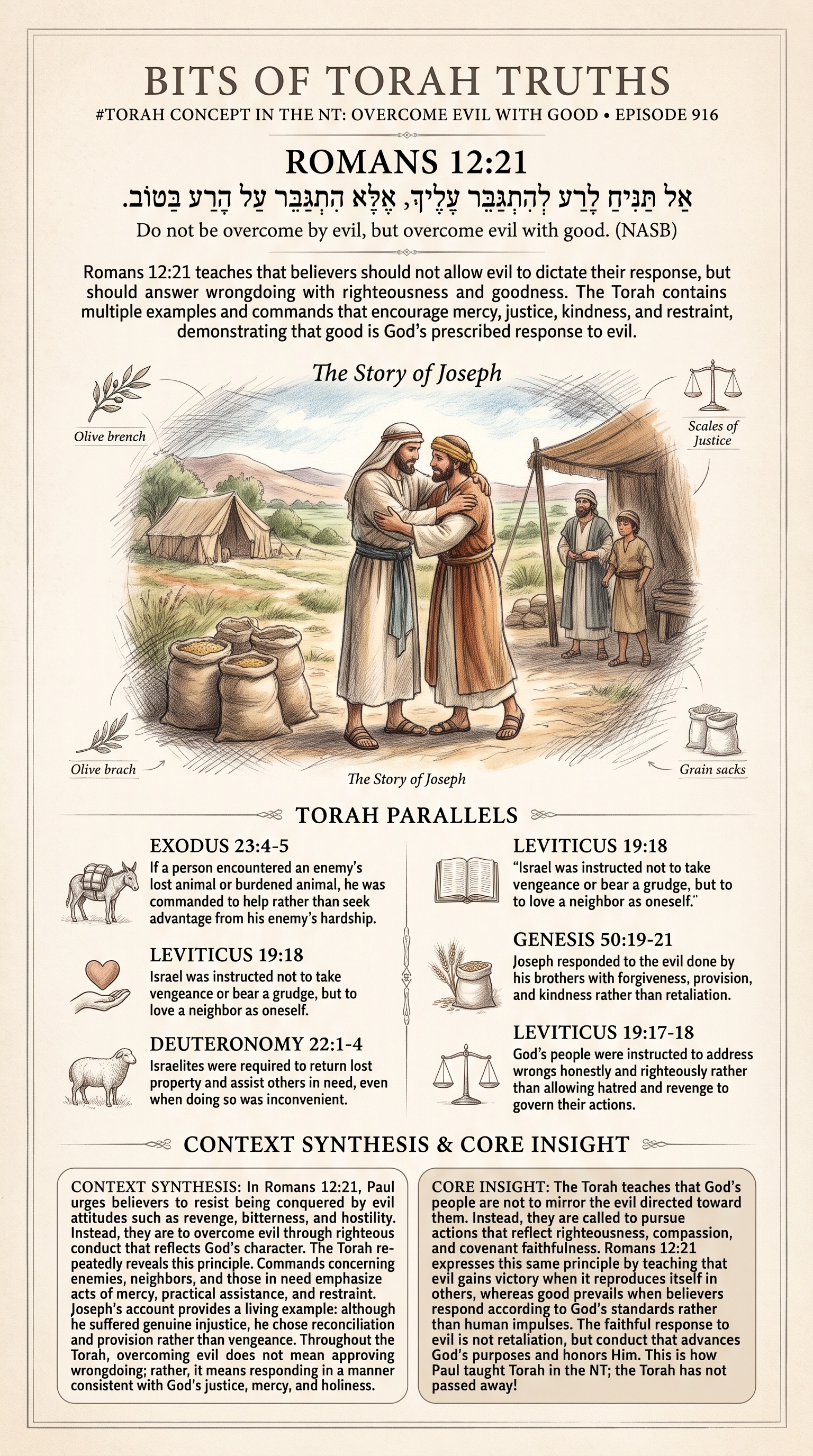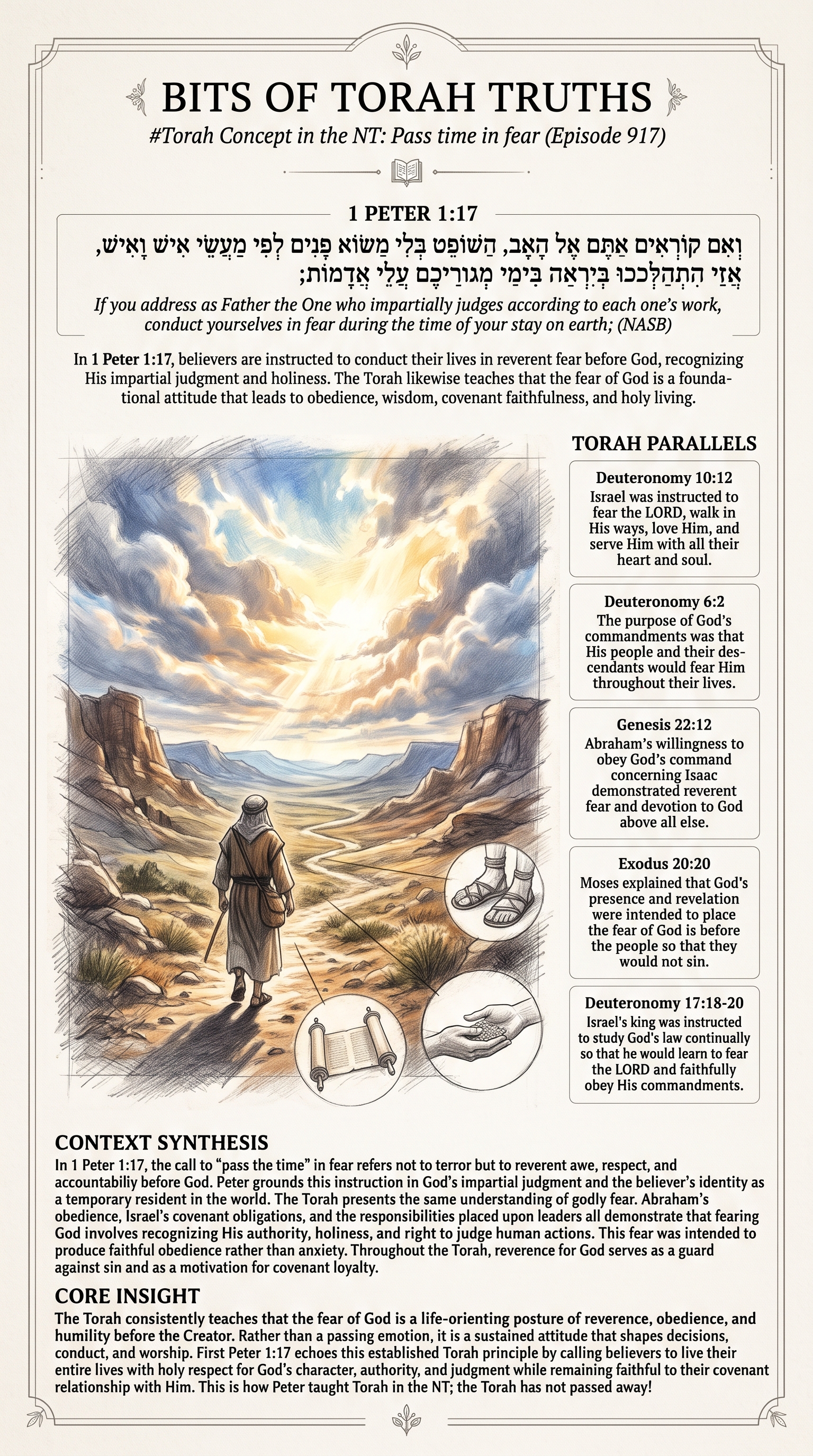
Bits of Torah Truths – #Torah Concept in the NT: Praise the Lord – Episode 920
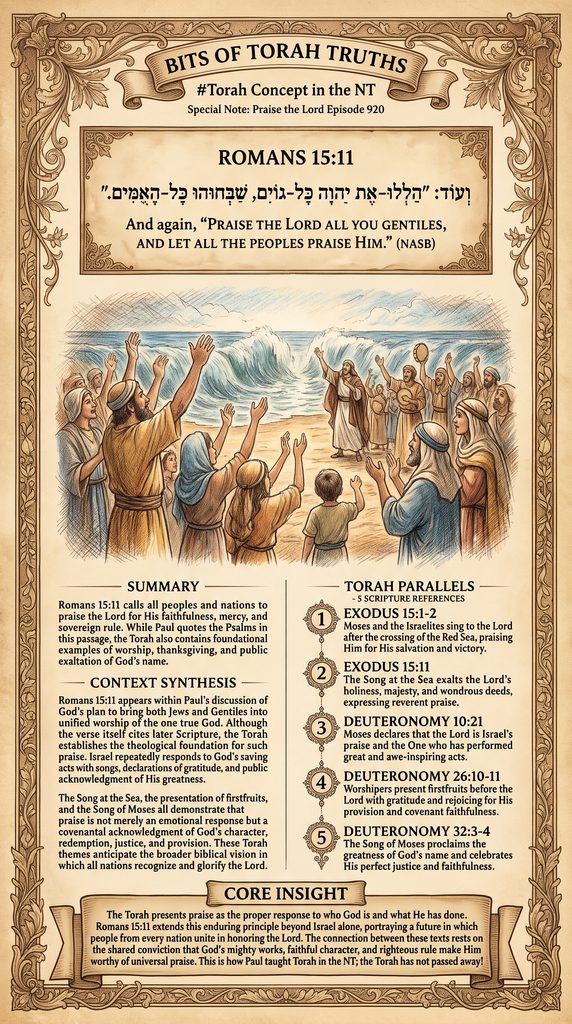
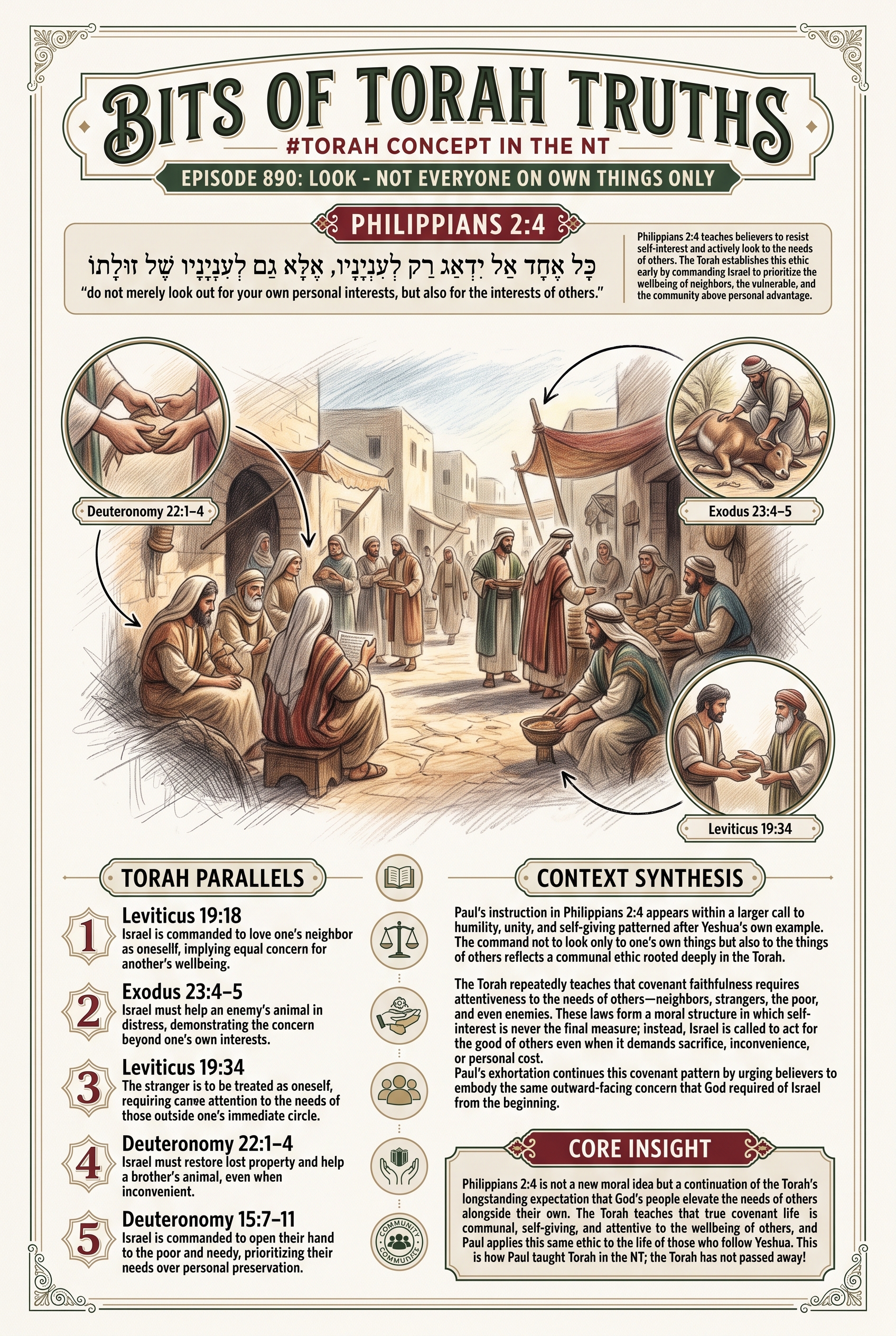
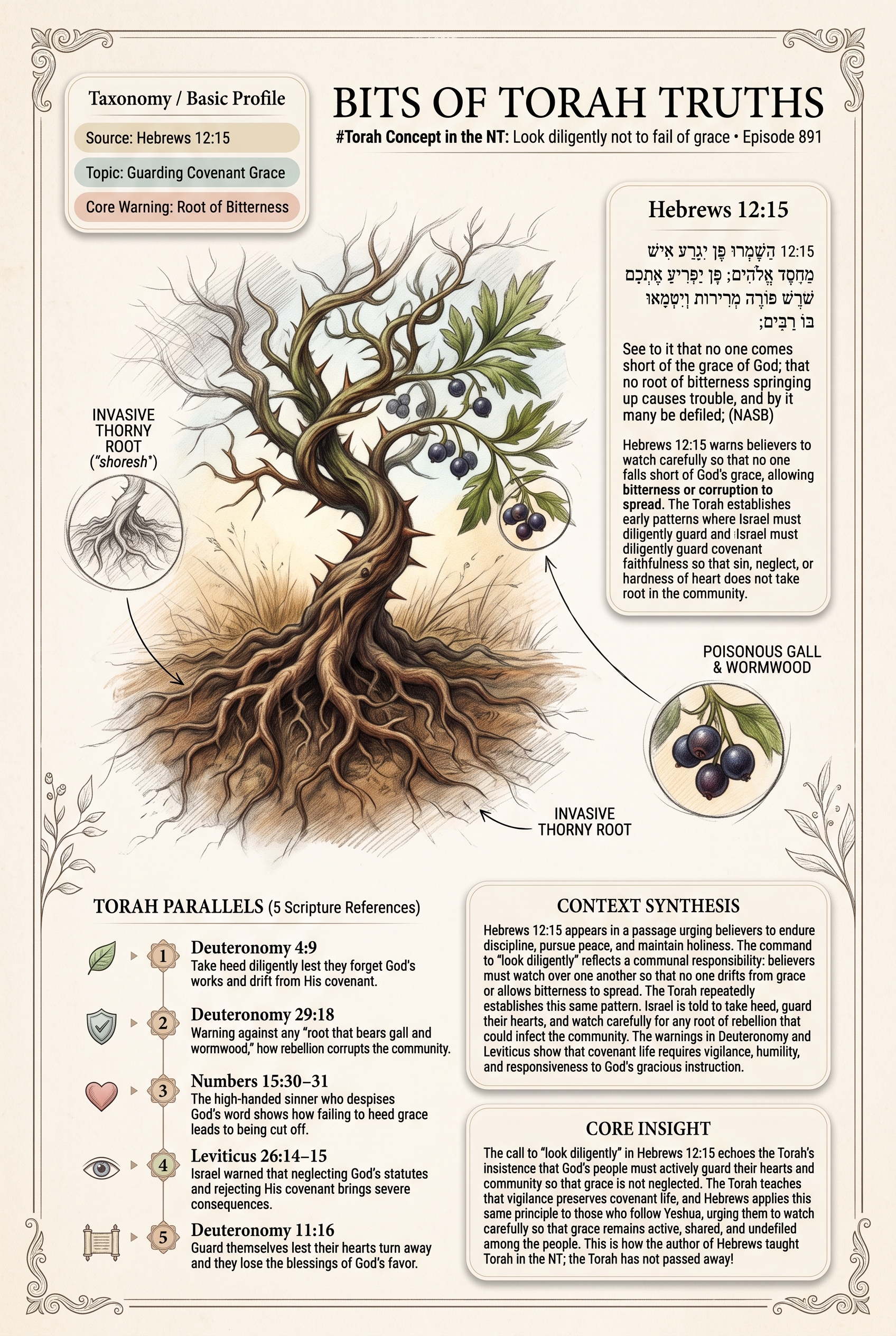
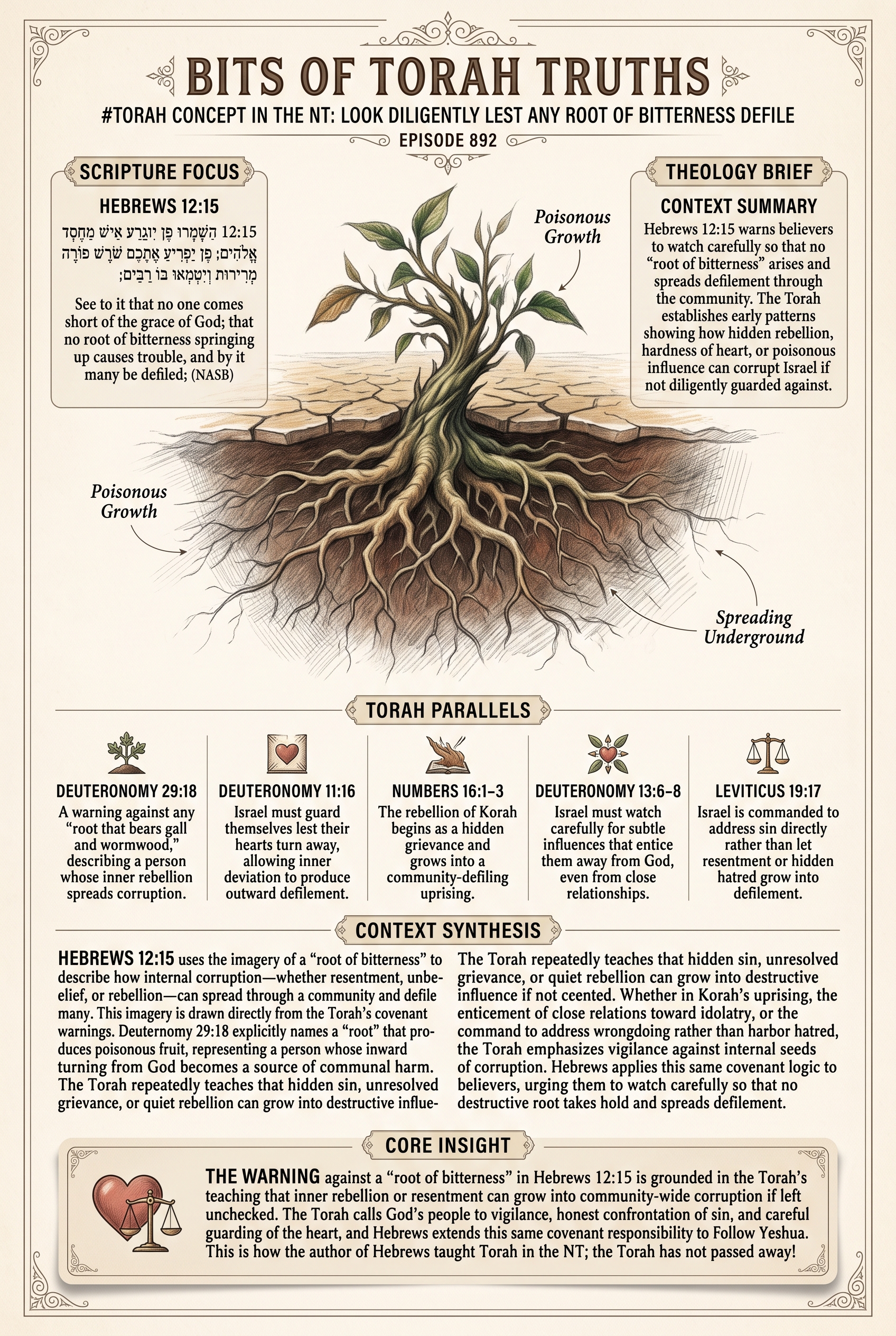
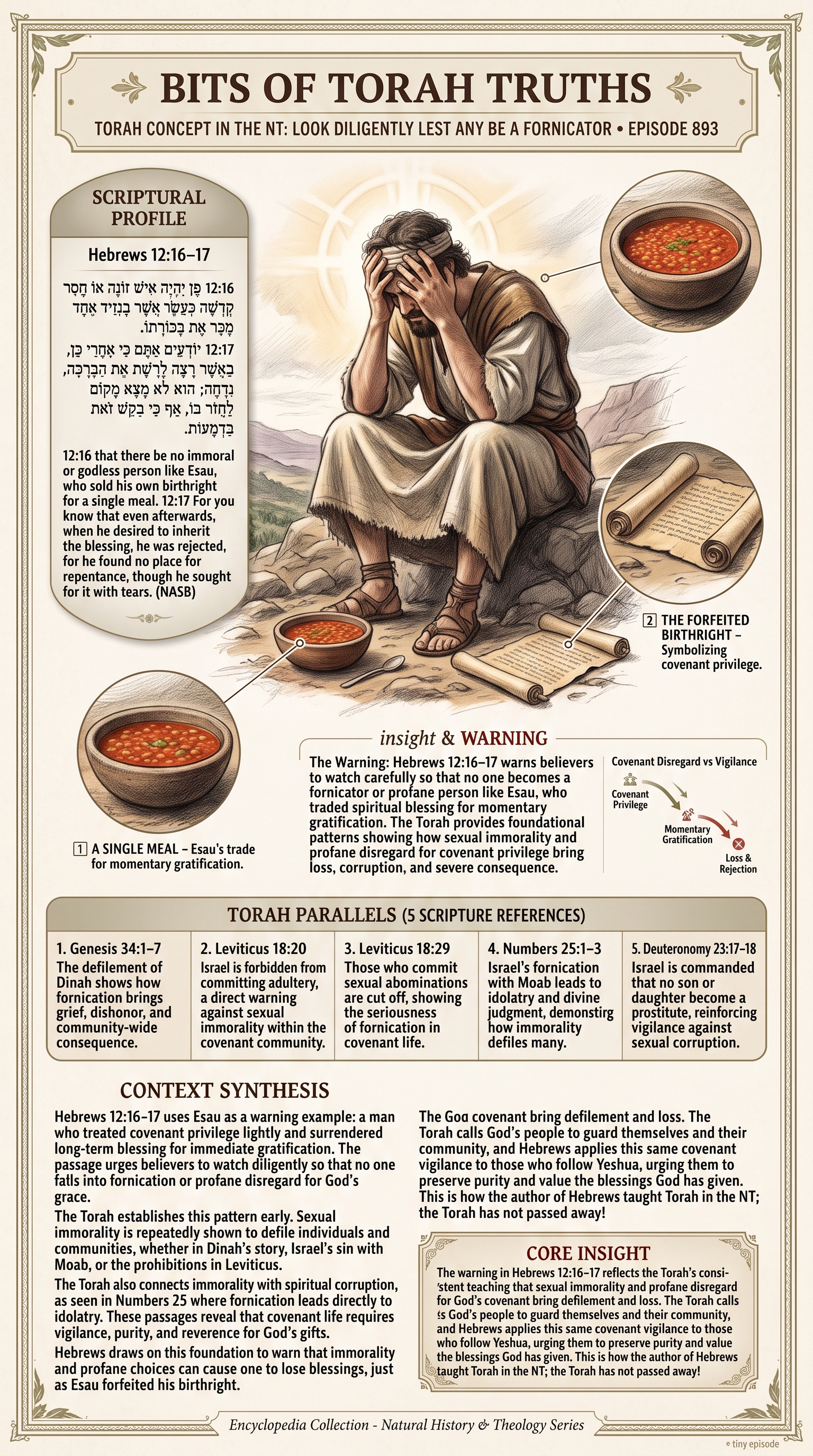
Romans 15:11
15:11 וְעוֹד׃ ״הַלְלוּ–אֶת יהוה כָּל–גּוֹיִם, שַׁבְּחוּהוּ כָּל–הָאֻמִּים.״
#torah #torahwisdom #torahtruth #torahforlife #torah4you #torahtruth
Romans 15:11
15:11 And again, “PRAISE THE LORD ALL YOU GENTILES, AND LET ALL THE PEOPLES PRAISE HIM.” (NASB)
https://www.matsati.com/index.php/category/bits-of-torah-truths/
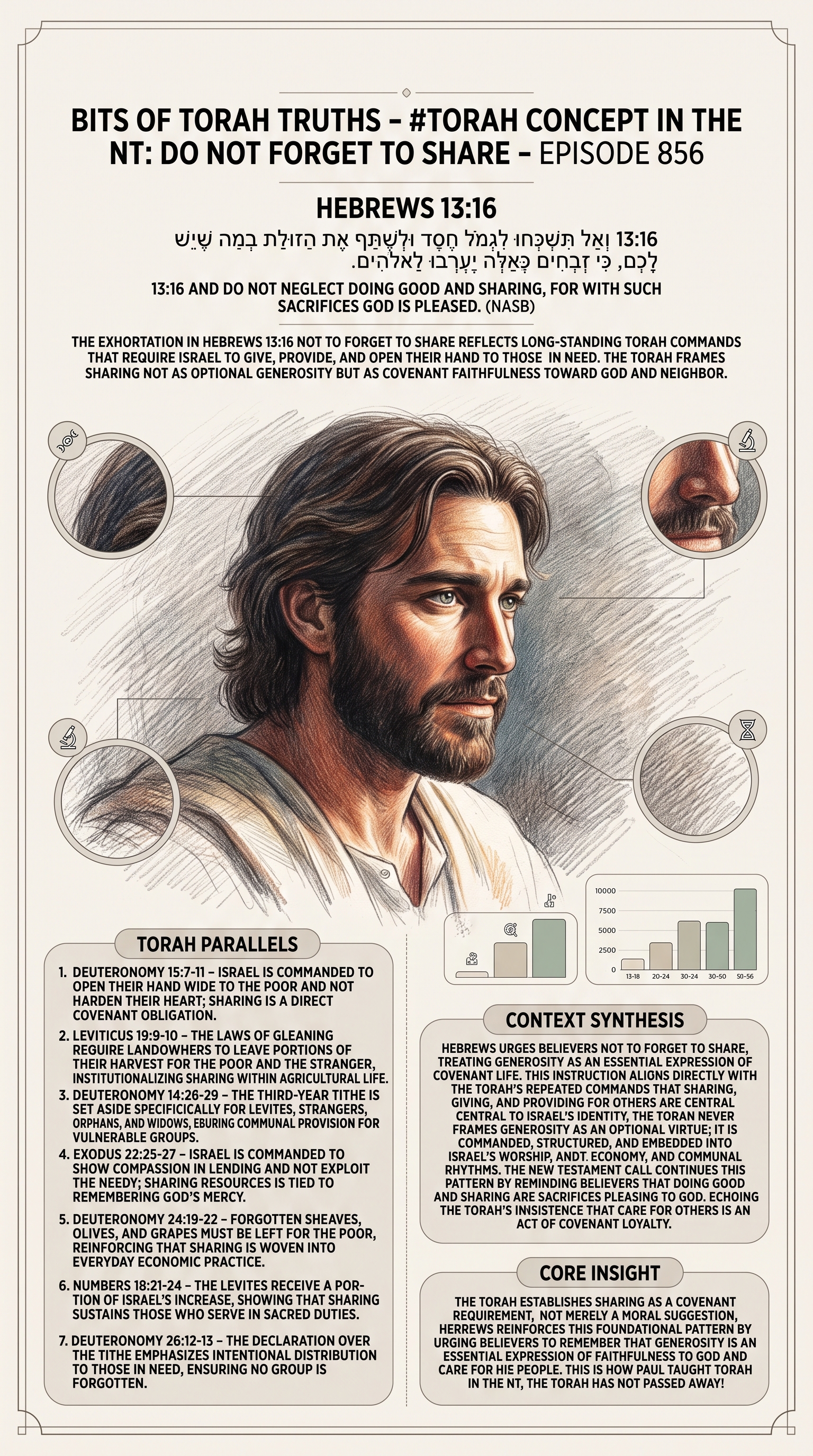
Romans 15:11 calls all peoples and nations to praise the Lord for His faithfulness, mercy, and sovereign rule. While Paul quotes the Psalms in this passage, the Torah also contains foundational examples of worship, thanksgiving, and public exaltation of God’s name.
– Torah parallels –
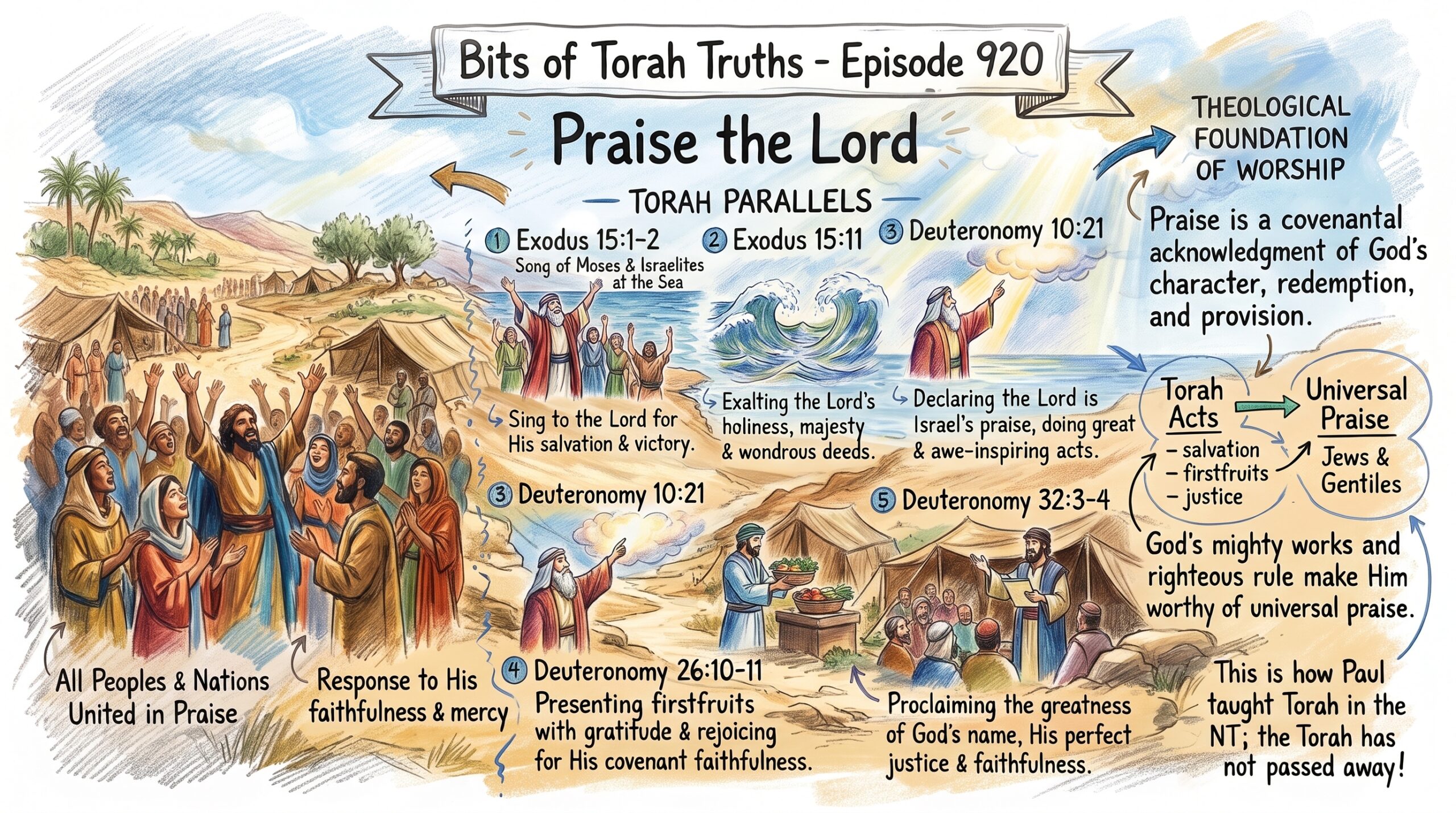
- Exodus 15:1-2 – Moses and the Israelites sing to the Lord after the crossing of the Red Sea, praising Him for His salvation and victory.
- Exodus 15:11 – The Song at the Sea exalts the Lord’s holiness, majesty, and wondrous deeds, expressing reverent praise.
- Deuteronomy 10:21 – Moses declares that the Lord is Israel’s praise and the One who has performed great and awe-inspiring acts.
- Deuteronomy 26:10-11 – Worshipers present firstfruits before the Lord with gratitude and rejoicing for His provision and covenant faithfulness.
- Deuteronomy 32:3-4 – The Song of Moses proclaims the greatness of God’s name and celebrates His perfect justice and faithfulness.
– Context Synthesis –
Romans 15:11 appears within Paul’s discussion of God’s plan to bring both Jews and Gentiles into unified worship of the one true God. Although the verse itself cites later Scripture, the Torah establishes the theological foundation for such praise. Israel repeatedly responds to God’s saving acts with songs, declarations of gratitude, and public acknowledgment of His greatness. The Song at the Sea, the presentation of firstfruits, and the Song of Moses all demonstrate that praise is not merely an emotional response but a covenantal acknowledgment of God’s character, redemption, justice, and provision. These Torah themes anticipate the broader biblical vision in which all nations recognize and glorify the Lord.
– Core Insight –
The Torah presents praise as the proper response to who God is and what He has done. Romans 15:11 extends this enduring principle beyond Israel alone, portraying a future in which people from every nation unite in honoring the Lord. The connection between these texts rests on the shared conviction that God’s mighty works, faithful character, and righteous rule make Him worthy of universal praise. This is how Paul taught Torah in the NT; the Torah has not passed away!
This analysis is based on the plain-text context of Romans 15:11 and direct passages from the Torah (Genesis through Deuteronomy). The proposed parallels focus on shared themes of worship, thanksgiving, covenant faithfulness, and the proclamation of God’s greatness, while recognizing that Paul’s quotation originates outside the Torah and is being compared thematically rather than as a direct citation.
Visual Summary of Concepts the Torah in the NT