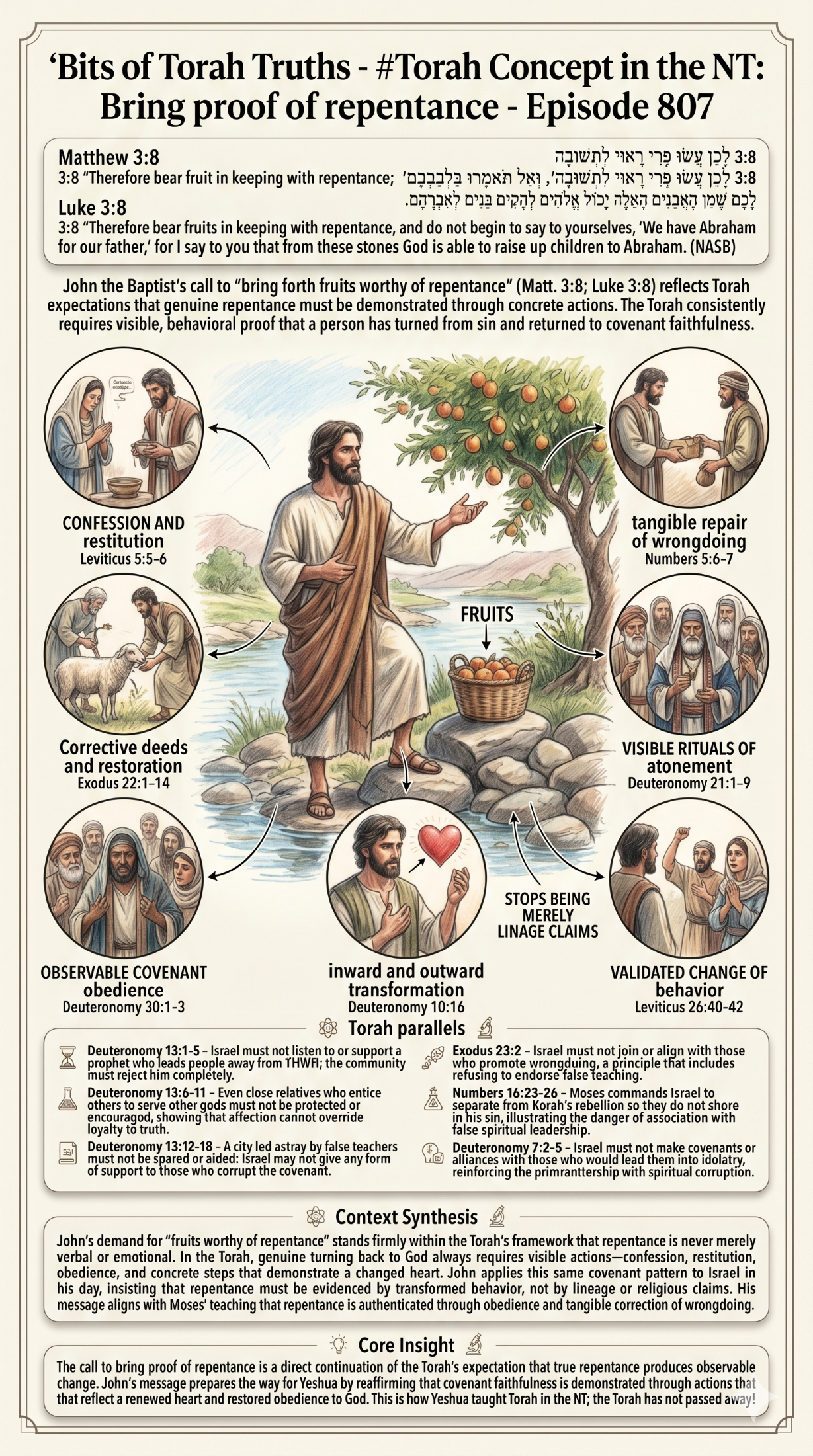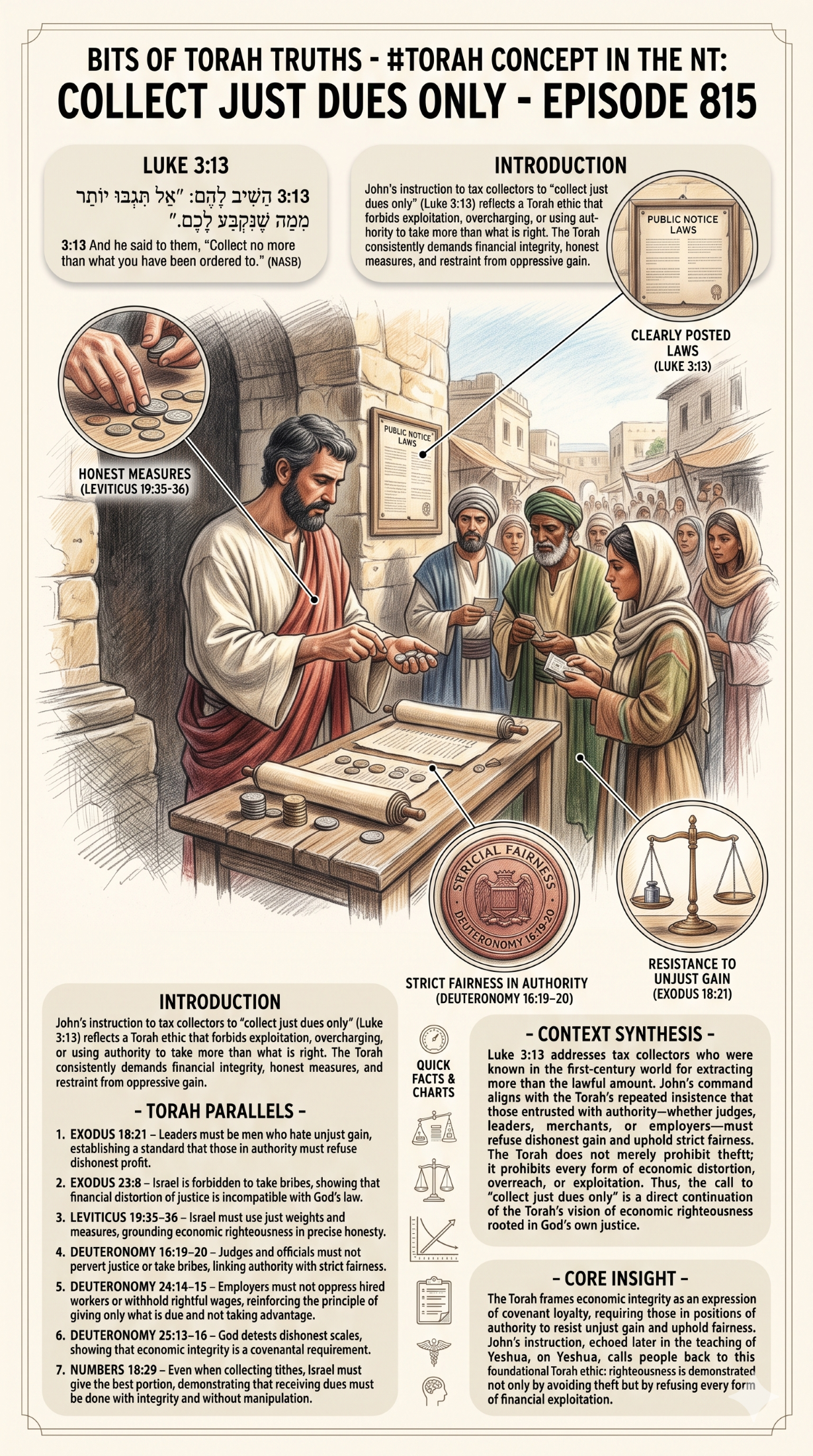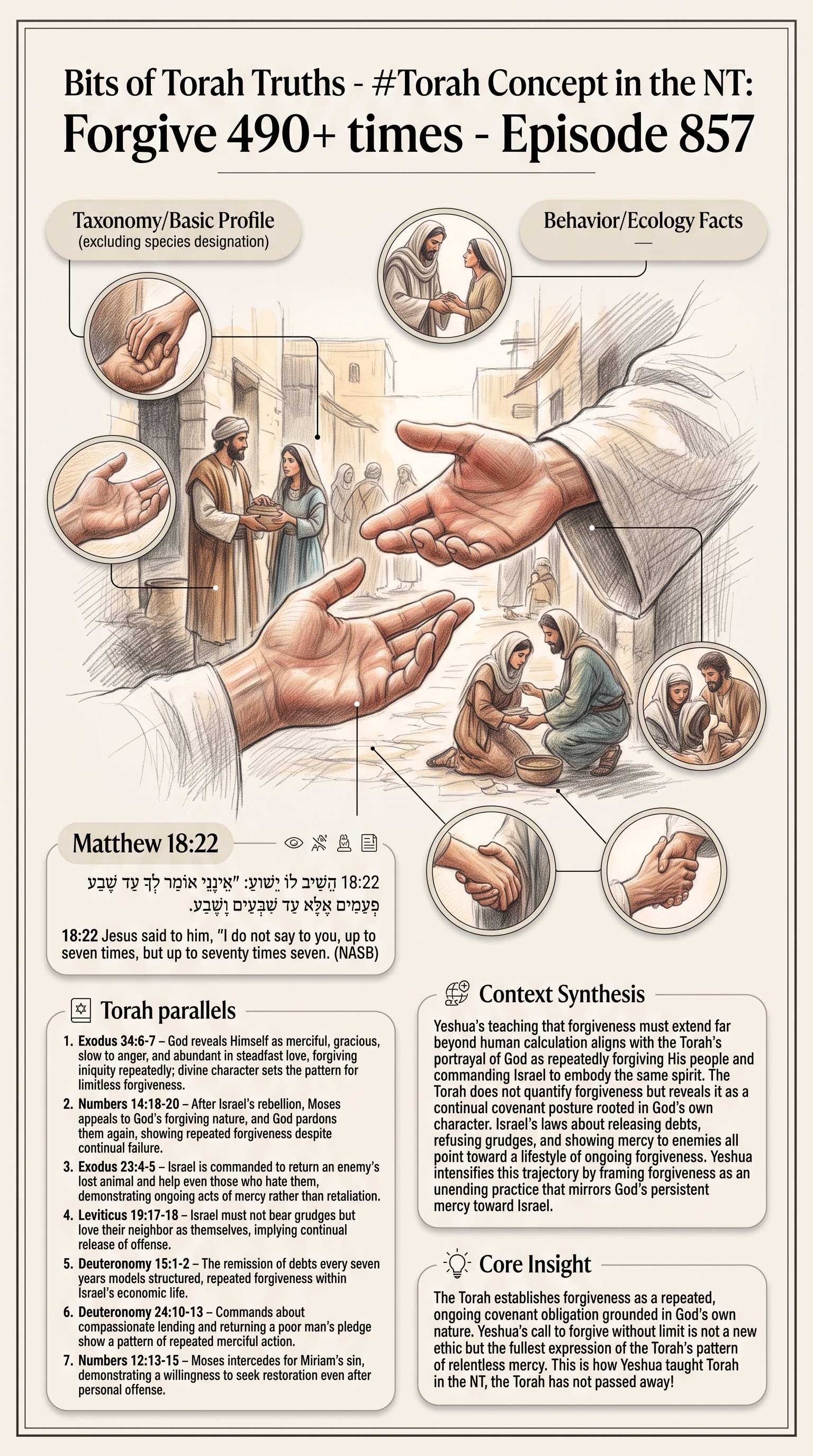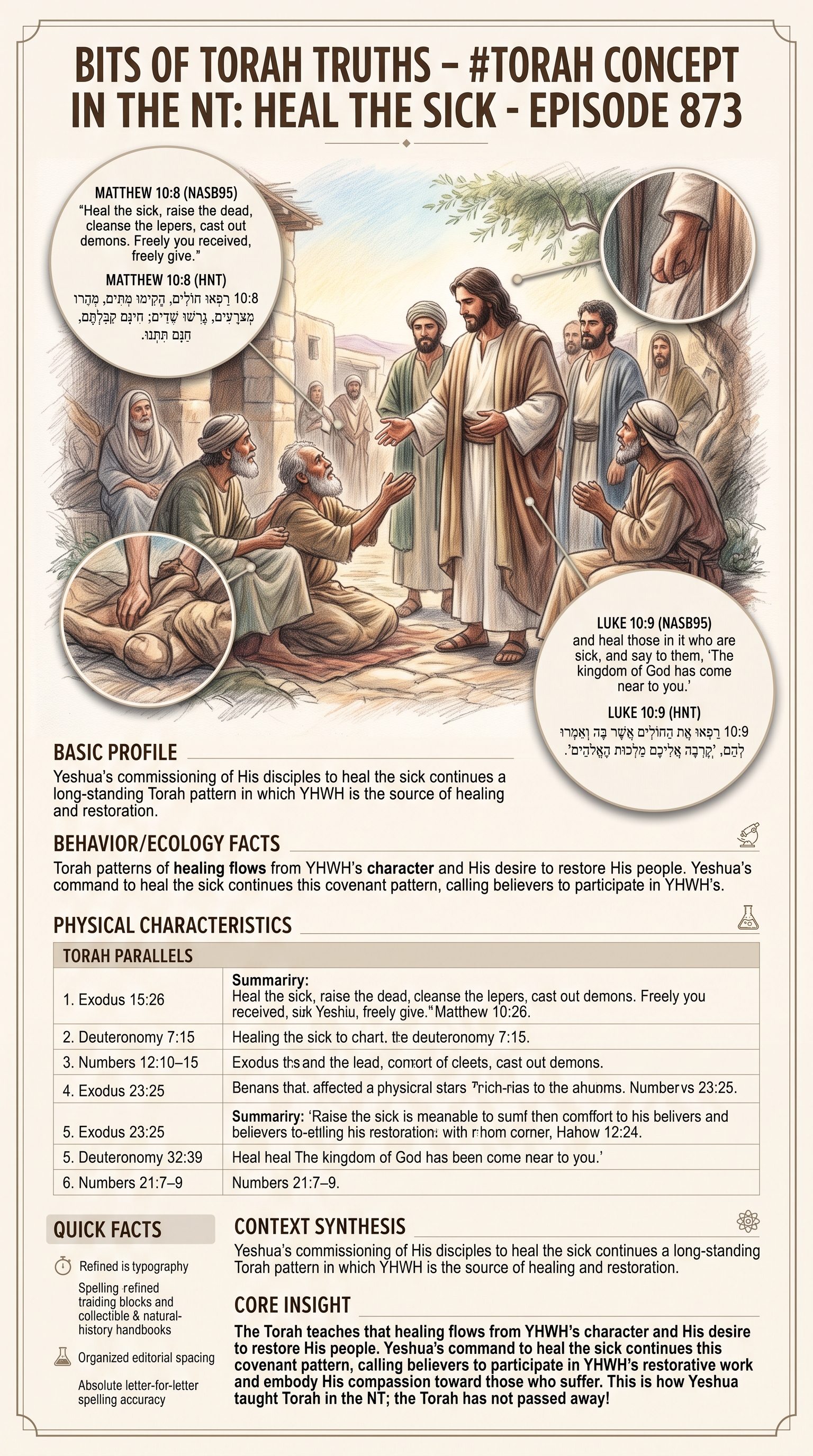
Bits of Torah Truths – #Torah Concept in the NT: Pay just dues – Episode 919
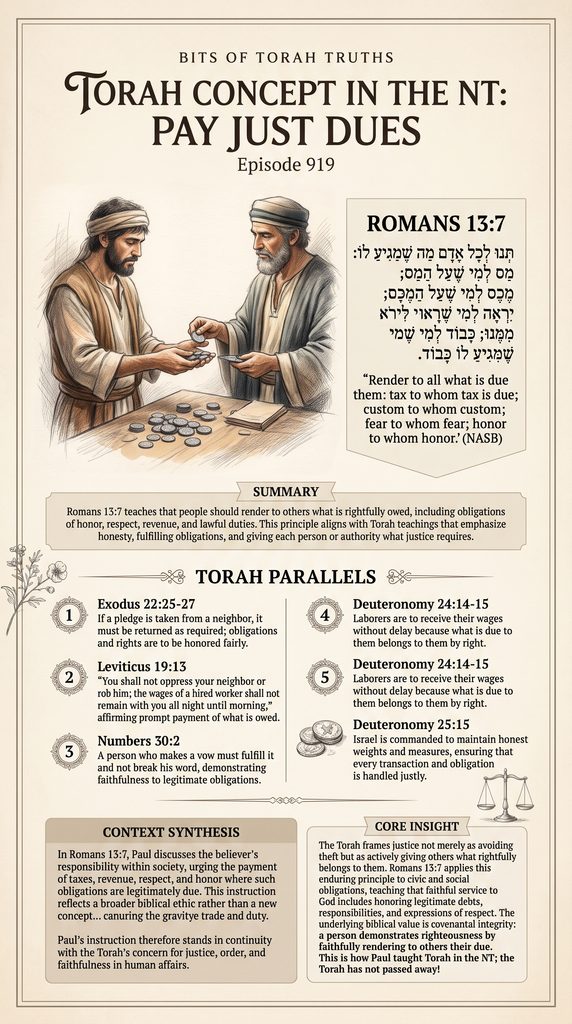
Romans 13:7
13:7 תְּנוּ לְכָל אָדָם מַה שֶּׁמַּגִּיעַ לוֹ׃ מַס לְמִי שֶׁעַל הַמַּס; מֶכֶס לְמִי שֶׁעַל הַמֶּכֶס; יִרְאָה לְמִי שֶׁרָאוּי לִירֹא מִמֶּנּוּ; כָּבוֹד לְמִי שֶׁמַּגִּיעַ לוֹ כָּבוֹד.
#torah #torahwisdom #torahtruth #torahforlife #torah4you #torahtruth
Romans 13:7
13:7 Render to all what is due them: tax to whom tax is due; custom to whom custom; fear to whom fear; honor to whom honor. (NASB)
https://www.matsati.com/index.php/category/bits-of-torah-truths/
Romans 13:7 teaches that people should render to others what is rightfully owed, including obligations of honor, respect, revenue, and lawful duties. This principle aligns with Torah teachings that emphasize honesty, fulfilling obligations, and giving each person or authority what justice requires.
– Torah parallels –
- Exodus 22:25-27 – If a pledge is taken from a neighbor, it must be returned as required; obligations and rights are to be honored fairly.
- Leviticus 19:13 – “You shall not oppress your neighbor or rob him; the wages of a hired worker shall not remain with you all night until morning,” affirming prompt payment of what is owed.
- Numbers 30:2 – A person who makes a vow must fulfill it and not break his word, demonstrating faithfulness to legitimate obligations.
- Deuteronomy 24:14-15 – Laborers are to receive their wages without delay because what is due to them belongs to them by right.
- Deuteronomy 25:15 – Israel is commanded to maintain honest weights and measures, ensuring that every transaction and obligation is handled justly.
– Context Synthesis –
In Romans 13:7, Paul discusses the believer’s responsibility within society, urging the payment of taxes, revenue, respect, and honor where such obligations are legitimately due. This instruction reflects a broader biblical ethic rather than a new concept. Throughout the Torah, covenant life is marked by integrity in relationships, fulfillment of promises, fair economic dealings, and respect for established responsibilities. Whether paying workers, honoring agreements, returning pledged items, or conducting trade honestly, the Torah repeatedly teaches that righteousness includes rendering what is owed. Paul’s instruction therefore stands in continuity with the Torah’s concern for justice, order, and faithfulness in human affairs.
– Core Insight –
The Torah frames justice not merely as avoiding theft but as actively giving others what rightfully belongs to them. Romans 13:7 applies this enduring principle to civic and social obligations, teaching that faithful service to God includes honoring legitimate debts, responsibilities, and expressions of respect. The underlying biblical value is covenantal integrity: a person demonstrates righteousness by faithfully rendering to others their due. This is how Paul taught Torah in the NT; the Torah has not passed away!
This analysis is based on the plain meaning of Romans 13:7 and directly related passages from the Torah (Genesis through Deuteronomy). The identified parallels reflect shared biblical themes of justice, honesty, fulfillment of obligations, and respect for rightful claims, while recognizing that Paul’s teaching addresses a first-century civic context and the Torah passages address covenantal life in ancient Israel. Interpretations vary among Jewish and Christian traditions, but the connections presented here are supported by the textual themes common to both passages.
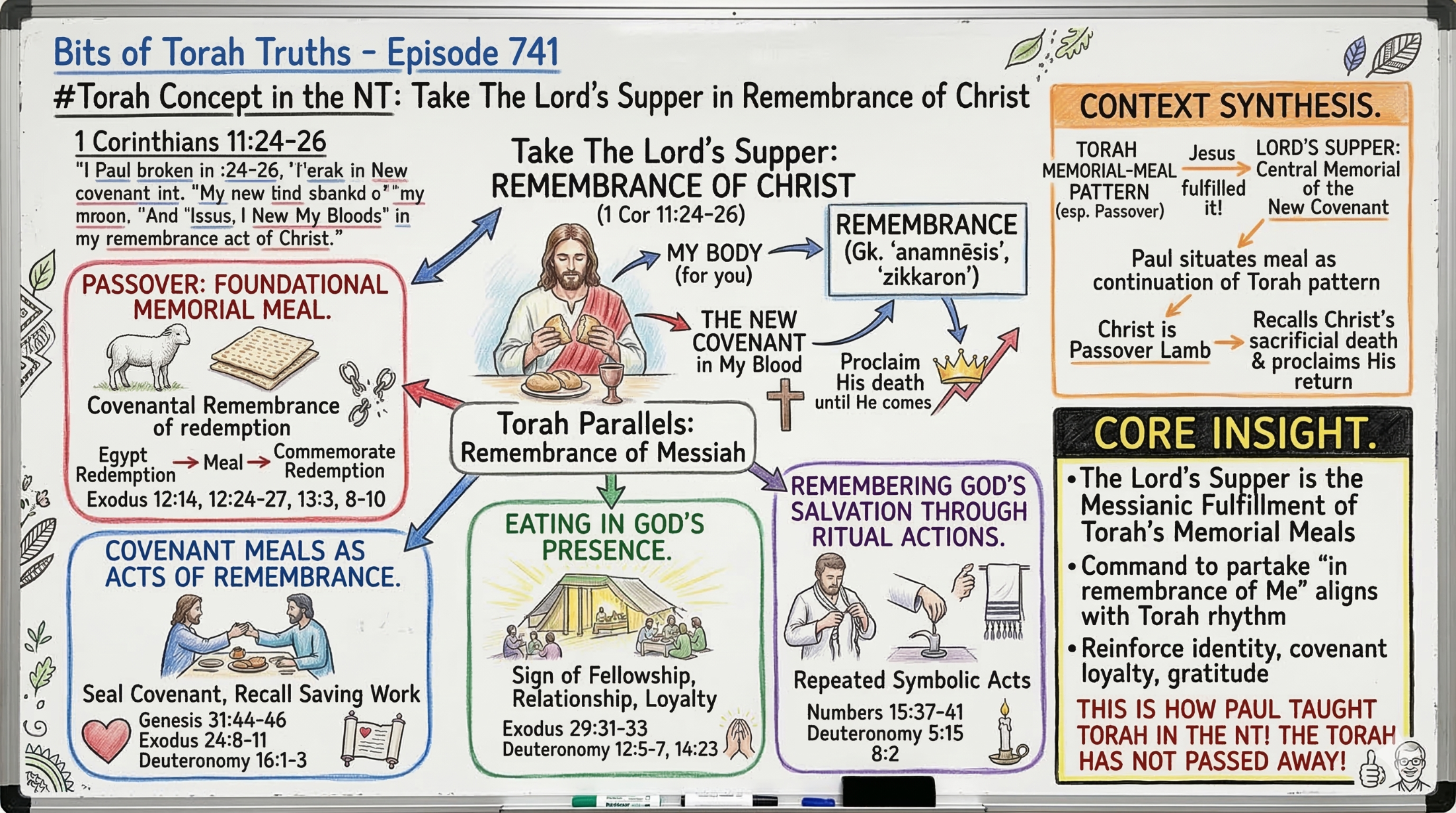
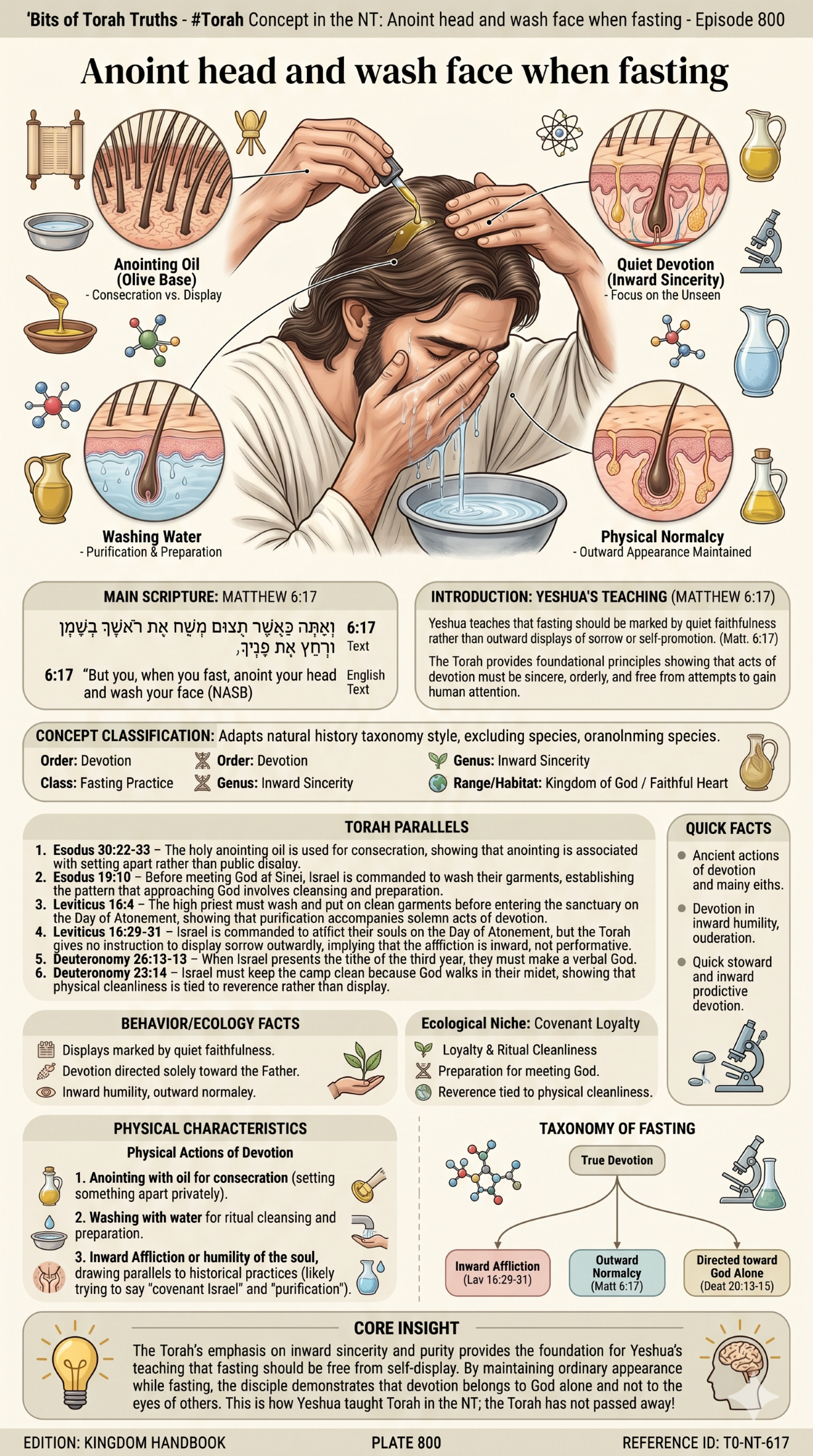
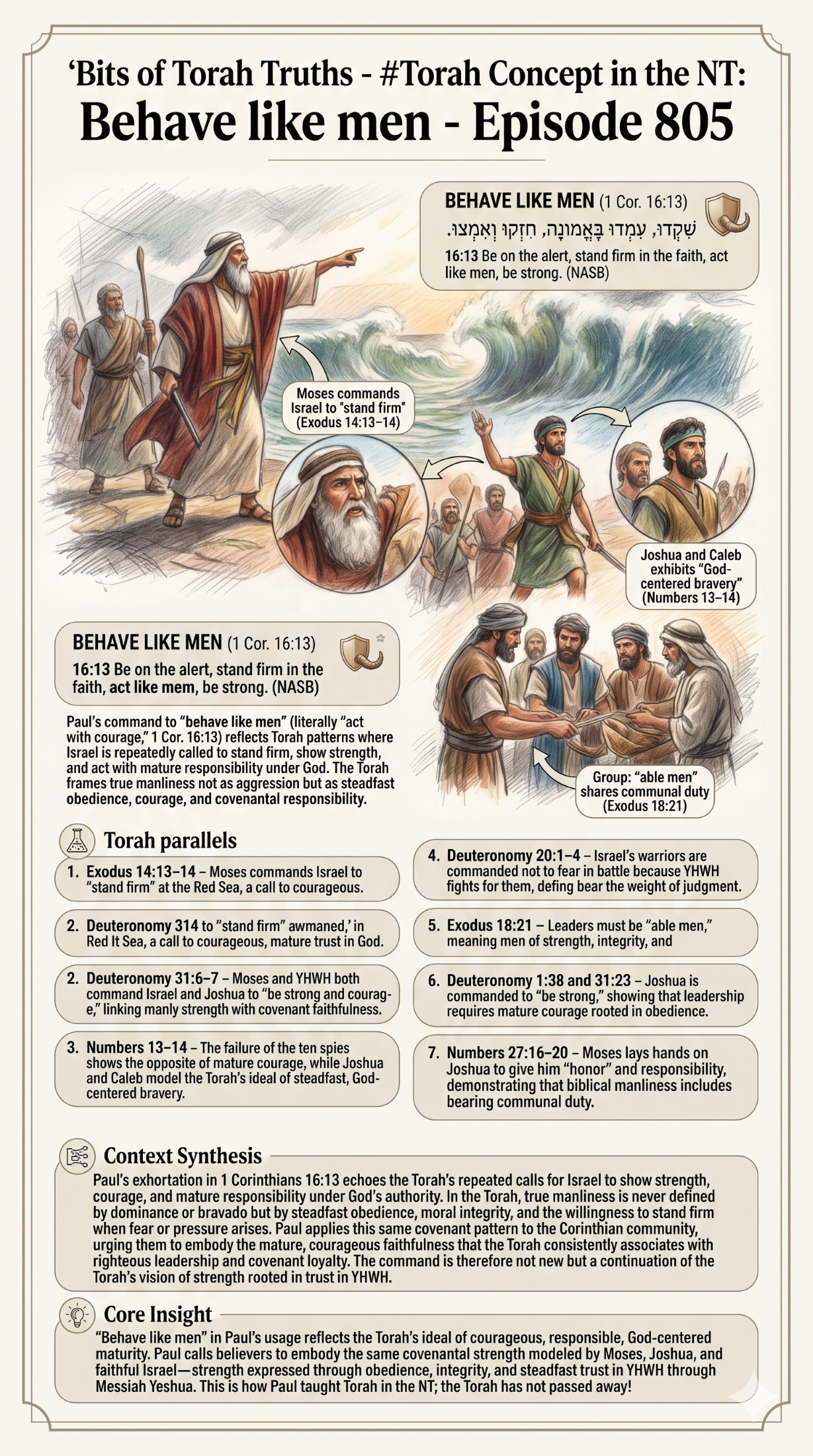
Visual Summary of Concepts the Torah in the NT