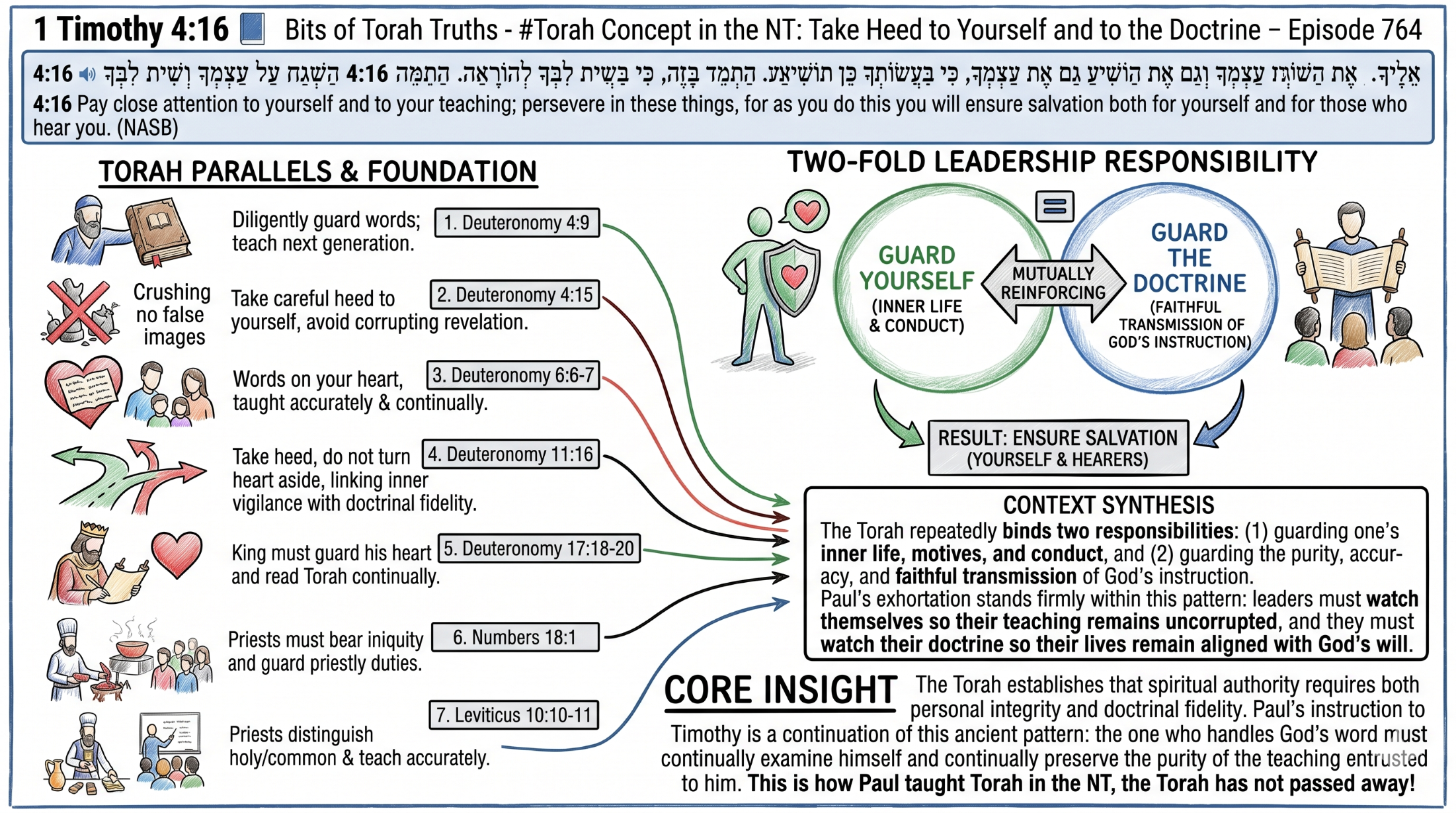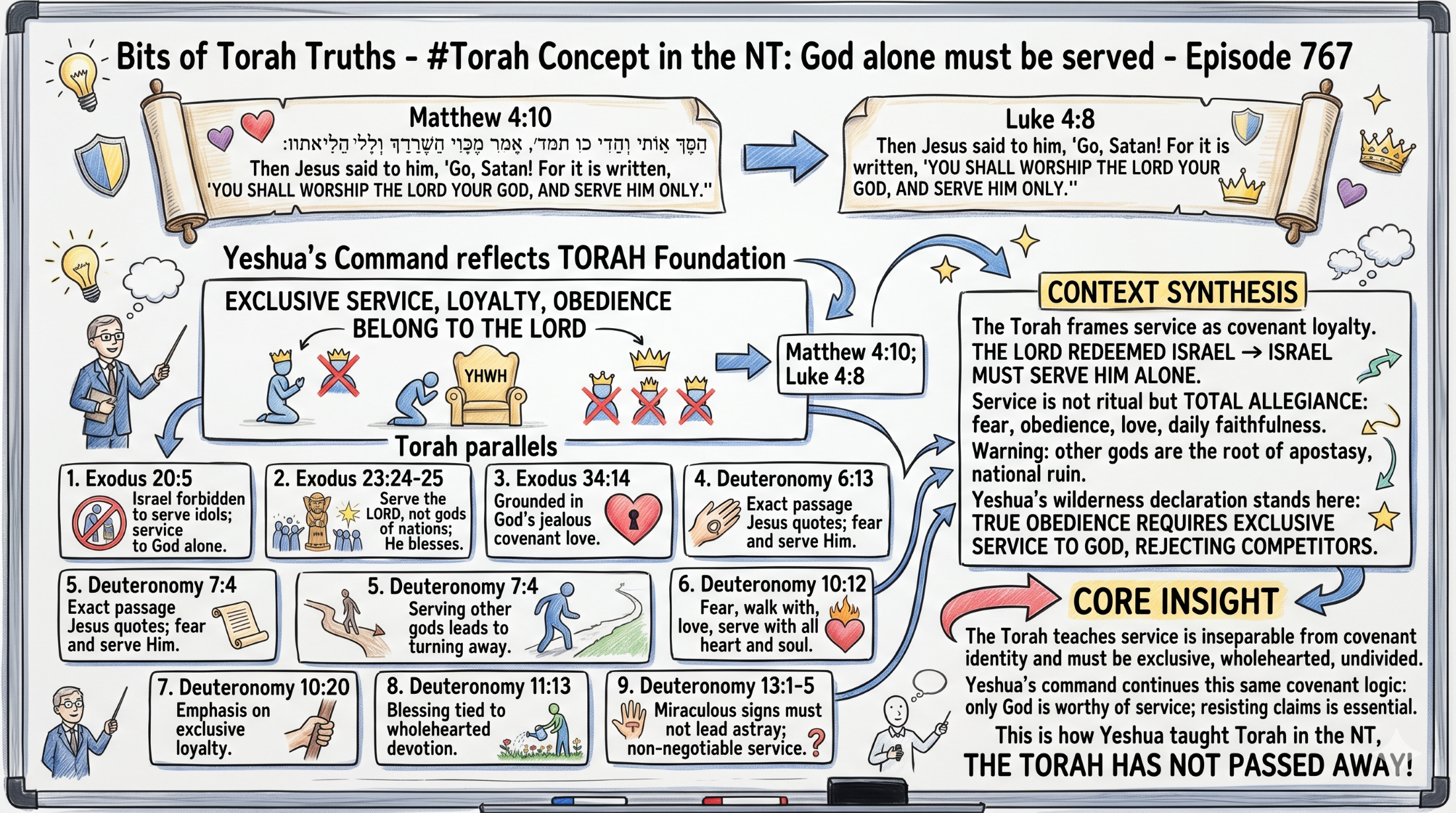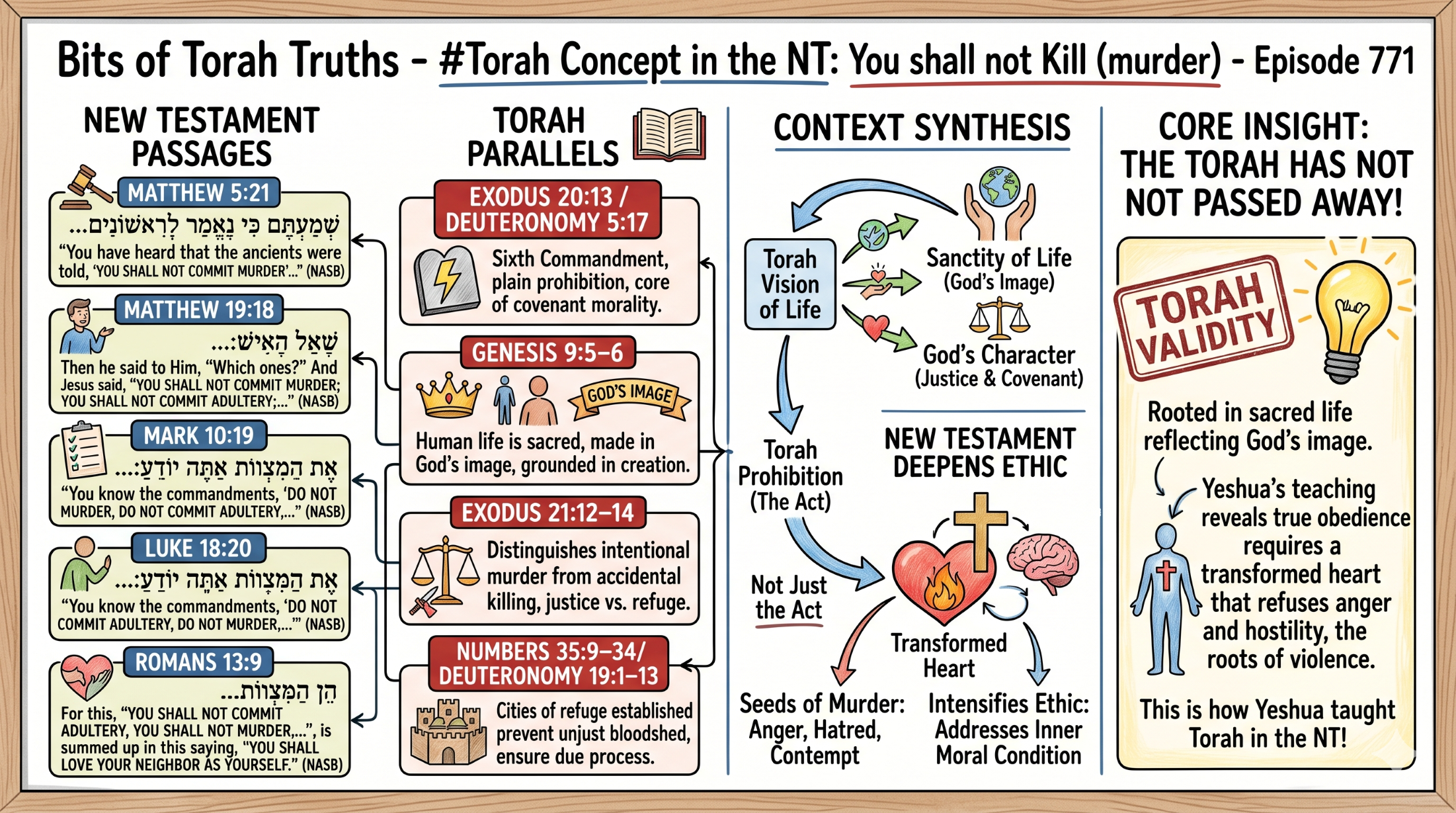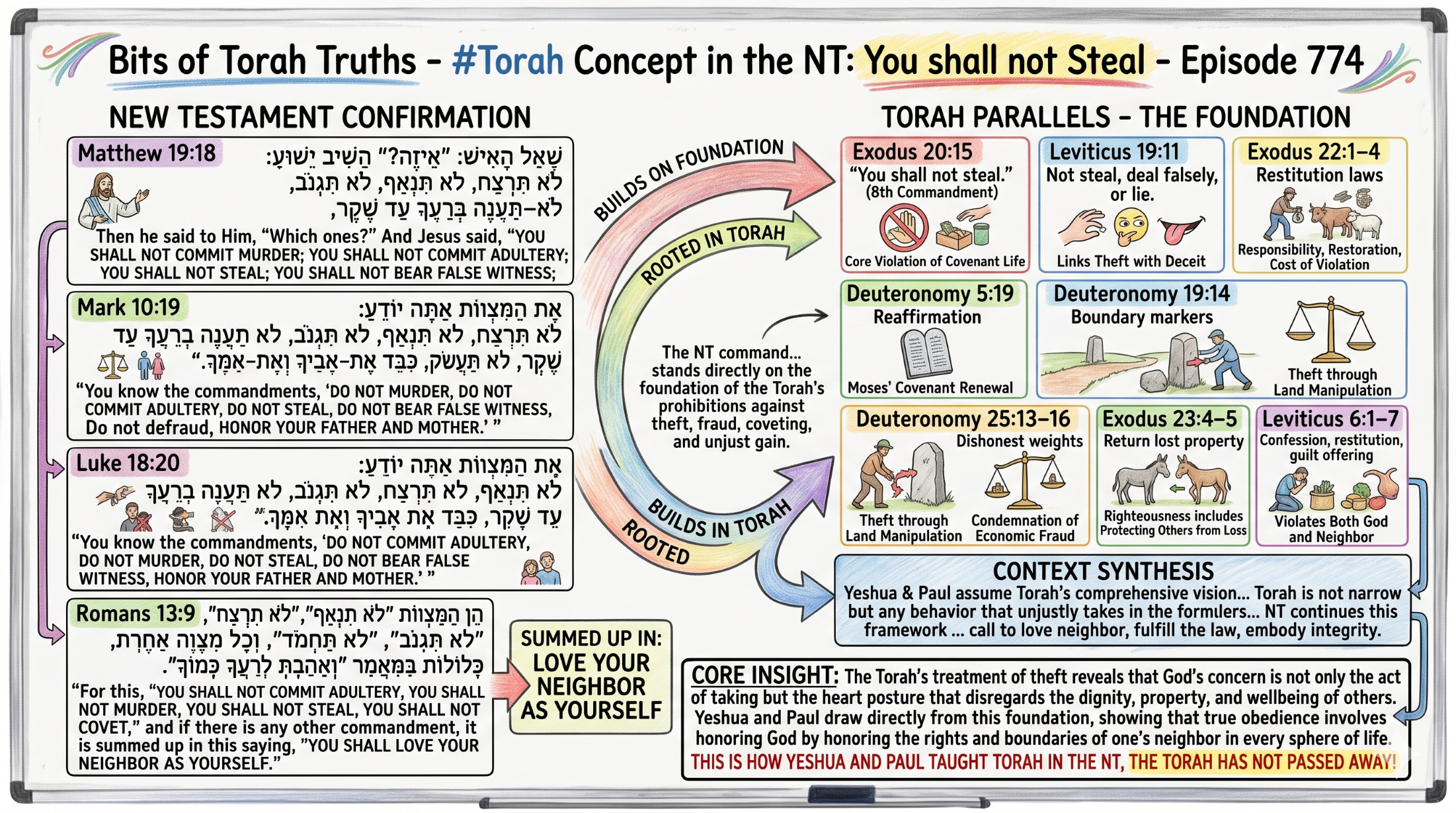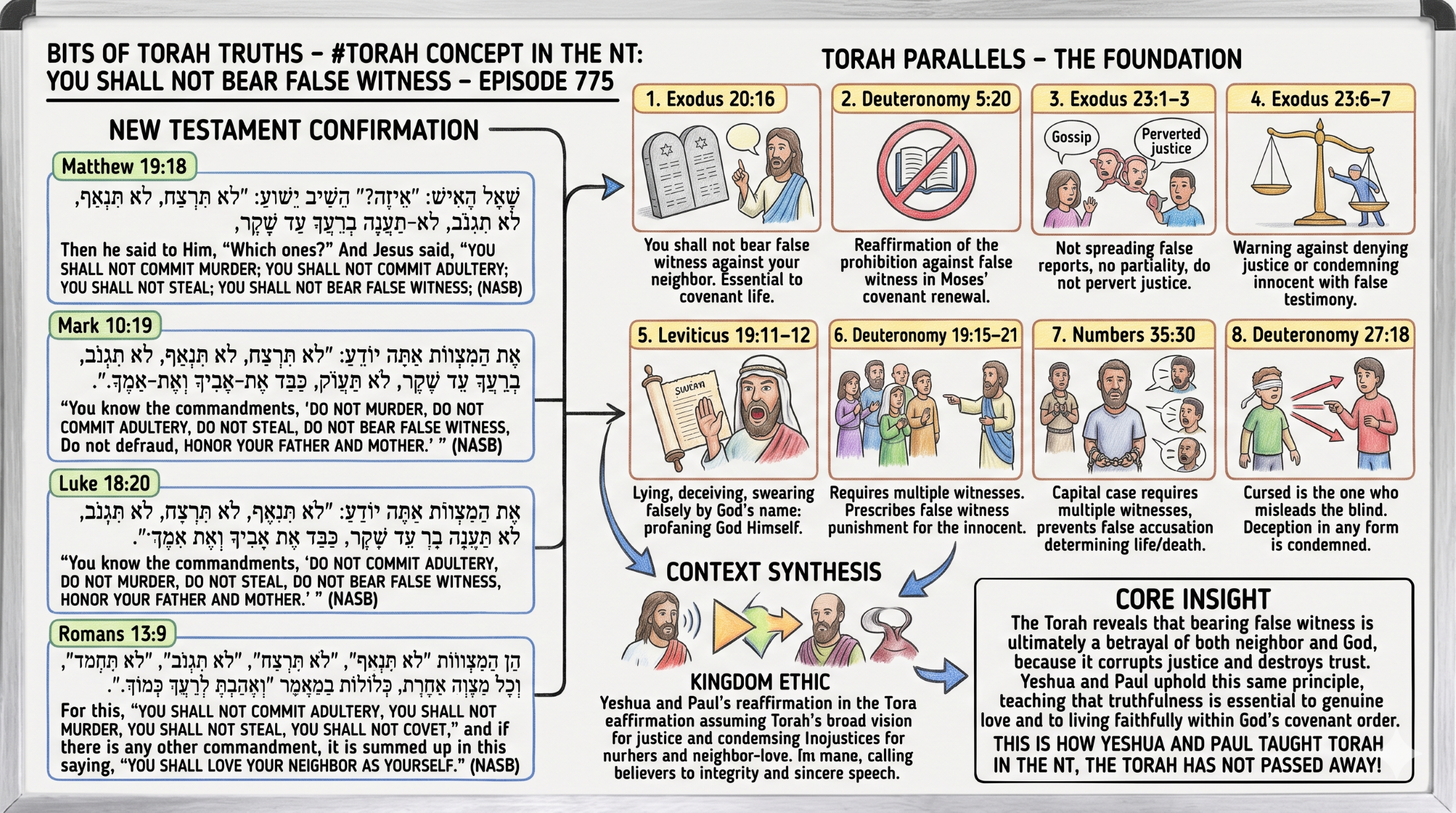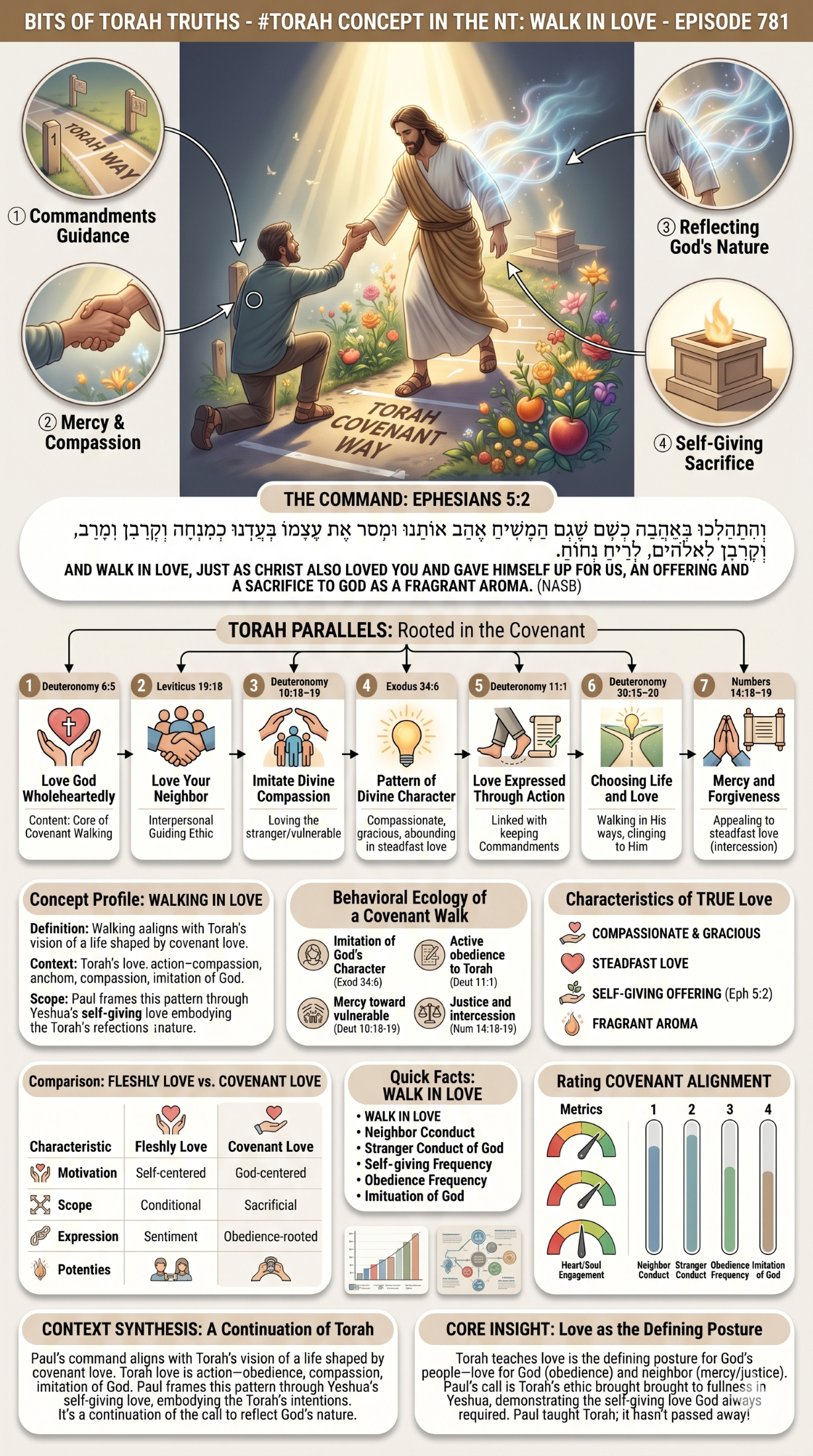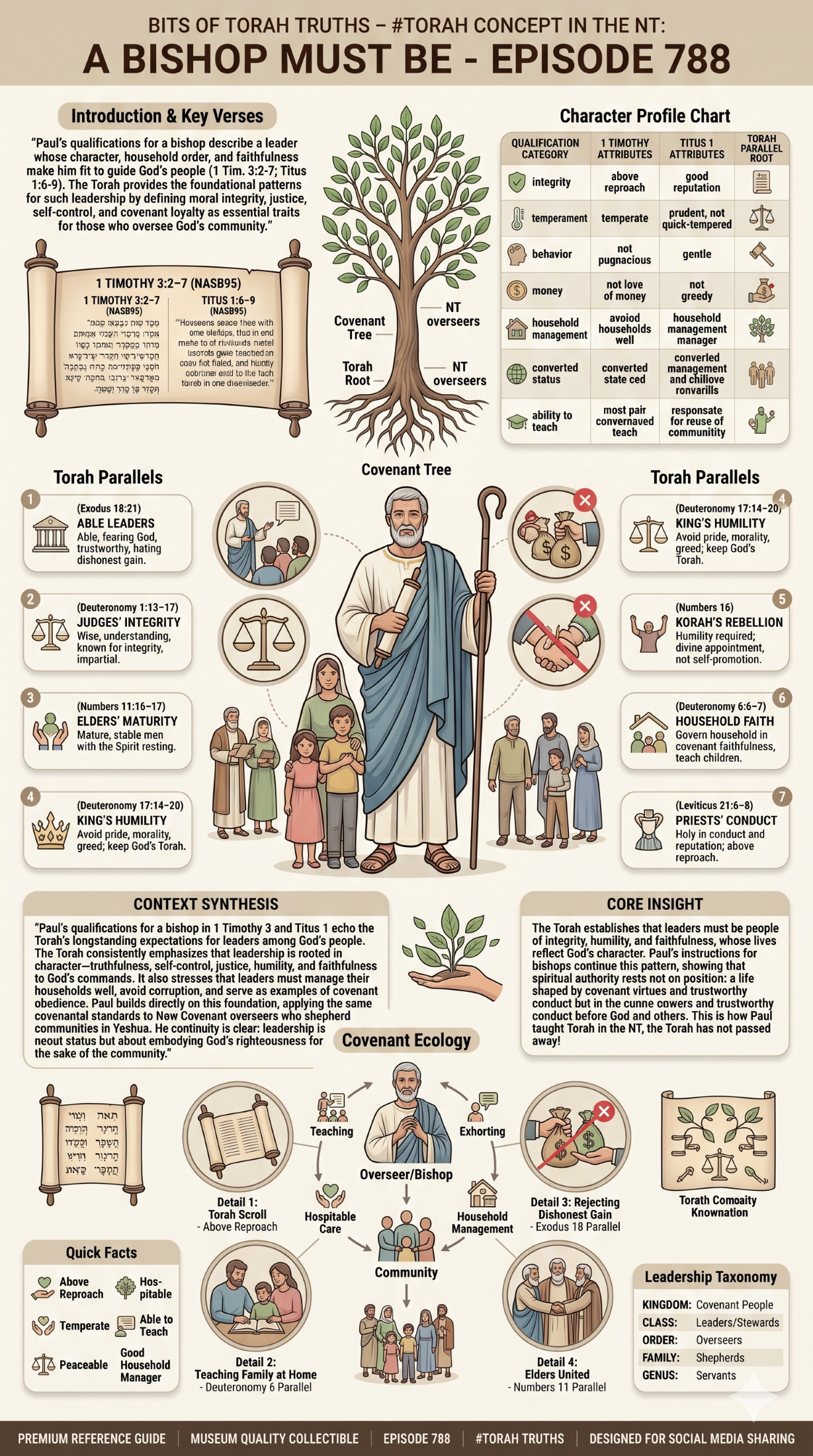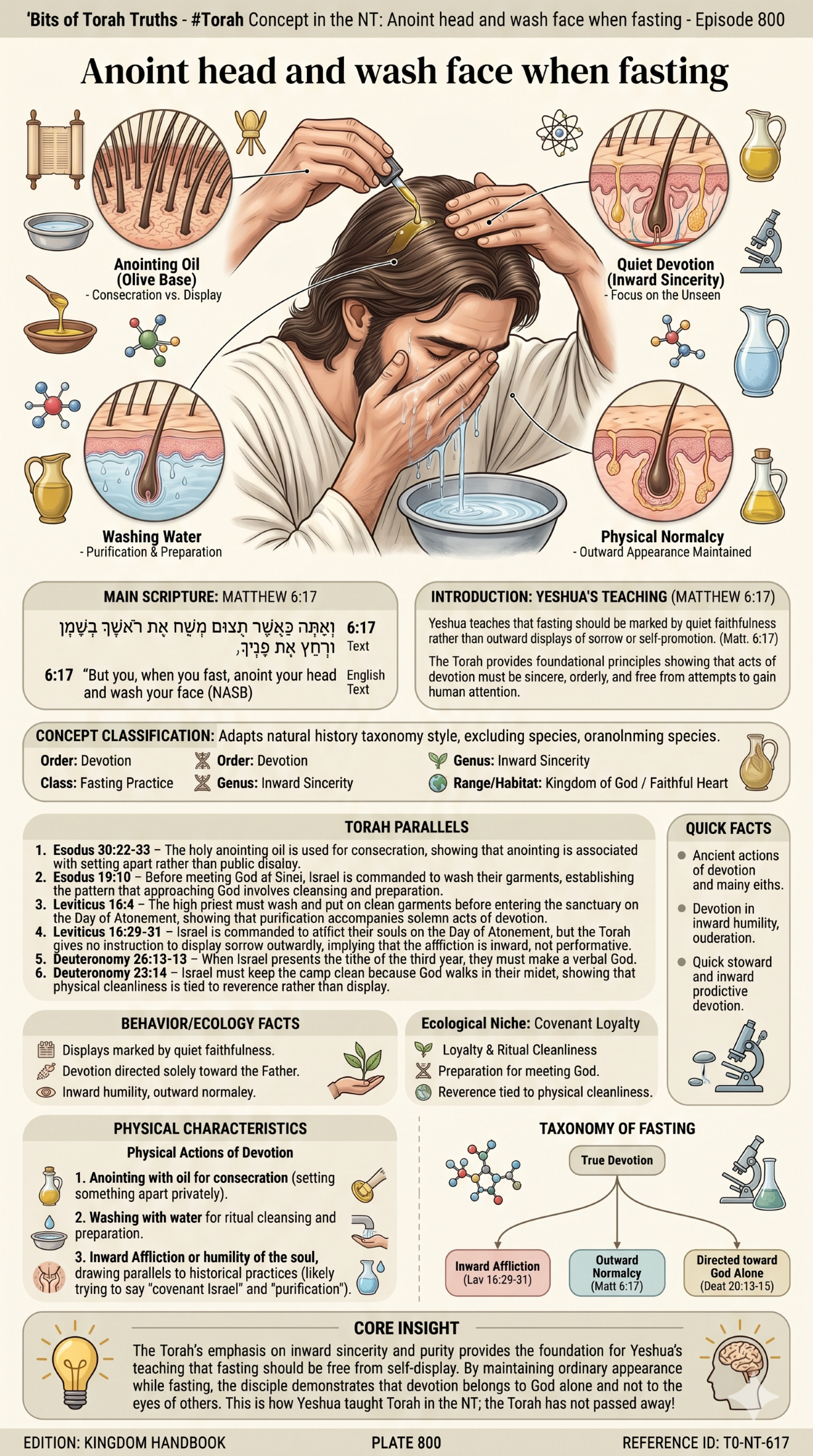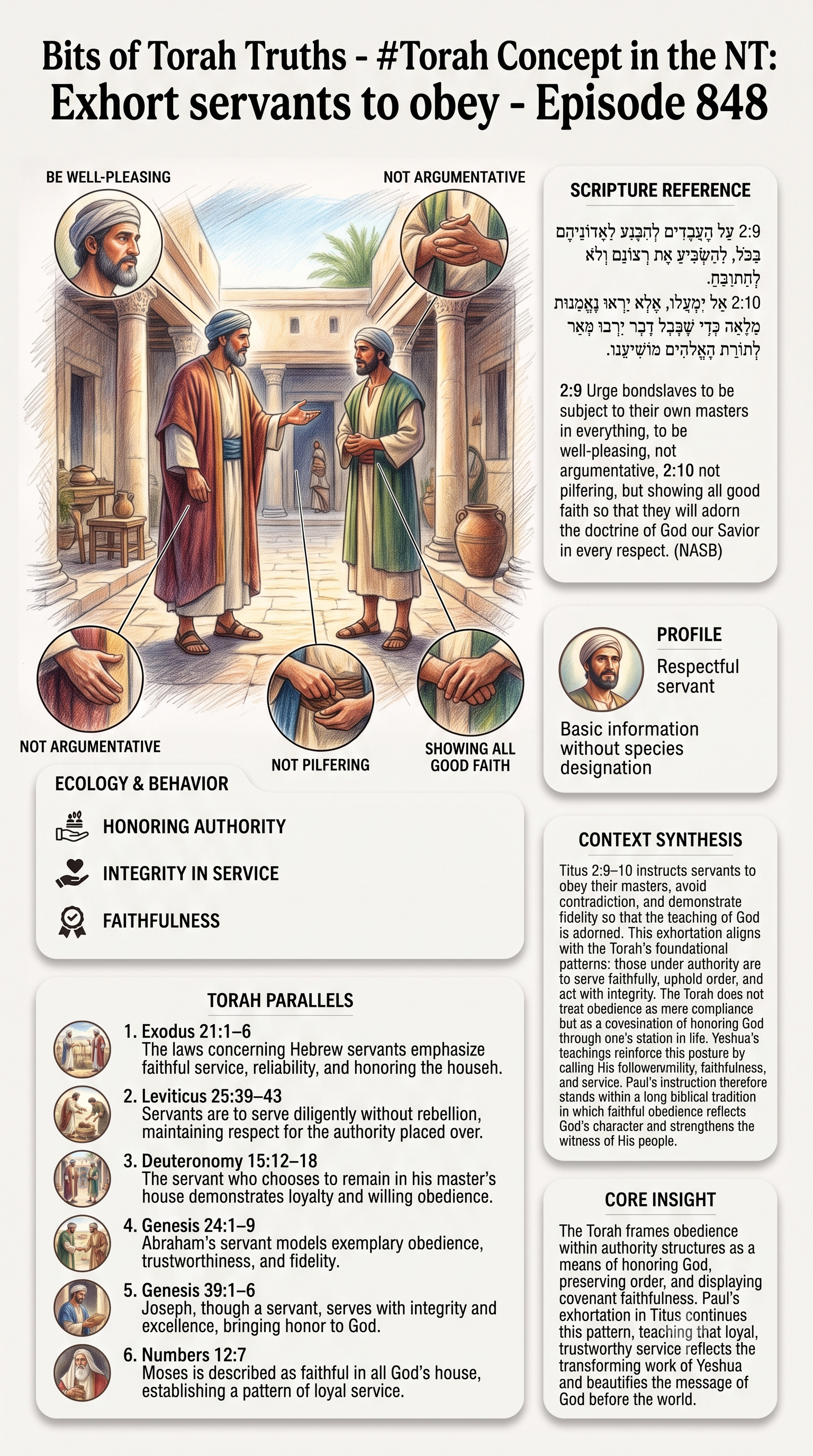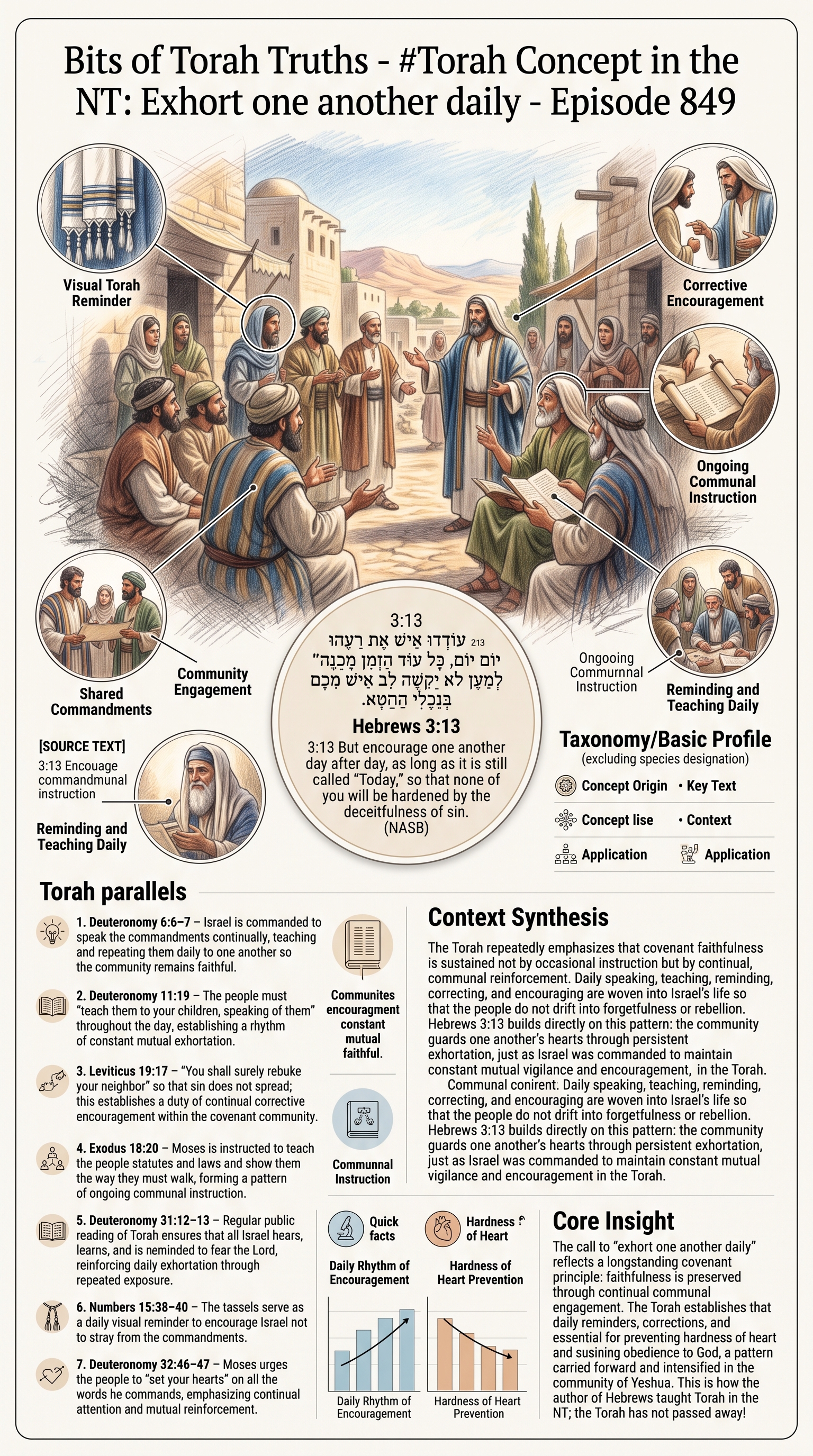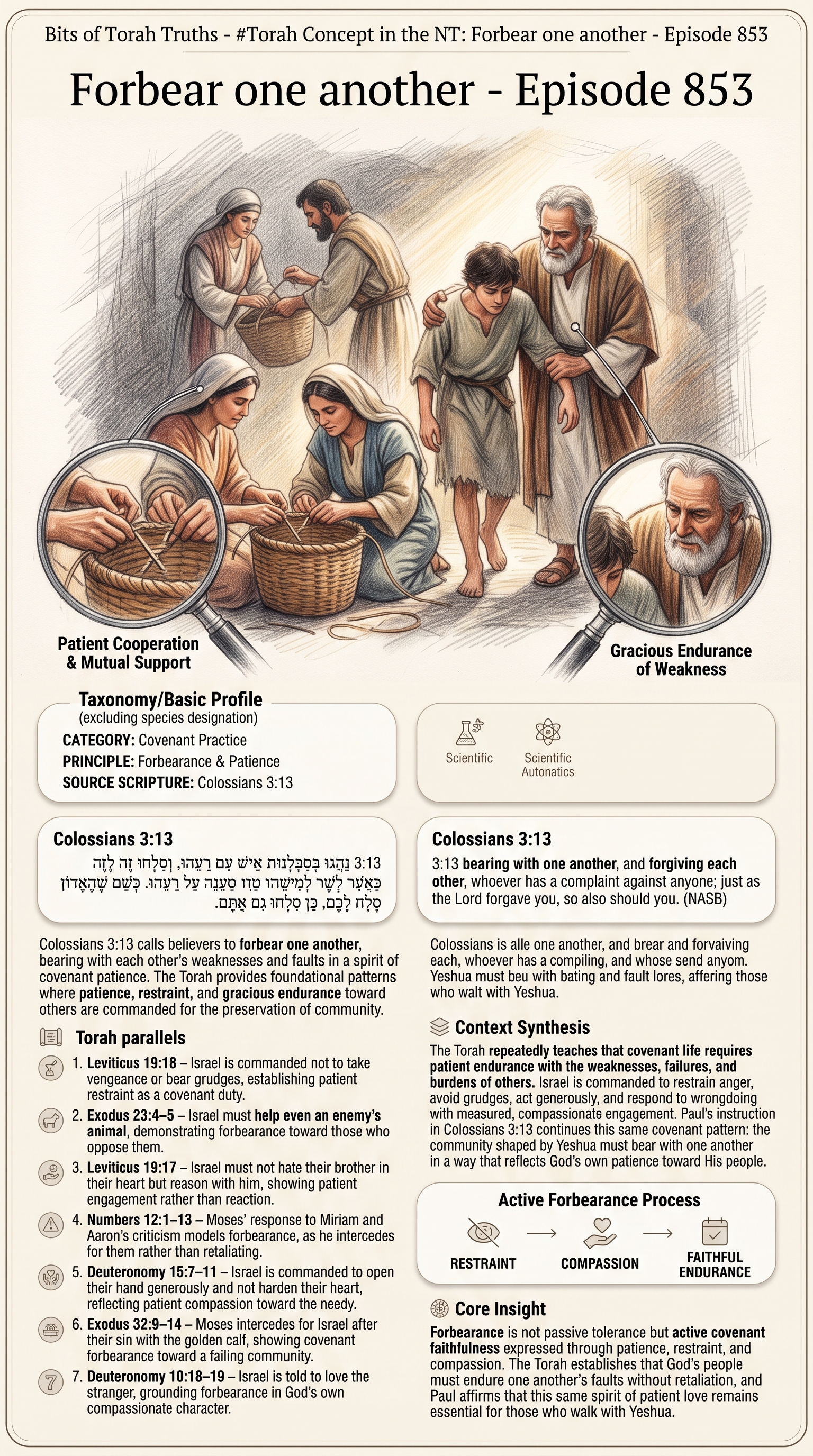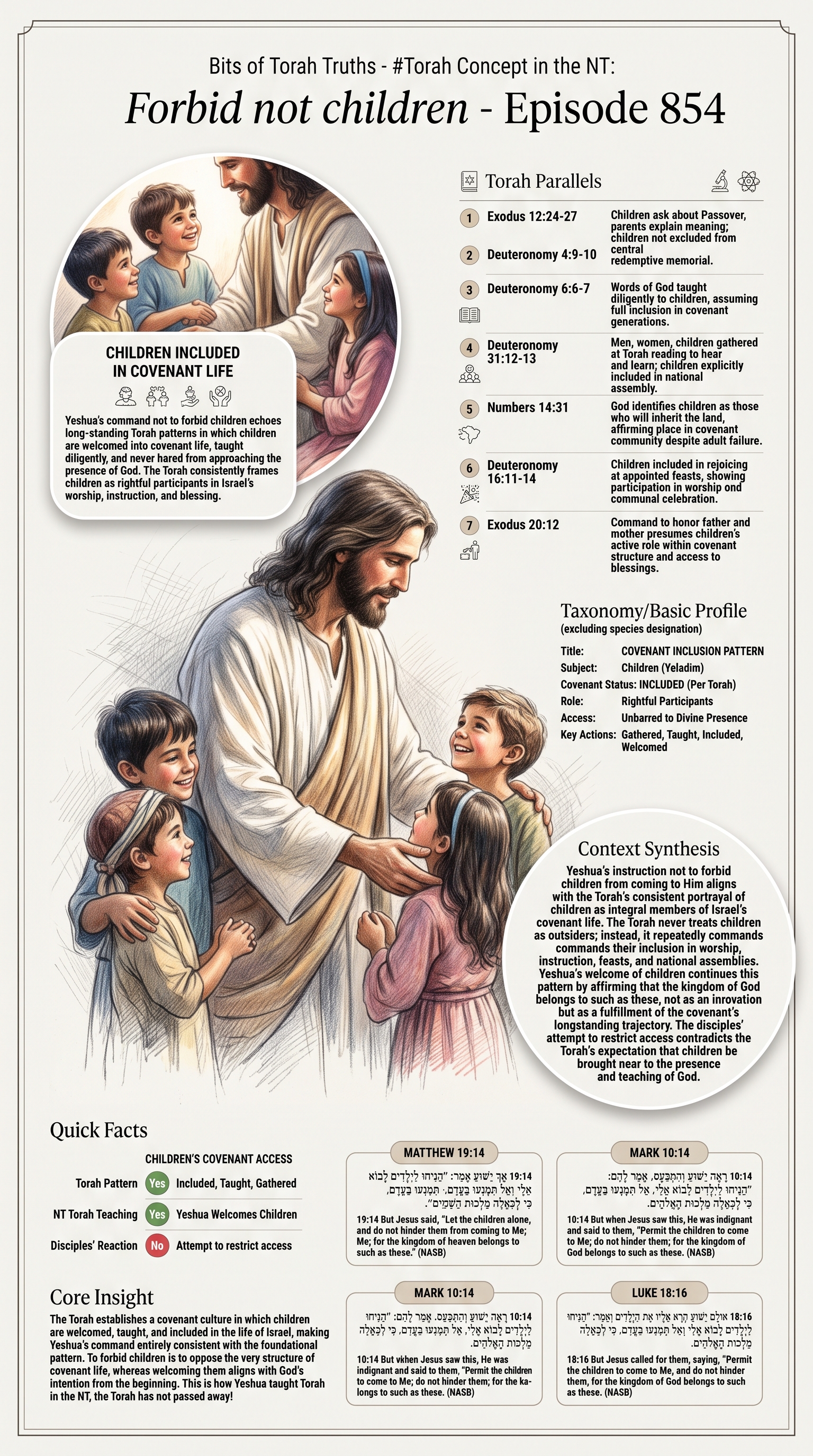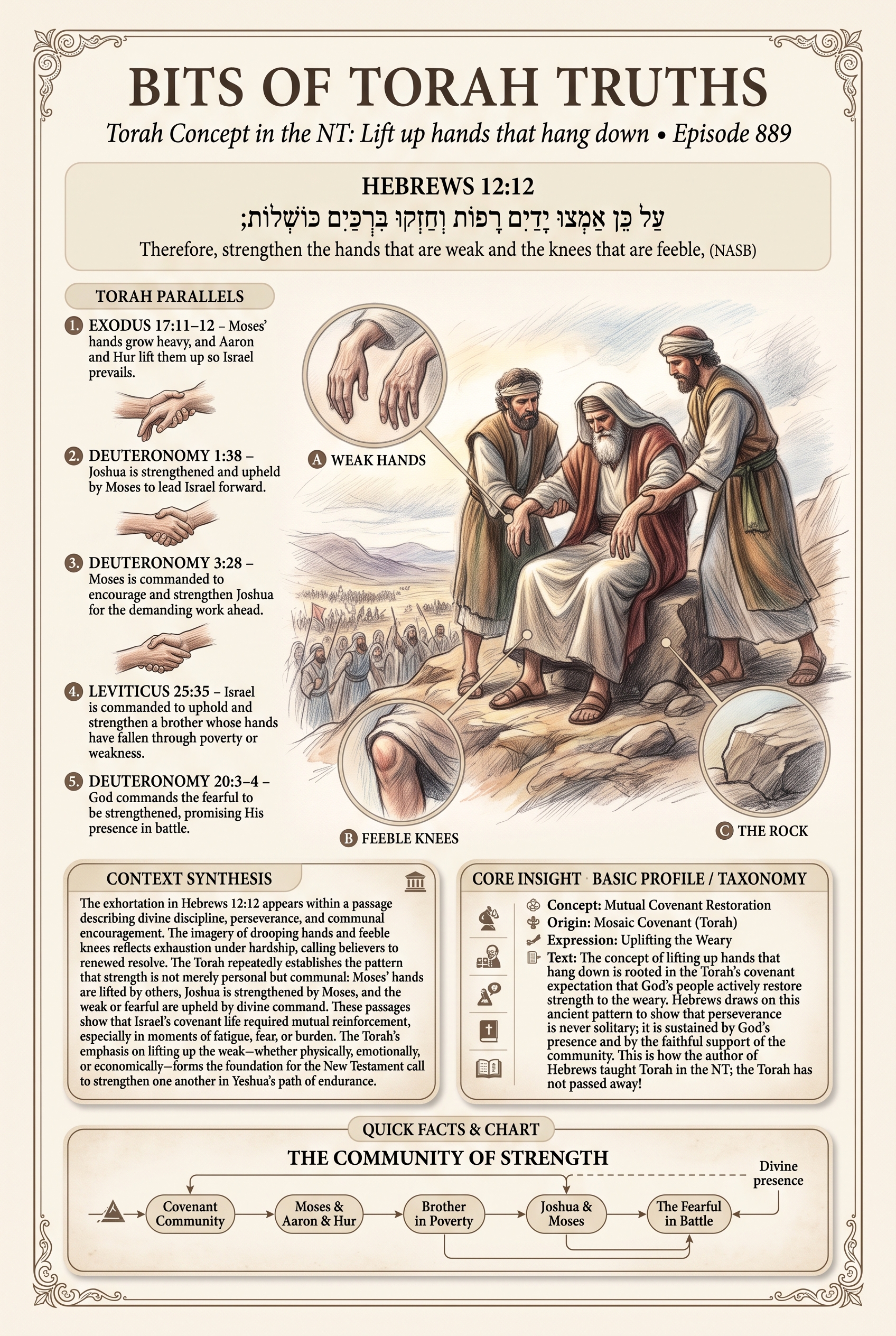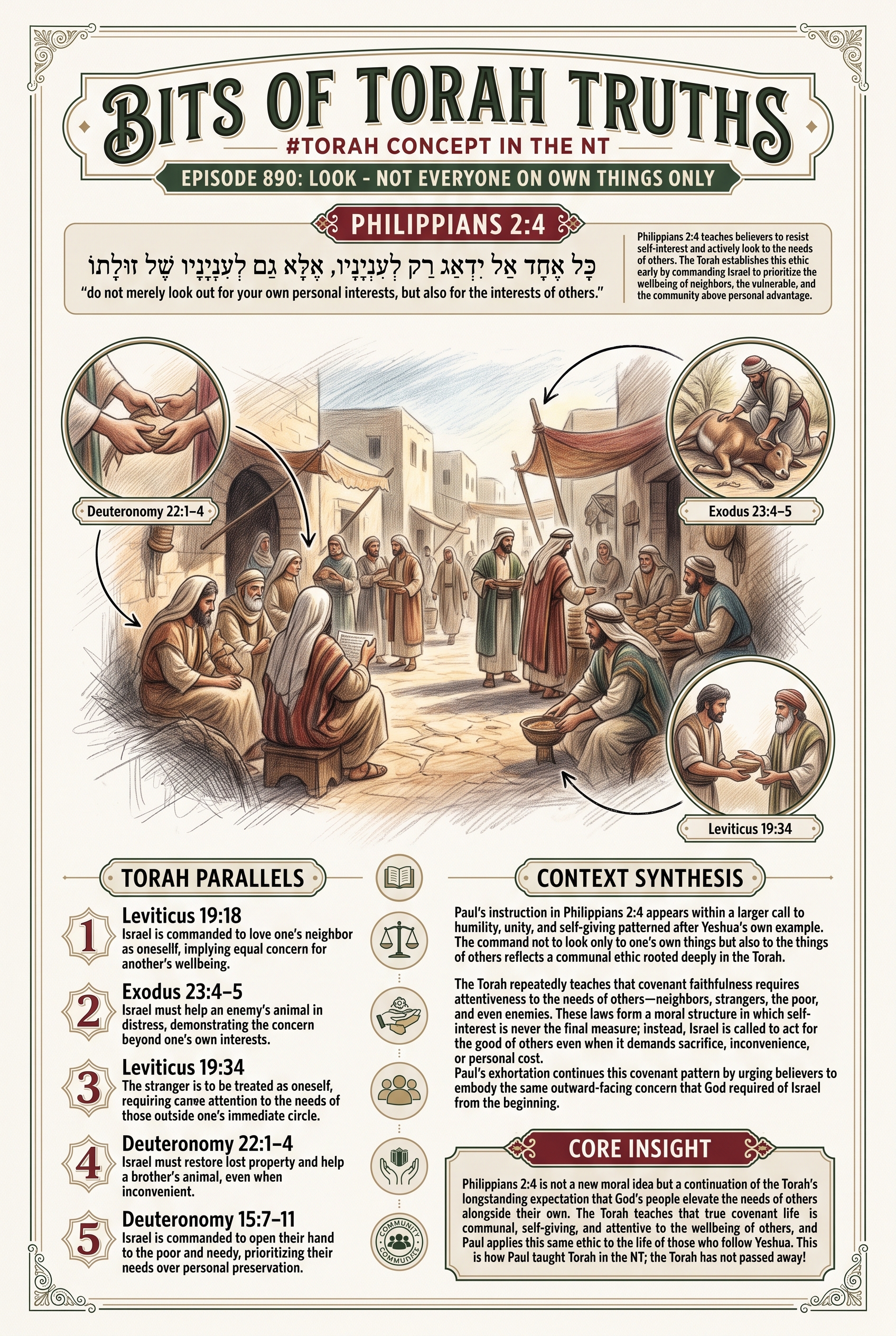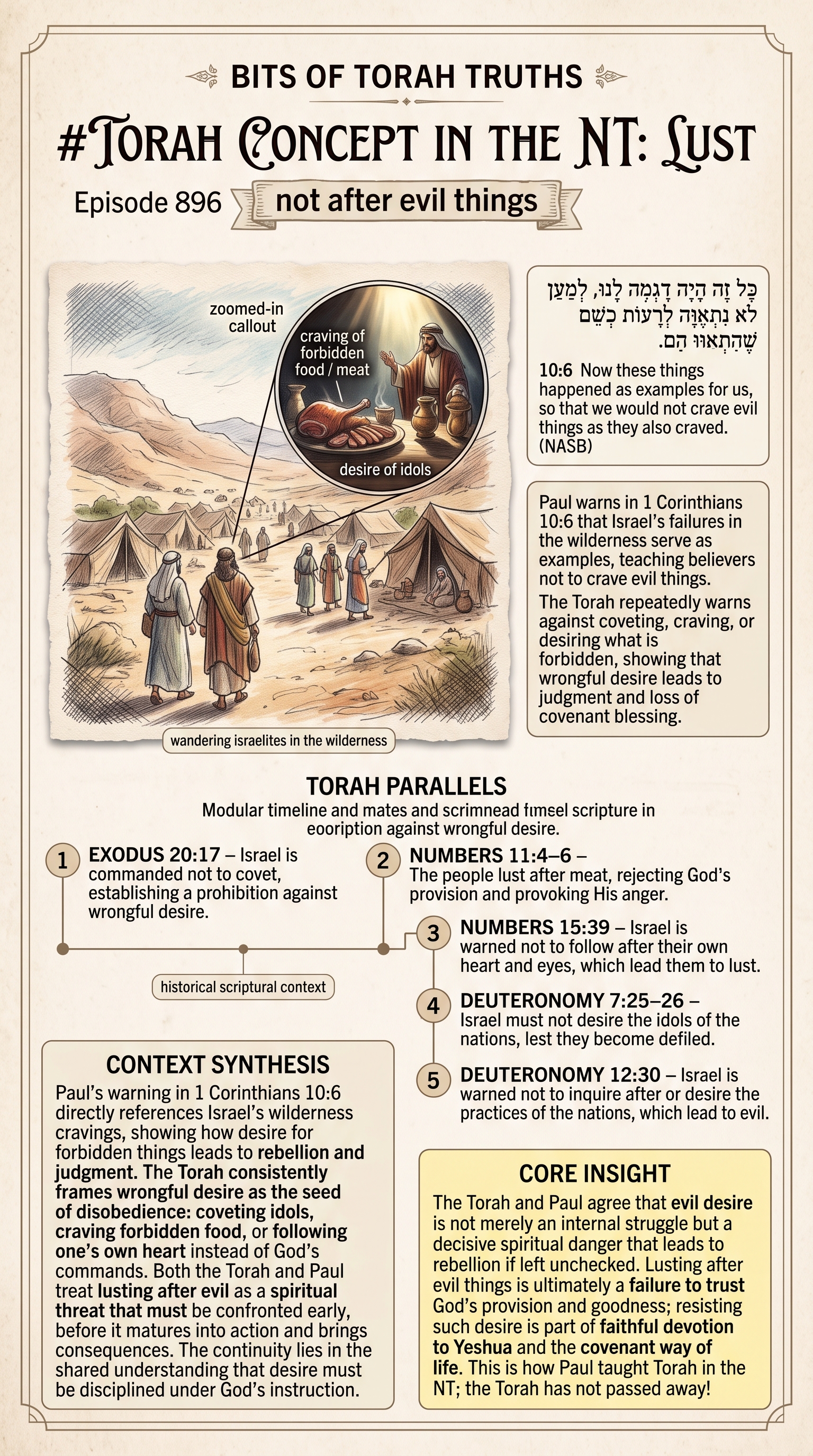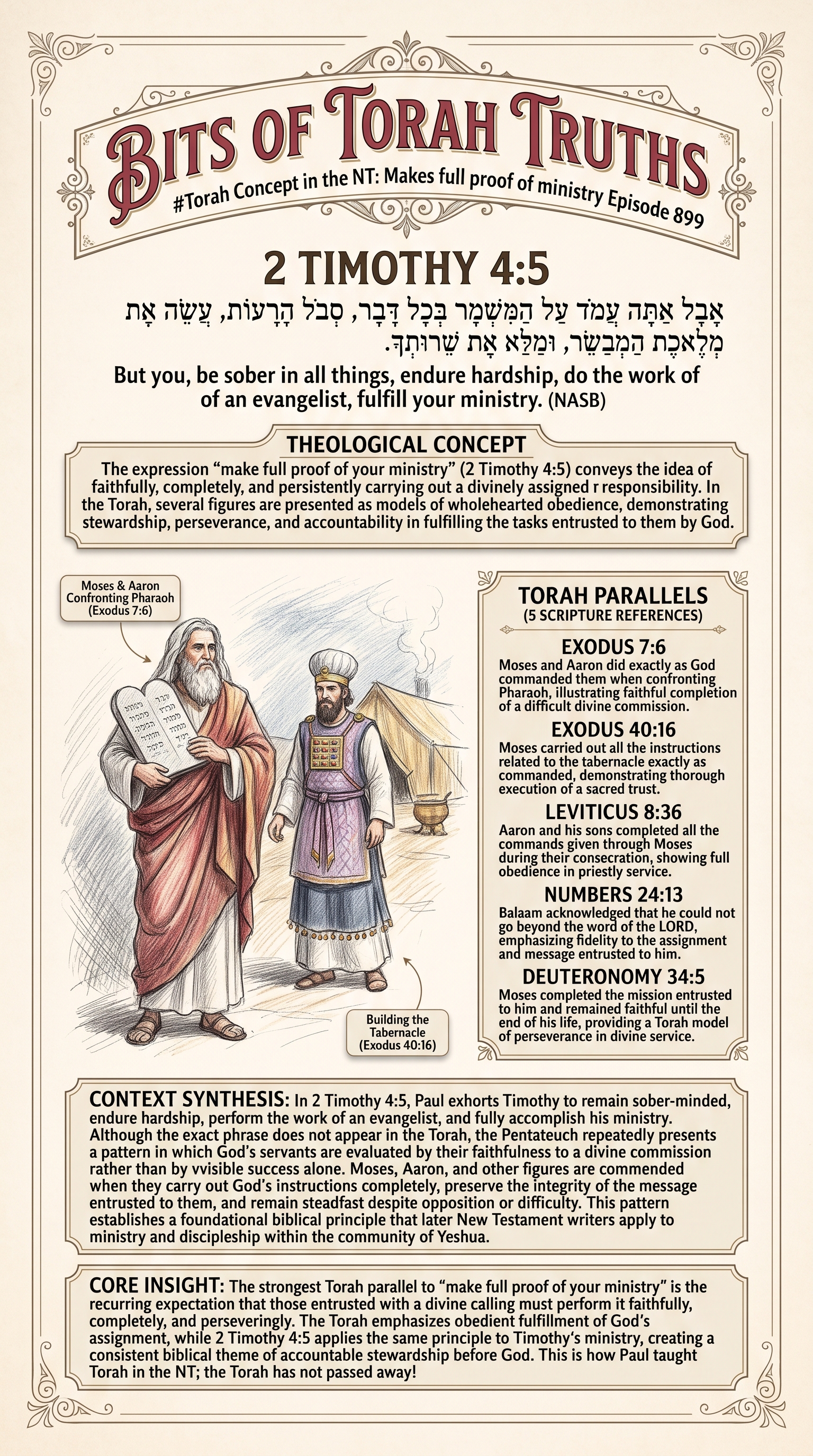
Bits of Torah Truths – #Torah Concept in the NT: Ordain no one in a hurry – Episode 914
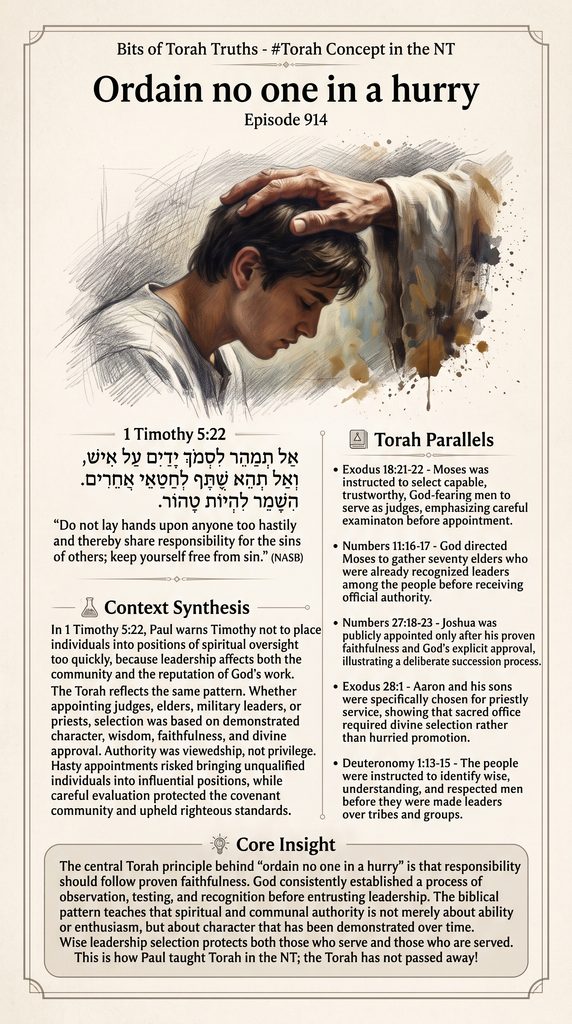
1 Timothy 5:22
אַל תְּמַהֵר לִסְמֹךְ יָדַיִם עַל אִישׁ, וְאַל תְּהֵא שֻׁתָּף לְחַטָאֵי אֲחֵרִים. הִשָּׁמֵר לִהְיוֹת טָהוֹר.
#torah#torahwisdom#torahtruth#torahforlife#torah4you#torahtruth
1 Timothy 5:22
5:22 Do not lay hands upon anyone too hastily and thereby share responsibility for the sins of others; keep yourself free from sin. (NASB)
https://www.matsati.com/index.php/category/bits-of-torah-truths/
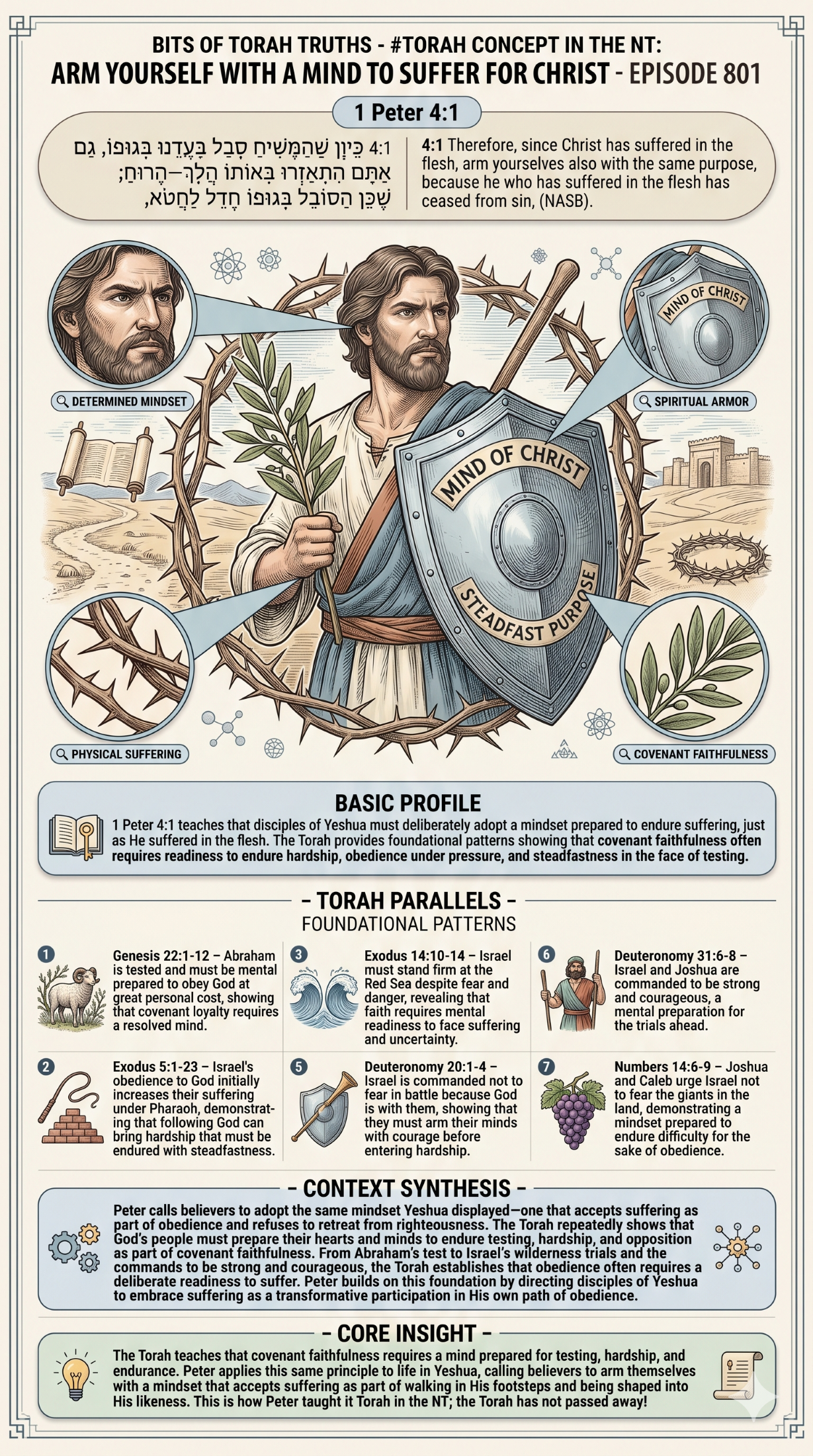
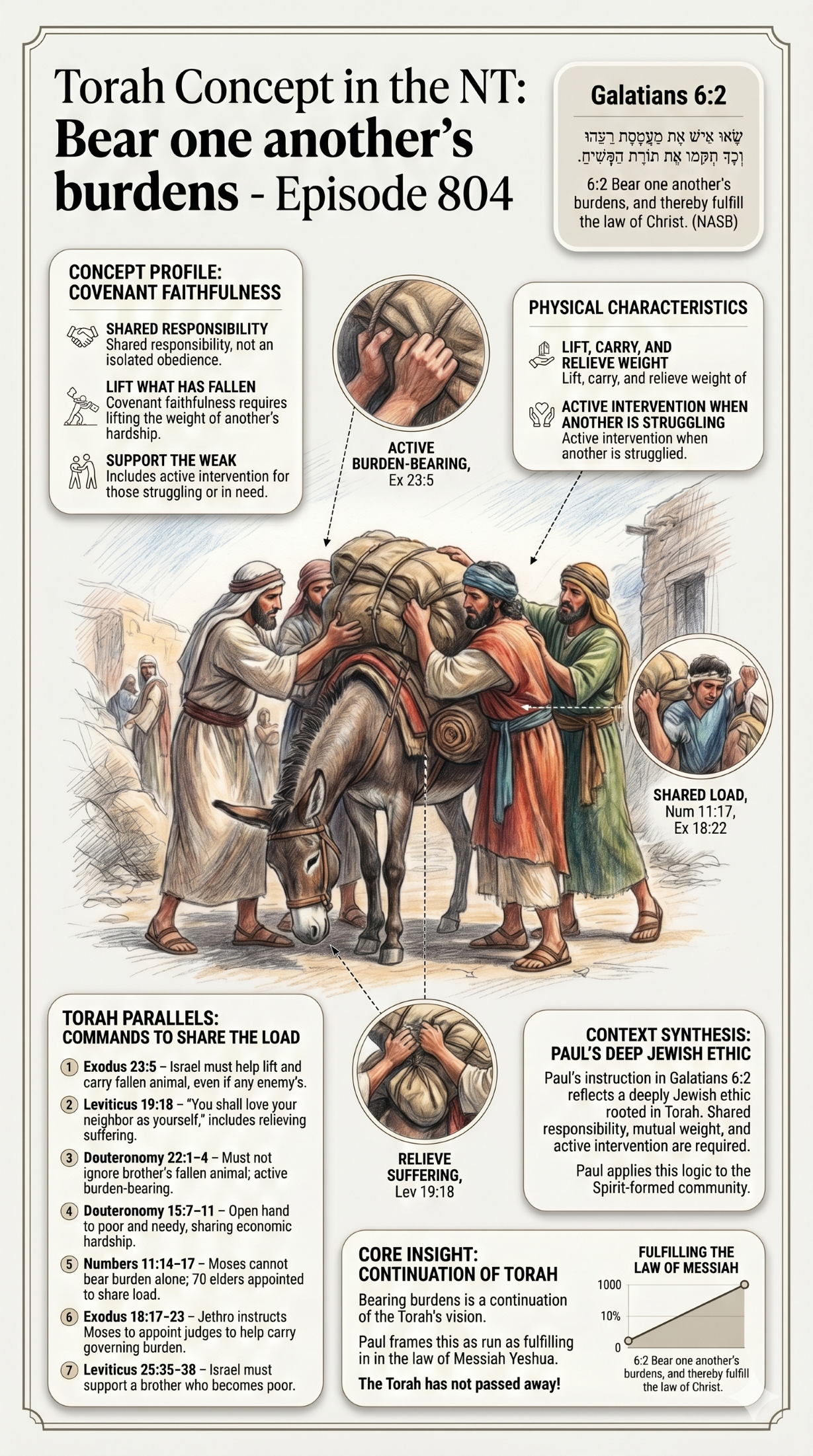
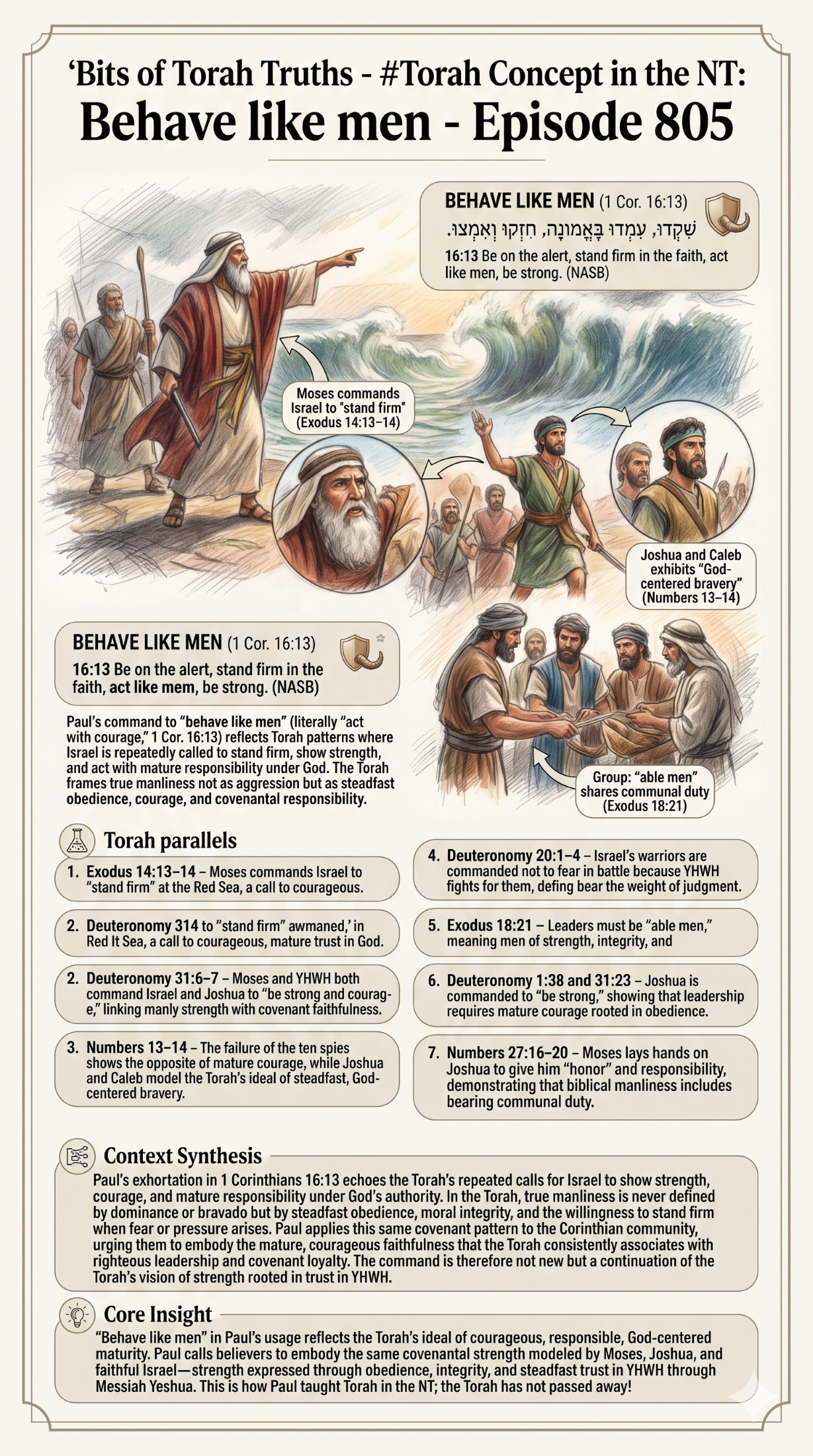
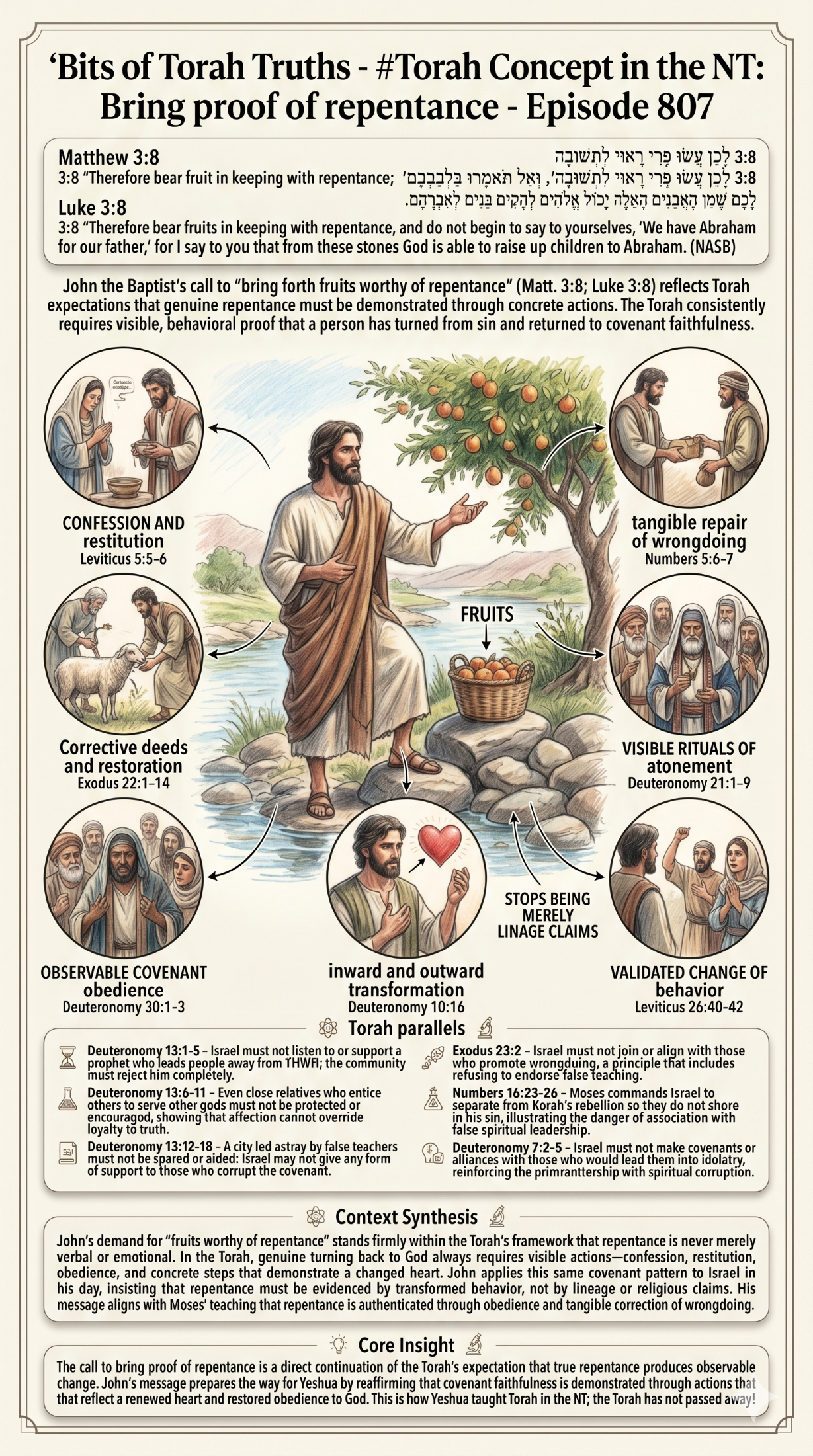
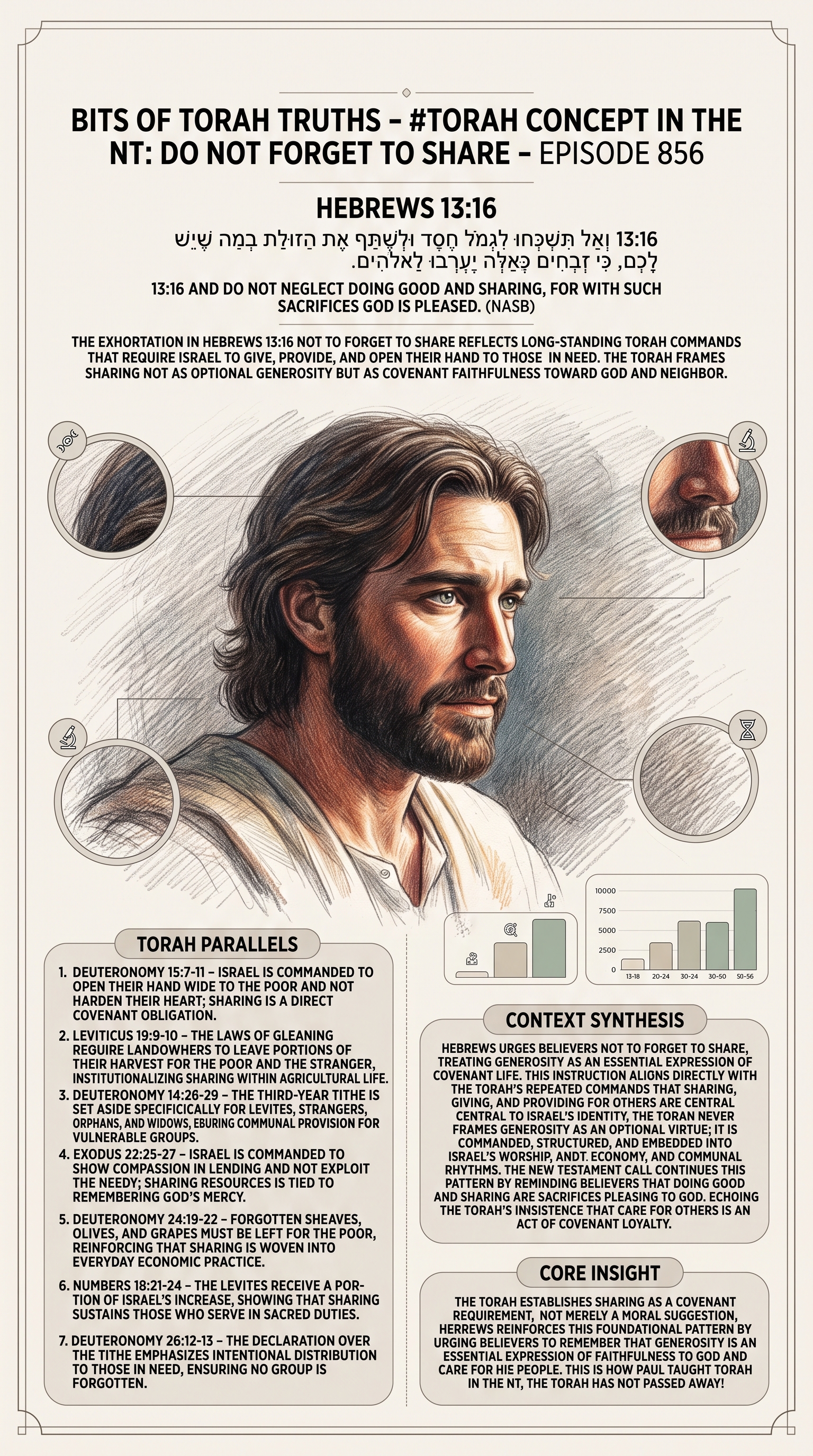
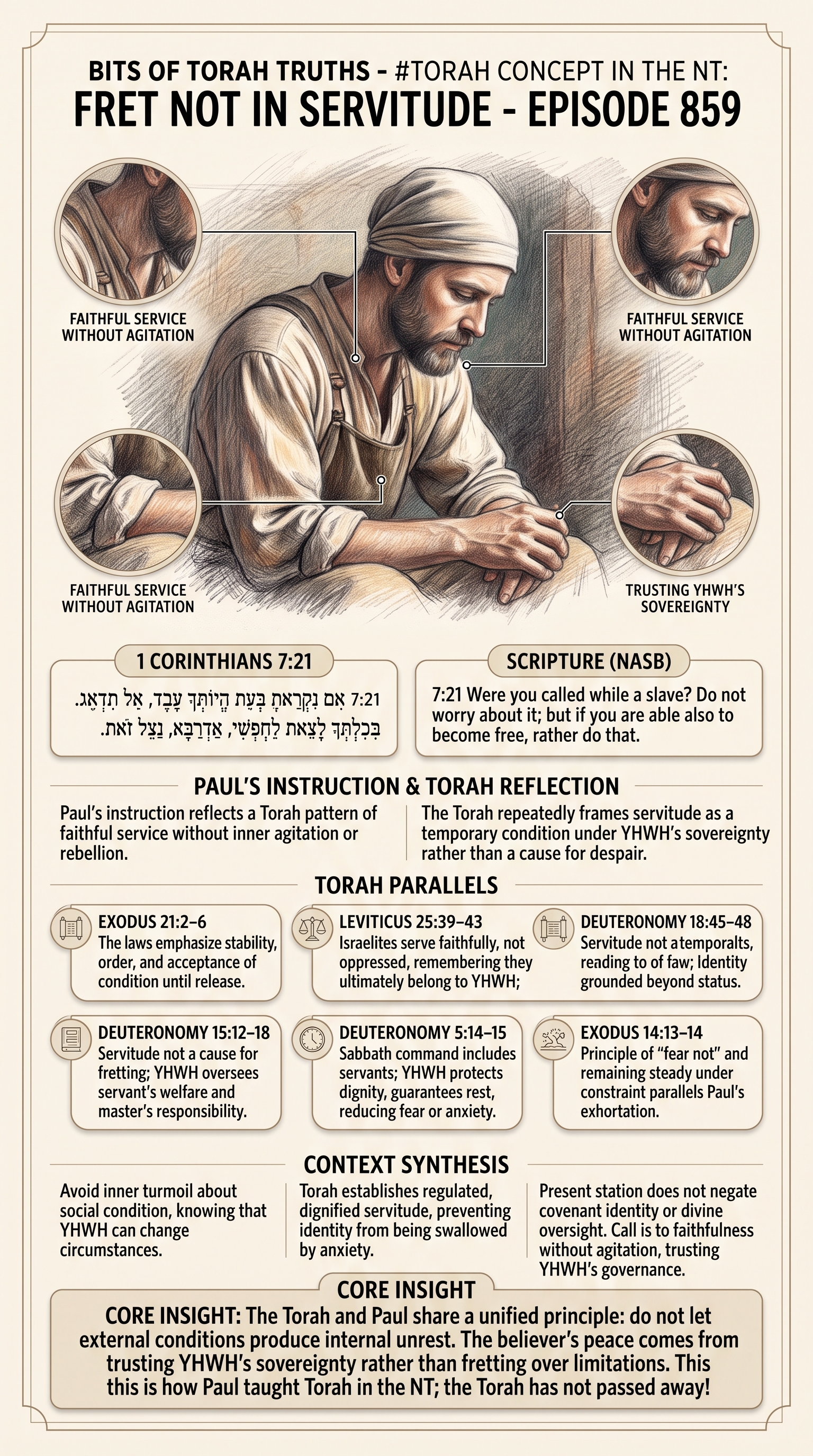
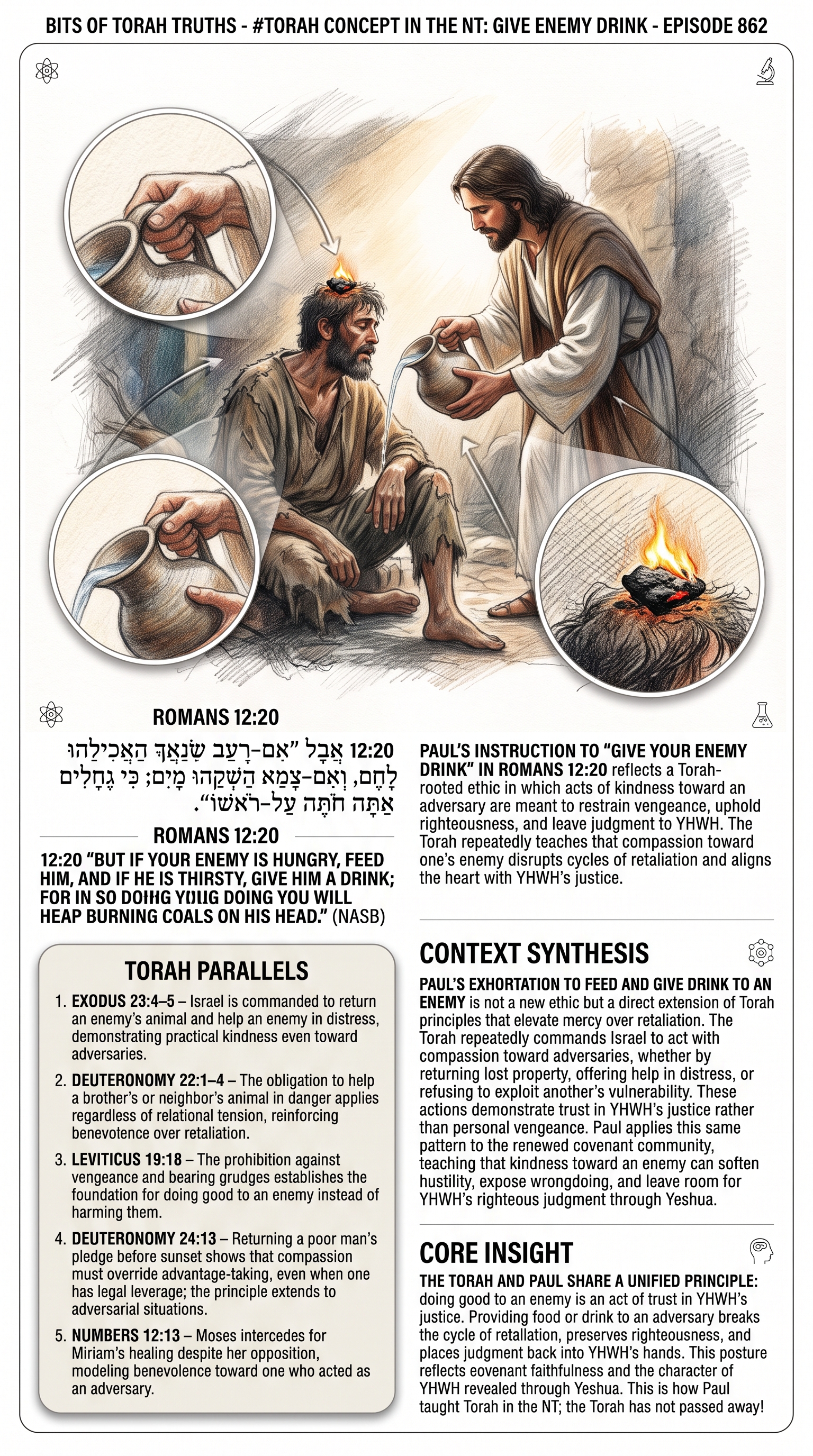
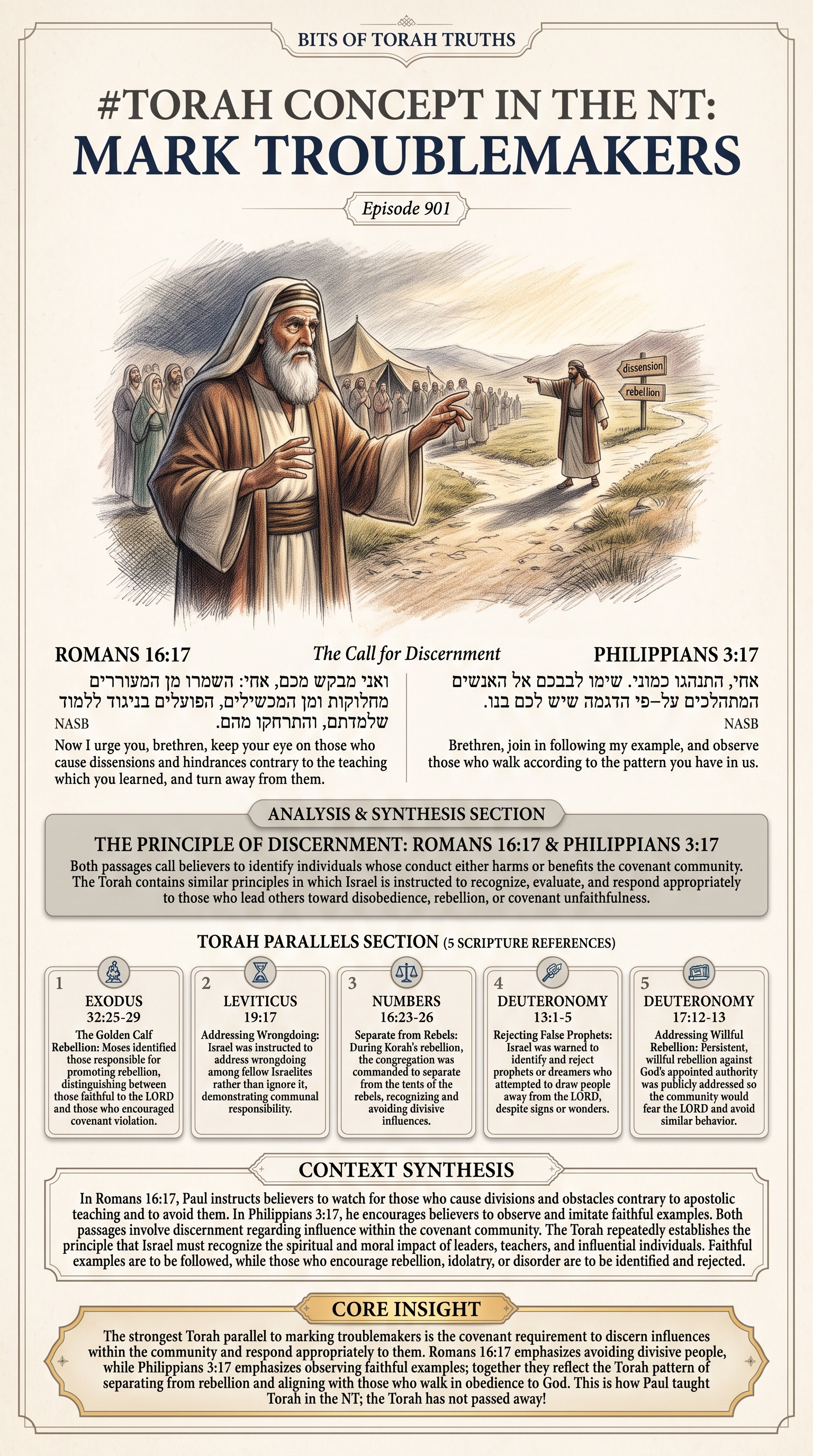
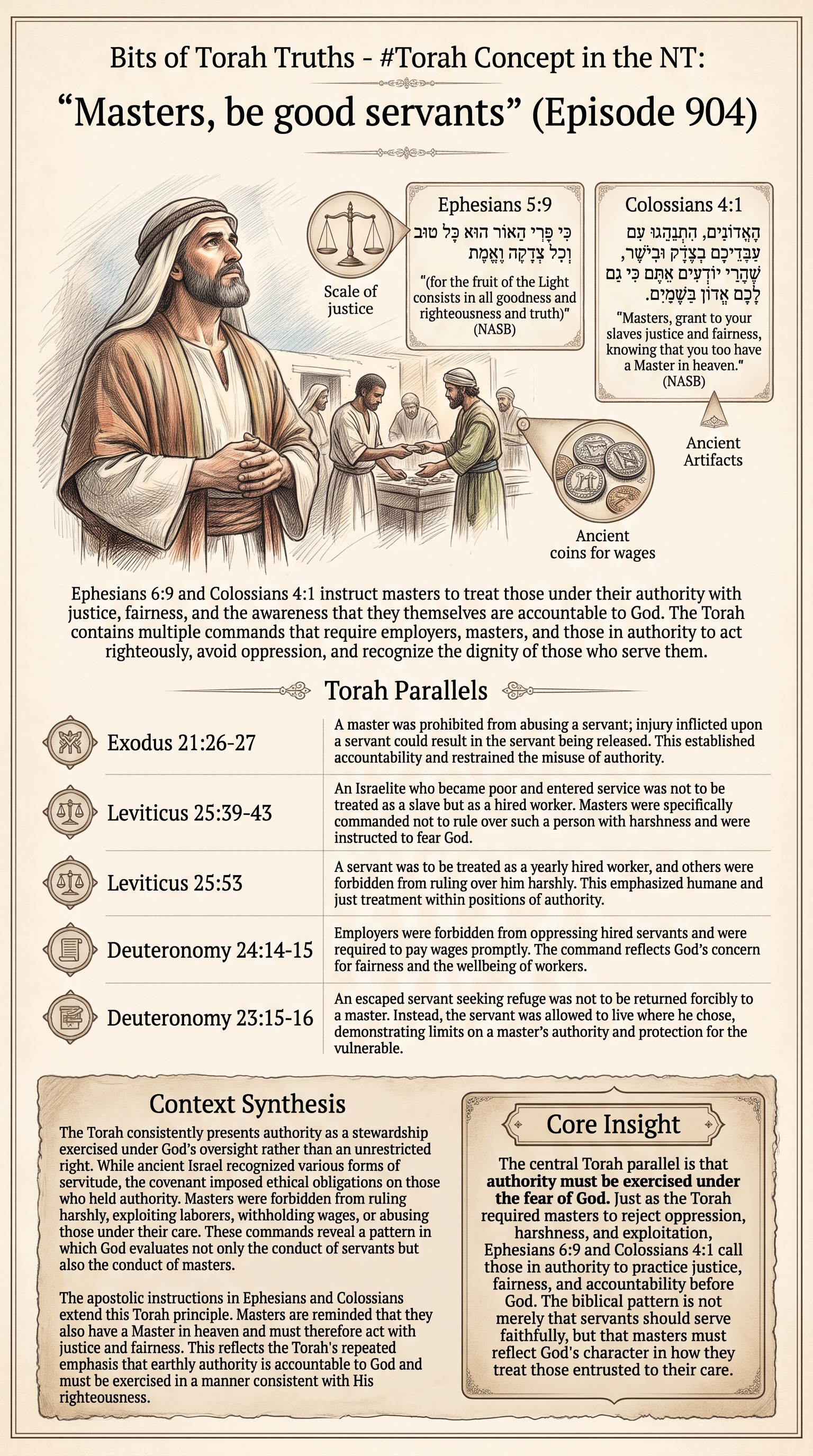
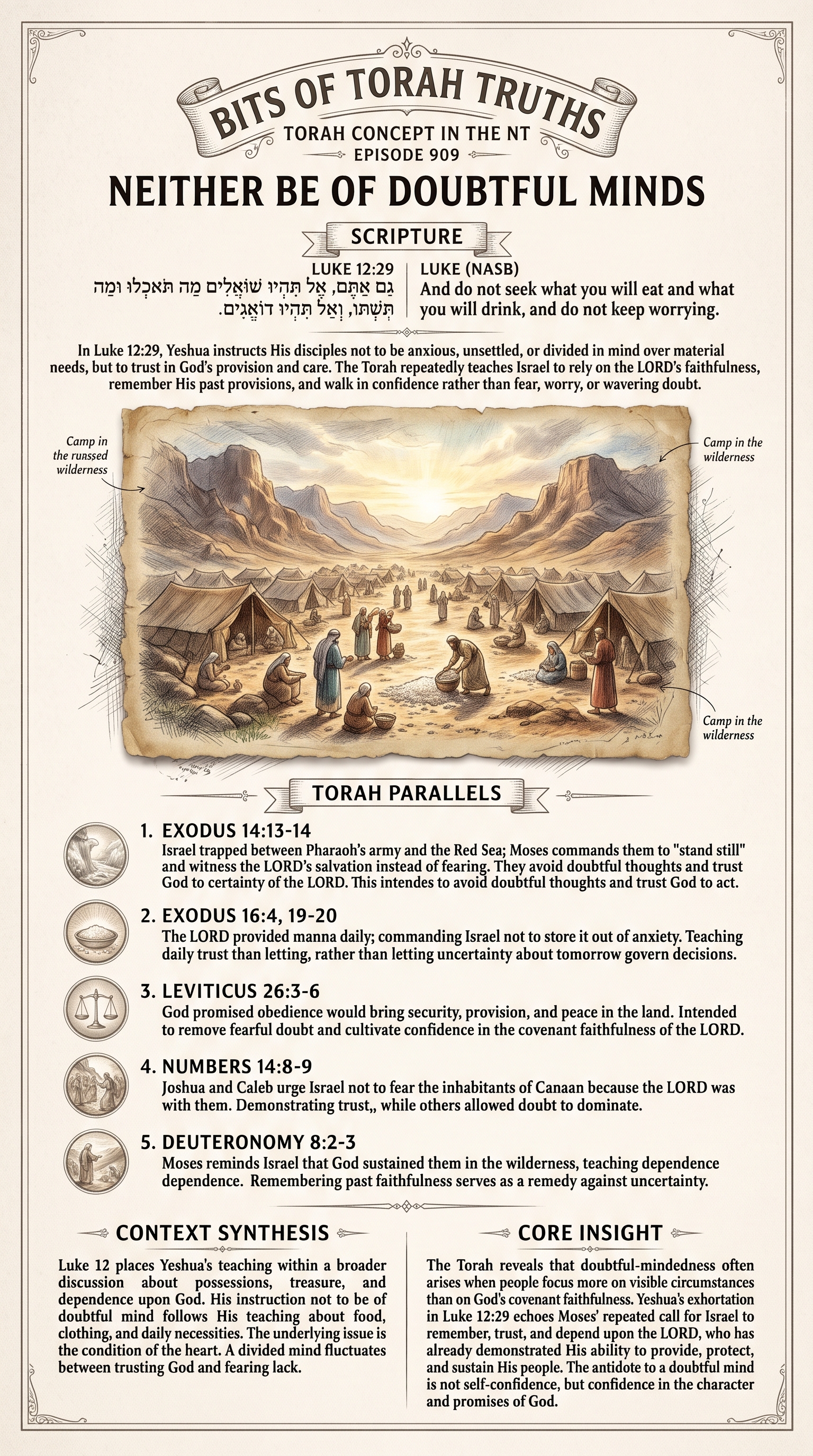
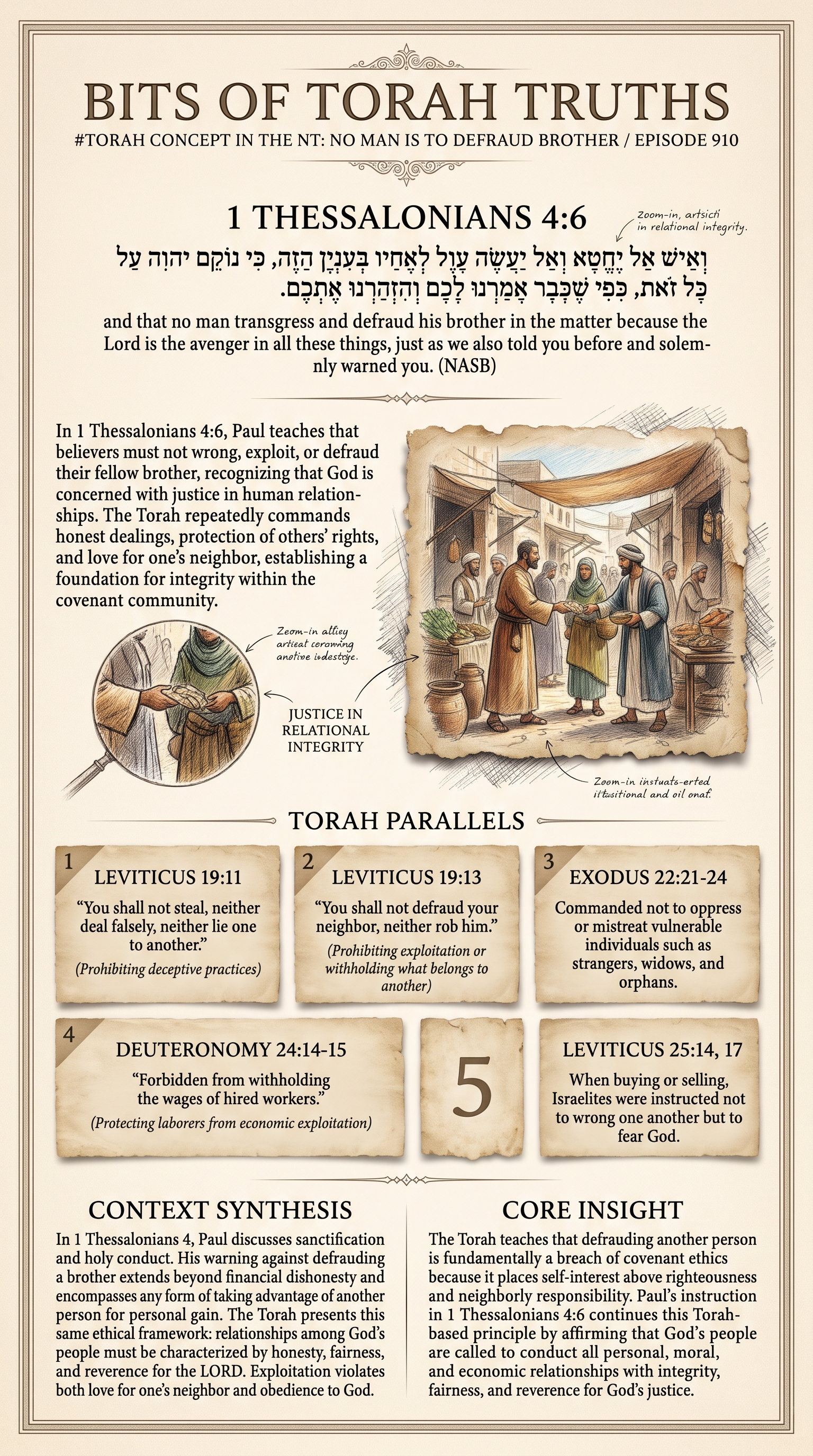
The instruction in 1 Timothy 5:22, “Ordain no one in a hurry,” teaches that leadership and sacred responsibilities should be entrusted only after careful evaluation of a person’s character, faithfulness, and conduct. The Torah repeatedly demonstrates that significant responsibilities, authority, and representation before God are to be assigned deliberately rather than impulsively.
– Torah parallels –
- Exodus 18:21-22 – Moses was instructed to select capable, trustworthy, God-fearing men to serve as judges, emphasizing careful examination before appointment.
- Numbers 11:16-17 – God directed Moses to gather seventy elders who were already recognized leaders among the people before receiving official authority.
- Numbers 27:18-23 – Joshua was publicly appointed only after his proven faithfulness and God’s explicit approval, illustrating a deliberate succession process.
- Exodus 28:1 – Aaron and his sons were specifically chosen for priestly service, showing that sacred office required divine selection rather than hurried promotion.
- Deuteronomy 1:13-15 – The people were instructed to identify wise, understanding, and respected men before they were made leaders over tribes and groups.
– Context Synthesis –
In 1 Timothy 5:22, Paul warns Timothy not to place individuals into positions of spiritual oversight too quickly, because leadership affects both the community and the reputation of God’s work. The Torah reflects the same pattern. Whether appointing judges, elders, military leaders, or priests, selection was based on demonstrated character, wisdom, faithfulness, and divine approval. Authority was viewed as stewardship, not privilege. Hasty appointments risked bringing unqualified individuals into influential positions, while careful evaluation protected the covenant community and upheld righteous standards.
– Core Insight –
The central Torah principle behind “ordain no one in a hurry” is that responsibility should follow proven faithfulness. God consistently established a process of observation, testing, and recognition before entrusting leadership. The biblical pattern teaches that spiritual and communal authority is not merely about ability or enthusiasm, but about character that has been demonstrated over time. Wise leadership selection protects both those who serve and those who are served. This is how Paul taught Torah in the NT; the Torah has not passed away!
This report is based on the plain-text interpretation of the cited passages within the Torah (Genesis through Deuteronomy) and the immediate context of 1 Timothy 5:22. The analysis seeks to present historically grounded, text-based parallels, distinguishing direct scriptural evidence from interpretive synthesis while maintaining accuracy, transparency, and fidelity to the biblical text.
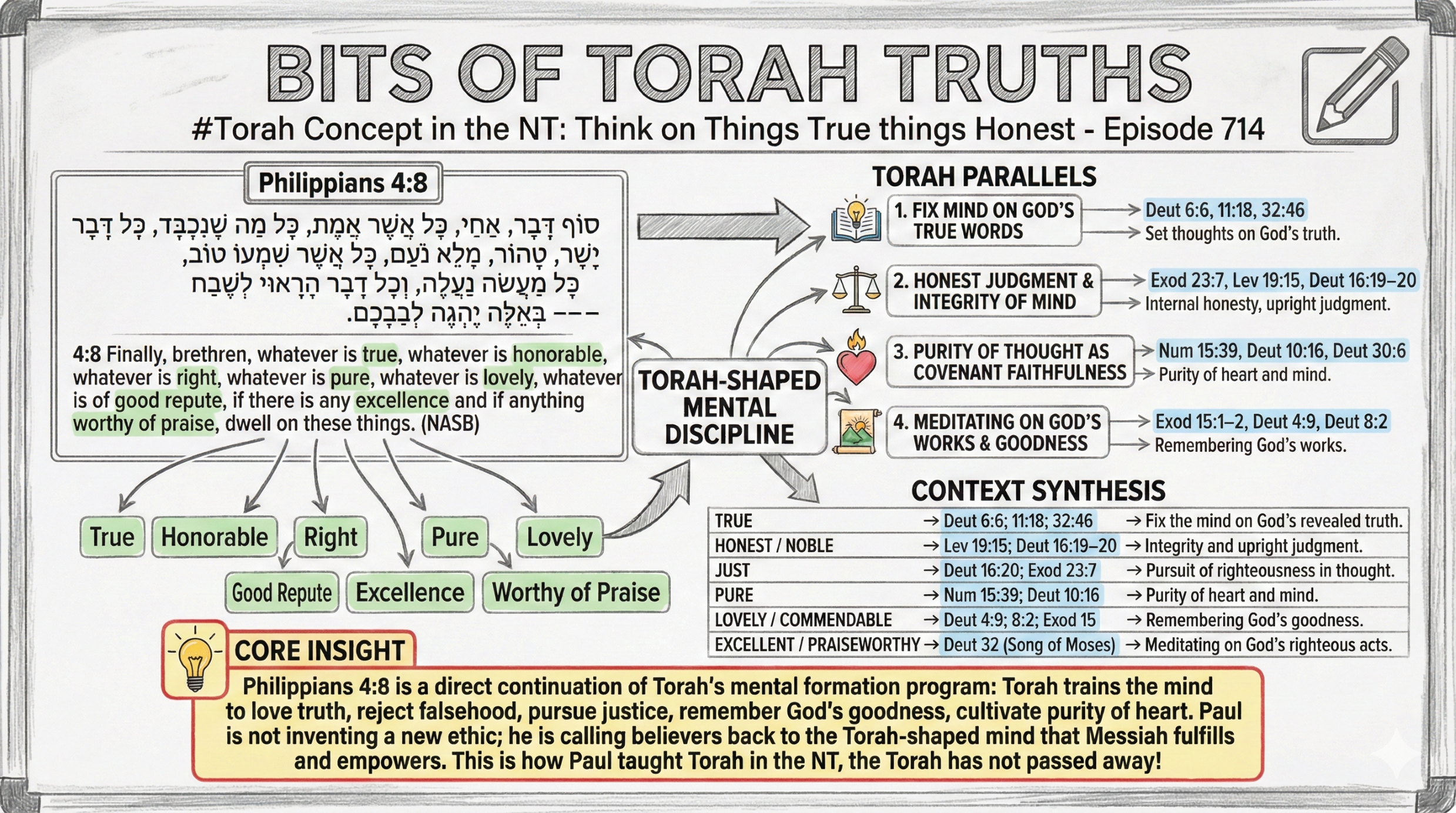
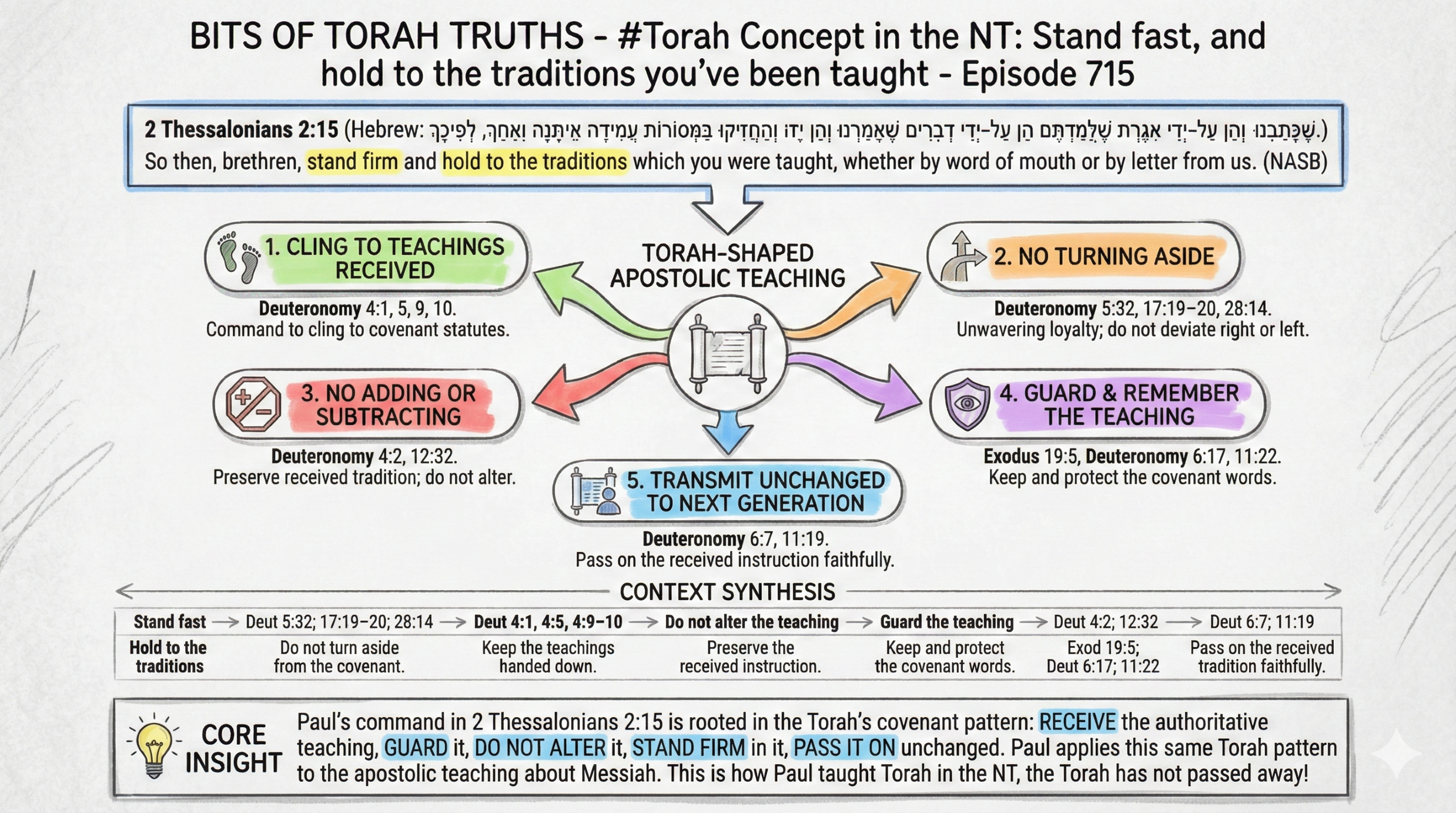
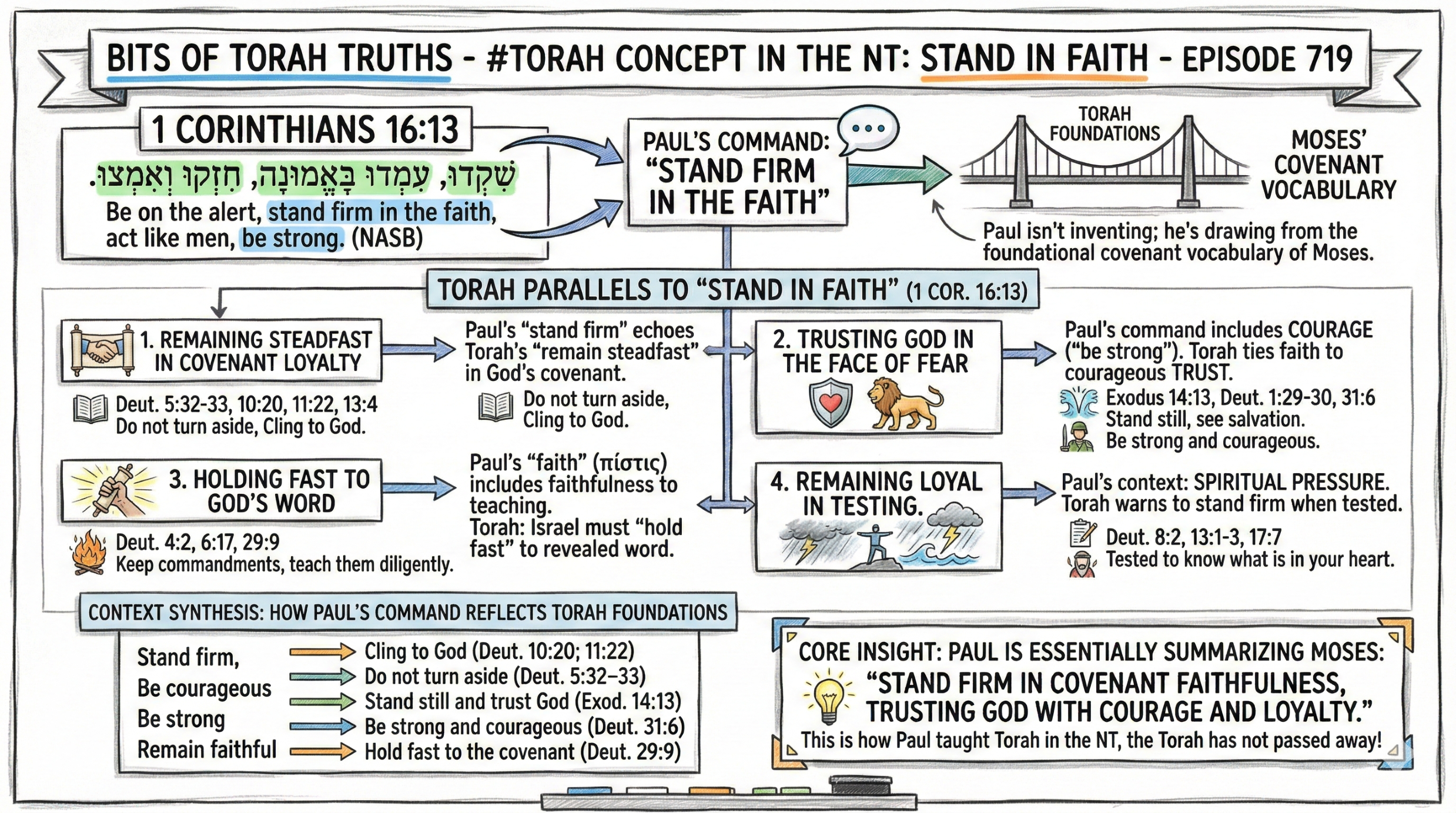
Visual Summary of Concepts the Torah in the NT