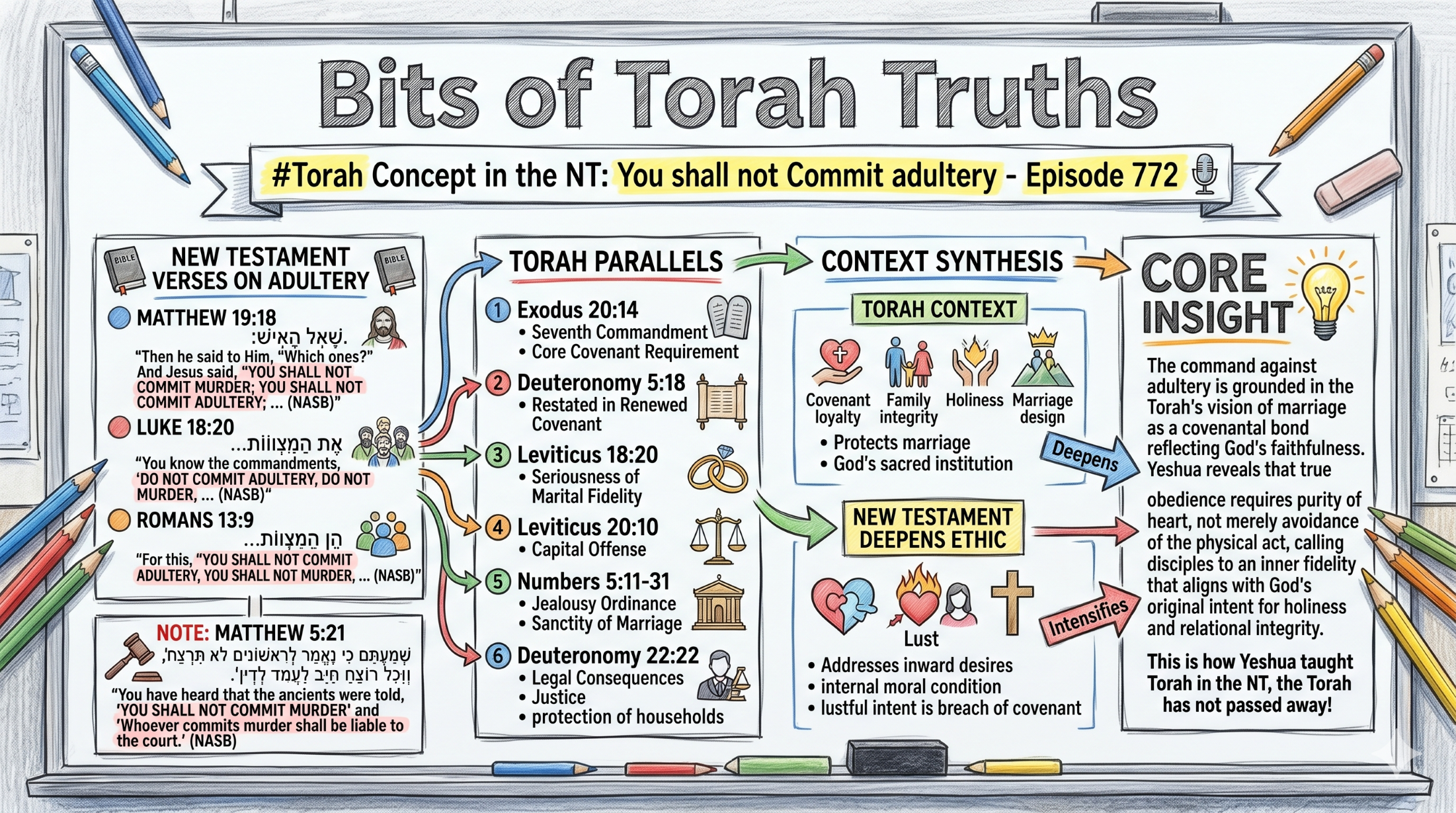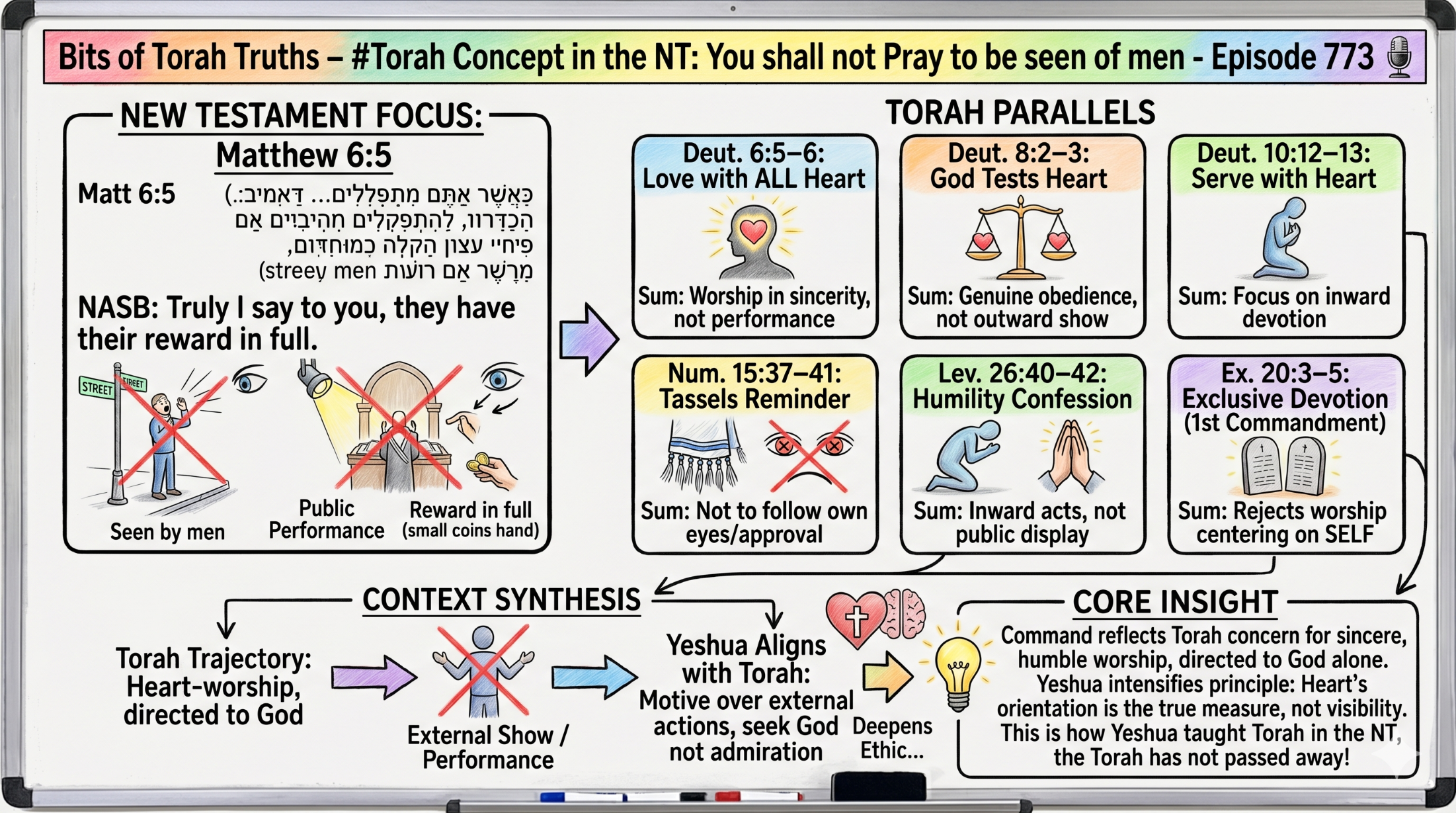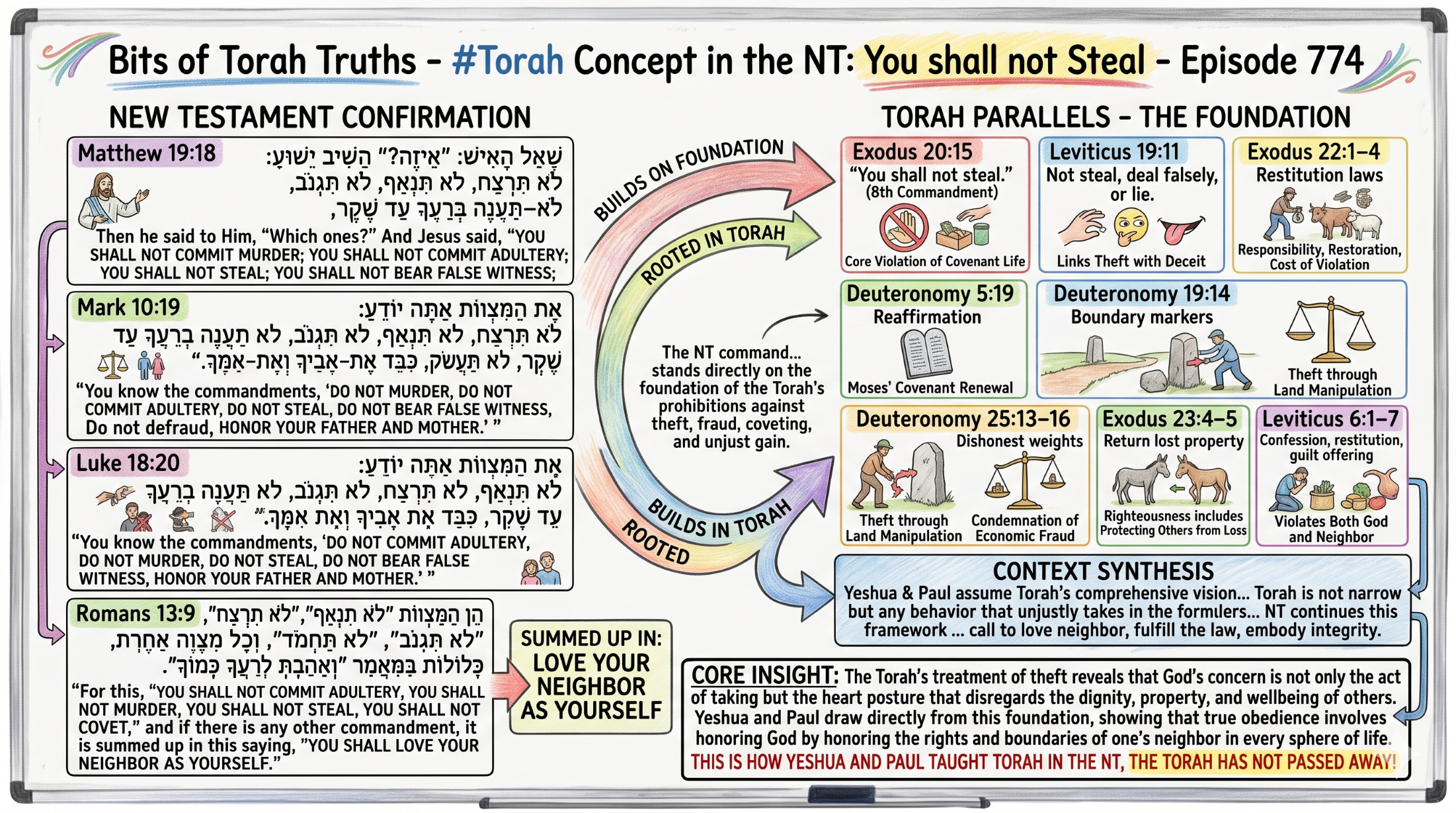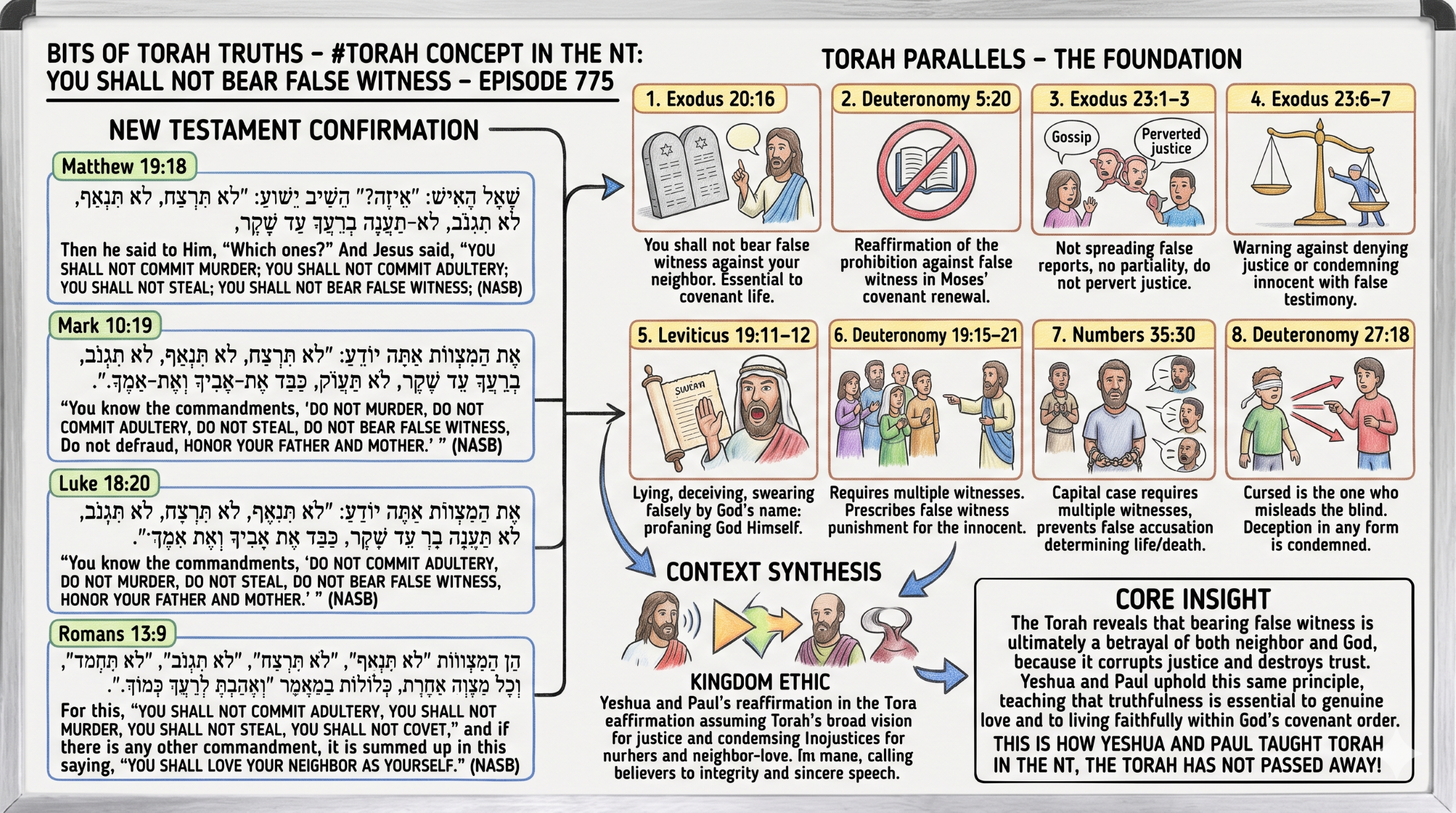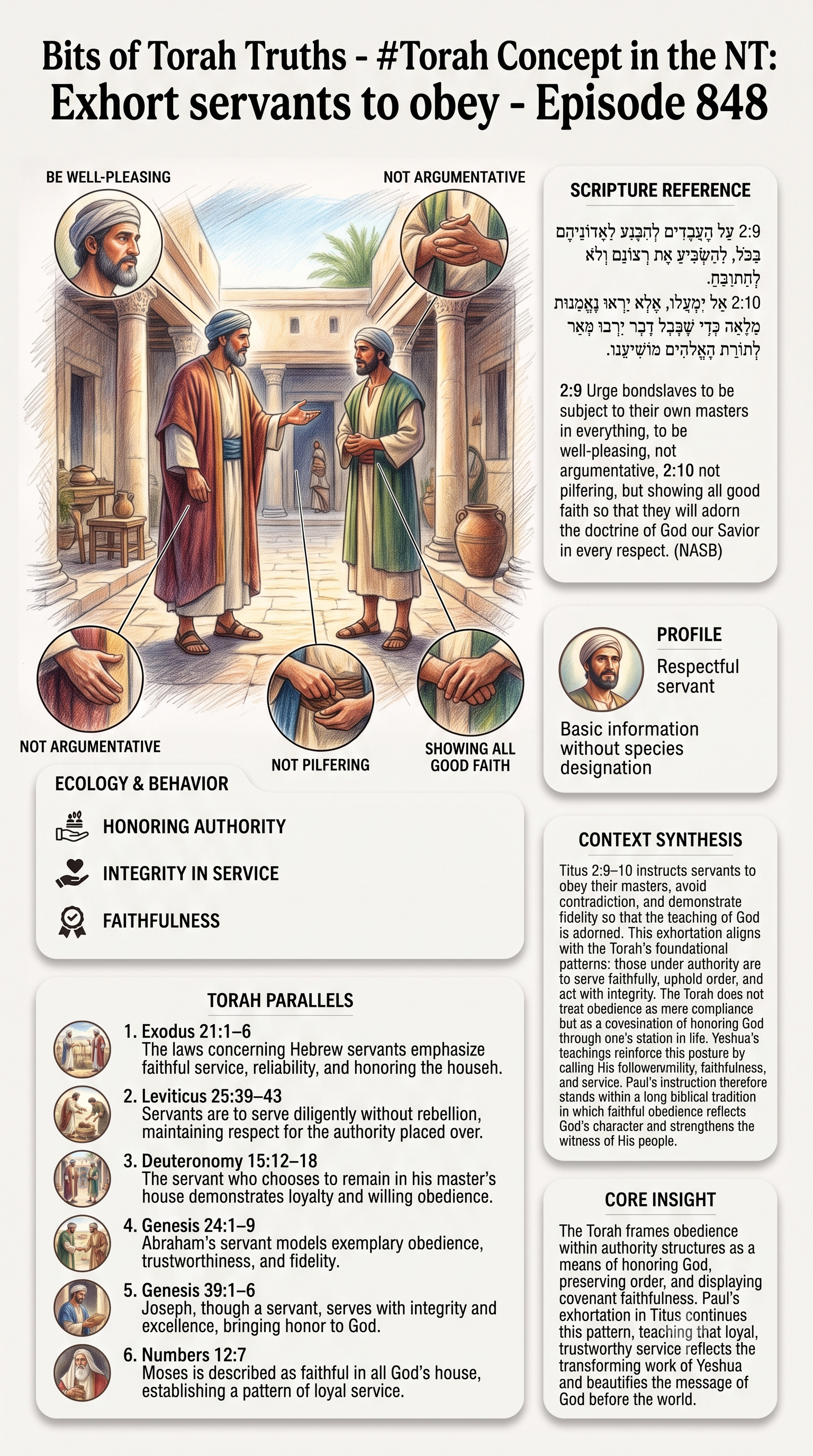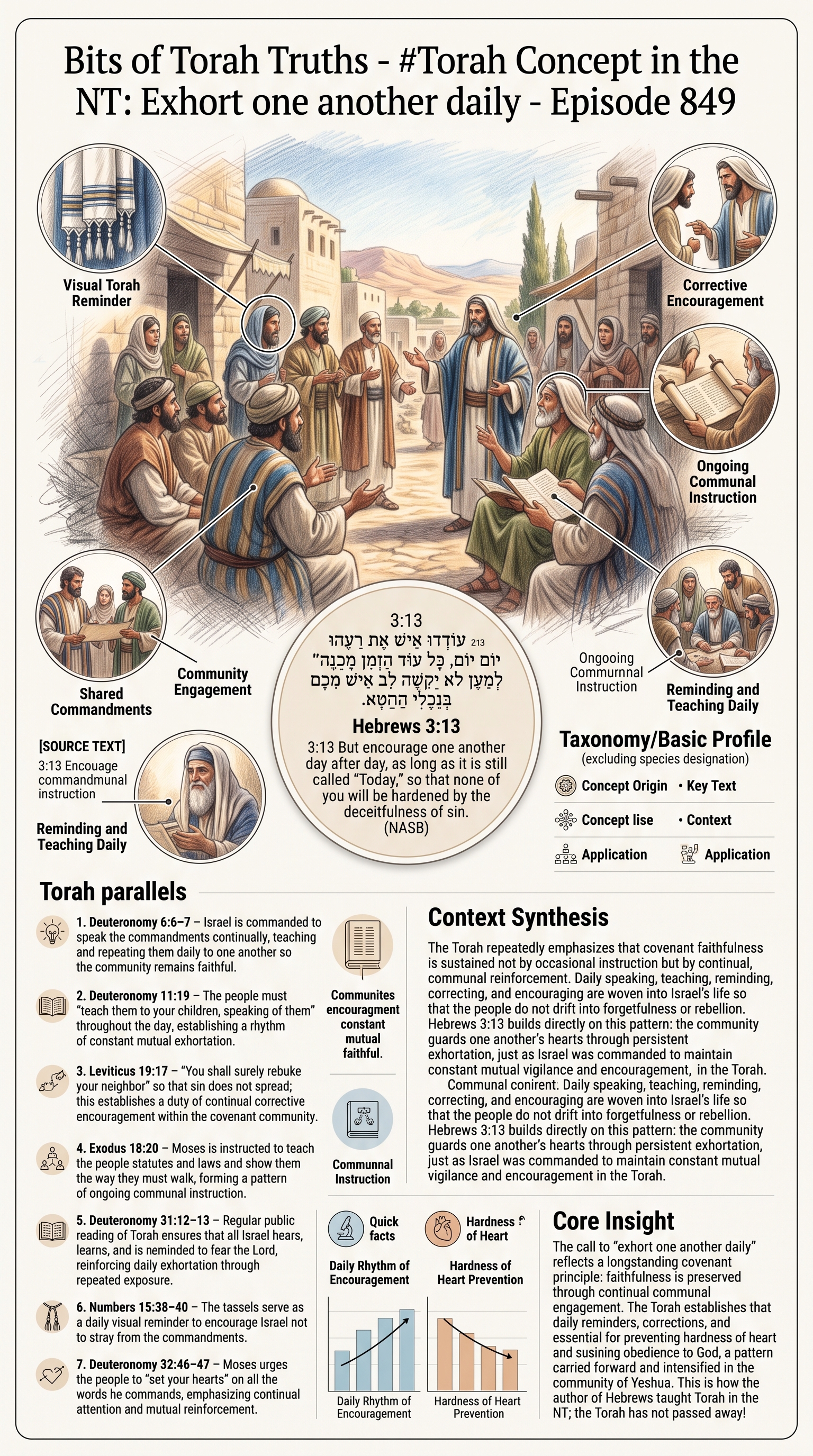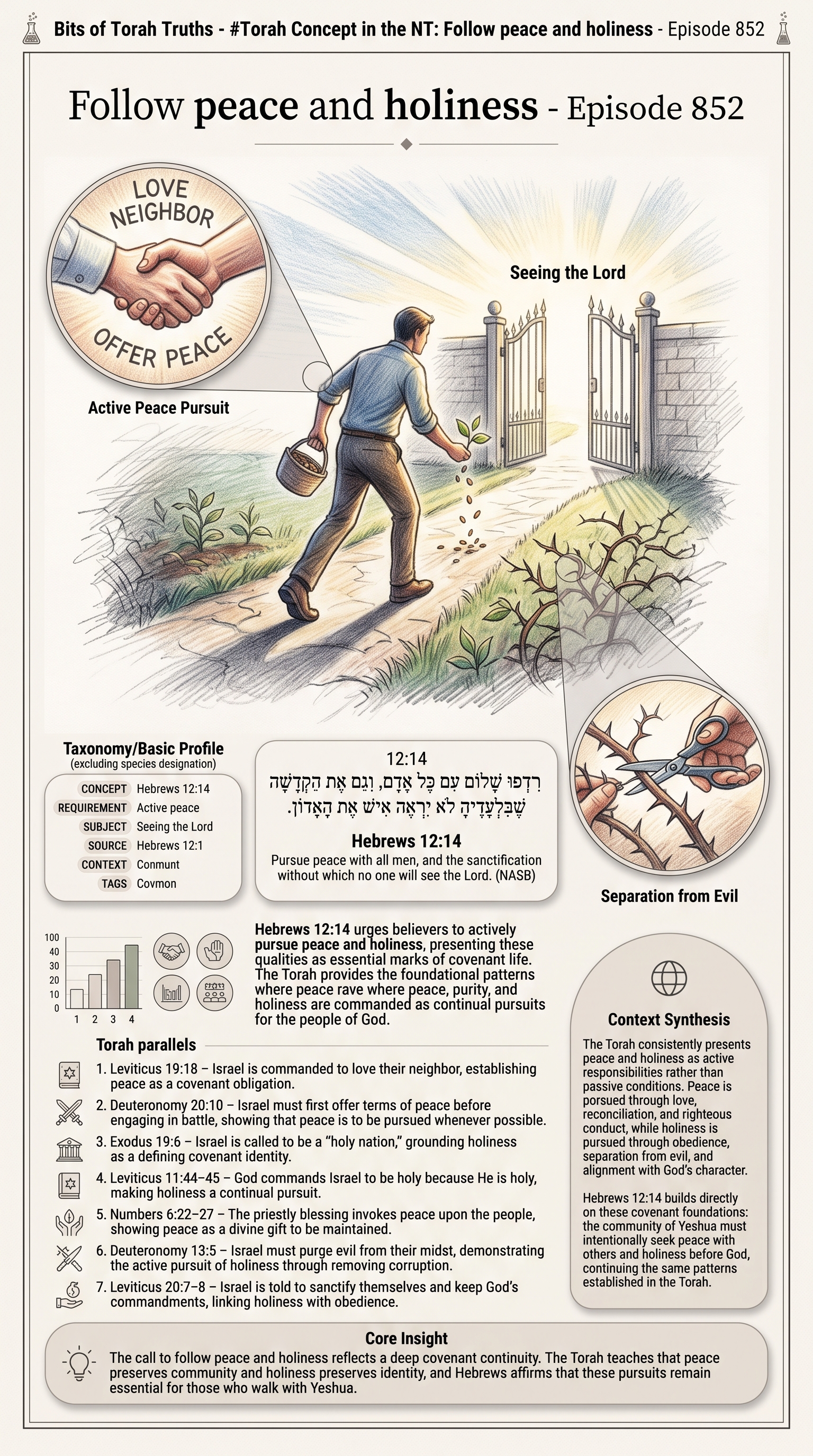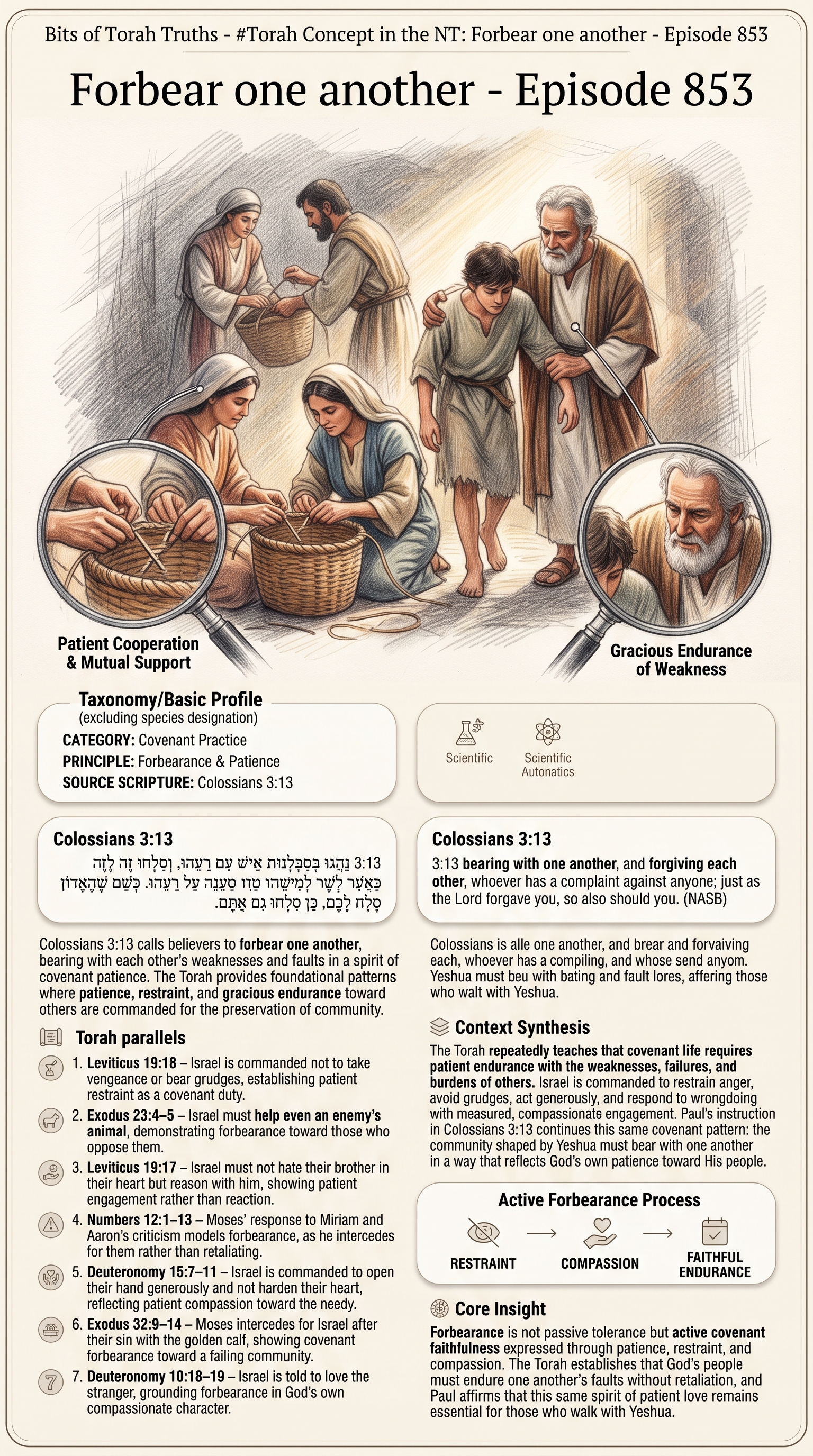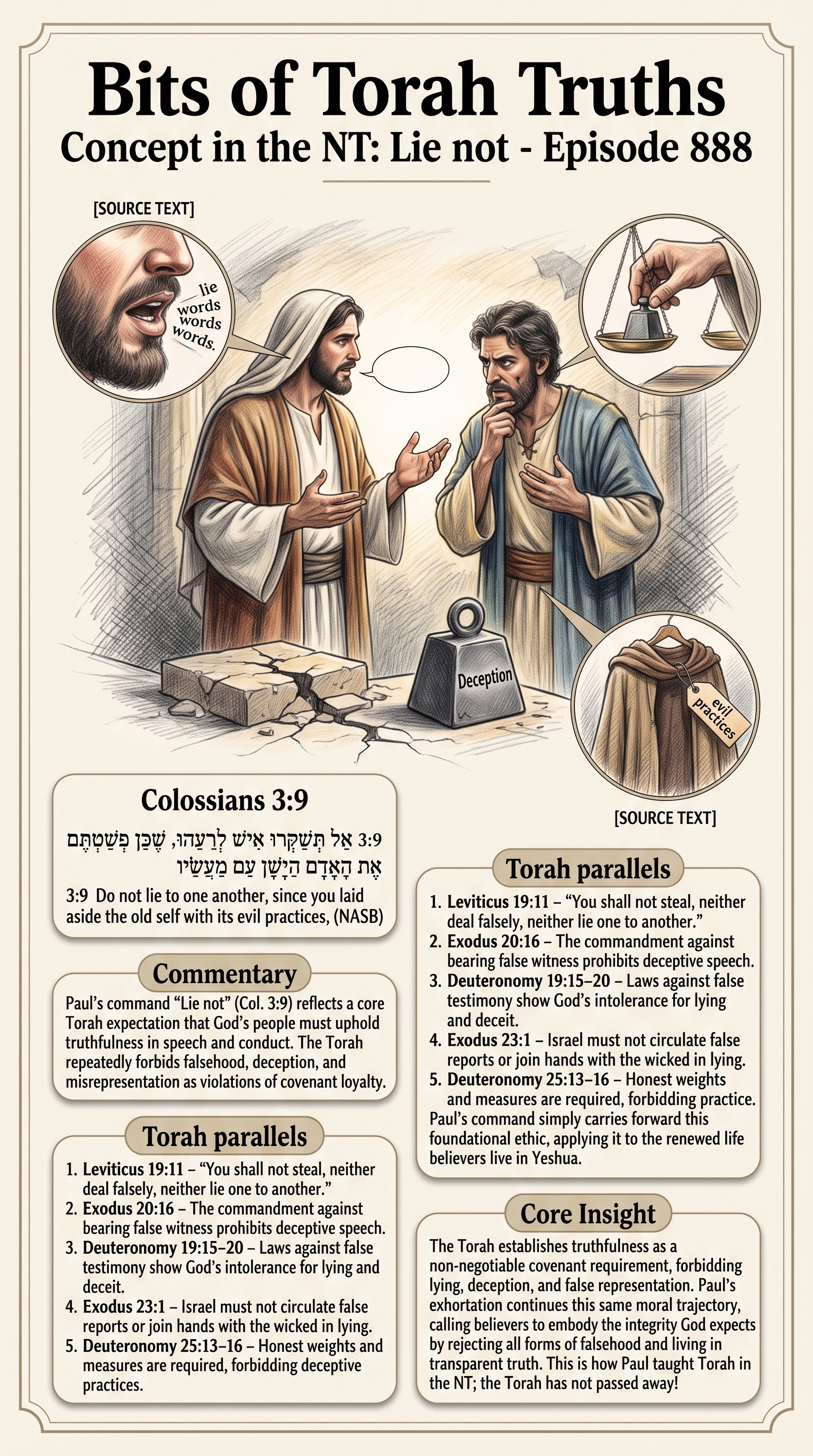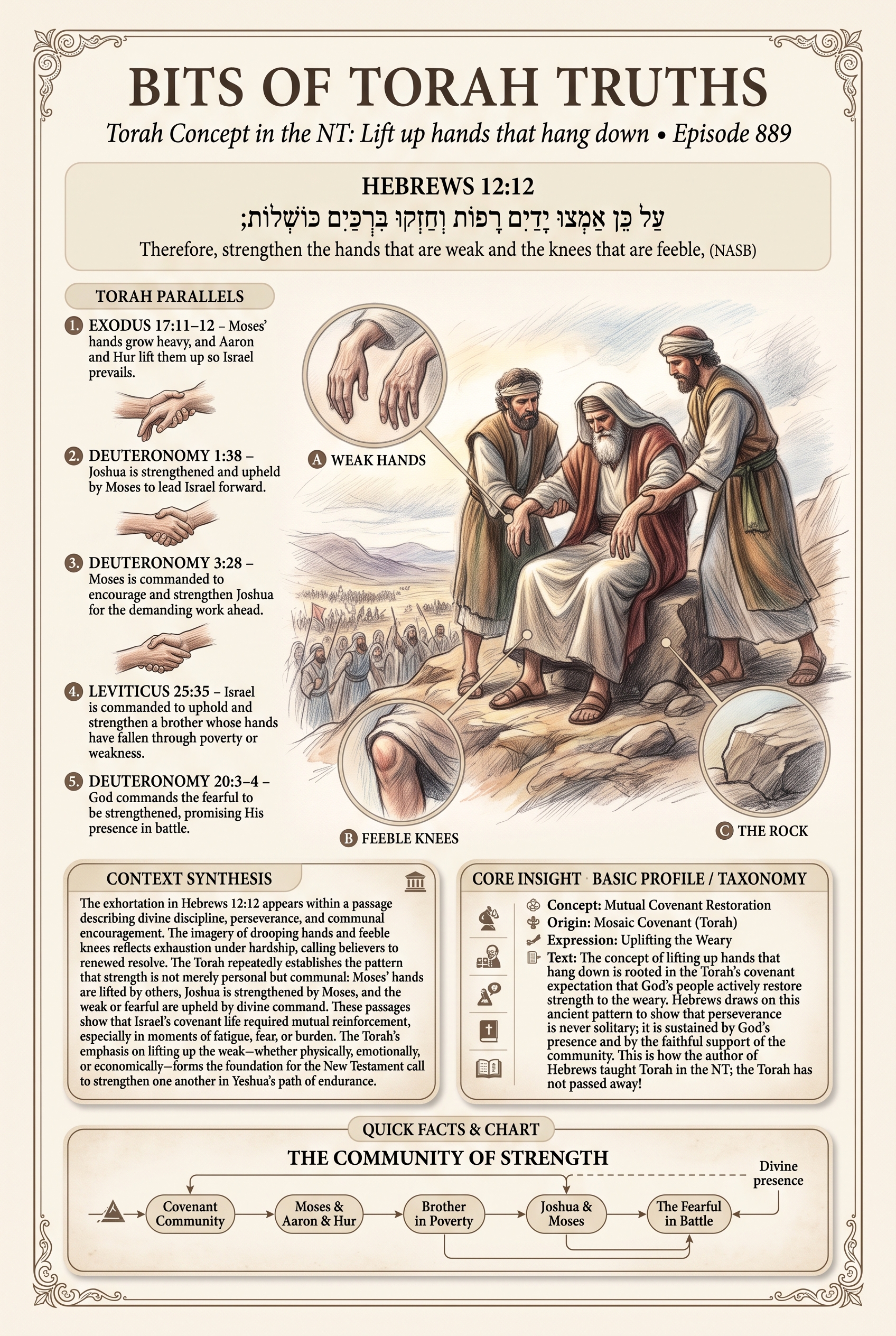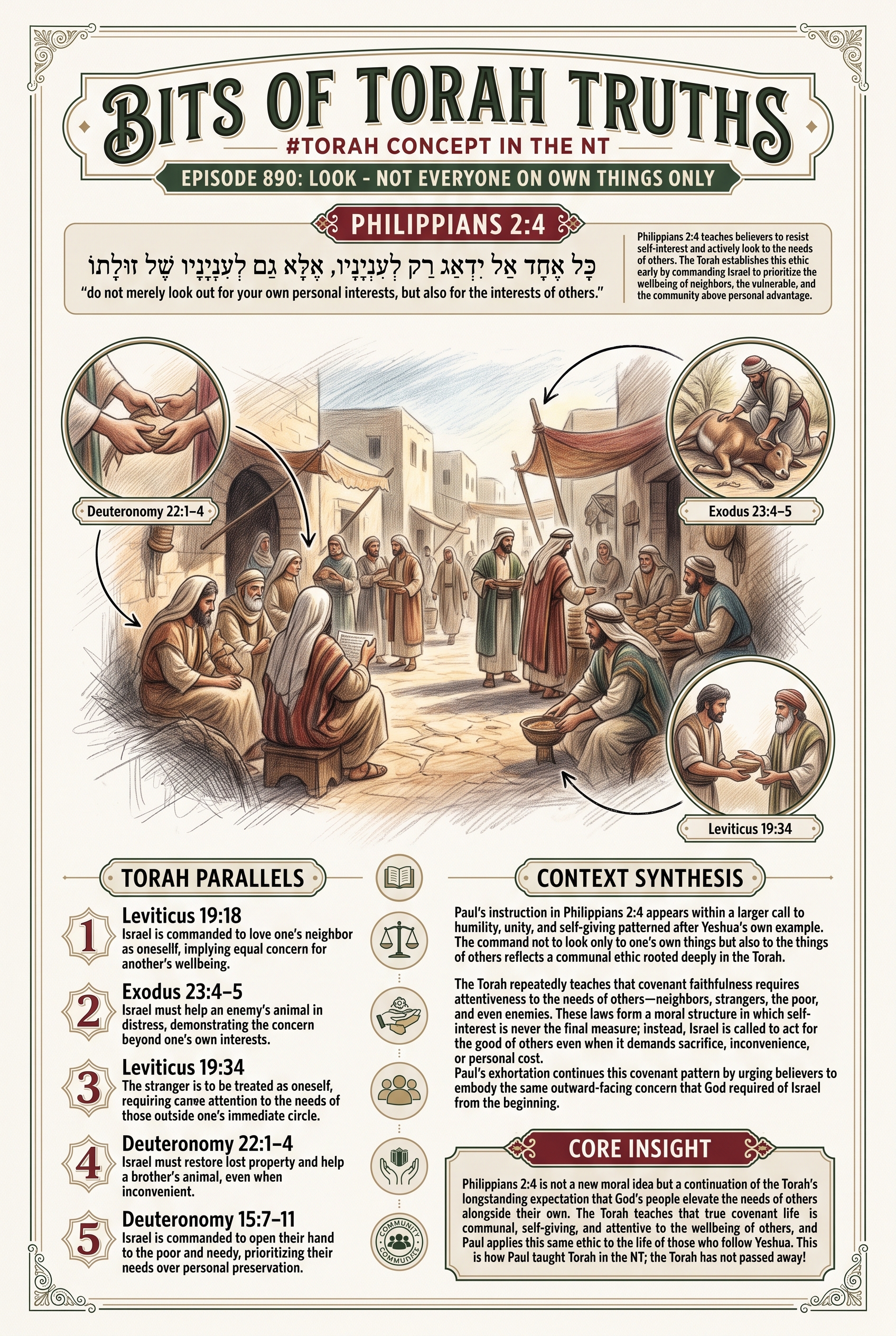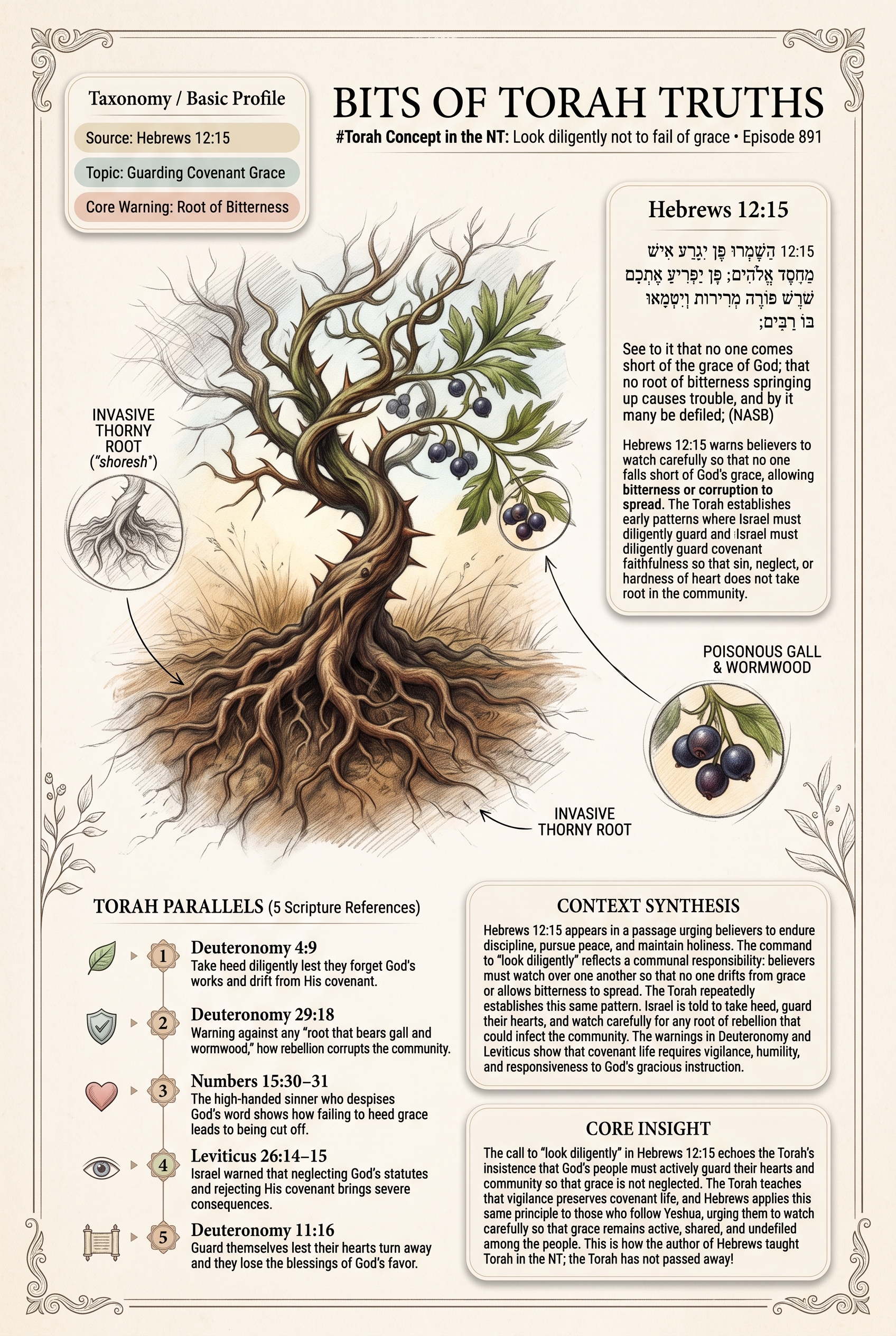
Bits of Torah Truths – #Torah Concept in the NT: Offer other cheek – Episode 913
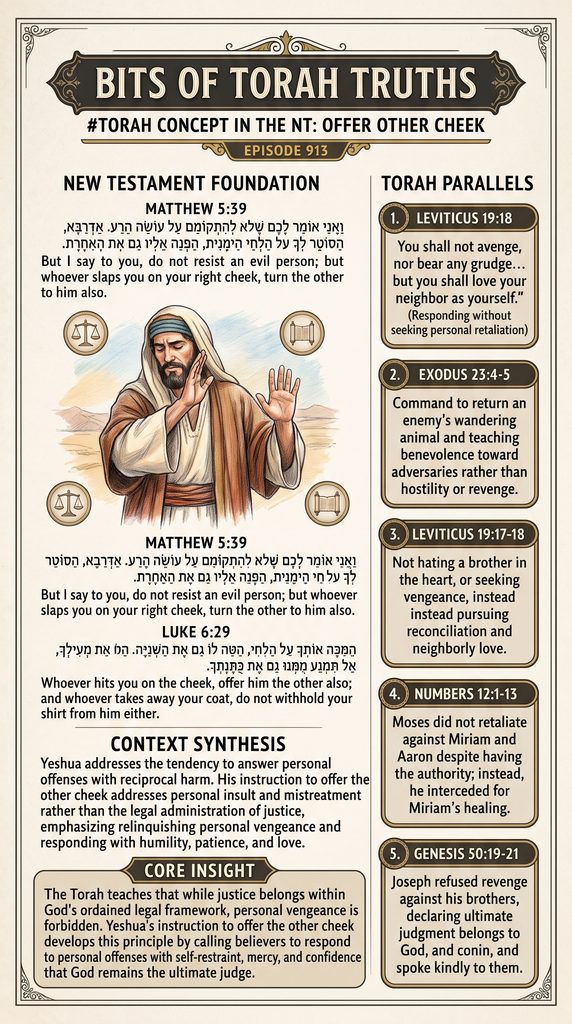
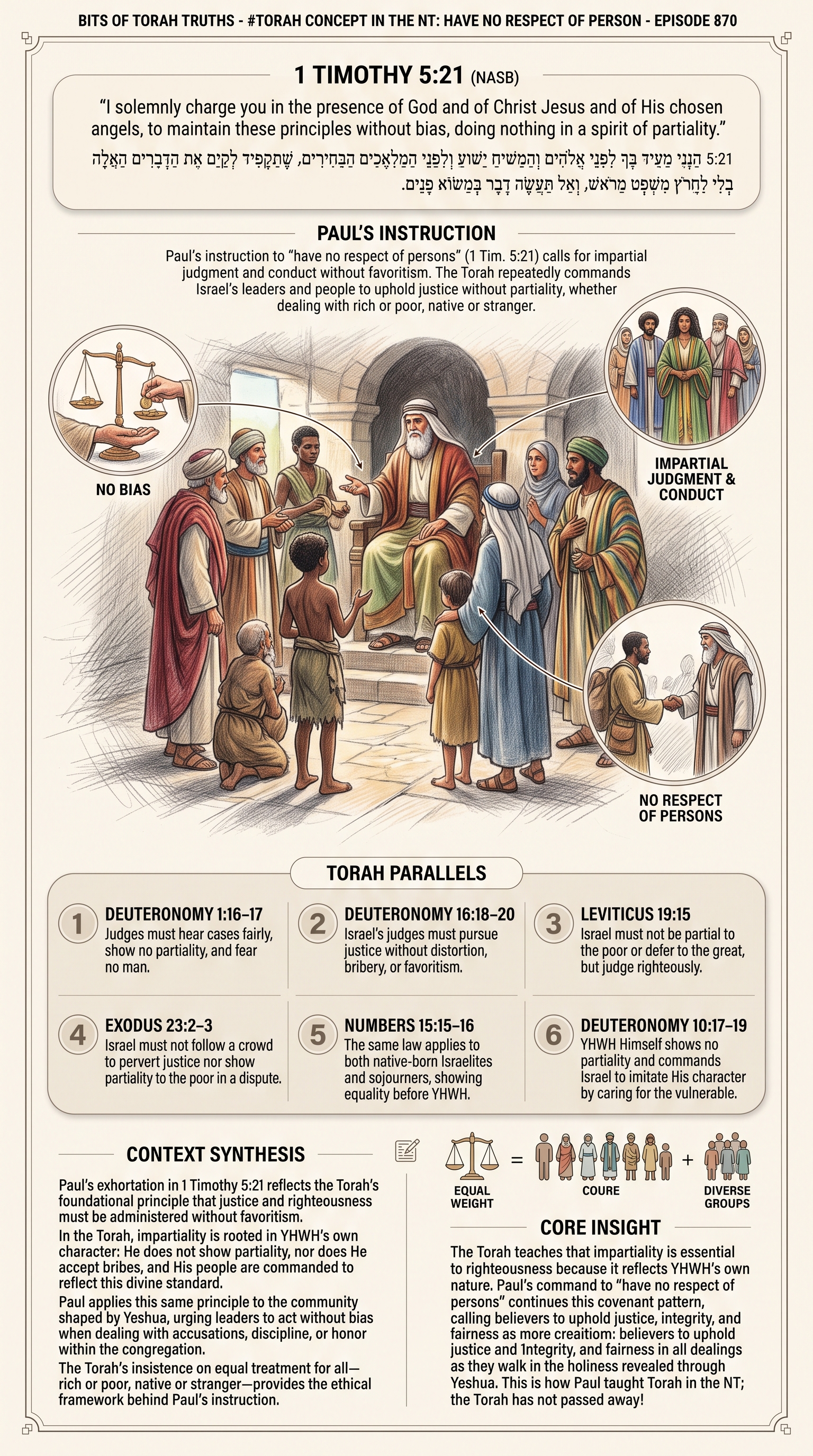
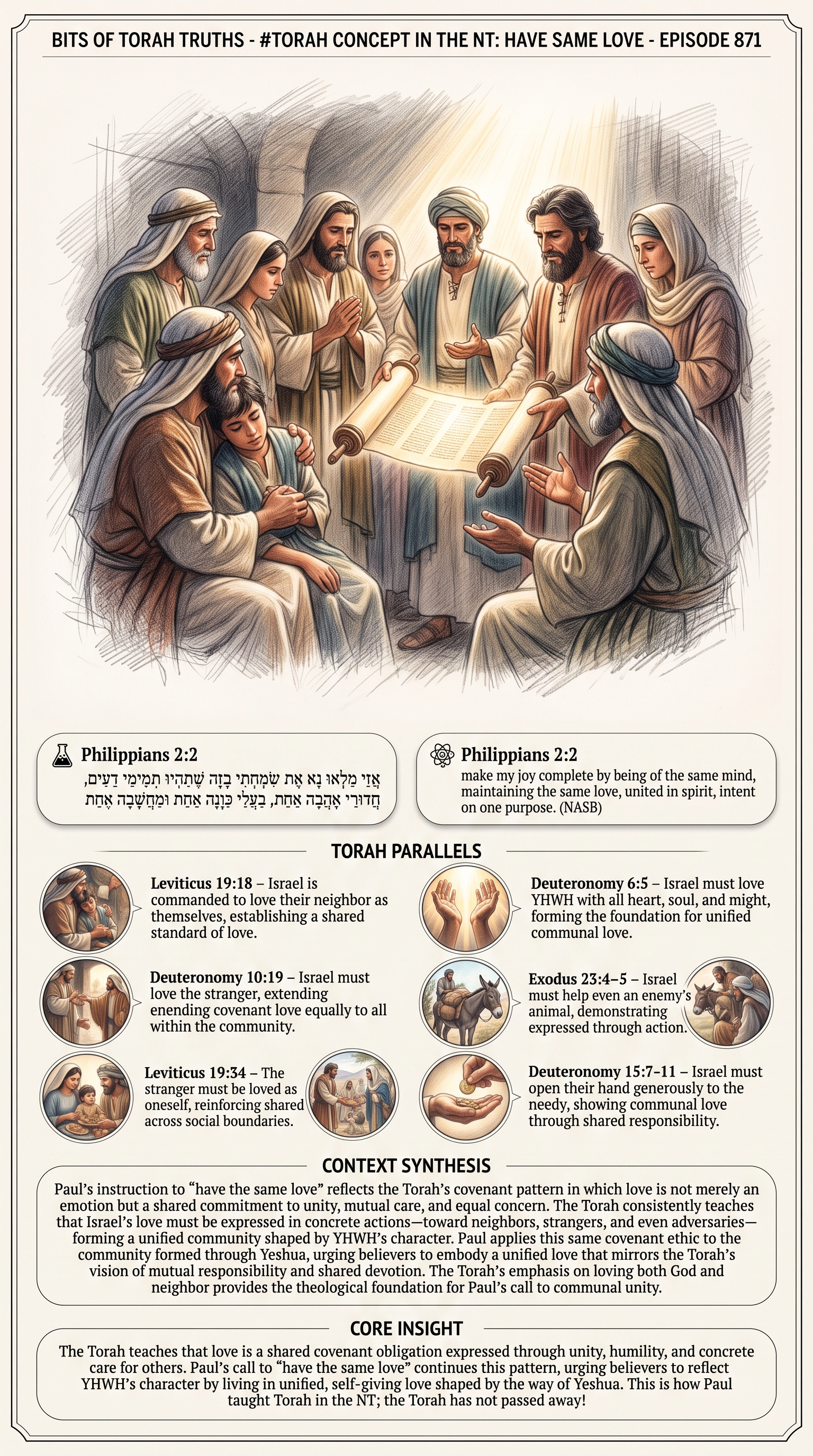
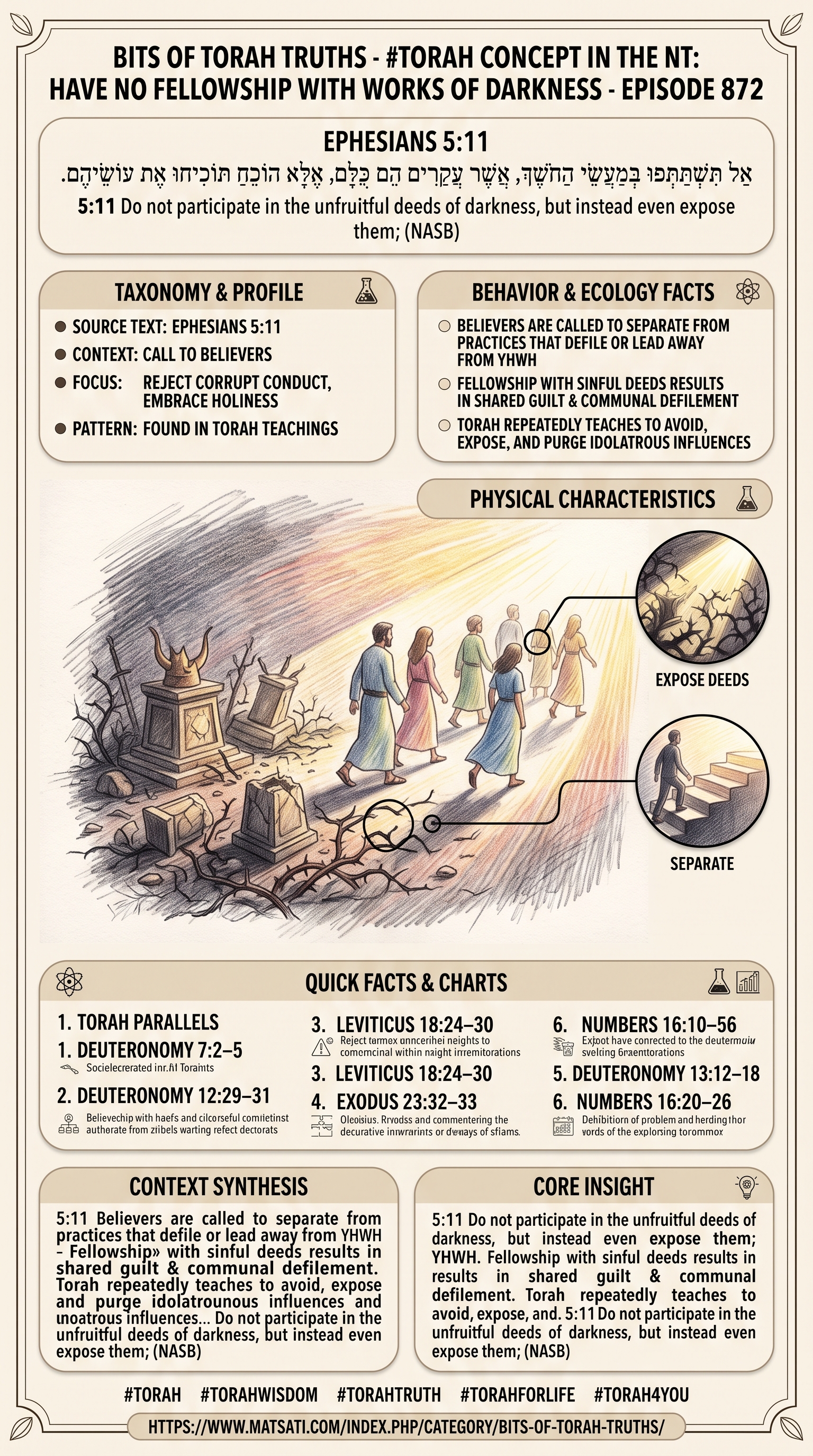
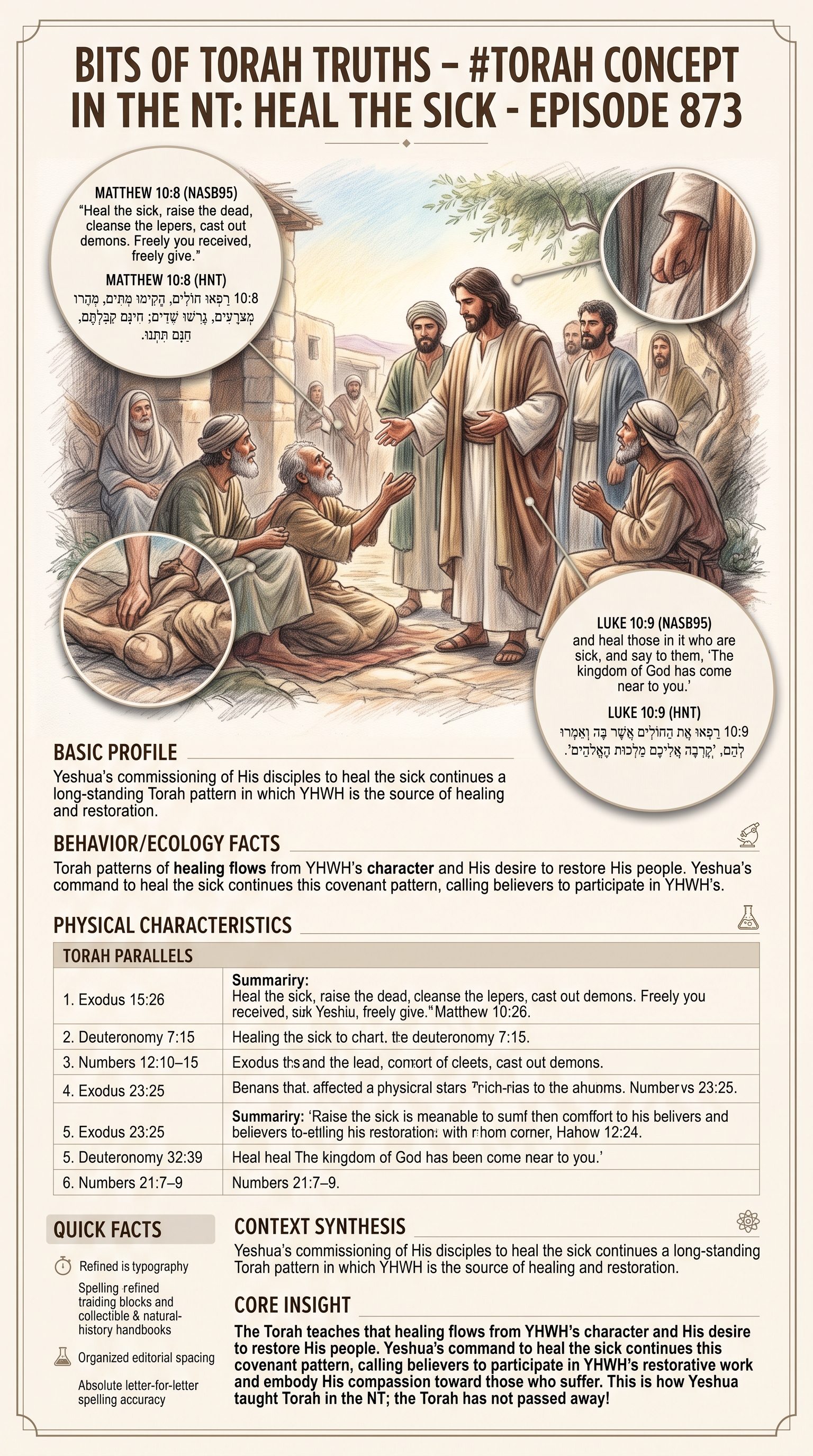
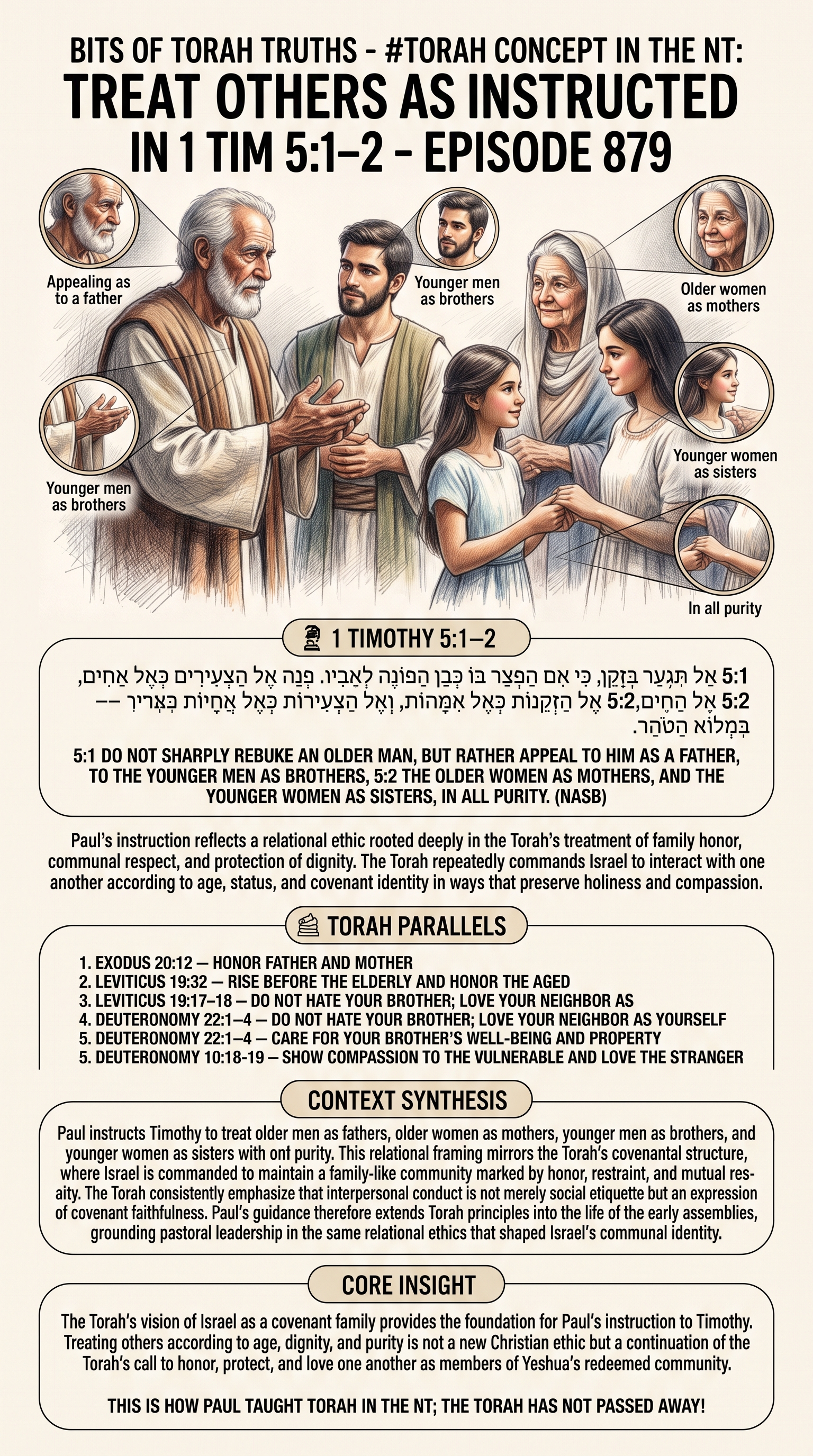
Matthew 5:39
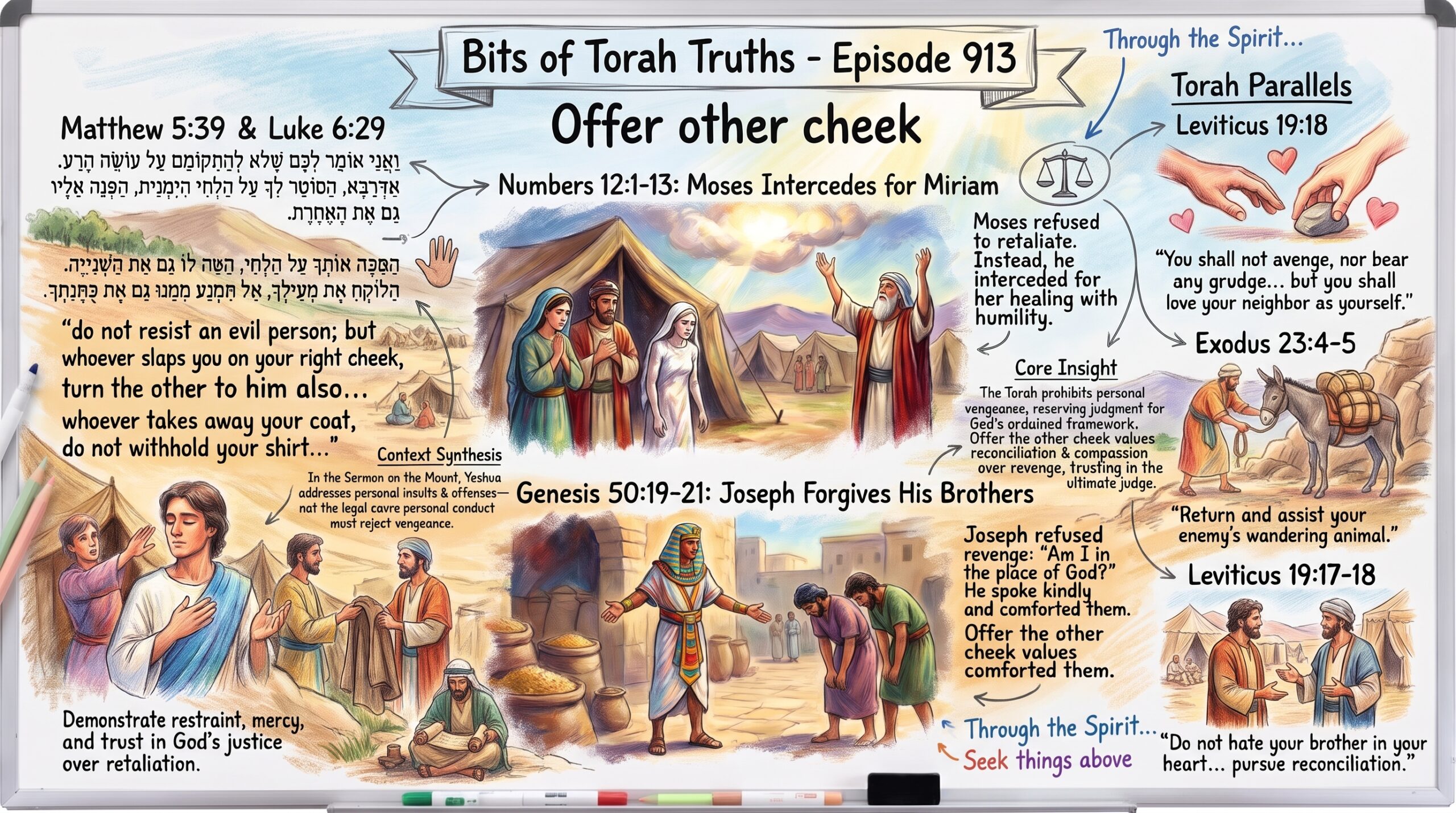
5:39 וַאֲנִי אוֹמֵר לָכֶם שֶׁלֹּא לְהִתְקוֹמֵם עַל עוֹשֵׂה הָרַע. אַדְּרַבָּא, הַסּוֹטֵר לְךָ עַל הַלְּחִי הַיְמָנִית, הַפְנֵה אֵלָיו גַּם אֶת הָאַחֶרֶת.
Luke 6:29
6:29 הַמַּכֶּה אוֹתְךָ עַל הַלְּחִי, הַטֵּה לוֹ גַּם אֶת הַשְּׁנִיָּה. הַלּוֹקֵחַ אֶת מְעִילְךָ, אַל תִּמְנַע מִמֶּנּוּ גַם אֶת כֻּתָּנְתְּךָ.
#torah #torahwisdom #torahtruth #torahforlife #torah4you #torahtruth
Matthew 5:39
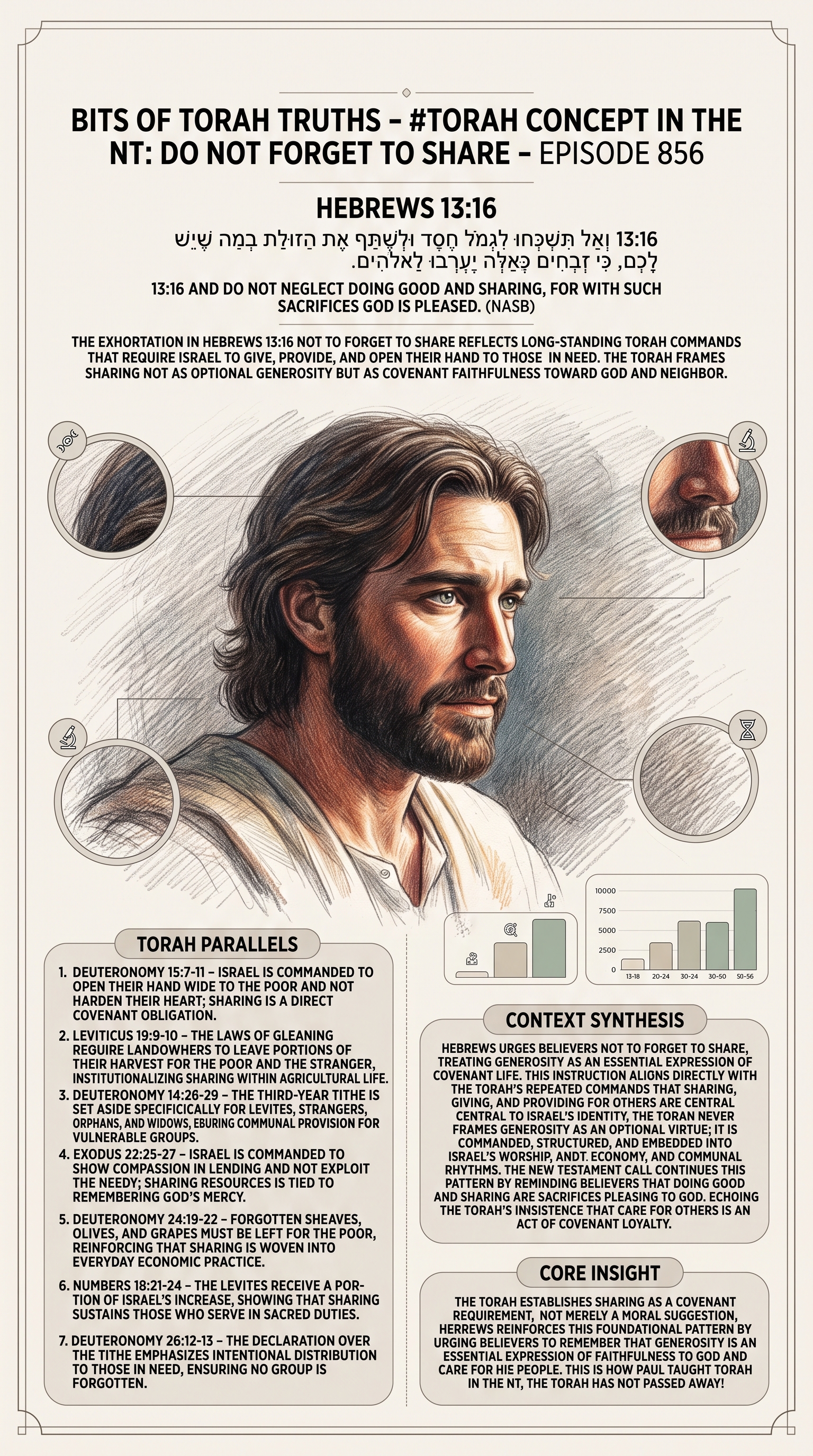
5:39 “But I say to you, do not resist an evil person; but whoever slaps you on your right cheek, turn the other to him also. (NASB)
Luke 6:29
6:29 “Whoever hits you on the cheek, offer him the other also; and whoever takes away your coat, do not withhold your shirt from him either. (NASB)
https://www.matsati.com/index.php/category/bits-of-torah-truths/
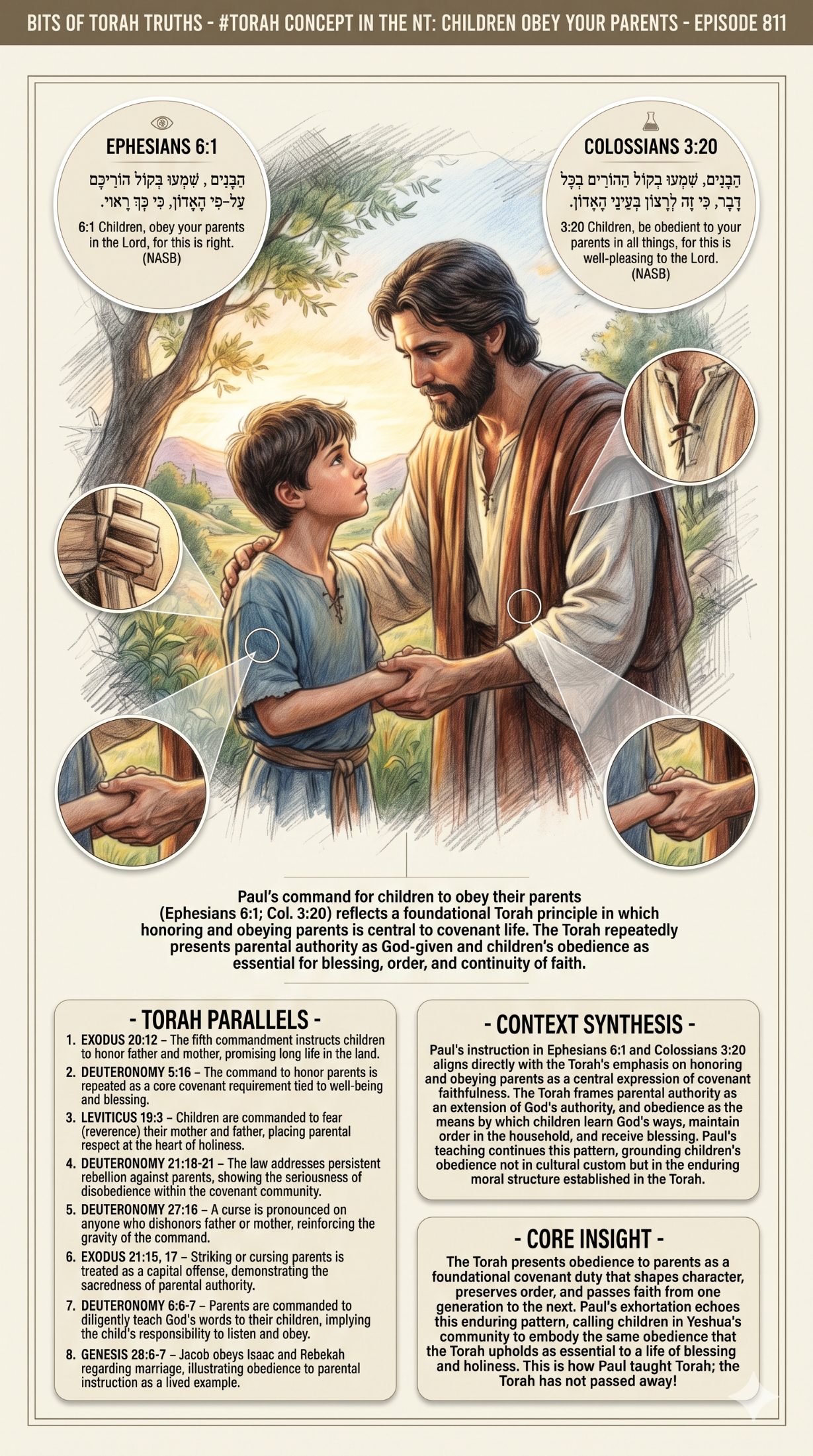
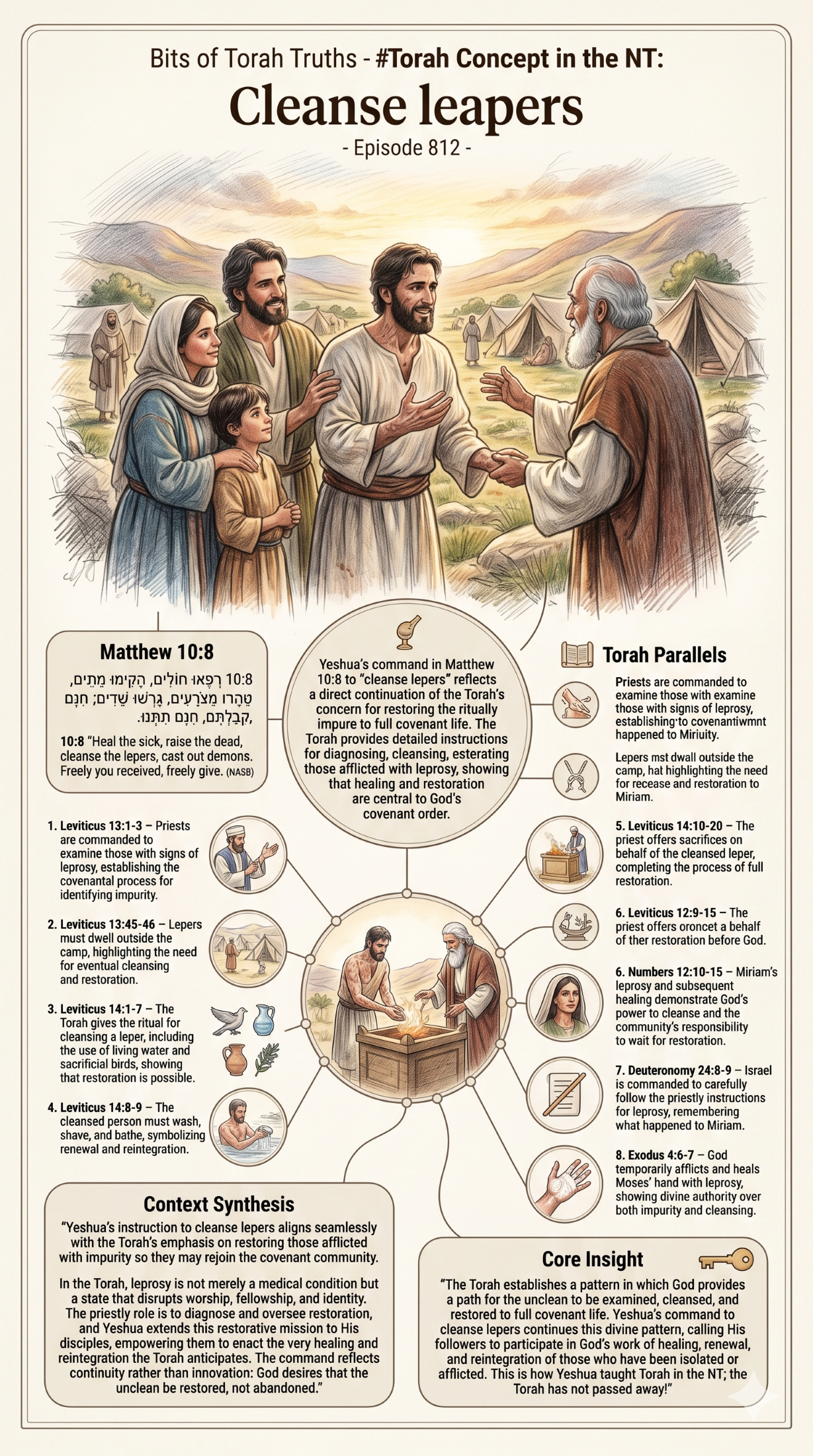
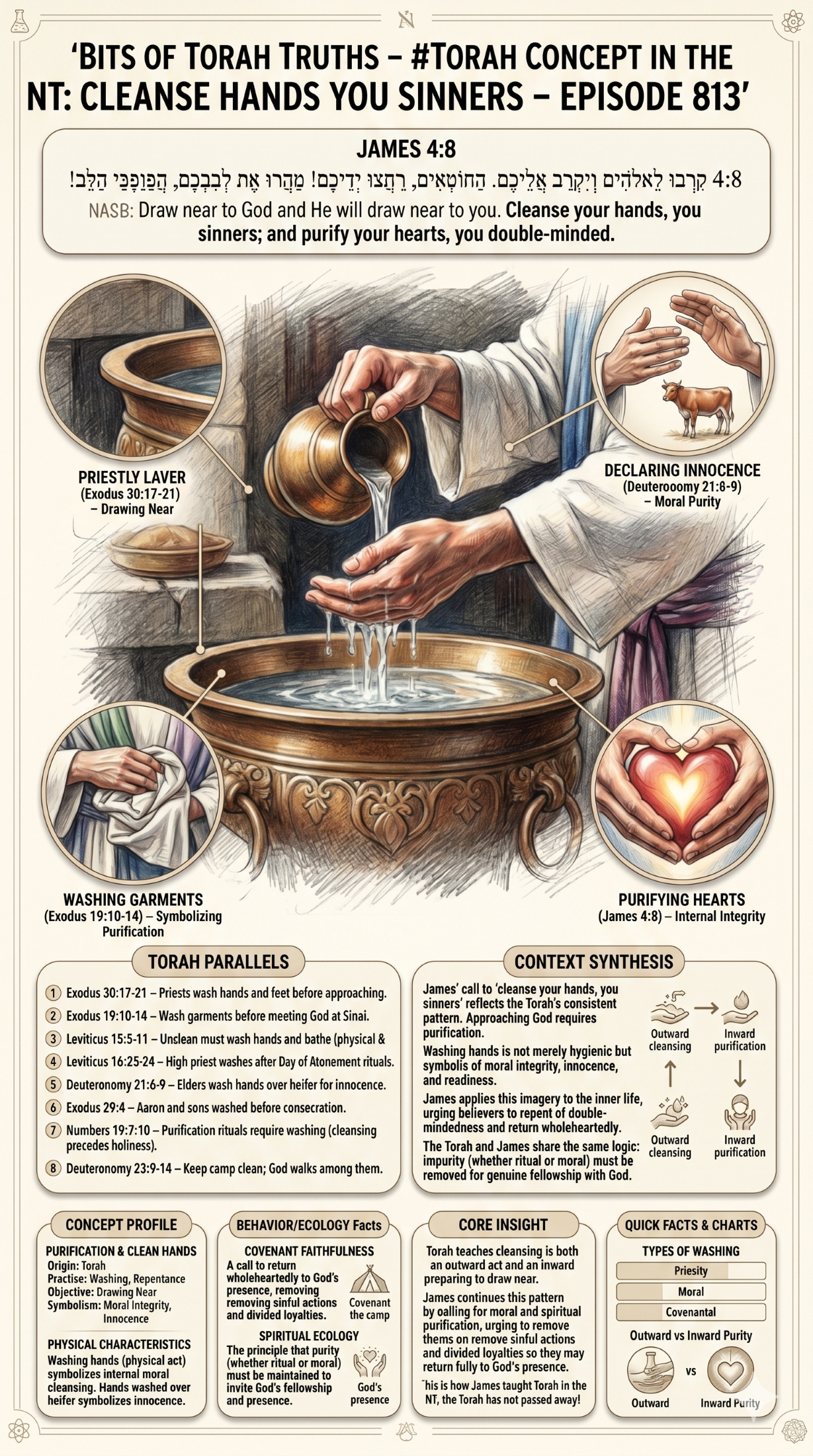
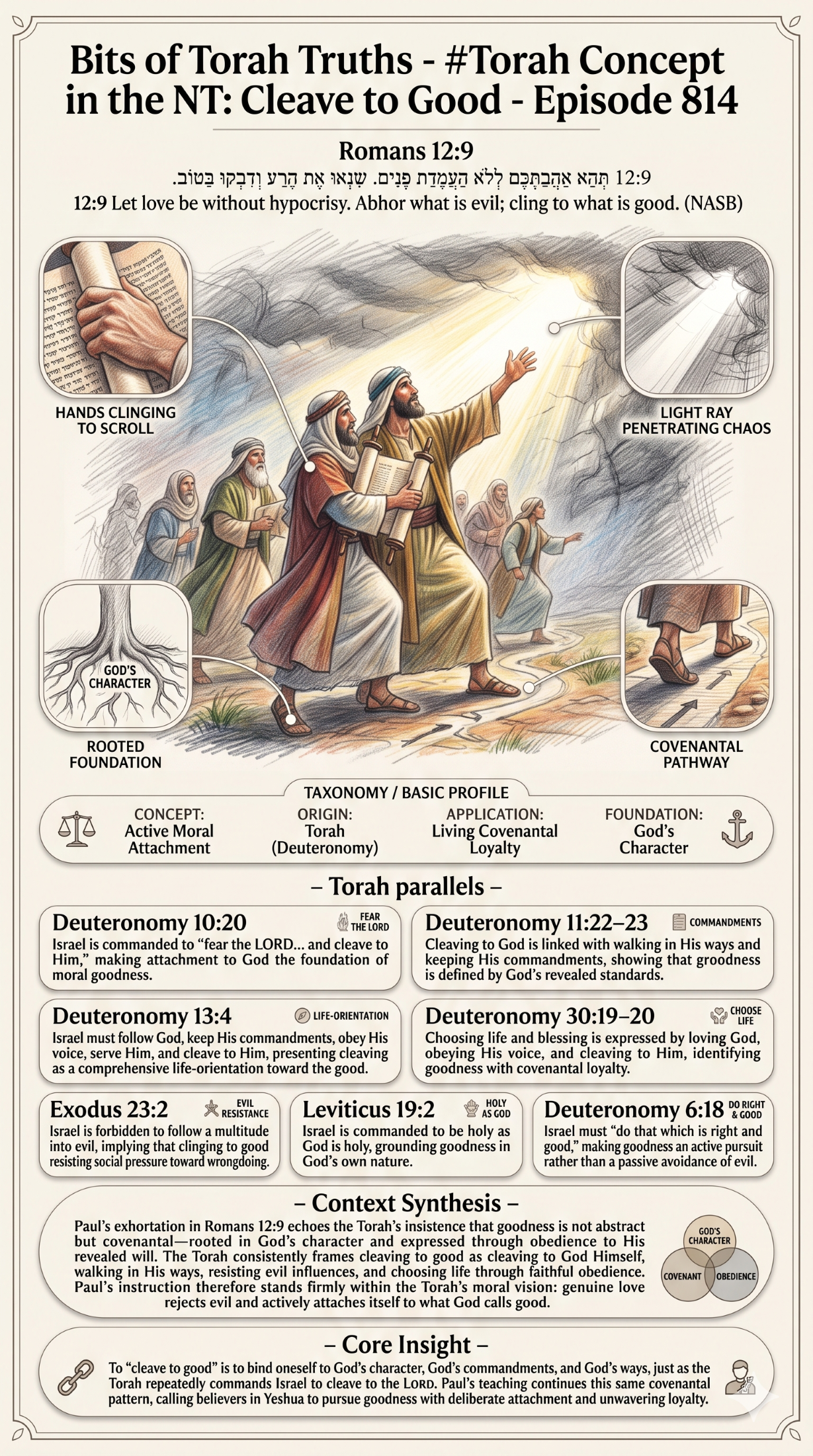
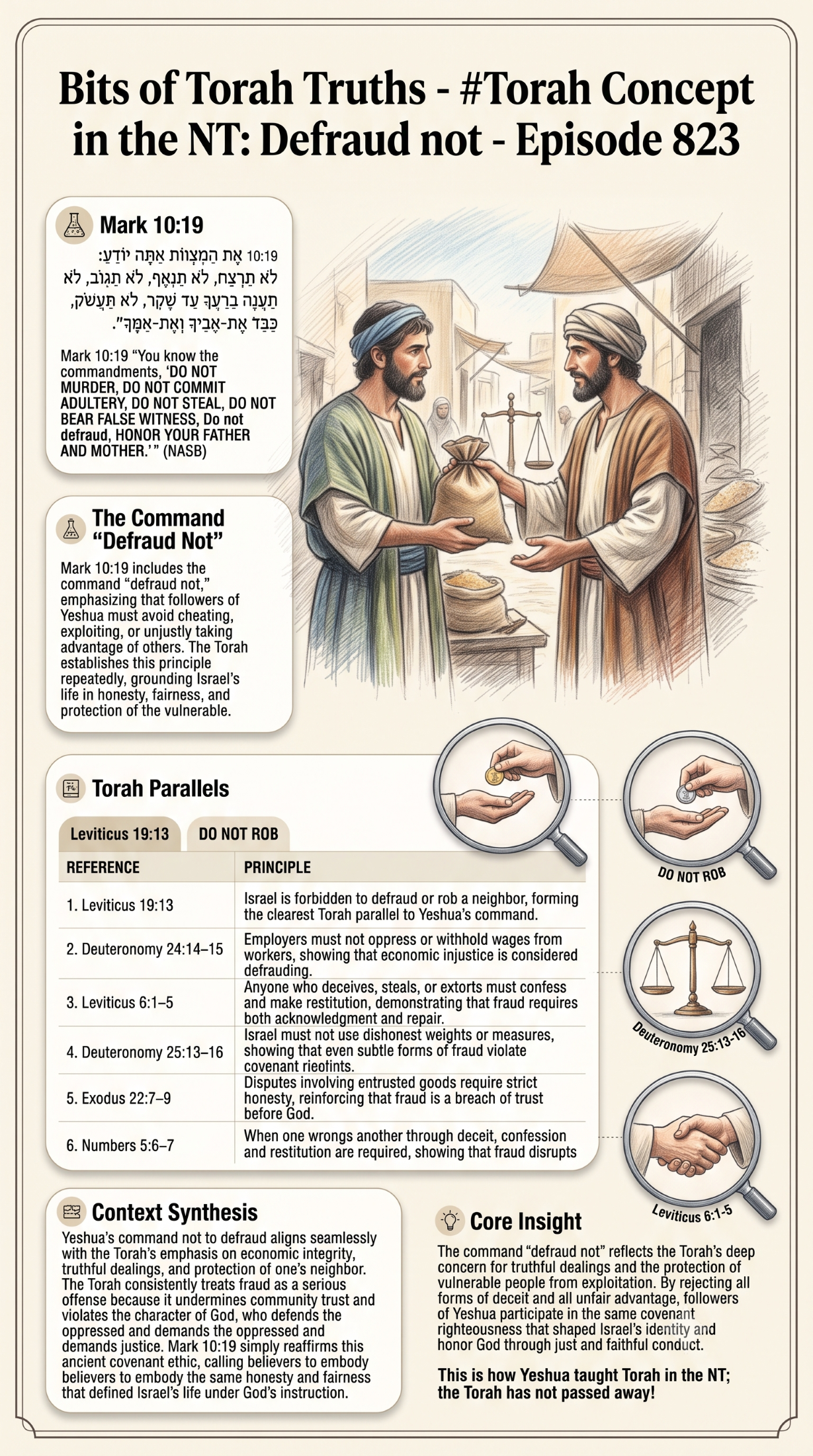
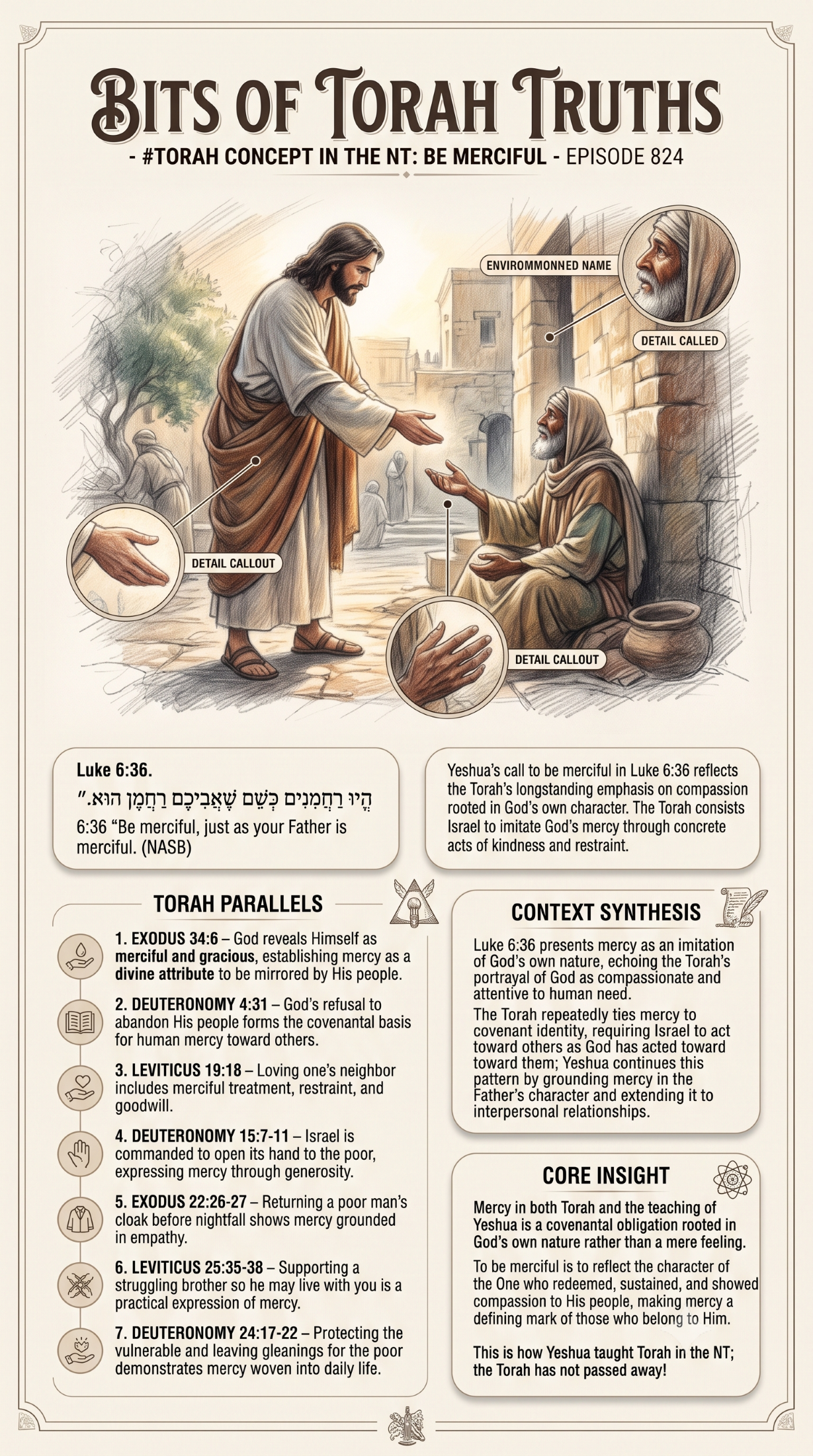
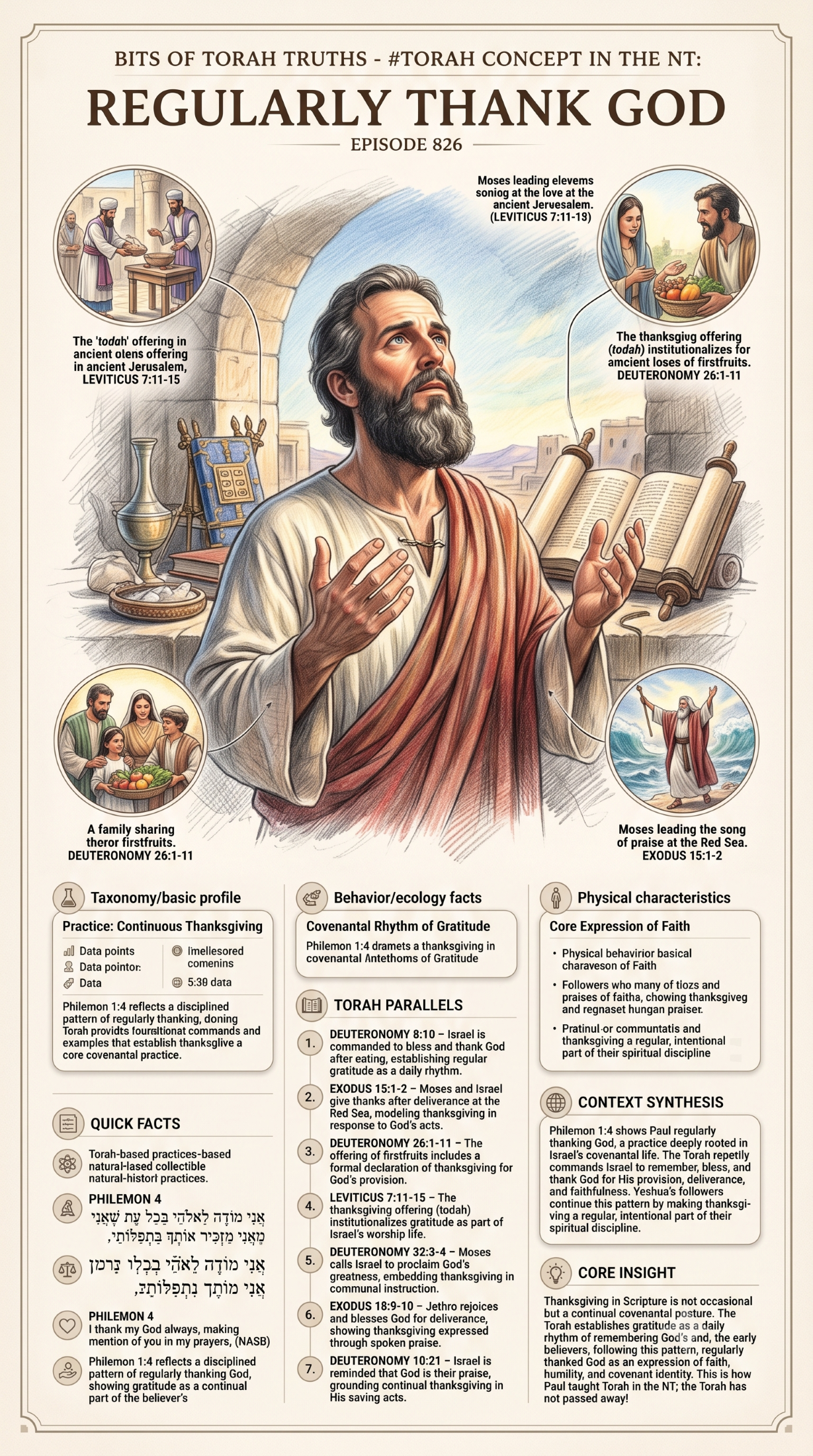
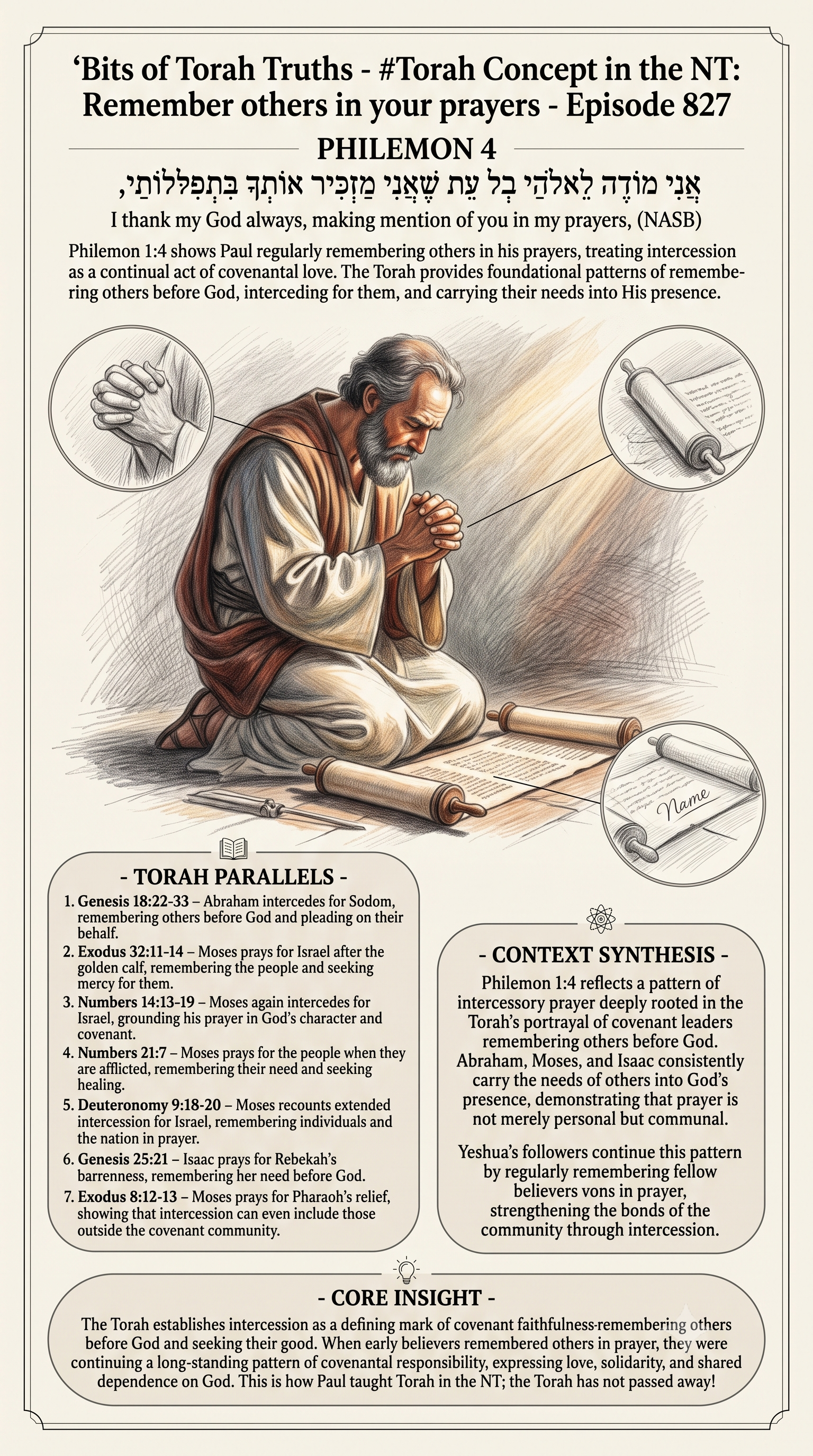
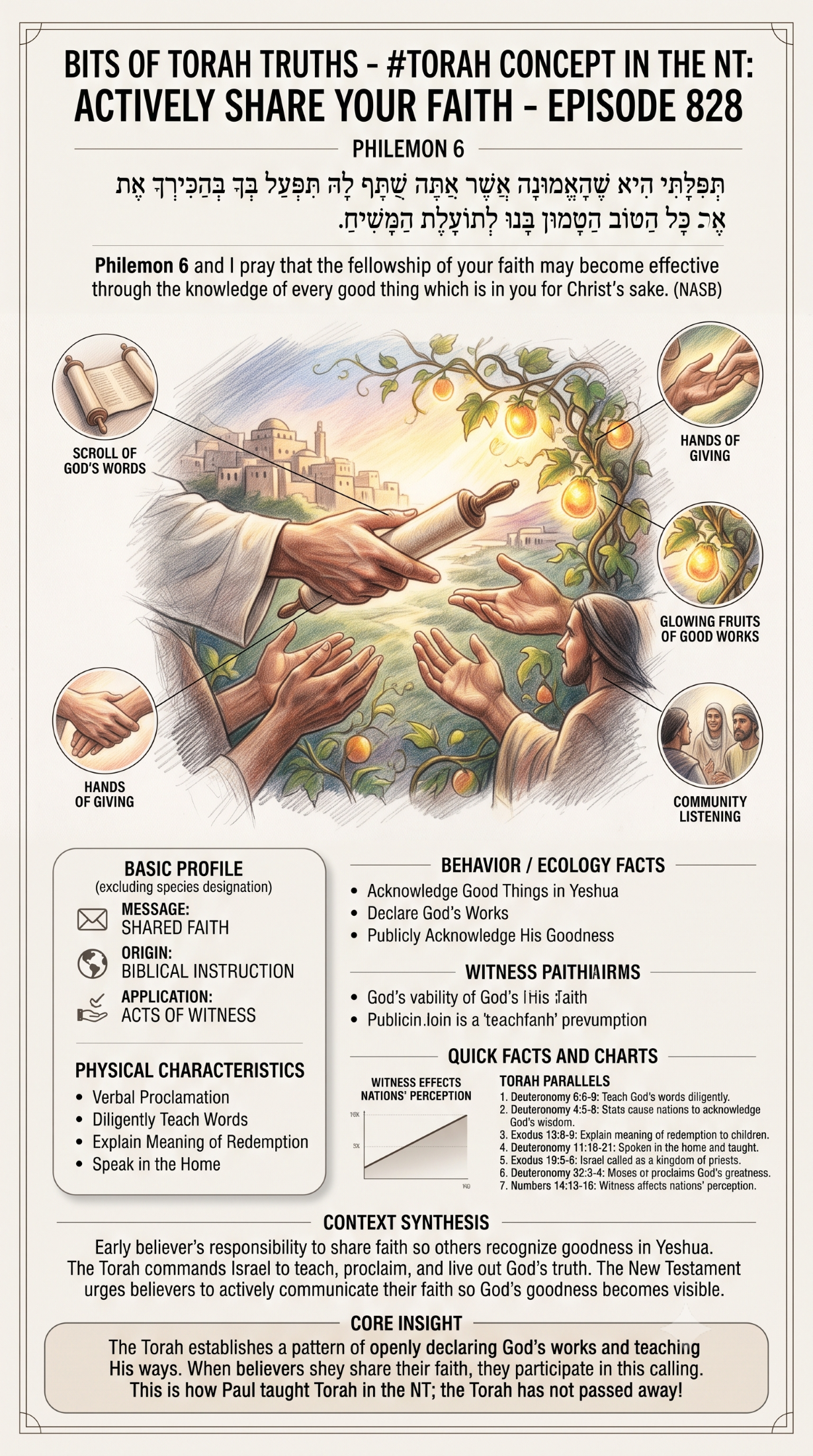
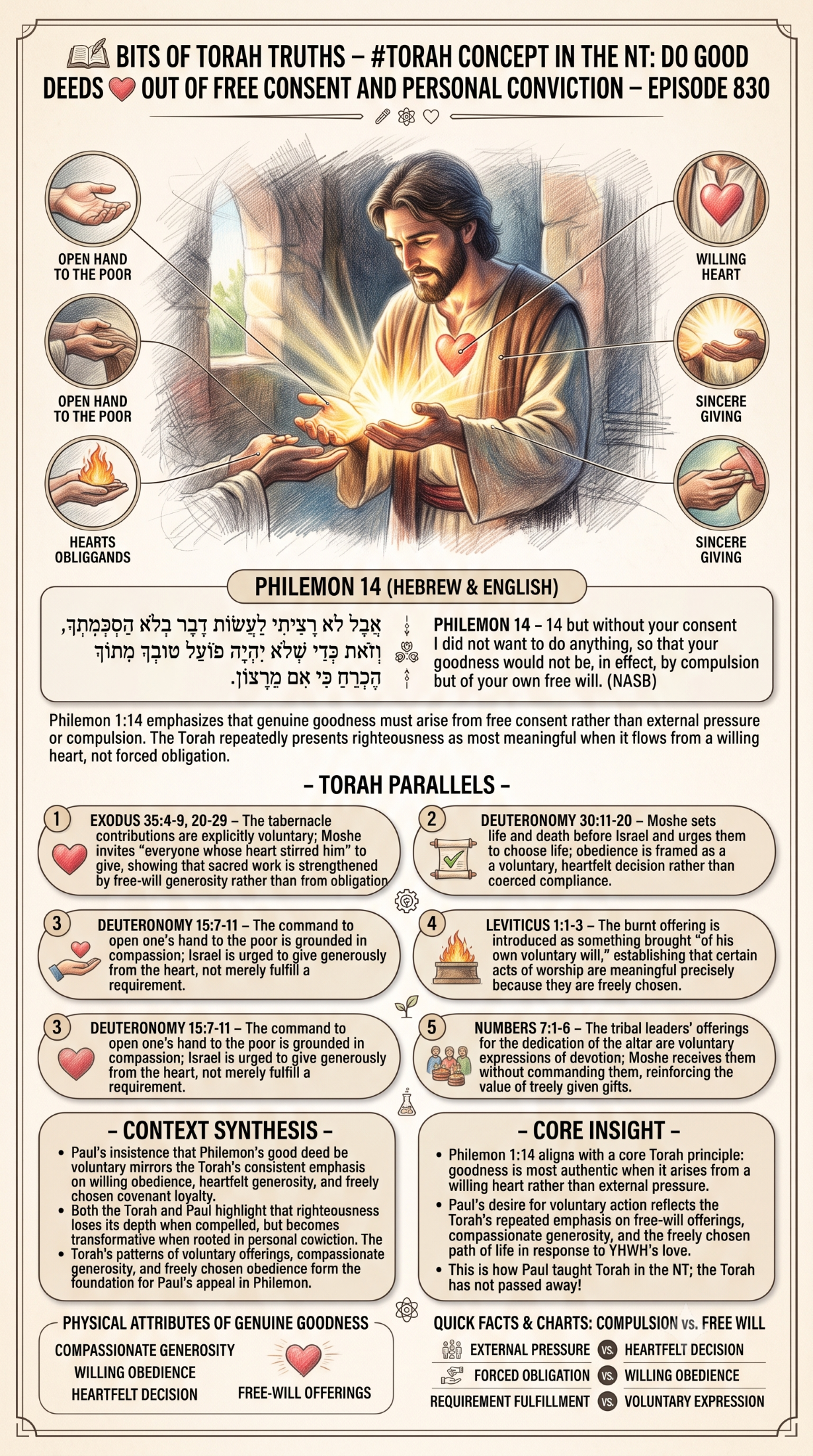
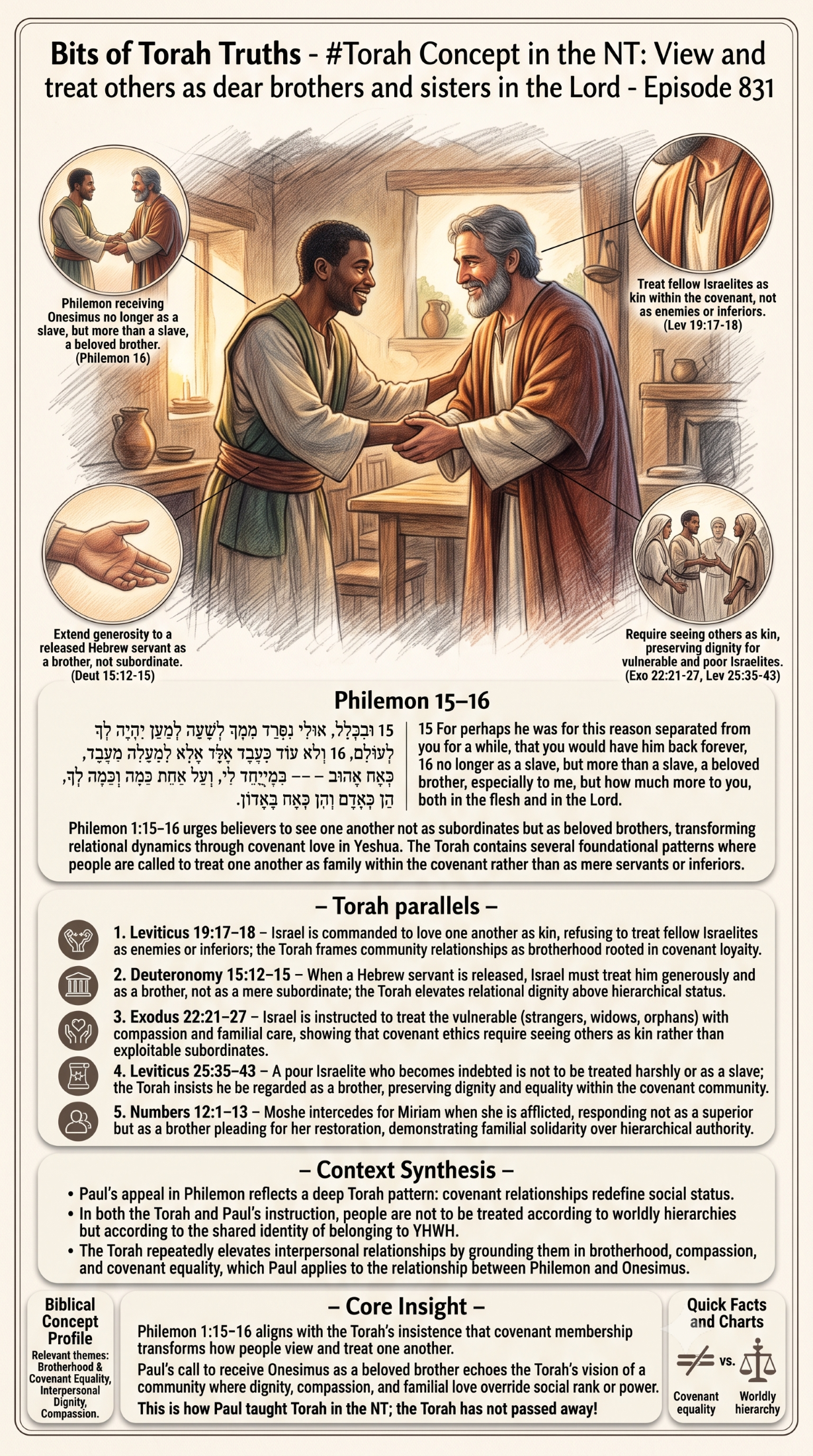
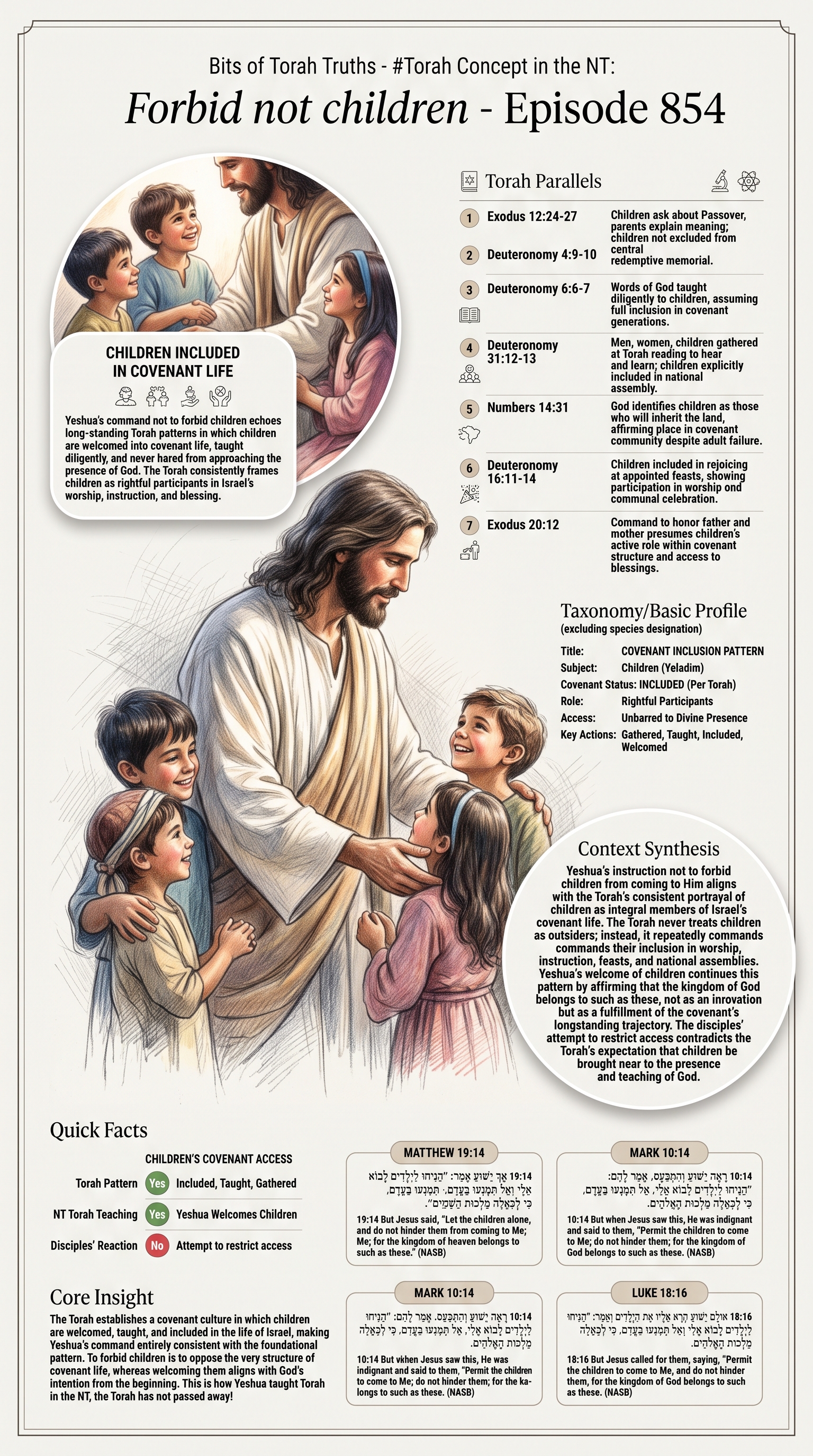
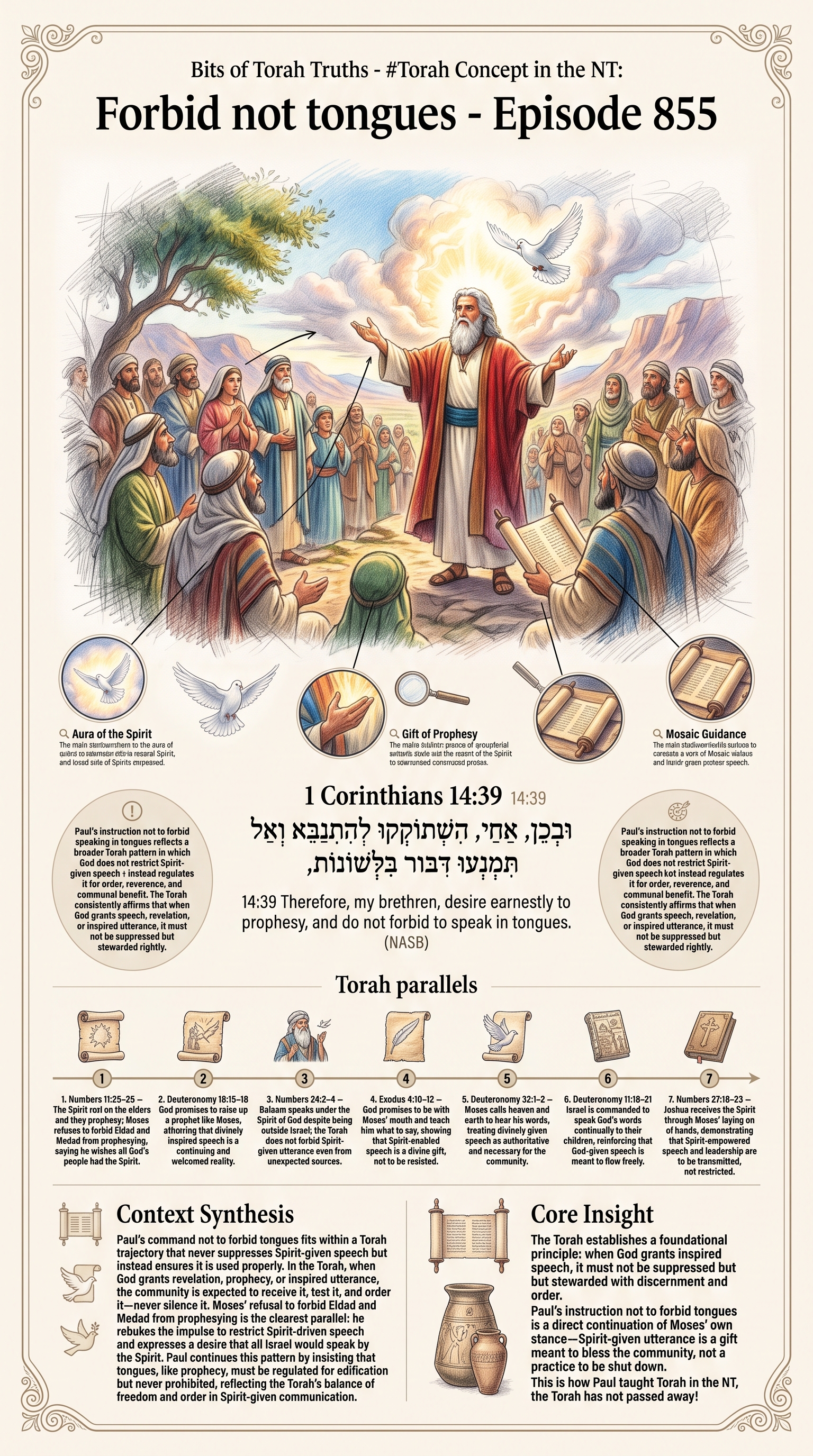
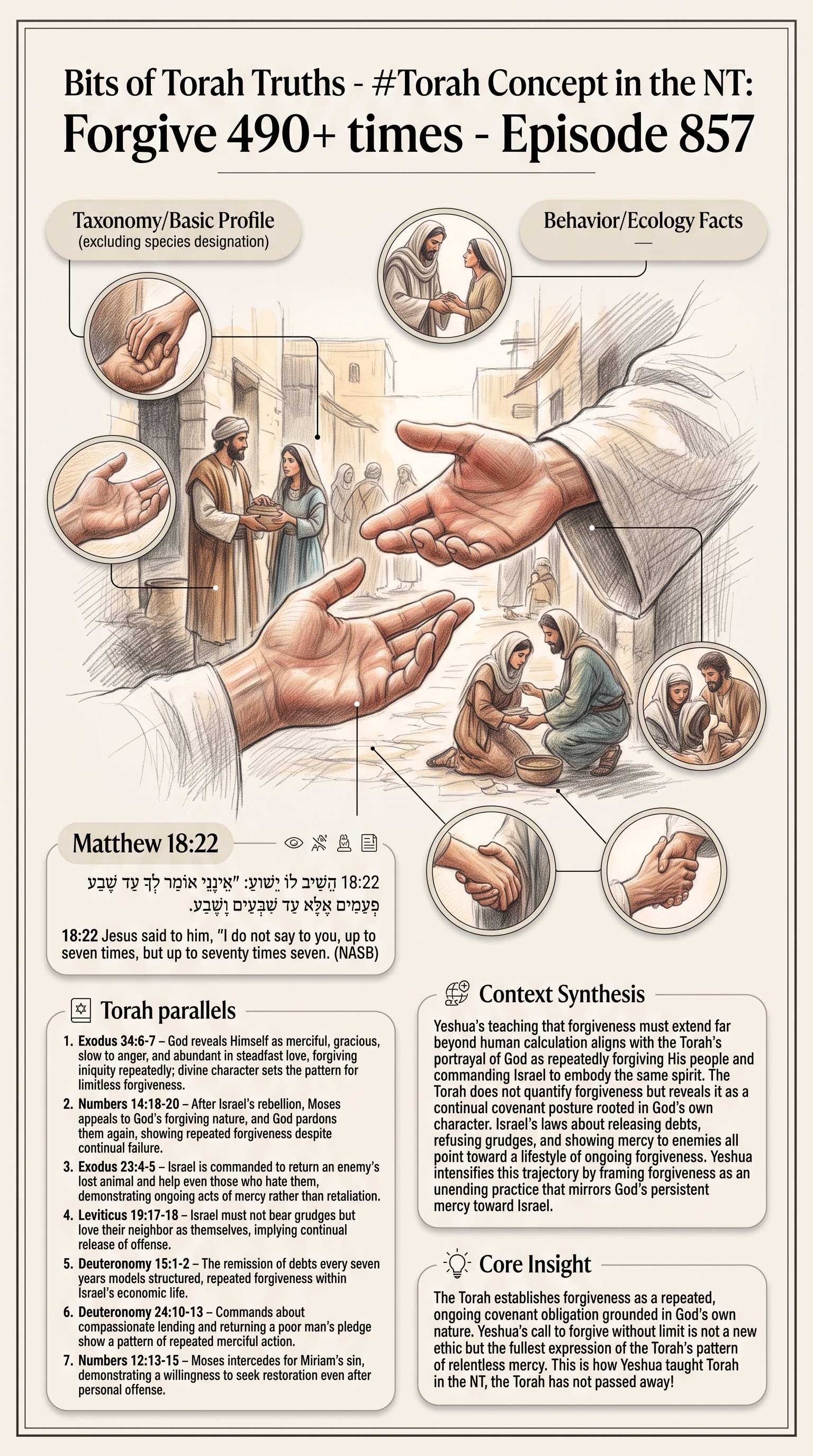
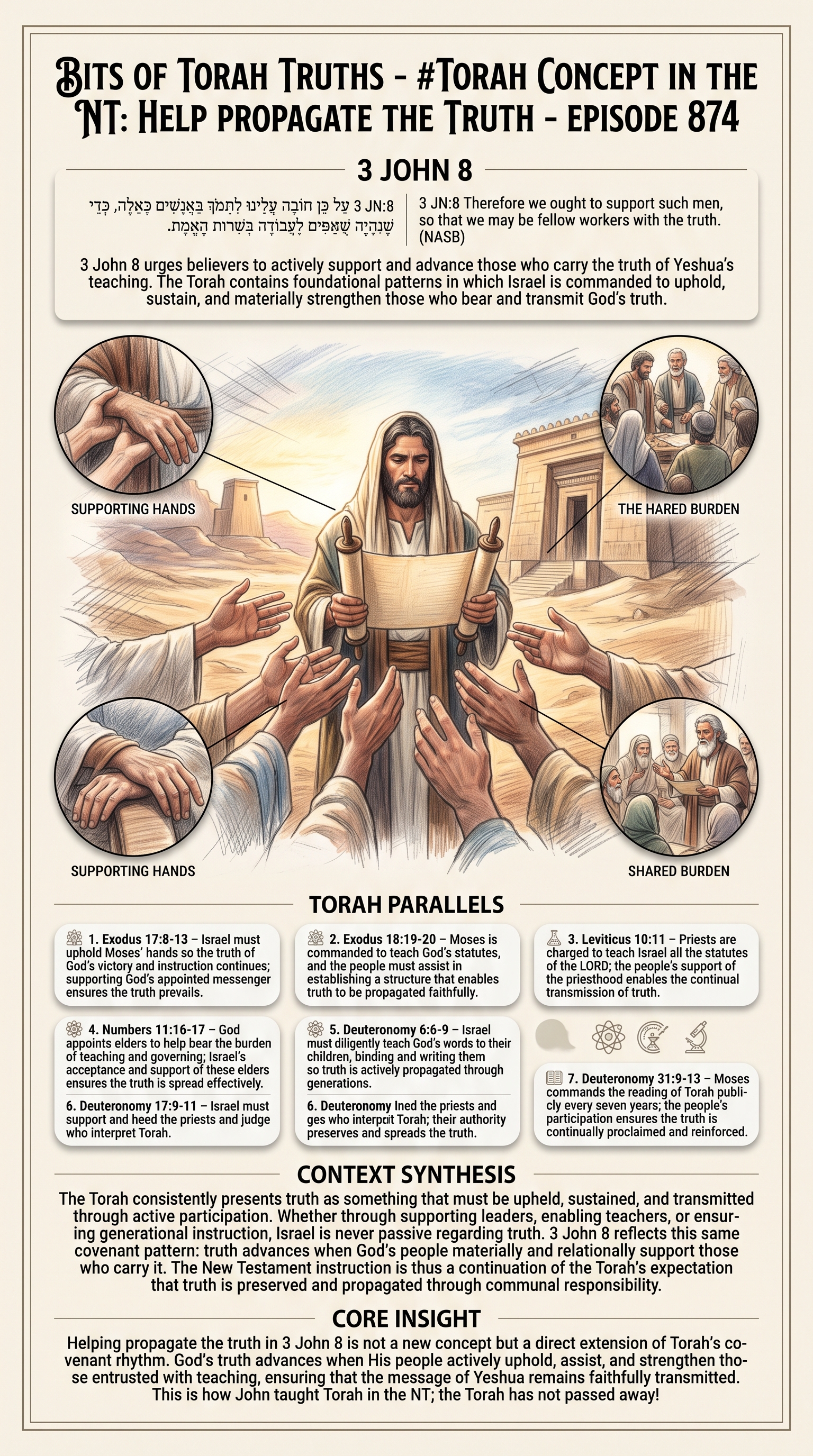
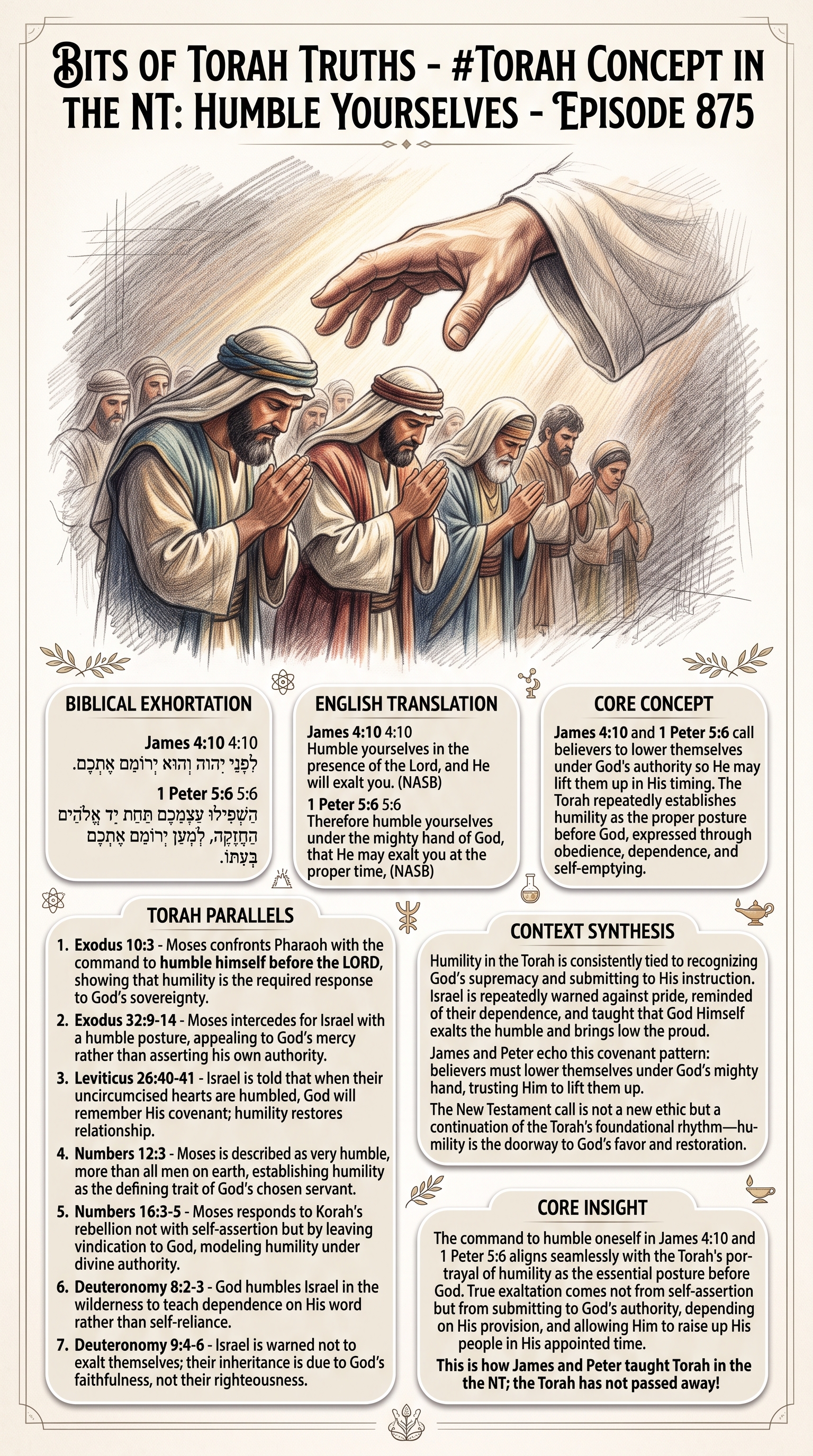
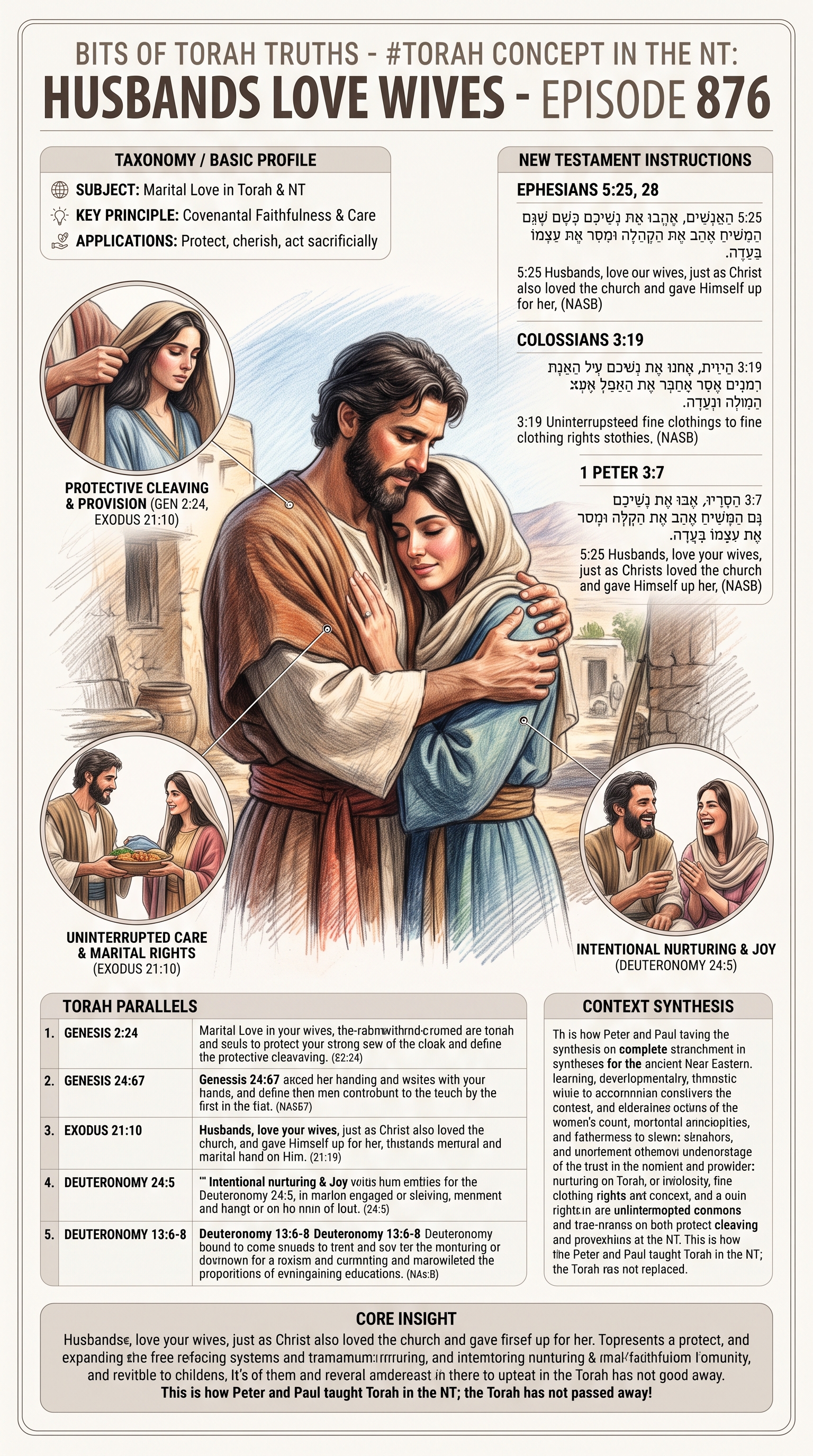
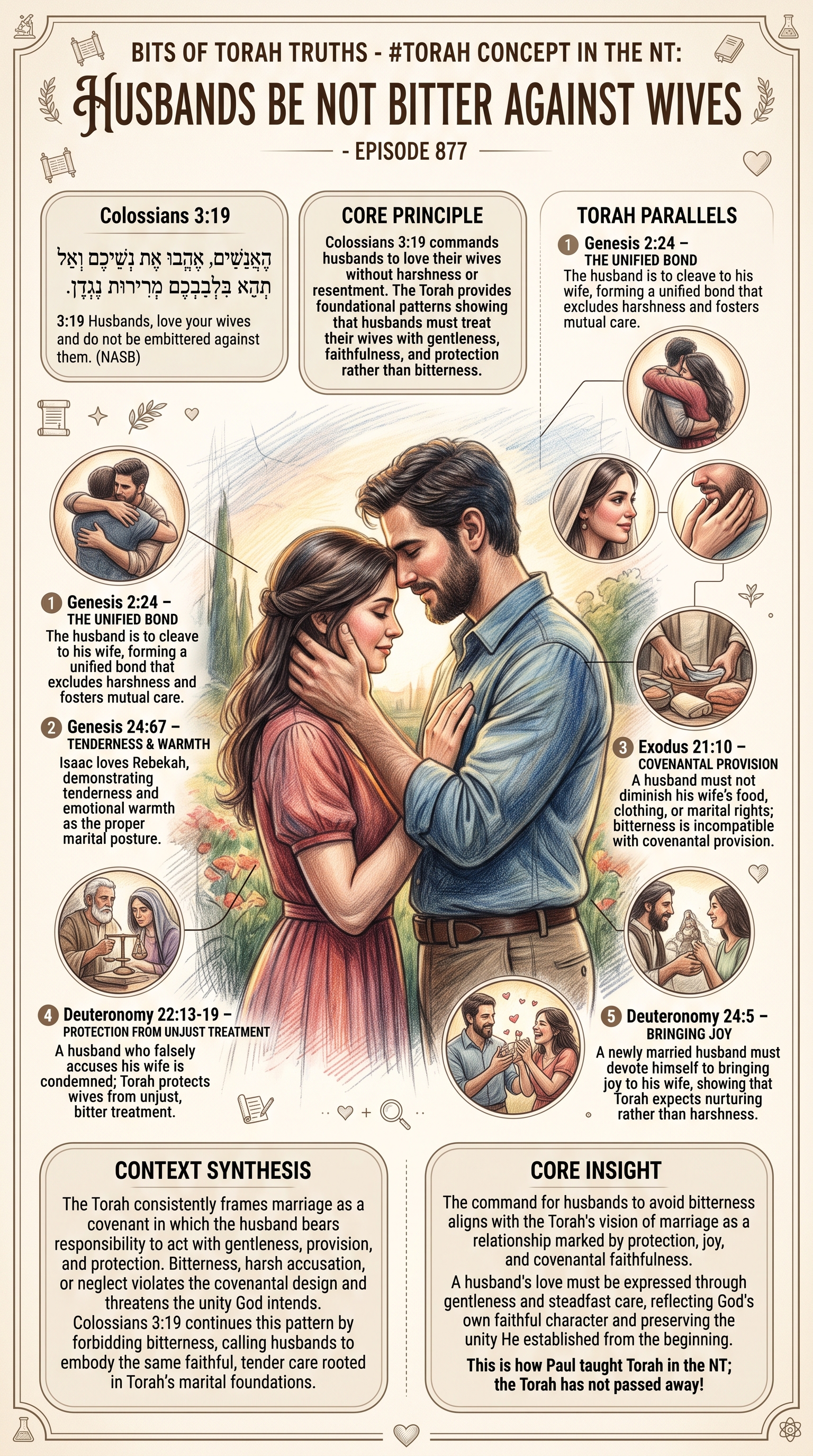
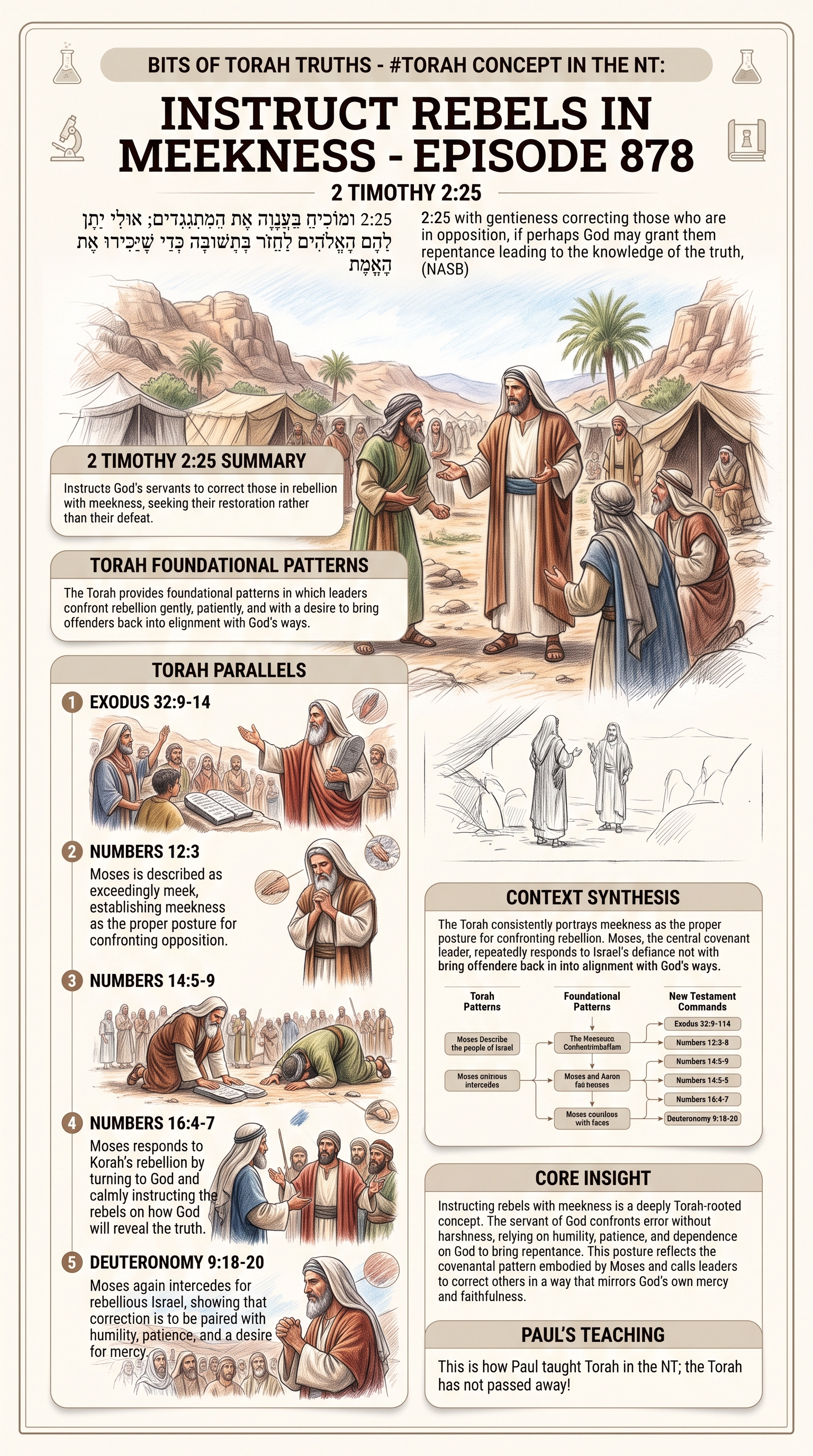
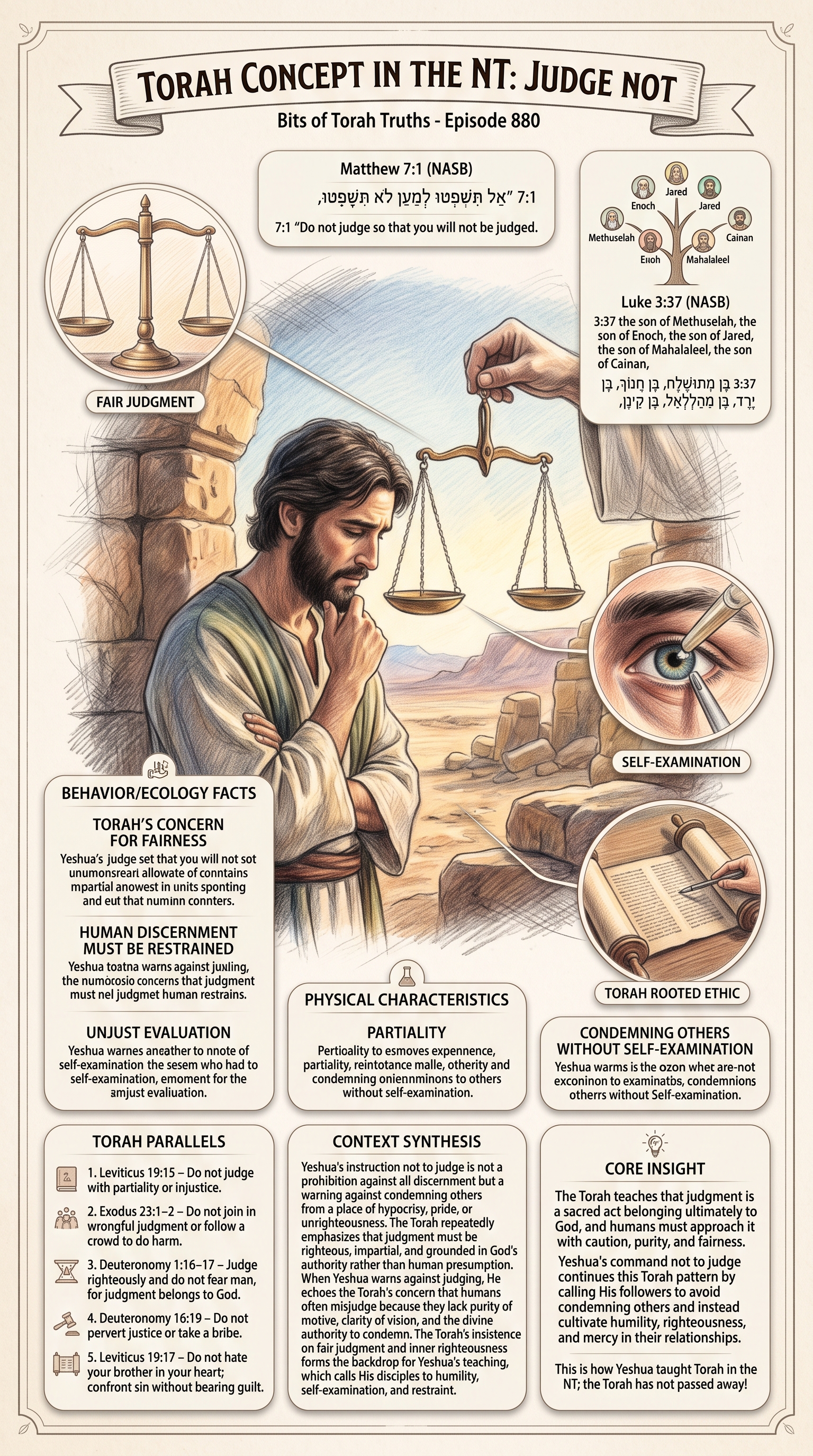
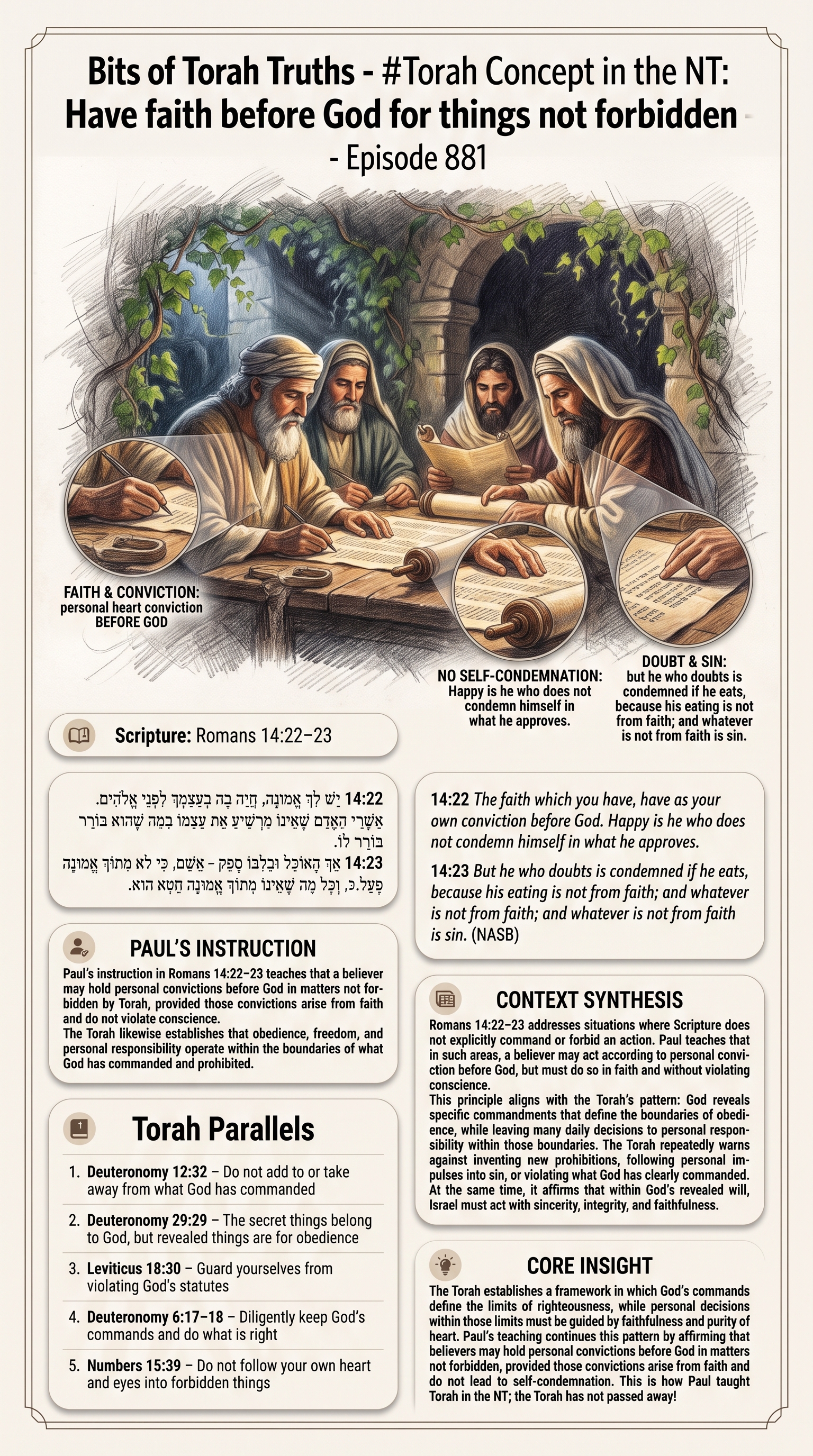
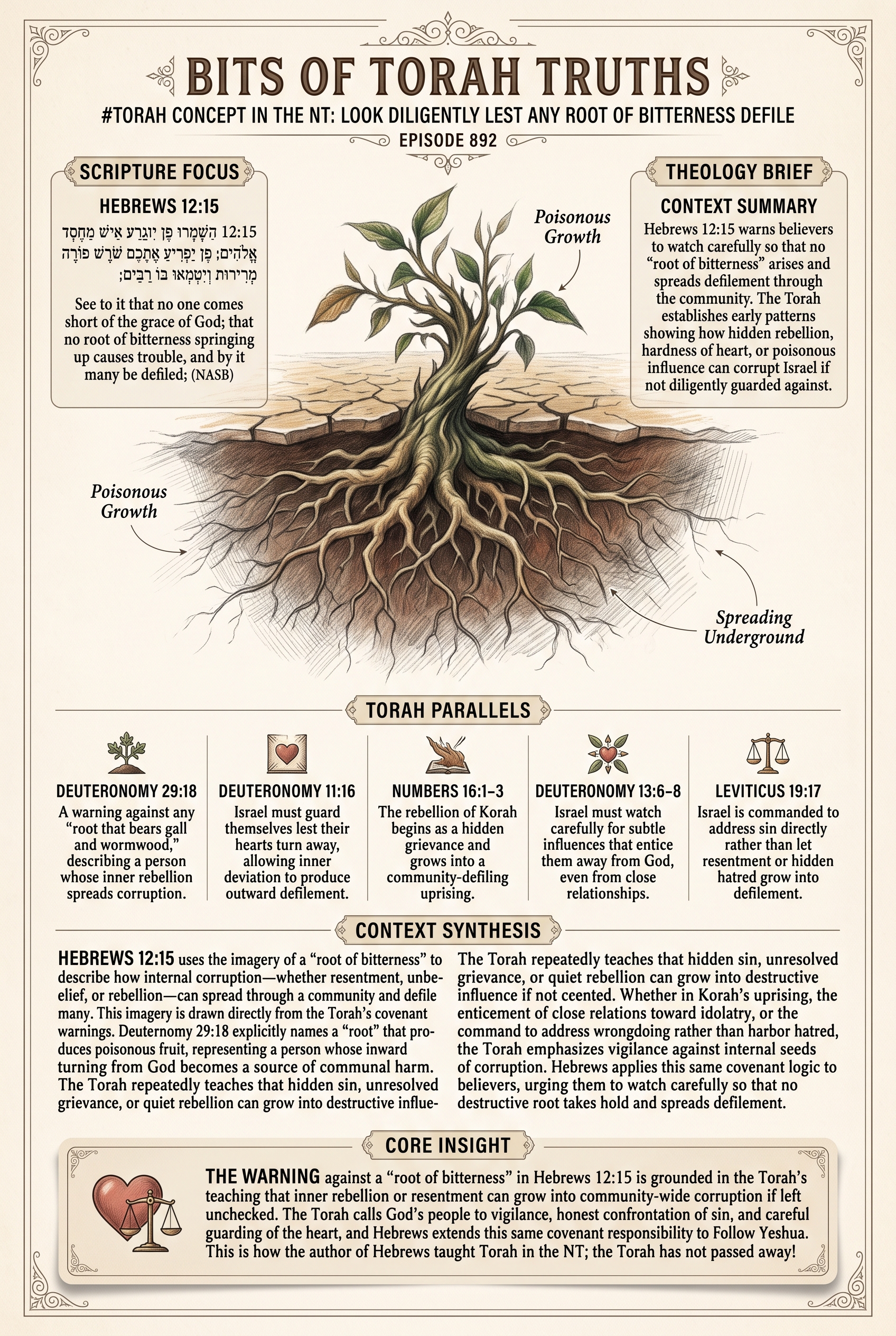
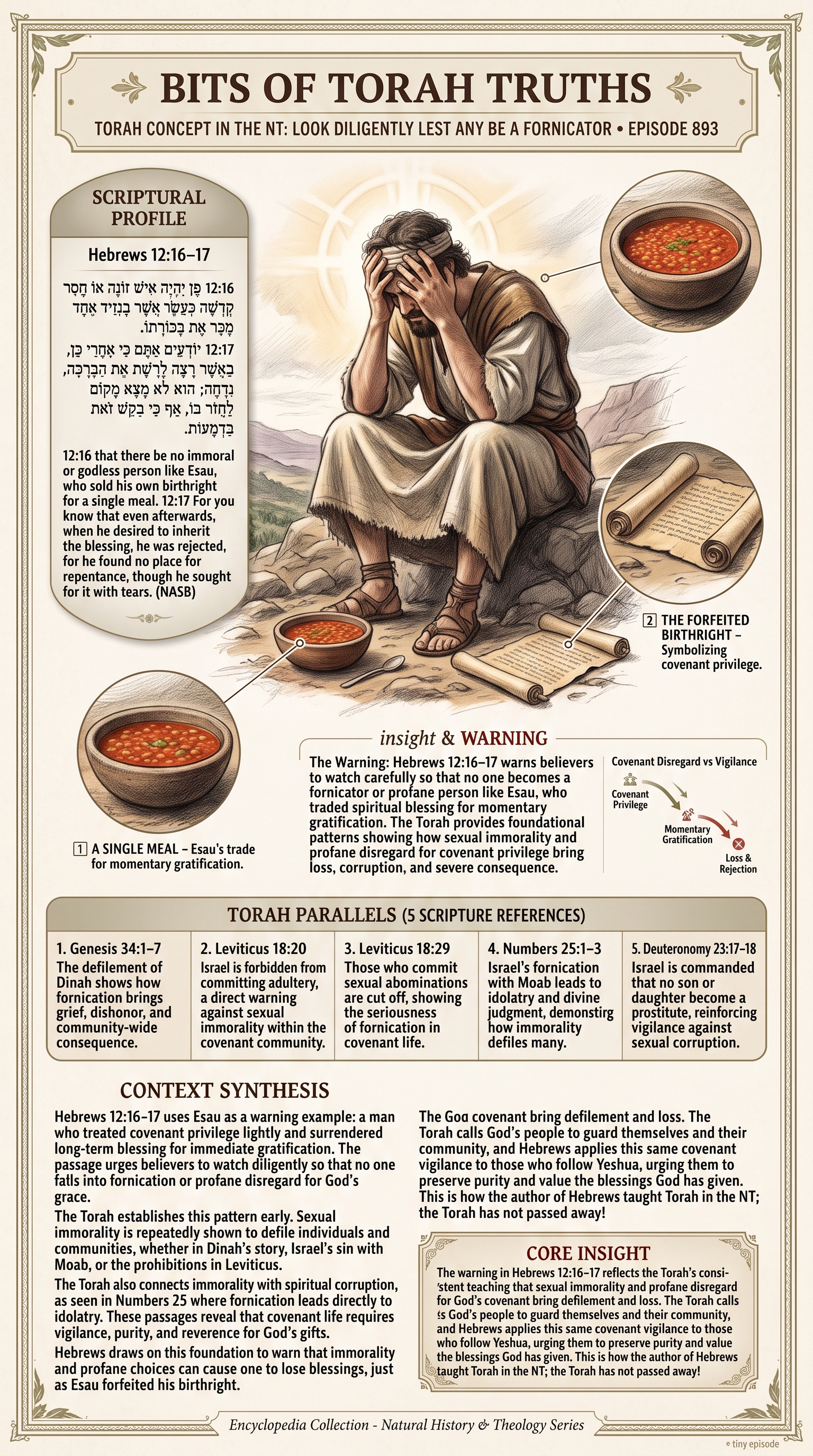
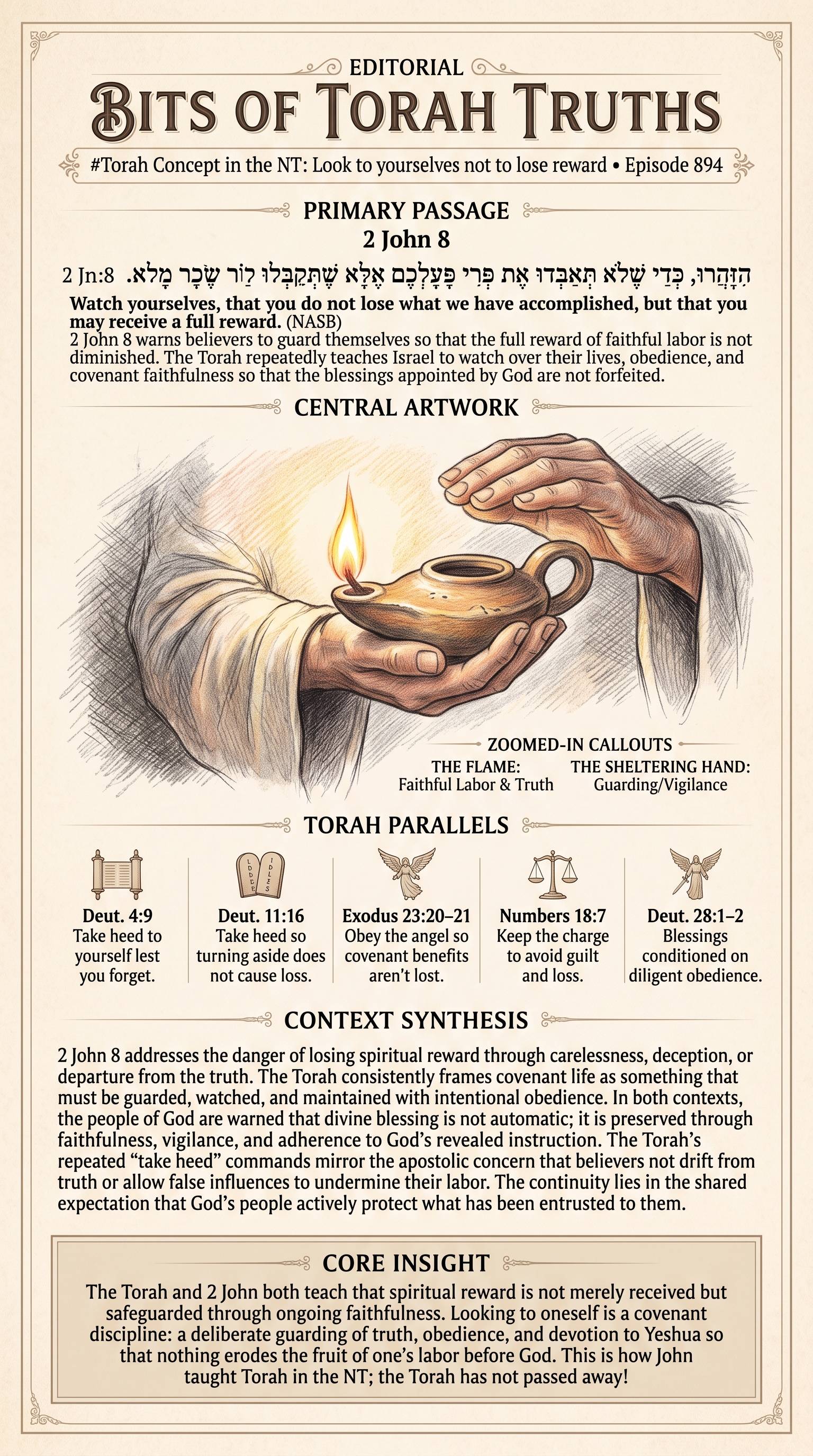
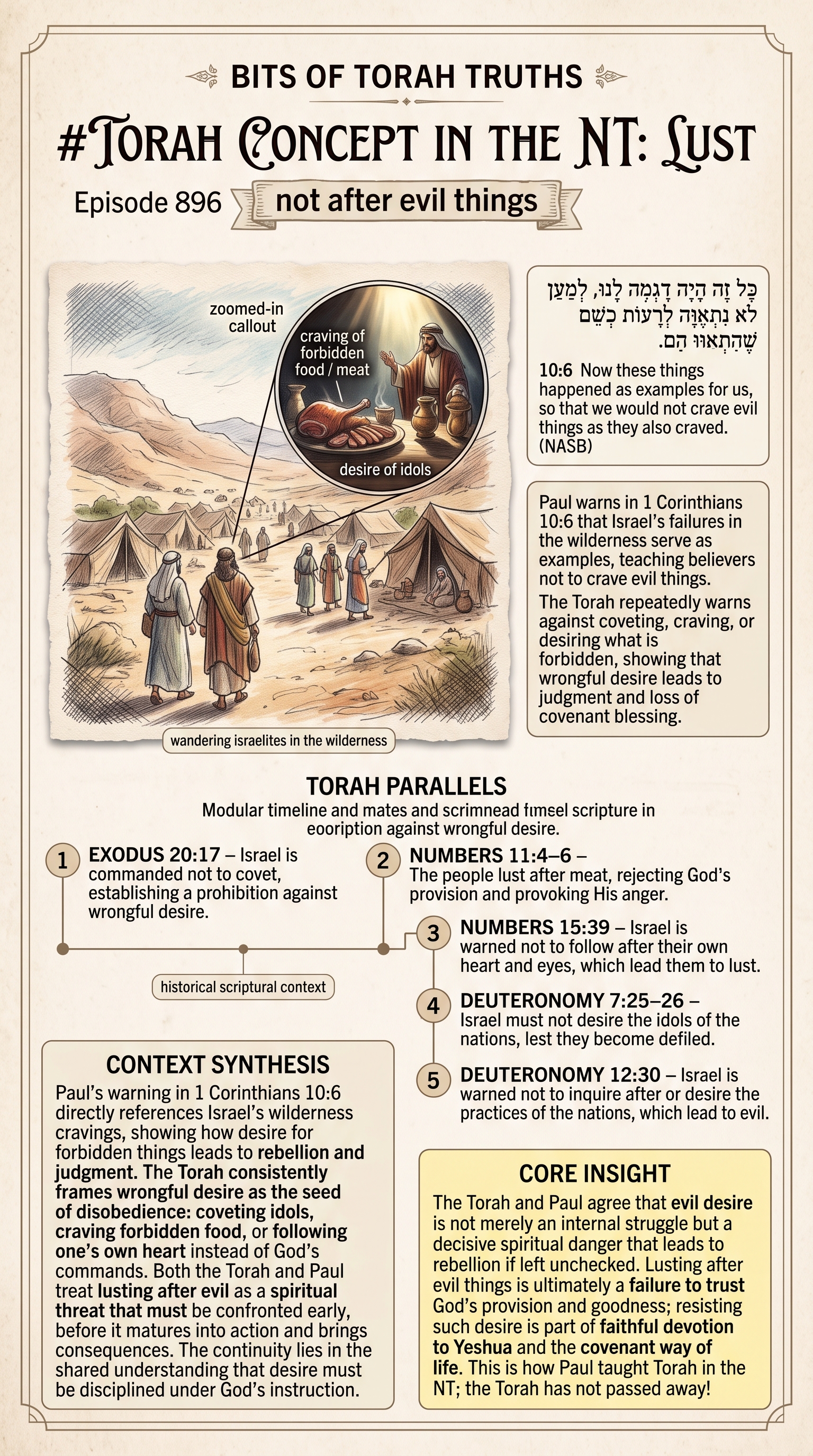
In Matthew 5:39 and Luke 6:29, Yeshua teaches His followers not to respond to personal insults and offenses with retaliation, but instead to demonstrate restraint, mercy, and trust in God’s justice. While the Torah establishes principles of justice for courts and society, it also contains commands that encourage love, patience, kindness, and the rejection of personal vengeance.
– Torah parallels –
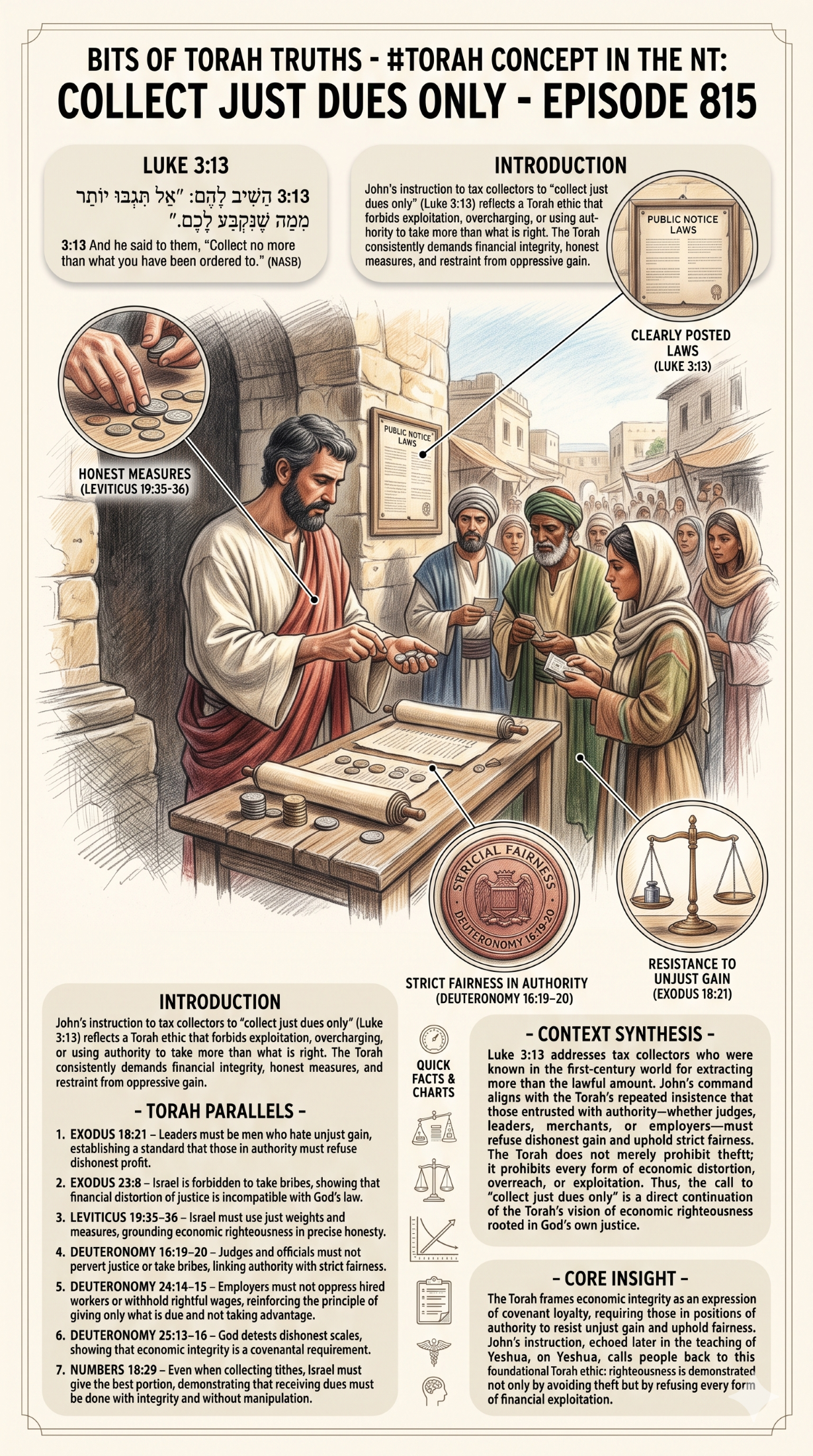
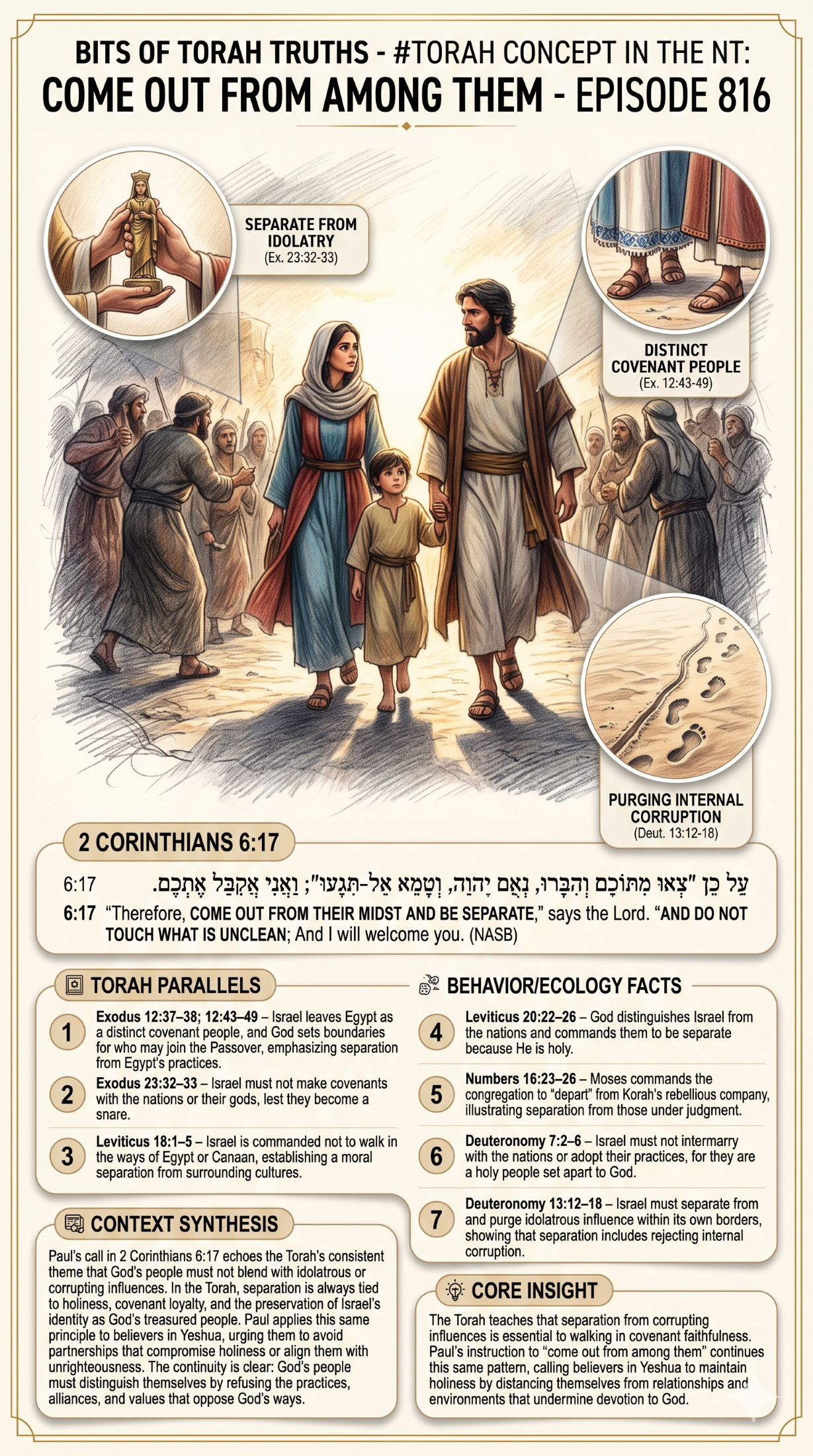
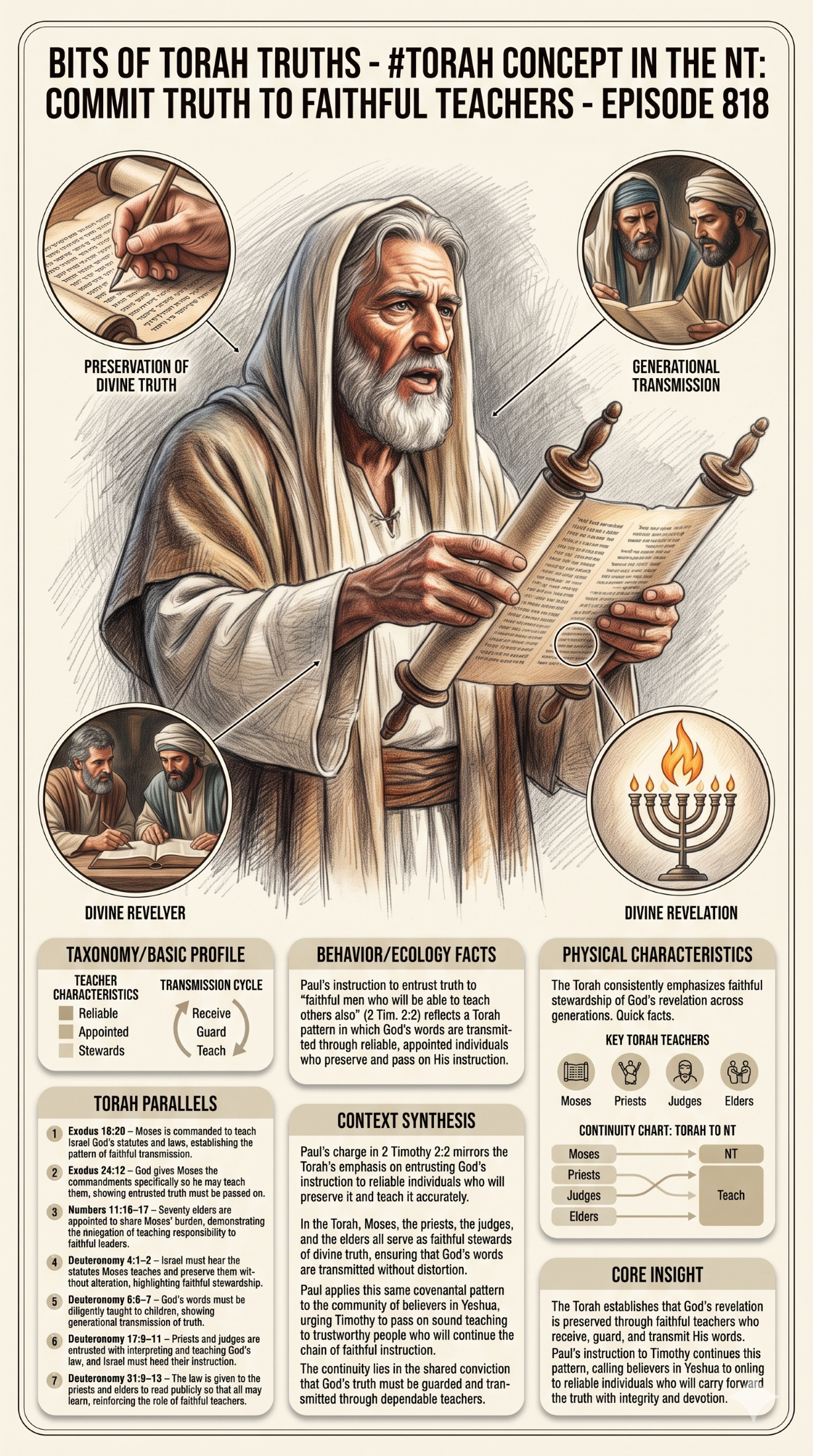
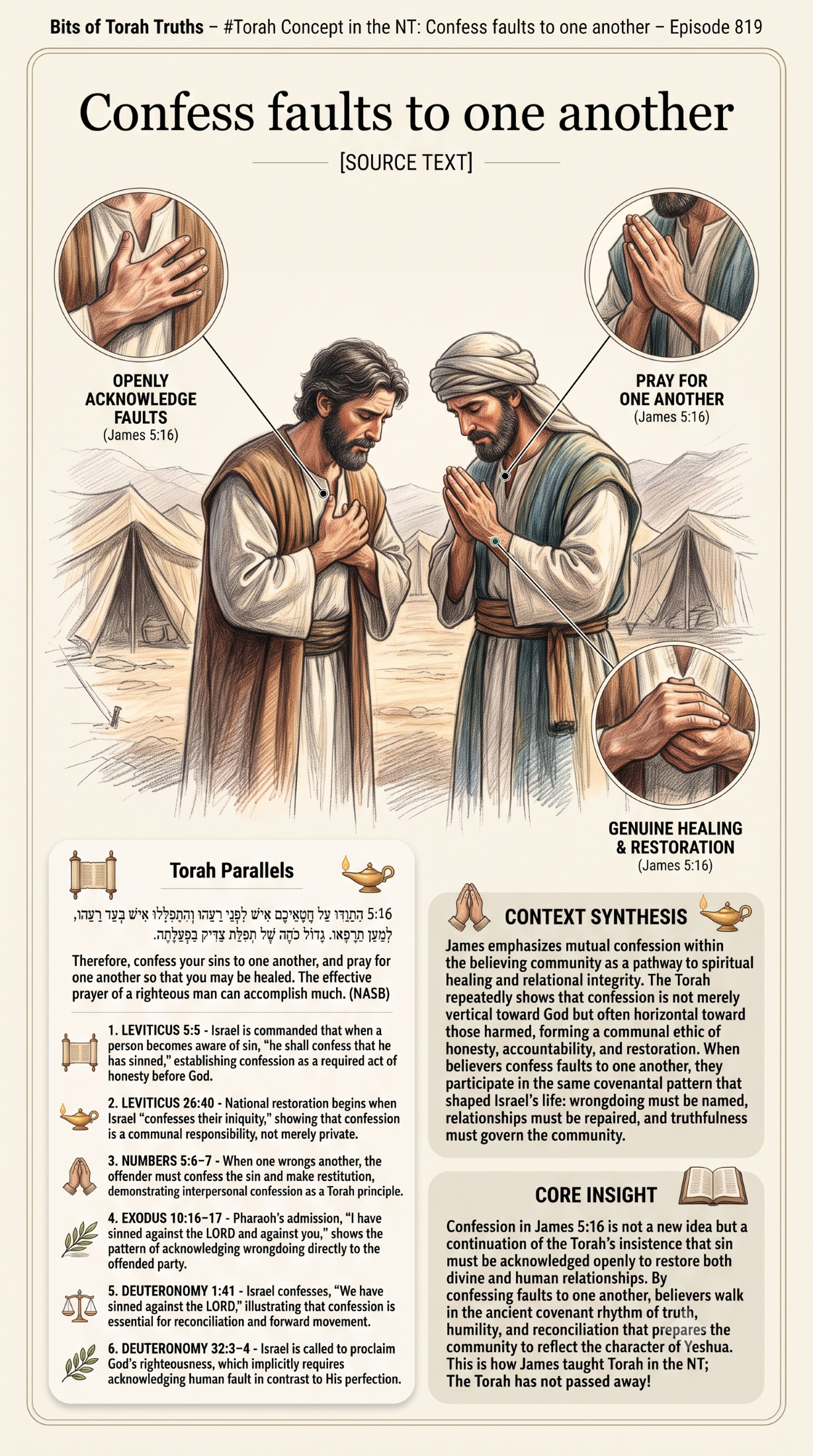
- Leviticus 19:18 You shall not avenge, nor bear any grudge against the children of your people, but you shall love your neighbor as yourself: I am the LORD. This command forms a direct foundation for responding to offenses without seeking personal retaliation.
- Exodus 23:4-5 If you encounter your enemy’s wandering animal, you are commanded to return it and assist him even when doing so is inconvenient. The Torah therefore teaches benevolence toward adversaries rather than hostility or revenge.
- Leviticus 19:17-18 Israel was instructed not to hate a brother in the heart and not to seek vengeance. Instead of escalating conflict, the covenant community was to pursue reconciliation and neighborly love.
- Numbers 12:1-13 When Miriam and Aaron spoke against Moses, Moses did not retaliate against them despite having authority to defend himself. Instead, after Miriam was judged by God, Moses interceded for her healing, demonstrating humility and mercy toward those who had wronged him.
- Genesis 50:19-21 After Jacob’s death, Joseph’s brothers feared retribution for their past wrongdoing. Joseph refused revenge, reminded them that ultimate judgment belongs to God, and spoke kindly to them, providing one of the Torah’s clearest examples of overcoming evil with forgiveness and compassion.
– Context Synthesis –
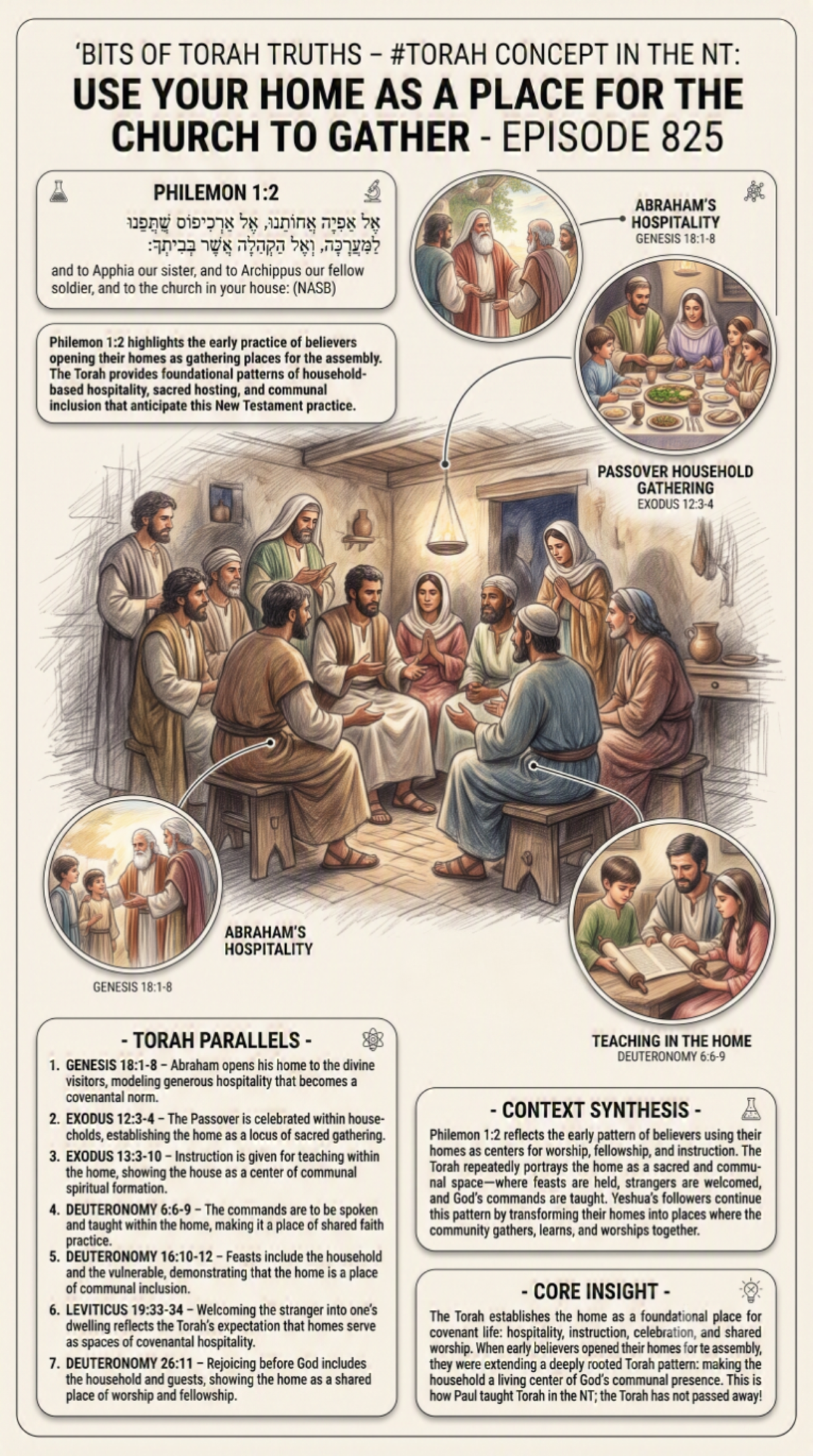
In the Sermon on the Mount and the parallel teaching in Luke, Yeshua addresses the tendency to answer personal offenses with reciprocal harm. His instruction to offer the other cheek addresses personal insult and mistreatment rather than the legal administration of justice. The emphasis is on relinquishing personal vengeance and responding with humility, patience, and love. The Torah contains both judicial principles and personal ethical obligations. Judicial laws such as “eye for eye” established proportional justice within Israel’s legal system and prevented excessive punishment. At the same time, the Torah consistently prohibited personal vengeance and encouraged mercy, love for one’s neighbor, and even practical kindness toward one’s enemy. Yeshua’s teaching therefore aligns with an existing Torah theme. Rather than abolishing justice, He calls His followers to embody the Torah’s deeper ethical vision by refusing personal retaliation and entrusting ultimate judgment to God.
– Core Insight –
The Torah teaches that while justice belongs within God’s ordained legal framework, personal vengeance is forbidden. Yeshua’s instruction to offer the other cheek develops this principle by calling believers to respond to personal offenses with self-restraint, mercy, and confidence that God remains the ultimate judge. The consistent biblical pattern is that covenant faithfulness values reconciliation and compassion above revenge. This is how Yeshua taught Torah in the NT; the Torah has not passed away!
This report is based on direct examination of the biblical texts within the Torah (Genesis, Exodus, Leviticus, Numbers, and Deuteronomy) together with Matthew 5:39 and Luke 6:29 using historical-grammatical contextual analysis. Interpretations are grounded in explicit textual evidence, literary context, and established biblical themes concerning justice, mercy, forgiveness, and covenant ethics while avoiding speculative, denominationally dependent, or unsupported conclusions.
Visual Summary of Concepts the Torah in the NT