Bits of Torah Truths – #Torah Concept in the NT: Owe nothing but love – Episode 915
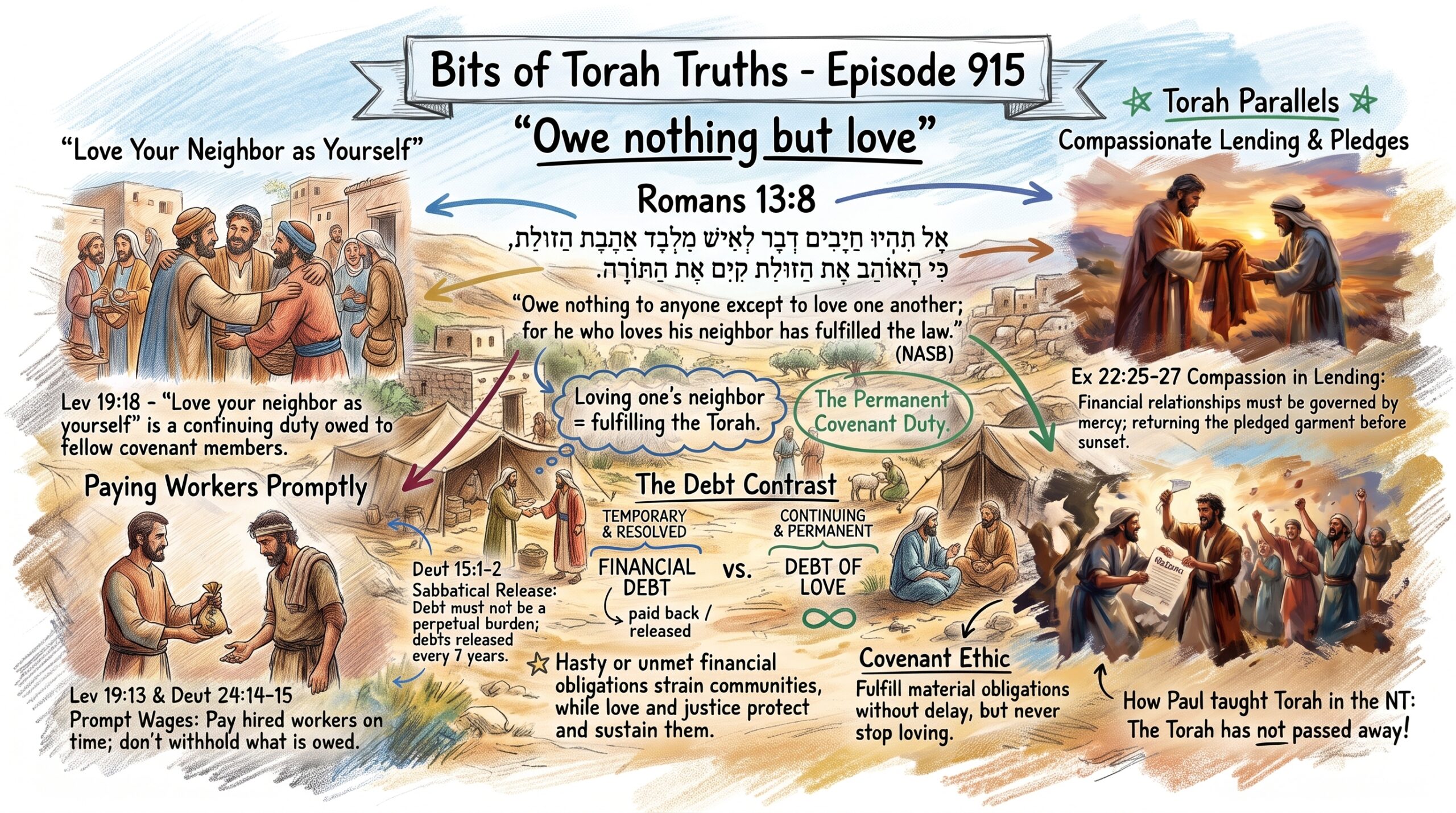
Romans 13:8
אַל תִּהְיוּ חַיָּבִים דָּבָר לְאִישׁ מִלְּבַד אַהֲבַת הַזּוּלַת, כִּי הָאוֹהֵב אֶת הַזּוּלַת קִיֵּם אֶת הַתּוֹרָה.
#torah#torahwisdom#torahtruth#torahforlife#torah4you#torahtruth
Romans 13:8
13:8 Owe nothing to anyone except to love one another; for he who loves his neighbor has fulfilled the law. (NASB)
https://www.matsati.com/index.php/category/bits-of-torah-truths/
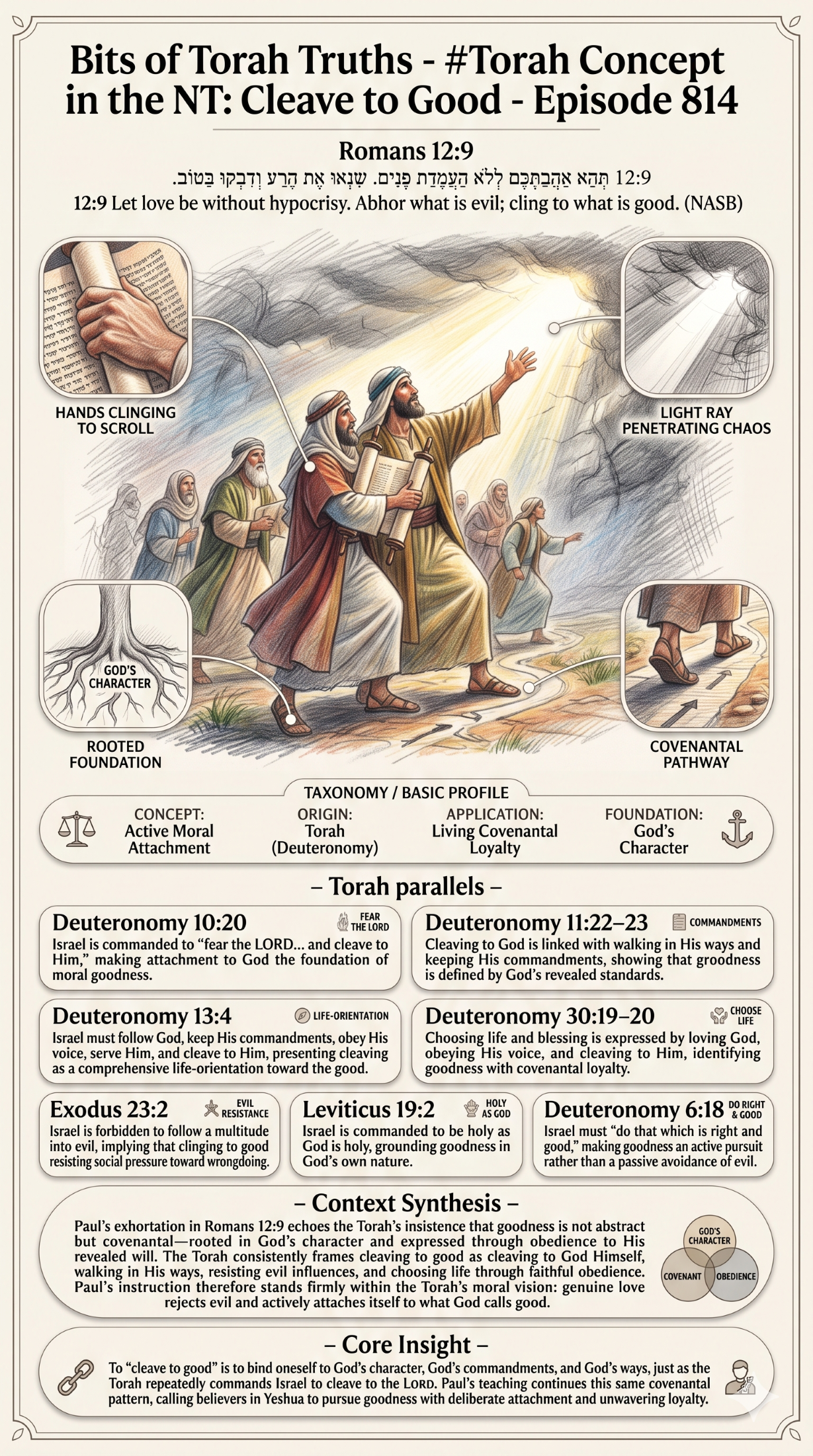
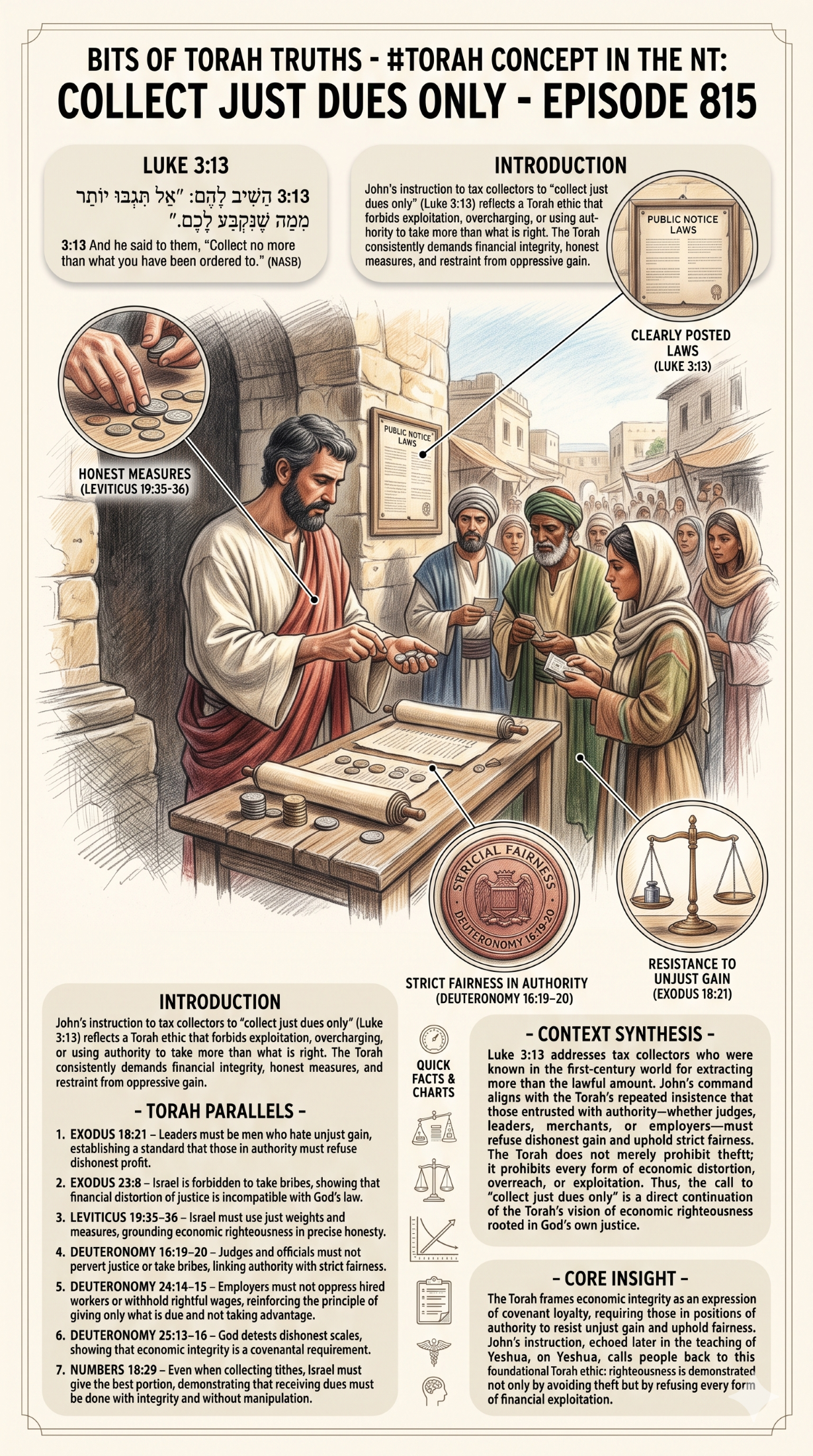
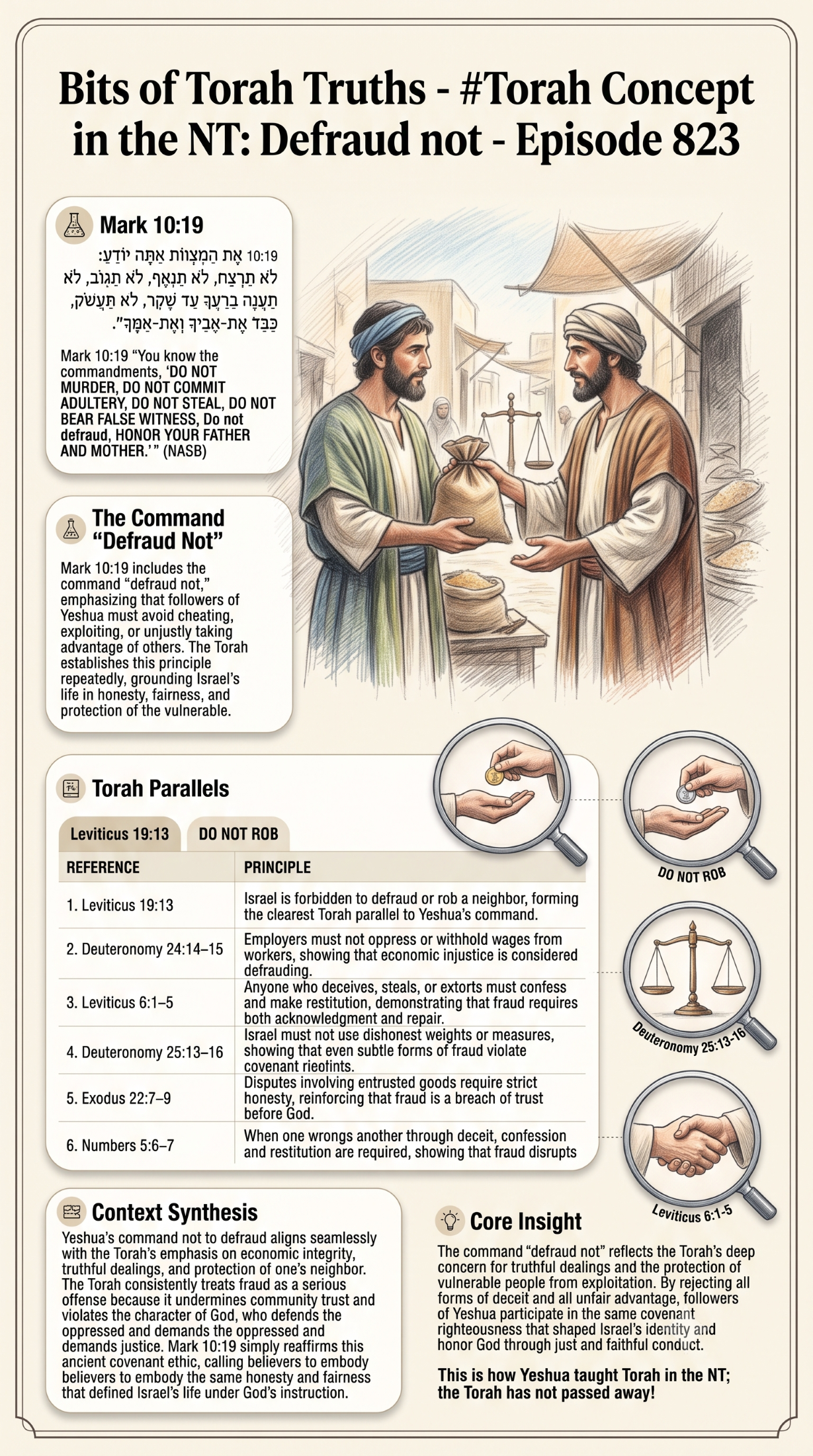
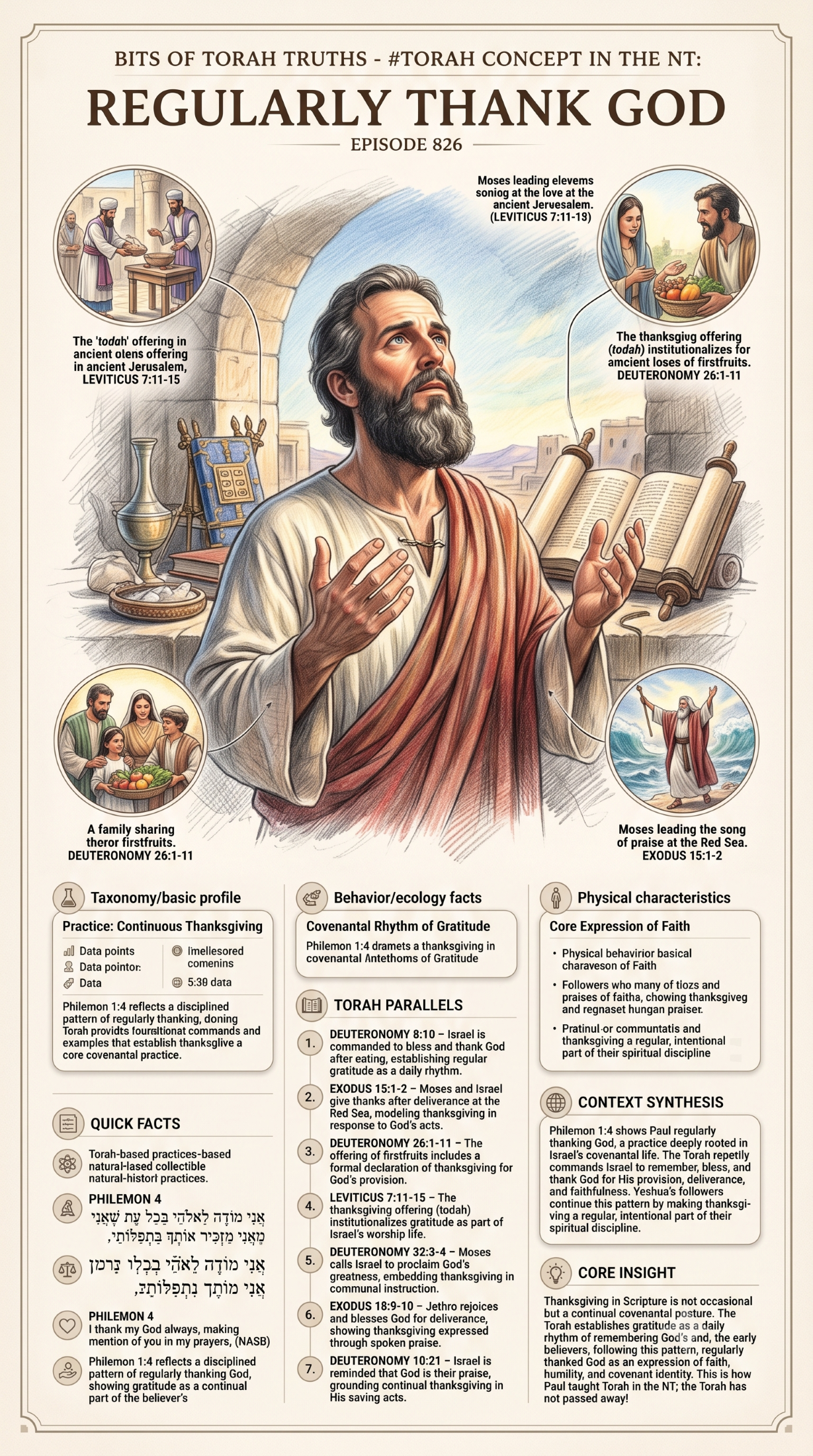
Romans 13:8 teaches that believers should avoid remaining indebted to others except for the continuing obligation to love their neighbors. The Torah similarly presents love, kindness, justice, and faithful treatment of others as enduring covenant responsibilities, while encouraging the prompt resolution of financial obligations.
– Torah parallels –
- Leviticus 19:18 – “Love your neighbor as yourself” establishes love as a continuing duty owed to fellow members of the covenant community.
- Exodus 22:25-27 – Israelites were commanded to treat debtors compassionately and return pledged items when needed, showing that financial relationships must be governed by mercy.
- Deuteronomy 15:1-2 – The release of debts in the sabbatical year demonstrated God’s concern that financial obligations not become perpetual burdens.
- Leviticus 19:13 – Workers were to receive their wages promptly, illustrating the principle of not withholding what is owed to another.
- Deuteronomy 24:14-15 – Employers were required to pay hired workers on time, reinforcing the duty to fulfill material obligations without delay.
– Context Synthesis –
In Romans 13:8, Paul connects love with the fulfillment of God’s moral expectations toward others. While the immediate statement speaks of debt, the larger emphasis is that followers of God should not leave legitimate obligations unmet. The Torah contains both practical and ethical dimensions of this principle. Financial debts were regulated with fairness, compassion, and eventual release, while interpersonal relationships were governed by commands to love, protect, and treat others justly. Together these teachings show that material obligations should be settled responsibly, but the obligation to love never reaches a point of completion. Unlike monetary debts, love remains a permanent covenant responsibility.
– Core Insight –
The Torah supports the principle that people should faithfully satisfy what they owe while continually extending love and mercy to others. Financial obligations are temporary and meant to be handled with integrity, but love is an enduring obligation that reflects God’s character. Romans 13:8 expresses this same covenant ethic by distinguishing between debts that should be resolved and love, which remains a lifelong responsibility toward one’s neighbor. This is how Paul taught Torah in the NT; the Torah has not passed away!
This report is based on the plain-text meaning of the cited Torah passages and the immediate context of Romans 13:8. The connections presented are derived from direct scriptural themes of love, justice, debt, mercy, and covenant responsibility, distinguishing textual evidence from interpretive synthesis while striving for accuracy, transparency, and faithfulness to the biblical text.
Visual Summary of Concepts the Torah in the NT