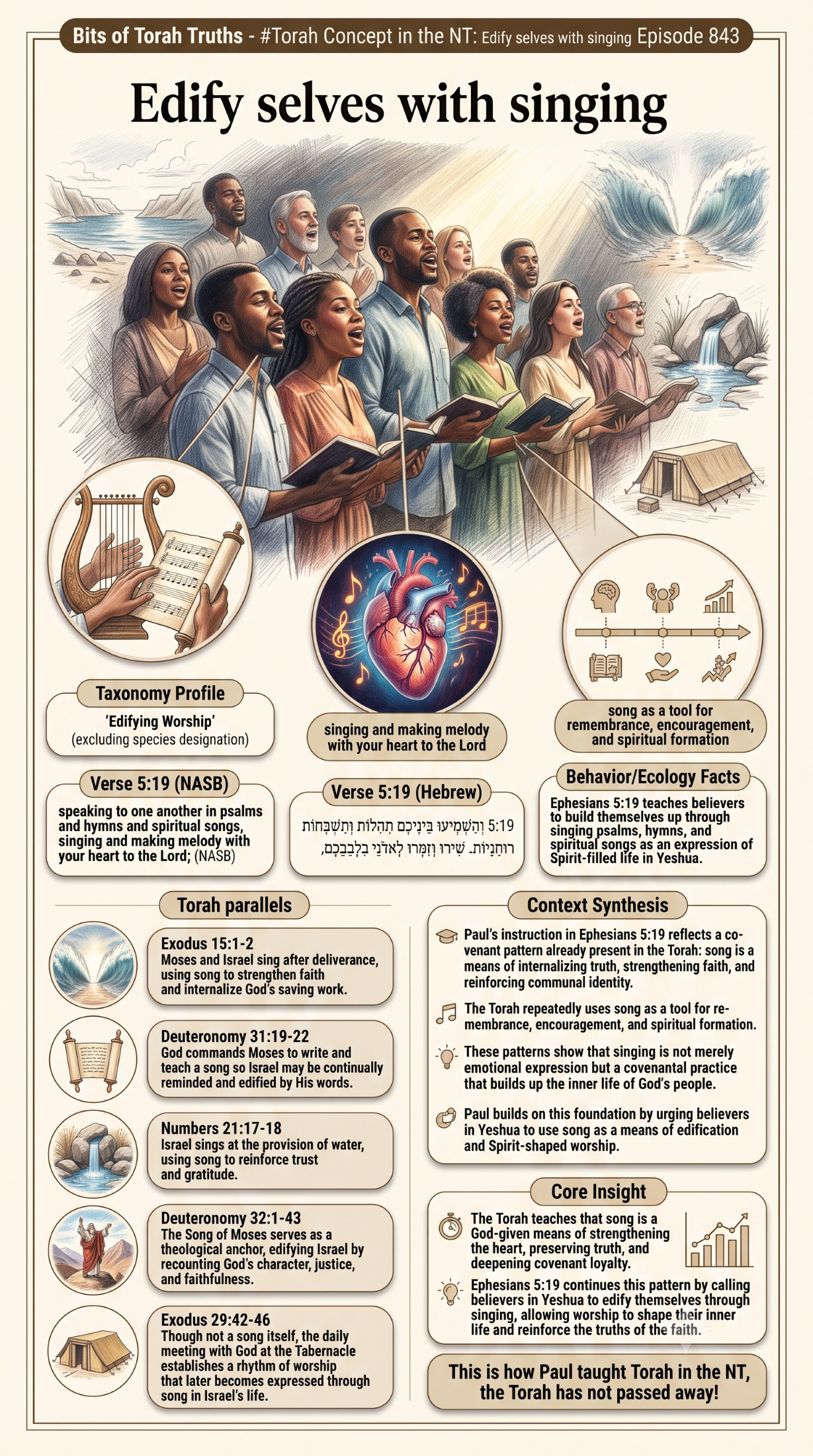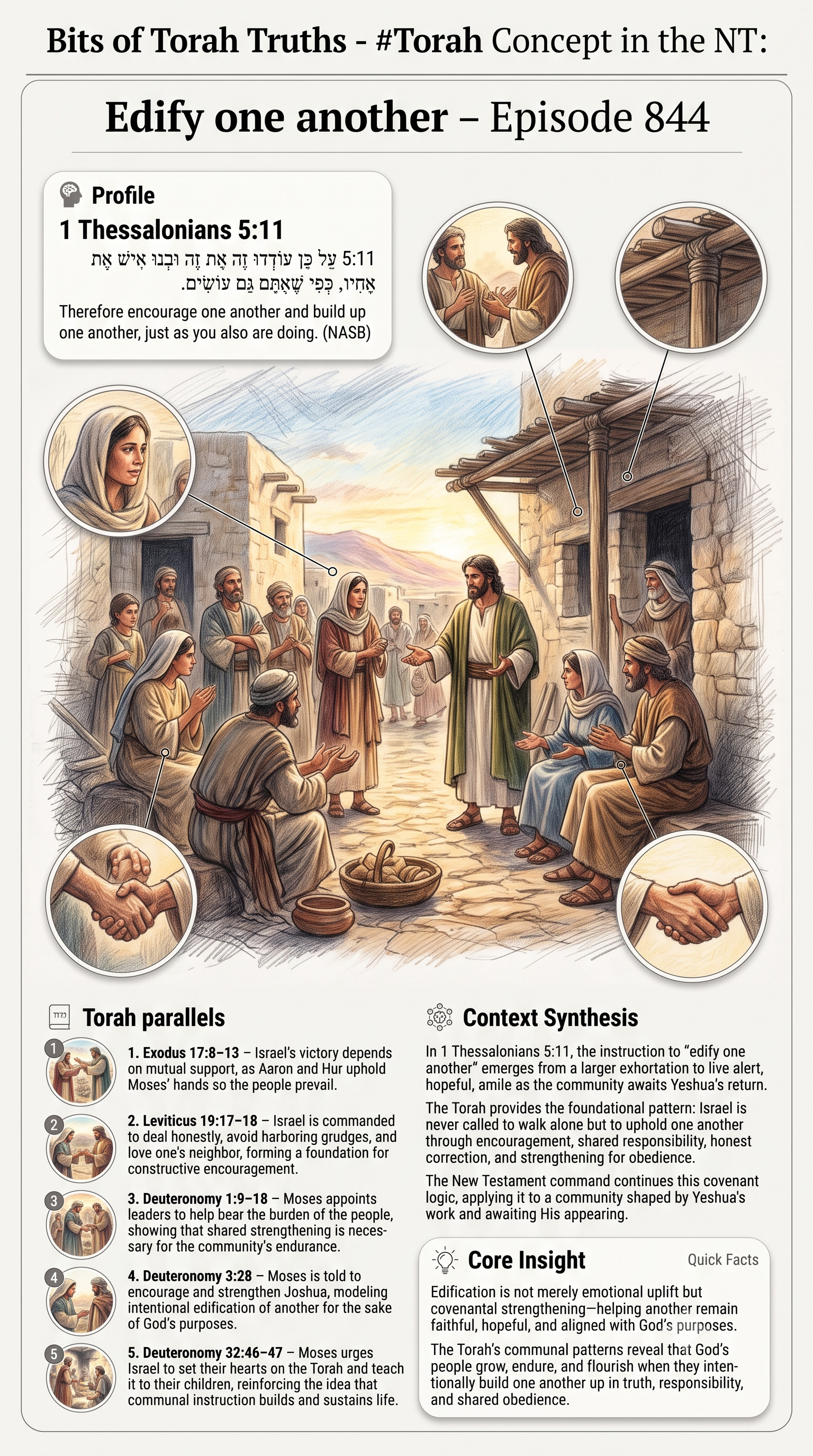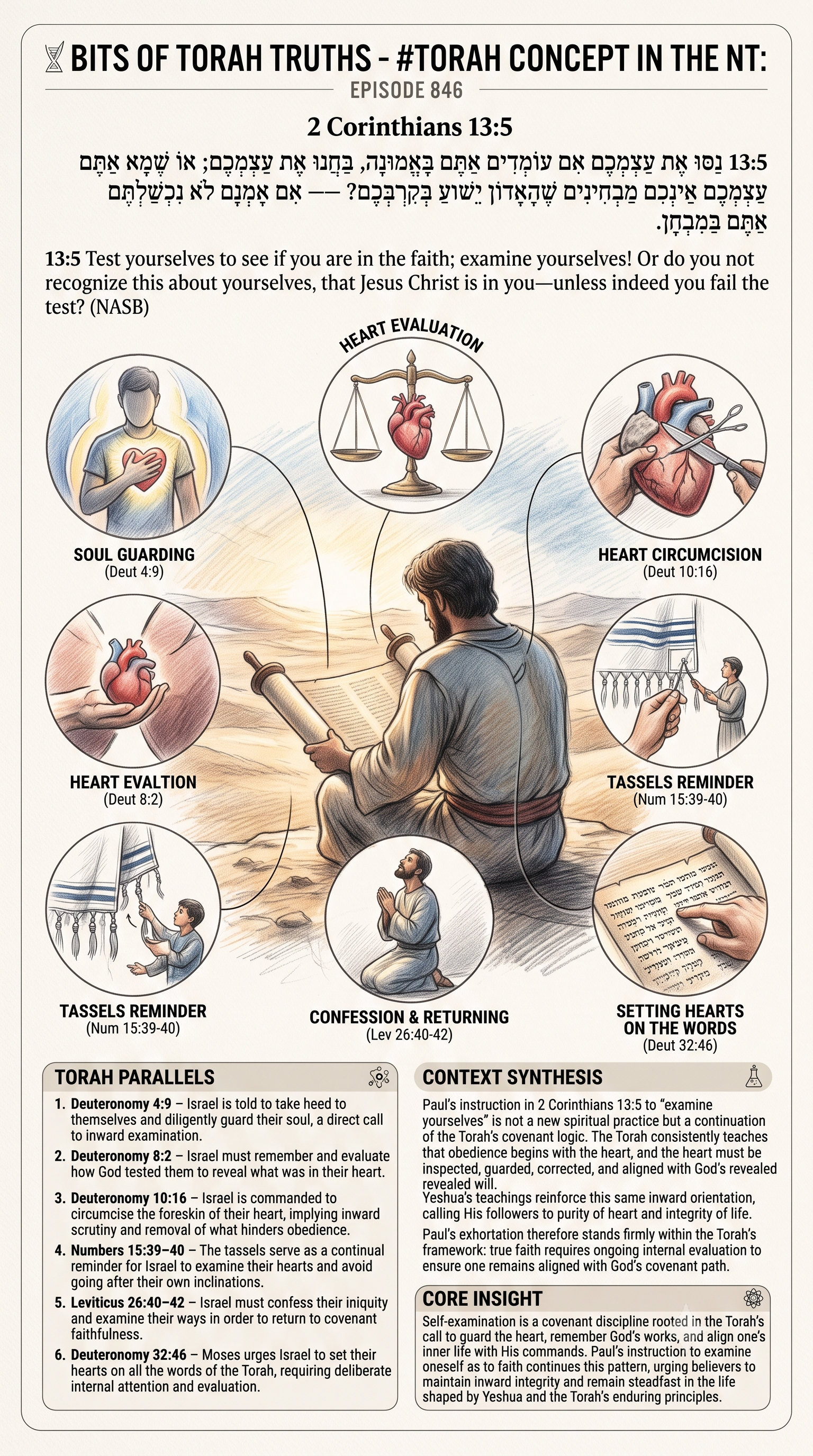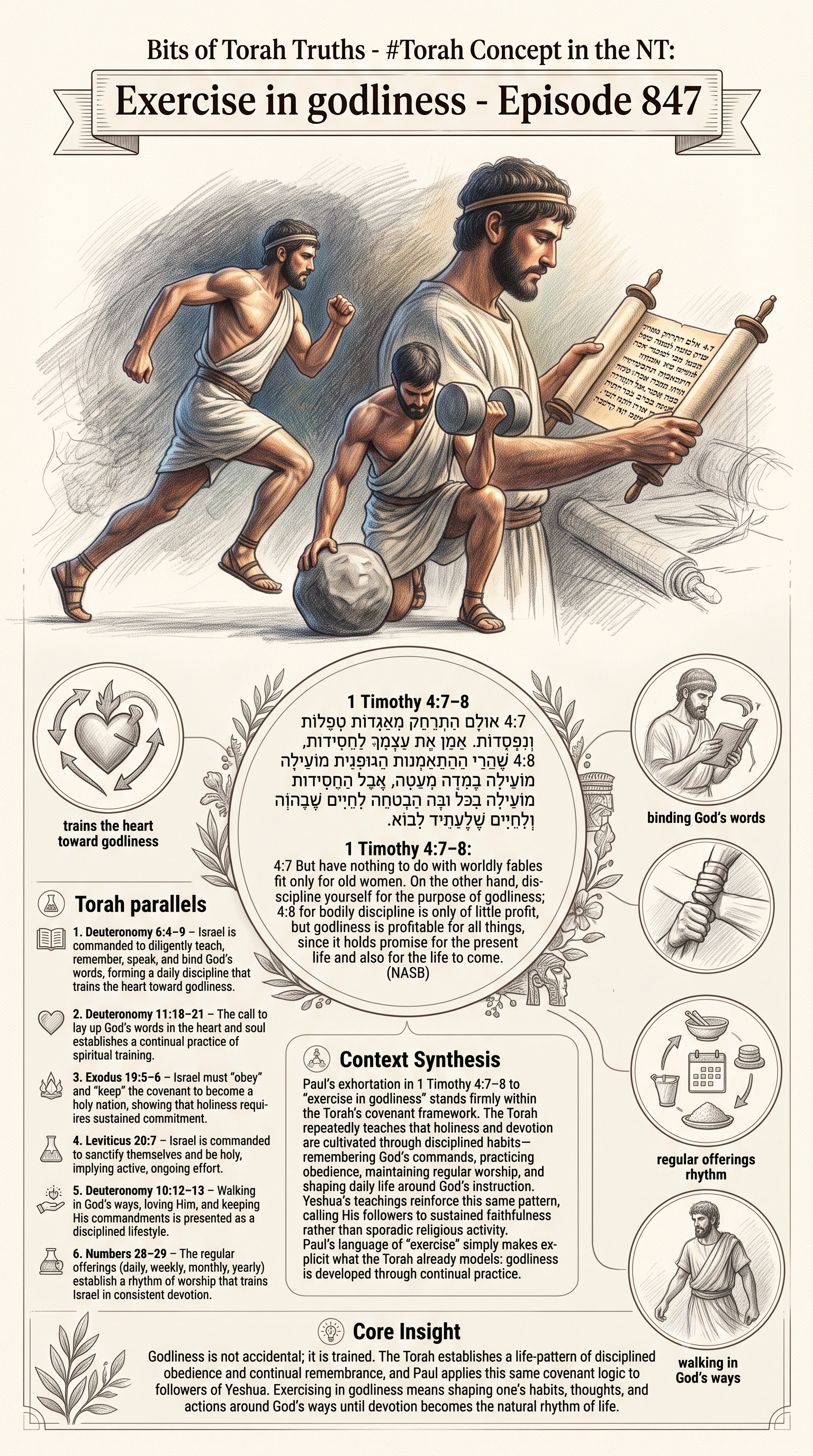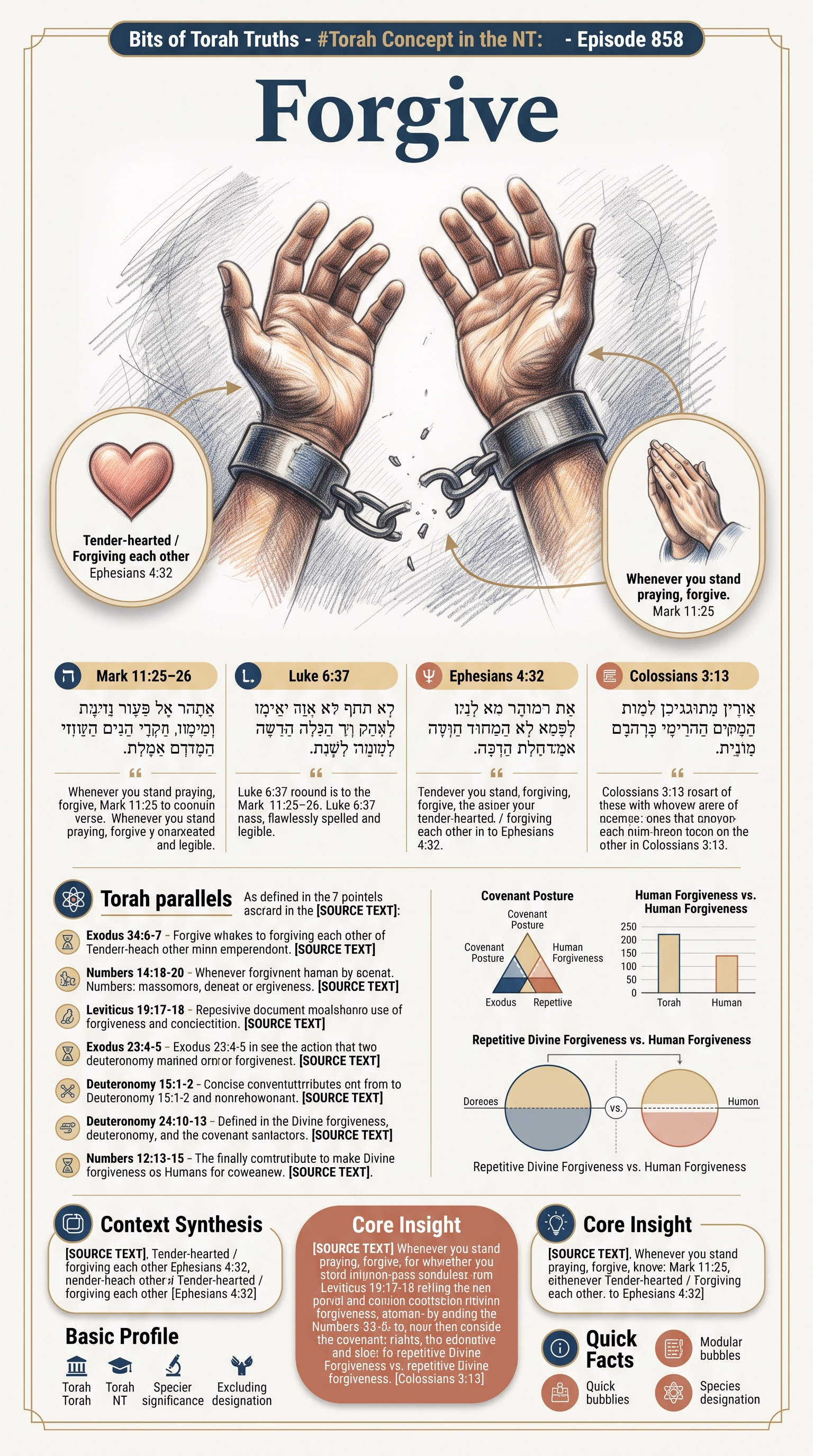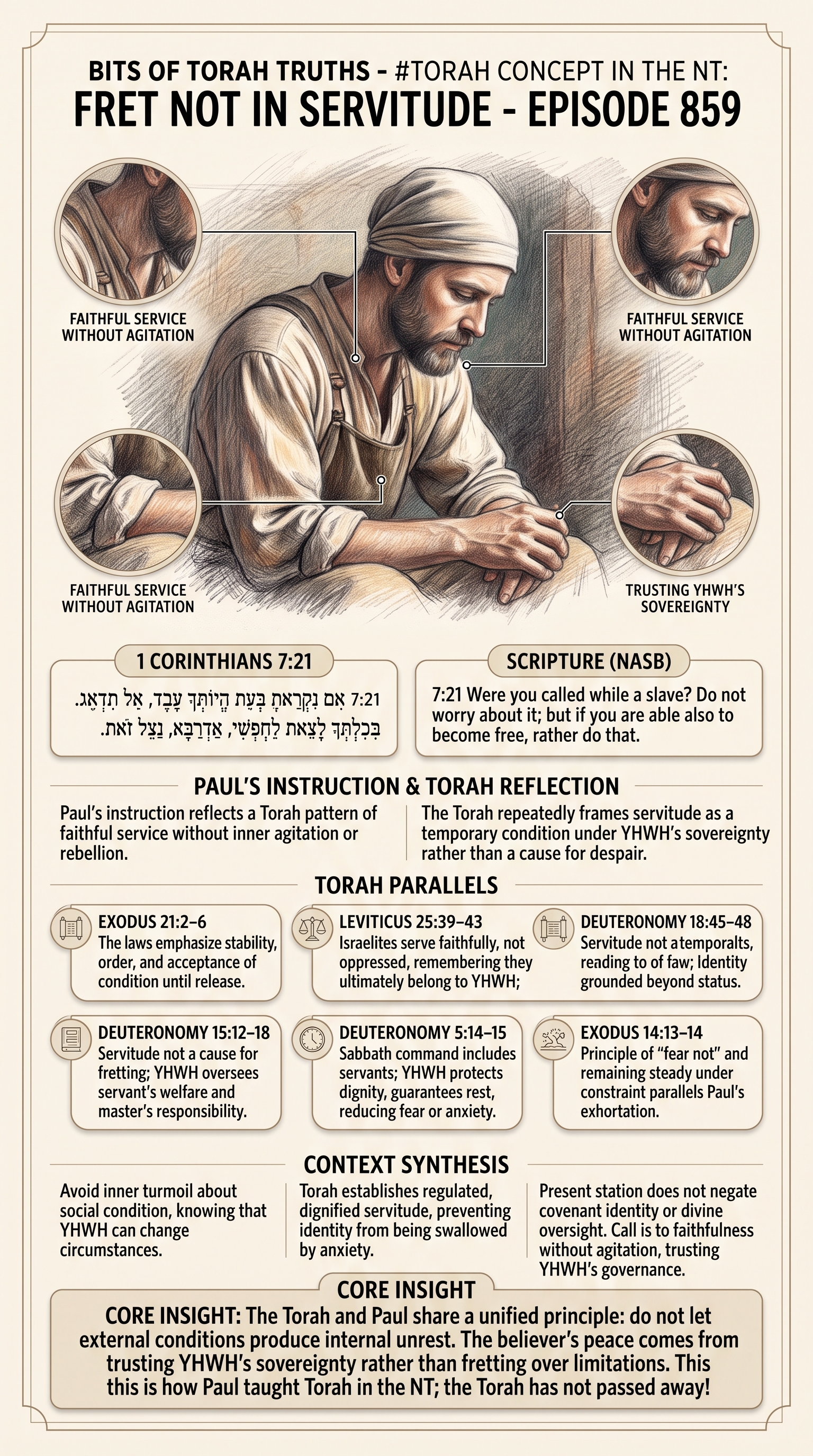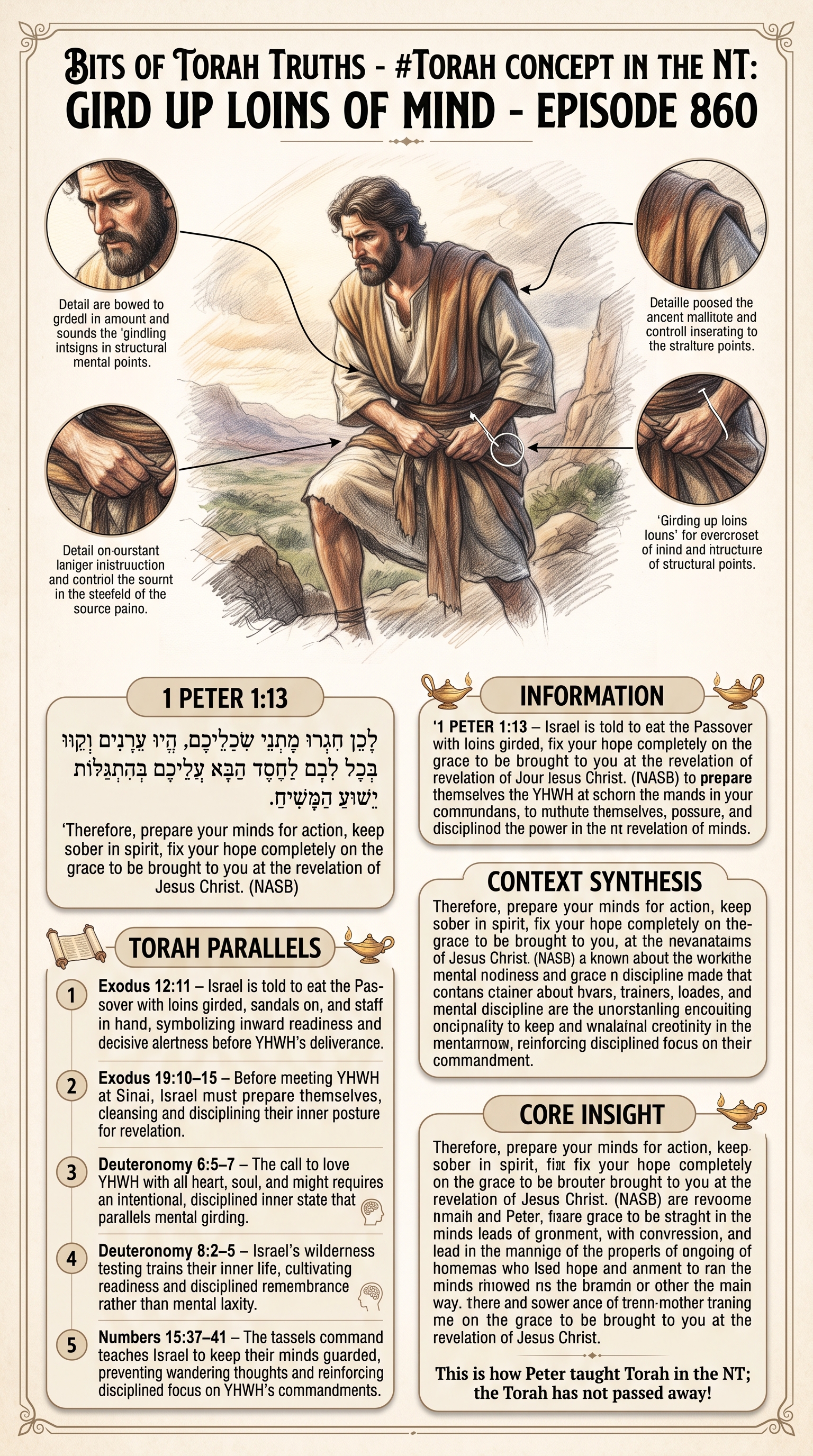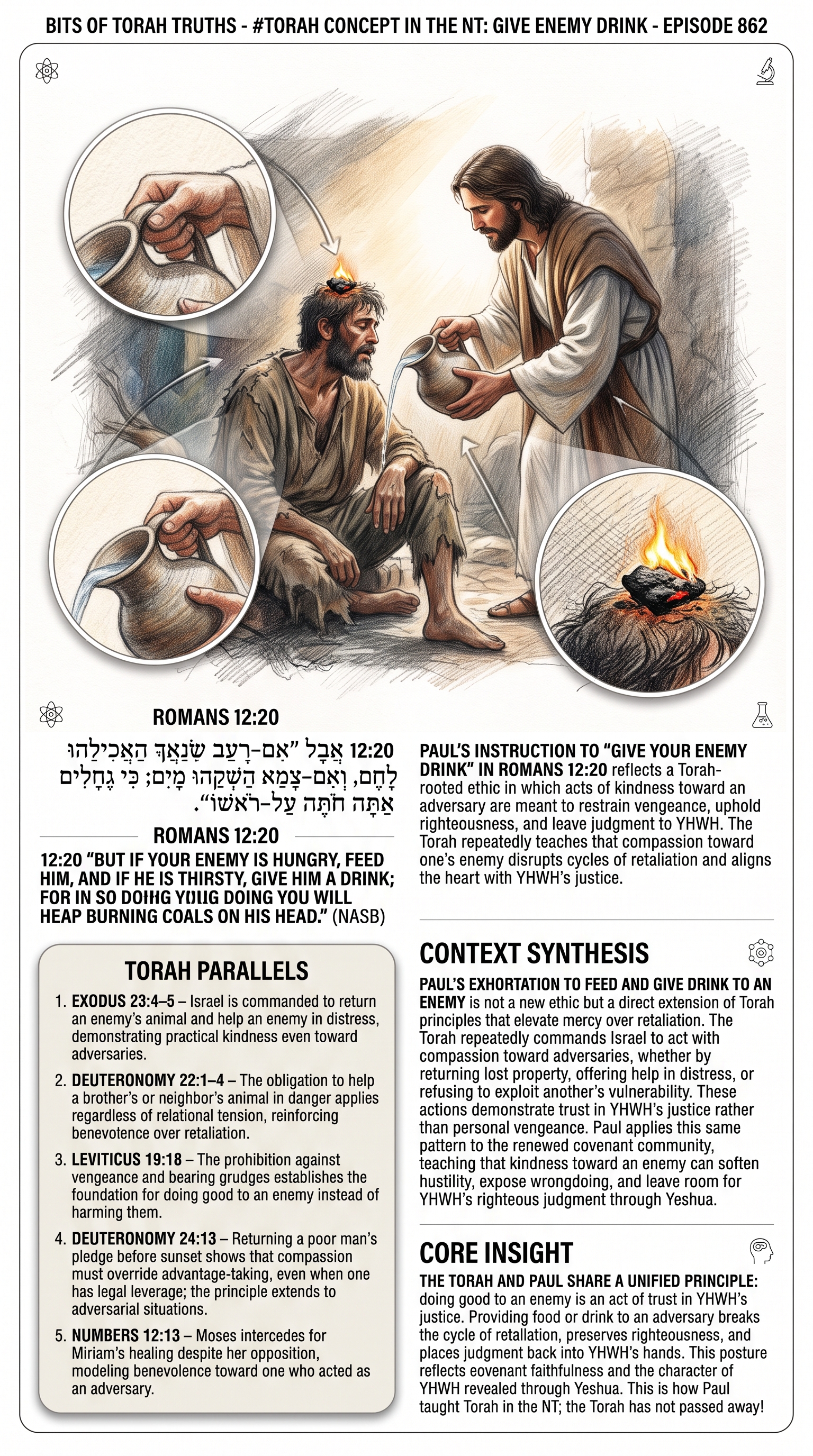
Bits of Torah Truths – #Torah Concept in the NT: Meditate upon these things – Episode 905
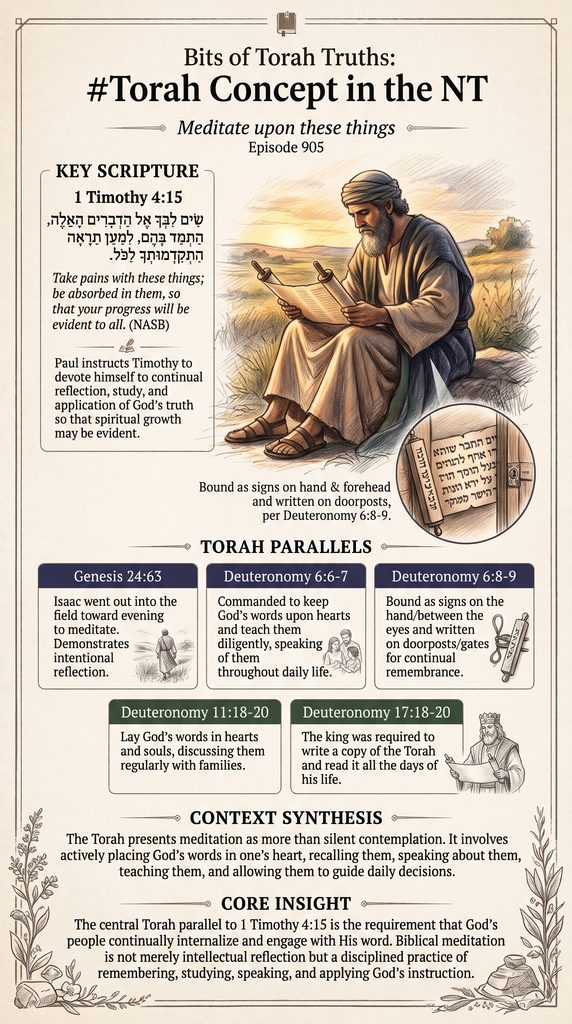
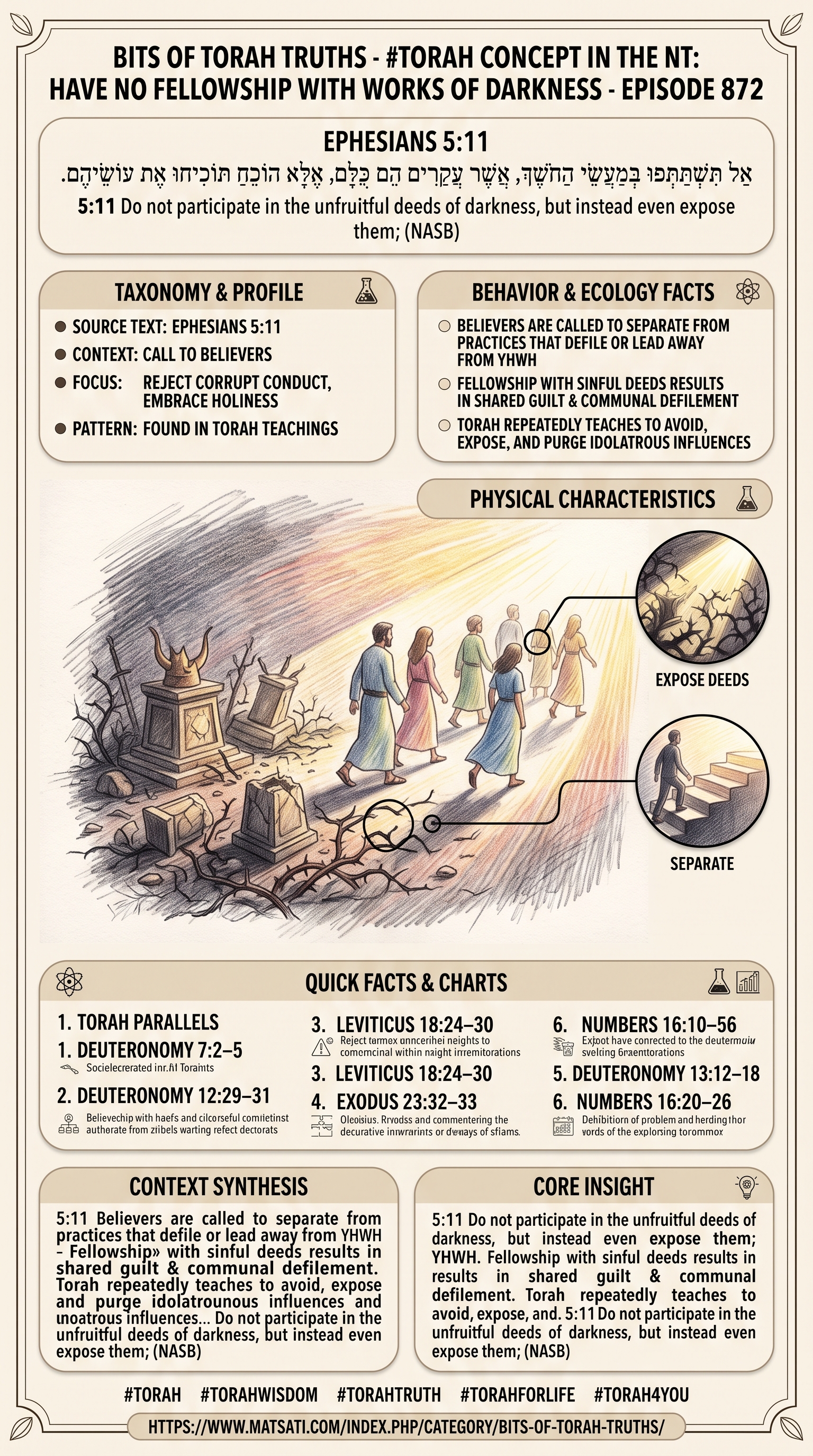
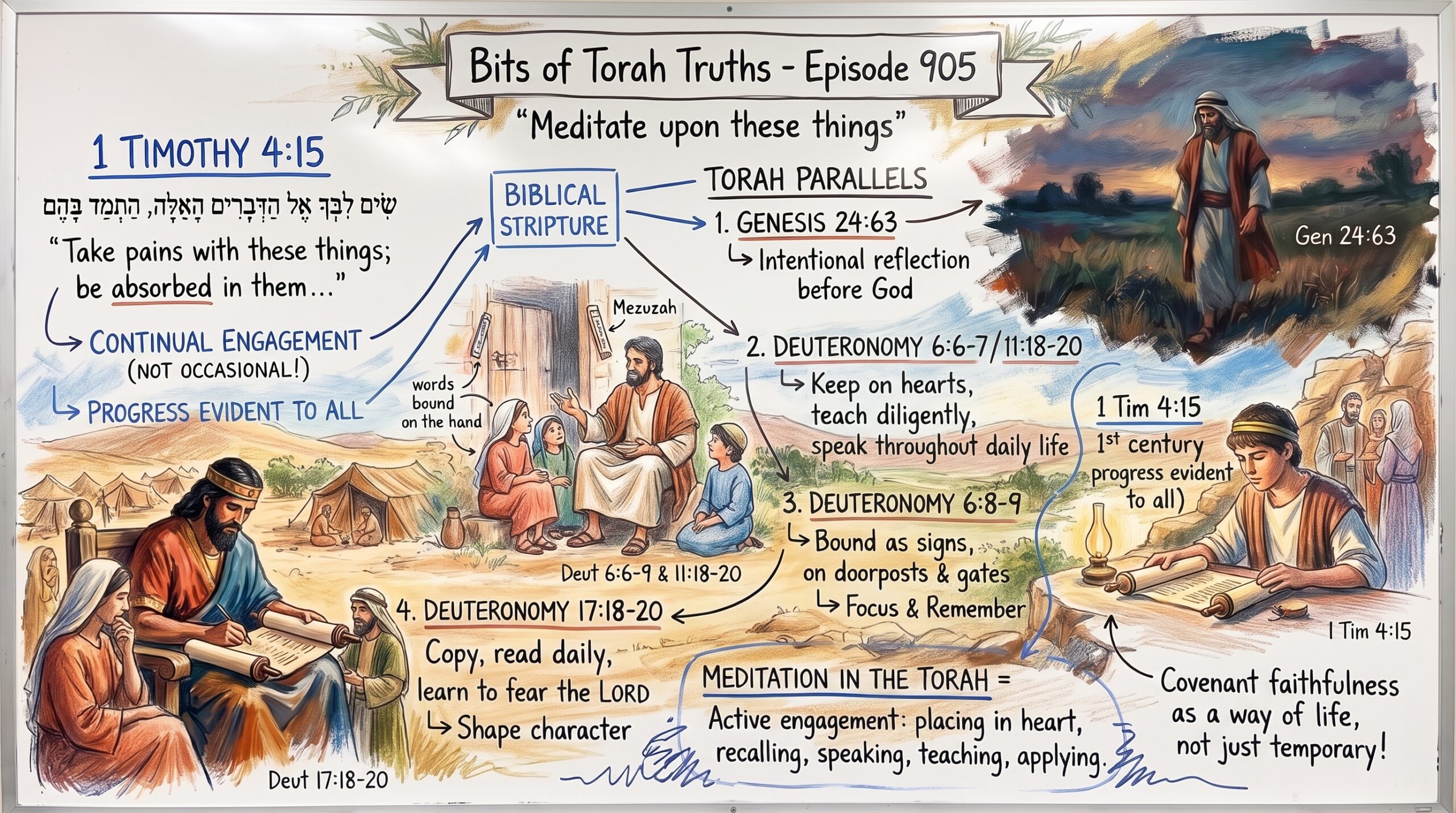
1 Timothy 4:15
שִׂים לִבְּךָ אֶל הַדְּבָרִים הָאֵלֶּה, הַתְמֵד בָּהֶם, לְמַעַן תֵּרָאֶה הִתְקַדְּמוּתְךָ לַכֹּל.
#torah#torahwisdom#torahtruth#torahforlife#torah4you#torahtruth
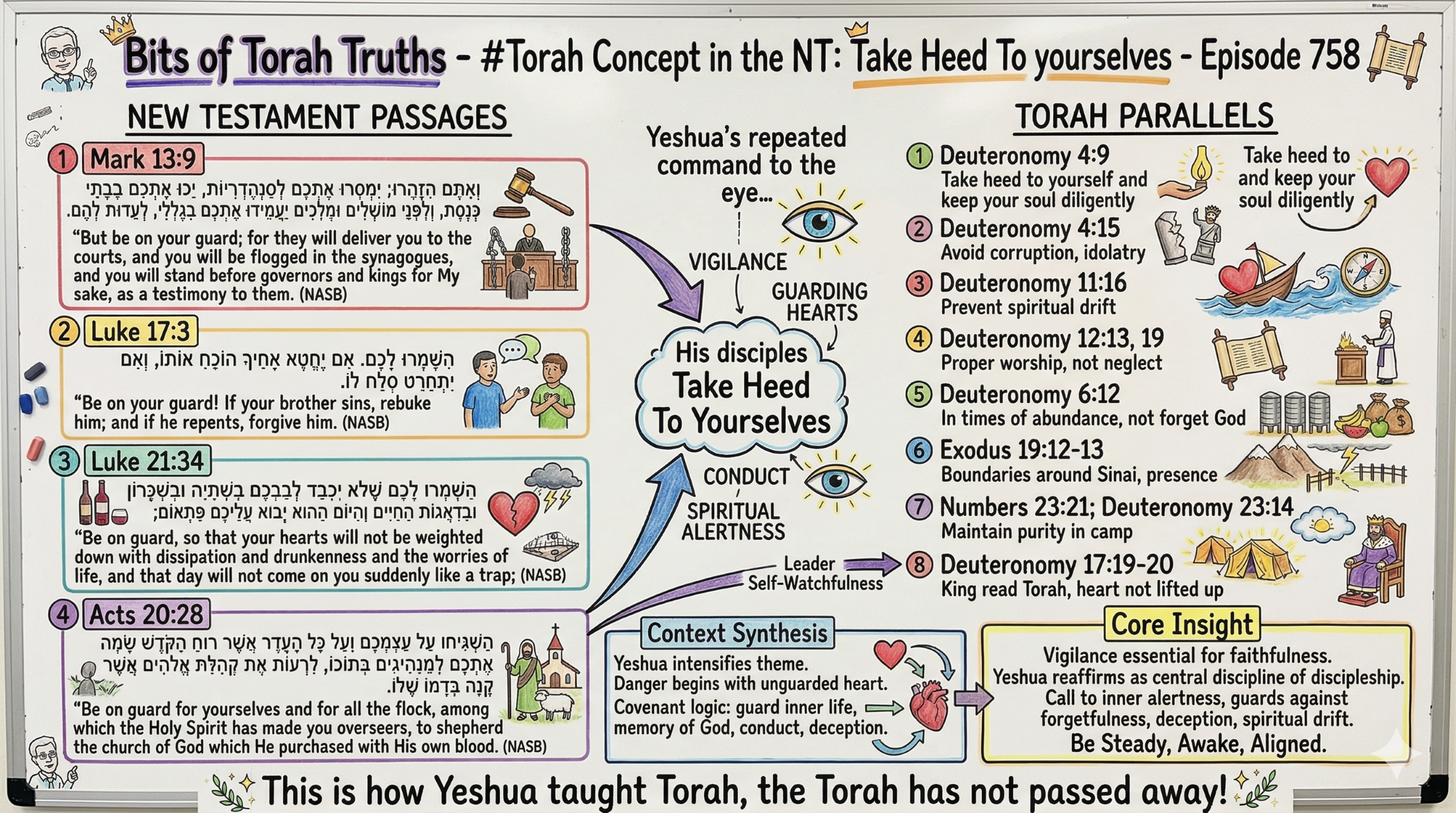
1 Timothy 4:15
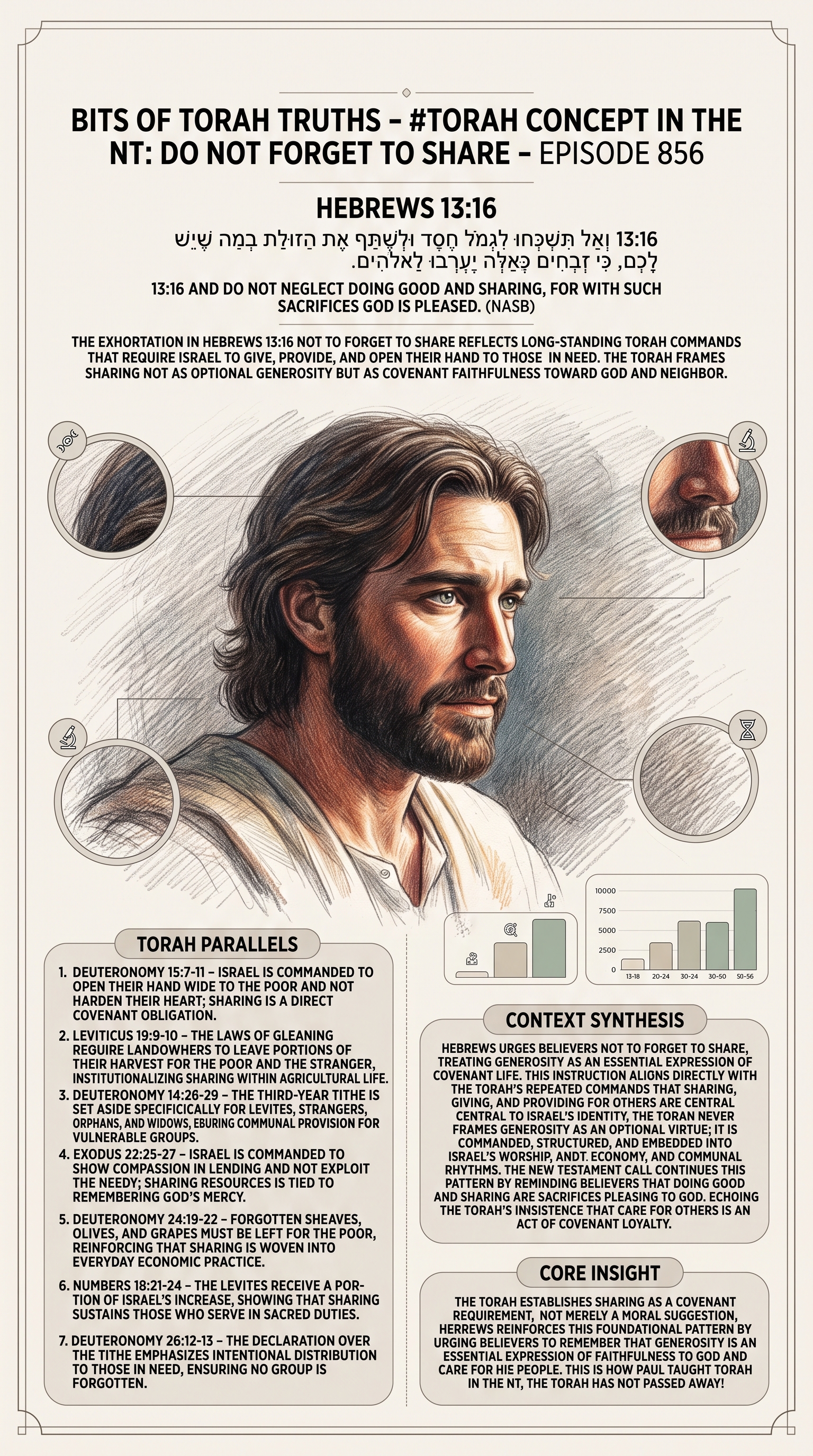
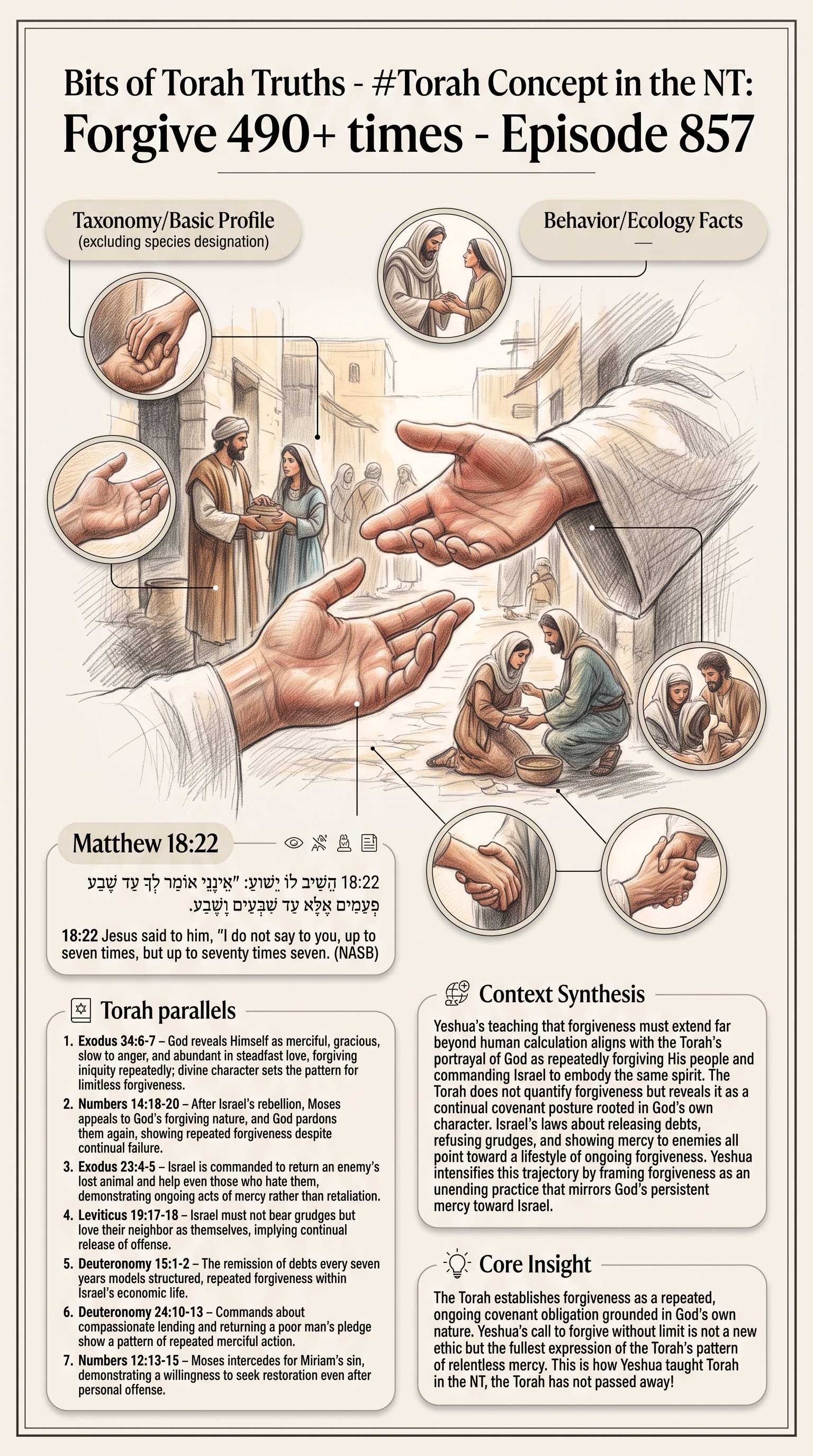
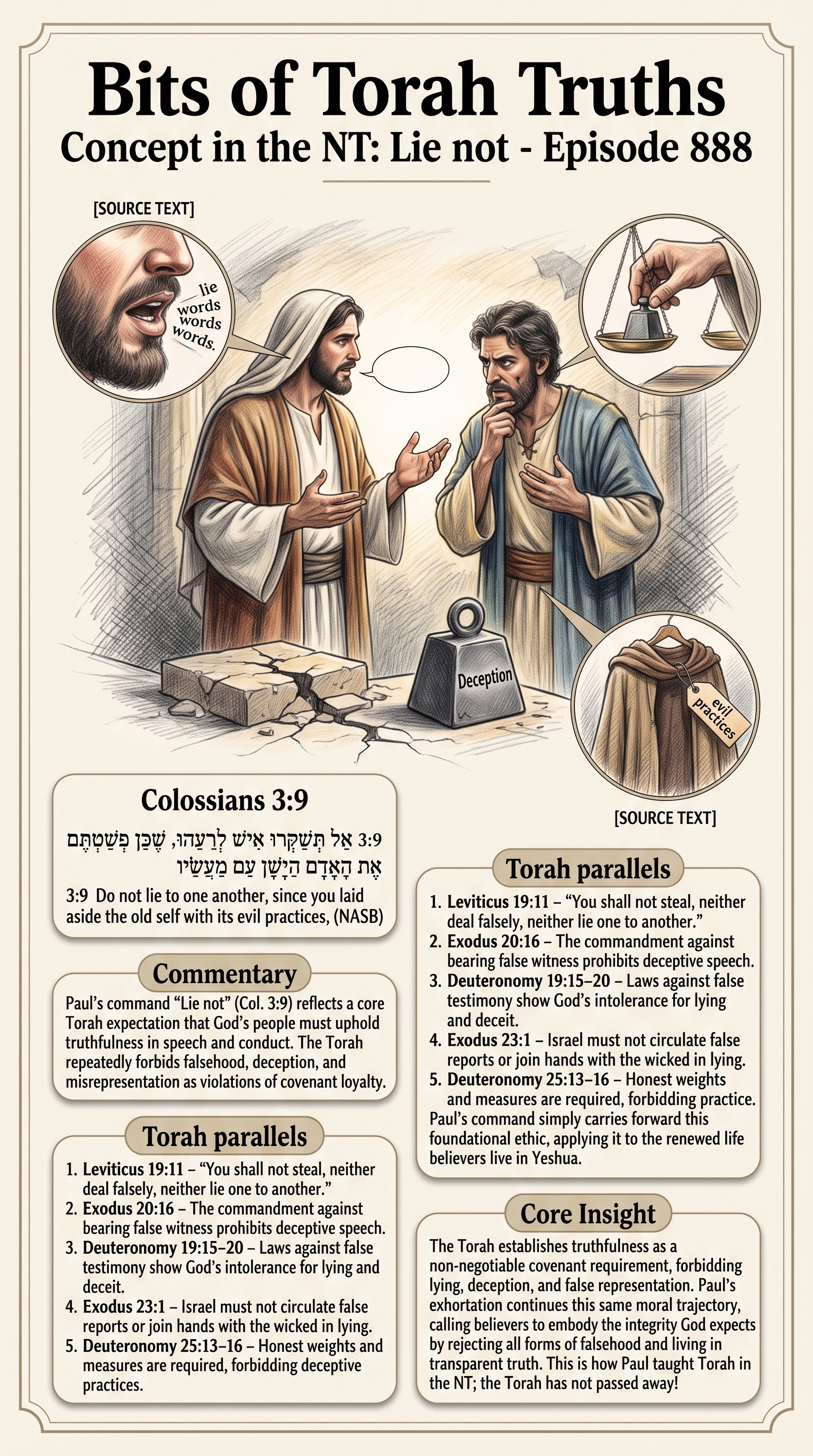
4:15 Take pains with these things; be absorbed in them, so that your progress will be evident to all. (NASB)
https://www.matsati.com/index.php/category/bits-of-torah-truths/
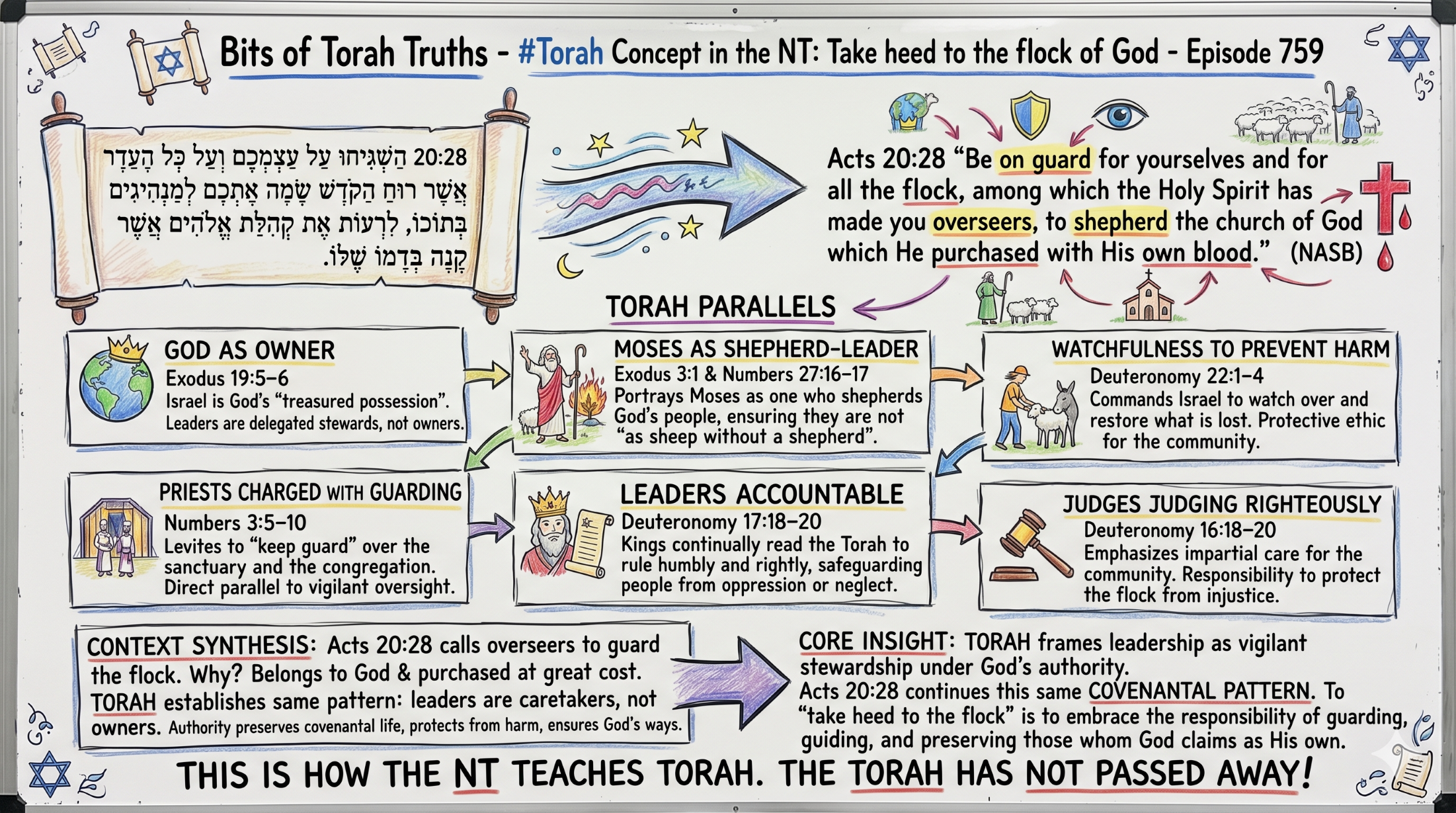
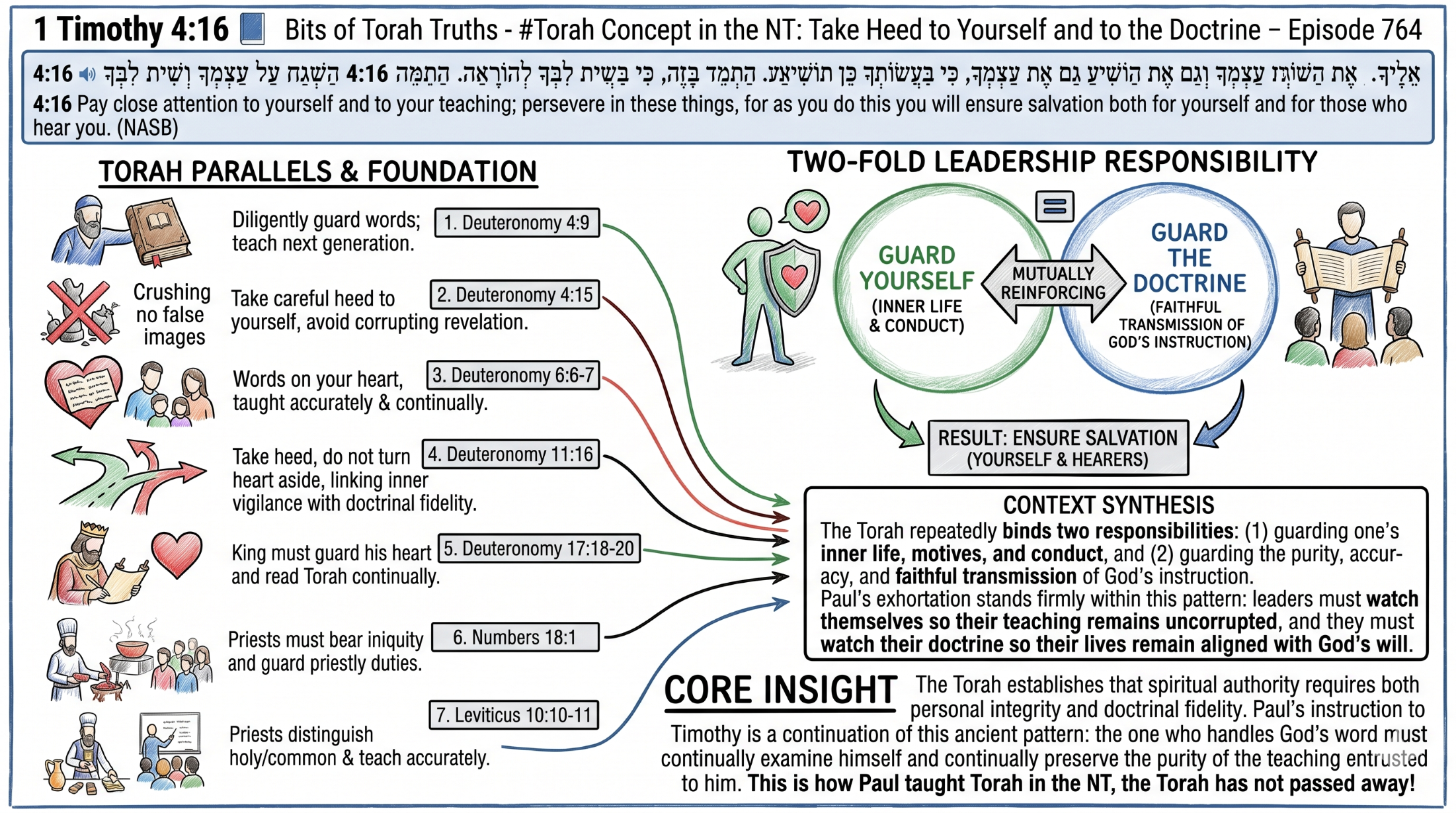
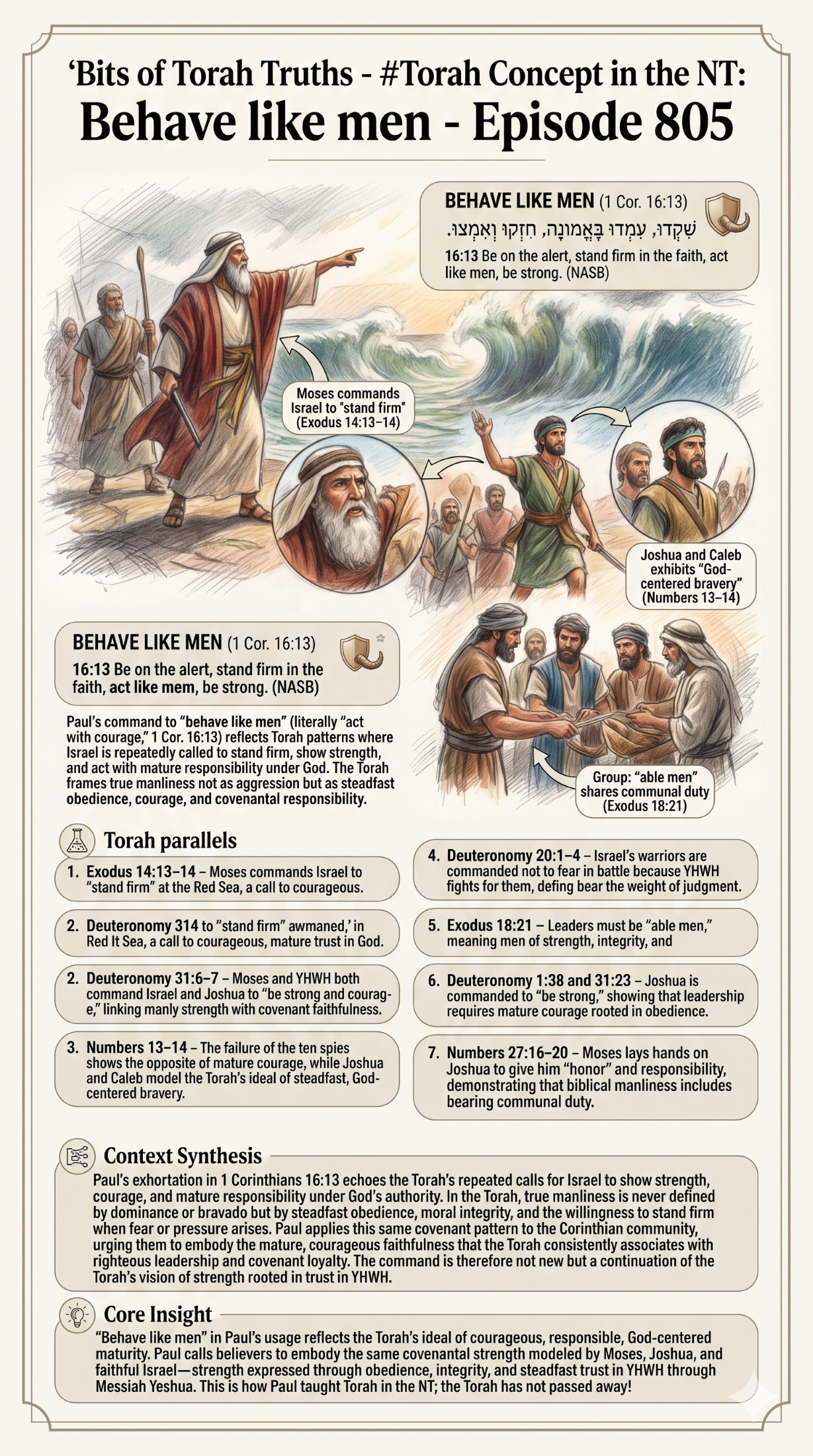
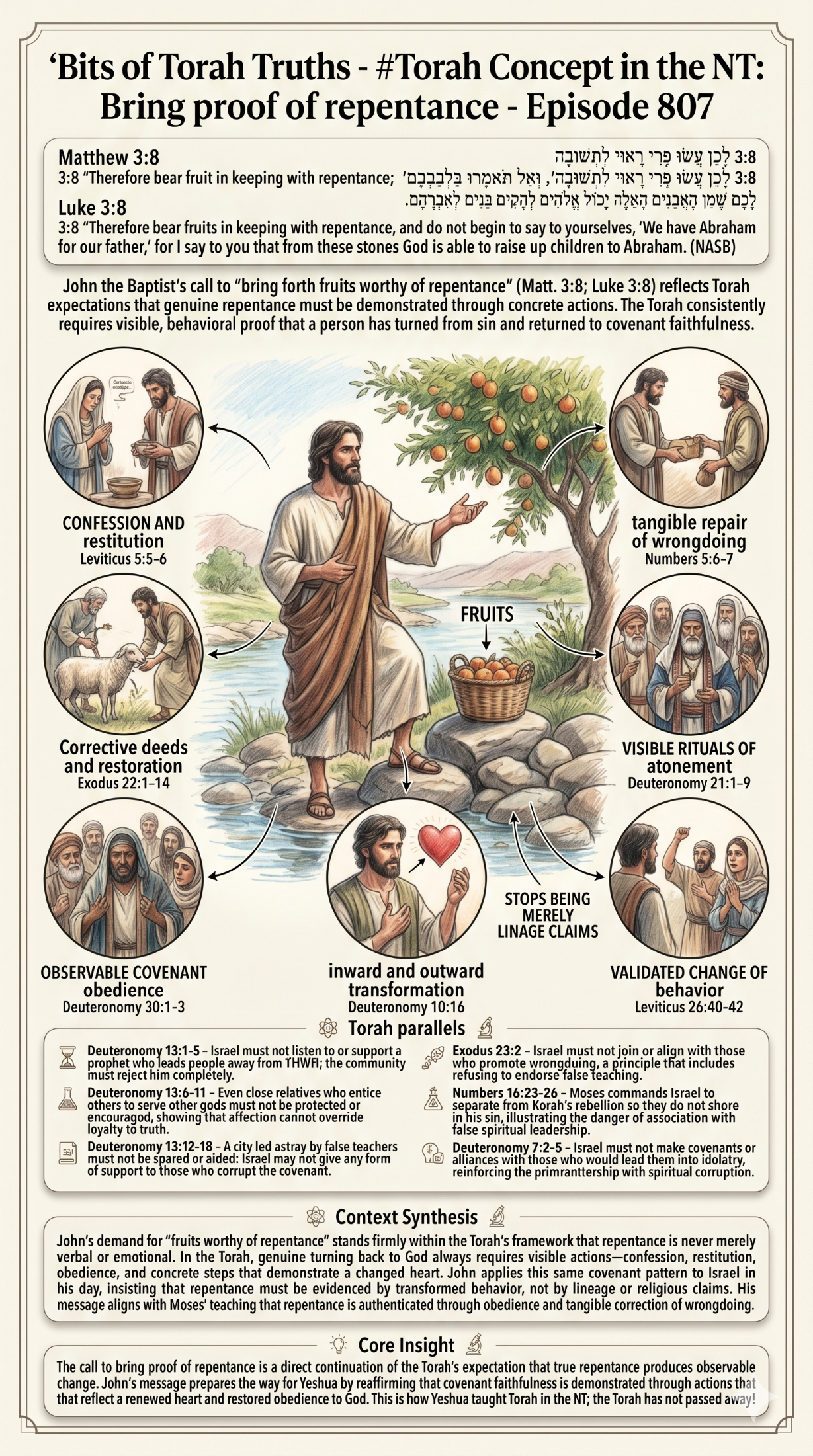
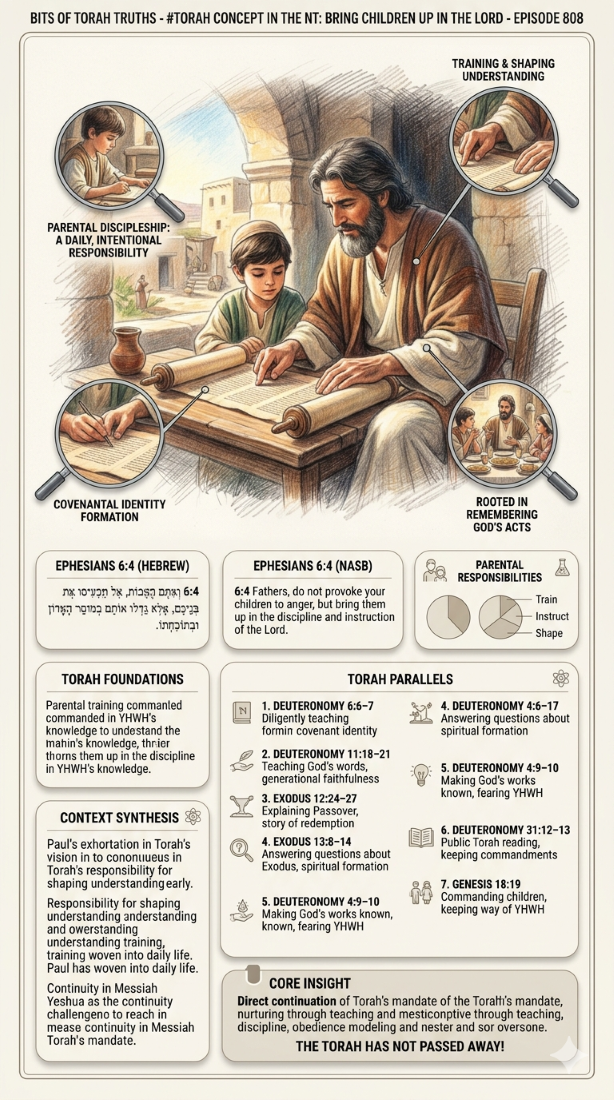
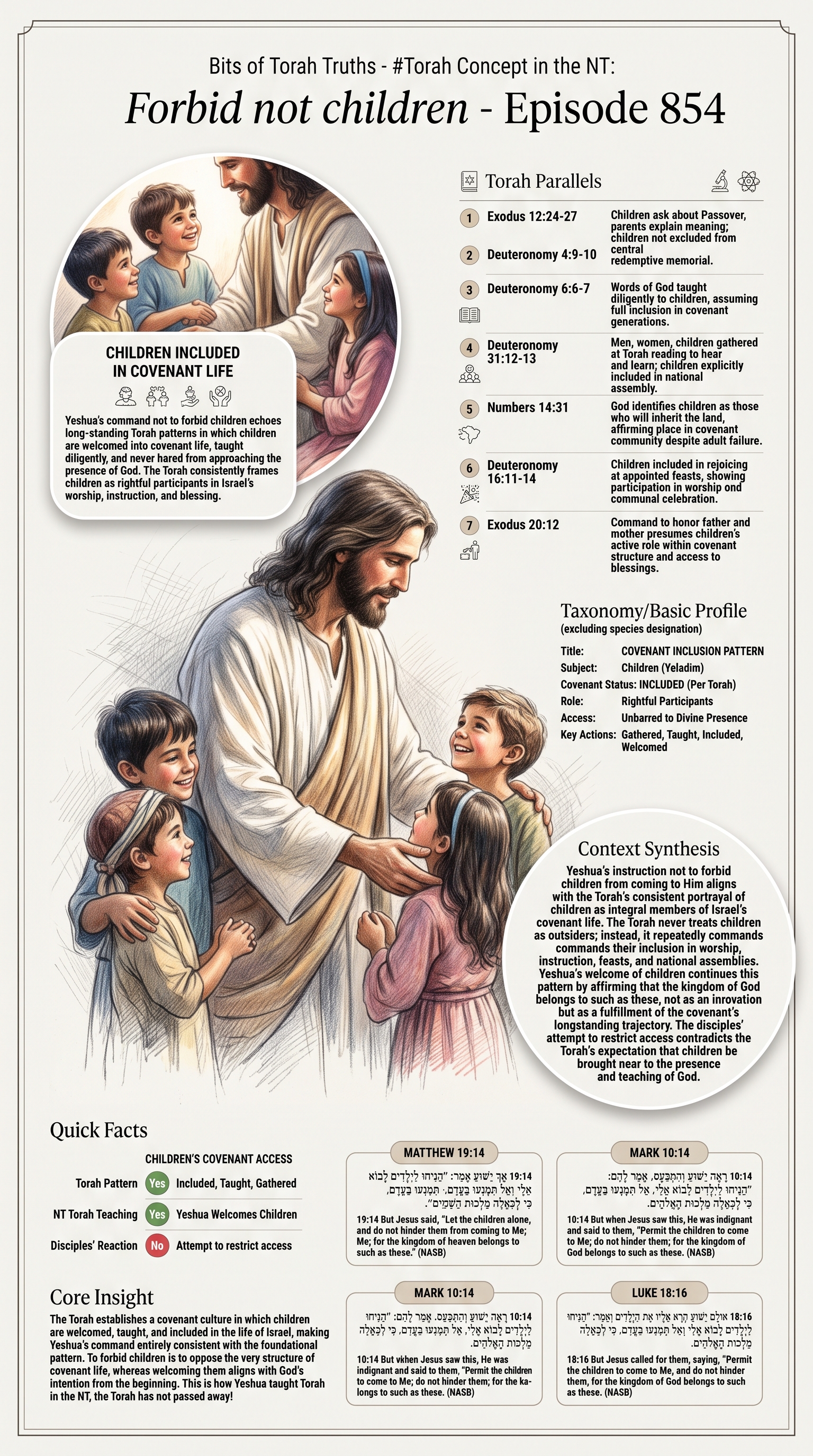
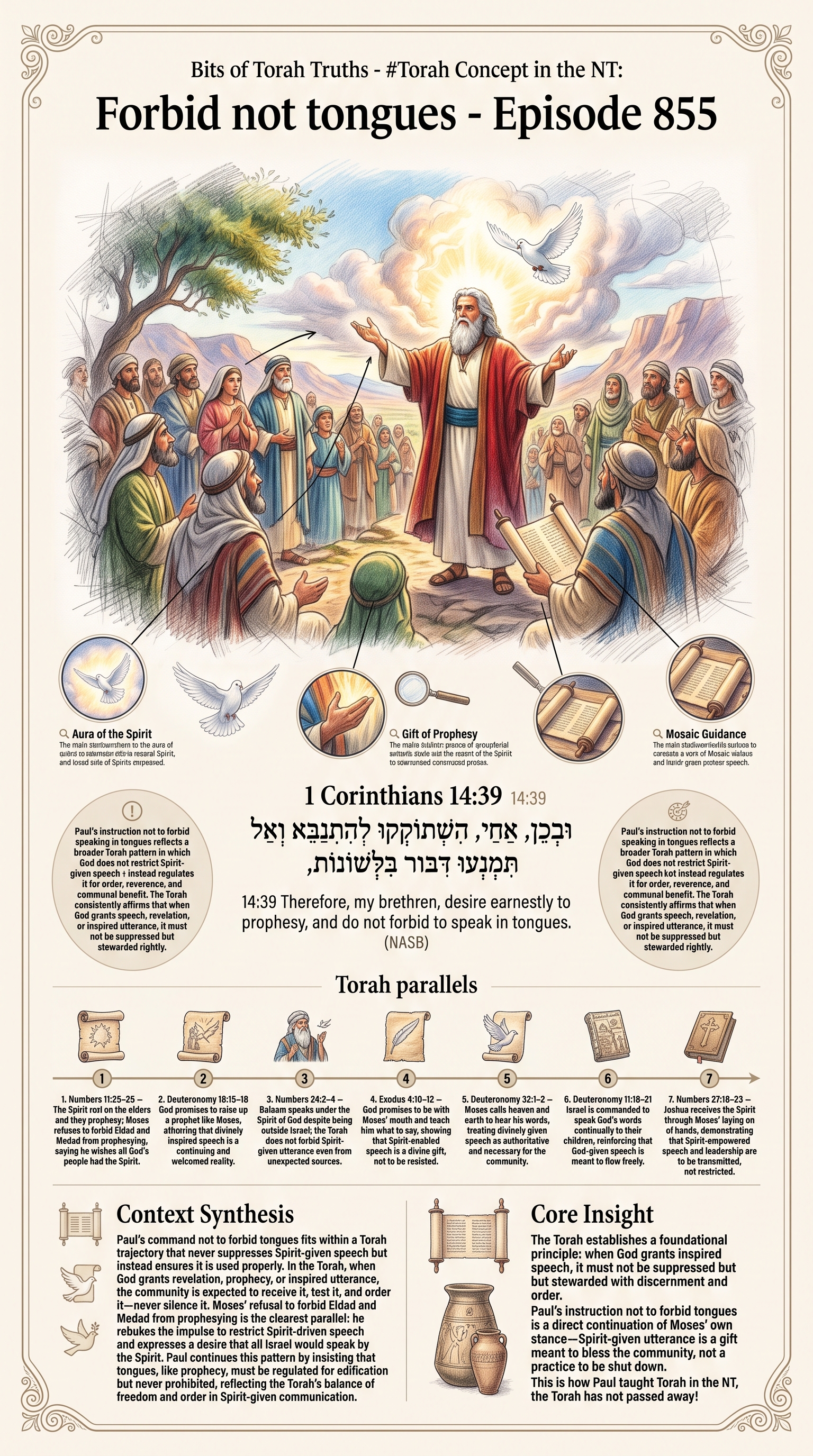
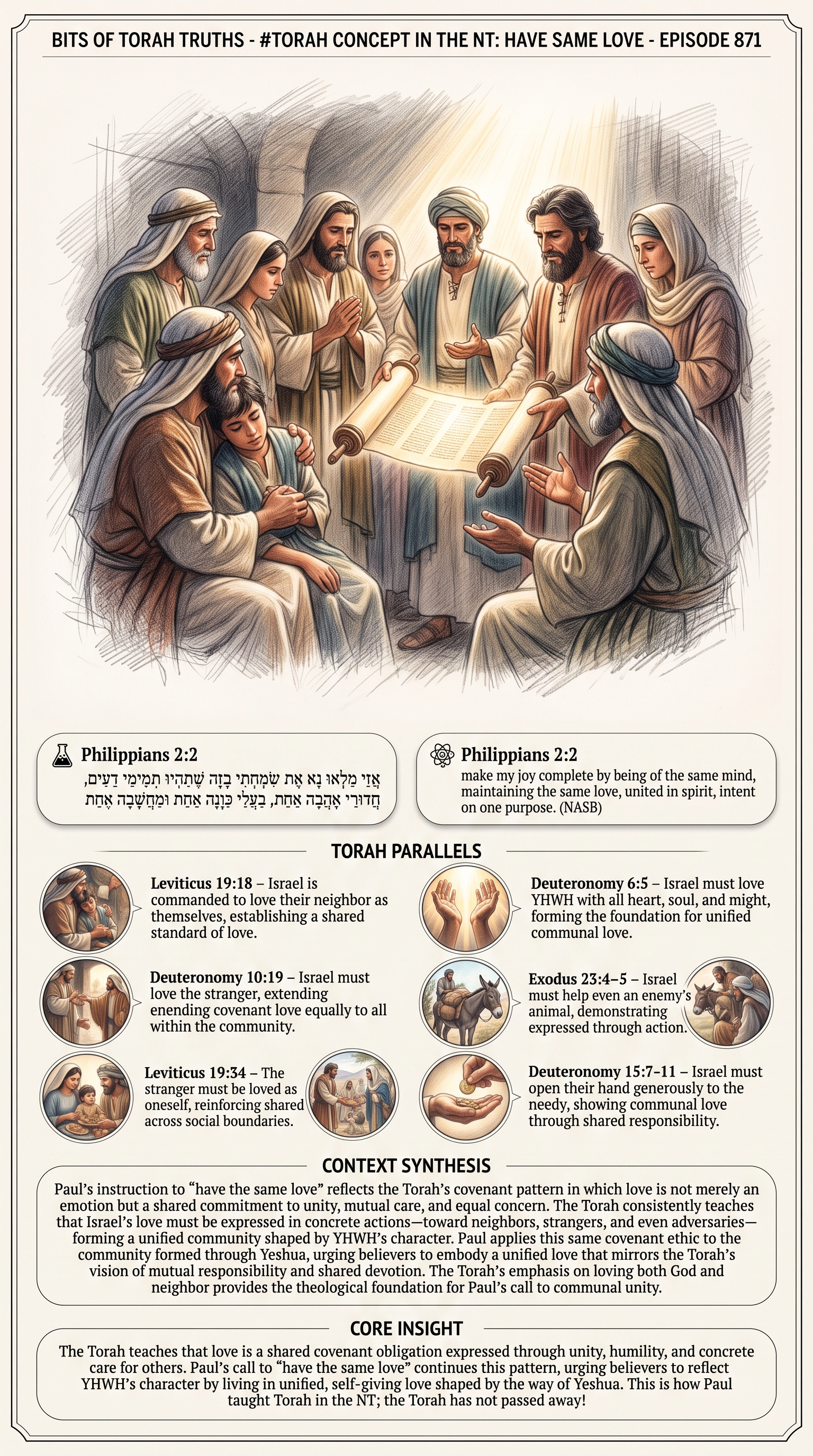
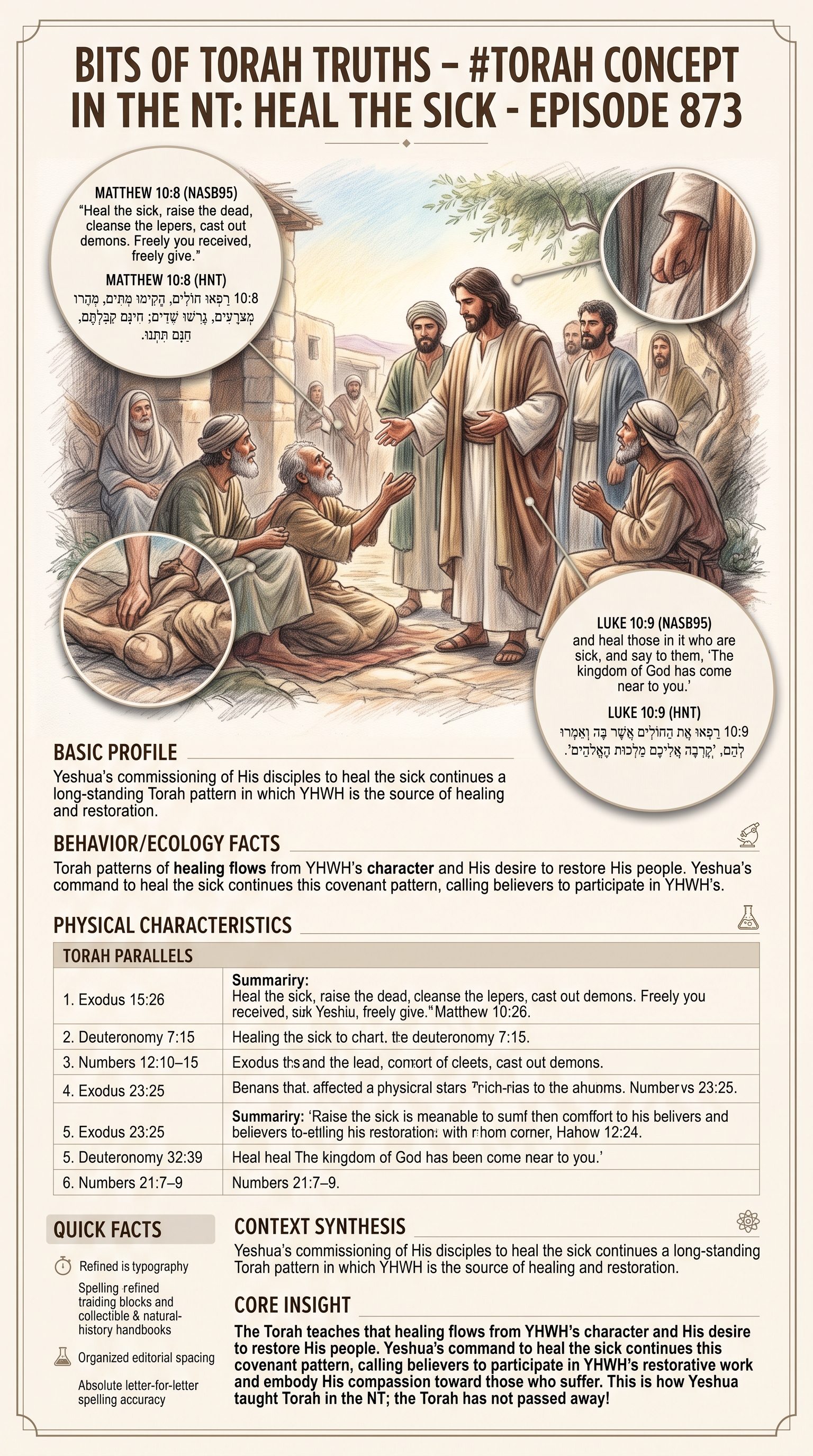
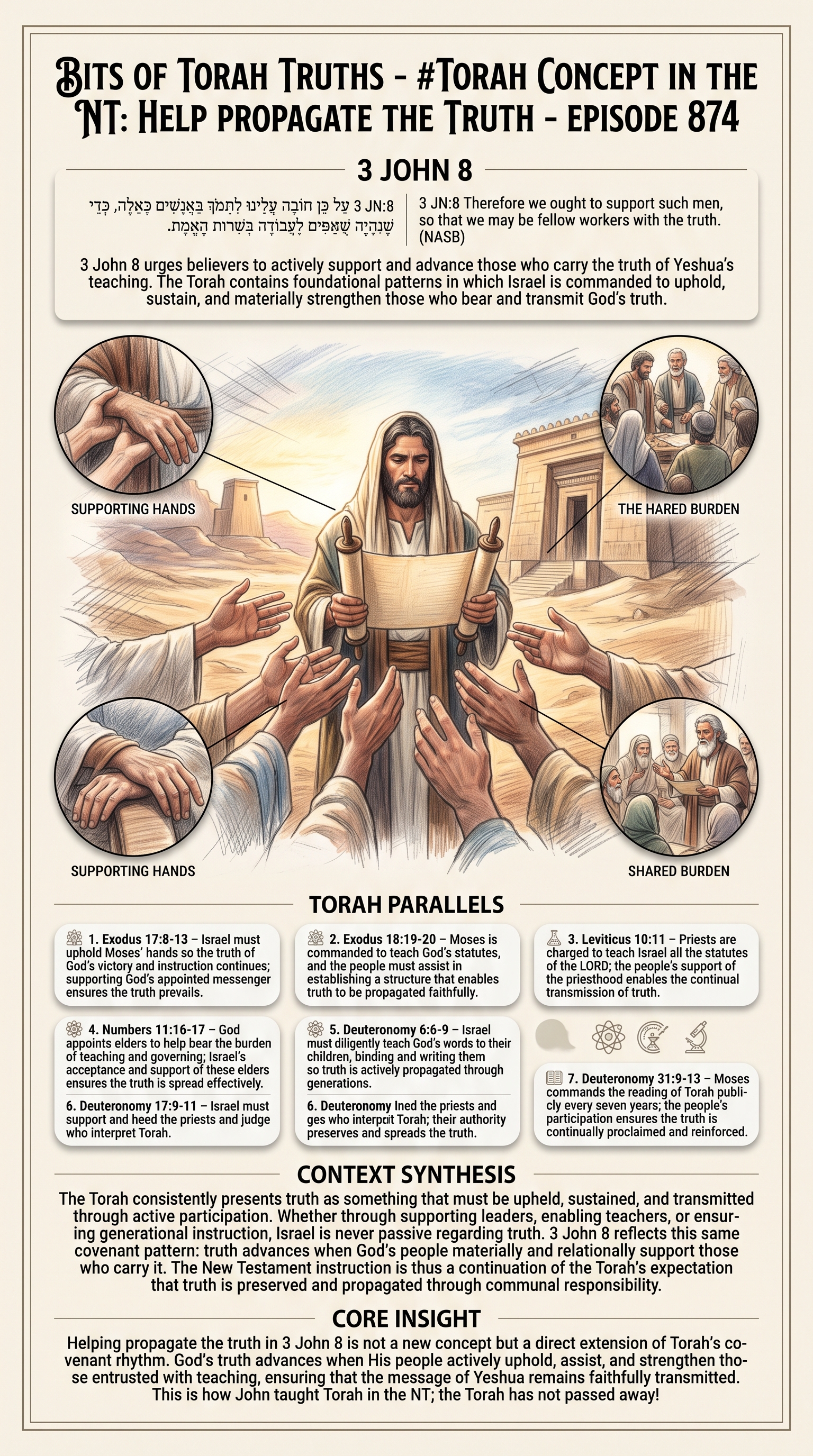
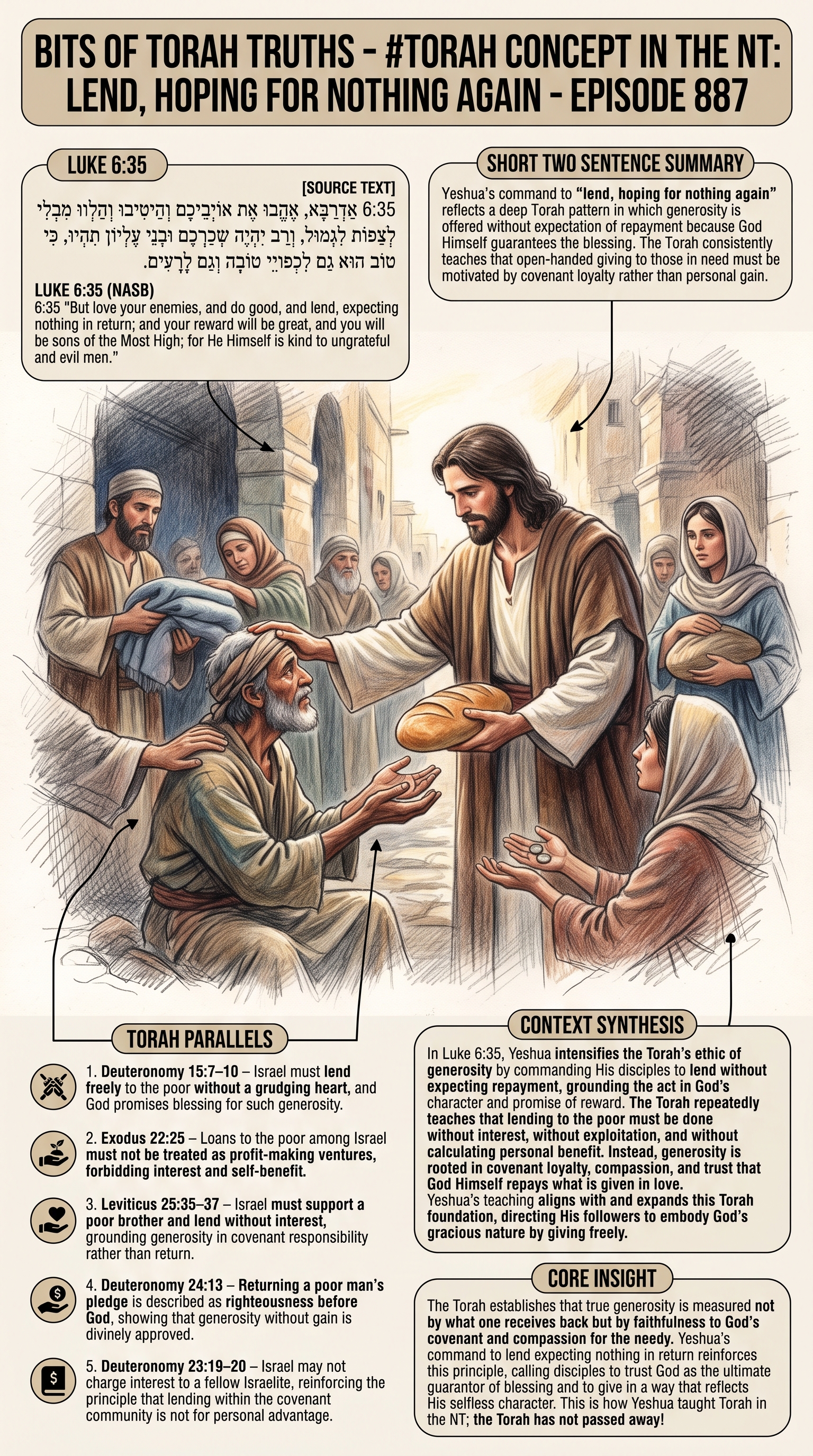
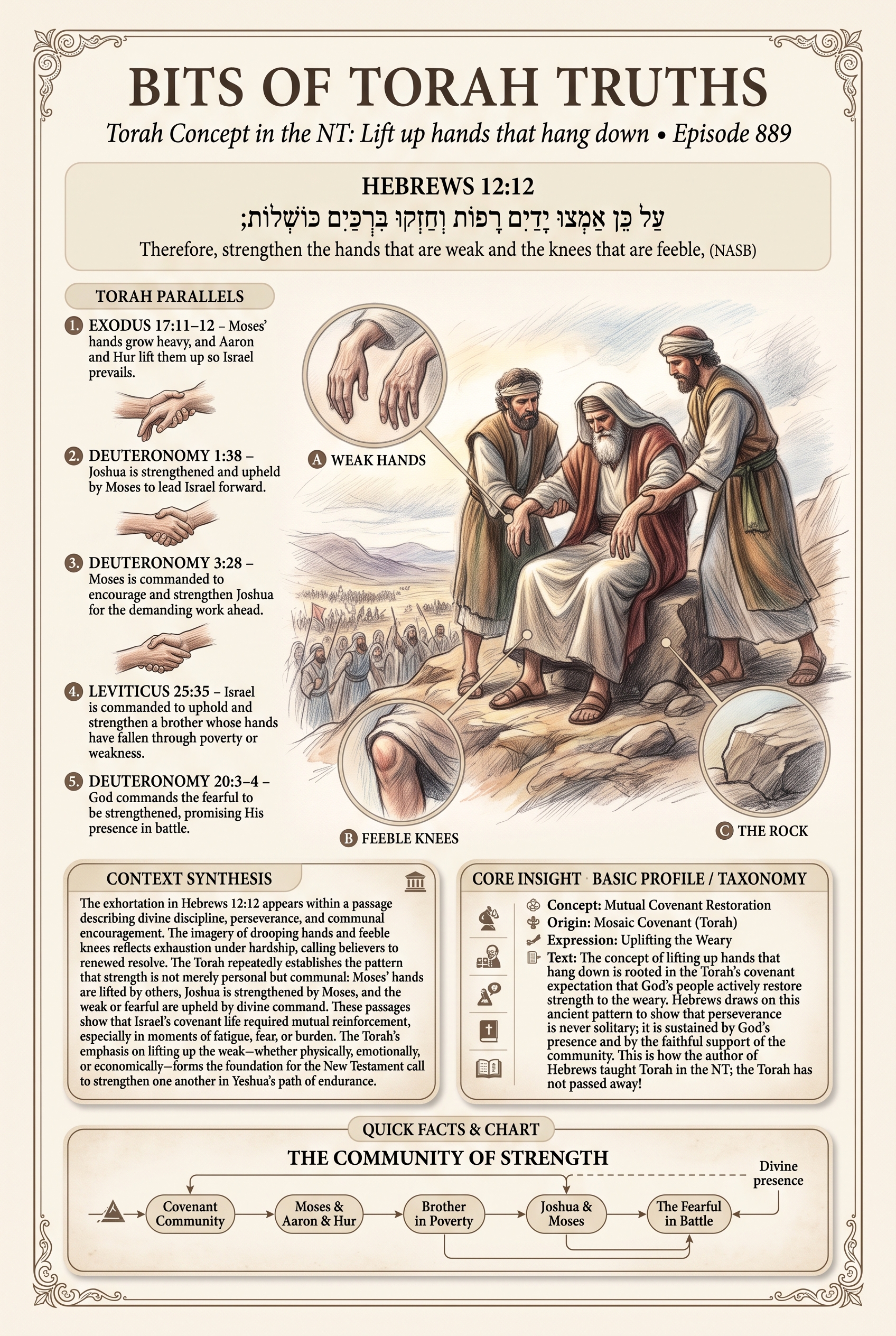
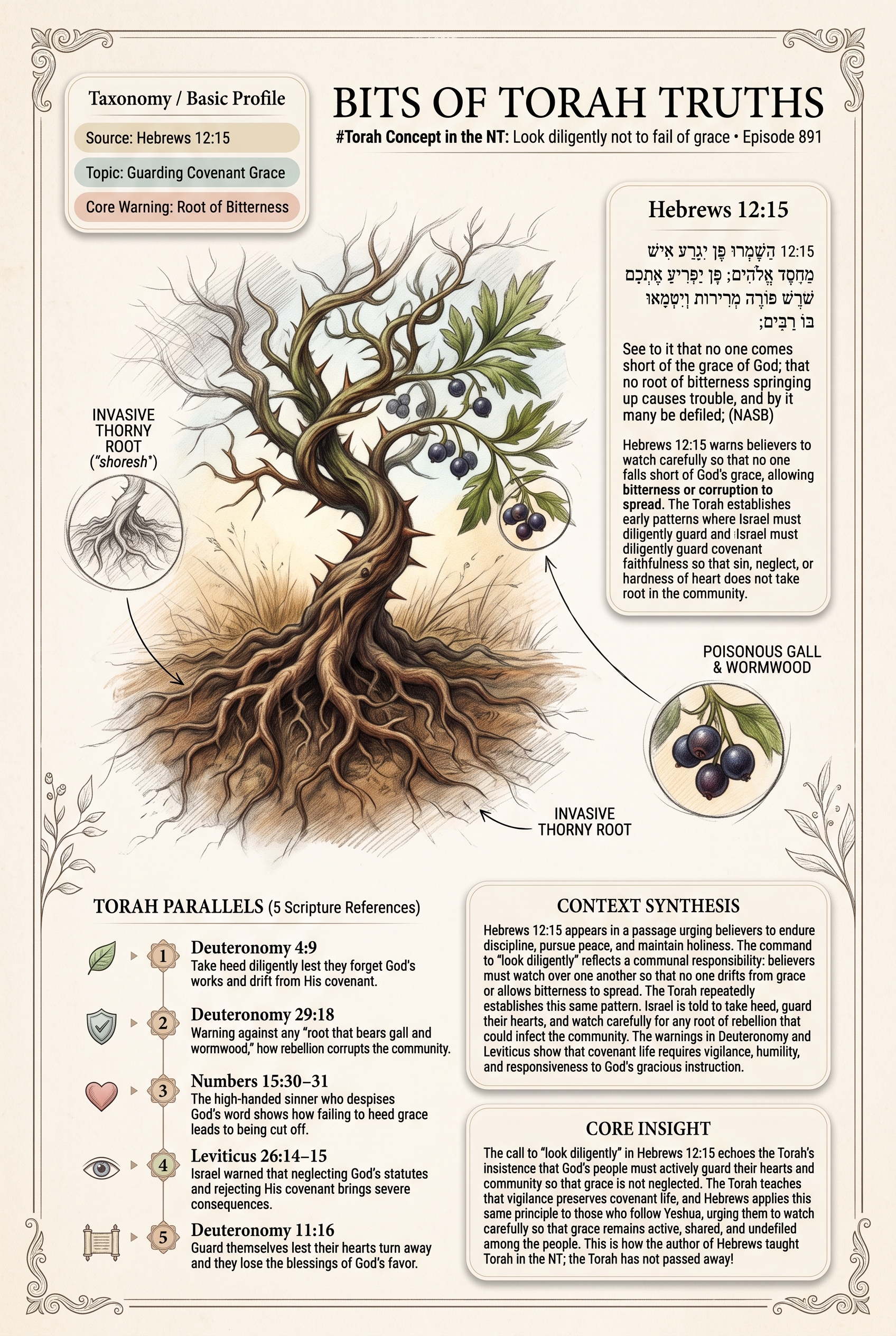
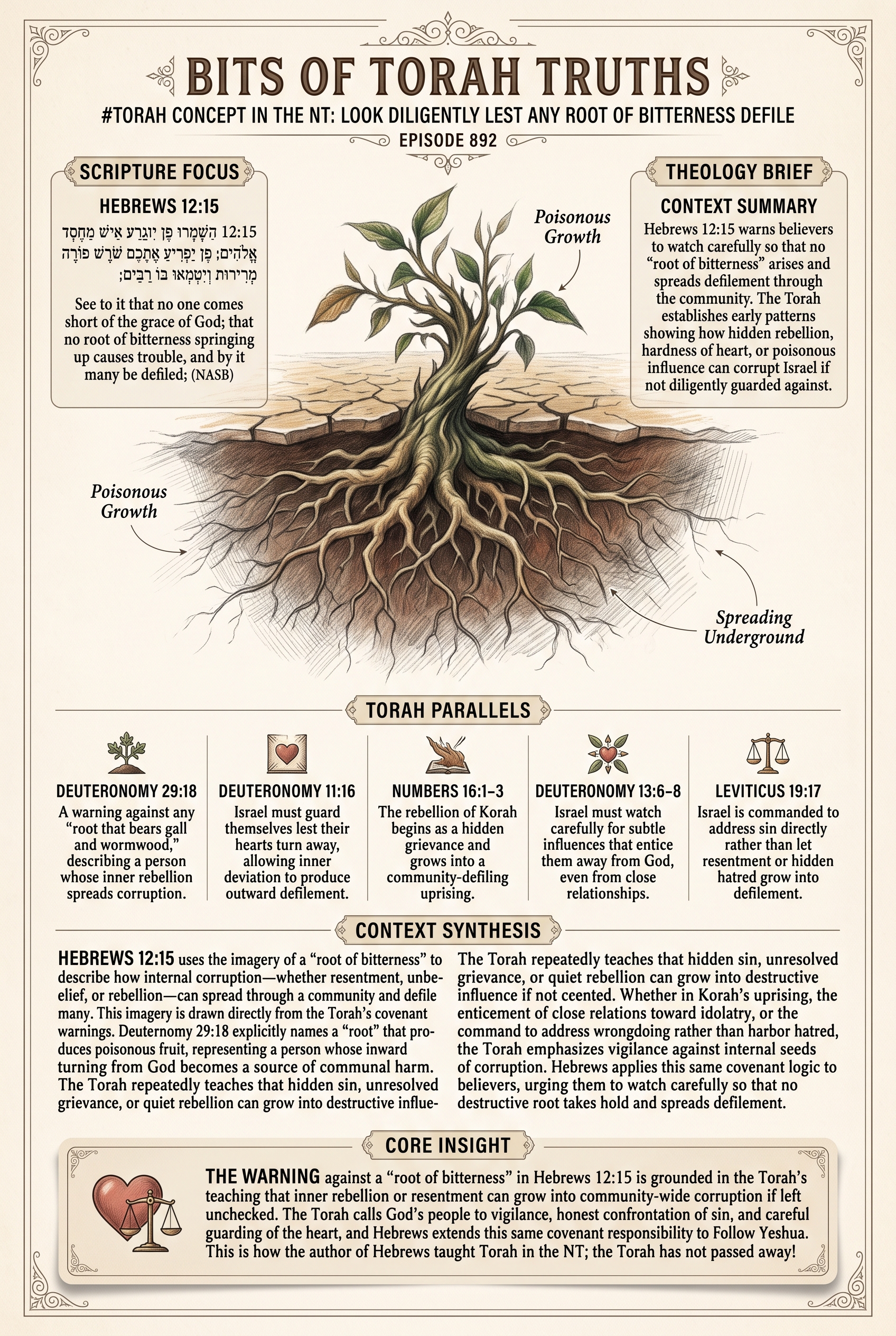
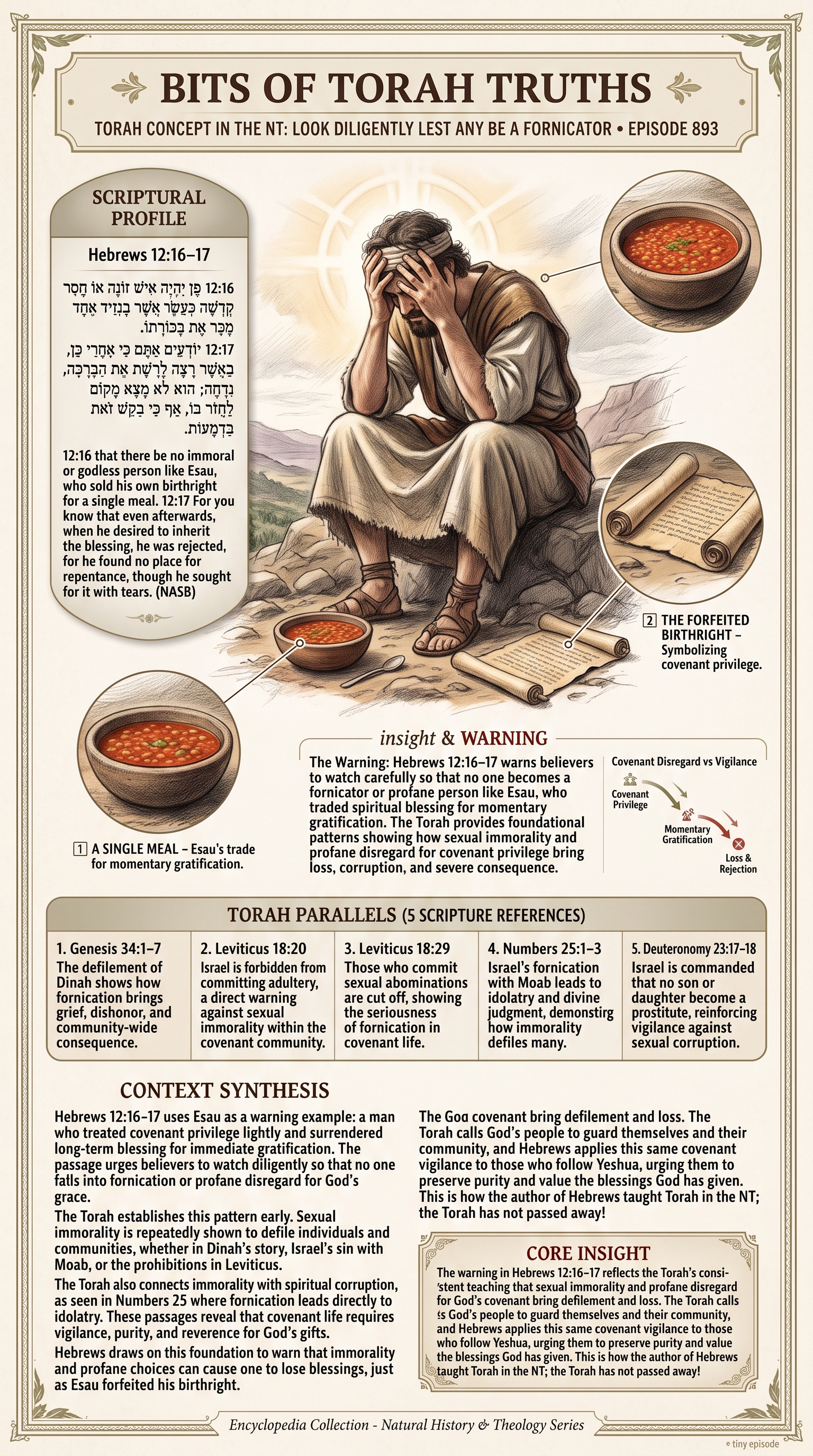
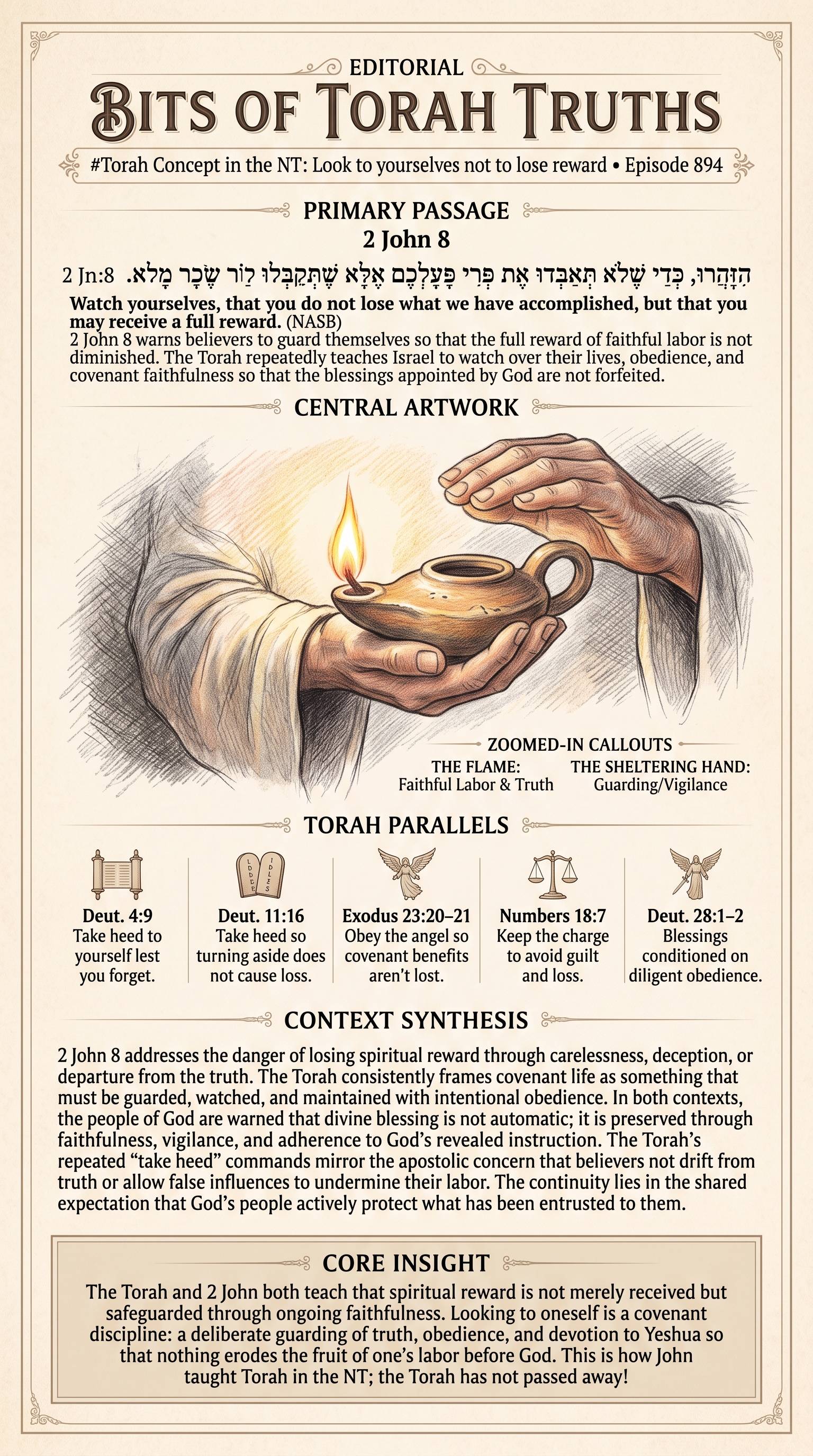
In 1 Timothy 4:15, Paul instructs Timothy to devote himself to continual reflection, study, and application of God’s truth so that spiritual growth may be evident to others. The Torah contains repeated commands to internalize, remember, speak about, and meditate upon God’s words as a continual practice rather than an occasional activity.
– Torah parallels –
- Genesis 24:63 Isaac went out into the field toward evening to meditate. This early example demonstrates intentional reflection before God and provides a biblical precedent for thoughtful contemplation.
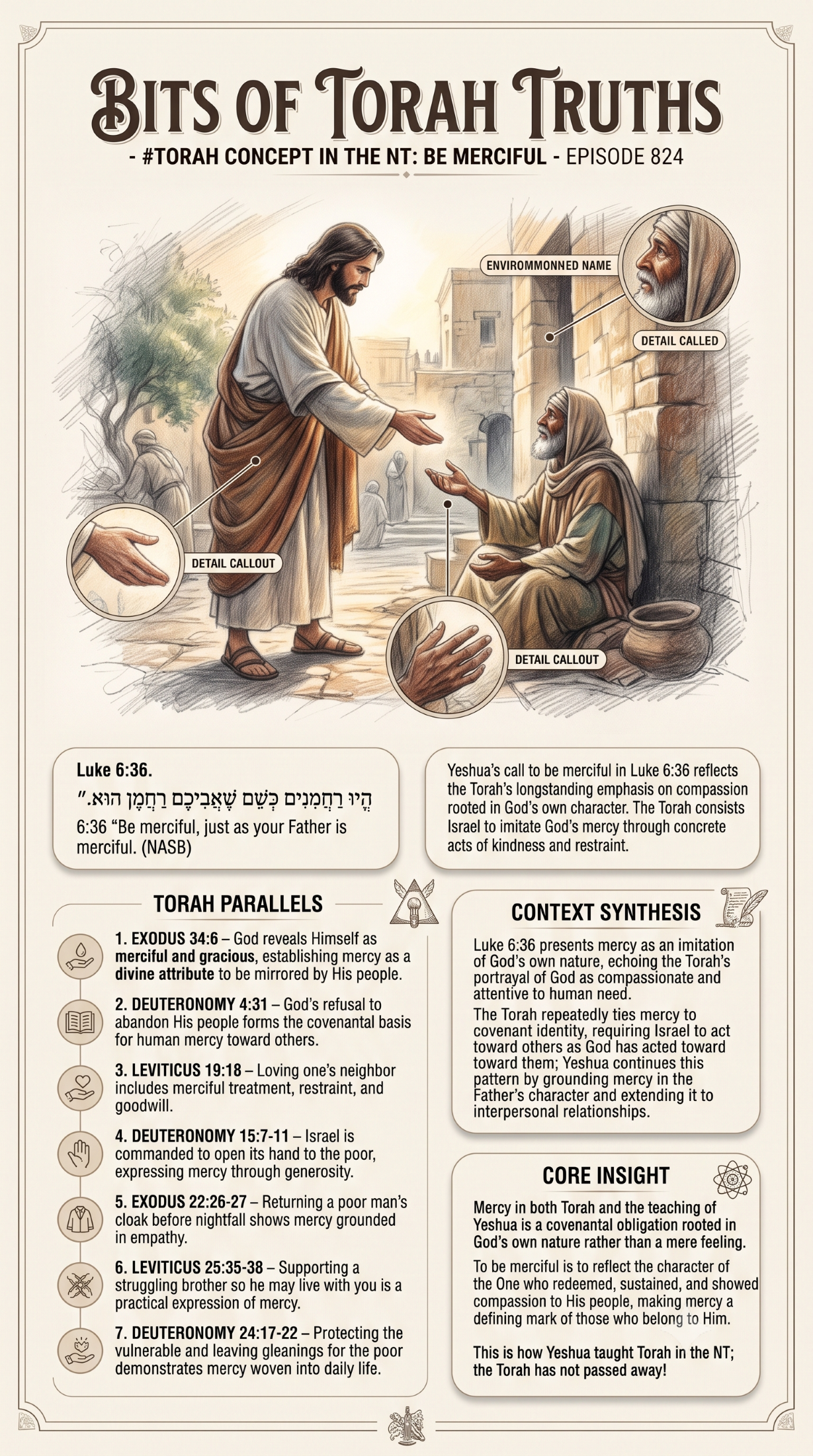
- Deuteronomy 6:6-7 Israel was commanded to keep God’s words upon their hearts and teach them diligently to their children, speaking of them throughout daily life. This reflects continual engagement with divine instruction.
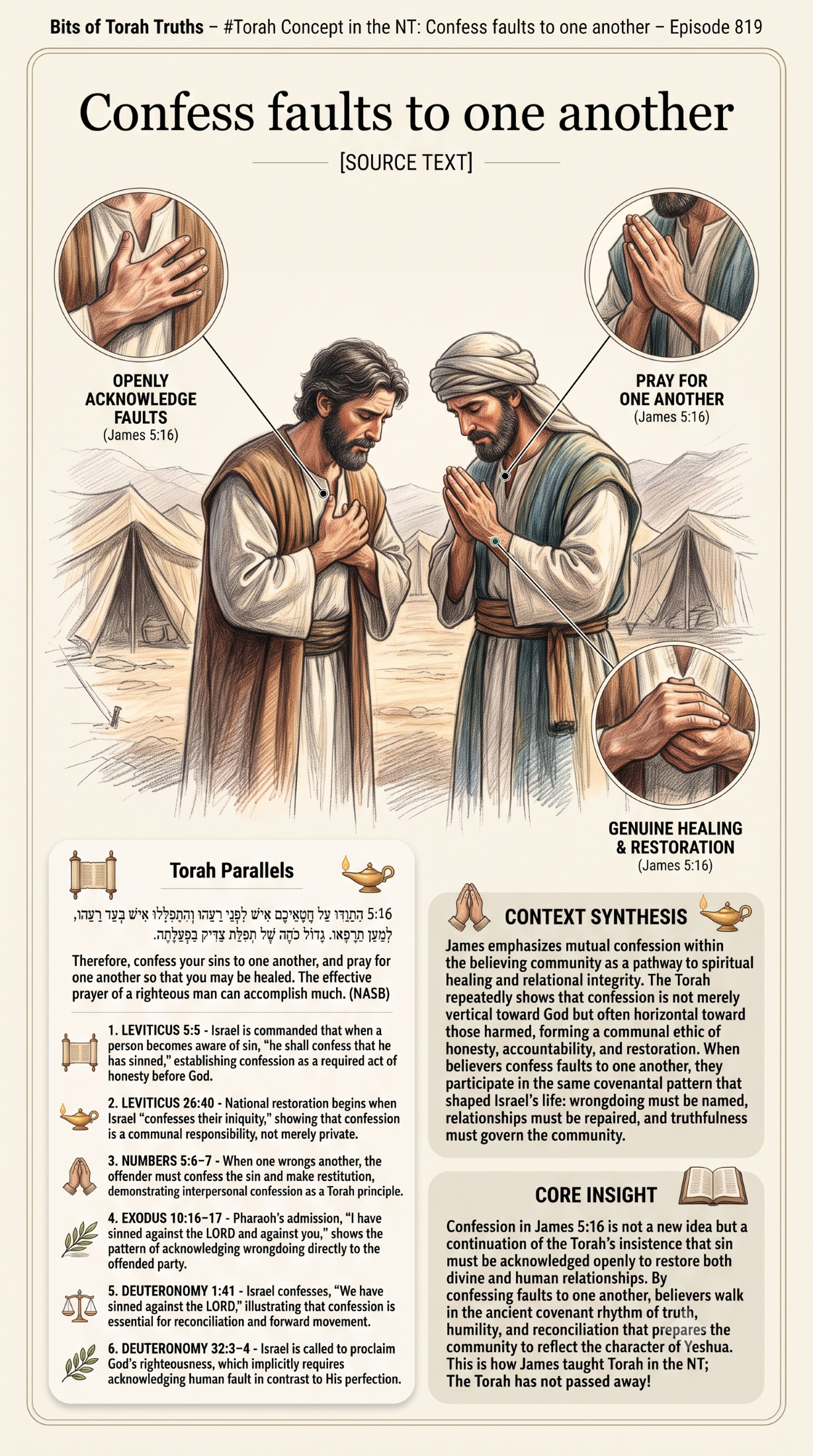
- Deuteronomy 6:8-9 The commandments were to be bound as signs on the hand and between the eyes and written on doorposts and gates. The purpose was continual remembrance and focused attention upon God’s words.
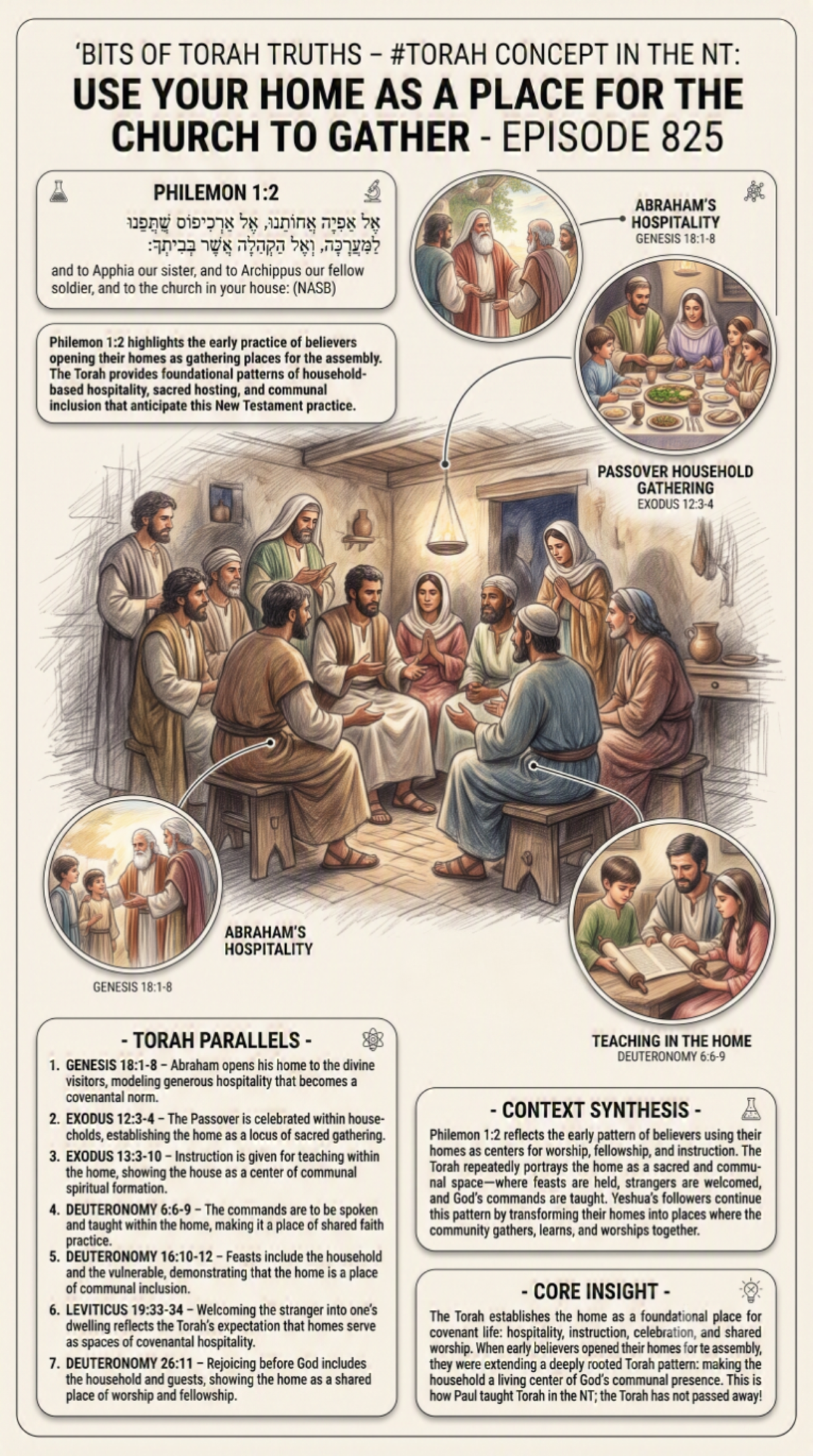
- Deuteronomy 11:18-20 Moses instructed Israel to lay God’s words in their hearts and souls and to discuss them regularly with their families. This emphasizes deliberate and ongoing reflection upon divine revelation.
- Deuteronomy 17:18-20 Israel’s king was required to write a copy of the Torah, read it all the days of his life, and learn to fear the LORD. Continuous study and reflection were intended to shape his character and conduct.
– Context Synthesis –
The Torah presents meditation as more than silent contemplation. It involves actively placing God’s words in one’s heart, recalling them, speaking about them, teaching them, and allowing them to guide daily decisions. Moses repeatedly instructed Israel to keep the commandments before them so that covenant faithfulness would become a way of life rather than a temporary commitment. Paul’s instruction to Timothy follows this same biblical pattern. Timothy was to immerse himself in sound doctrine, godly conduct, and faithful ministry so that his spiritual progress would become evident. The Torah’s emphasis on continually engaging with God’s instruction provides an important foundation for understanding the apostolic call to meditate upon and devote oneself to the things of God.
– Core Insight –
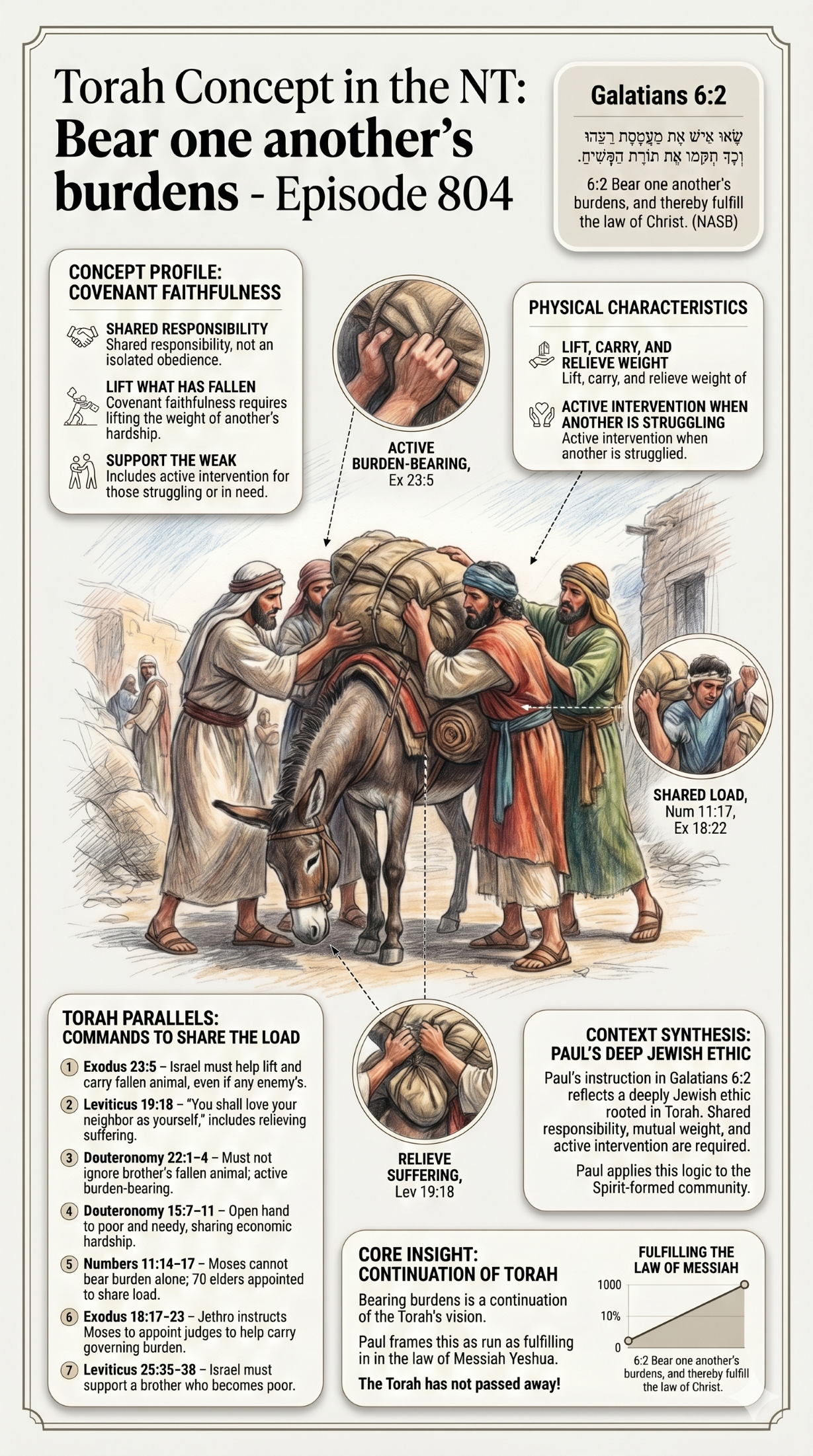
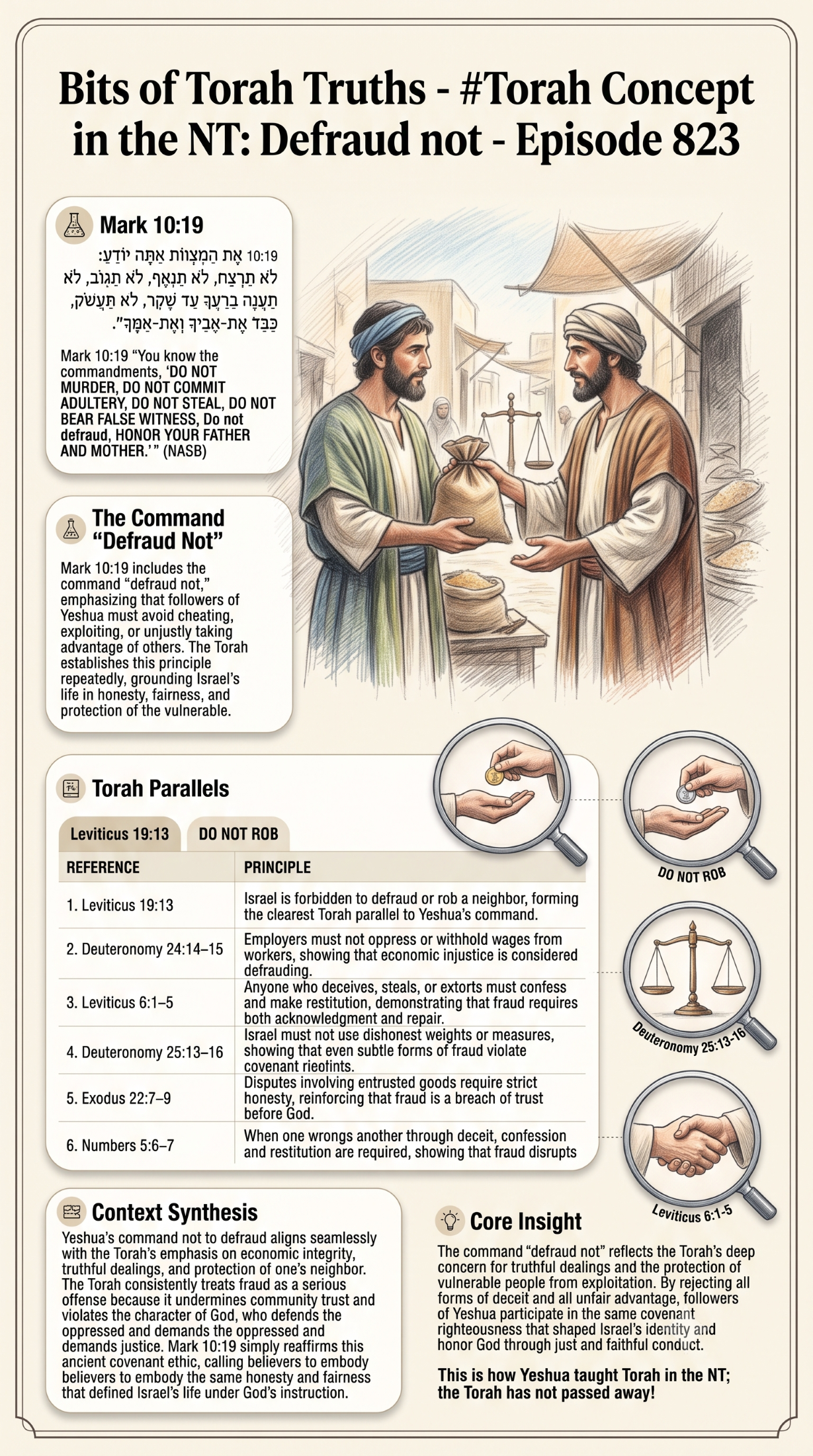
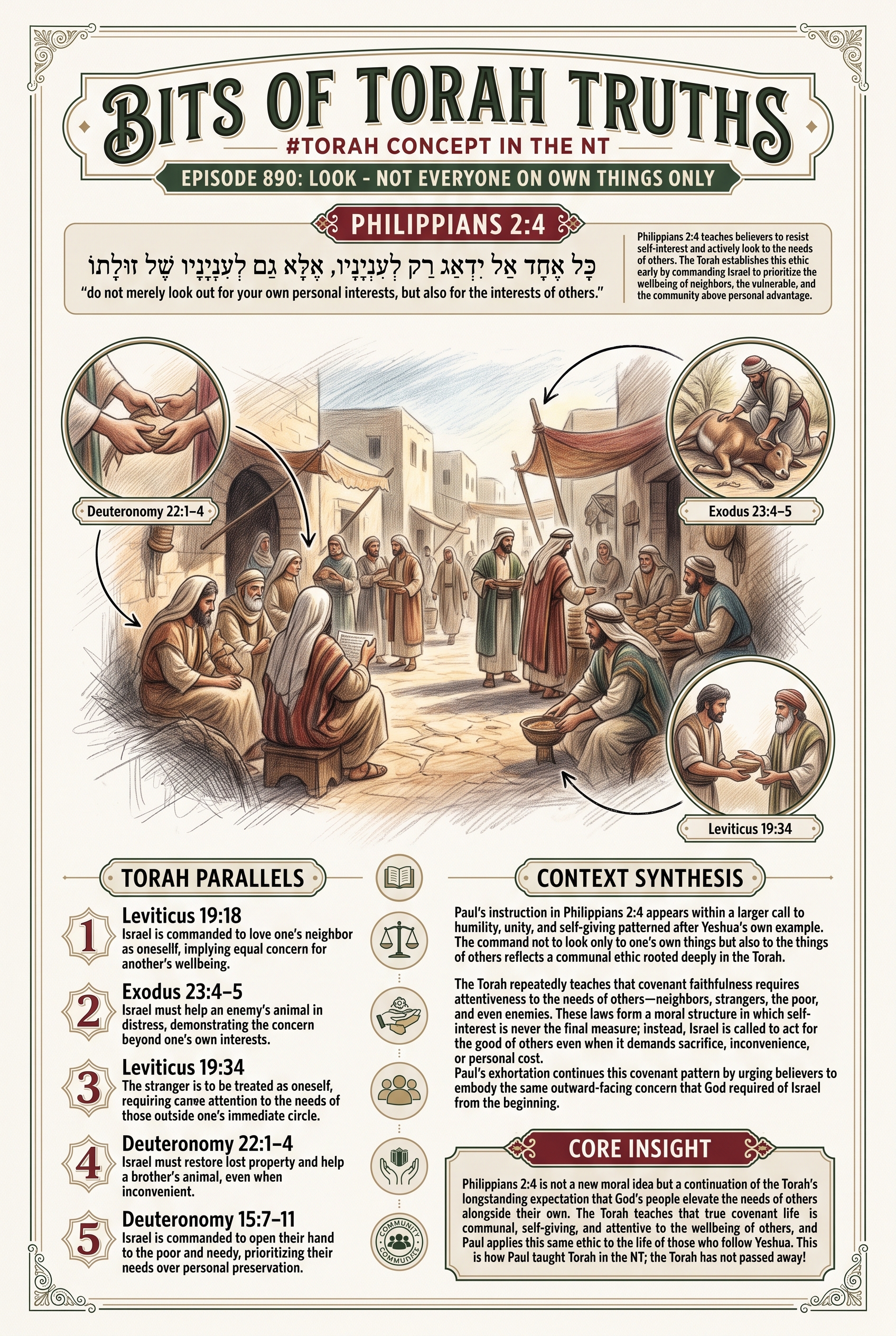
The central Torah parallel to 1 Timothy 4:15 is the requirement that God’s people continually internalize and engage with His word. Biblical meditation is not merely intellectual reflection but a disciplined practice of remembering, studying, speaking, and applying God’s instruction so that one’s life increasingly reflects covenant faithfulness and obedience.
This report is based on direct analysis of the cited Torah passages within their literary, historical, and covenantal contexts and compares them with the relevant New Testament text. The conclusions are derived from explicit biblical evidence and verifiable scriptural references rather than conjecture, denominational tradition, or unsupported theological claims. Each Torah parallel was selected because it directly addresses the responsibilities of masters, employers, or those in authority, providing a transparent and textually supported basis for the comparison. The interpretation seeks to reflect the original context of the passages while allowing Scripture to interpret Scripture through consistent biblical themes.
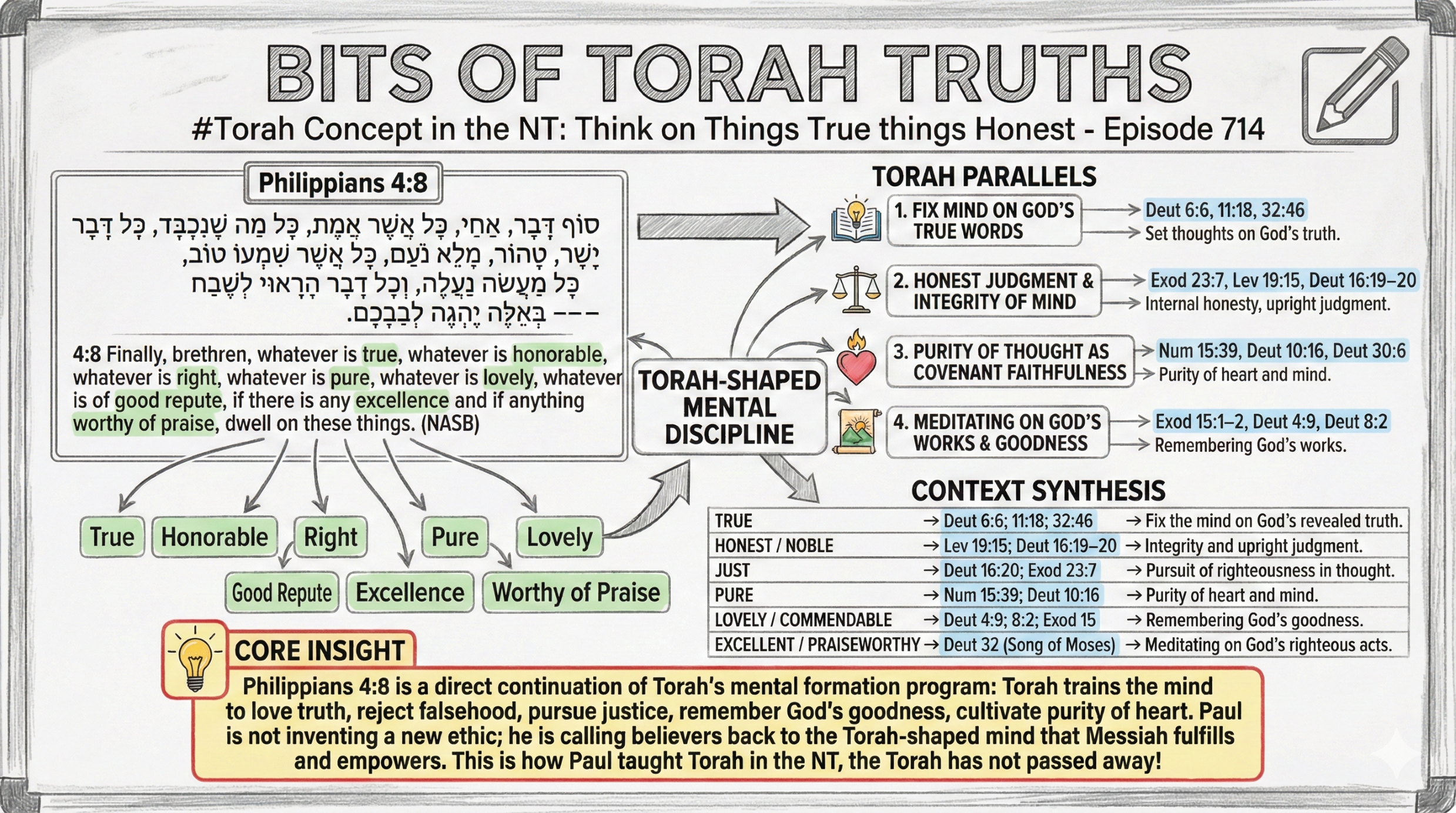
Visual Summary of Concepts the Torah in the NT