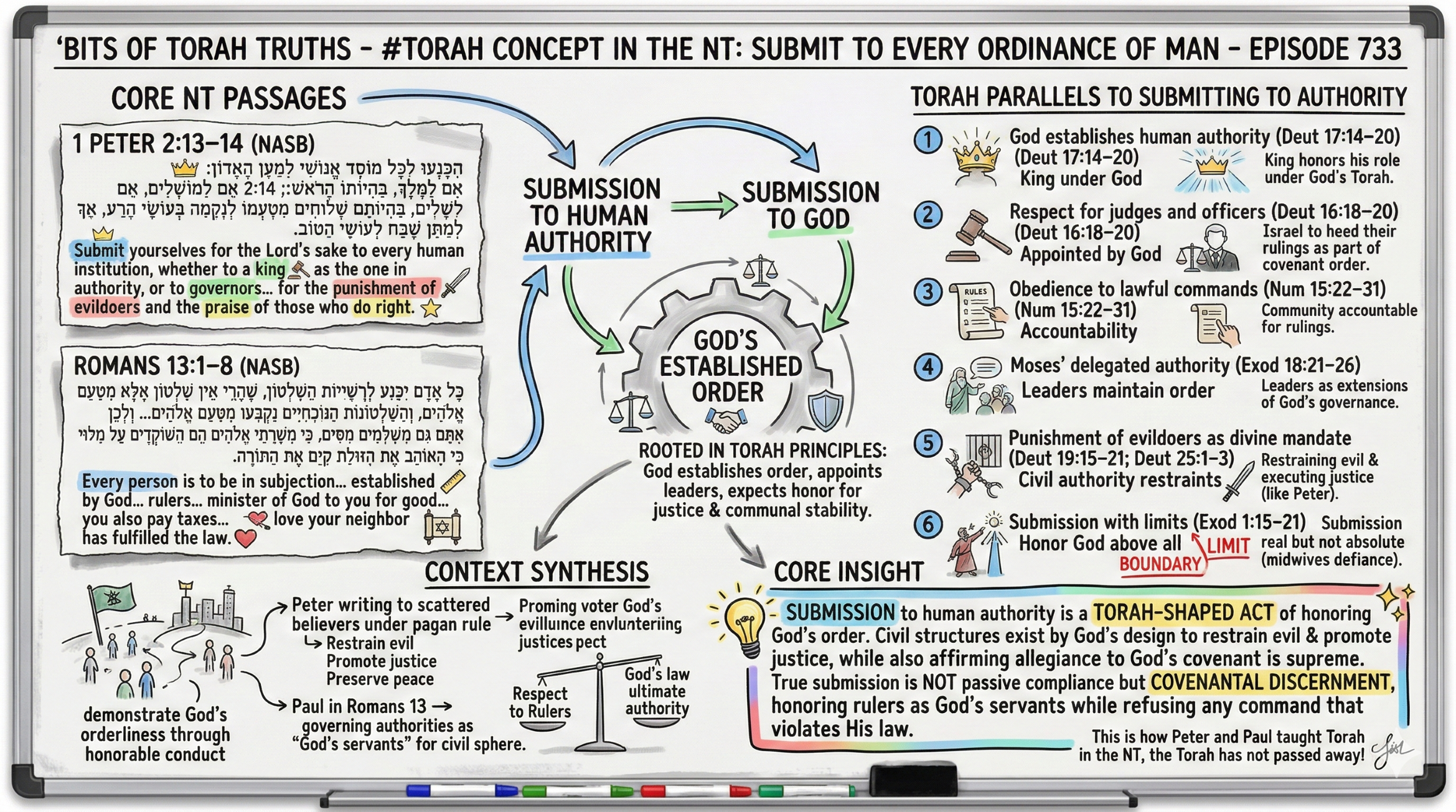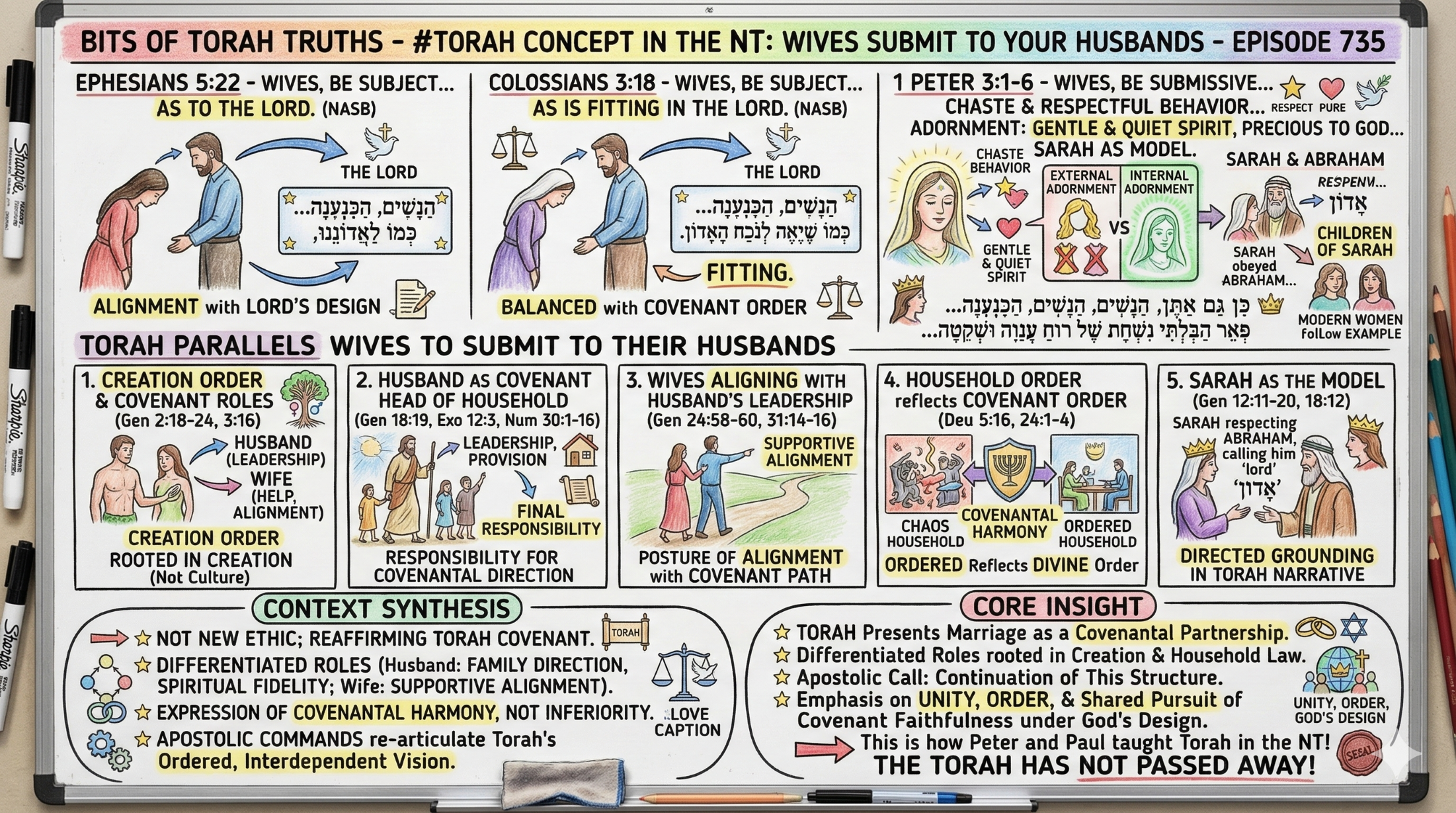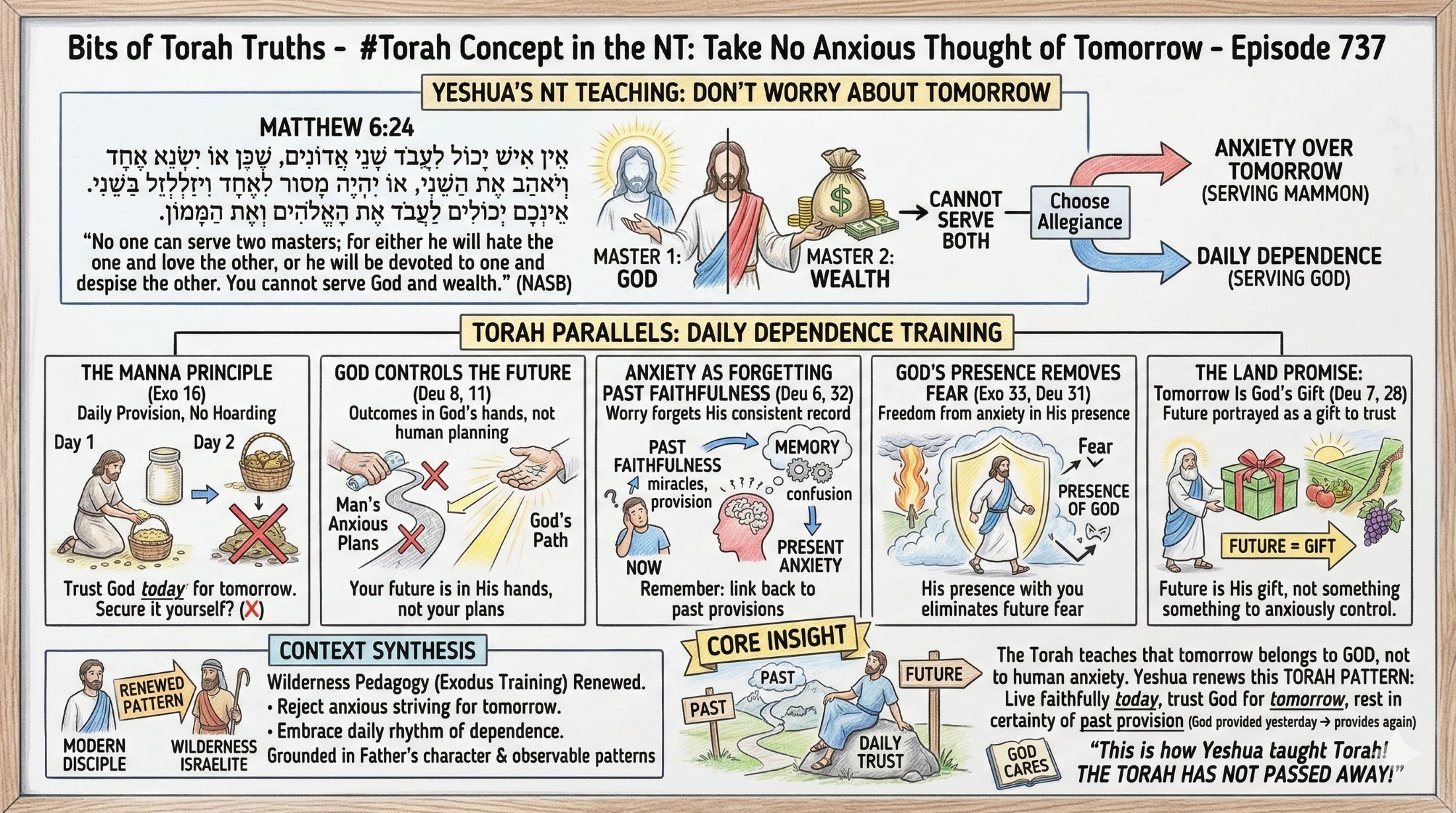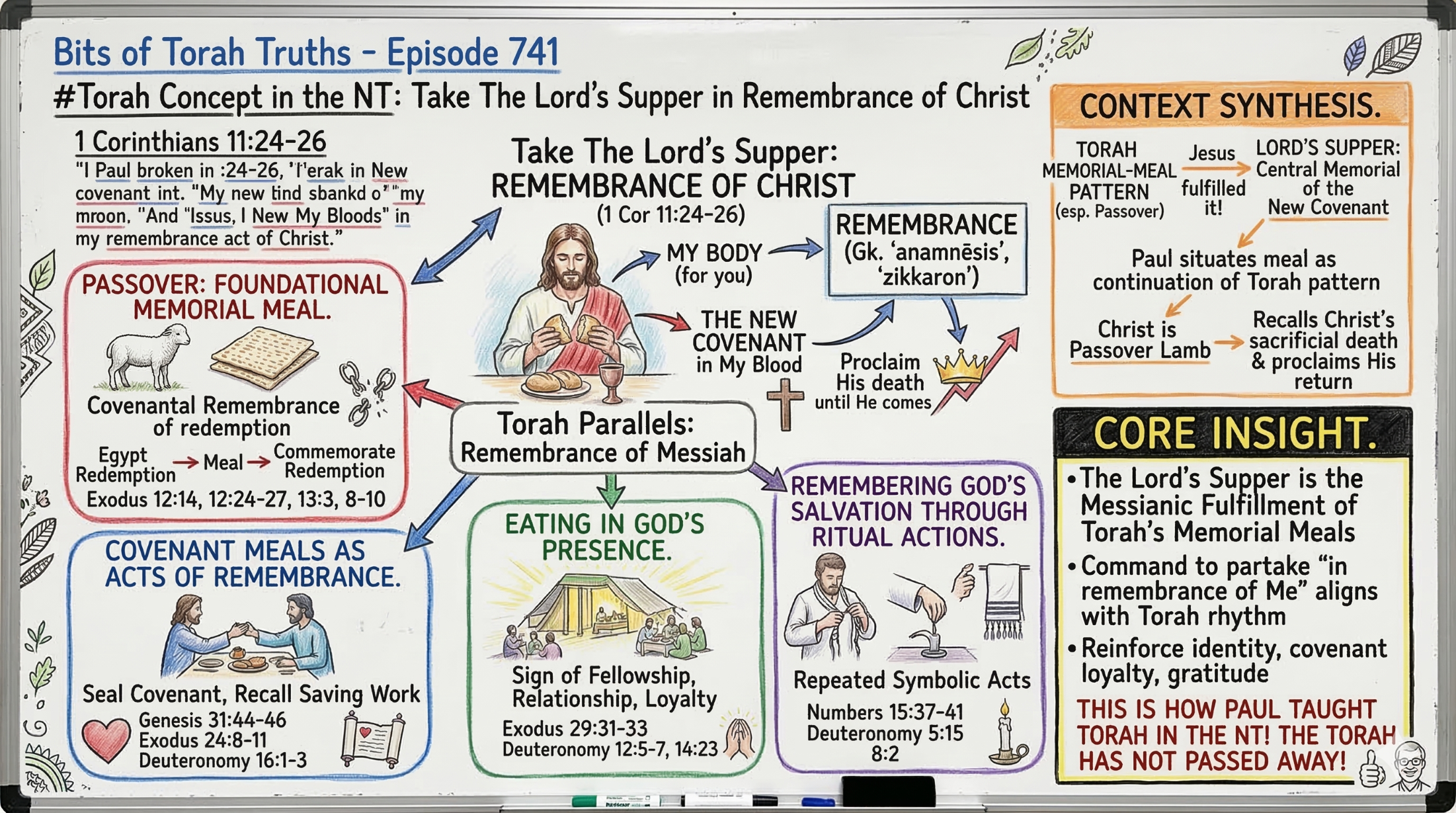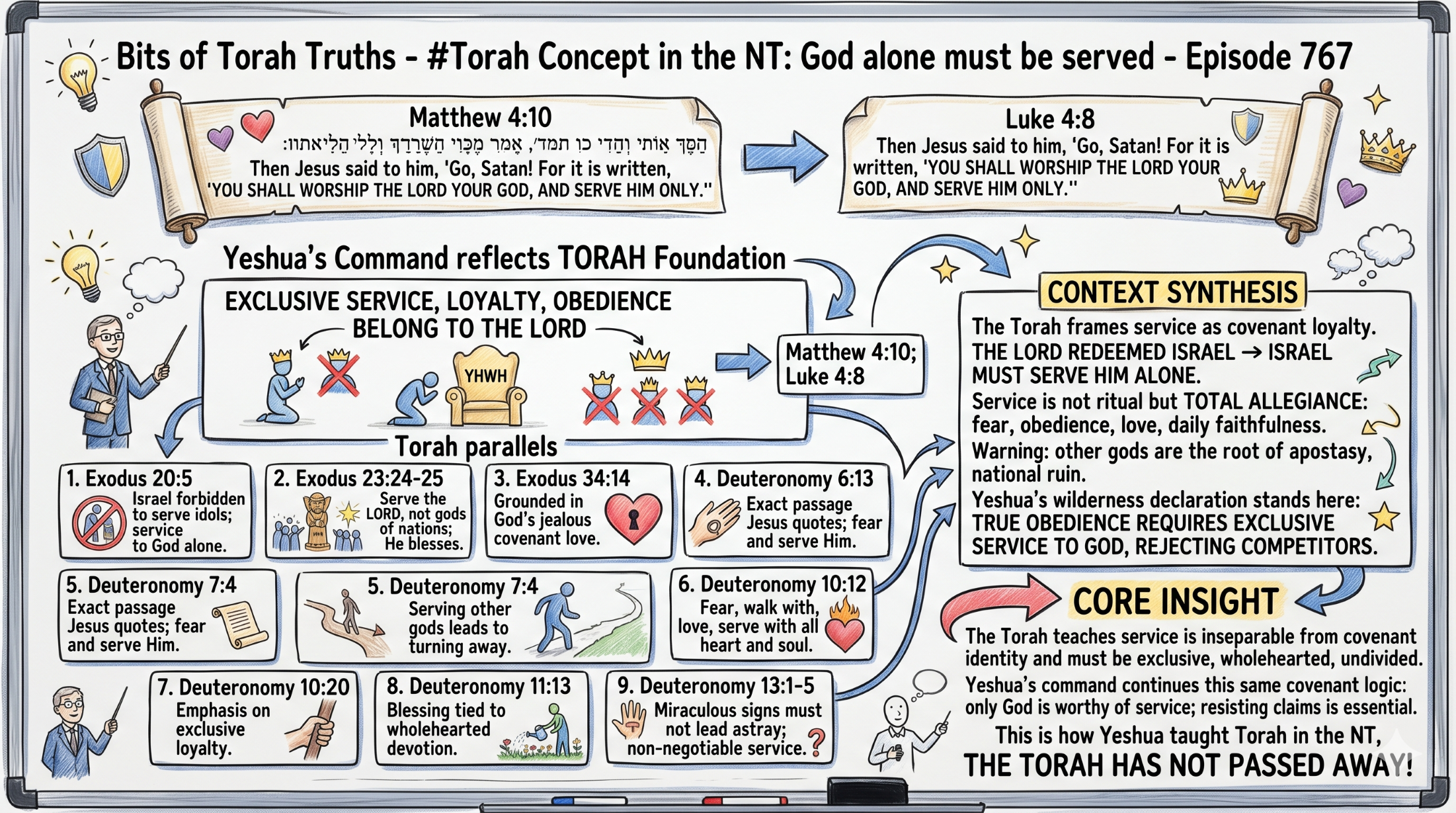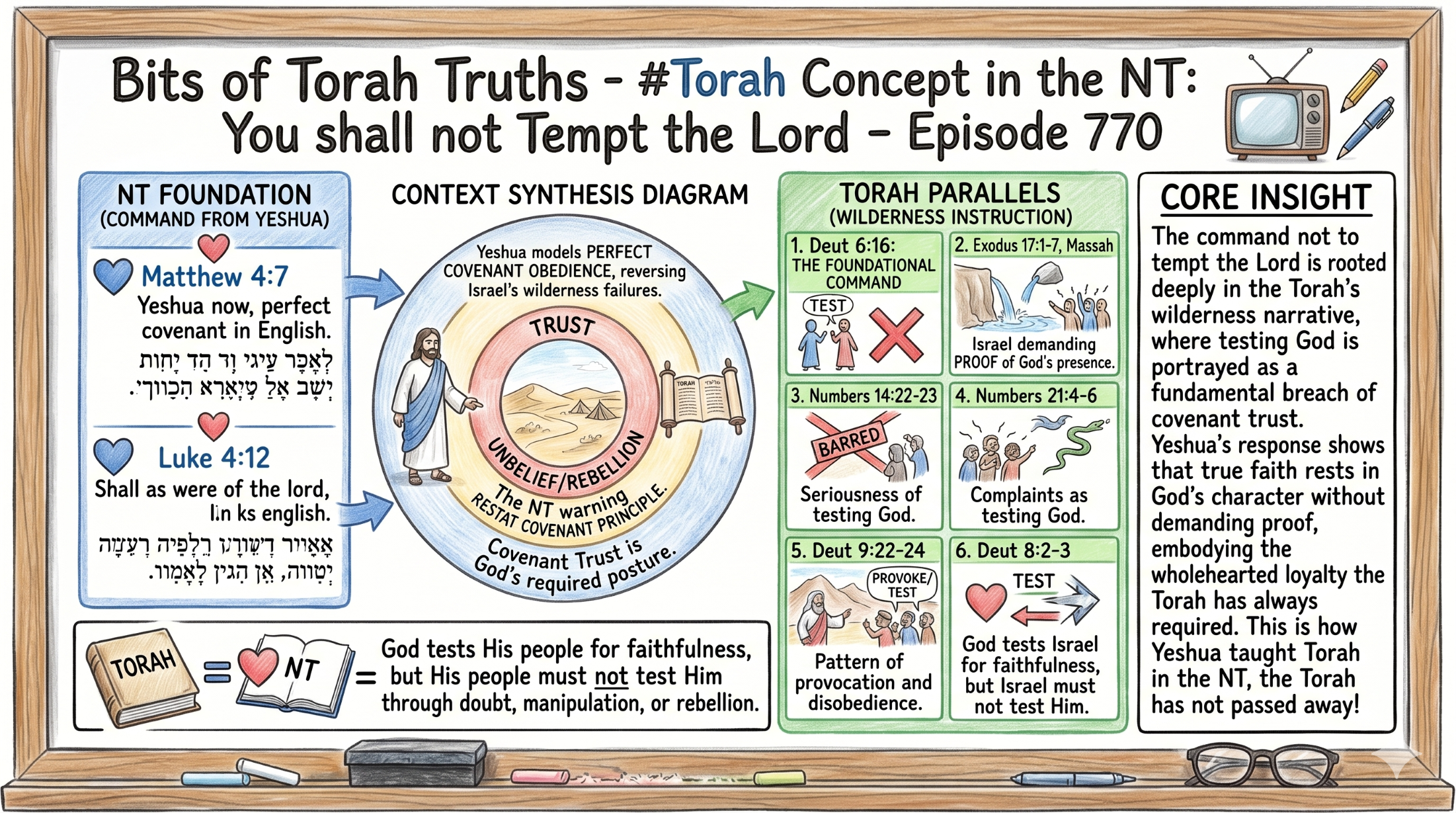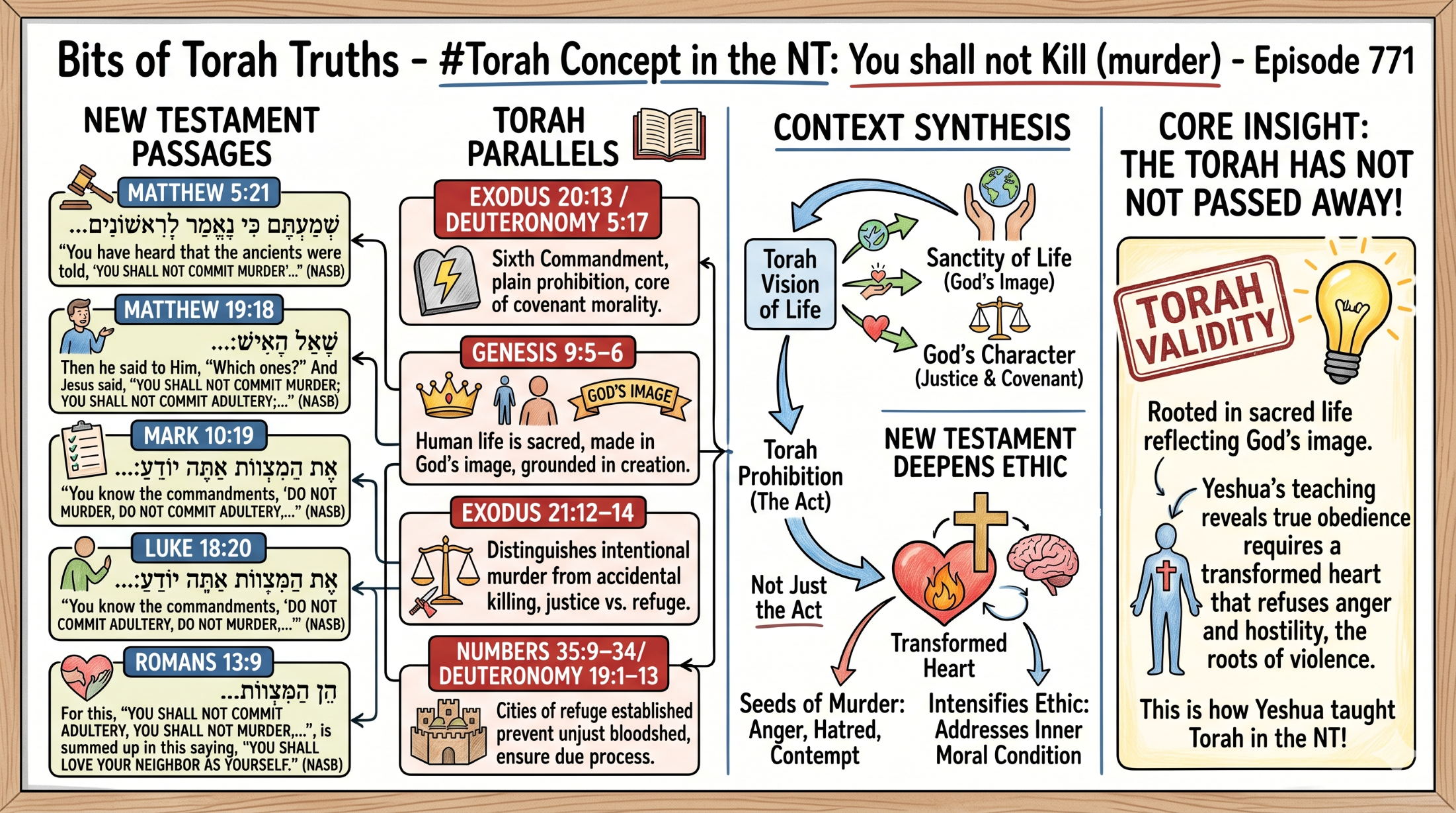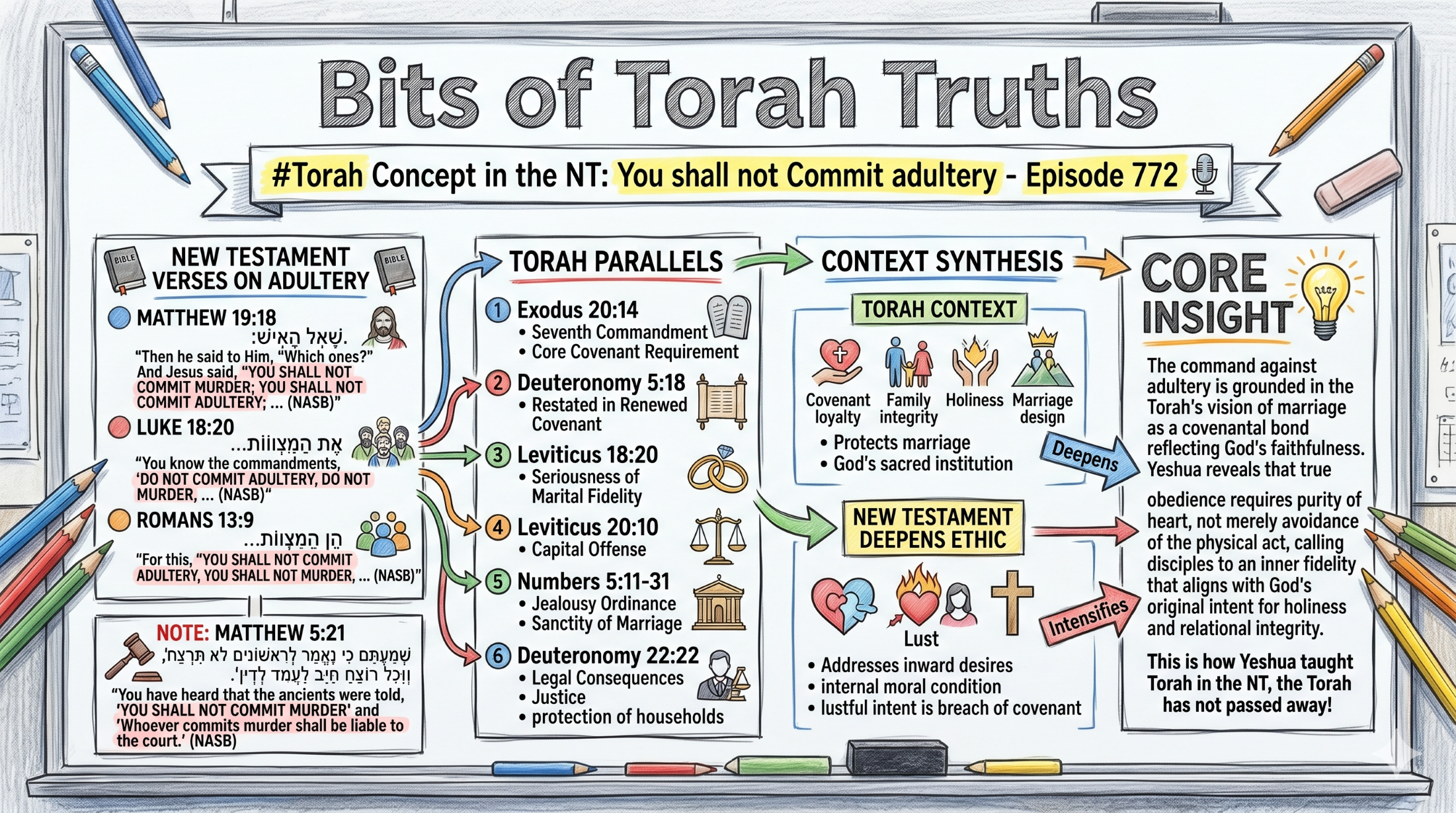
Bits of Torah Truths – #Torah Concept in the NT: You shall not Muzzle the ox treading corn – Episode 777
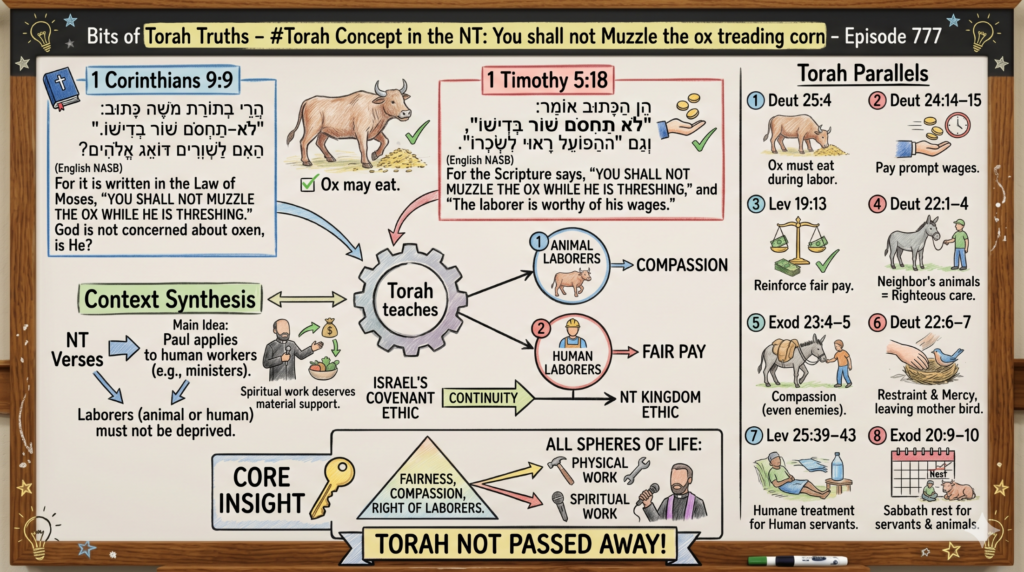
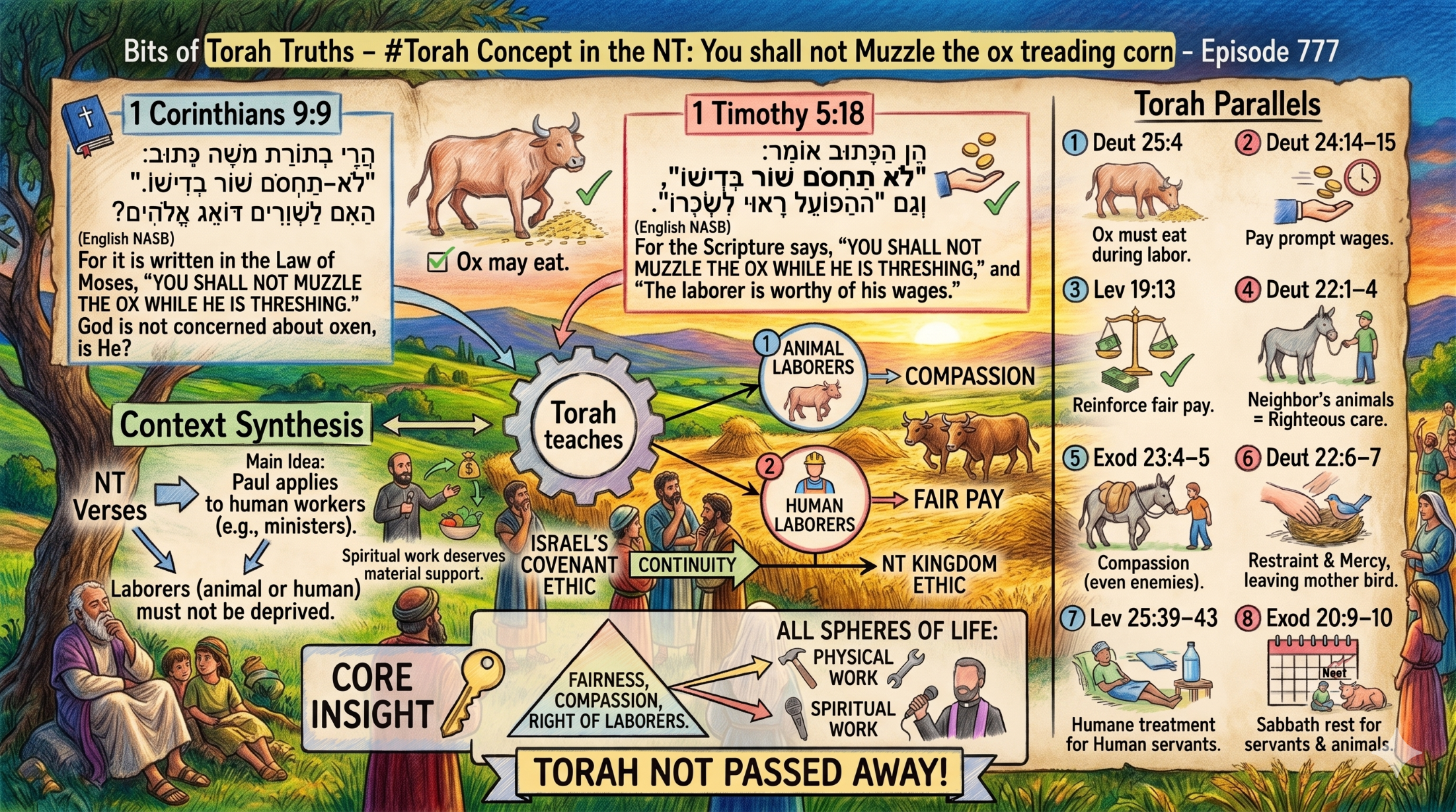
1 Corinthians 9:9
הֲרֵי בְּתוֹרַת מֹשֶׁה כָּתוּב׃ ״לֹא–תַחְסֹם שׁוֹר בְּדִישׁוֹ.״ הַאִם לַשְּׁוָרִים דּוֹאֵג אֱלֹהִים?
1 Timothy 5:18
5:18 הֵן הַכָּתוּב אוֹמֵר׃ ״לֹא תַחְסֹם שׁוֹר בְּדִישׁוֹ״, וְגַם ״הַפּוֹעֵל רָאוּי לִשְׂכָרוֹ״.
#torah #torahwisdom #torahtruth #torahforlife #torah4you #torahtruth
1 Corinthians 9:9
9:9 For it is written in the Law of Moses, “YOU SHALL NOT MUZZLE THE OX WHILE HE IS THRESHING.” God is not concerned about oxen, is He? (NASB)
1 Timothy 5:18
5:18 For the Scripture says, “YOU SHALL NOT MUZZLE THE OX WHILE HE IS THRESHING,” and “The laborer is worthy of his wages.” (NASB)
https://www.matsati.com/index.php/category/bits-of-torah-truths/
Paul’s appeal to “You shall not muzzle the ox while it is treading out the grain” (1 Cor. 9:9; 1 Tim. 5:18) draws directly from the Torah’s agricultural laws that protect laboring animals and, by extension, establish principles of just compensation. Torah uses this command to teach compassion, fairness, and the moral obligation to allow workers—human or animal—to benefit from their labor.
– Torah parallels –
- Deuteronomy 25:4 — The explicit command not to muzzle an ox while it treads grain, ensuring the laboring animal may eat as it works.
- Deuteronomy 24:14–15 — Commands to pay hired workers promptly, showing that laborers must receive their due without delay.
- Leviticus 19:13 — Prohibition against withholding wages, reinforcing the principle of fair compensation.
- Deuteronomy 22:1–4 — Commands to care for a neighbor’s animals, demonstrating that righteousness includes protecting the wellbeing of working creatures.
- Exodus 23:4–5 — Instructions to relieve an overburdened animal, even if it belongs to an enemy, showing that compassion in labor contexts is a covenant expectation.
- Deuteronomy 22:6–7 — Laws about taking birds from a nest, illustrating that even when using creation, Israel must act with restraint and mercy.
- Leviticus 25:39–43 — Regulations protecting servants from harsh labor, extending the principle of humane treatment to human workers.
- Exodus 20:9–10 — The Sabbath command grants rest to servants and animals alike, reinforcing that laborers must not be exploited.
– Context Synthesis –
Paul cites Deuteronomy 25:4 to show that the Torah’s concern for the ox is not merely about animals but about the broader principle of just reward for labor. In both 1 Corinthians 9 and 1 Timothy 5, he applies the Torah’s ethic to human workers, specifically ministers of the gospel, arguing that those who labor in spiritual work deserve material support. The Torah consistently teaches that laborers, whether animal or human, must not be deprived of the fruit of their work. Paul’s use of the command demonstrates continuity between the covenant ethic of Israel and the kingdom ethic of the New Testament.
– Core Insight –
The Torah’s command about the unmuzzled ox reveals God’s concern for fairness, compassion, and the right of laborers to benefit from their work. Paul draws from this principle to show that God’s justice applies across all spheres of life: those who serve, work, or labor, physically or spiritually, must be supported with integrity and generosity. This is how Paul taught Torah in the NT, the Torah has not passed away!
Visual Summary of Concepts the Torah in the NT