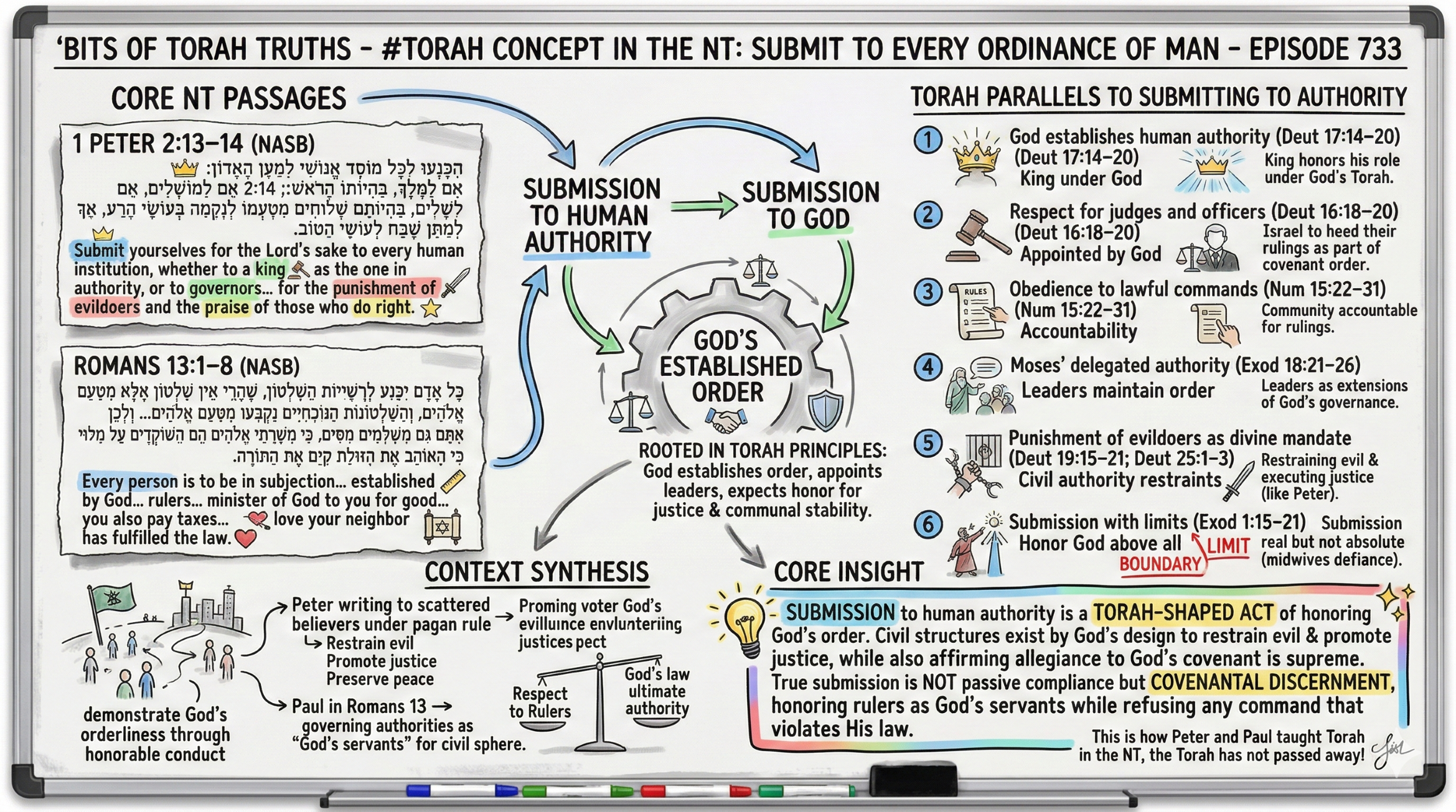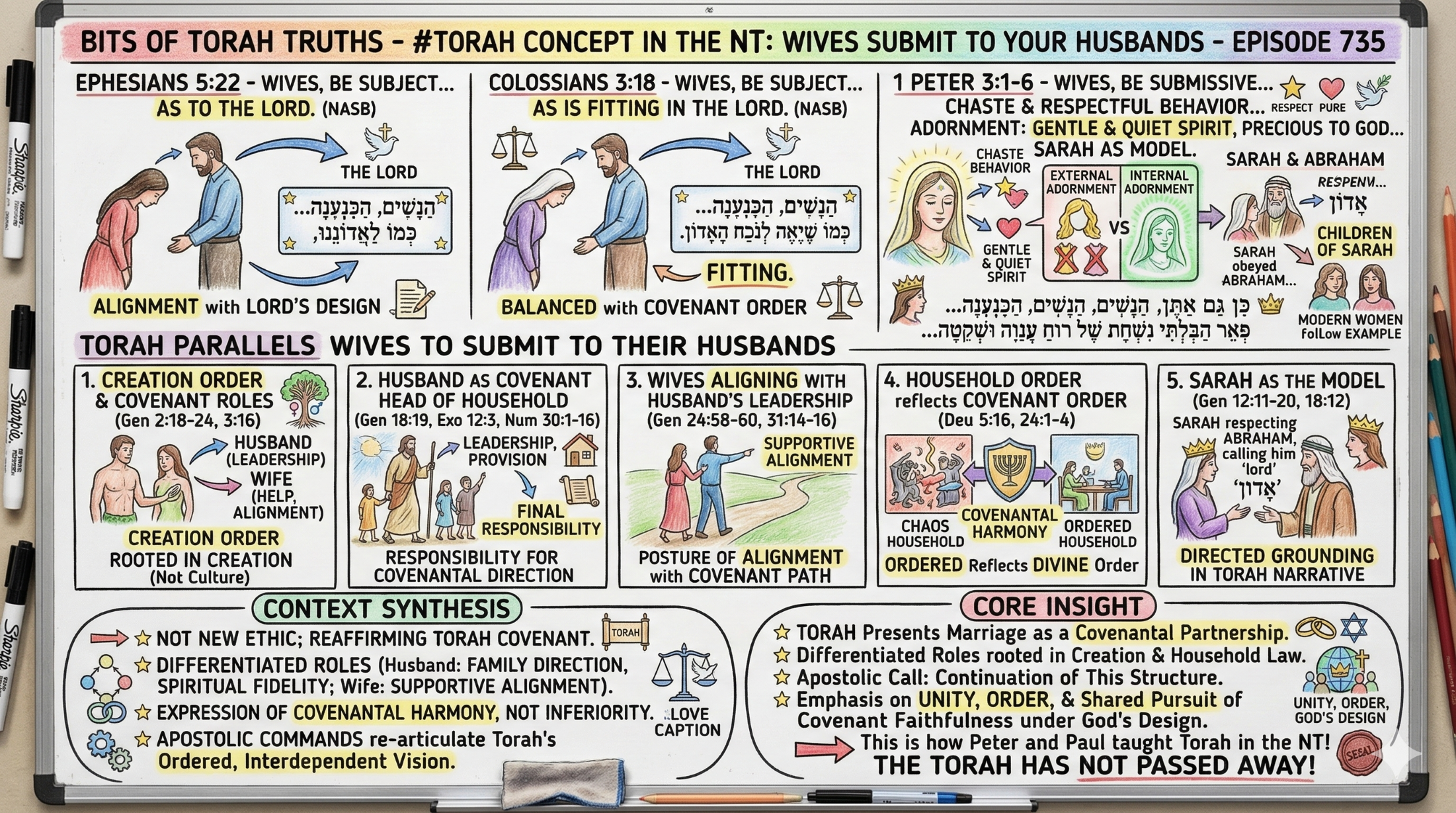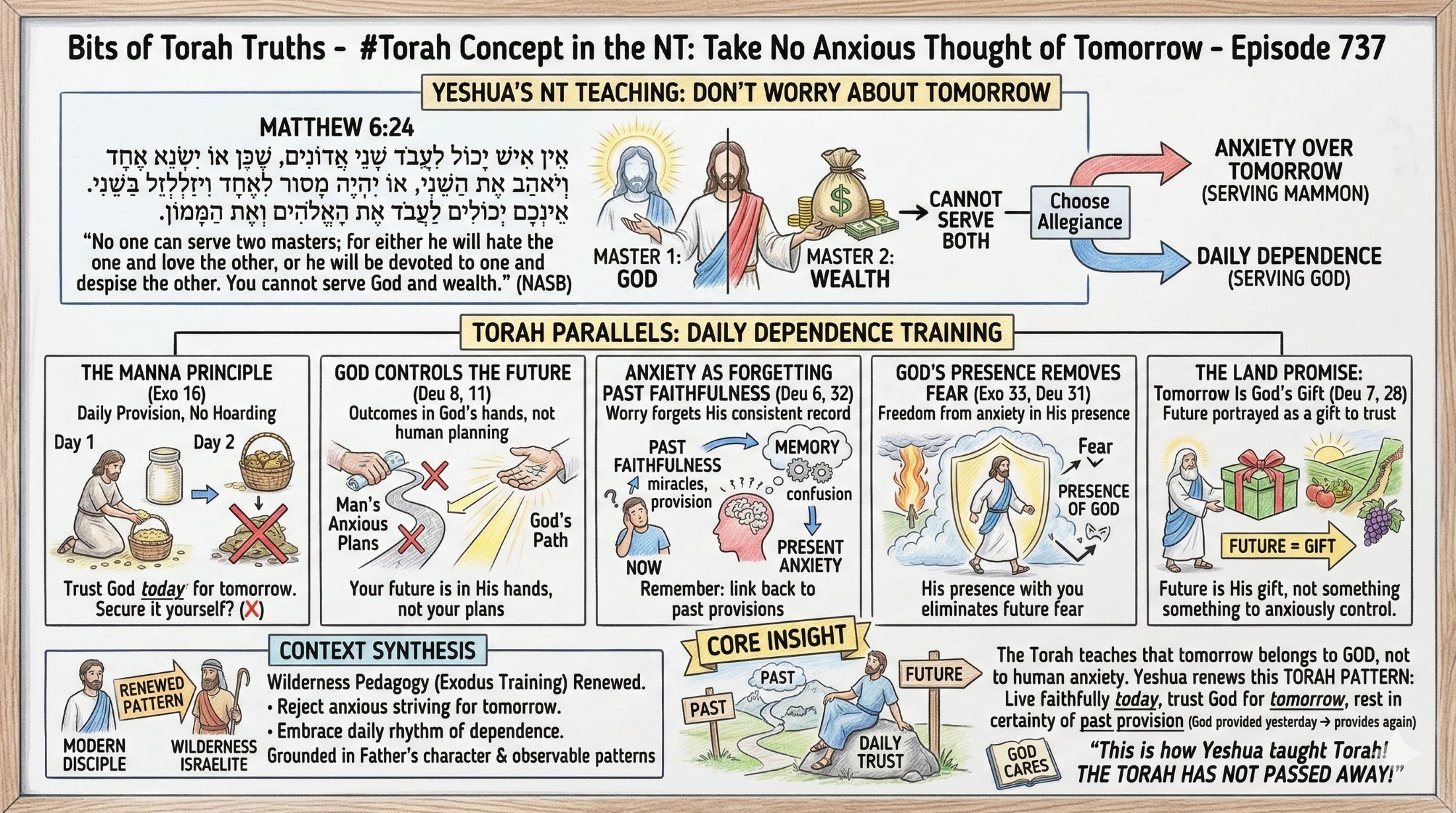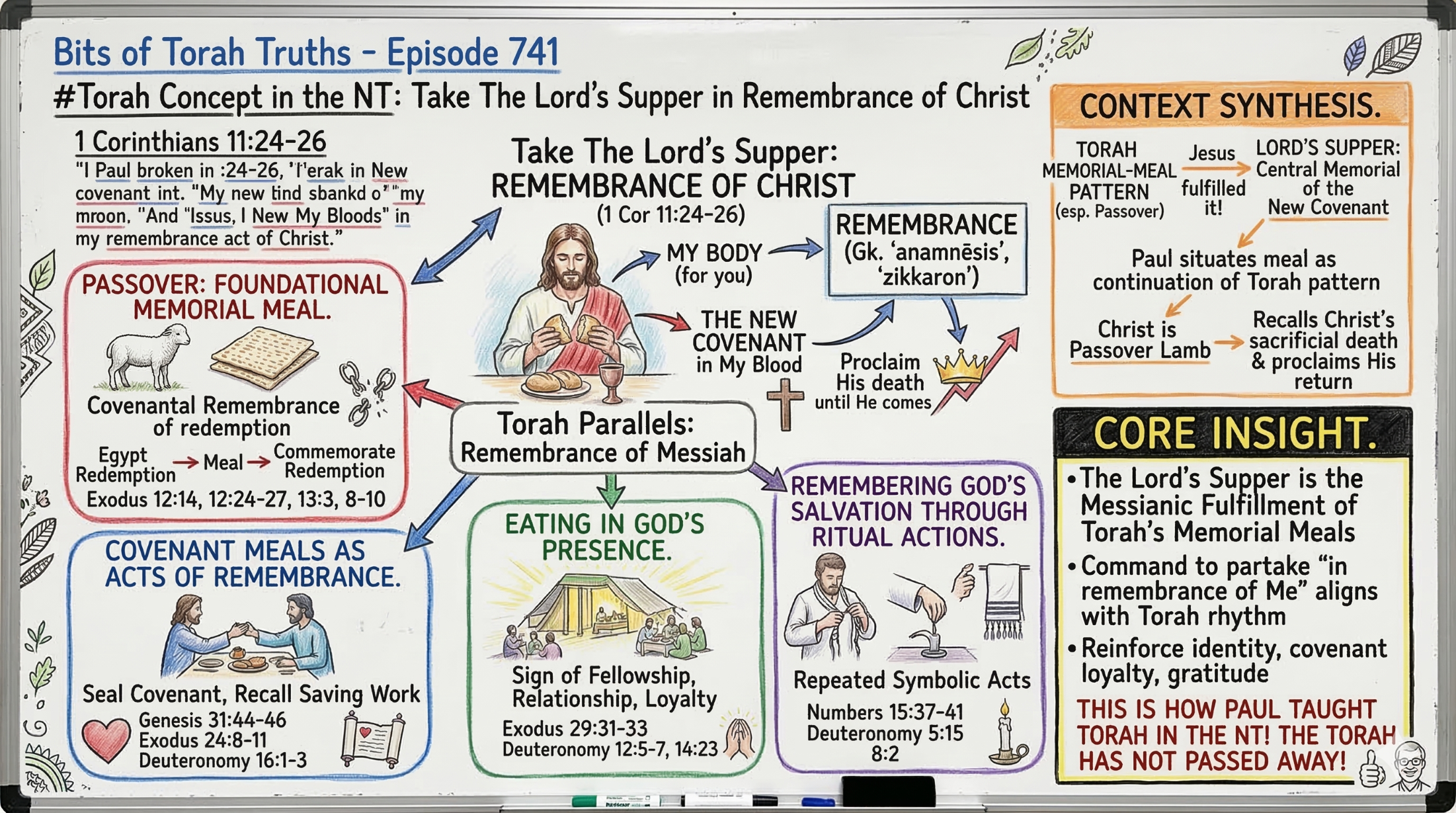
Bits of Torah Truths – #Torah Concept in the NT: Admit being unworthy slaves – Episode 793
Luke 17:10
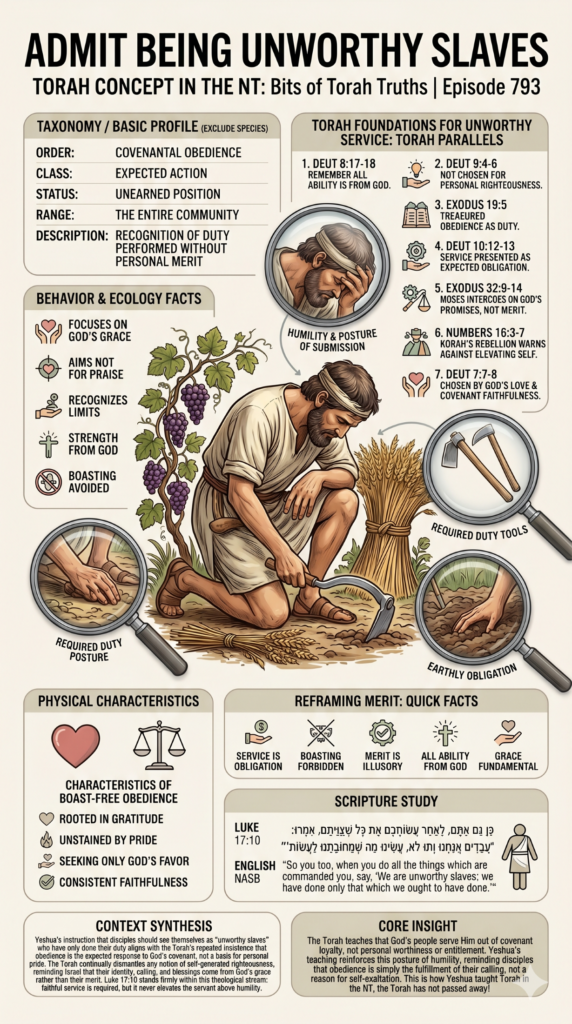
כֵּן גַּם אַתֶּם, לְאַחַר עֲשׂוֹתְכֶם אֶת כָּל שֶׁצֻּוֵּיתֶם, אִמְרוּ׃ ׳עֲבָדִים אֲנַחְנוּ וְתוּ לֹא, עָשִׂינוּ מַה שֶּׁמֵּחוֹבָתֵנוּ לַעֲשׂוֹת׳.״
#torah #torahwisdom #torahtruth #torahforlife #torah4you #torahtruth
Luke 17:10
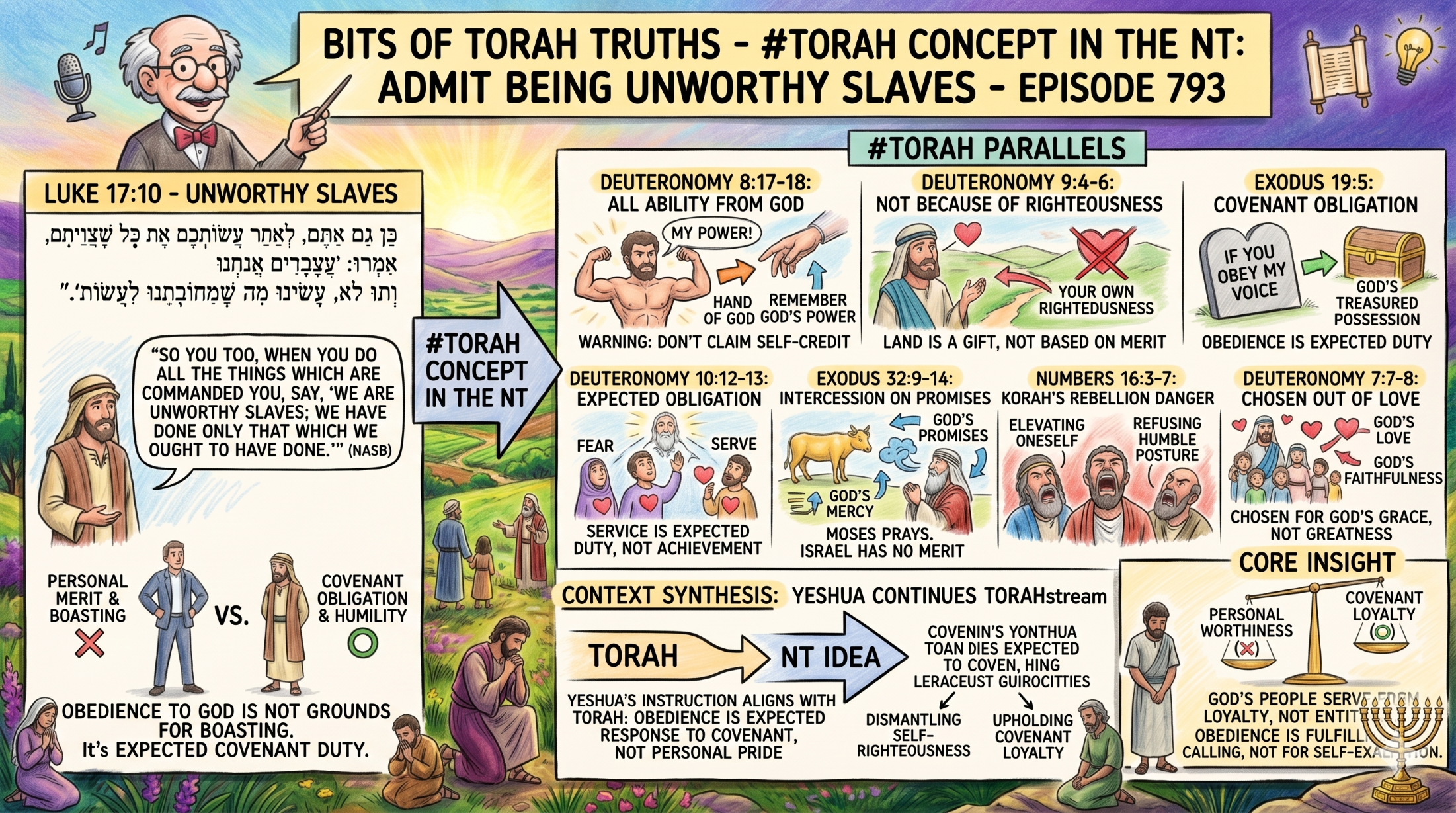
17:10 “So you too, when you do all the things which are commanded you, say, ‘We are unworthy slaves; we have done only that which we ought to have done.’ ” (NASB)
https://www.matsati.com/index.php/category/bits-of-torah-truths/
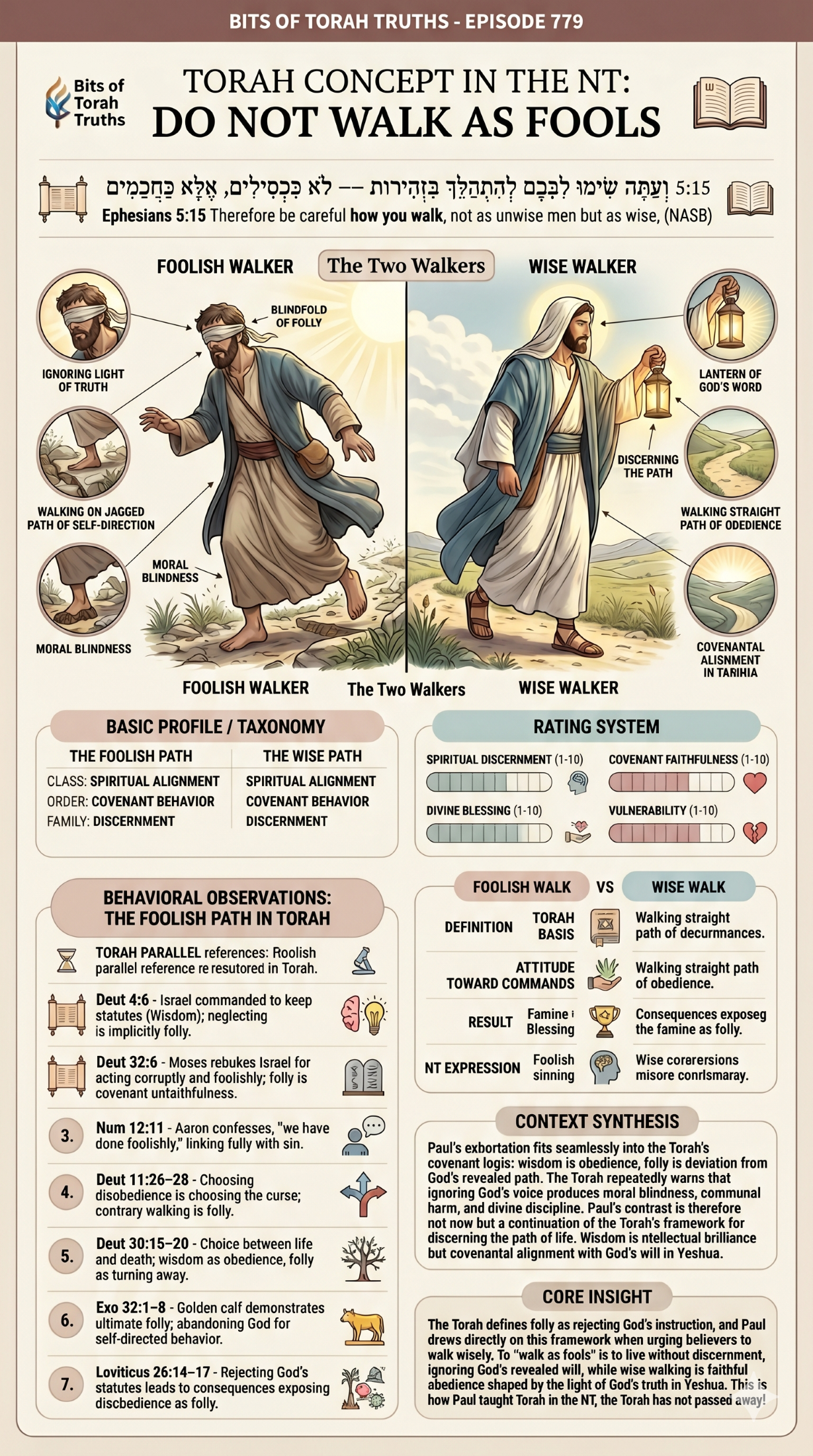
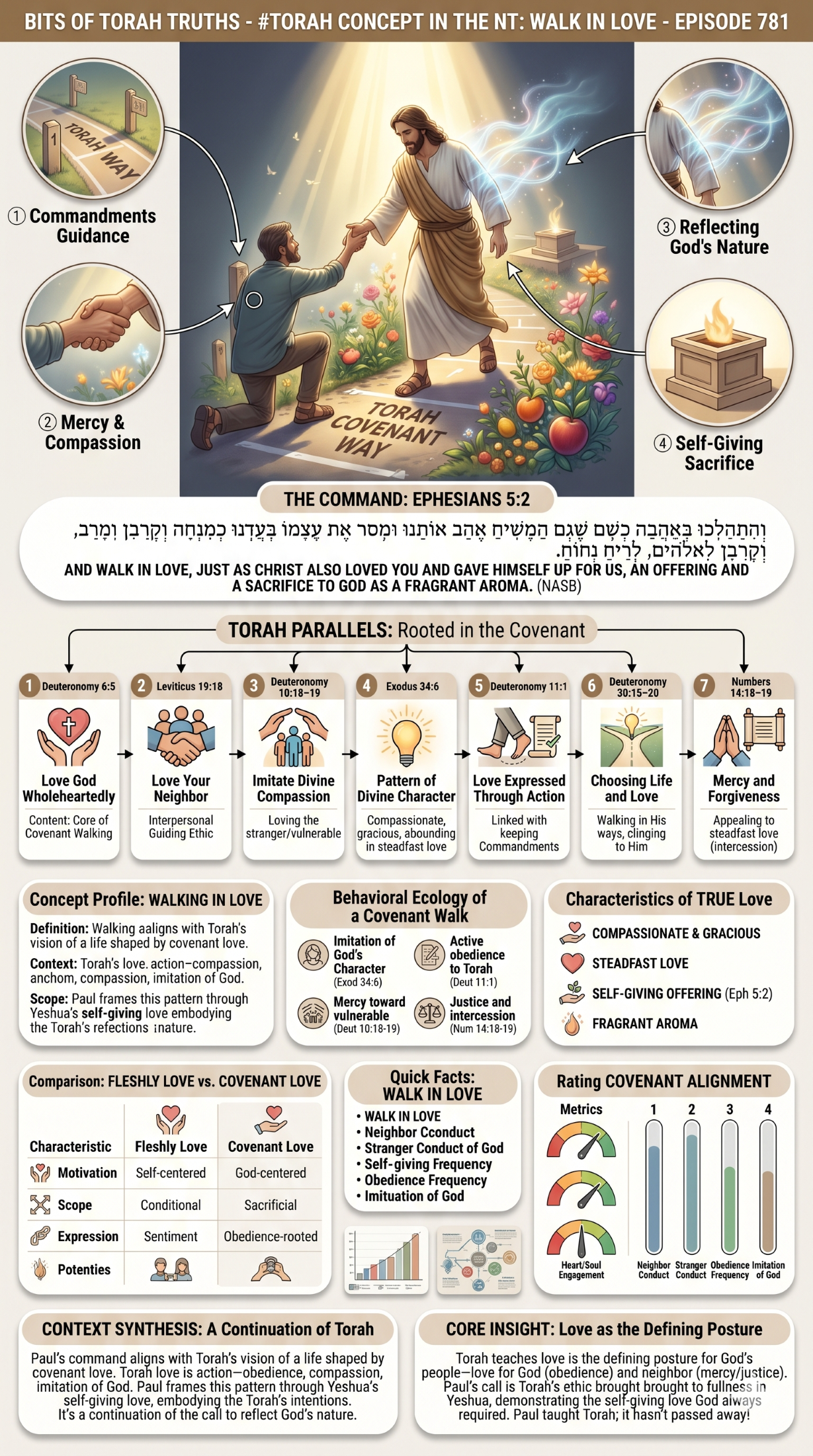
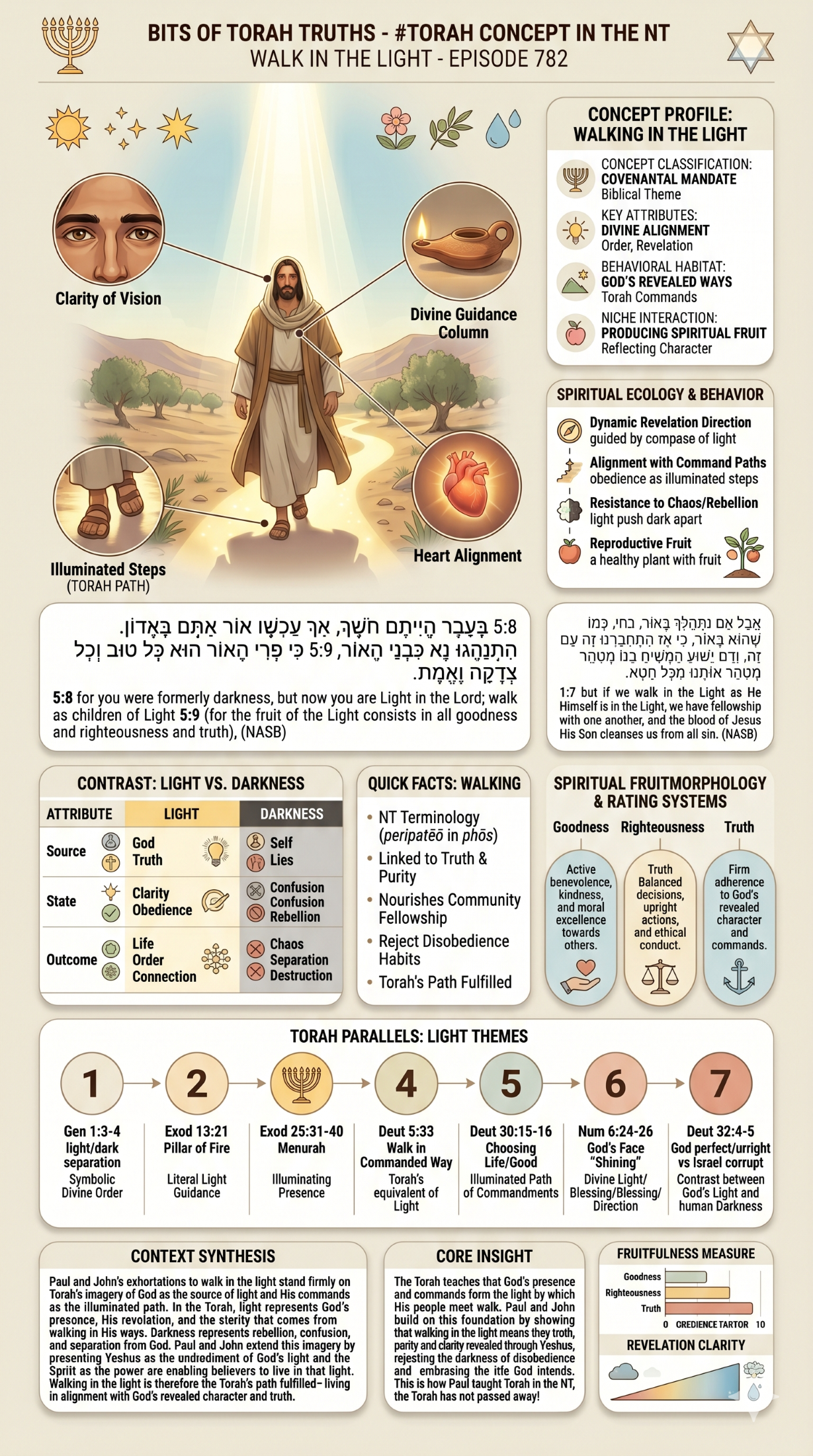
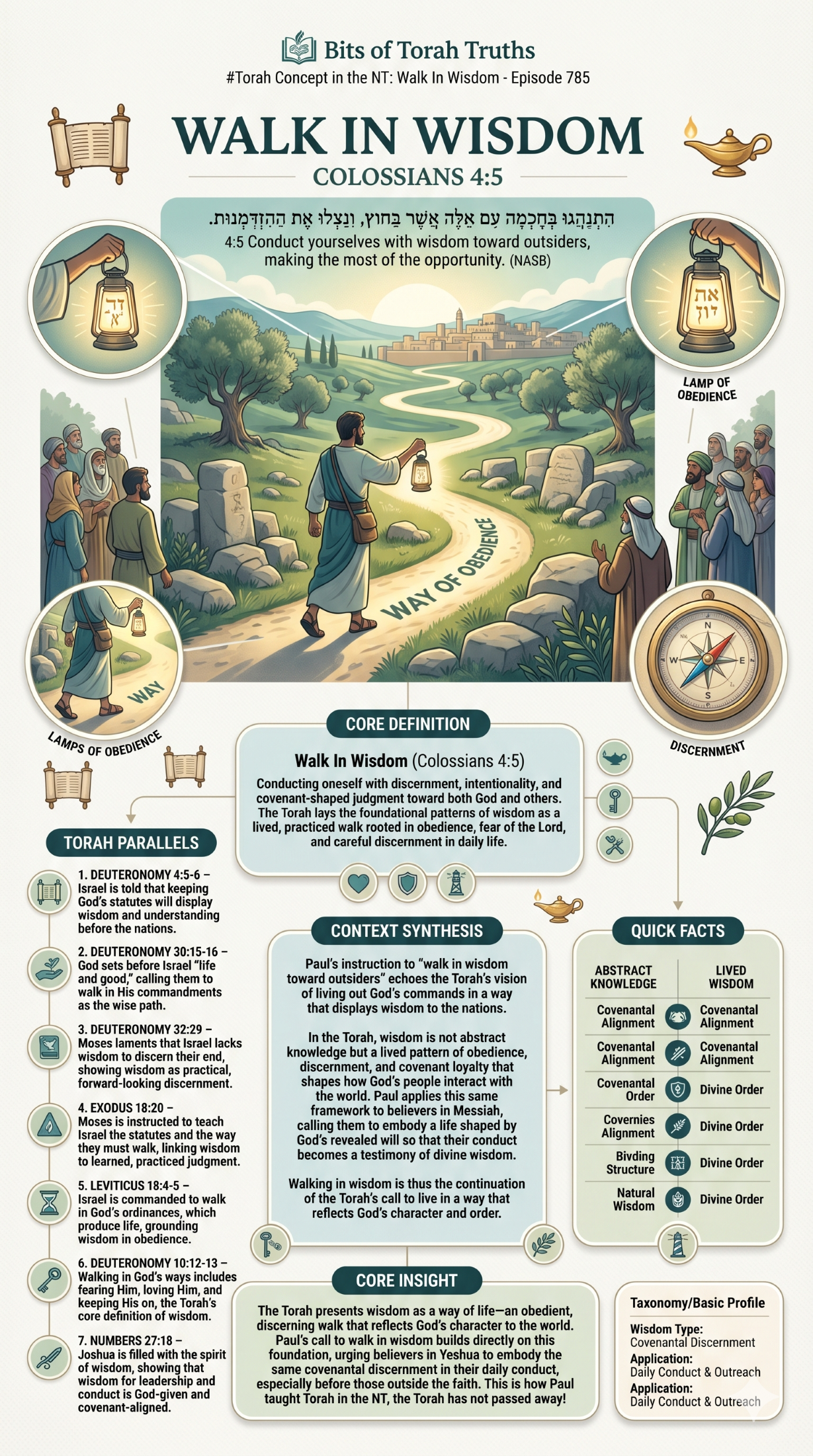
The teaching in Luke 17:10—acknowledging oneself as an “unworthy slave” who has only done what was commanded—echoes Torah themes of humility, duty, and the recognition that obedience to God is not grounds for boasting. The Torah consistently frames service to God as an expected covenant obligation rather than a basis for personal merit.
– Torah parallels –
- Deuteronomy 8:17–18 — Israel is warned not to claim credit for their own righteousness or strength, but to remember that all ability comes from God.
- Deuteronomy 9:4–6 — Israel is explicitly told they are not receiving the land because of their own righteousness, reinforcing humility and the absence of merit-based boasting.
- Exodus 19:5 — Israel is called God’s “treasured possession” if they obey His voice, showing that obedience is covenant duty, not grounds for self-exaltation.
- Deuteronomy 10:12–13 — Israel is commanded to fear, love, and serve God, presenting service as an expected obligation rather than an achievement.
- Exodus 32:9–14 — Moses intercedes not on the basis of Israel’s worthiness but on God’s promises, highlighting that Israel cannot claim merit before God.
- Numbers 16:3–7 — The rebellion of Korah illustrates the danger of elevating oneself and refusing the humble posture required of God’s servants.
- Deuteronomy 7:7–8 — God chose Israel not because they were great or deserving, but because of His love and covenant faithfulness.
– Context Synthesis –
Yeshua’s instruction that disciples should see themselves as “unworthy slaves” who have only done their duty aligns with the Torah’s repeated insistence that obedience is the expected response to God’s covenant, not a basis for personal pride. The Torah continually dismantles any notion of self-generated righteousness, reminding Israel that their identity, calling, and blessings come from God’s grace rather than their merit. Luke 17:10 stands firmly within this theological stream: faithful service is required, but it never elevates the servant above humility.
– Core Insight –
The Torah teaches that God’s people serve Him out of covenant loyalty, not personal worthiness or entitlement. Yeshua’s teaching reinforces this posture of humility, reminding disciples that obedience is simply the fulfillment of their calling, not a reason for self-exaltation. This is how Yeshua taught Torah in the NT, the Torah has not passed away!
Visual Summary of Concepts the Torah in the NT