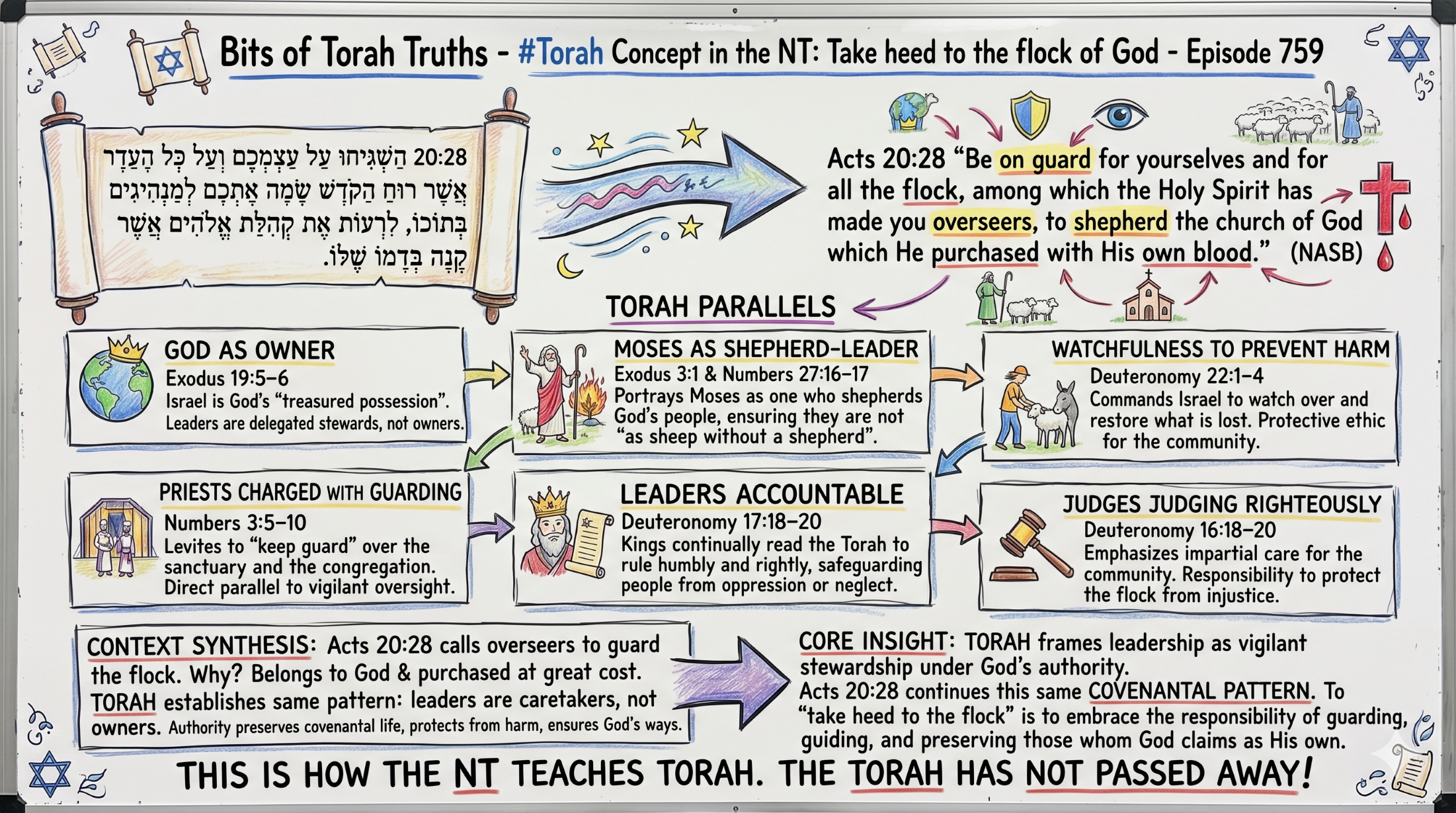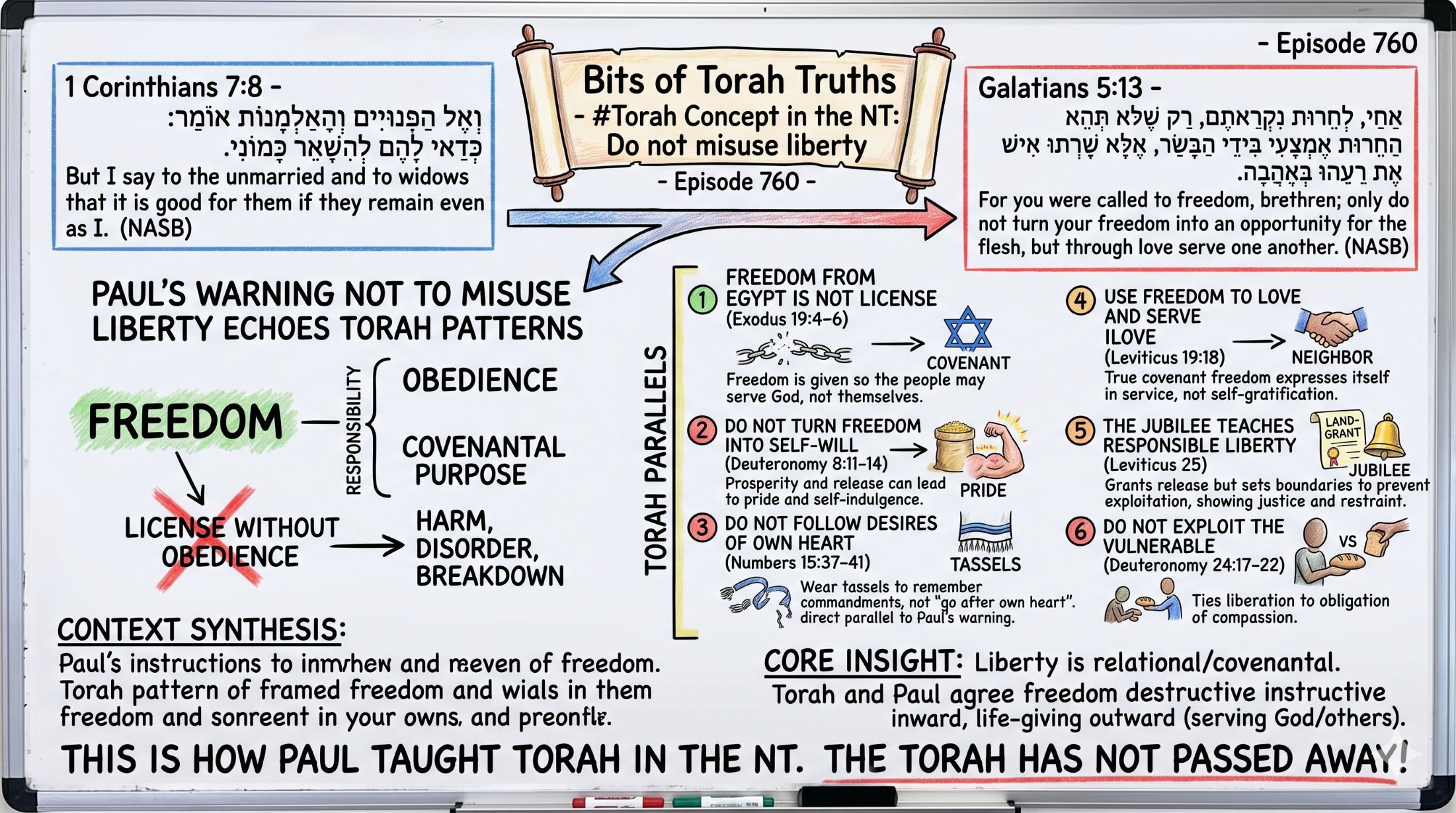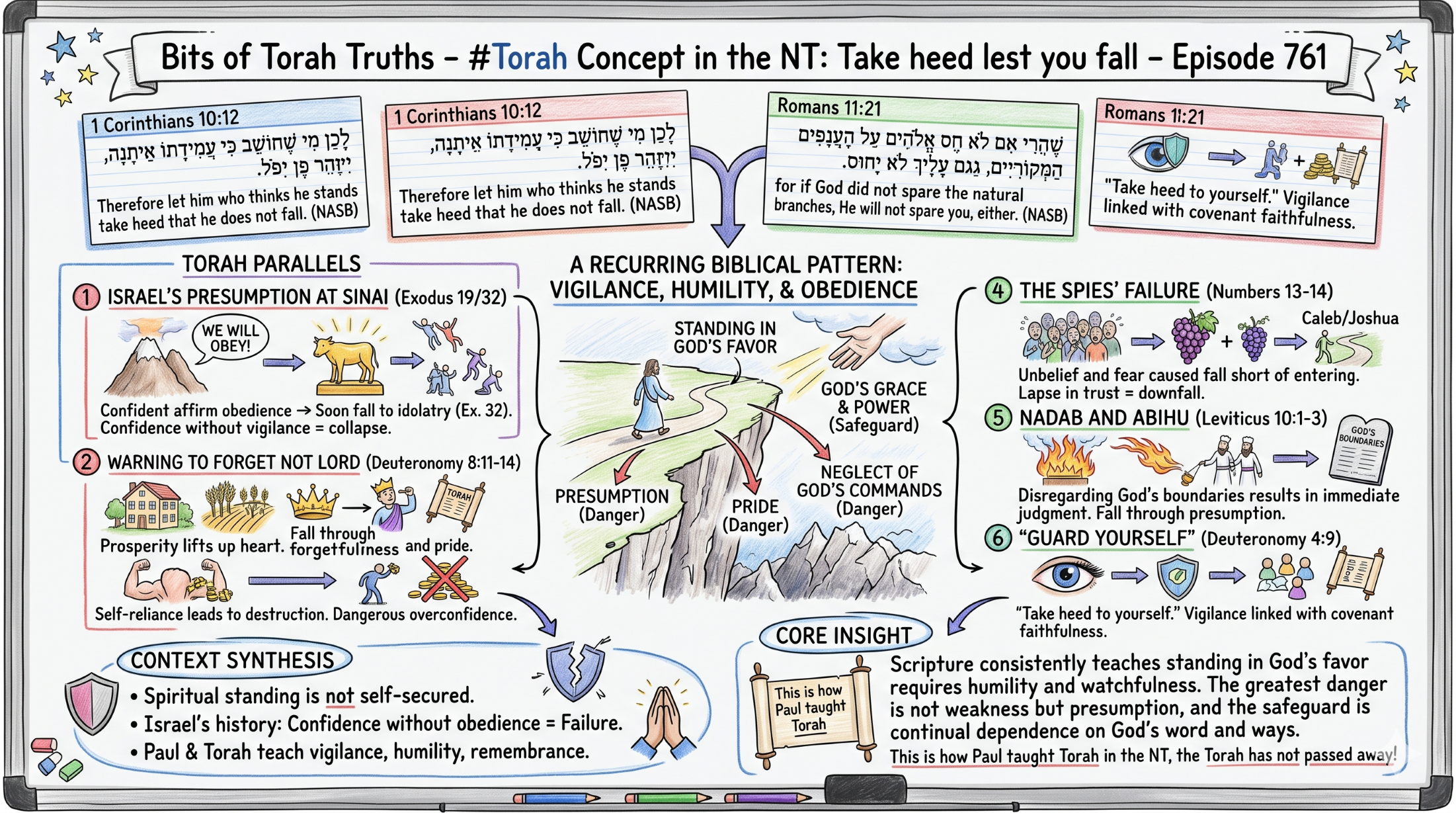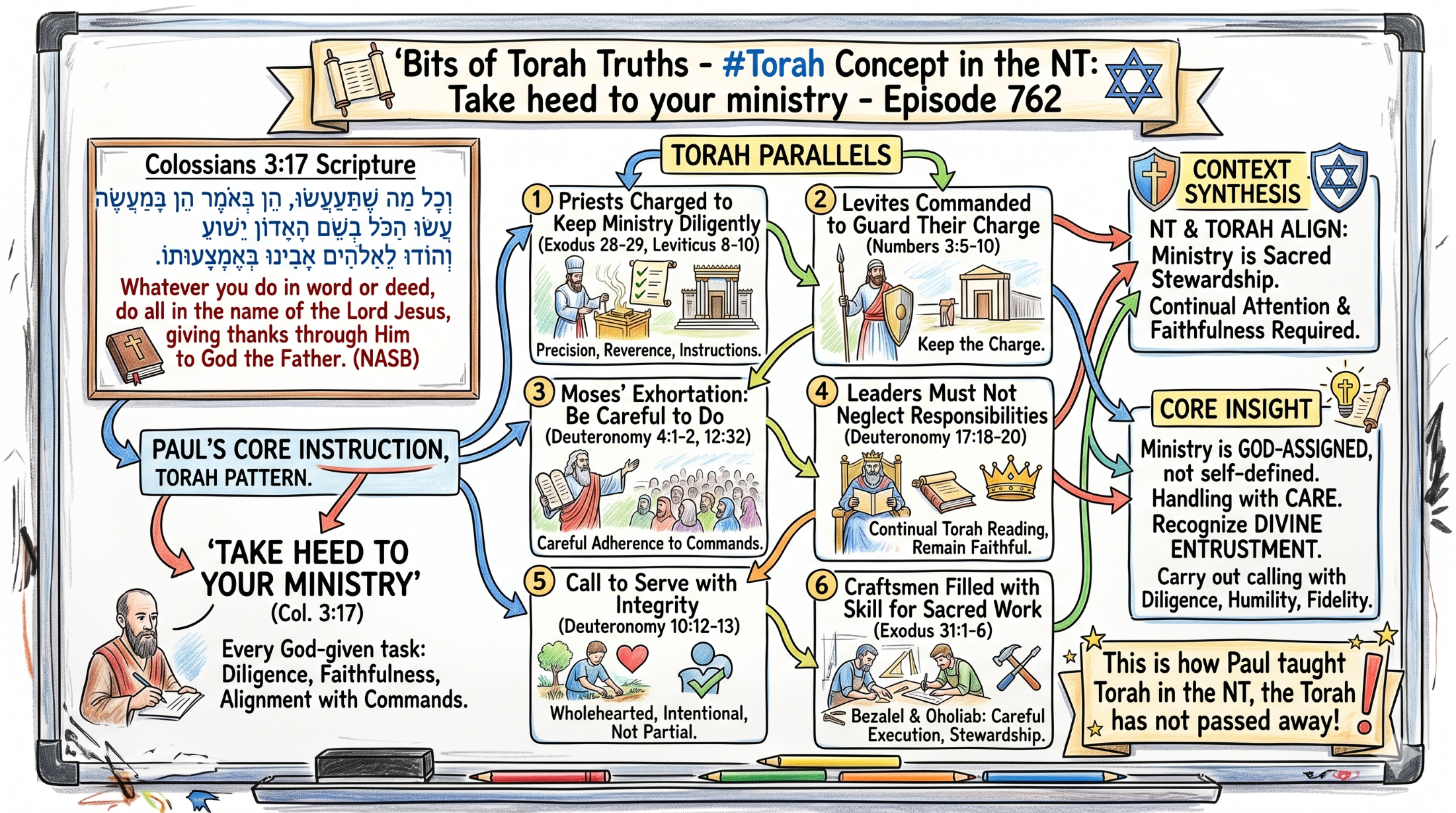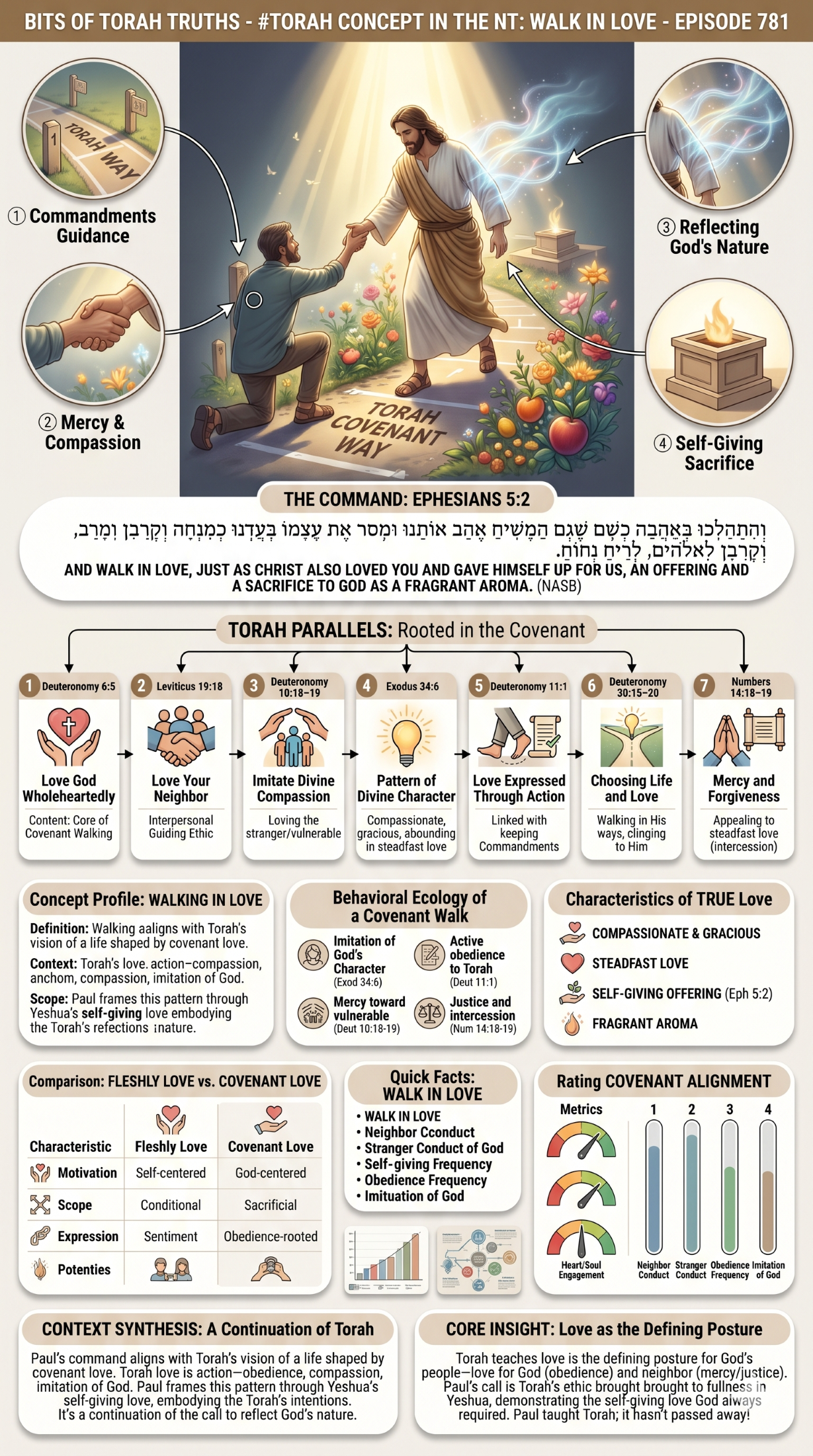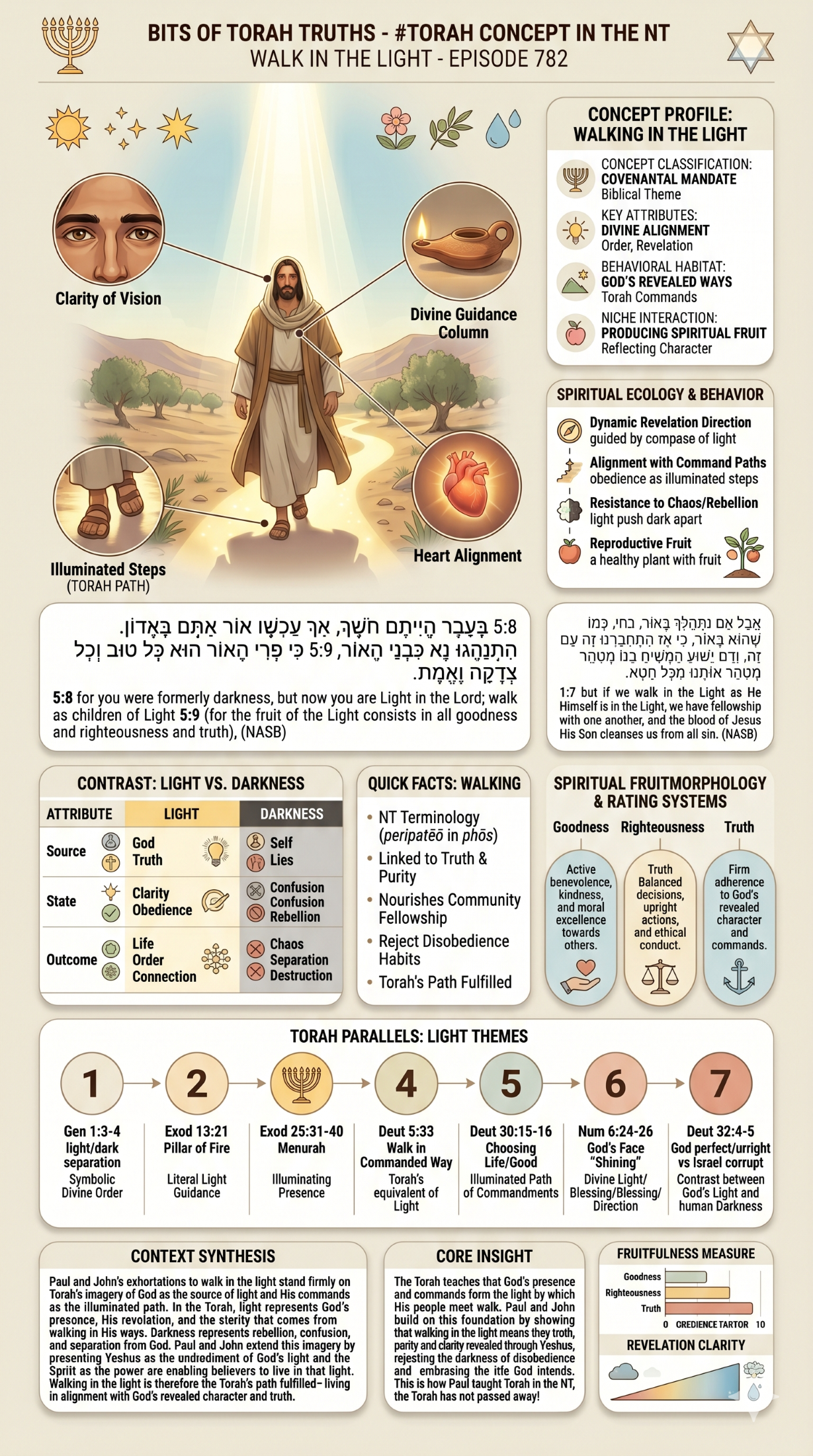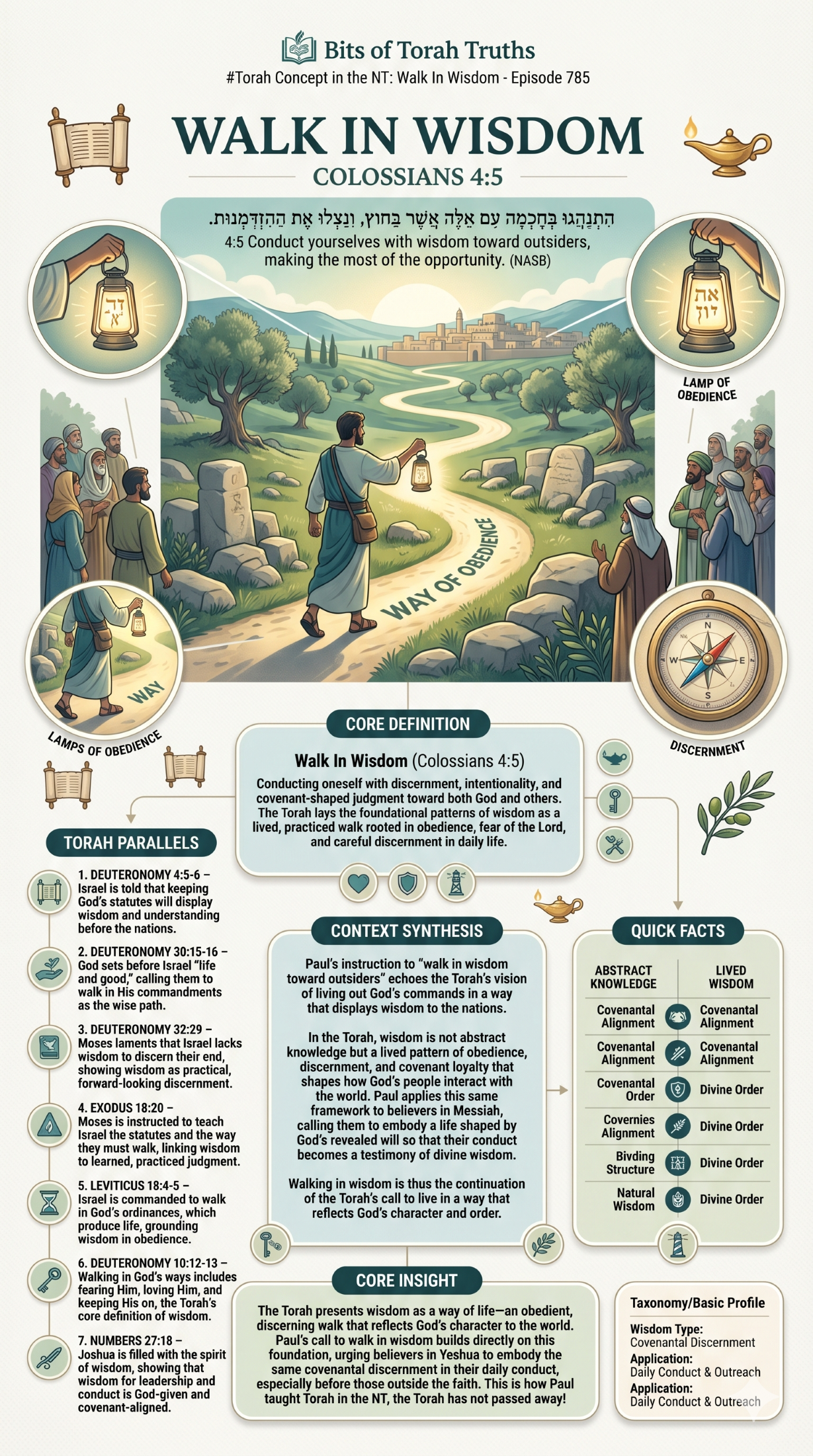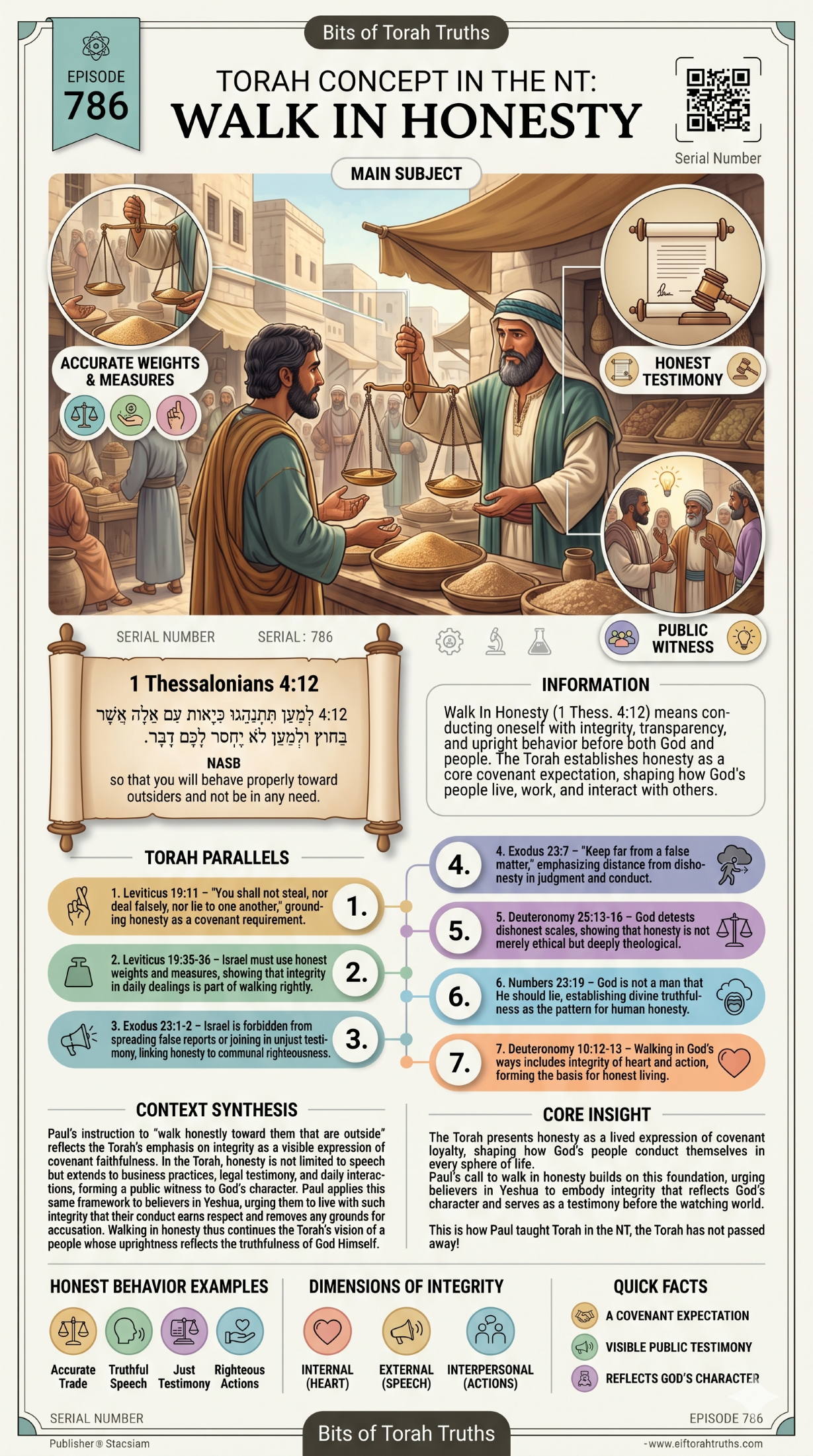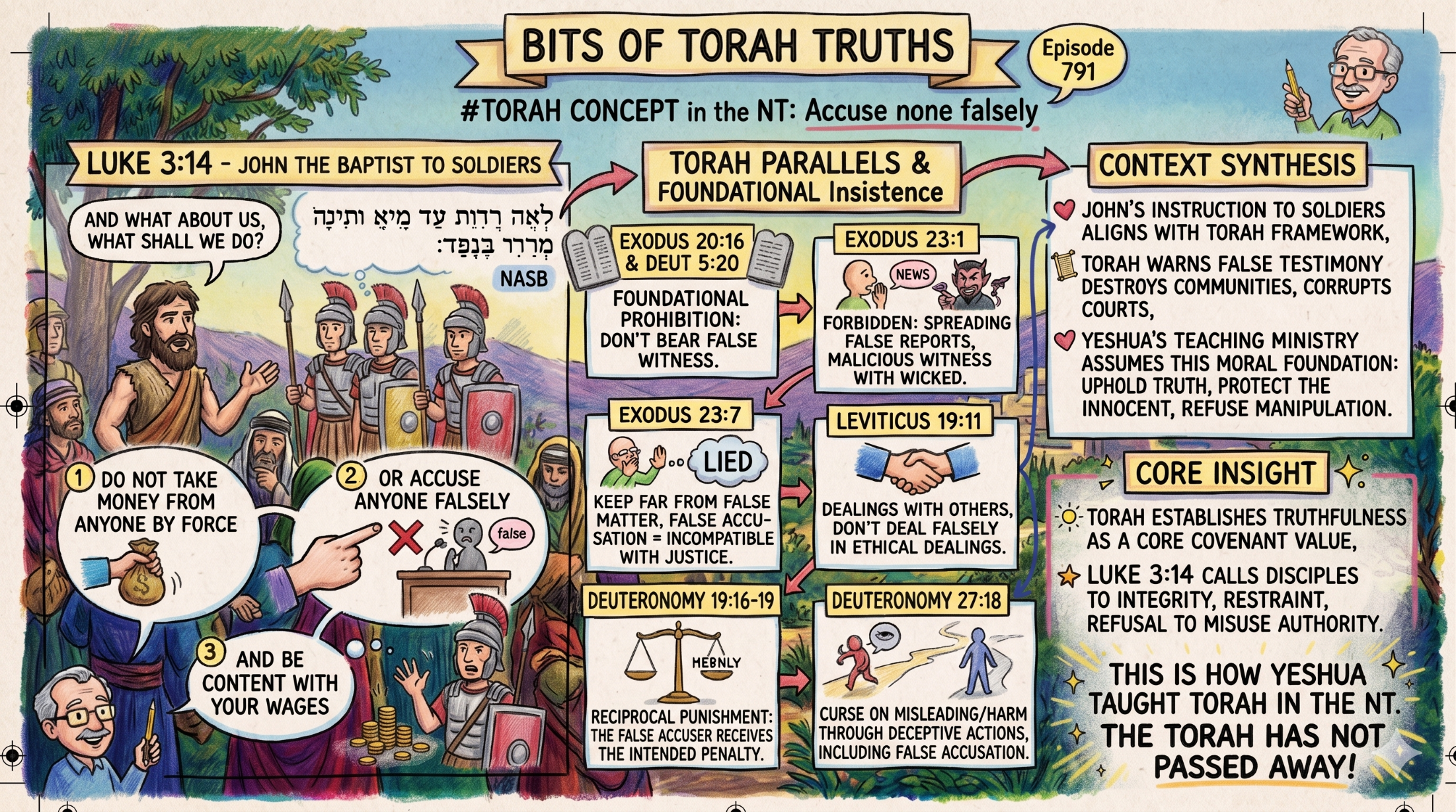
Bits of Torah Truths – #Torah Concept in the NT: Accuse None Falsely – Episode 791
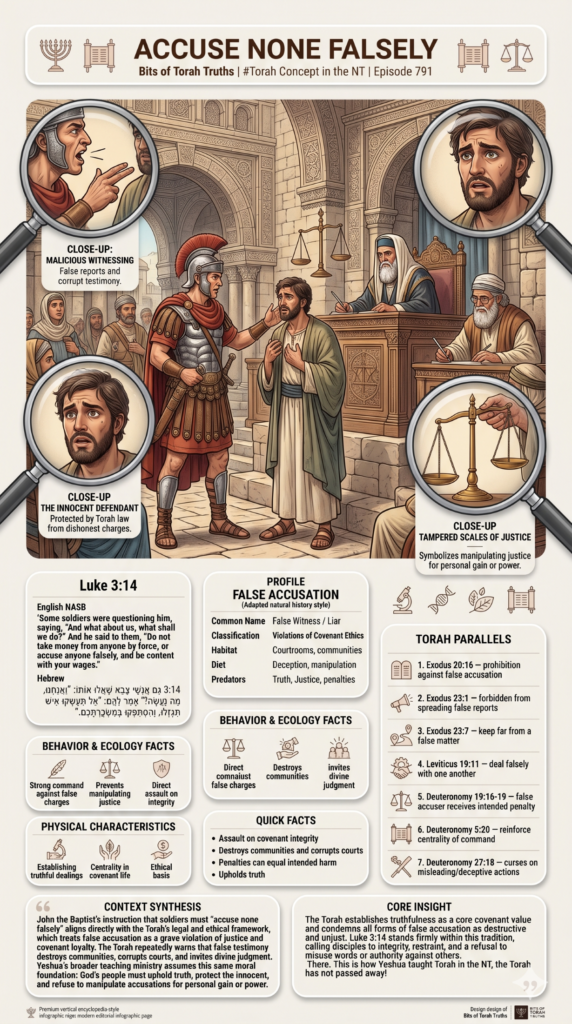
Luke 3:14
גַּם אַנְשֵׁי צָבָא שָׁאֲלוּ אוֹתוֹ׃ ״וַאֲנַחְנוּ, מַה נַּעֲשֶׂה?״ אָמַר לָהֶם׃ ״אַל תַּעַשְׁקוּ אִישׁ וְאַל תִּגְזְלוּ, וְהִסְתַּפְּקוּ בְּמַשְׂכֻּרְתְּכֶם.״
#torah#torahwisdom#torahtruth#torahforlife#torah4you#torahtruth
Luke 3:14
3:14 Some soldiers were questioning him, saying, “And what about us, what shall we do?” And he said to them, “Do not take money from anyone by force, or accuse anyone falsely, and be content with your wages.” (NASB)
https://www.matsati.com/index.php/category/bits-of-torah-truths/
The command “accuse none falsely” in Luke 3:14 reflects the Torah’s strong insistence that God’s people must never bring false charges, manipulate justice, or harm others through dishonest testimony. The Torah treats false accusation as a direct assault on covenant integrity and communal righteousness.
– Torah parallels –
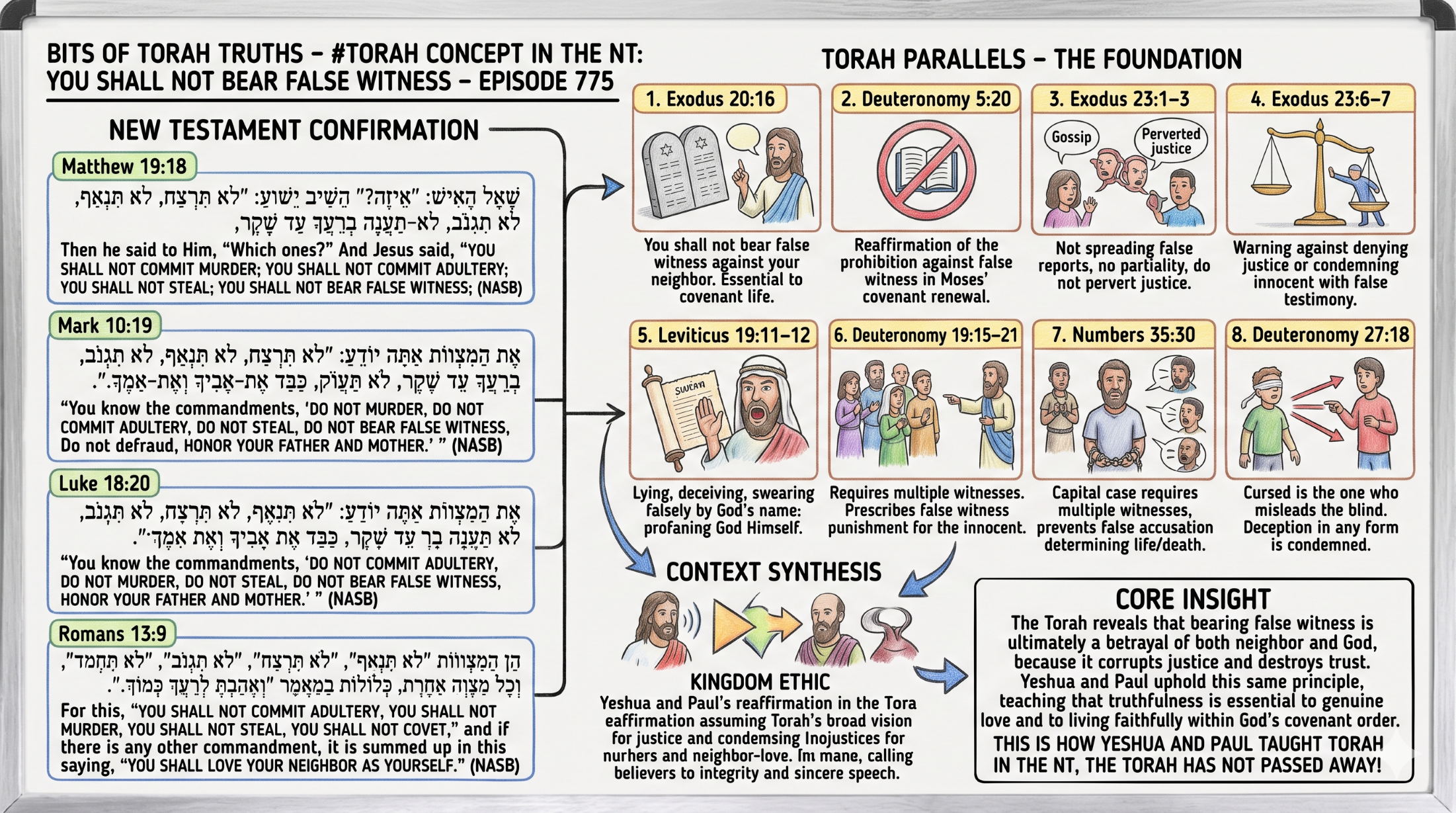
- Exodus 20:16 — The commandment “You shall not bear false witness” establishes the foundational prohibition against false accusation.
- Exodus 23:1 — Israel is forbidden from spreading false reports or joining with the wicked to be a malicious witness.
- Exodus 23:7 — God commands, “Keep far from a false matter,” showing that false accusation is incompatible with justice.
- Leviticus 19:11 — Israel must not deal falsely with one another, forming the ethical basis for truthful dealings.
- Deuteronomy 19:16–19 — If a witness falsely accuses another, the false accuser must receive the penalty intended for the innocent, demonstrating the seriousness of false charges.
- Deuteronomy 5:20 — The repetition of the command against false witness reinforces its centrality in covenant life.
- Deuteronomy 27:18 — Curses are pronounced on those who mislead or harm others through deceptive actions, including false accusation.
– Context Synthesis –
John the Baptist’s instruction that soldiers must “accuse none falsely” aligns directly with the Torah’s legal and ethical framework, which treats false accusation as a grave violation of justice and covenant loyalty. The Torah repeatedly warns that false testimony destroys communities, corrupts courts, and invites divine judgment. Yeshua’s broader teaching ministry assumes this same moral foundation: God’s people must uphold truth, protect the innocent, and refuse to manipulate accusations for personal gain or power.
– Core Insight –
The Torah establishes truthfulness as a core covenant value and condemns all forms of false accusation as destructive and unjust. Luke 3:14 stands firmly within this tradition, calling disciples to integrity, restraint, and a refusal to misuse words or authority against others. This is how Yeshua taught Torah in the NT, the Torah has not passed away!
Visual Summary of Concepts the Torah in the NT