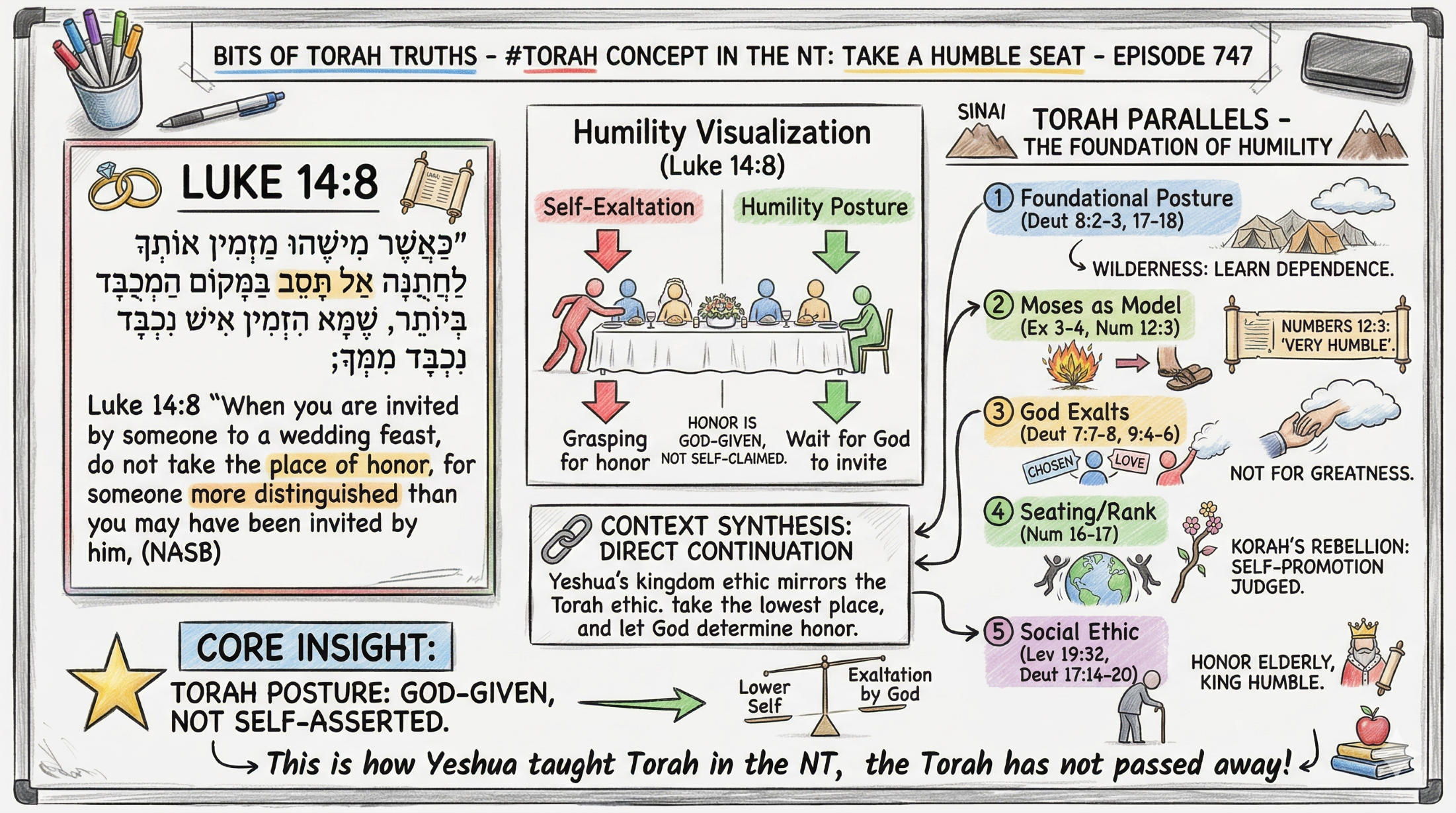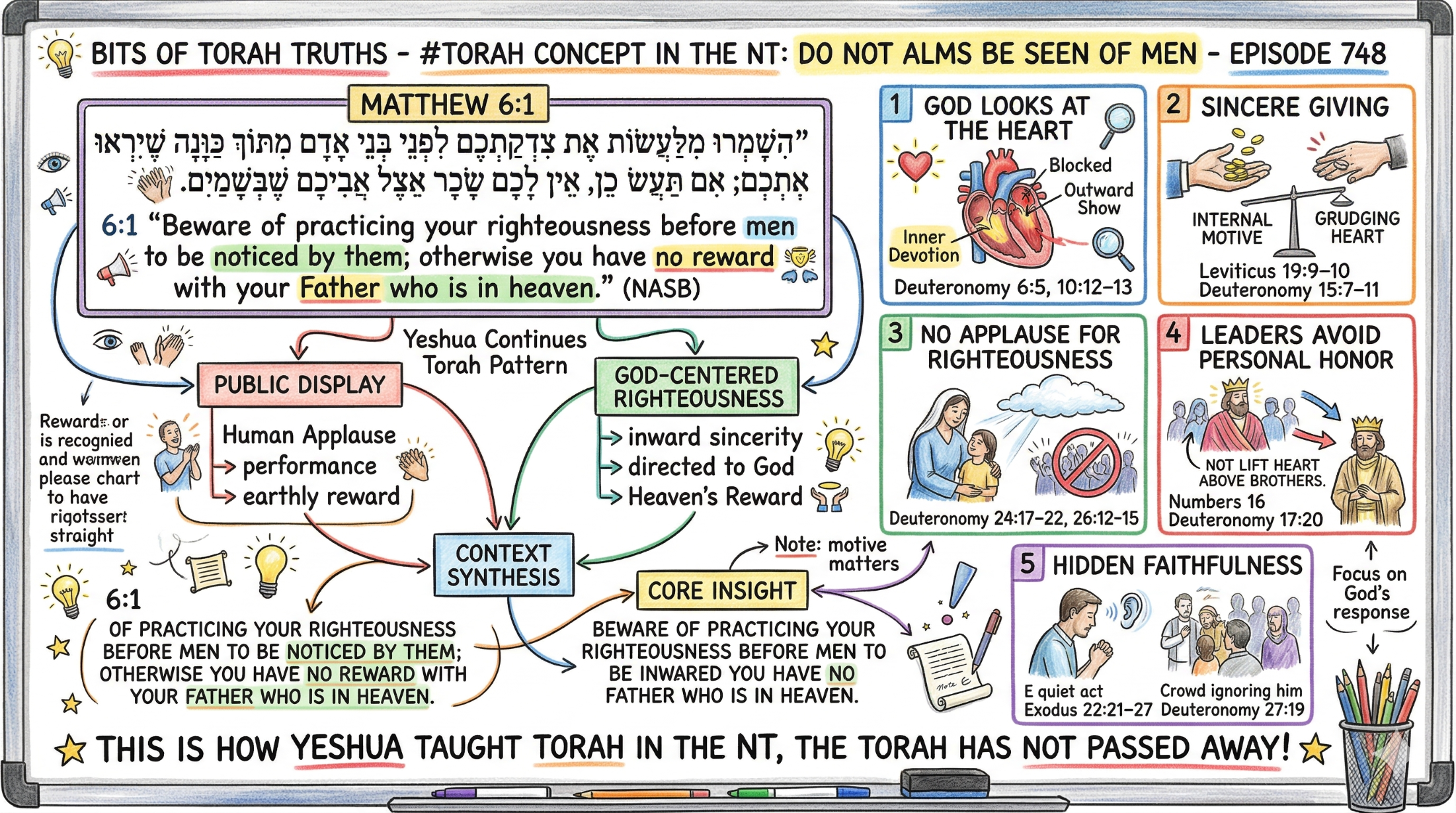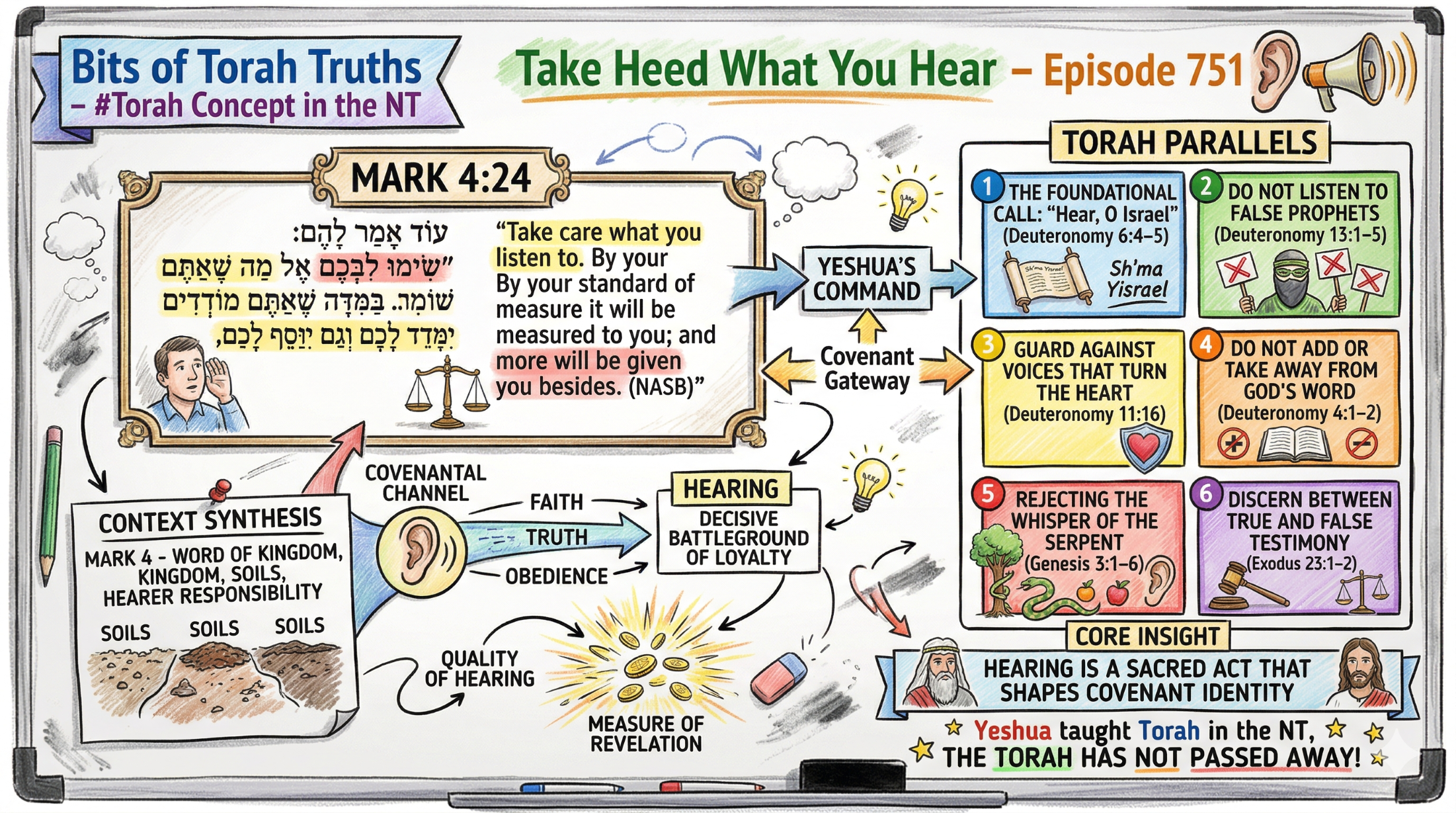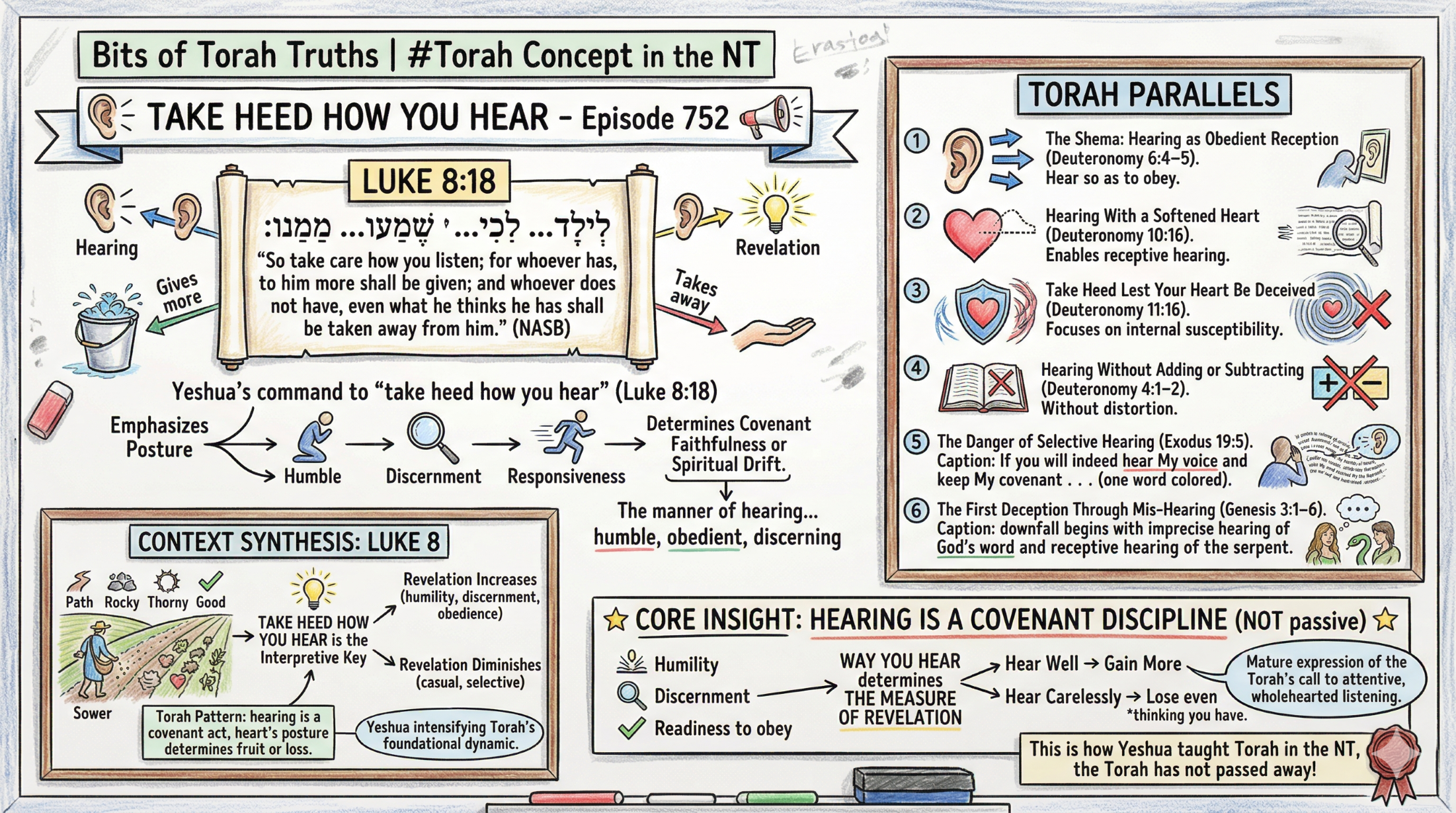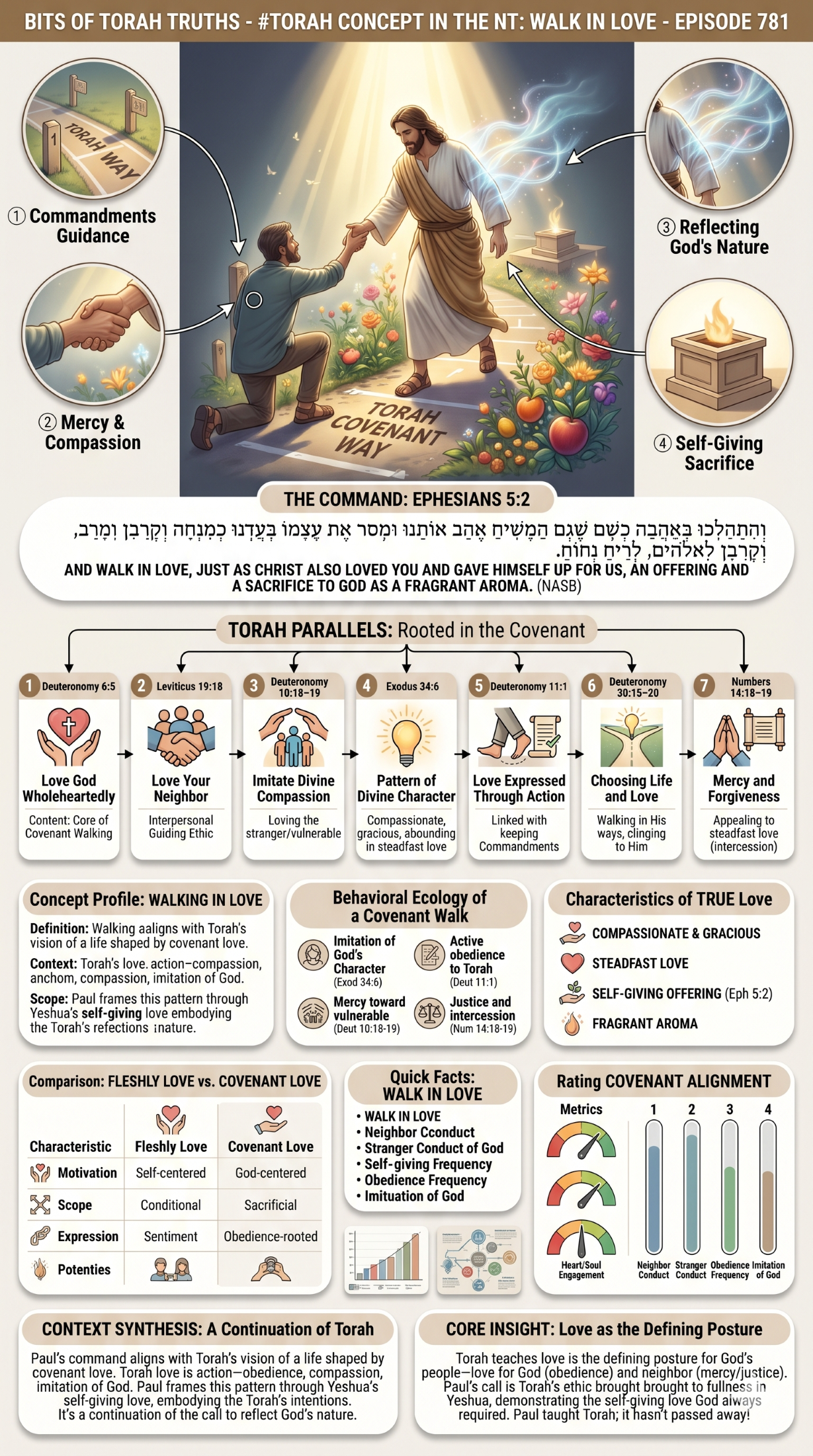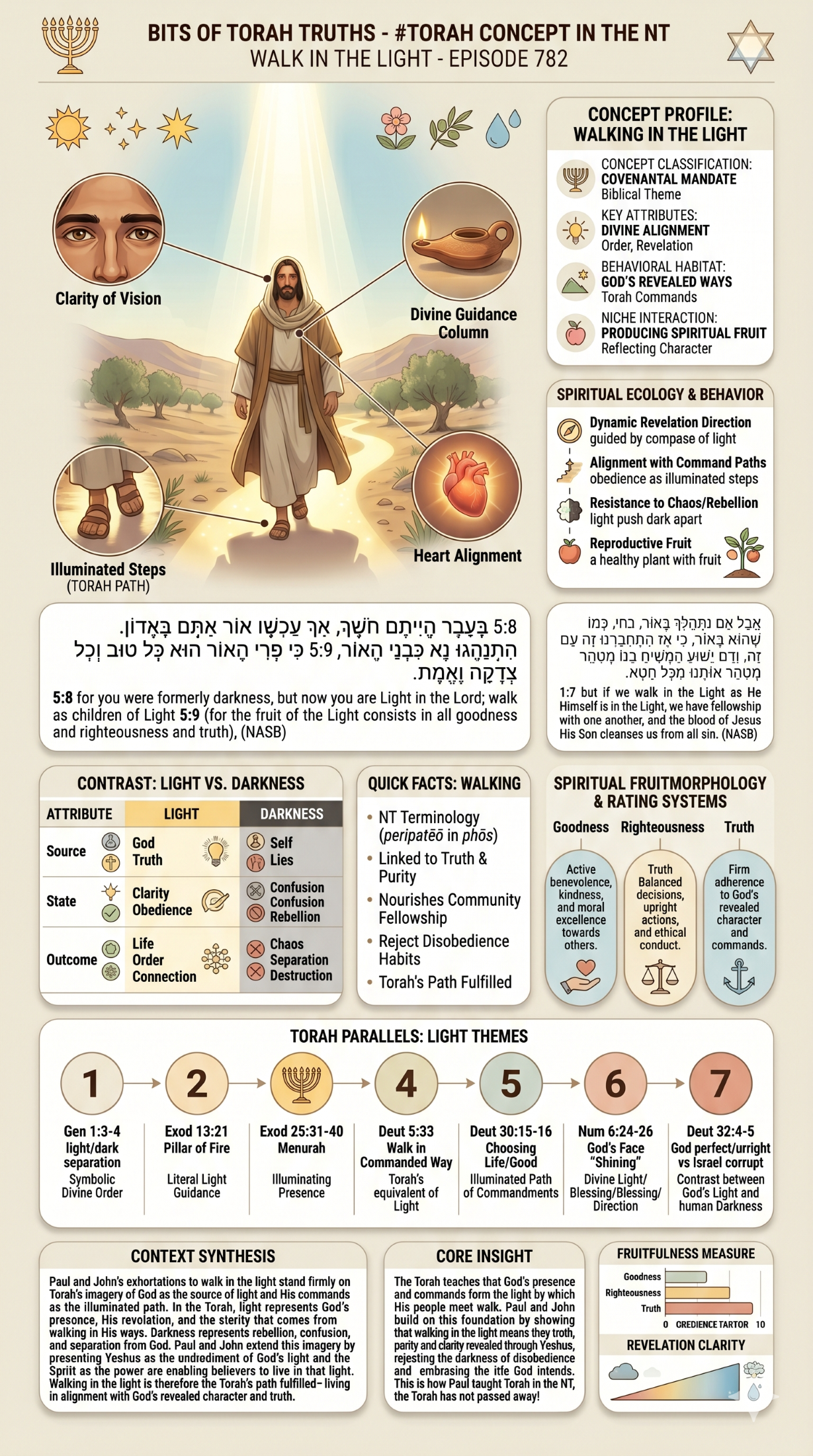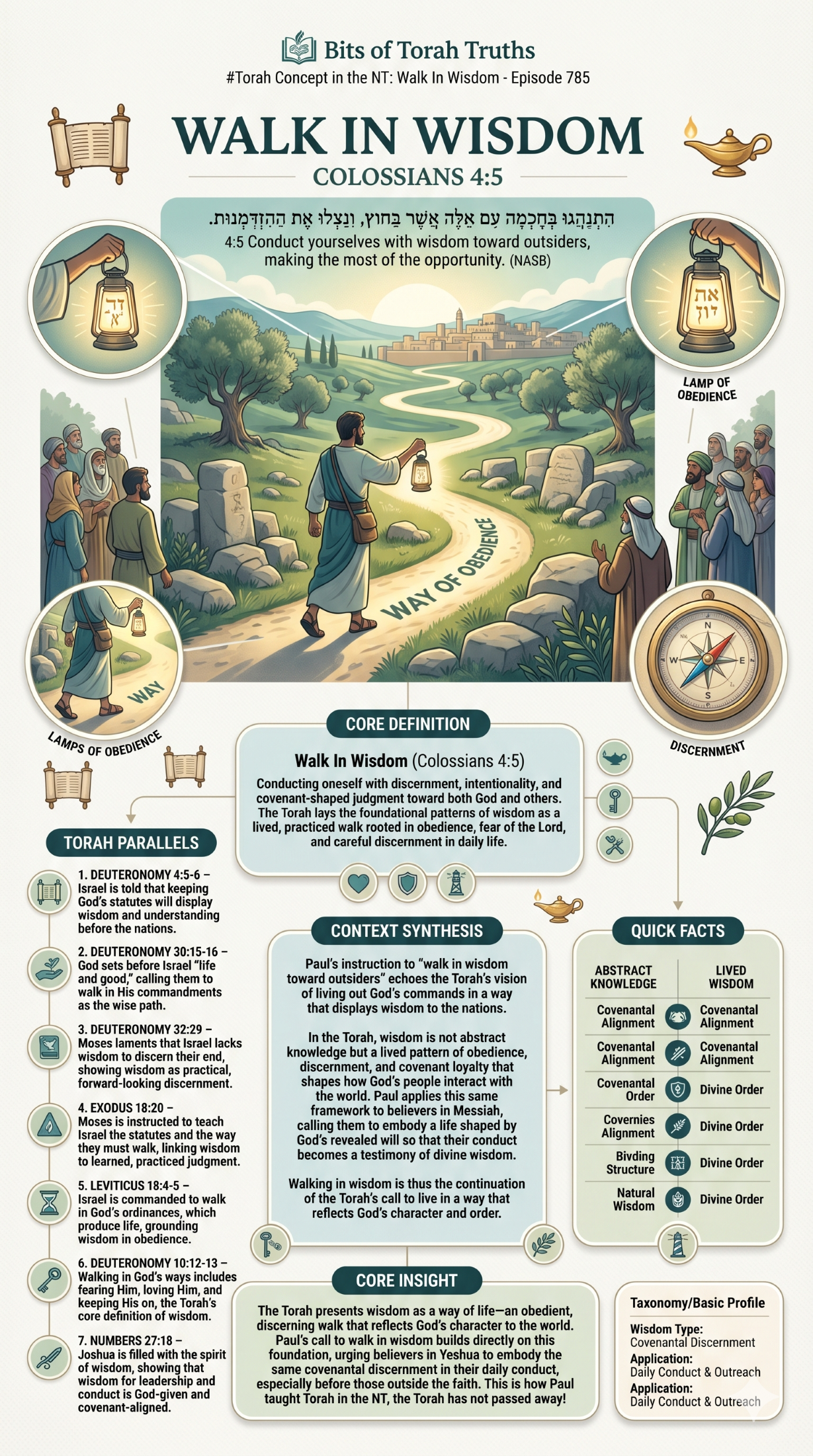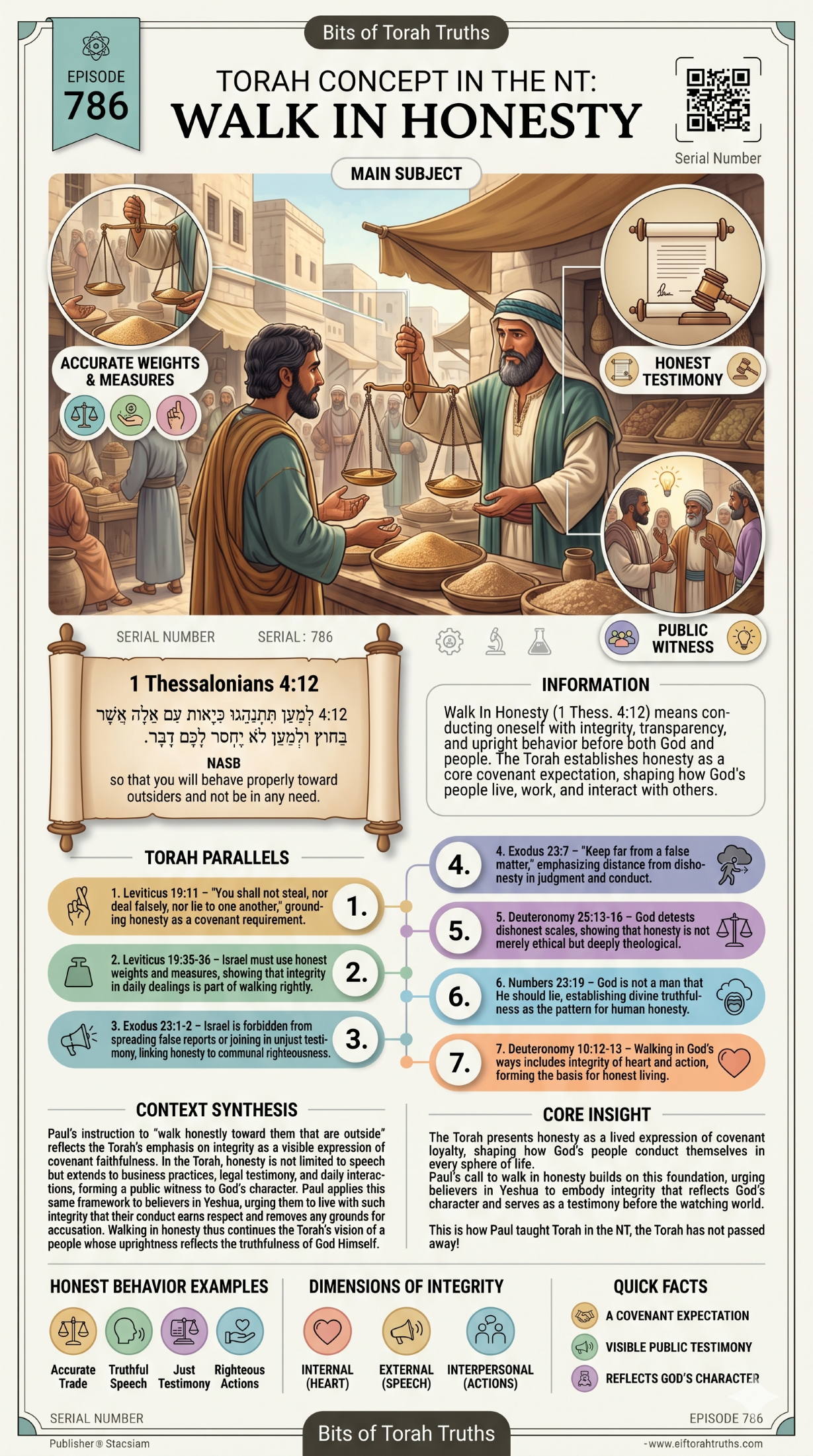
Bits of Torah Truths – #Torah Concept in the NT: Grieve not the Holy Spirit – Episode 865
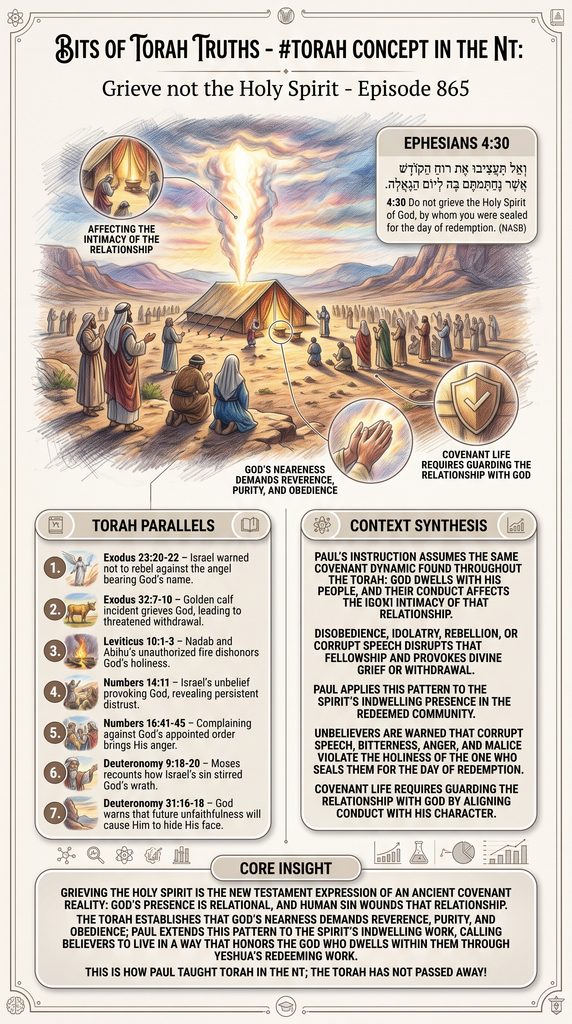
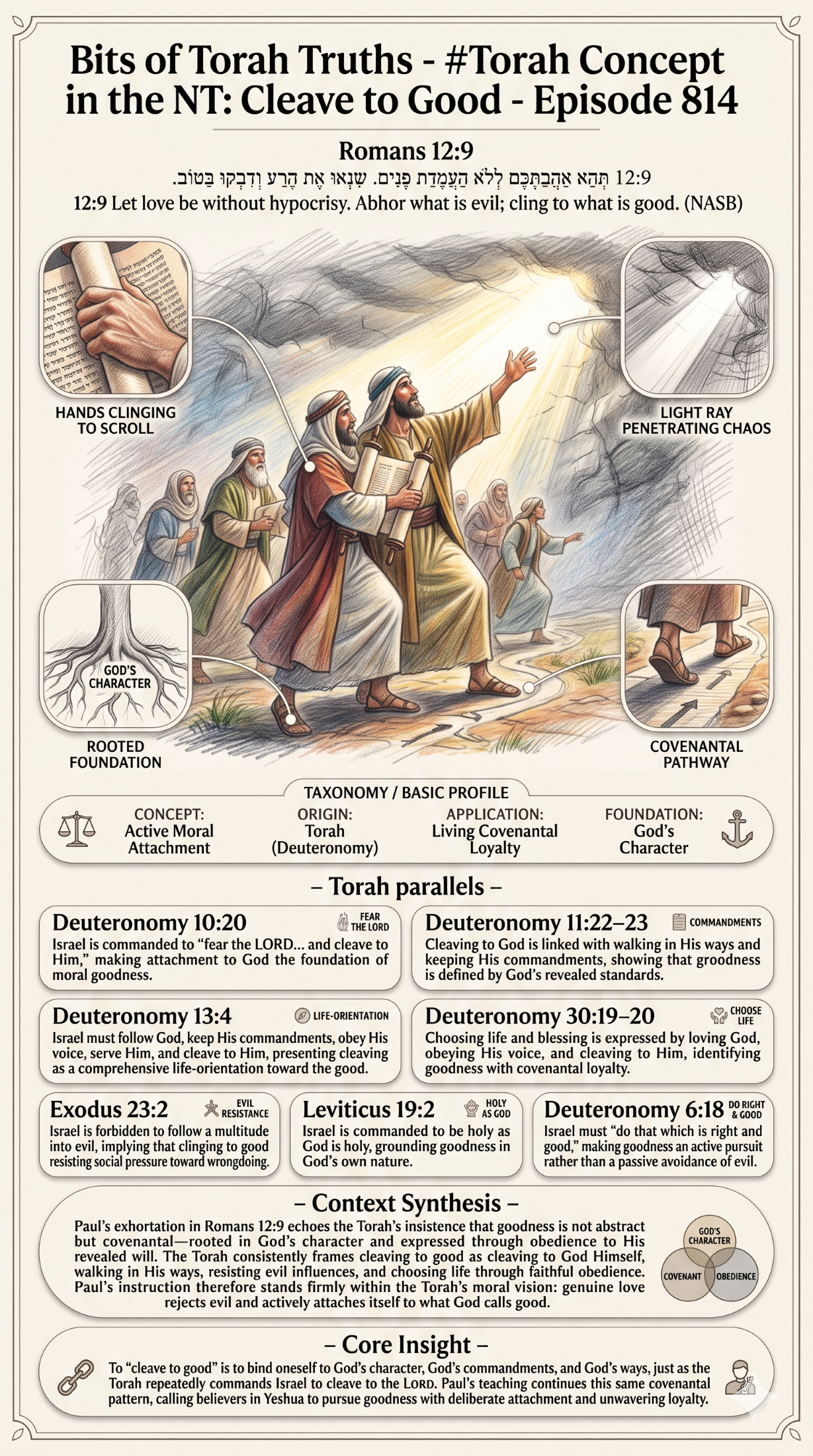
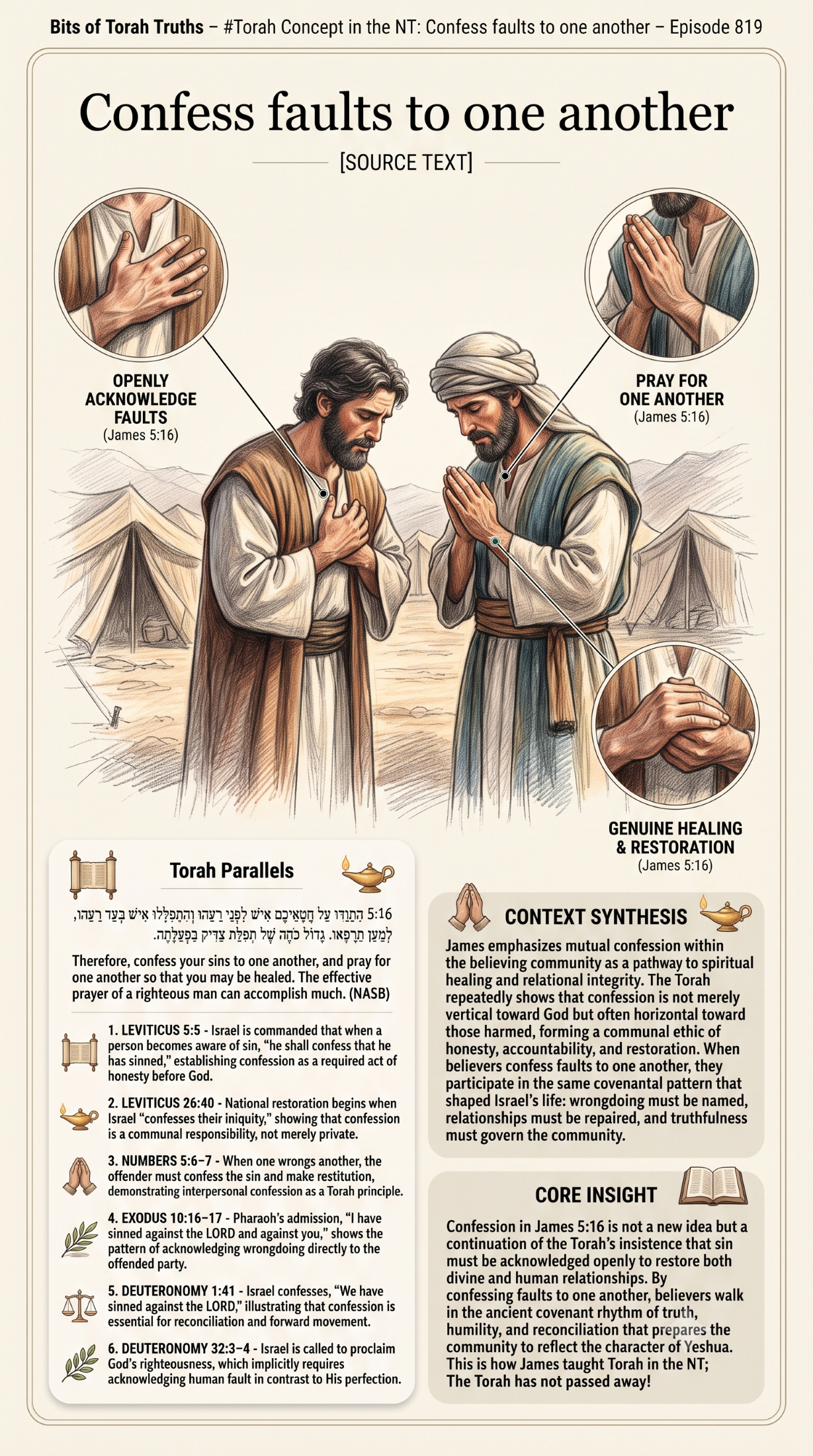
Ephesians 4:30
וְאַל תַּעֲצִיבוּ אֶת רוּחַ הַקֹּדֶשׁ אֲשֶׁר נֶחְתַּמְתֶּם בָּהּ לְיוֹם הַגְּאֻלָּה.
#torah #torahwisdom #torahtruth #torahforlife #torah4you #torahtruth
Ephesians 4:30
4:30 Do not grieve the Holy Spirit of God, by whom you were sealed for the day of redemption. (NASB)
https://www.matsati.com/index.php/category/bits-of-torah-truths/
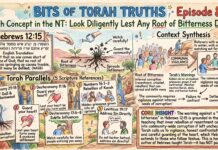
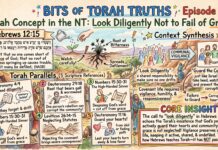
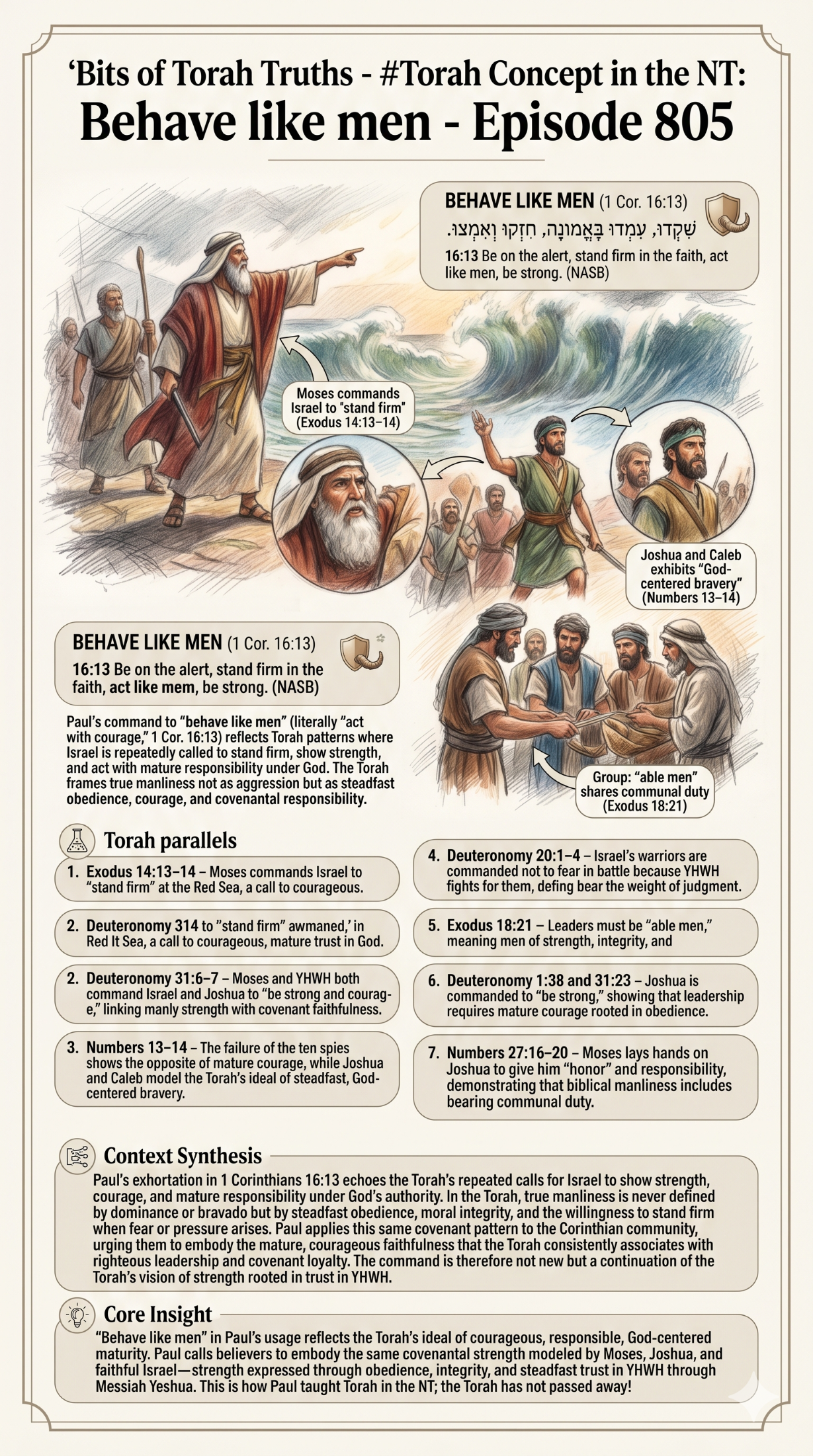
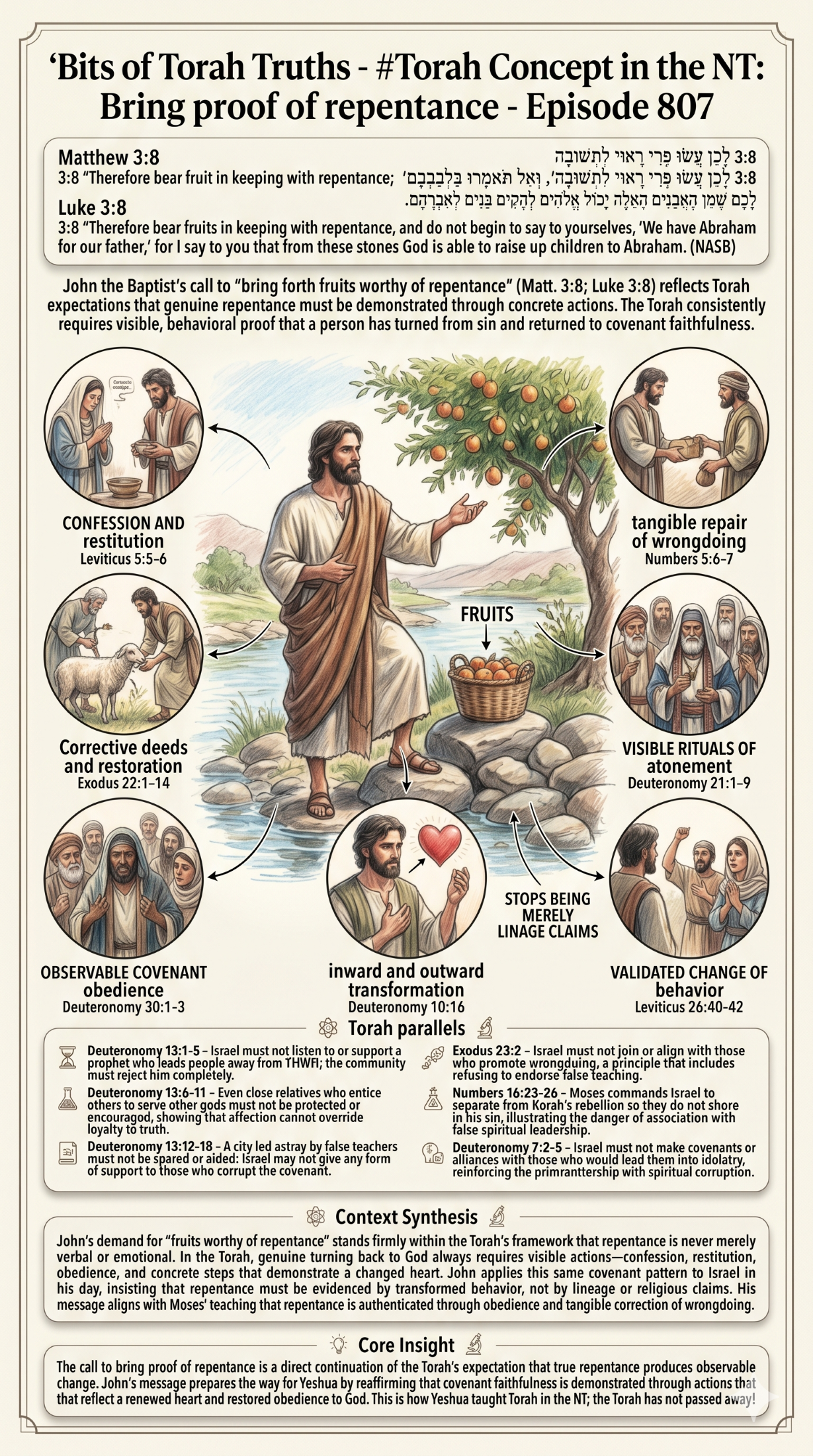
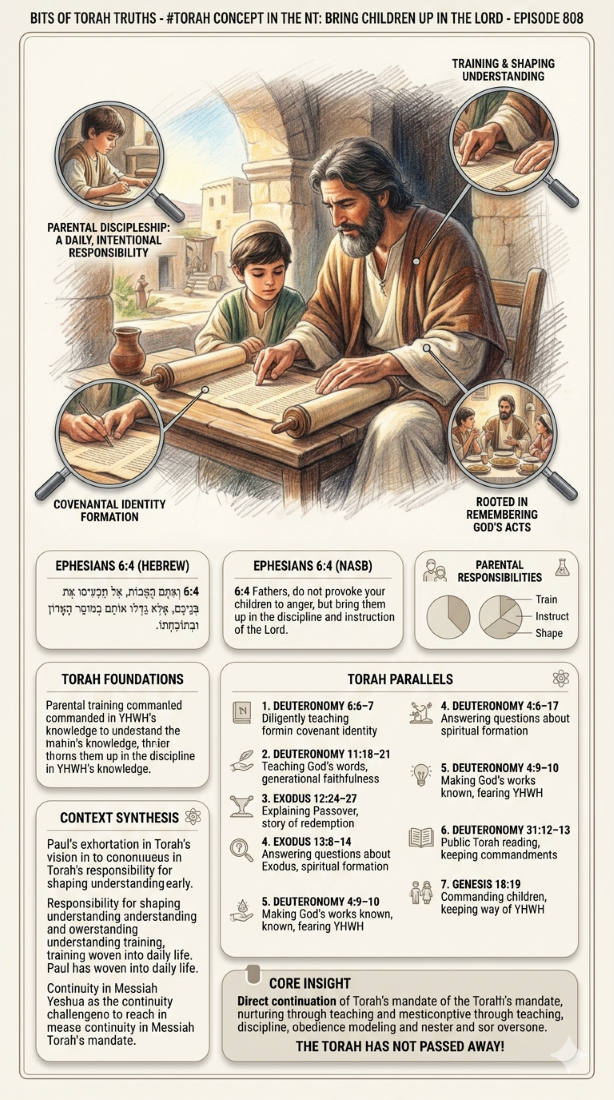
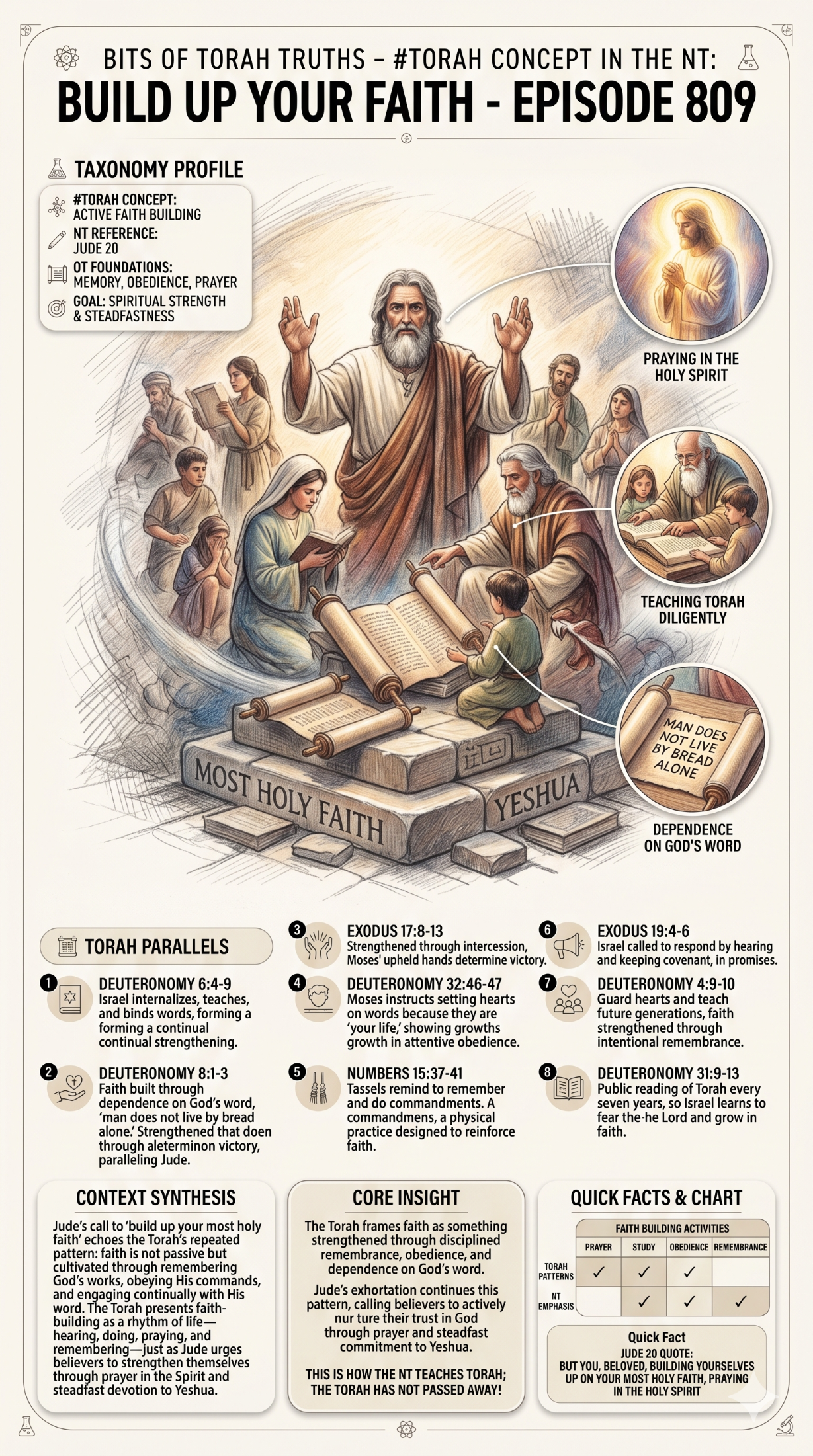
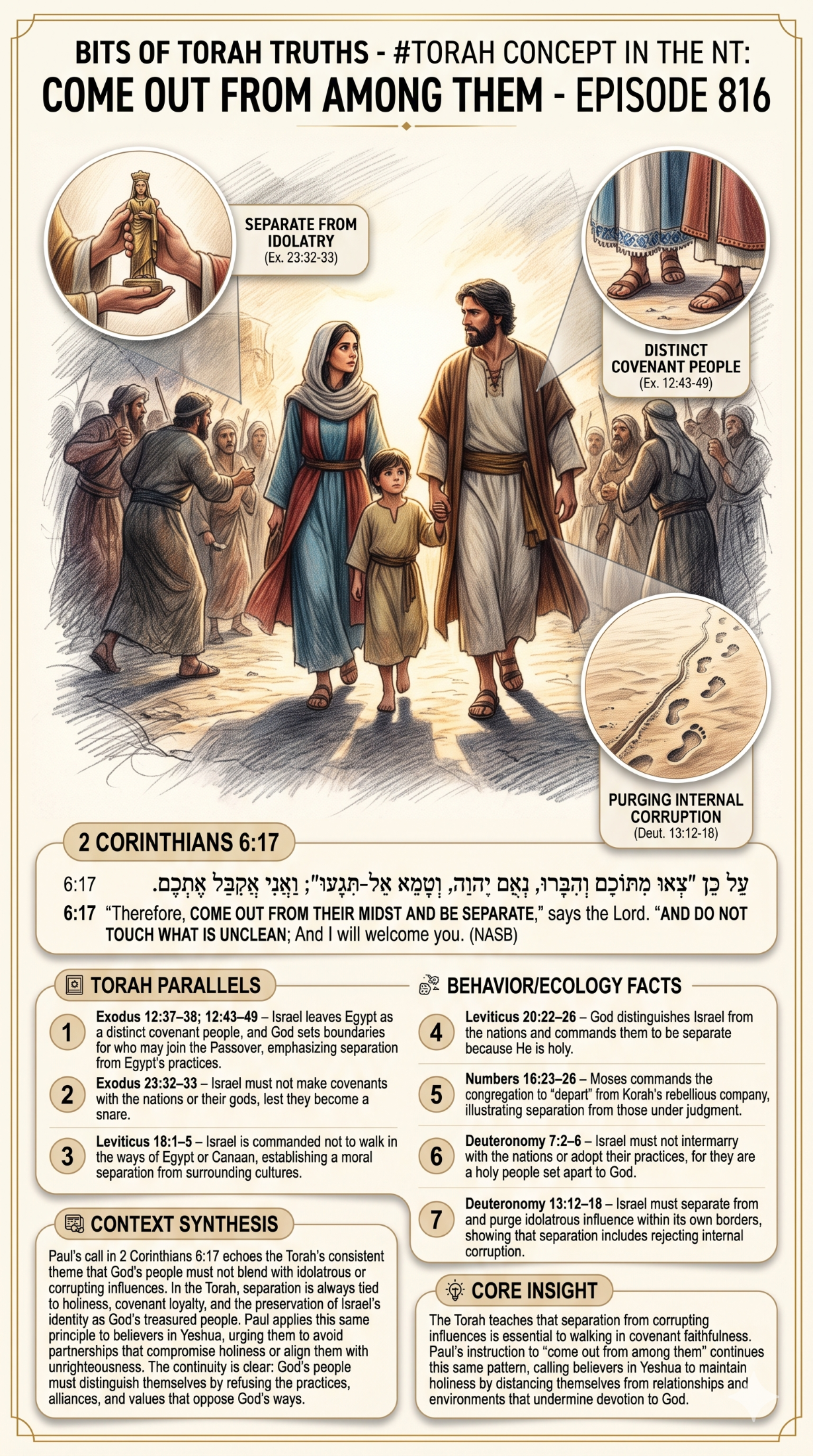
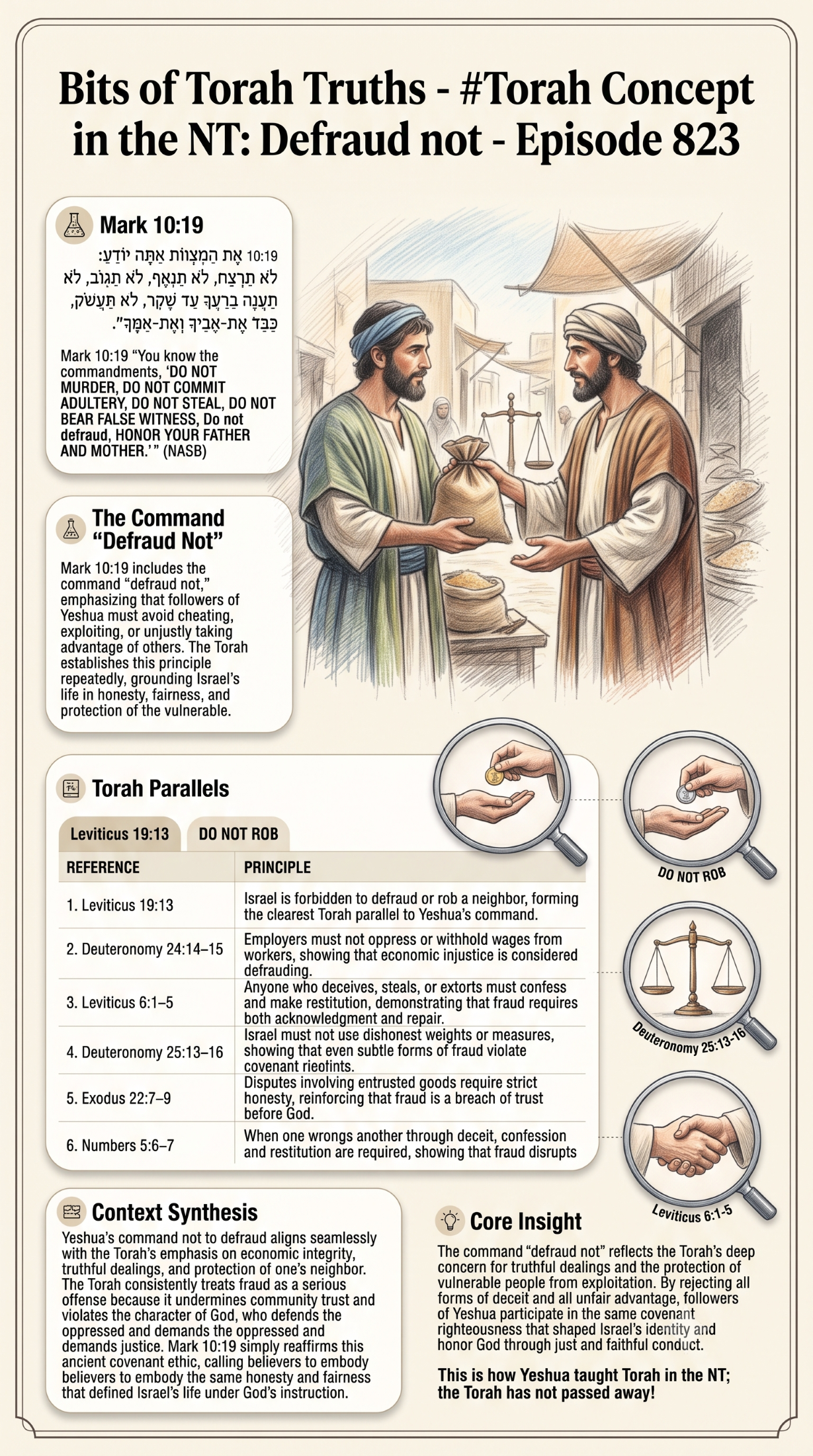
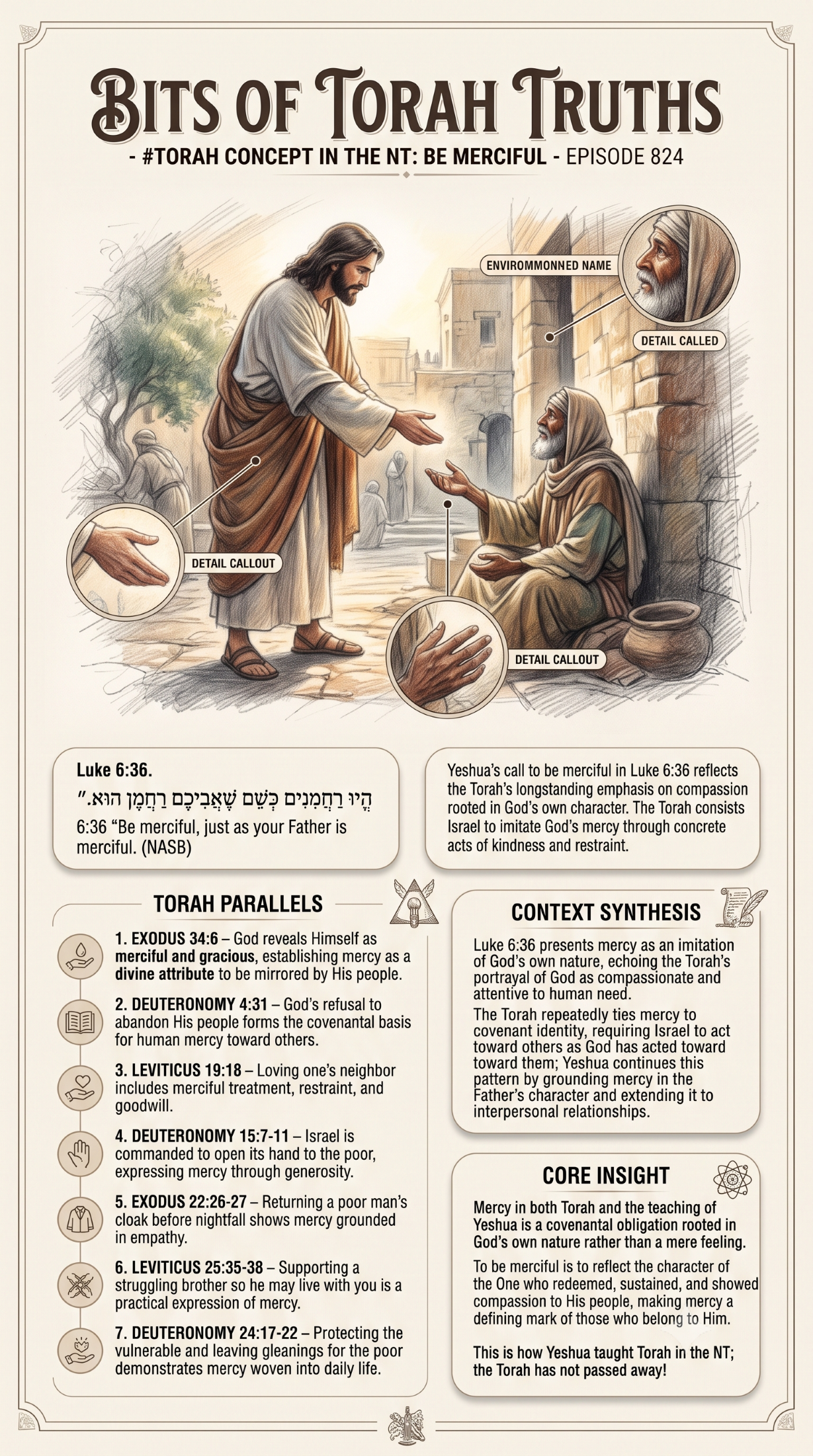
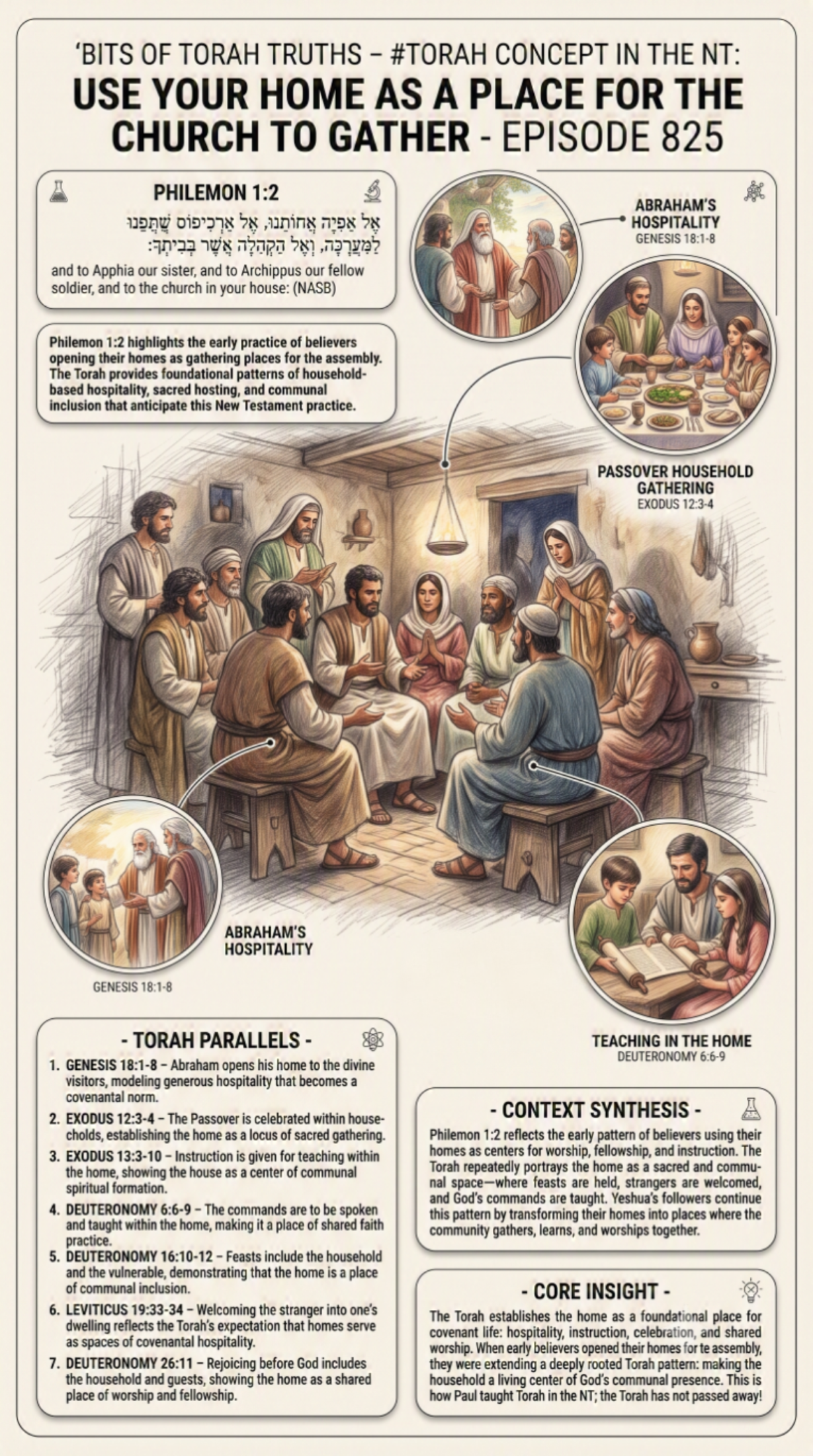
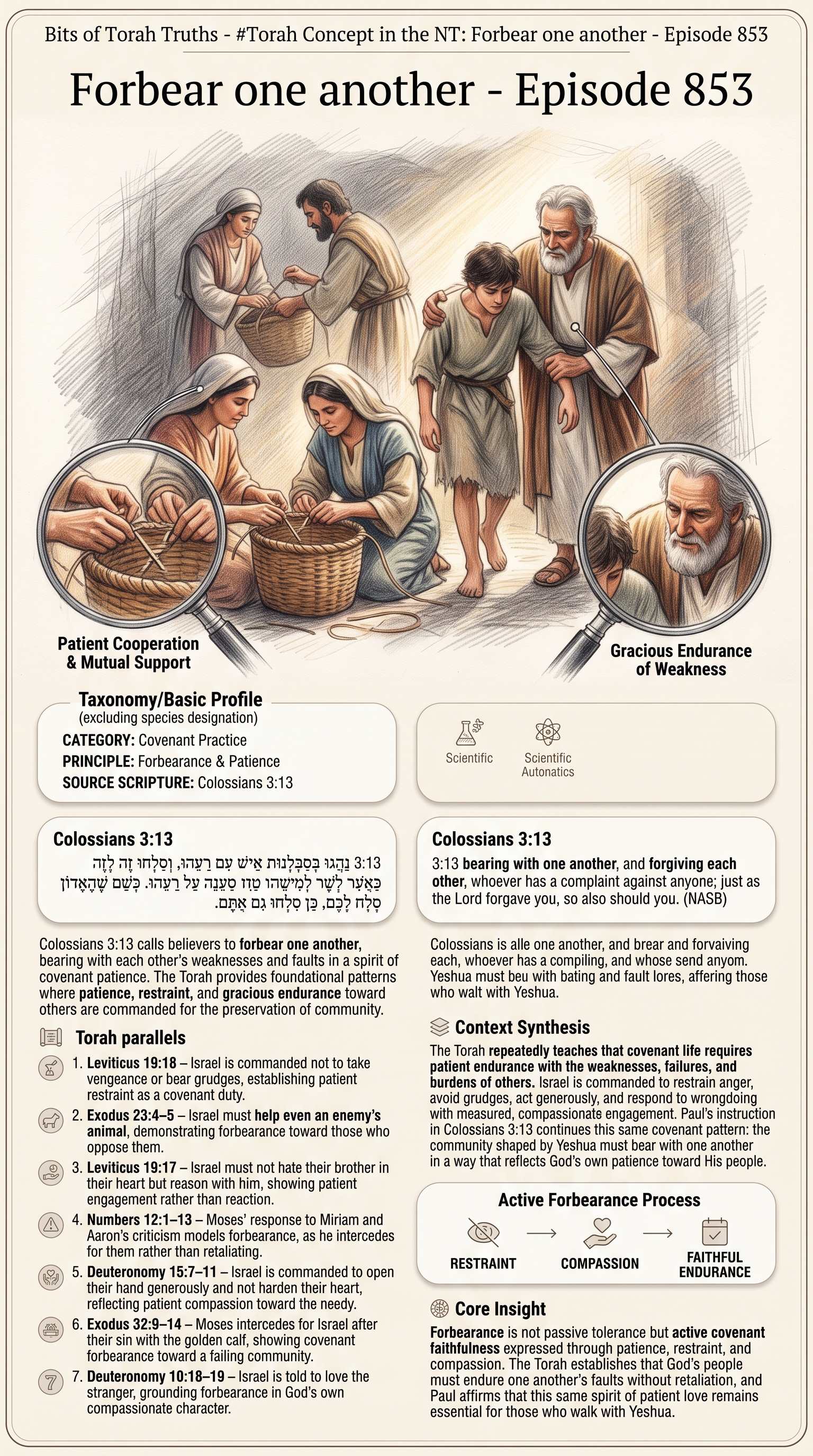
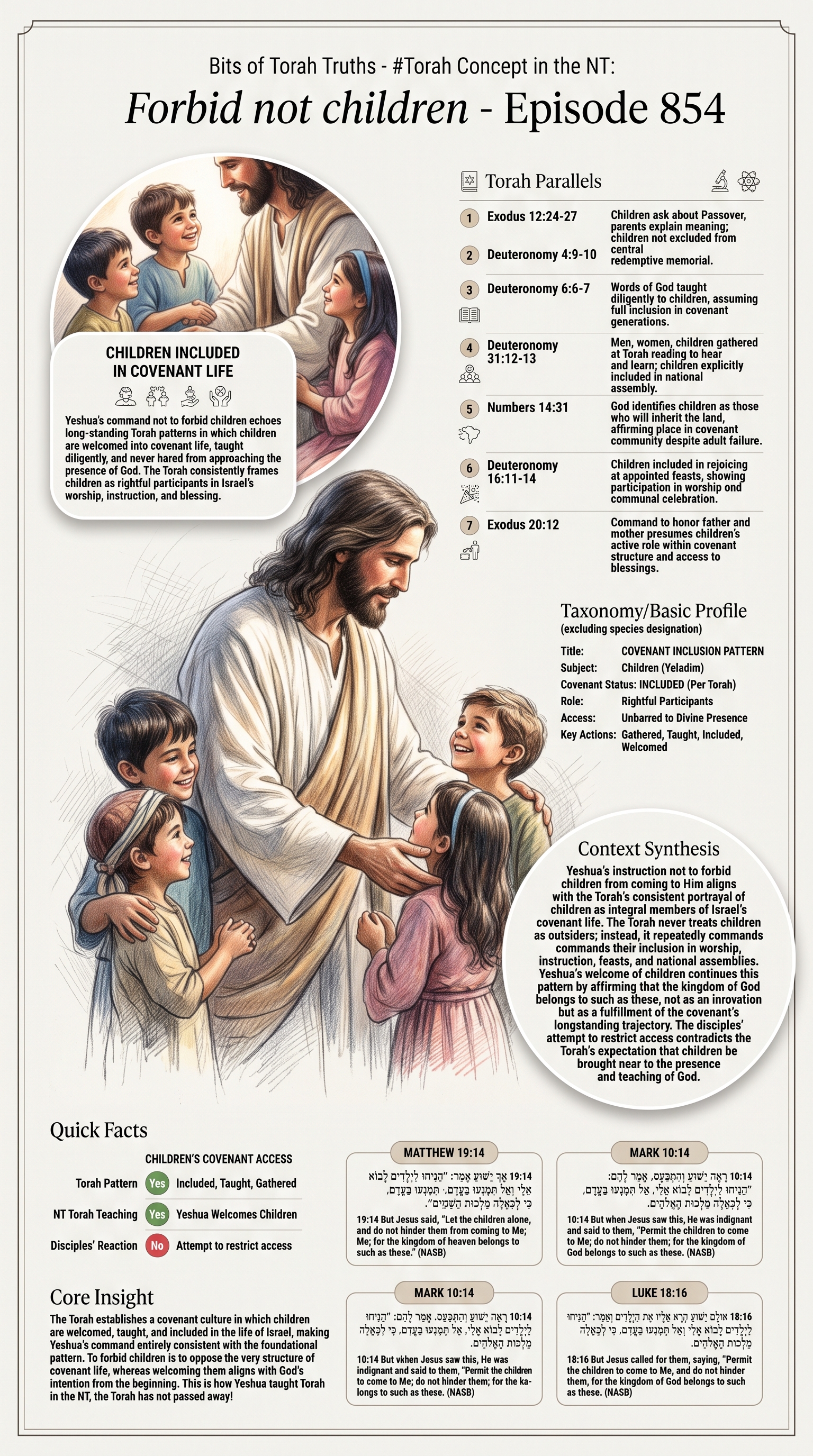
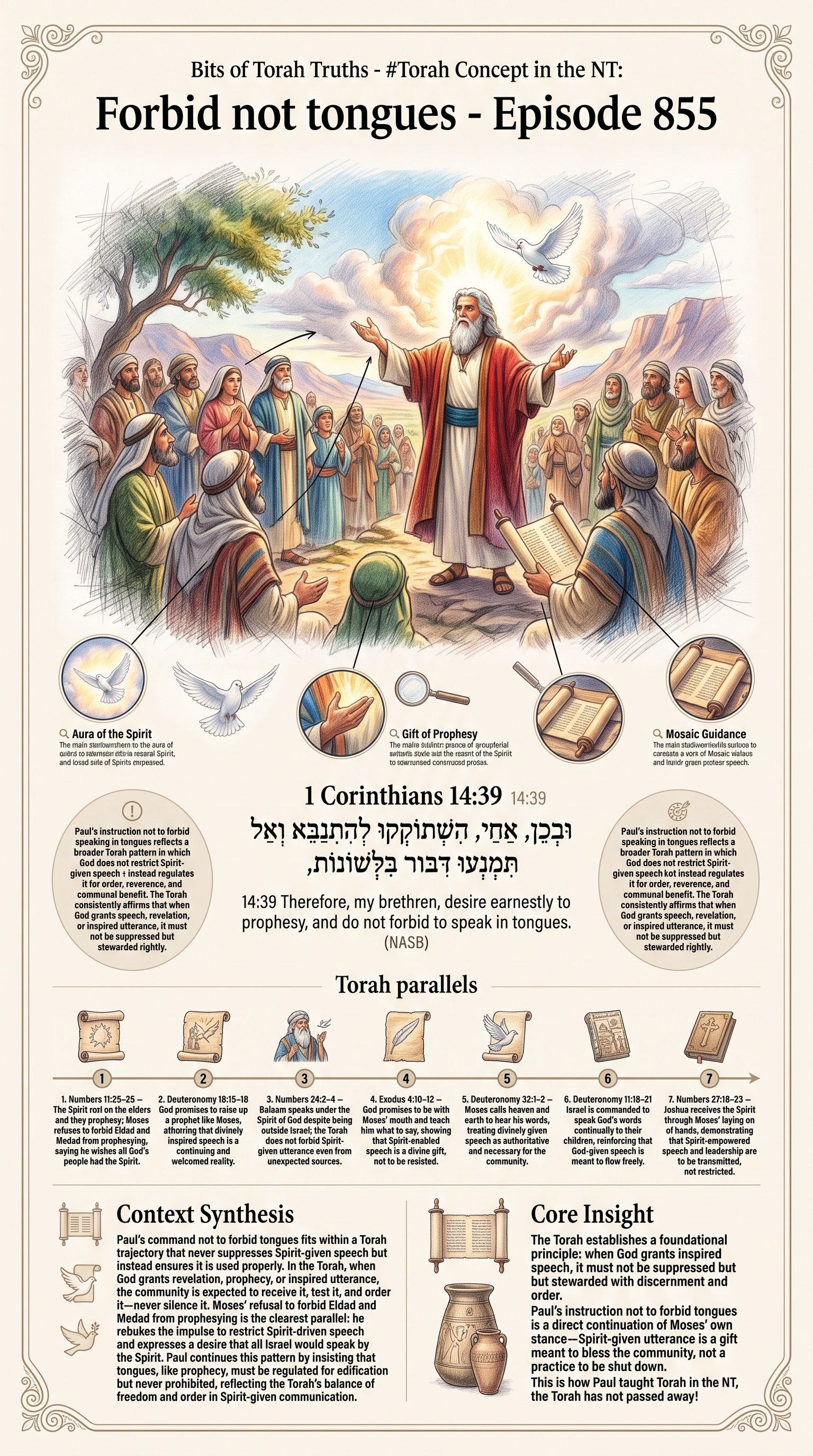
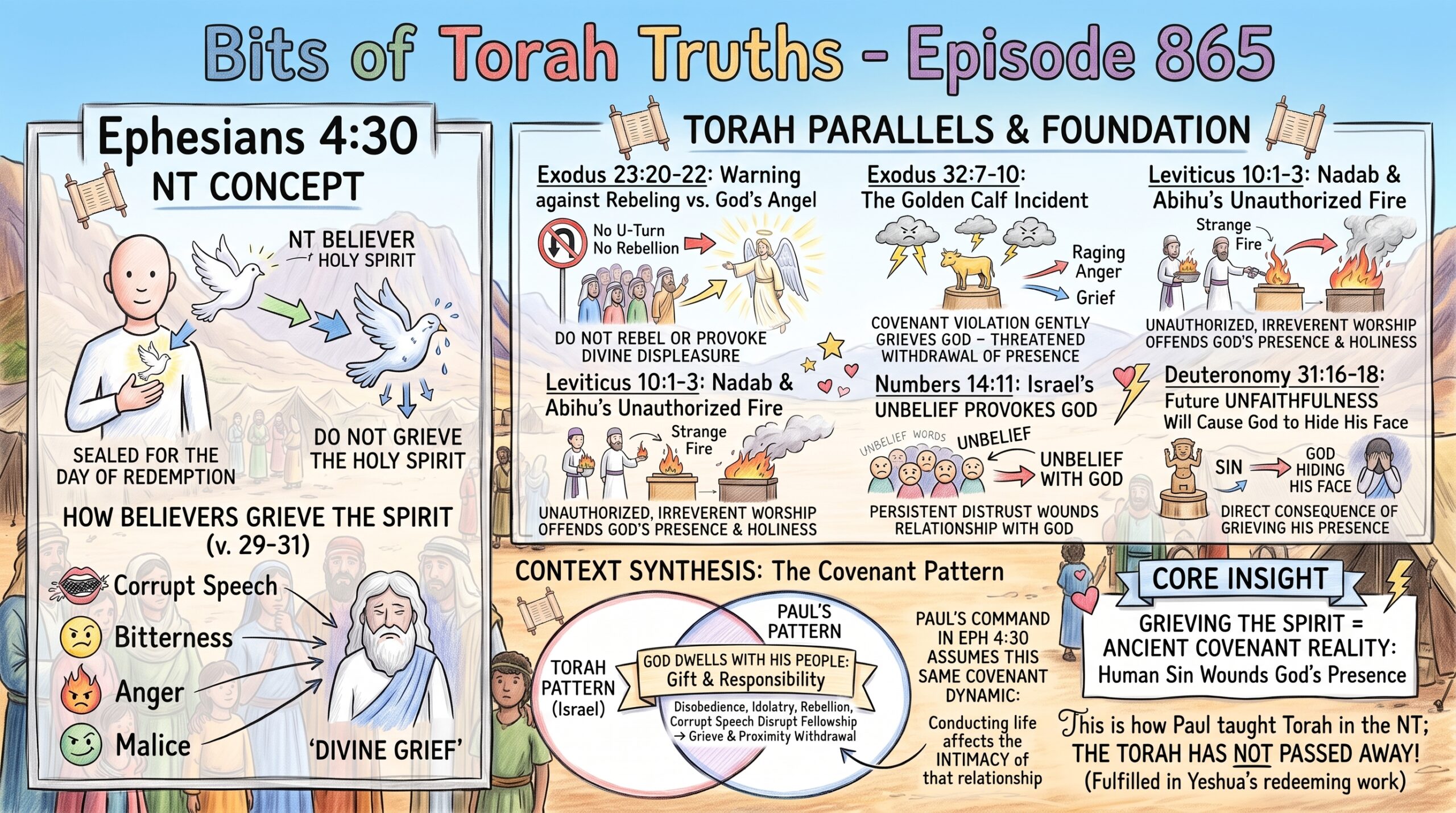
The Torah consistently warns Israel against resisting, opposing, or dishonoring God’s active presence among them, which forms the foundation for Paul’s command not to grieve the Holy Spirit (Ephesians 4:30). The pattern is covenantal: God dwells with His people, and their disobedience wounds, offends, or drives away His presence.
– Torah parallels –
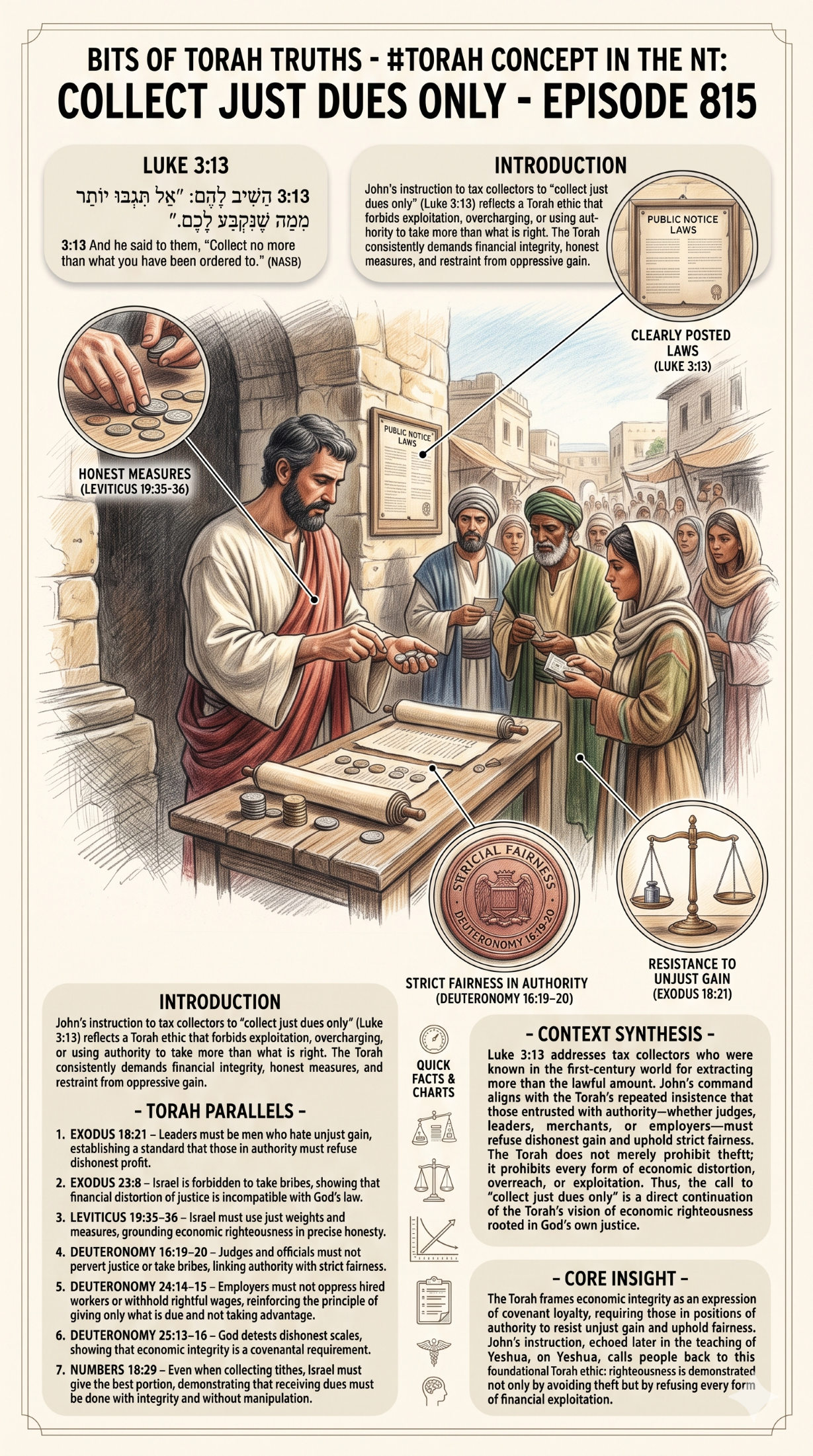
- Exodus 23:20‑22 – Israel is warned not to rebel against the angel who bears God’s name, for such resistance provokes divine displeasure.
- Exodus 32:7‑10 – The golden calf incident shows that covenant violation grieves God, leading to threatened withdrawal of His presence.
- Leviticus 10:1‑3 – Nadab and Abihu’s unauthorized fire dishonors God’s holiness, demonstrating that irreverent worship offends His presence.
- Numbers 14:11 – Israel’s unbelief is described as provoking God, revealing that persistent distrust wounds the relationship with Him.
- Numbers 16:41‑45 – Complaining against God’s appointed order brings His anger, showing that covenant grumbling grieves His presence.
- Deuteronomy 9:18‑20 – Moses recounts how Israel’s sin stirred God’s wrath, requiring intercession to prevent destruction.
- Deuteronomy 31:16‑18 – God warns that Israel’s future unfaithfulness will cause Him to hide His face, a direct consequence of grieving His presence.
– Context Synthesis –
Paul’s instruction in Ephesians 4:30 assumes the same covenant dynamic found throughout the Torah: God dwells with His people, and their conduct affects the intimacy of that relationship. In the Torah, God’s presence among Israel is both gift and responsibility; disobedience, idolatry, rebellion, or corrupt speech disrupts that fellowship and provokes divine grief or withdrawal. Paul applies this pattern to the Spirit’s indwelling presence in the redeemed community. Just as Israel’s actions could dishonor or resist God’s nearness, believers are warned that corrupt speech, bitterness, anger, and malice violate the holiness of the One who seals them for the day of redemption. The continuity is clear: covenant life requires guarding the relationship with God by aligning conduct with His character.
– Core Insight –
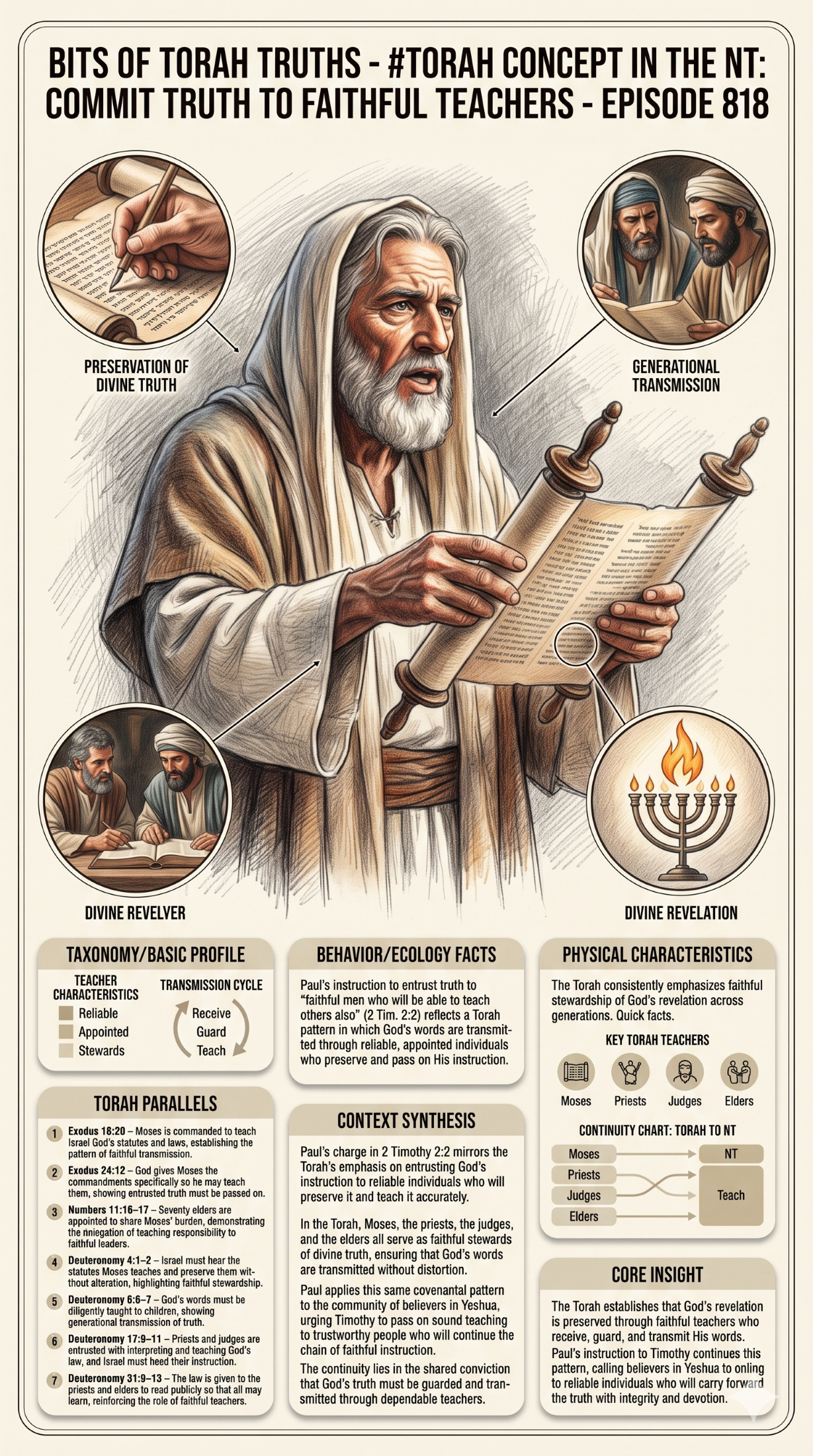
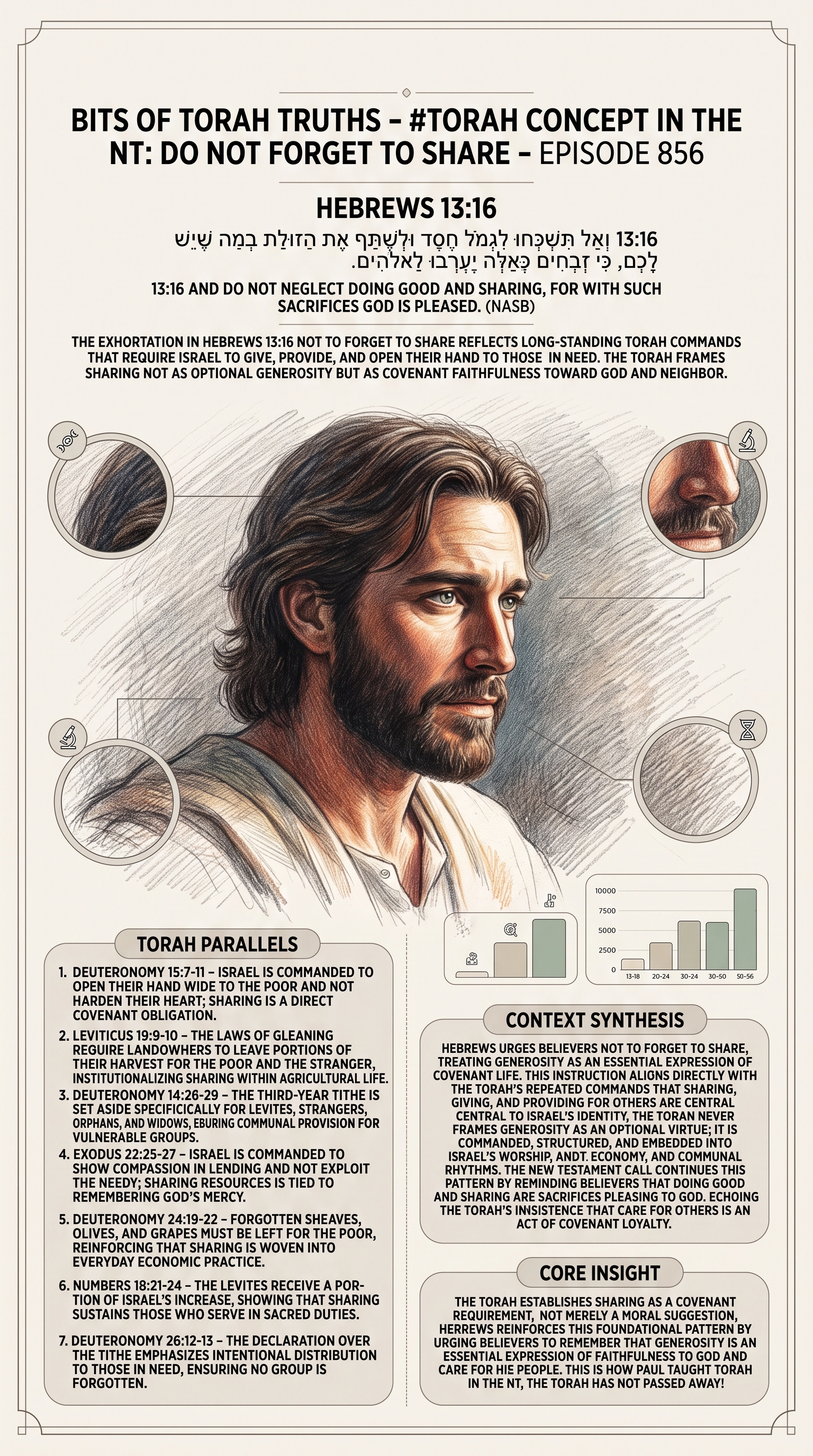
Grieving the Holy Spirit is the New Testament expression of an ancient covenant reality: God’s presence is relational, and human sin wounds that relationship. The Torah establishes that God’s nearness demands reverence, purity, and obedience; Paul extends this pattern to the Spirit’s indwelling work, calling believers to live in a way that honors the God who dwells within them through Yeshua’s redeeming work. This is how Paul taught Torah in the NT; the Torah has not passed away!
Visual Summary of Concepts the Torah in the NT