Bits of Torah Truths – #Torah Concept in the NT: Grudge not against another – Episode 867
James 5:9
אַחַי, אַל תִּתְלוֹנְנוּ אִישׁ עַל רֵעֵהוּ, לְמַעַן לֹא תִּשָּׁפְטוּ. הִנֵּה הַשּׁוֹפֵט עוֹמֵד בַּפֶּתַח.
#torah #torahwisdom #torahtruth #torahforlife #torah4you #torahtruth
James 5:9
5:9 Do not complain, brethren, against one another, so that you yourselves may not be judged; behold, the Judge is standing right at the door. (NASB)
https://www.matsati.com/index.php/category/bits-of-torah-truths/
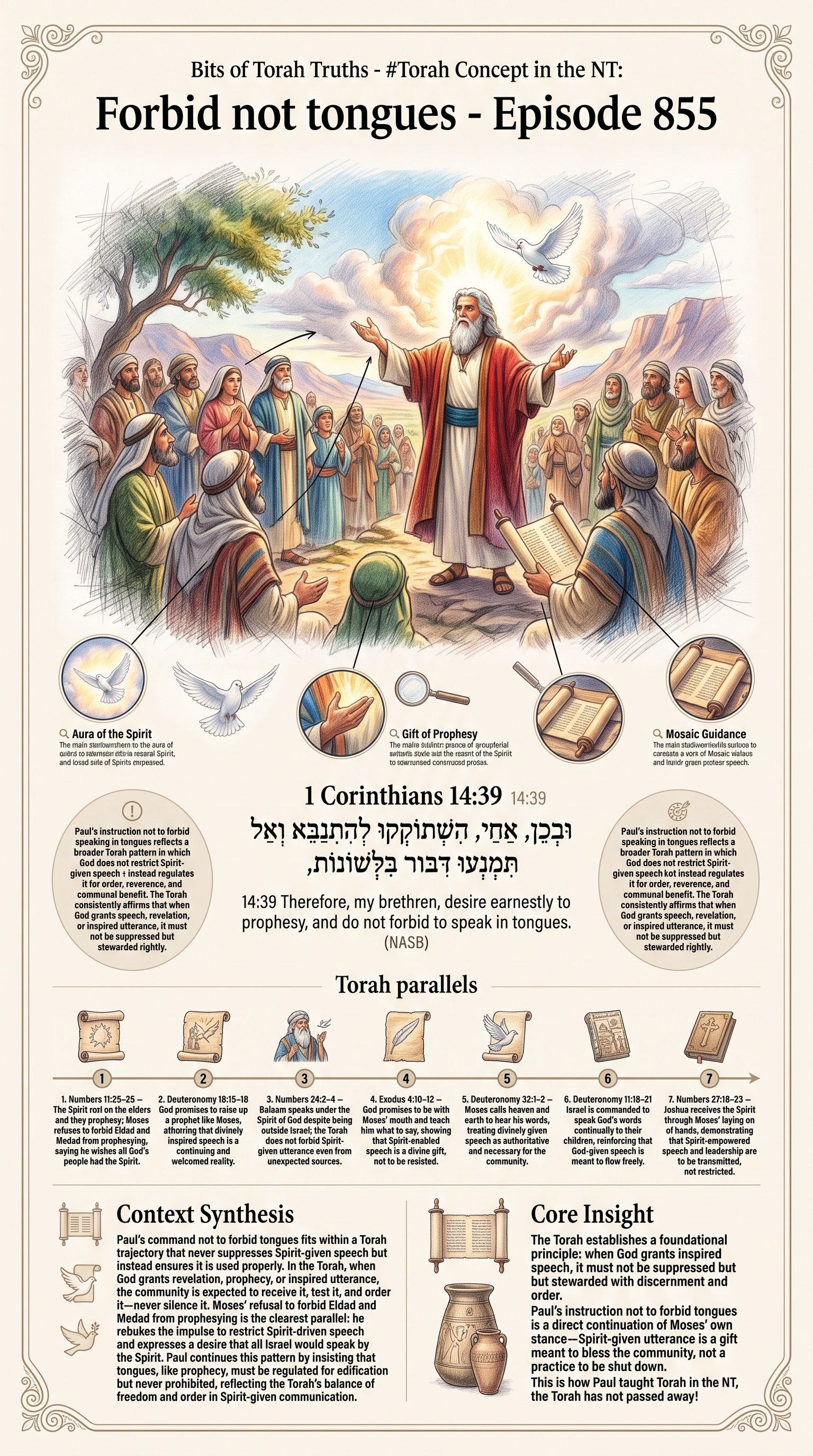
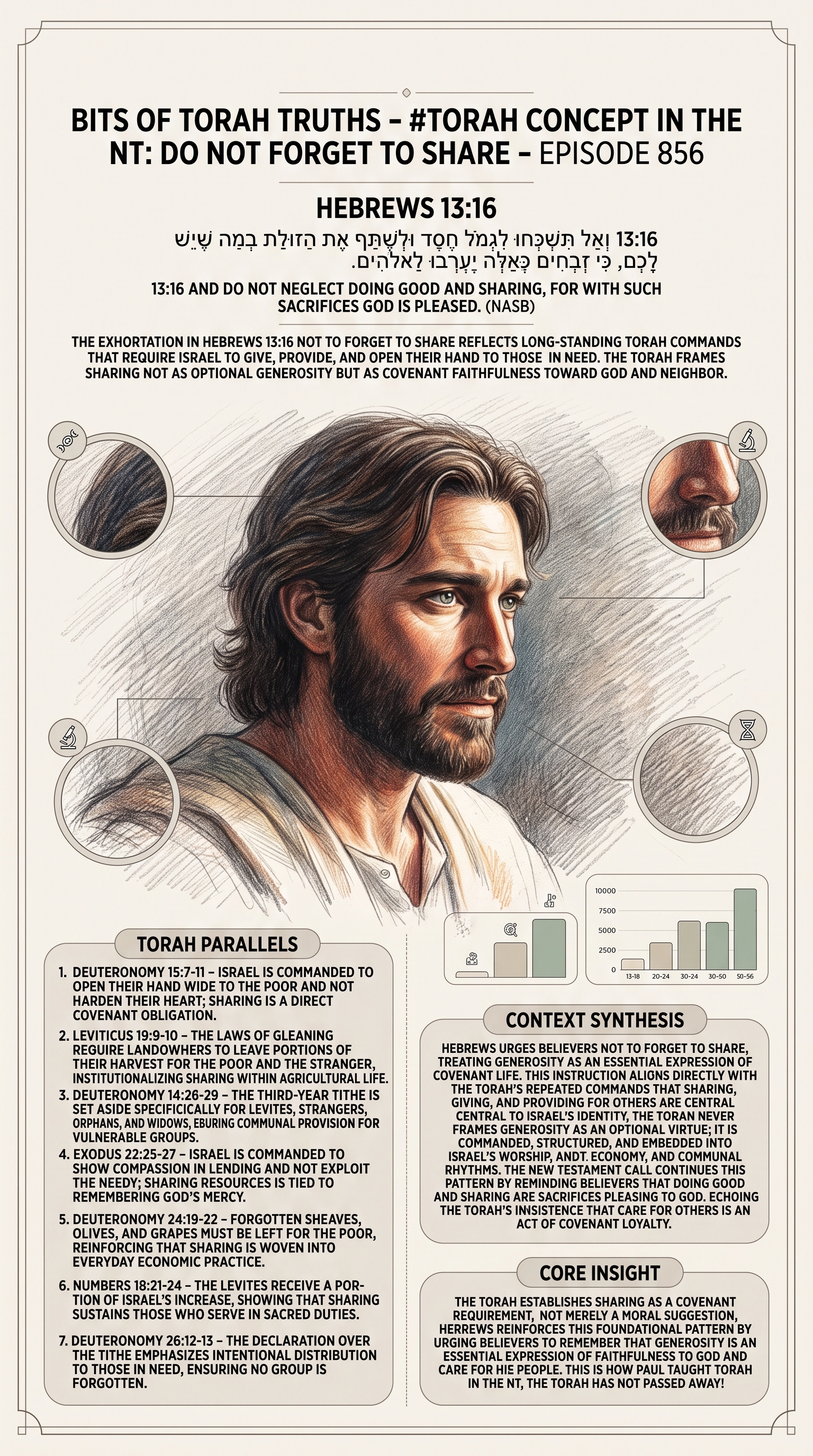
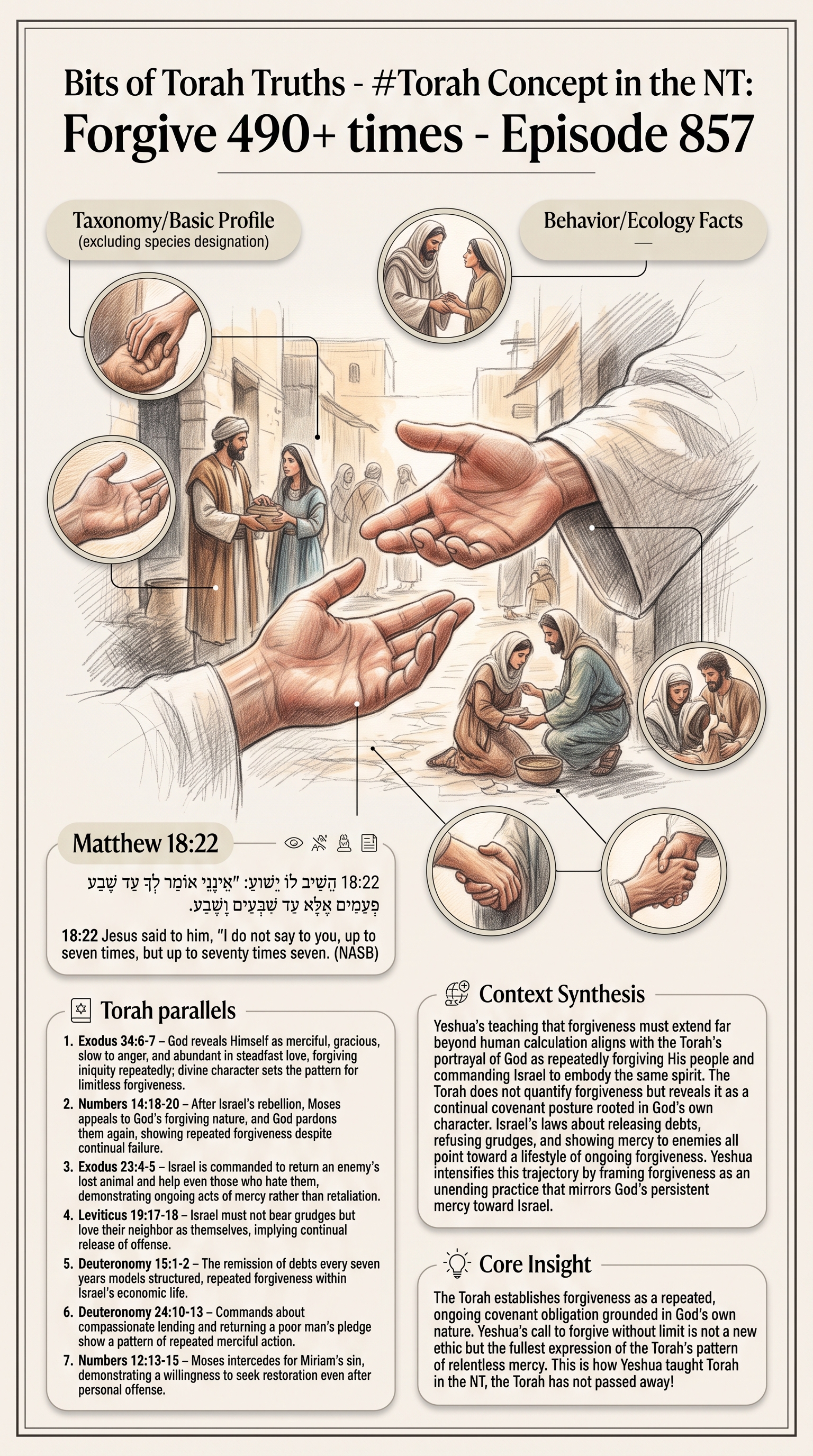
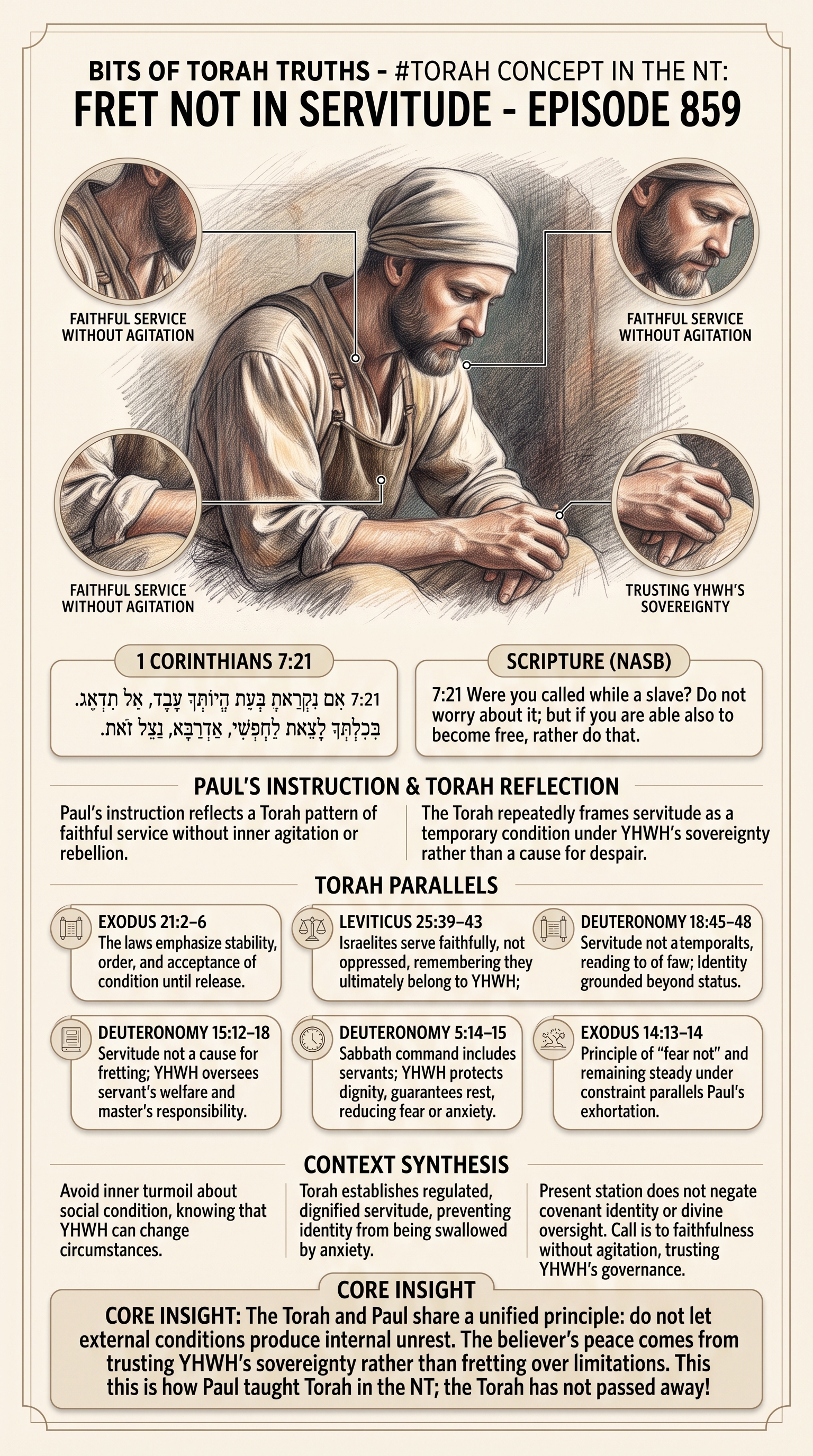
James’ instruction not to grudge against another (James 5:9) reflects a long-standing Torah pattern in which Israel is forbidden to harbor inner resentment, anger, or hidden hostility toward fellow covenant members. The Torah consistently binds inner attitudes with outward righteousness, teaching that grudges disrupt community and offend God.
– Torah parallels –
- Leviticus 19:17 – Israel must not hate a brother in the heart, showing that internal resentment violates covenant love.
- Leviticus 19:18 – Israel is commanded not to take vengeance or bear a grudge, directly prohibiting sustained inner hostility.
- Exodus 23:4‑5 – Returning an enemy’s lost animal teaches active goodwill instead of harboring resentment.
- Deuteronomy 15:7‑10 – Israel must not let an “evil thought” harden the heart against a needy brother, rejecting inward grudges.
- Deuteronomy 22:1‑4 – Helping a brother’s lost or fallen animal reinforces a posture of mercy rather than silent bitterness.
- Deuteronomy 32:35 – Vengeance belongs to God, preventing Israel from nurturing personal resentment or retaliatory attitudes.
- Numbers 12:1‑9 – Miriam and Aaron’s hidden complaint against Moses shows how internal grudge-like attitudes provoke God’s displeasure.
– Context Synthesis –
James’ warning against grudging aligns closely with the Torah’s insistence that covenant relationships must be guarded at the level of the heart. The Torah repeatedly teaches that internal hostility, whether hatred, resentment, or silent bitterness, corrupts the community and violates God’s character. James applies this same principle to the early believers, urging them to avoid inward complaints or resentful attitudes toward one another, especially under pressure or suffering. Just as the Torah forbids harboring grudges because God Himself judges the heart, James reminds believers that the Judge stands at the door, calling them to maintain purity of heart and unity of fellowship as they await Yeshua’s return.
– Core Insight –
The command not to grudge against another is a renewed expression of the Torah’s call to uproot inner hostility and preserve covenant harmony. The Torah teaches that resentment fractures community and dishonors God; James continues this pattern by urging believers to cultivate patience, mercy, and inward purity as they walk together in the hope of Yeshua. This is how James taught Torah in the NT; the Torah has not passed away!
Visual Summary of Concepts the Torah in the NT