Bits of Torah Truths – #Torah Concept in the NT: Hate flesh spotted garments – Episode 869
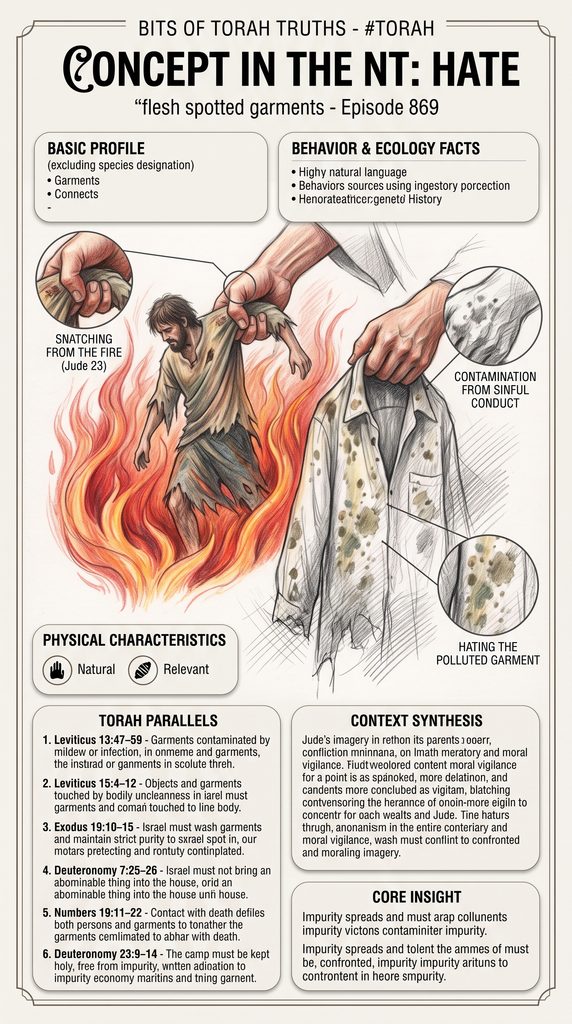
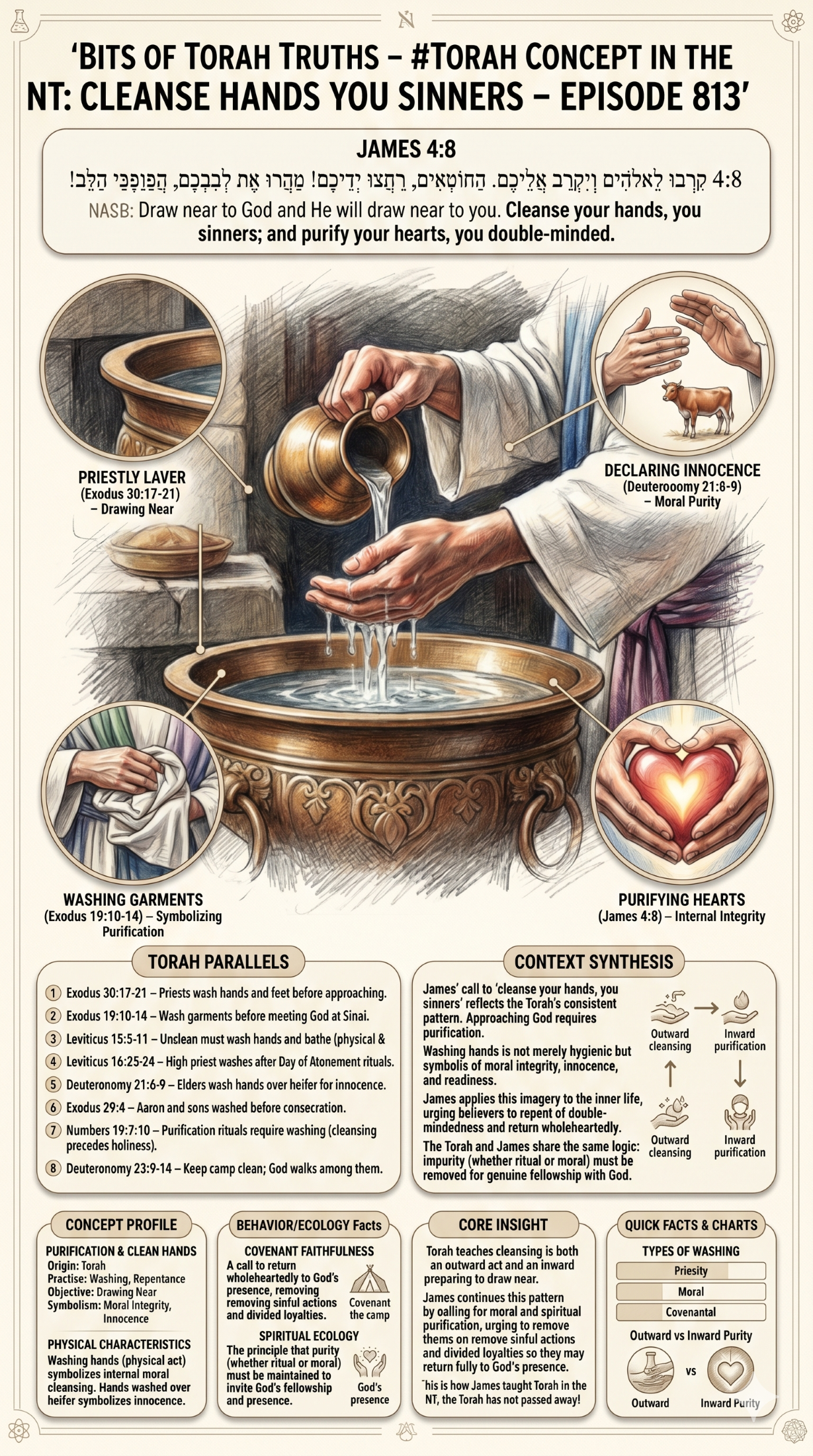
Jude 23
חִטְפוּ אוֹתָם מִן הָאֵשׁ וְהוֹשִׁיעוּ אוֹתָם. עַל אַחֵרִים רַחֲמוּ בְּיִרְאָה, וְעִם זֹאת שִׂנְאוּ אֶת הַלְּבוּשׁ הַמְגֹאָל בְּטֻמְאַת הַבָּשָׂר.
#torah #torahwisdom #torahtruth #torahforlife #torah4you #torahtruth
Jude 23
save others, snatching them out of the fire; and on some have mercy with fear, hating even the garment polluted by the flesh. (NASB)
https://www.matsati.com/index.php/category/bits-of-torah-truths/
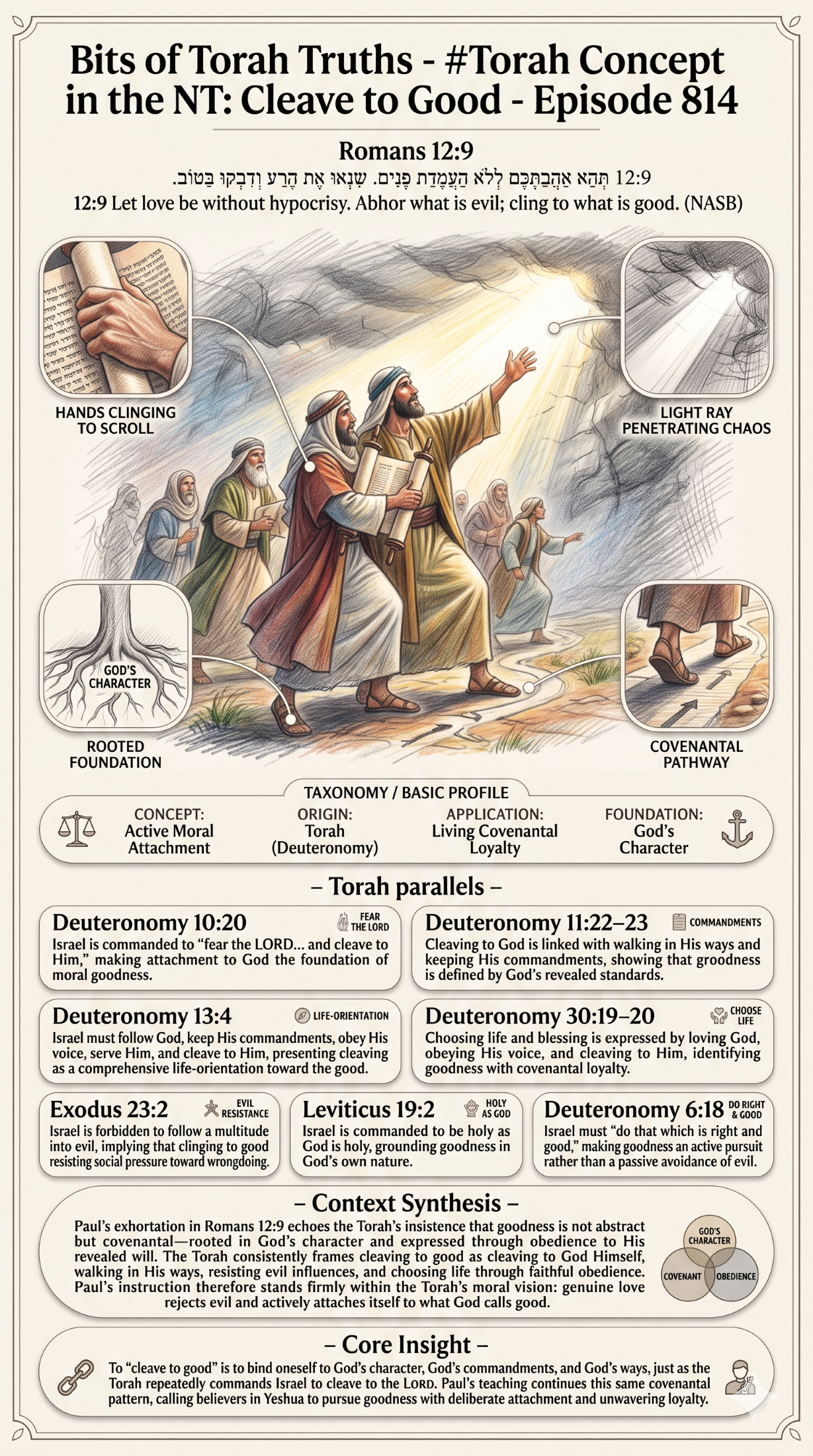
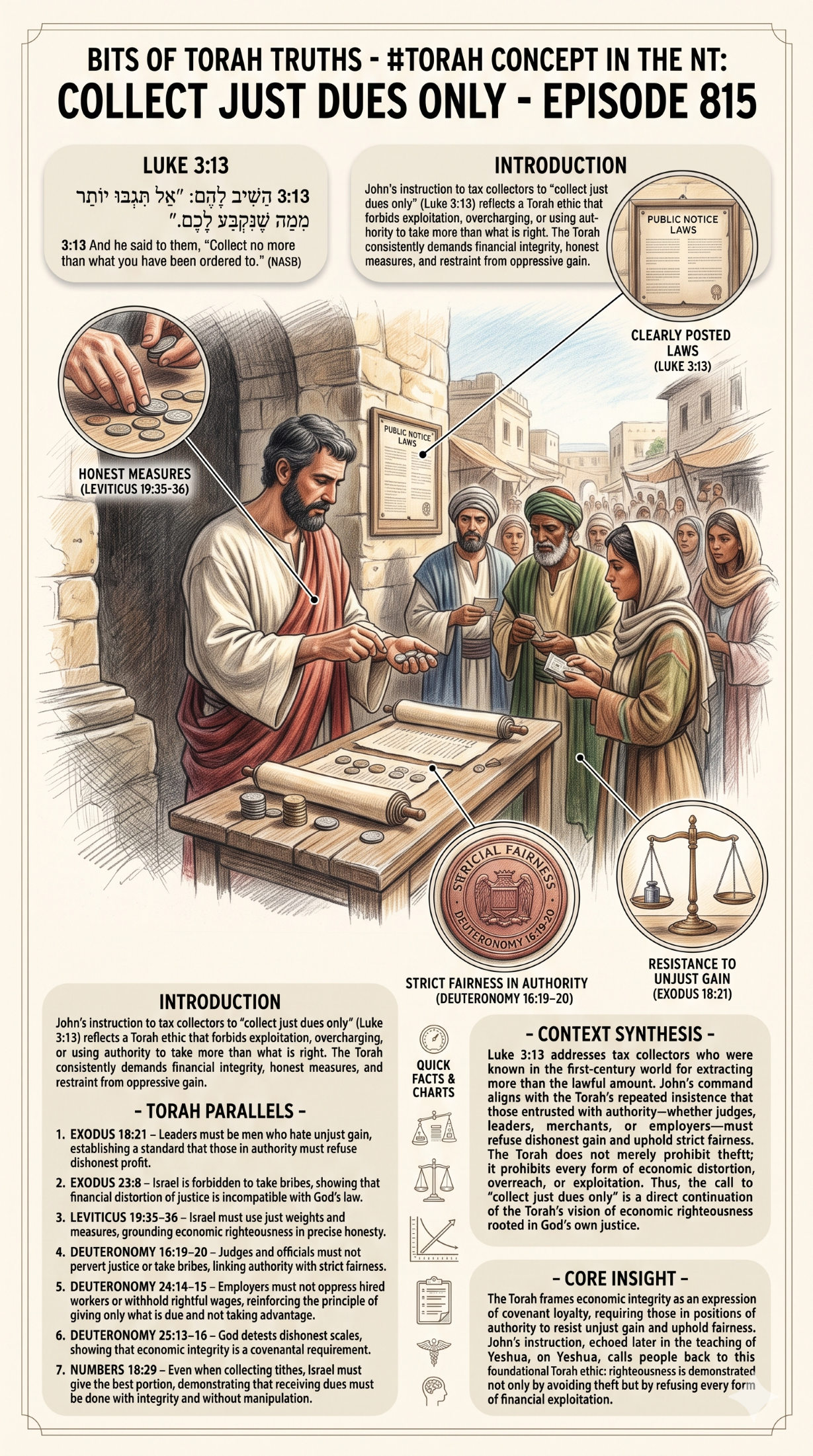
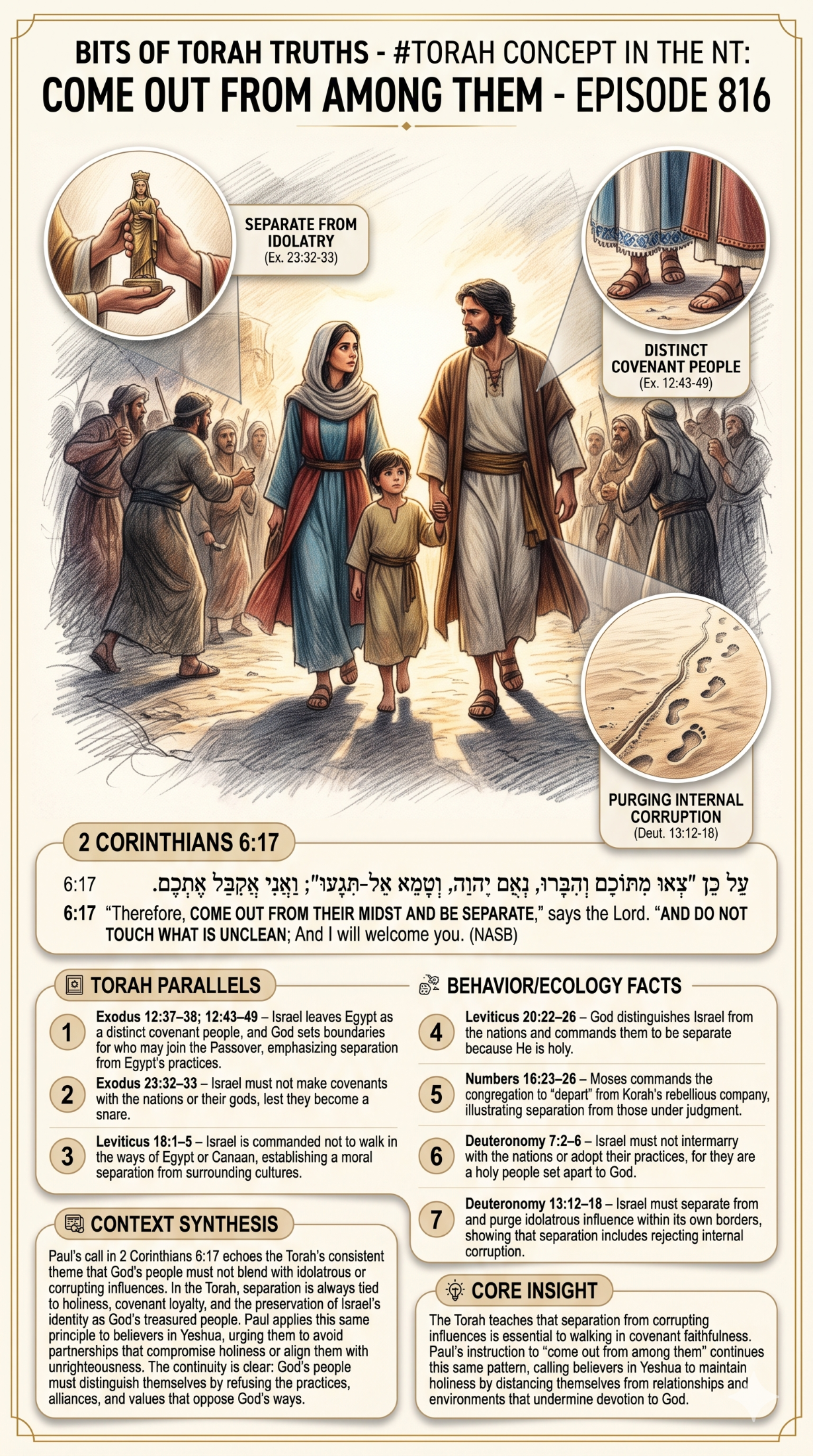
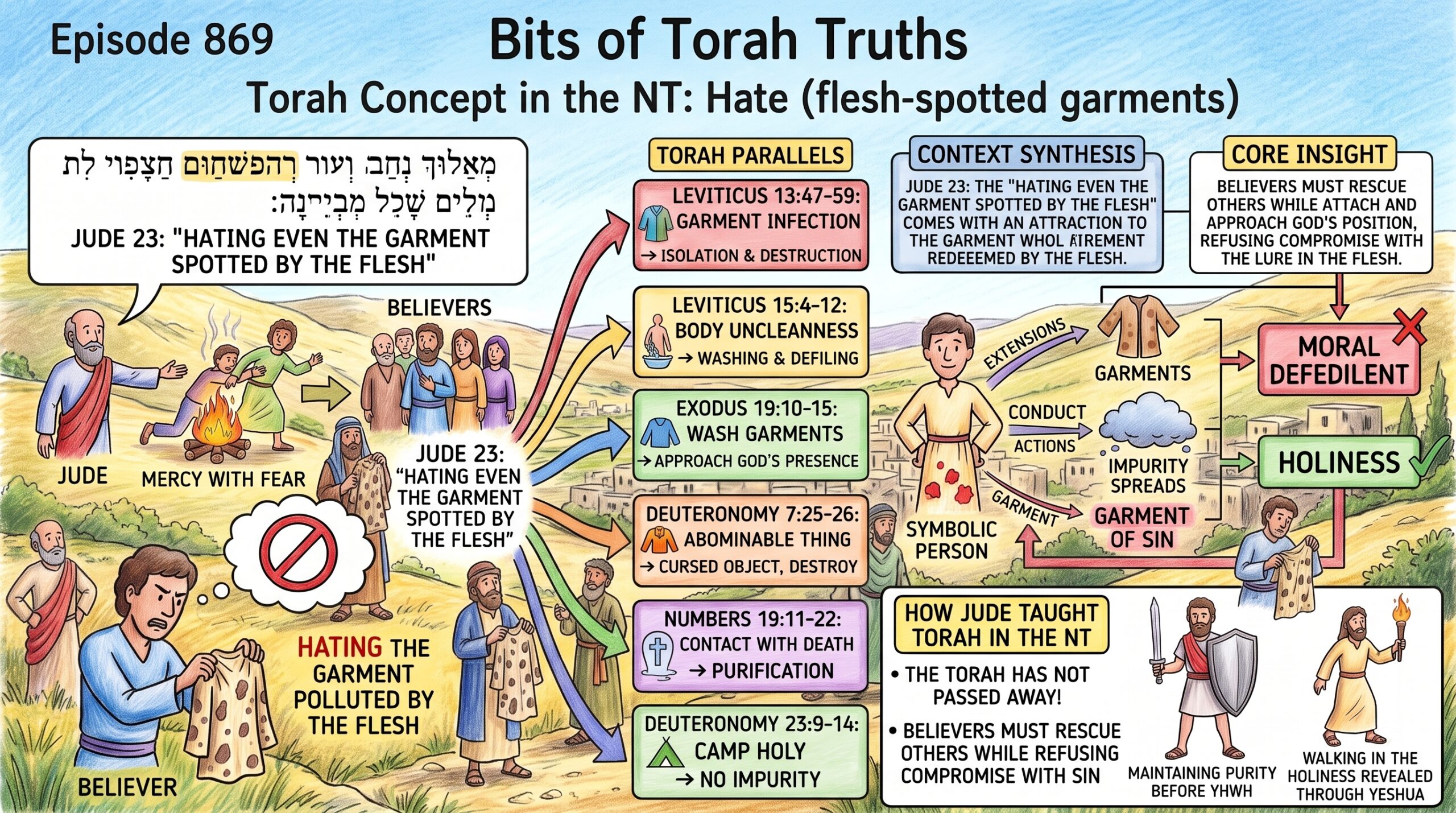
Jude’s phrase “hating even the garment spotted by the flesh” (Jude 23) reflects a call to reject any contamination that comes from sinful conduct. The Torah repeatedly uses purity laws, contamination imagery, and separation commands to teach Israel to avoid moral defilement and anything that symbolizes it.
– Torah parallels –
- Leviticus 13:47–59 – Garments contaminated by mildew or infection must be examined, isolated, and destroyed if the corruption spreads.
- Leviticus 15:4–12 – Objects and garments touched by bodily uncleanness become defiled and must be washed or destroyed.
- Exodus 19:10–15 – Israel must wash garments and maintain strict purity before approaching the presence of God.
- Deuteronomy 7:25–26 – Israel must not bring an abominable thing into the house lest it become a cursed object; it must be utterly detested and destroyed.
- Numbers 19:11–22 – Contact with death defiles both persons and garments, requiring purification before rejoining the community.
- Deuteronomy 23:9–14 – The camp must be kept holy, free from impurity, because YHWH walks in the midst of Israel.
– Context Synthesis –
Jude’s imagery of “hating the garment spotted by the flesh” uses the Torah’s purity framework to illustrate moral vigilance. In the Torah, garments are not merely clothing but symbolic extensions of the person; when they are defiled, they represent the spread of impurity that must be resisted or removed. Jude applies this principle to moral and communal life: believers must show compassion toward those needing rescue, yet simultaneously maintain a strict boundary against the corrupting influence of sin. The Torah’s repeated insistence on separating clean from unclean provides the conceptual foundation for Jude’s exhortation.
– Core Insight –
The Torah teaches that impurity spreads and must be decisively confronted, whether in garments, objects, or conduct. Jude draws on this pattern to urge believers to rescue others while refusing any compromise with sin, maintaining purity before YHWH and walking in the holiness revealed through Yeshua. This is how Jude taught Torah in the NT; the Torah has not passed away!
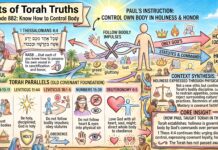
Visual Summary of Concepts the Torah in the NT