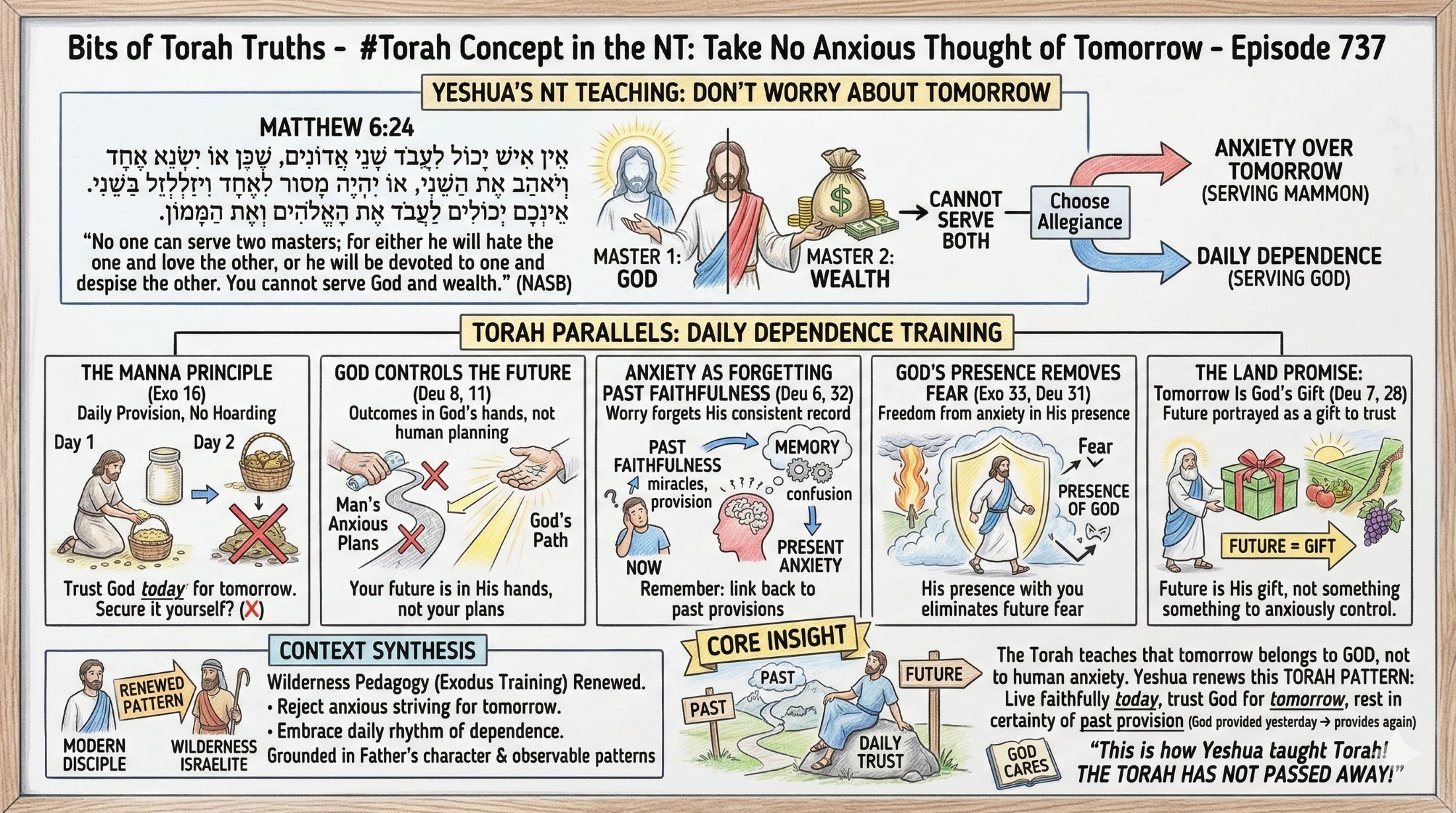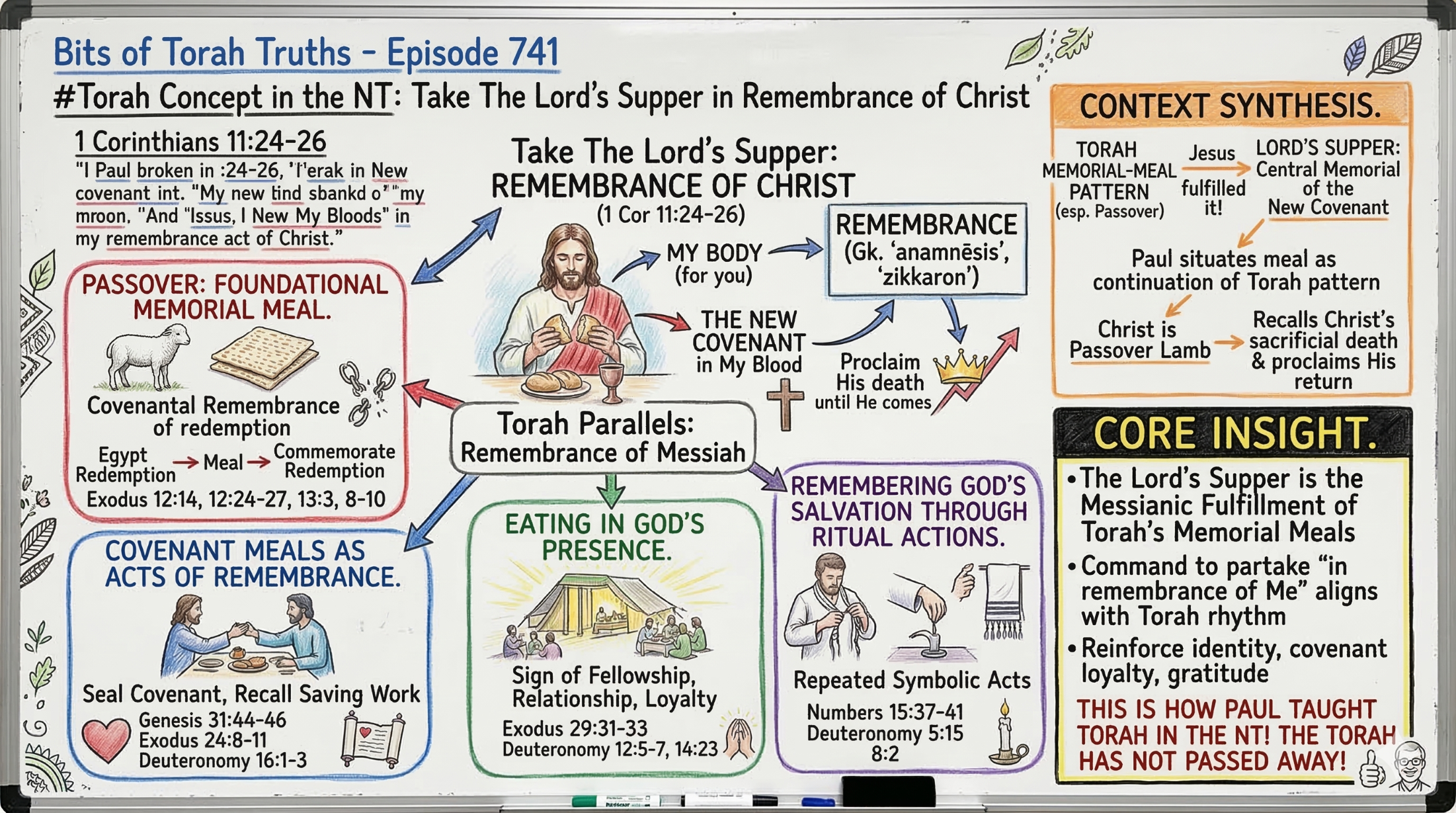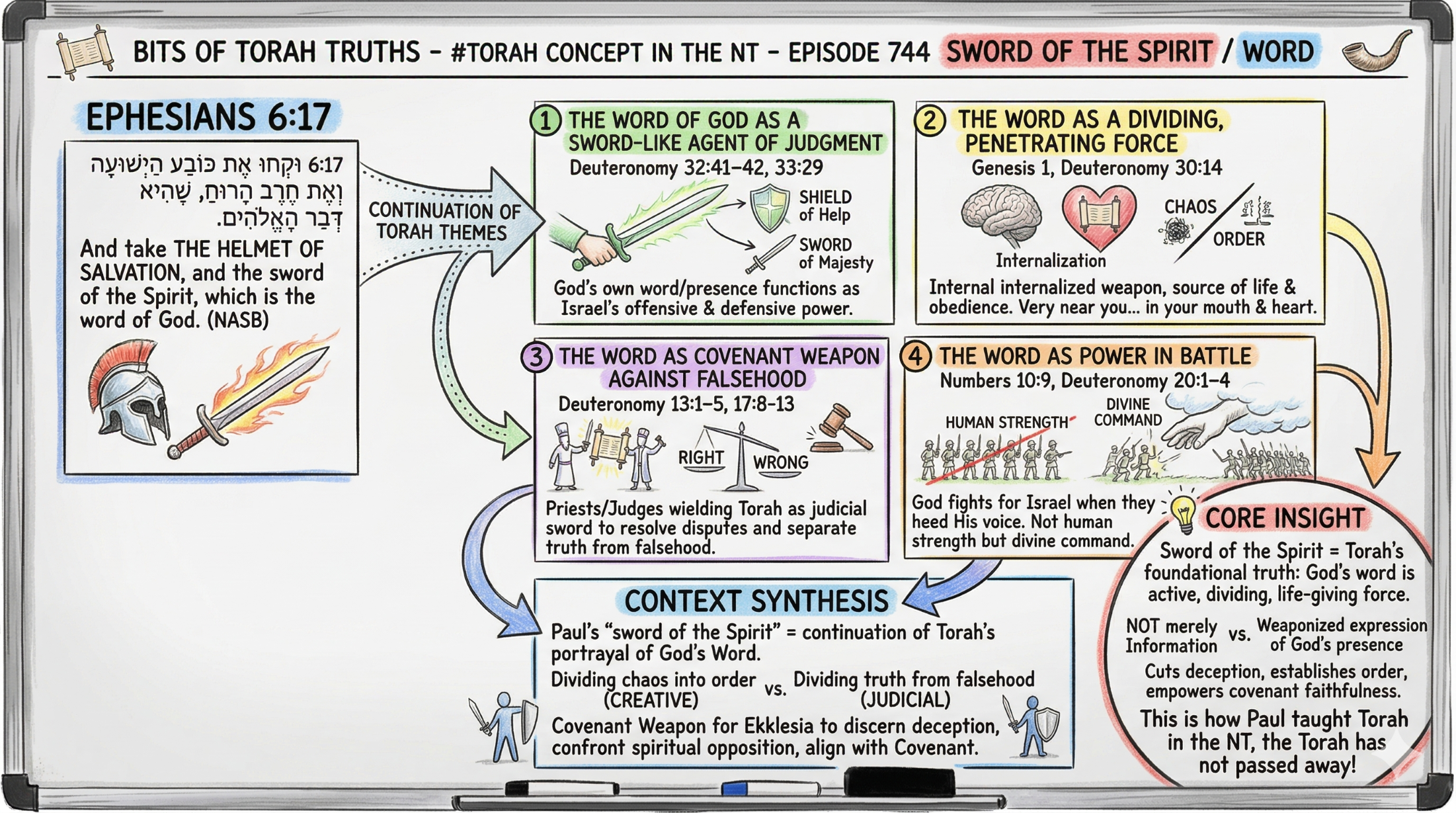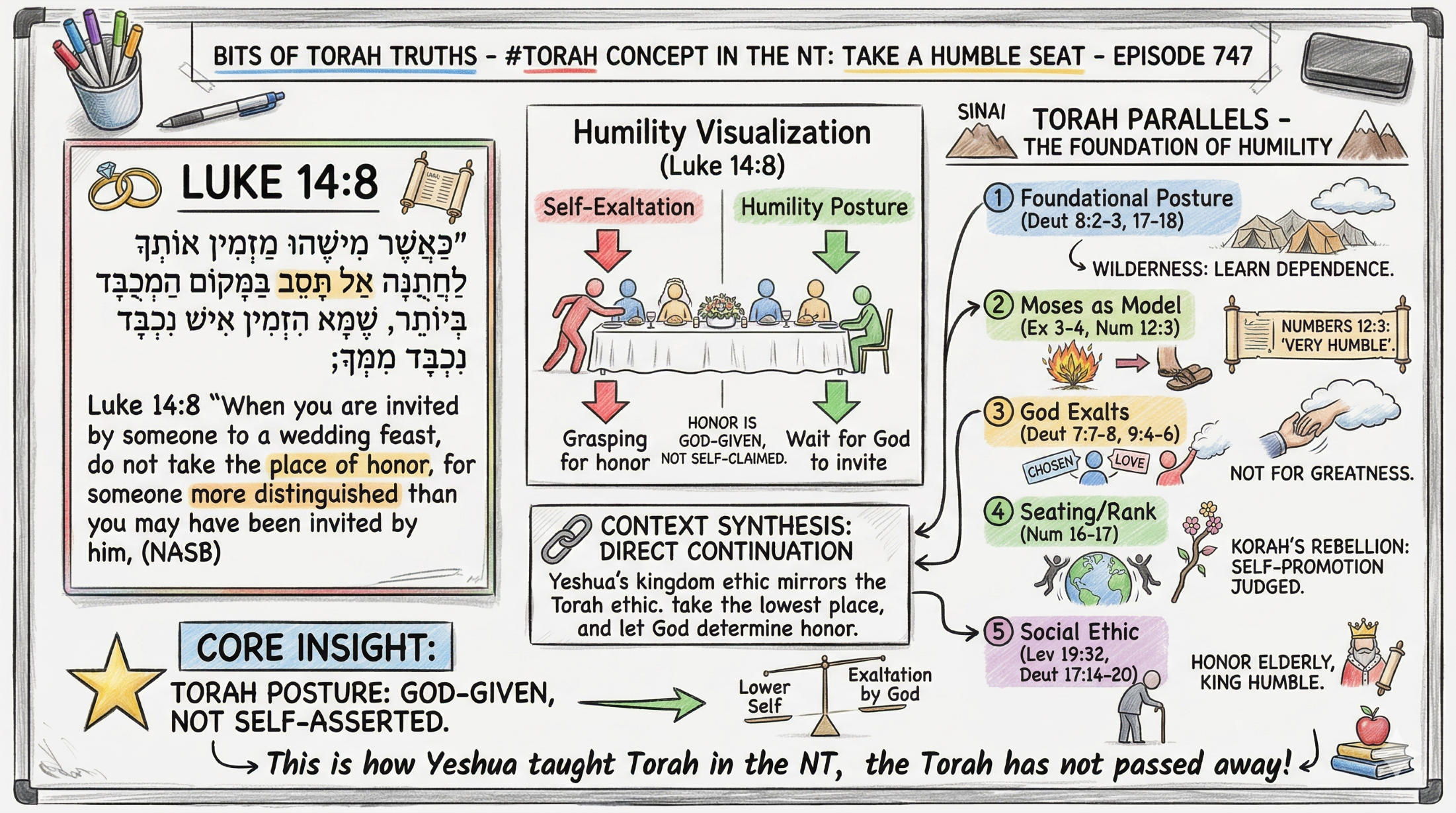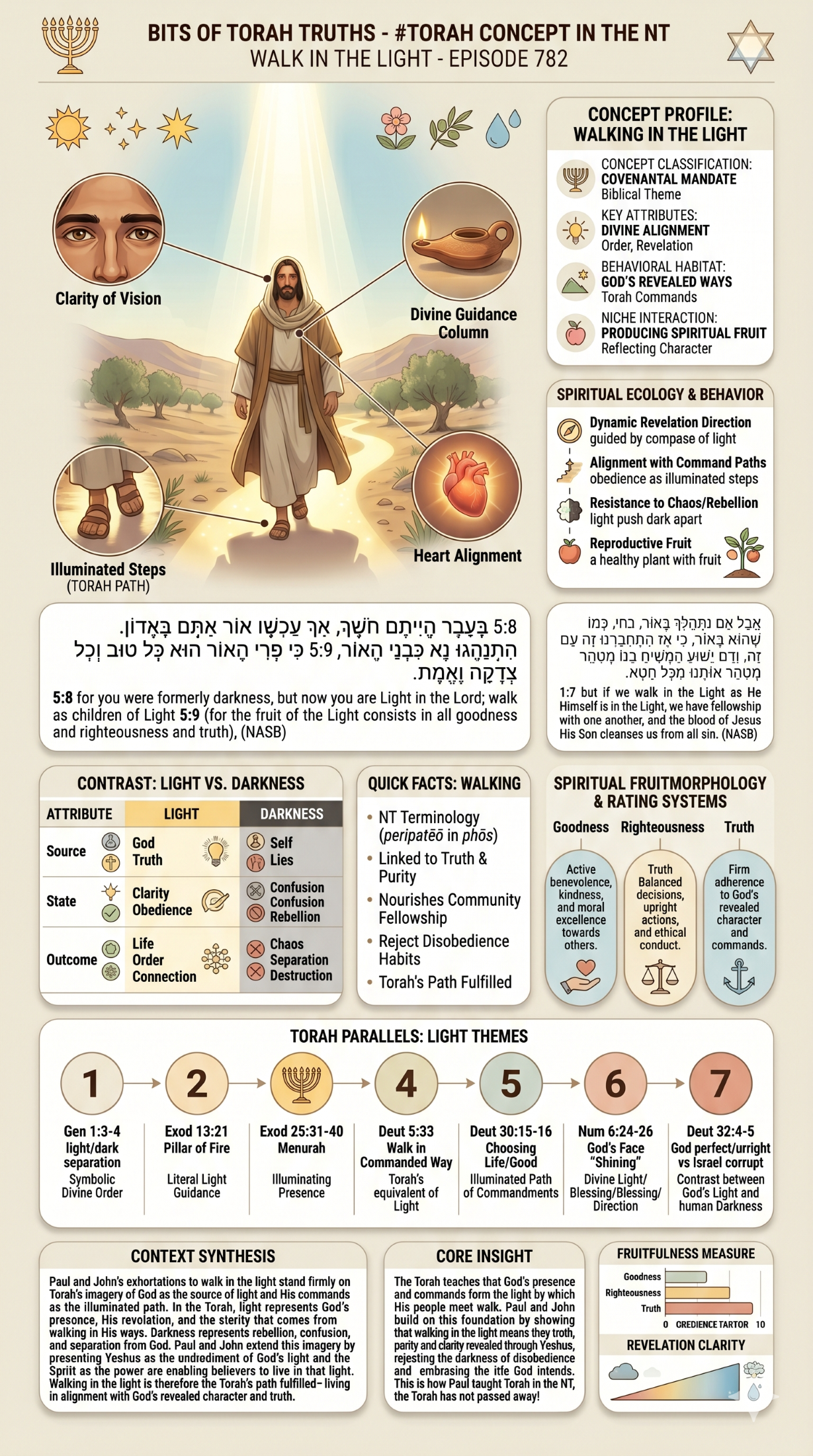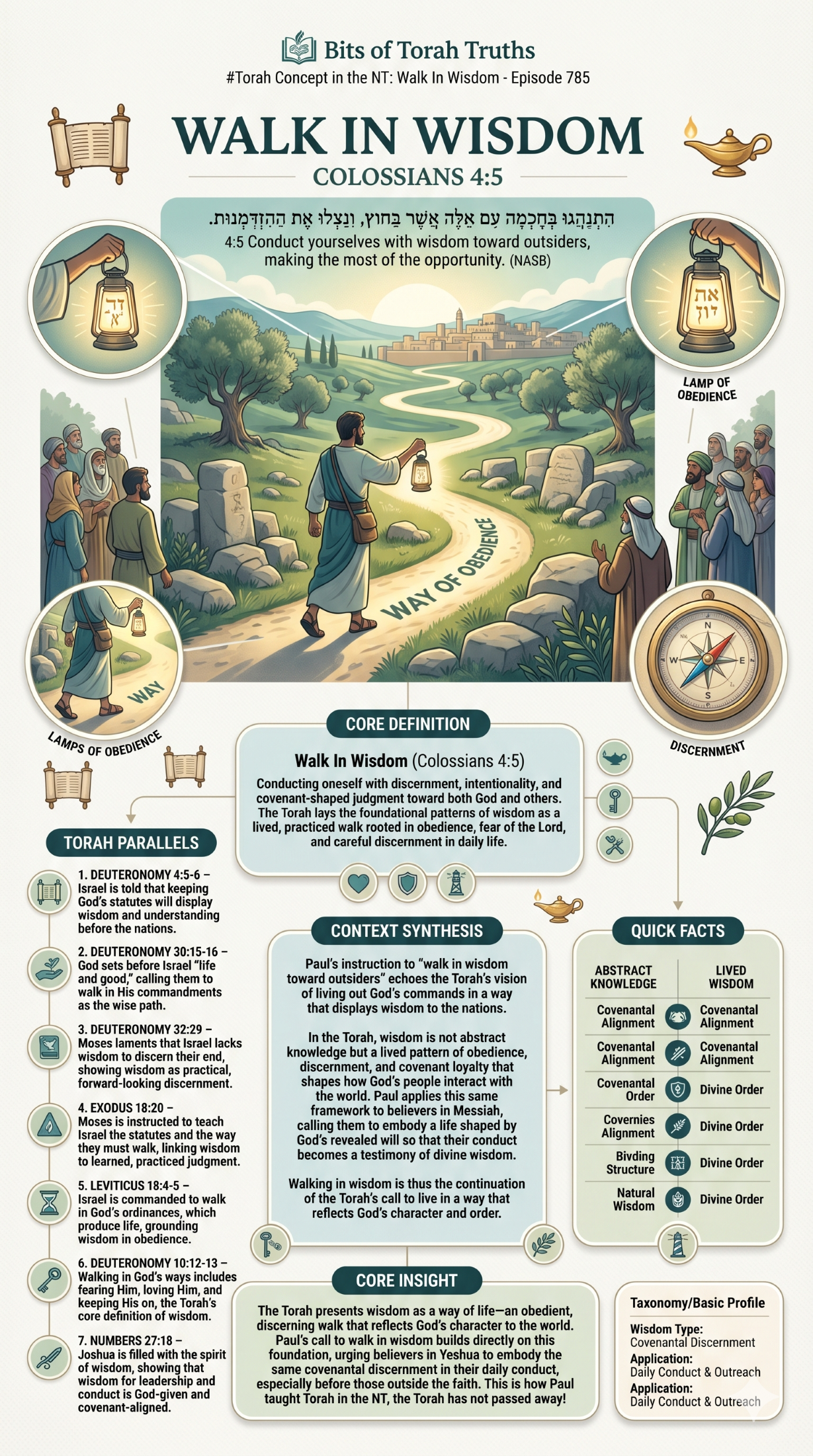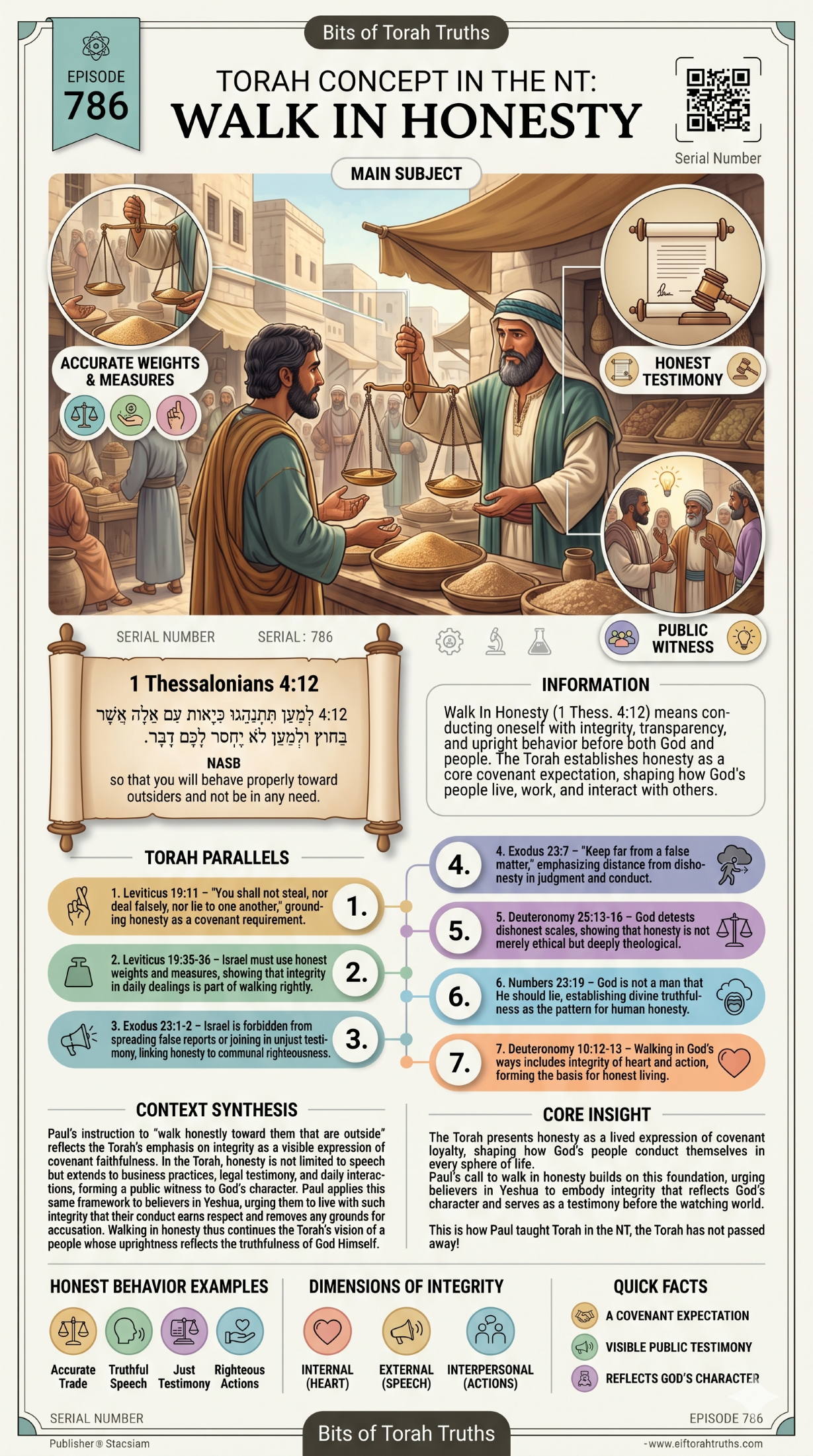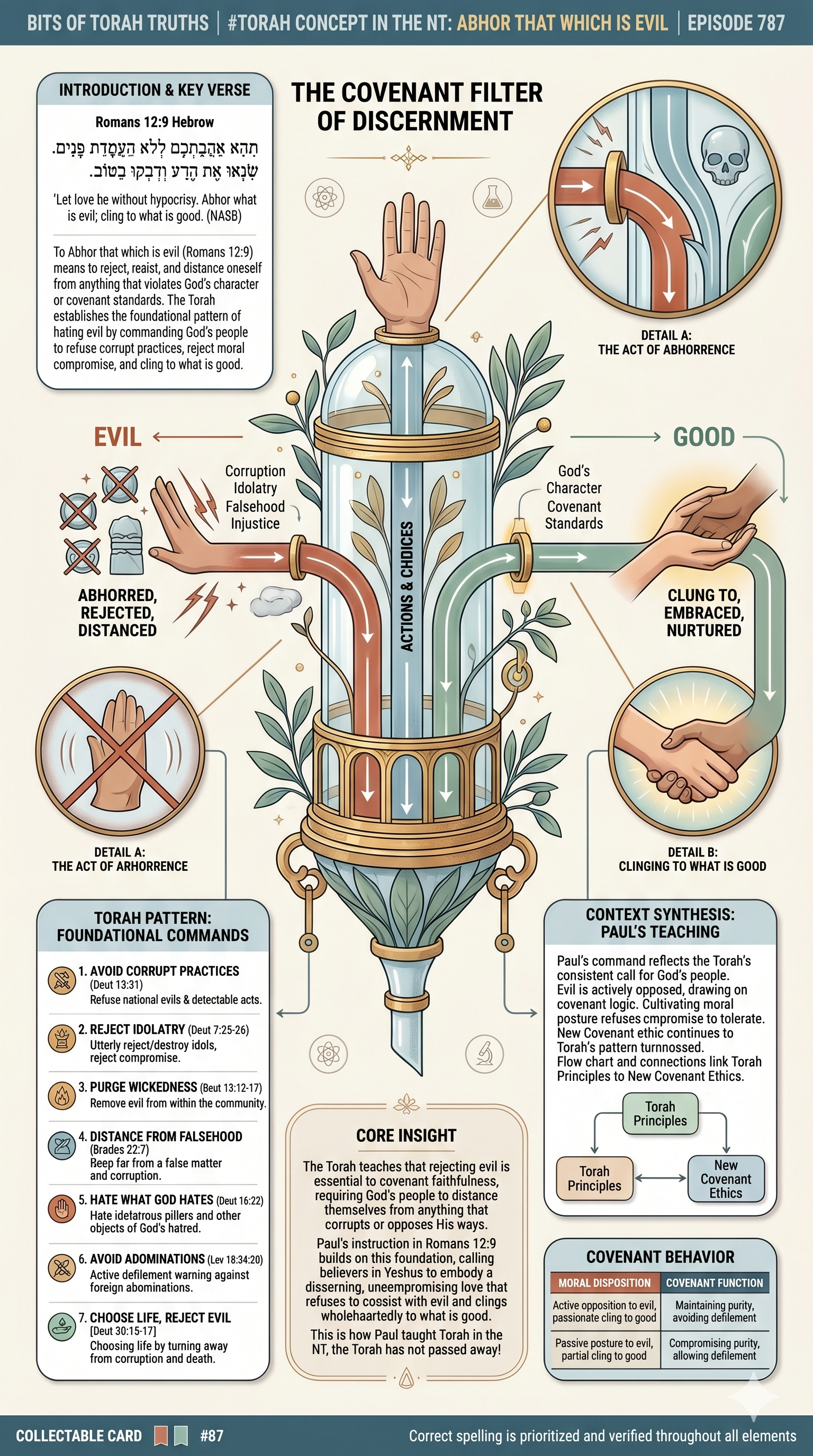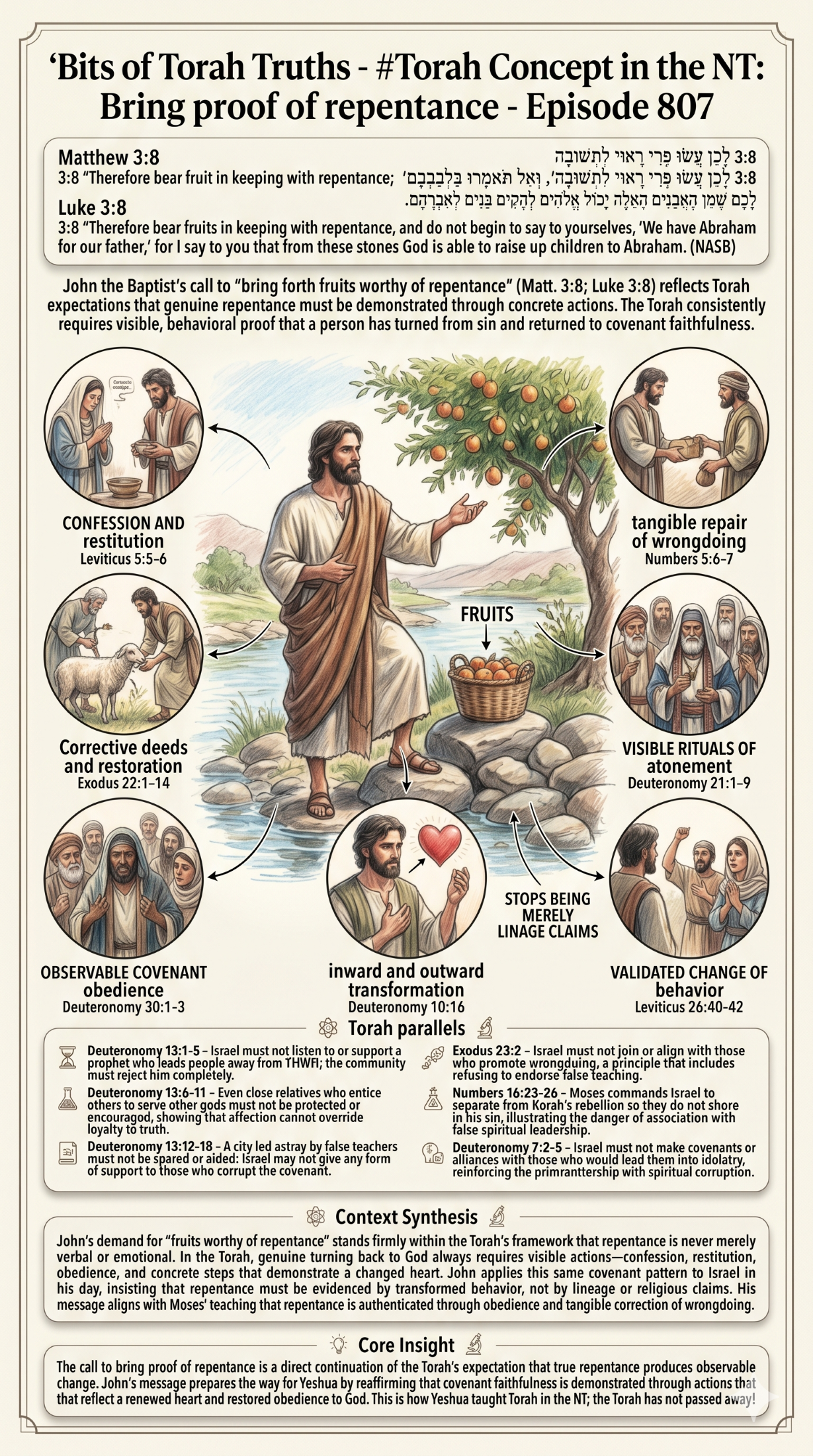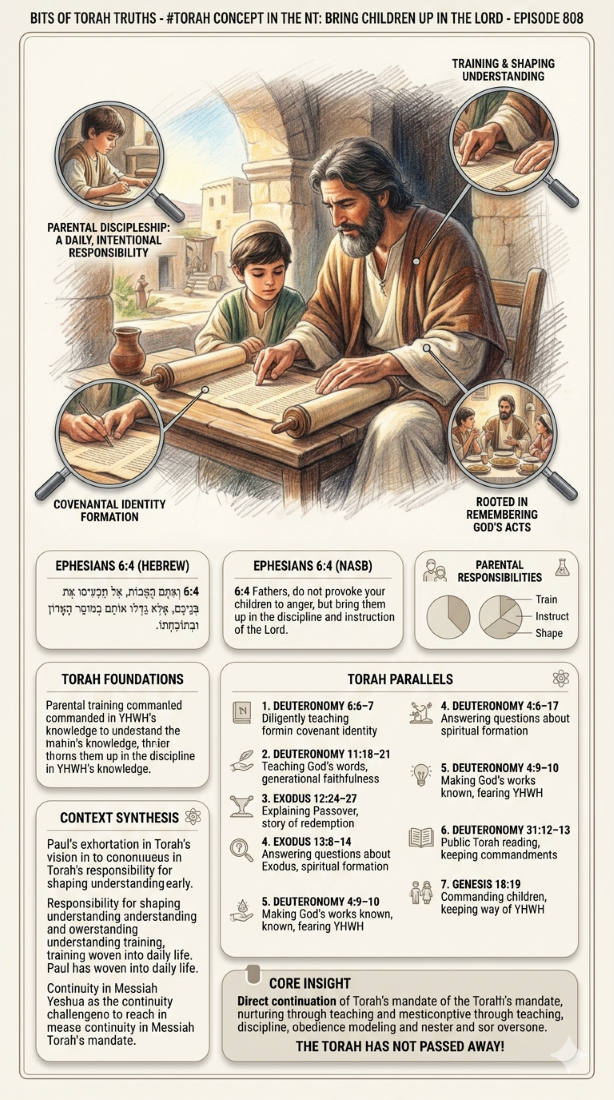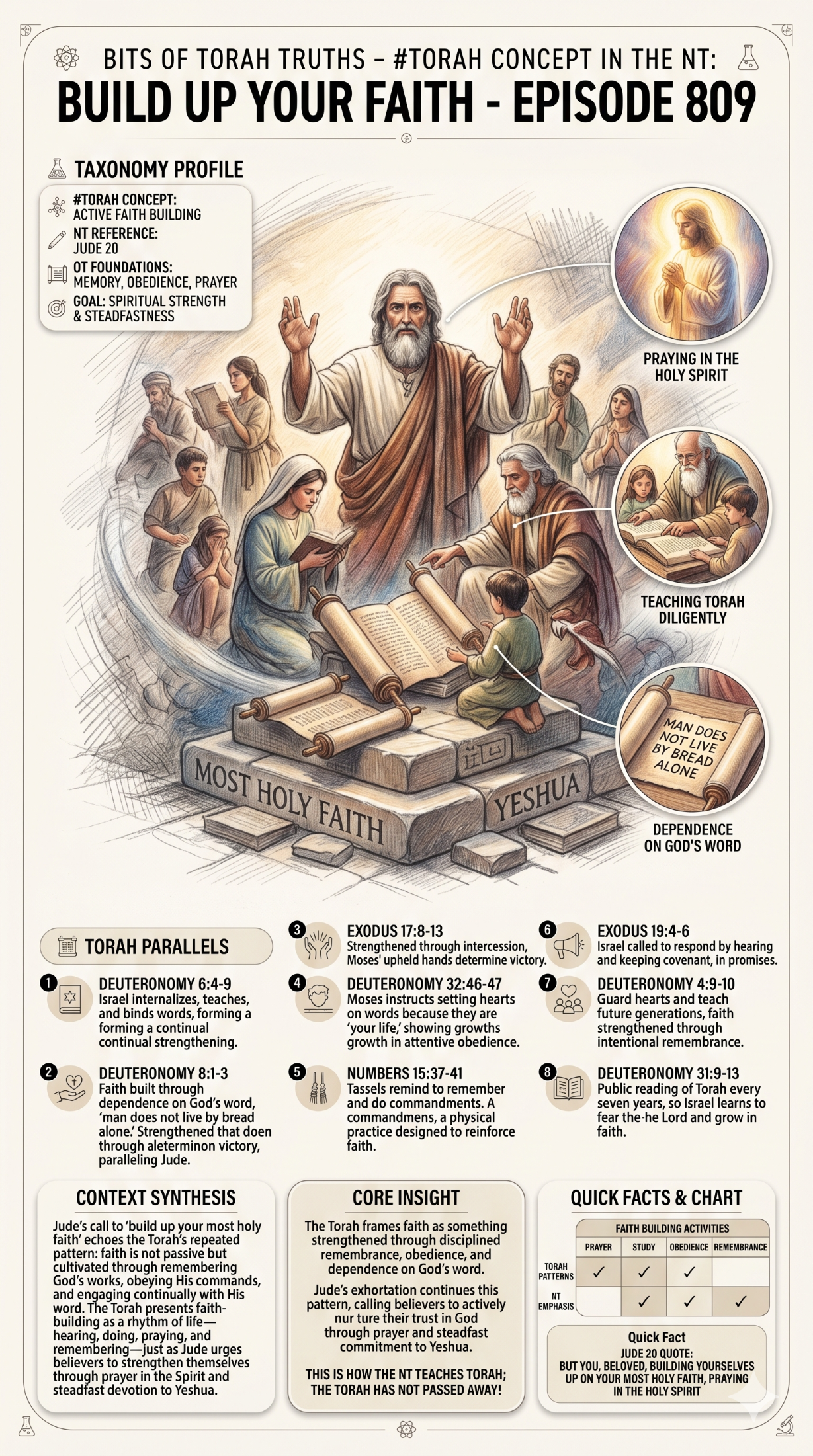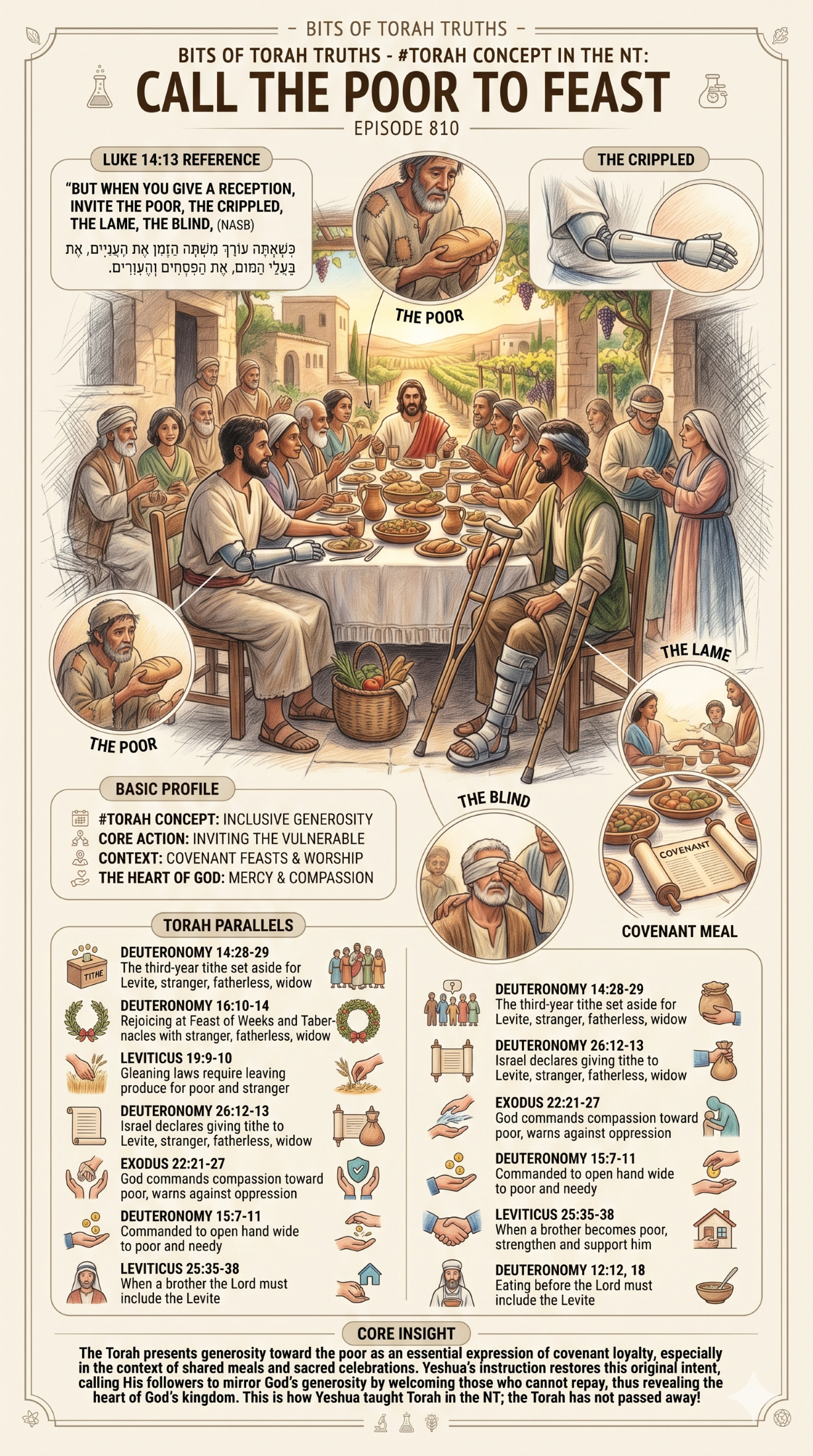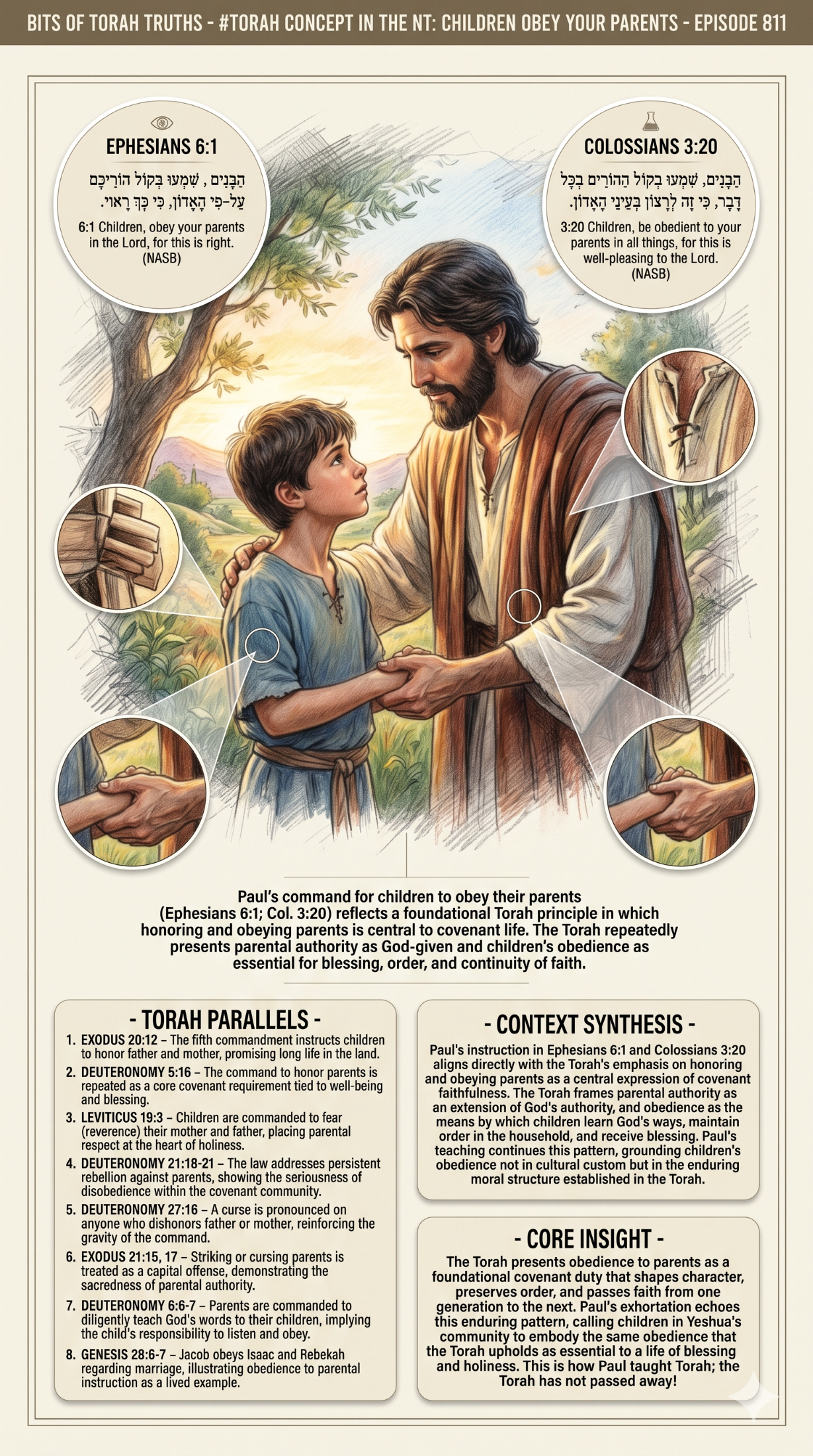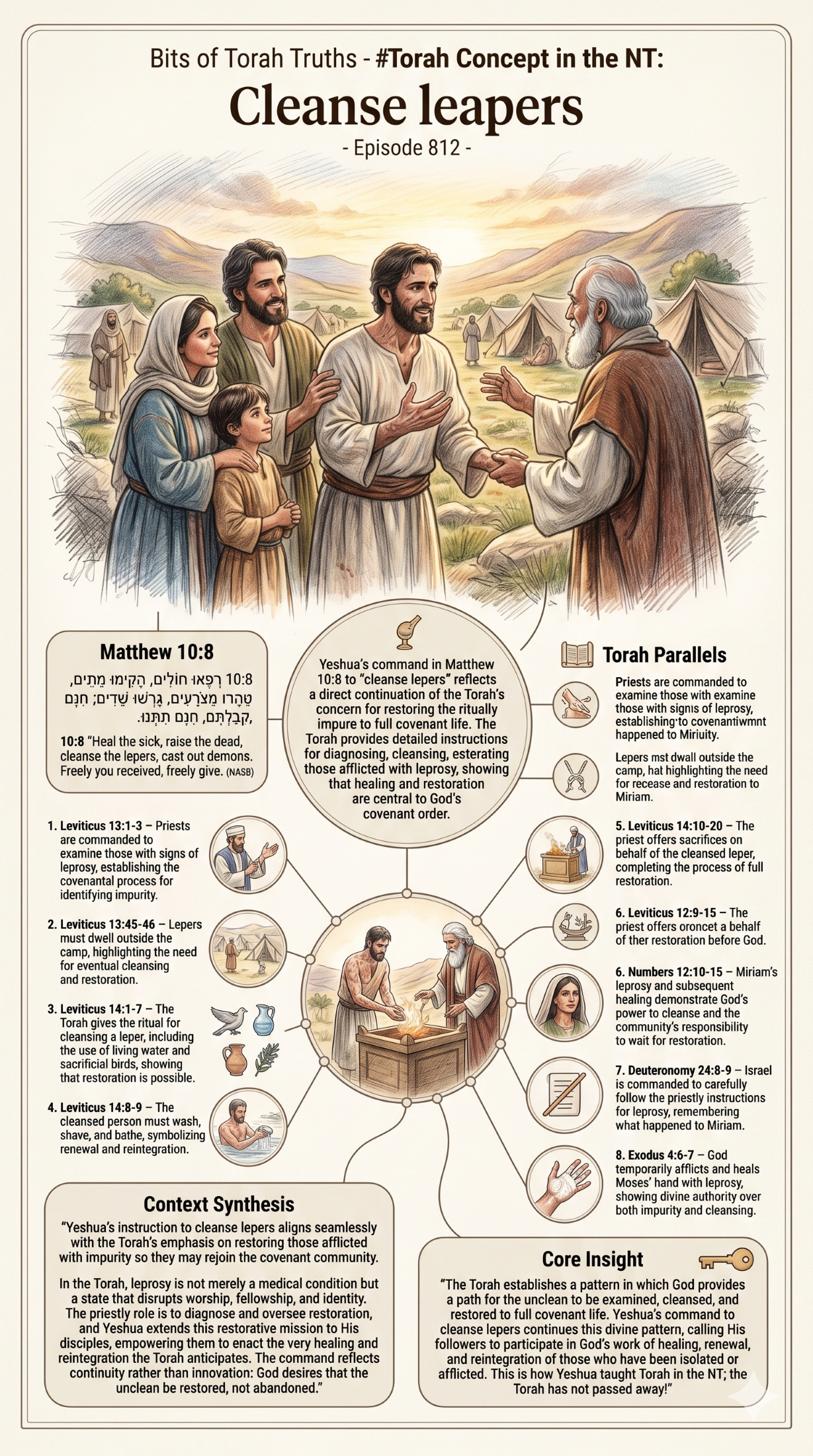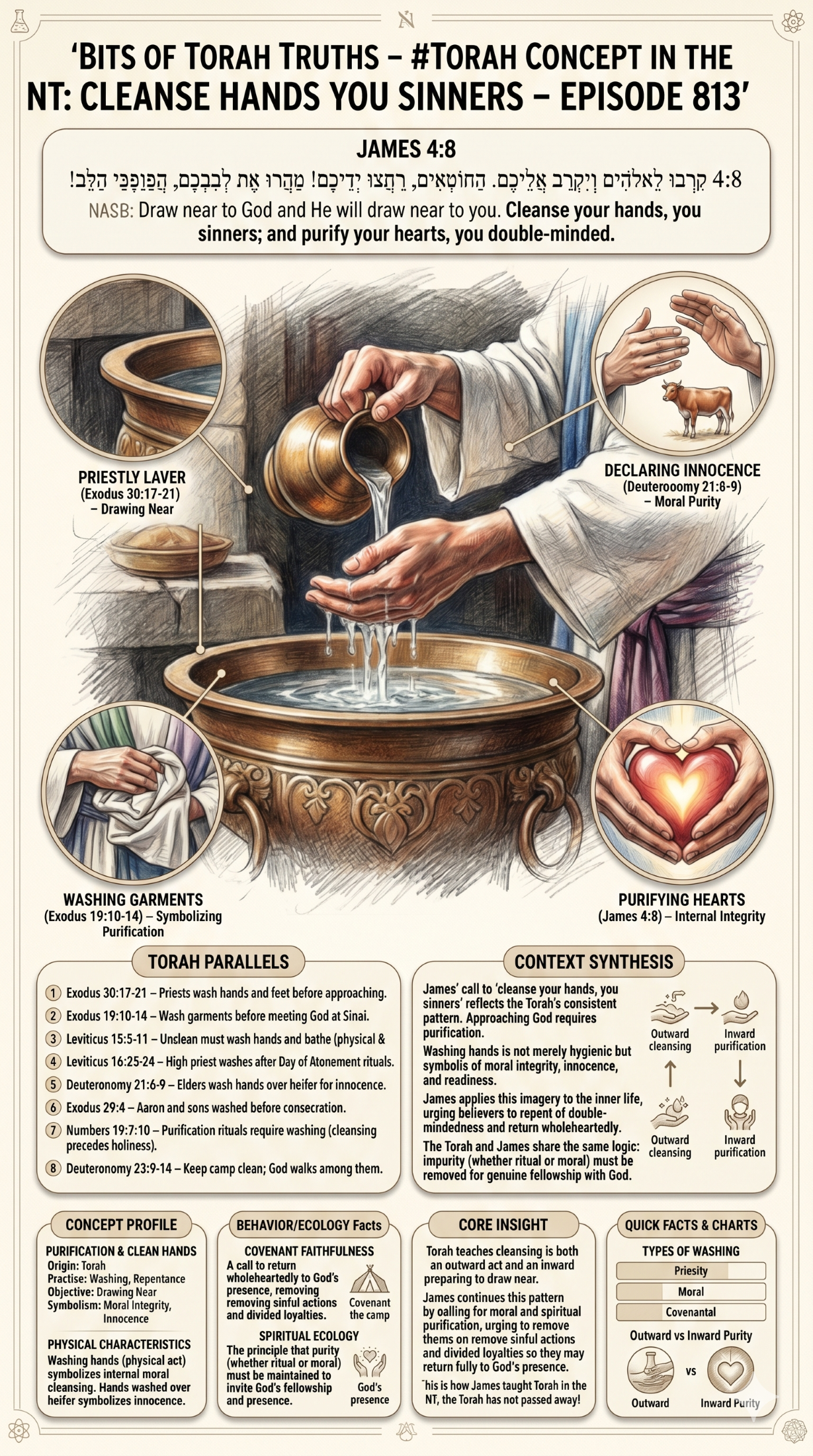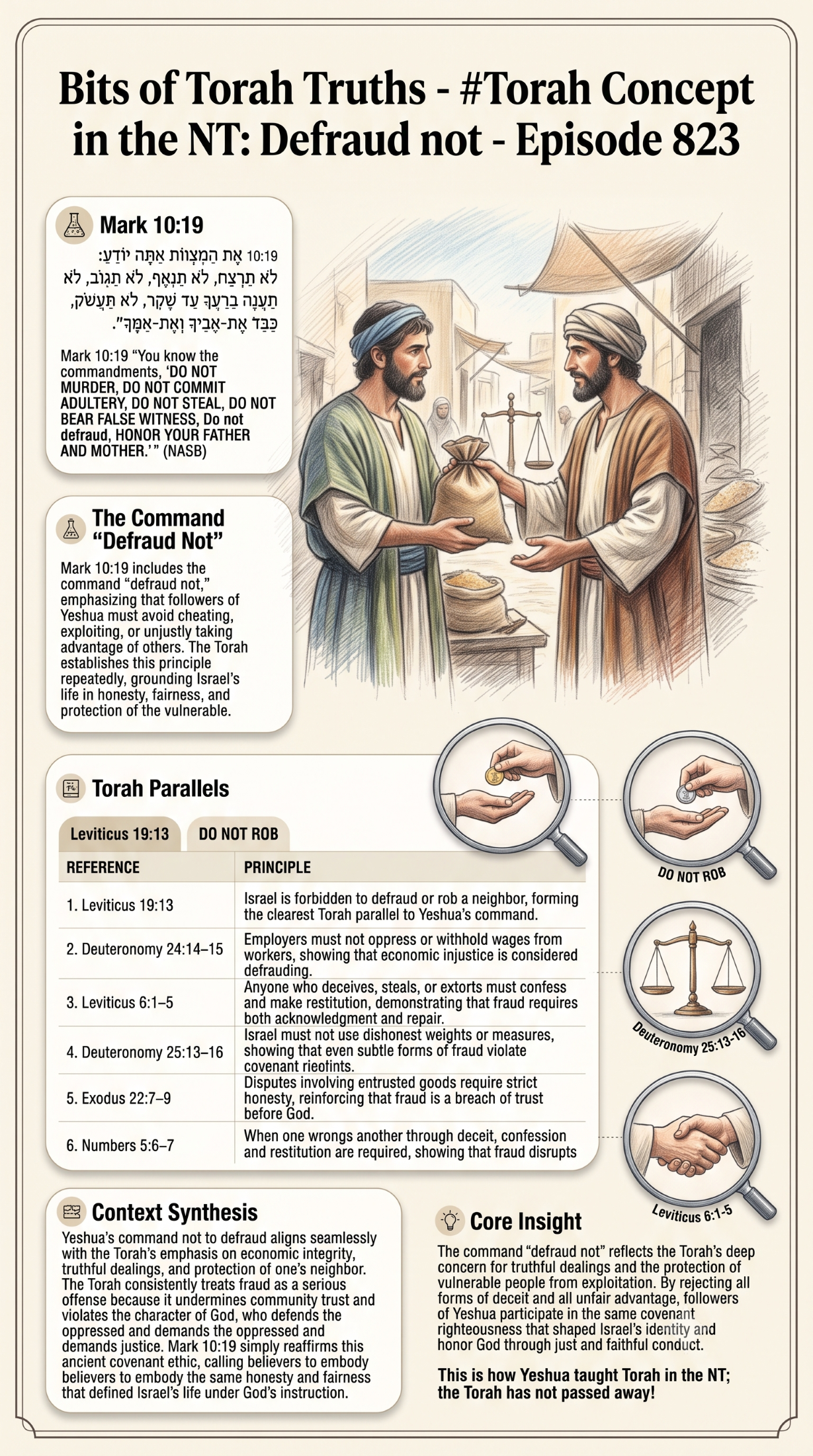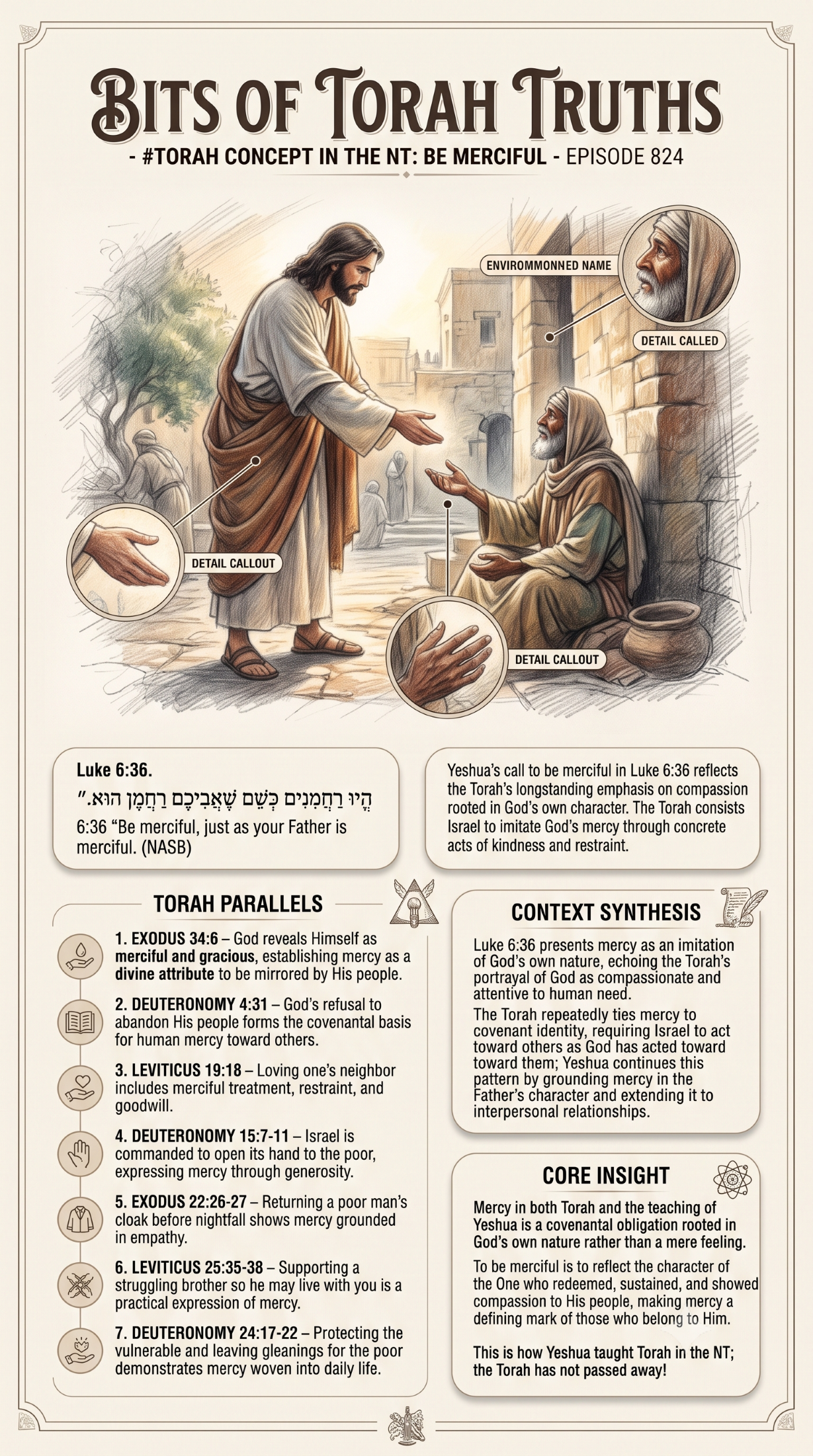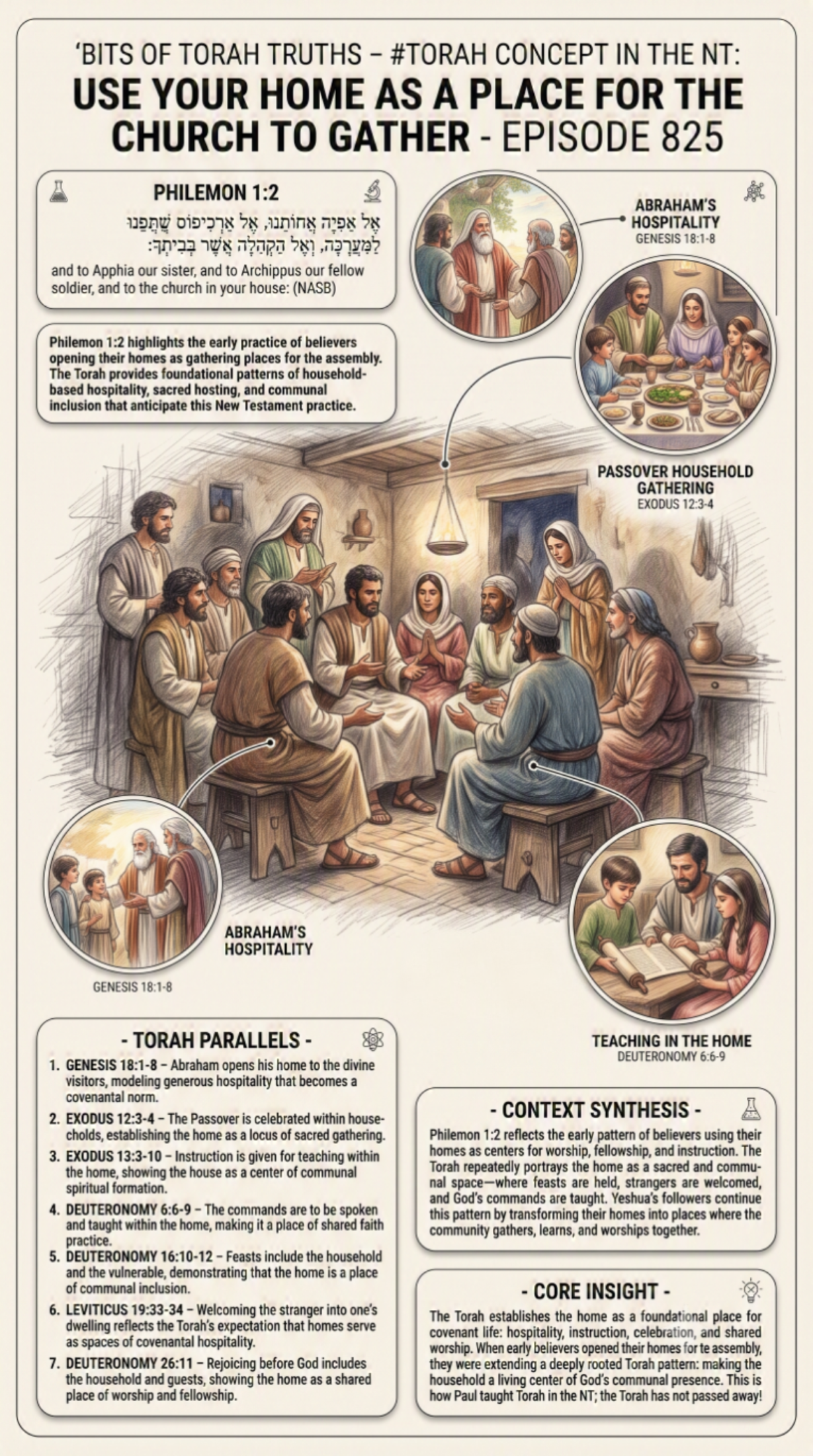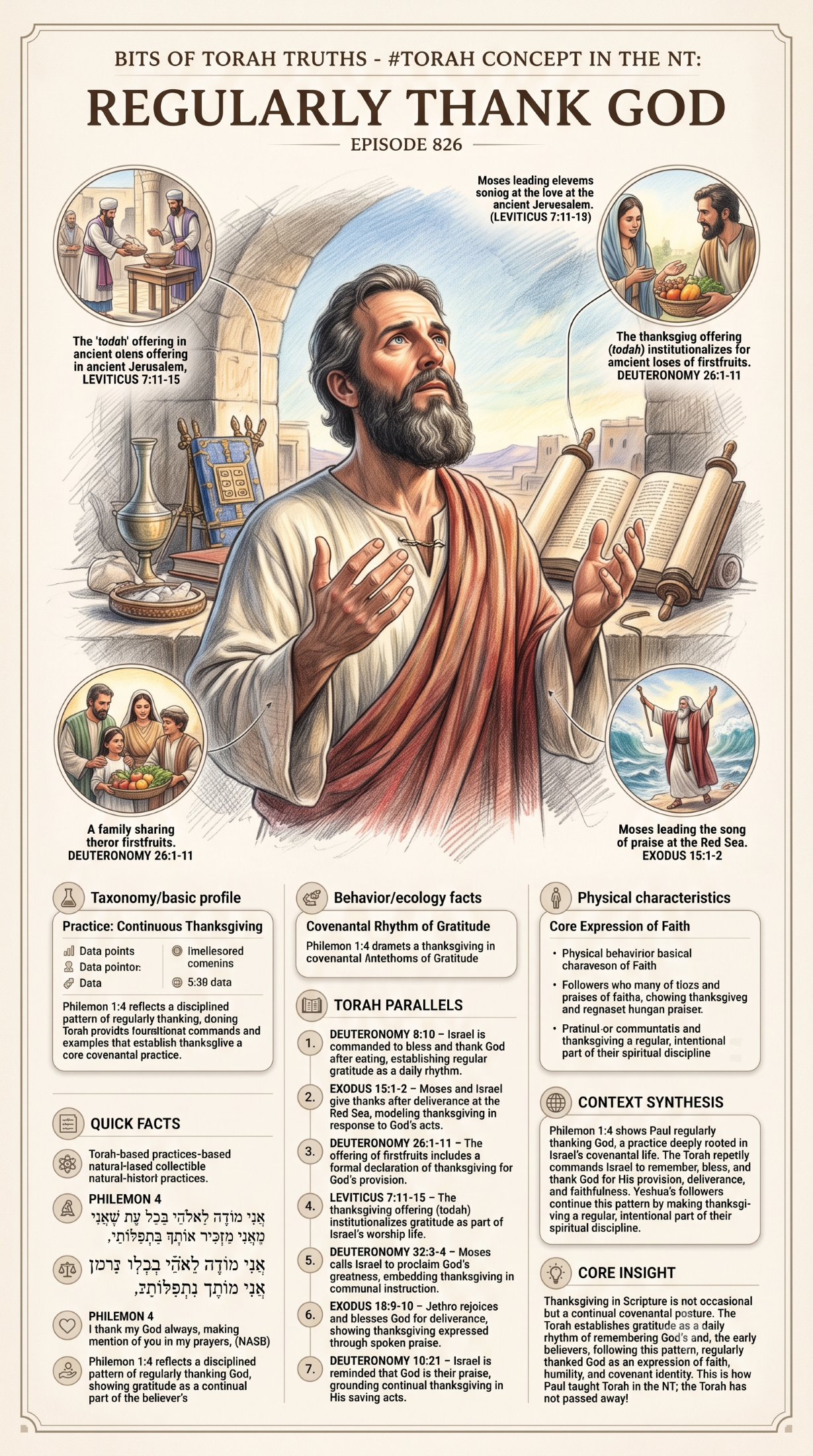
Bits of Torah Truths – #Torah Concept in the NT: View and treat others as dear brothers and sisters in the Lord – Episode 831
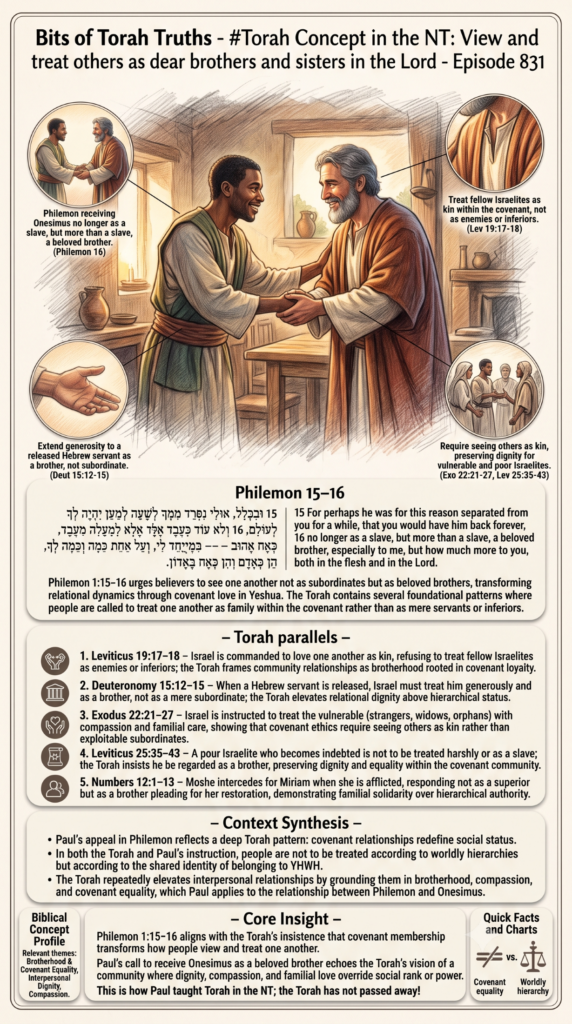
Philemon 15–16
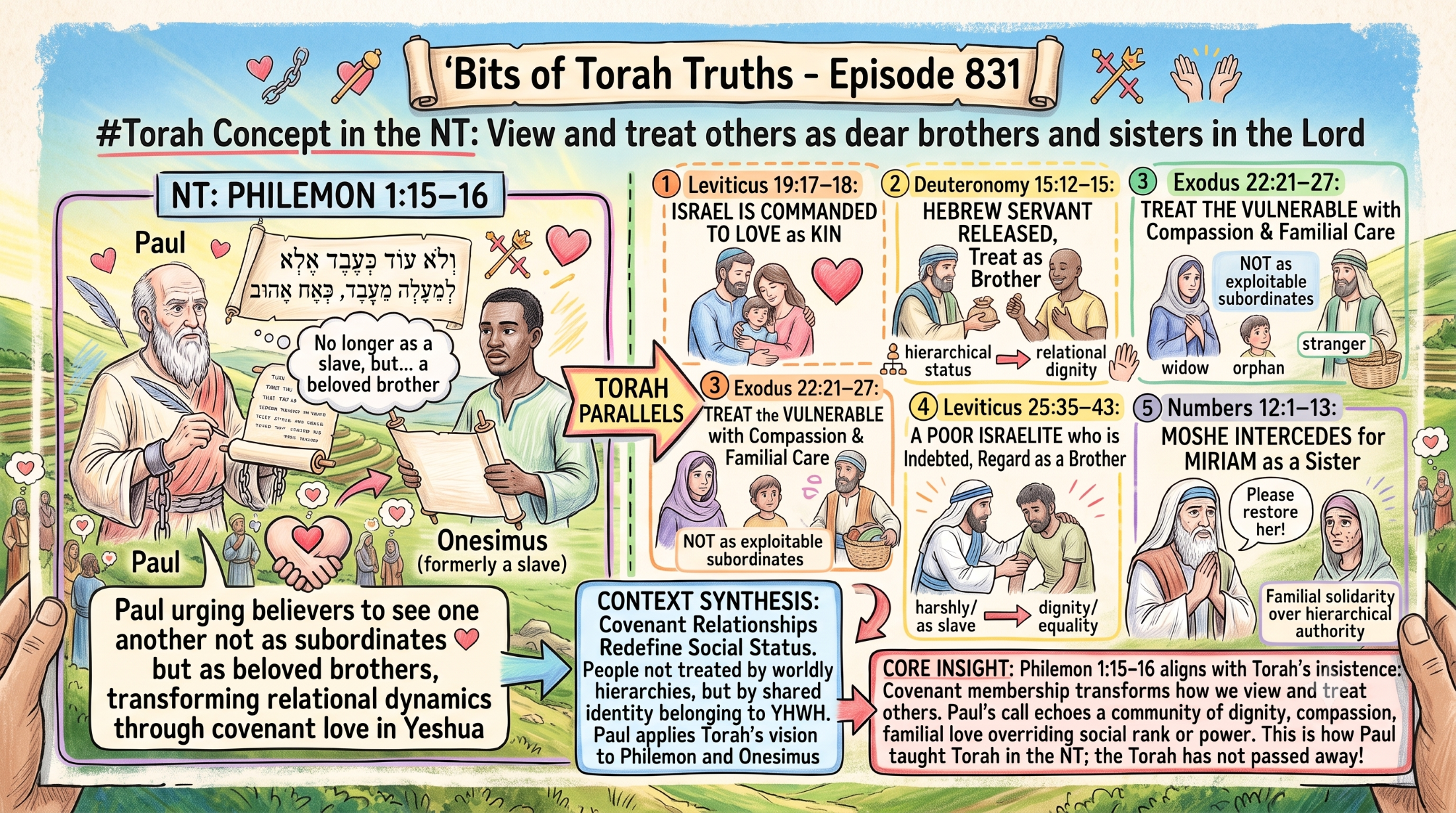
15 וּבִכְלָל, אוּלַי נִפְרַד מִמְּךָ לְשָׁעָה לְמַעַן יִהְיֶה לְךָ לְעוֹלָם, 16 וְלֹא עוֹד כְּעֶבֶד אֶלָּא לְמַעְלָה מֵעֶבֶד, כְּאָח אָהוּב –– בִּמְיֻחָד לִי, וְעַל אַחַת כַּמָּה וְכַמָּה לְךָ, הֵן כְּאָדָם וְהֵן כְּאָח בָּאָדוֹן.
#torah#torahwisdom#torahtruth#torahforlife#torah4you#torahtruth
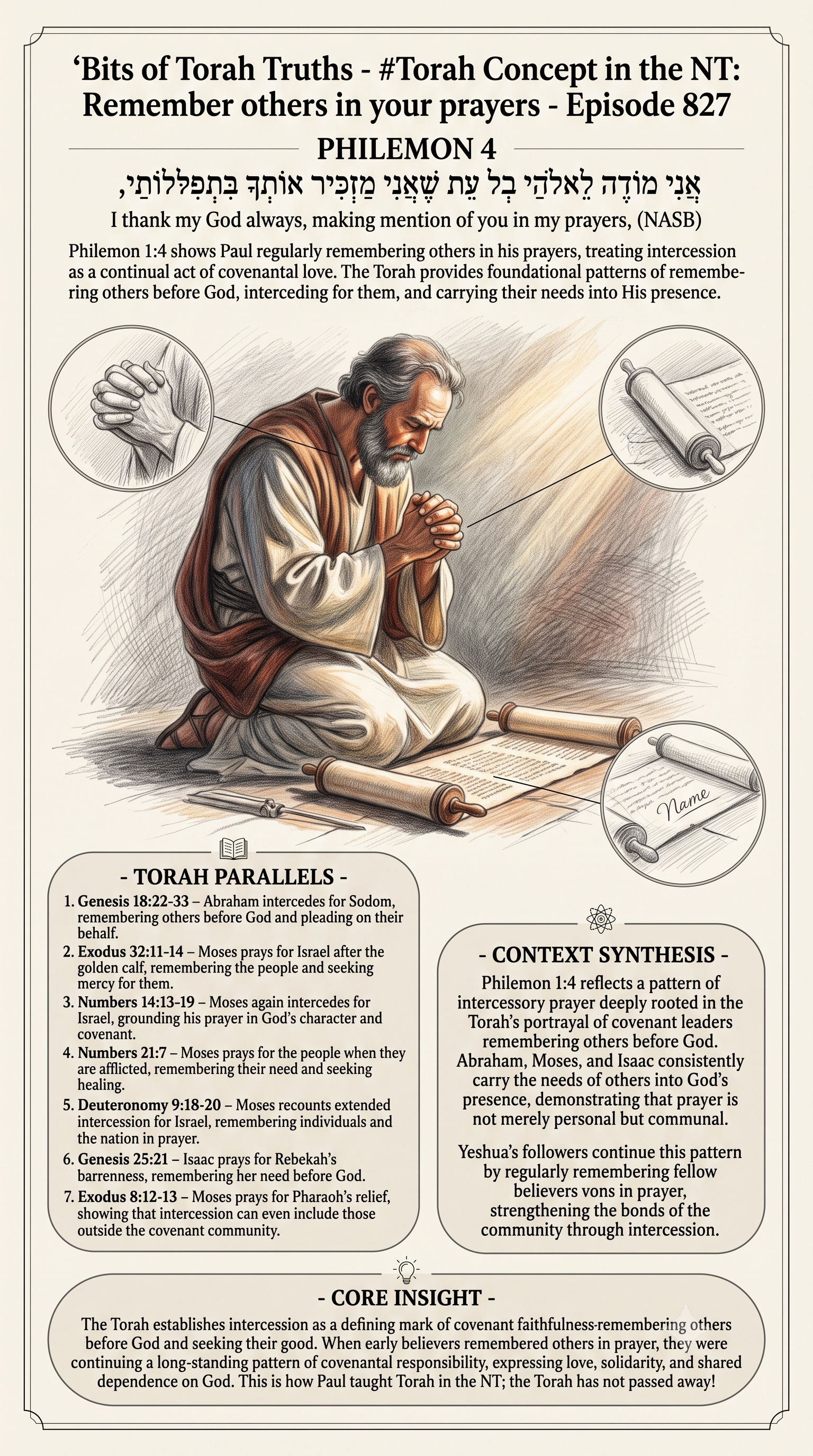
Philemon 15–16
15 For perhaps he was for this reason separated from you for a while, that you would have him back forever, 16 no longer as a slave, but more than a slave, a beloved brother, especially to me, but how much more to you, both in the flesh and in the Lord. (NASB)
https://www.matsati.com/index.php/category/bits-of-torah-truths/
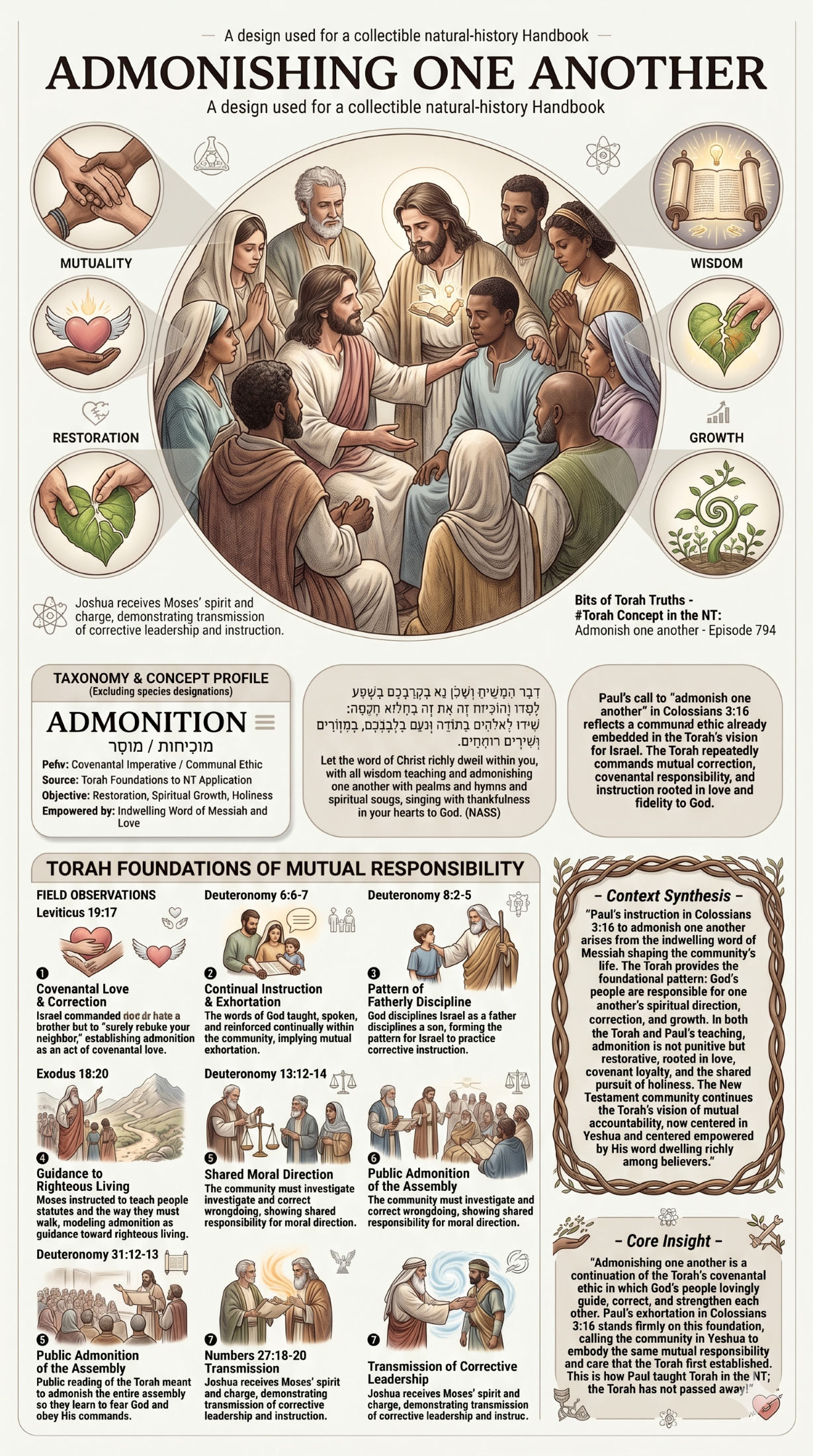
Philemon 1:15‑16 urges believers to see one another not as subordinates but as beloved brothers, transforming relational dynamics through covenant love in Yeshua. The Torah contains several foundational patterns where people are called to treat one another as family within the covenant rather than as mere servants or inferiors.
– Torah parallels –
- Leviticus 19:17‑18 – Israel is commanded to love one another as kin, refusing to treat fellow Israelites as enemies or inferiors; the Torah frames community relationships as brotherhood rooted in covenant loyalty.
- Deuteronomy 15:12‑15 – When a Hebrew servant is released, Israel must treat him generously and as a brother, not as a mere subordinate; the Torah elevates relational dignity above hierarchical status.
- Exodus 22:21‑27 – Israel is instructed to treat the vulnerable (strangers, widows, orphans) with compassion and familial care, showing that covenant ethics require seeing others as kin rather than exploitable subordinates.
- Leviticus 25:35‑43 – A poor Israelite who becomes indebted is not to be treated harshly or as a slave; the Torah insists he be regarded as a brother, preserving dignity and equality within the covenant community.
- Numbers 12:1‑13 – Moshe intercedes for Miriam when she is afflicted, responding not as a superior but as a brother pleading for her restoration, demonstrating familial solidarity over hierarchical authority.
– Context Synthesis –
Paul’s appeal in Philemon reflects a deep Torah pattern: covenant relationships redefine social status. In both the Torah and Paul’s instruction, people are not to be treated according to worldly hierarchies but according to the shared identity of belonging to YHWH. The Torah repeatedly elevates interpersonal relationships by grounding them in brotherhood, compassion, and covenant equality, which Paul applies to the relationship between Philemon and Onesimus.
– Core Insight –
Philemon 1:15‑16 aligns with the Torah’s insistence that covenant membership transforms how people view and treat one another. Paul’s call to receive Onesimus as a beloved brother echoes the Torah’s vision of a community where dignity, compassion, and familial love override social rank or power. This is how Paul taught Torah in the NT; the Torah has not passed away!
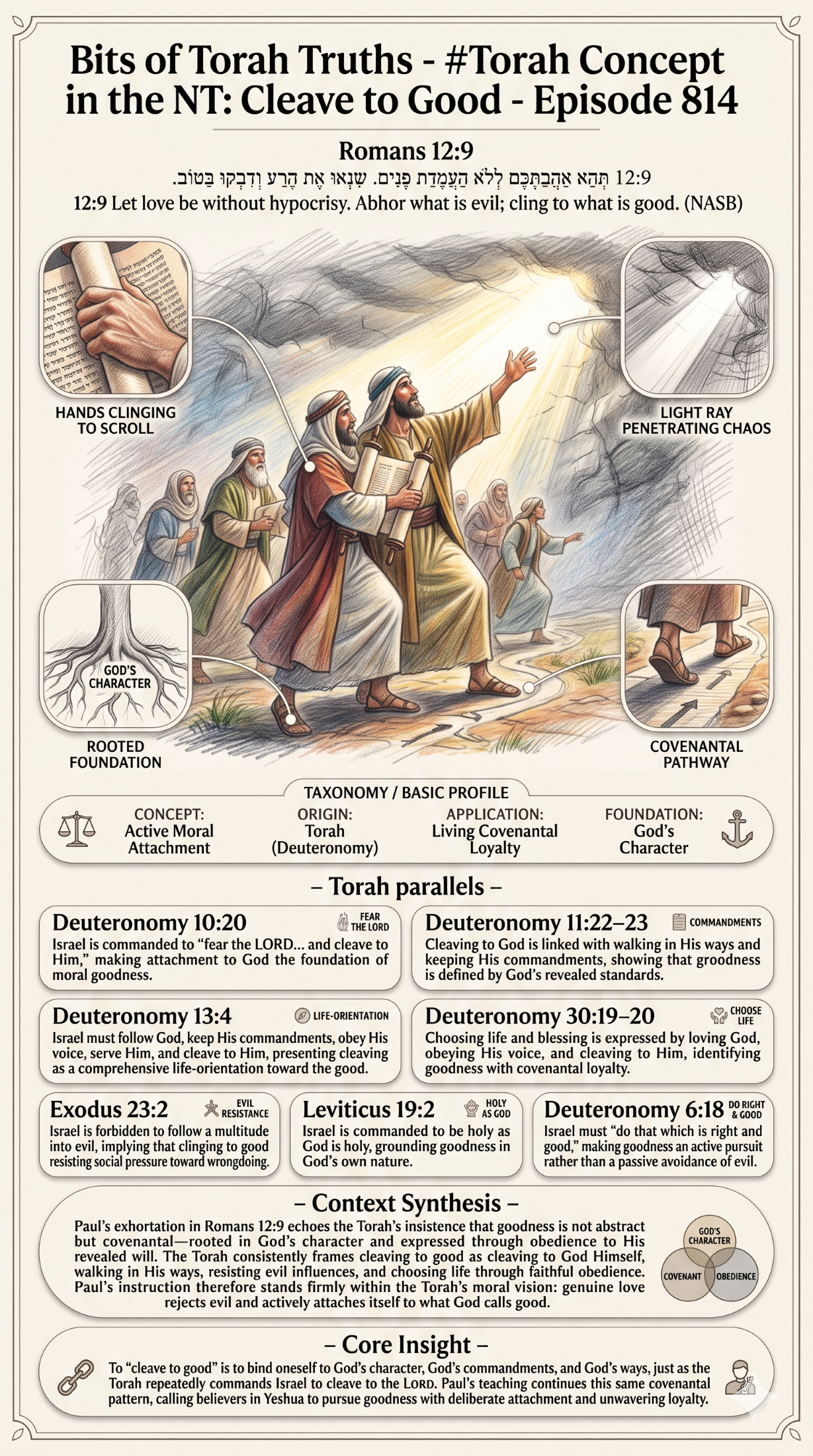
Visual Summary of Concepts the Torah in the NT