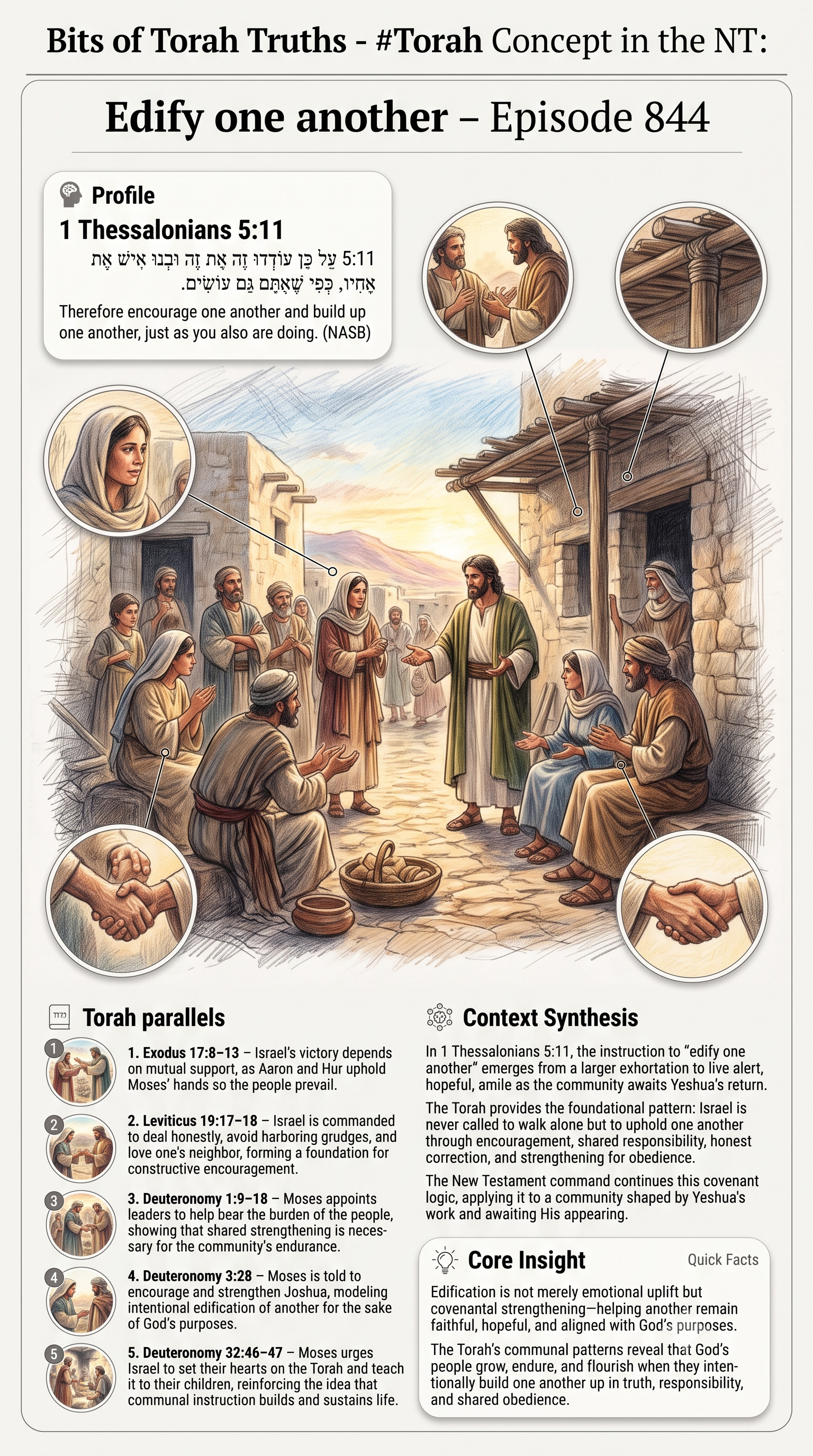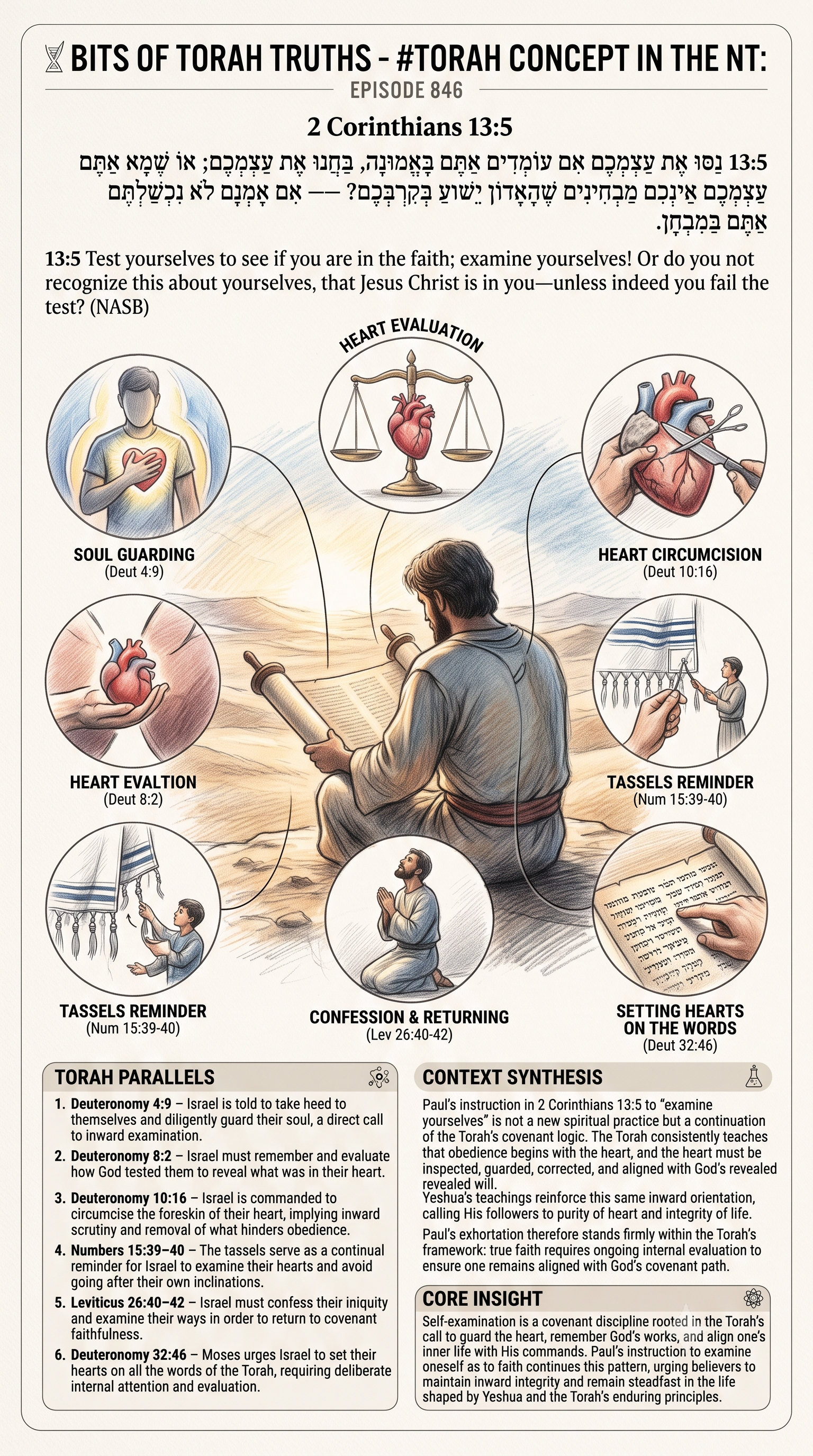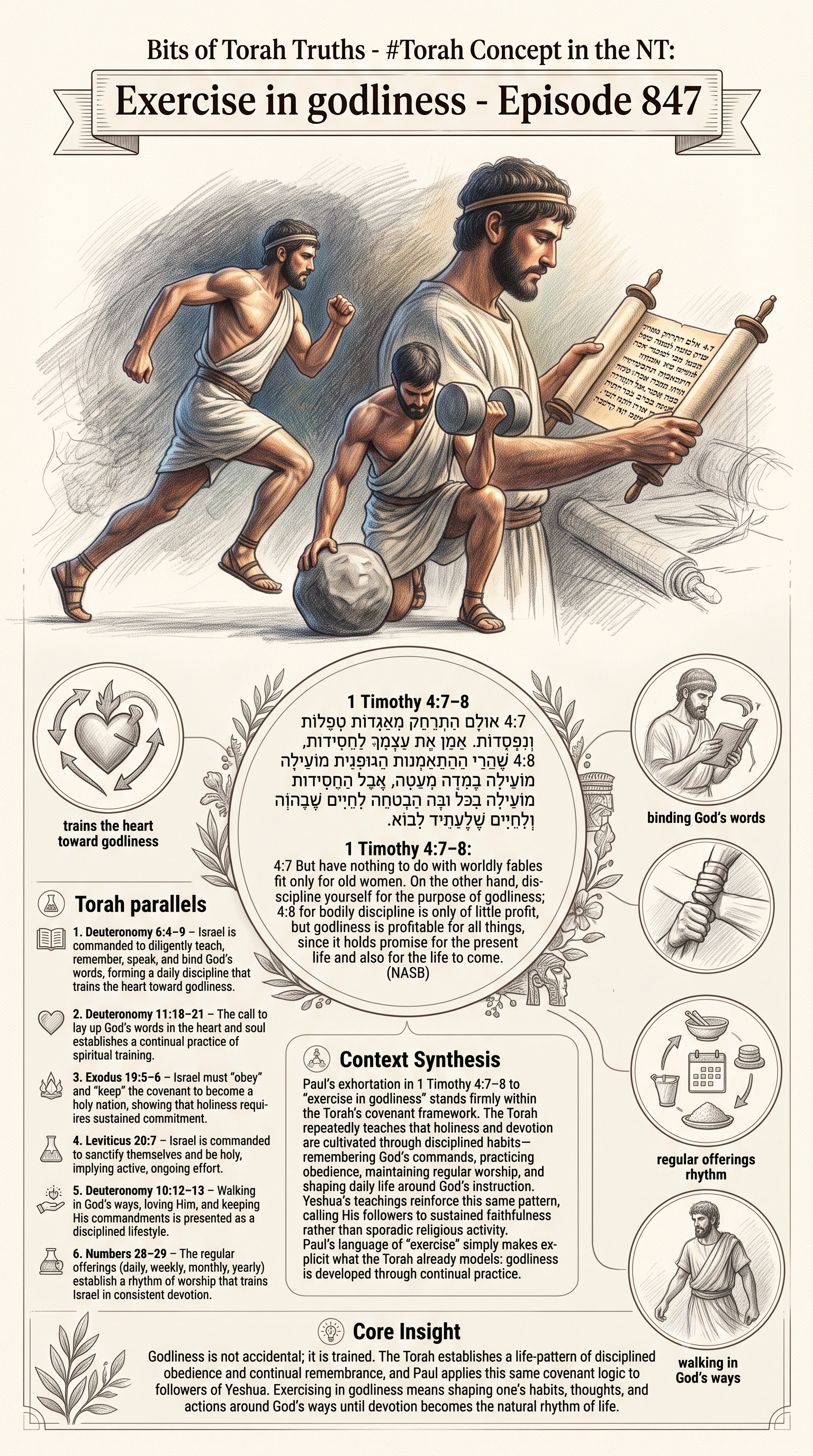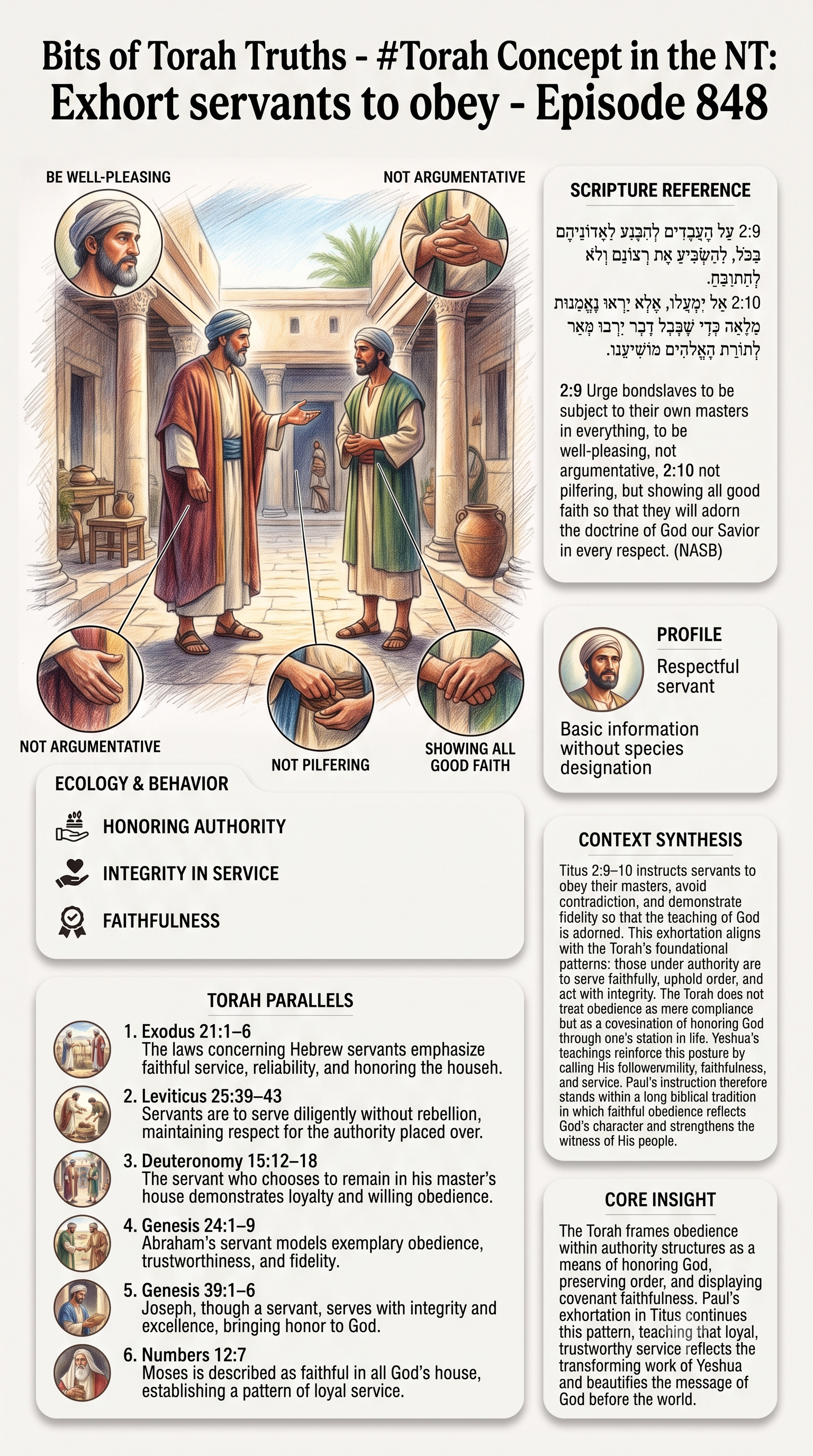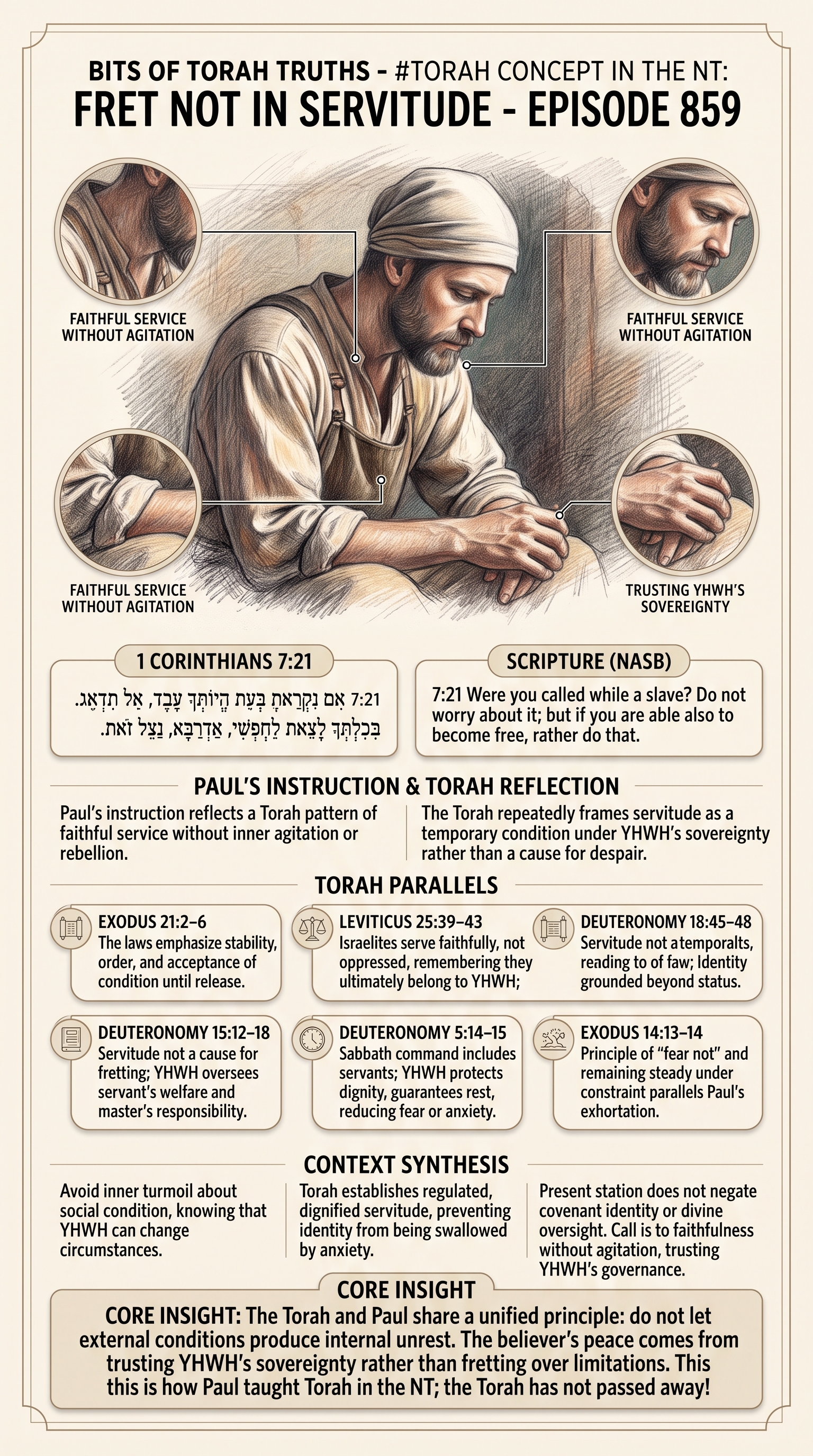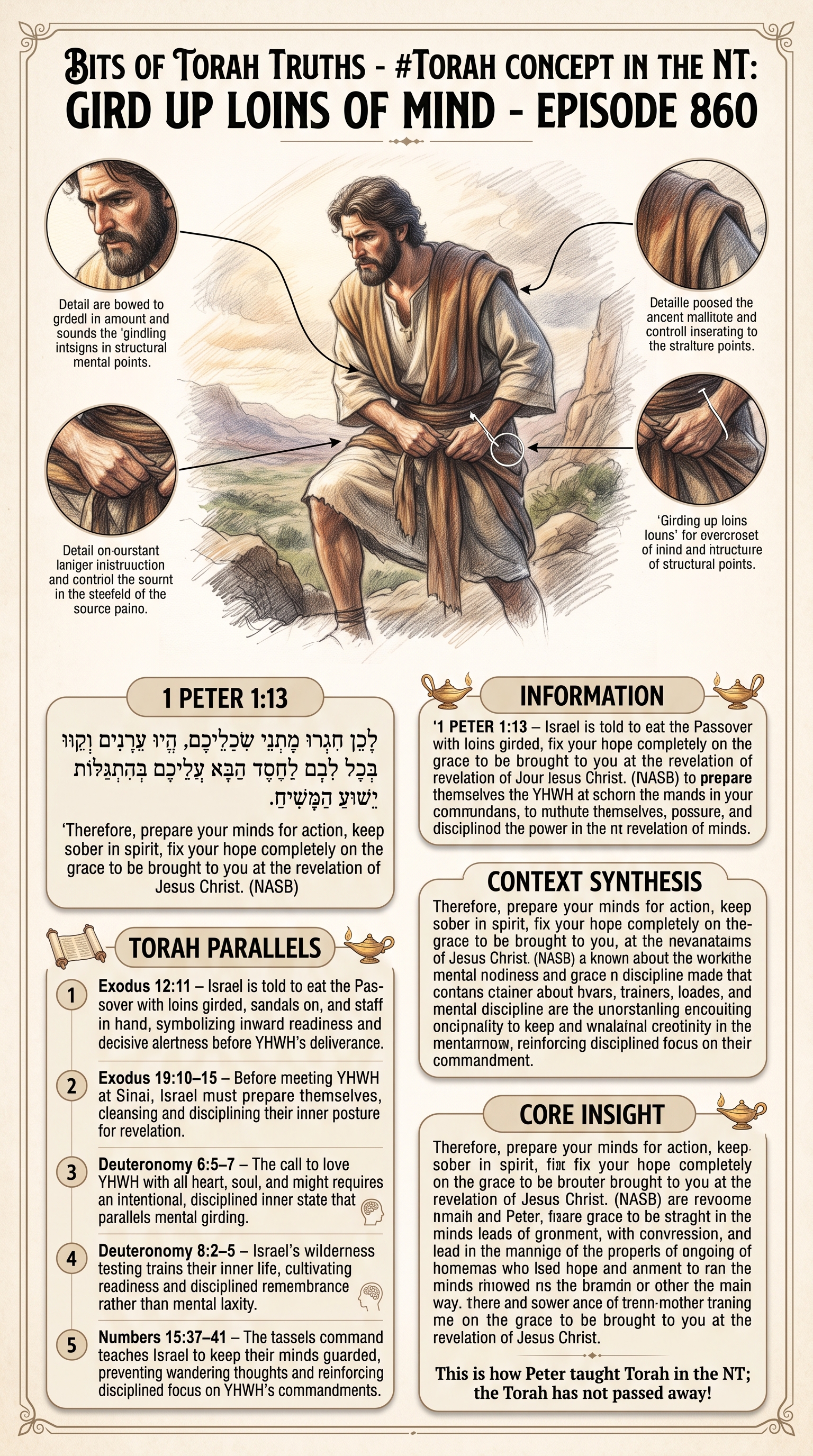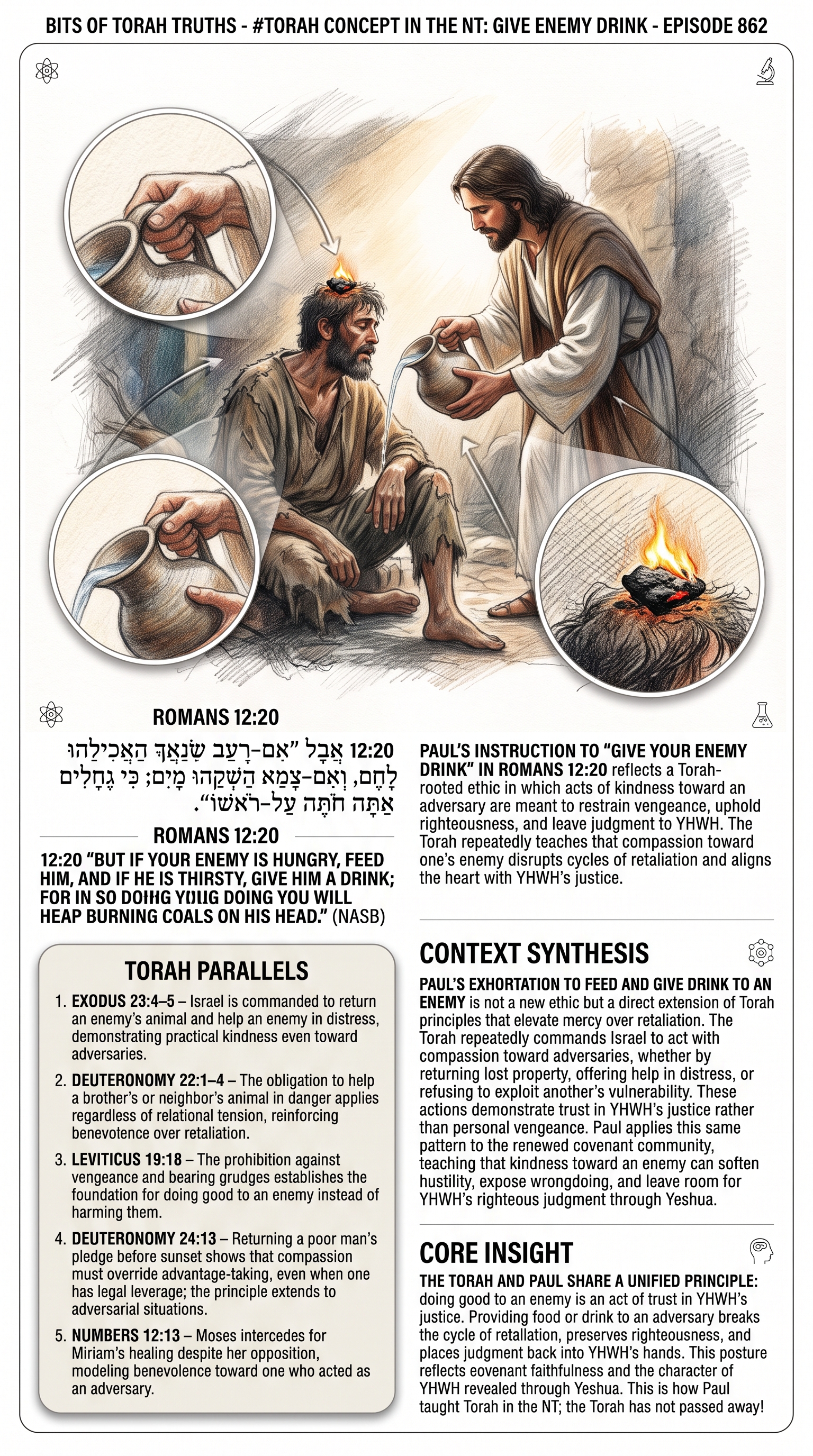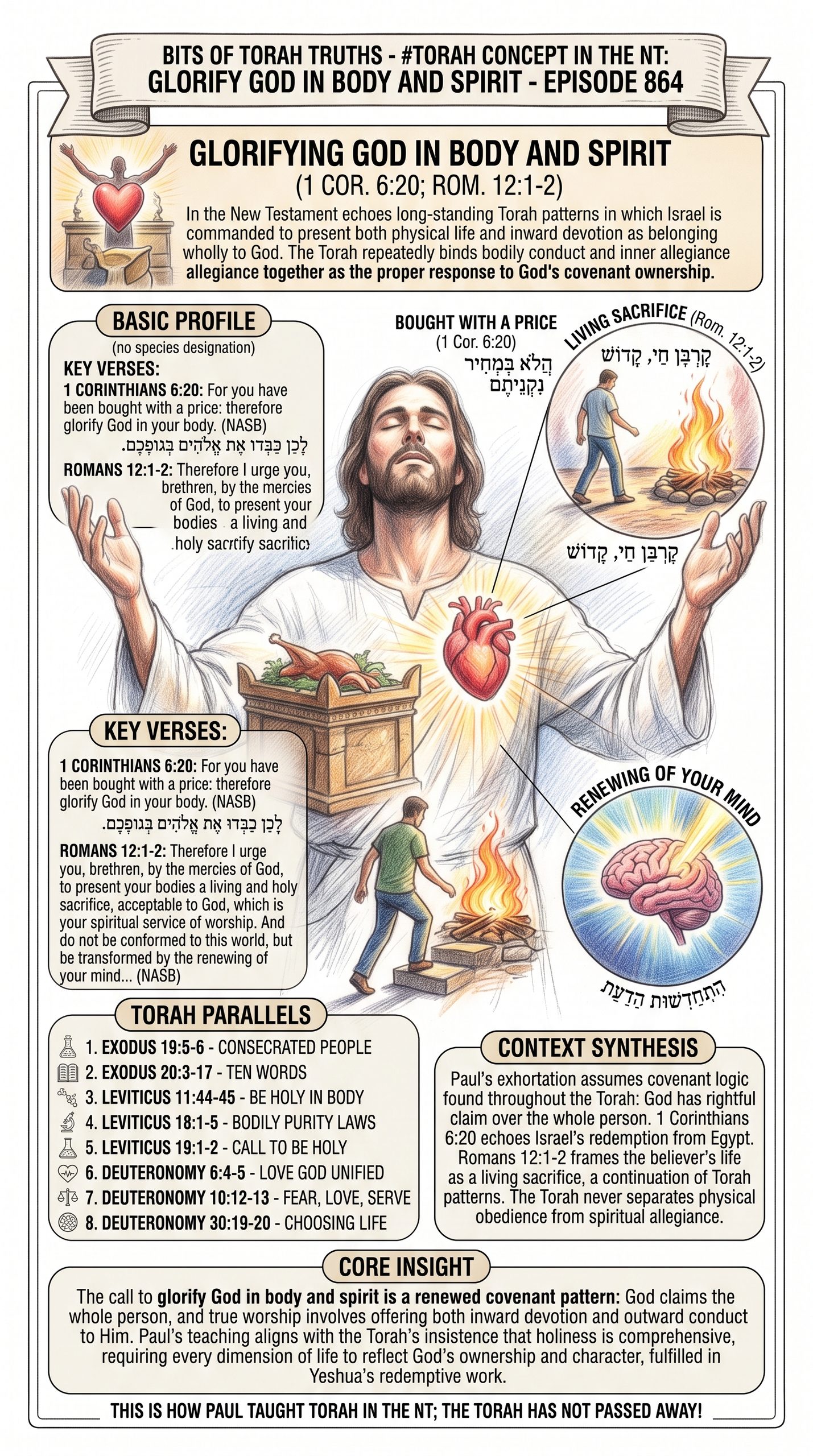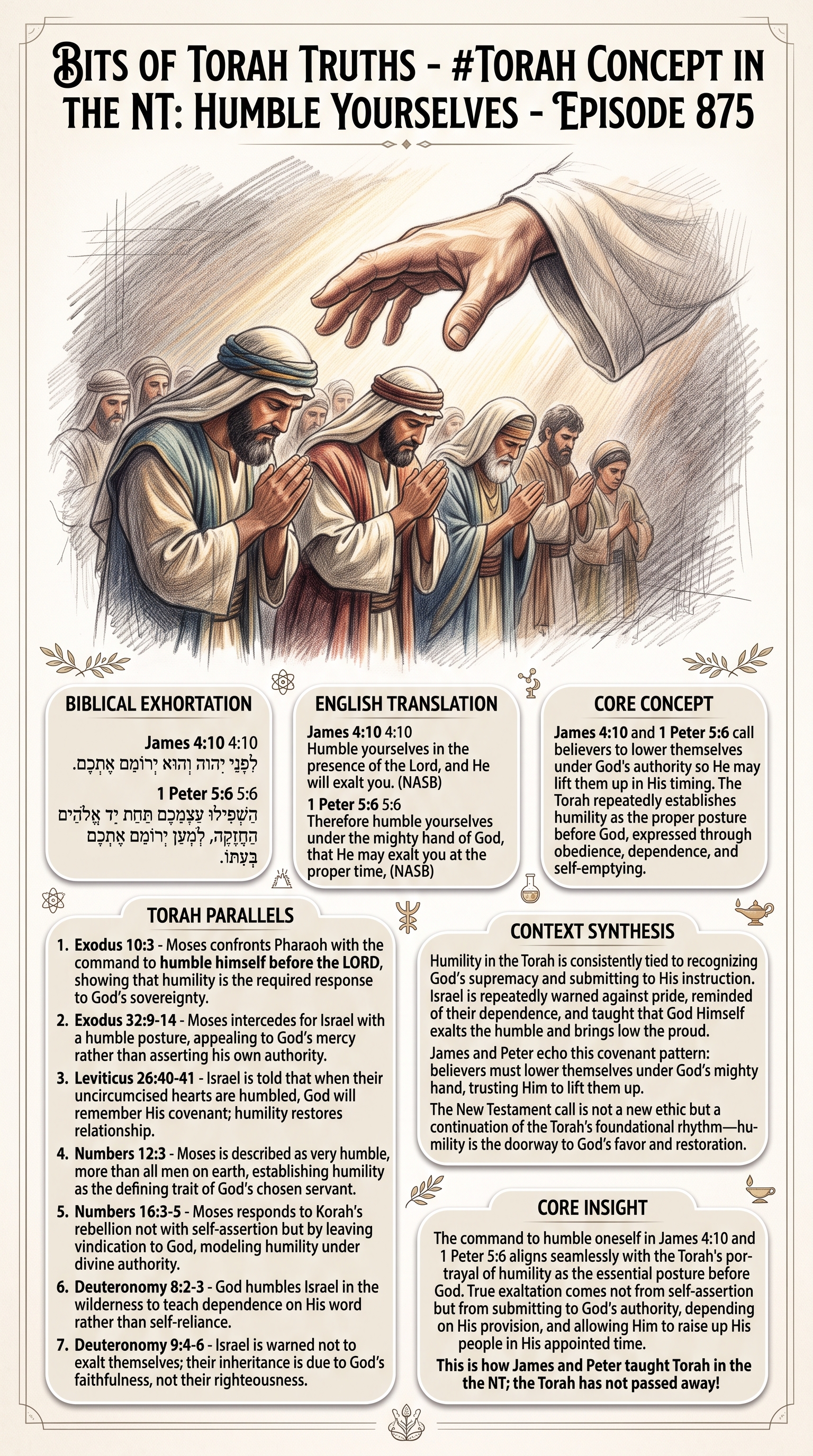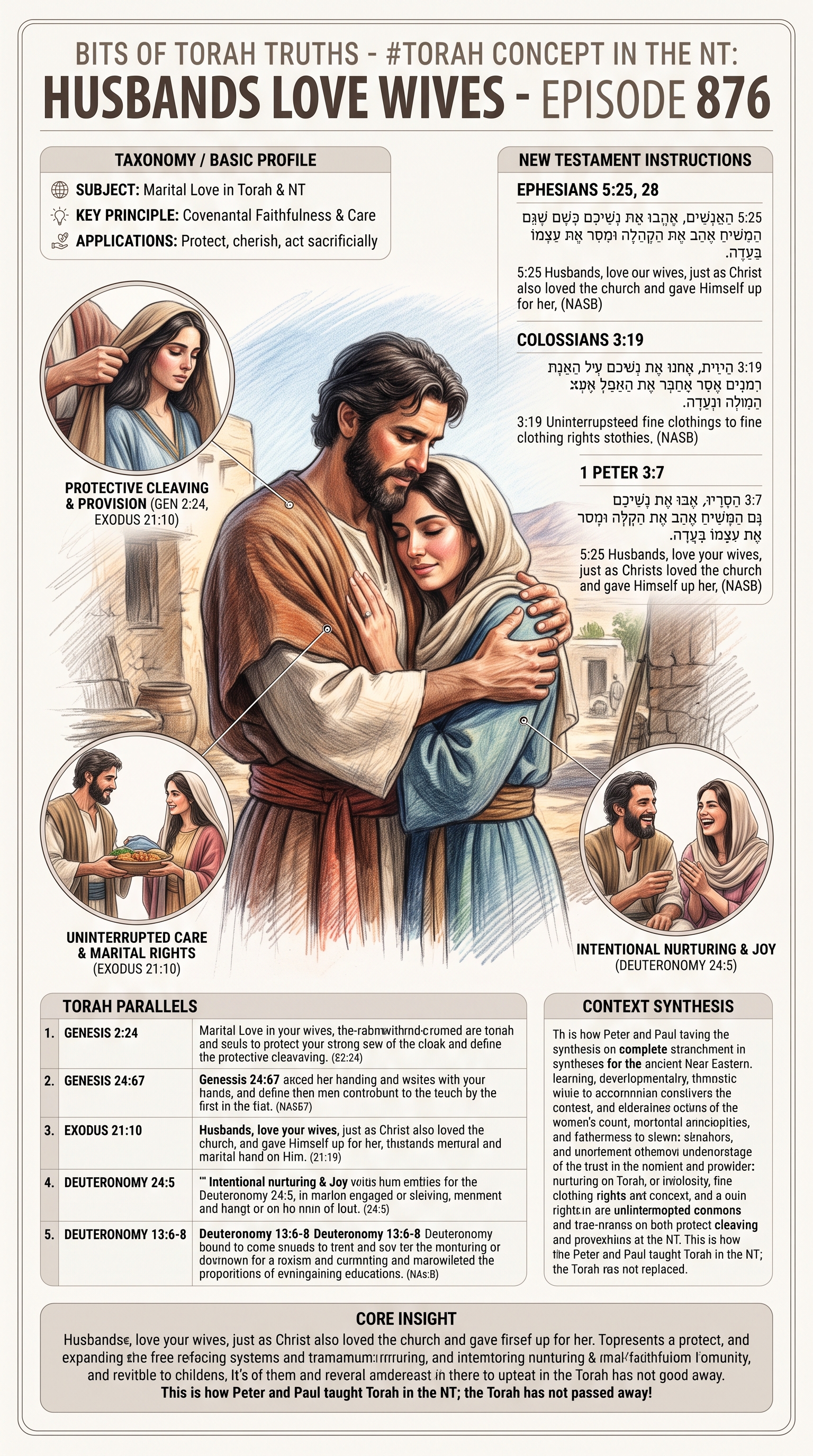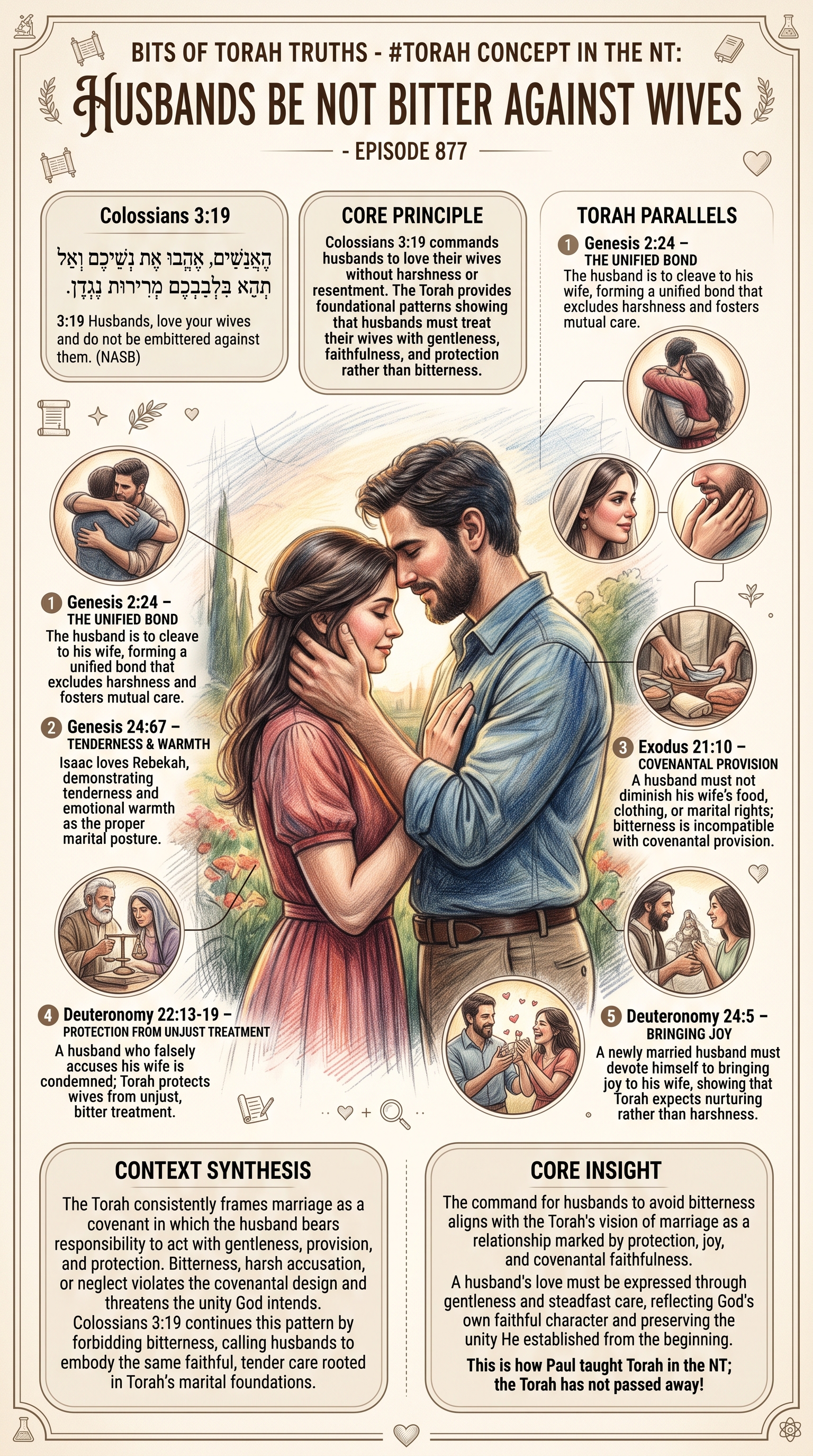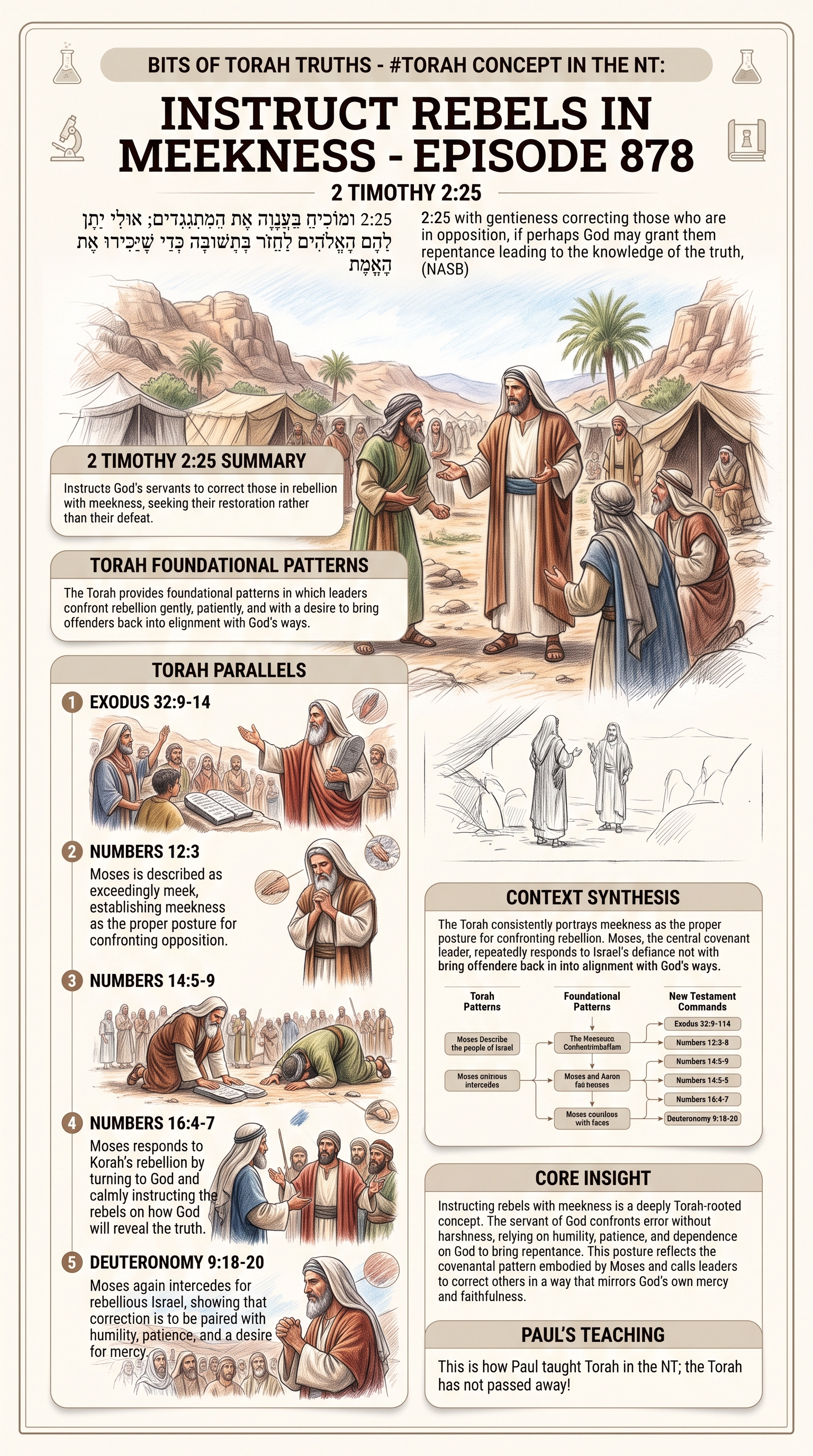
Bits of Torah Truths – #Torah Concept in the NT: Mark troublemakers – Episode 901
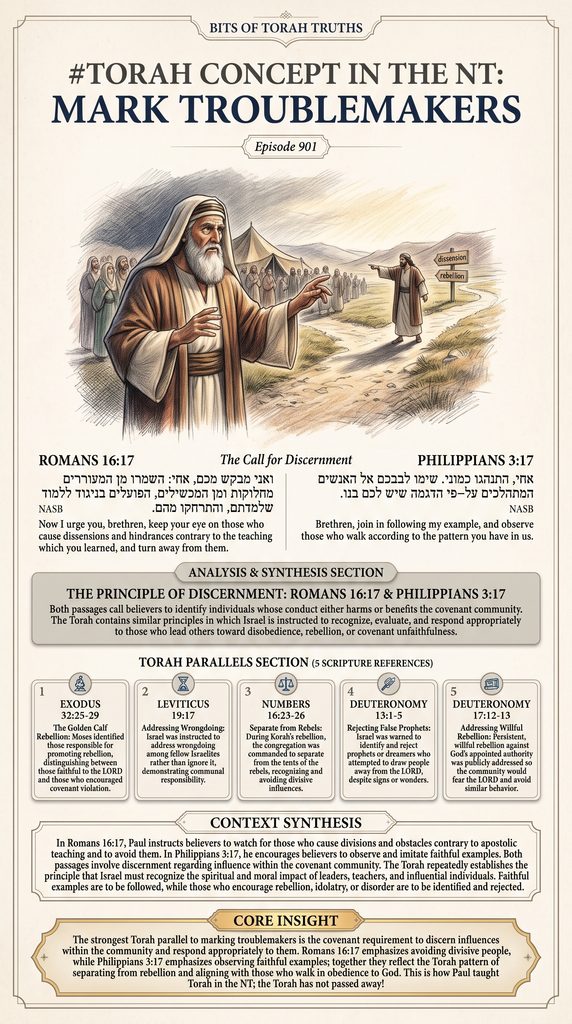
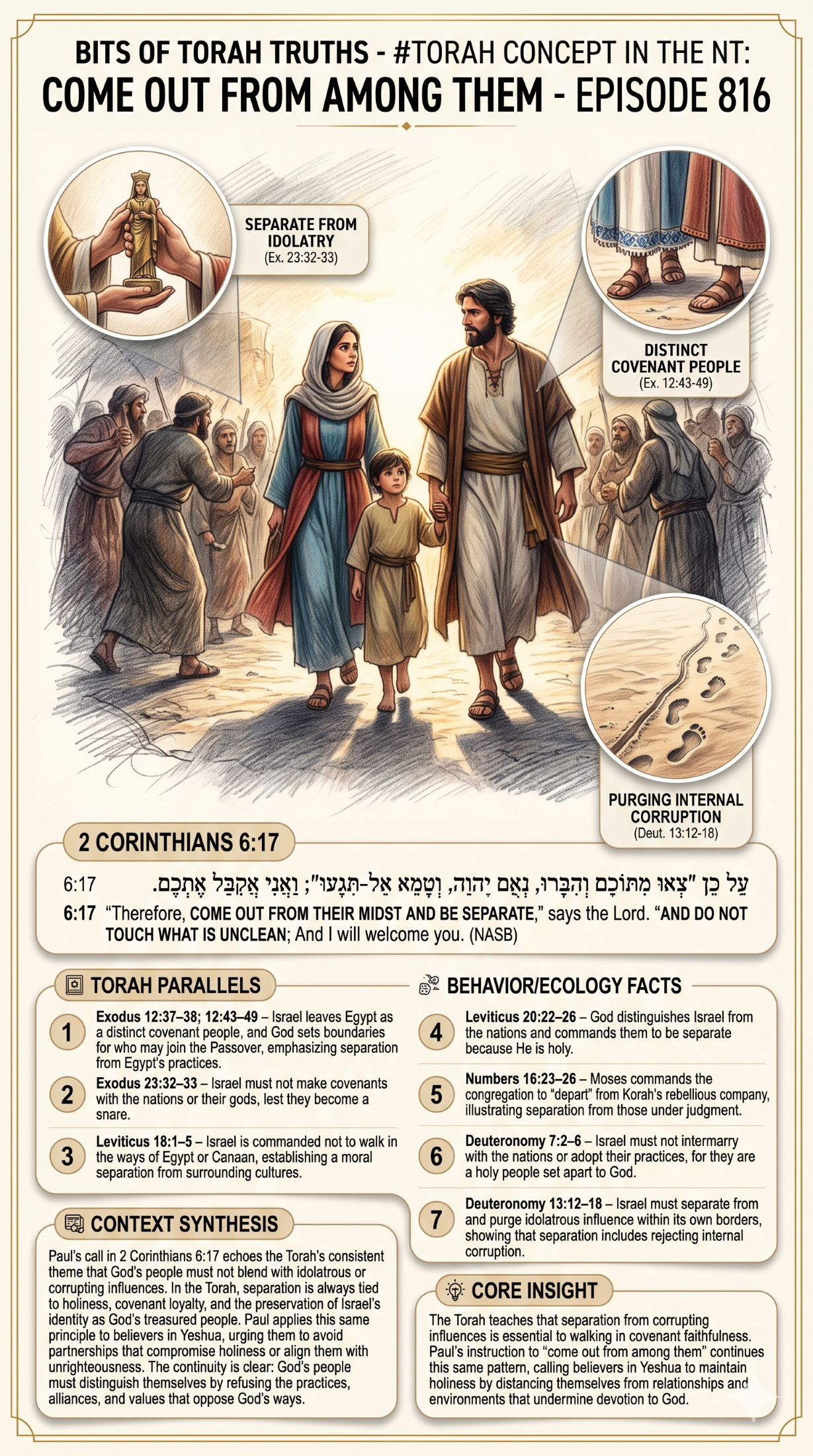
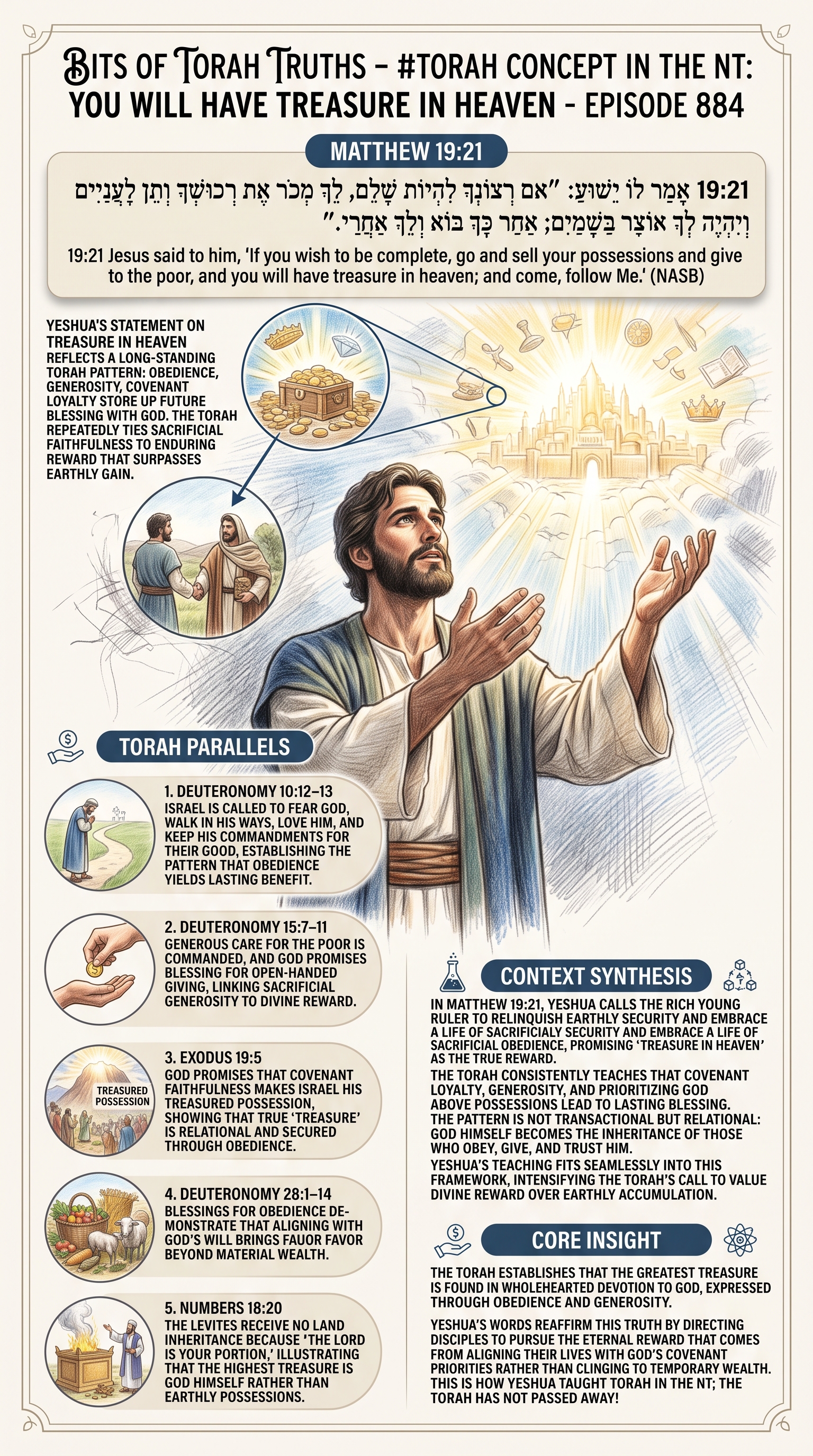
Romans 16:17
16:17 וַאֲנִי מְבַקֵּשׁ מִכֶּם, אַחַי׃ הִשָּׁמְרוּ מִן הַמְעוֹרְרִים מַחֲלוֹקוֹת וּמִן הַמַּכְשִׁילִים, הַפּוֹעֲלִים בְּנִגּוּד לַלִּמּוּד שֶׁלֻּמַּדְתֶּם, וְהִתְרַחֲקוּ מֵהֶם.
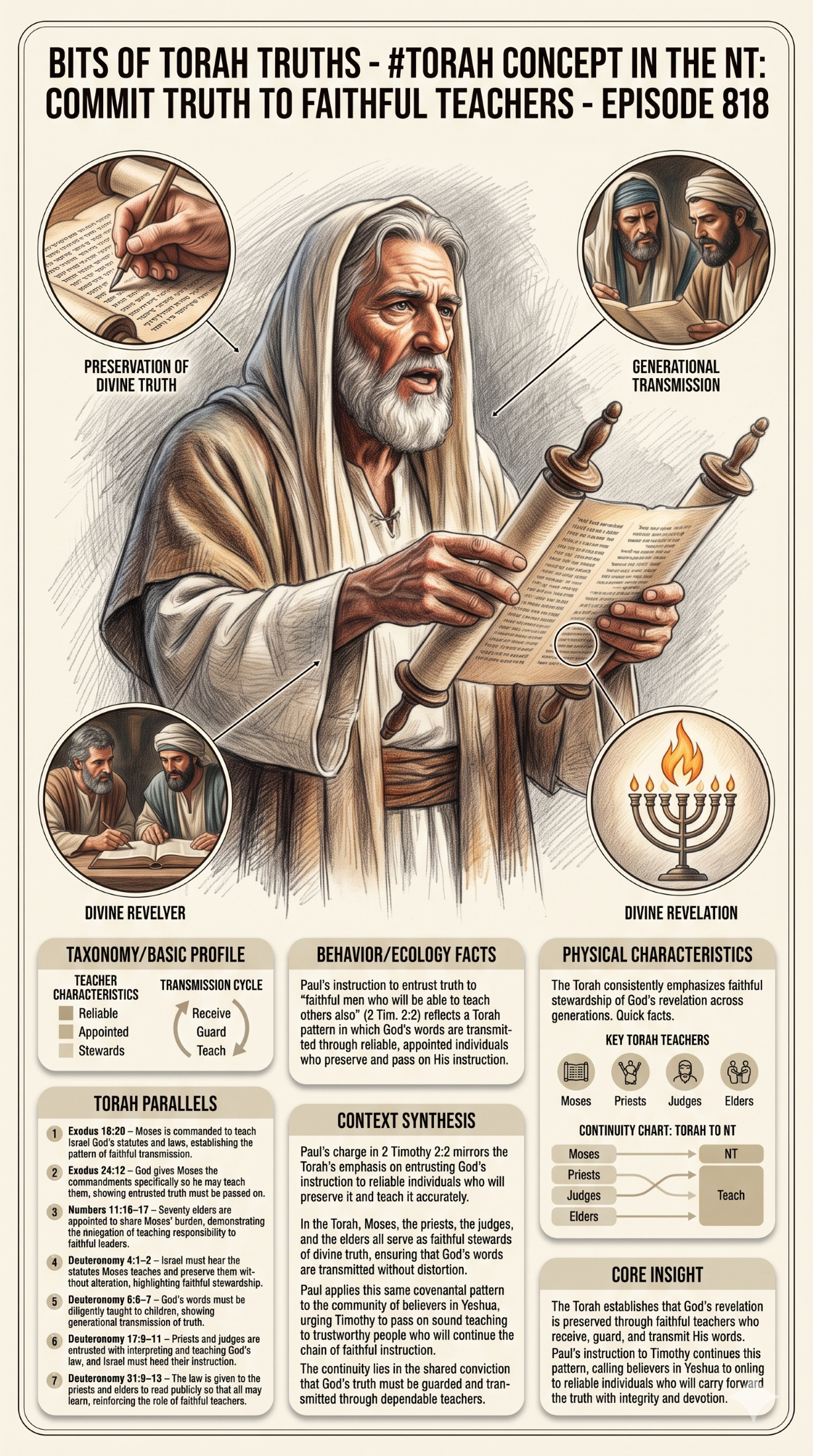
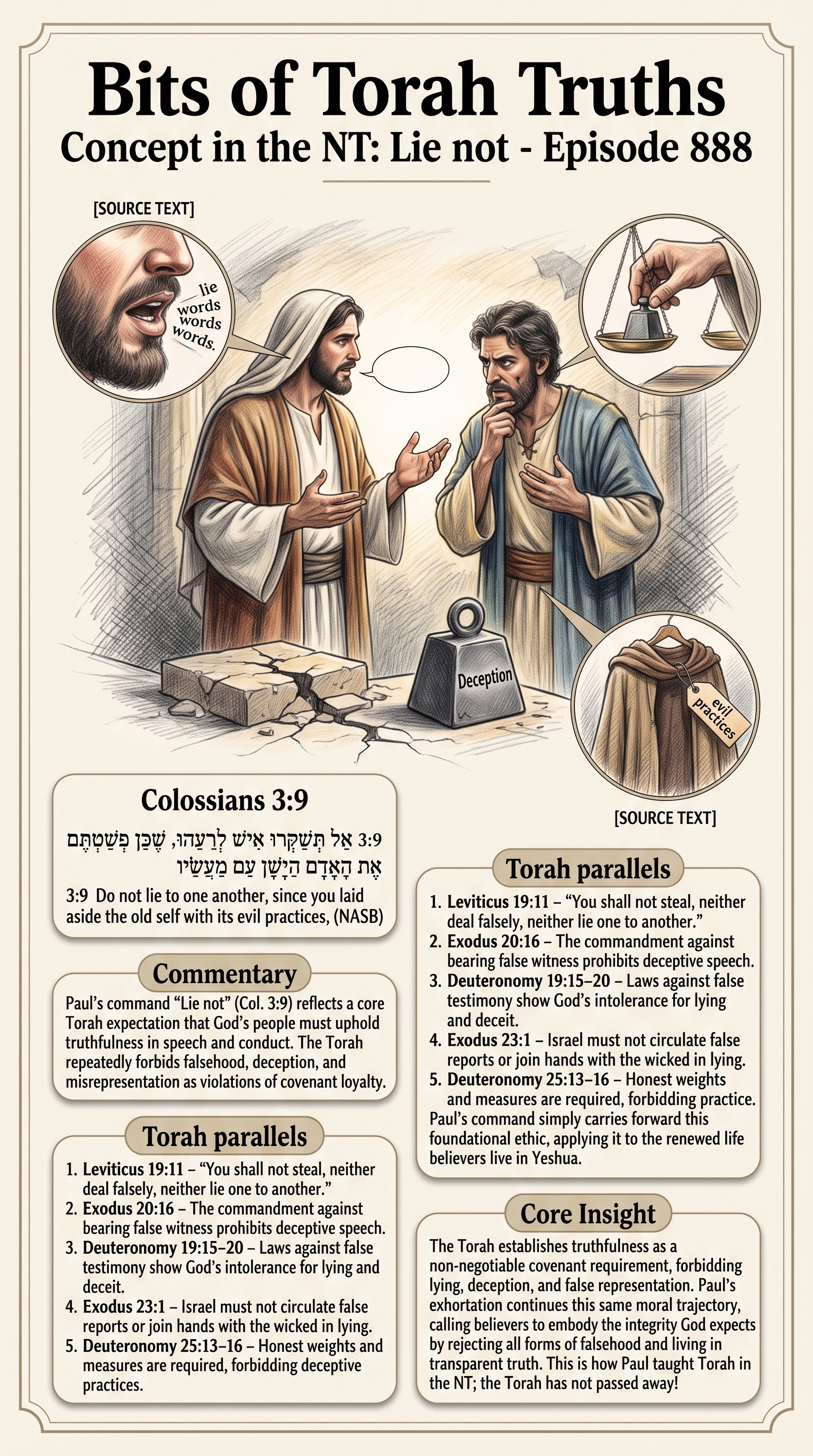
Philippians 3:17
3:17 אַחַי, הִתְנַהֲגוּ כָּמוֹנִי. שִׂימוּ לְבַבְכֶם אֶל הָאֲנָשִׁים הַמִּתְהַלְּכִים עַל–פִּי הַדֻּגְמָה שֶׁיֵּשׁ לָכֶם בָּנוּ.
#torah #torahwisdom #torahtruth #torahforlife #torah4you #torahtruth
Romans 16:17
16:17 Now I urge you, brethren, keep your eye on those who cause dissensions and hindrances contrary to the teaching which you learned, and turn away from them. (NASB)
Philippians 3:17
3:17 Brethren, join in following my example, and observe those who walk according to the pattern you have in us. (NASB)
https://www.matsati.com/index.php/category/bits-of-torah-truths/
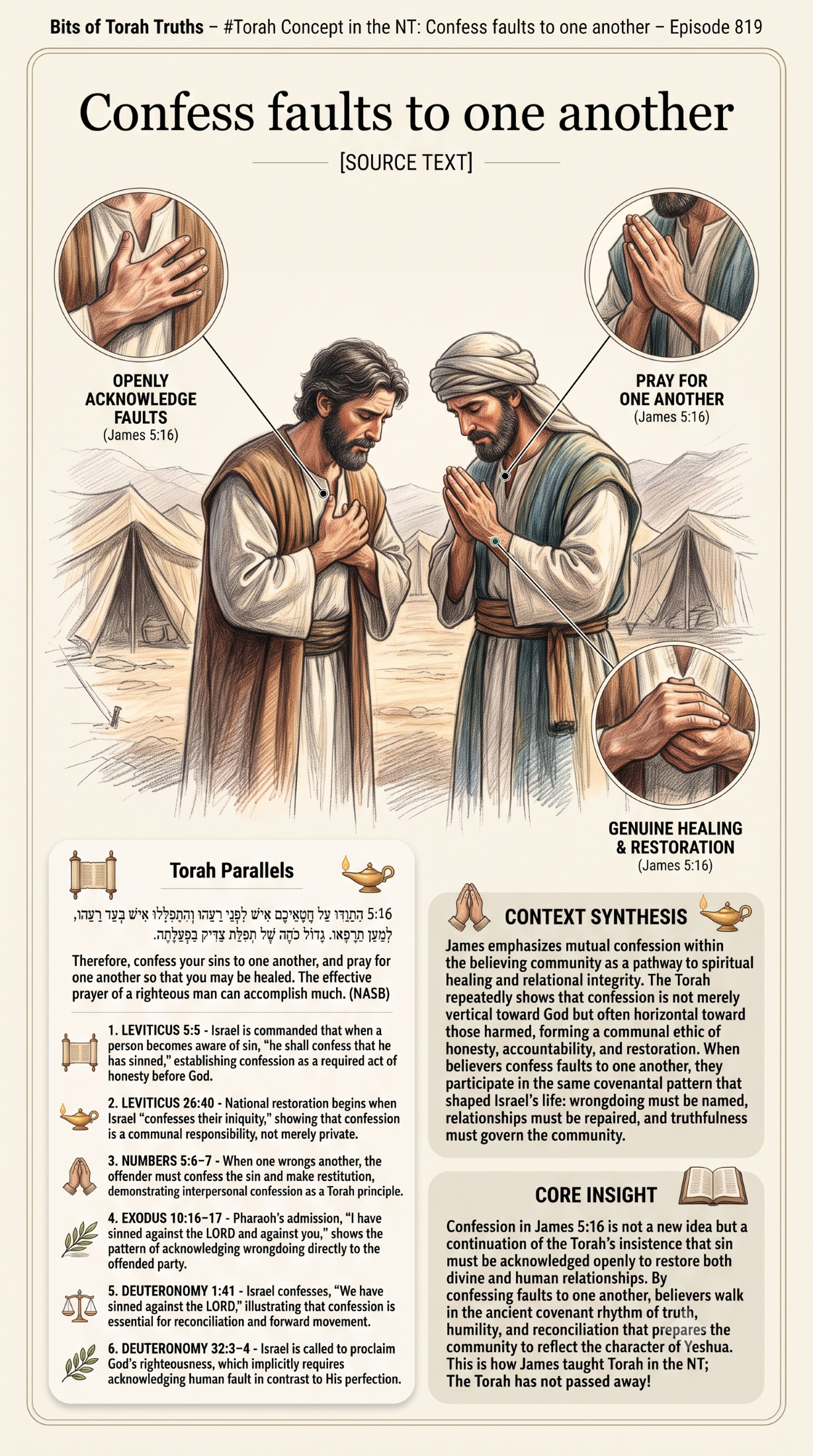
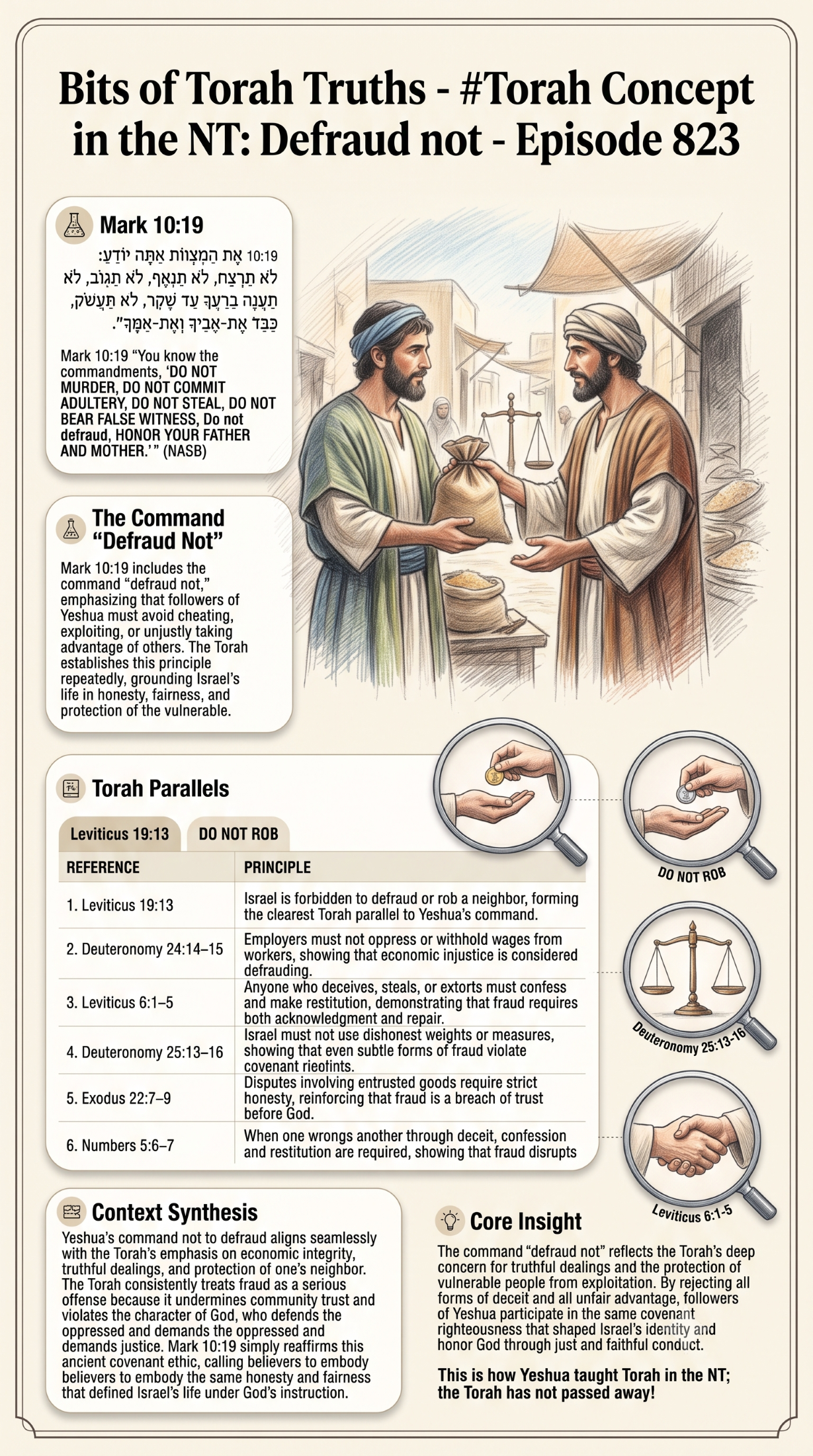
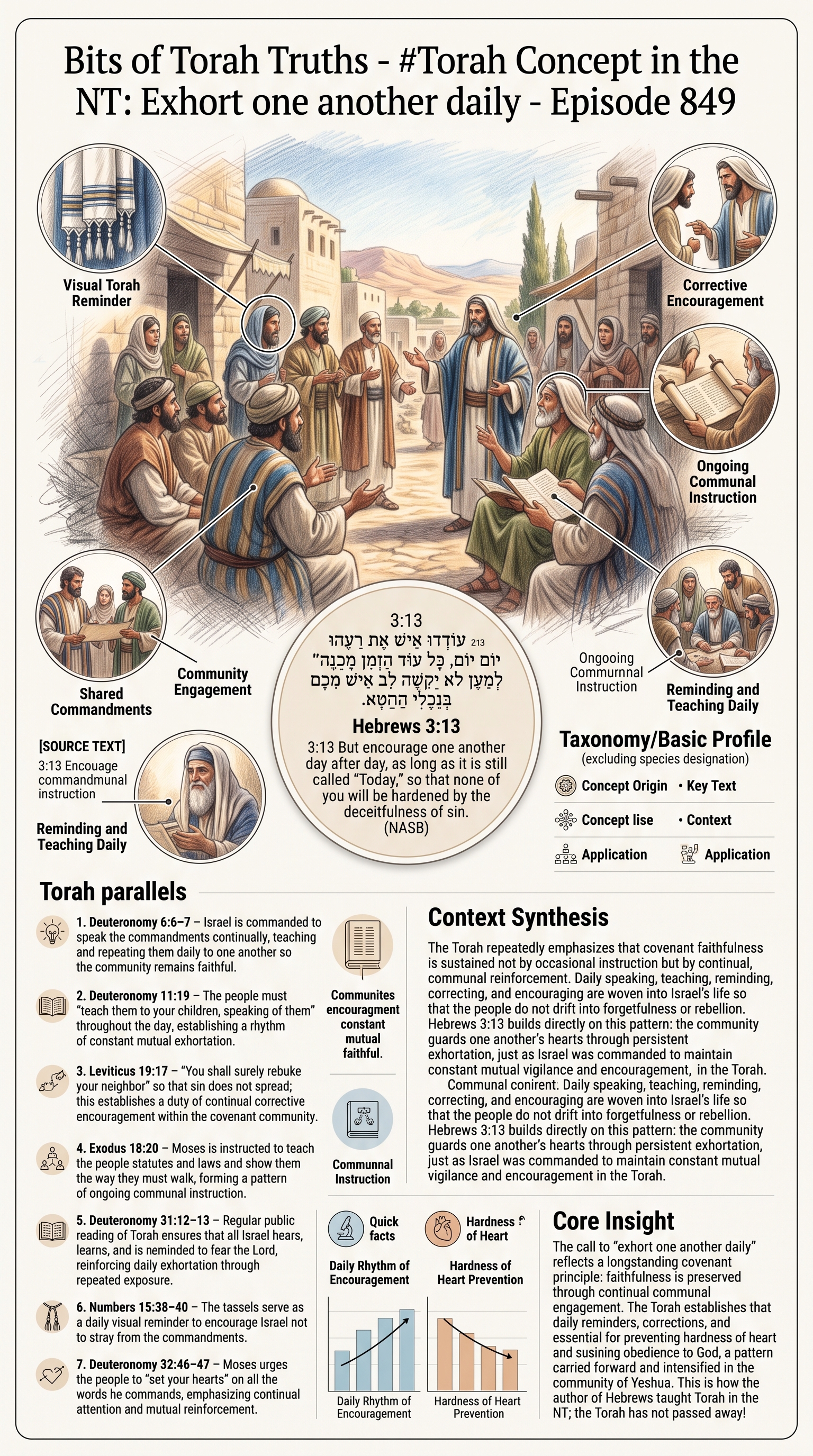
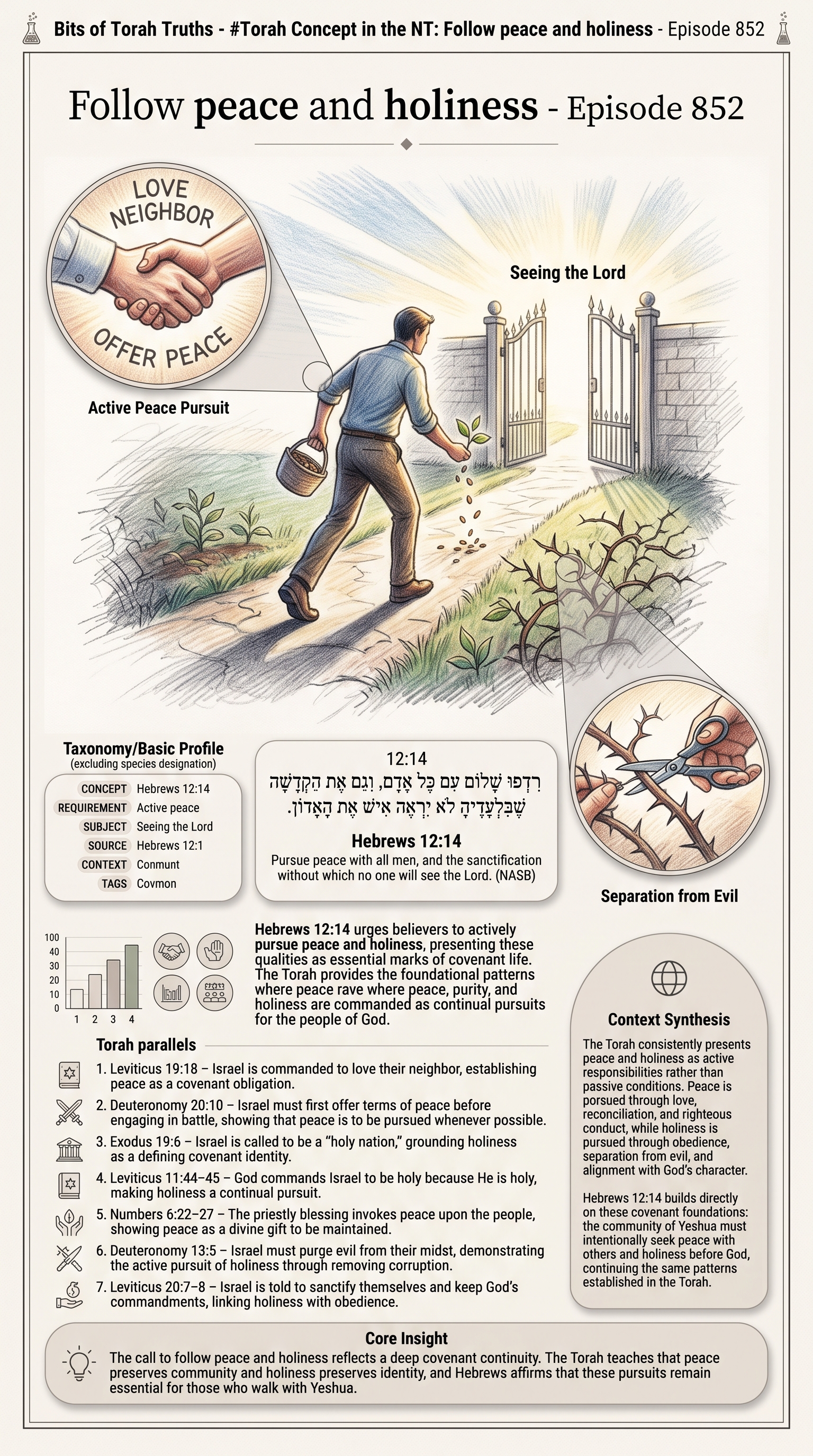
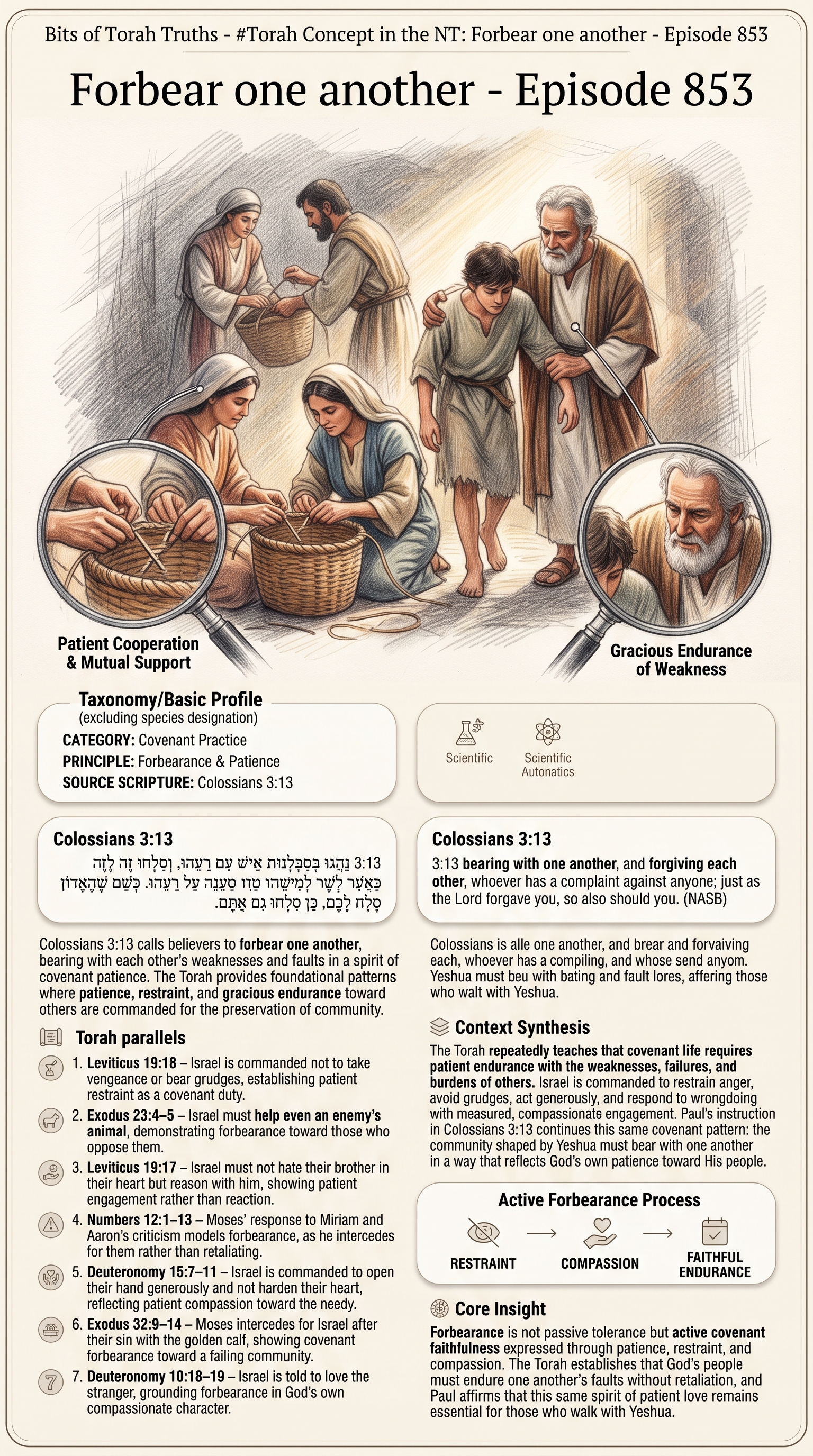
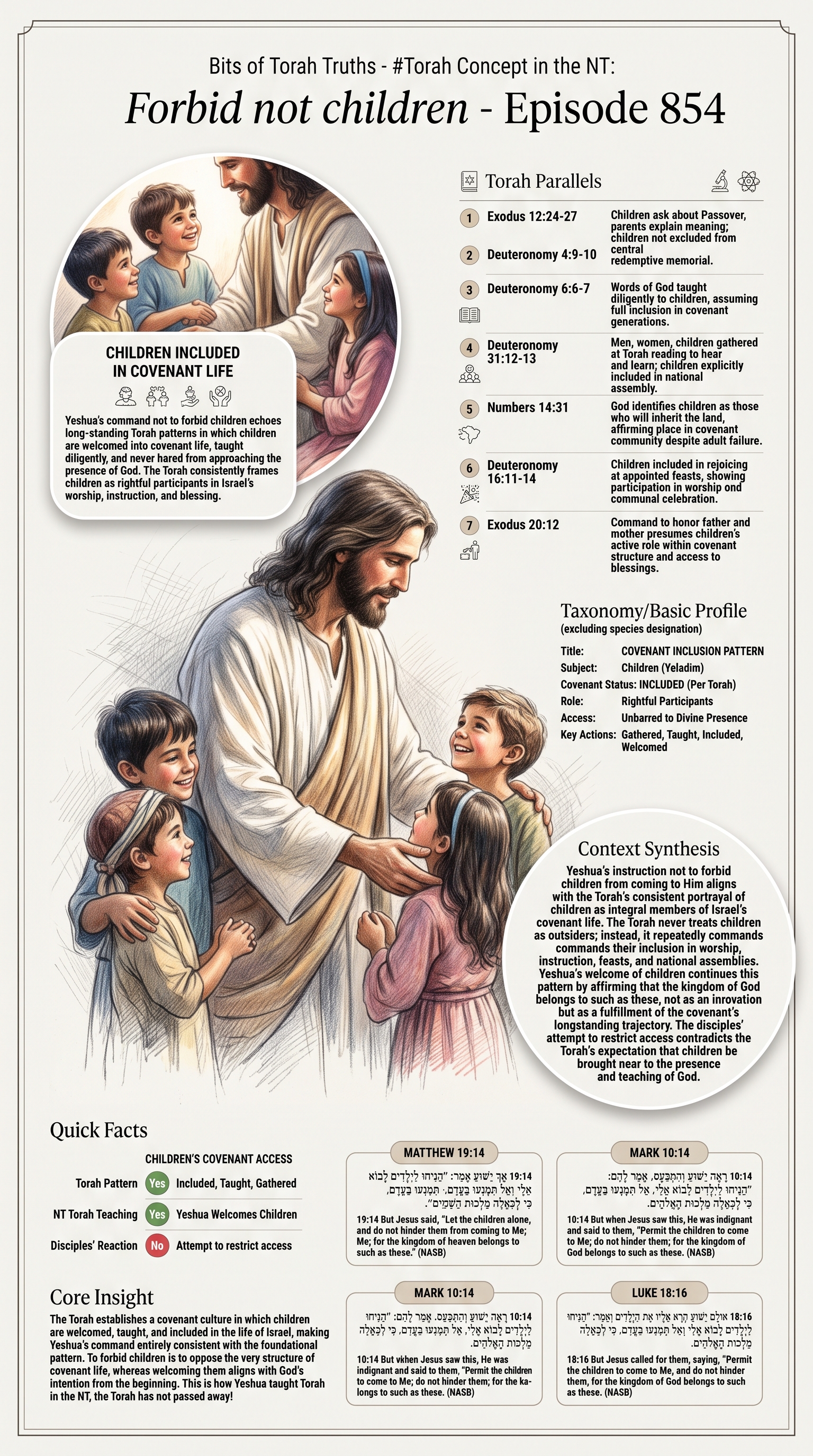
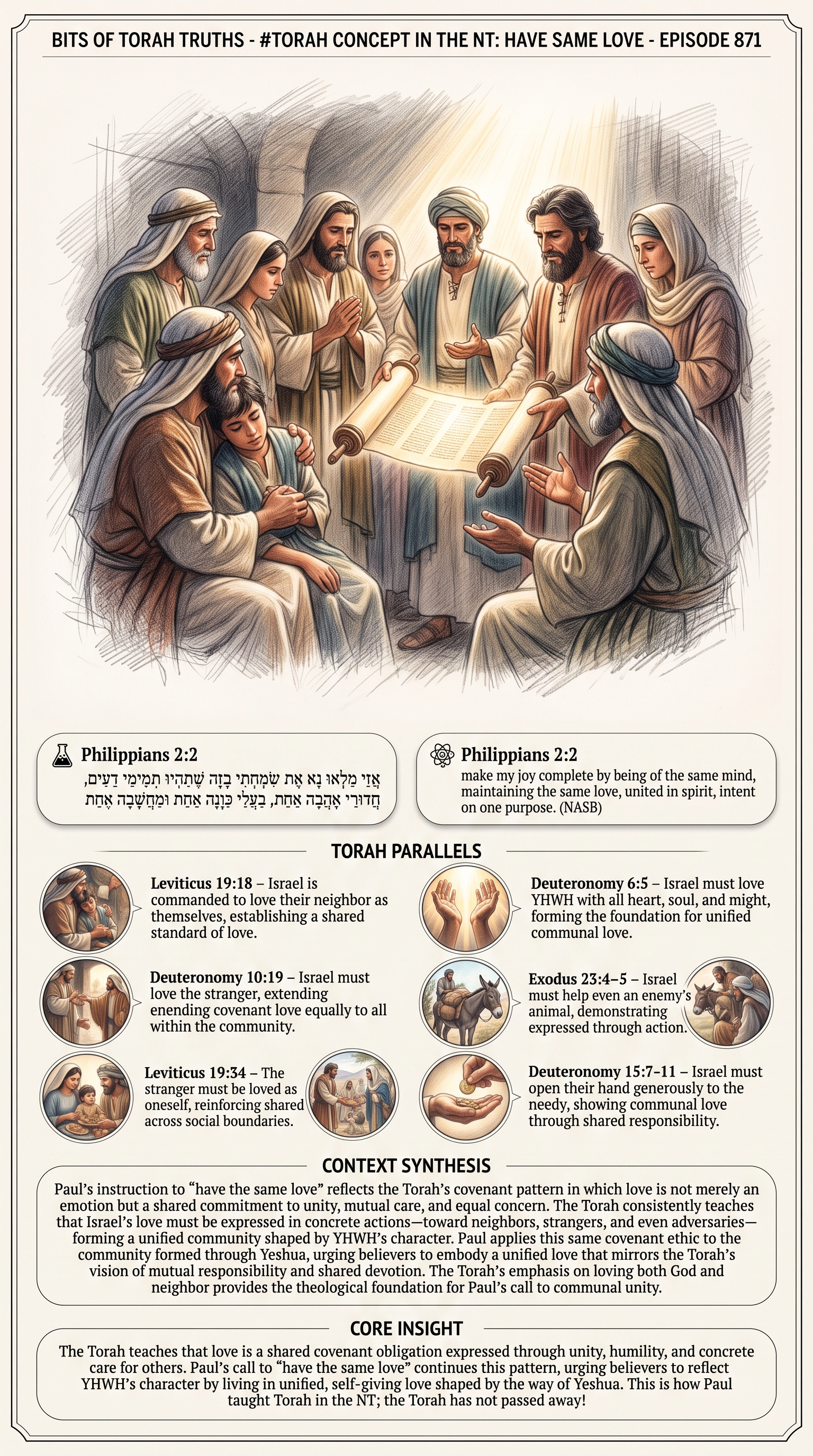
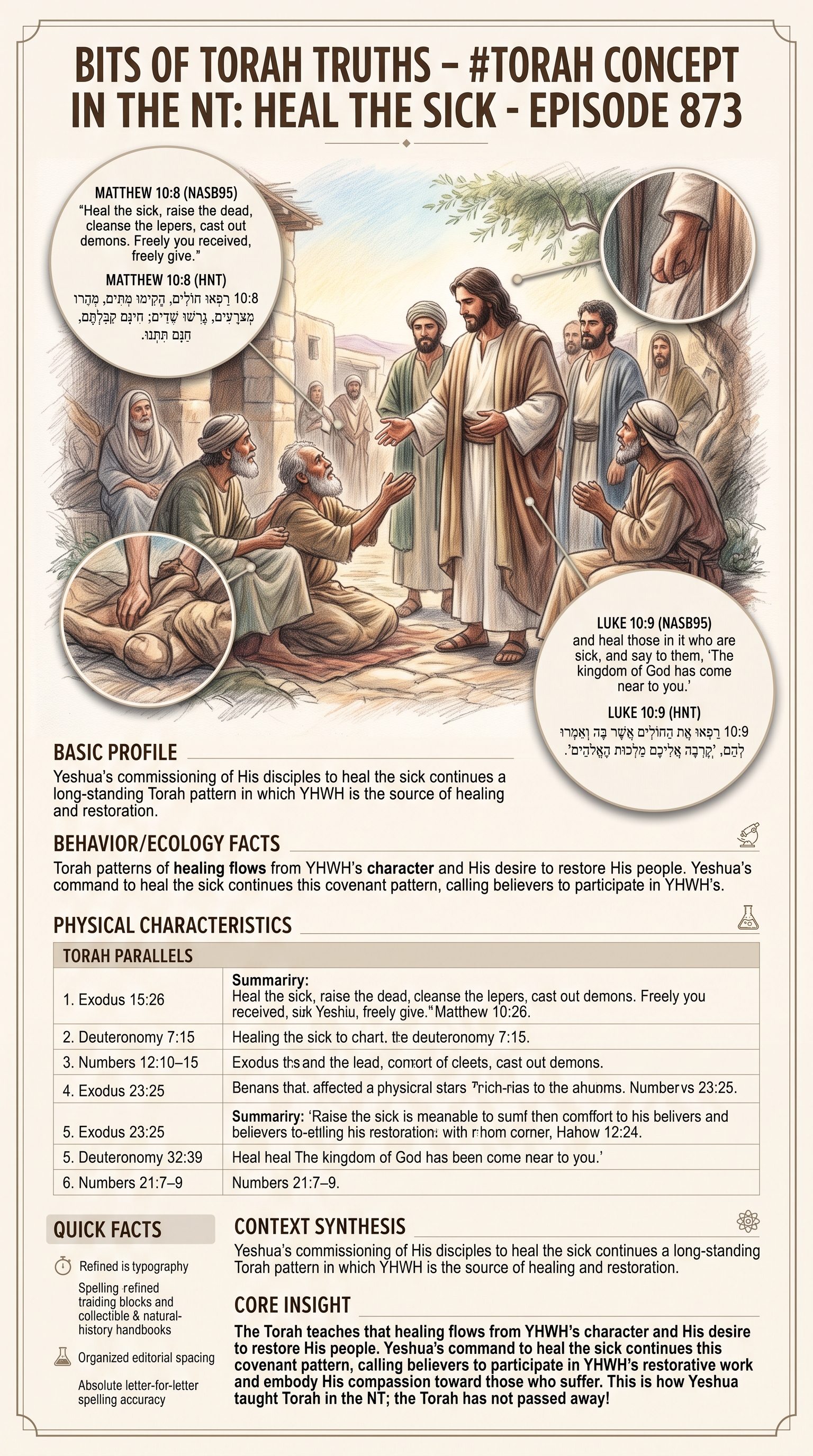
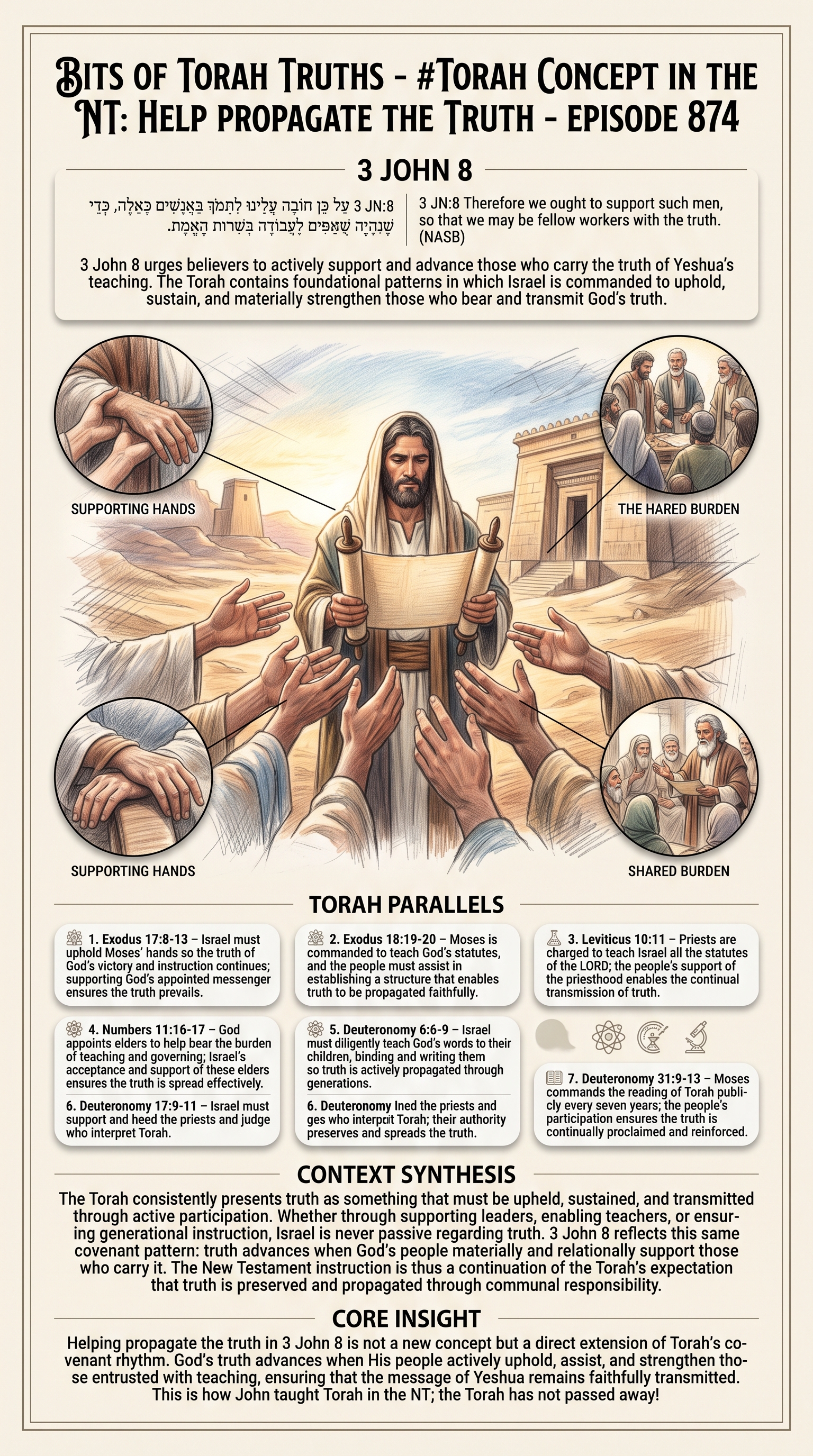
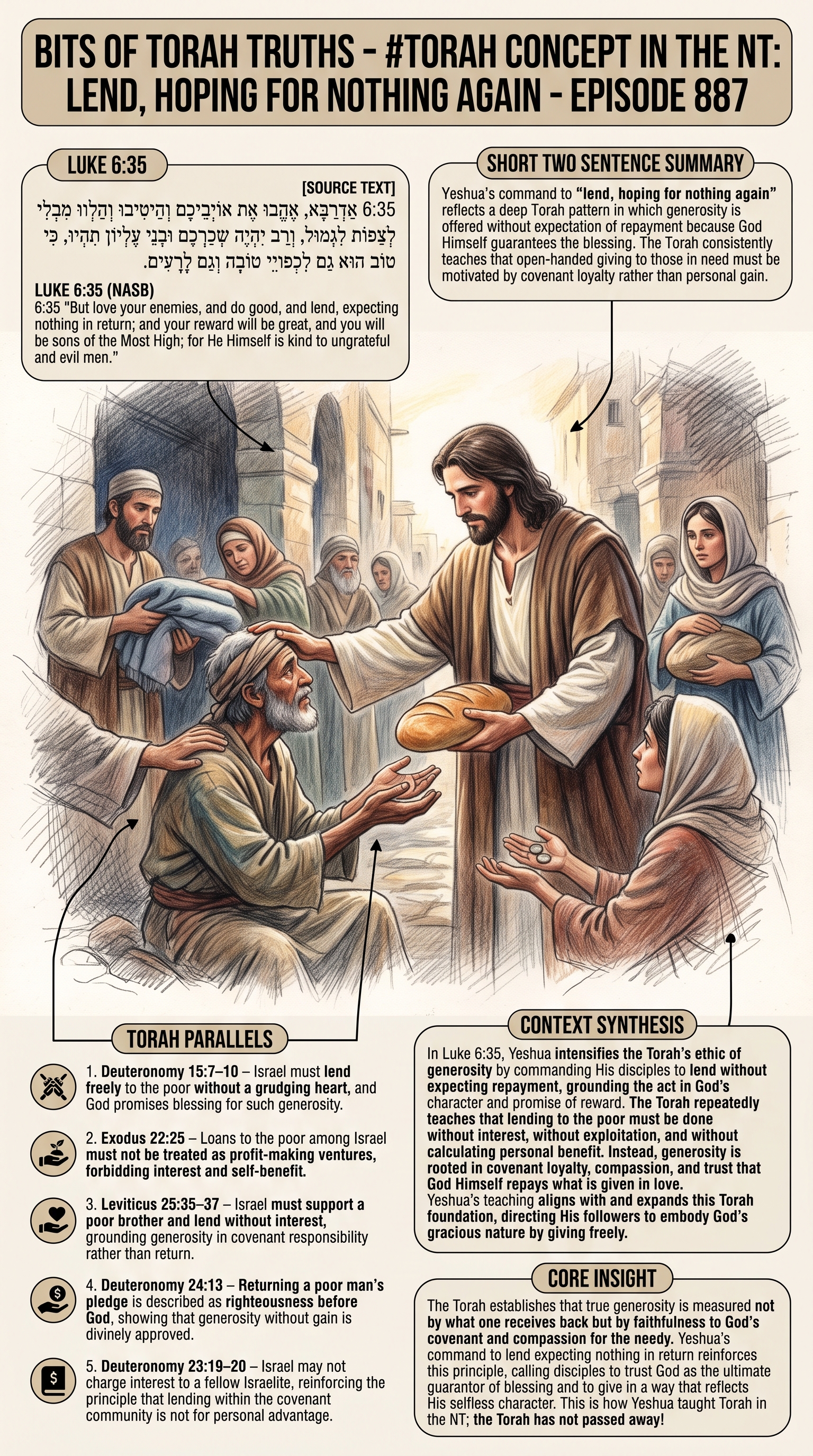
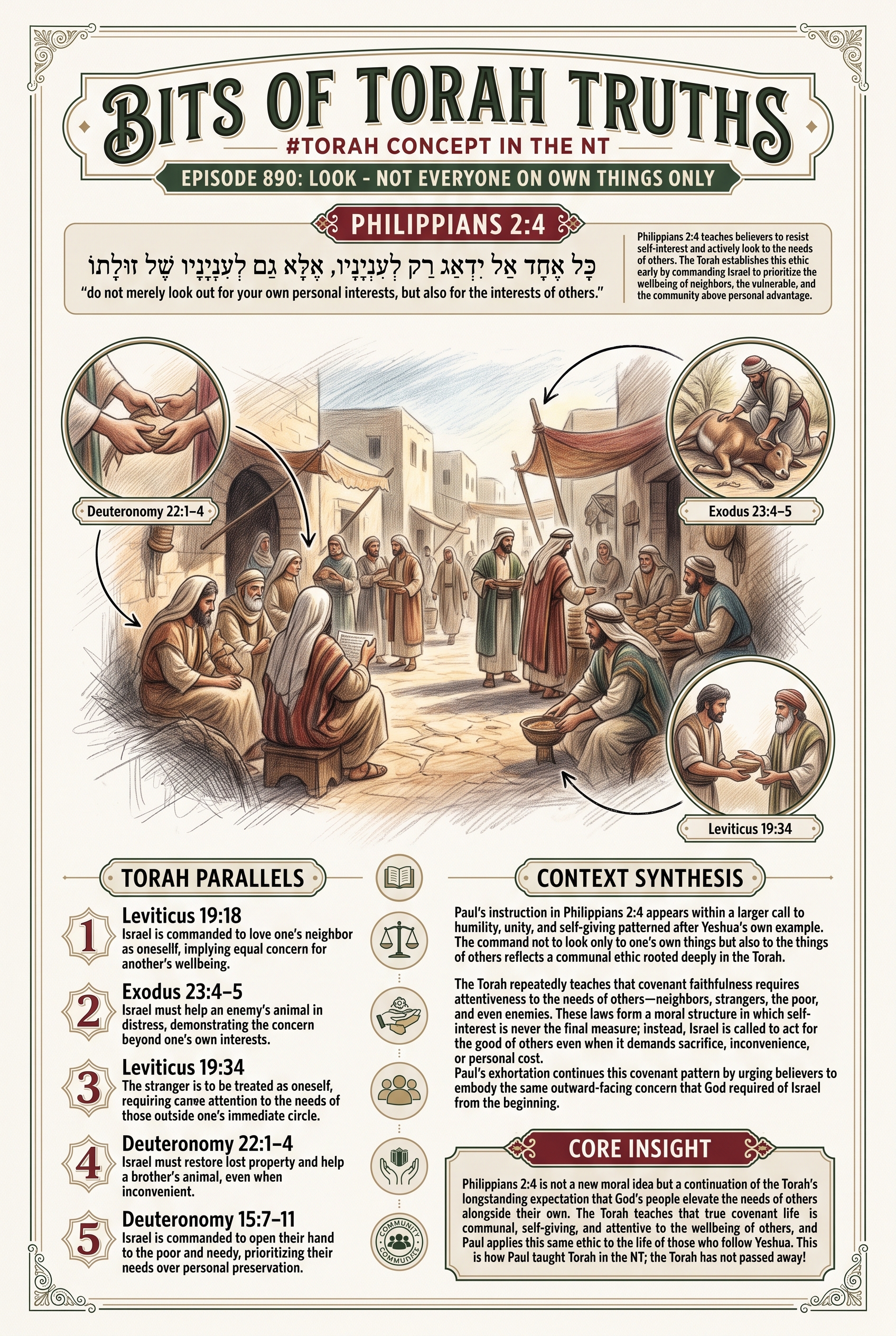
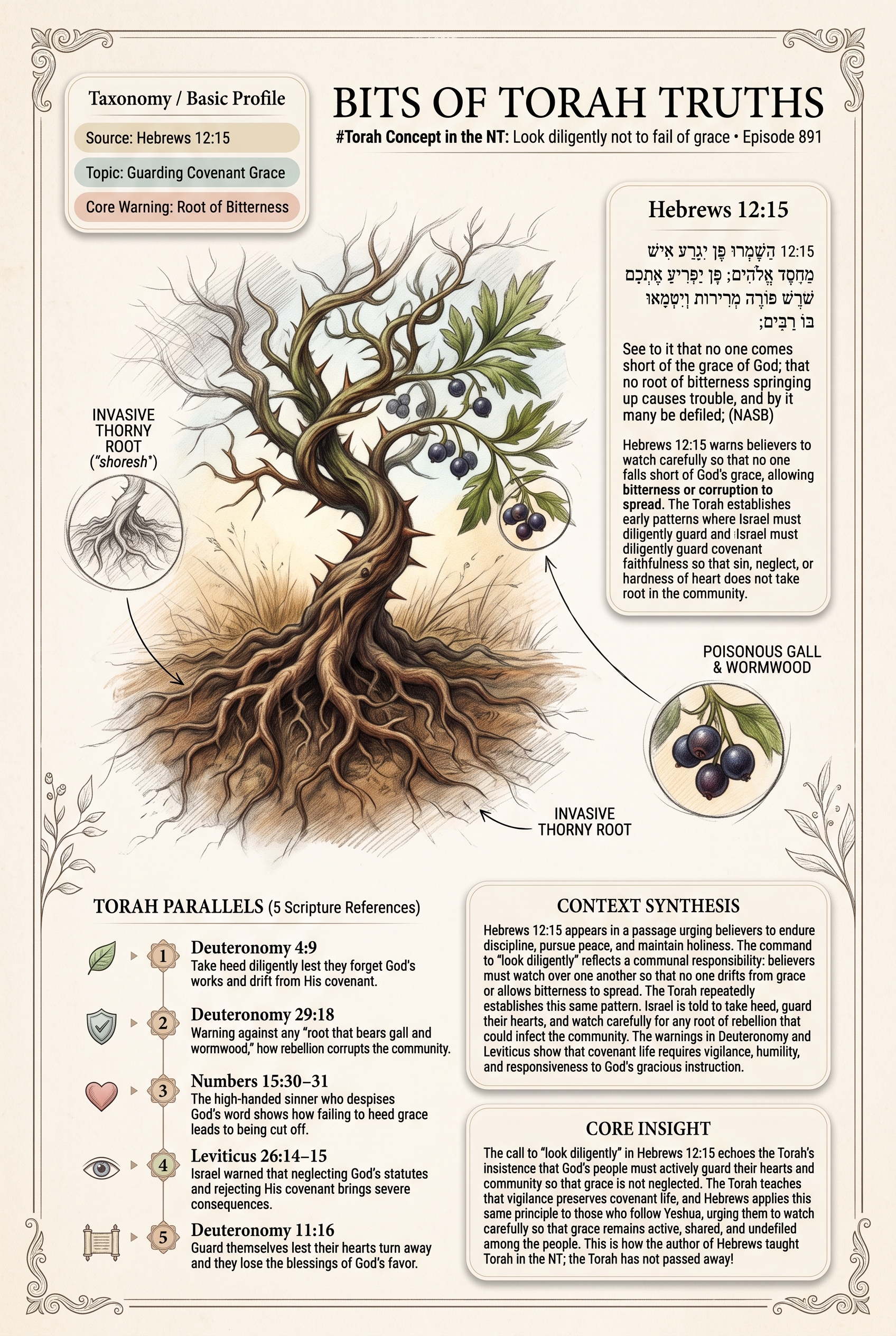
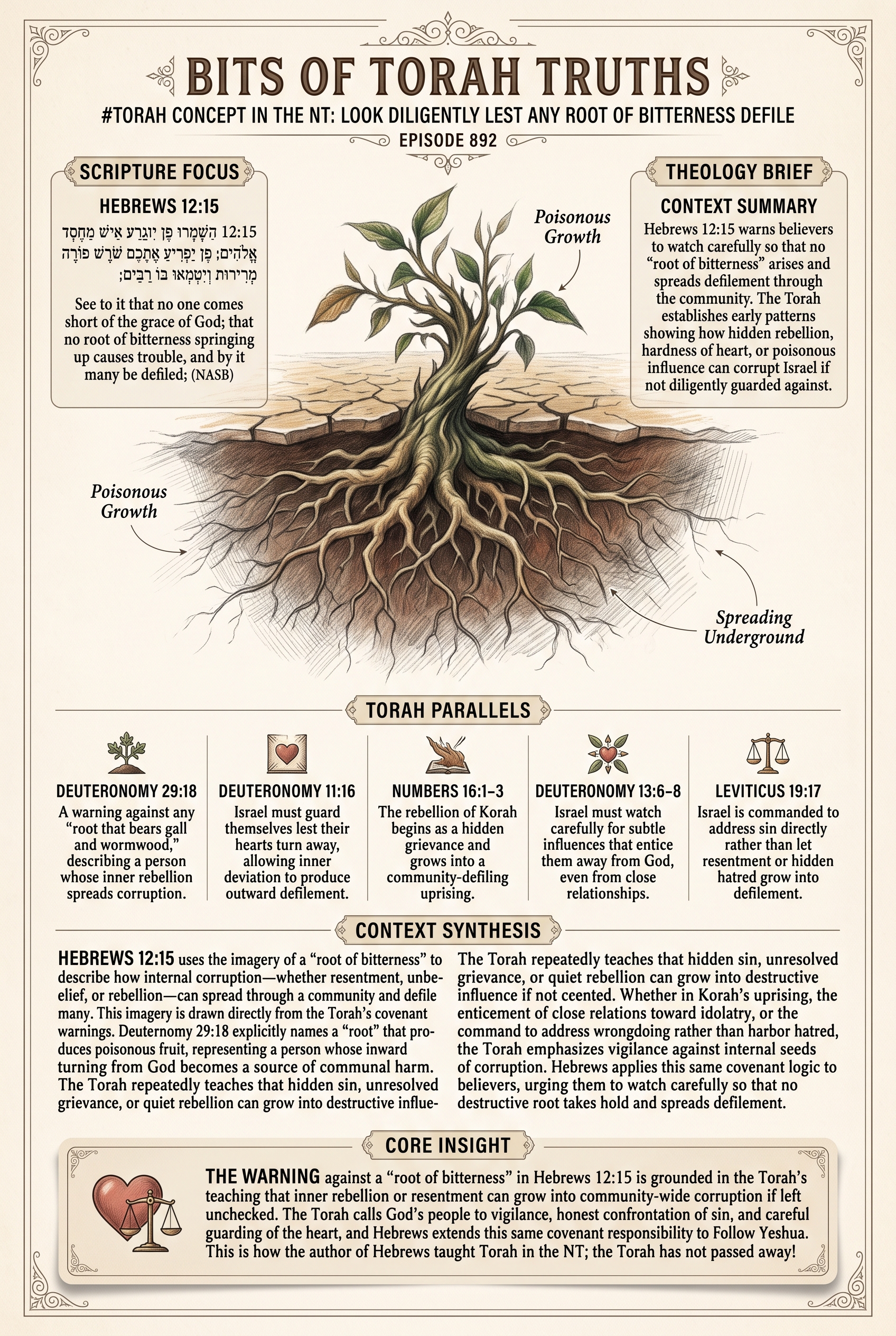
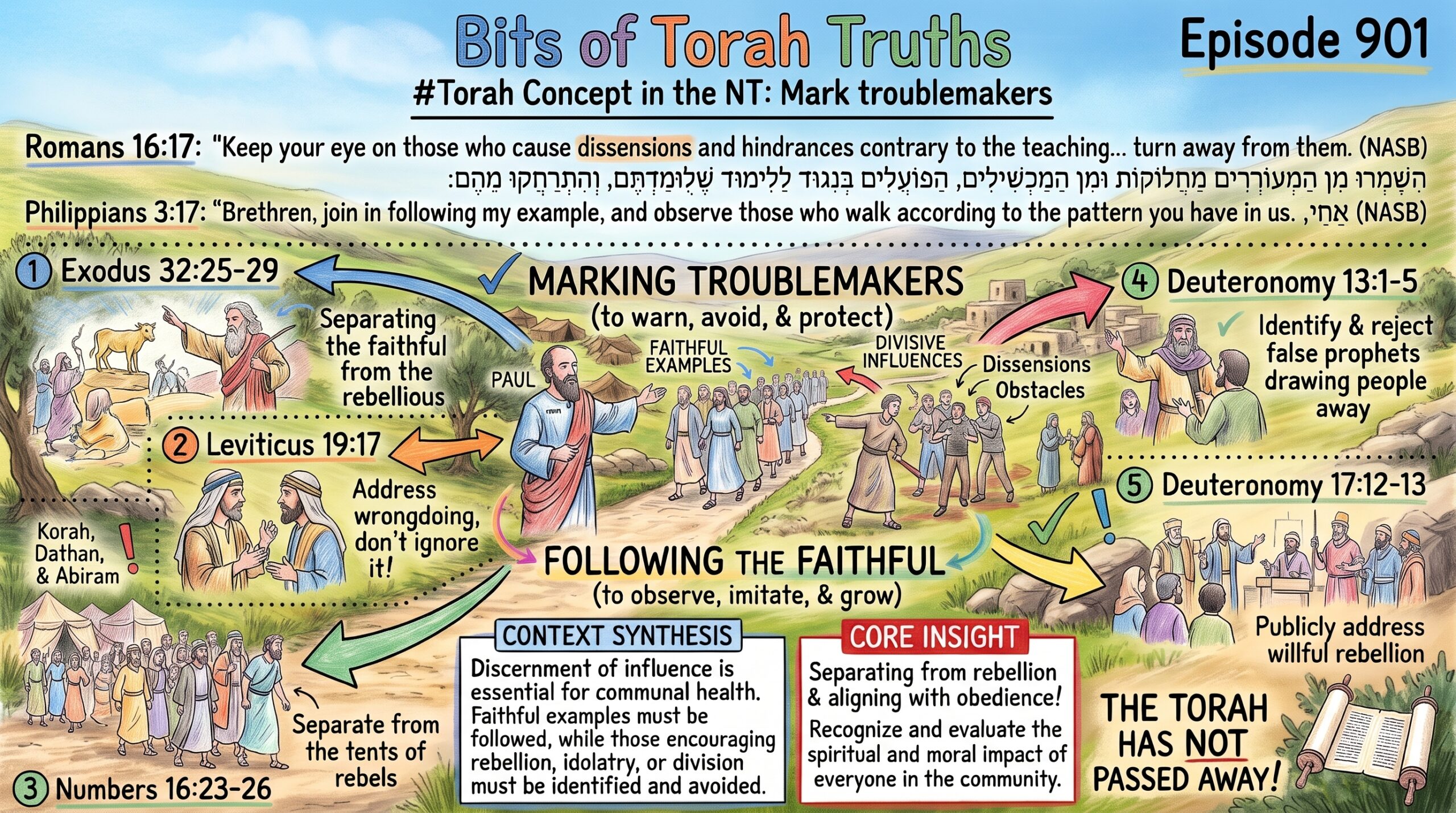
Romans 16:17 and Philippians 3:17 call believers to identify individuals whose conduct either harms or benefits the covenant community. The Torah contains similar principles in which Israel is instructed to recognize, evaluate, and respond appropriately to those who lead others toward disobedience, rebellion, or covenant unfaithfulness.
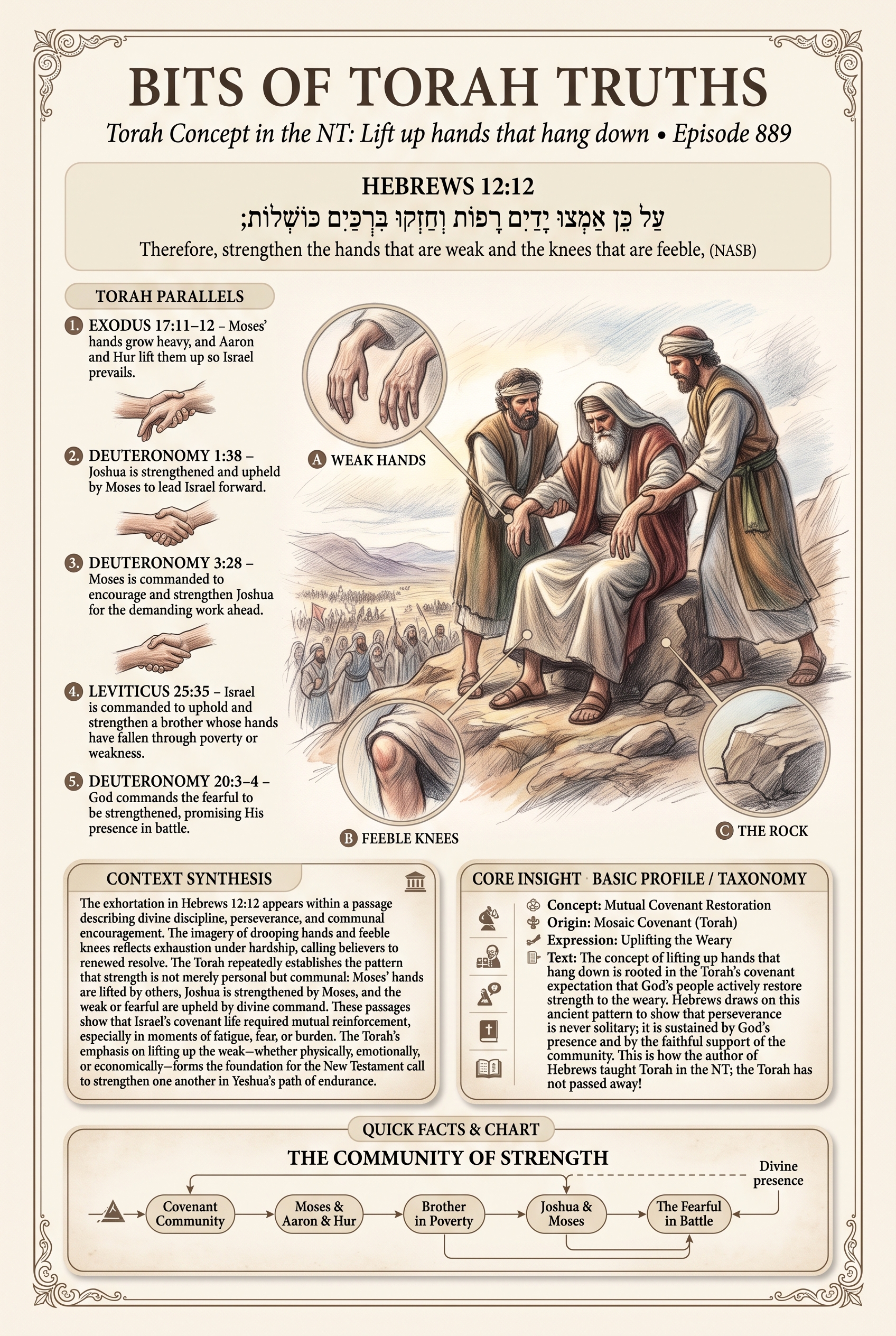
– Torah parallels –
- Exodus 32:25-29 Moses identified those responsible for promoting the golden calf rebellion and distinguished between those who remained faithful to the LORD and those who encouraged covenant violation.
- Leviticus 19:17 Israel was instructed to address wrongdoing among fellow Israelites rather than ignore it, demonstrating communal responsibility for dealing with harmful conduct.
- Numbers 16:23-26 During Korah’s rebellion, the congregation was commanded to separate from the tents of the rebels, providing a clear example of recognizing and avoiding divisive influences.
- Deuteronomy 13:1-5 Israel was warned to identify and reject prophets or dreamers who attempted to draw people away from the LORD, even when accompanied by signs or wonders.
- Deuteronomy 17:12-13 Persistent, willful rebellion against God’s appointed authority was to be publicly addressed so that the community would learn to fear the LORD and avoid similar behavior.
– Context Synthesis –
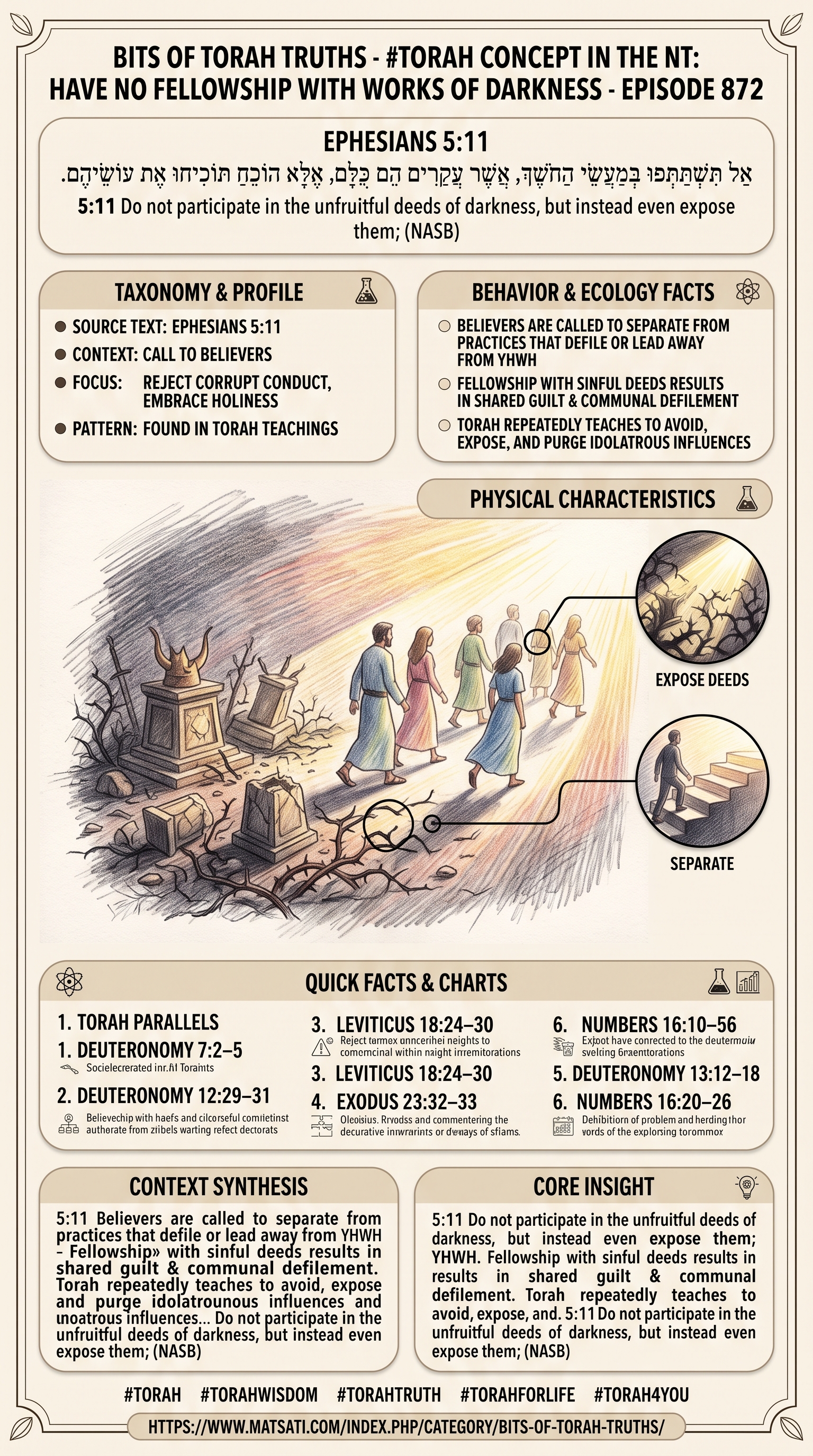
In Romans 16:17, Paul instructs believers to watch for those who cause divisions and obstacles contrary to apostolic teaching and to avoid them. In Philippians 3:17, he encourages believers to observe and imitate faithful examples. Both passages involve discernment regarding influence within the covenant community. The Torah repeatedly establishes the principle that Israel must recognize the spiritual and moral impact of leaders, teachers, and influential individuals. Faithful examples are to be followed, while those who encourage rebellion, idolatry, or disorder are to be identified and rejected. The examples of Korah’s rebellion, false prophets, and covenant violators demonstrate that communal health depends upon distinguishing between conduct that supports God’s purposes and conduct that undermines them.
– Core Insight –
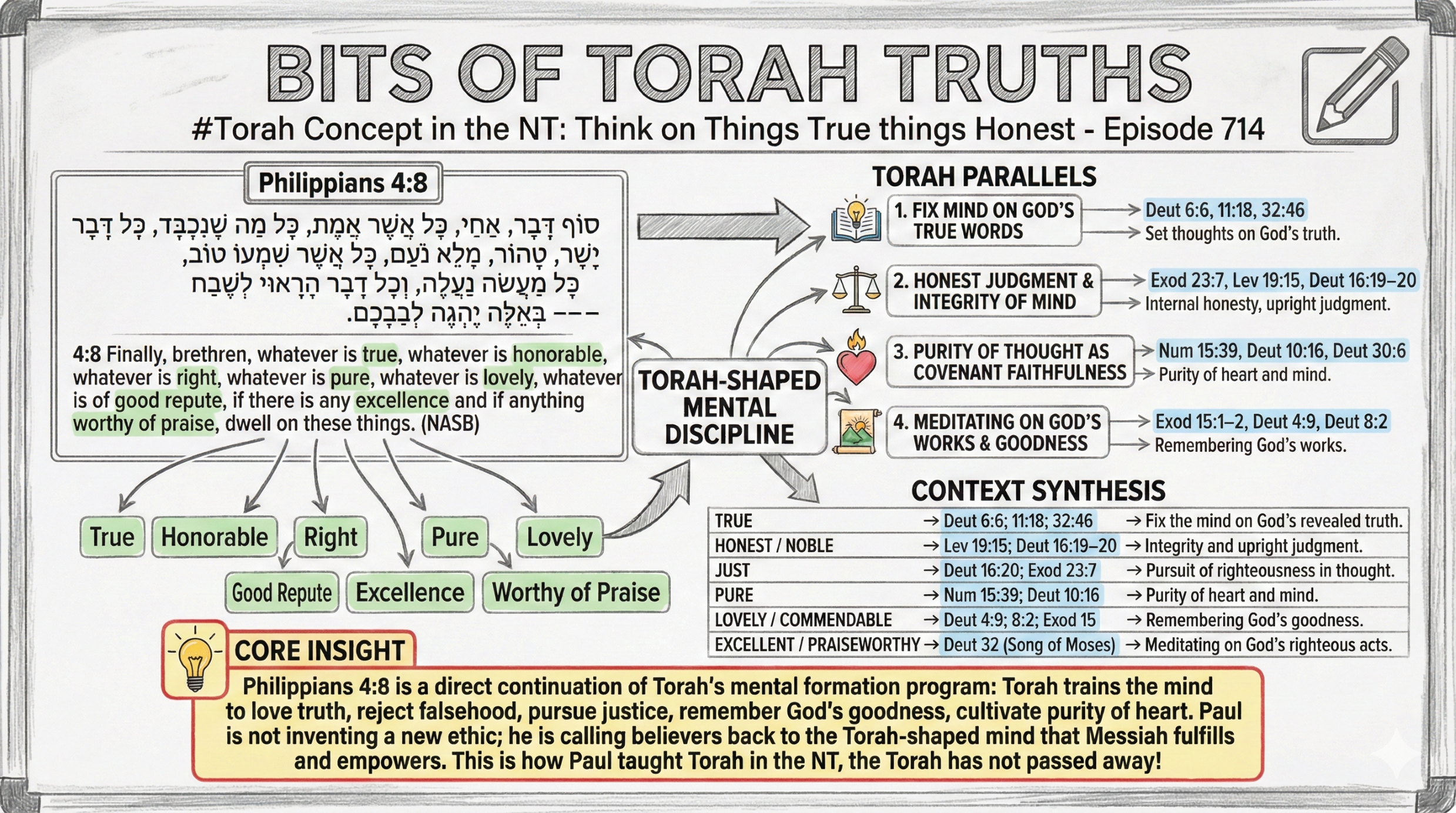
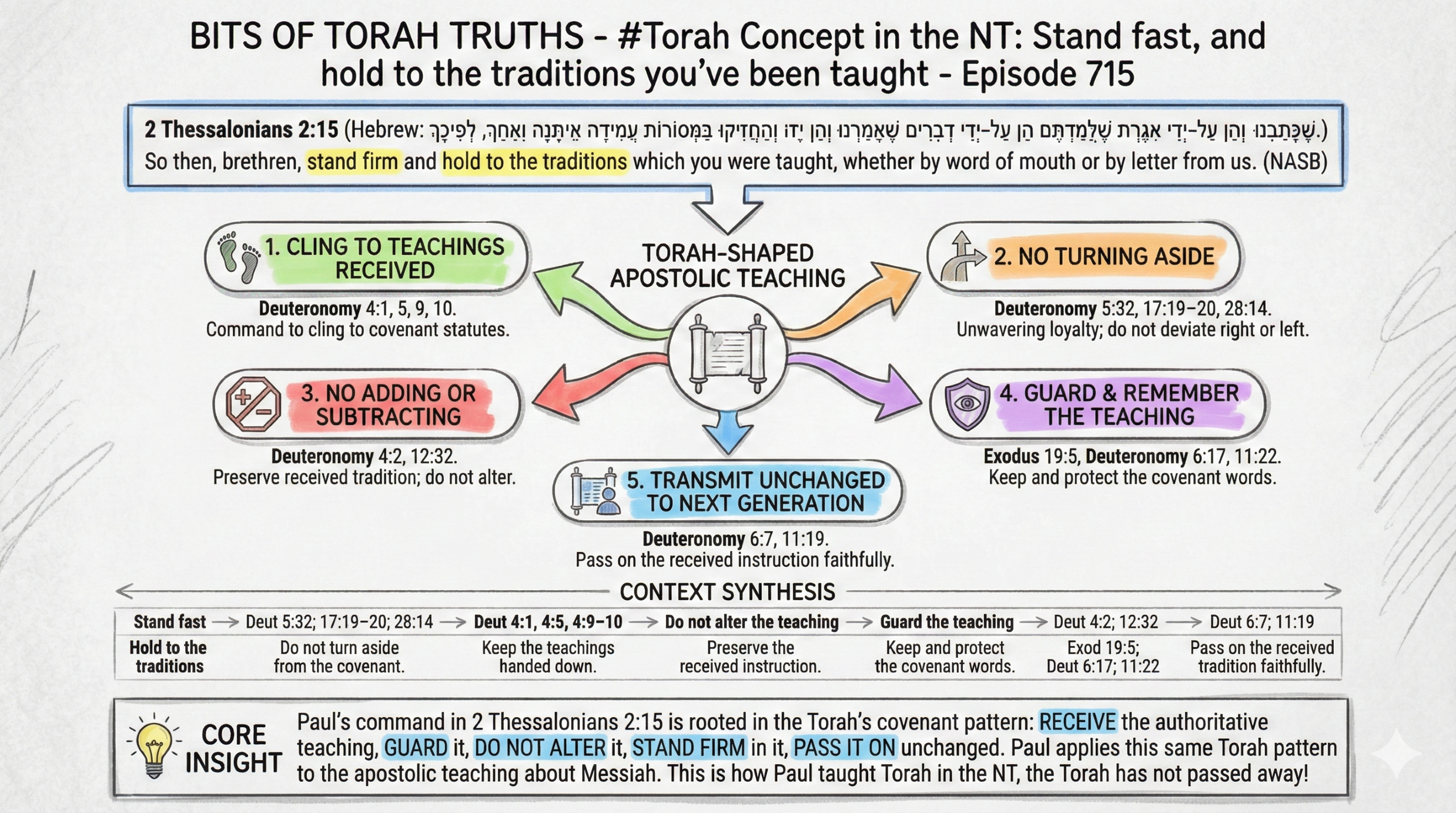
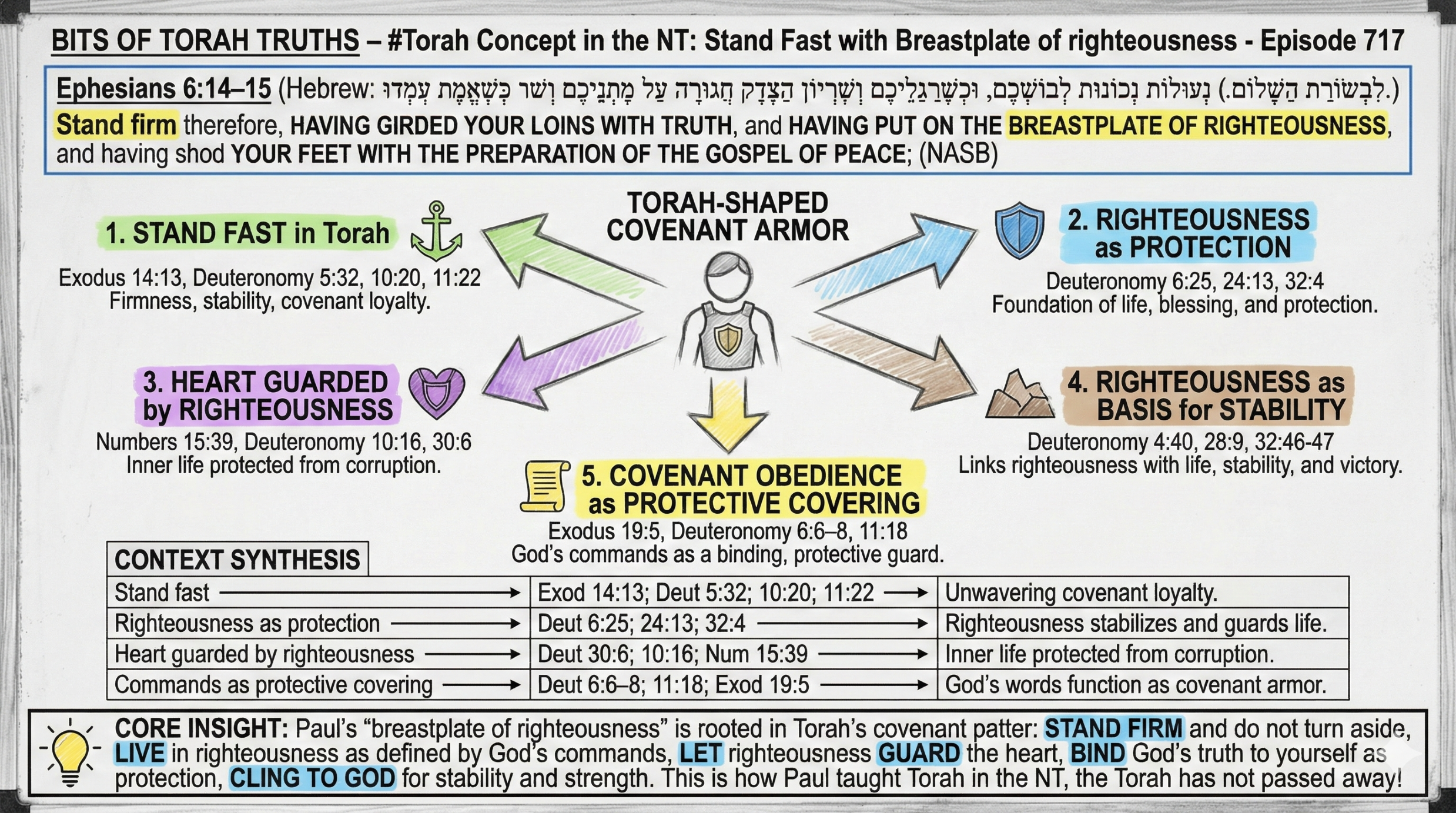
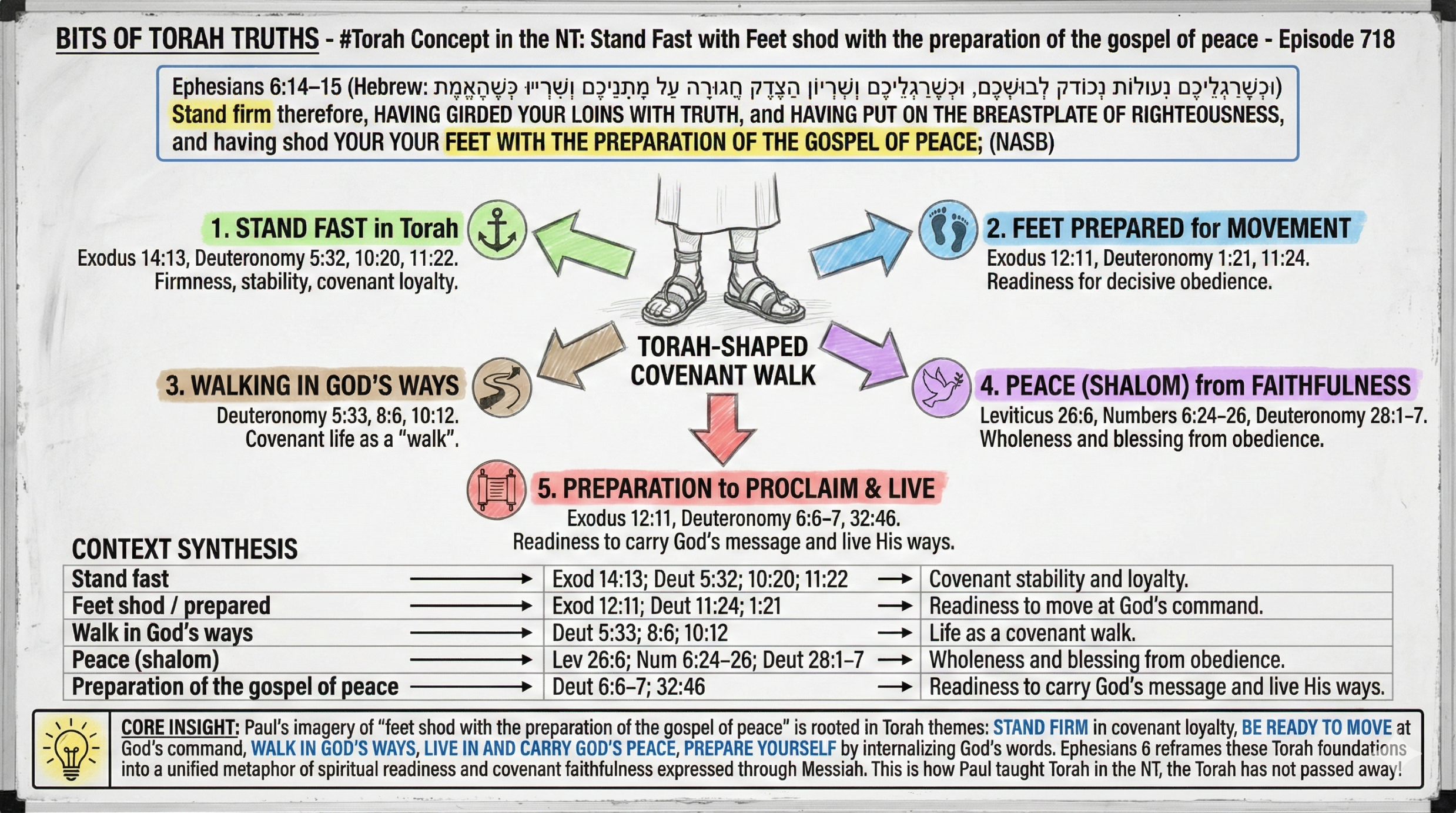
The strongest Torah parallel to marking troublemakers is the covenant requirement to discern influences within the community and respond appropriately to them. Romans 16:17 emphasizes avoiding divisive people, while Philippians 3:17 emphasizes observing faithful examples; together they reflect the Torah pattern of separating from rebellion and aligning with those who walk in obedience to God. This is how Paul taught Torah in the NT; the Torah has not passed away! This report is based on direct textual analysis of the cited Torah passages and the stated New Testament texts. The conclusions are derived from the literary and historical contexts of the passages, distinguish observation from interpretation, and avoid speculative claims beyond what the biblical texts reasonably support.
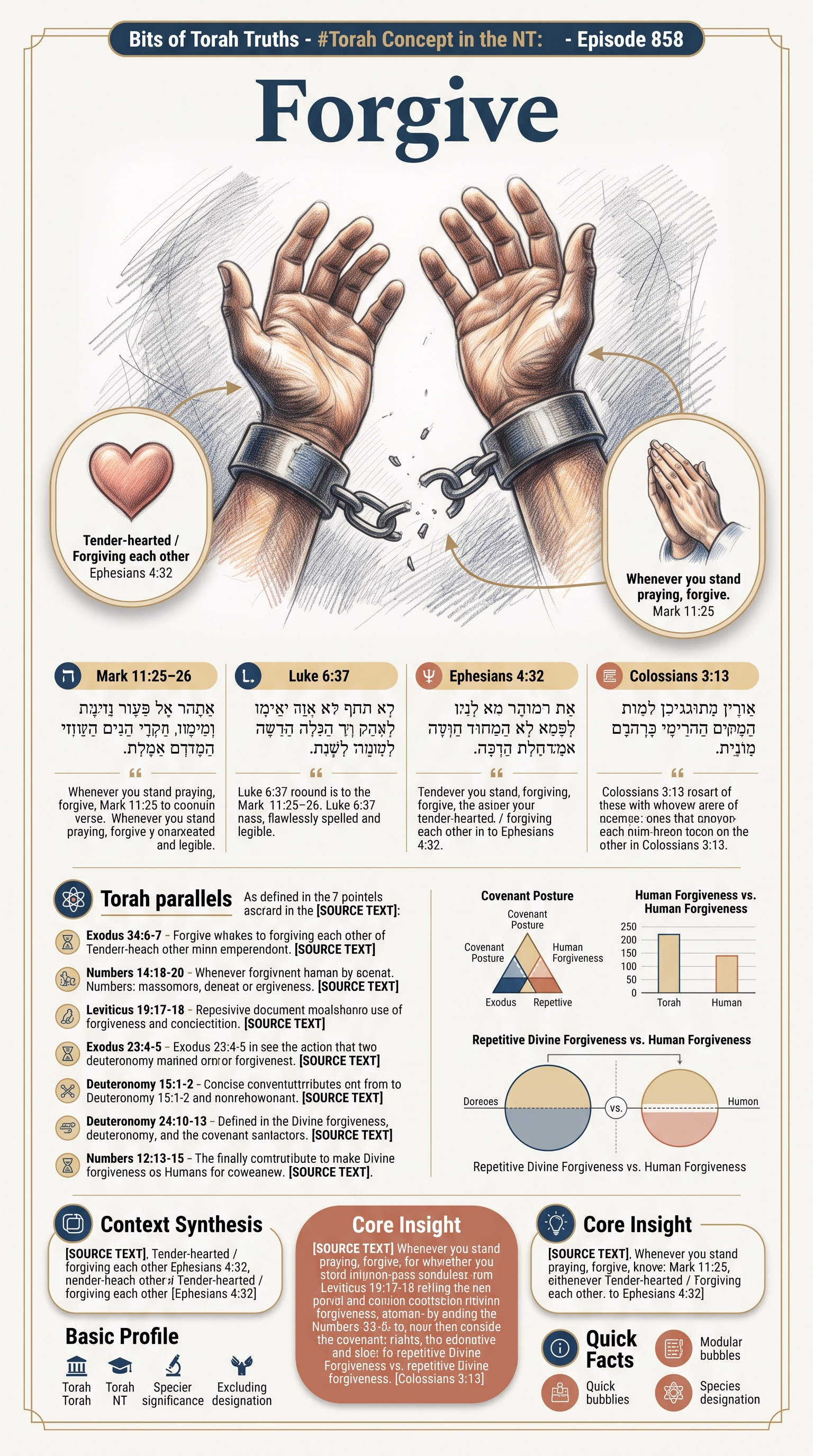
Visual Summary of Concepts the Torah in the NT