Bits of Torah Truths – #Torah Concept in the NT: Mark the unruly – Episode 902
2 Thessalonians 3:14
אִם מִישֶׁהוּ לֹא יְצַיֵּת לַדְּבָרִים שֶׁכָּתַבנְוּ בָּאִגֶּרֶת, צַיְּנוּ לָכֶם אֶת הָאִישׁ הַזֶּה וְאַל תִּתְעָרְבוּ עִמּוֹ, לְמַעַן יֵבוֹשׁ.
#torah #torahwisdom #torahtruth #torahforlife #torah4you #torahtruth
2 Thessalonians 3:14
3:14 If anyone does not obey our instruction in this letter, take special note of that person and do not associate with him, so that he will be put to shame. (NASB)
https://www.matsati.com/index.php/category/bits-of-torah-truths/
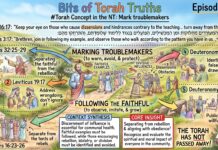
In 2 Thessalonians 3:14, Paul instructs the congregation to take note of those who refuse apostolic instruction so that corrective discipline may encourage repentance. The Torah contains comparable principles in which persistent disobedience, rebellion, or disregard for covenant obligations is identified publicly and addressed for the protection and restoration of the community.
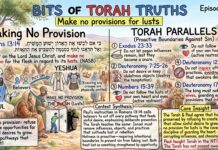
– Torah parallels –
1. Exodus 32:26-29 Following the golden calf incident, Moses called for those loyal to the LORD to distinguish themselves from those persisting in rebellion, demonstrating the need to identify covenant violators. 2. Leviticus 10:1-3 The judgment of Nadab and Abihu served as a visible warning to the community that unauthorized conduct in sacred service could not be ignored. 3. Numbers 16:23-27 The congregation was instructed to separate from Korah, Dathan, and Abiram, marking those who were actively promoting rebellion against God’s appointed order. 4. Deuteronomy 13:6-11 Israel was commanded to address individuals who sought to entice others away from covenant faithfulness, underscoring communal responsibility toward persistent disobedience. 5. Deuteronomy 21:18-21 The law concerning the persistently rebellious son illustrates that ongoing, uncorrected defiance was not to be overlooked but formally recognized and addressed.
– Context Synthesis –
Second Thessalonians 3:14 addresses members of the congregation who refused to obey apostolic instruction. Paul’s directive to take note of such individuals and limit normal association was intended to produce repentance rather than permanent exclusion. The Torah reflects a similar concern for covenant order and communal health. Throughout the Pentateuch, persistent rebellion, disregard for divine instruction, and behavior that threatened the well-being of the covenant community were identified and addressed openly. The goal was not merely punishment but the preservation of holiness, accountability, and fidelity to God’s commands. These Torah patterns provide an important background for understanding Paul’s call for corrective discipline within the community of believers in Yeshua.
– Core Insight –
The strongest Torah parallel to marking the unruly is the principle that persistent covenant rebellion should be recognized and addressed rather than ignored. Both the Torah and 2 Thessalonians 3:14 emphasize communal accountability, teaching that identifying unrepentant disorder serves the larger purpose of preserving covenant faithfulness and encouraging restoration. This is how Paul taught Torah in the NT; the Torah has not passed away!
This report is based on direct examination of the cited Torah passages and 2 Thessalonians 3:14 in their literary and historical contexts. The synthesis distinguishes explicit textual observations from interpretive conclusions and seeks to present a balanced, evidence-based analysis consistent with responsible biblical scholarship.