Bits of Torah Truths – #Torah Concept in the NT: Fret not in servitude – Episode 859
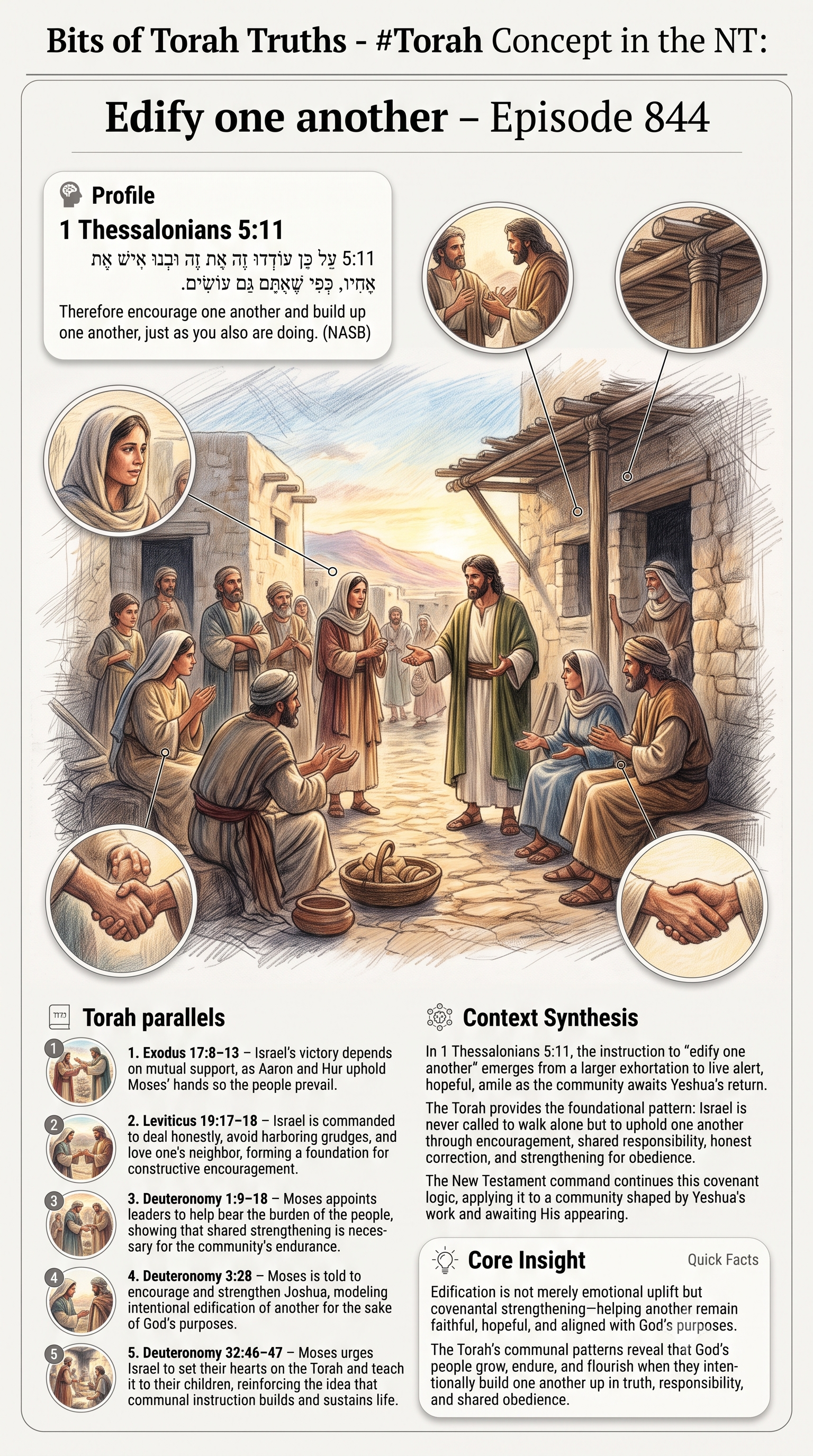
1 Corinthians 7:21
אִם נִקְרֵאתָ בְּעֵת הֱיוֹתְךָ עֶבֶד, אַל תִּדְאַג. אֲבָל אִם בִּיכָלְתְּךָ לָצֵאת לַחָפְשִׁי, אַדְּרַבָּא, נַצֵּל זֹאת.
#torah #torahwisdom #torahtruth #torahforlife #torah4you #torahtruth
1 Corinthians 7:21
7:21 Were you called while a slave? Do not worry about it; but if you are able also to become free, rather do that. (NASB)
https://www.matsati.com/index.php/category/bits-of-torah-truths/
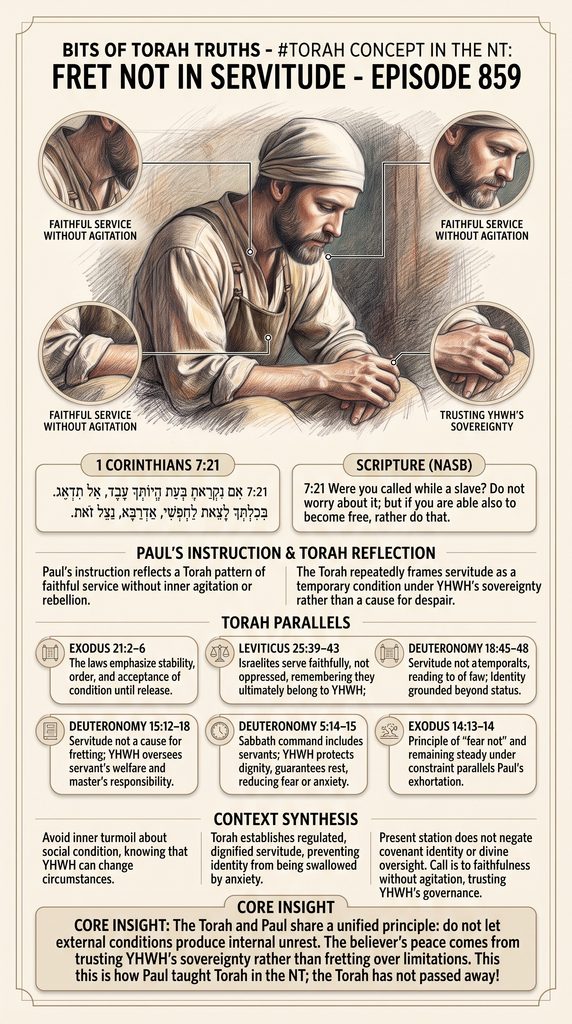
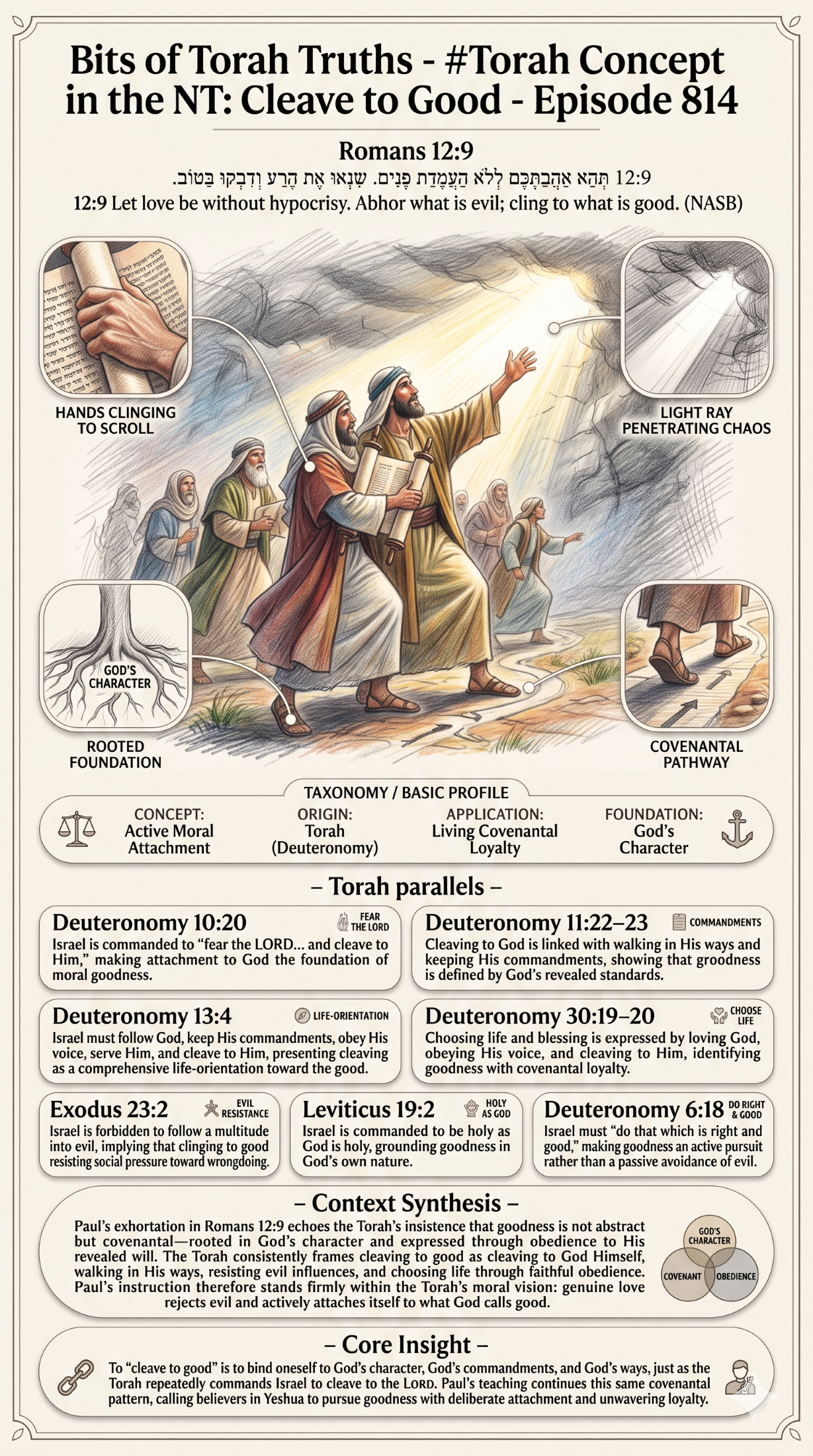
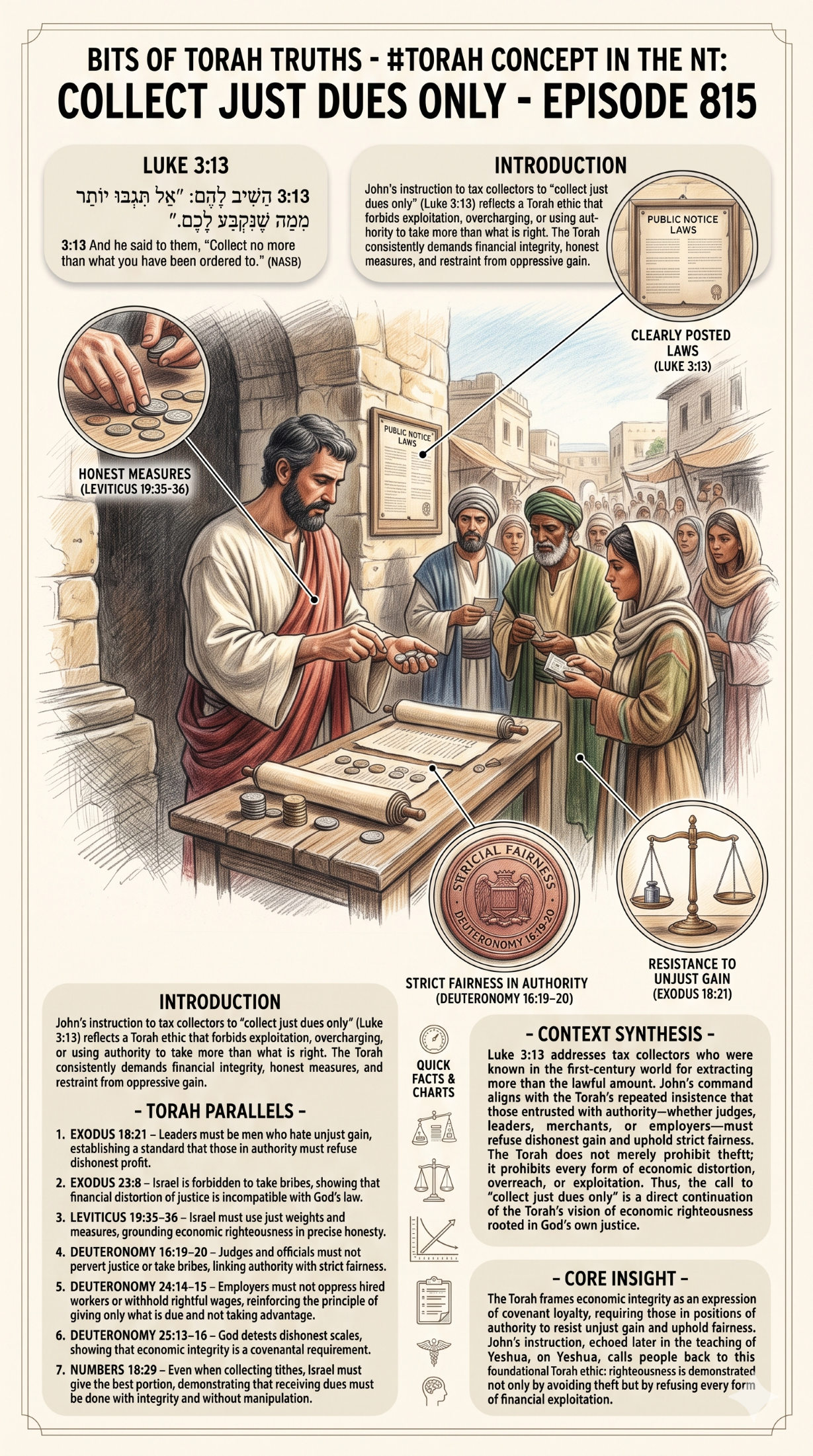
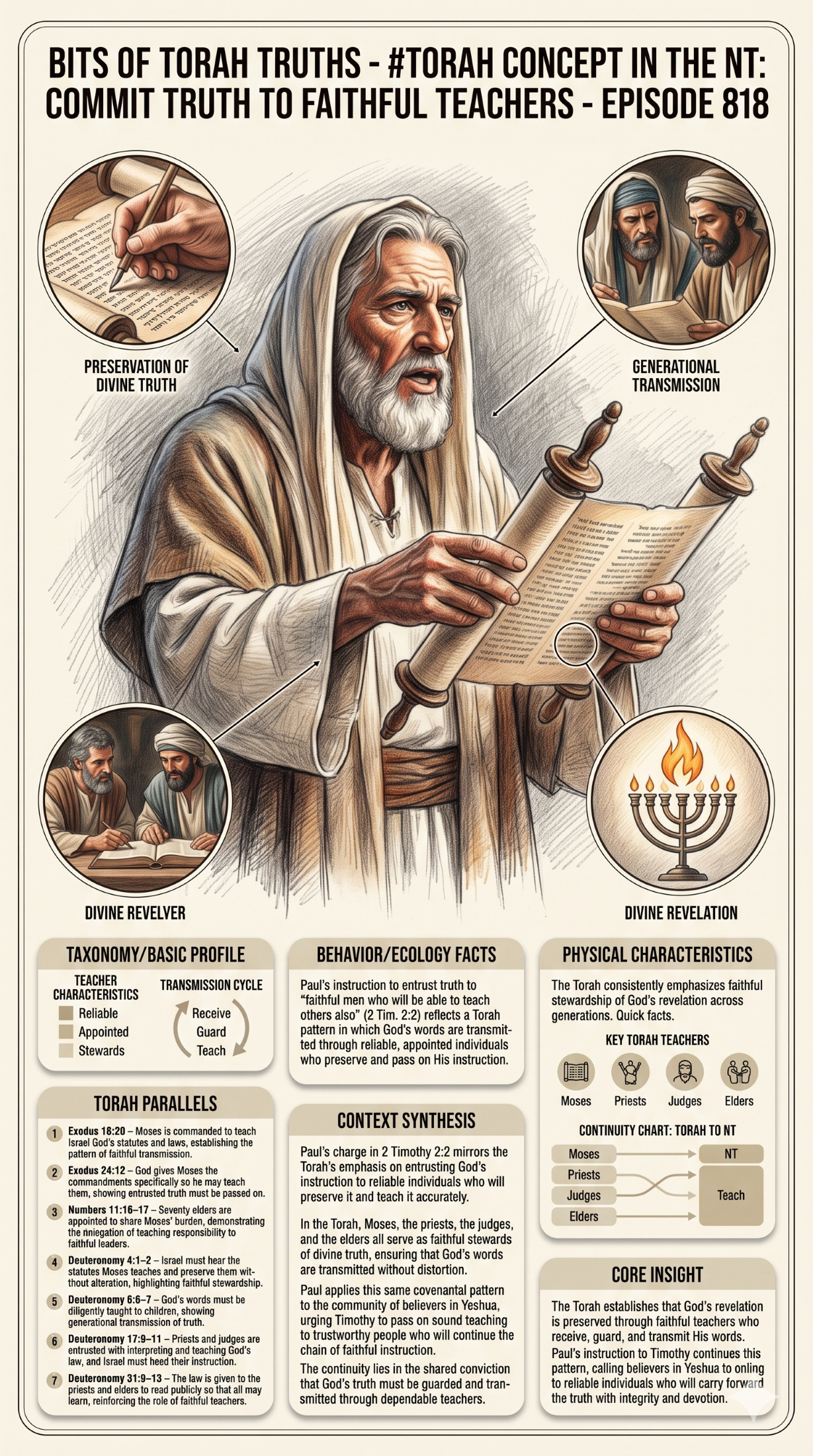
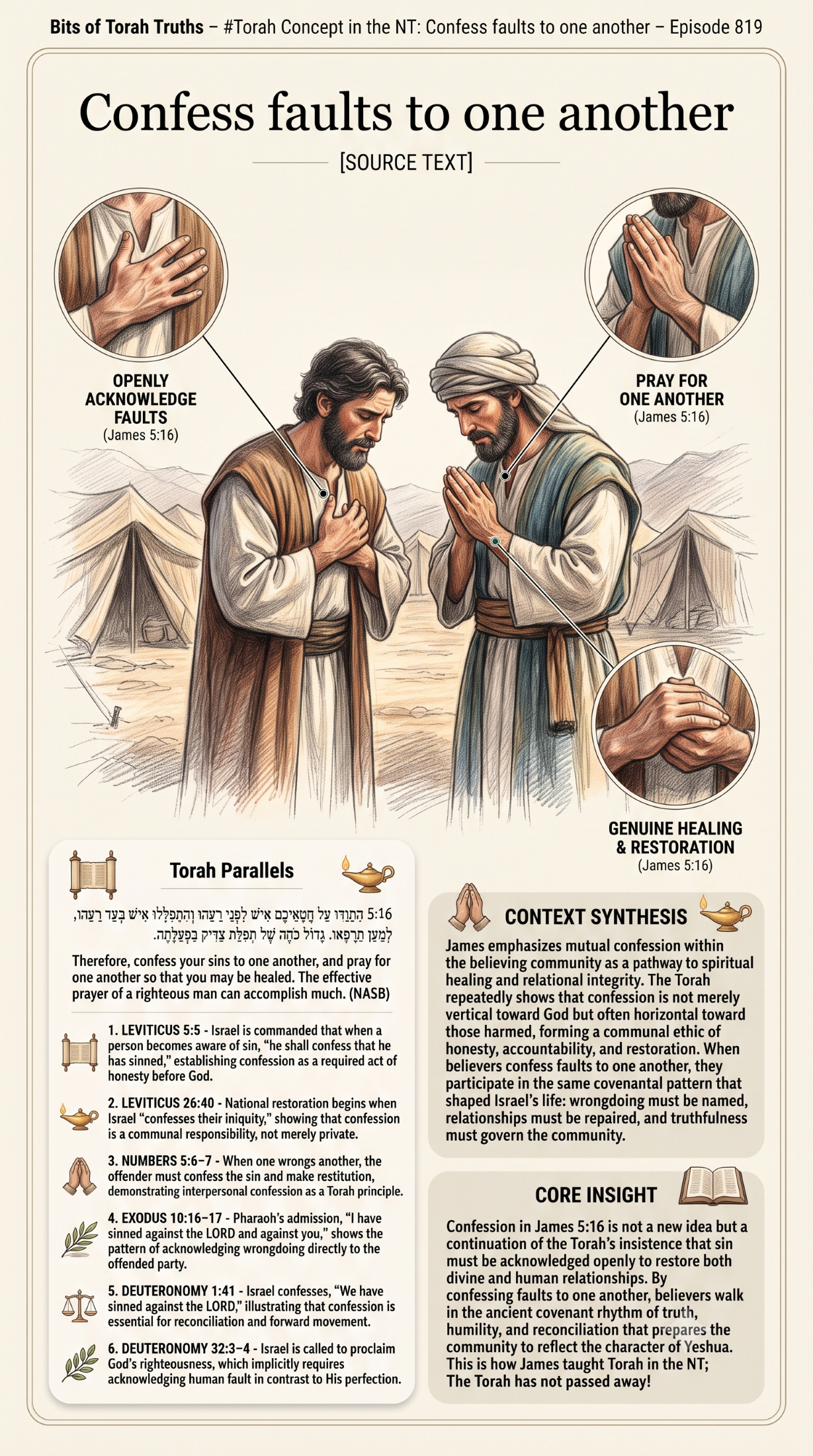
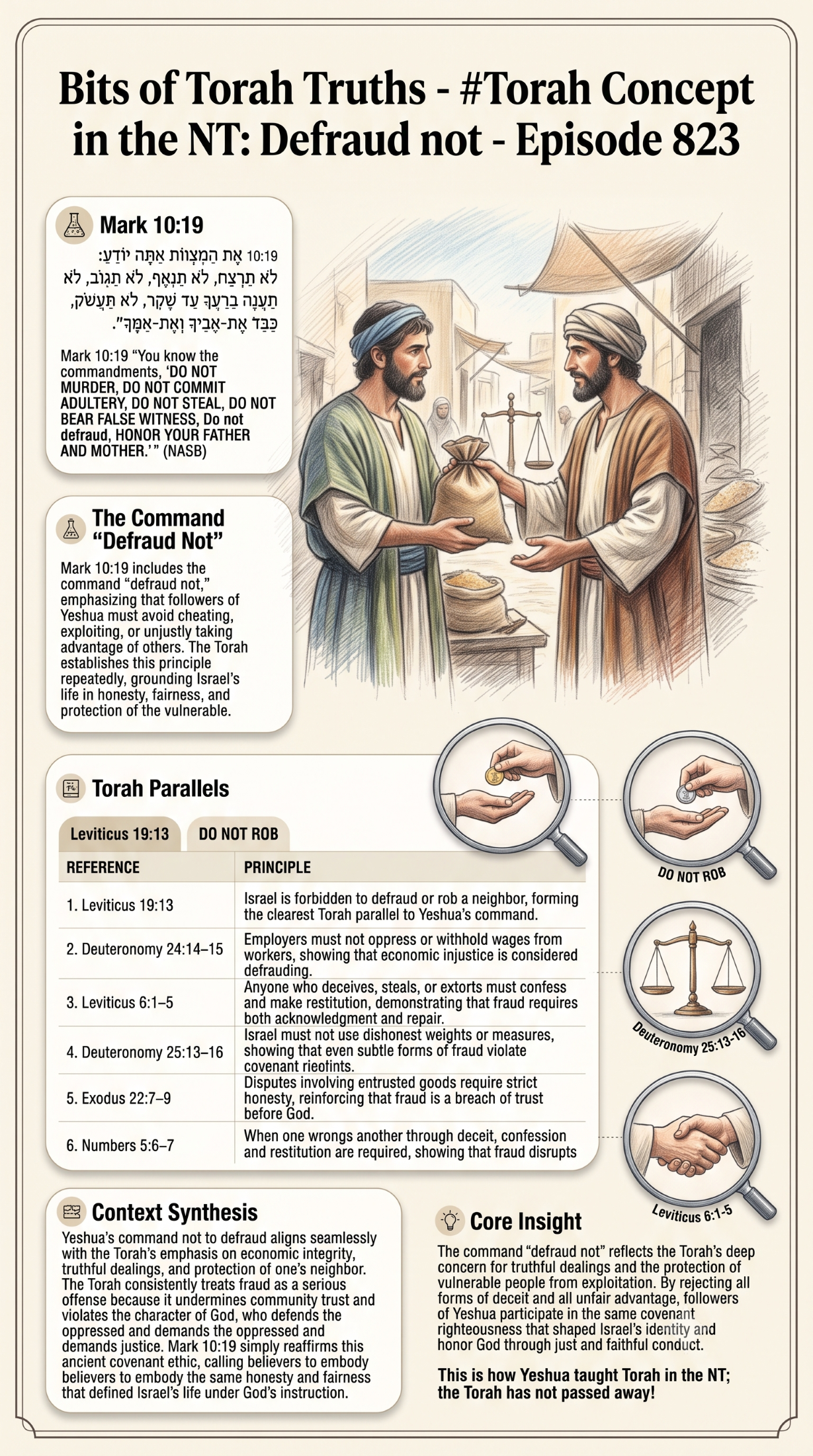
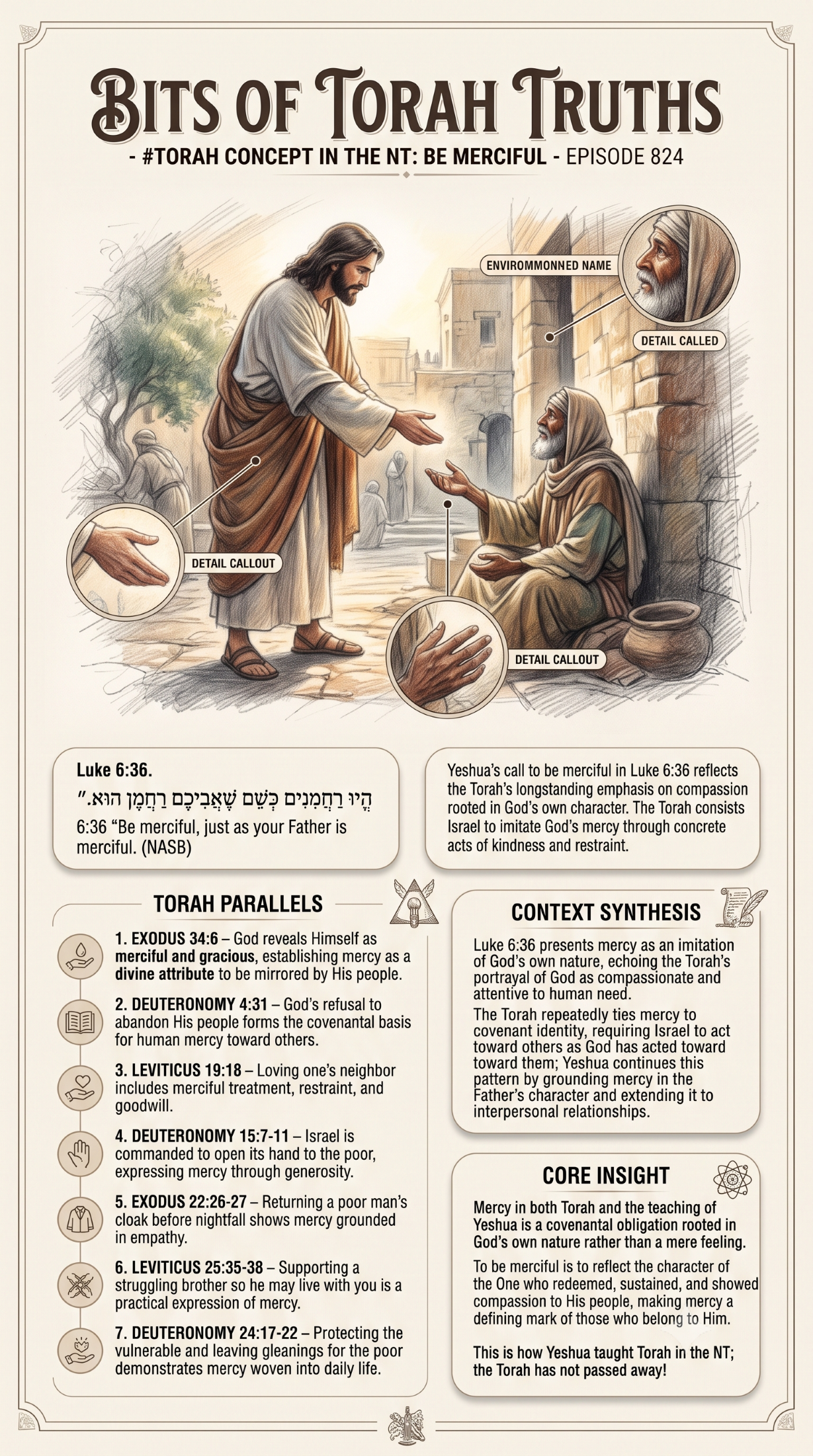
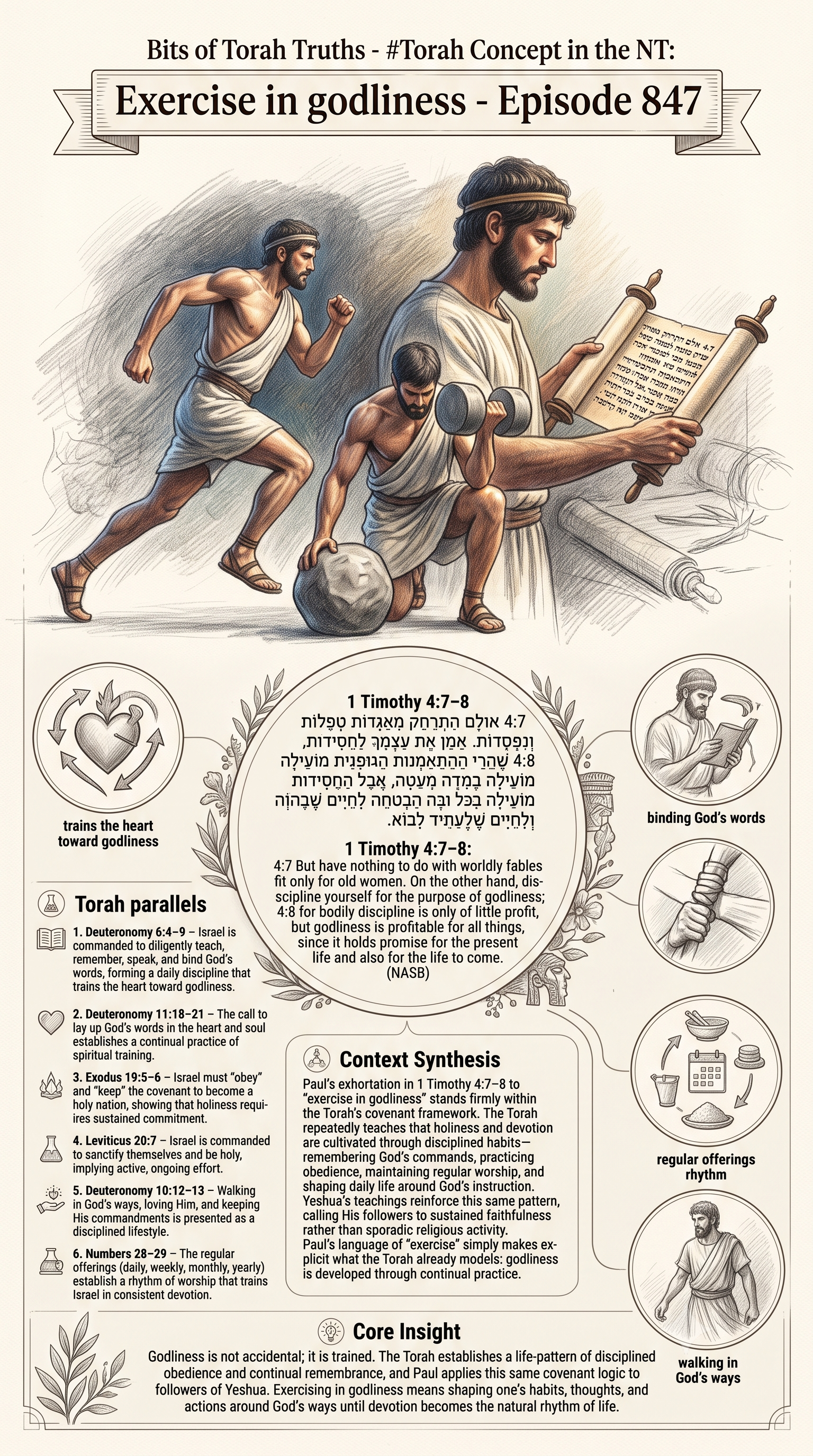
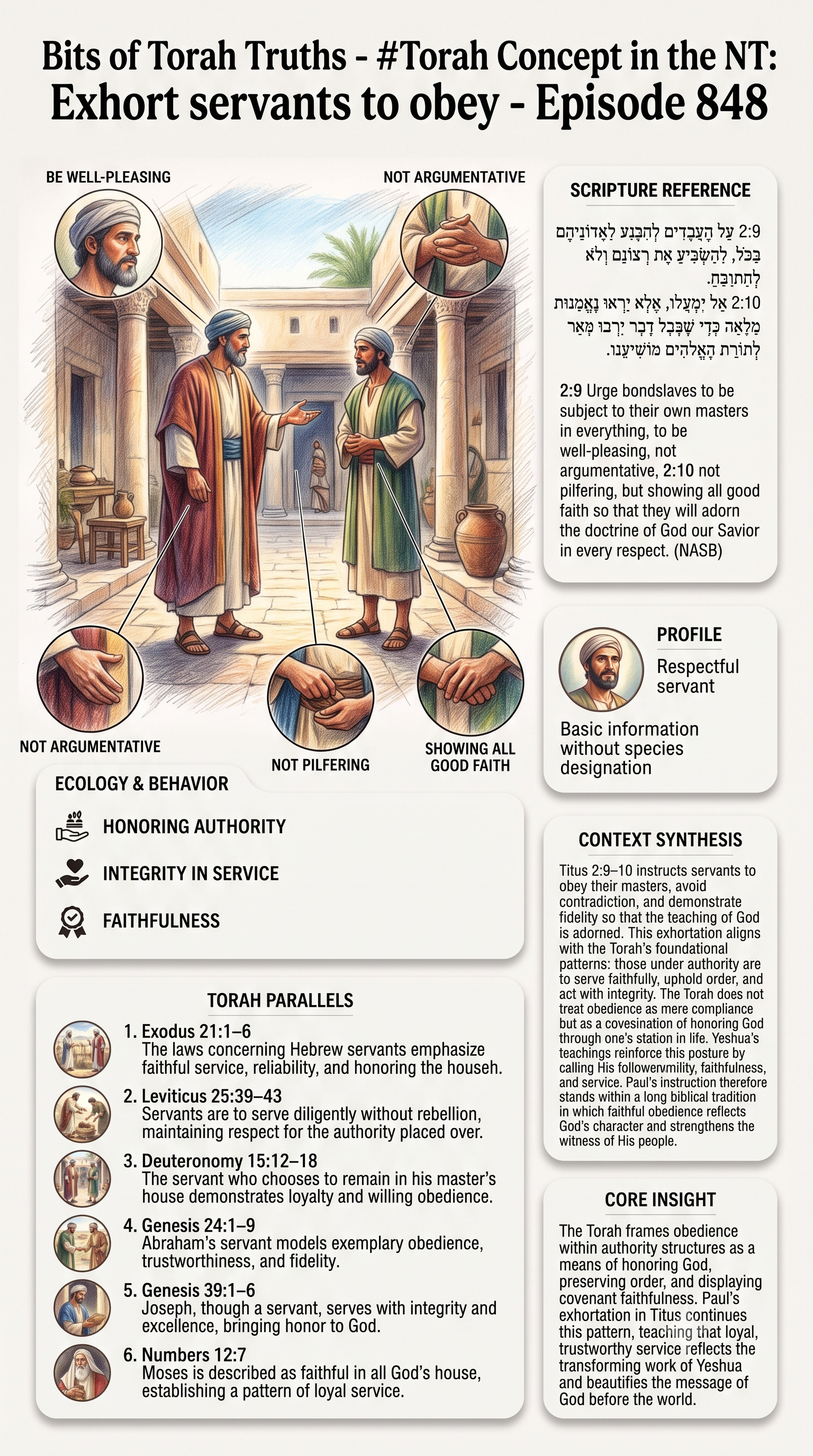
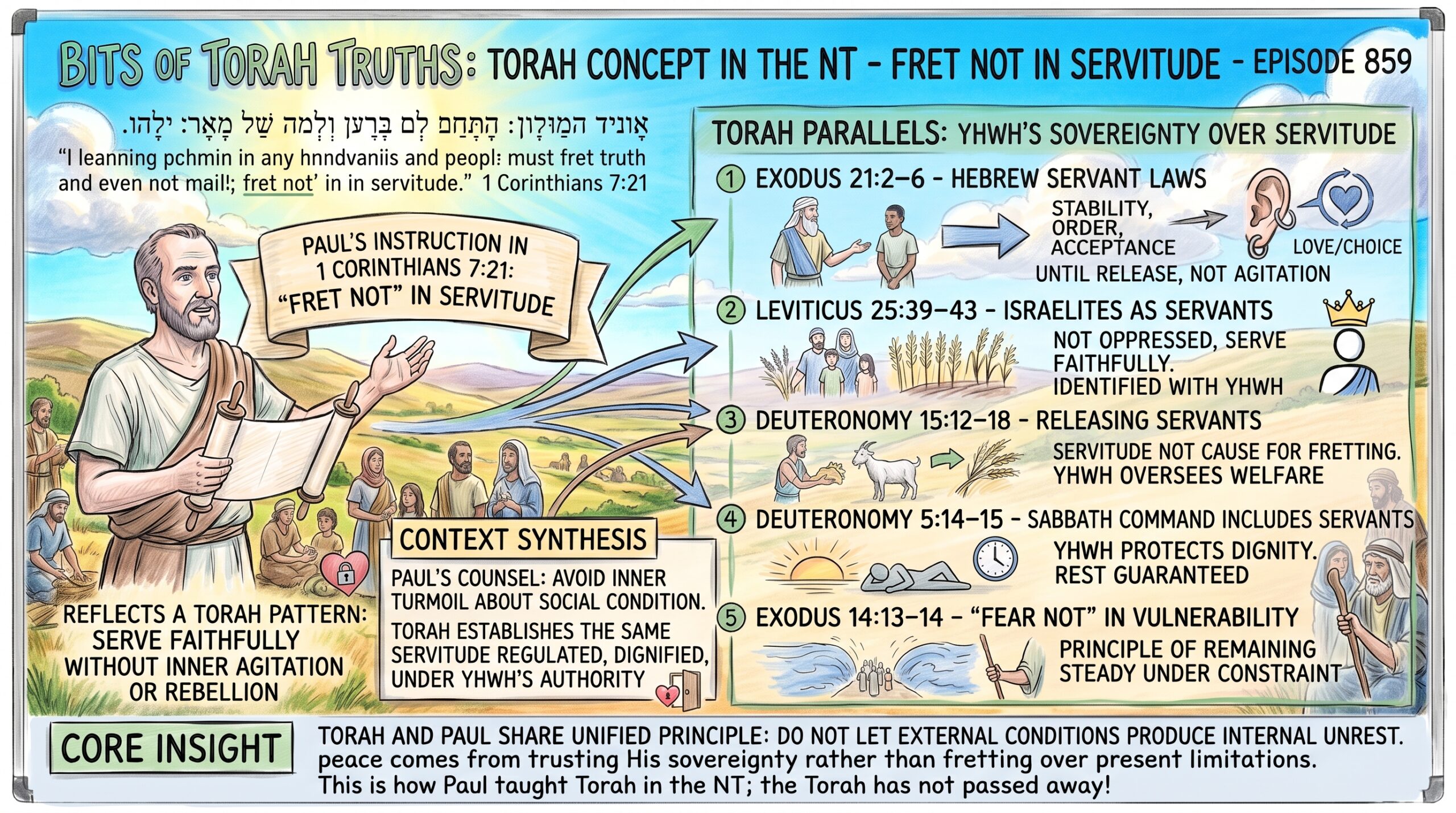
Paul’s instruction in 1 Corinthians 7:21, “fret not” in servitude, reflects a Torah pattern in which those under obligation are called to serve faithfully without inner agitation or rebellion. The Torah repeatedly frames servitude as a temporary condition under YHWH’s sovereignty rather than a cause for despair.
– Torah parallels –
- Exodus 21:2–6 – The laws of the Hebrew servant emphasize stability, order, and acceptance of one’s present condition until release, not agitation or rebellion.
- Leviticus 25:39–43 – Israelites who become servants are told not to be oppressed, but also to serve faithfully, remembering that they ultimately belong to YHWH; this grounds their identity beyond their temporary status.
- Deuteronomy 15:12–18 – Instructions for releasing servants highlight that servitude is not a cause for fretting, because YHWH oversees both the servant’s welfare and the master’s responsibility.
- Deuteronomy 5:14–15 – The Sabbath command includes servants, showing that YHWH protects their dignity; their rest is guaranteed by divine authority, reducing fear or anxiety about their condition.
- Exodus 14:13–14 – Although not about servitude directly, Israel is told “fear not” in a moment of vulnerability; the principle of not fretting under constraint parallels Paul’s exhortation to remain steady under one’s present calling.
– Context Synthesis –
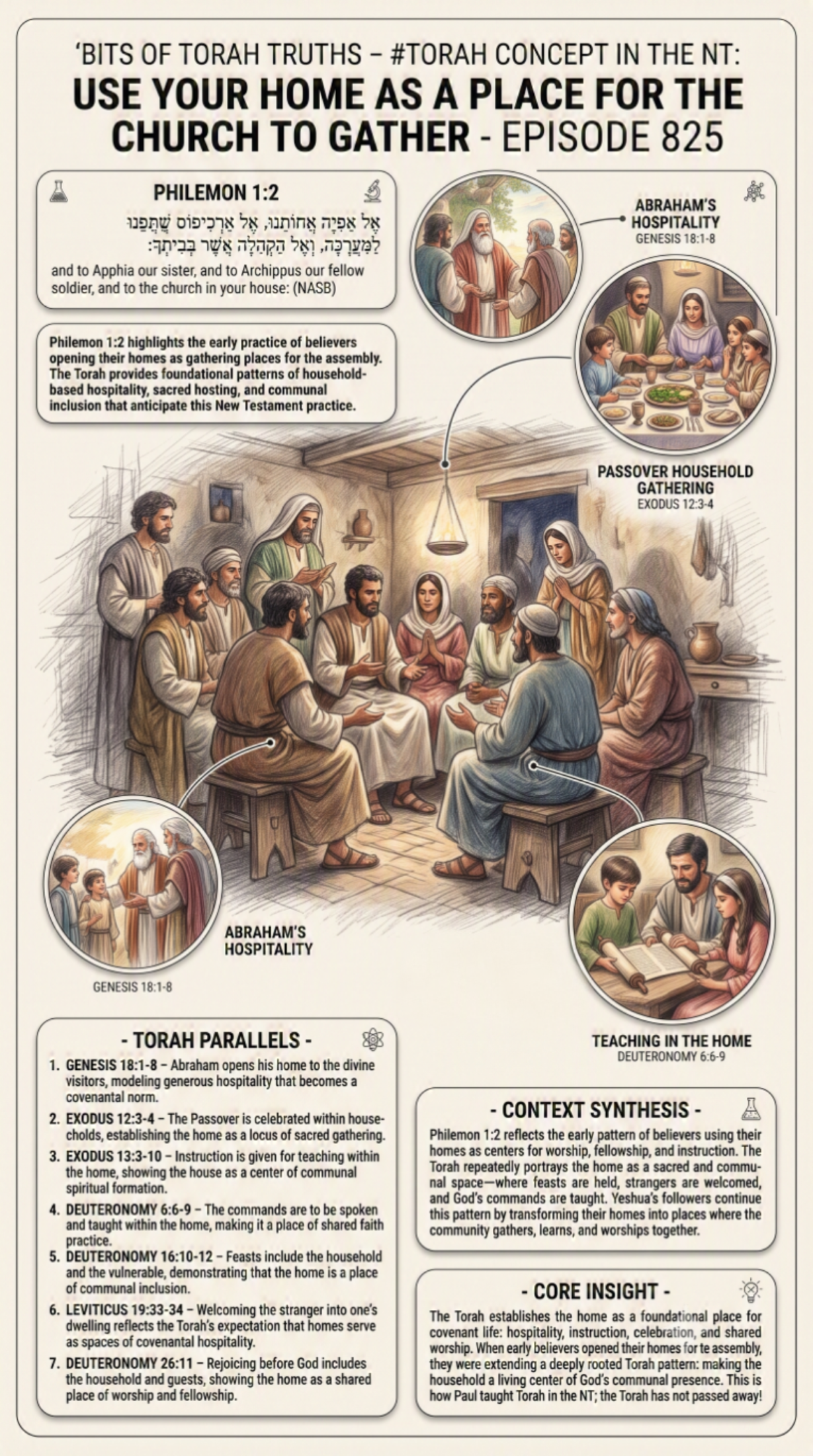
Paul’s counsel in 1 Corinthians 7:21 does not endorse servitude as ideal but instructs believers to avoid inner turmoil about their social condition, knowing that YHWH can change circumstances in His timing. The Torah establishes the same pattern: servitude is regulated, dignified, and placed under YHWH’s authority so that the servant’s identity is not swallowed by anxiety. Both Torah and Paul teach that one’s present station, whether free or bound, does not negate covenant identity or divine oversight. The call is to faithfulness without agitation, trusting YHWH’s governance over personal circumstances.
– Core Insight –
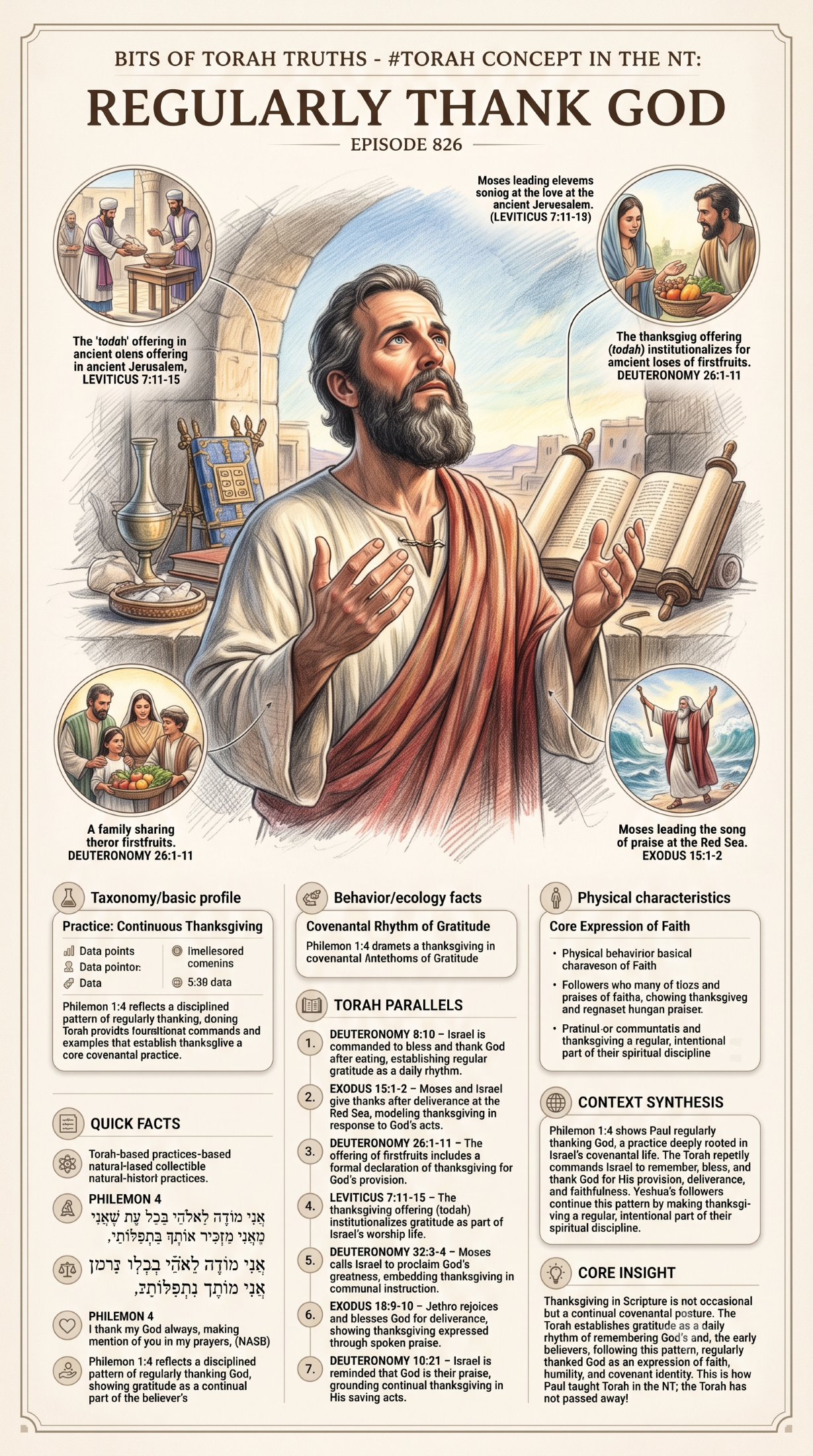
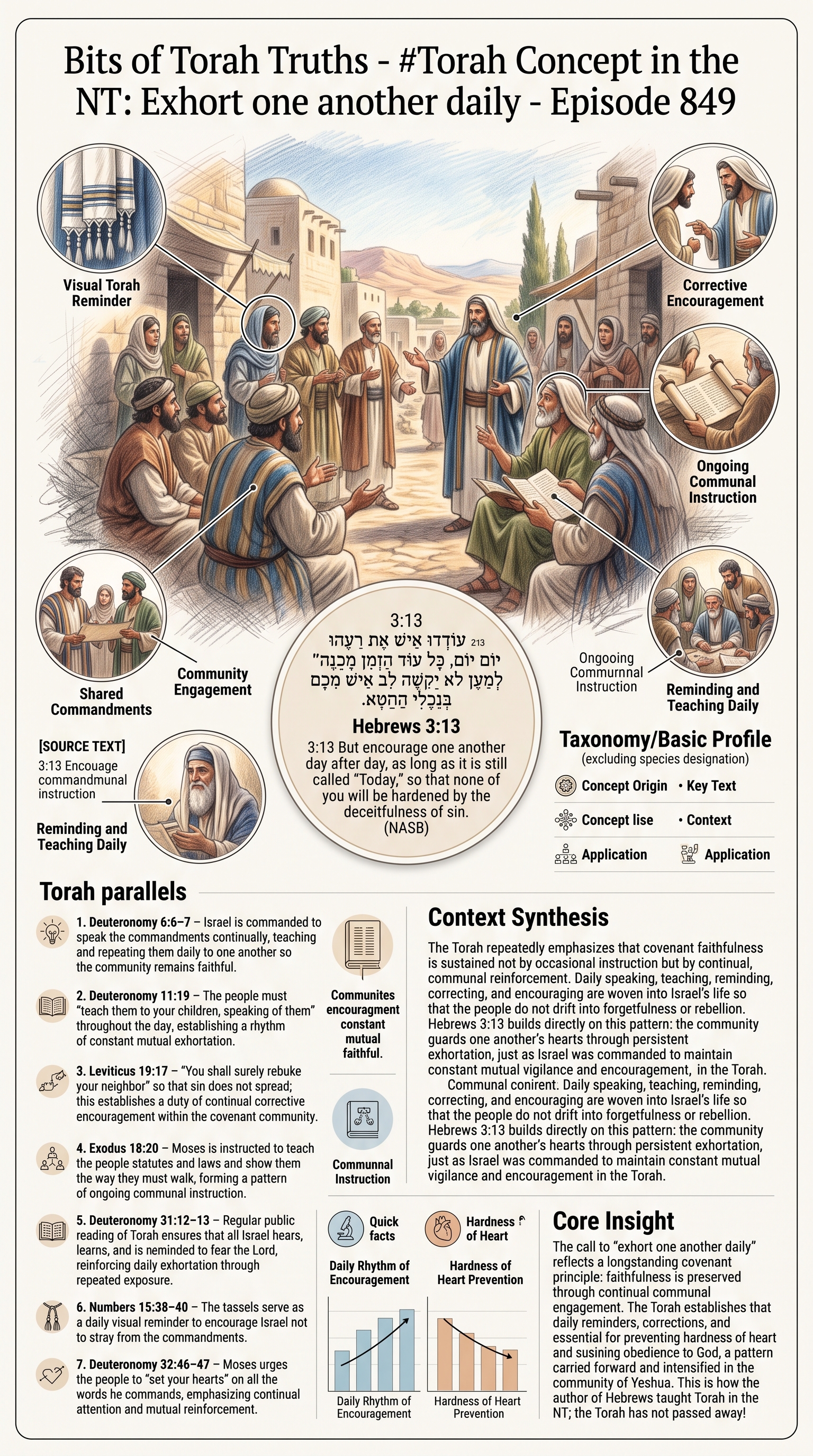
The Torah and Paul share a unified principle: do not let external conditions produce internal unrest. Servitude, while not ideal, is framed as a temporary state under YHWH’s rule, and the believer’s peace comes from trusting His sovereignty rather than fretting over present limitations. This is how Paul taught Torah in the NT; the Torah has not passed away!
Visual Summary of Concepts the Torah in the NT