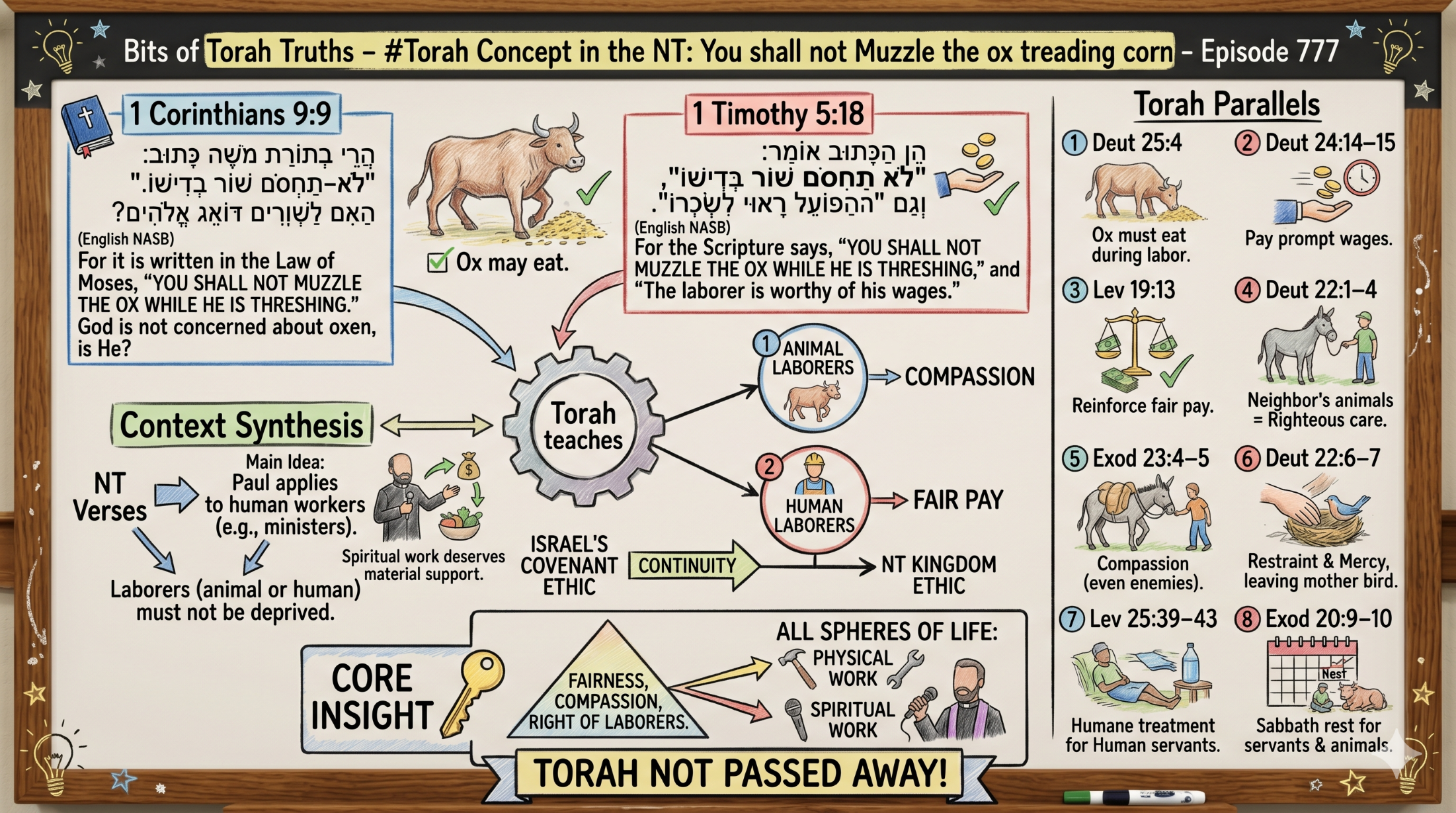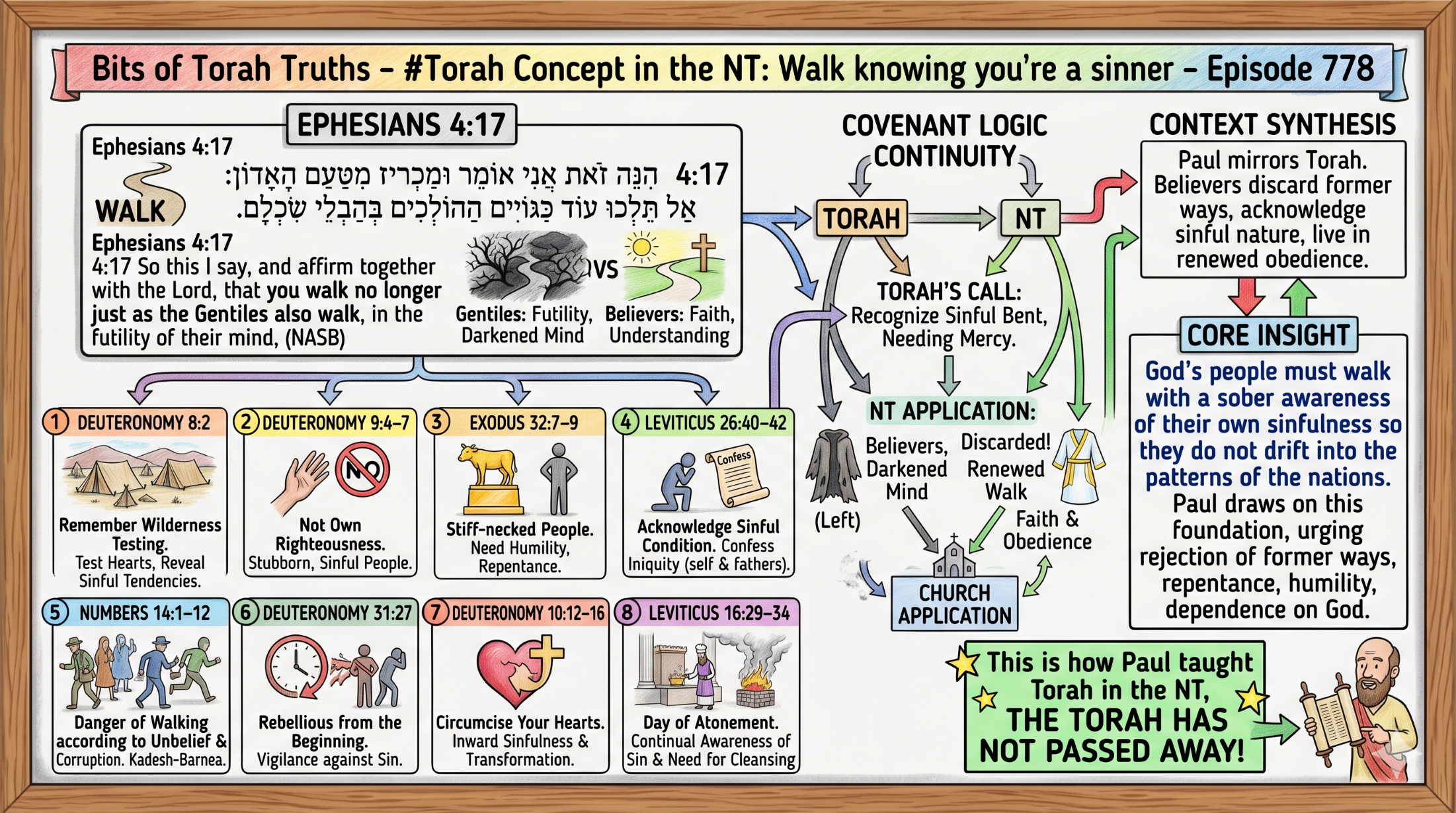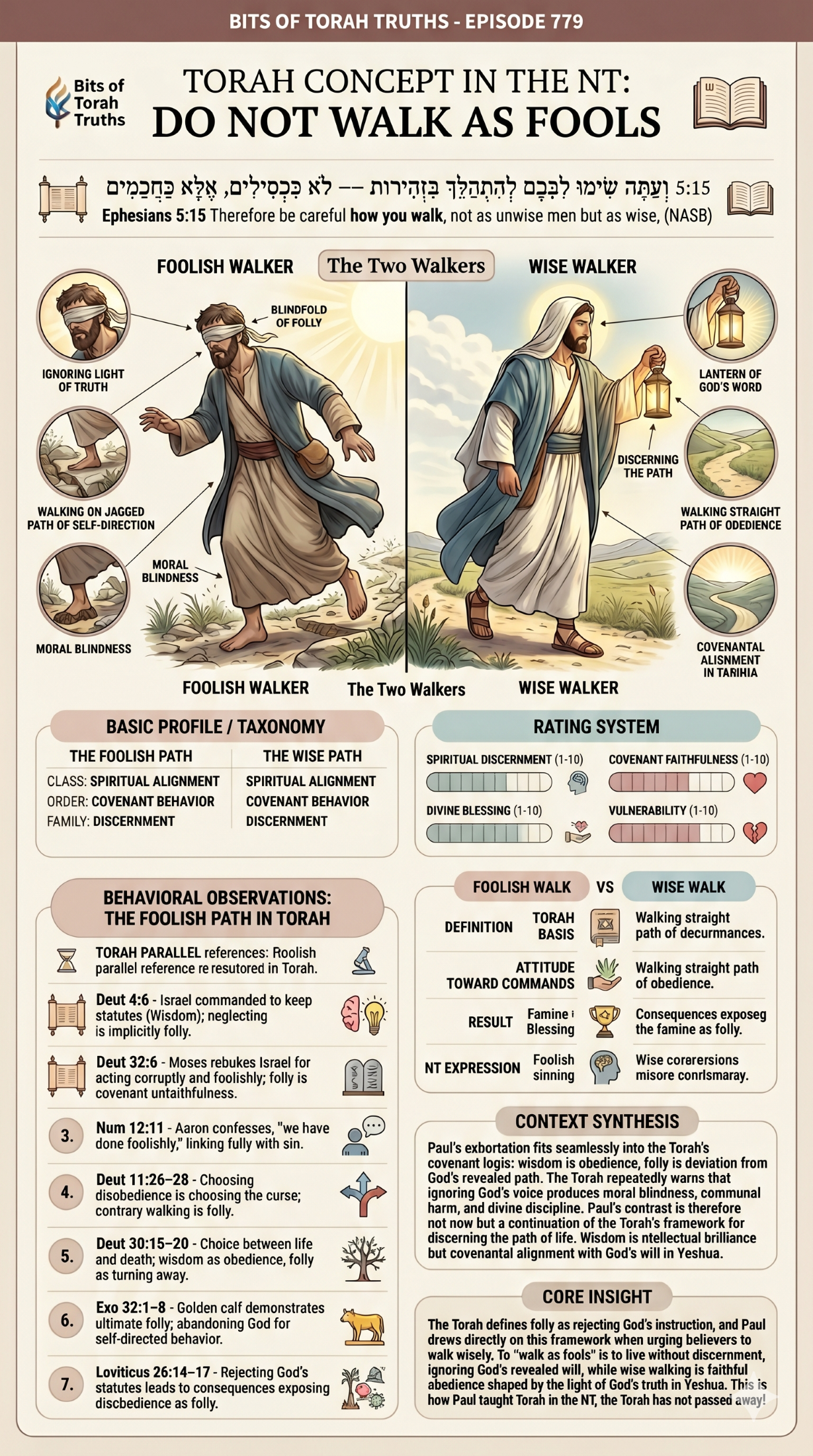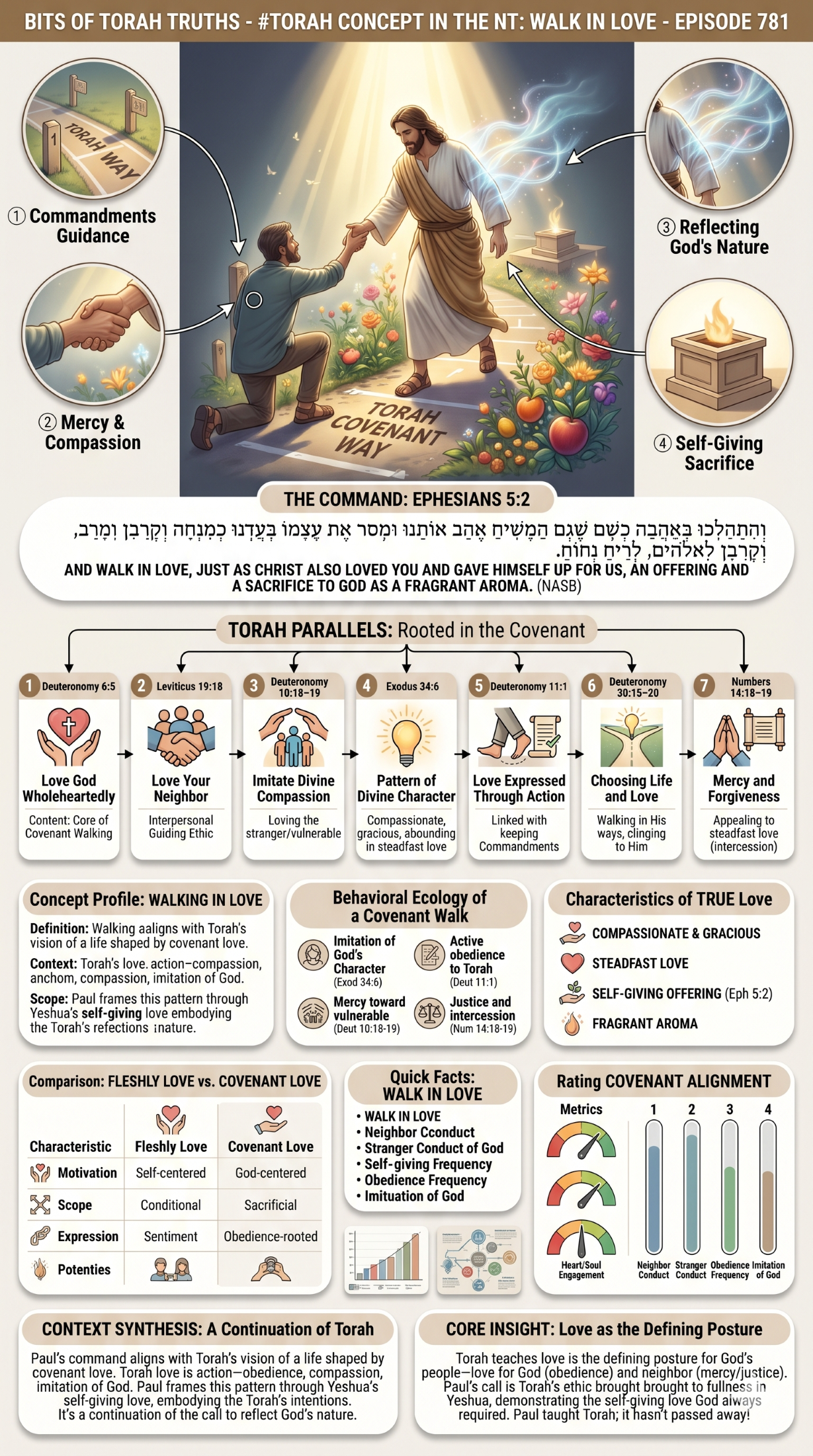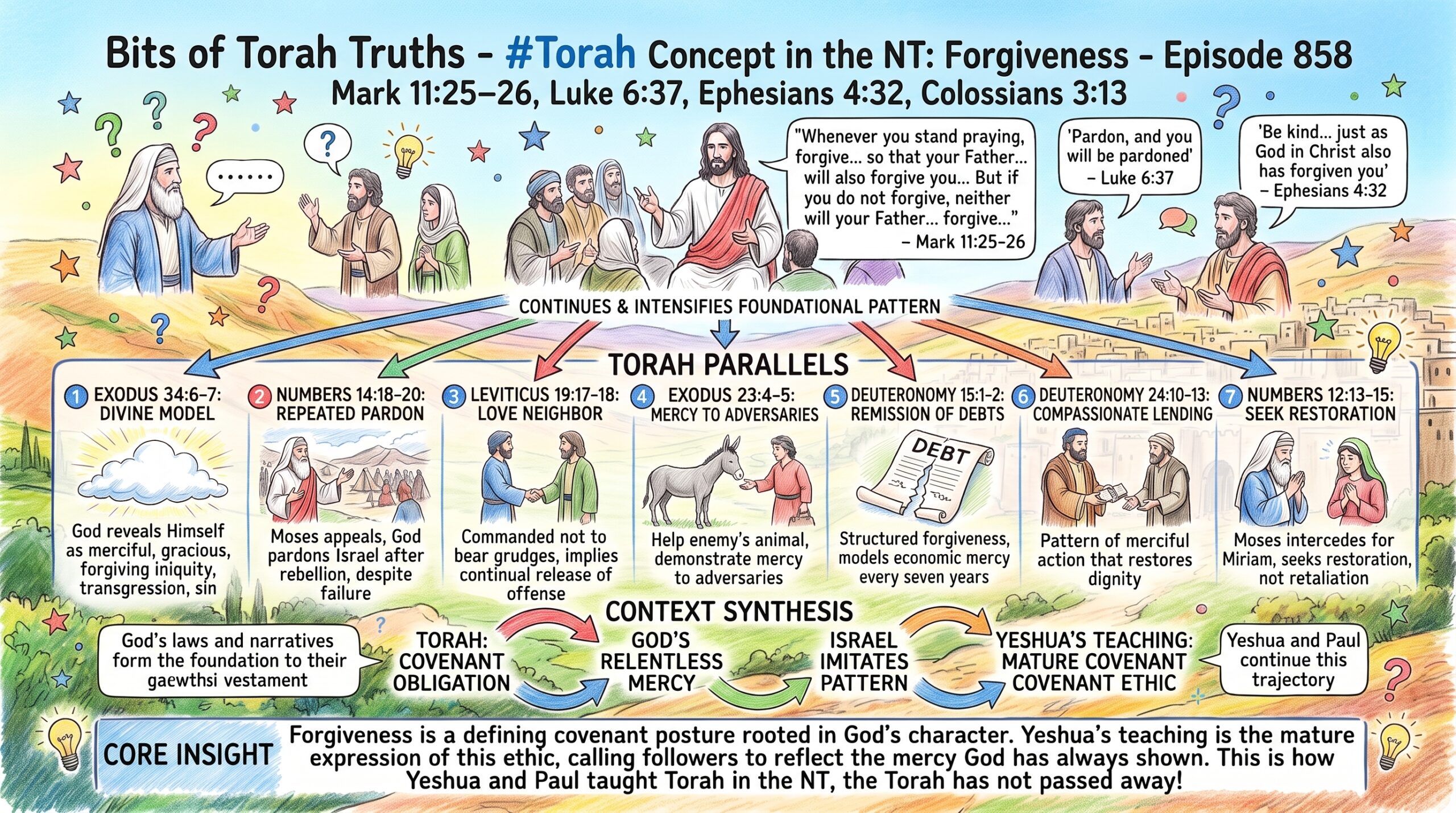
Bits of Torah Truths – #Torah Concept in the NT: Forgive – Episode 858
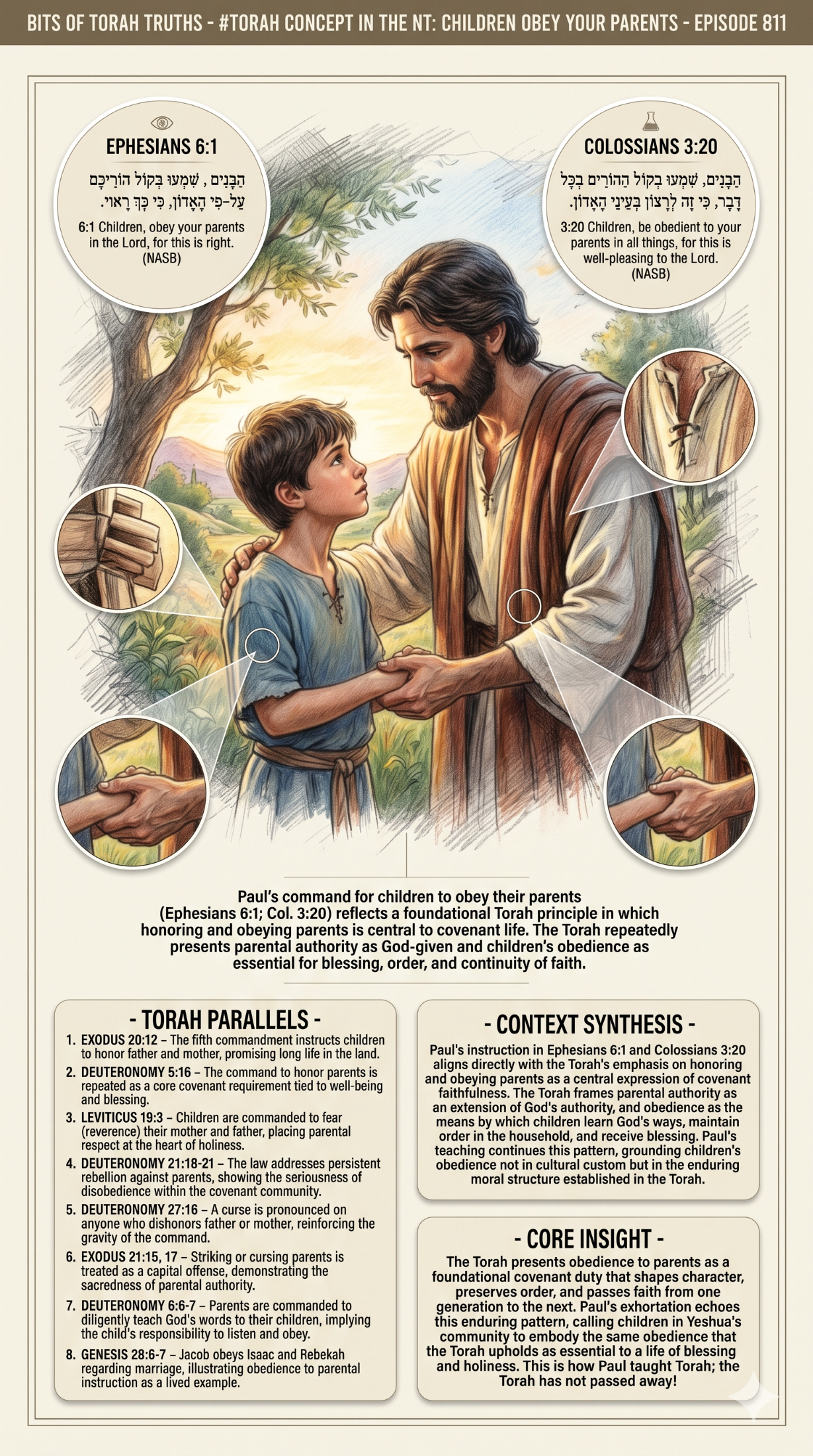
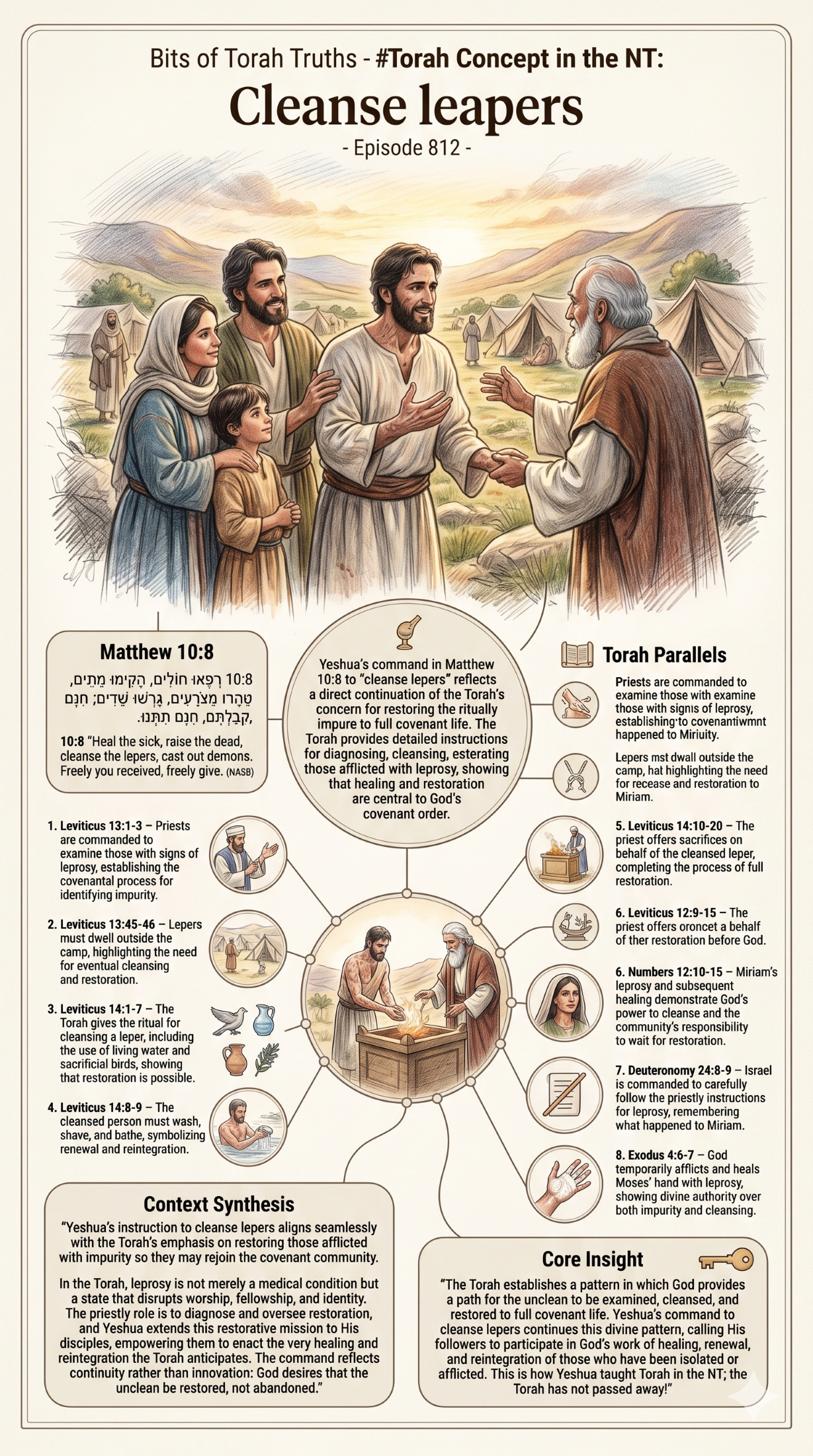
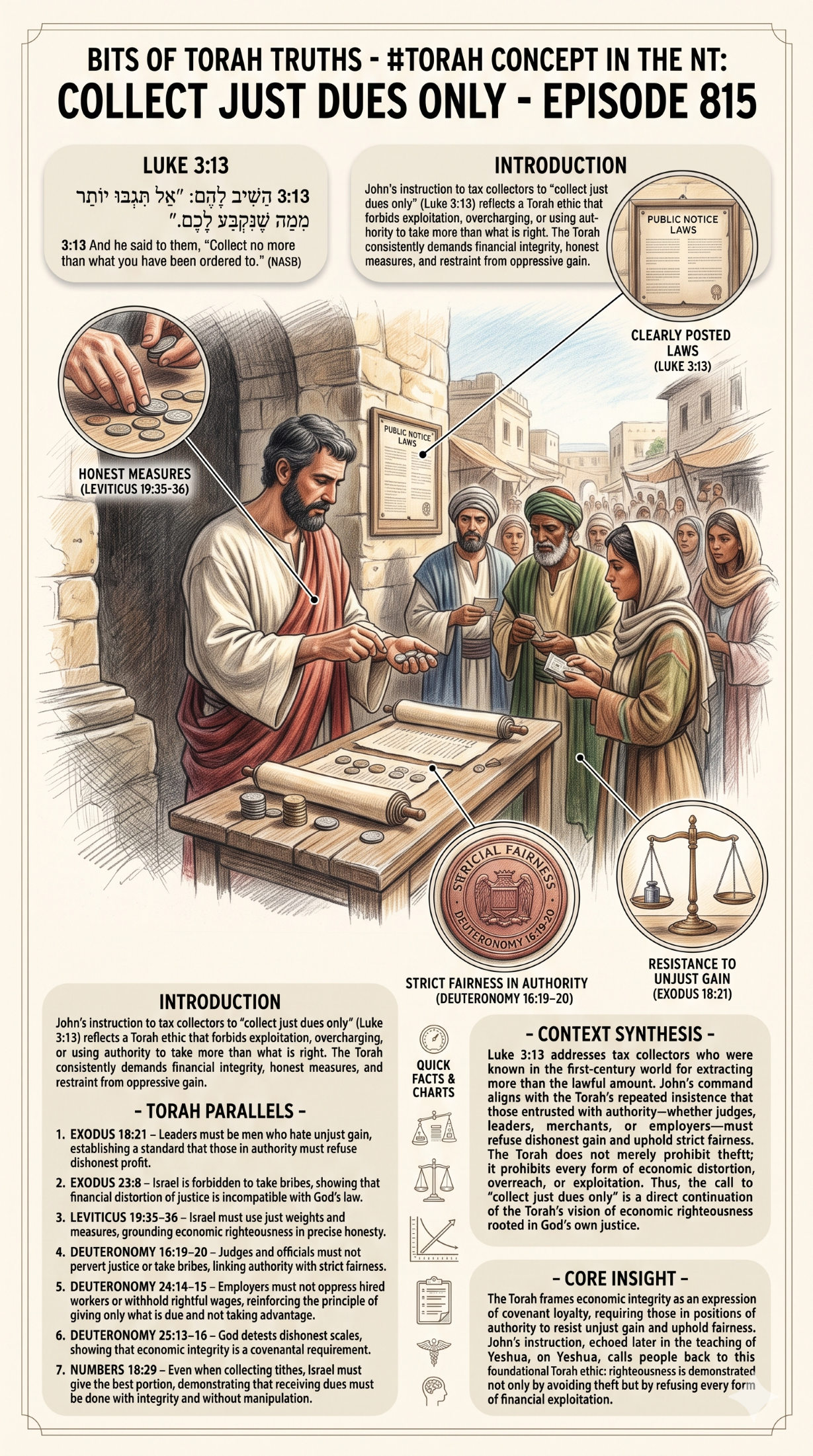
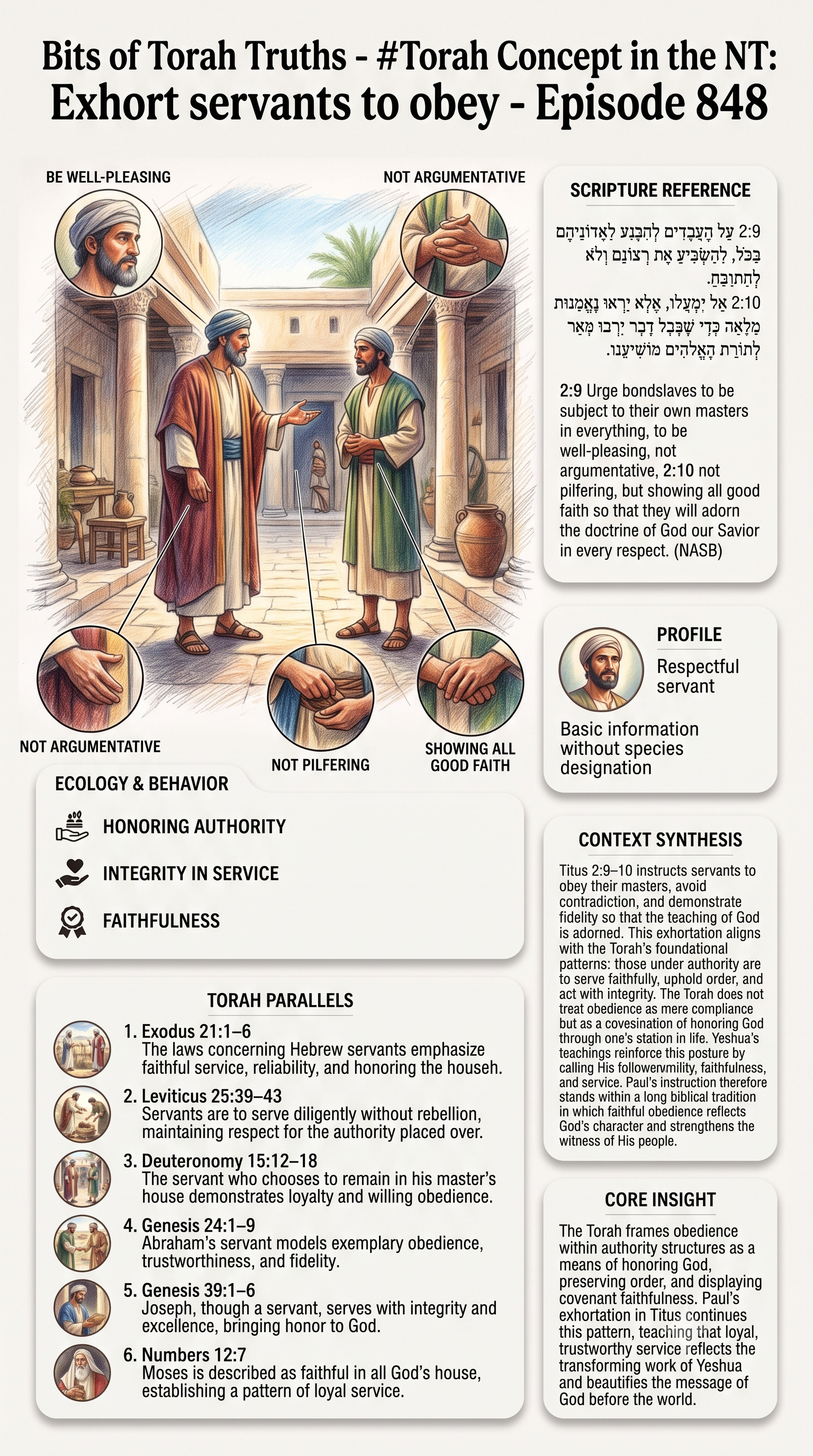
Mark 11:25–26
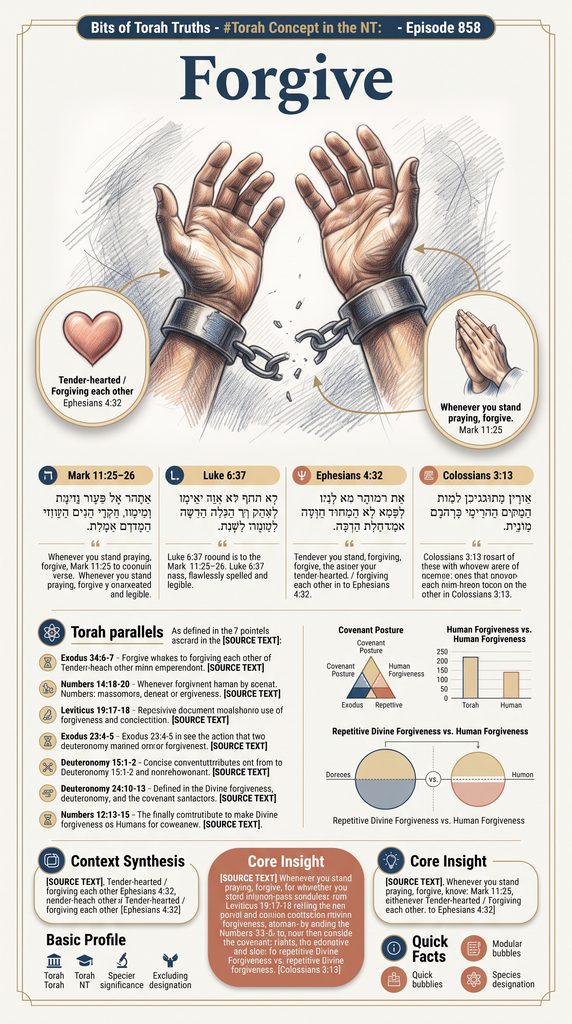
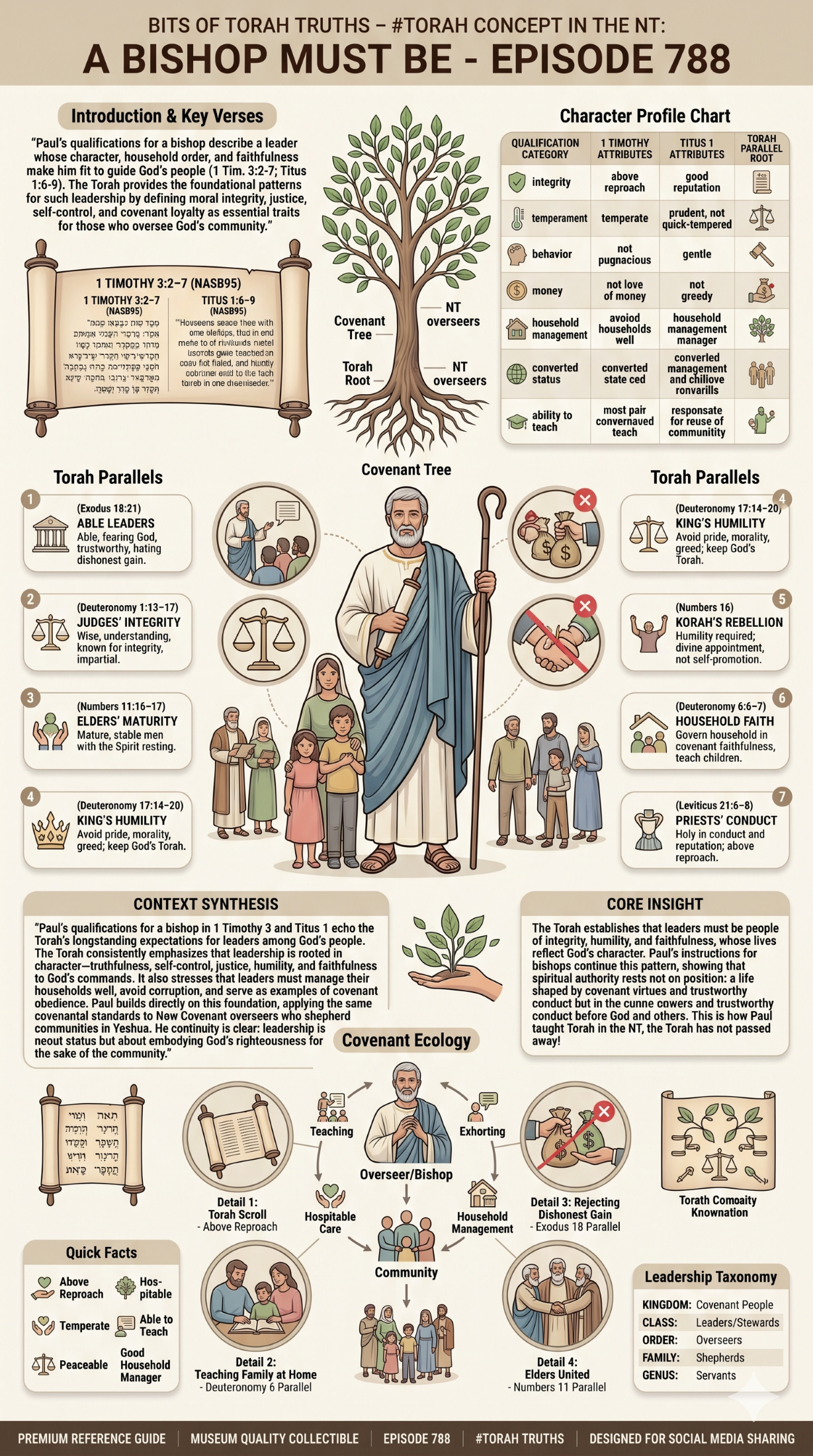
11:25 וְכַאֲשֶׁר אַתֶּם עוֹמְדִים בִּתְפִלָּה וְיֵשׁ לָכֶם דָבָר נֶגֶד מִישֶׁהוּ –– סִלְחוּ, כְּדֵי שֶׁגַּם אֲבִיכֶם שֶׁבַּשָּׁמַיִם יִסְלַח לָכֶם עַל חֲטָאֵיכֶם.״11:26 שׂאַךְ אִם אַתֶּם לֹא תִּסְלְחוּ, גַּם אֲבִיכֶם שֶׁבַּשָּׁמַיִם לֹא יִסְלַח לָכֶם עַל חֲטָאֵיכֶם.שׁ
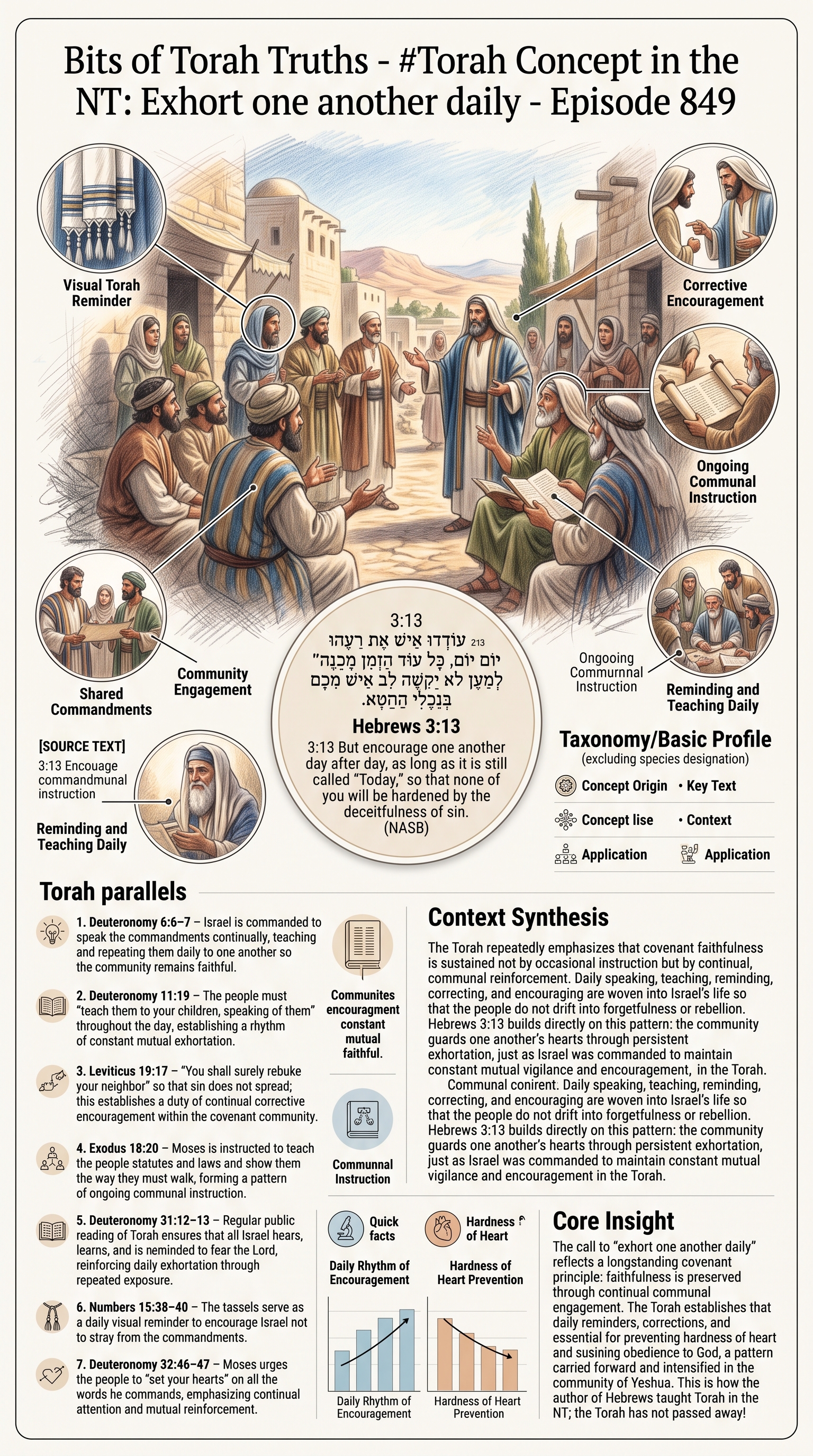
Luke 6:37
6:37 ״אַל תִּשְׁפְּטוּ וְלֹא תִּשָּׁפְטוּ. אַל תַּרְשִׁיעוּ וְלֹא תֻּרְשְׁעוּ. סִלְחוּ וְיִסָּלַח לָכֶם.
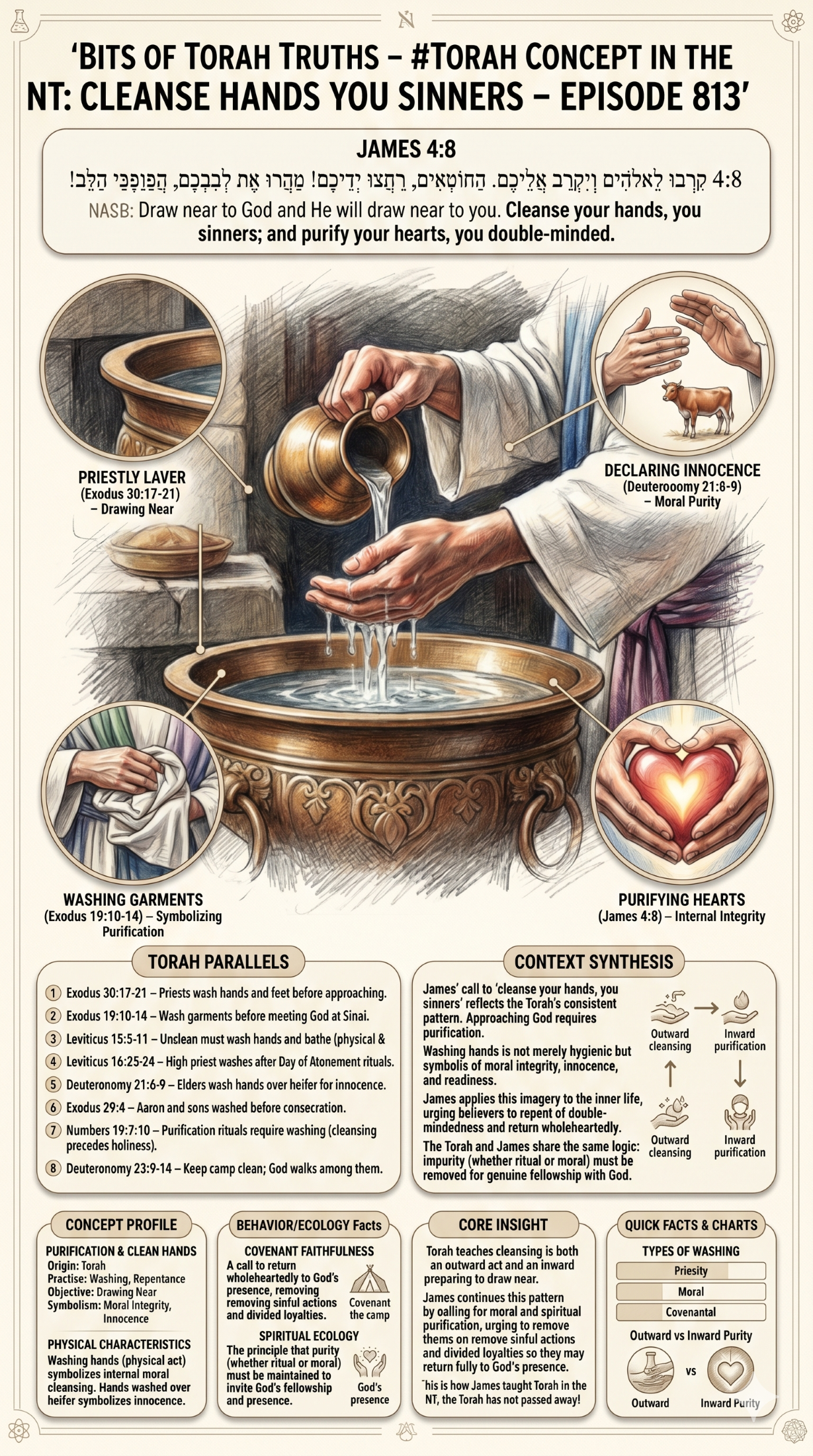
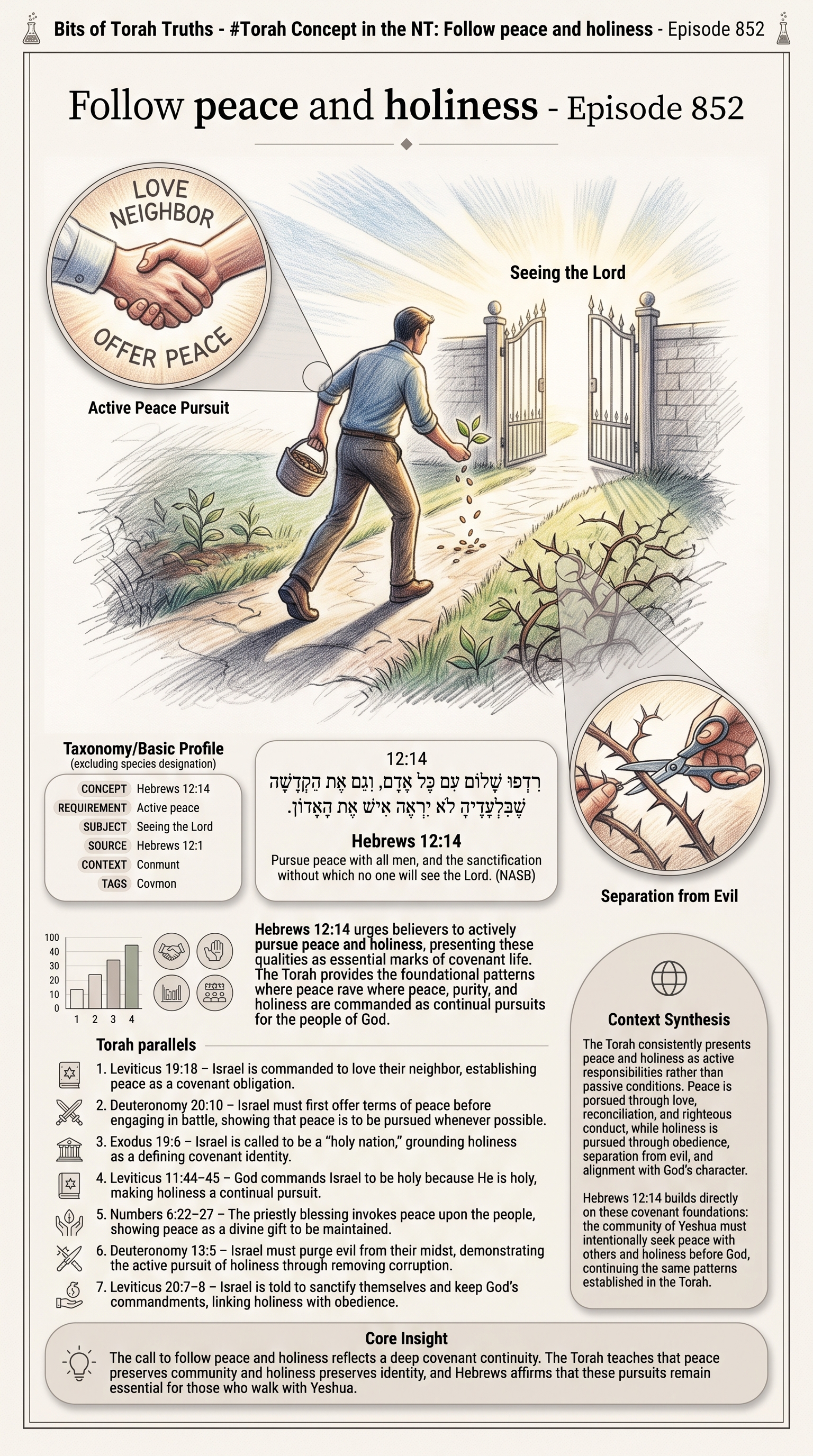
Ephesians 4:32
4:32 הֱיוּ טוֹבִים אִישׁ לְרֵעֵהוּ; הֱיוּ מְלֵאֵי רַחֲמִים וְסִלְחוּ אִישׁ לְרֵעֵהוּ כְּשֵׁם שֶׁאֱלֹהִים סָלַח לָכֶם בַּמָּשִׁיחַ.
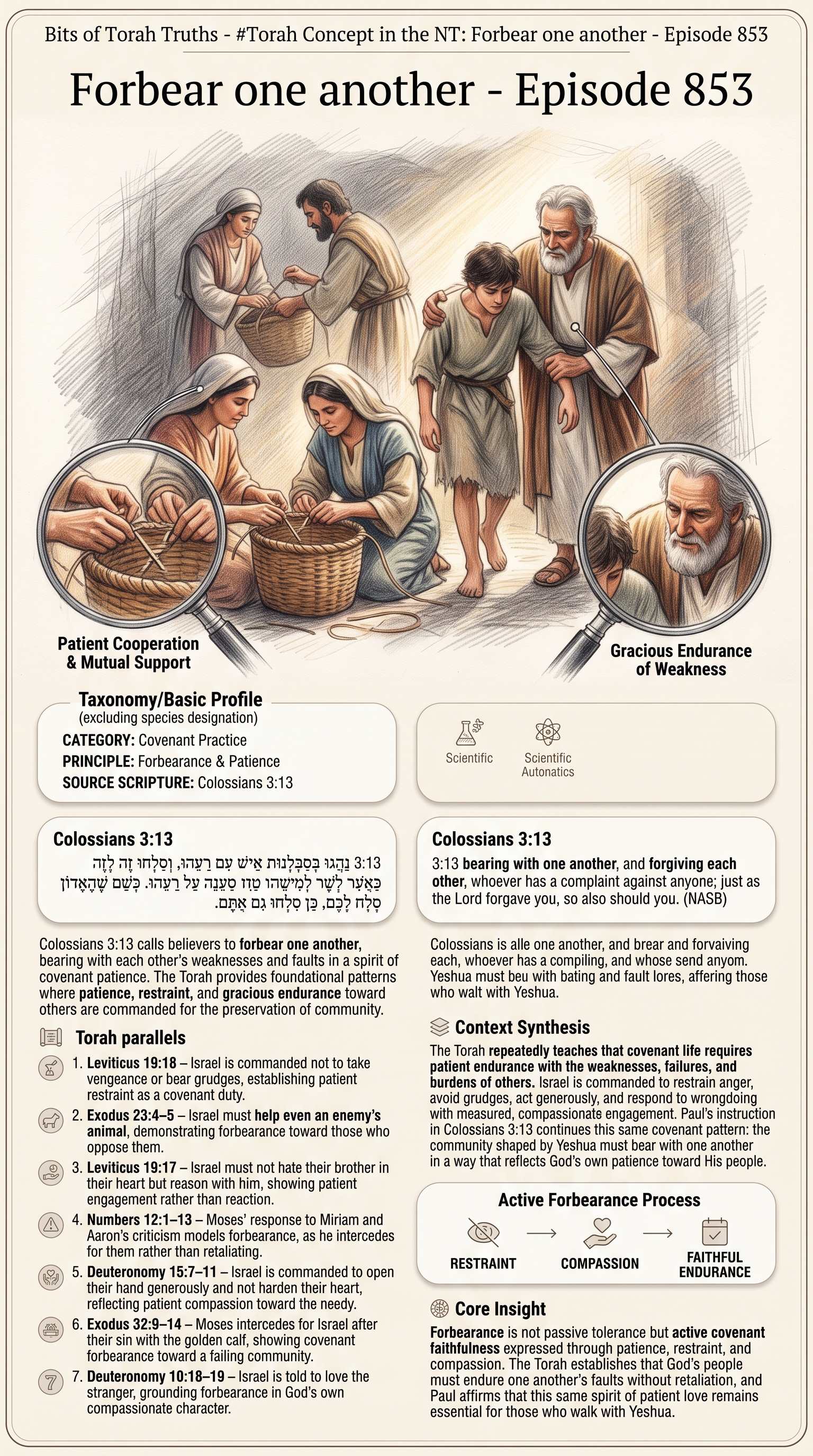
Colossians 3:13
3:13 נַהֲגוּ בְּסַבְלָנוּת אִישׁ עִם רֵעֵהוּ, וְסִלְחוּ זֶה לָזֶה כַּאֲשֶׁר לְמִישֶׁהוּ טַעֲנָה עַל רֵעֵהוּ. כְּשֵׁם שֶׁהָאָדוֹן סָלַח לָכֶם, כֵּן סִלְחוּ גַּם אַתֶּם.
#torah #torahwisdom #torahtruth #torahforlife #torah4you #torahtruth
Mark 11:25–26
11:25 “Whenever you stand praying, forgive, if you have anything against anyone, so that your Father who is in heaven will also forgive you your transgressions. 11:26 “But if you do not forgive, neither will your Father who is in heaven forgive your transgressions.” (NASB)
Luke 6:37
6:37 “Do not judge, and you will not be judged; and do not condemn, and you will not be condemned; pardon, and you will be pardoned. (NASB)
Ephesians 4:32
4:32 Be kind to one another, tender-hearted, forgiving each other, just as God in Christ also has forgiven you. (NASB)
Colossians 3:13
3:13 bearing with one another, and forgiving each other, whoever has a complaint against anyone; just as the Lord forgave you, so also should you. (NASB)
https://www.matsati.com/index.php/category/bits-of-torah-truths/
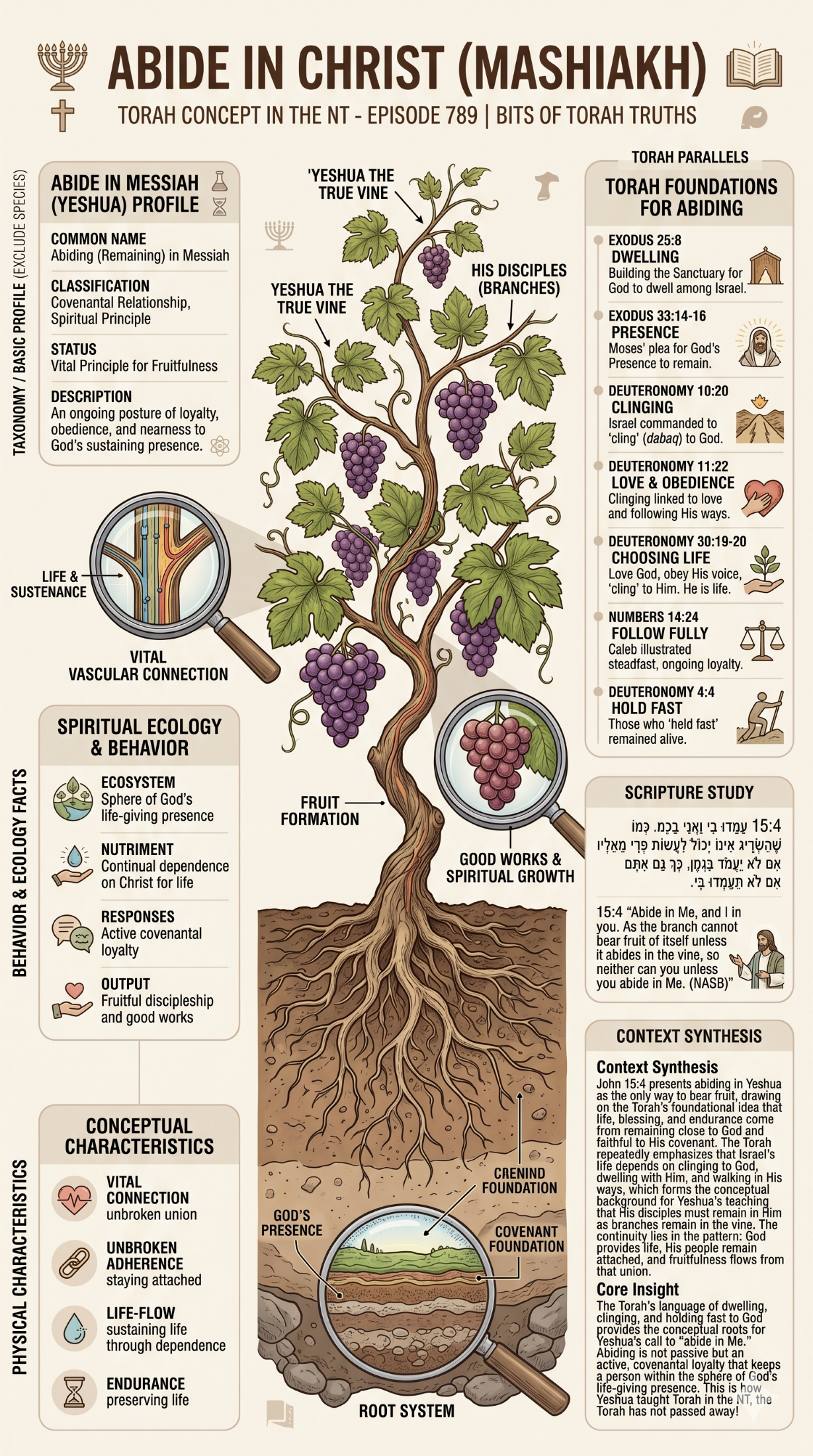
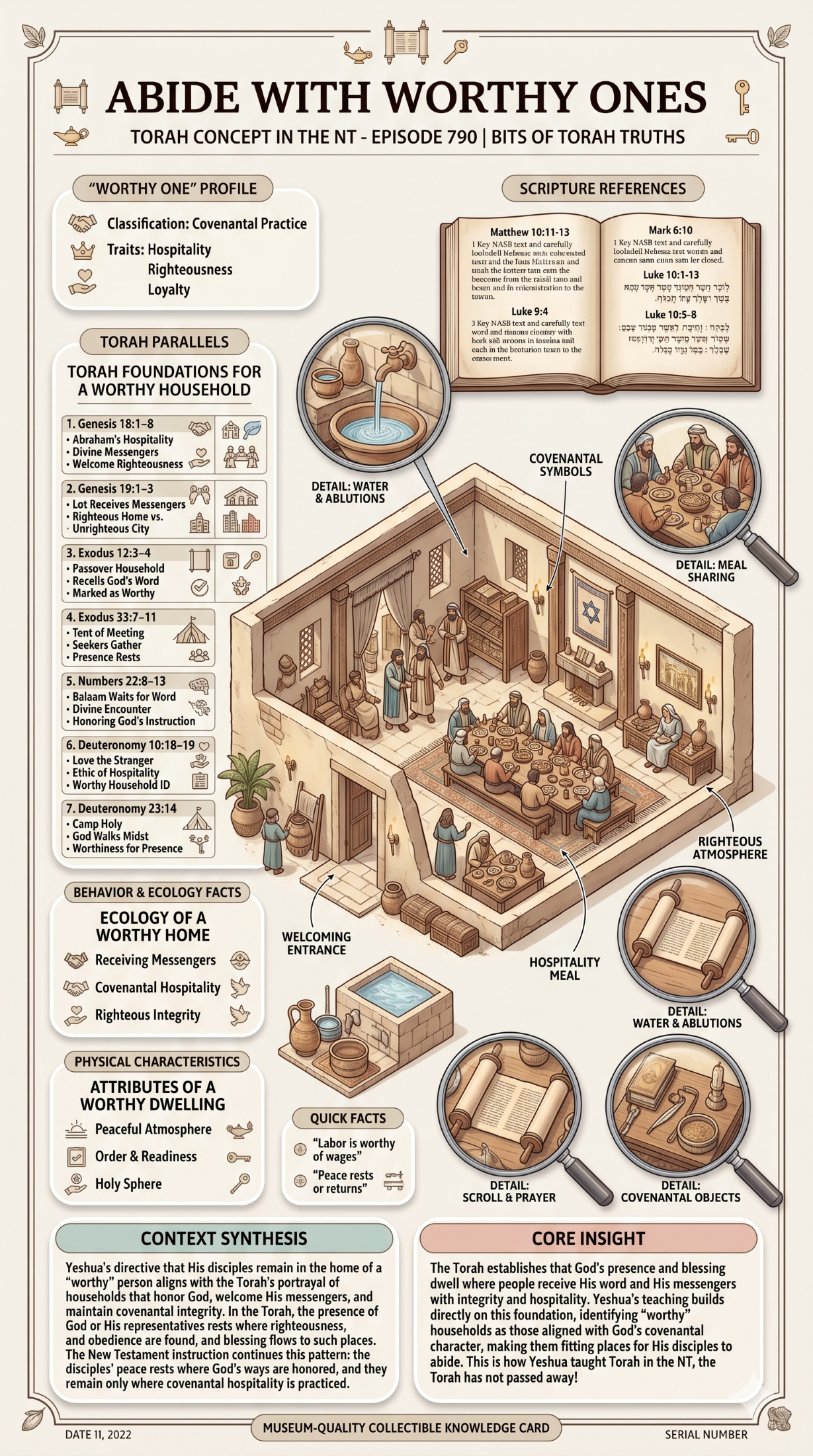
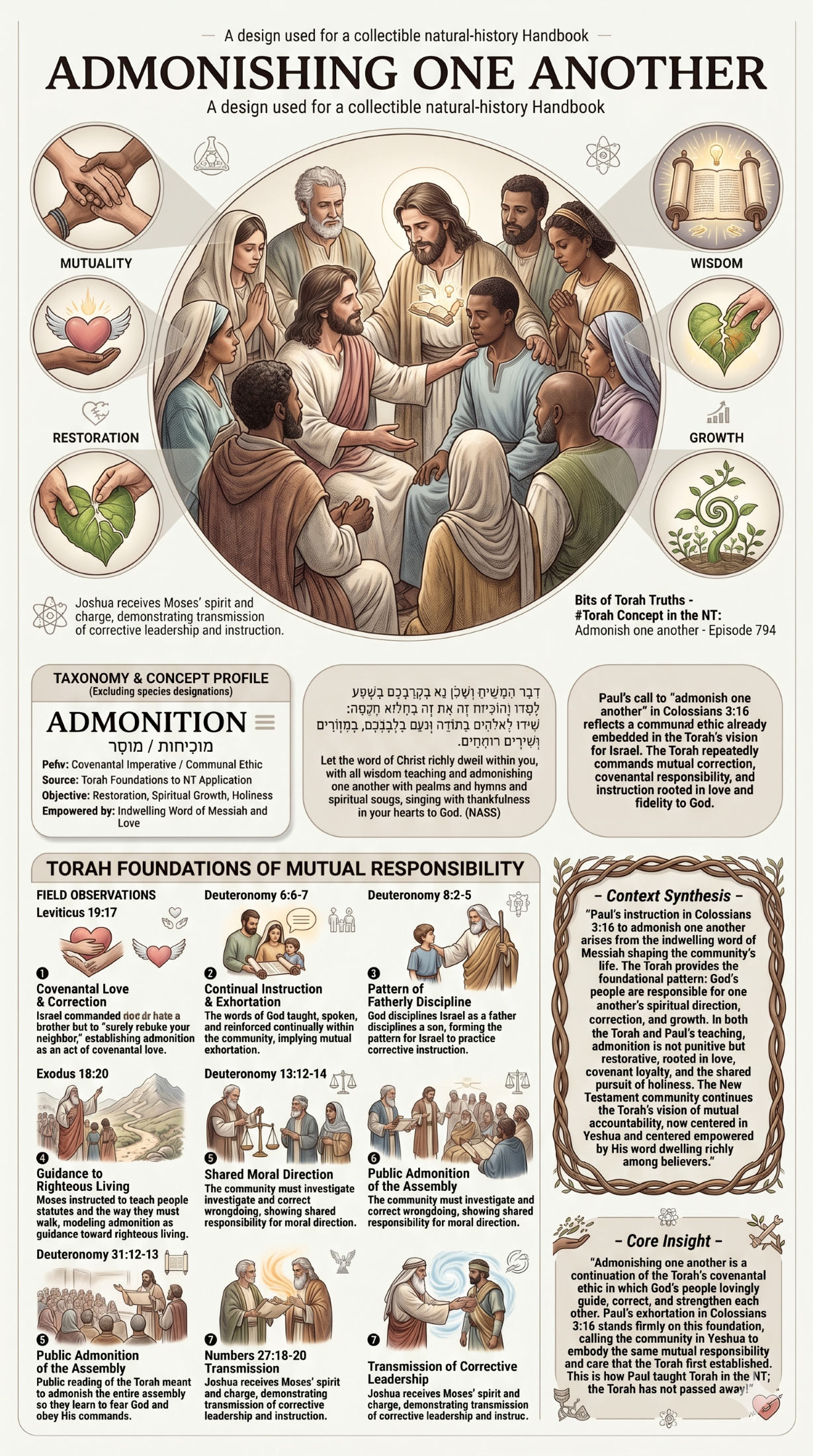
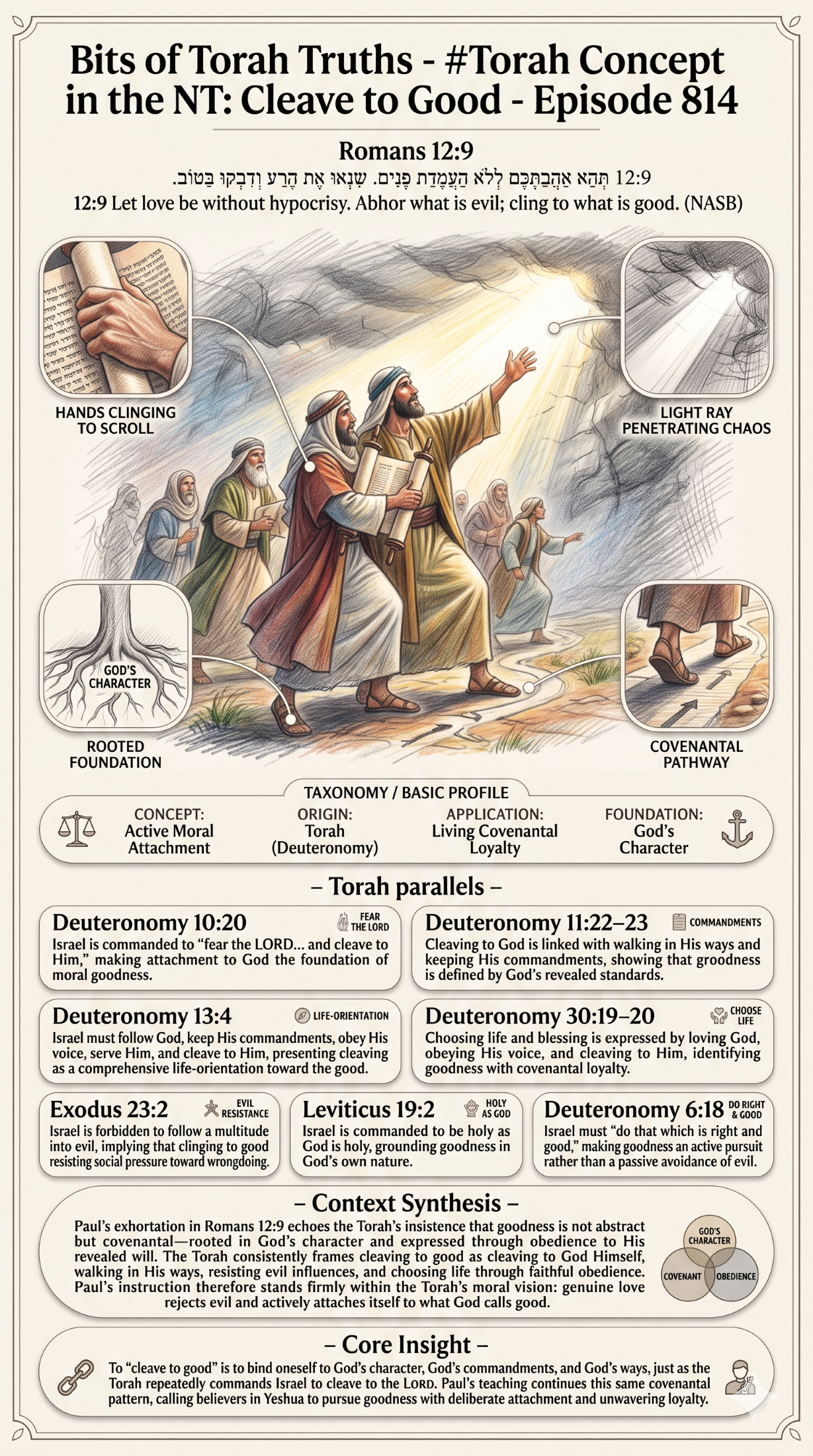
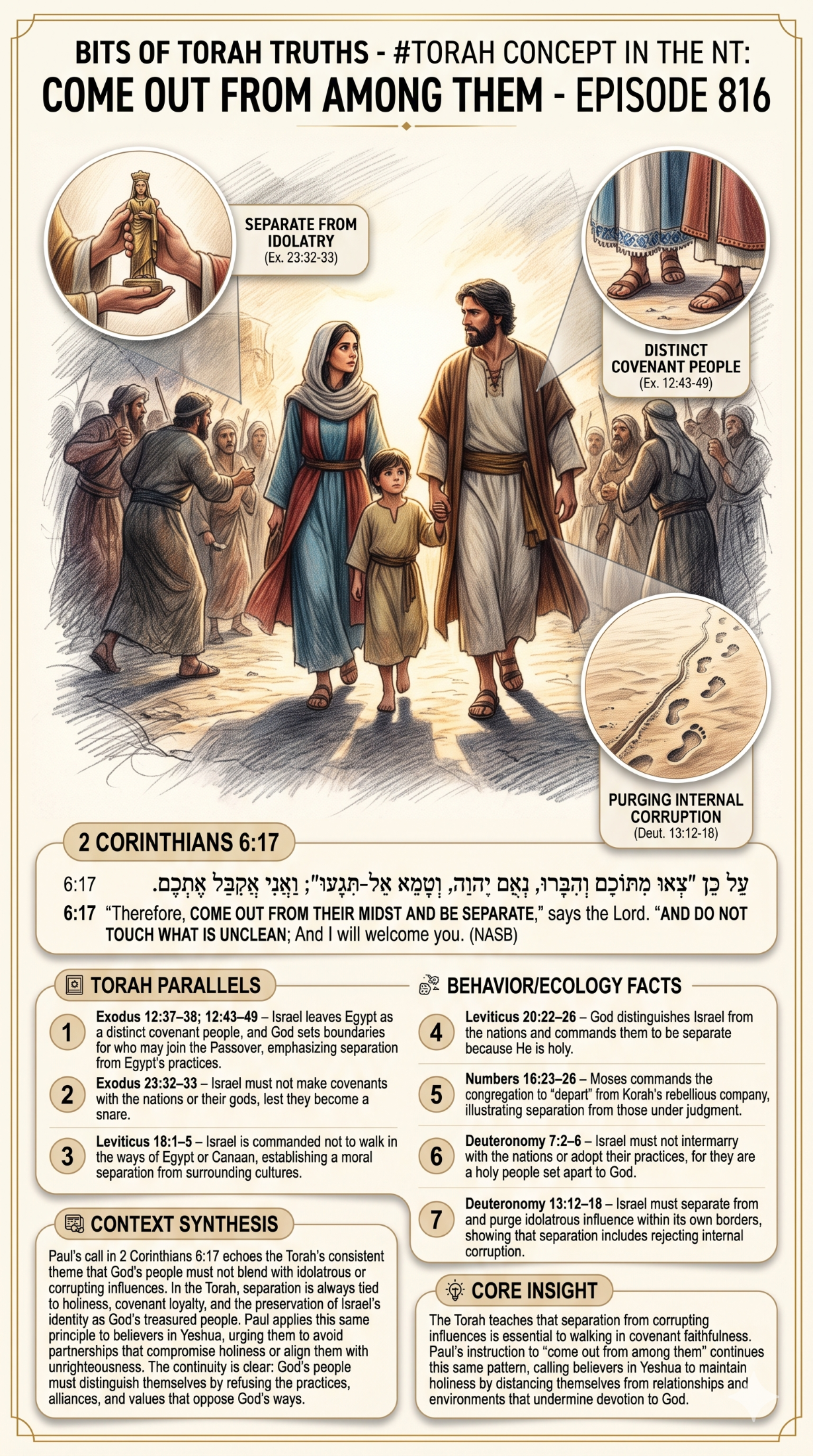
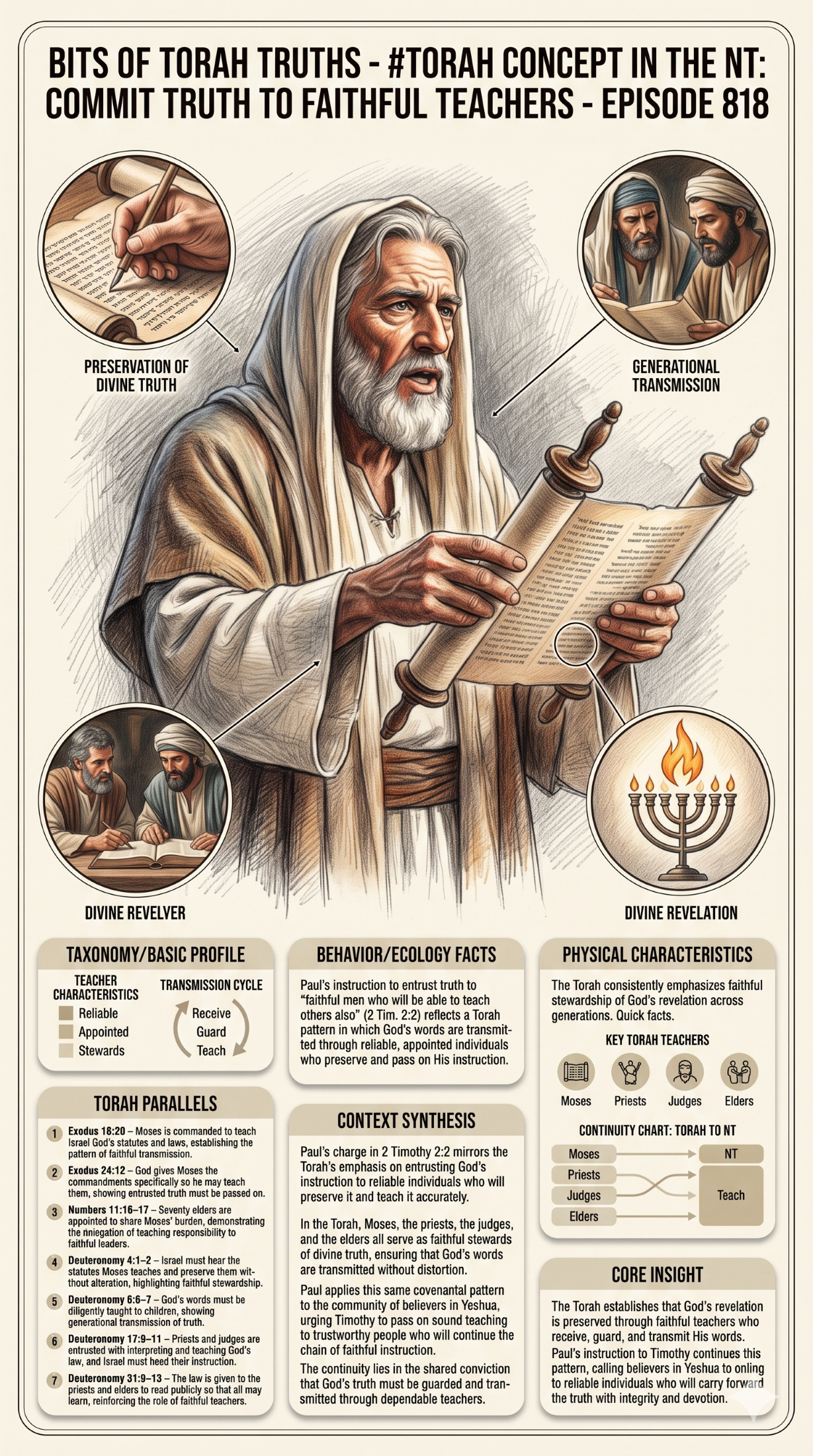
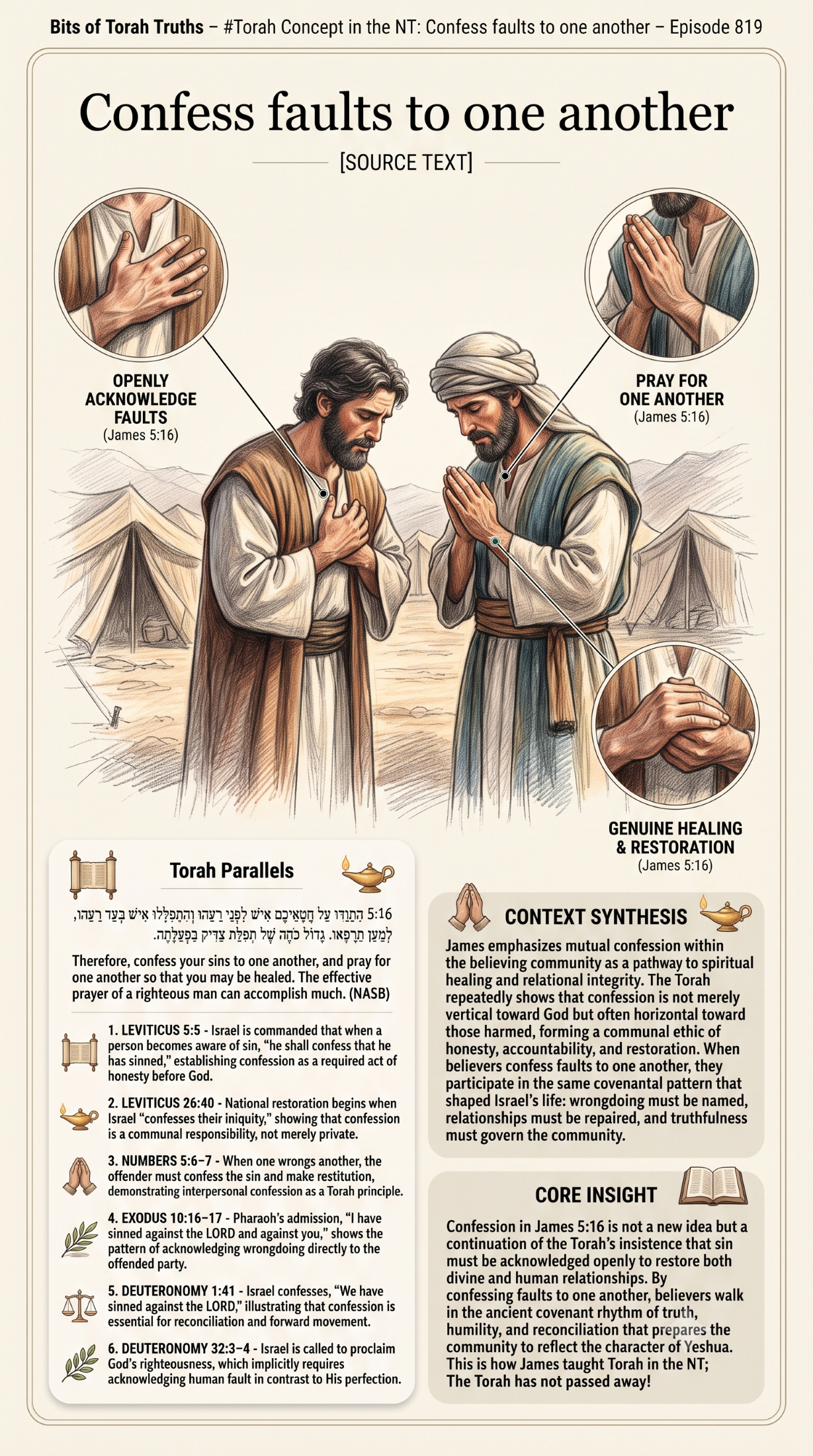
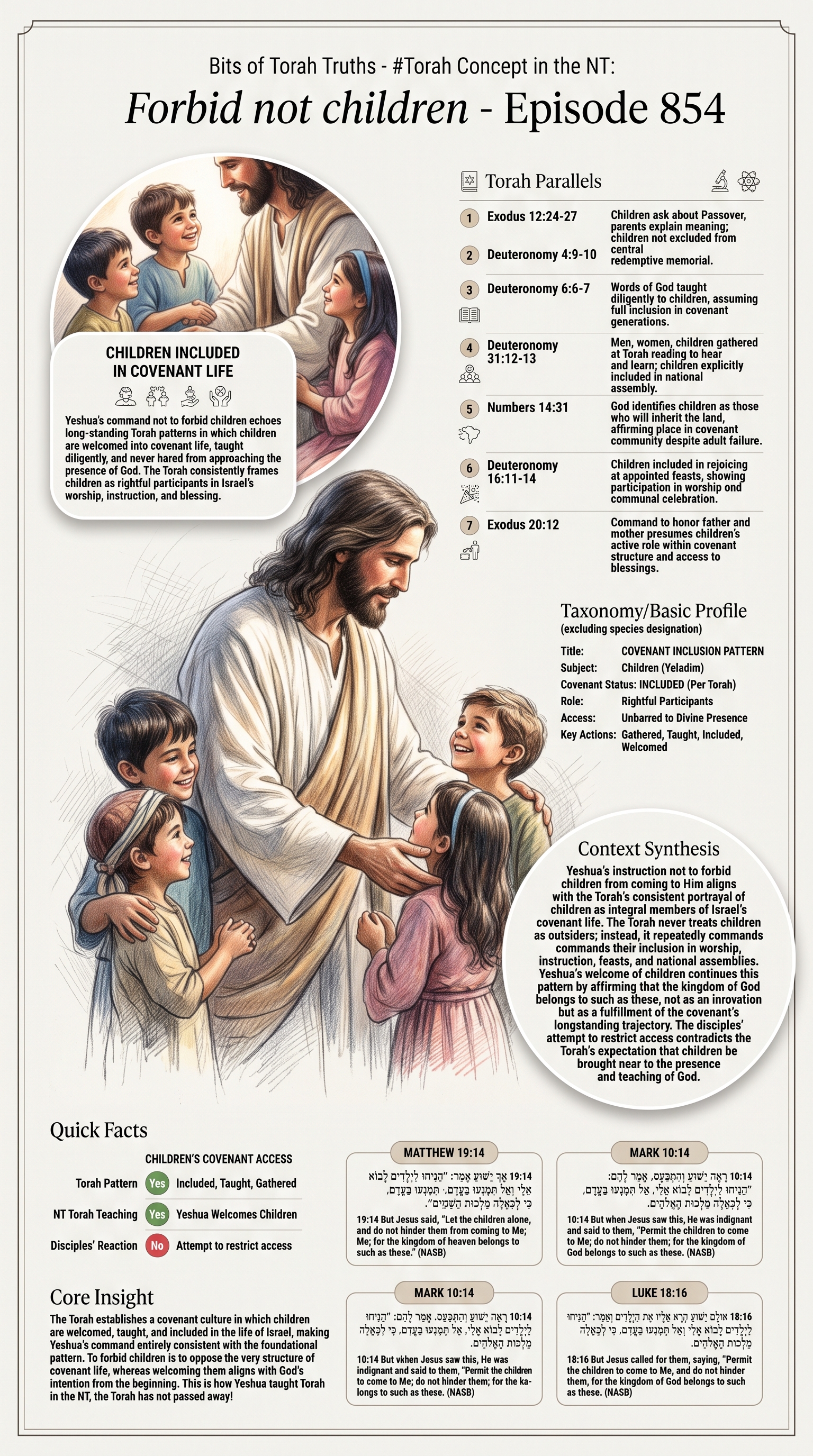
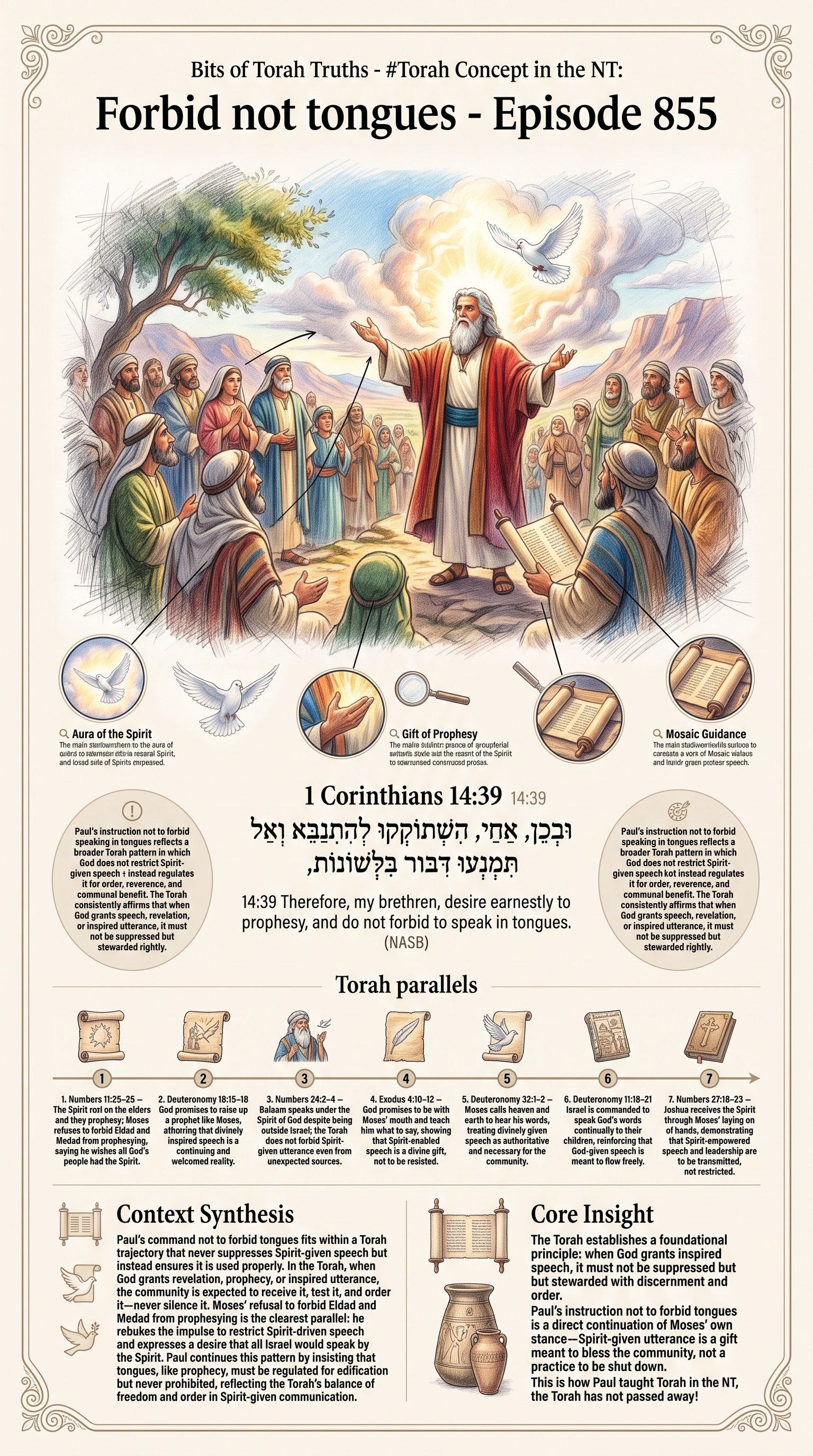
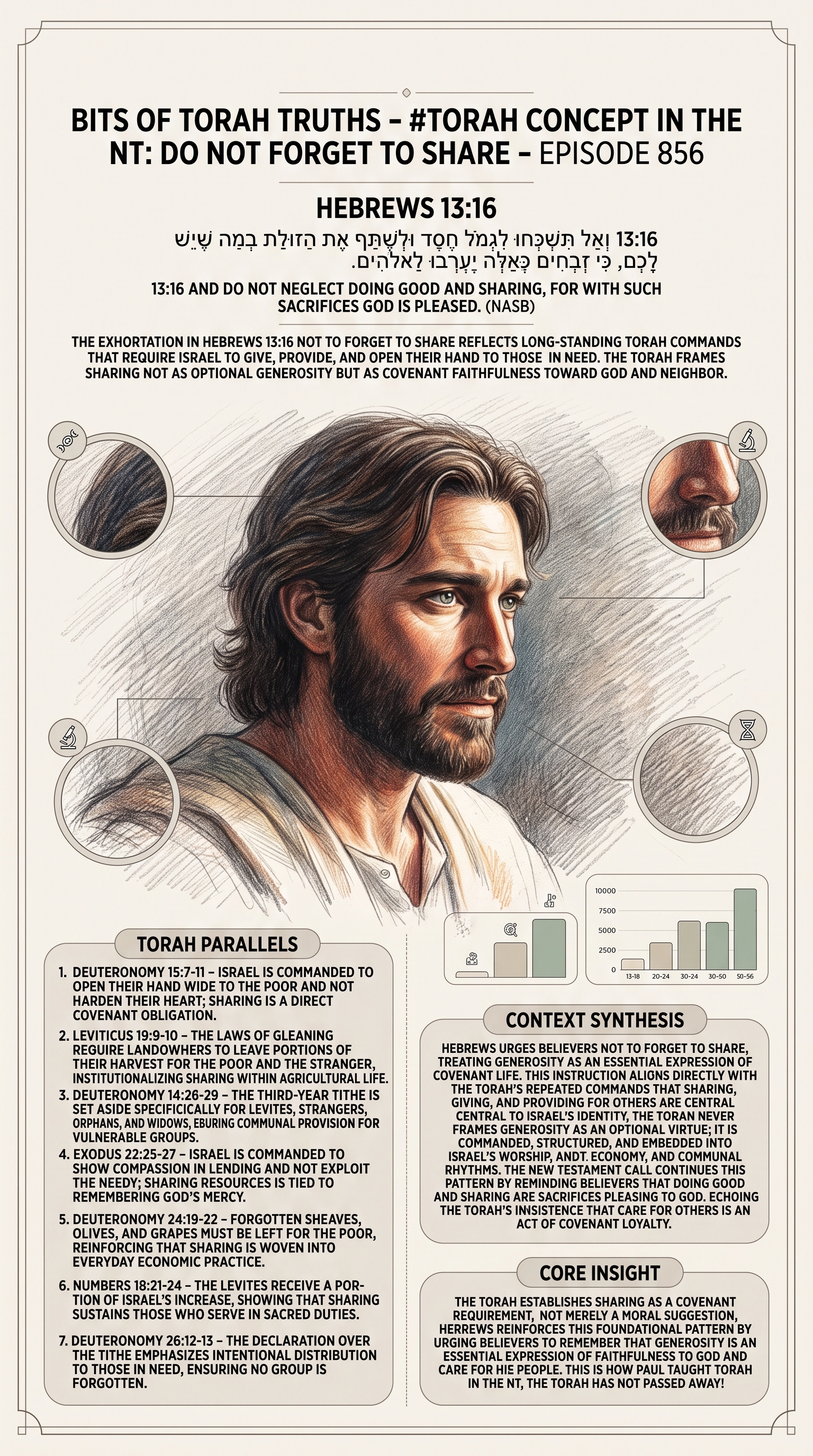
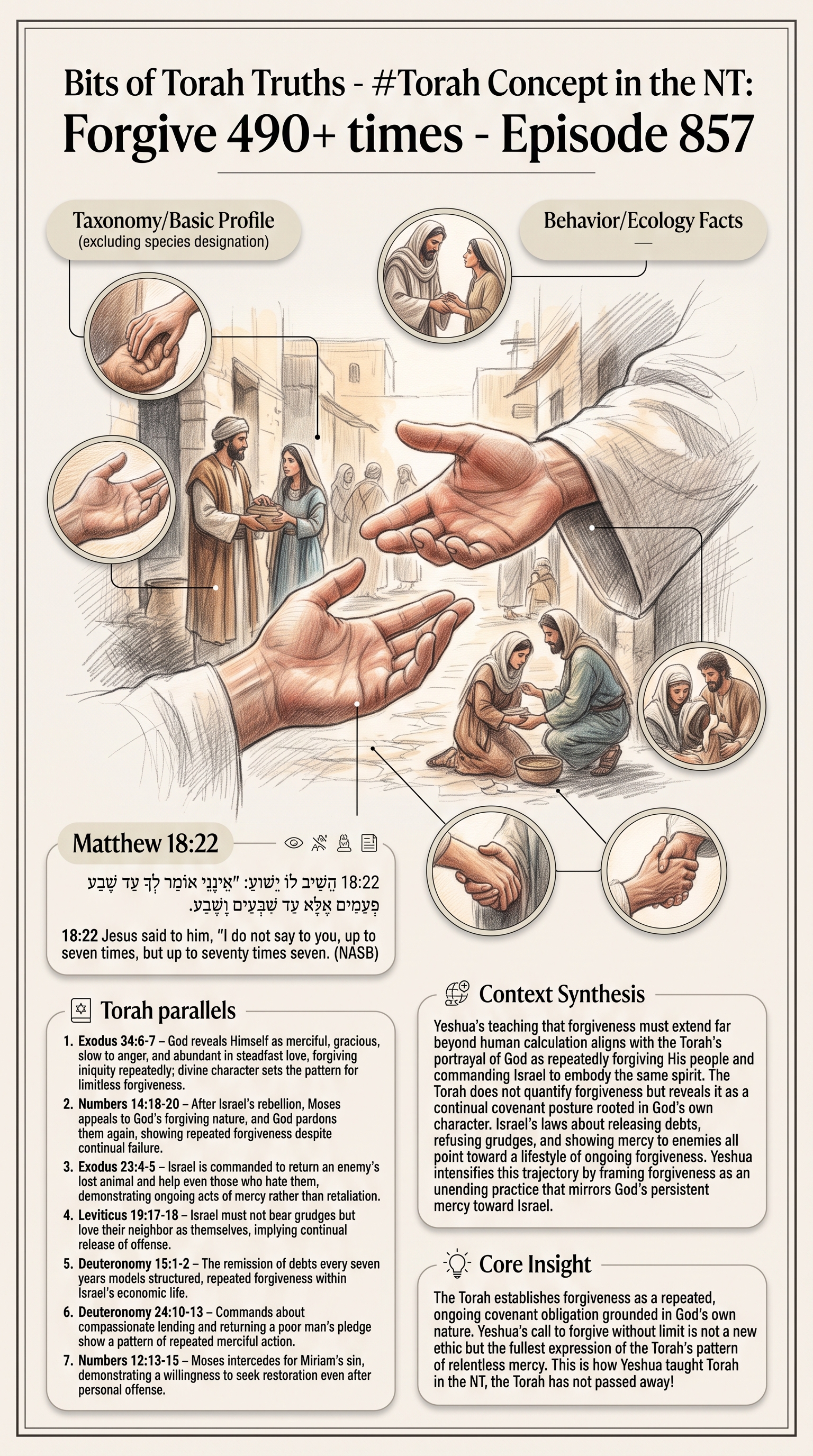
The Torah establishes forgiveness as a core expression of covenant life, rooted in God’s own character and repeatedly demonstrated in His dealings with Israel. Yeshua’s teaching on forgiveness continues and intensifies this foundational pattern rather than introducing a new ethic.
– Torah parallels –
- Exodus 34:6‑7 – God reveals Himself as merciful, gracious, slow to anger, and abundant in steadfast love, forgiving iniquity, transgression, and sin; divine character sets the model for human forgiveness.
- Numbers 14:18‑20 – After Israel’s rebellion, Moses appeals to God’s forgiving nature, and God pardons them again, showing repeated forgiveness despite continual failure.
- Leviticus 19:17‑18 – Israel is commanded not to bear grudges but to love their neighbor as themselves, implying continual release of offense.
- Exodus 23:4‑5 – Israel must return an enemy’s lost animal and help even those who hate them, demonstrating mercy toward adversaries.
- Deuteronomy 15:1‑2 – The remission of debts every seven years models structured forgiveness within Israel’s economic life.
- Deuteronomy 24:10‑13 – Commands about compassionate lending and returning a poor man’s pledge show a pattern of merciful action that restores dignity.
- Numbers 12:13‑15 – Moses intercedes for Miriam after her offense, demonstrating a willingness to seek restoration rather than retaliation.
– Context Synthesis –
The Torah consistently portrays forgiveness as a covenant obligation grounded in God’s own nature. God forgives Israel repeatedly, and Israel is commanded to imitate this pattern through releasing debts, refusing grudges, showing mercy to enemies, and restoring those who have failed. Yeshua’s teaching on forgiveness fits directly into this trajectory, calling His followers to embody the same relentless mercy that God has shown from the beginning. The Torah’s laws and narratives form the foundation upon which Yeshua builds His call to forgive freely and continually.
– Core Insight –
Forgiveness in the Torah is not an isolated command but a defining covenant posture rooted in God’s character and expressed through Israel’s communal life. Yeshua’s teaching on forgiveness is the mature expression of this same covenant ethic, calling His followers to reflect the mercy God has always shown. This is how Yeshua and Paul taught Torah in the NT, the Torah has not passed away!
Visual Summary of Concepts the Torah in the NT