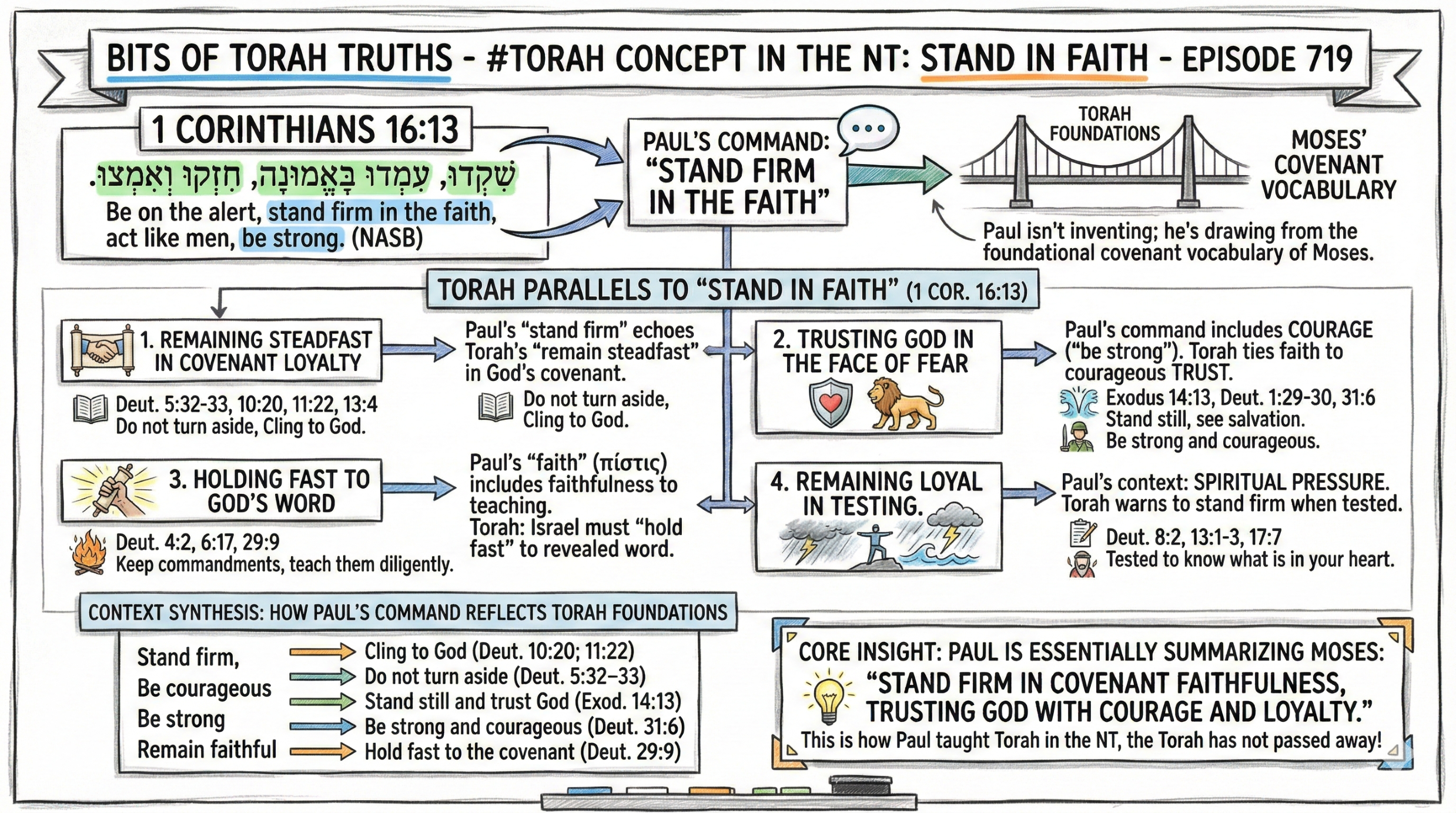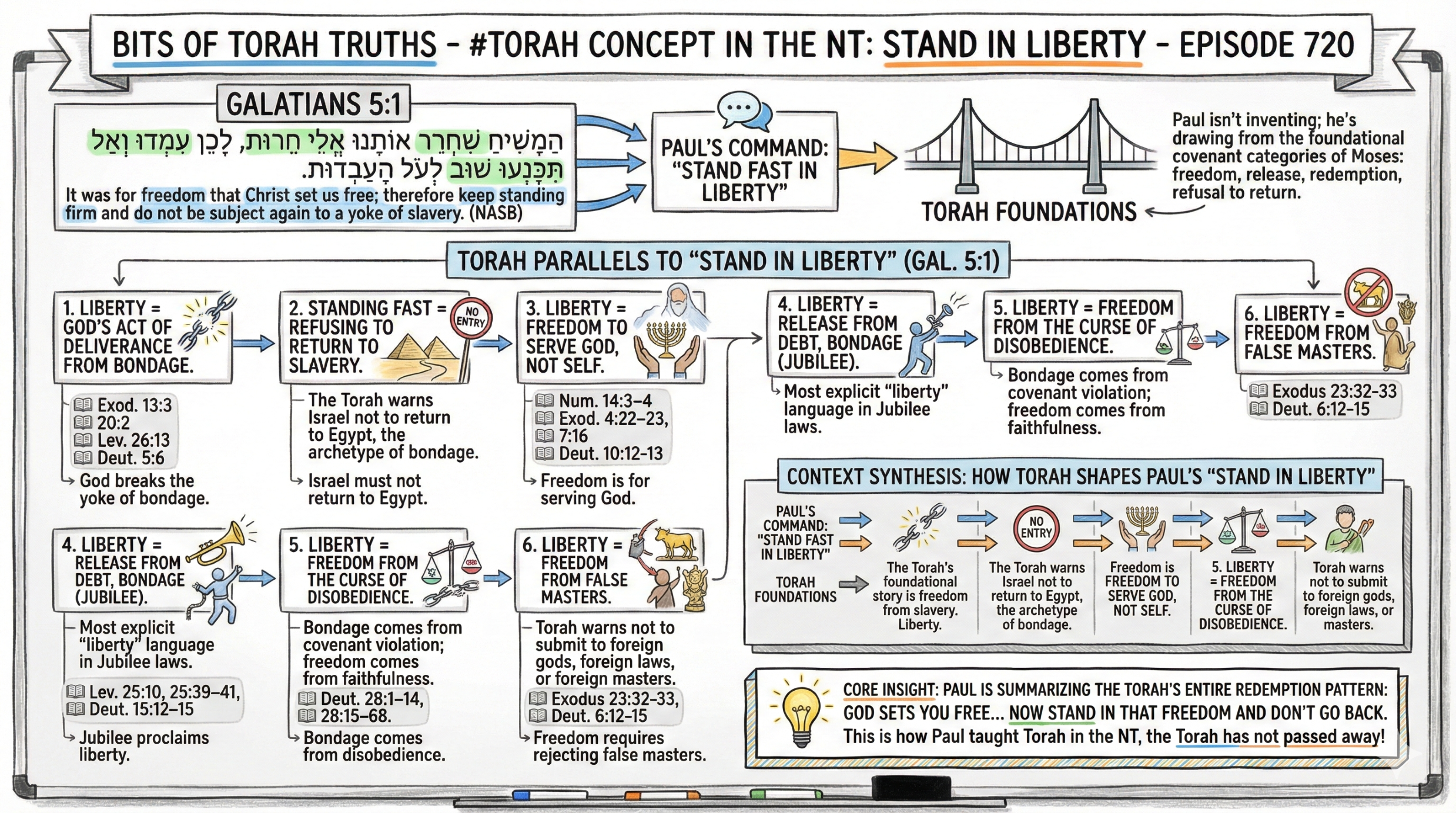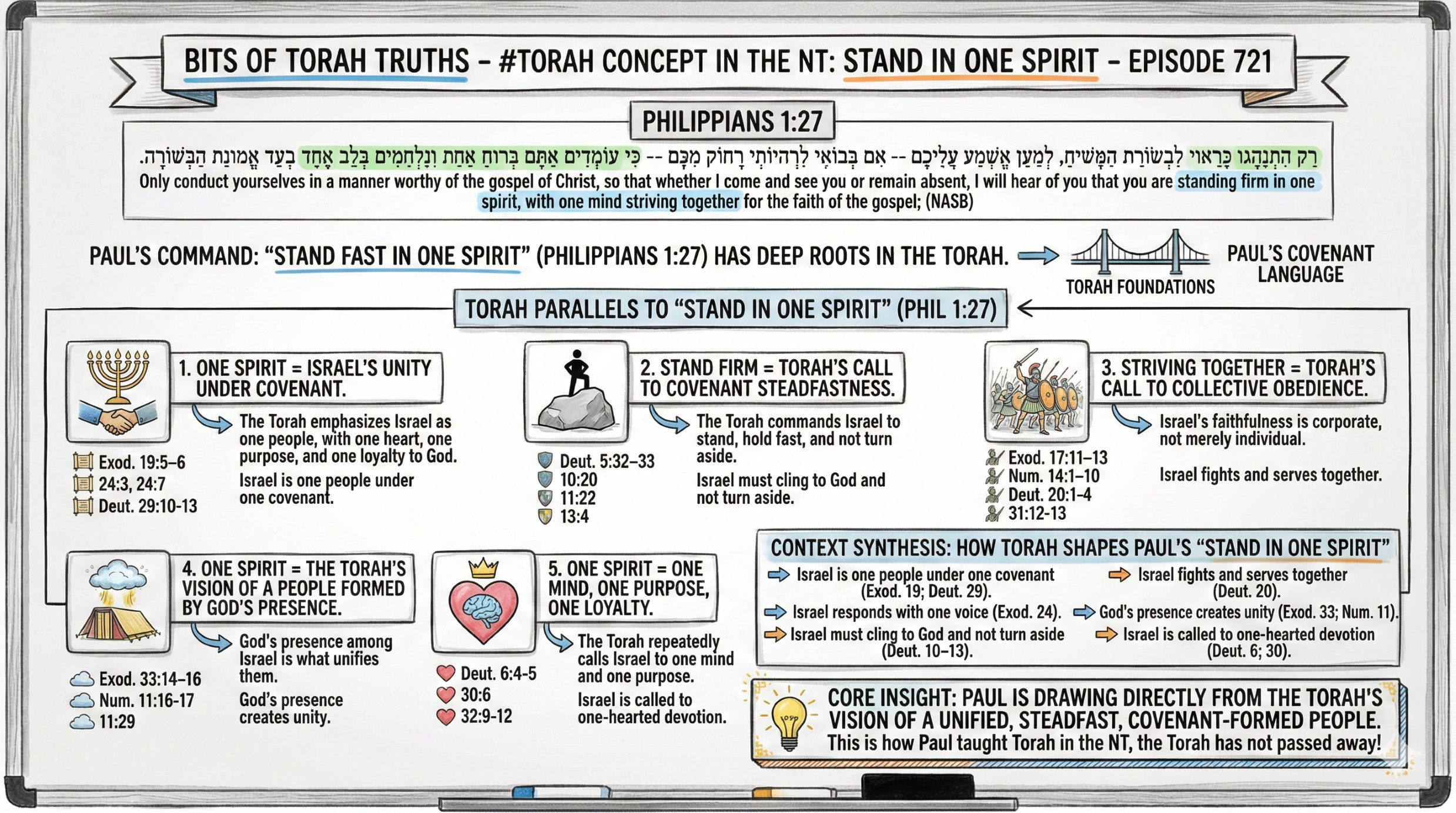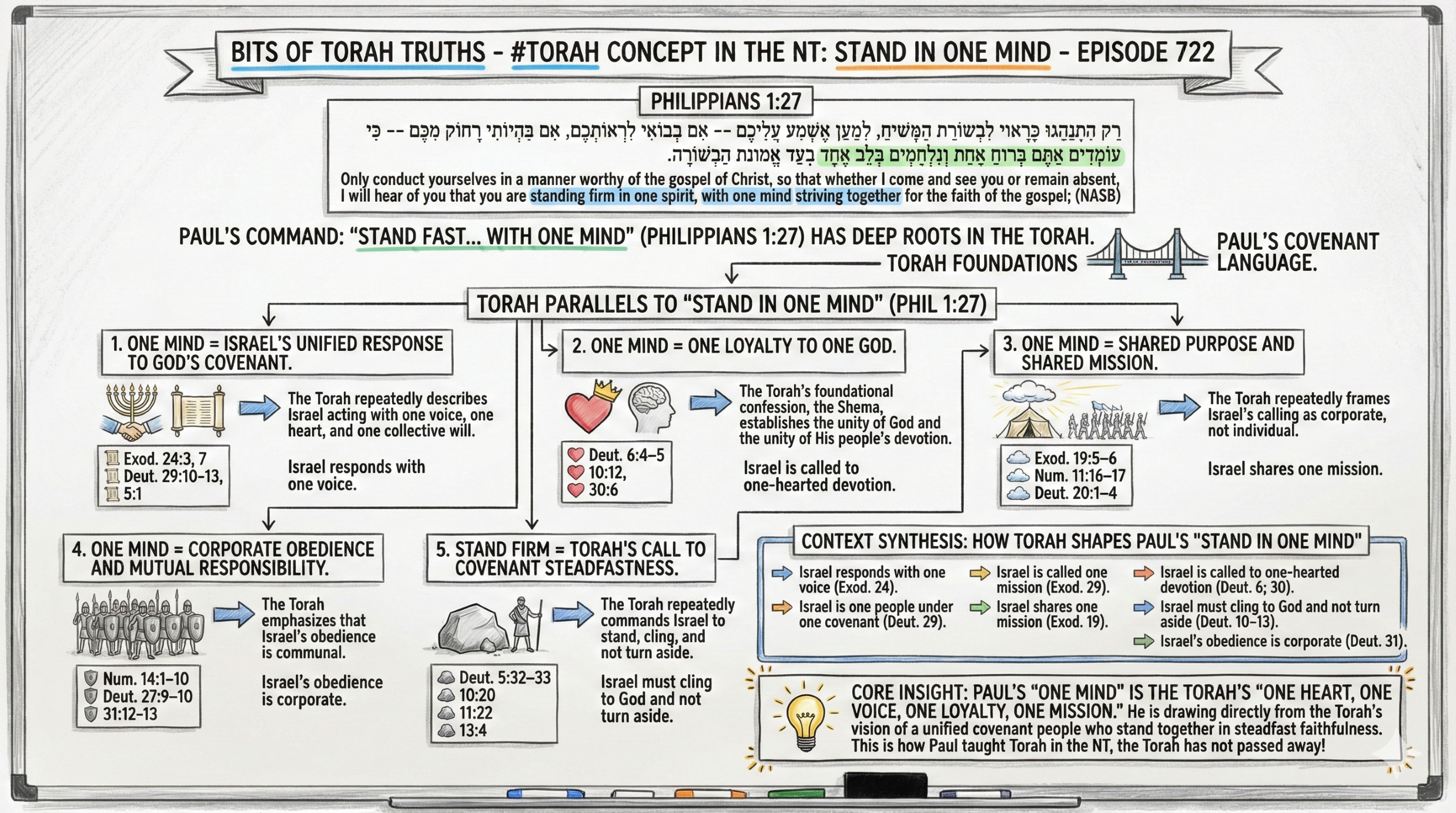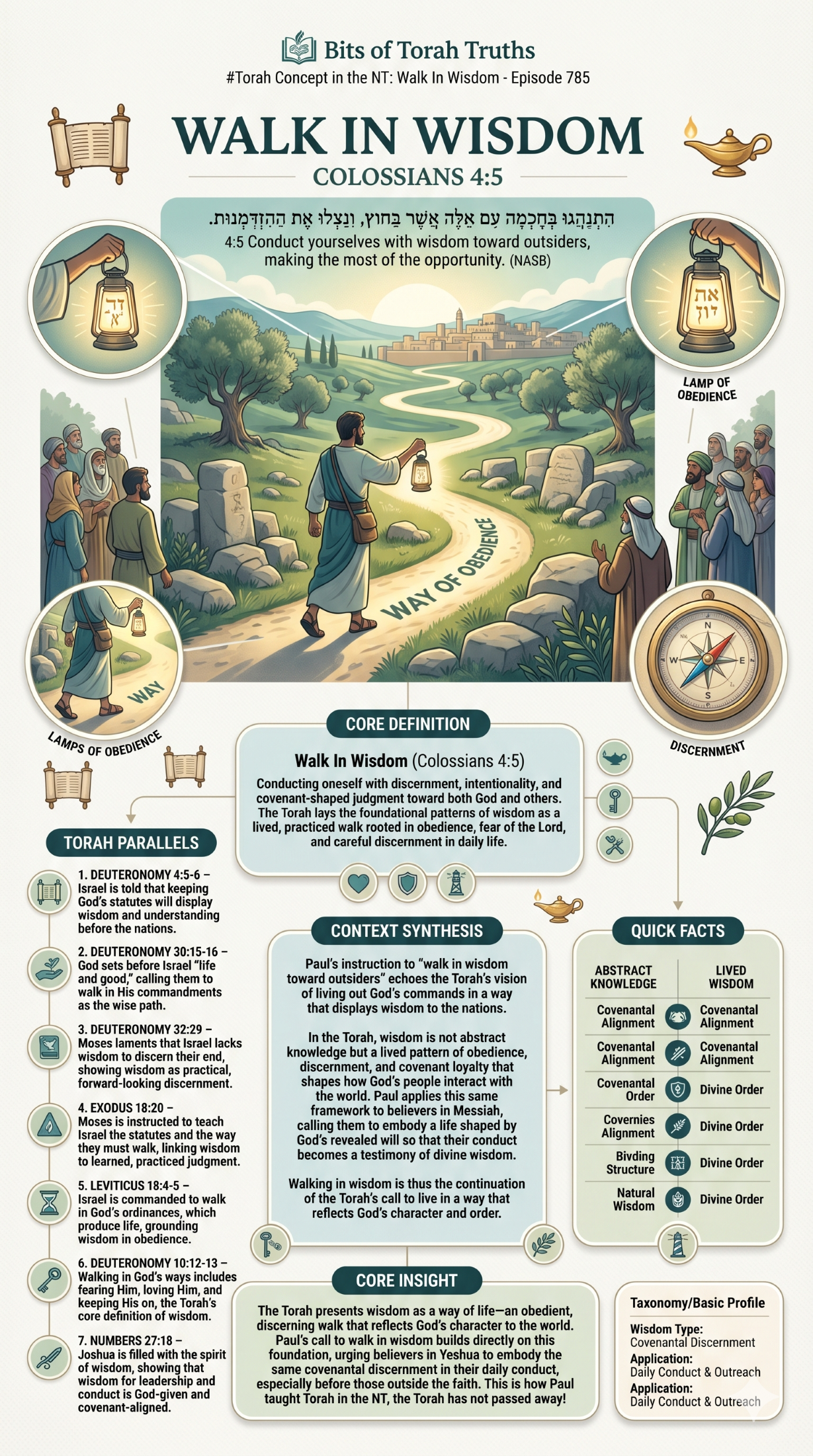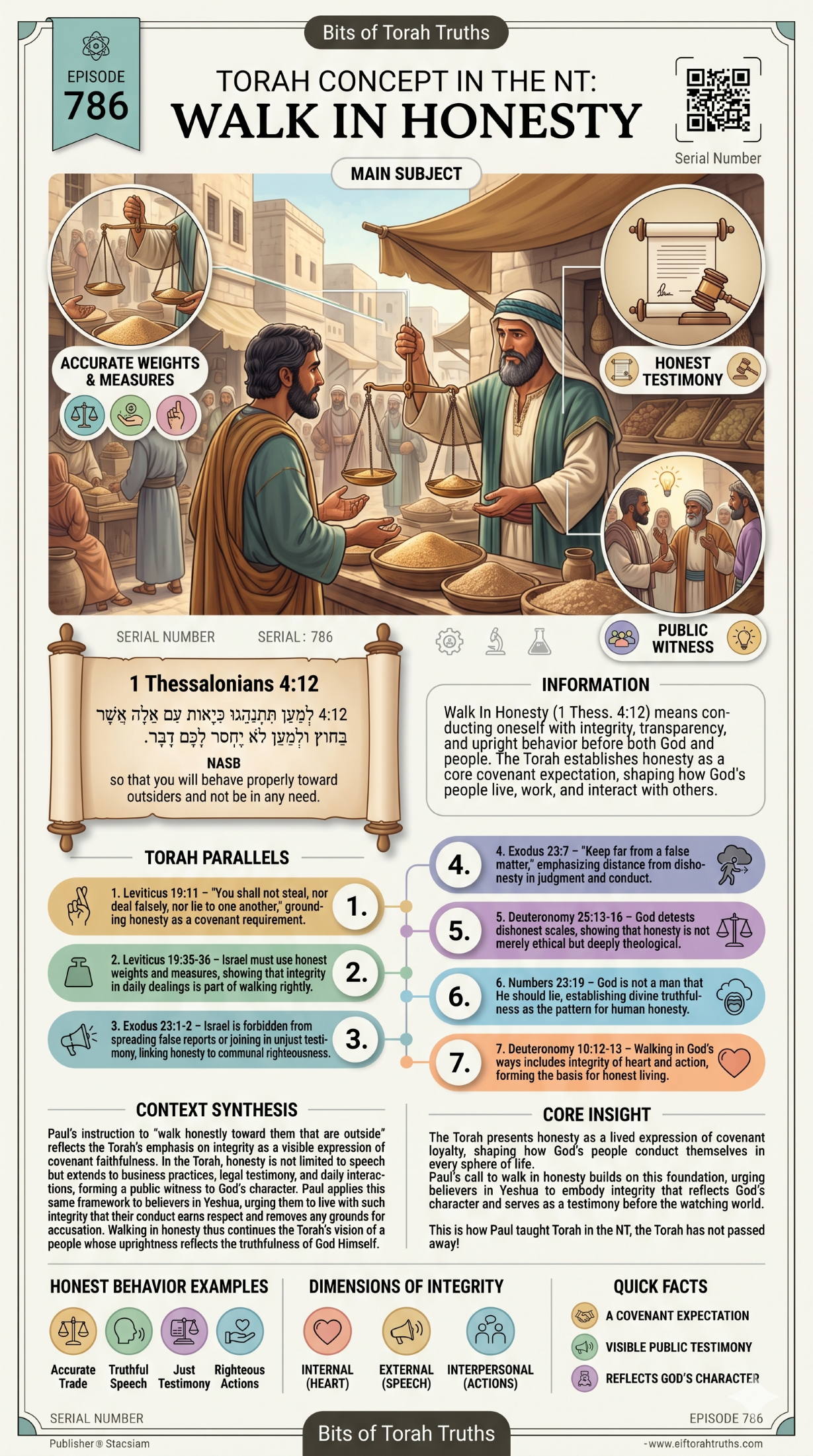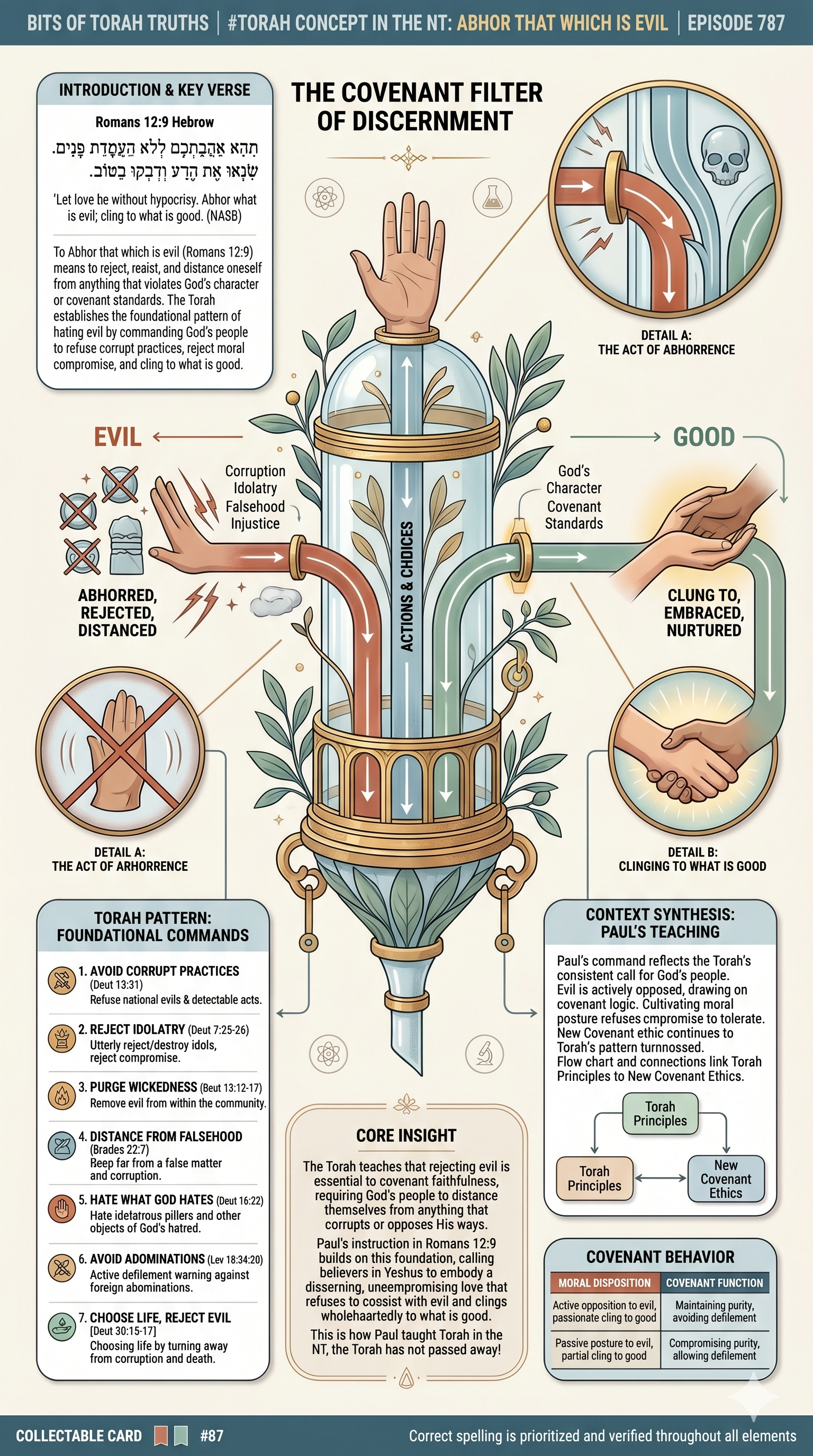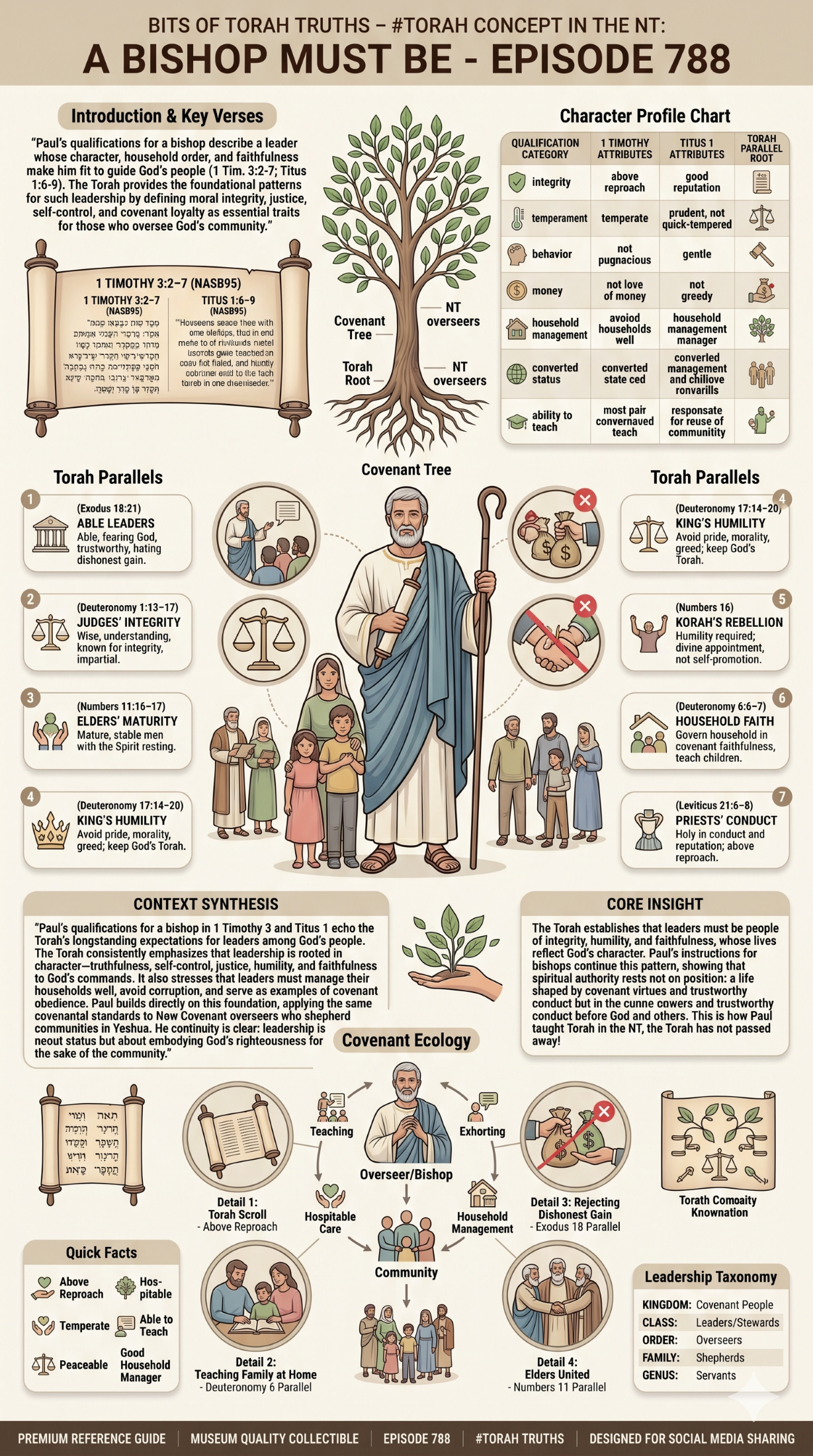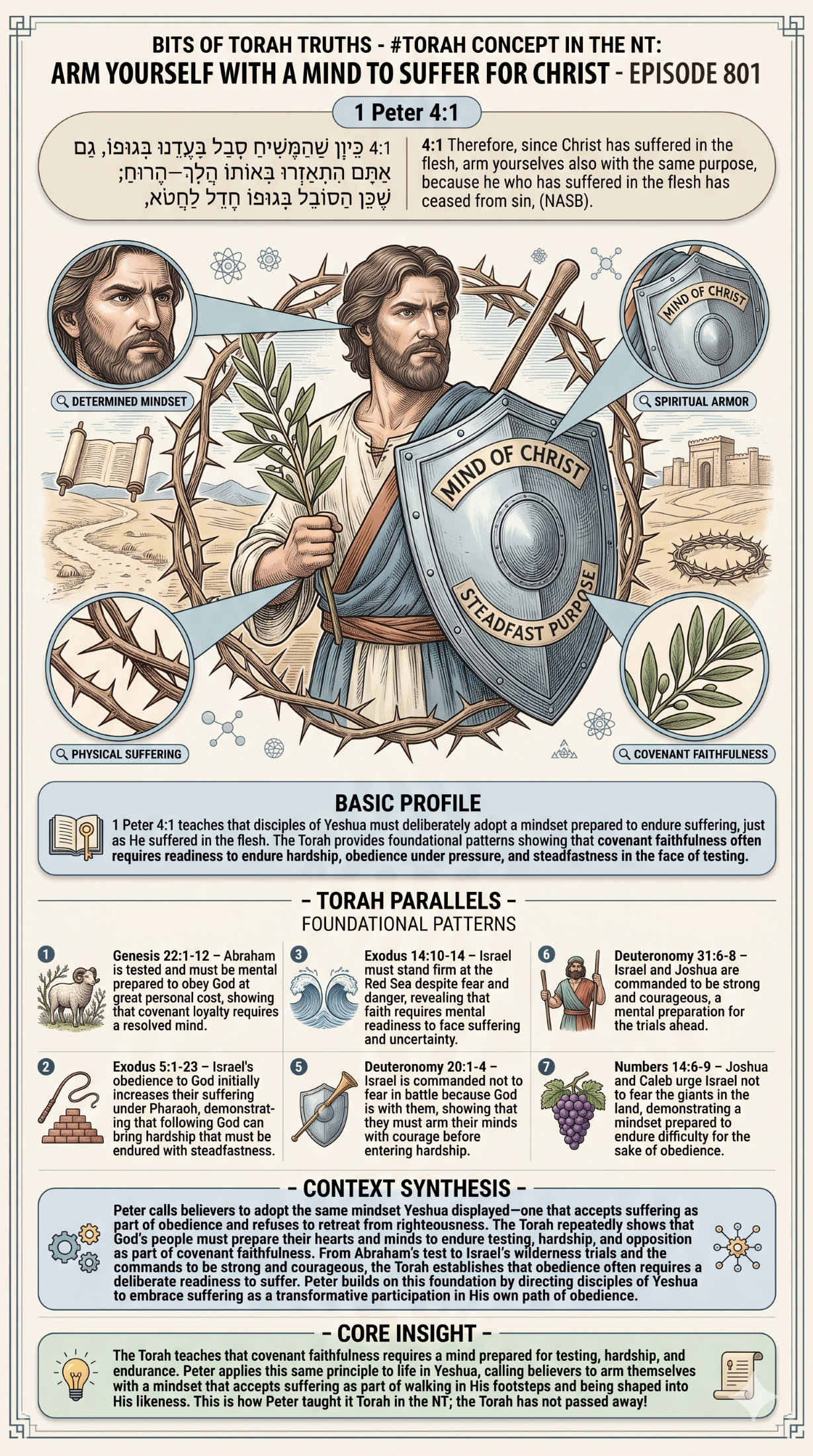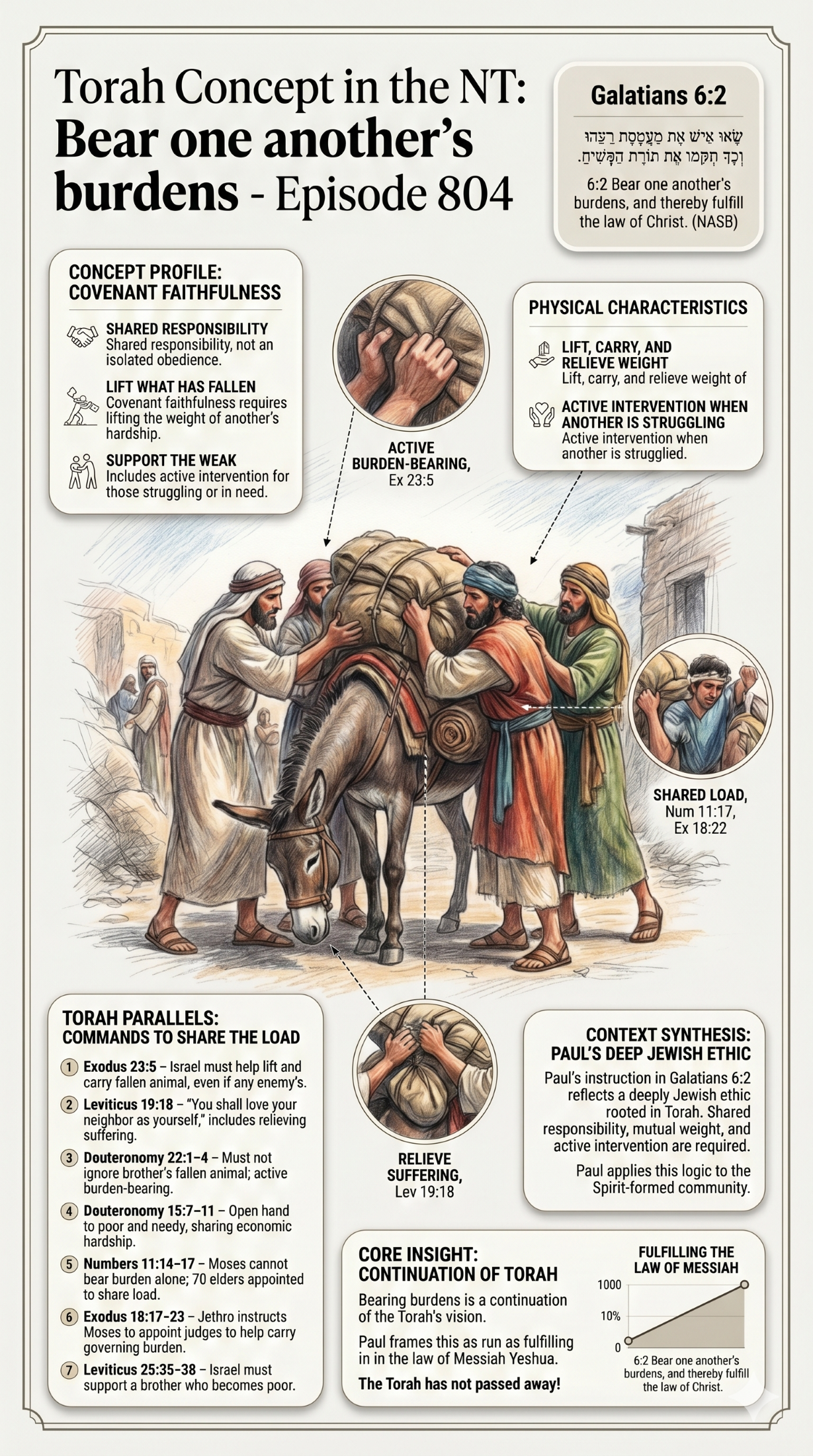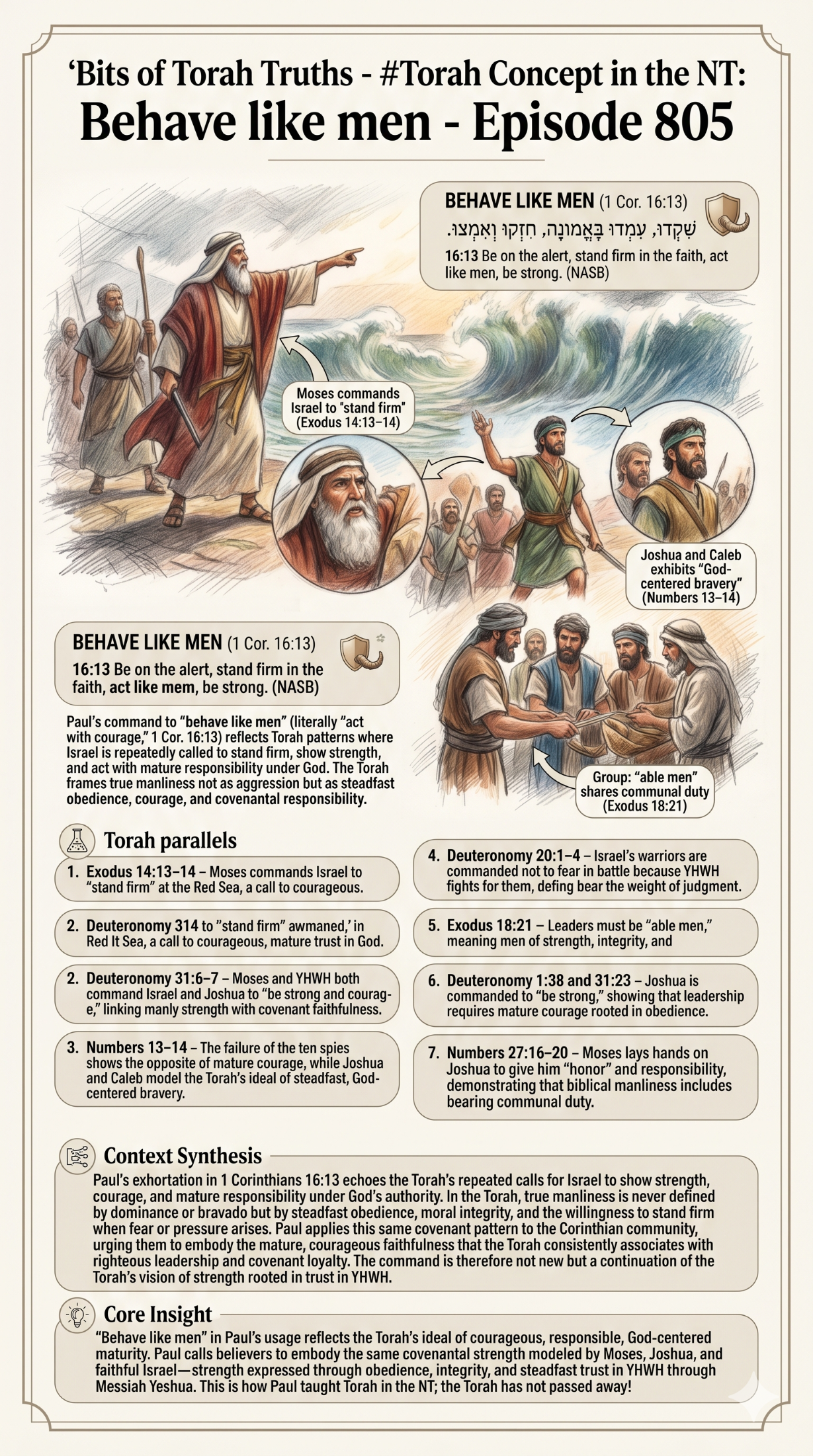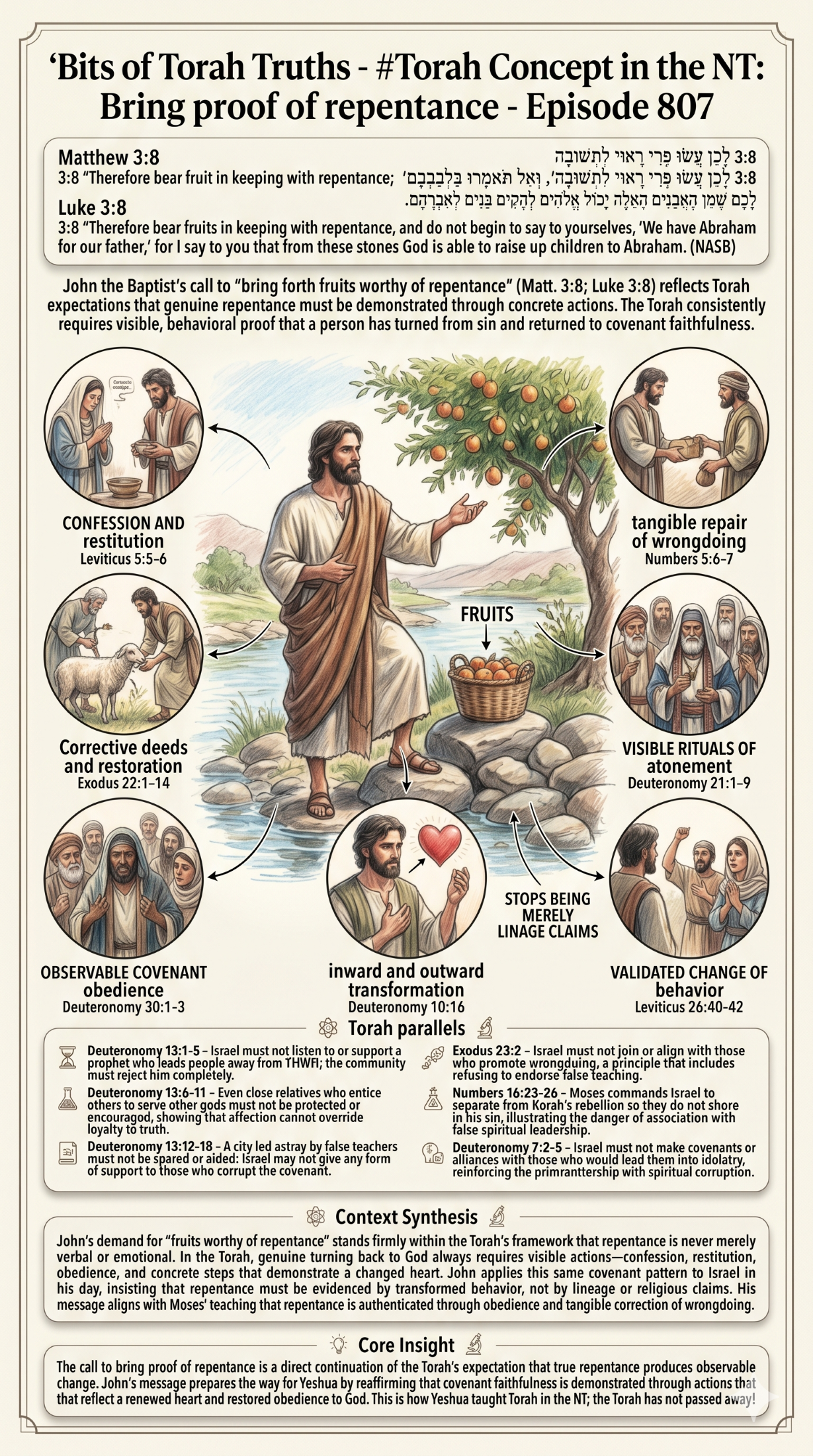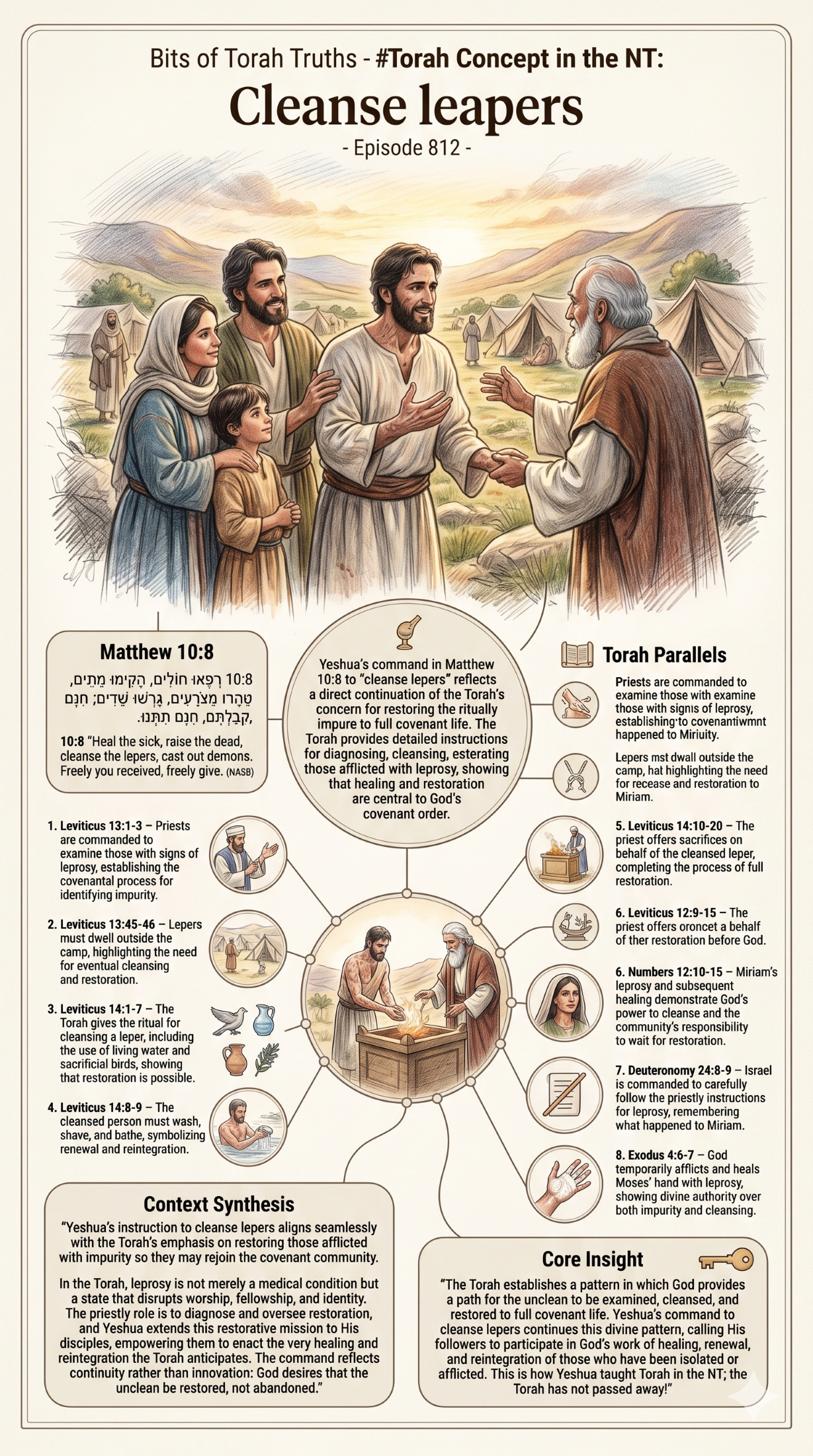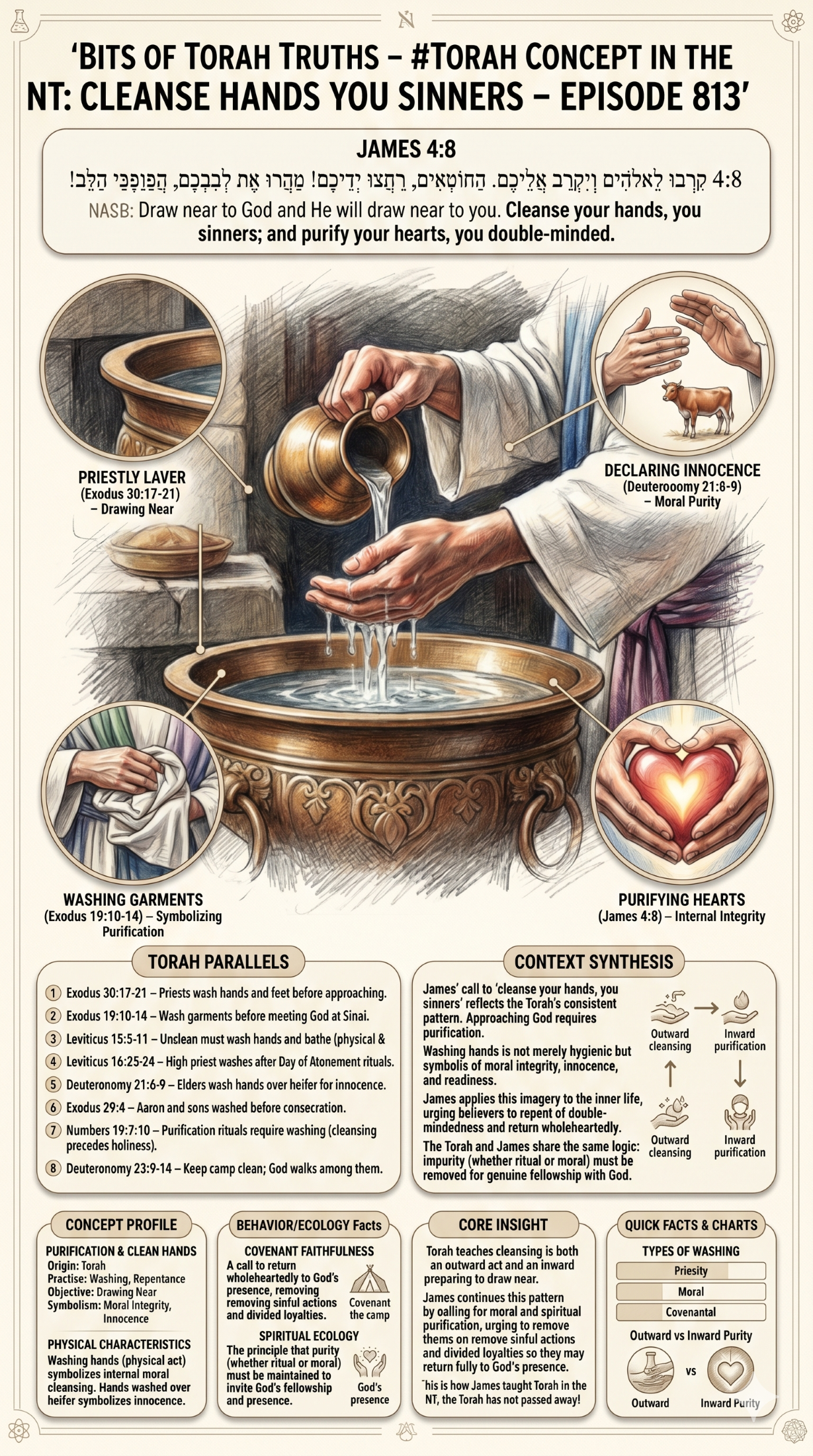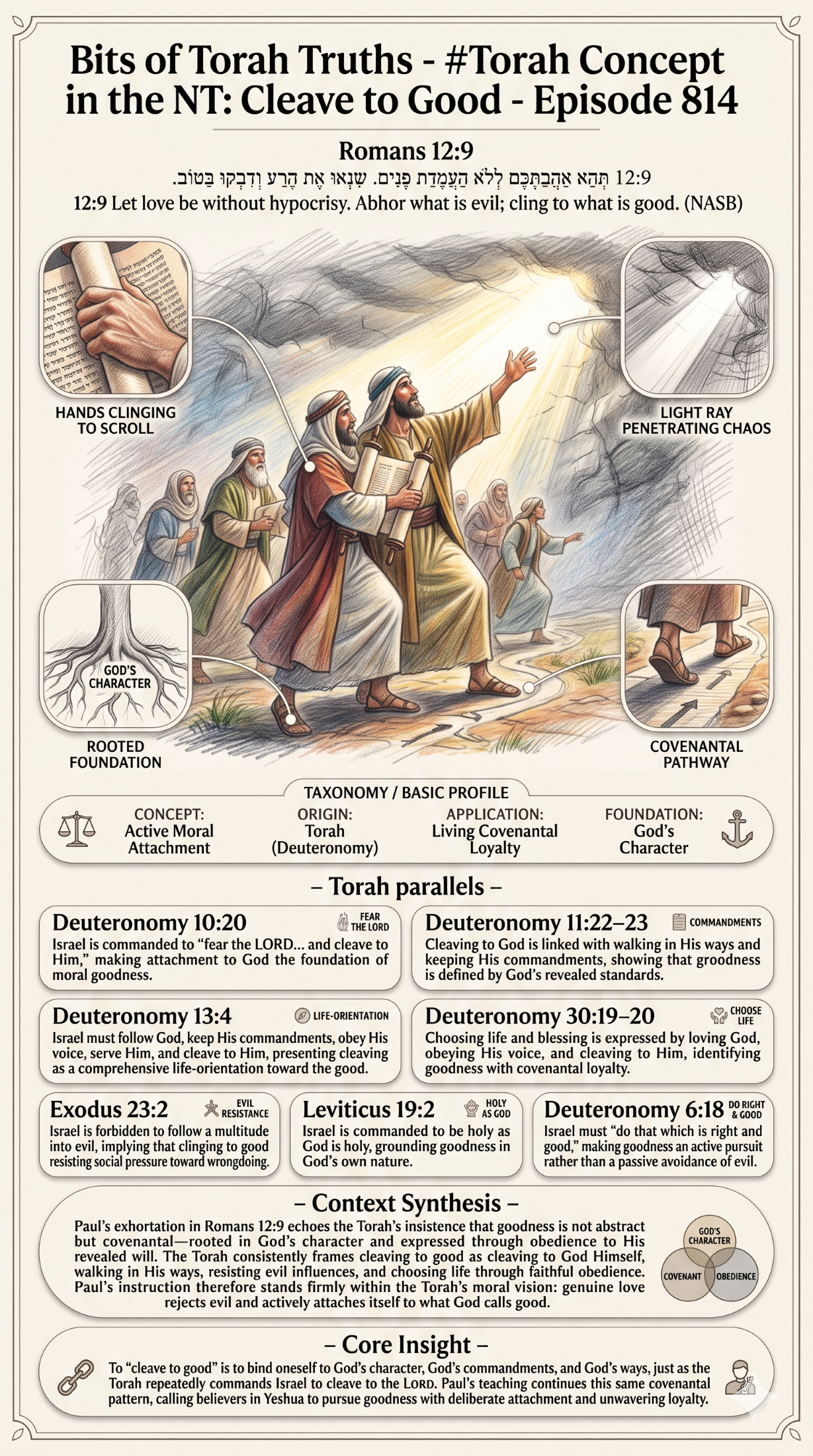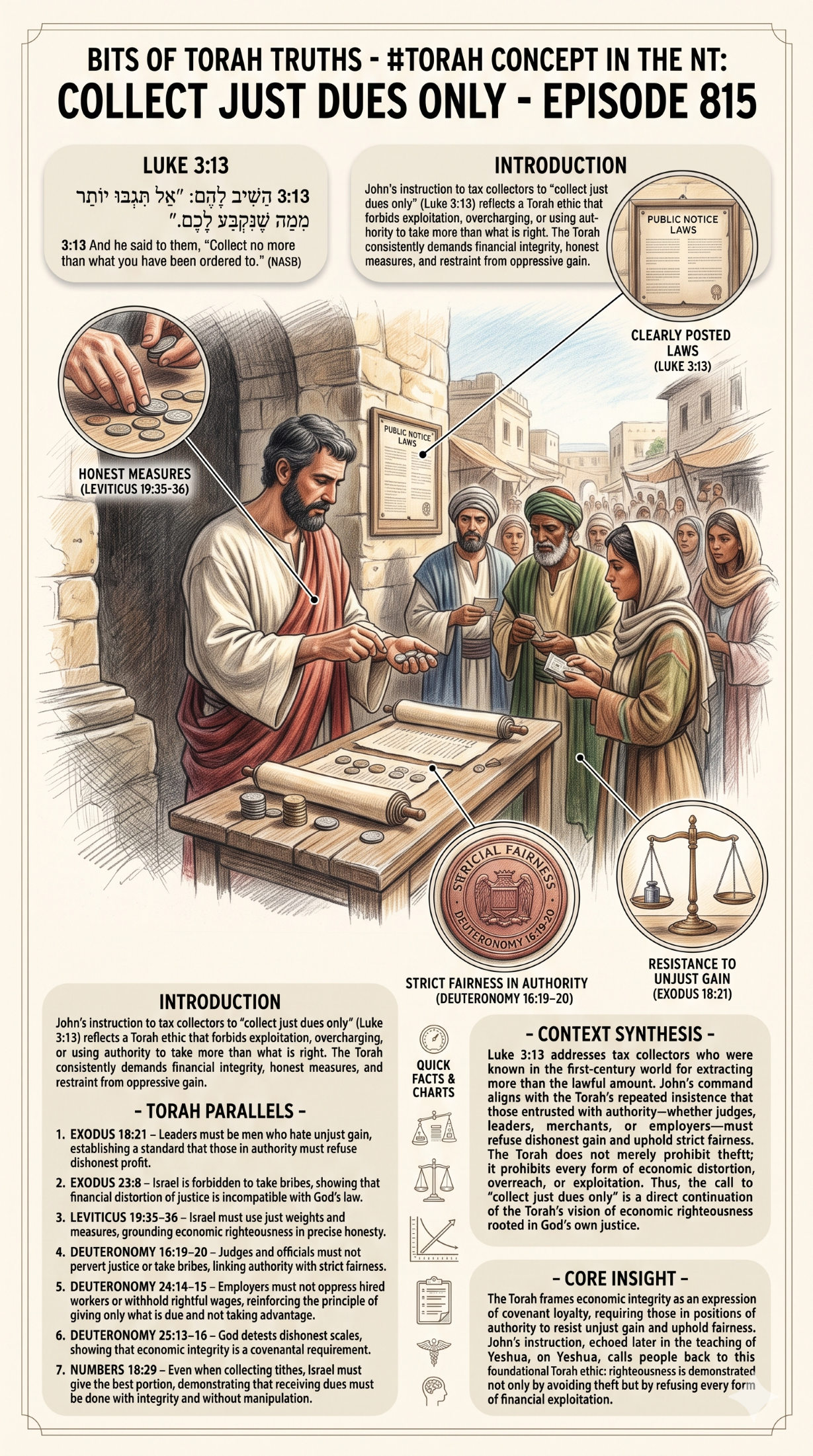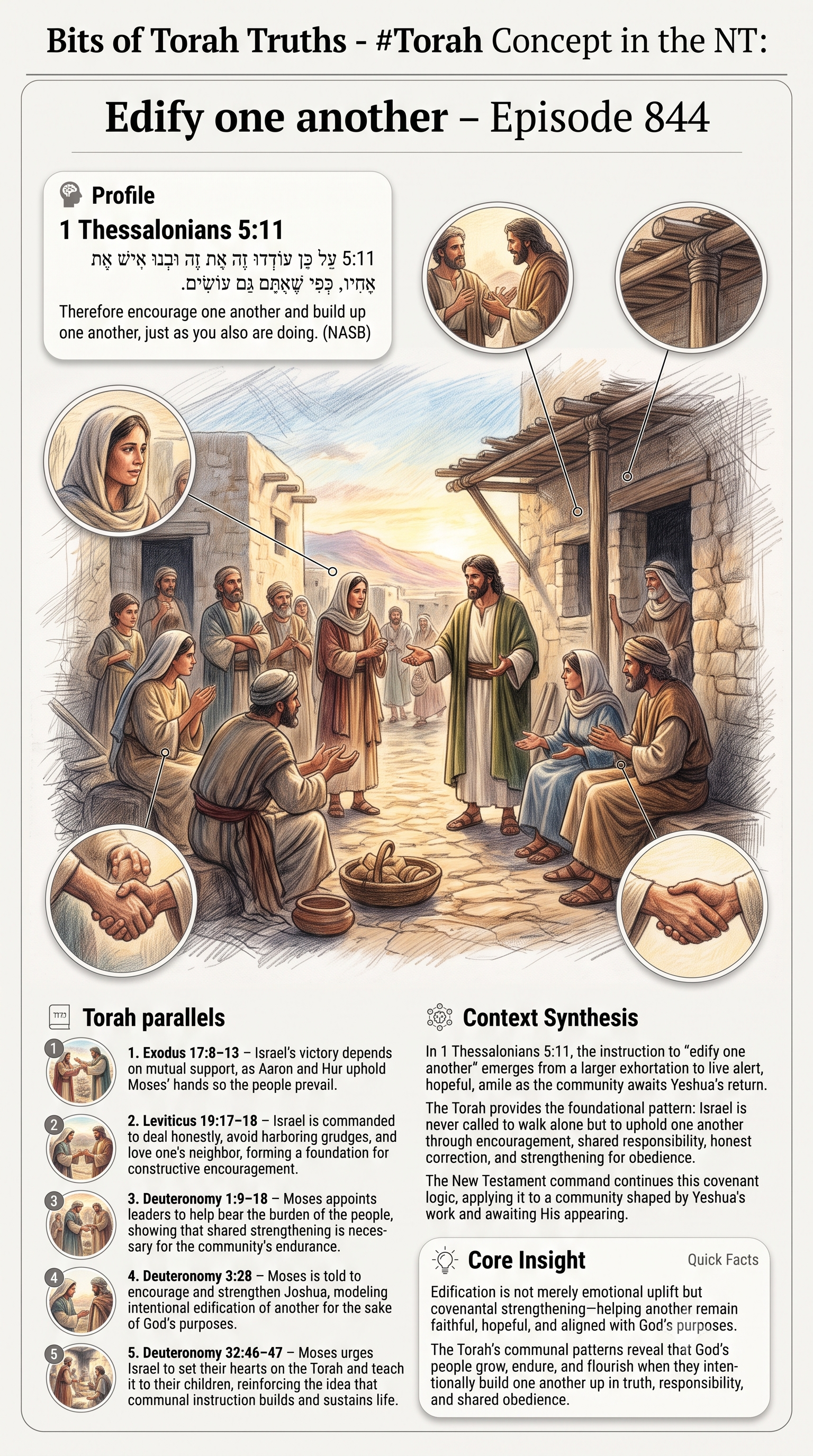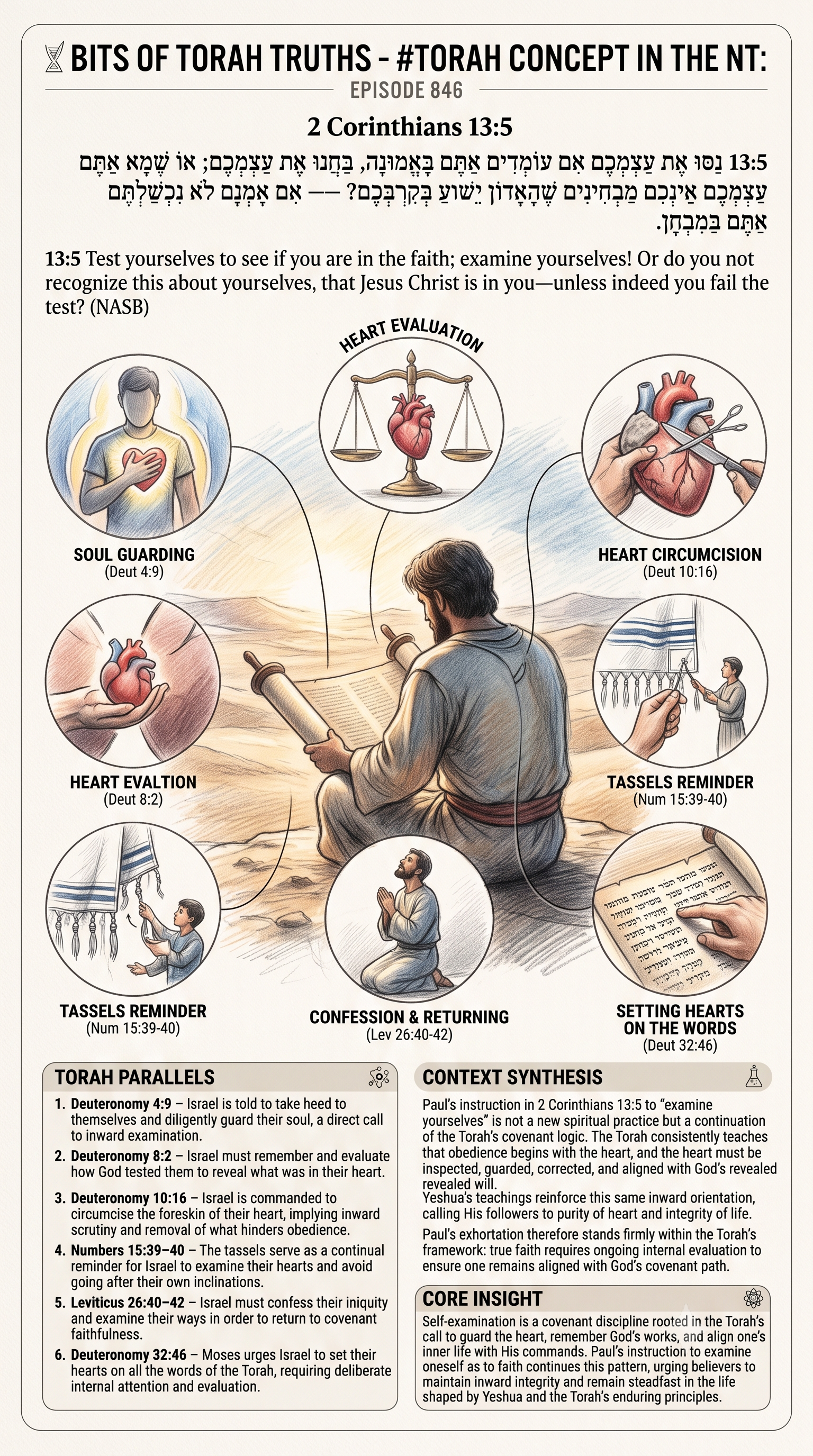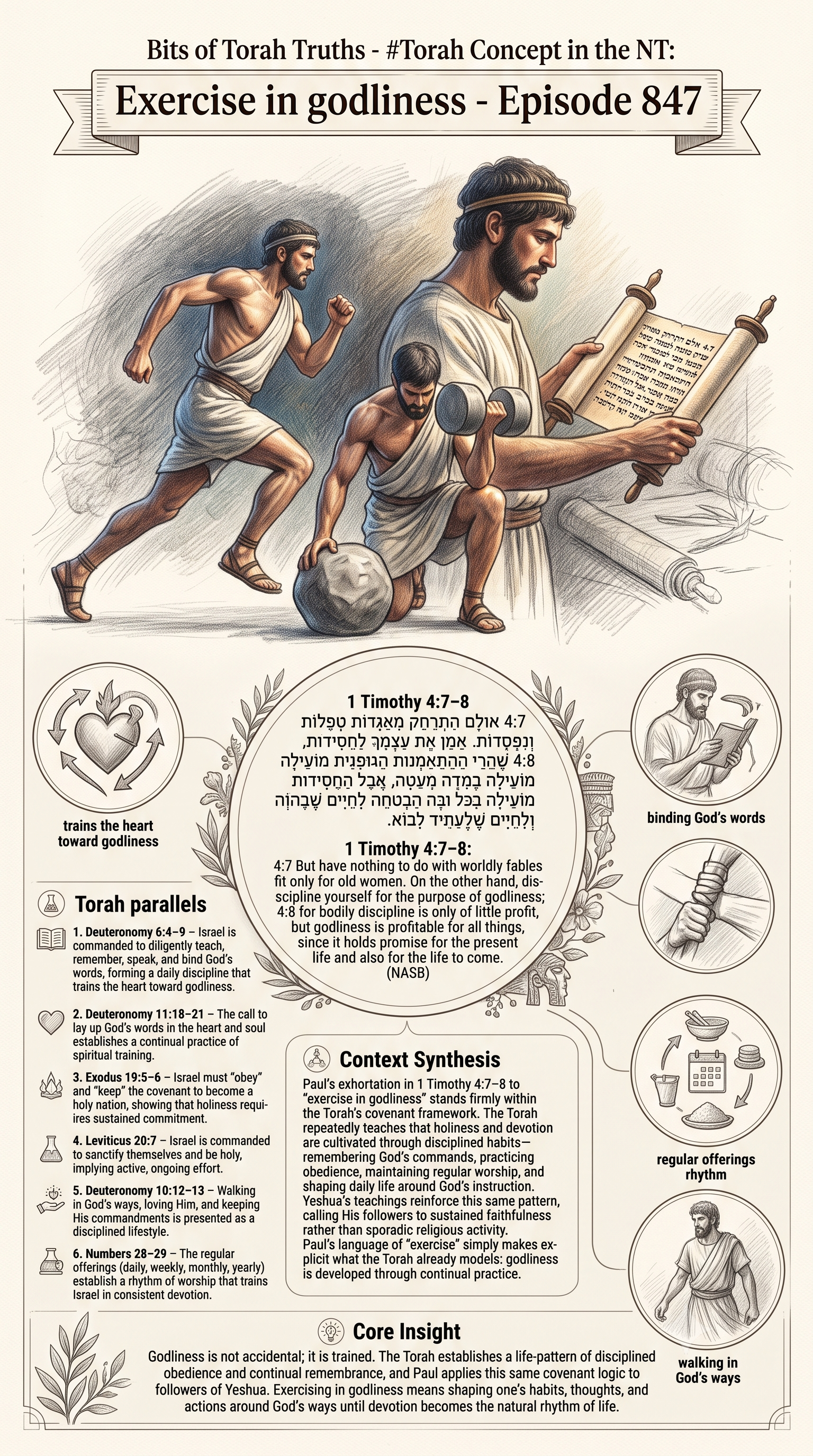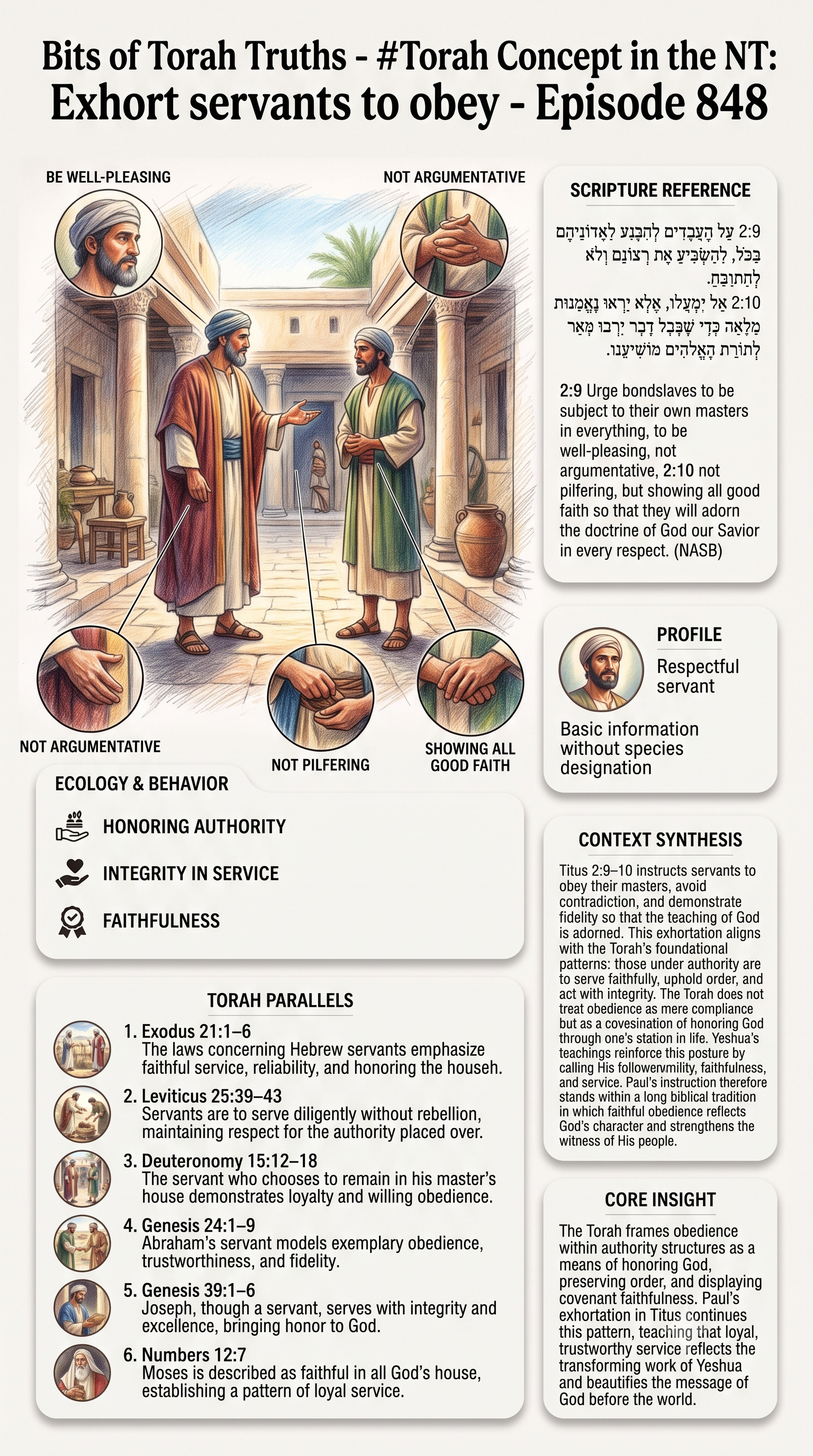
Bits of Torah Truths – #Torah Concept in the NT: Forbid not tongues – Episode 855
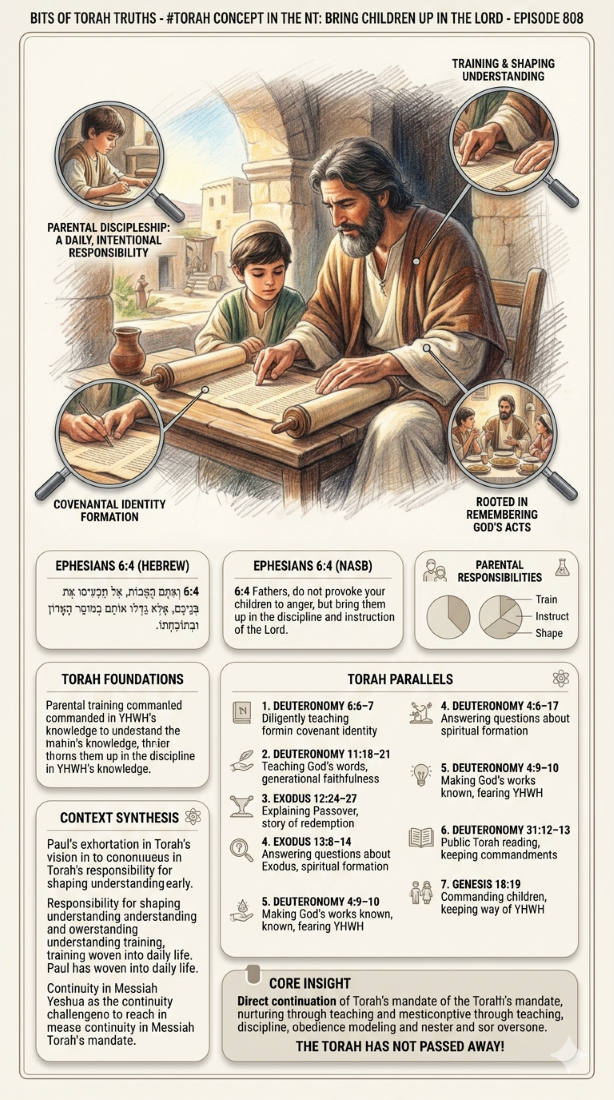
1 Corinthians 14:39
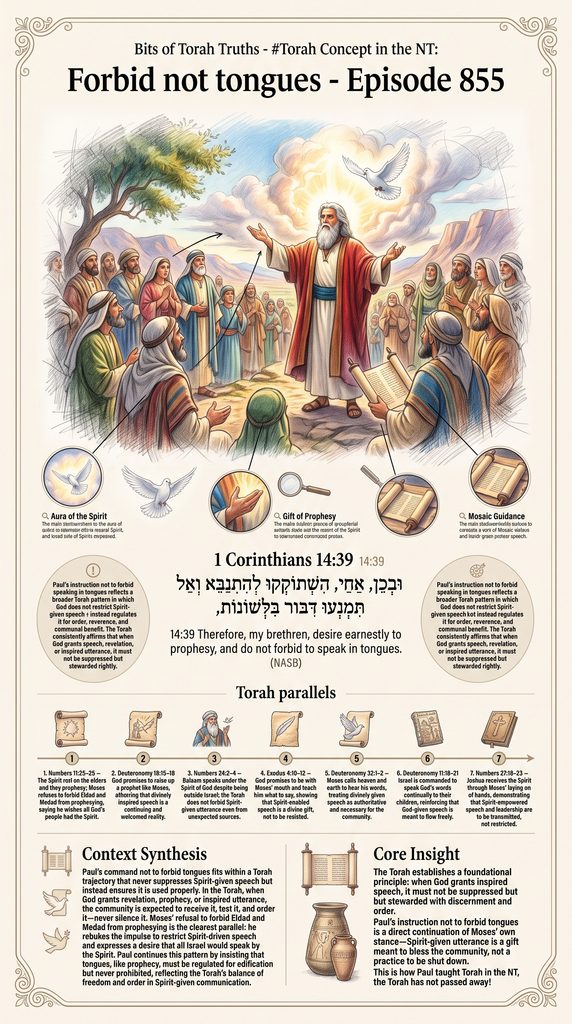
וּבְכֵן, אַחַי, הִשְׁתּוֹקְקוּ לְהִתְנַבֵּא וְאַל תִּמְנְעוּ דִּבּוּר בִּלְּשׁוֹנוֹת,
#torah #torahwisdom #torahtruth #torahforlife #torah4you #torahtruth
1 Corinthians 14:39
14:39 Therefore, my brethren, desire earnestly to prophesy, and do not forbid to speak in tongues. (NASB)
https://www.matsati.com/index.php/category/bits-of-torah-truths/
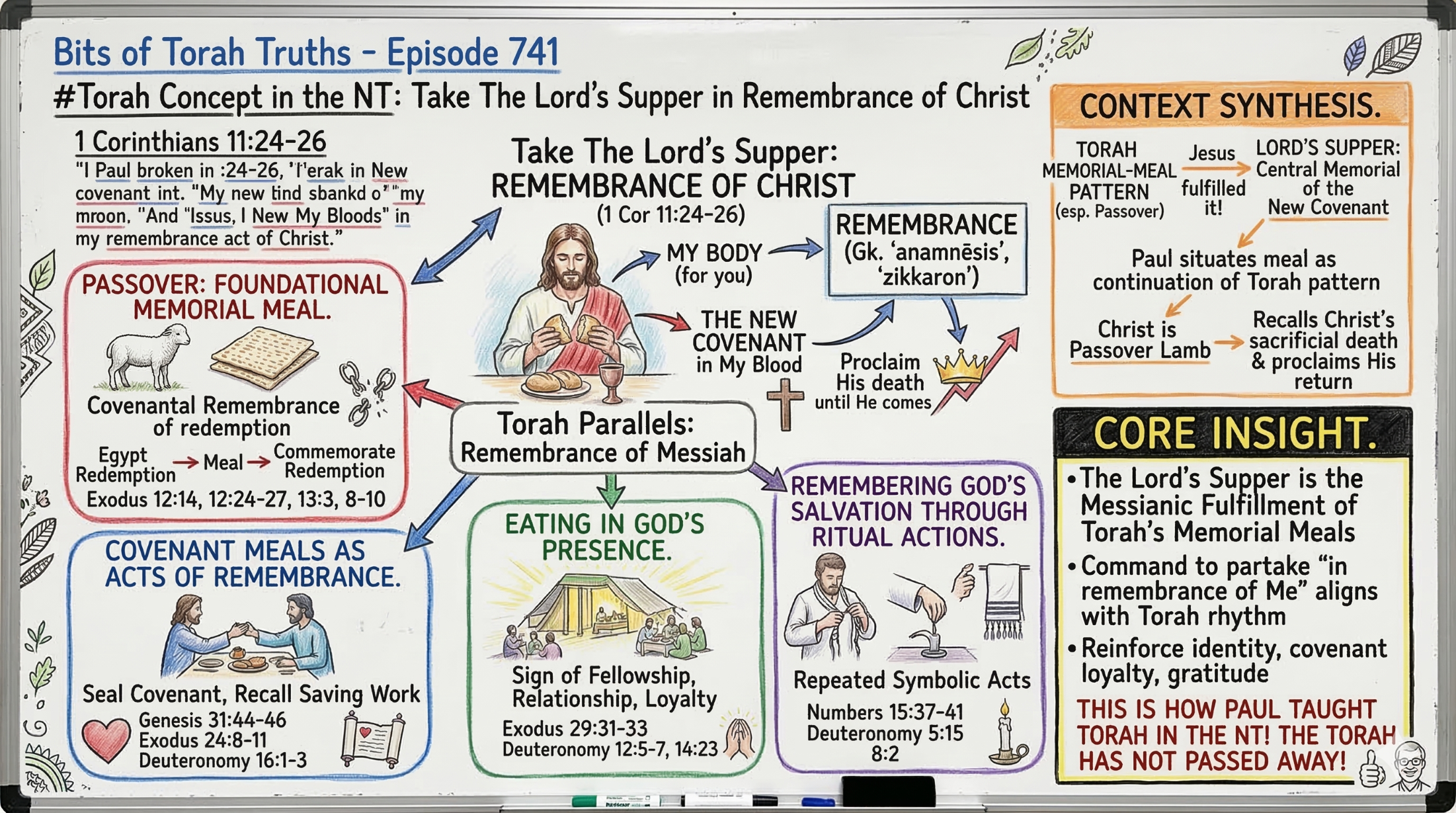
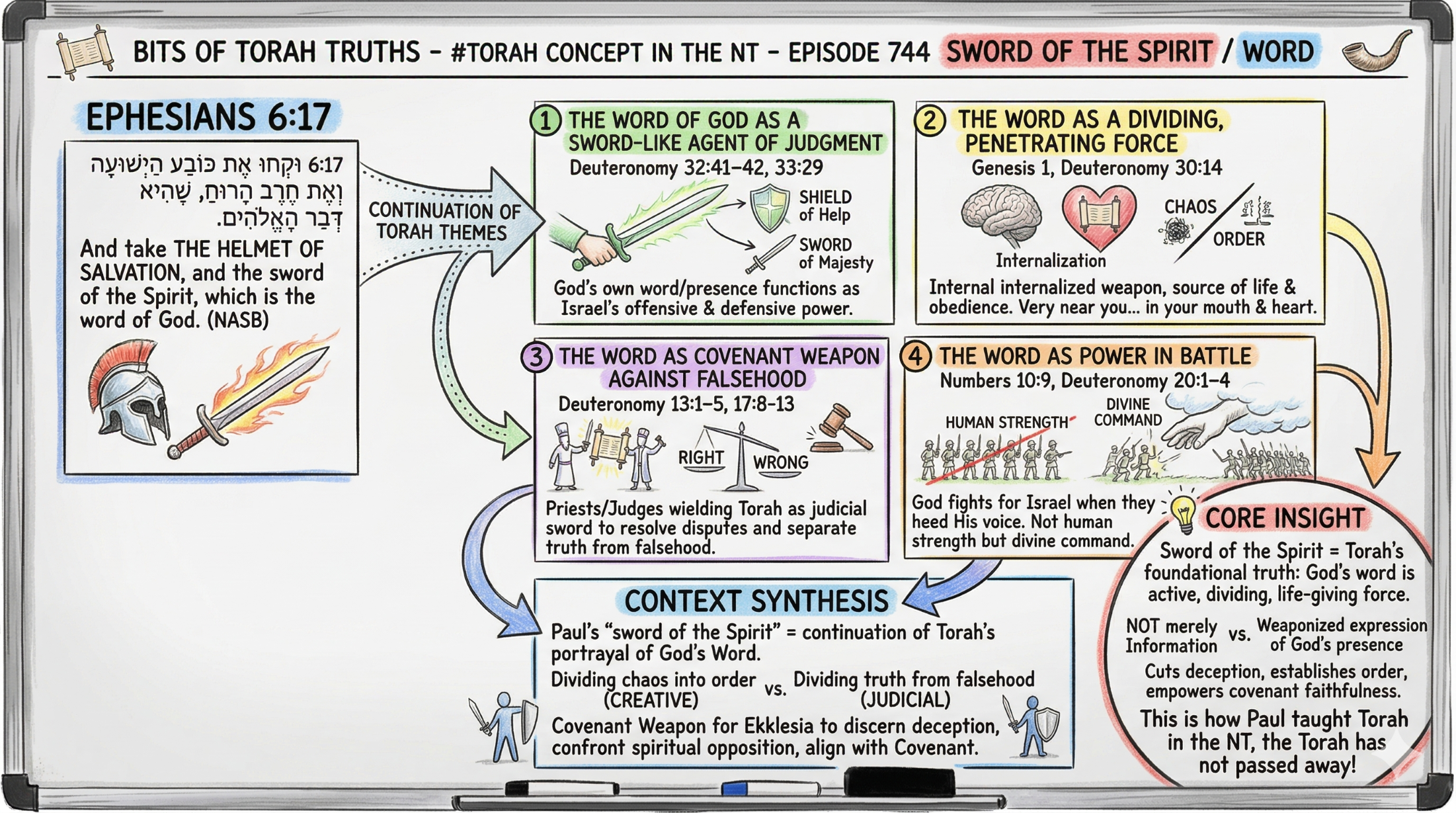
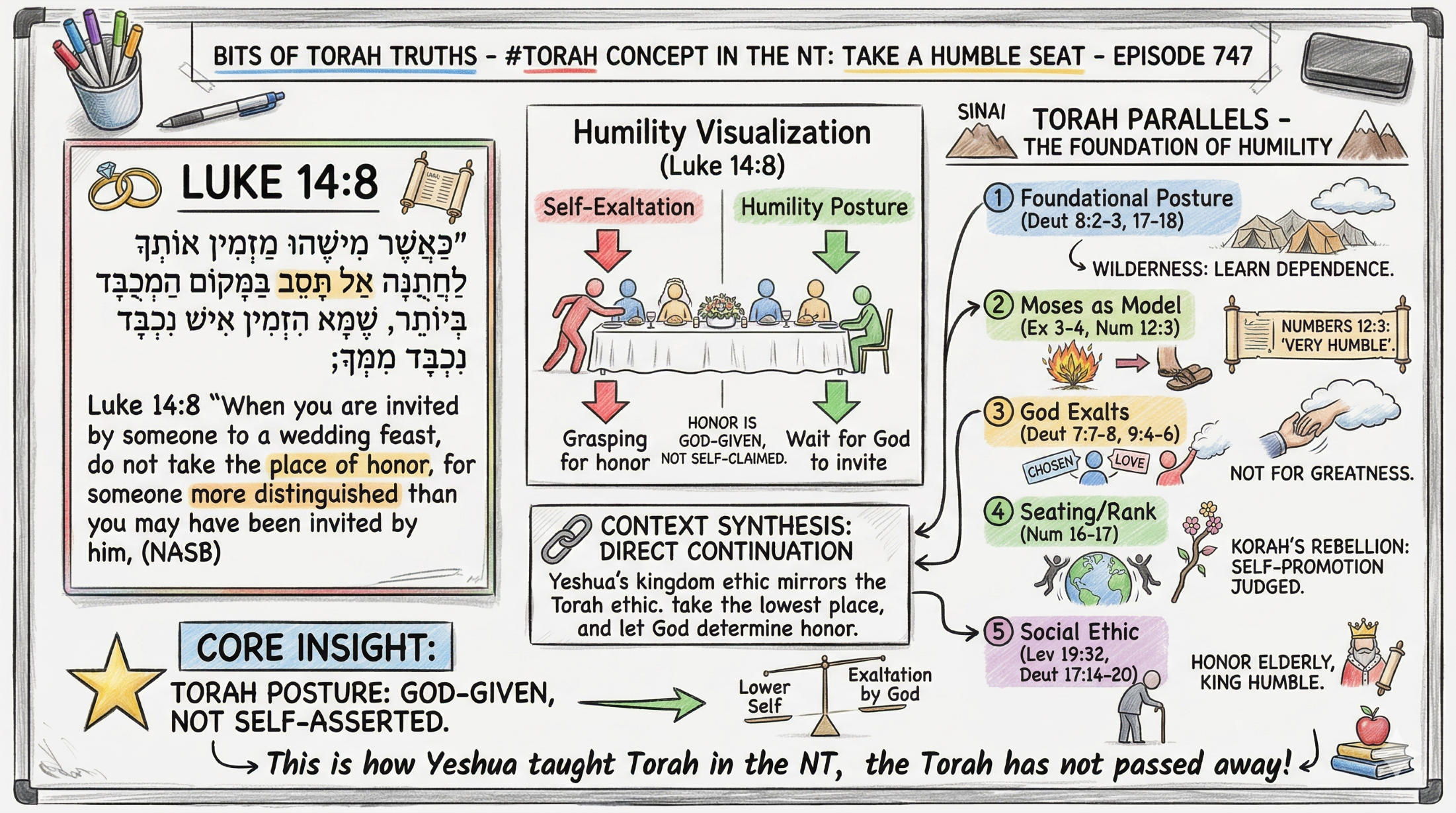
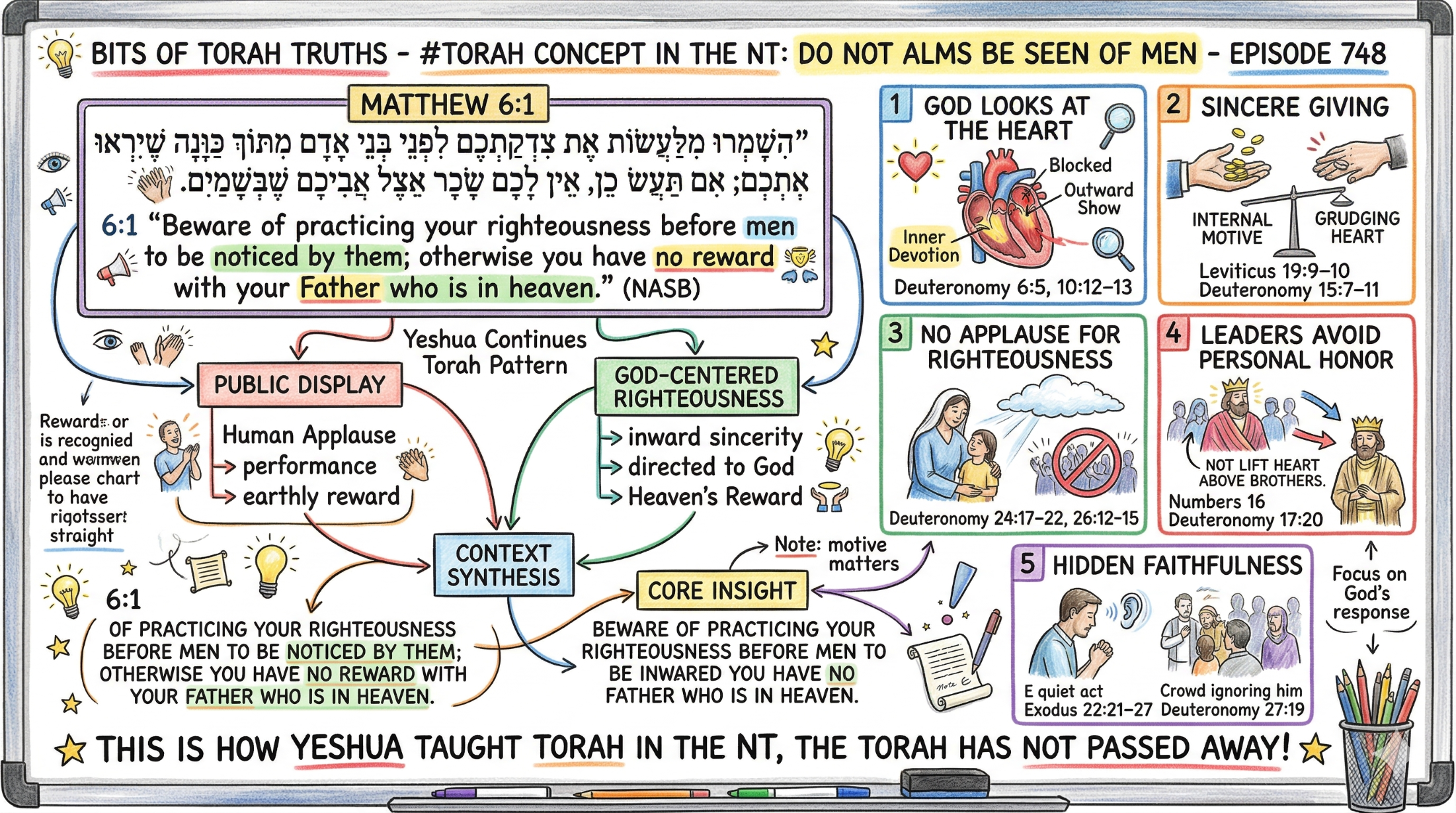
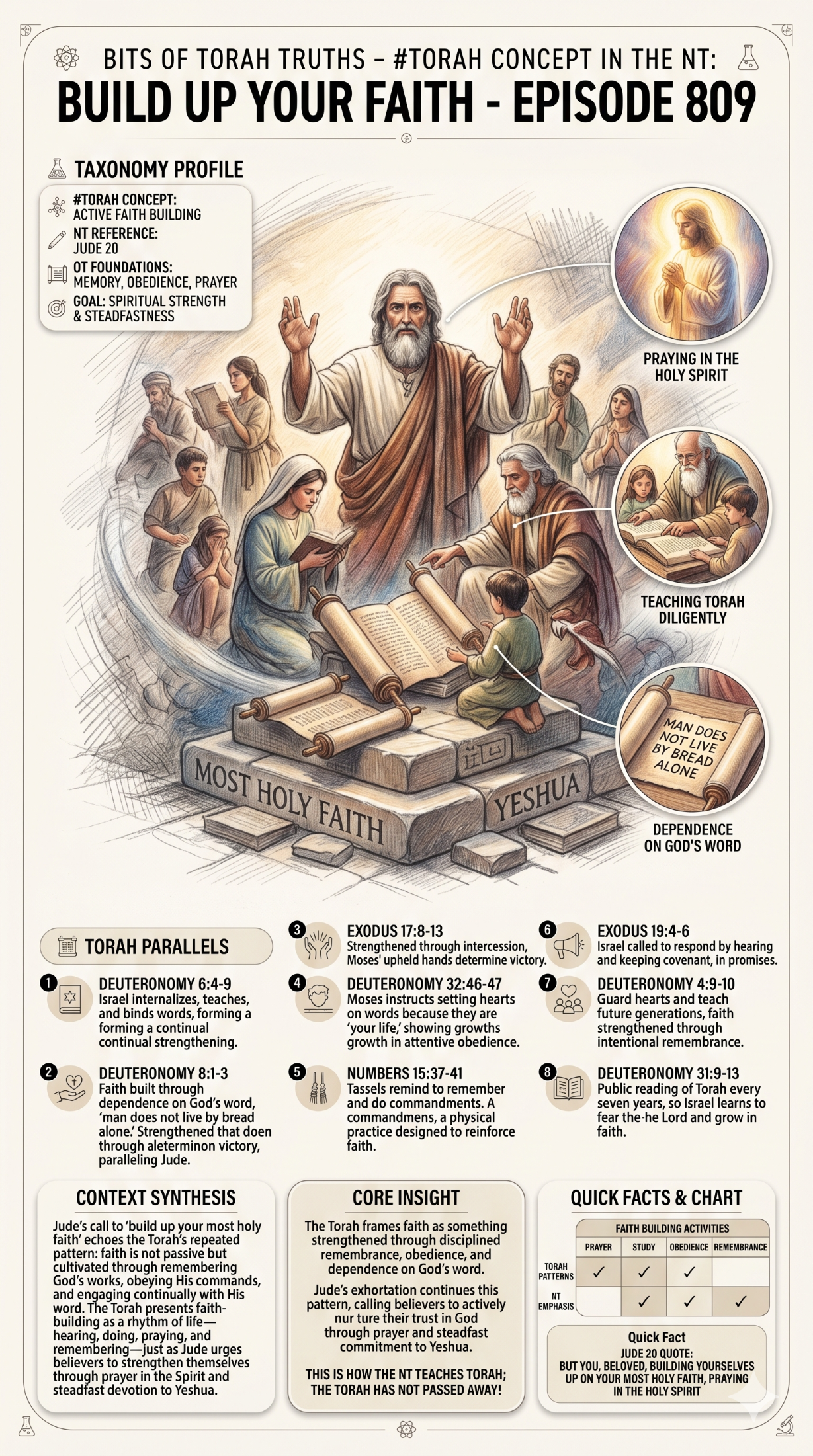
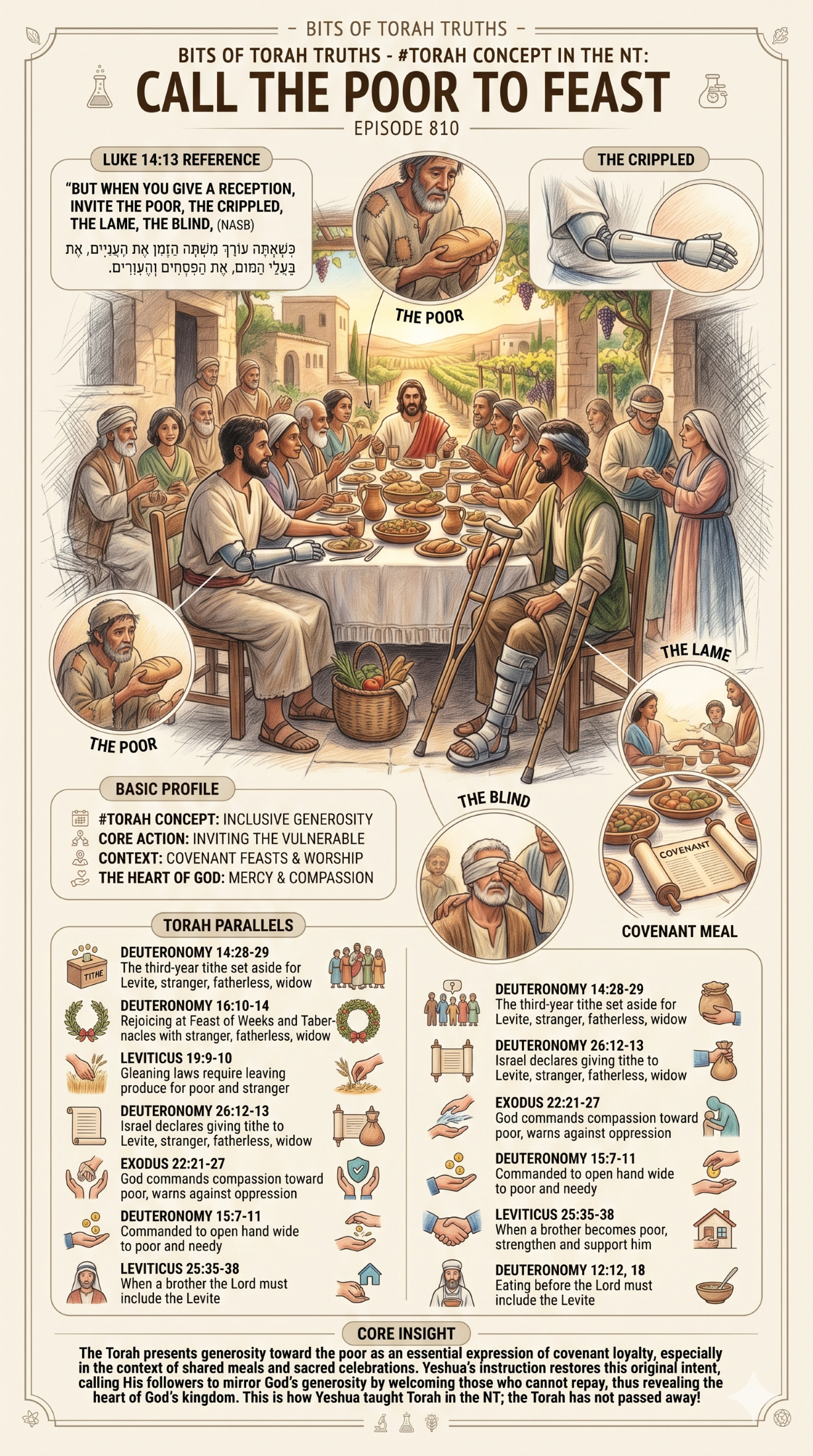
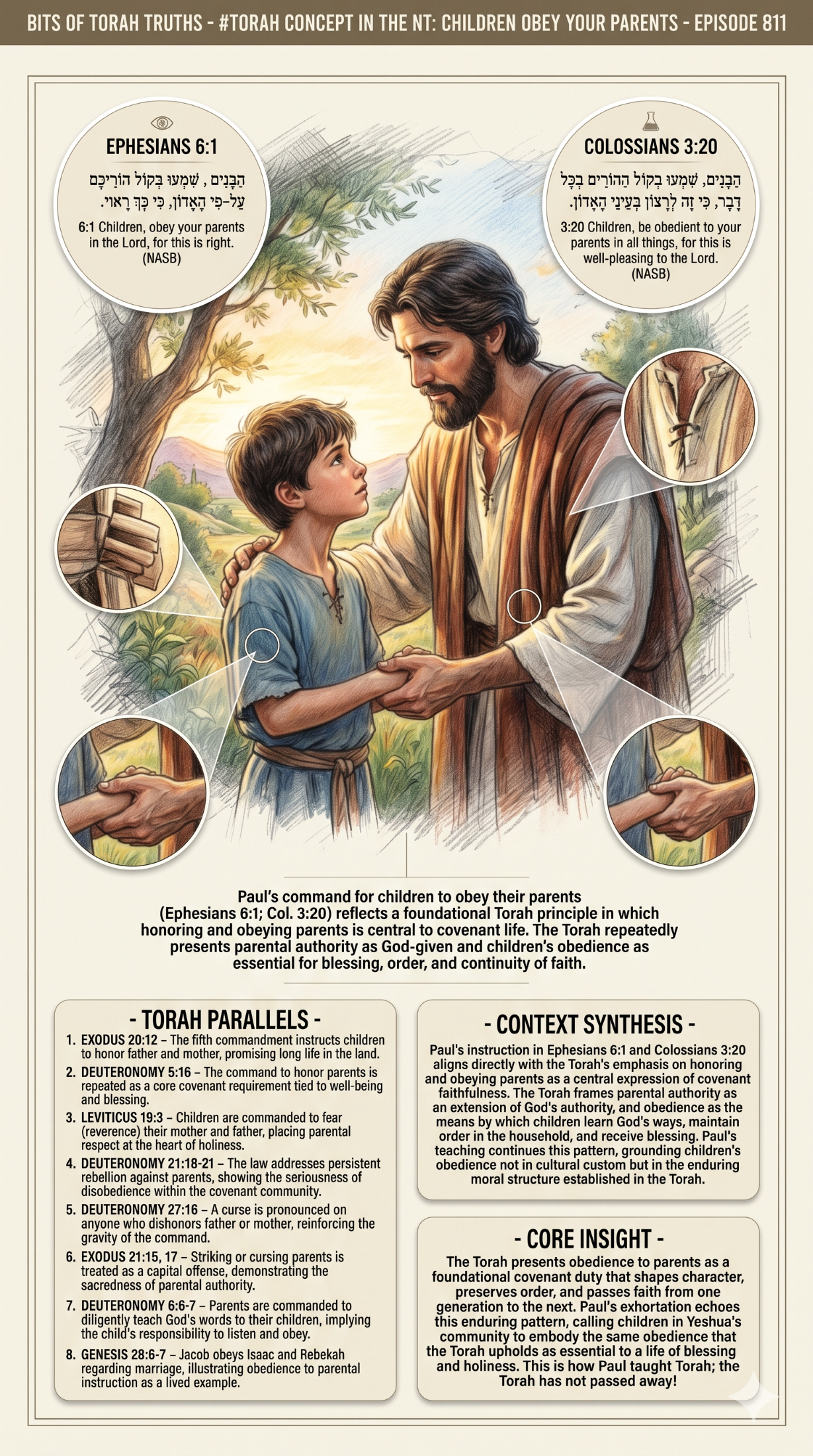
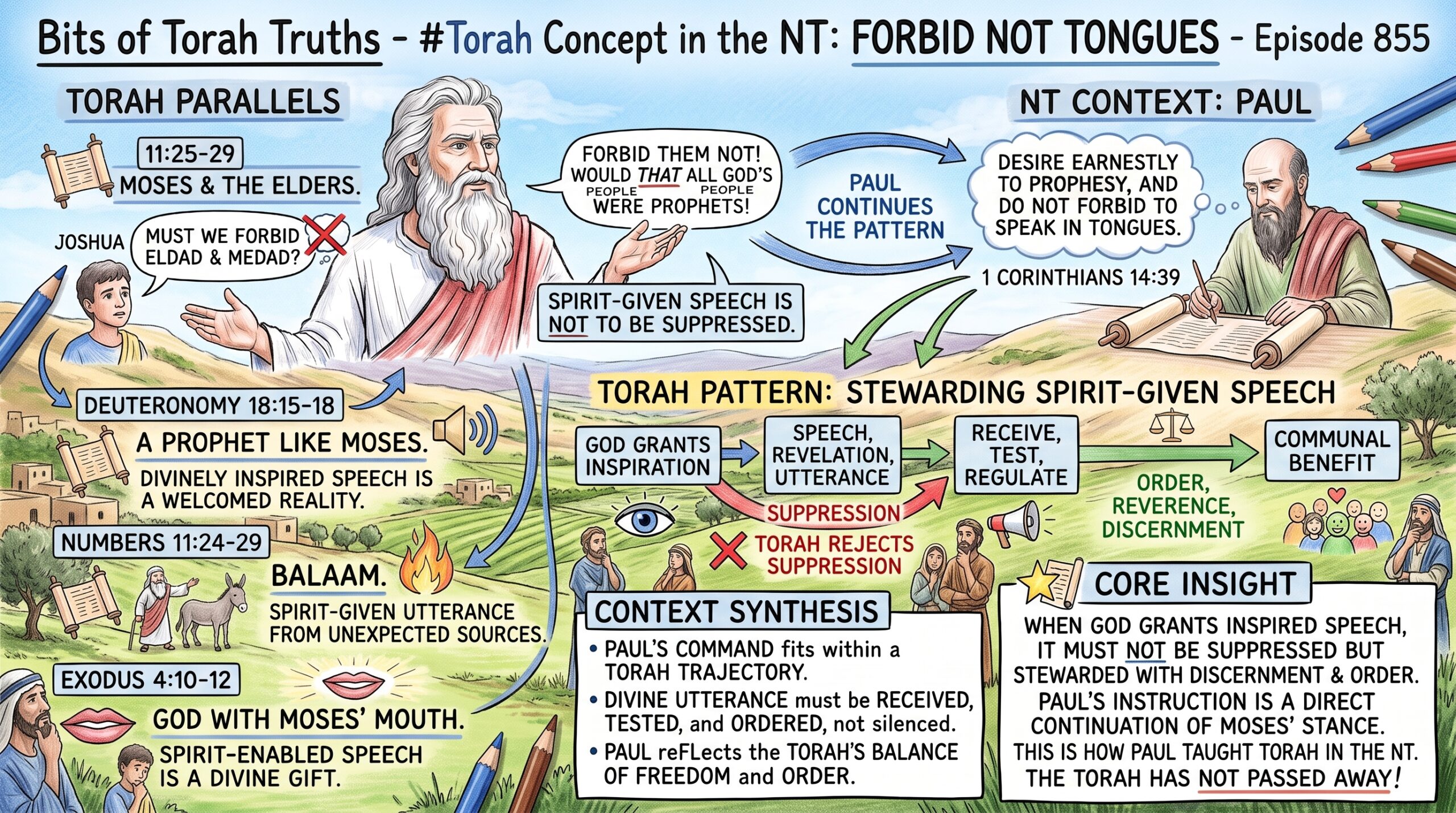
Paul’s instruction not to forbid speaking in tongues reflects a broader Torah pattern in which God does not restrict Spirit‑given speech but instead regulates it for order, reverence, and communal benefit. The Torah consistently affirms that when God grants speech, revelation, or inspired utterance, it must not be suppressed but stewarded rightly.
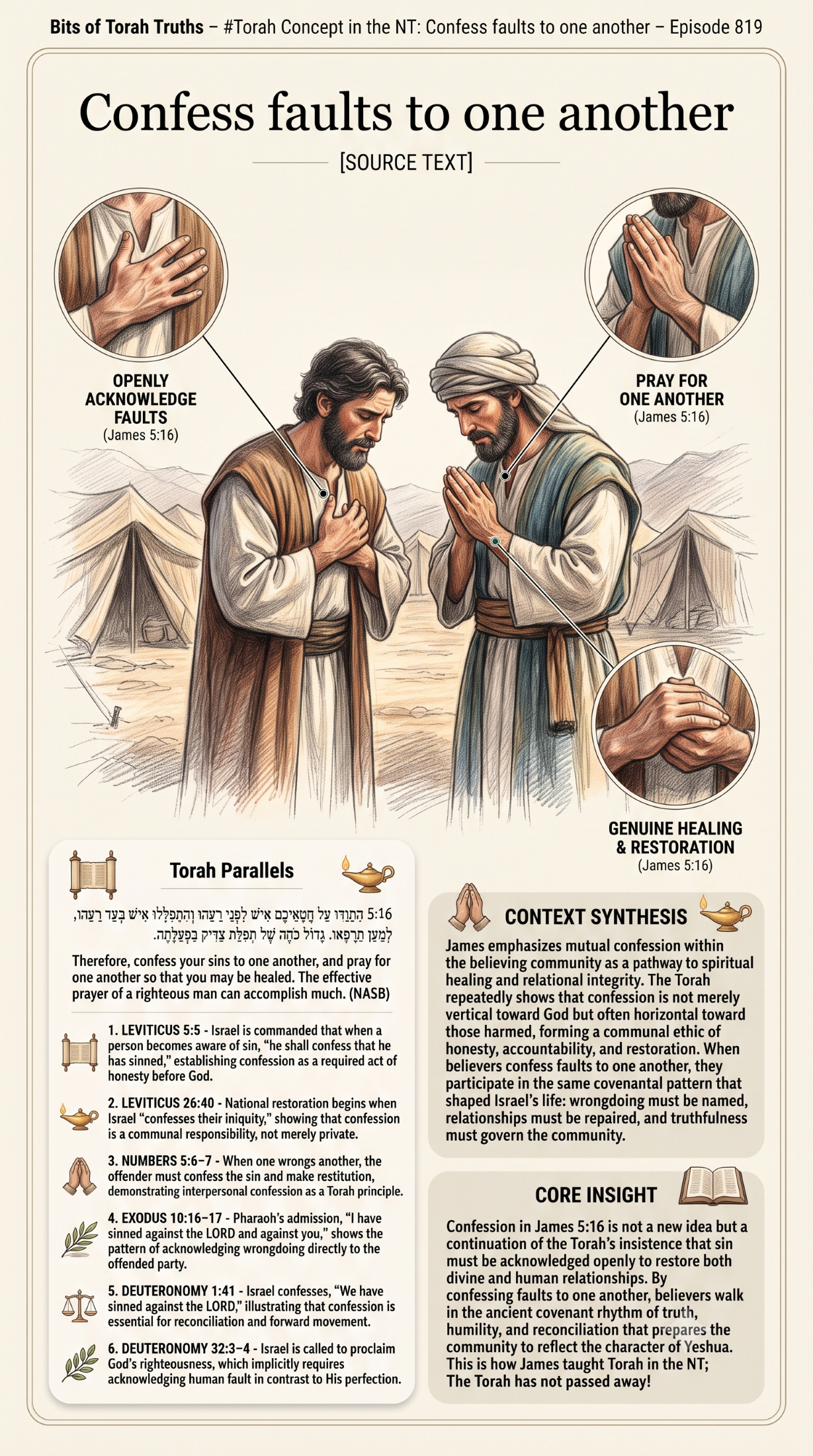
– Torah parallels –
- Numbers 11:25‑29 – The Spirit rests on the elders and they prophesy; Moses refuses to forbid Eldad and Medad from prophesying, saying he wishes all God’s people had the Spirit.
- Deuteronomy 18:15‑18 – God promises to raise up a prophet like Moses, affirming that divinely inspired speech is a continuing and welcomed reality.
- Numbers 24:2‑4 – Balaam speaks under the Spirit of God despite being outside Israel; the Torah does not forbid Spirit‑given utterance even from unexpected sources.
- Exodus 4:10‑12 – God promises to be with Moses’ mouth and teach him what to say, showing that Spirit‑enabled speech is a divine gift, not to be resisted.
- Deuteronomy 32:1‑2 – Moses calls heaven and earth to hear his words, treating divinely given speech as authoritative and necessary for the community.
- Deuteronomy 11:18‑21 – Israel is commanded to speak God’s words continually to their children, reinforcing that God‑given speech is meant to flow freely.
- Numbers 27:18‑23 – Joshua receives the Spirit through Moses’ laying on of hands, demonstrating that Spirit‑empowered speech and leadership are to be transmitted, not restricted.
– Context Synthesis –
Paul’s command not to forbid tongues fits within a Torah trajectory that never suppresses Spirit‑given speech but instead ensures it is used properly. In the Torah, when God grants revelation, prophecy, or inspired utterance, the community is expected to receive it, test it, and order it, never silence it. Moses’ refusal to forbid Eldad and Medad from prophesying is the clearest parallel: he rebukes the impulse to restrict Spirit‑driven speech and expresses a desire that all Israel would speak by the Spirit. Paul continues this pattern by insisting that tongues, like prophecy, must be regulated for edification but never prohibited, reflecting the Torah’s balance of freedom and order in Spirit‑given communication.
– Core Insight –
The Torah establishes a foundational principle: when God grants inspired speech, it must not be suppressed but stewarded with discernment and order. Paul’s instruction not to forbid tongues is a direct continuation of Moses’ own stance—Spirit‑given utterance is a gift meant to bless the community, not a practice to be shut down. This is how Paul taught Torah in the NT, the Torah has not passed away!
Visual Summary of Concepts the Torah in the NT