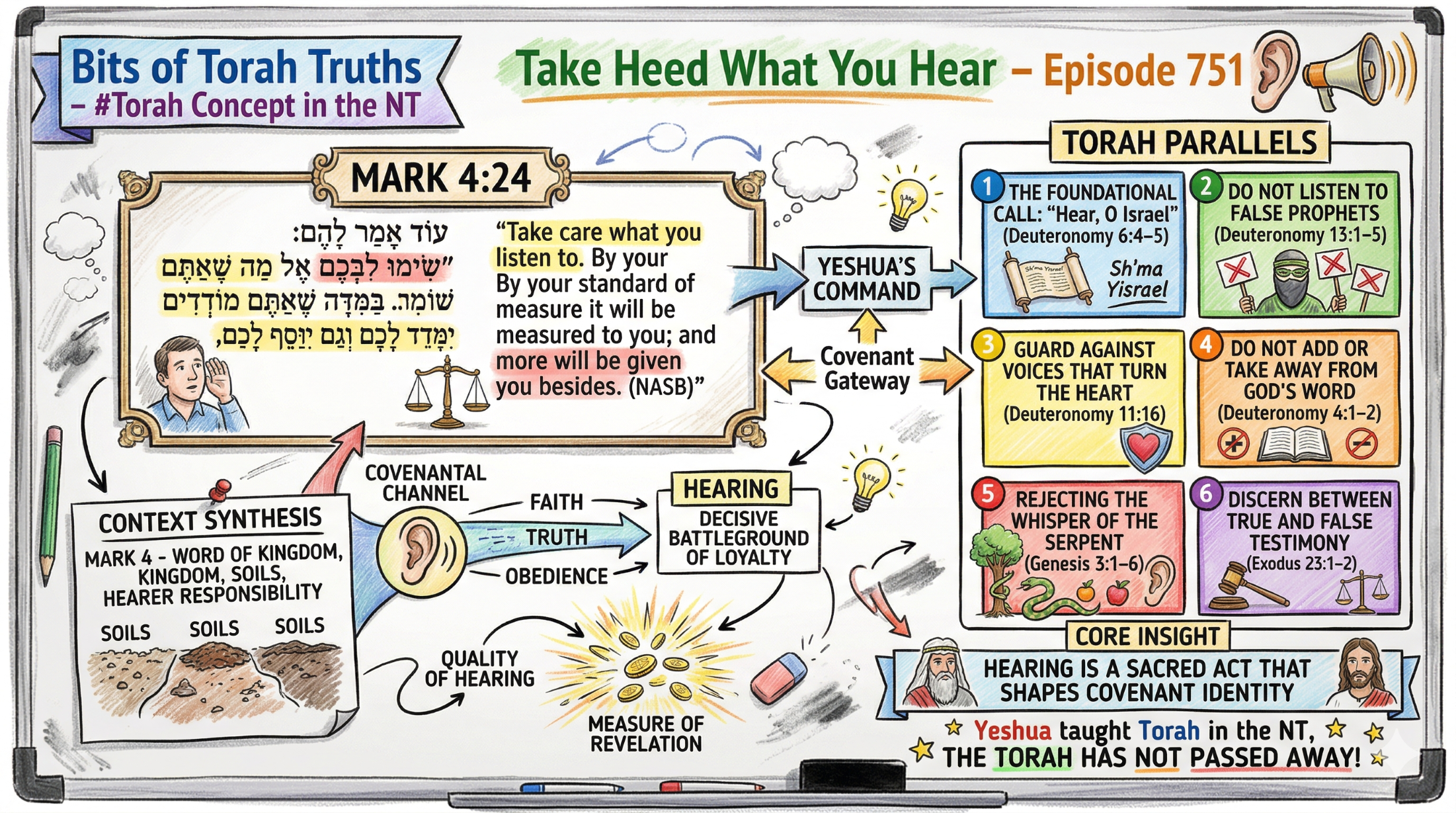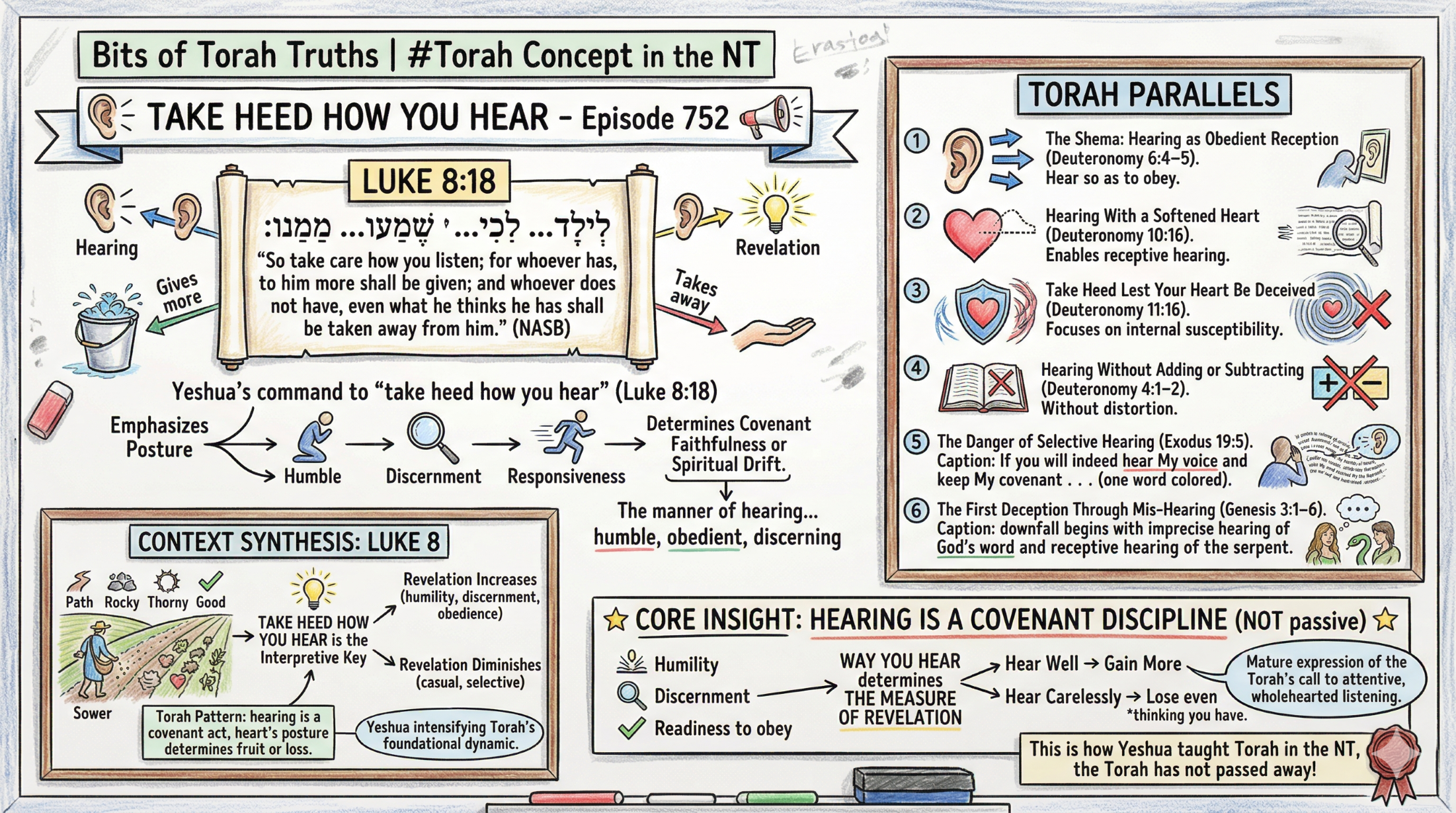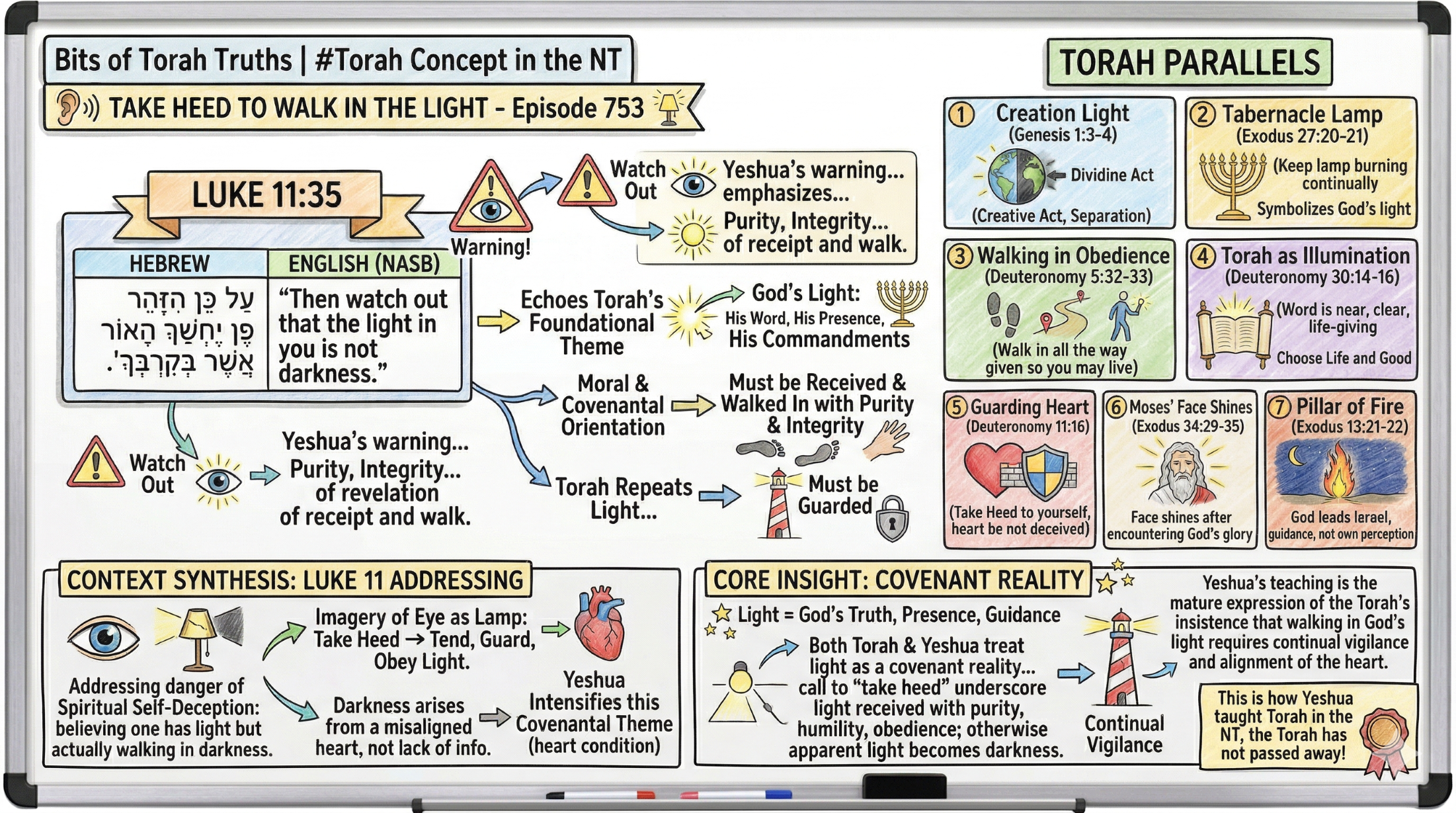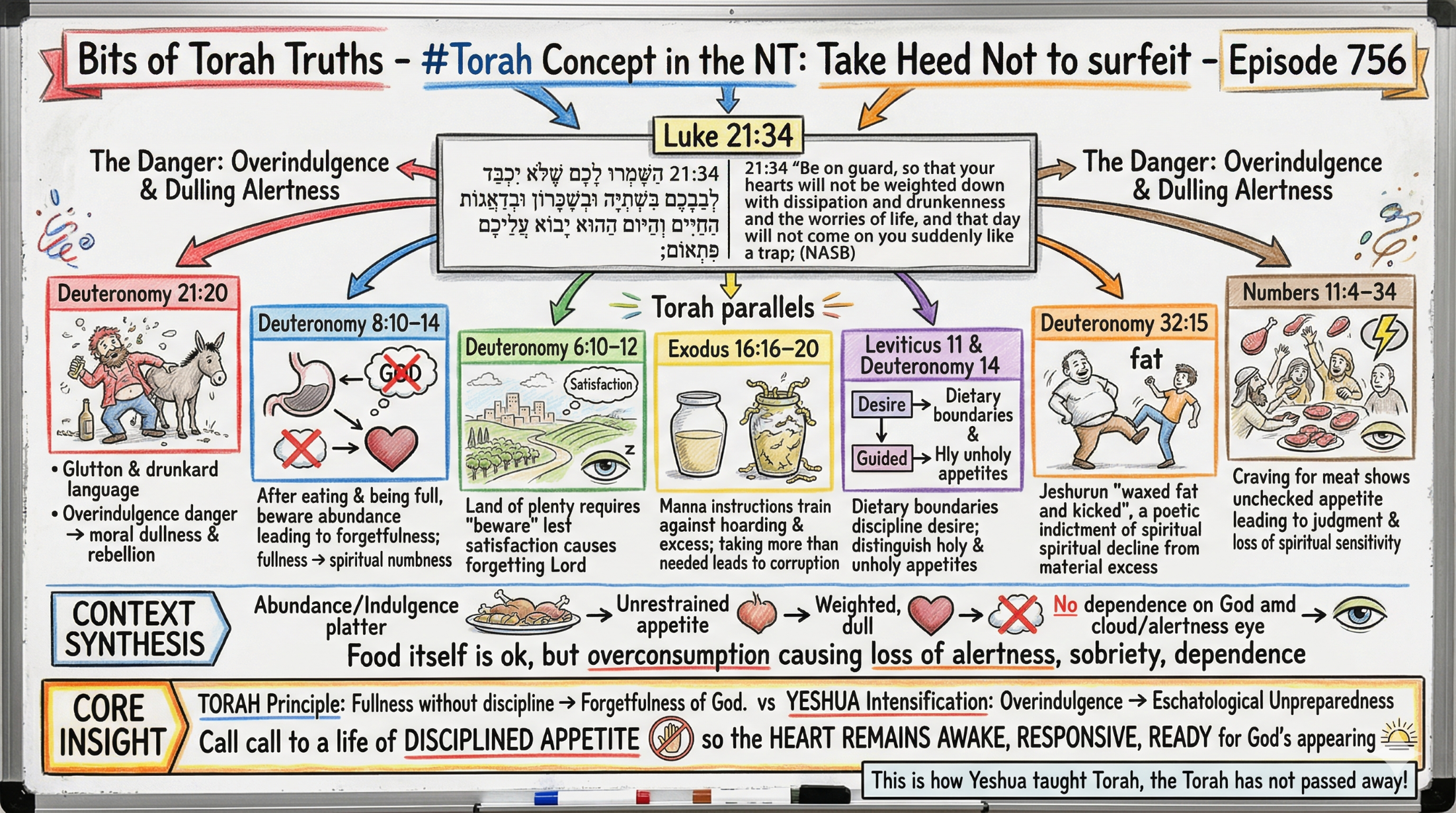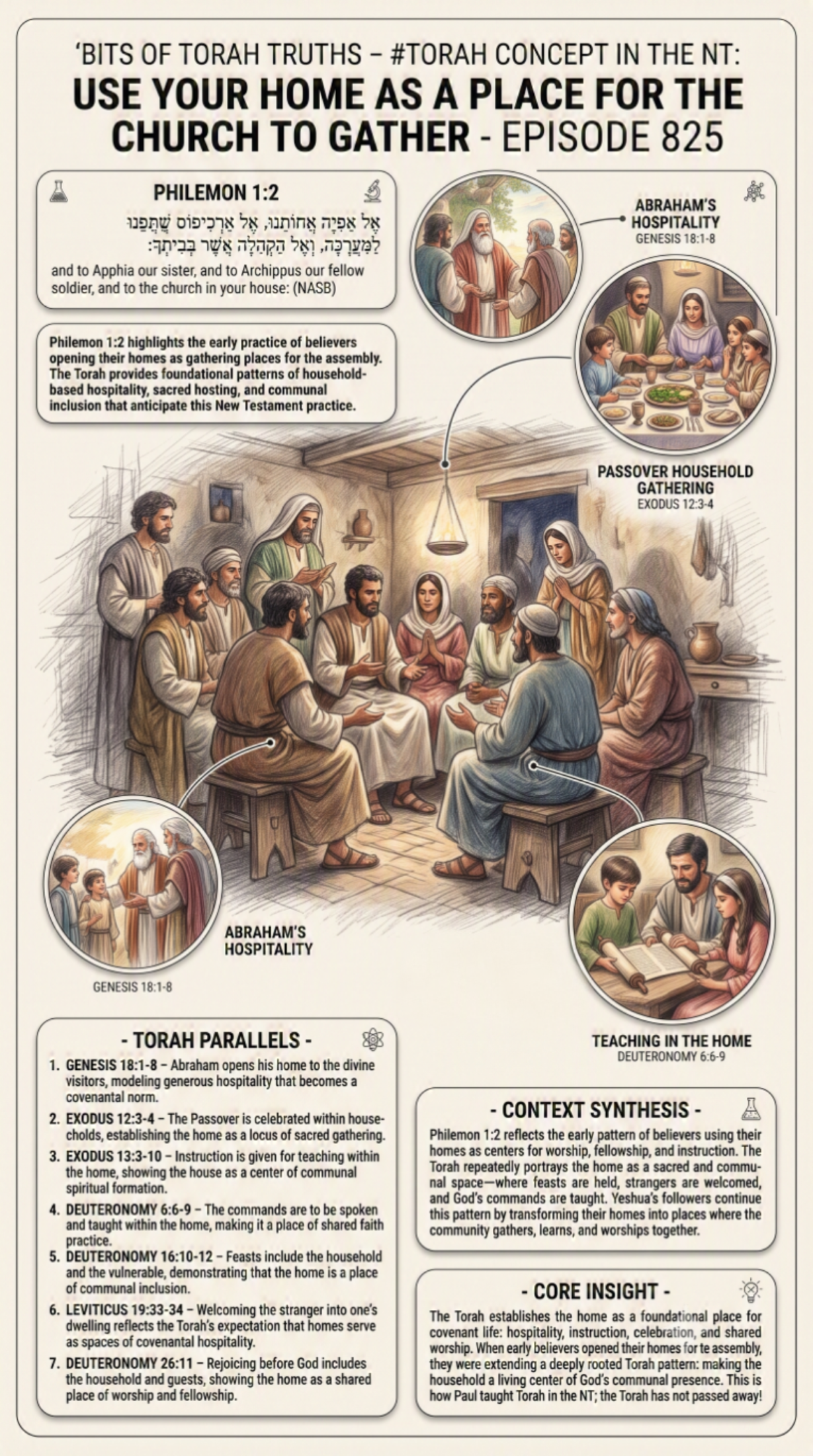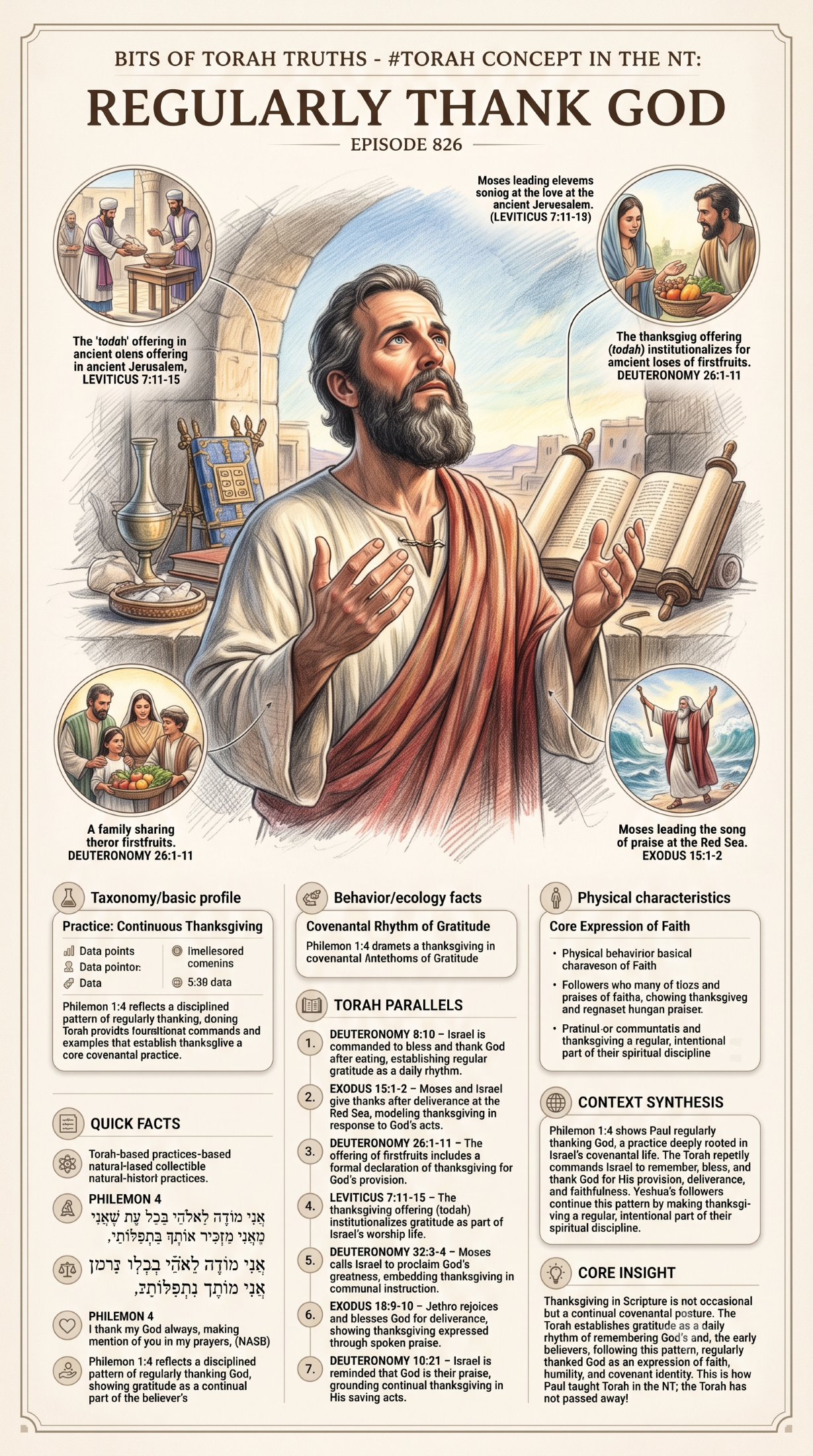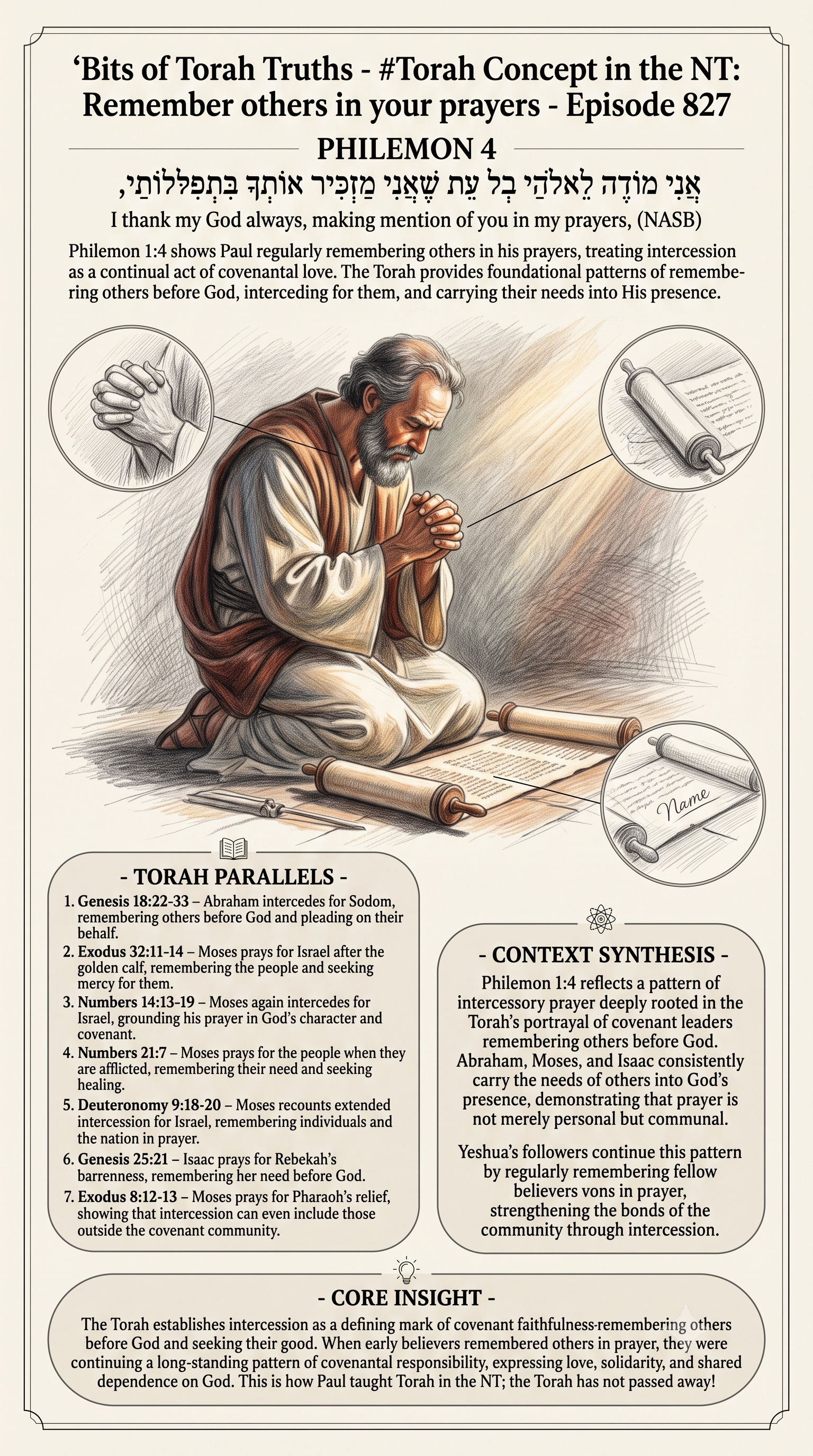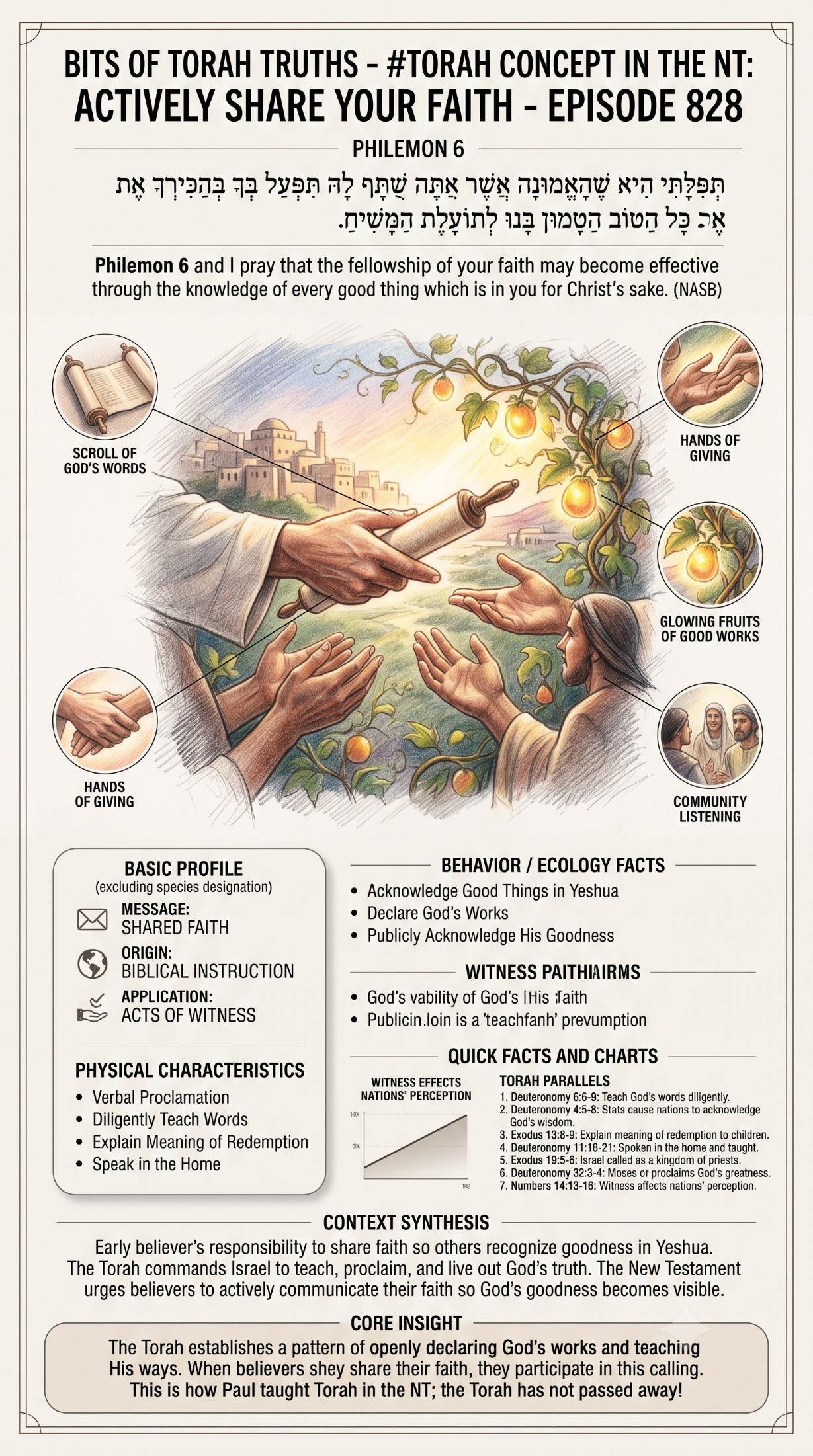
Bits of Torah Truths – #Torah Concept in the NT: Do not forget to share – Episode 856
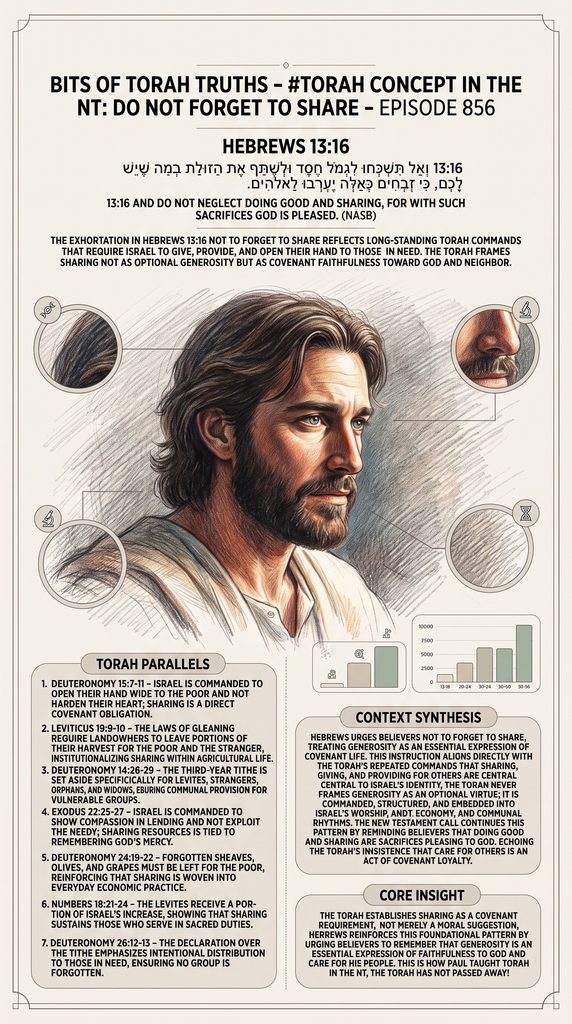
Hebrews 13:16
וְאַל תִּשְׁכְּחוּ לִגְמֹל חֶסֶד וּלְשַׁתֵּף אֶת הַזּוּלַת בְּמַה שֶּׁיֵּשׁ לָכֶם, כִּי זְבָחִים כָּאֵלֶּה יֶעֶרְבוּ לֵאלֹהִים.
#torah #torahwisdom #torahtruth #torahforlife #torah4you #torahtruth
Hebrews 13:16
13:16 And do not neglect doing good and sharing, for with such sacrifices God is pleased. (NASB)
https://www.matsati.com/index.php/category/bits-of-torah-truths/
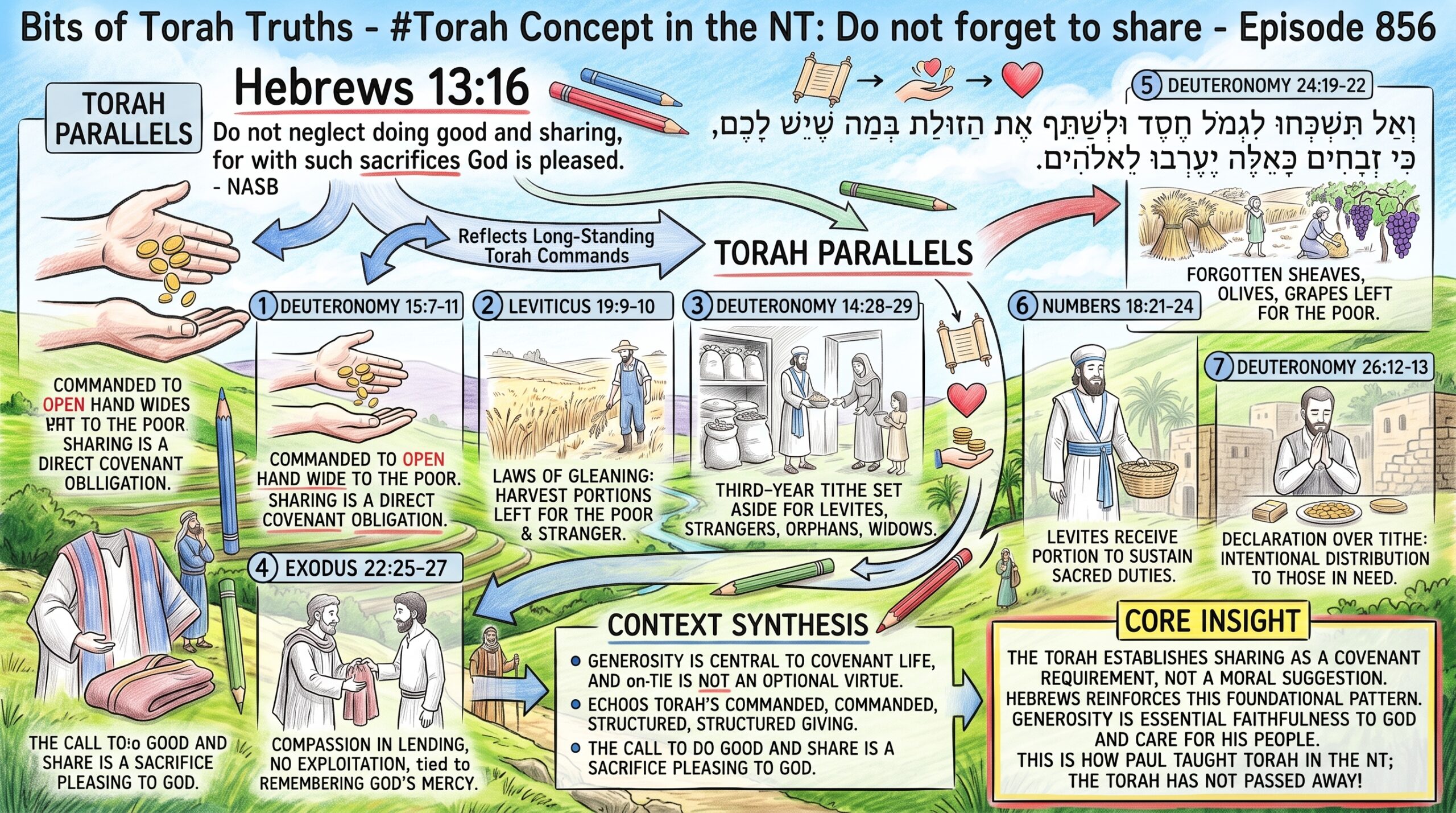
The exhortation in Hebrews 13:16 not to forget to share reflects long‑standing Torah commands that require Israel to give, provide, and open their hand to those in need. The Torah frames sharing not as optional generosity but as covenant faithfulness toward God and neighbor.
– Torah parallels –
- Deuteronomy 15:7‑11 – Israel is commanded to open their hand wide to the poor and not harden their heart; sharing is a direct covenant obligation.
- Leviticus 19:9‑10 – The laws of gleaning require landowners to leave portions of their harvest for the poor and the stranger, institutionalizing sharing within agricultural life.
- Deuteronomy 14:28‑29 – The third‑year tithe is set aside specifically for Levites, strangers, orphans, and widows, ensuring communal provision for vulnerable groups.
- Exodus 22:25‑27 – Israel is commanded to show compassion in lending and not exploit the needy; sharing resources is tied to remembering God’s mercy.
- Deuteronomy 24:19‑22 – Forgotten sheaves, olives, and grapes must be left for the poor, reinforcing that sharing is woven into everyday economic practice.
- Numbers 18:21‑24 – The Levites receive a portion of Israel’s increase, showing that sharing sustains those who serve in sacred duties.
- Deuteronomy 26:12‑13 – The declaration over the tithe emphasizes intentional distribution to those in need, ensuring no group is forgotten.
– Context Synthesis –
Hebrews urges believers not to forget to share, treating generosity as an essential expression of covenant life. This instruction aligns directly with the Torah’s repeated commands that sharing, giving, and providing for others are central to Israel’s identity. The Torah never frames generosity as an optional virtue; it is commanded, structured, and embedded into Israel’s worship, economy, and communal rhythms. The New Testament call continues this pattern by reminding believers that doing good and sharing are sacrifices pleasing to God, echoing the Torah’s insistence that care for others is an act of covenant loyalty.
– Core Insight –
The Torah establishes sharing as a covenant requirement, not merely a moral suggestion. Hebrews reinforces this foundational pattern by urging believers to remember that generosity is an essential expression of faithfulness to God and care for His people. This is how the author of Hebrews taught Torah in the NT, the Torah has not passed away!
Visual Summary of Concepts the Torah in the NT