Bits of Torah Truths – #Torah Concept in the NT: Appeal to others in love, not using authority to command them – Episode 829
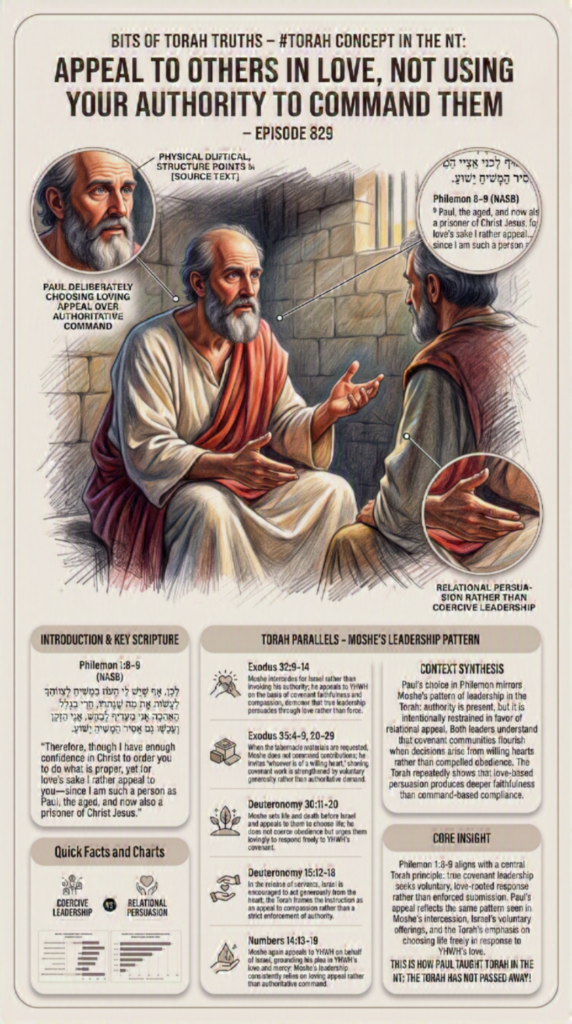
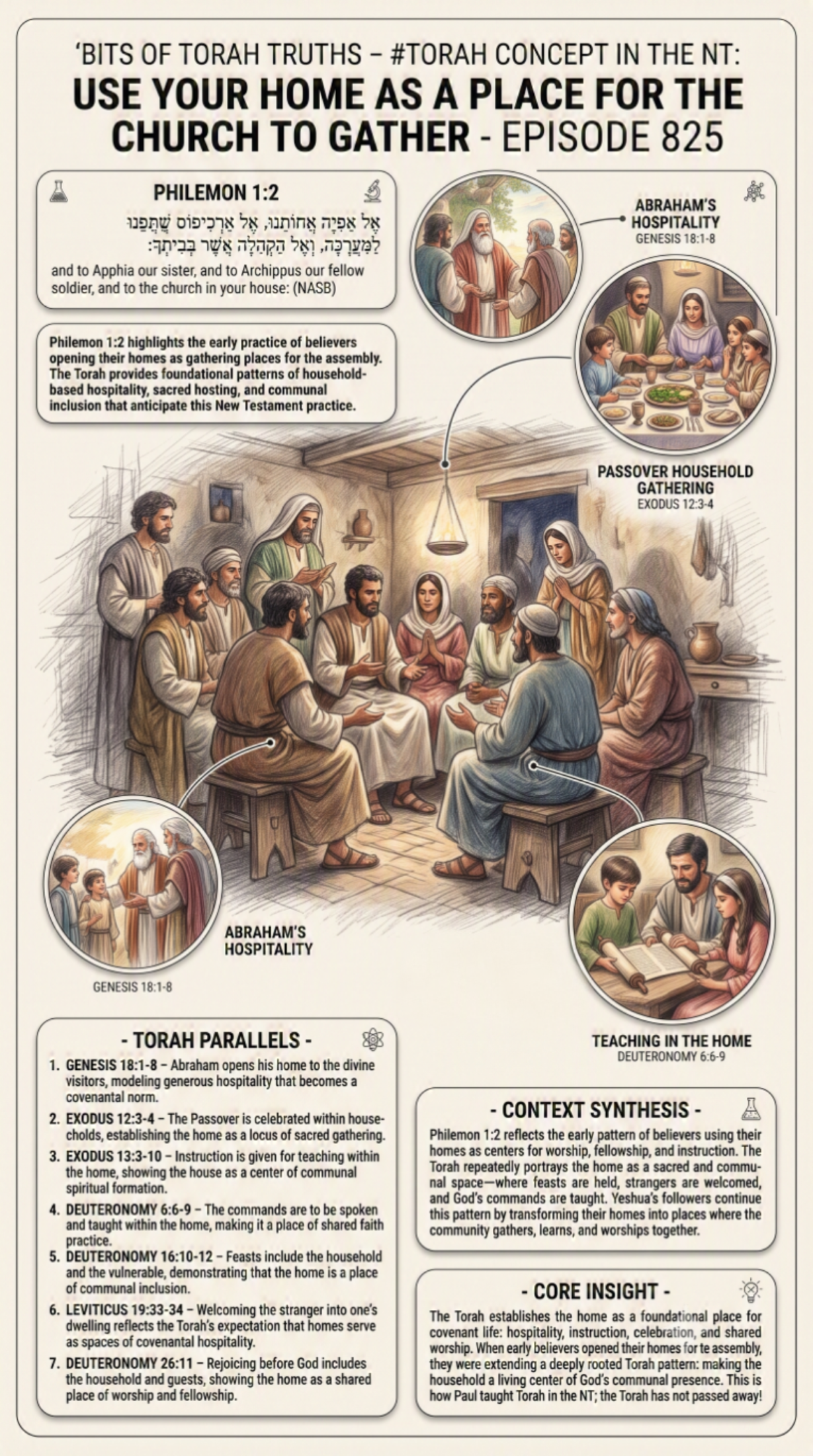
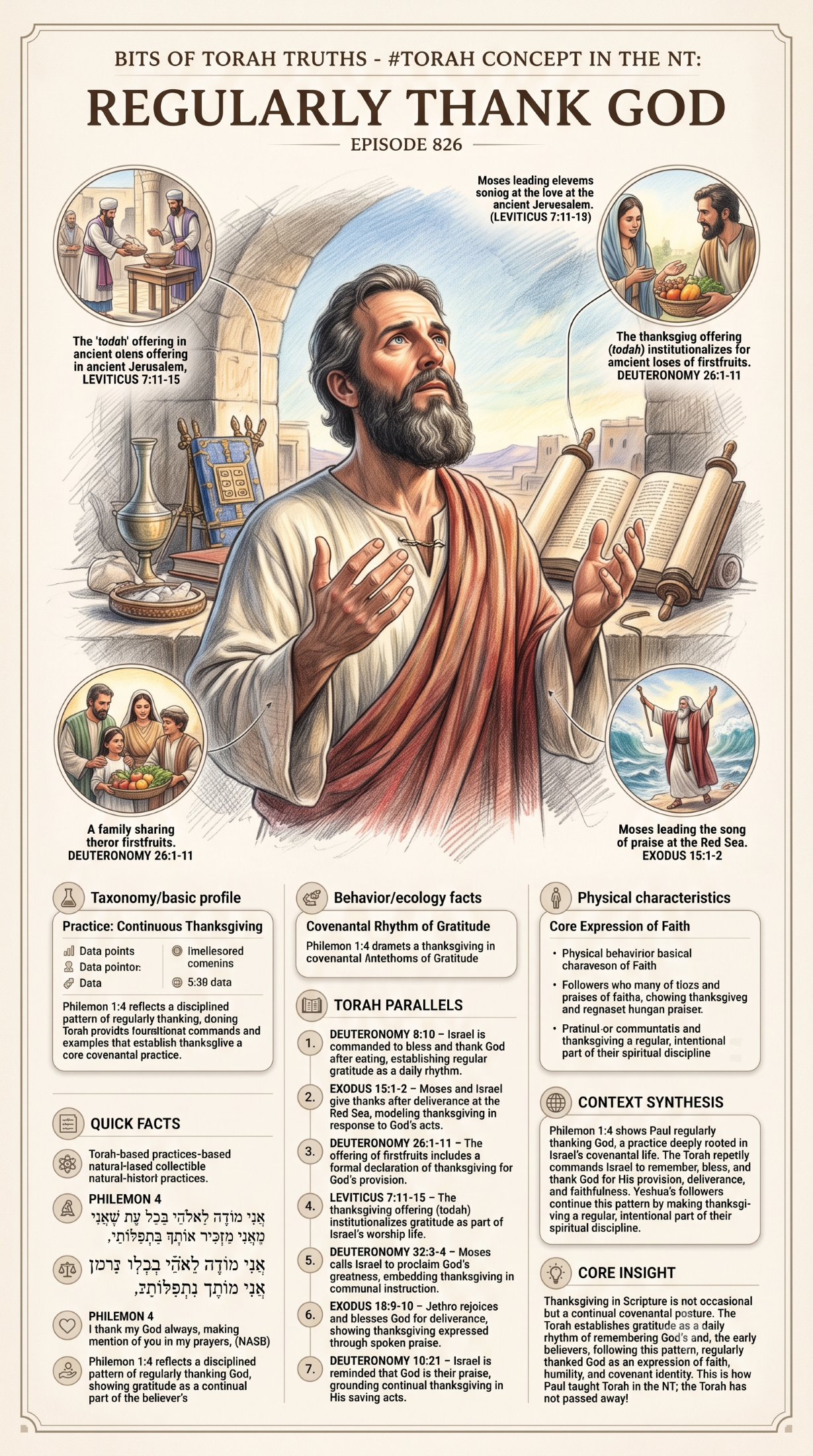
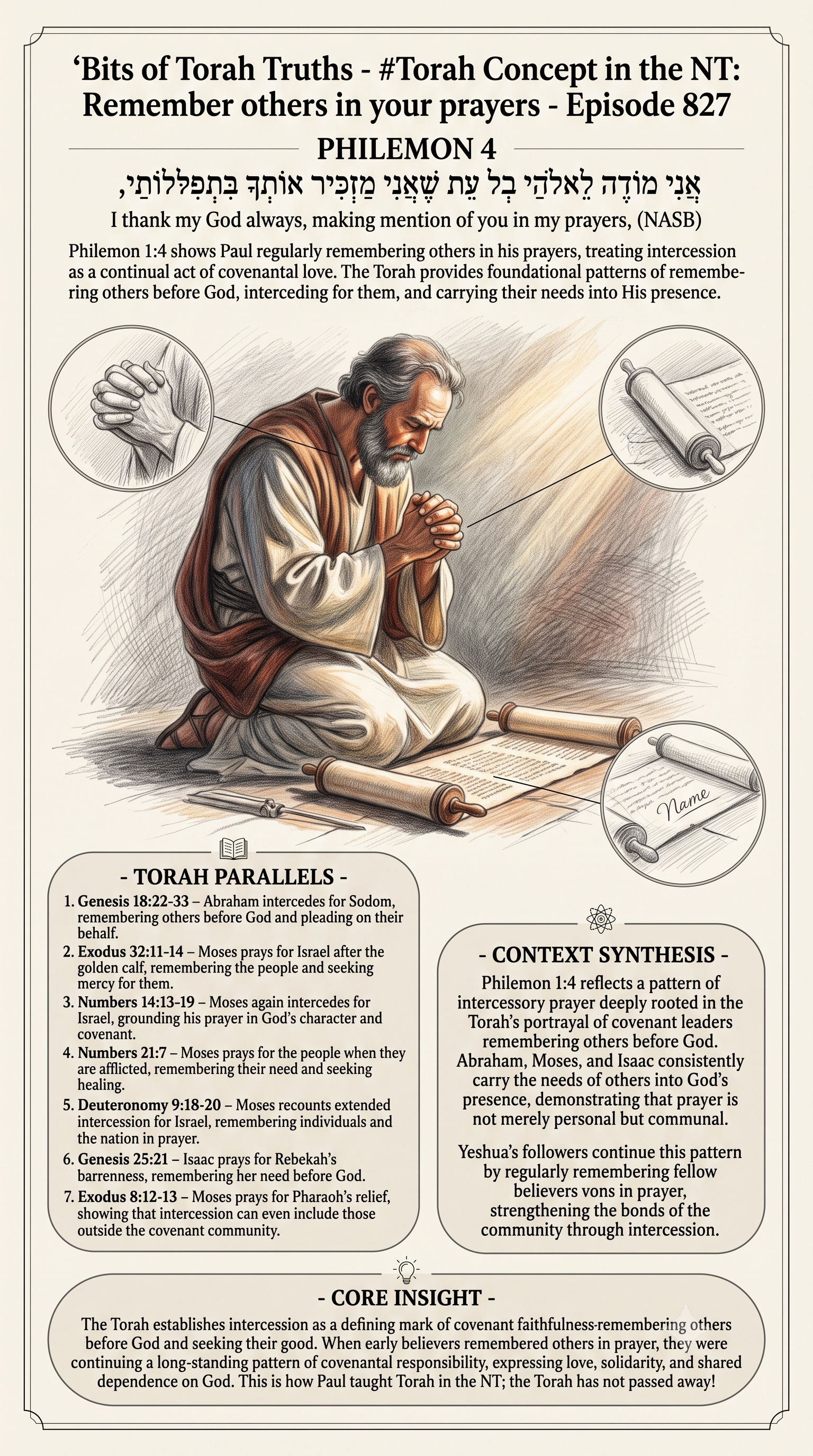
Philemon 8–9
8 לָכֵן, אַף שֶׁיֵּשׁ לִי הָעֹז בַּמָּשִׁיחַ לְצַוּוֹתְךָ לַעֲשׂוֹת אֶת מַה שֶּׁנָּחוּץ, 9 הֲרֵי בִּגְלַל הָאַהֲבָה אֲנִי מַעְדִּיף לְבַקֵּשׁ, אֲנִי שָׁאוּל הַזָּקֵן וְעַכְשָׁו גַּם אֲסִיר הַמָּשִׁיחַ יֵשׁוּעַ.
#torah#torahwisdom#torahtruth#torahforlife#torah4you#torahtruth
Philemon 8–9
8 Therefore, though I have enough confidence in Christ to order you to do what is proper, 9 yet for love’s sake I rather appeal to you—since I am such a person as Paul, the aged, and now also a prisoner of Christ Jesus— (NASB)
https://www.matsati.com/index.php/category/bits-of-torah-truths/
Philemon 1:8‑9 shows Paul deliberately choosing loving appeal over authoritative command, modeling relational persuasion rather than coercive leadership. The Torah contains multiple patterns where leaders restrain their authority and instead seek voluntary, willing responses rooted in love, covenant loyalty, and shared responsibility.
– Torah parallels –
- Exodus 32:9‑14 – Moshe intercedes for Israel rather than invoking his authority; he appeals to YHWH on the basis of covenant faithfulness and compassion, demonstrating that true leadership persuades through love rather than force.
- Exodus 35:4‑9, 20‑29 – When the tabernacle materials are requested, Moshe does not command contributions; he invites “whoever is of a willing heart,” showing that covenant work is strengthened by voluntary generosity rather than authoritative demand.
- Deuteronomy 30:11‑20 – Moshe sets life and death before Israel and appeals to them to choose life; he does not coerce obedience but urges them lovingly to respond freely to YHWH’s covenant.
- Deuteronomy 15:12‑18 – In the release of servants, Israel is encouraged to act generously from the heart; the Torah frames the instruction as an appeal to compassion rather than a strict enforcement of authority.
- Numbers 14:13‑19 – Moshe again appeals to YHWH on behalf of Israel, grounding his plea in YHWH’s love and mercy; Moshe’s leadership consistently relies on loving appeal rather than authoritative command.
– Context Synthesis –
Paul’s choice in Philemon mirrors Moshe’s pattern of leadership in the Torah: authority is present, but it is intentionally restrained in favor of relational appeal. Both leaders understand that covenant communities flourish when decisions arise from willing hearts rather than compelled obedience. The Torah repeatedly shows that love‑based persuasion produces deeper faithfulness than command‑based compliance.
– Core Insight –
Philemon 1:8‑9 aligns with a central Torah principle: true covenant leadership seeks voluntary, love‑rooted response rather than enforced submission. Paul’s appeal reflects the same pattern seen in Moshe’s intercession, Israel’s voluntary offerings, and the Torah’s emphasis on choosing life freely in response to YHWH’s love. This is how Paul taught Torah in the NT; the Torah has not passed away!
Visual Summary of Concepts the Torah in the NT