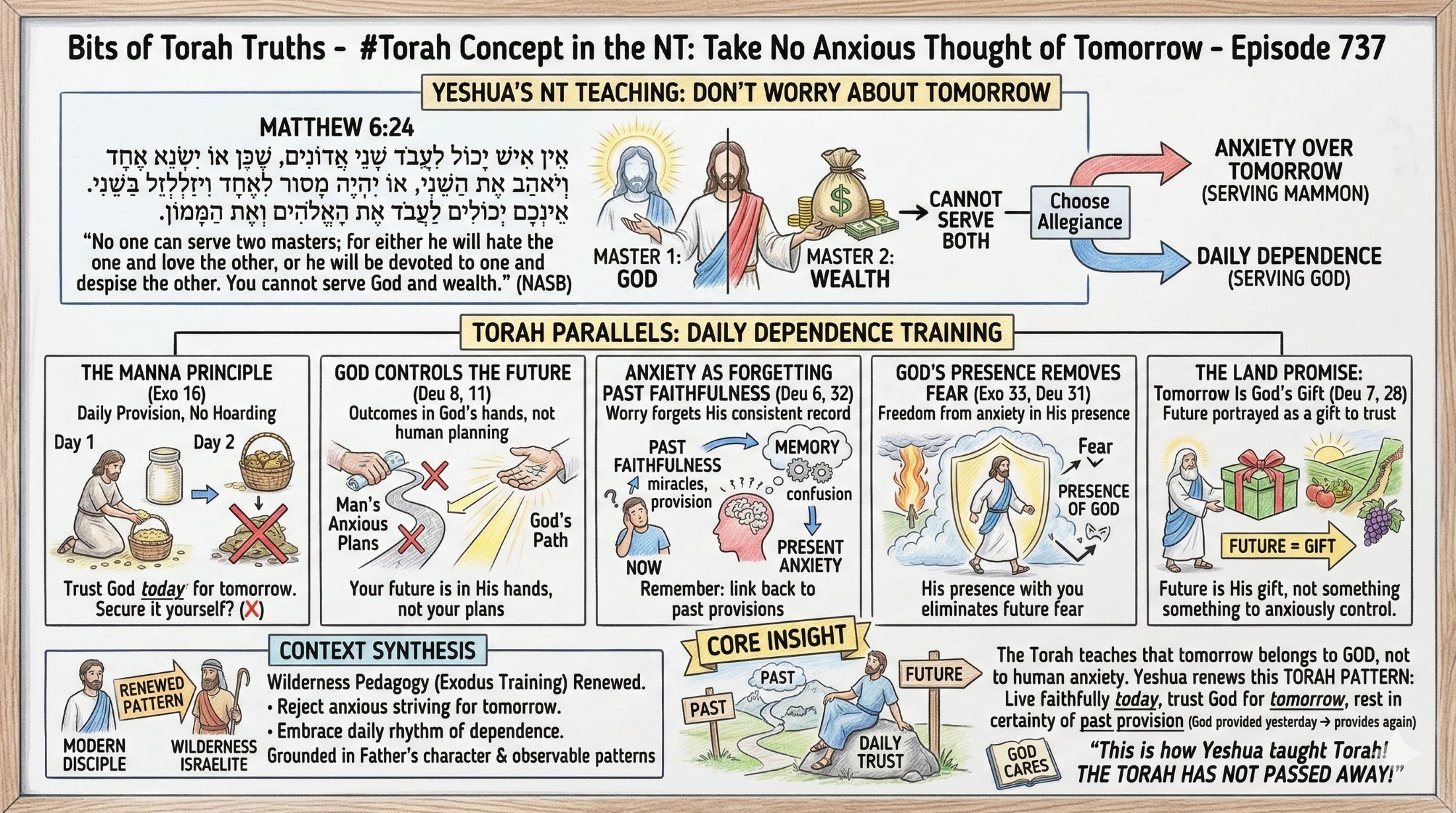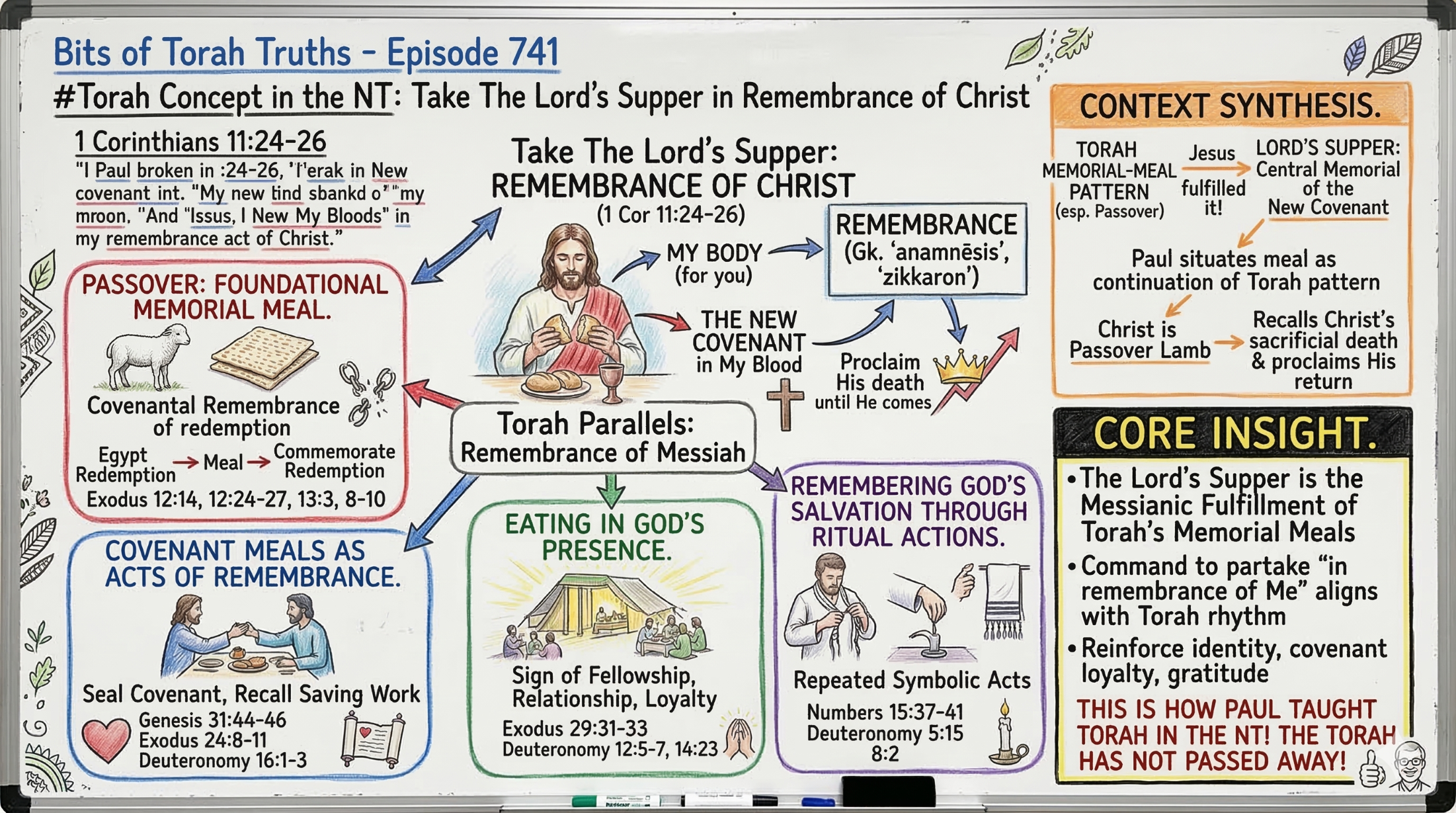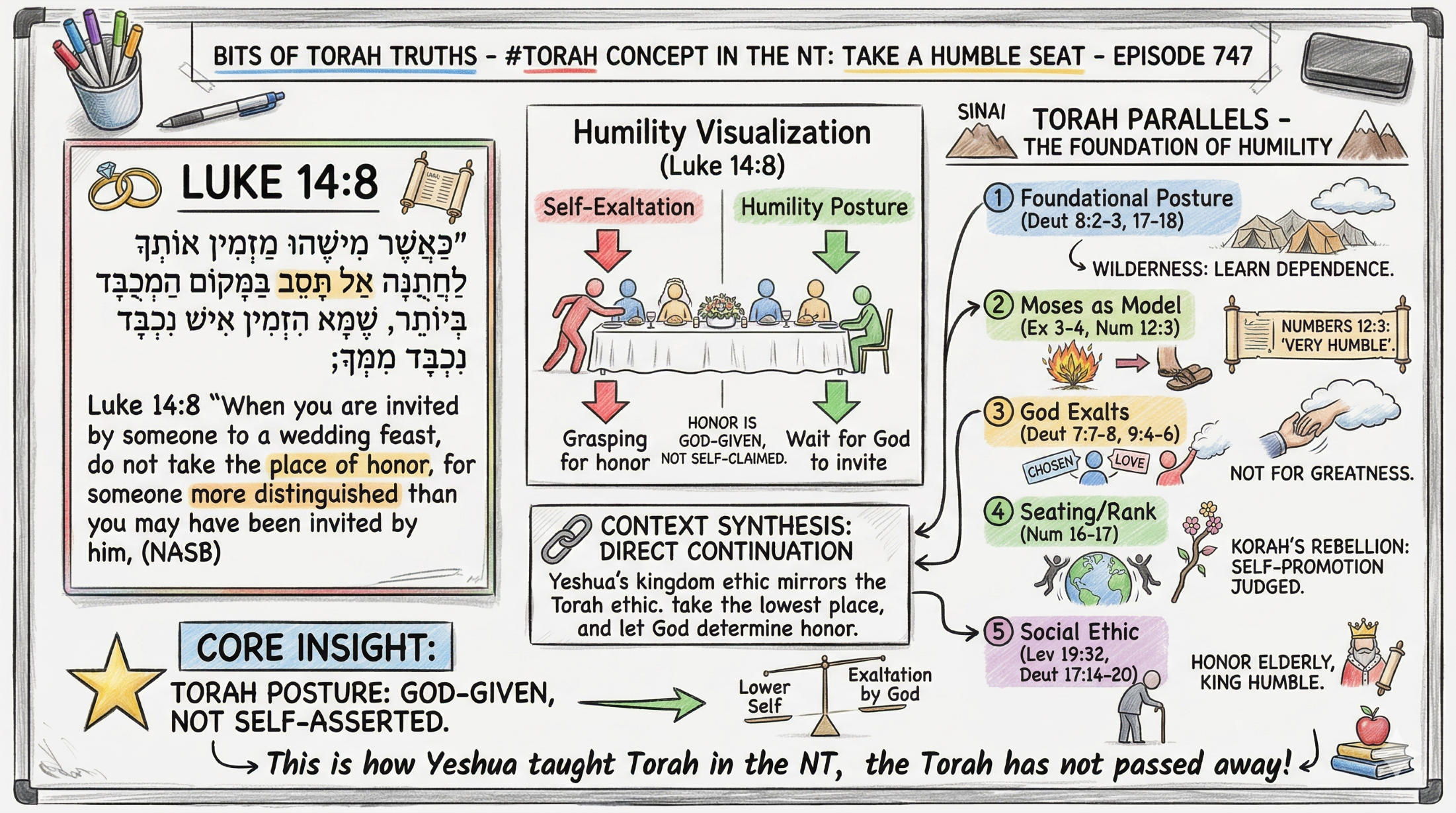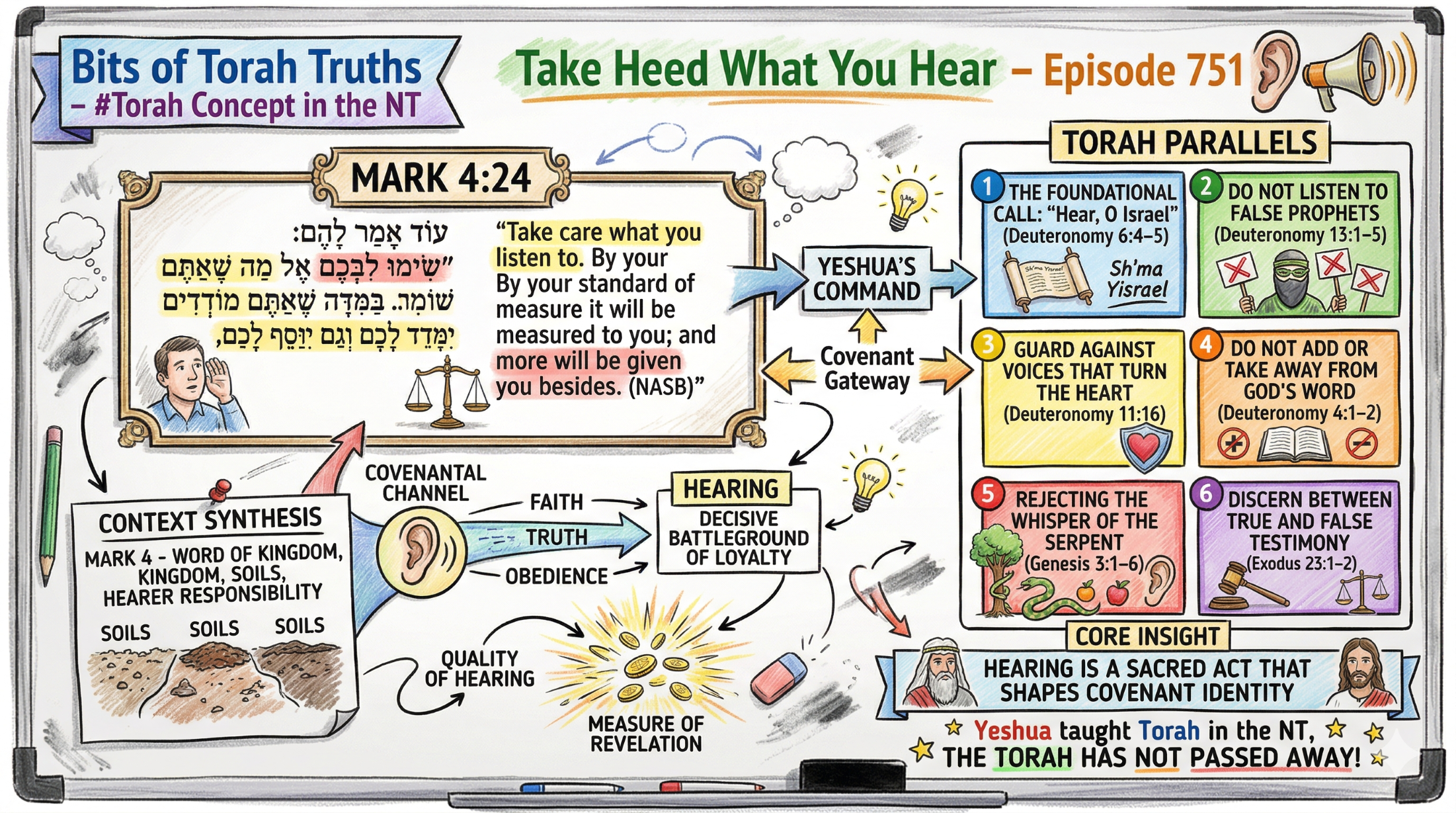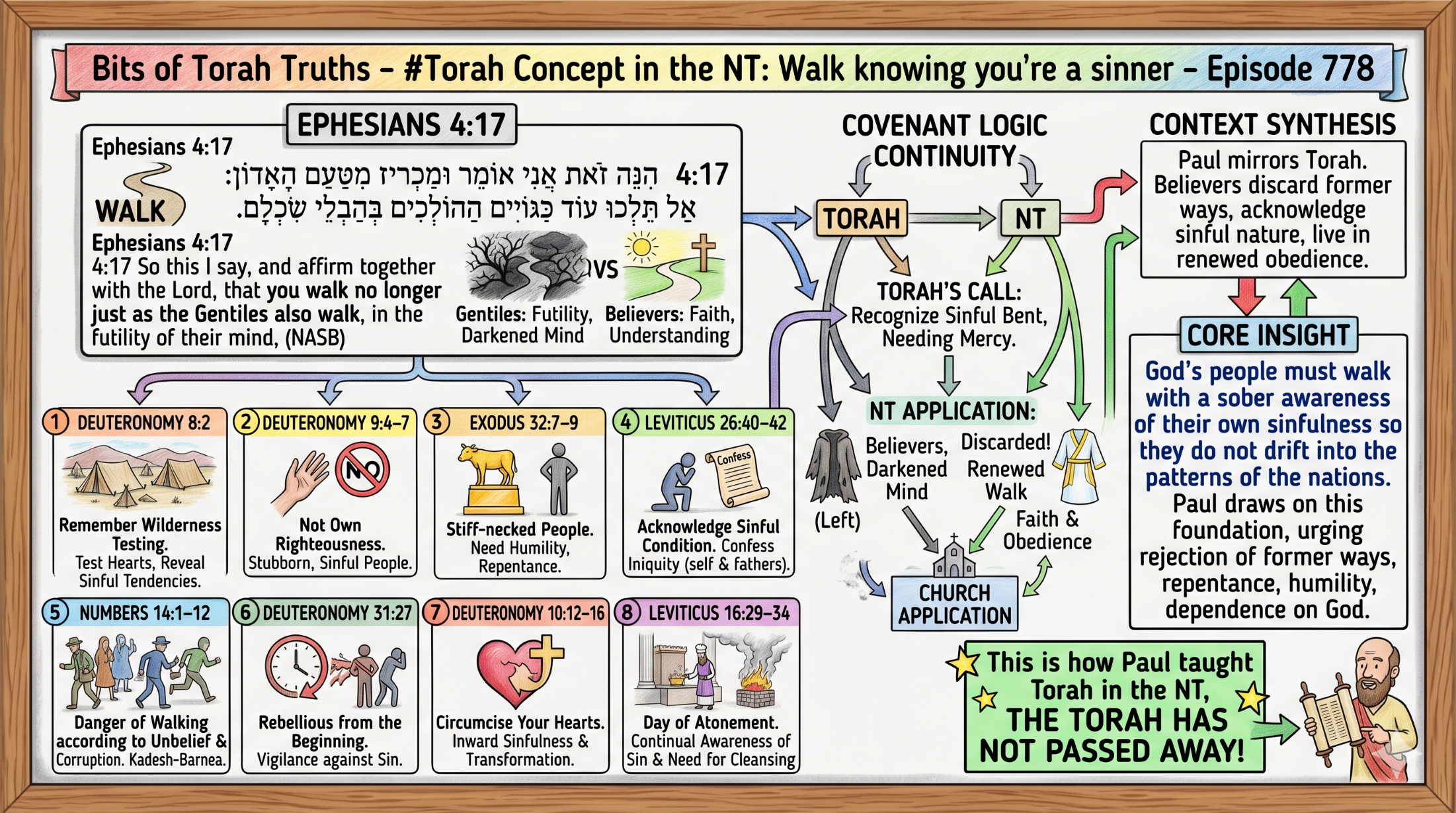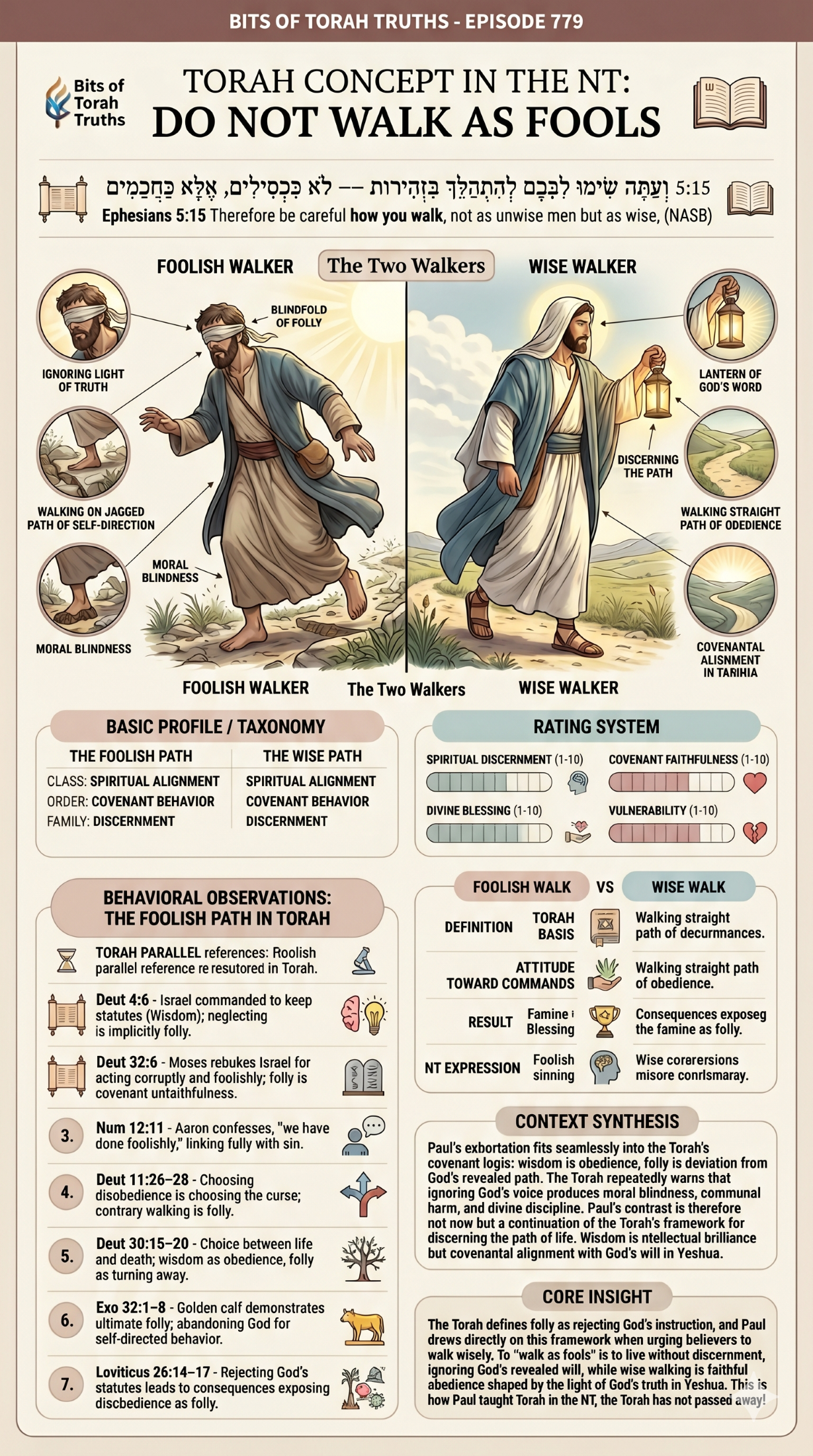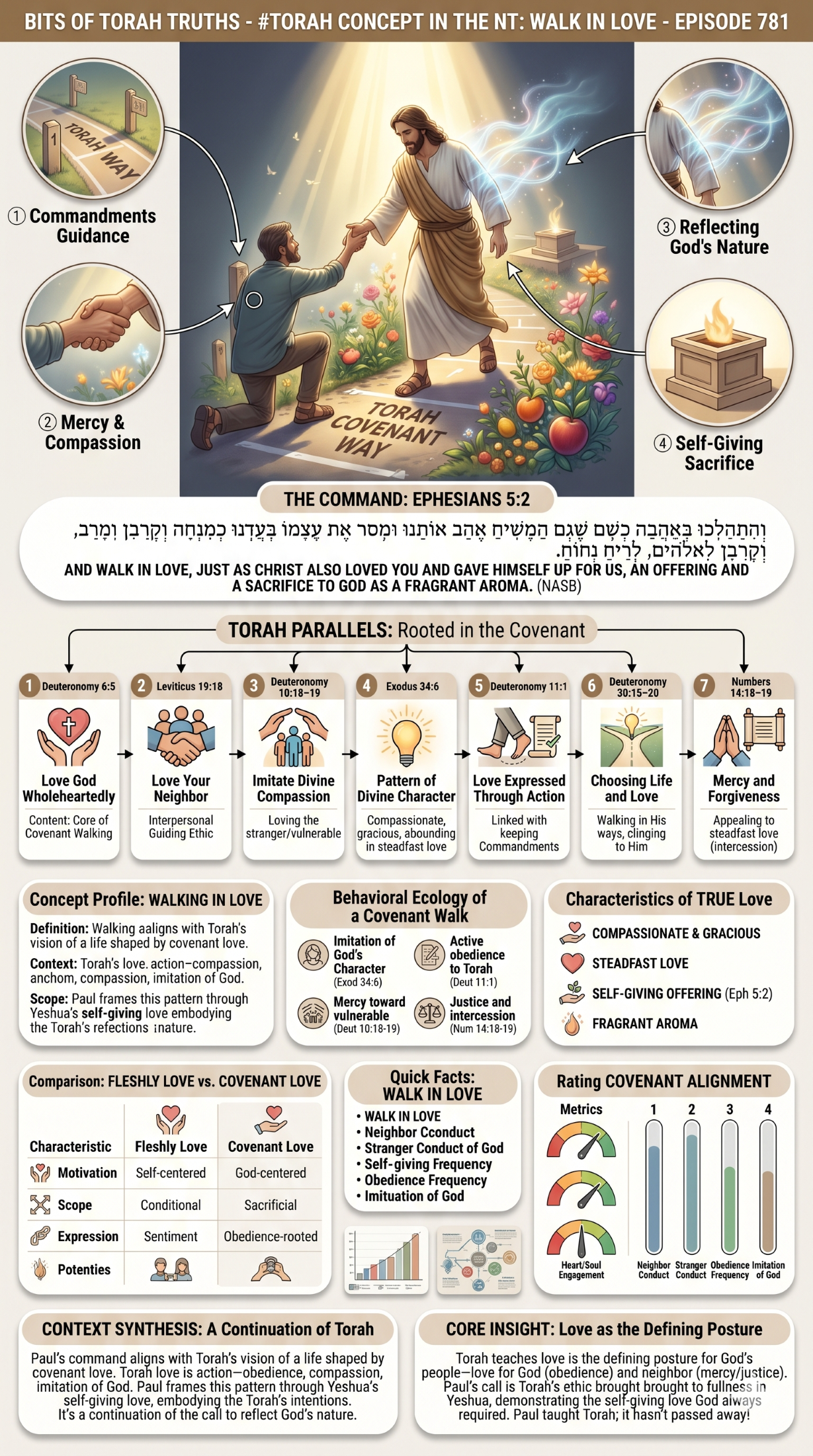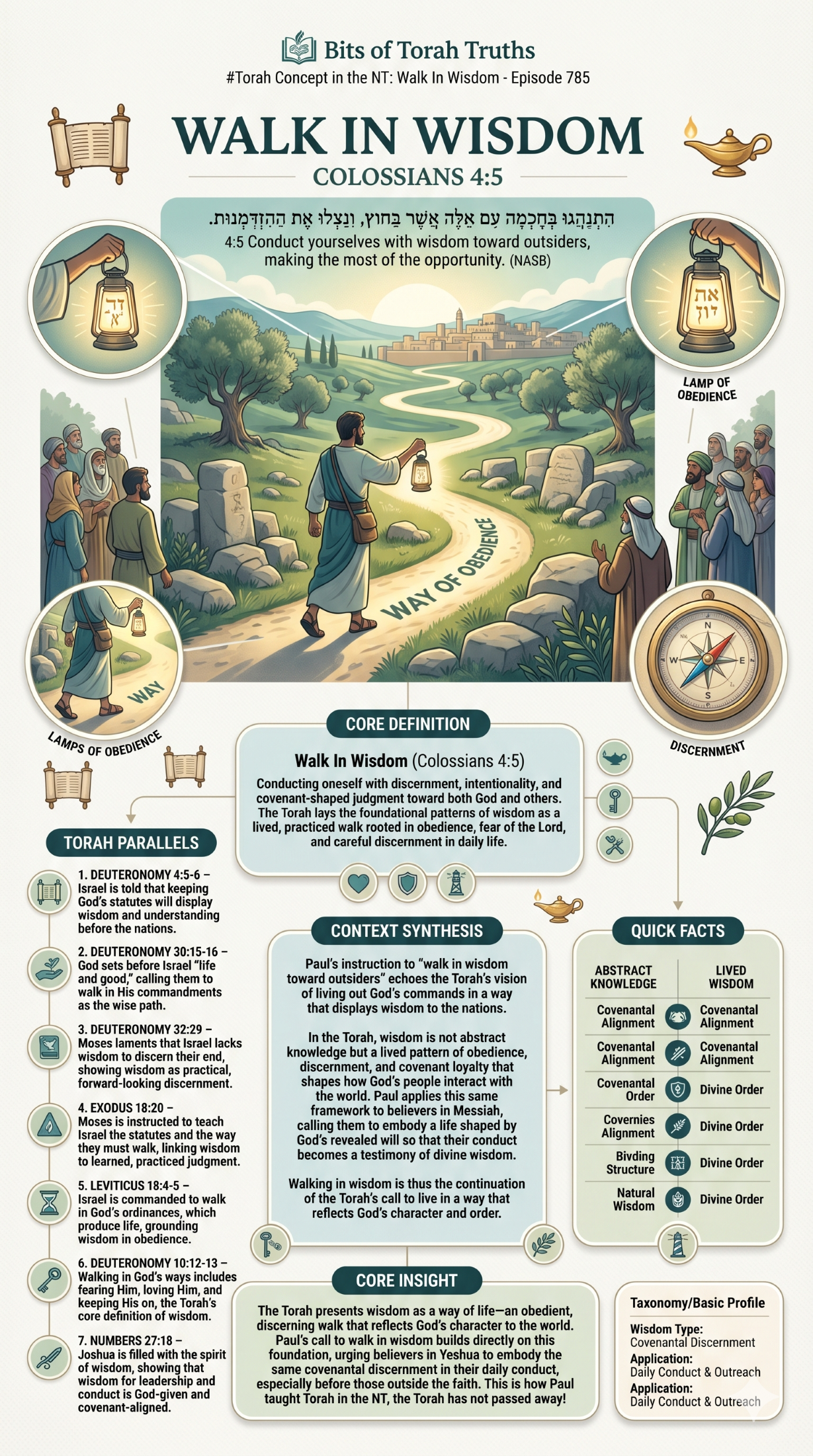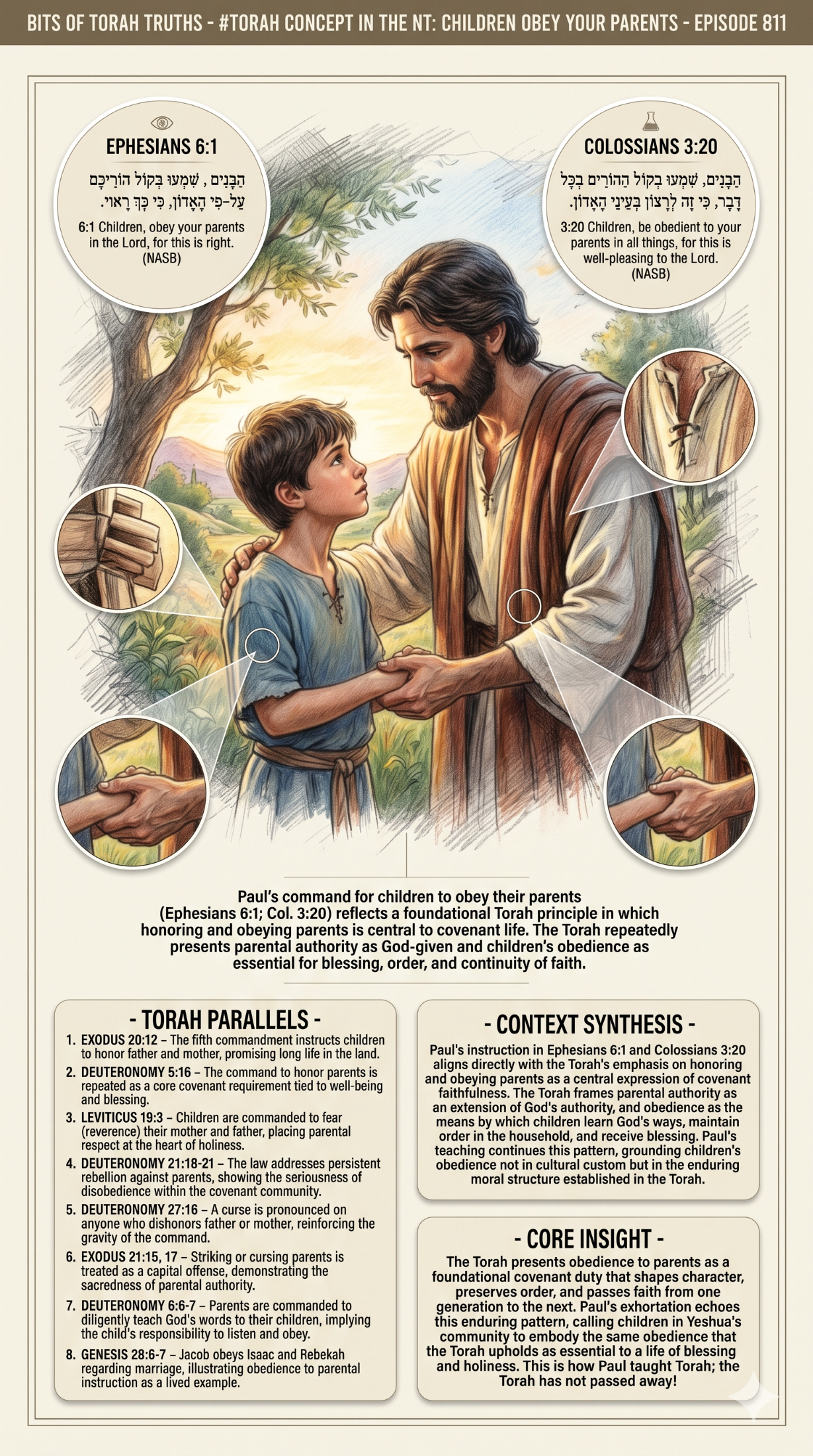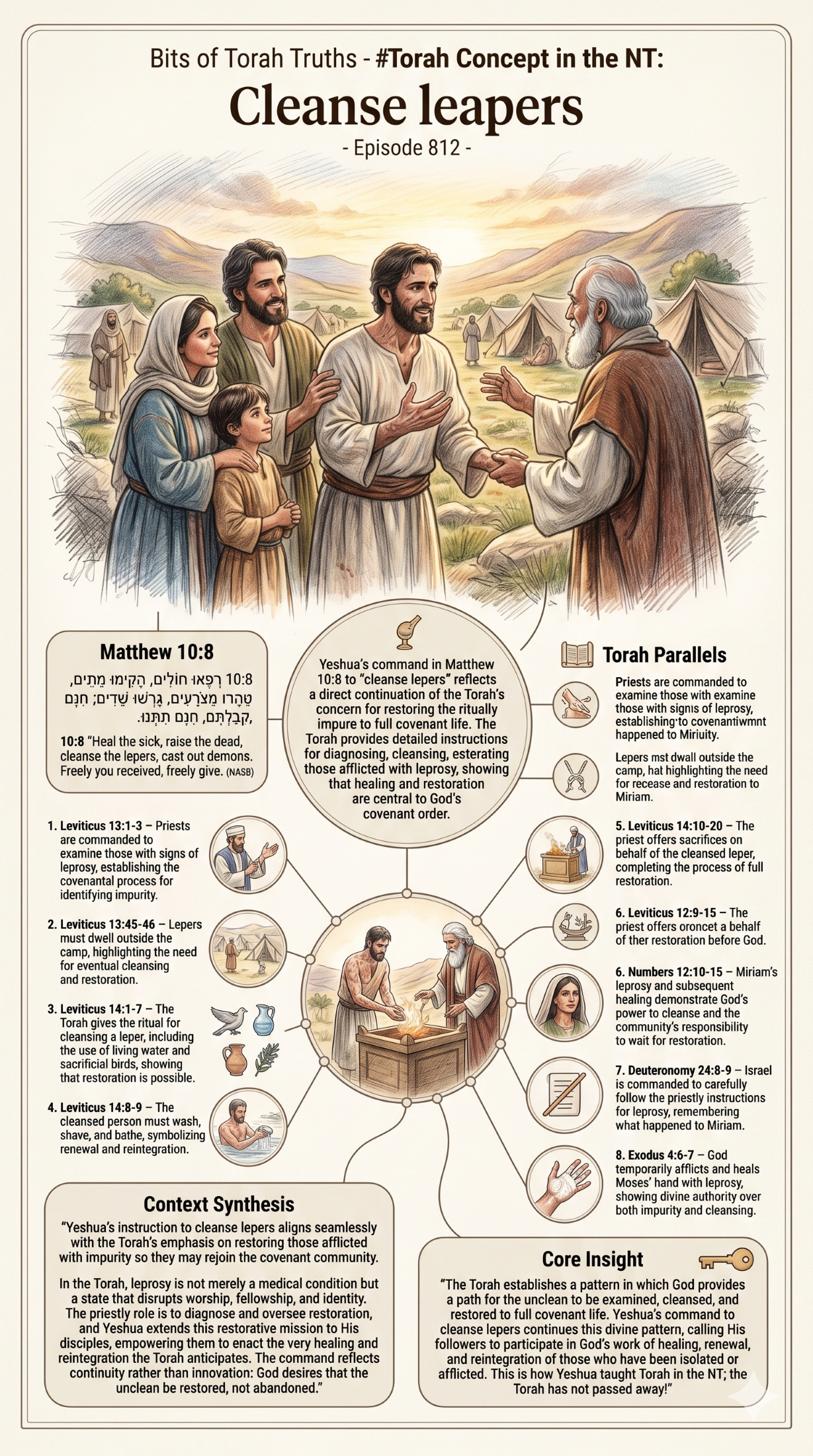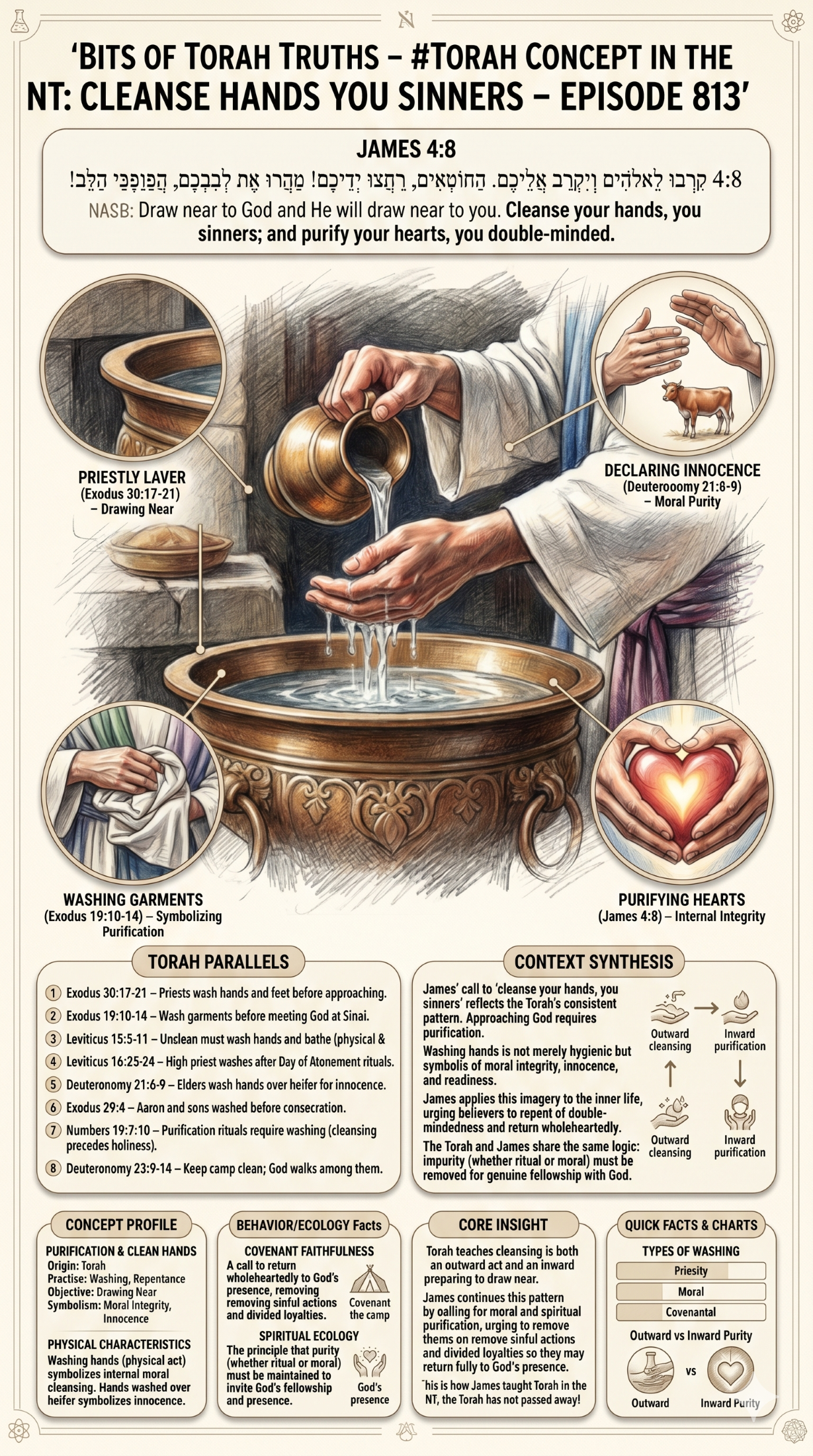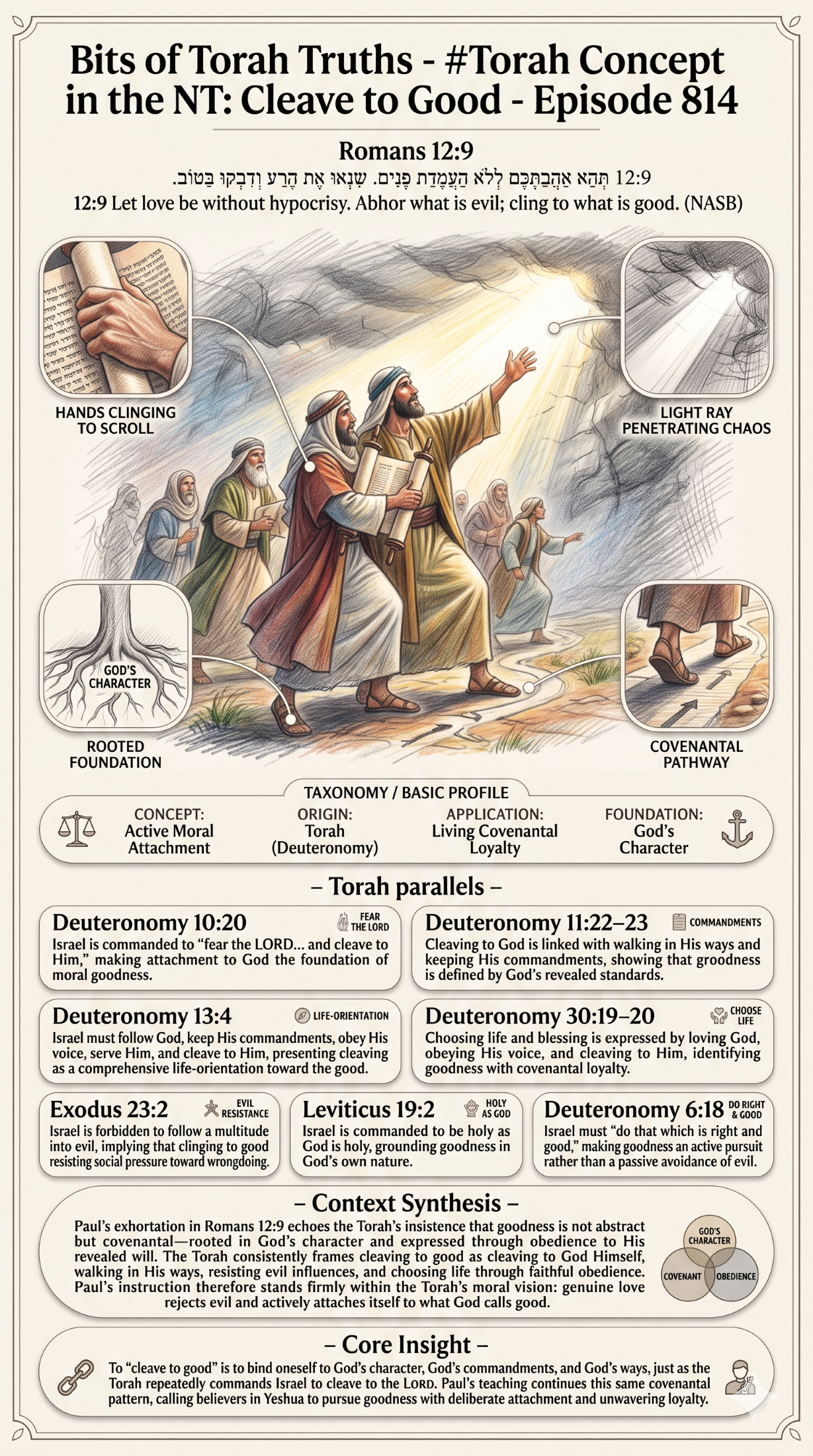
Bits of Torah Truths – #Torah Concept in the NT: Look not everyone on own things only – Episode 890
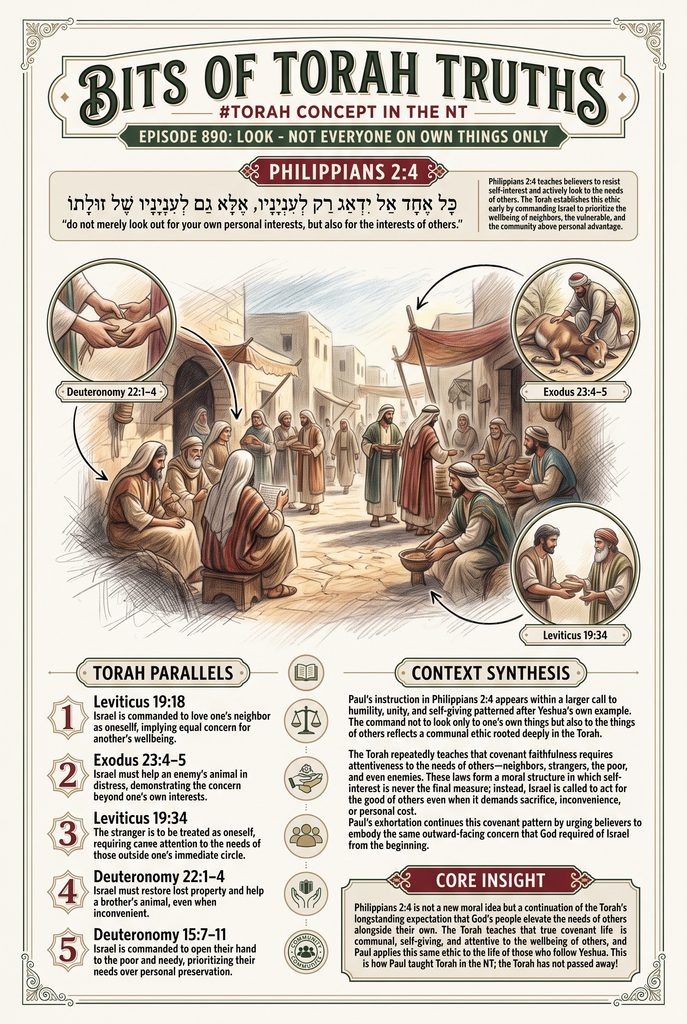
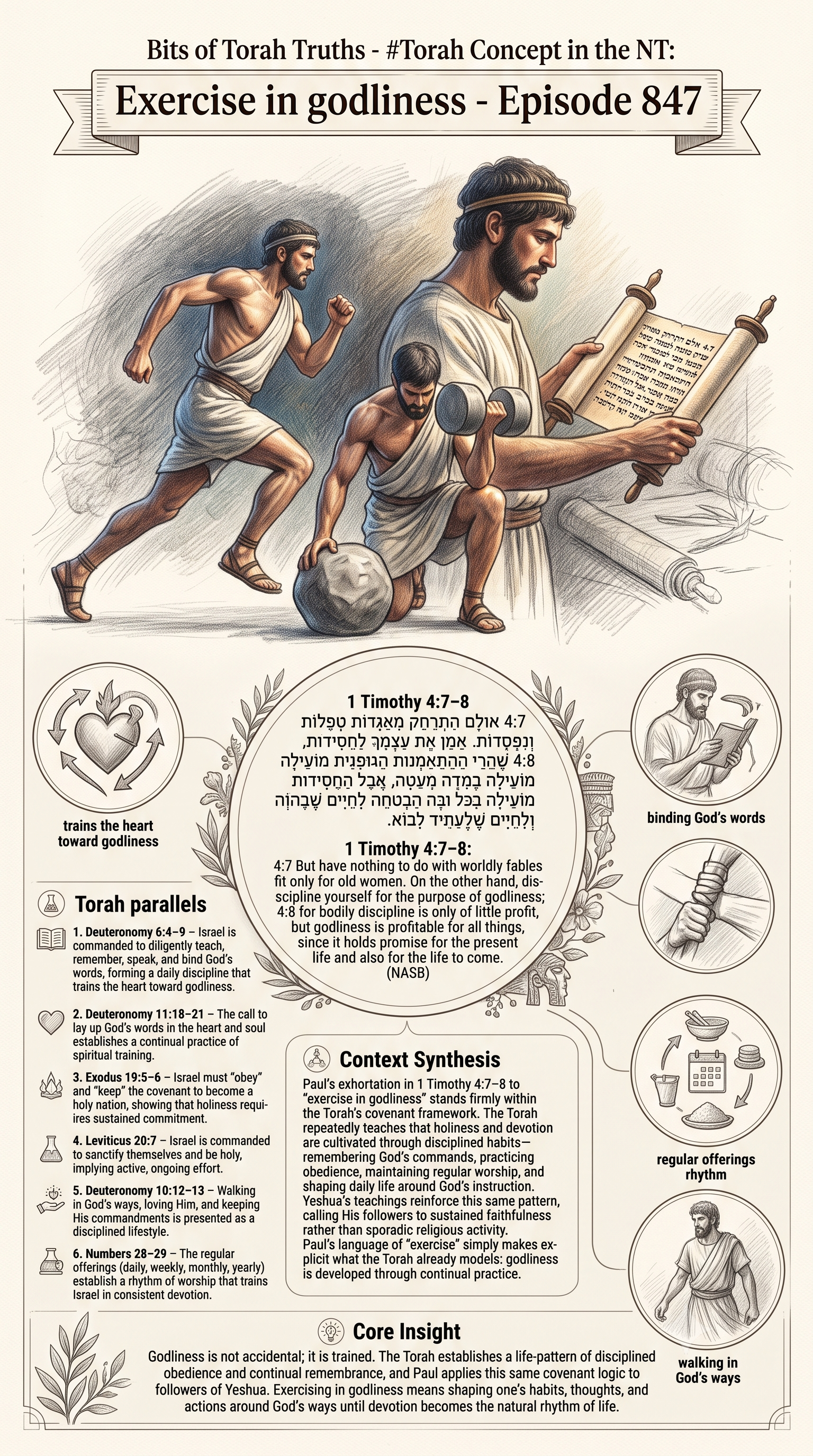
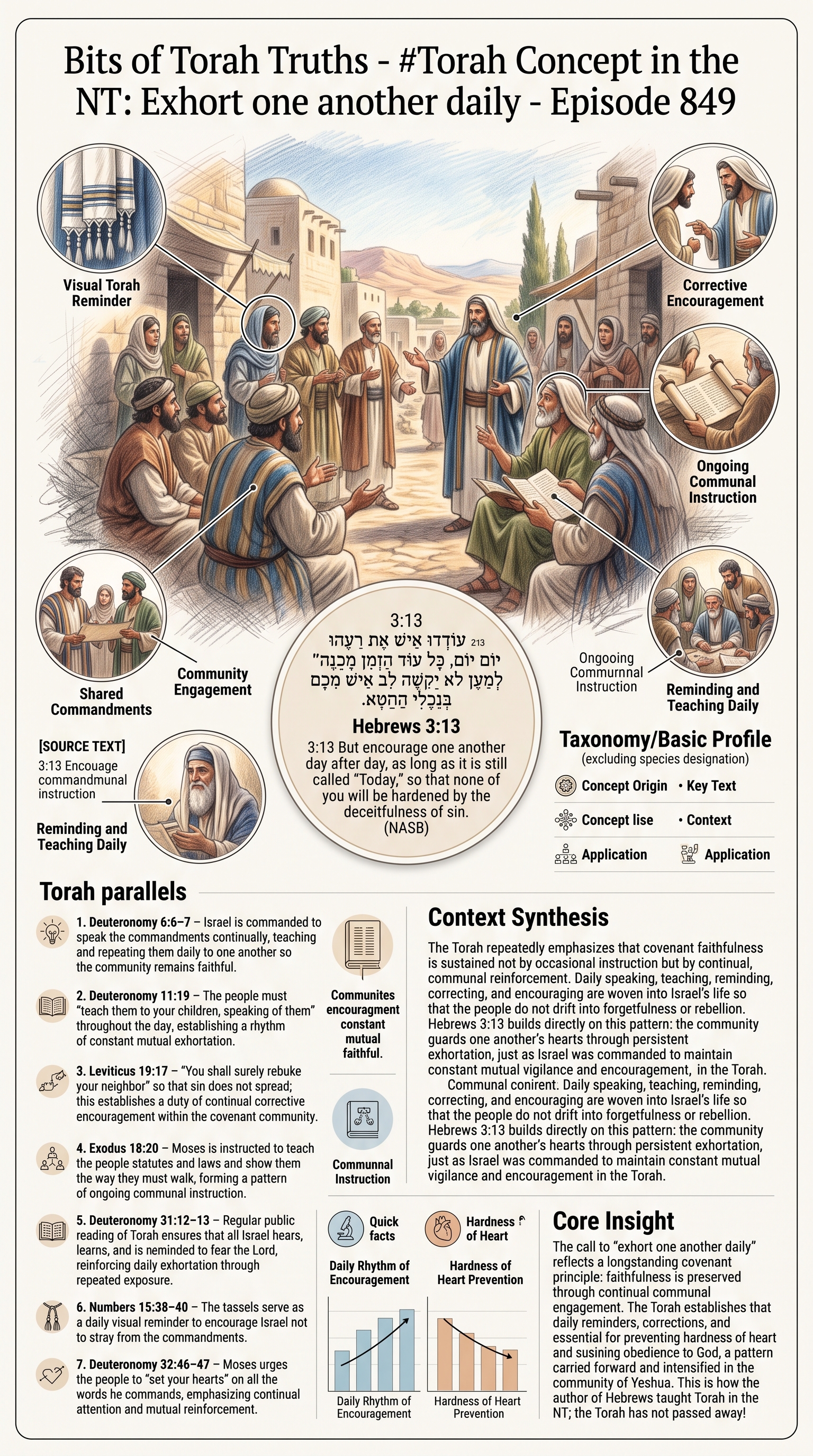
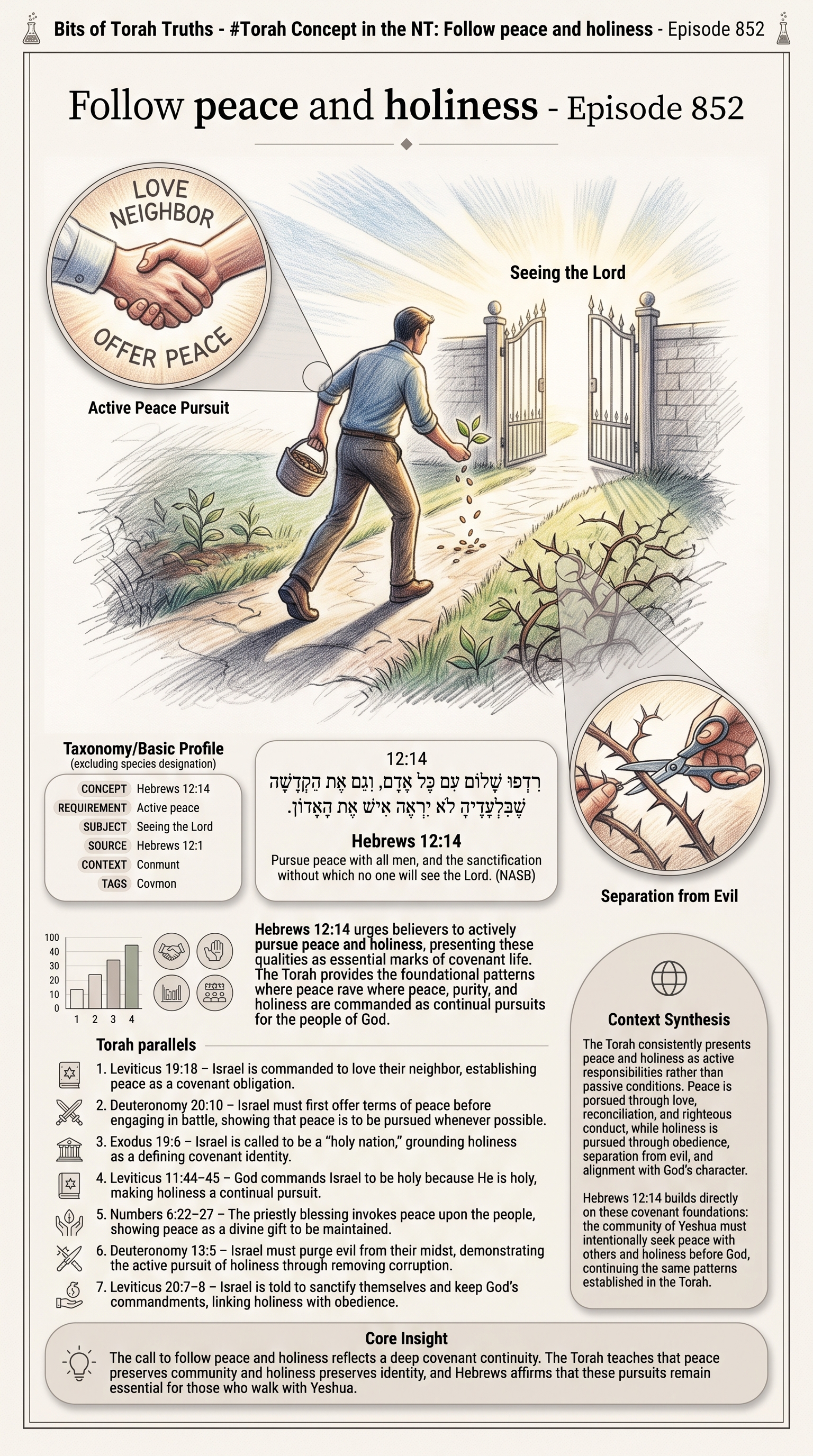
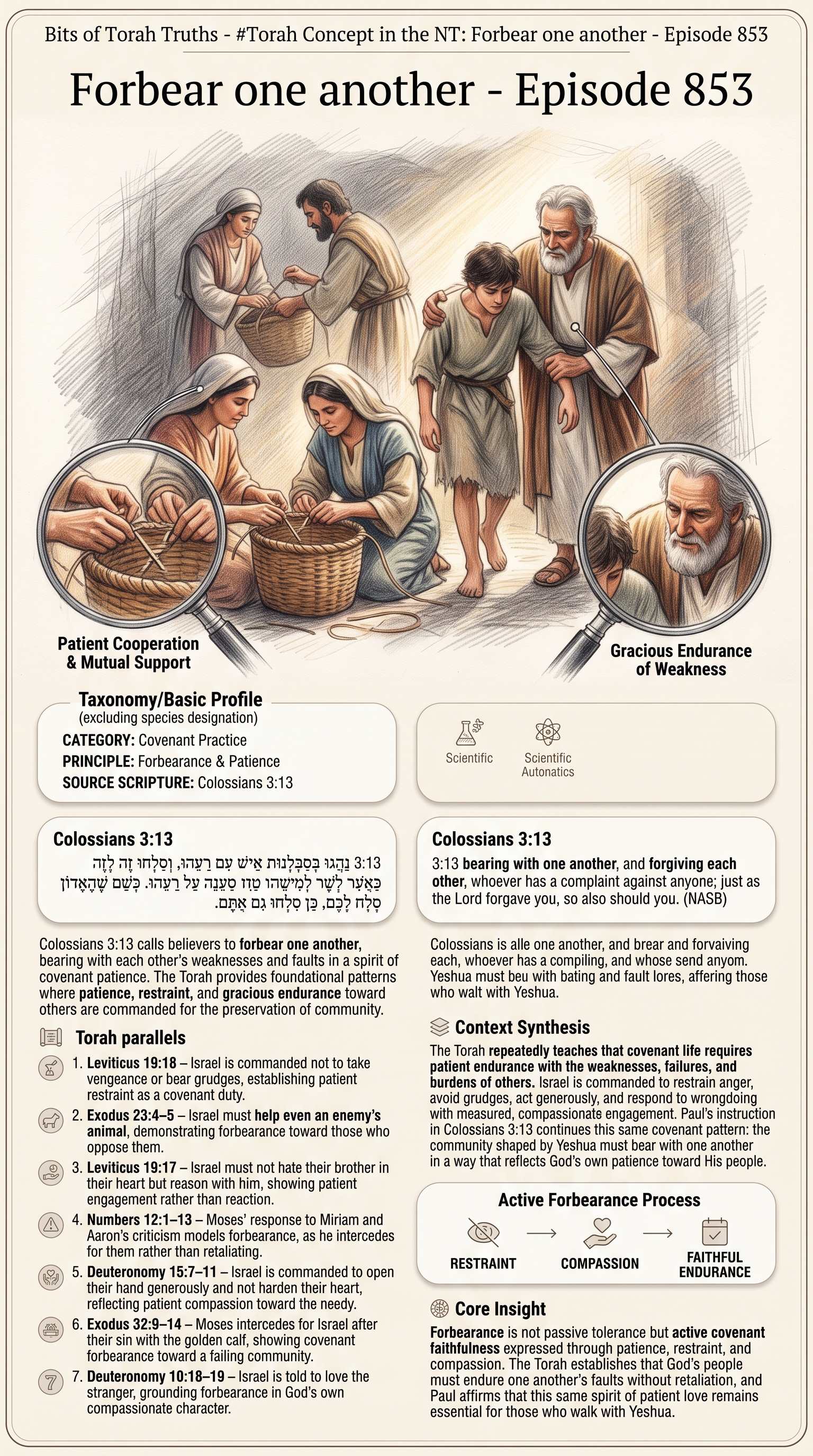
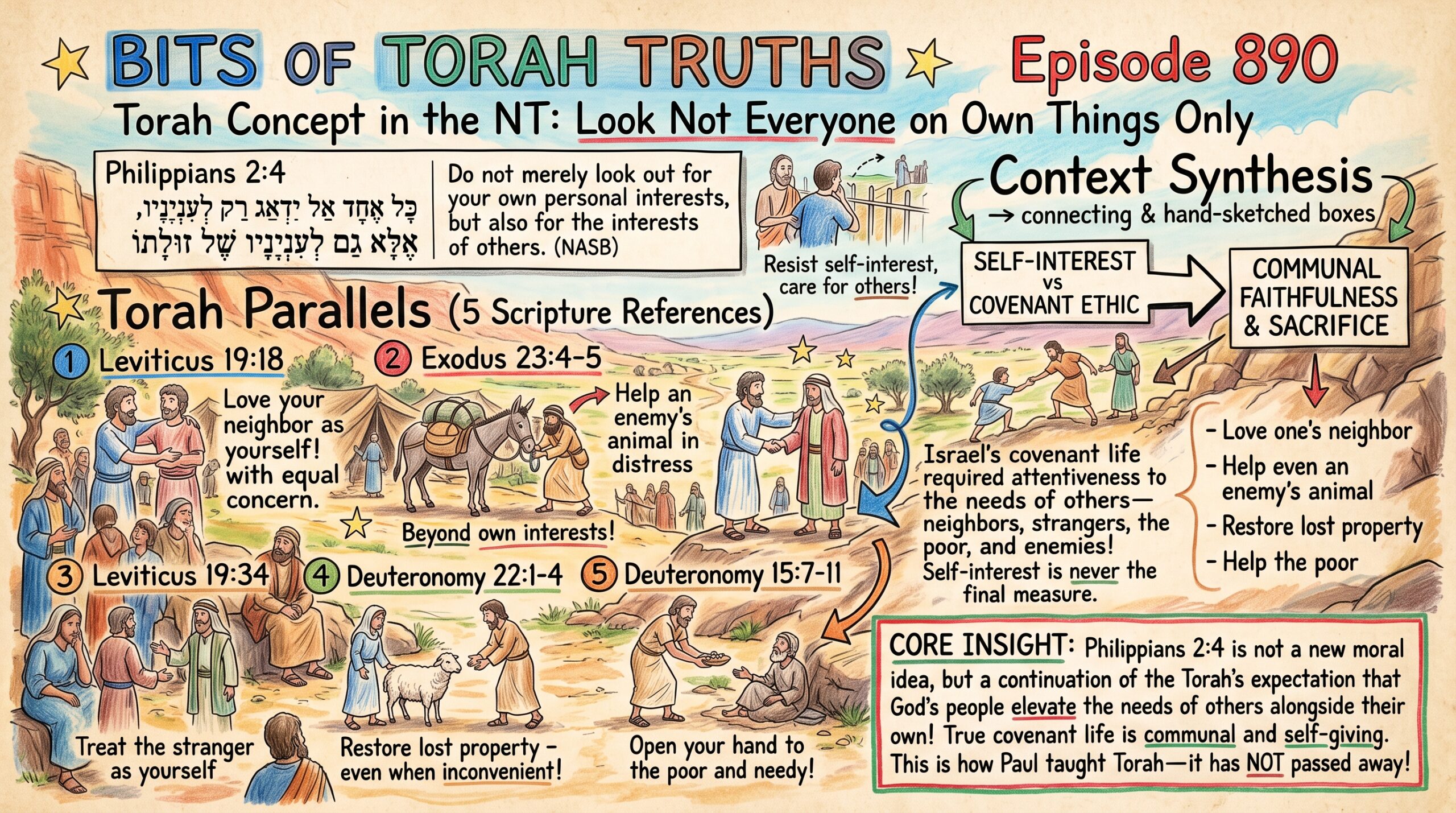
Philippians 2:4
כָּל אֶחָד אַל יִדְאַג רַק לְעִנְיָנָיו, אֶלָּא גַּם לְעִנְיָנָיו שֶׁל זוּלָתוֹ.
#torah #torahwisdom #torahtruth #torahforlife #torah4you #torahtruth
Philippians 2:4
2:4 do not merely look out for your own personal interests, but also for the interests of others. (NASB)
https://www.matsati.com/index.php/category/bits-of-torah-truths/
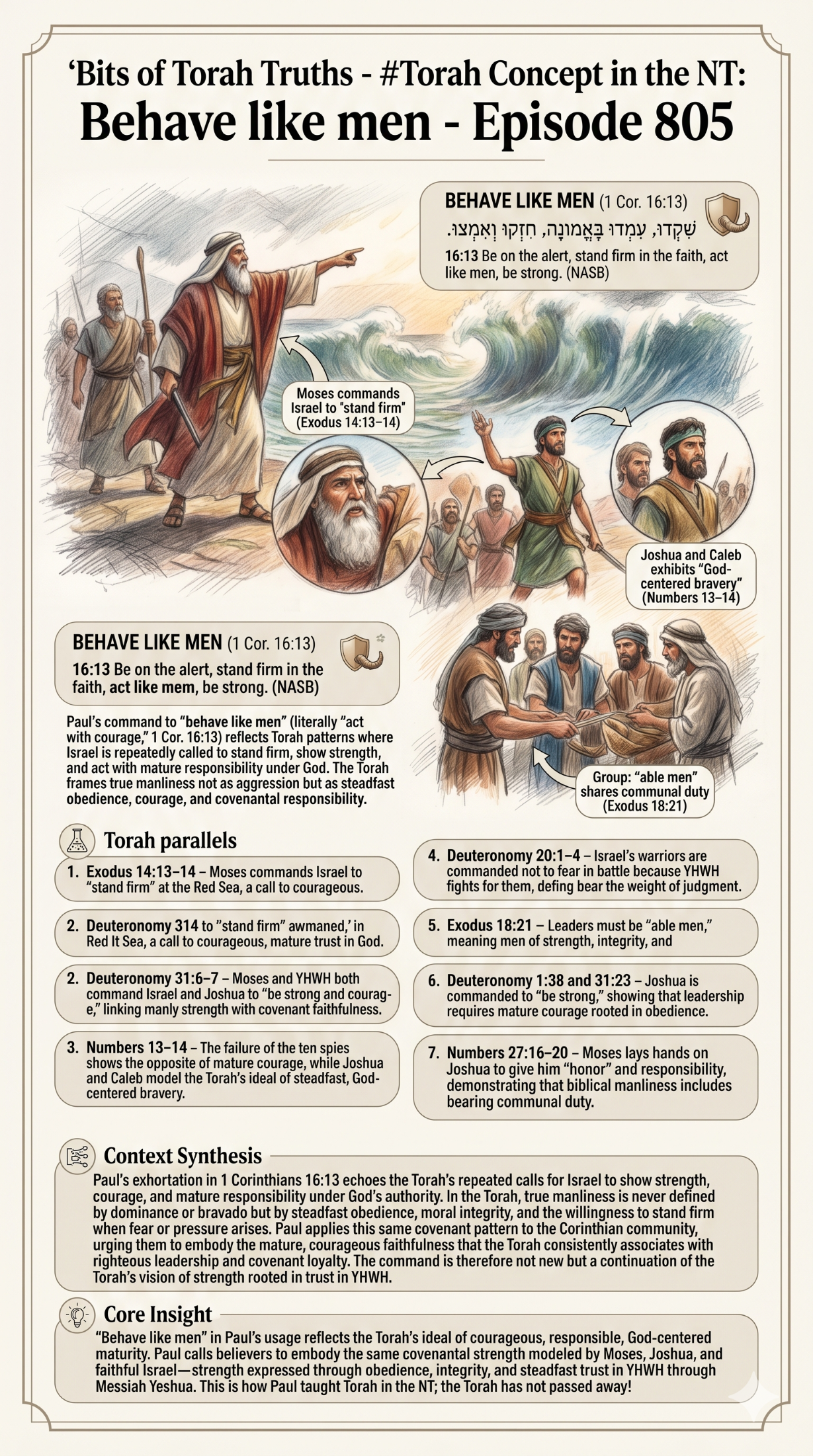
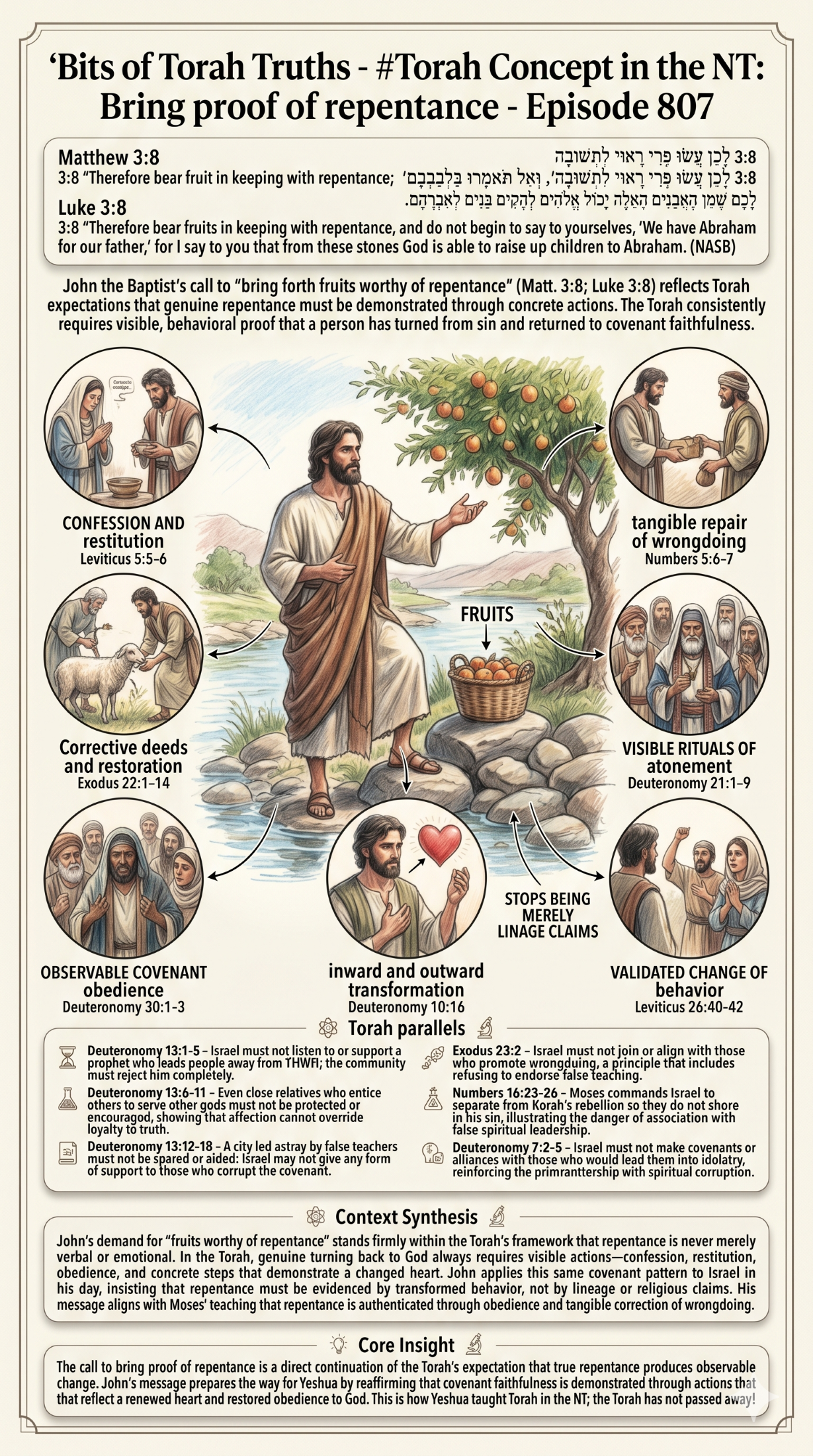
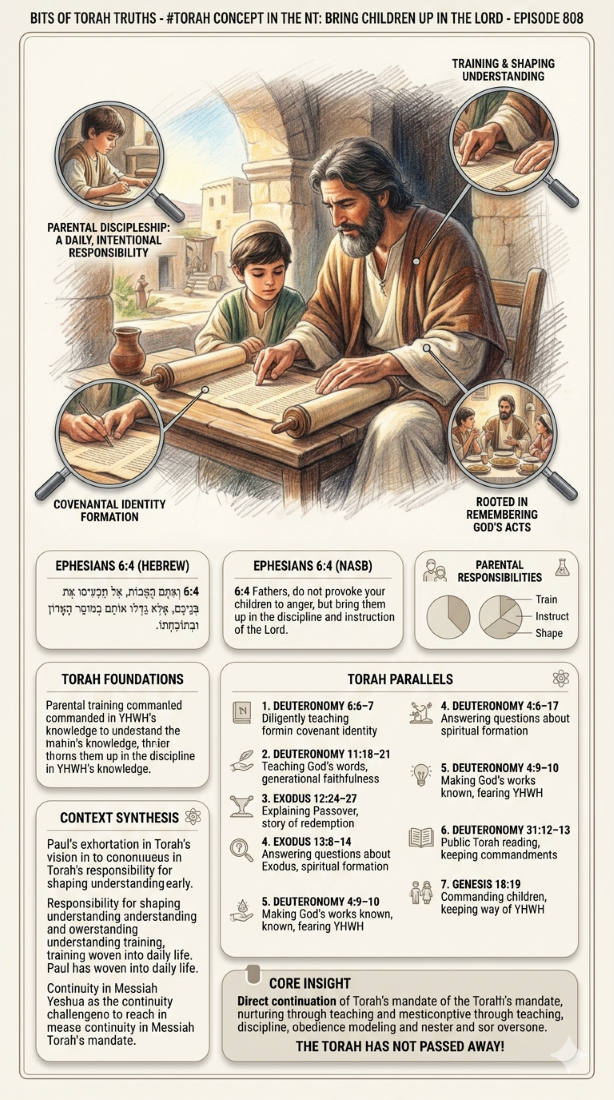
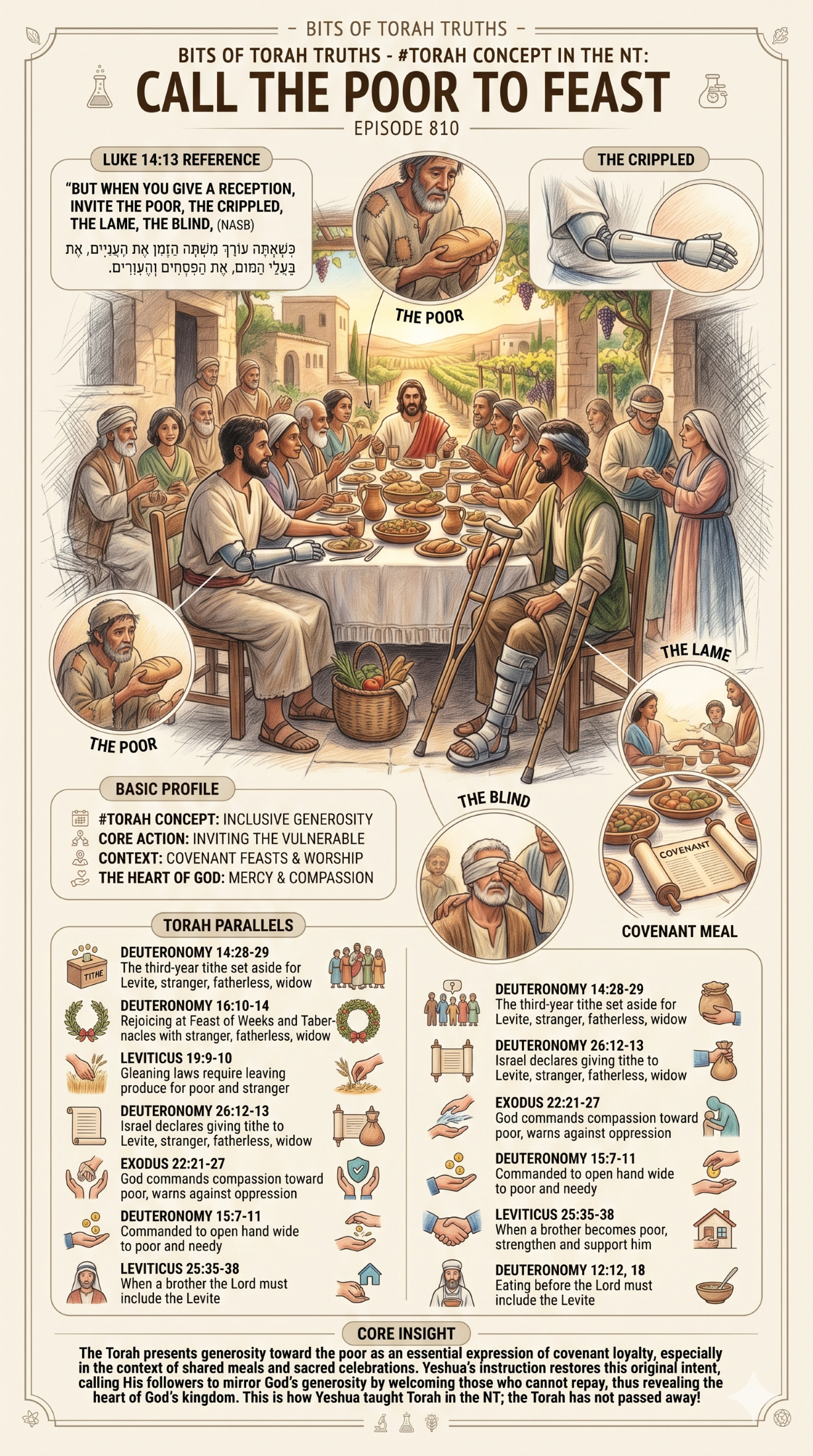
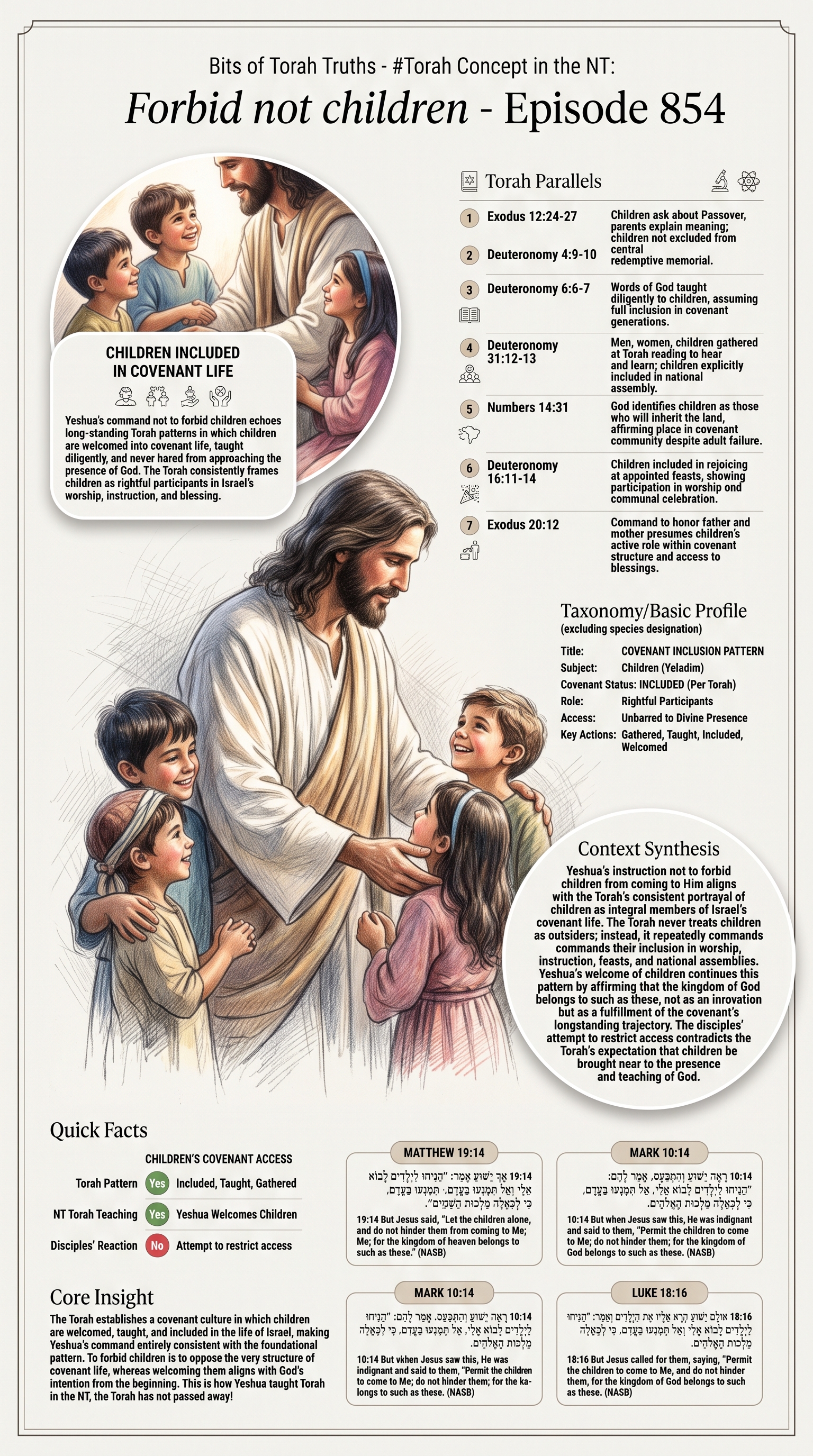
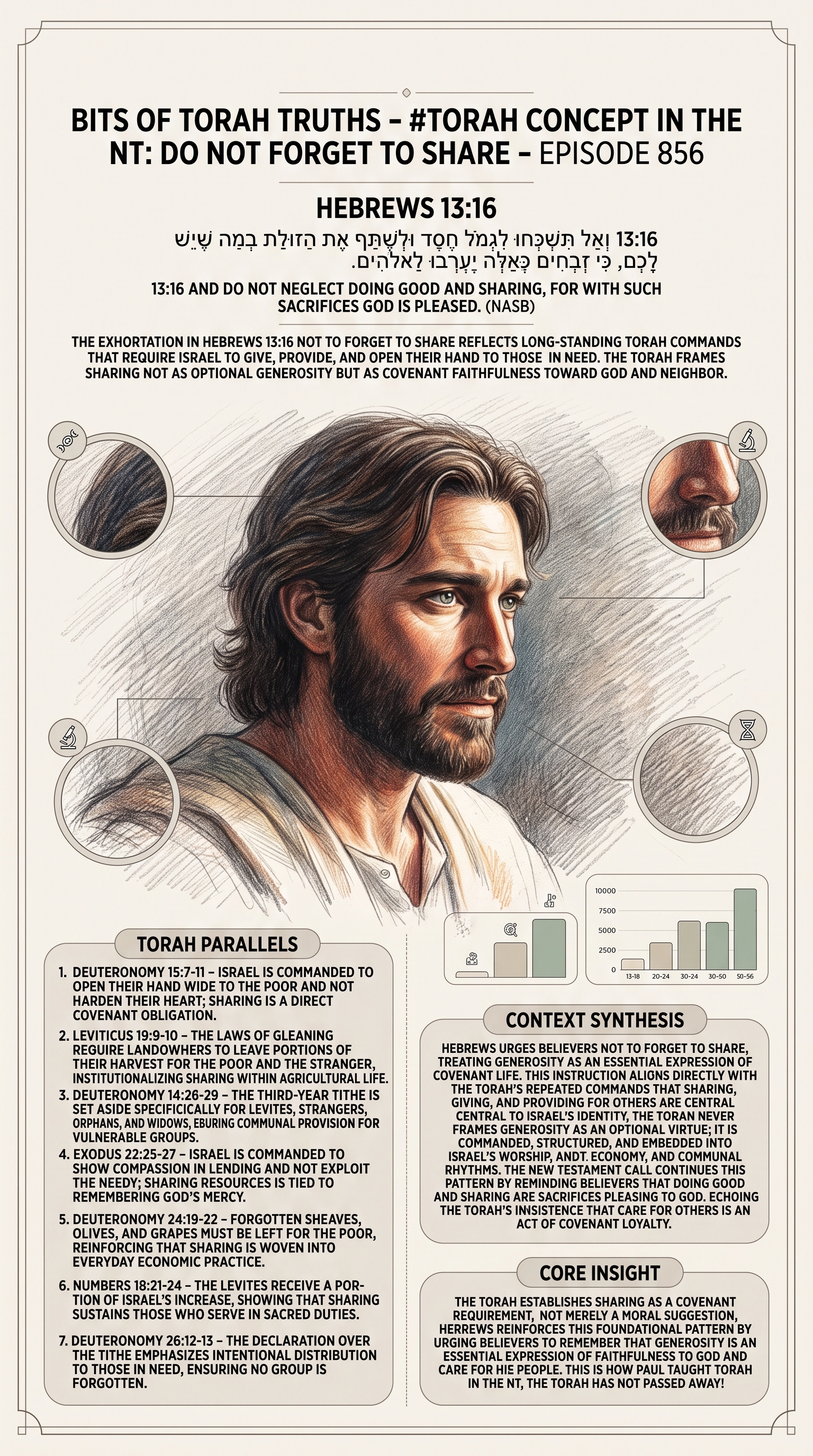
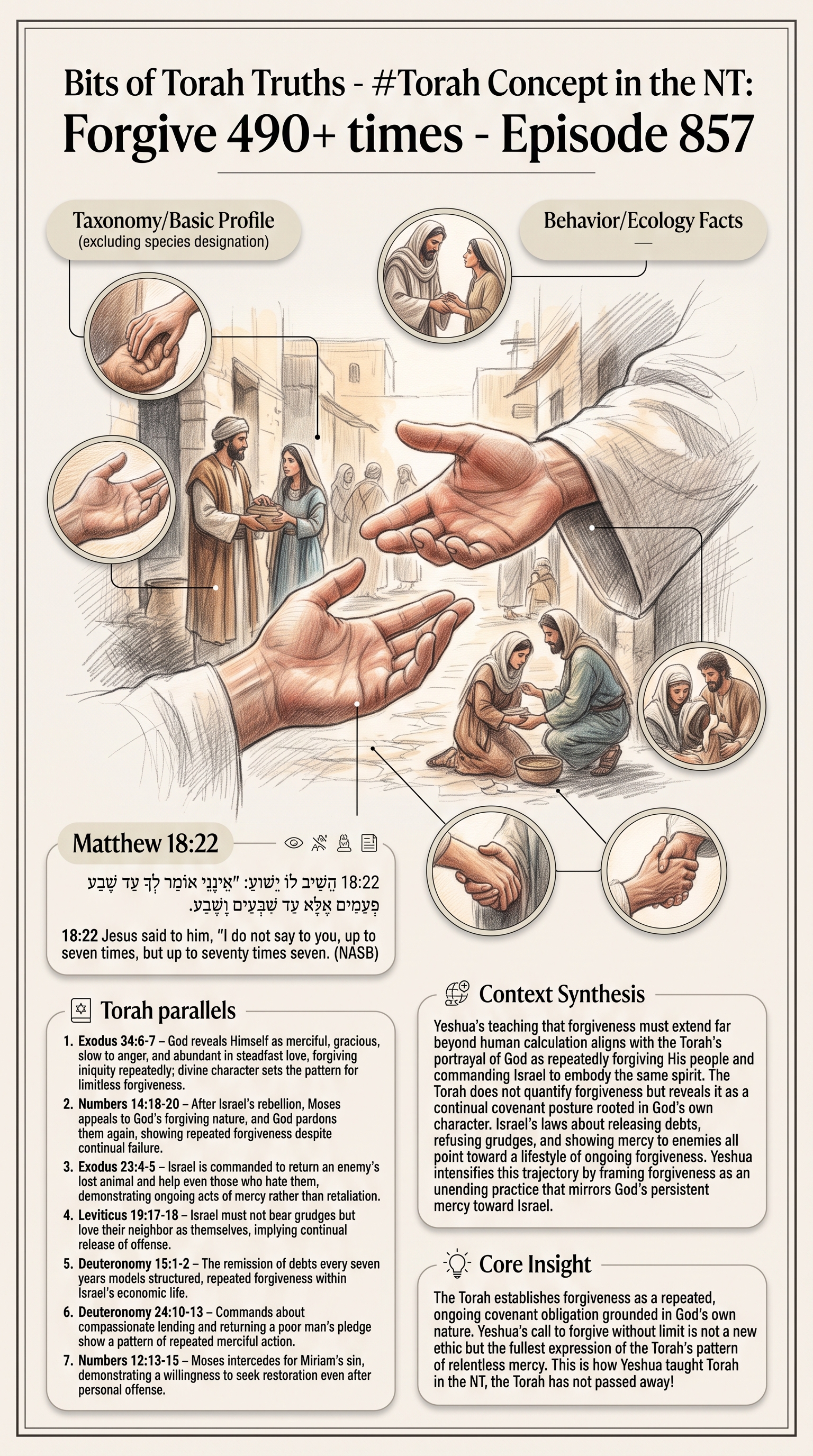
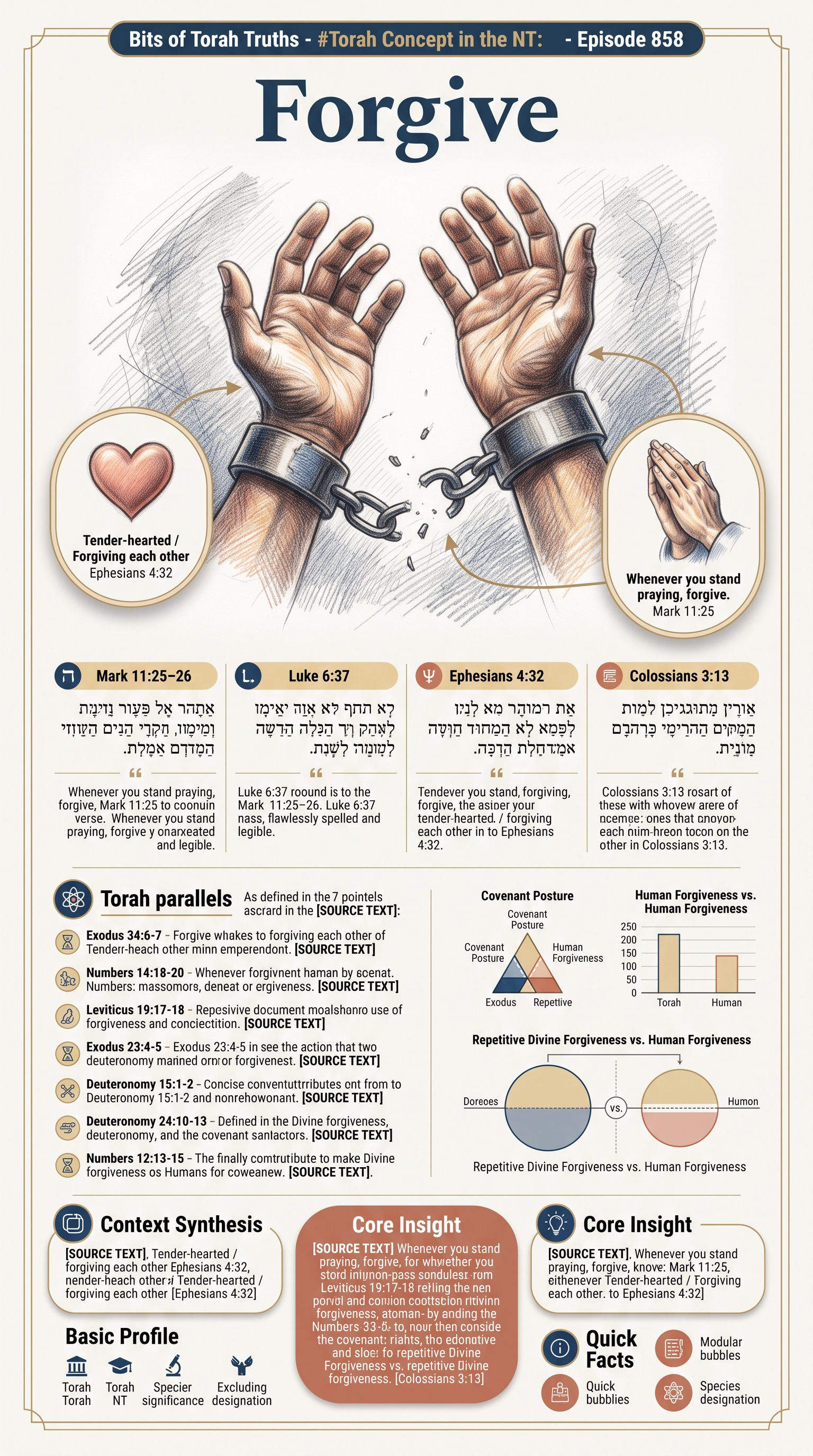
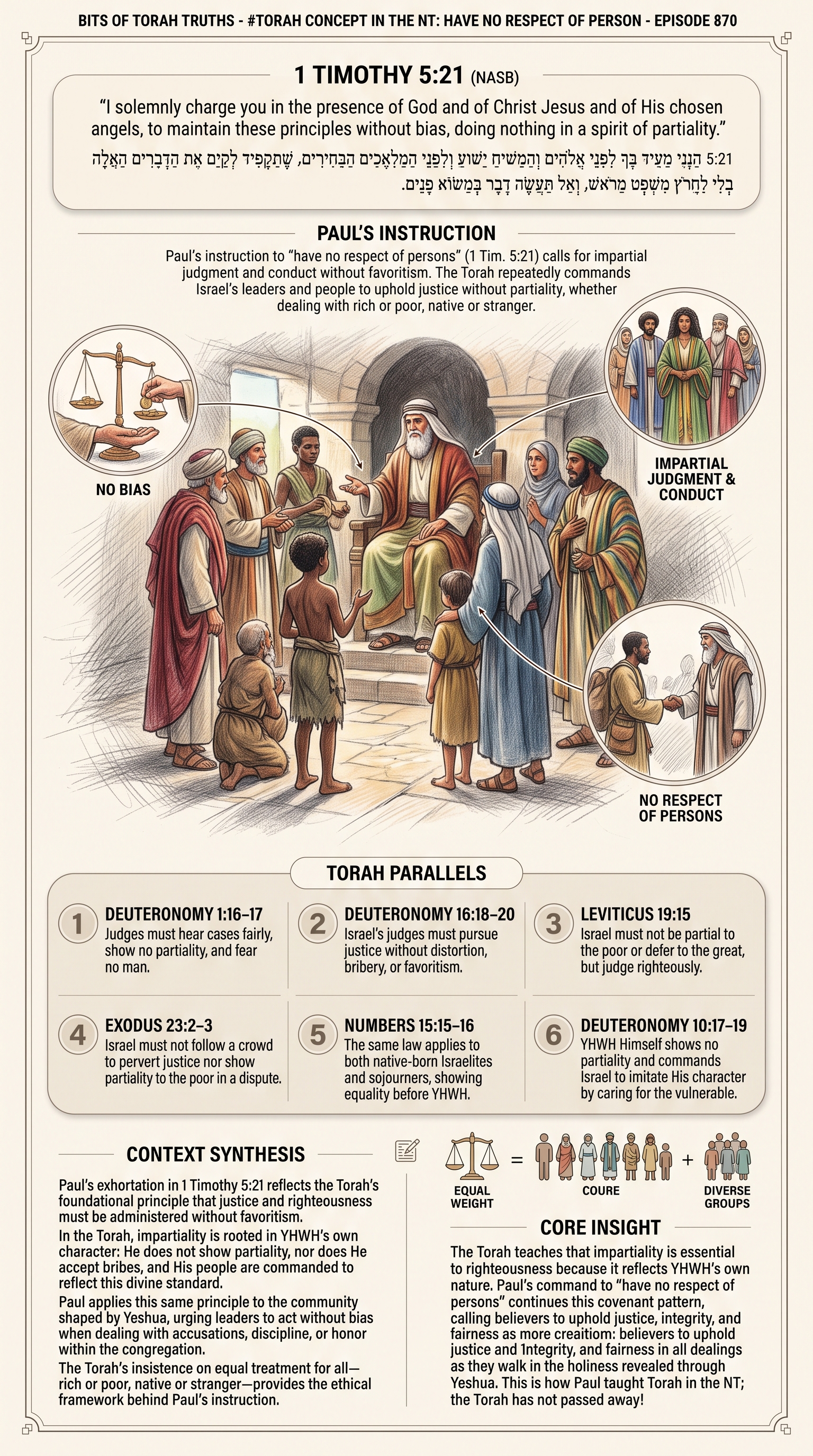
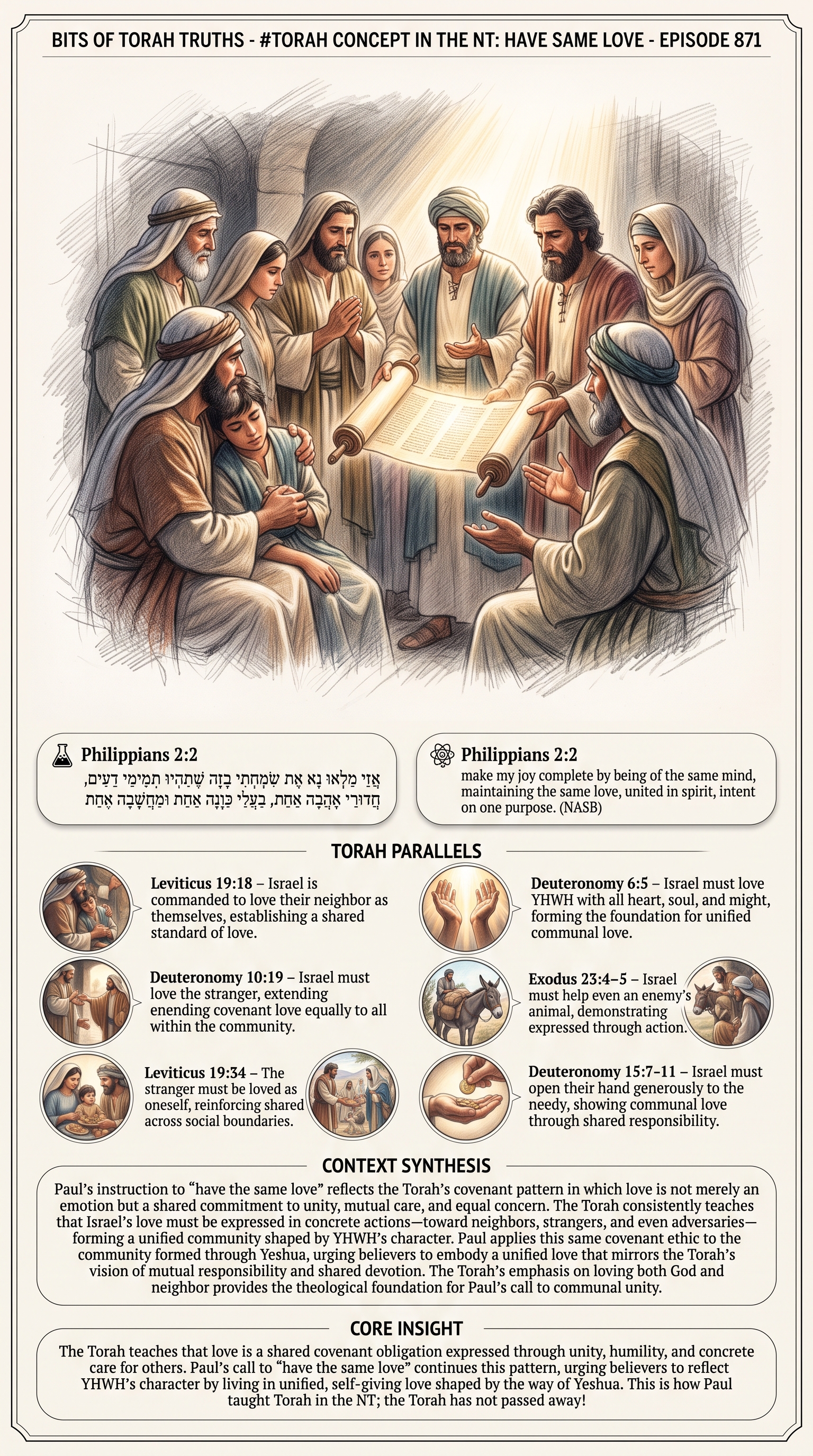
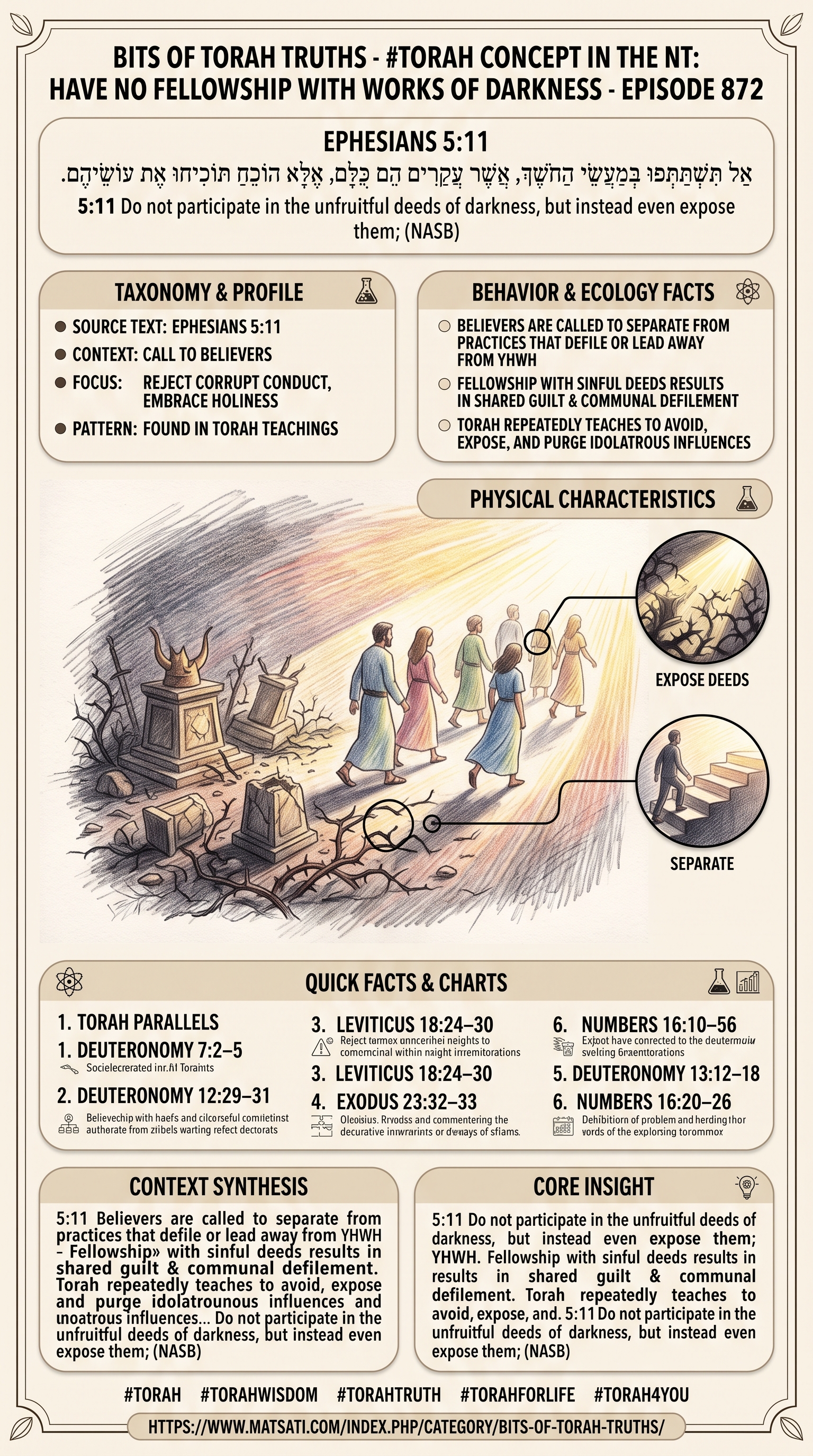
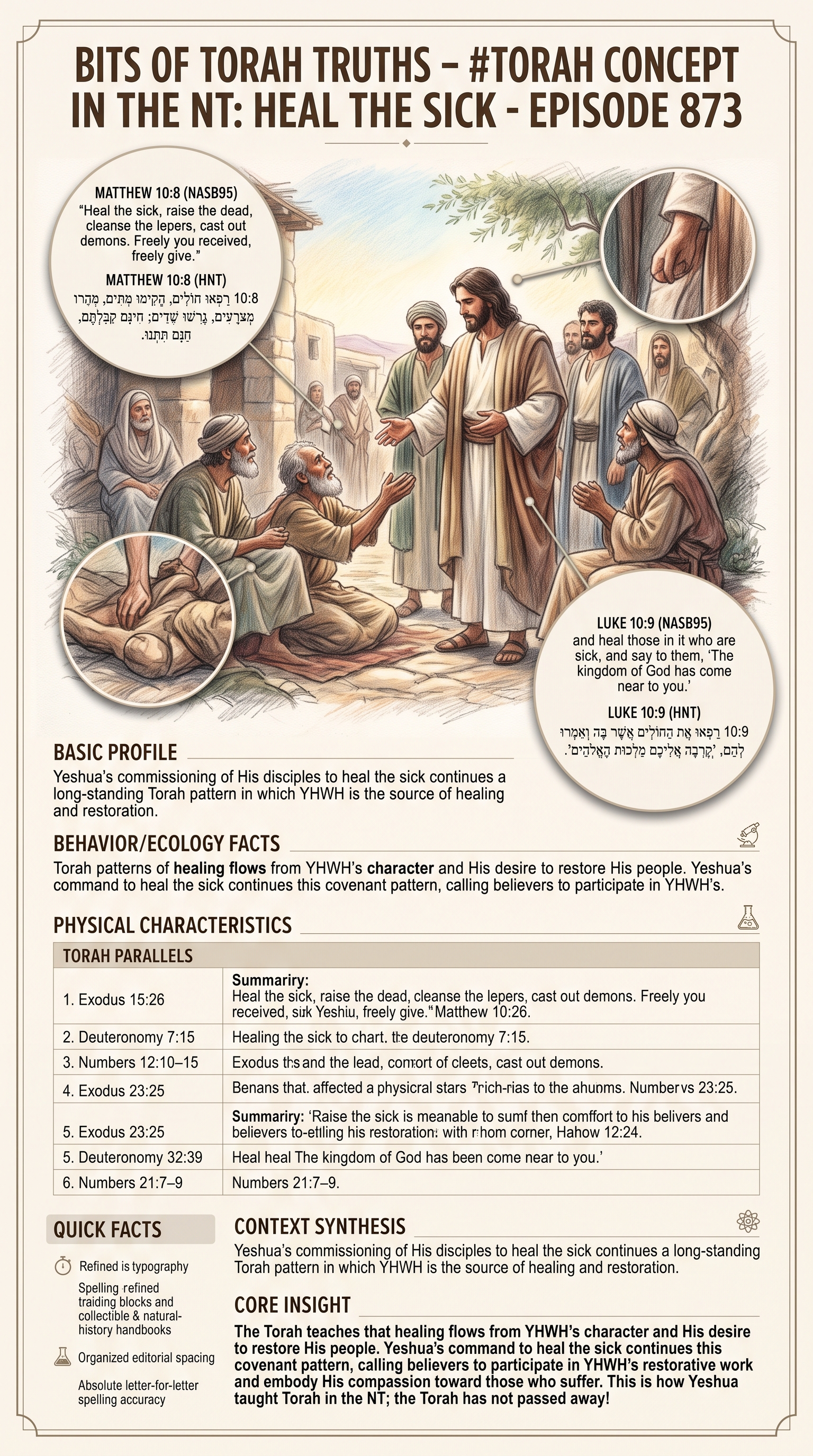
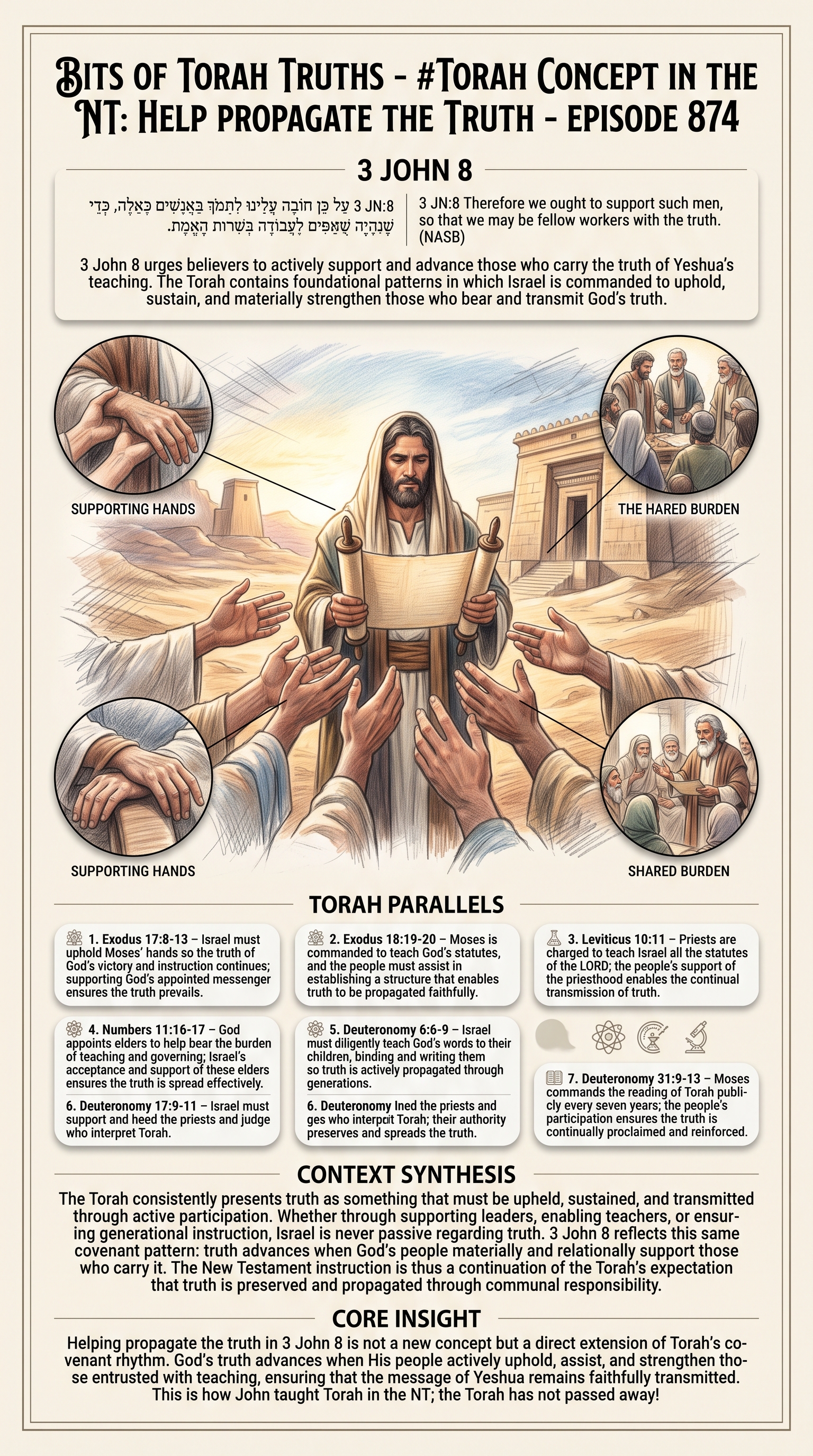
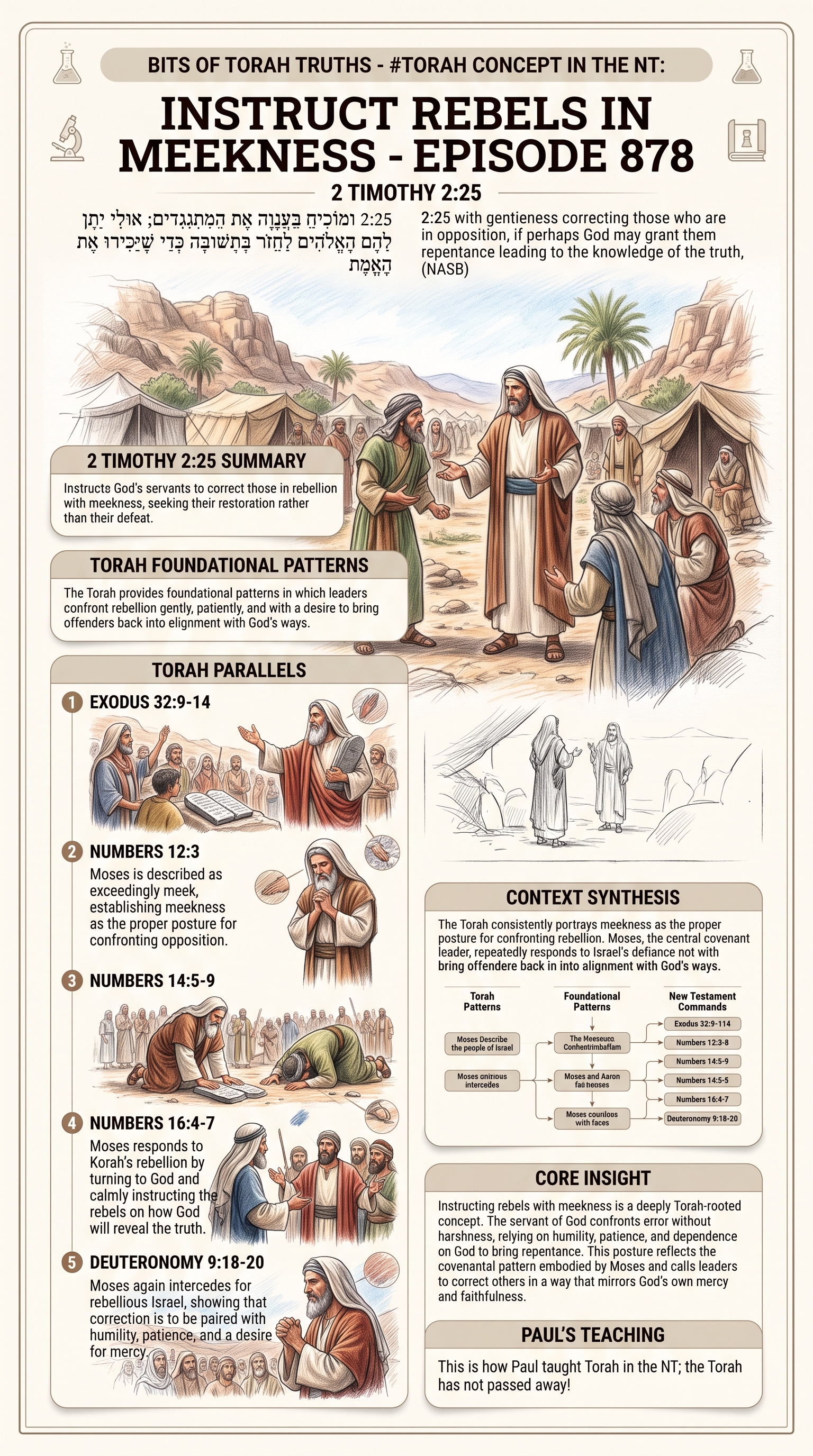
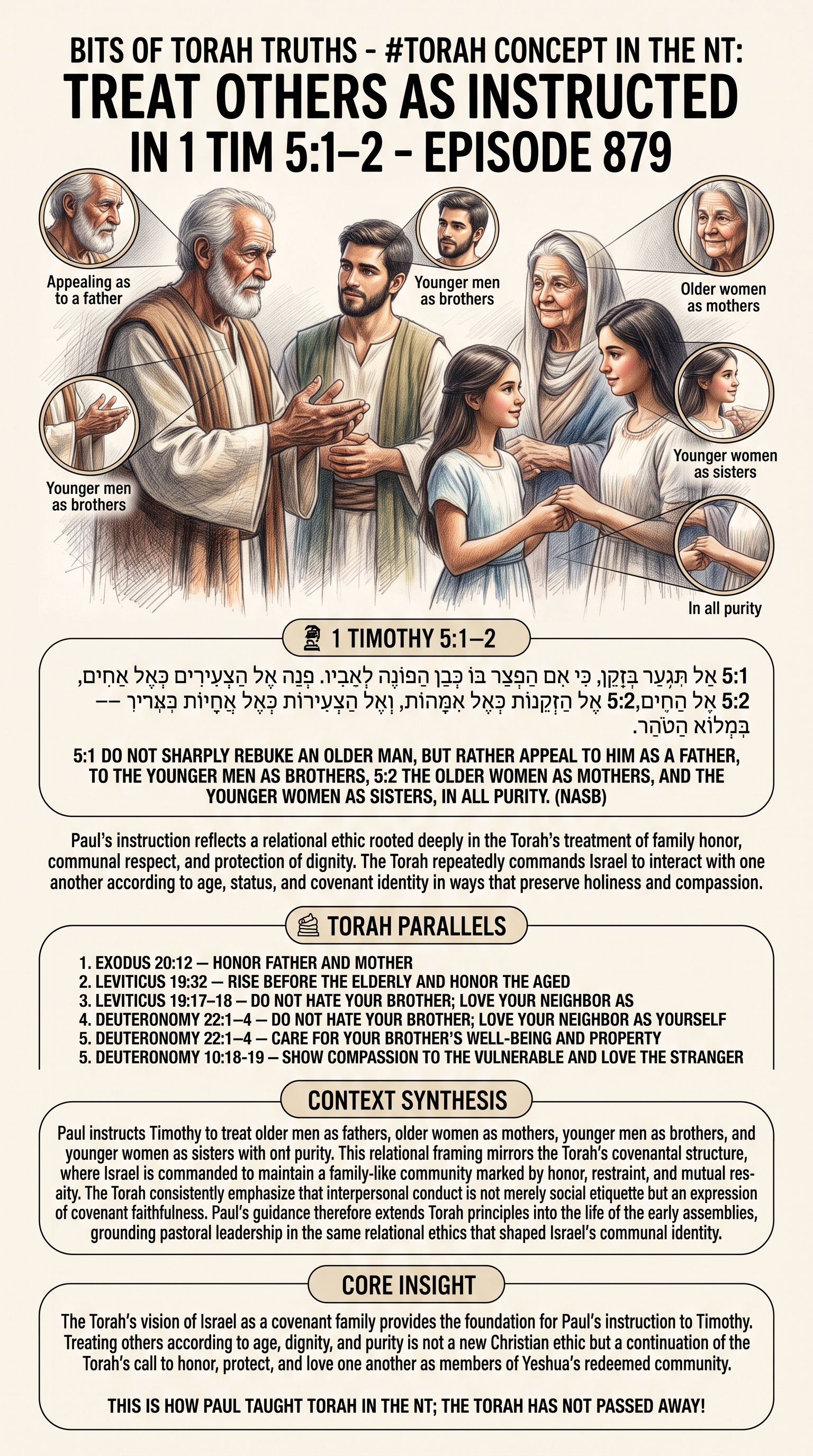
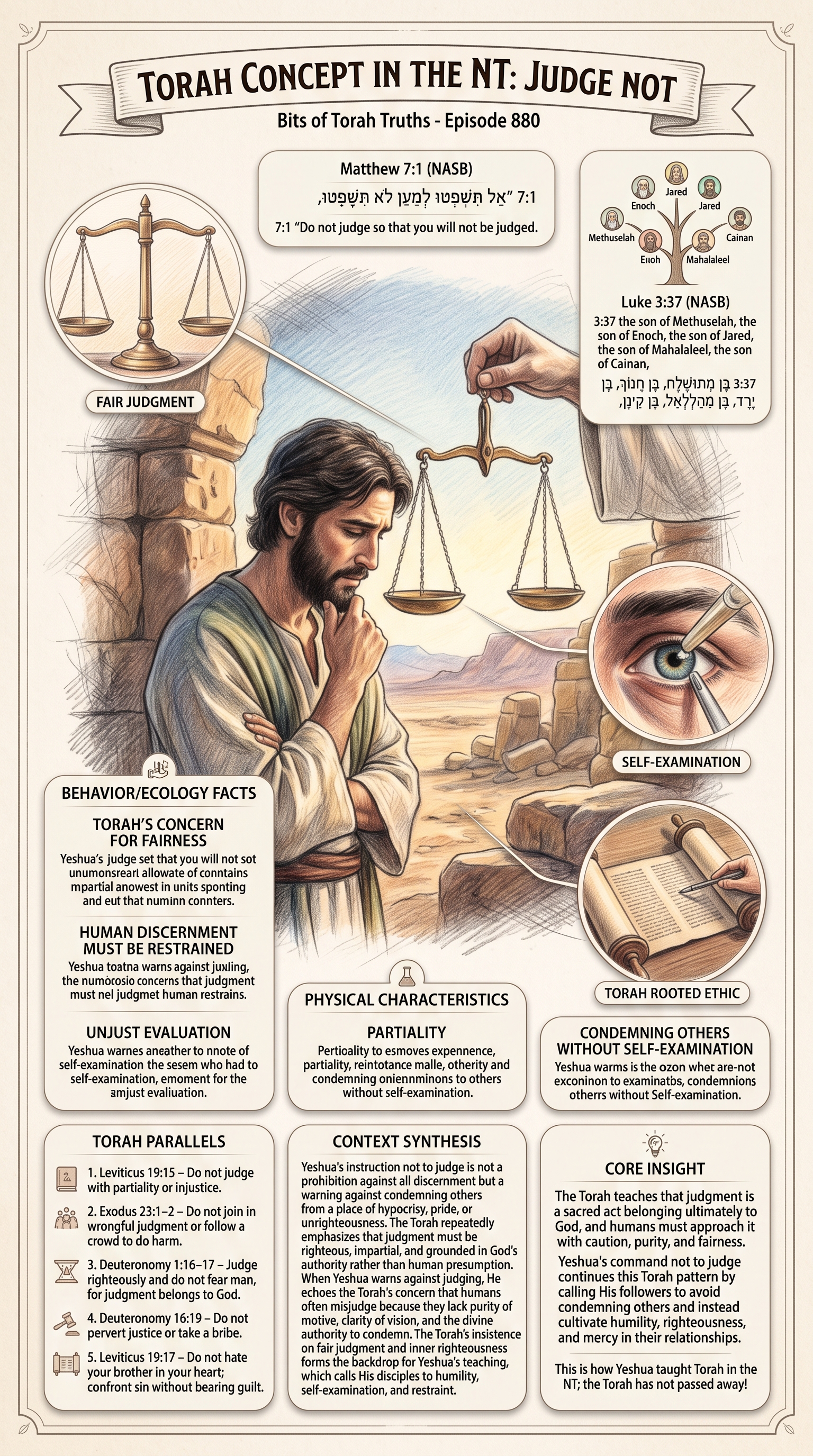
Philippians 2:4 teaches believers to resist self‑interest and actively look to the needs of others. The Torah establishes this ethic early by commanding Israel to prioritize the wellbeing of neighbors, the vulnerable, and the community above personal advantage.
– Torah parallels –
- Leviticus 19:18 – Israel is commanded to love one’s neighbor as oneself, implying equal concern for another’s wellbeing.
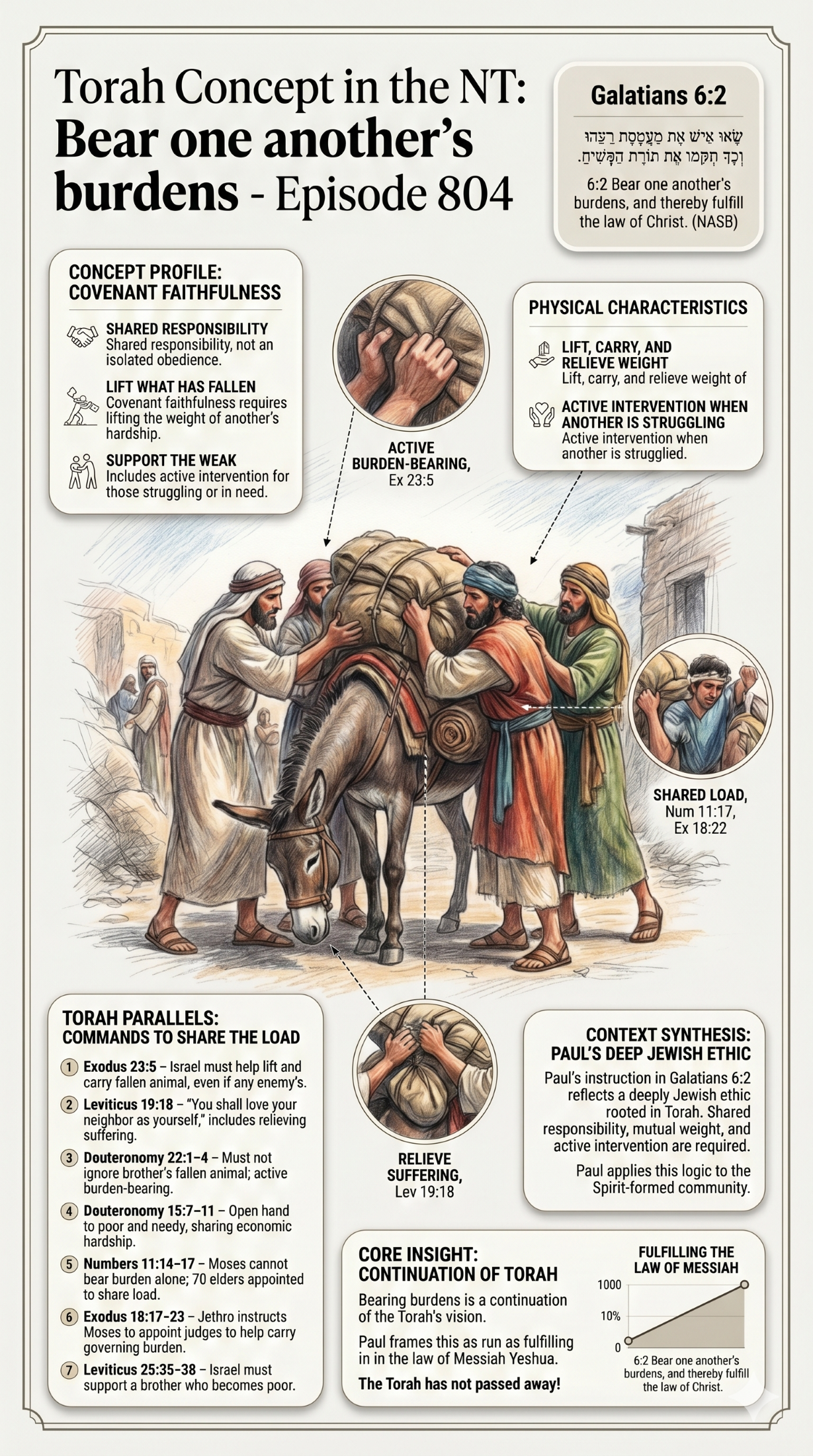
- Exodus 23:4–5 – Israel must help an enemy’s animal in distress, demonstrating concern beyond one’s own interests.
- Leviticus 19:34 – The stranger is to be treated as oneself, requiring attention to the needs of those outside one’s immediate circle.
- Deuteronomy 22:1–4 – Israel must restore lost property and help a brother’s animal, even when inconvenient.
- Deuteronomy 15:7–11 – Israel is commanded to open their hand to the poor and needy, prioritizing their needs over personal preservation.
– Context Synthesis –
Paul’s instruction in Philippians 2:4 appears within a larger call to humility, unity, and self‑giving patterned after Yeshua’s own example. The command not to look only to one’s own things but also to the things of others reflects a communal ethic rooted deeply in the Torah. The Torah repeatedly teaches that covenant faithfulness requires attentiveness to the needs of others—neighbors, strangers, the poor, and even enemies. These laws form a moral structure in which self‑interest is never the final measure; instead, Israel is called to act for the good of others even when it demands sacrifice, inconvenience, or personal cost. Paul’s exhortation continues this covenant pattern by urging believers to embody the same outward‑facing concern that God required of Israel from the beginning.
– Core Insight –
Philippians 2:4 is not a new moral idea but a continuation of the Torah’s longstanding expectation that God’s people elevate the needs of others alongside their own. The Torah teaches that true covenant life is communal, self‑giving, and attentive to the wellbeing of others, and Paul applies this same ethic to the life of those who follow Yeshua. This is how Paul taught Torah in the NT; the Torah has not passed away!
Visual Summary of Concepts the Torah in the NT