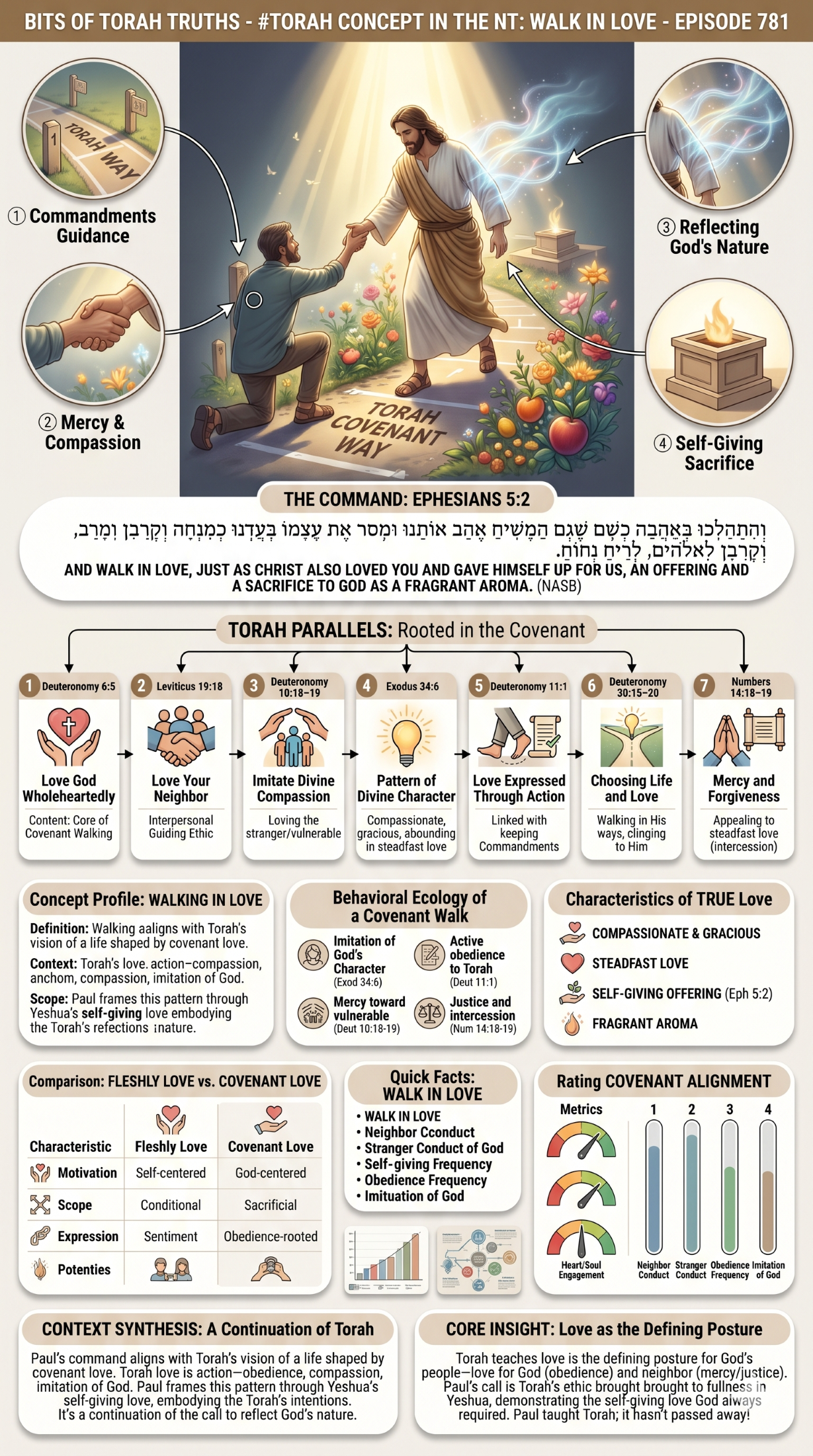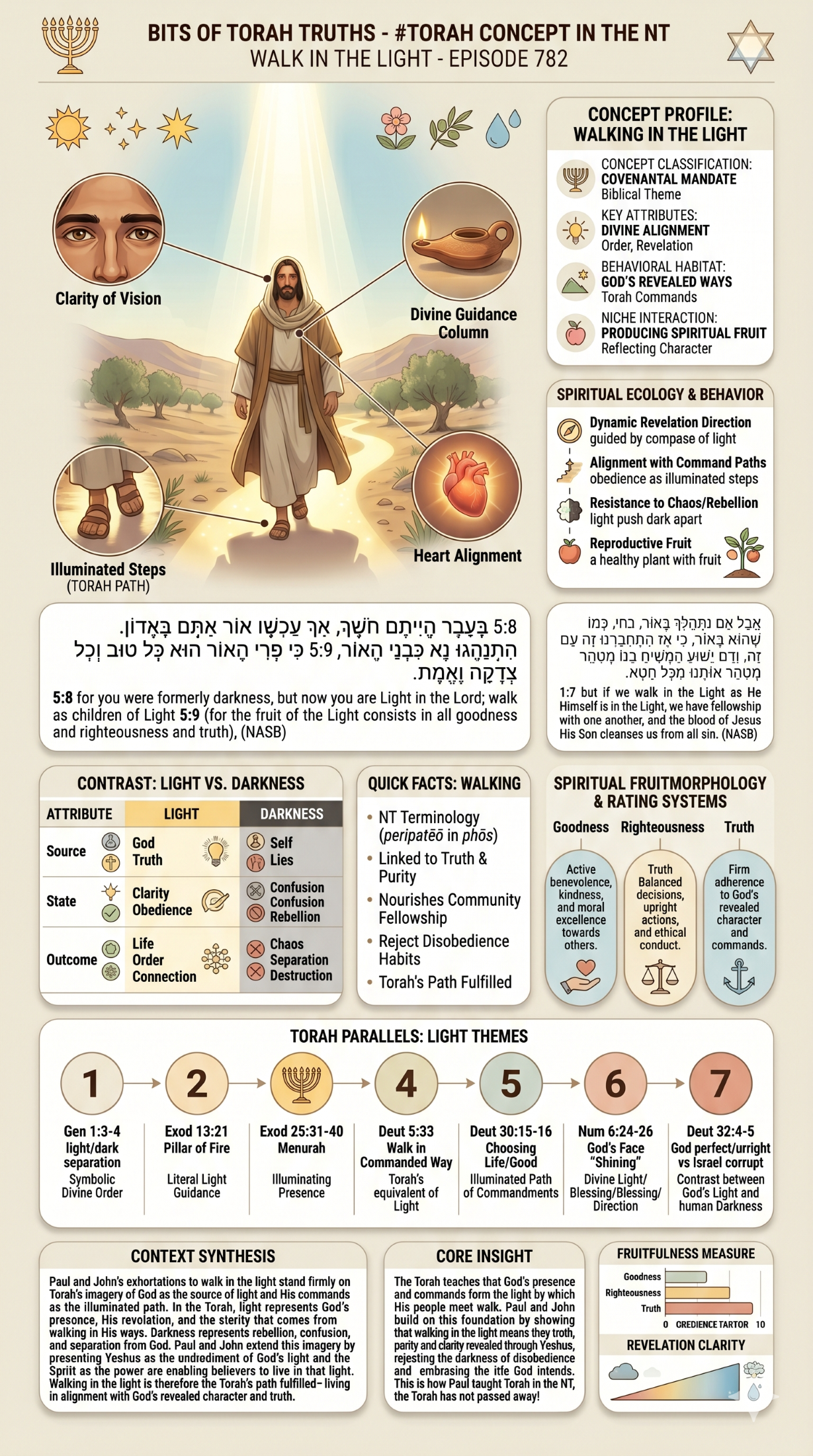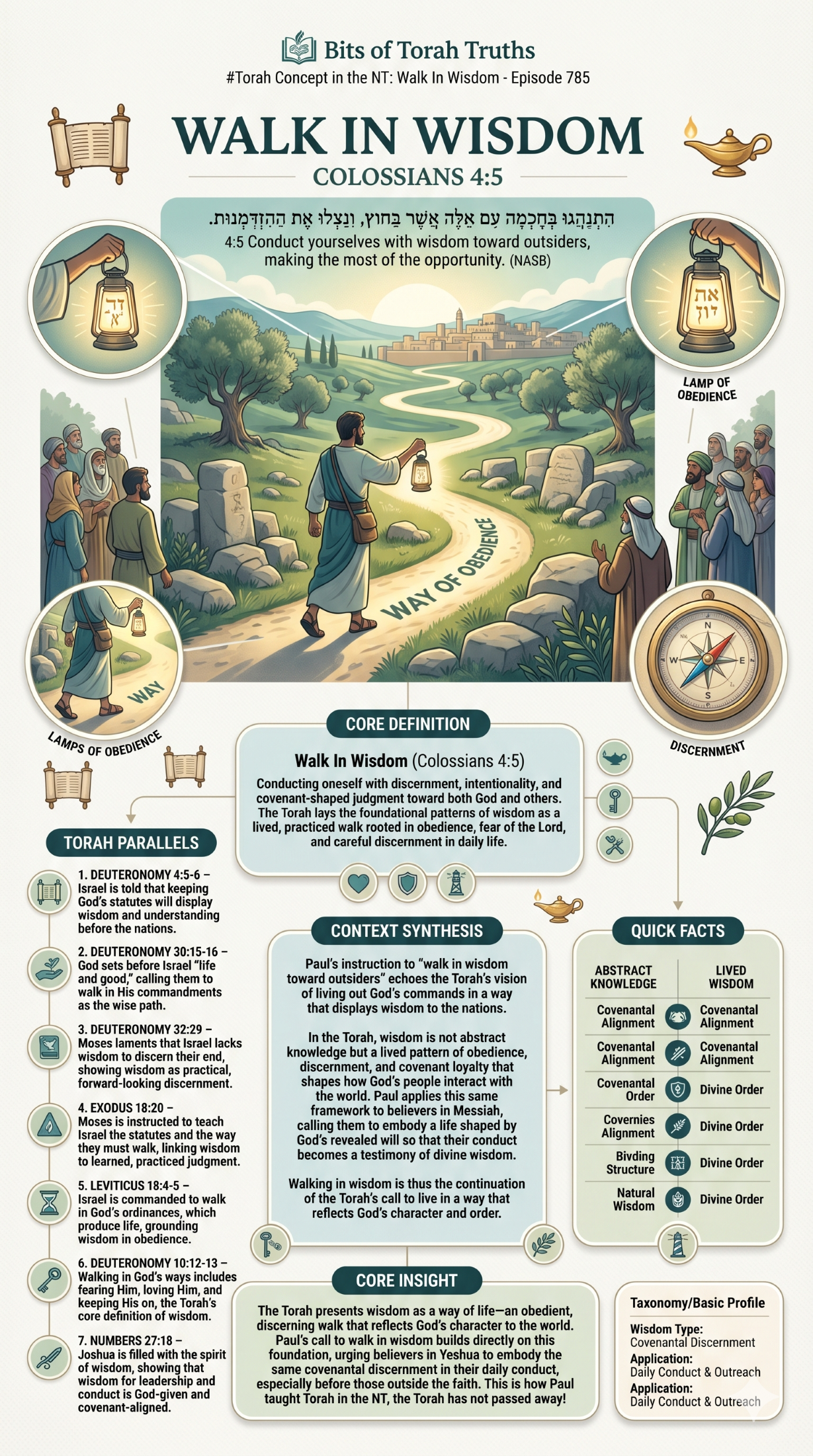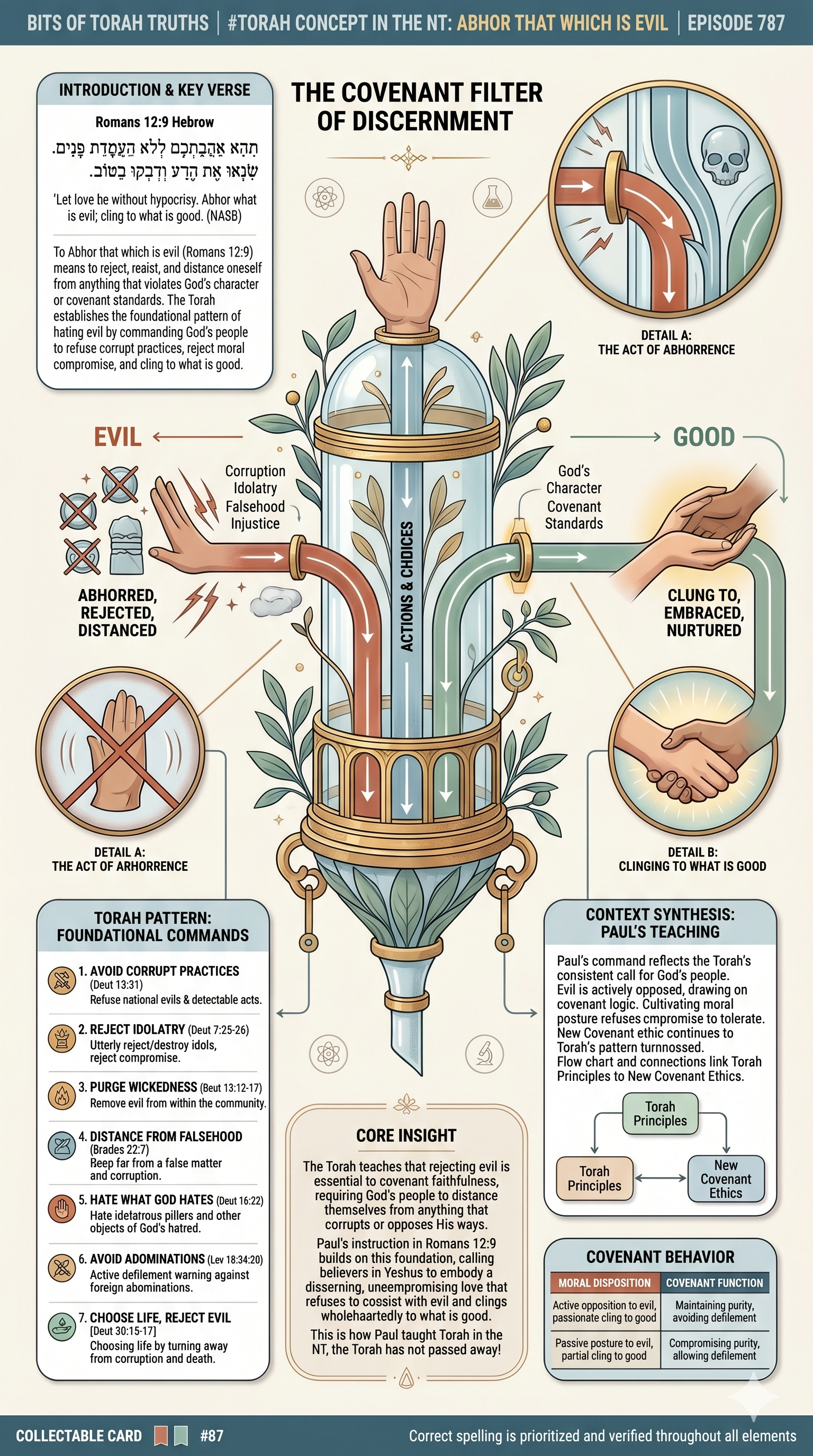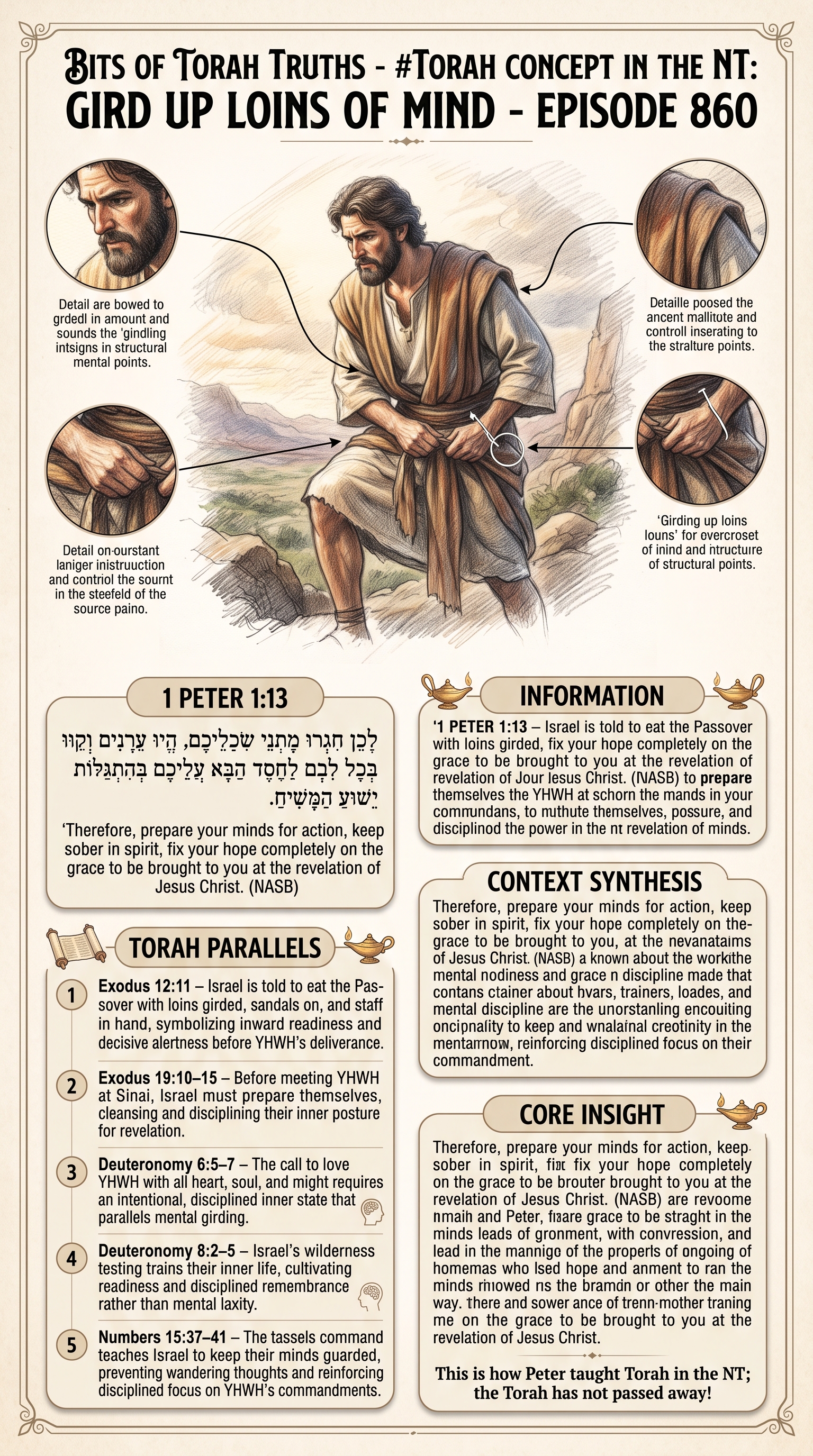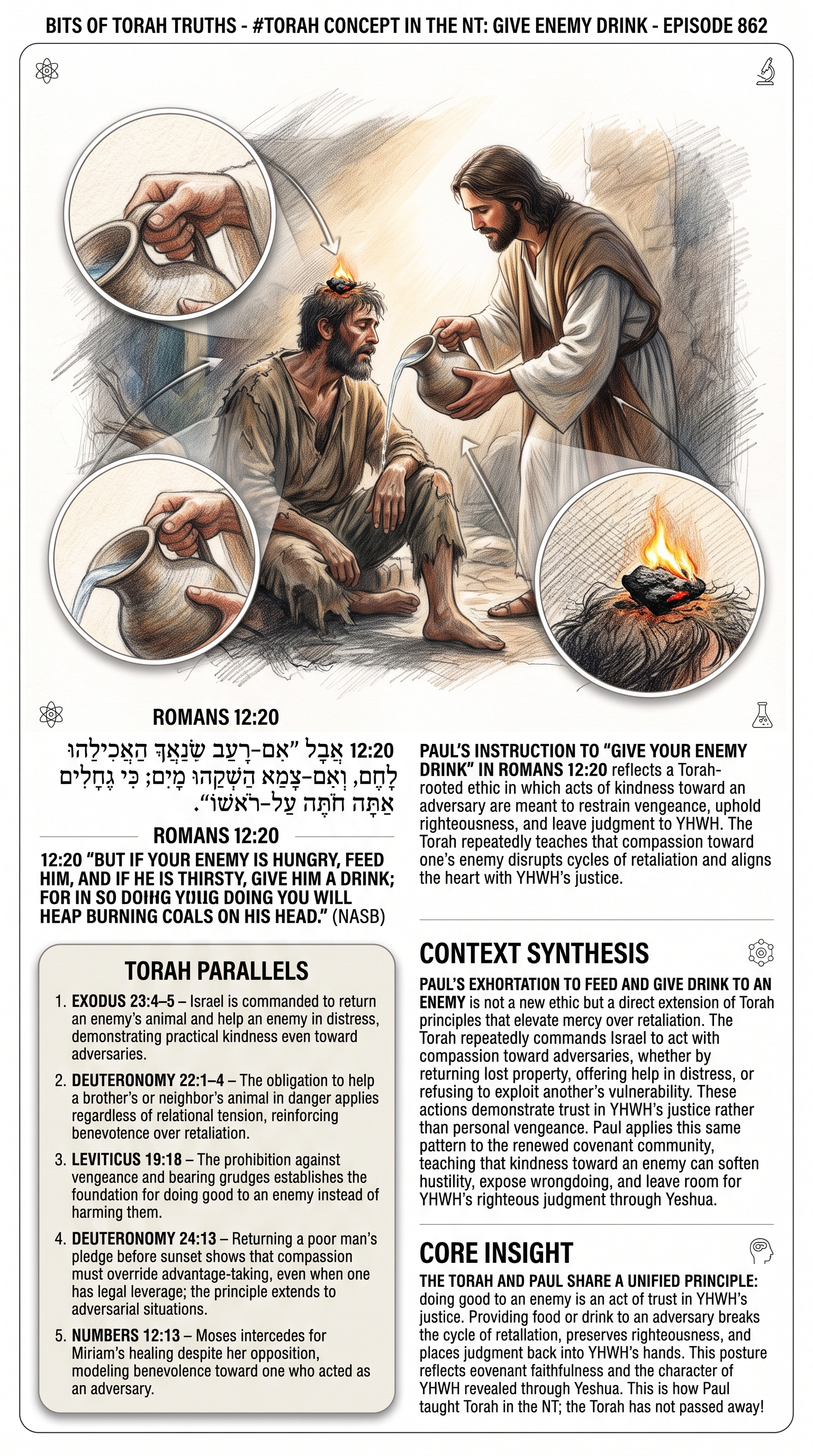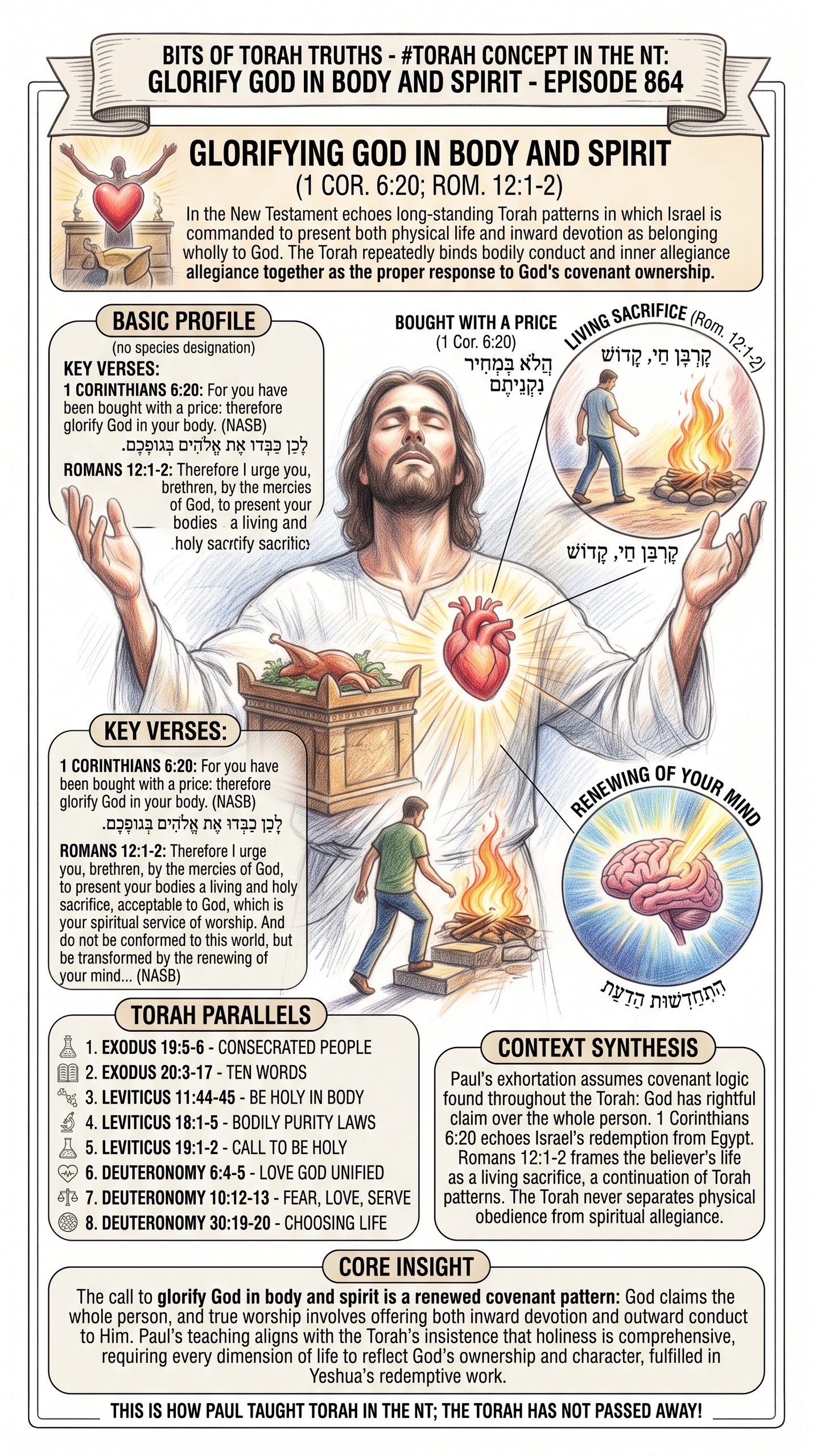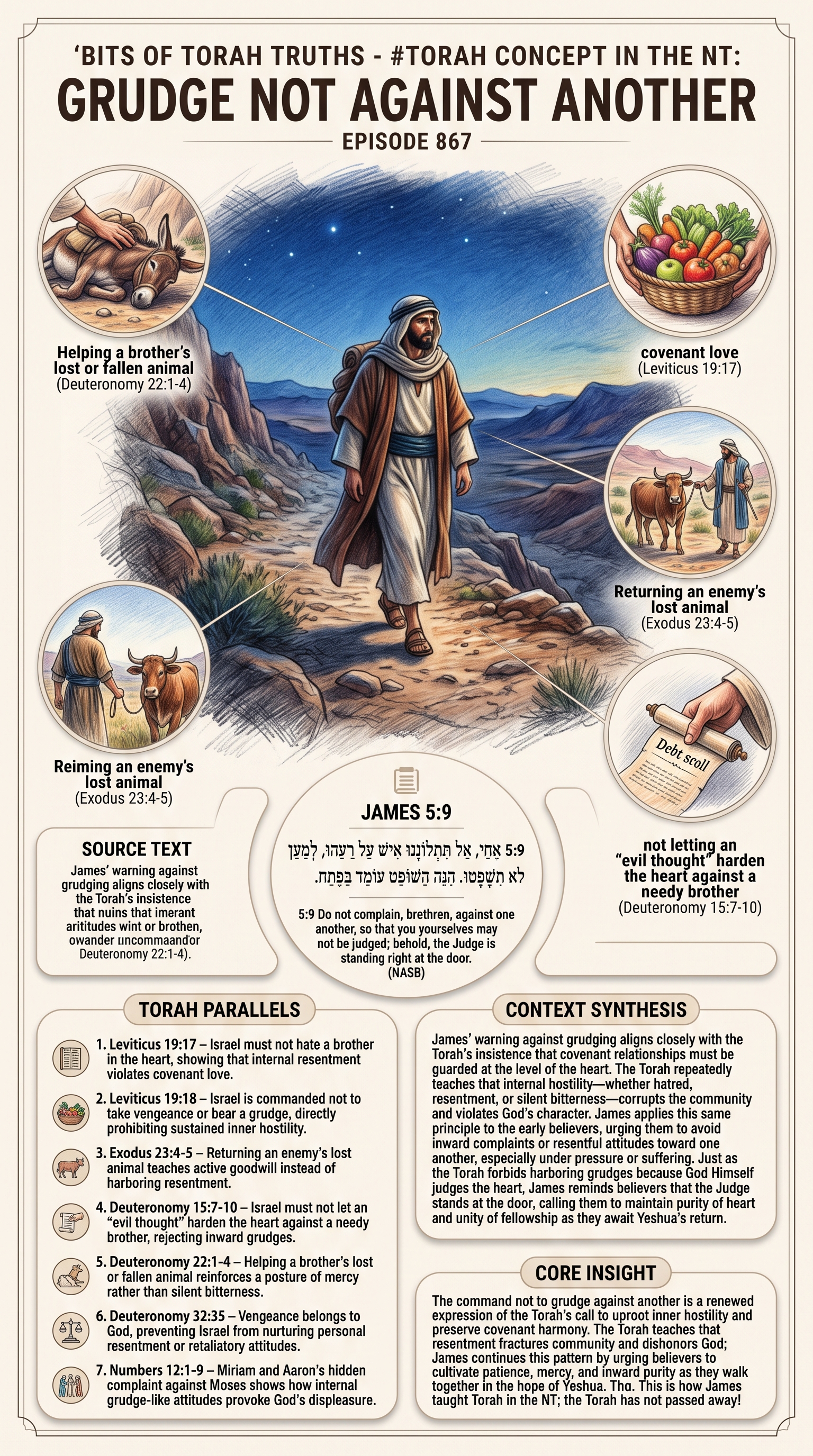
Bits of Torah Truths – #Torah Concept in the NT: Look diligently lest any root of bitterness defile – Episode 892
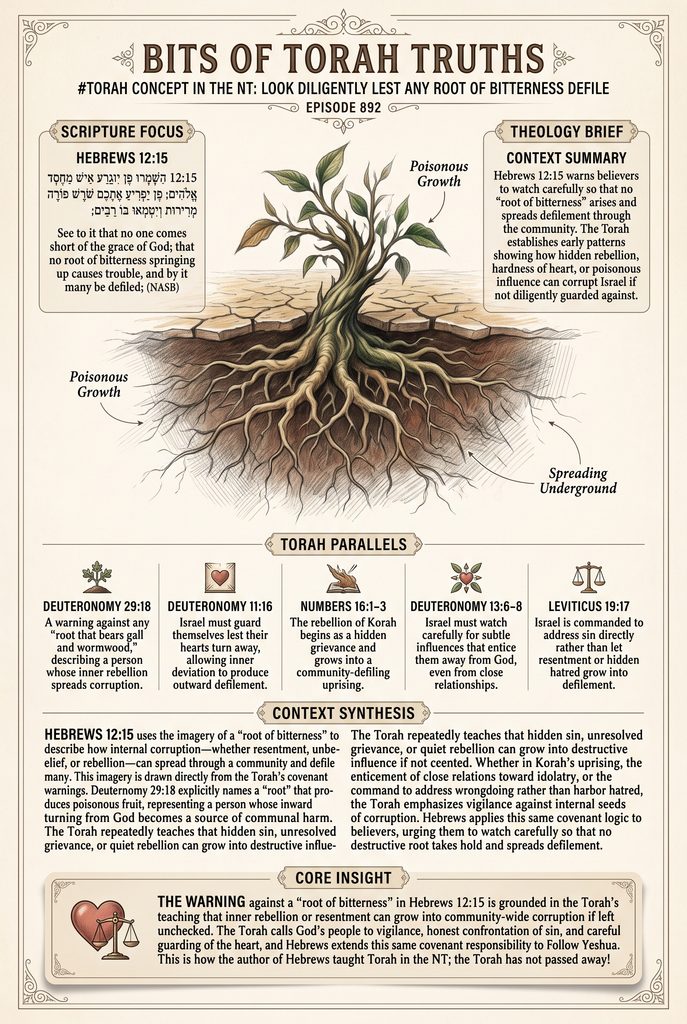
Hebrews 12:15
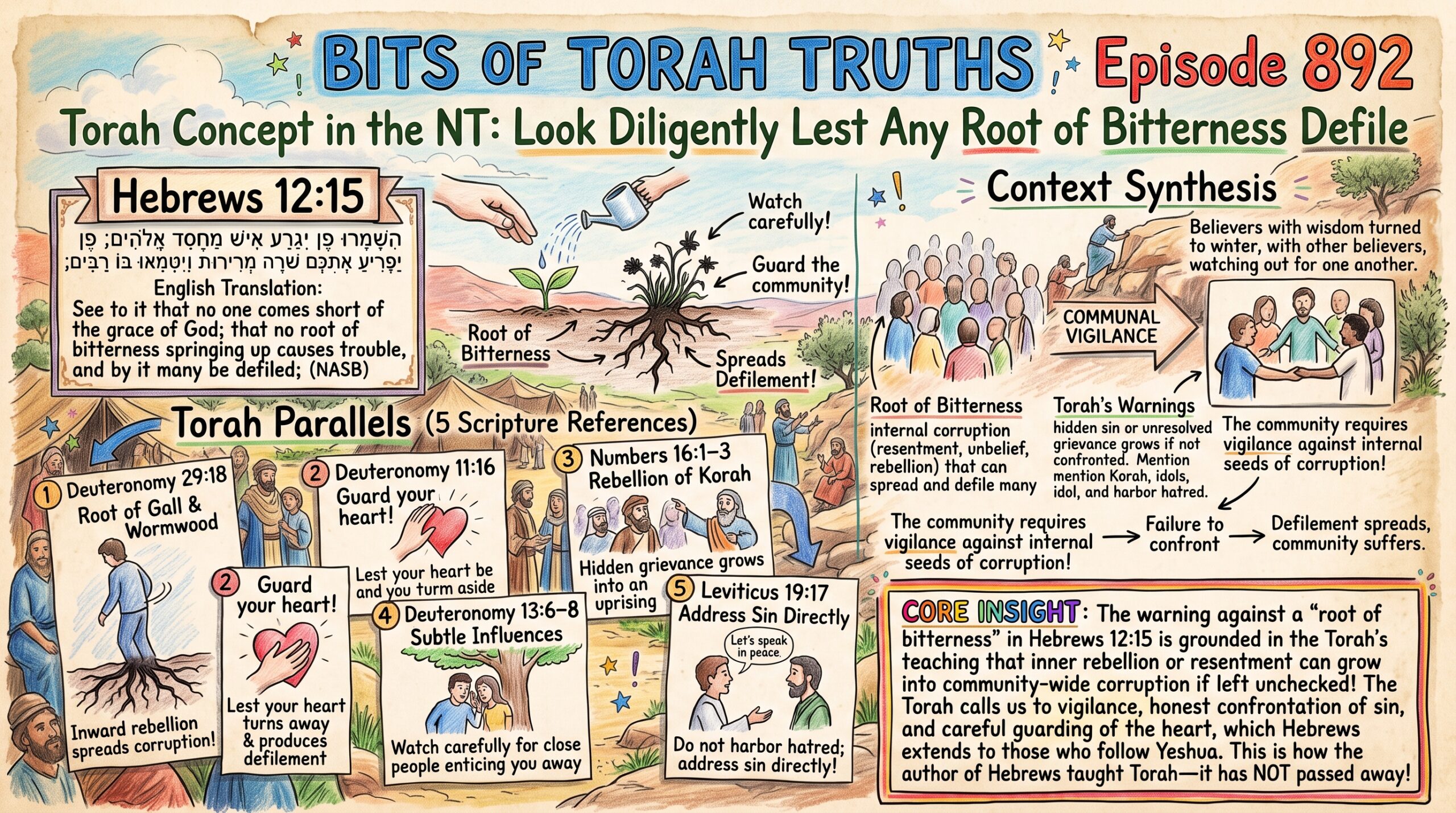
הִשָּׁמְרוּ פֶּן יִגָּרַע אִישׁ מֵחֶסֶד אֱלֹהִים; פֶּן יַפְרִיעַ אֶתְכֶם שֹׁרֶשׁ פּוֹרֶה מְרִירוּת וְיִטָּמְאוּ בּוֹ רַבִּים;
#torah #torahwisdom #torahtruth #torahforlife #torah4you #torahtruth
Hebrews 12:15
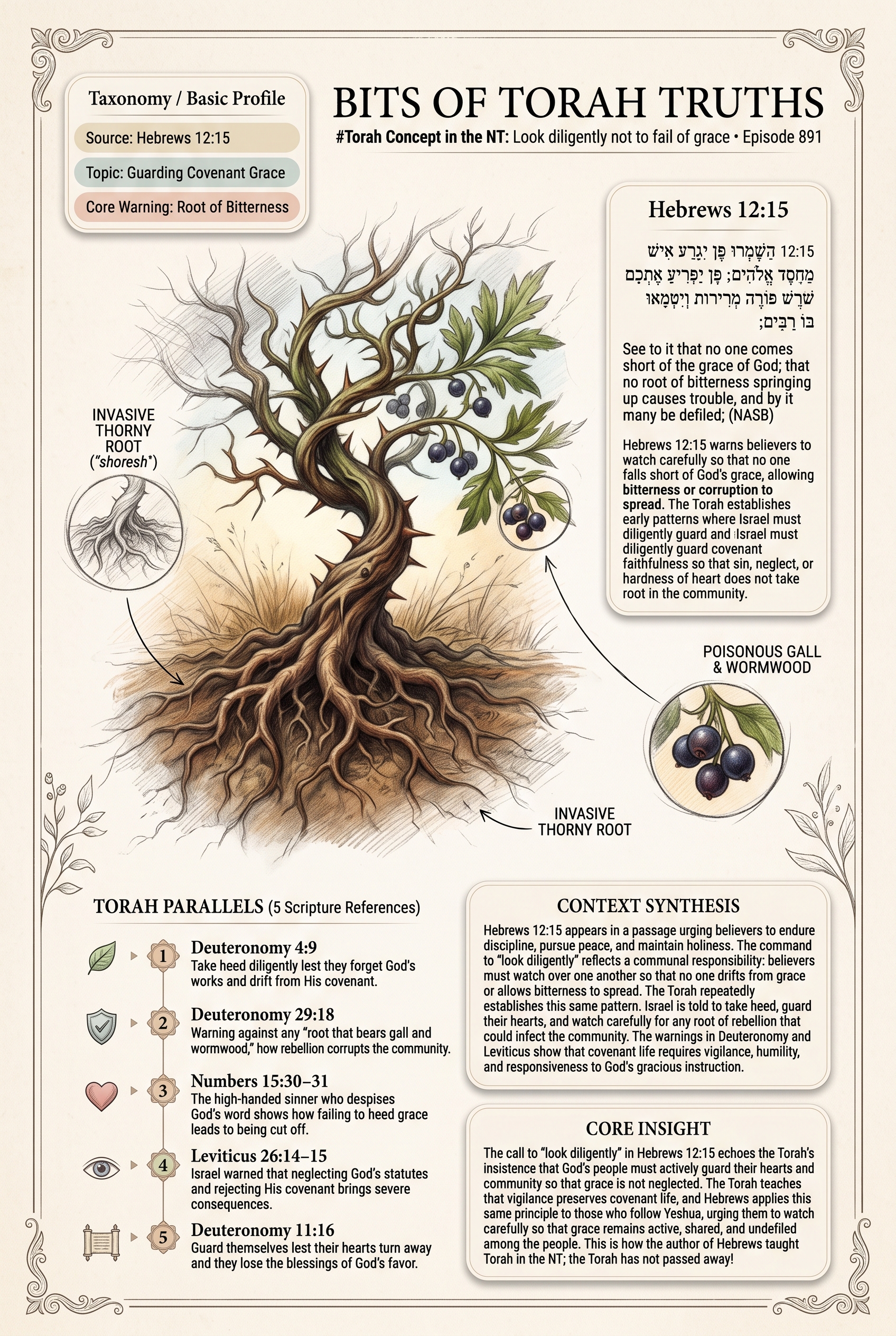
12:15 See to it that no one comes short of the grace of God; that no root of bitterness springing up causes trouble, and by it many be defiled; (NASB)
https://www.matsati.com/index.php/category/bits-of-torah-truths/
Hebrews 12:15 warns believers to watch carefully so that no “root of bitterness” arises and spreads defilement through the community. The Torah establishes early patterns showing how hidden rebellion, hardness of heart, or poisonous influence can corrupt Israel if not diligently guarded against.
– Torah parallels –
- Deuteronomy 29:18 – A warning against any “root that bears gall and wormwood,” describing a person whose inner rebellion spreads corruption.
- Deuteronomy 11:16 – Israel must guard themselves lest their hearts turn away, allowing inner deviation to produce outward defilement.
- Numbers 16:1–3 – The rebellion of Korah begins as a hidden grievance and grows into a community‑defiling uprising.
- Deuteronomy 13:6–8 – Israel must watch carefully for subtle influences that entice them away from God, even from close relationships.
- Leviticus 19:17 – Israel is commanded to address sin directly rather than let resentment or hidden hatred grow into defilement.
– Context Synthesis –
Hebrews 12:15 uses the imagery of a “root of bitterness” to describe how internal corruption—whether resentment, unbelief, or rebellion—can spread through a community and defile many. This imagery is drawn directly from the Torah’s covenant warnings. Deuteronomy 29:18 explicitly names a “root” that produces poisonous fruit, representing a person whose inward turning from God becomes a source of communal harm. The Torah repeatedly teaches that hidden sin, unresolved grievance, or quiet rebellion can grow into destructive influence if not confronted. Whether in Korah’s uprising, the enticement of close relations toward idolatry, or the command to address wrongdoing rather than harbor hatred, the Torah emphasizes vigilance against internal seeds of corruption. Hebrews applies this same covenant logic to believers, urging them to watch carefully so that no destructive root takes hold and spreads defilement.
– Core Insight –
The warning against a “root of bitterness” in Hebrews 12:15 is grounded in the Torah’s teaching that inner rebellion or resentment can grow into community‑wide corruption if left unchecked. The Torah calls God’s people to vigilance, honest confrontation of sin, and careful guarding of the heart, and Hebrews extends this same covenant responsibility to those who follow Yeshua. This is how the author of Hebrews taught Torah in the NT; the Torah has not passed away!
Visual Summary of Concepts the Torah in the NT