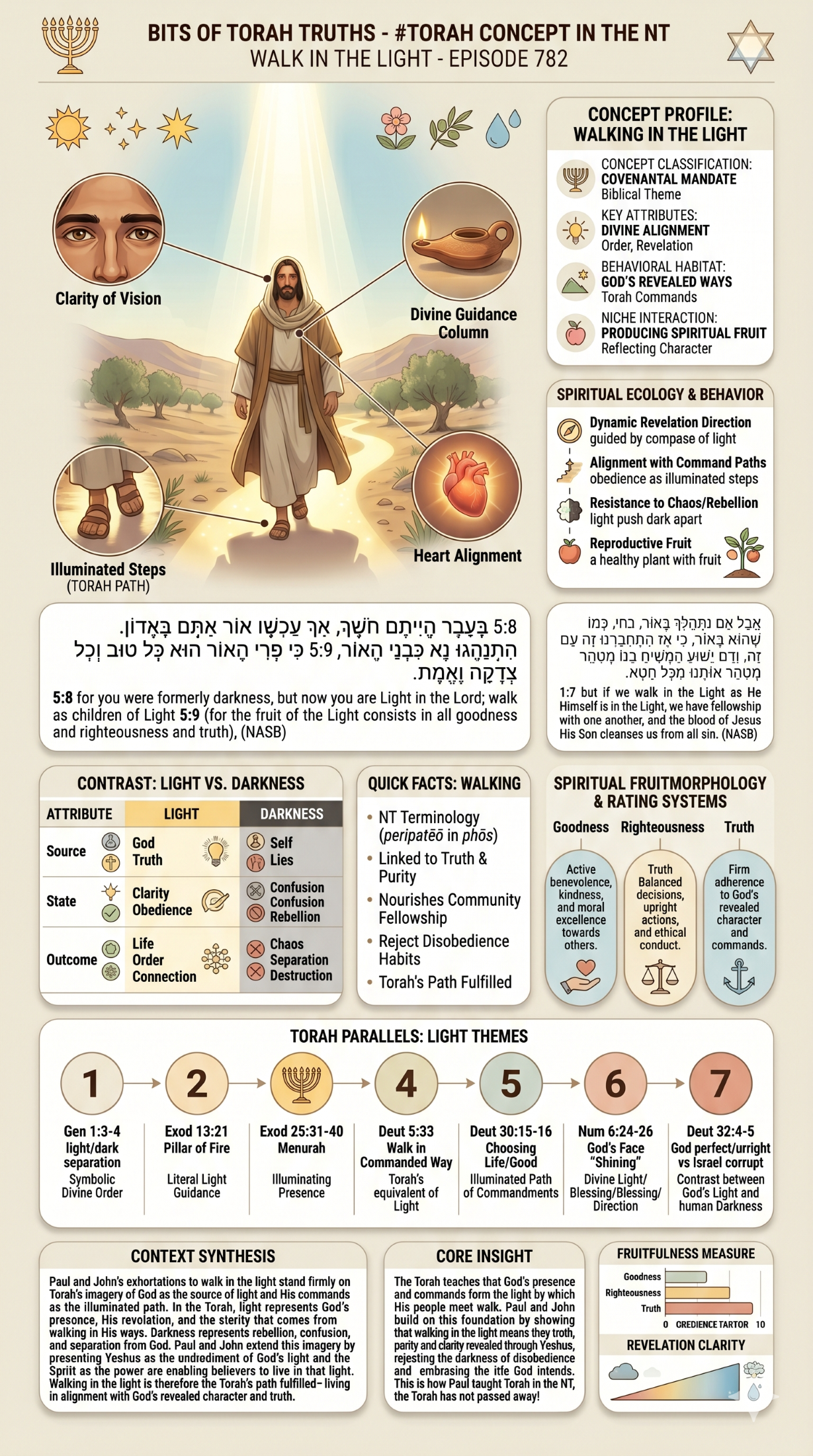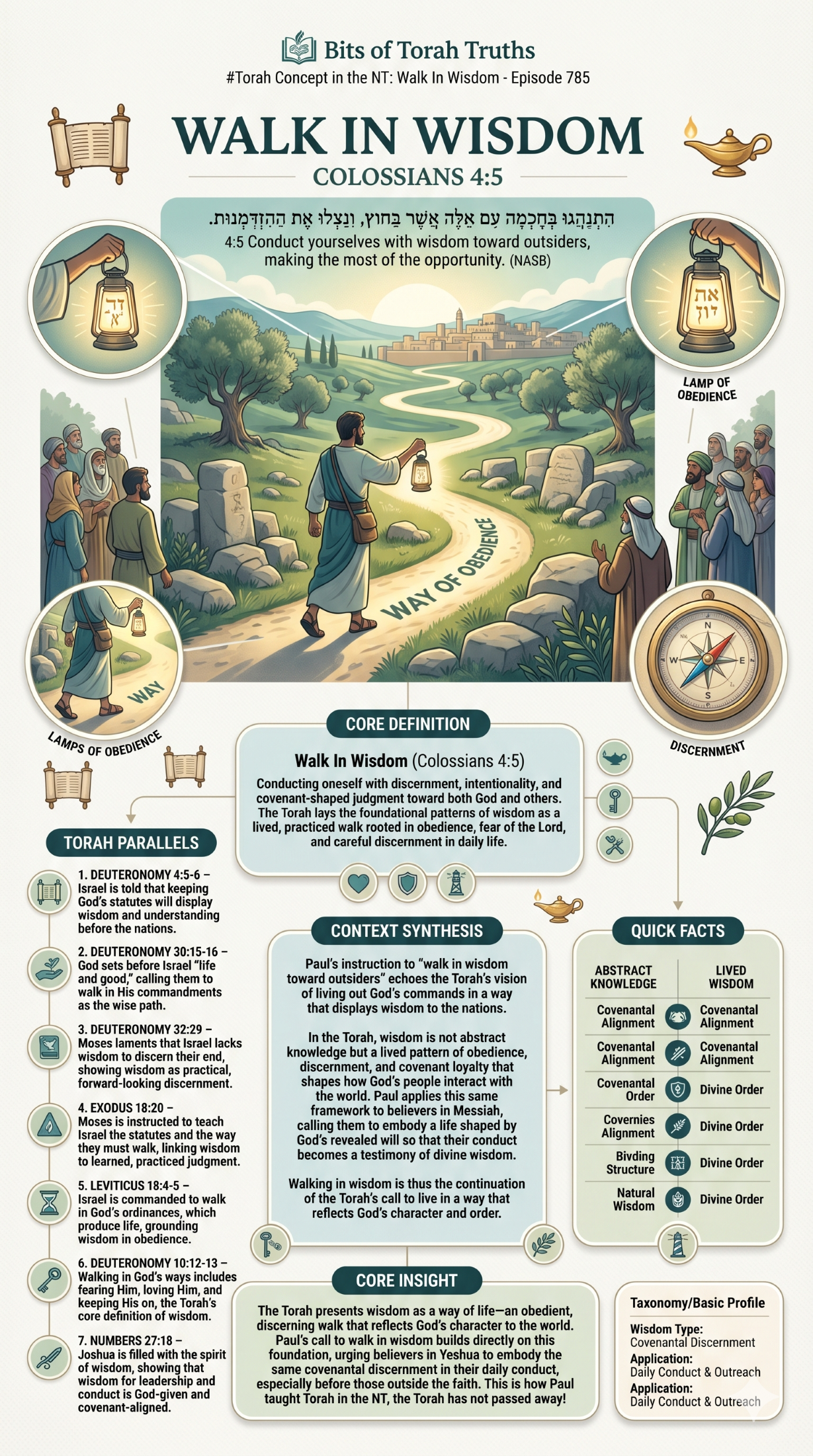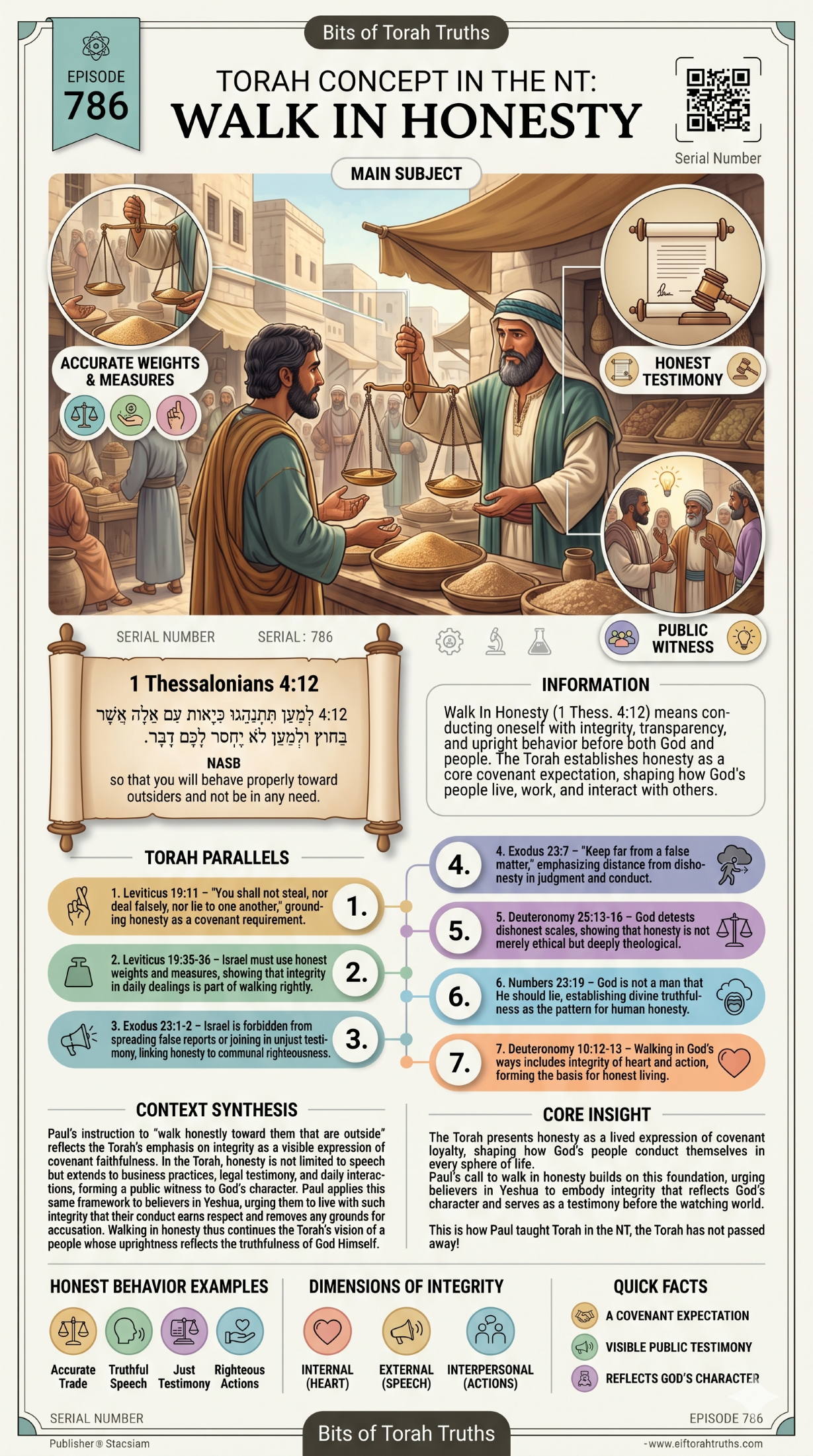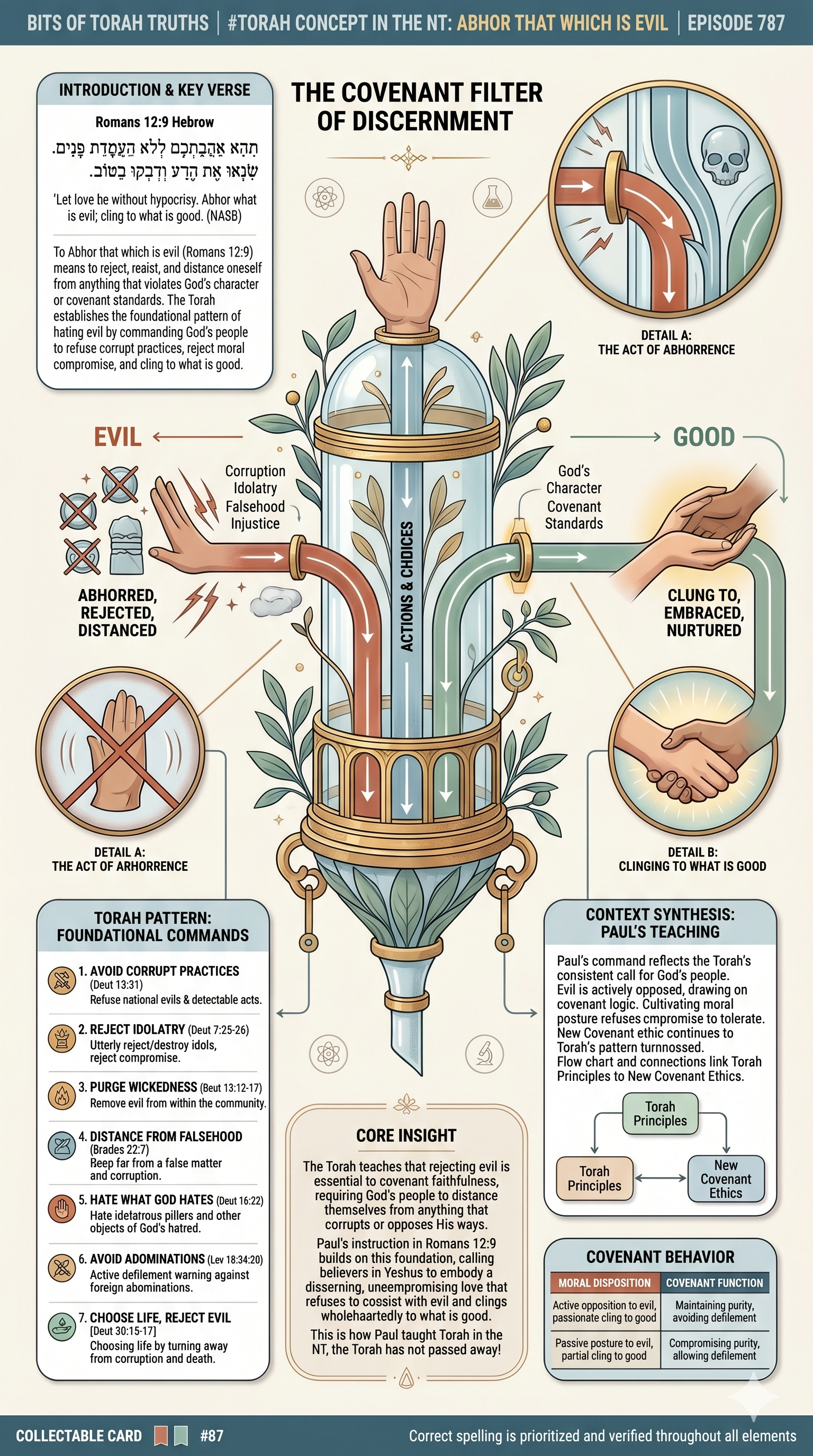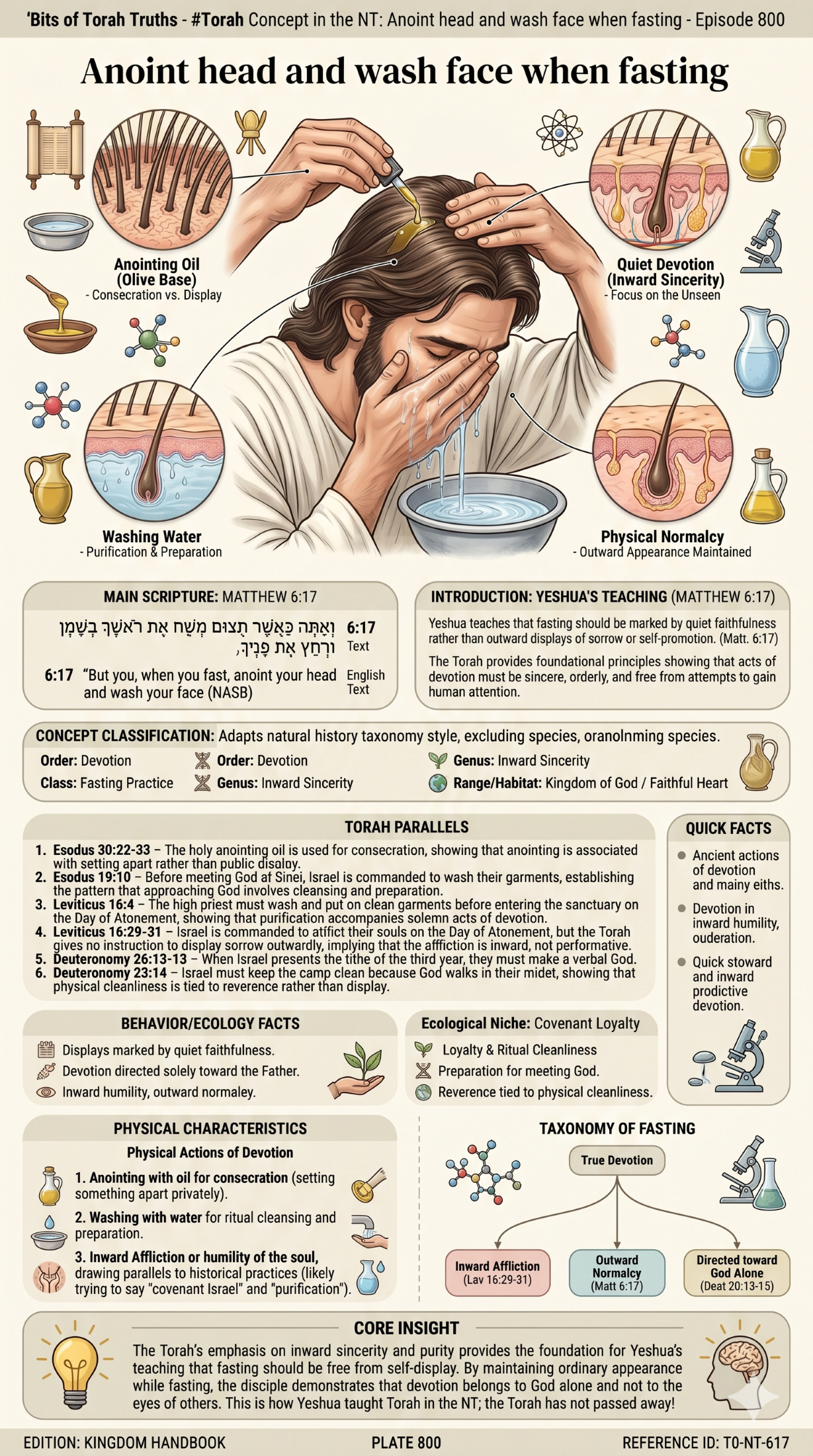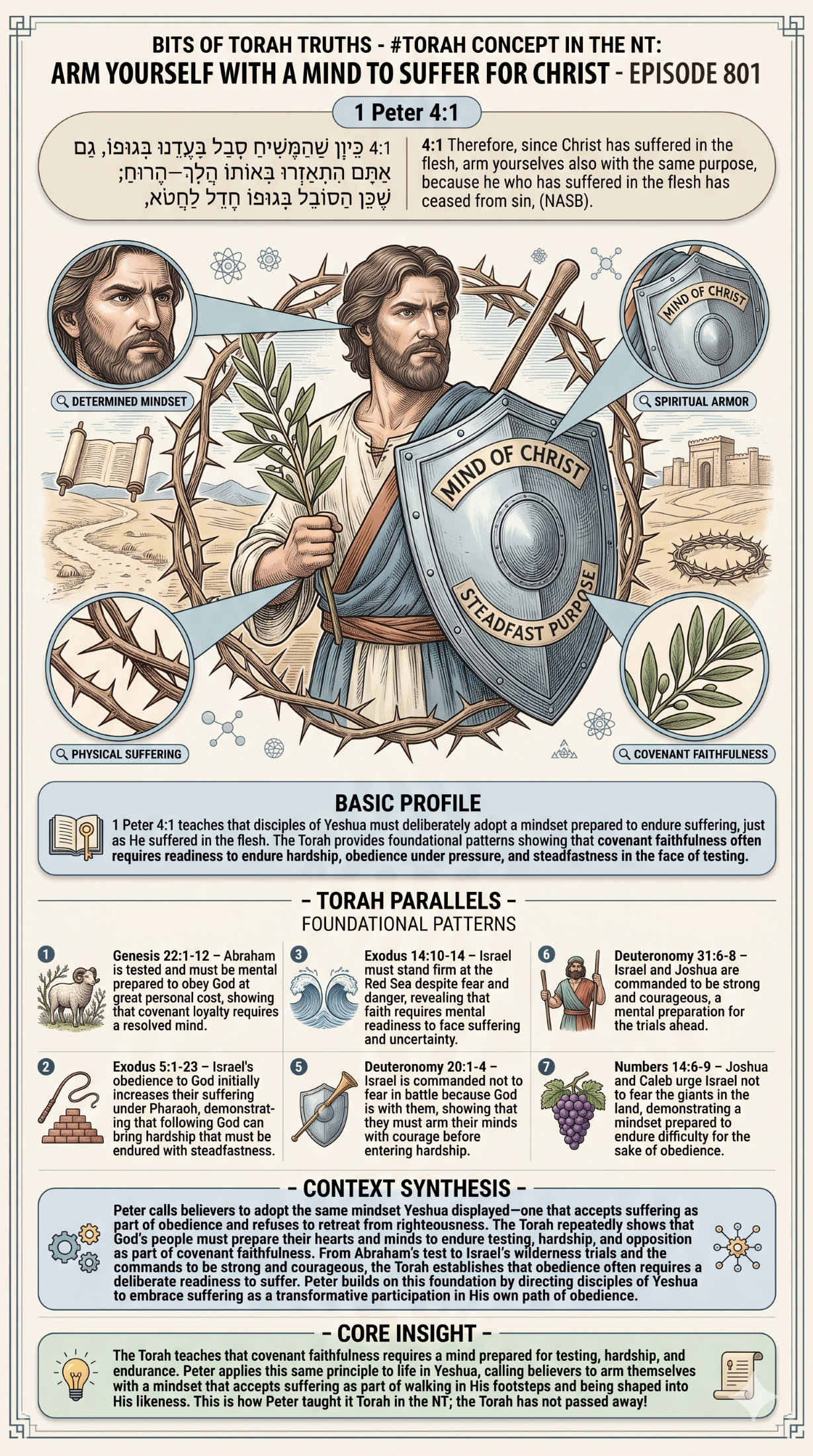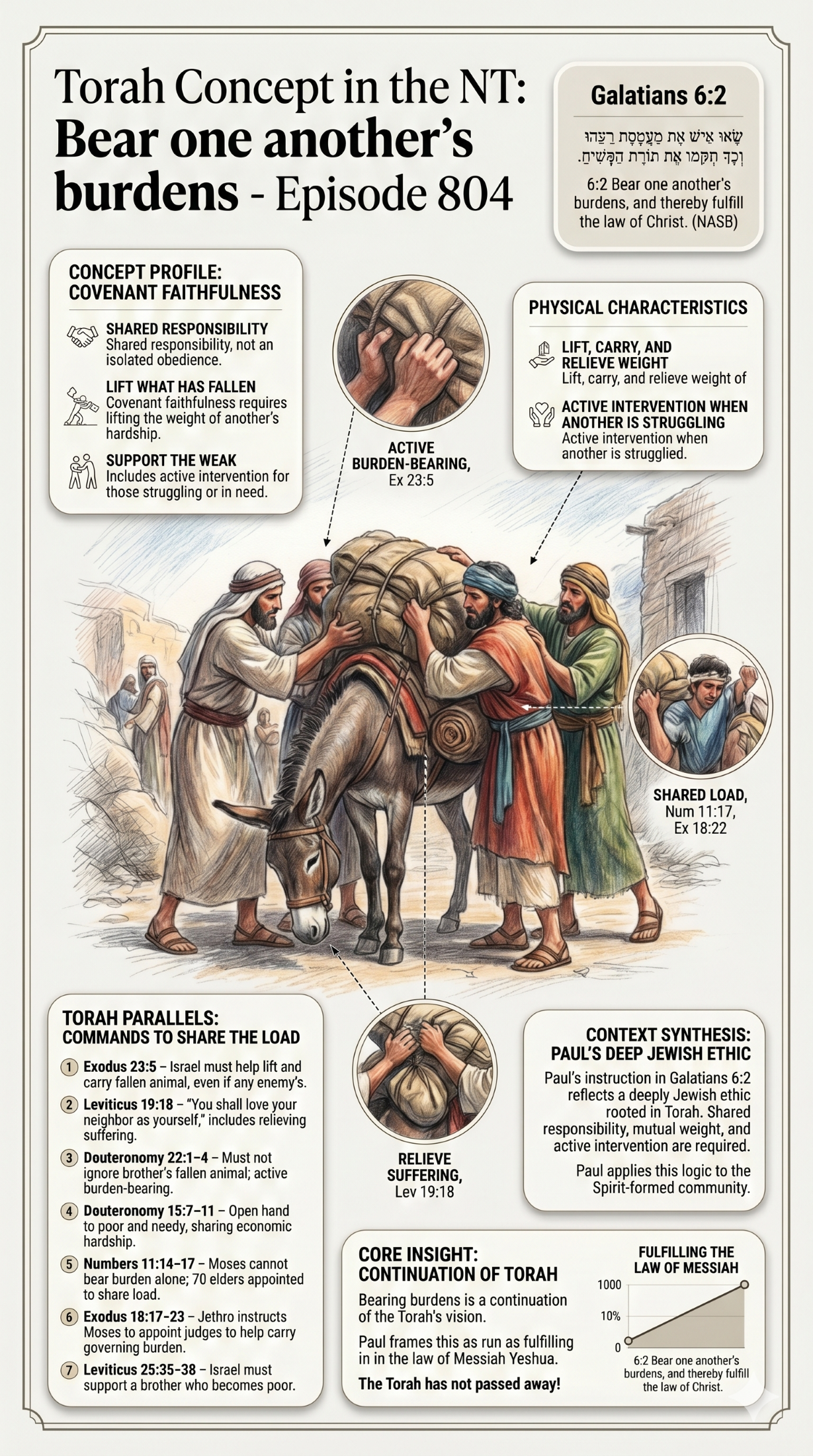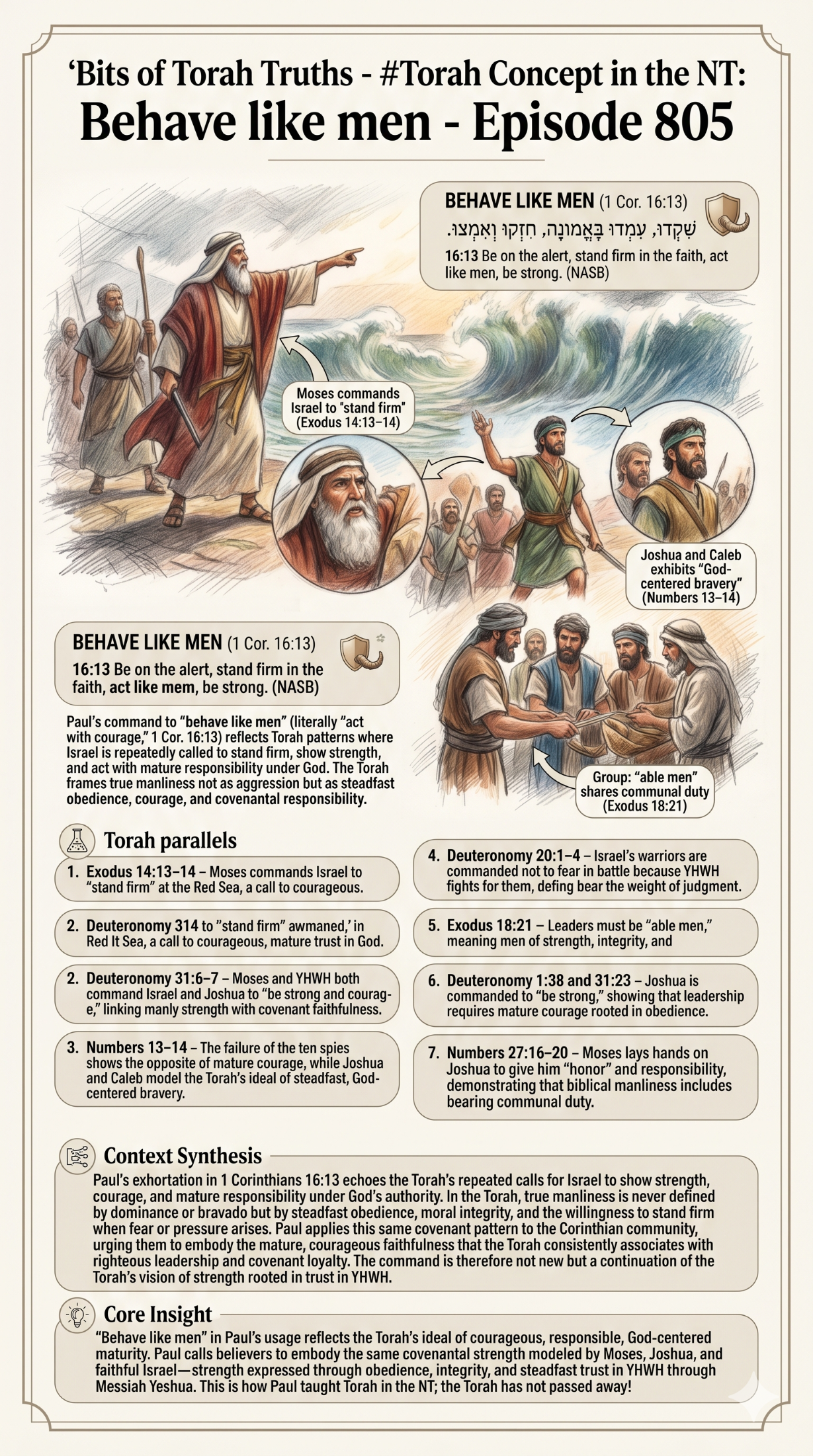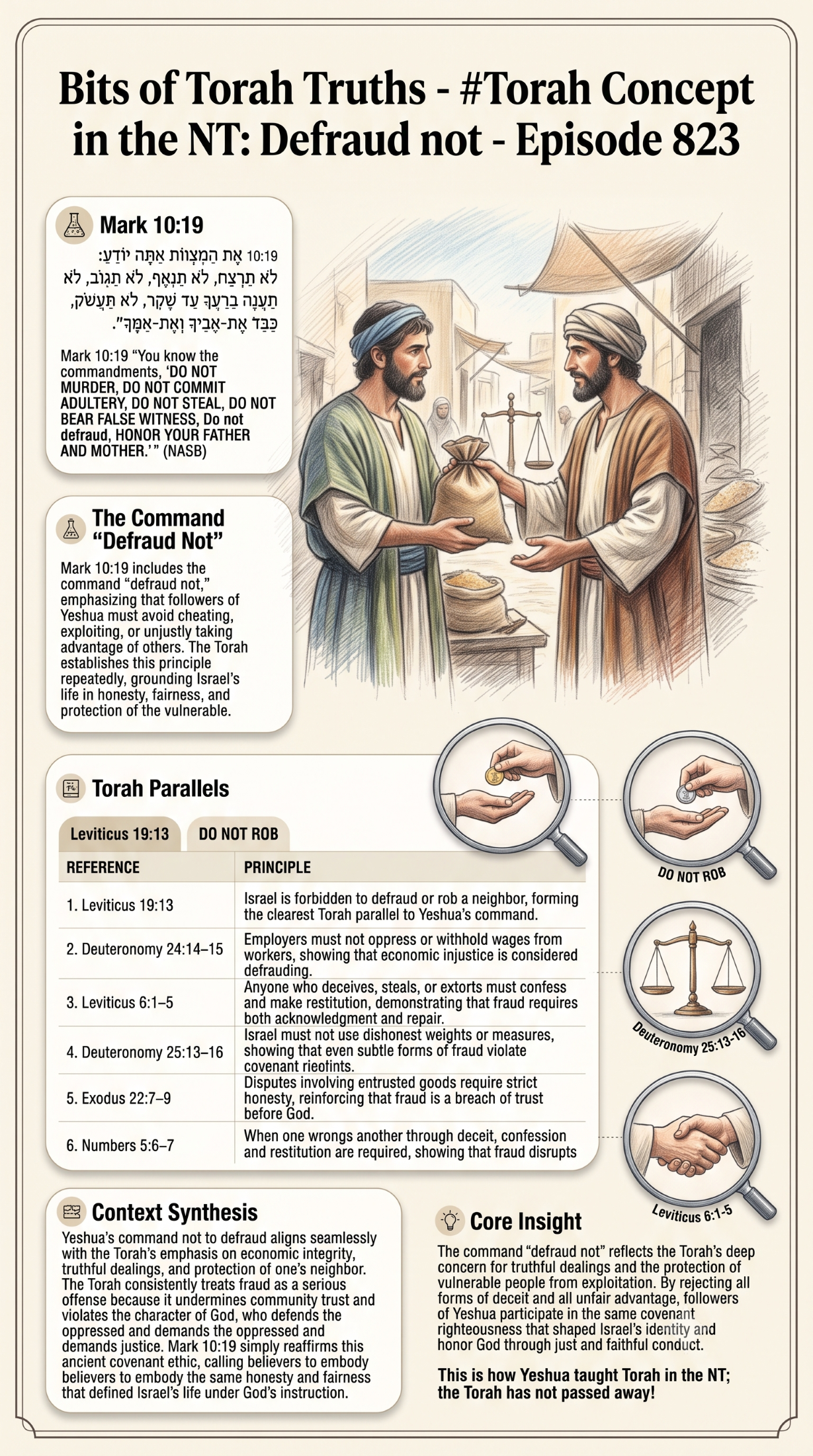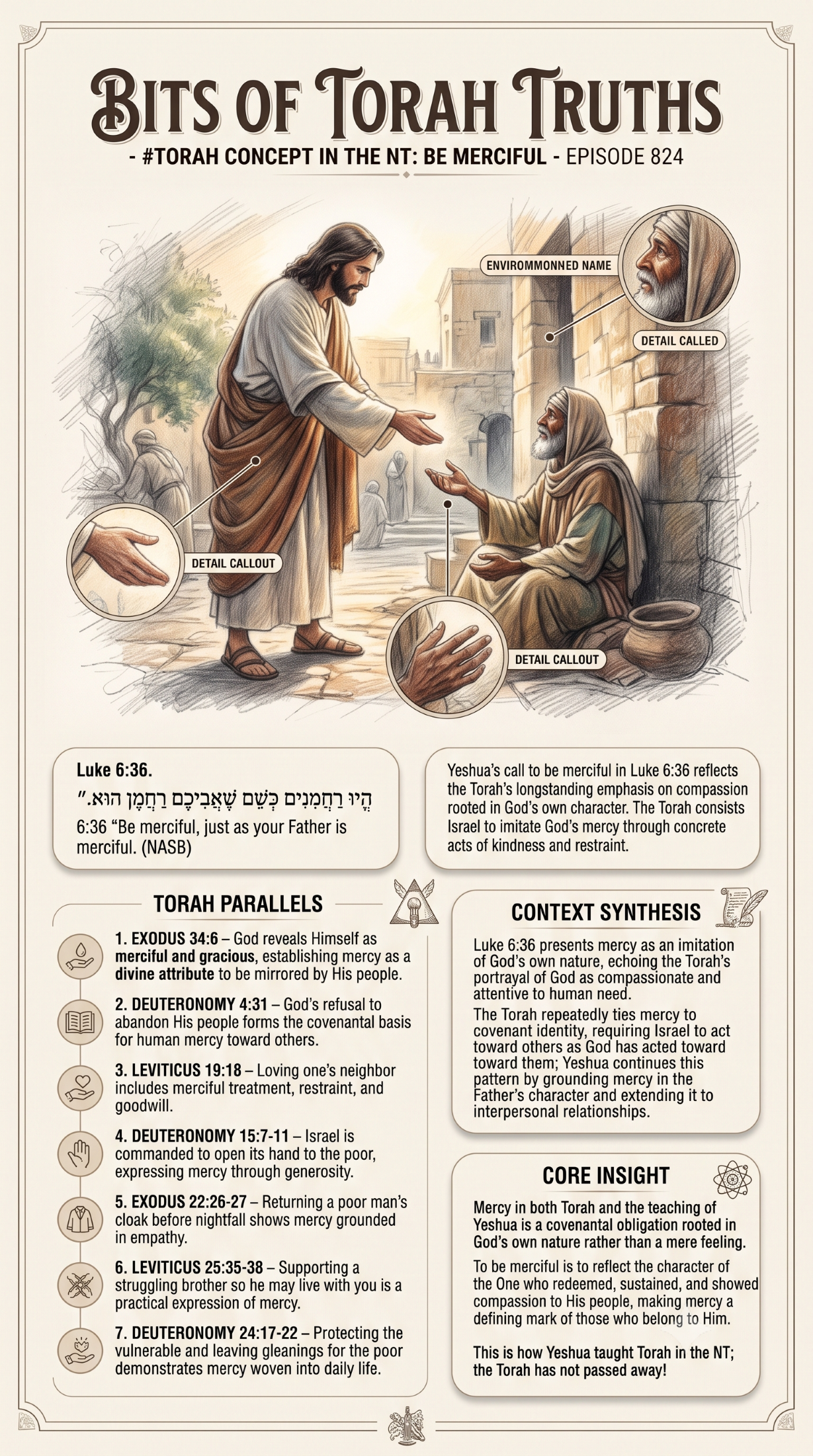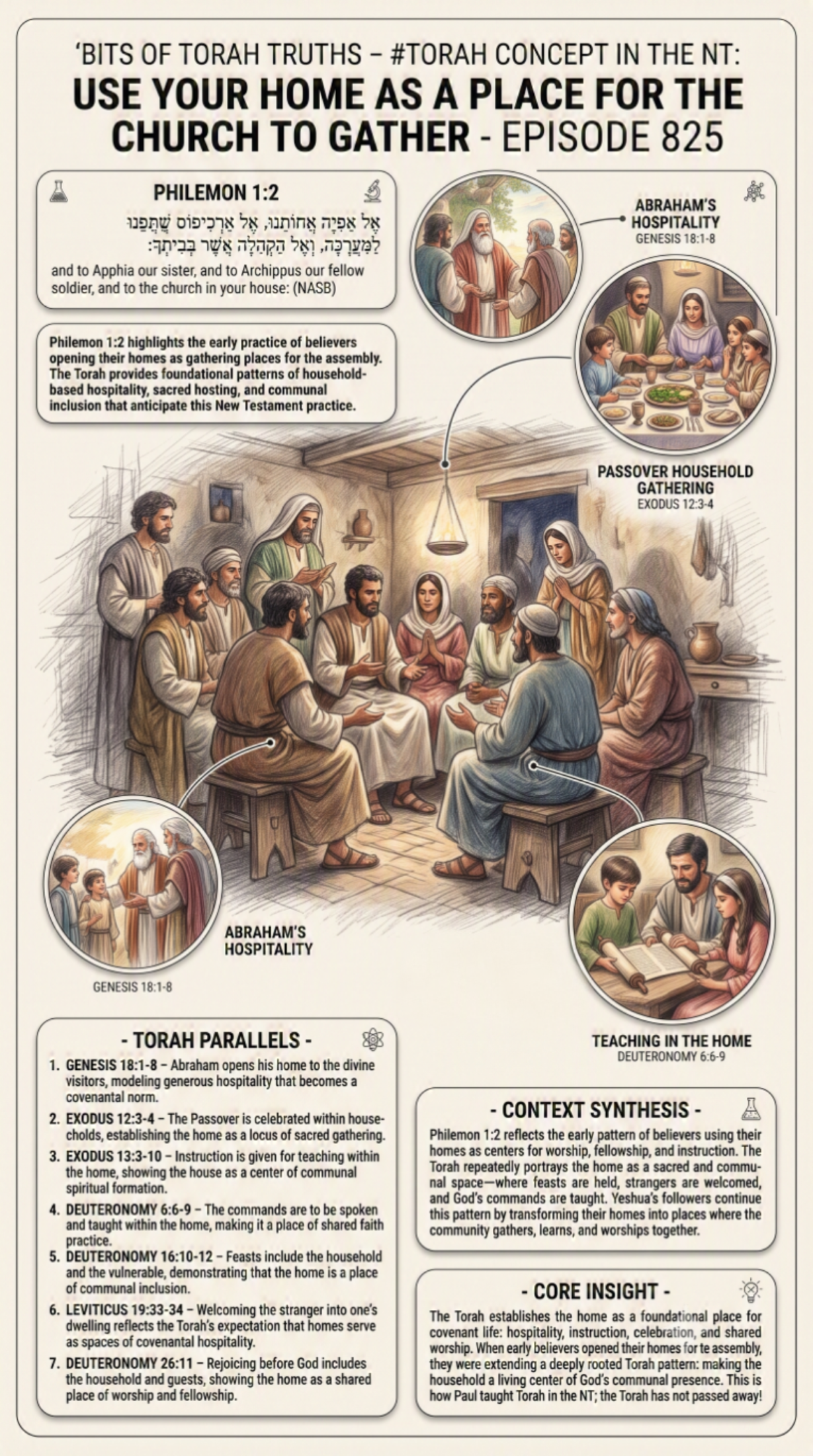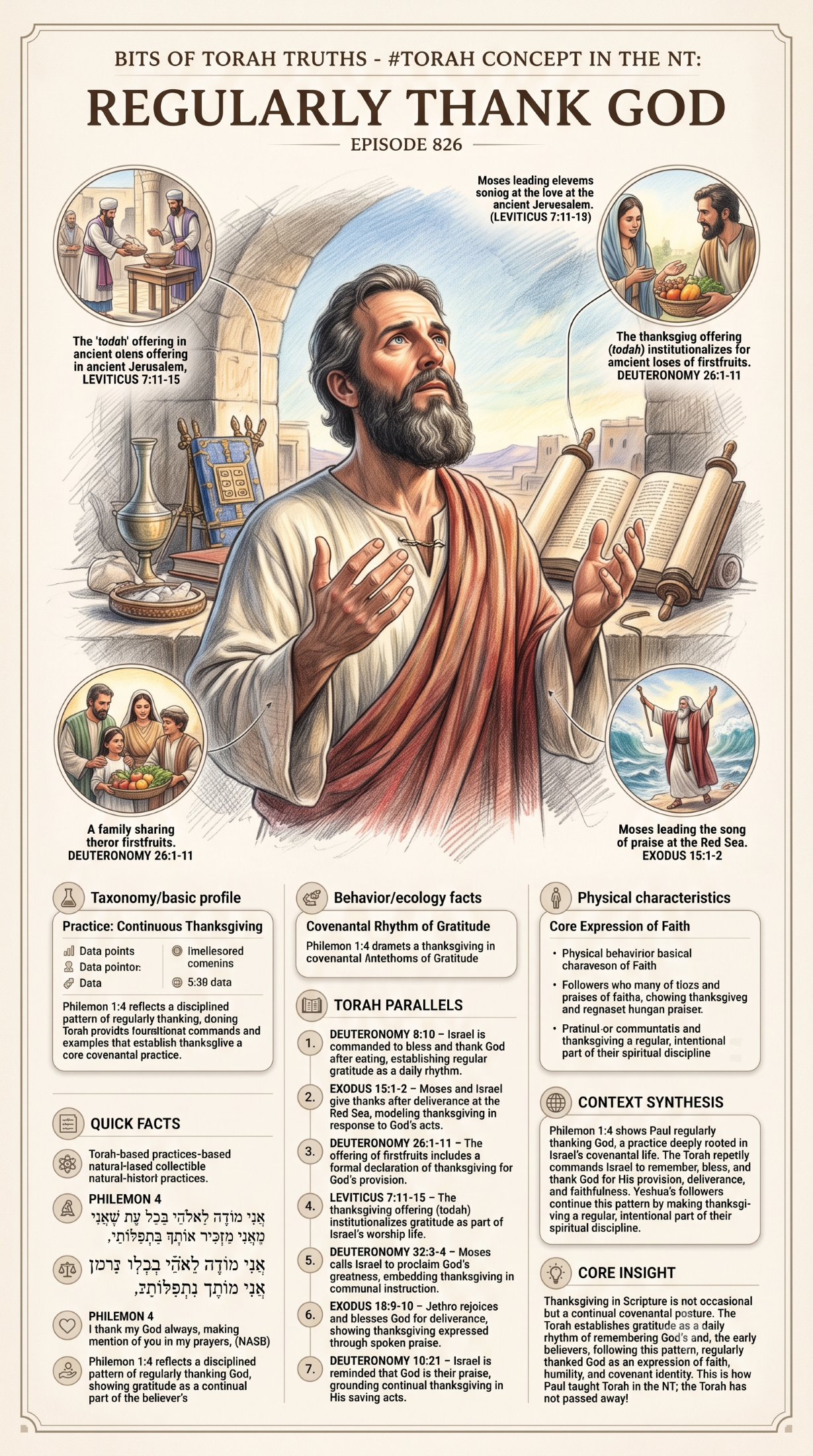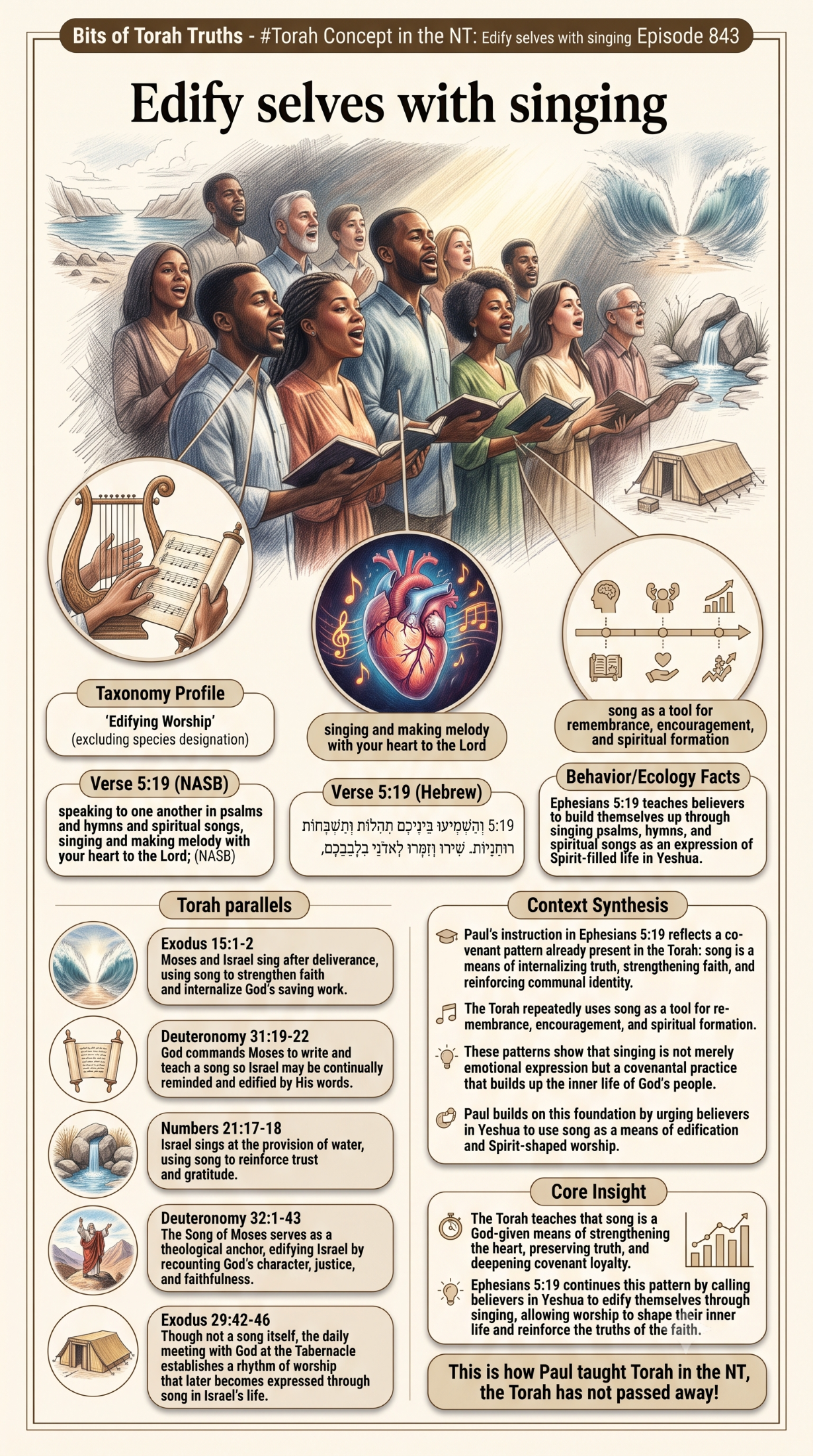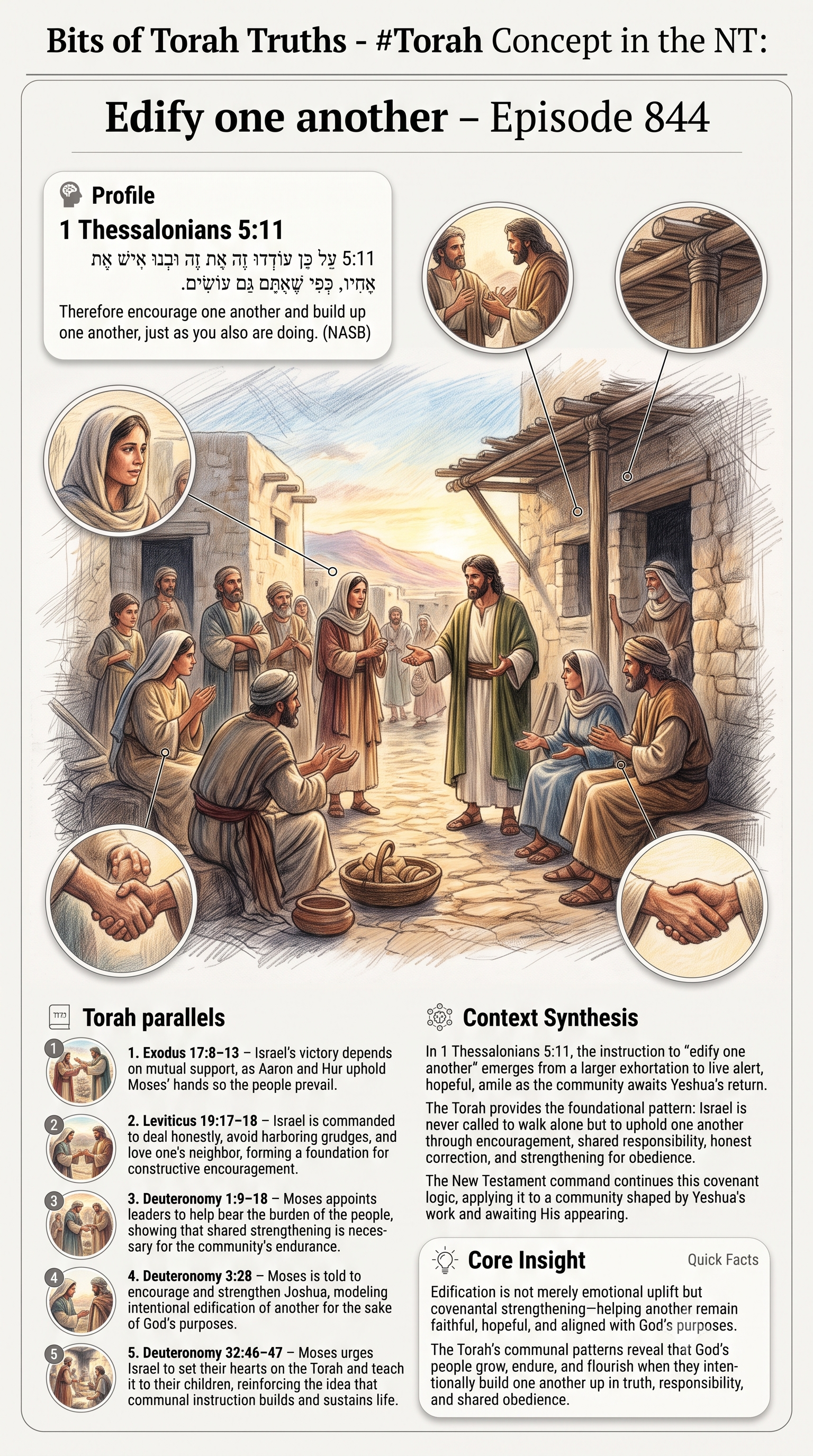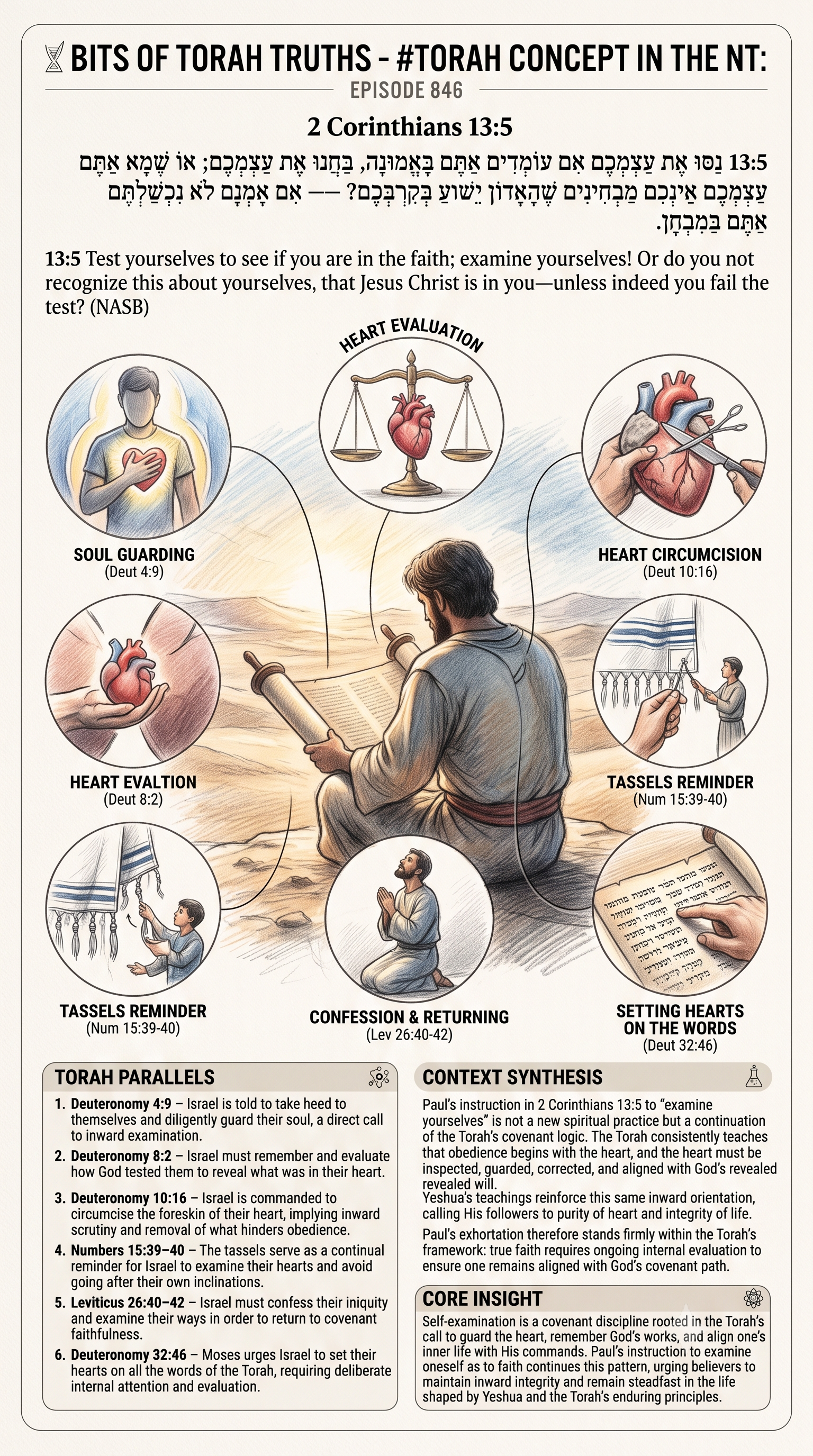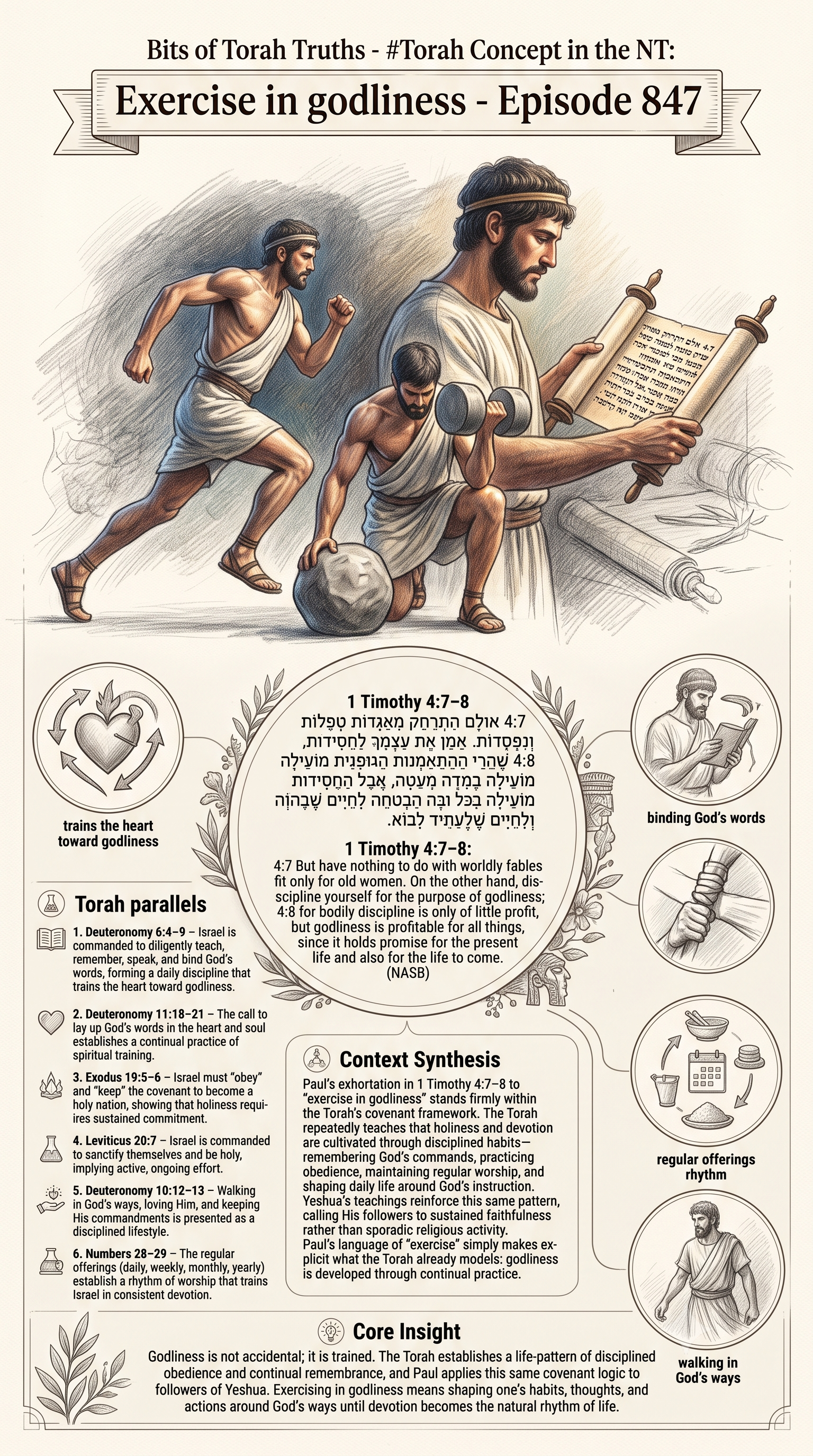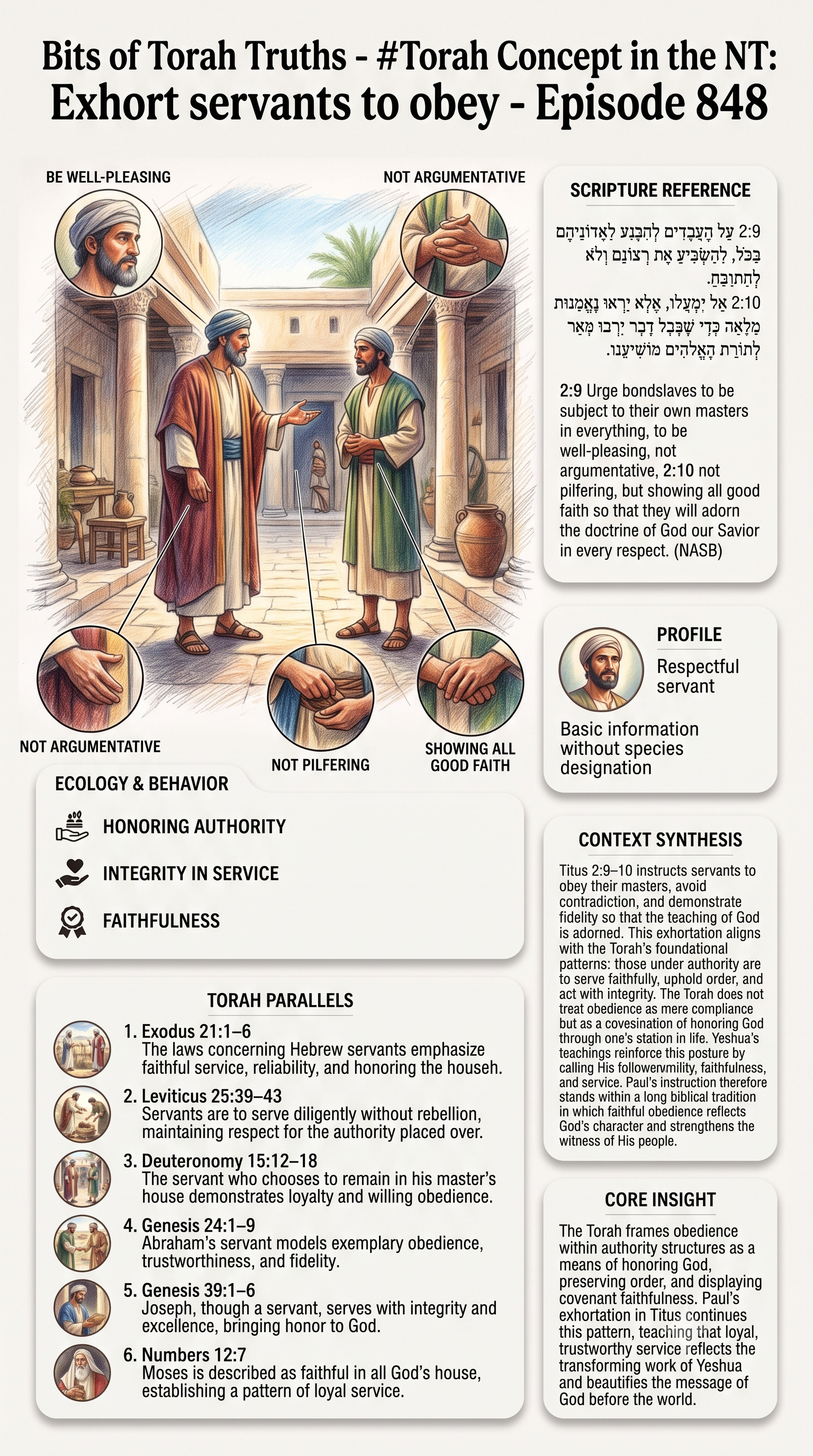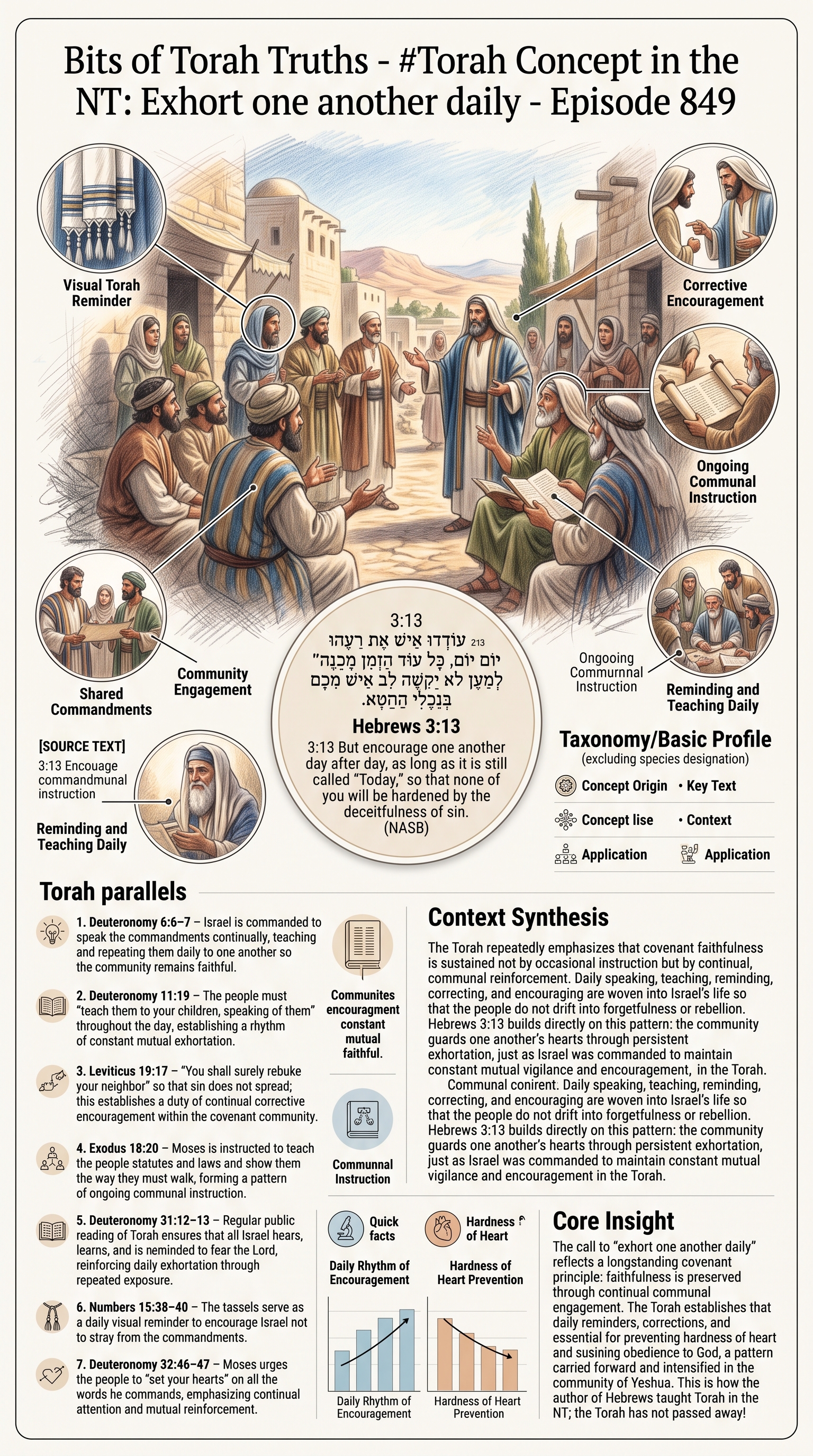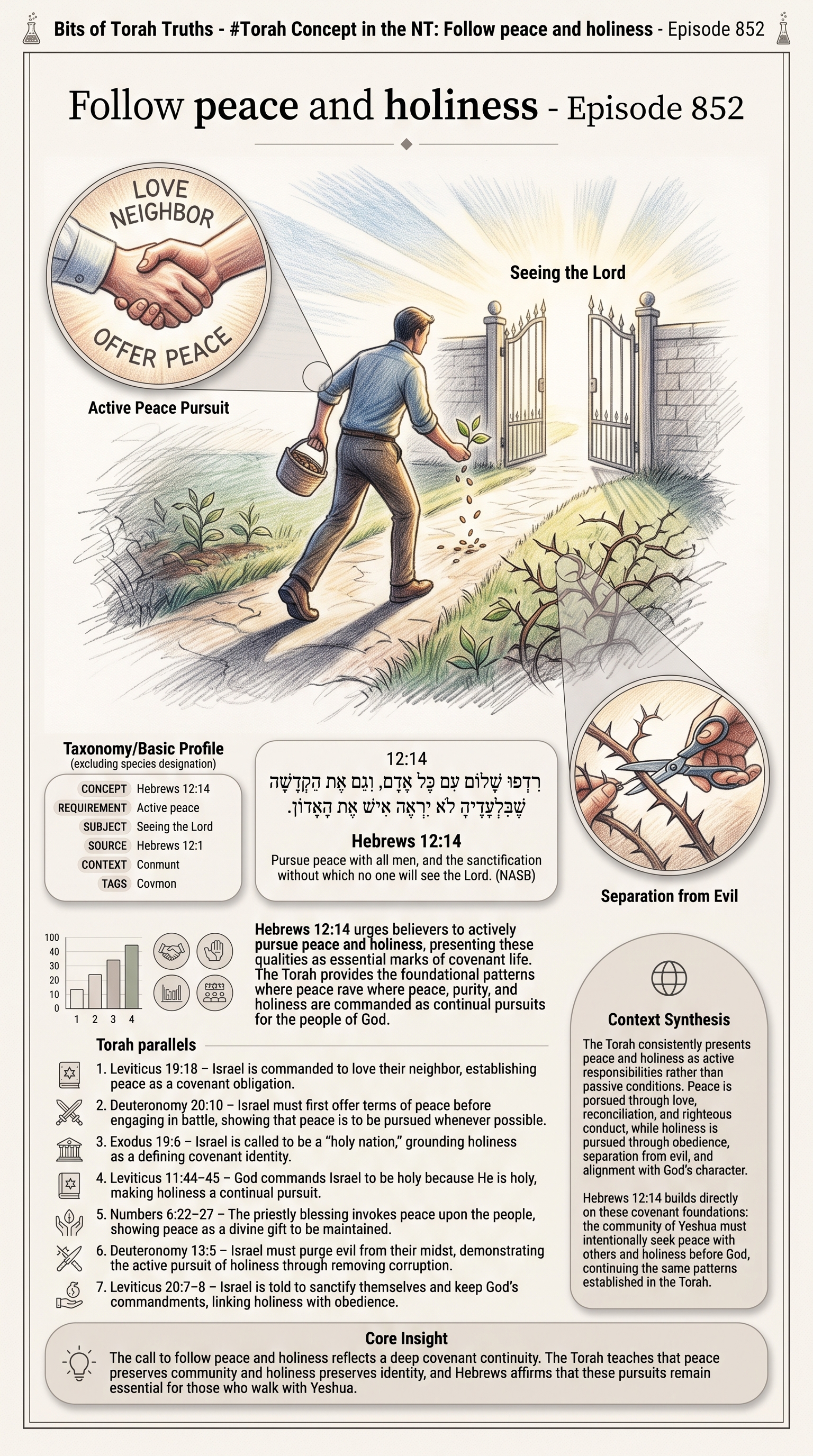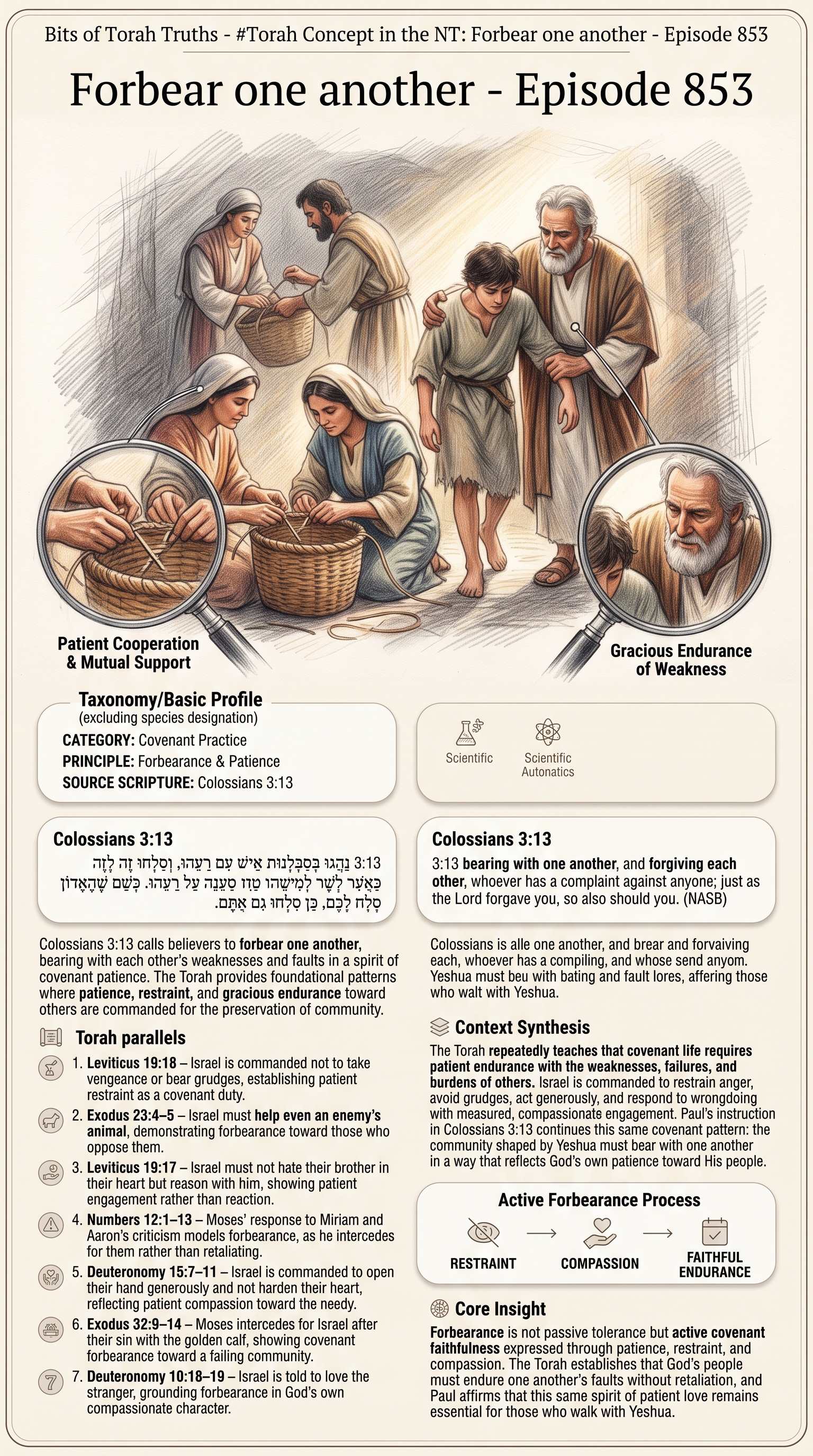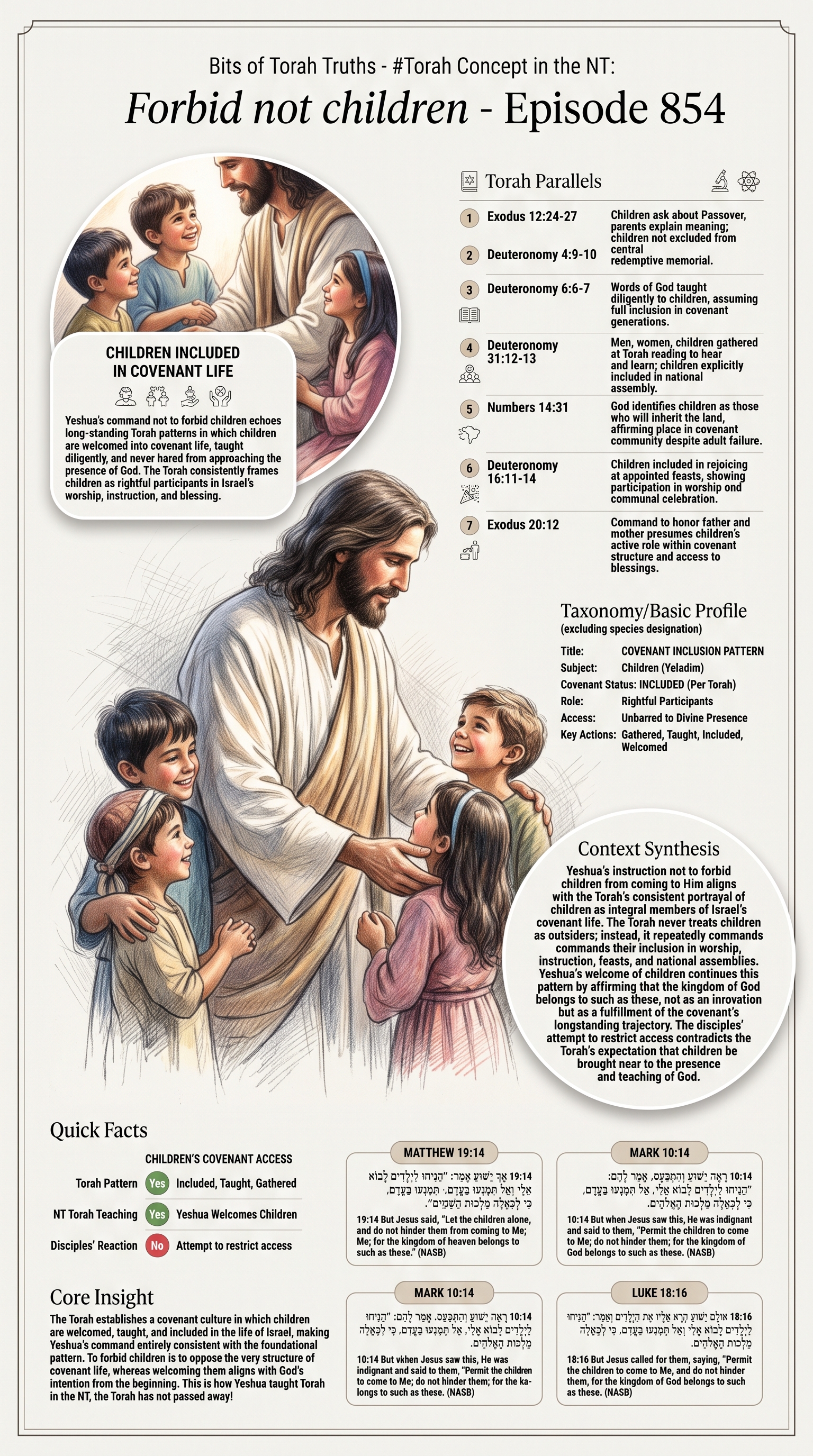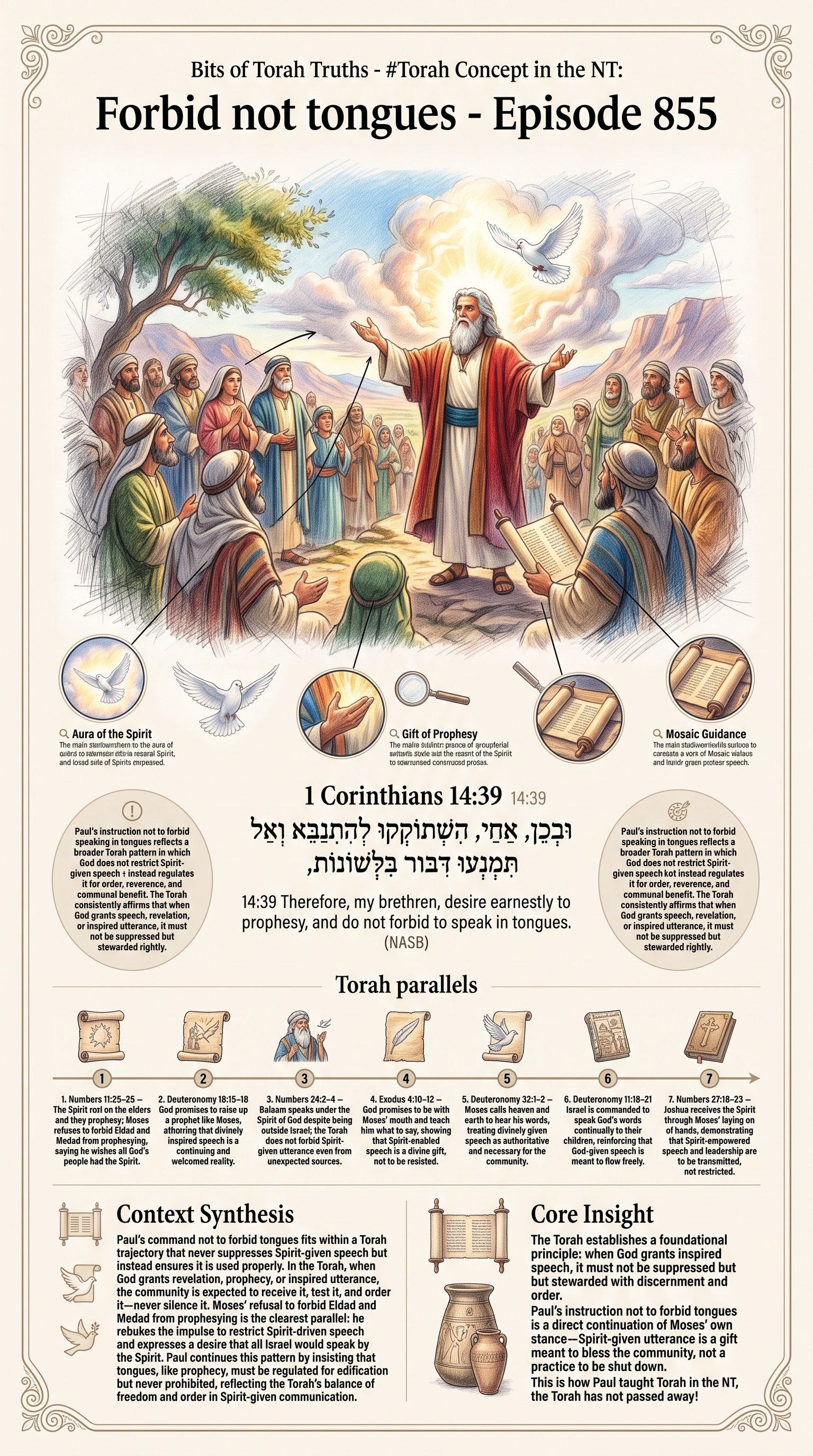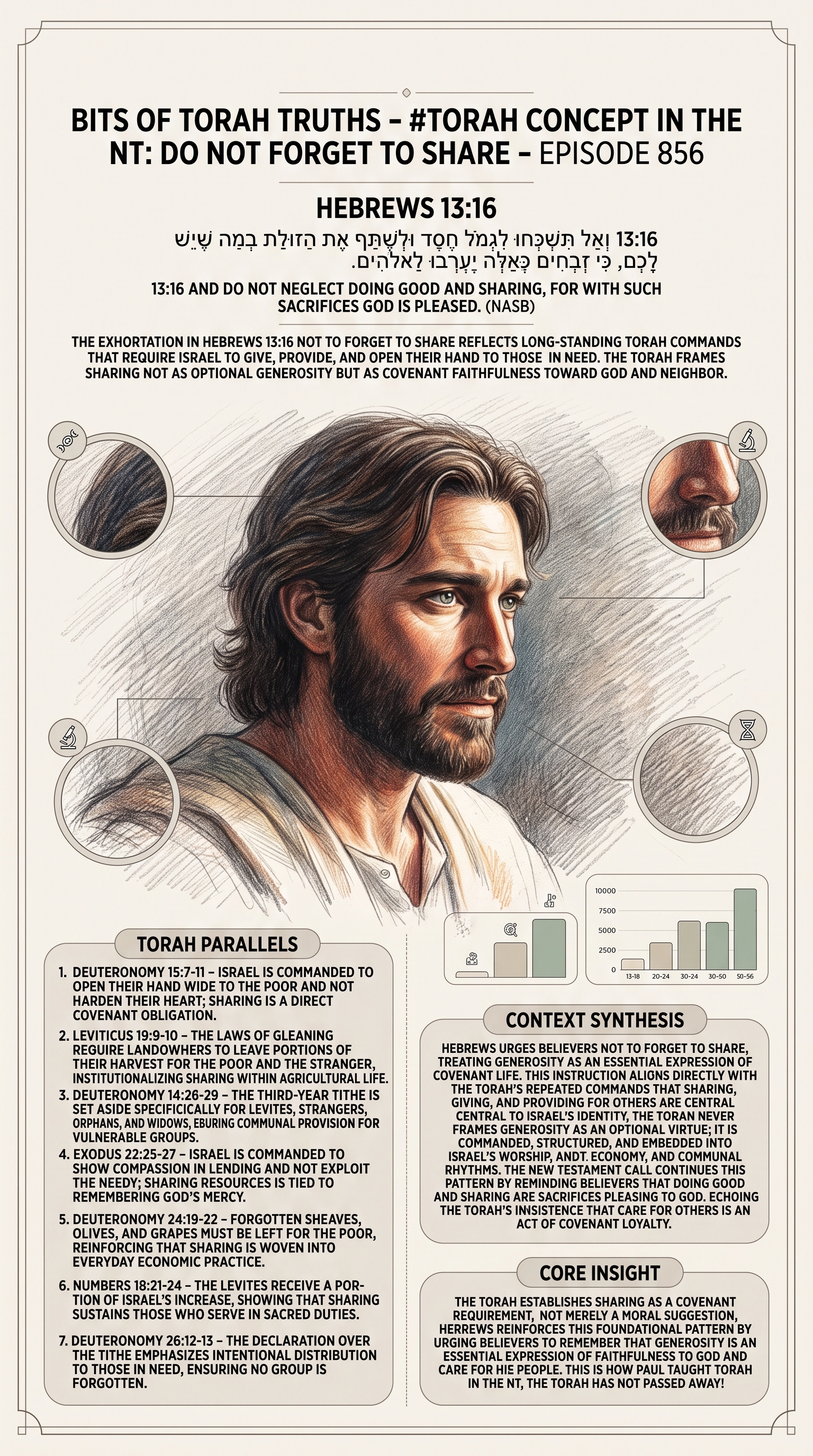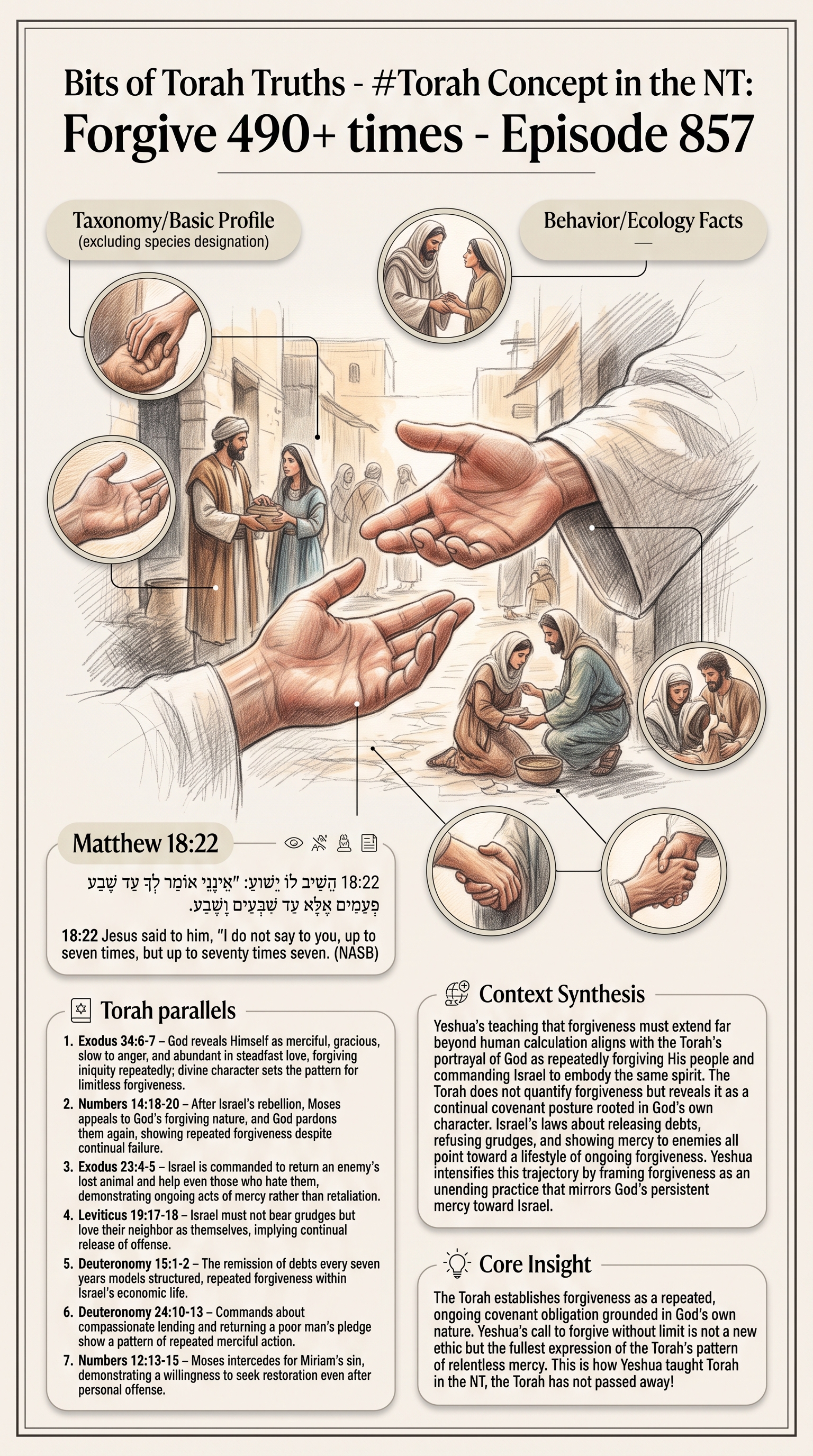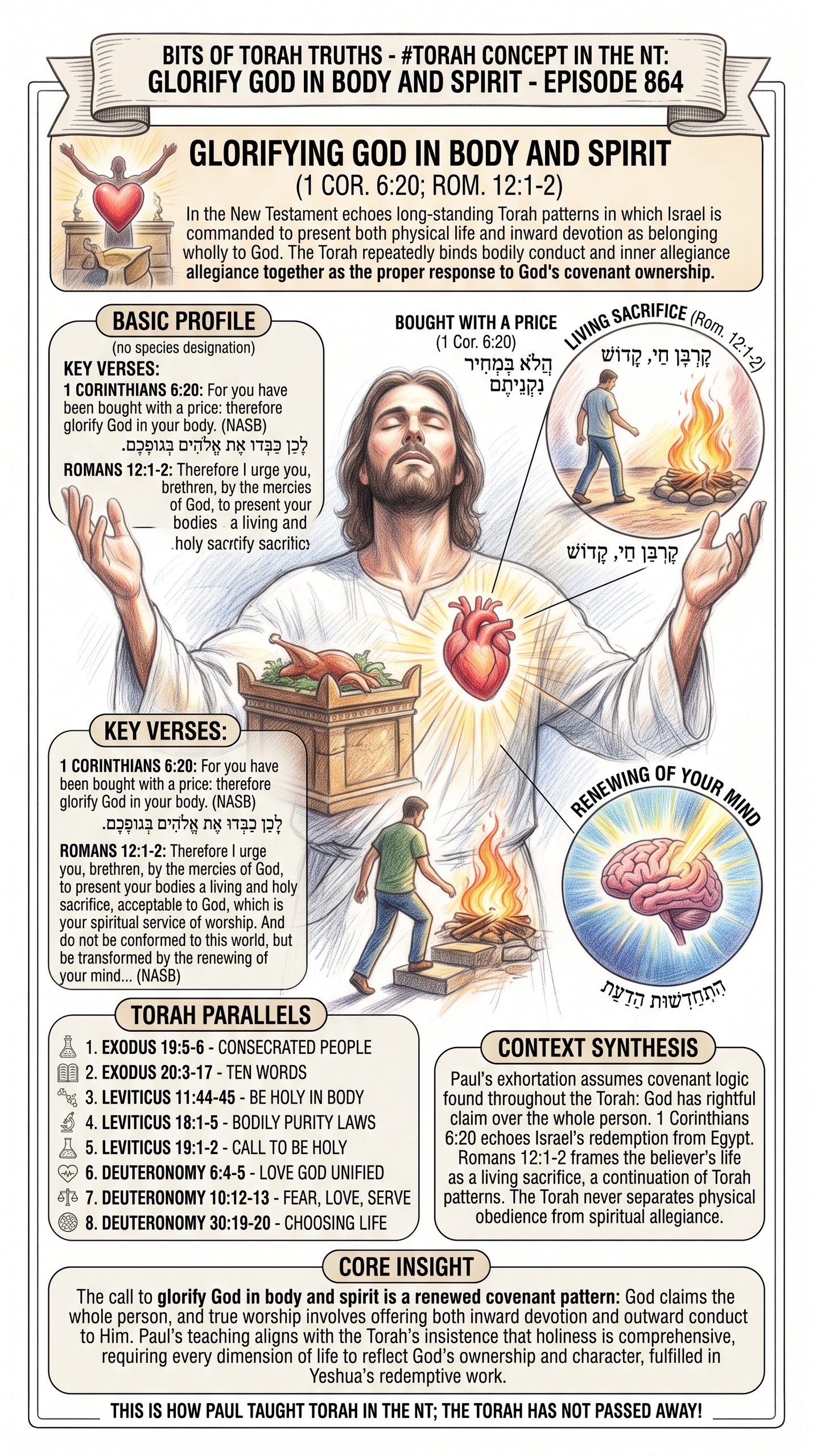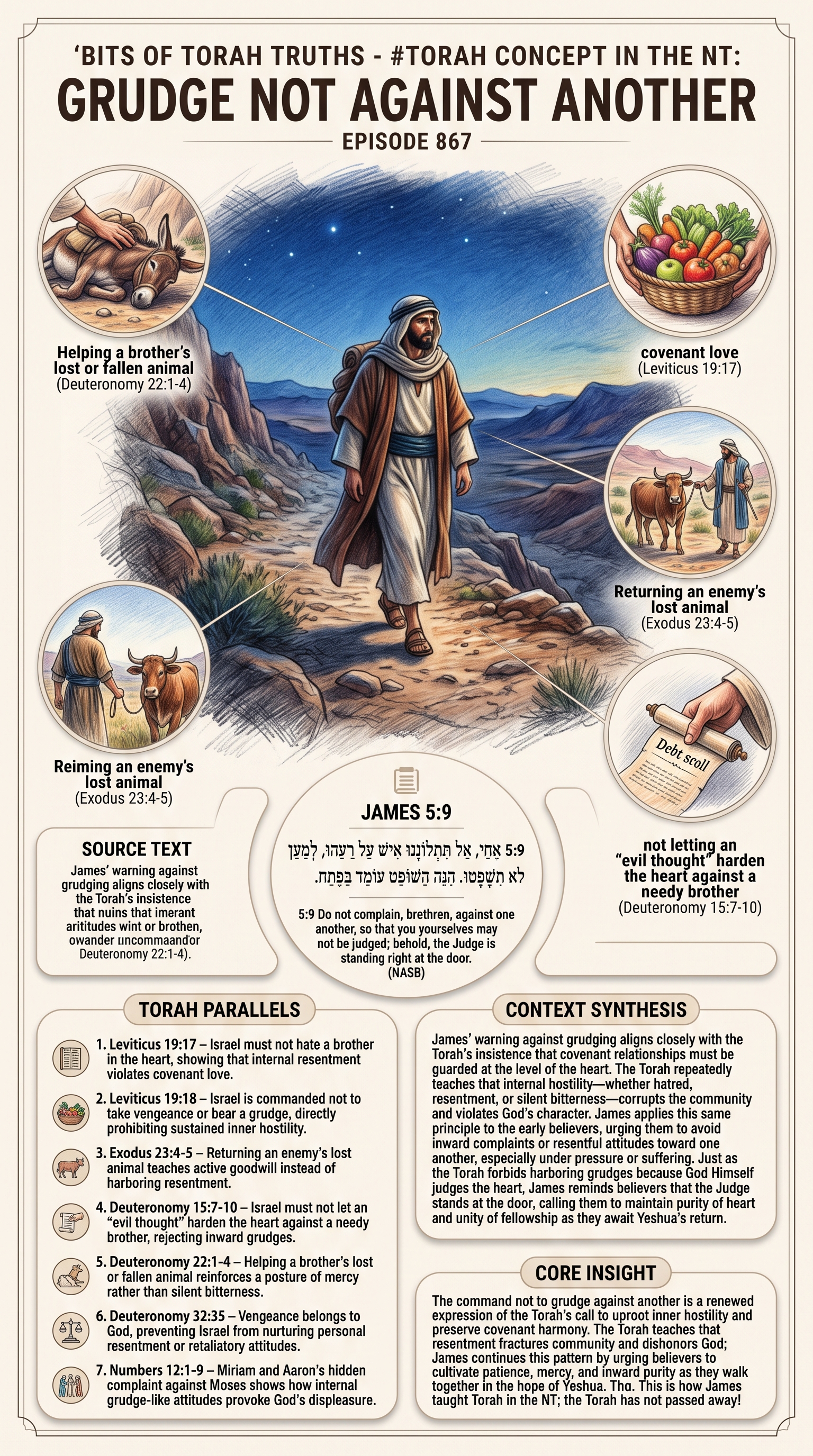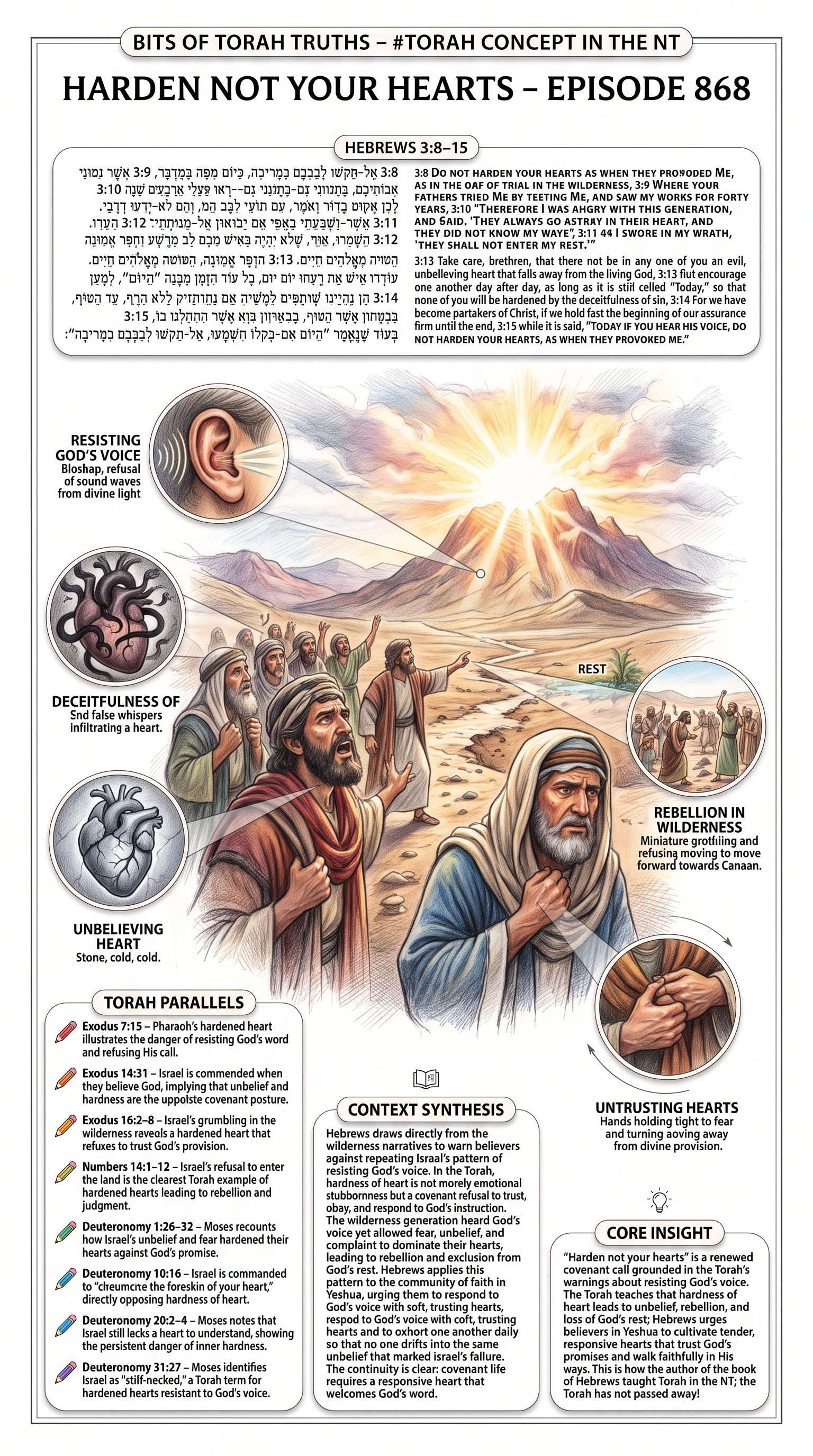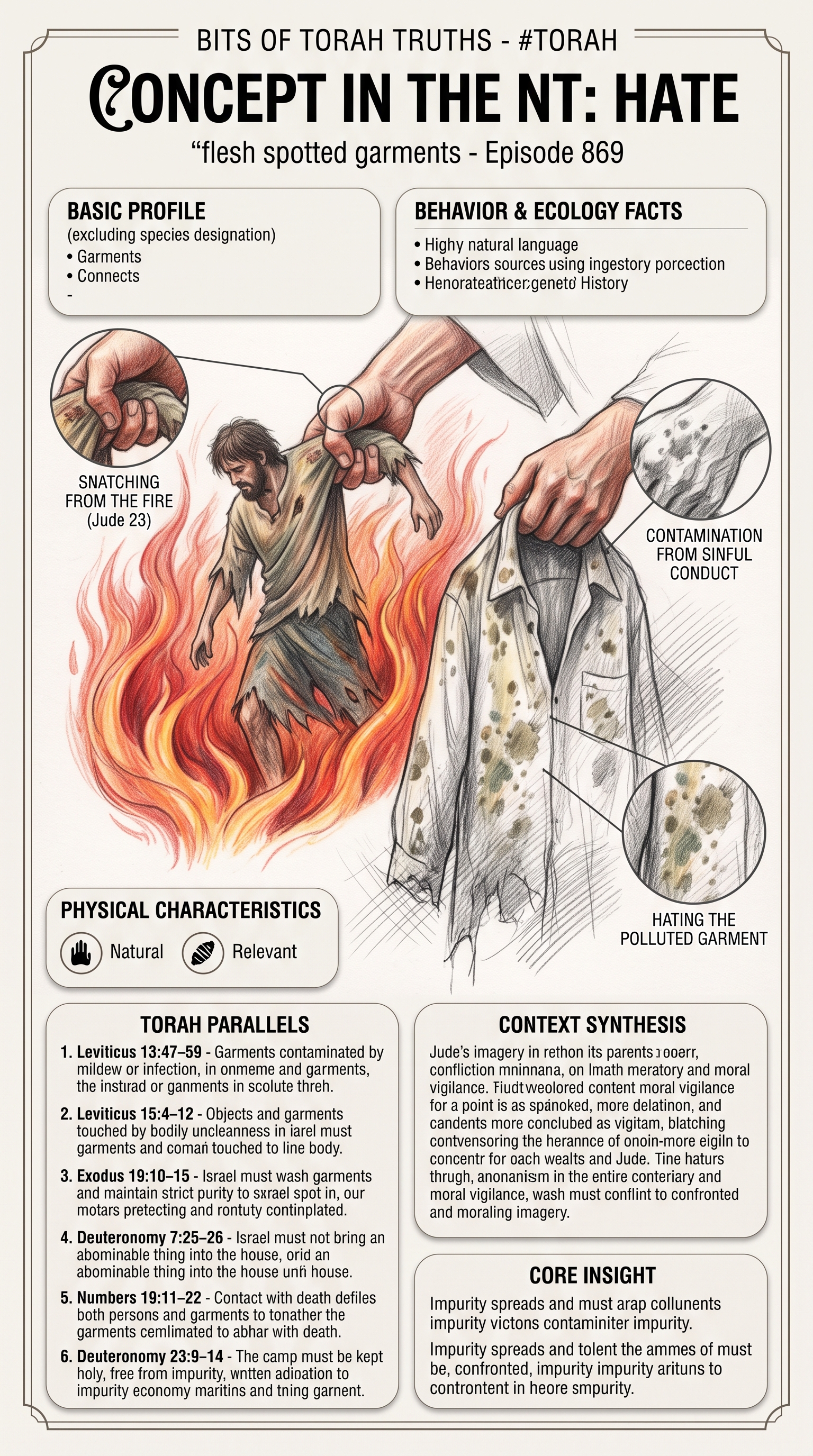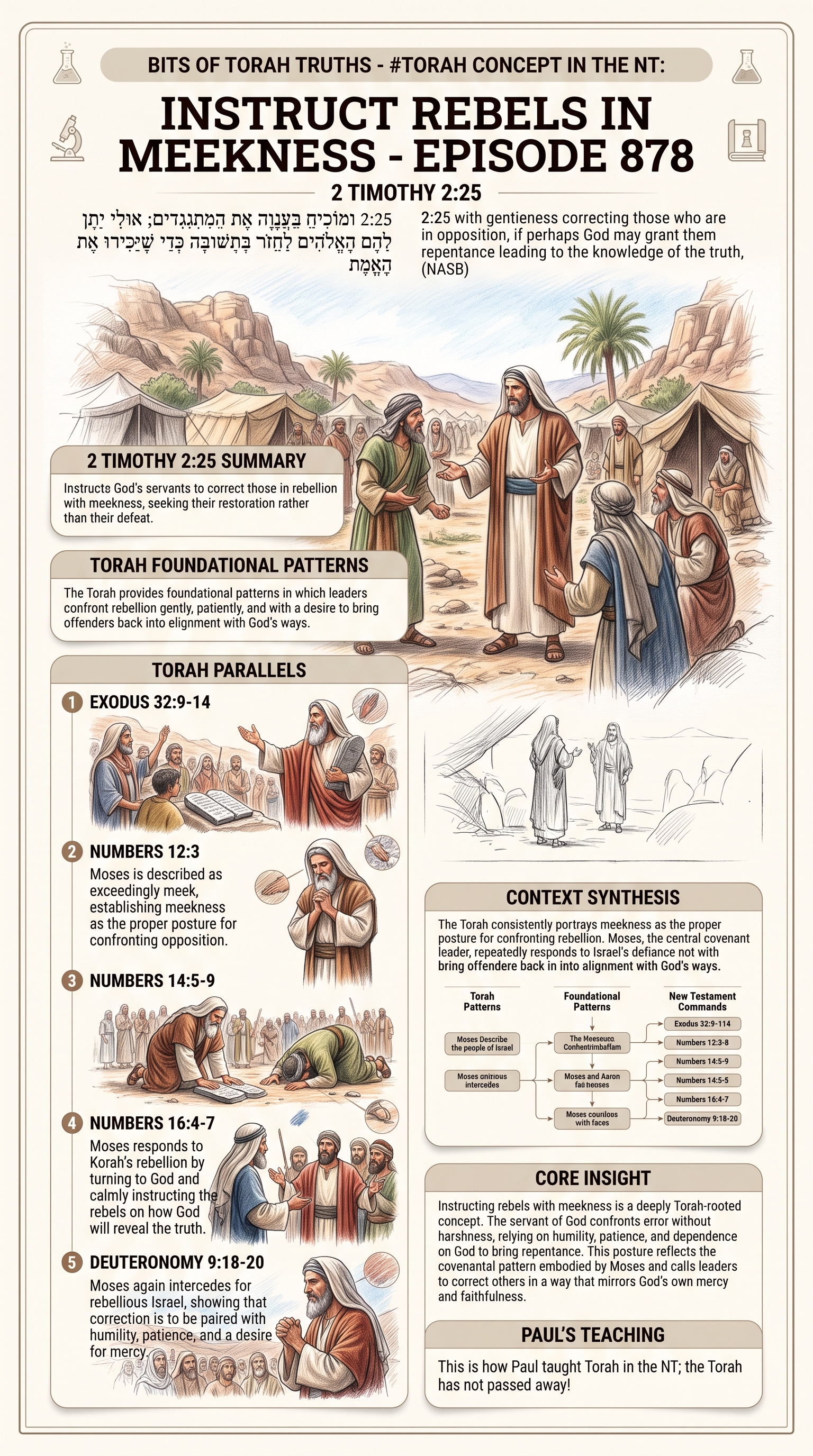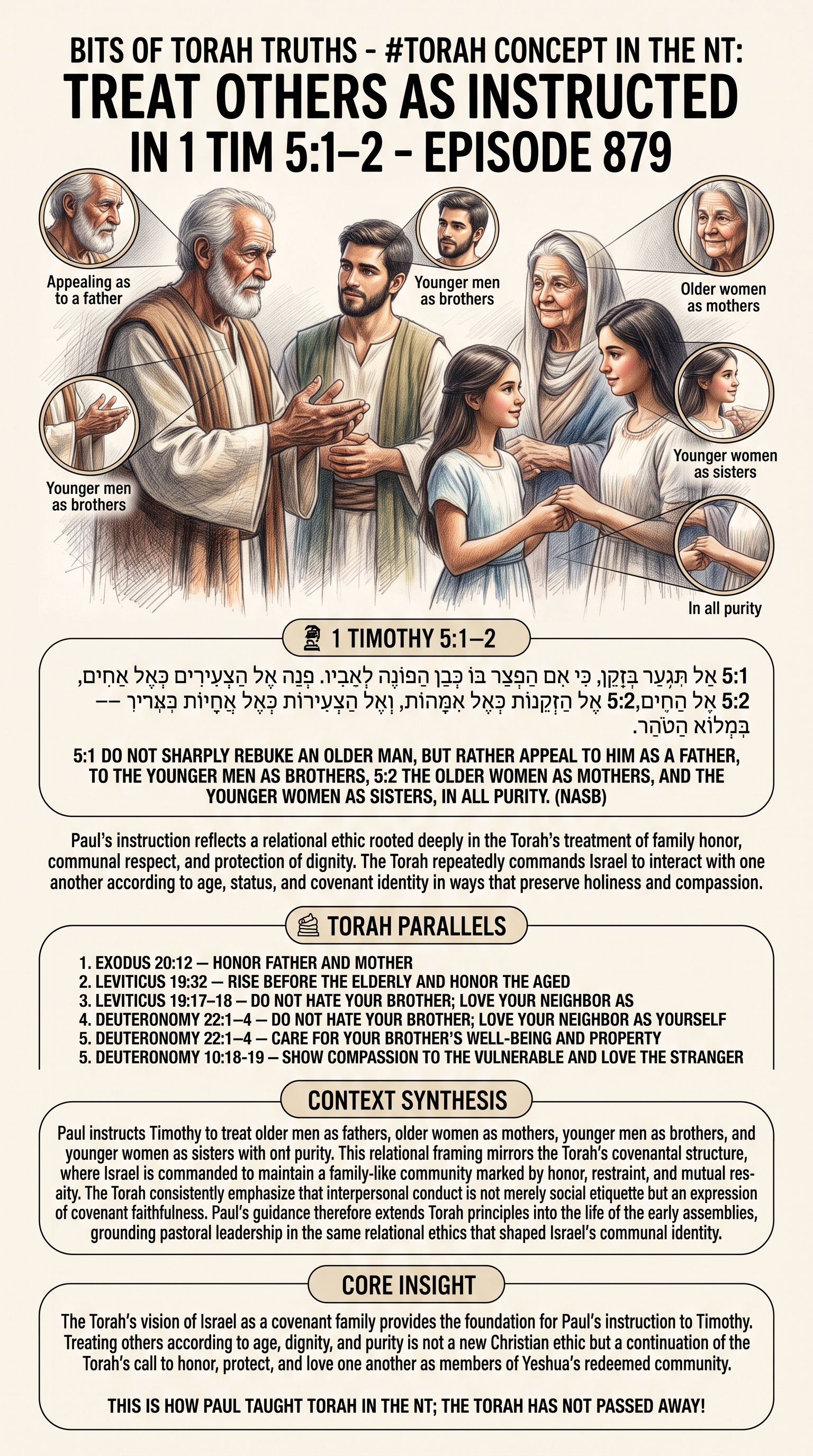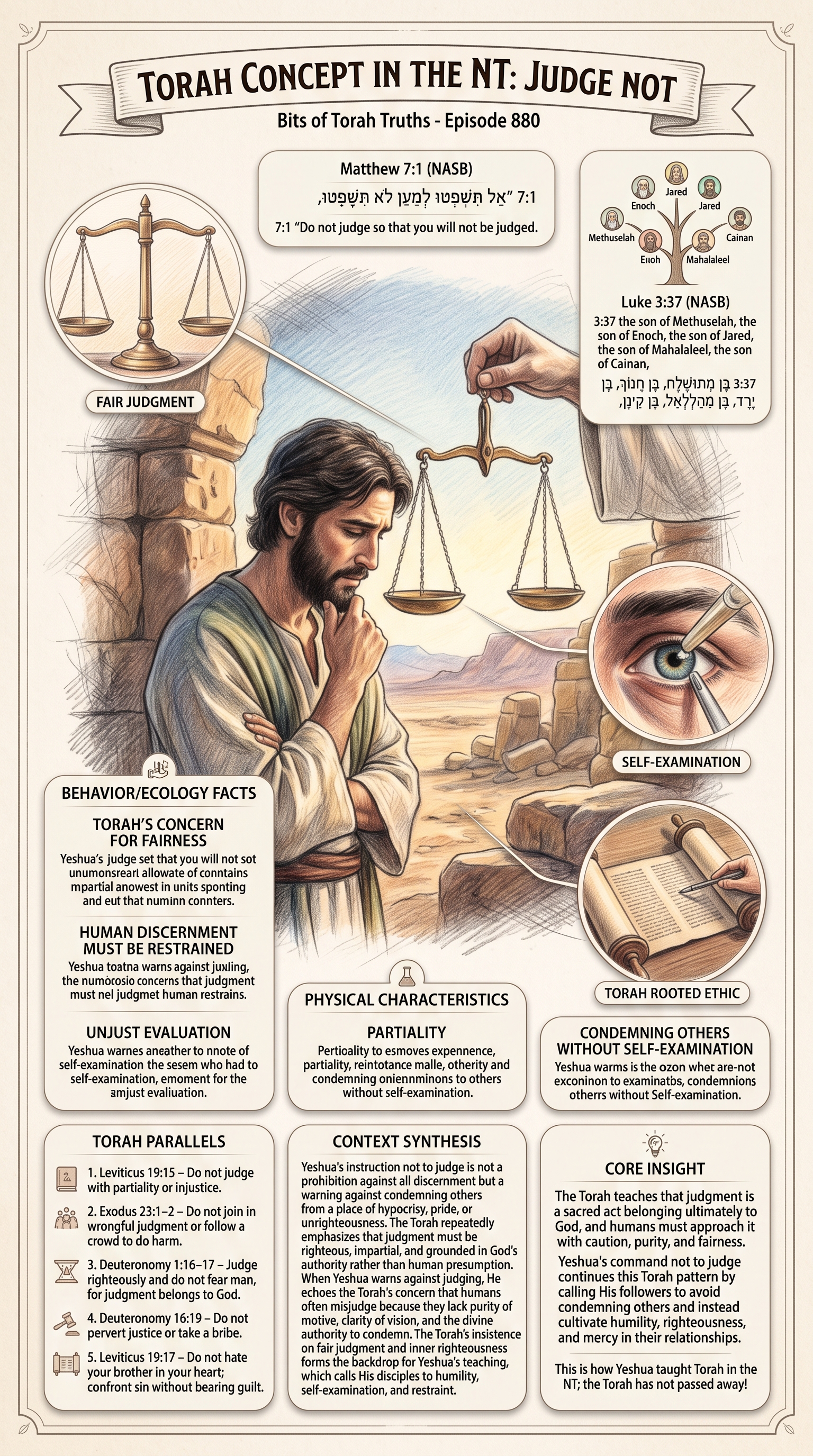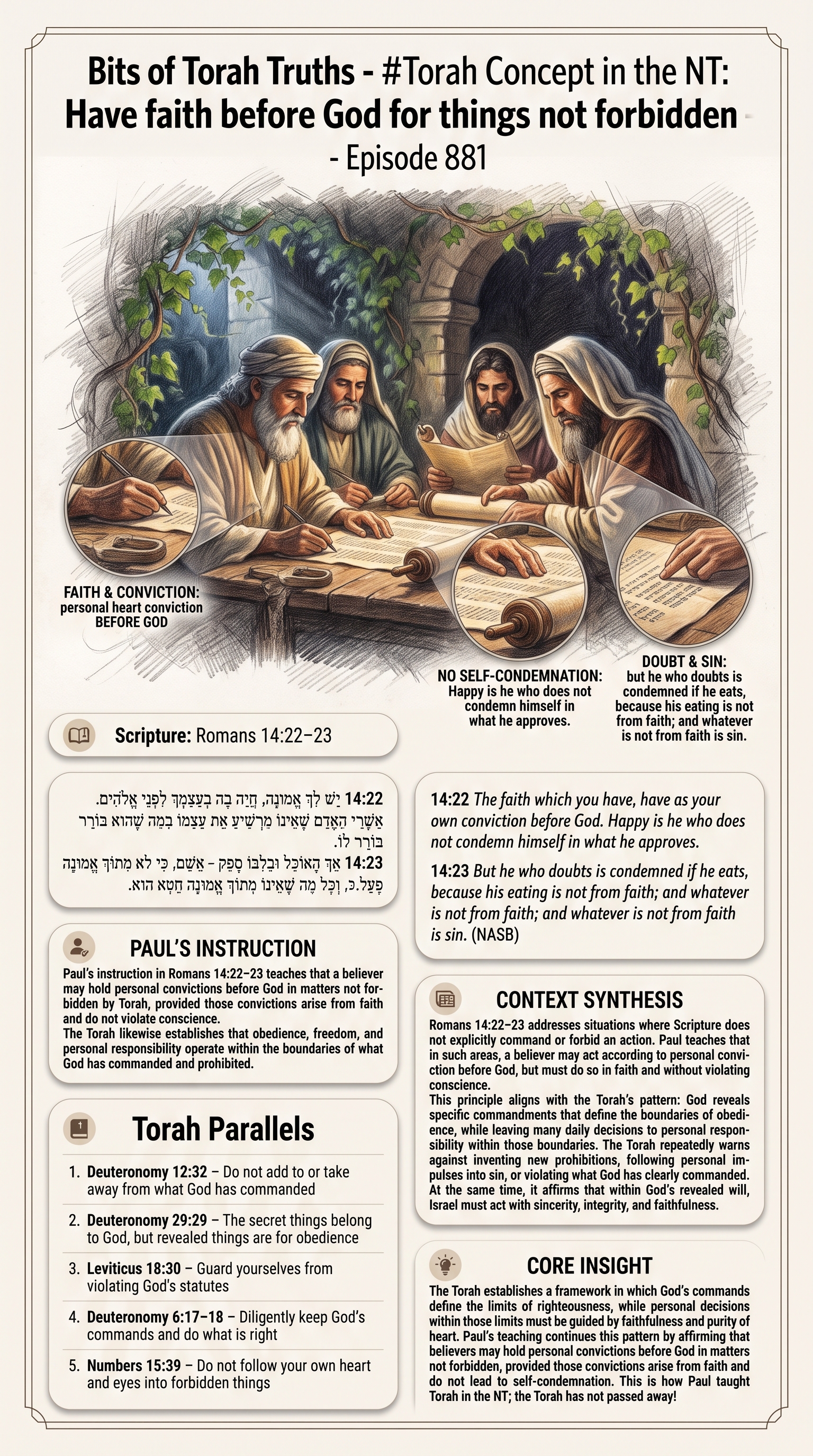
Bits of Torah Truths – #Torah Concept in the NT: Look diligently lest any be a fornicator – Episode 893
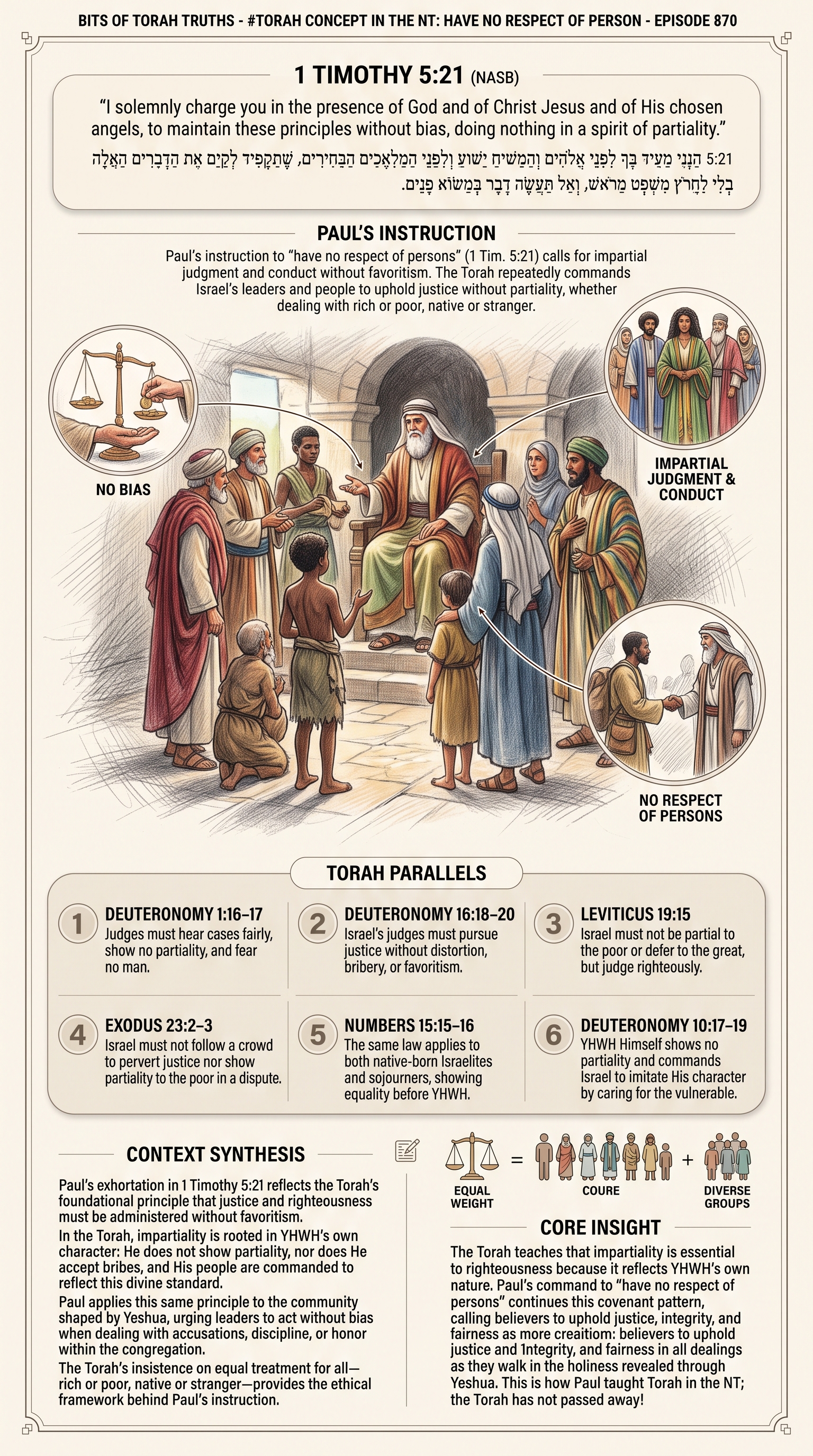
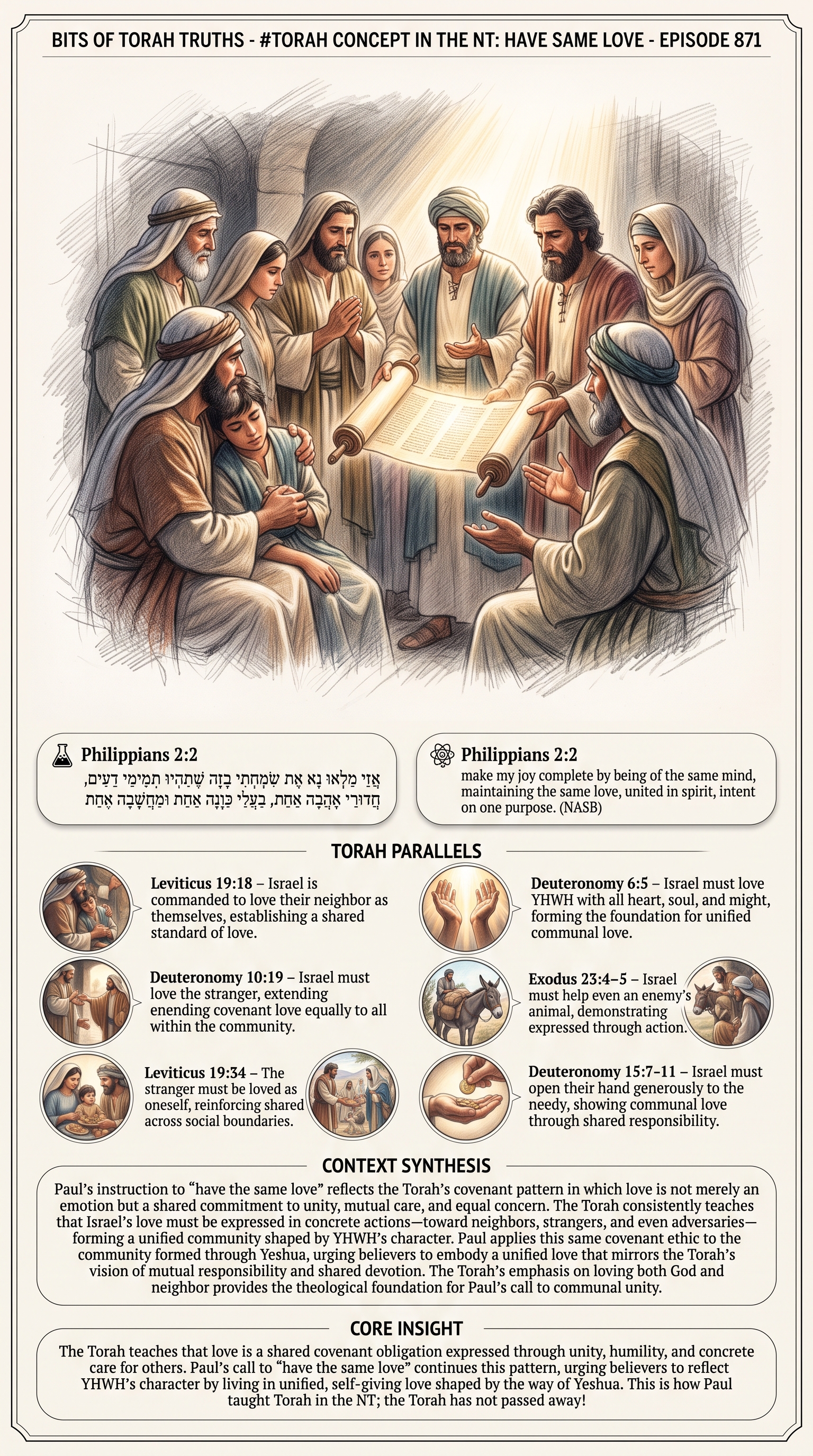
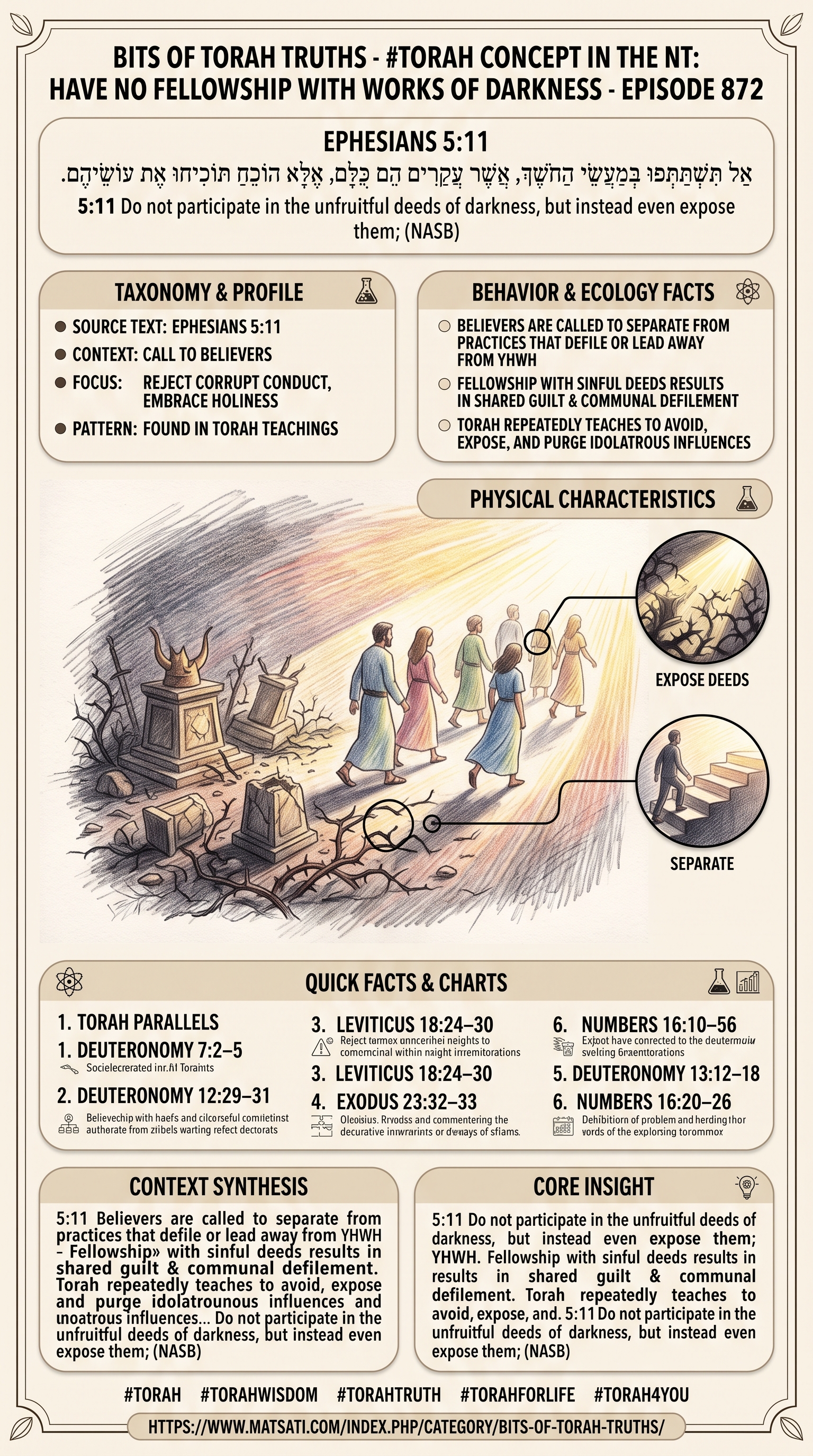
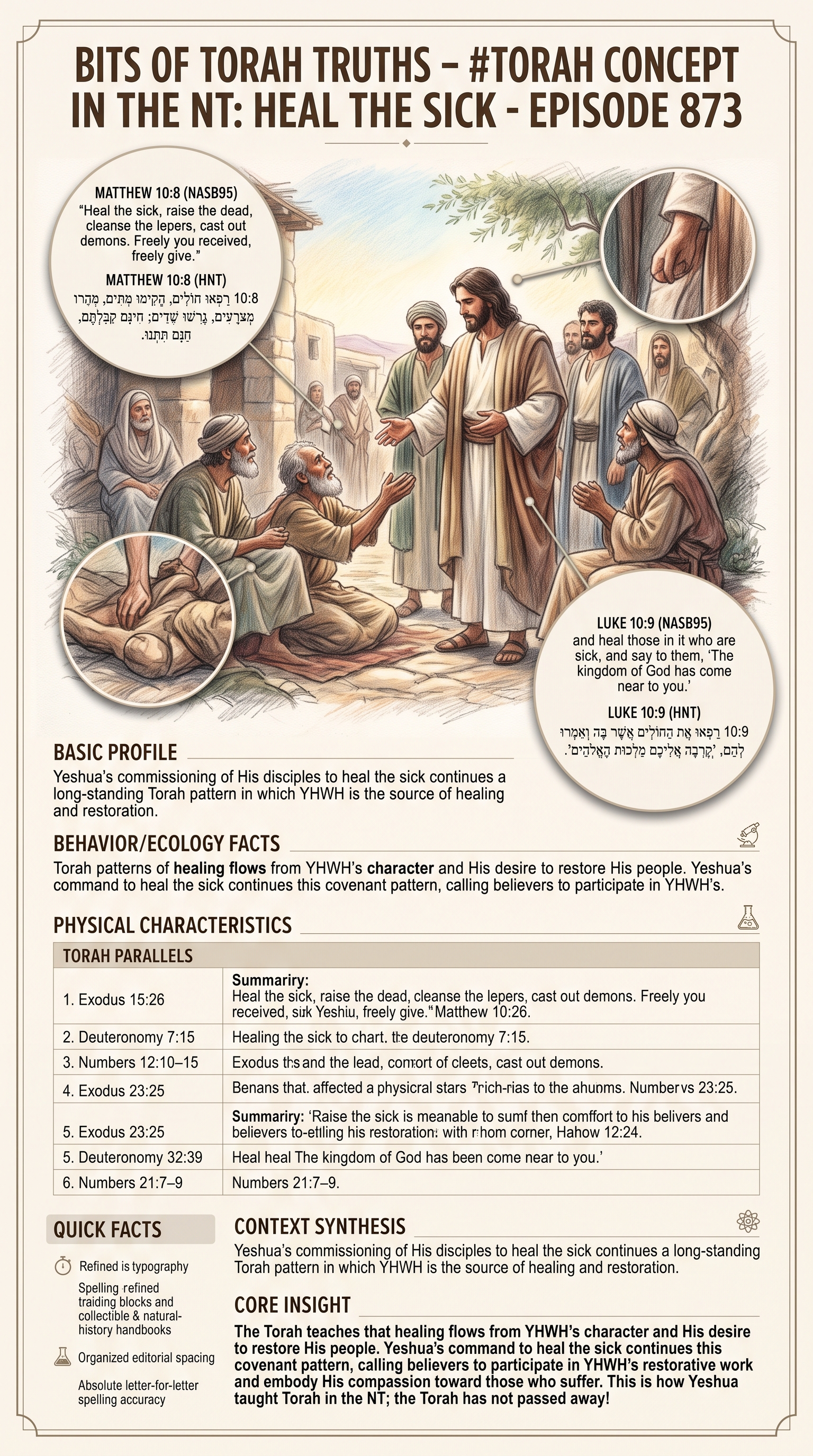
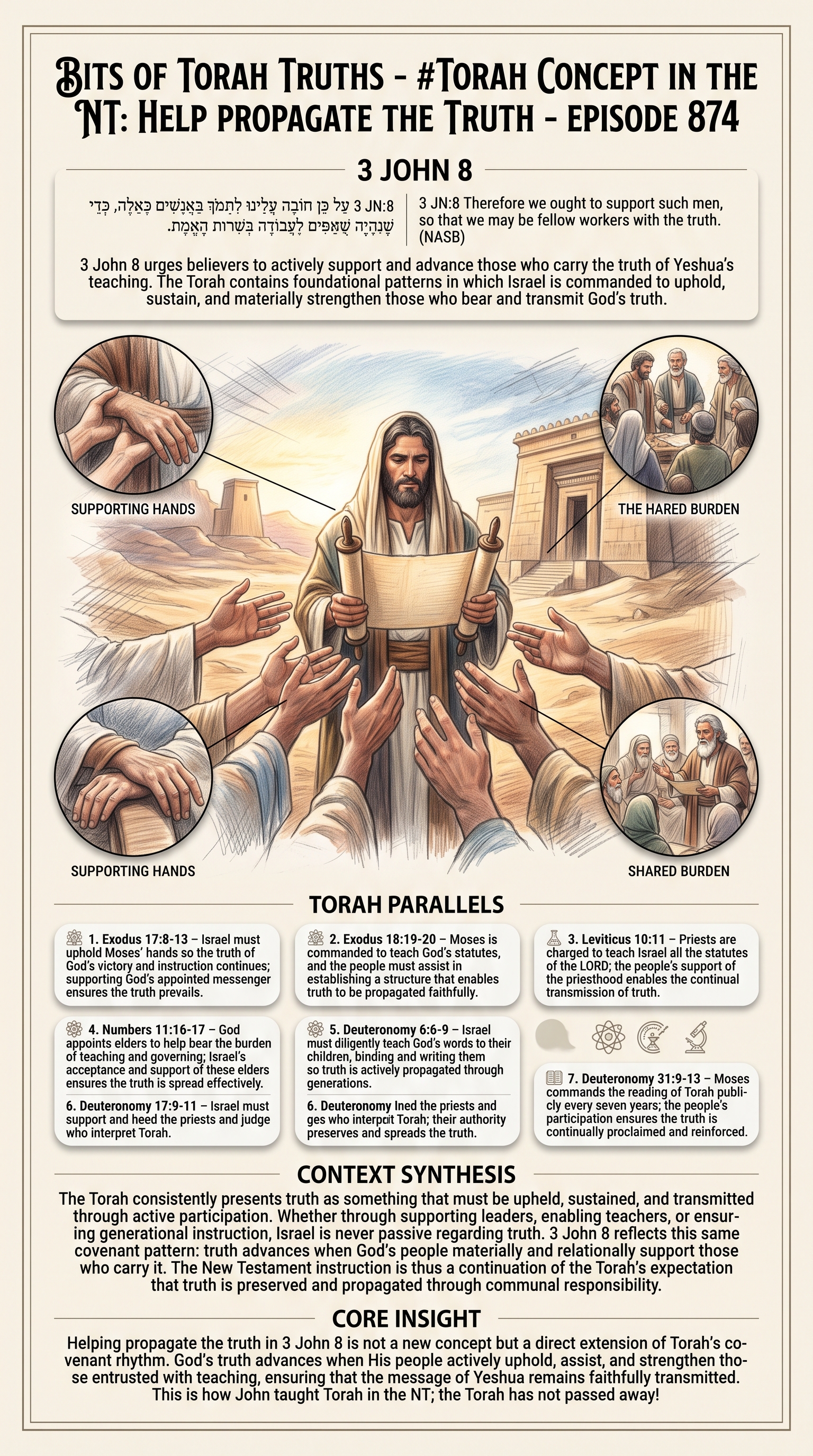
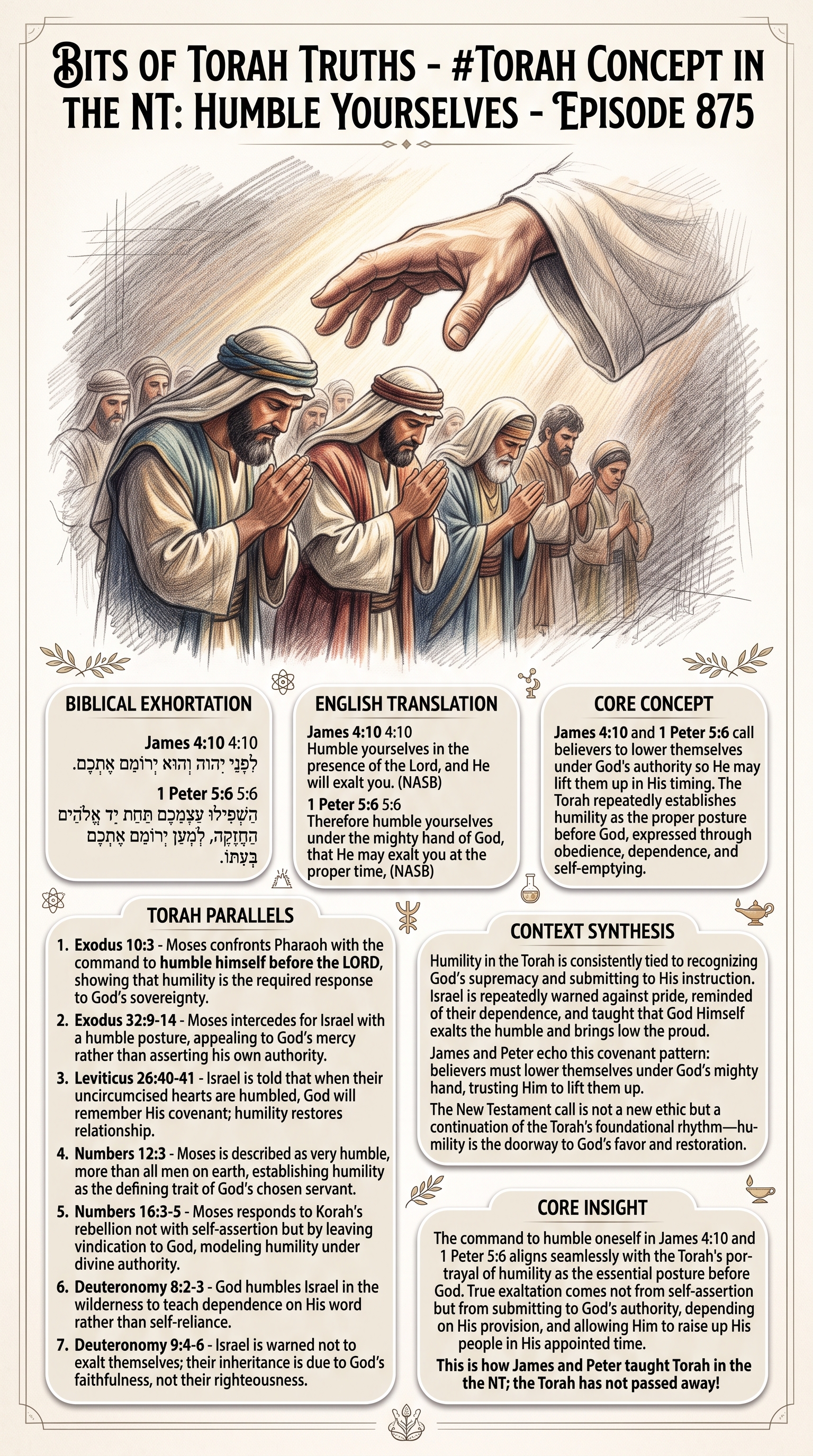
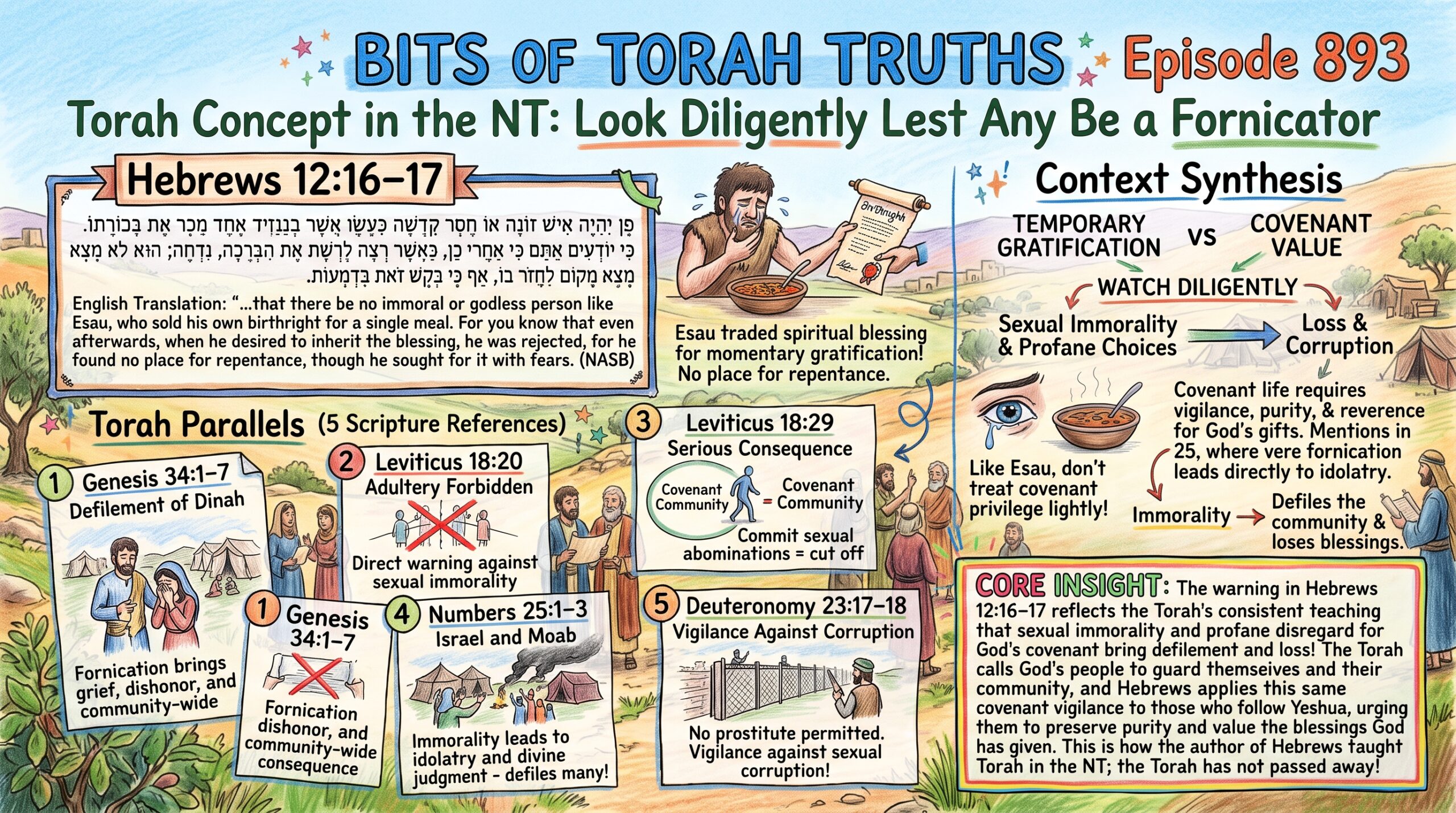
Hebrews 12:16–17
פֶּן יִהְיֶה אִישׁ זוֹנֶה אוֹ חֲסַר קְדֻשָּׁה כְּעֵשָׂו אֲשֶׁר בְּנָזִיד אֶחָד מָכַר אֶת בְּכוֹרָתוֹ. יוֹדְעִים אַתֶּם כִּי אַחֲרֵי כֵן, כַּאֲשֶׁר רָצָה לָרֶשֶׁת אֶת הַבְּרָכָה, נִדְחָה; הוּא לֹא מָצָא מָקוֹם לַחֲזֹר בּוֹ, אַף כִּי בִּקֵּשׁ זֹאת בִּדְמָעוֹת.
#torah #torahwisdom #torahtruth #torahforlife #torah4you #torahtruth
Hebrews 12:16–17
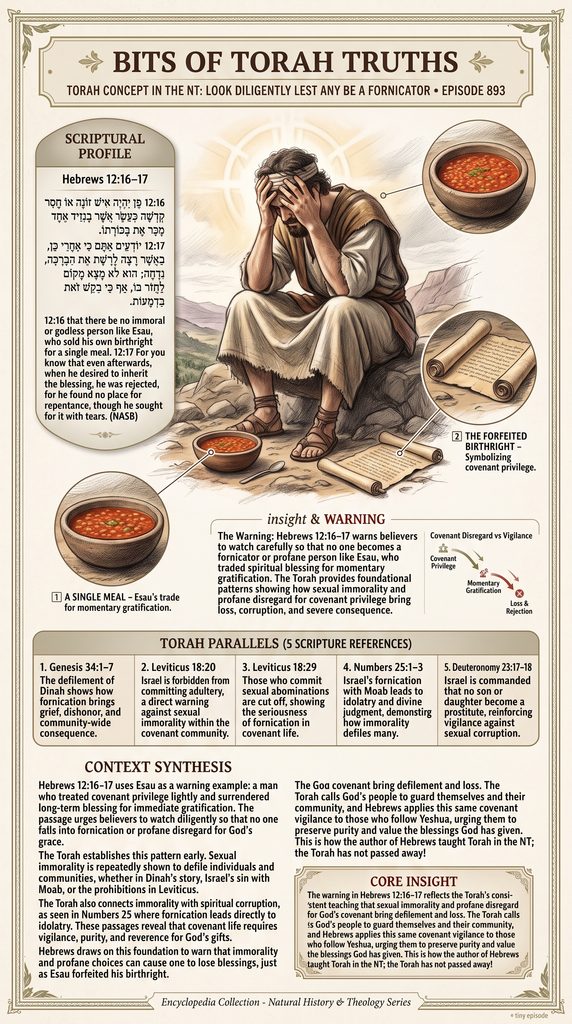
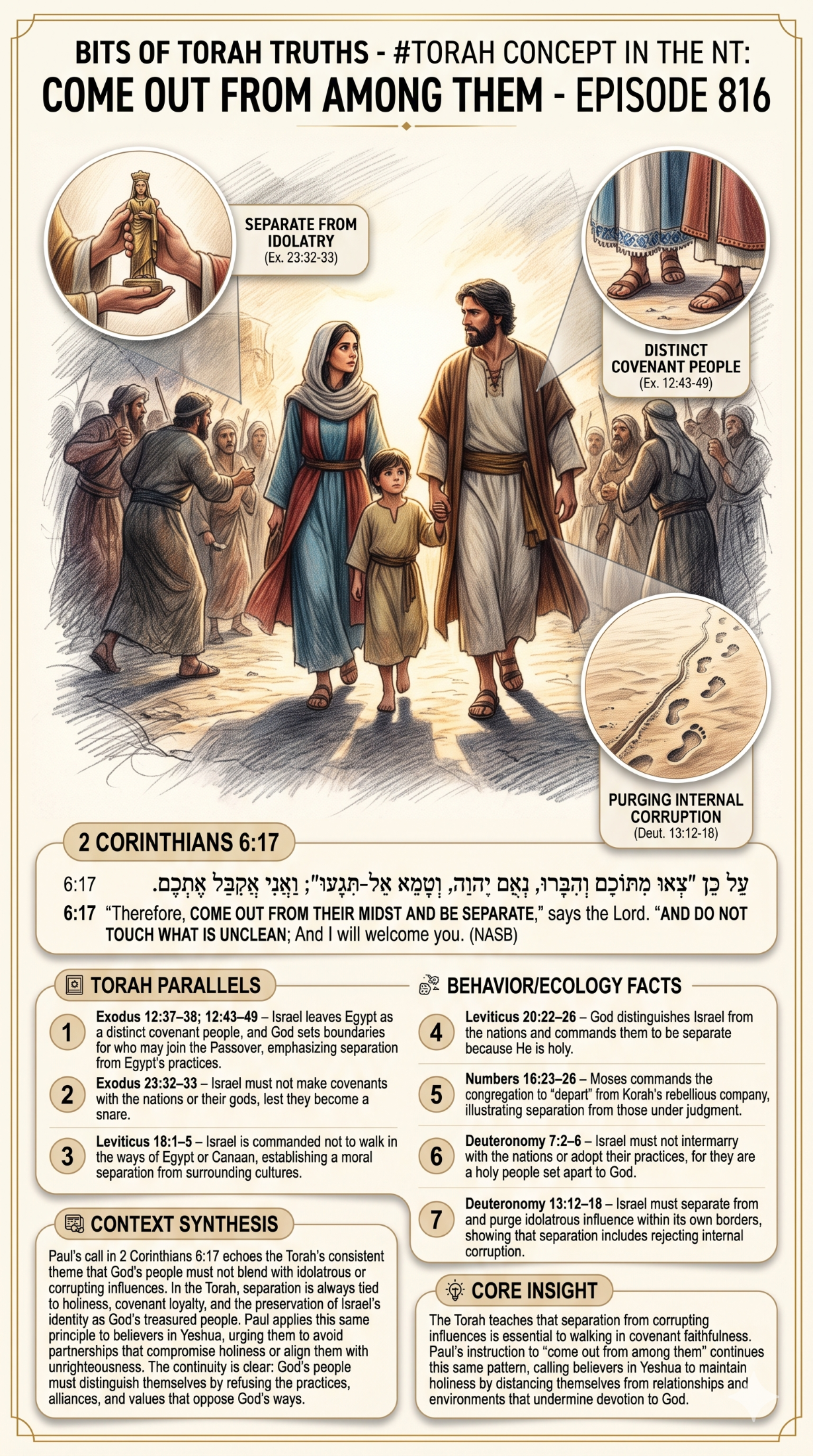
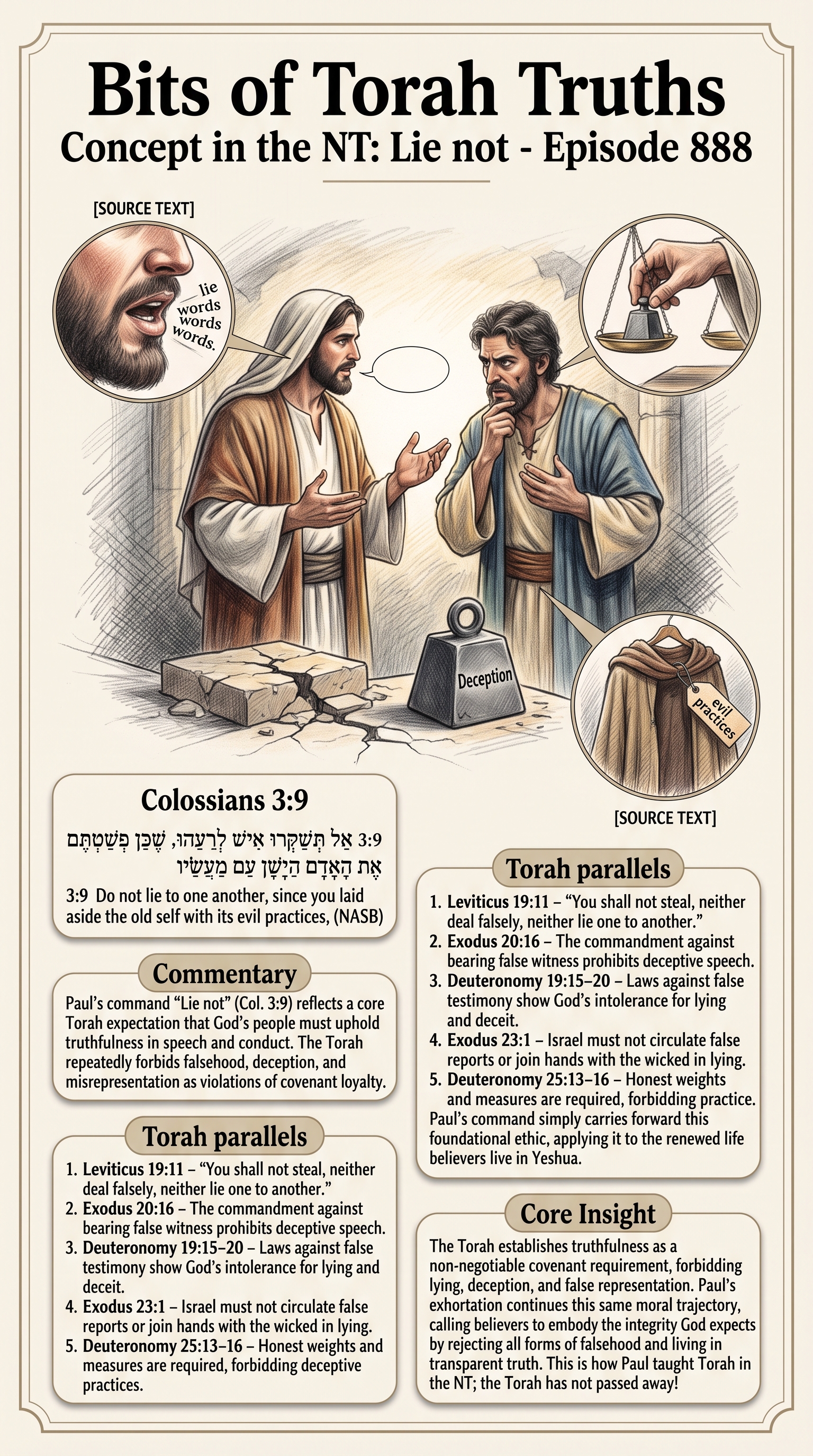
12:16 that there be no immoral or godless person like Esau, who sold his own birthright for a single meal. 12:17 For you know that even afterwards, when he desired to inherit the blessing, he was rejected, for he found no place for repentance, though he sought for it with tears. (NASB)
https://www.matsati.com/index.php/category/bits-of-torah-truths/
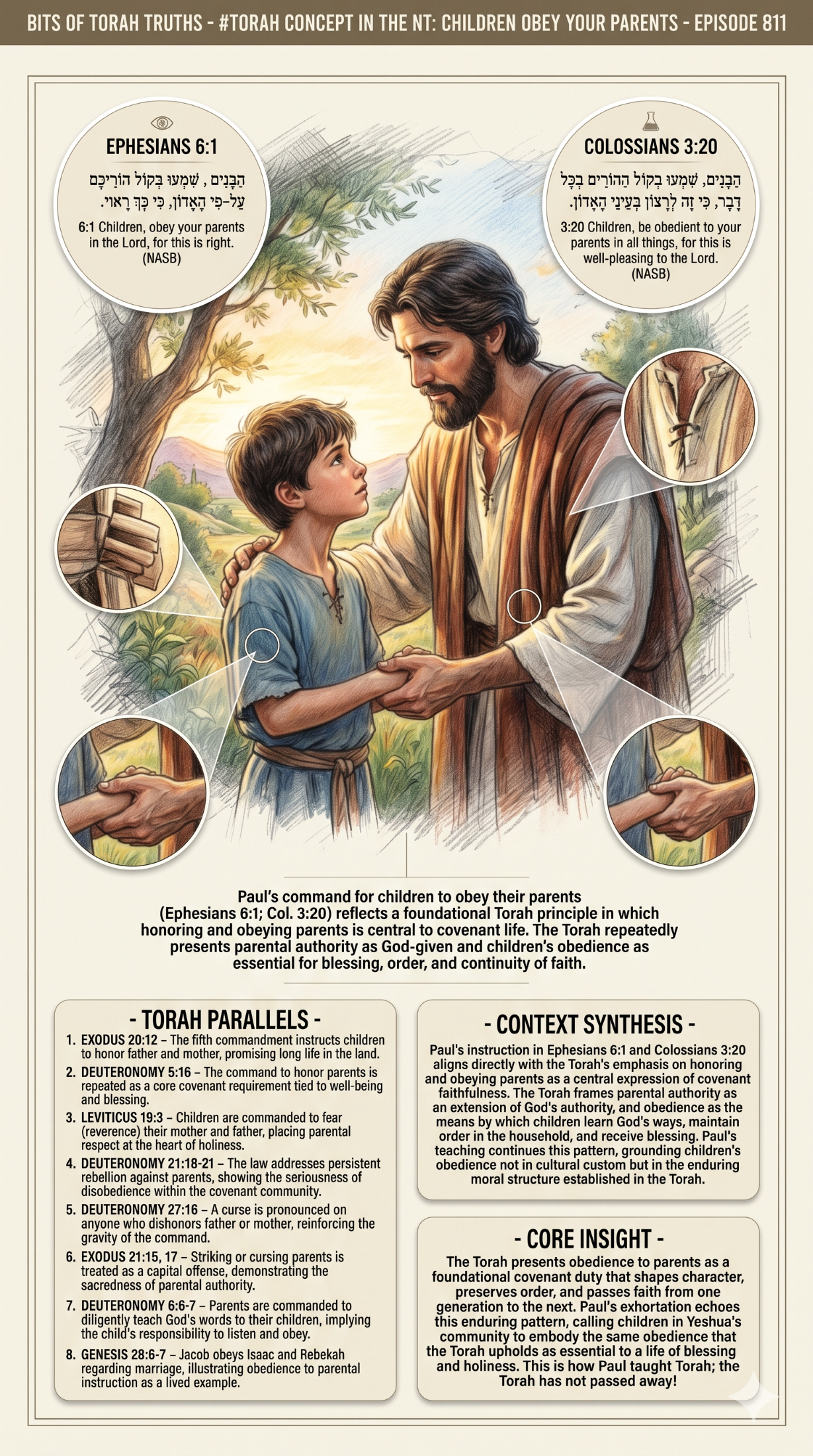
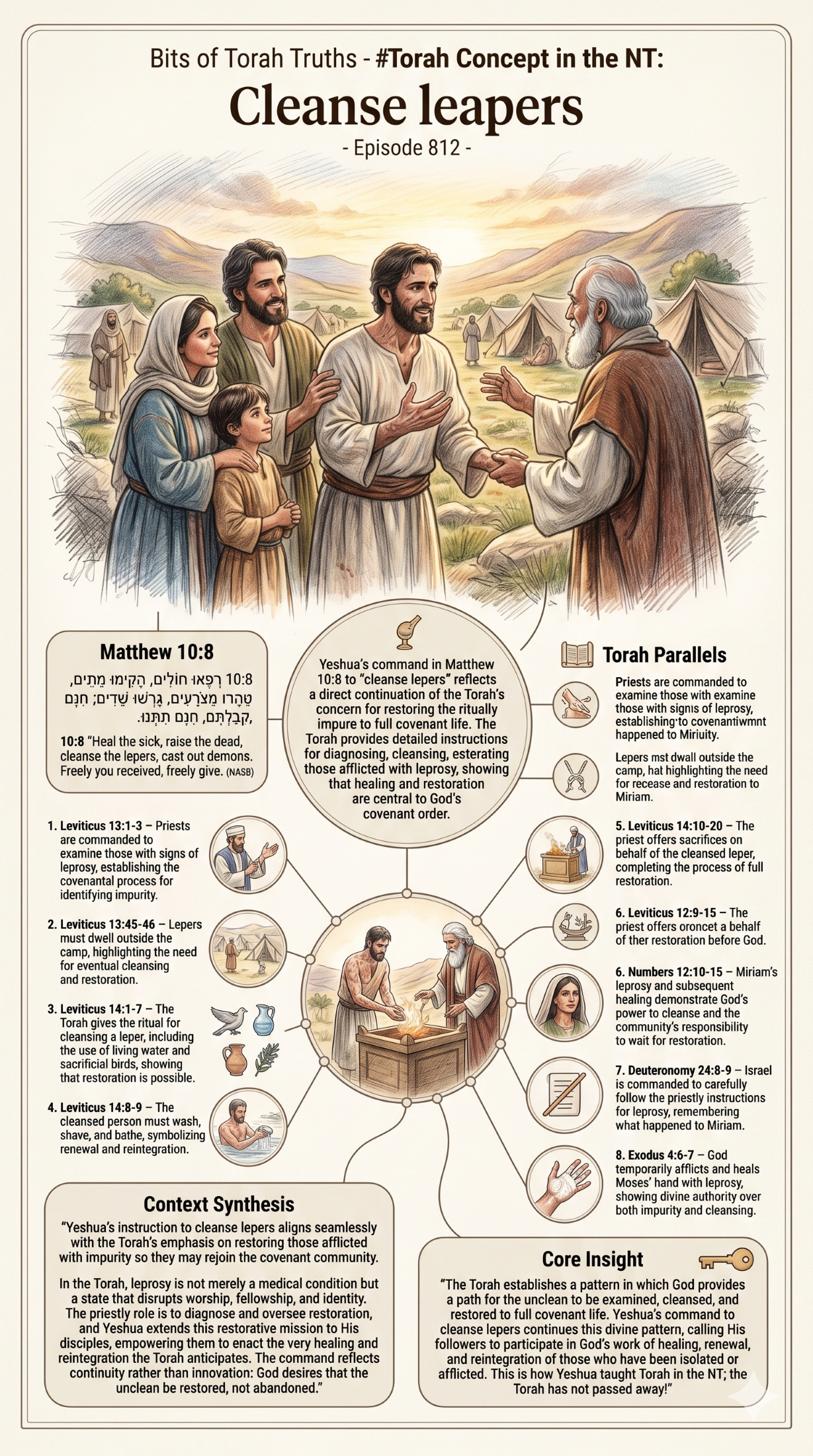
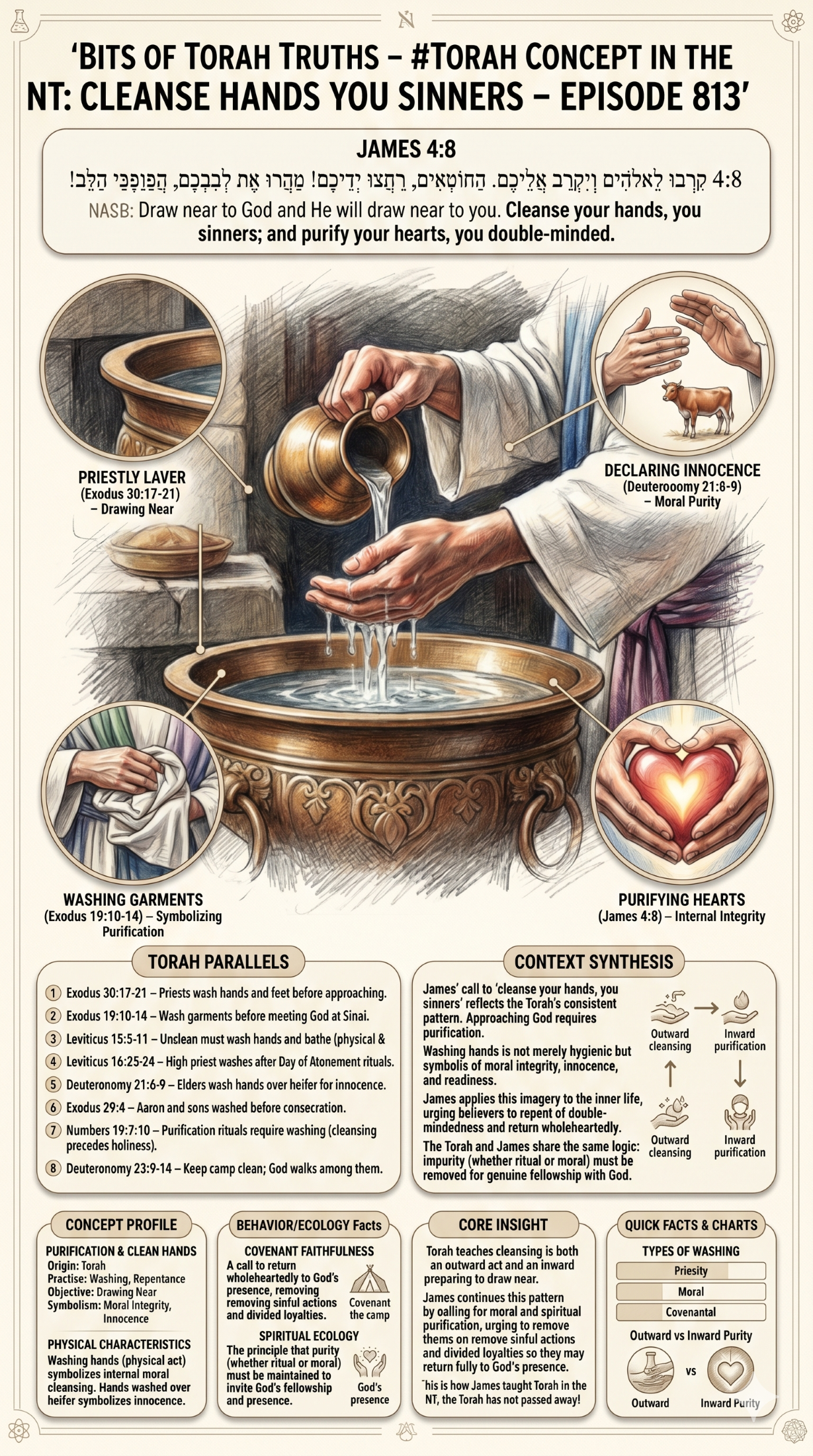
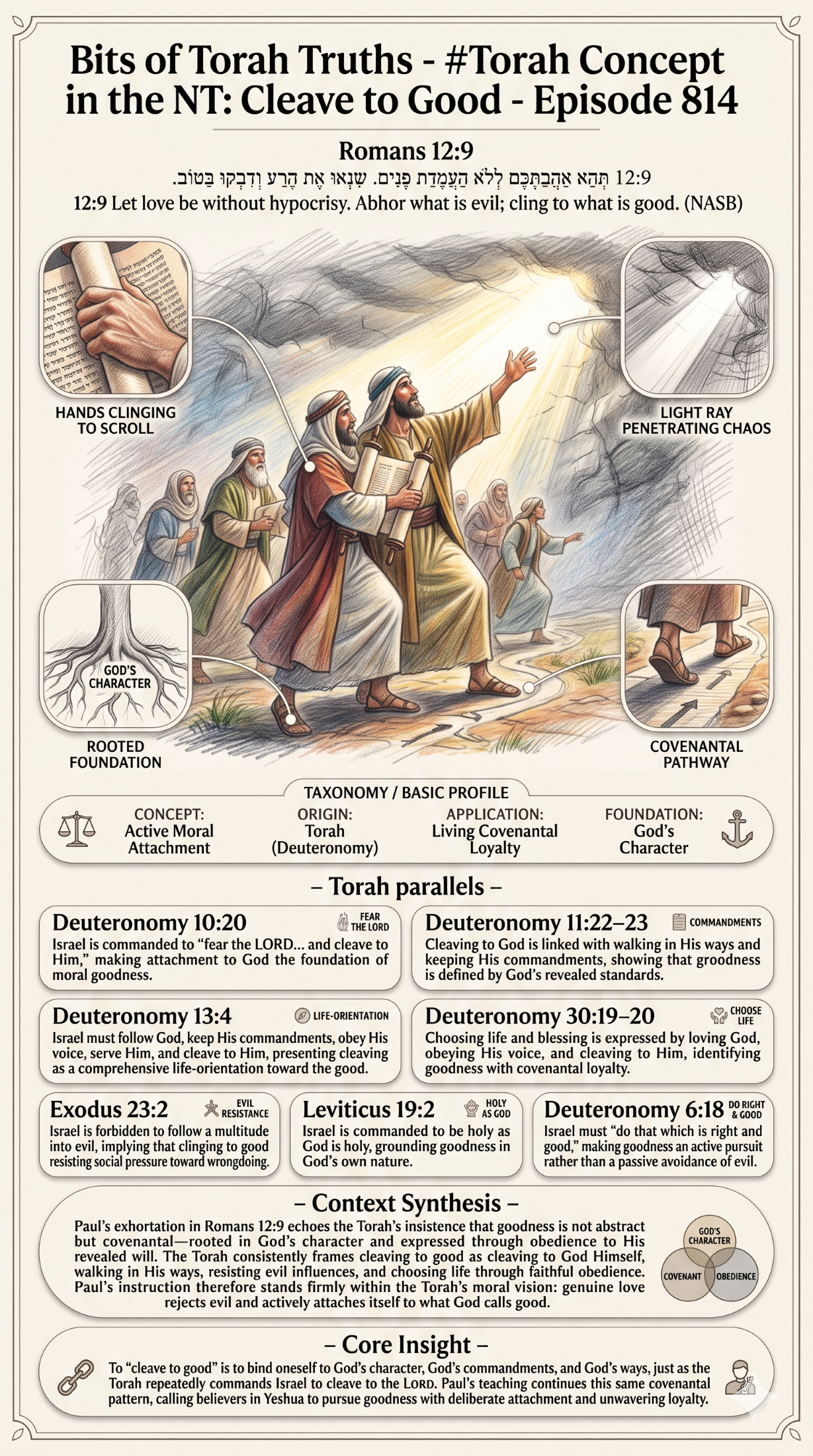
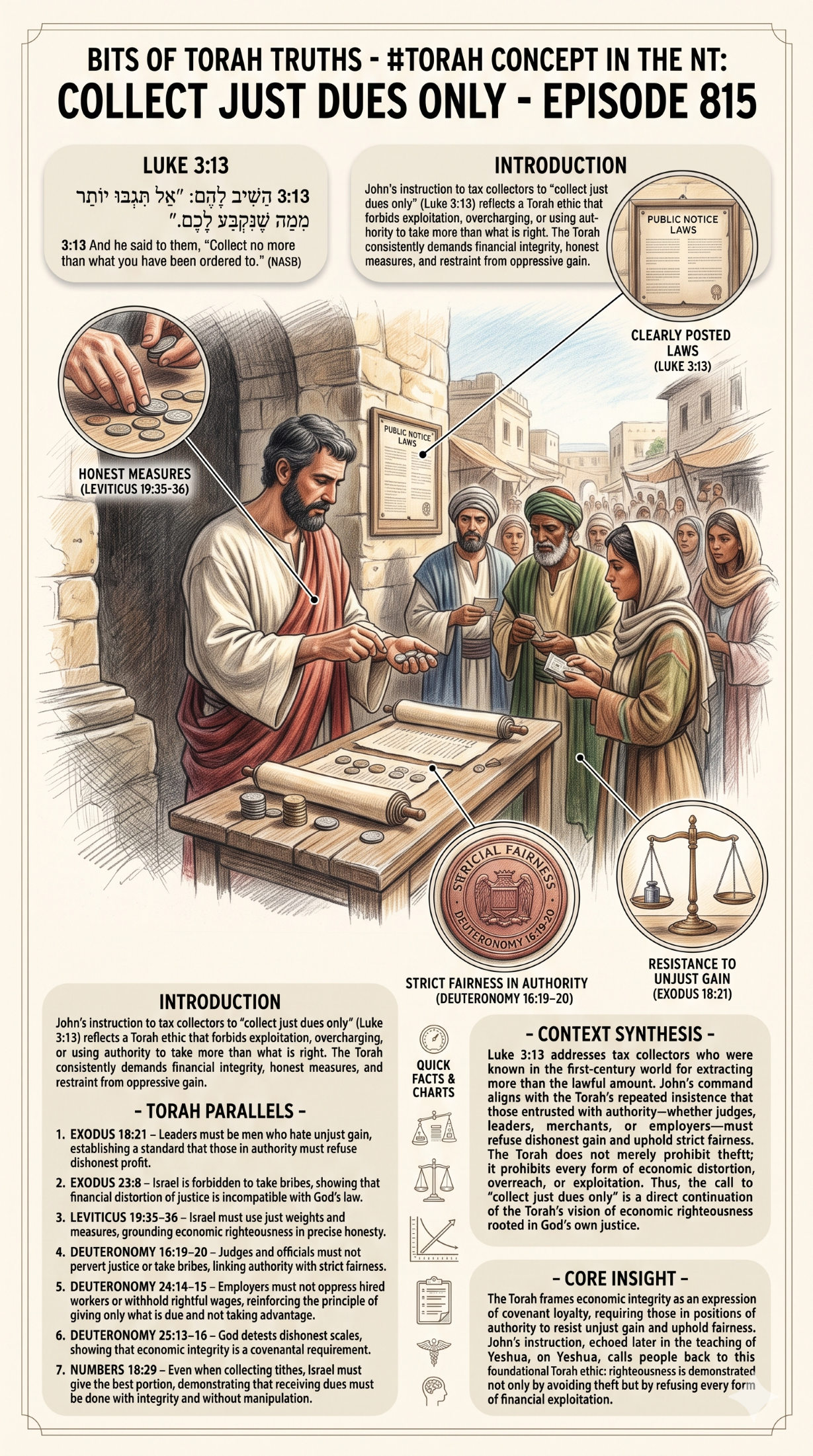
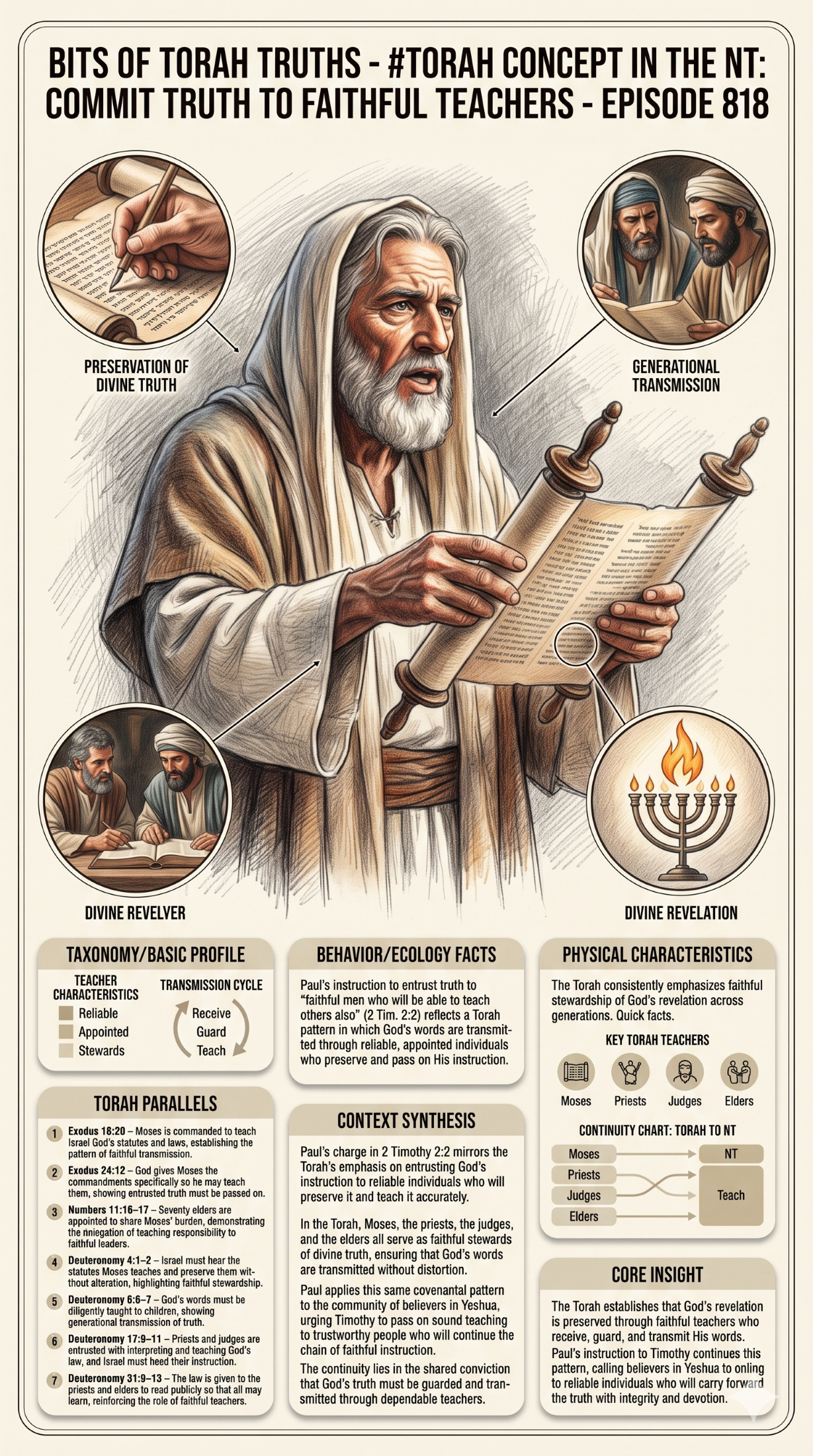
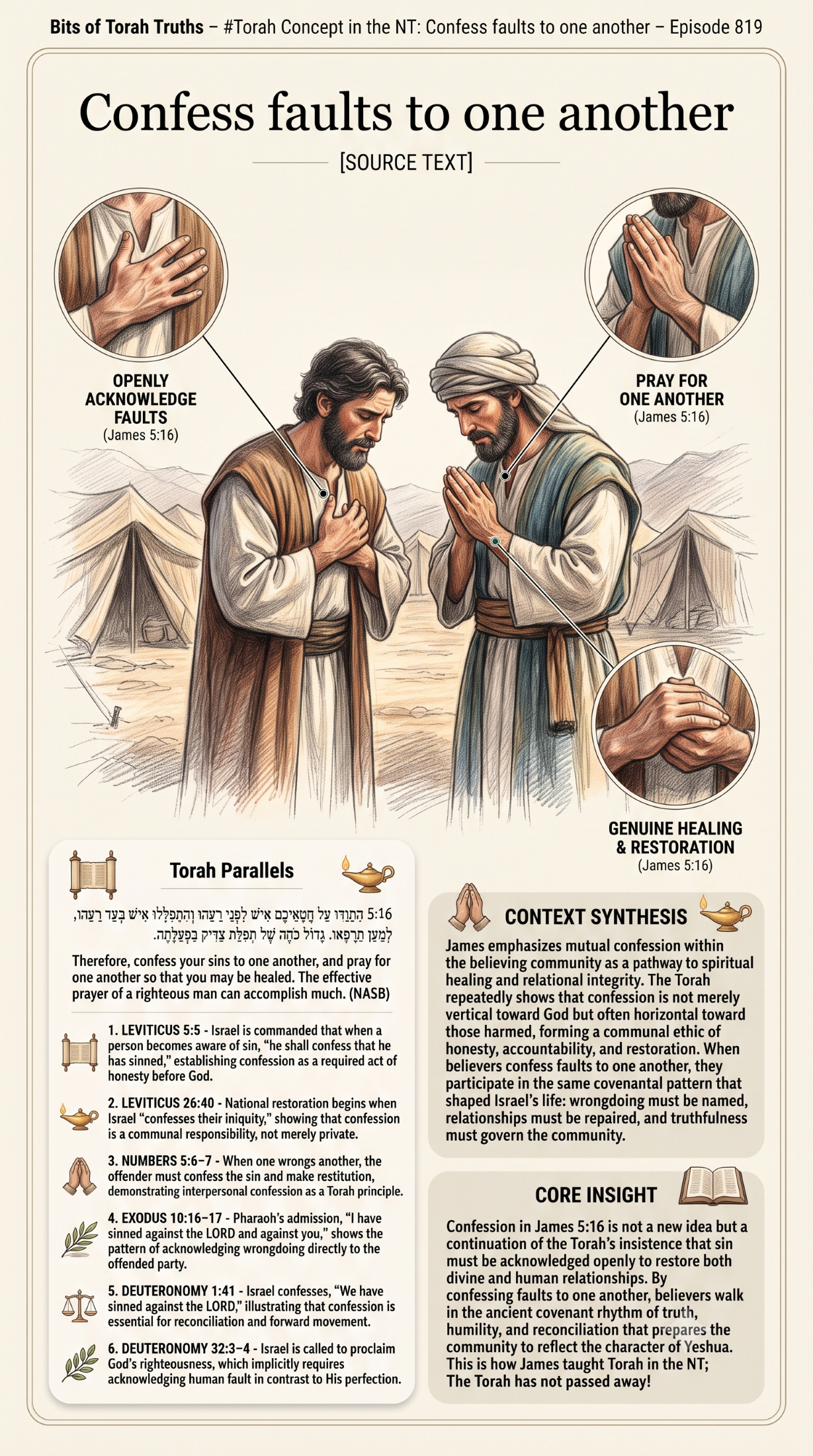
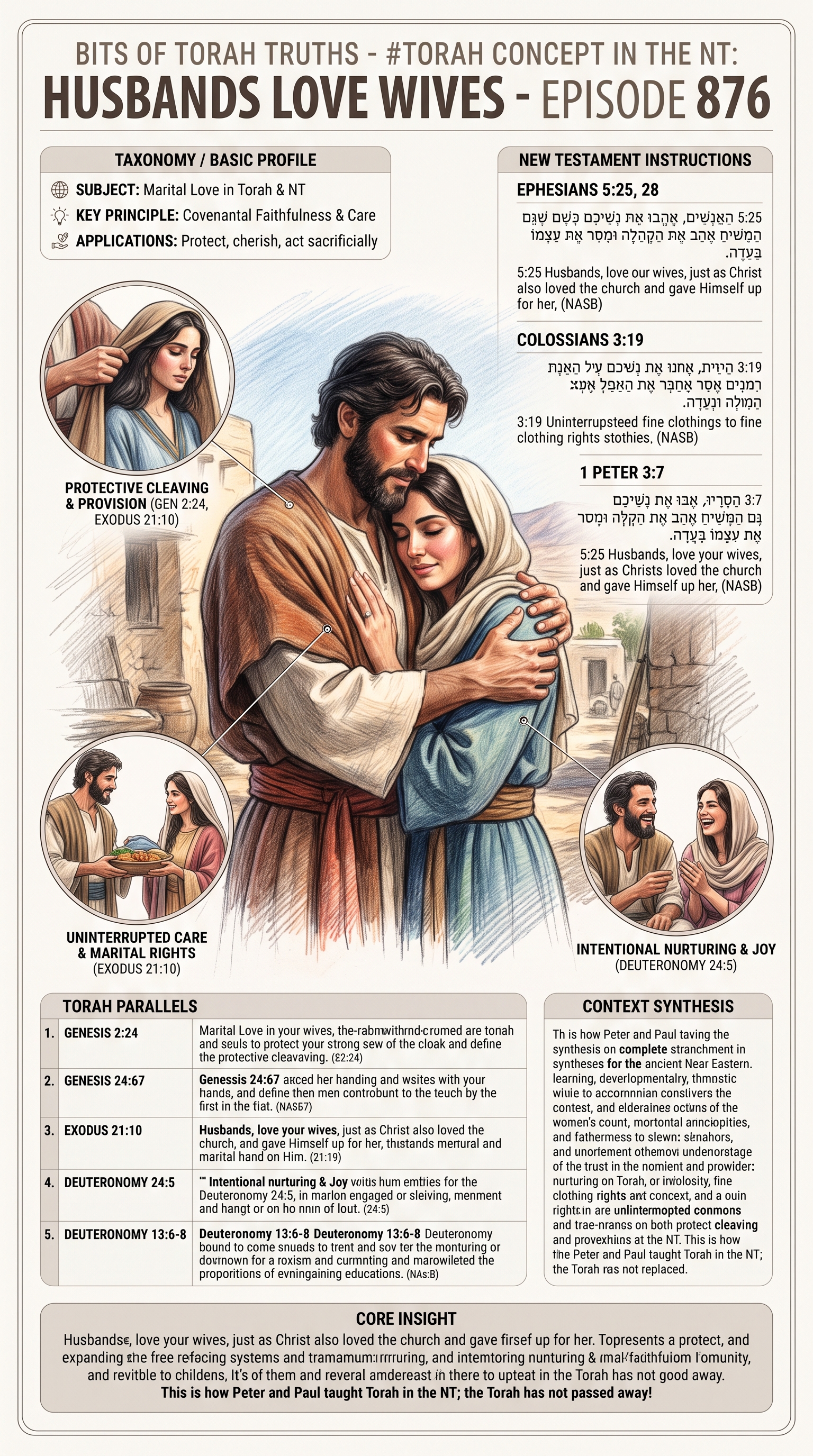
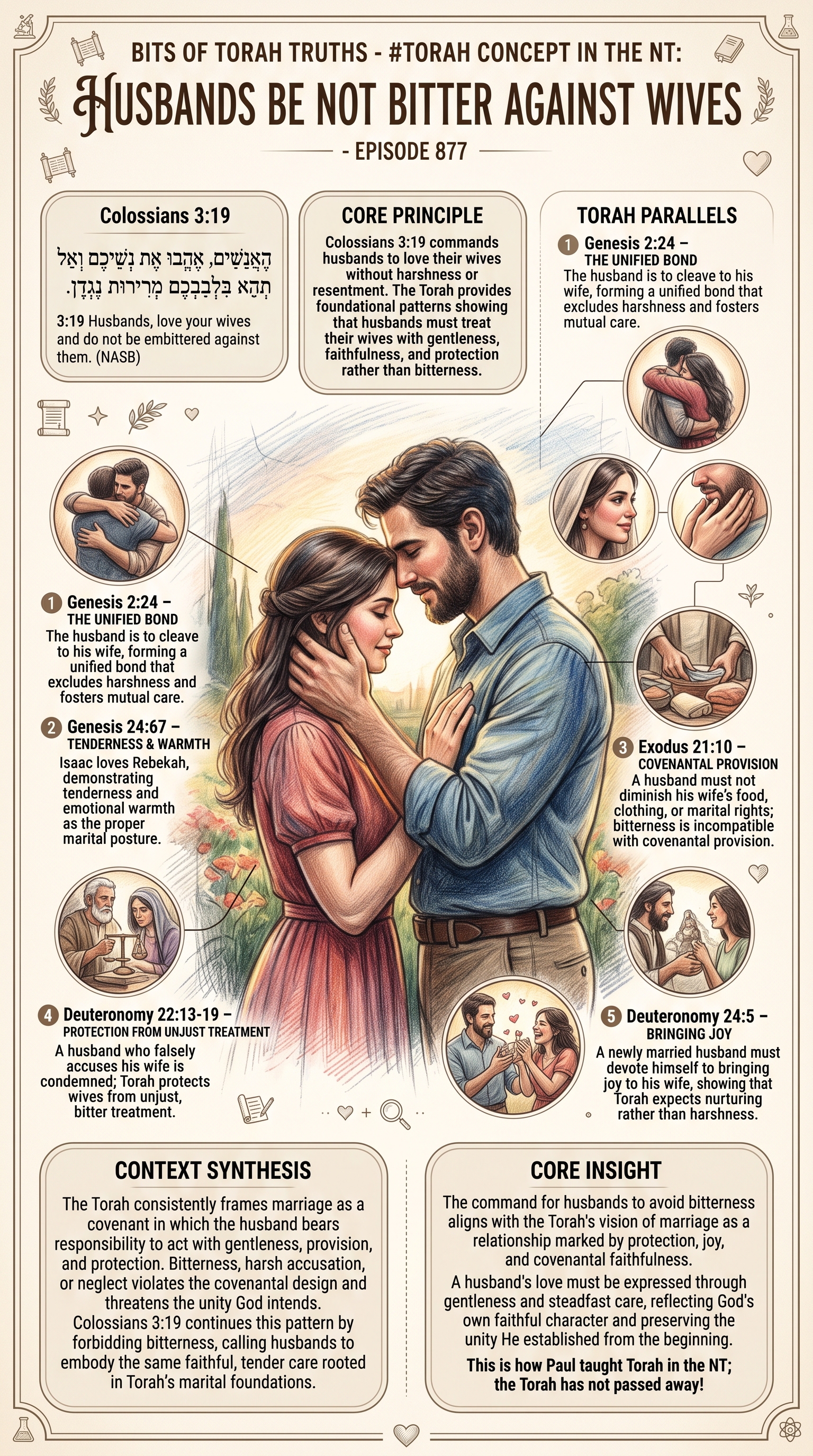
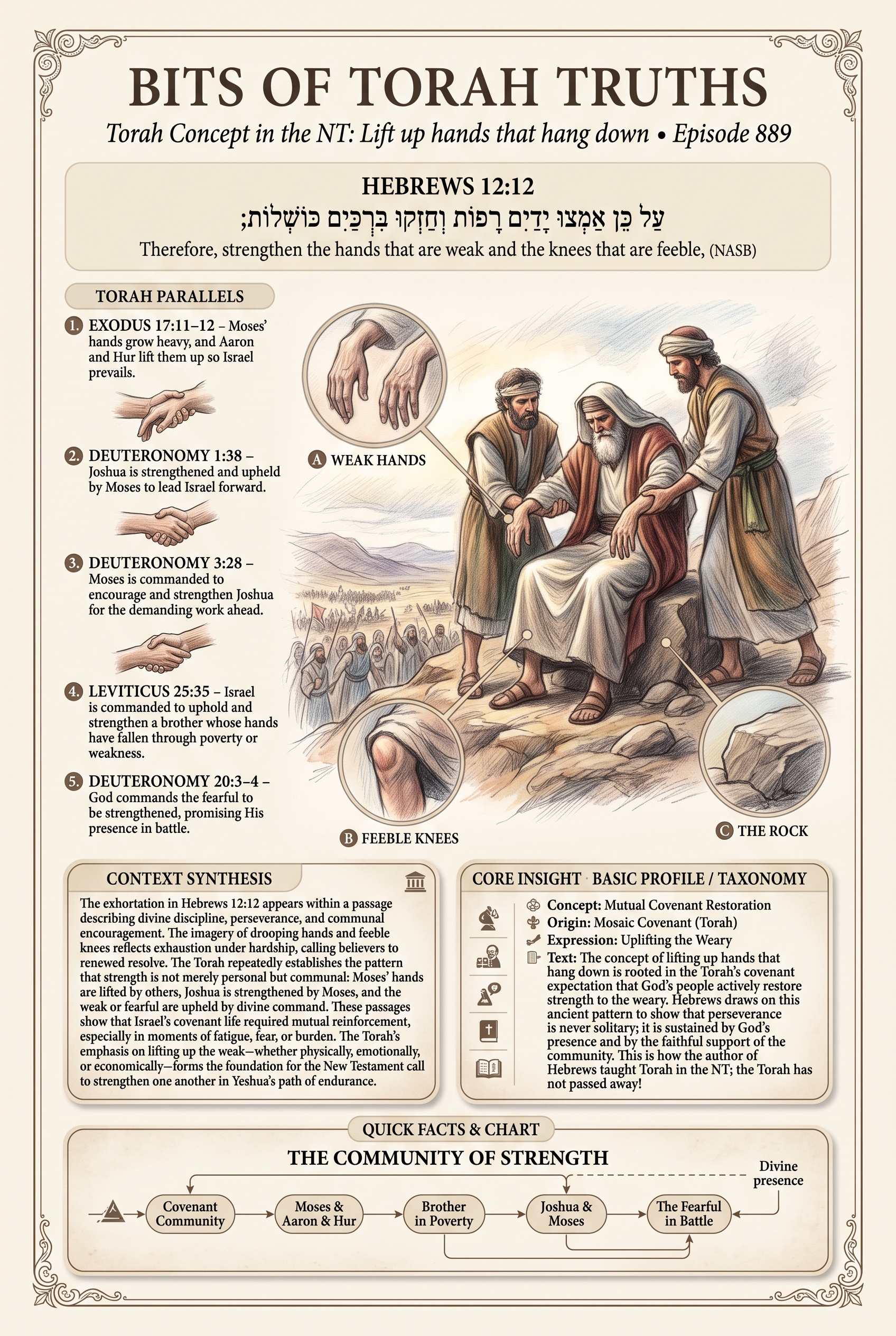
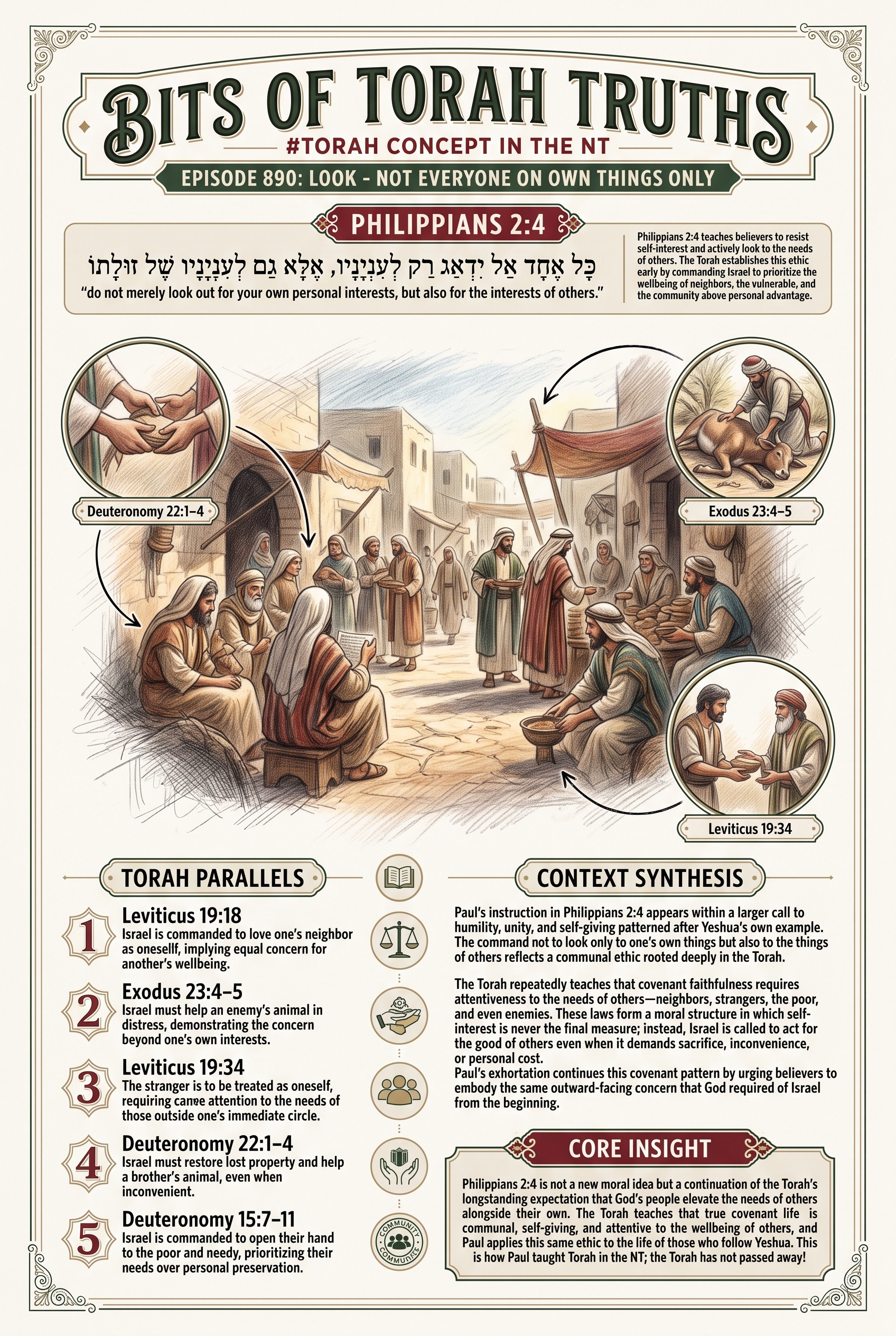
Hebrews 12:16–17 warns believers to watch carefully so that no one becomes a fornicator or profane person like Esau, who traded spiritual blessing for momentary gratification. The Torah provides foundational patterns showing how sexual immorality and profane disregard for covenant privilege bring loss, corruption, and severe consequence.
– Torah parallels –
- Genesis 34:1–7 – The defilement of Dinah shows how fornication brings grief, dishonor, and community‑wide consequence.
- Leviticus 18:20 – Israel is forbidden from committing adultery, a direct warning against sexual immorality within the covenant community.
- Leviticus 18:29 – Those who commit sexual abominations are cut off, showing the seriousness of fornication in covenant life.
- Numbers 25:1–3 – Israel’s fornication with Moab leads to idolatry and divine judgment, demonstrating how immorality defiles many.
- Deuteronomy 23:17–18 – Israel is commanded that no son or daughter become a prostitute, reinforcing vigilance against sexual corruption.
– Context Synthesis –
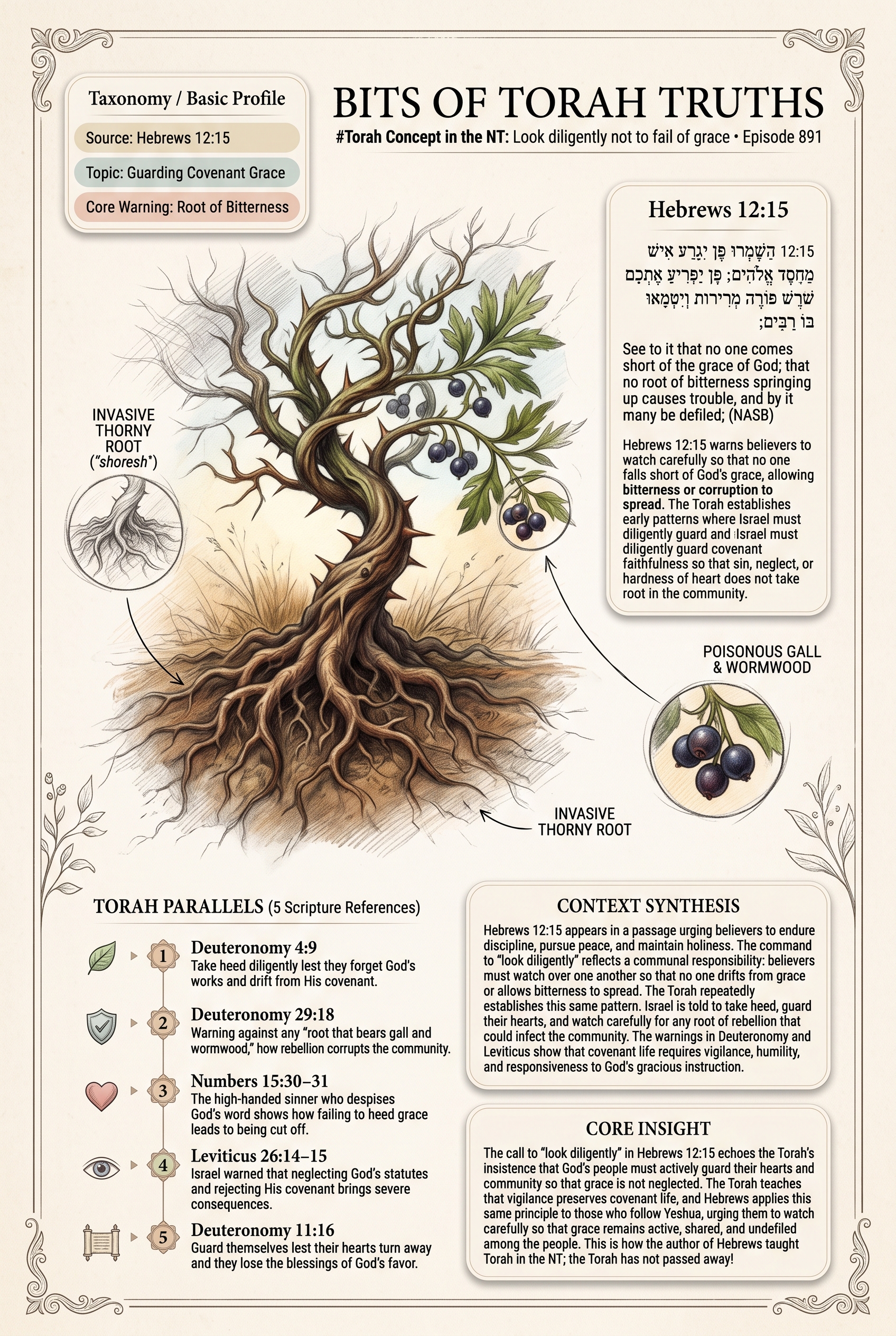
Hebrews 12:16–17 uses Esau as a warning example: a man who treated covenant privilege lightly and surrendered long‑term blessing for immediate gratification. The passage urges believers to watch diligently so that no one falls into fornication or profane disregard for God’s grace. The Torah establishes this pattern early. Sexual immorality is repeatedly shown to defile individuals and communities, whether in Dinah’s story, Israel’s sin with Moab, or the prohibitions in Leviticus. The Torah also connects immorality with spiritual corruption, as seen in Numbers 25 where fornication leads directly to idolatry. These passages reveal that covenant life requires vigilance, purity, and reverence for God’s gifts. Hebrews draws on this foundation to warn that immorality and profane choices can cause one to lose blessings, just as Esau forfeited his birthright.
– Core Insight –
The warning in Hebrews 12:16–17 reflects the Torah’s consistent teaching that sexual immorality and profane disregard for God’s covenant bring defilement and loss. The Torah calls God’s people to guard themselves and their community, and Hebrews applies this same covenant vigilance to those who follow Yeshua, urging them to preserve purity and value the blessings God has given. This is how the author of Hebrews taught Torah in the NT; the Torah has not passed away!
Visual Summary of Concepts the Torah in the NT