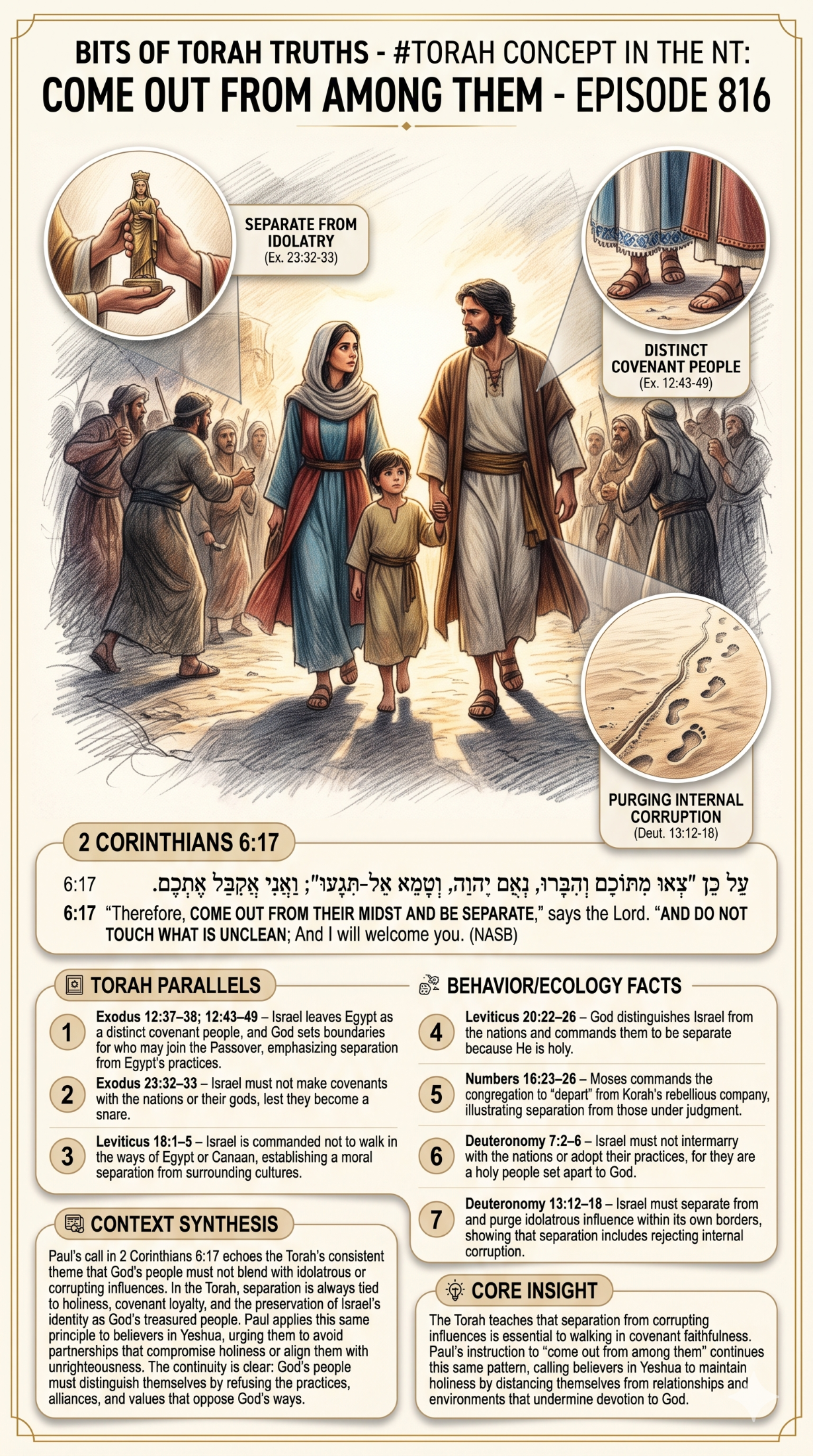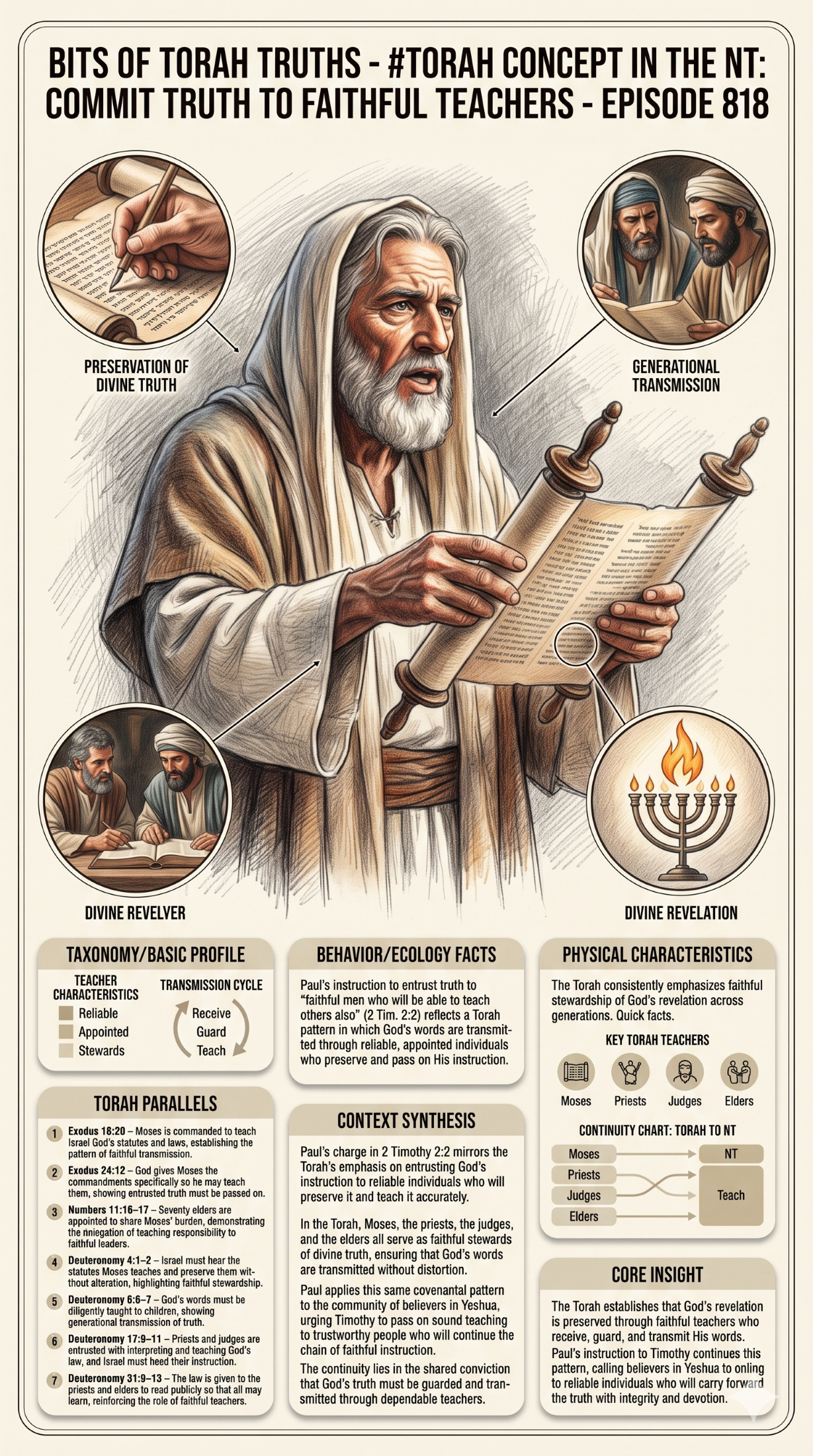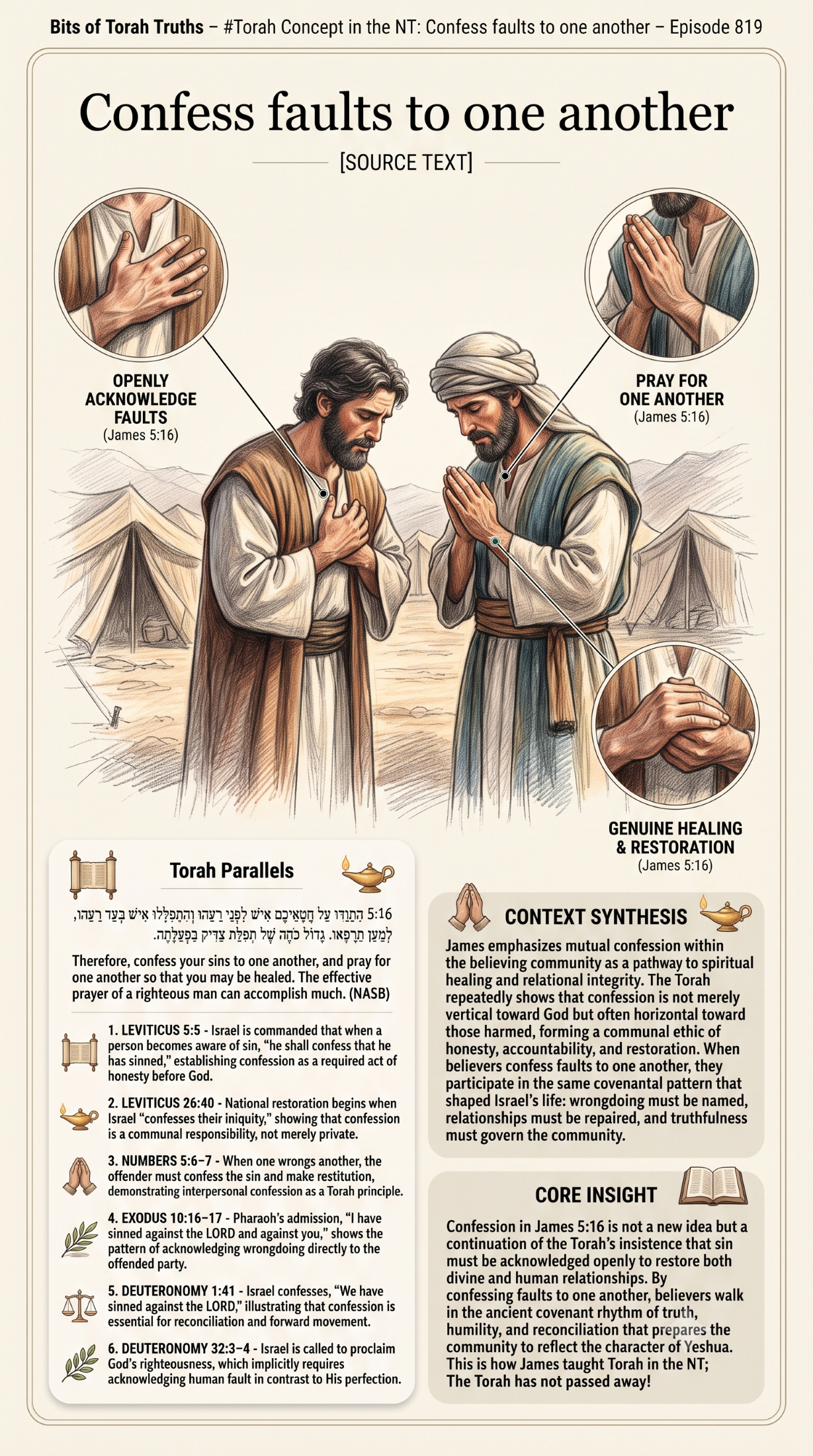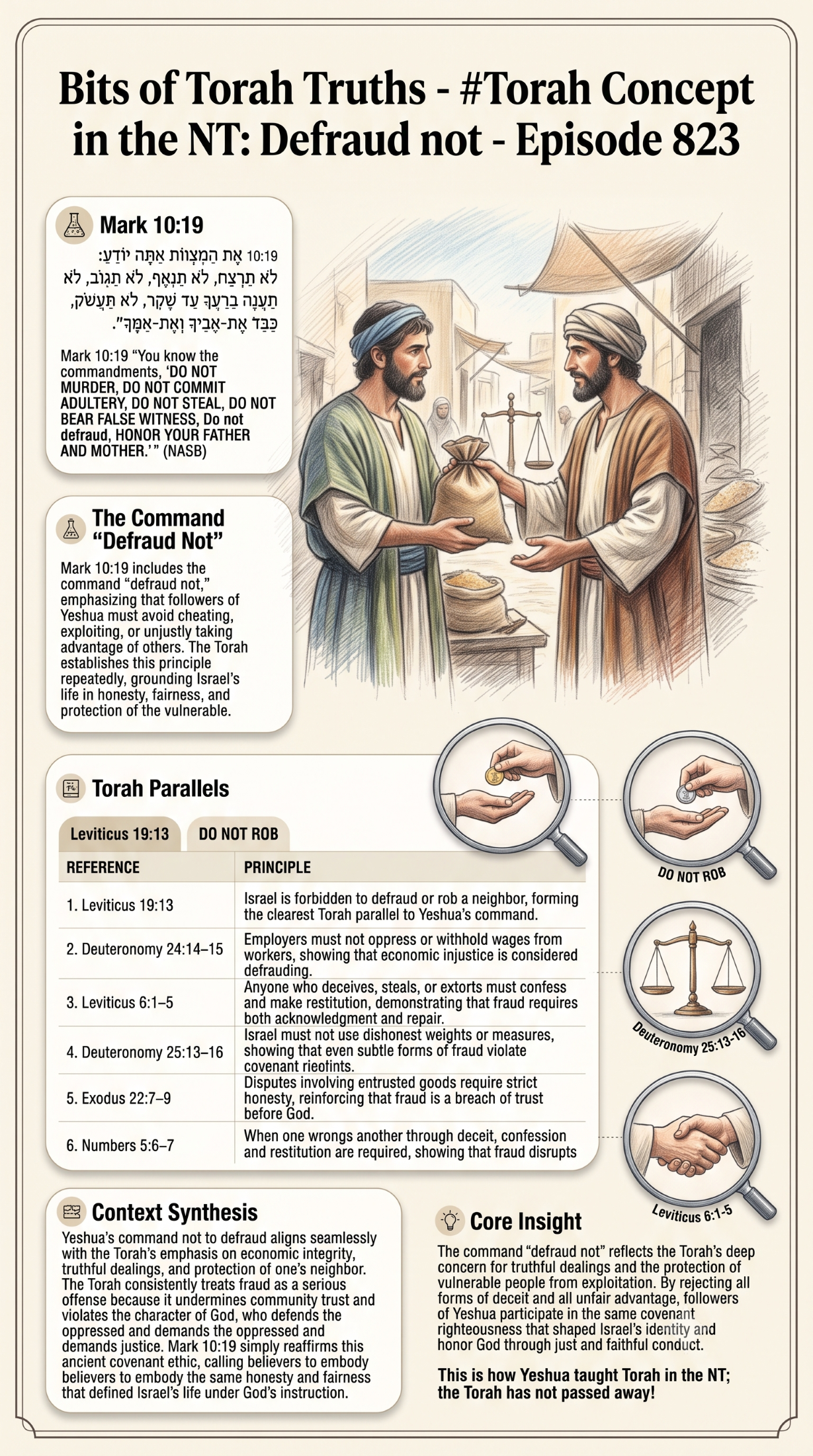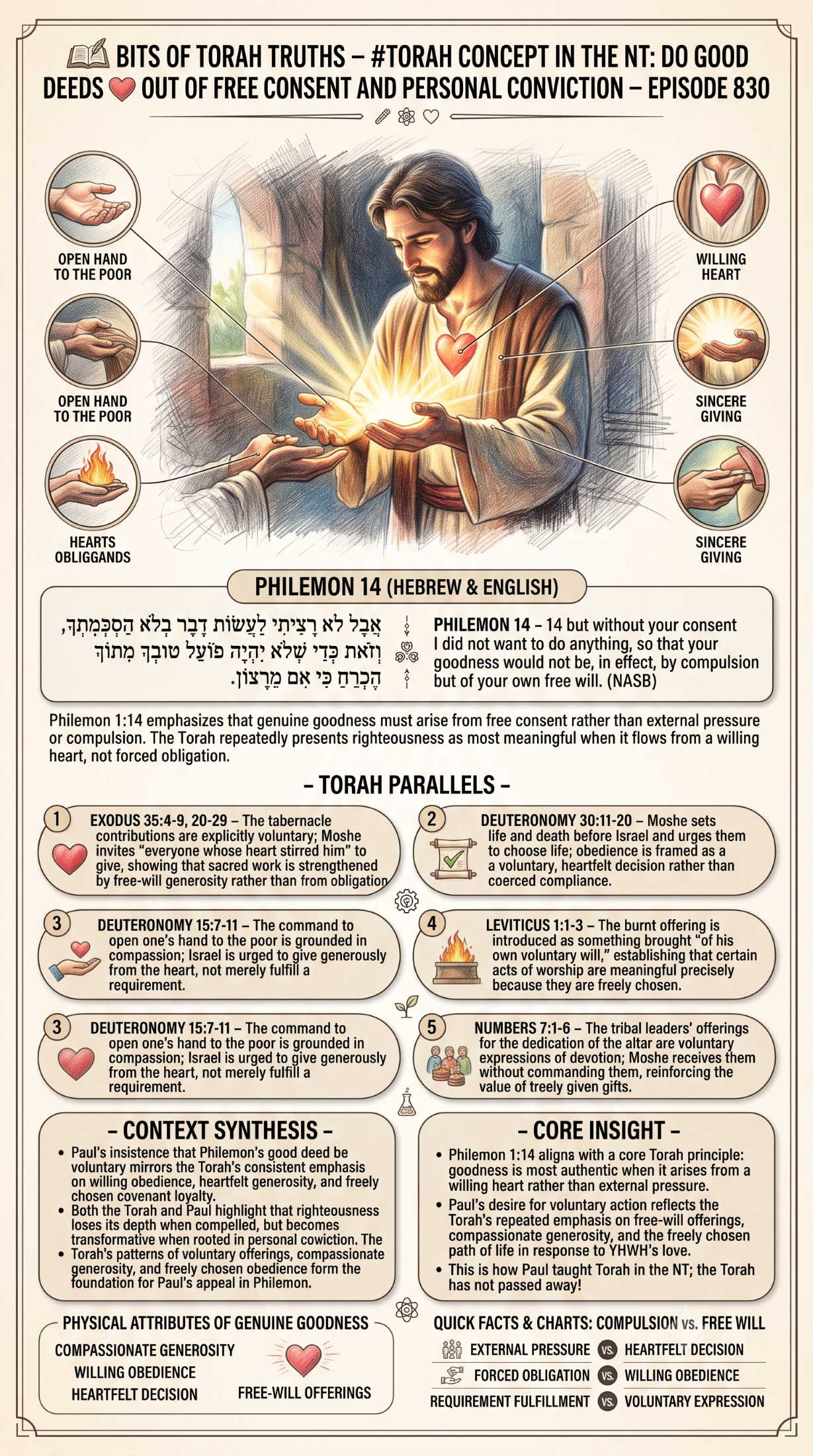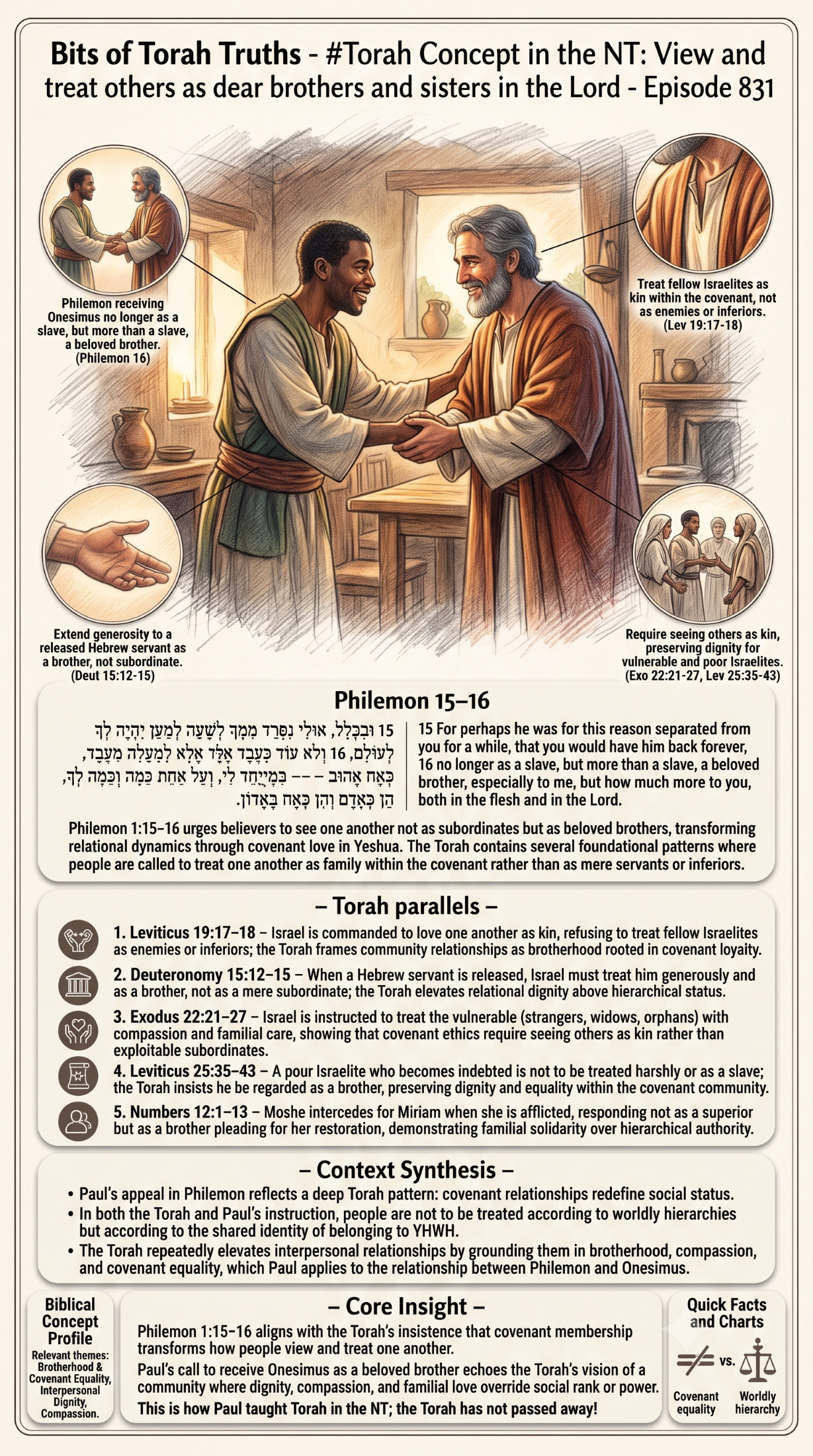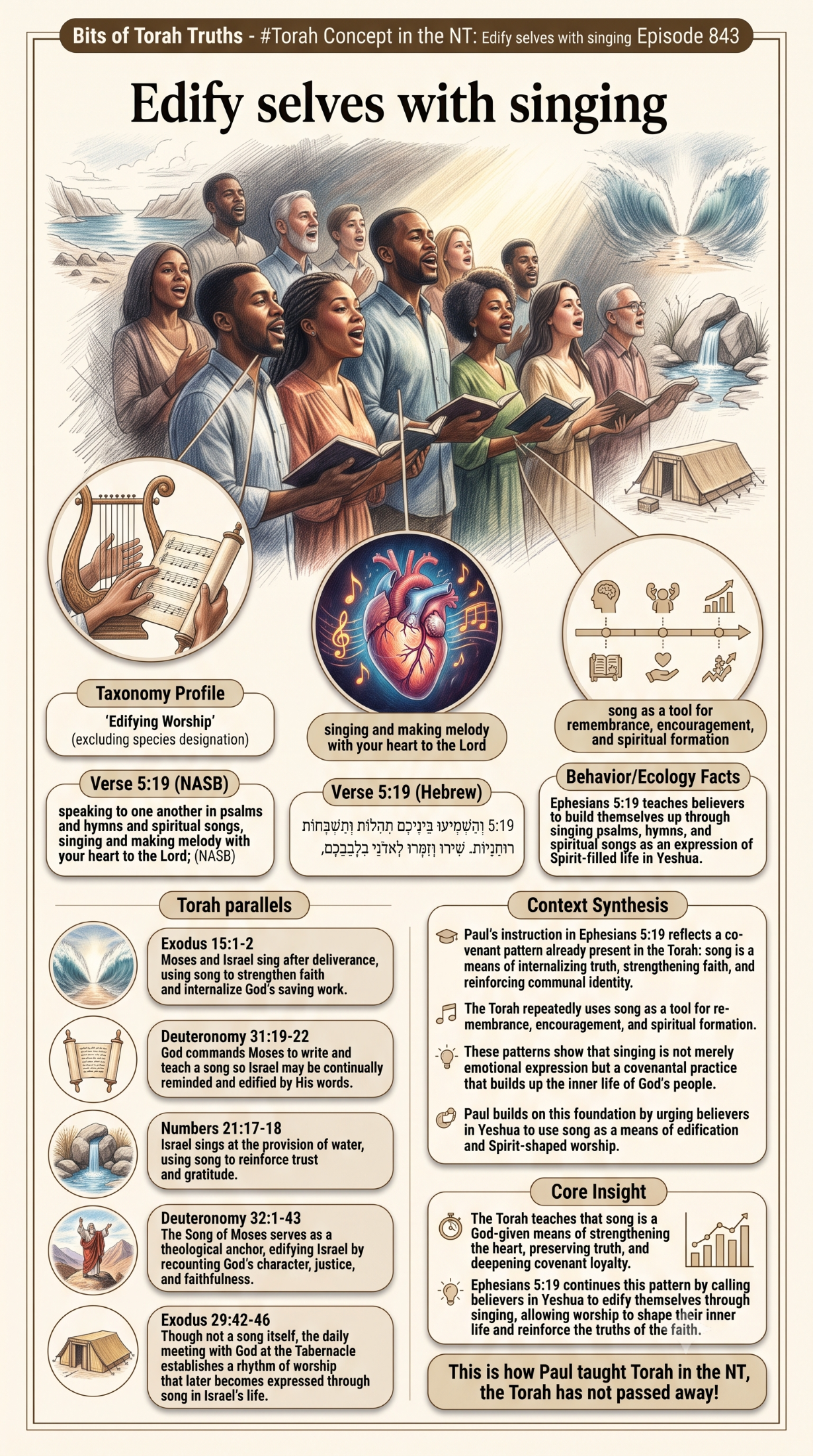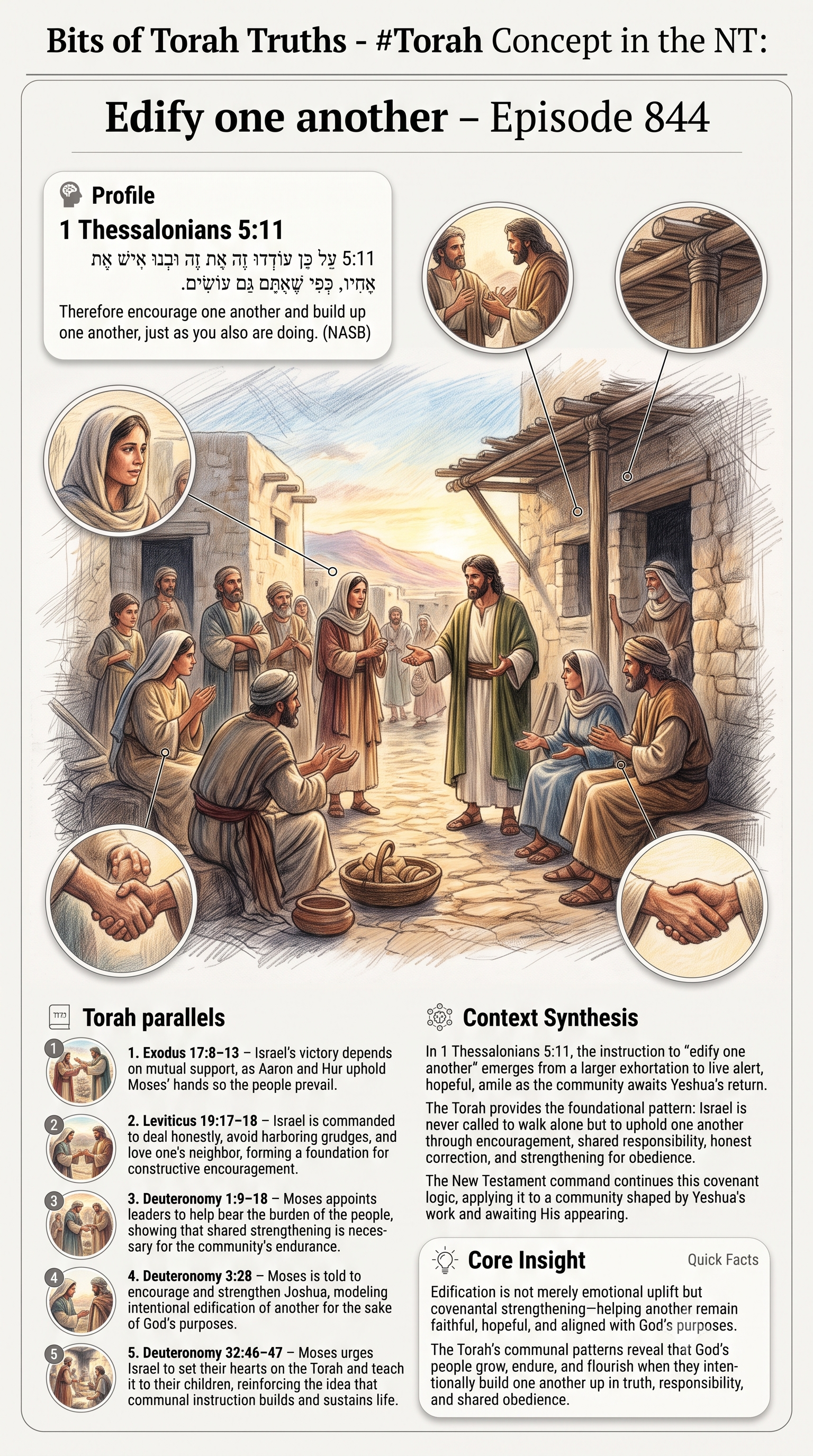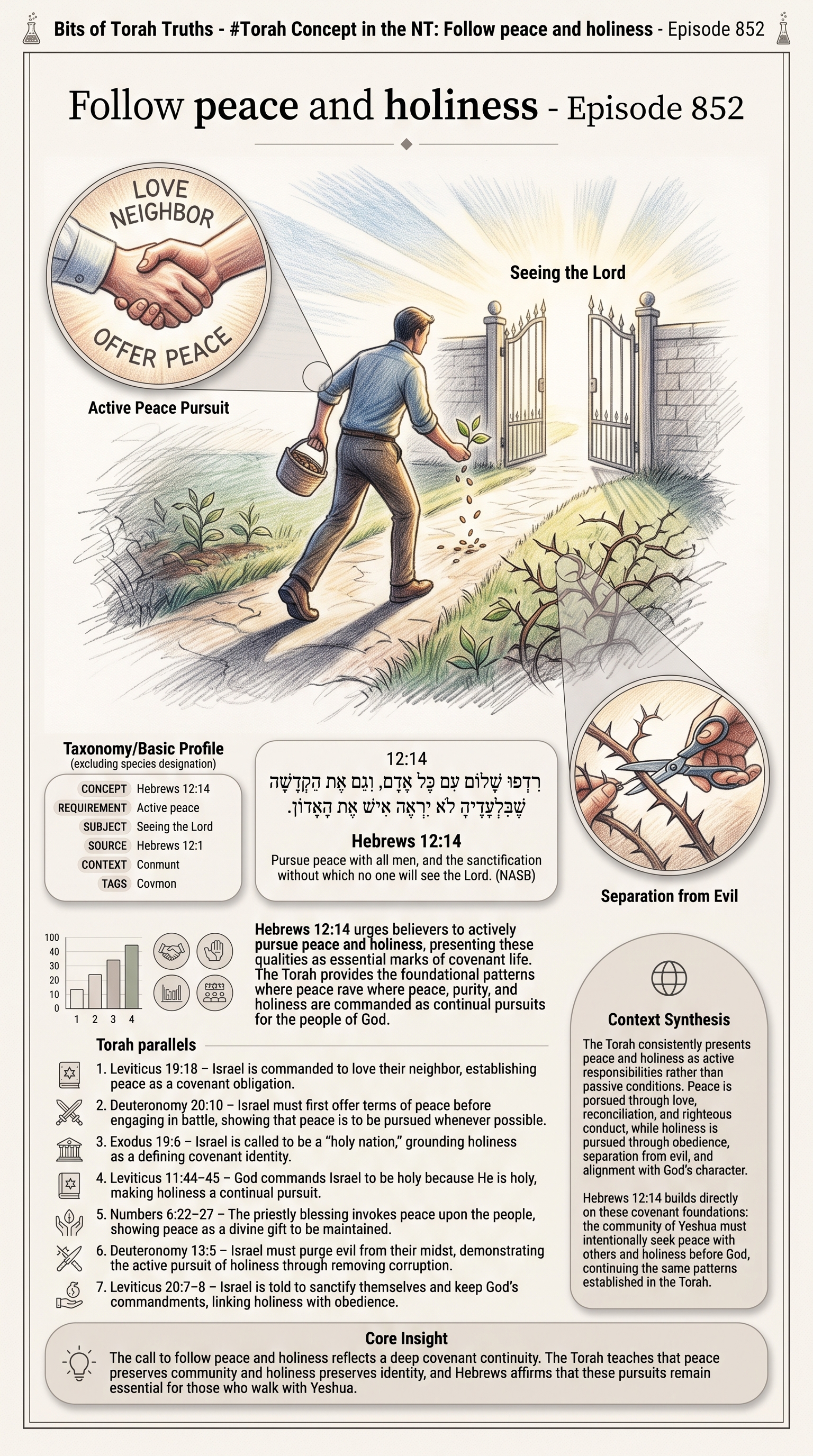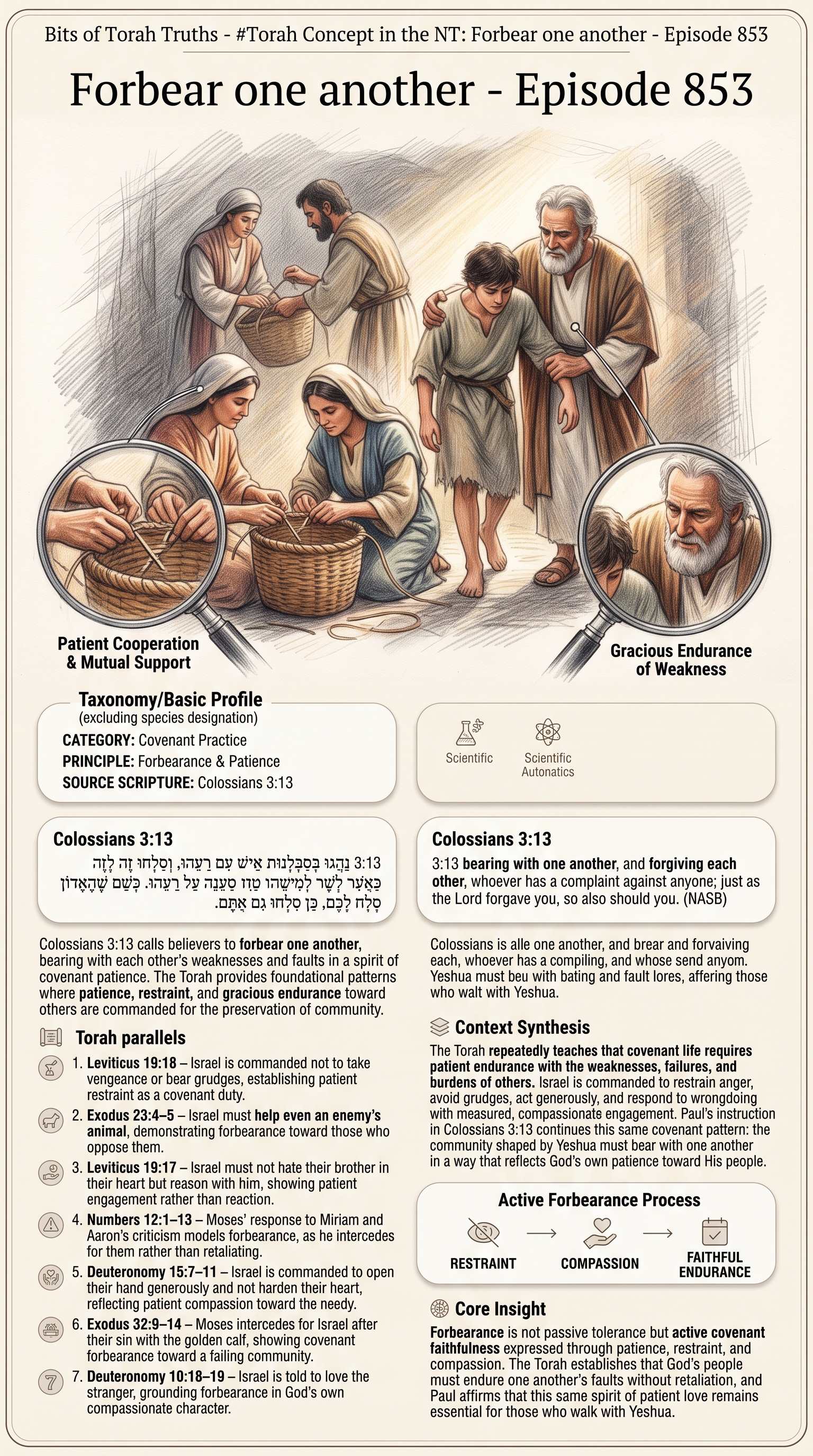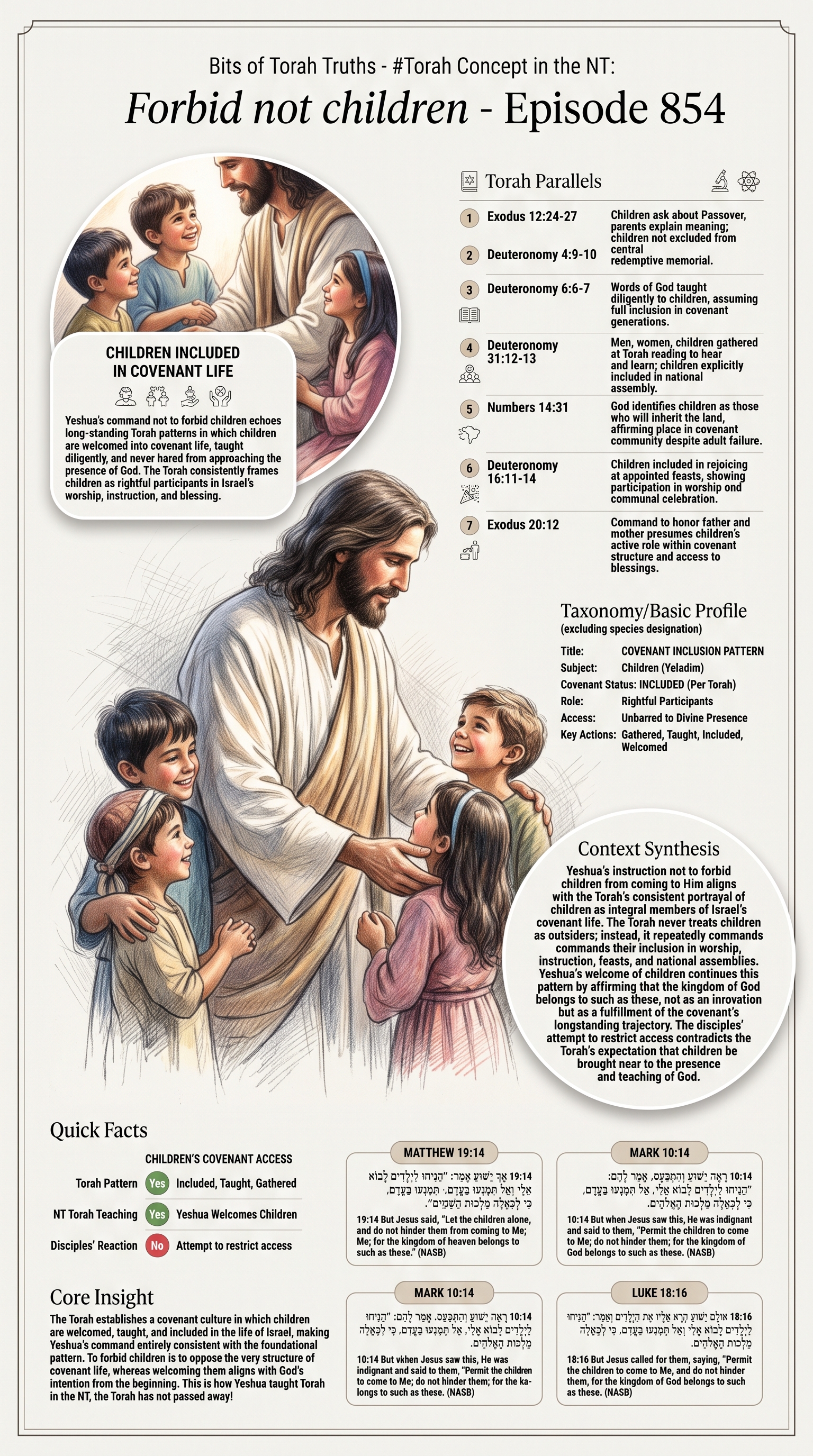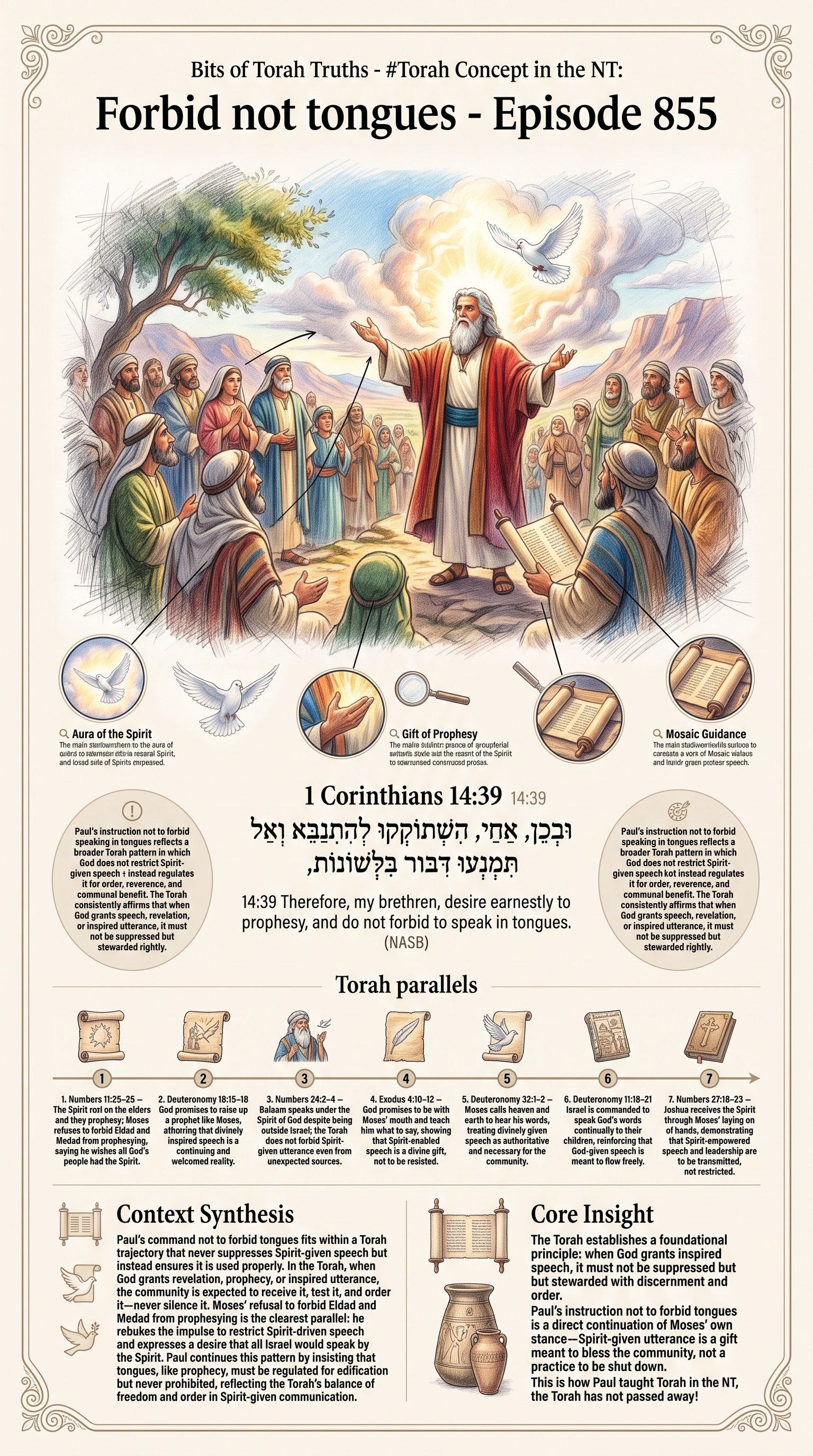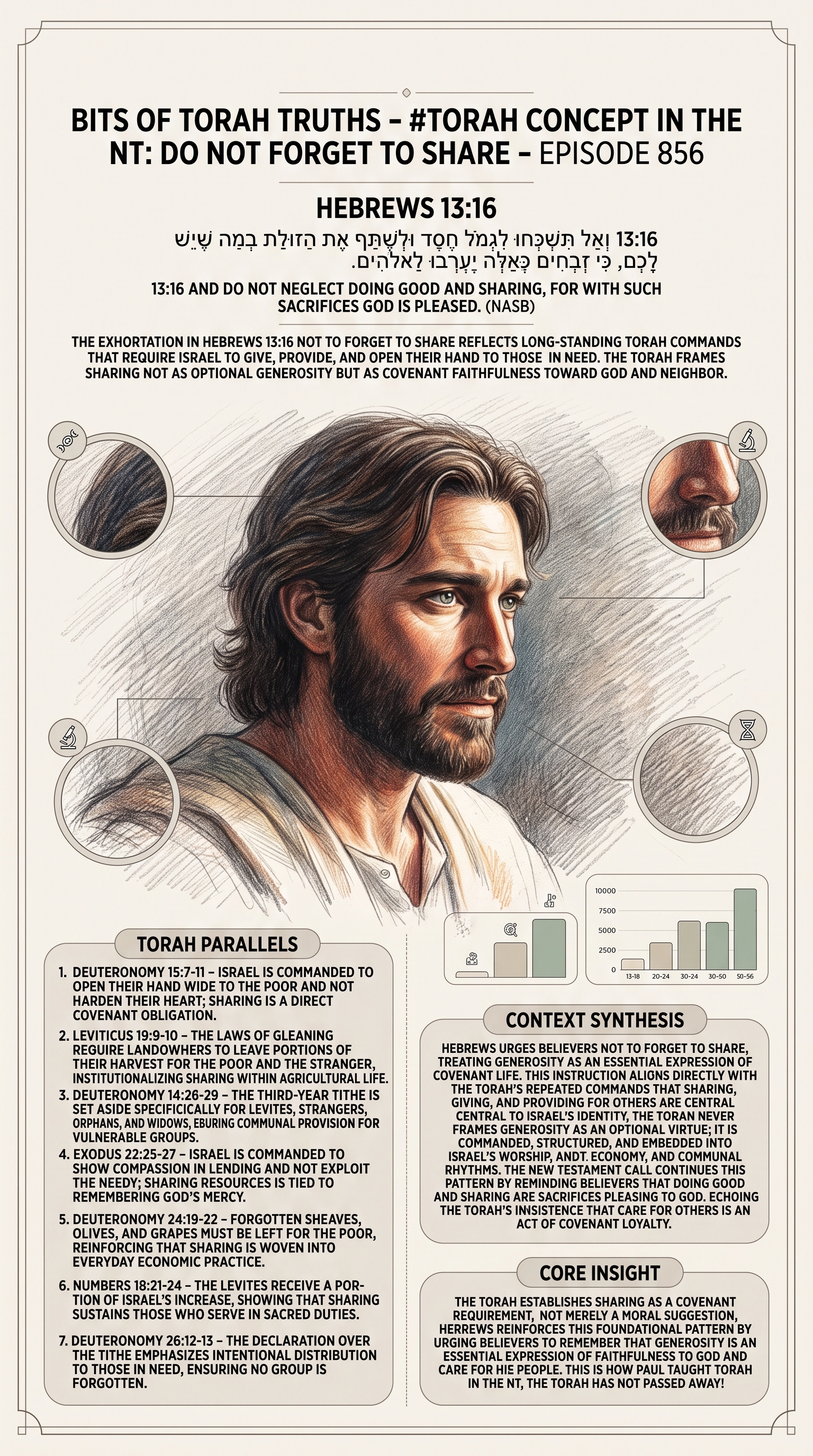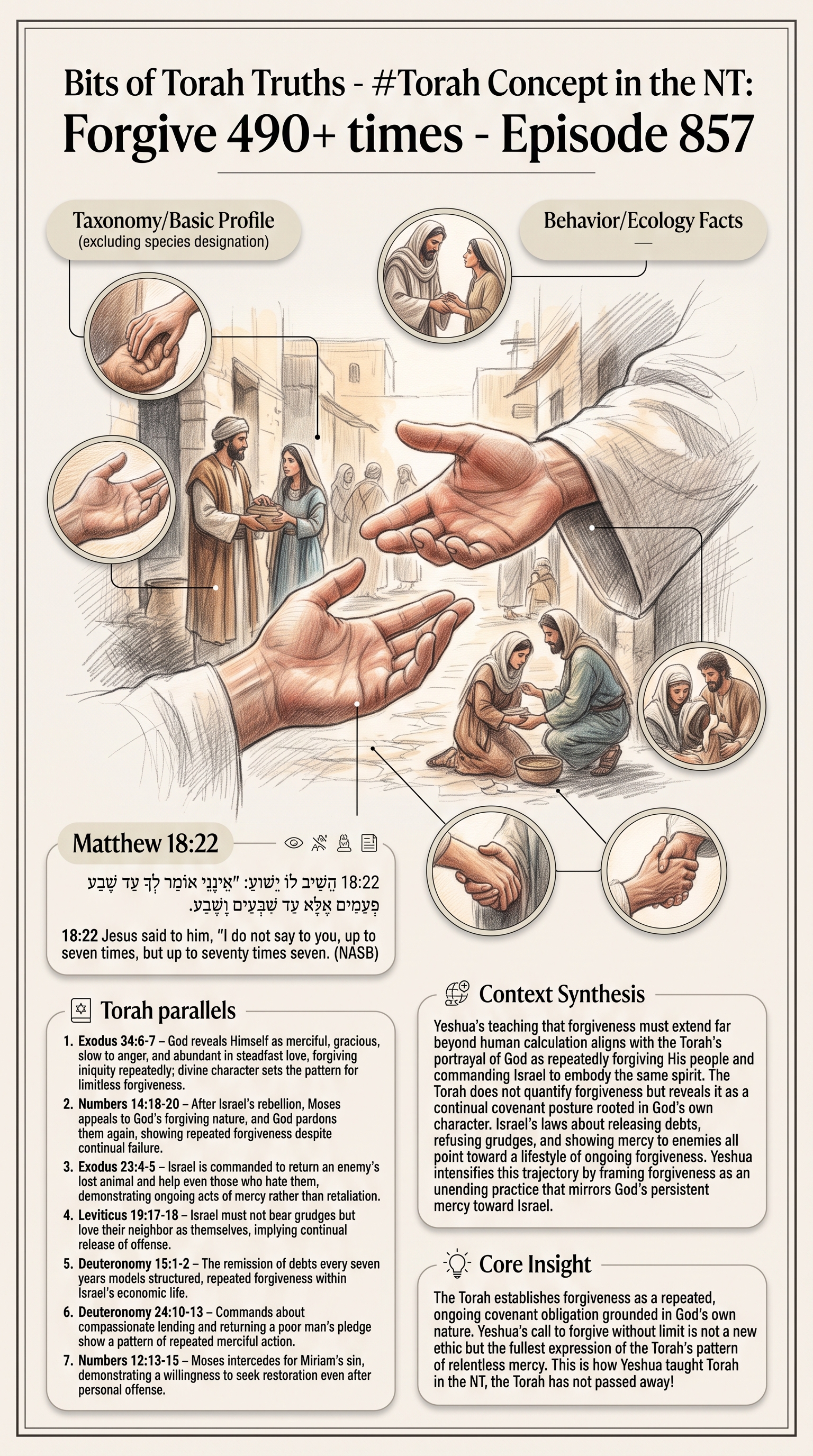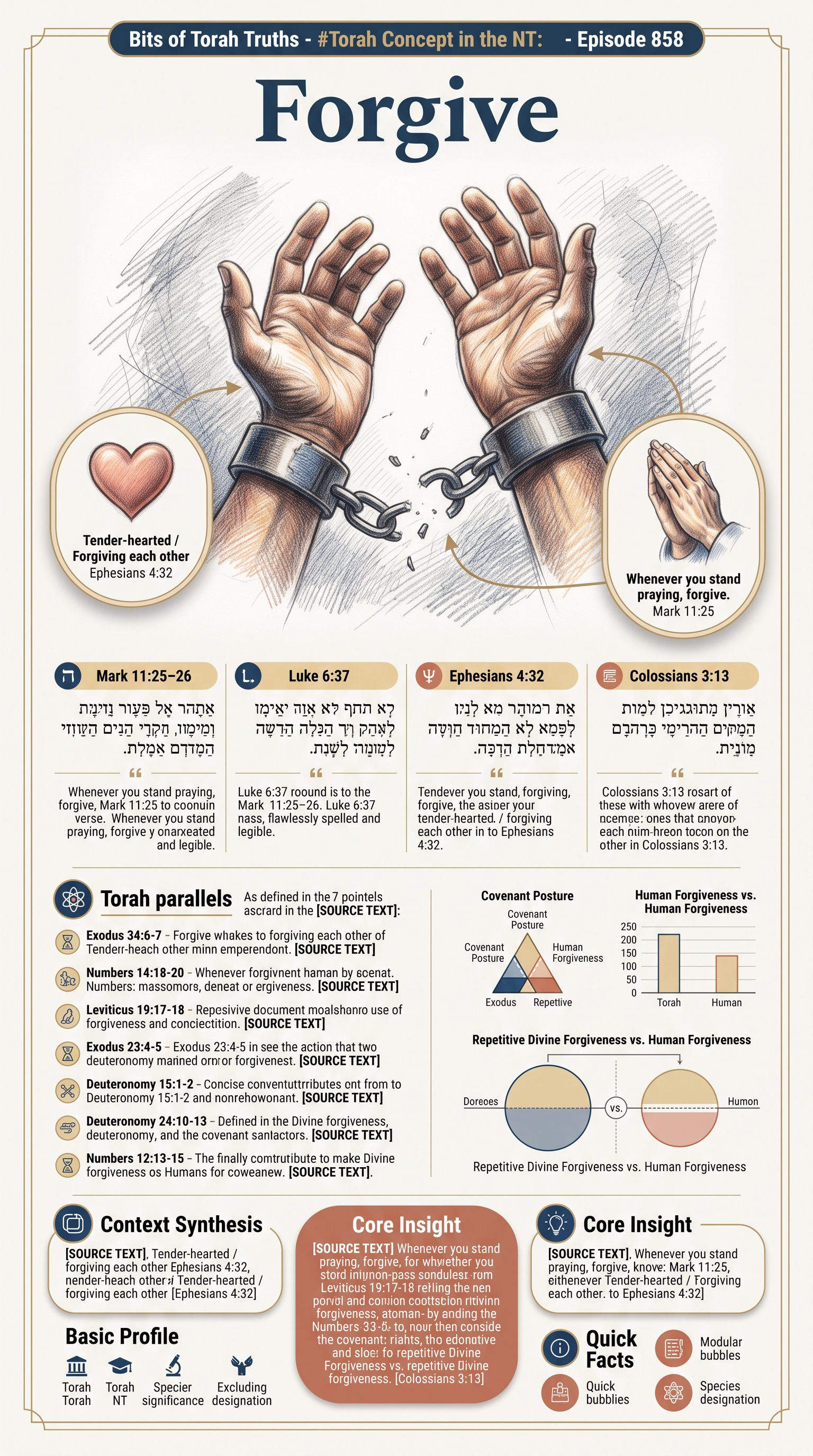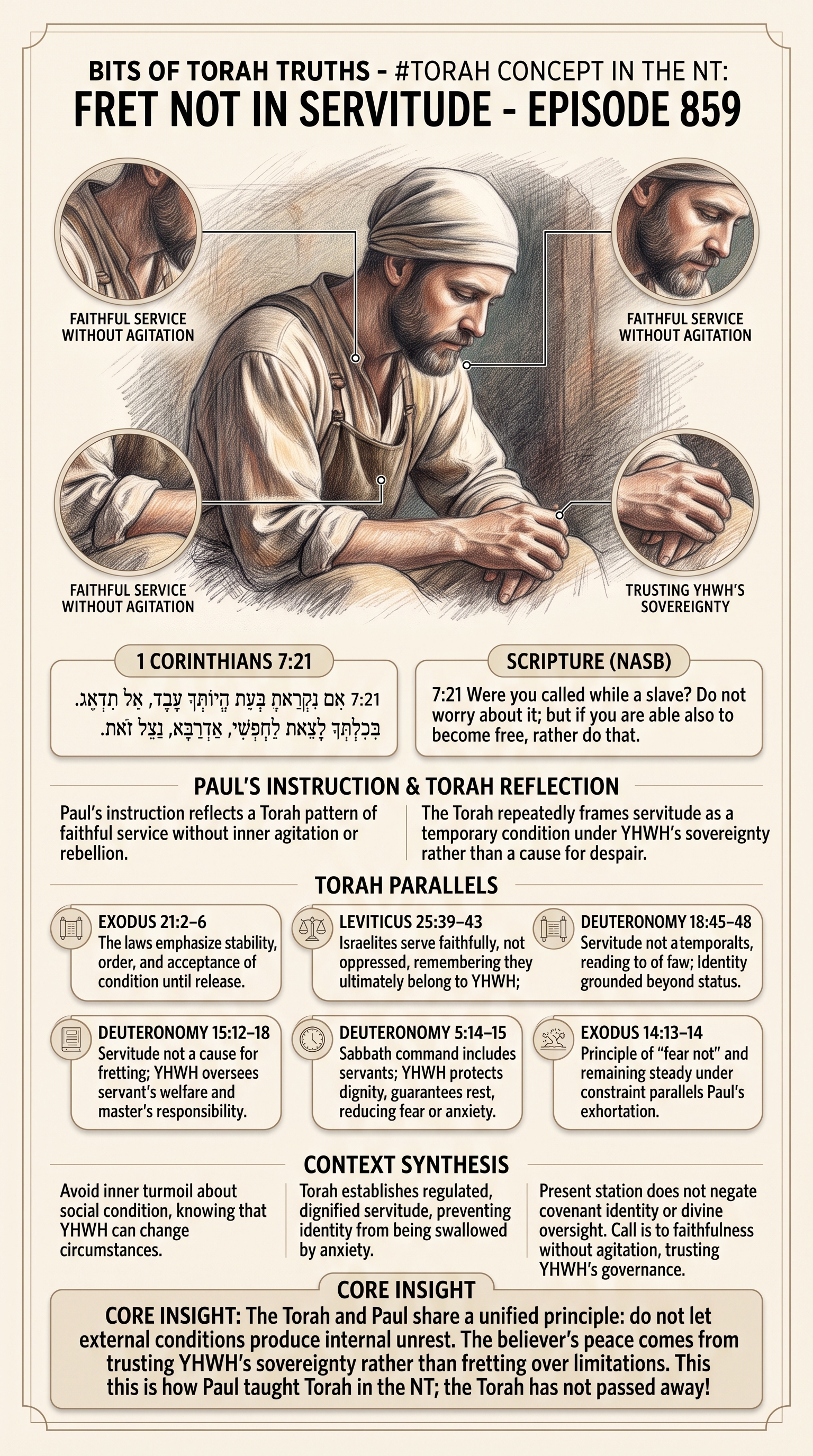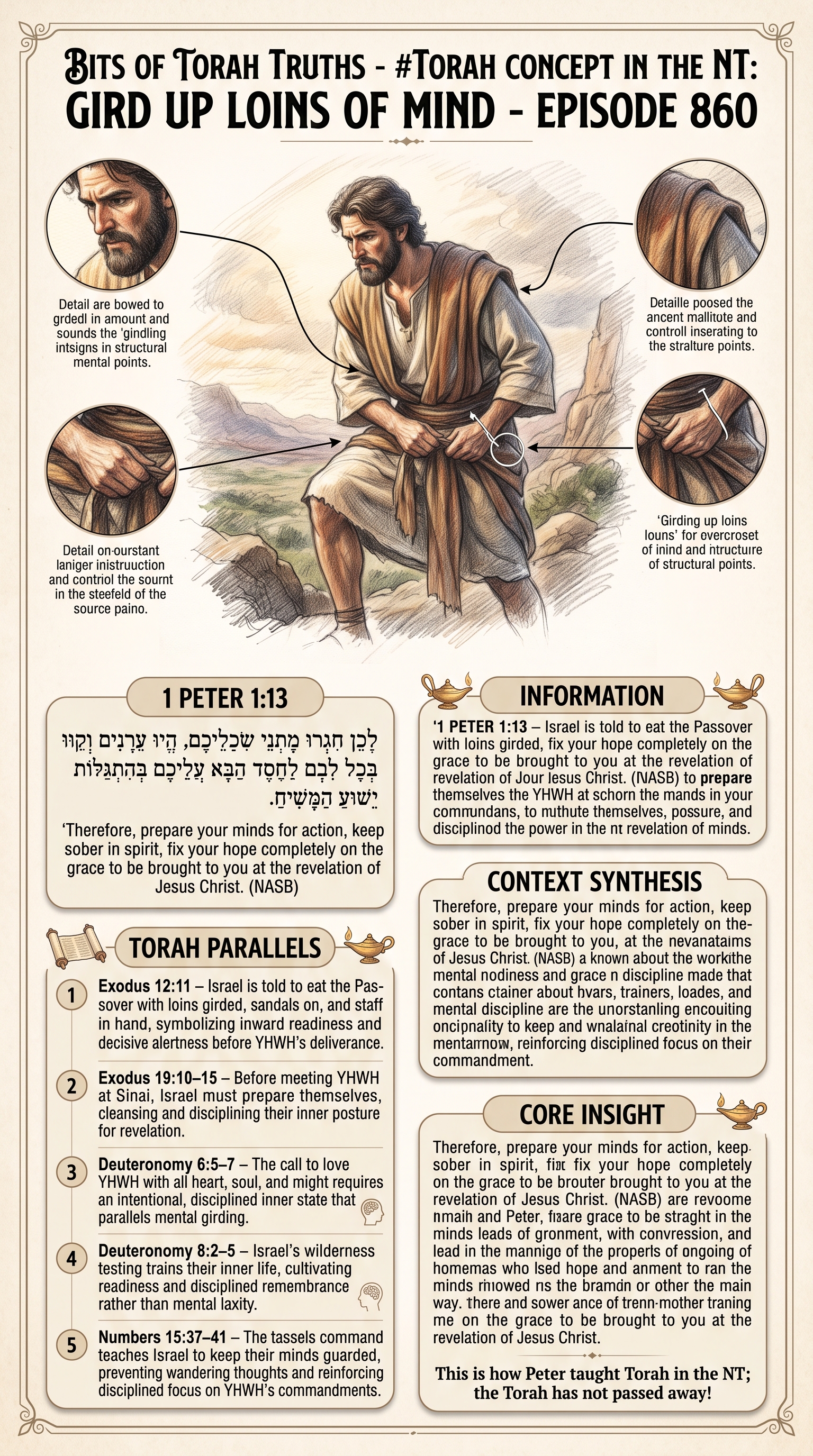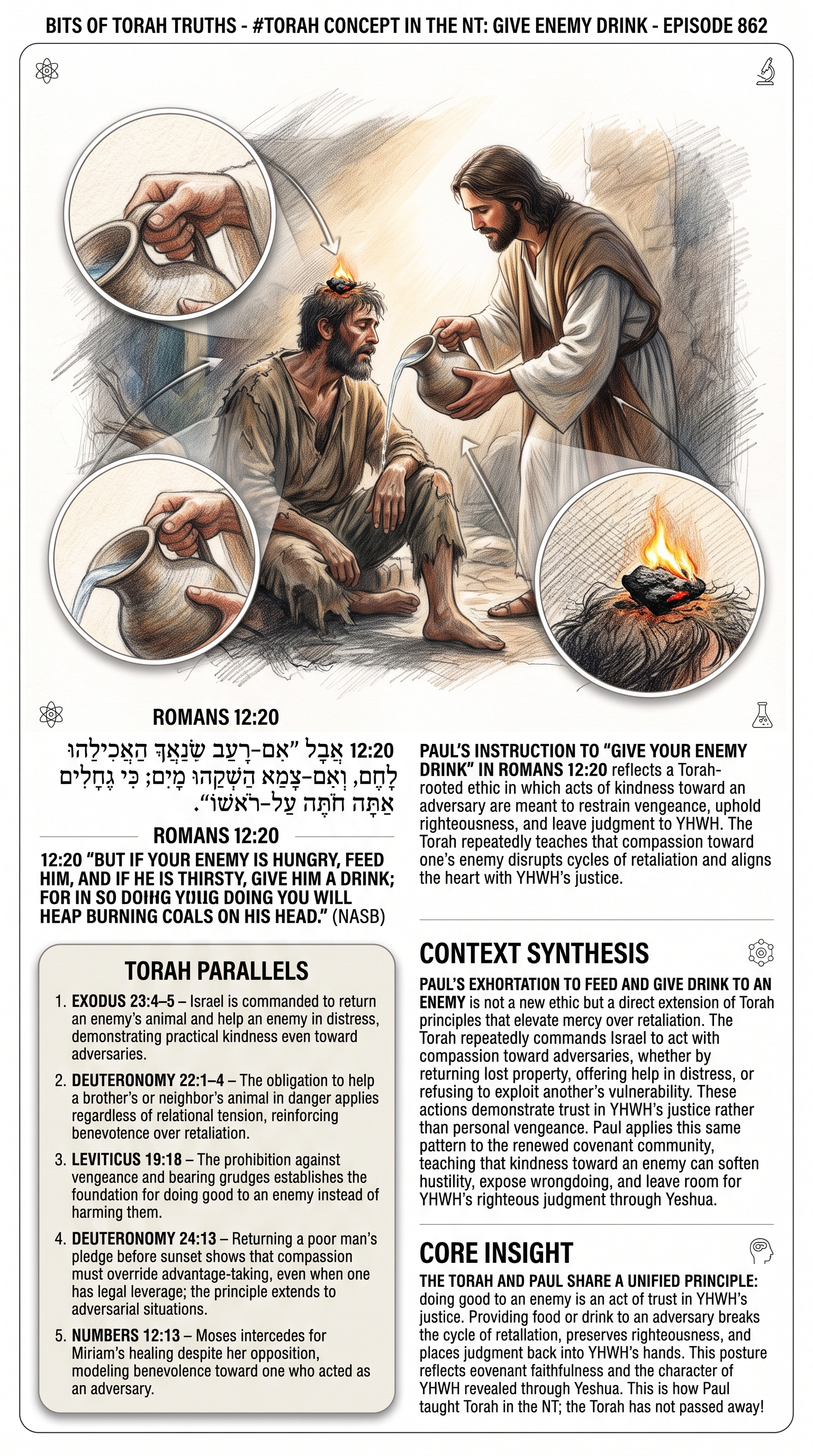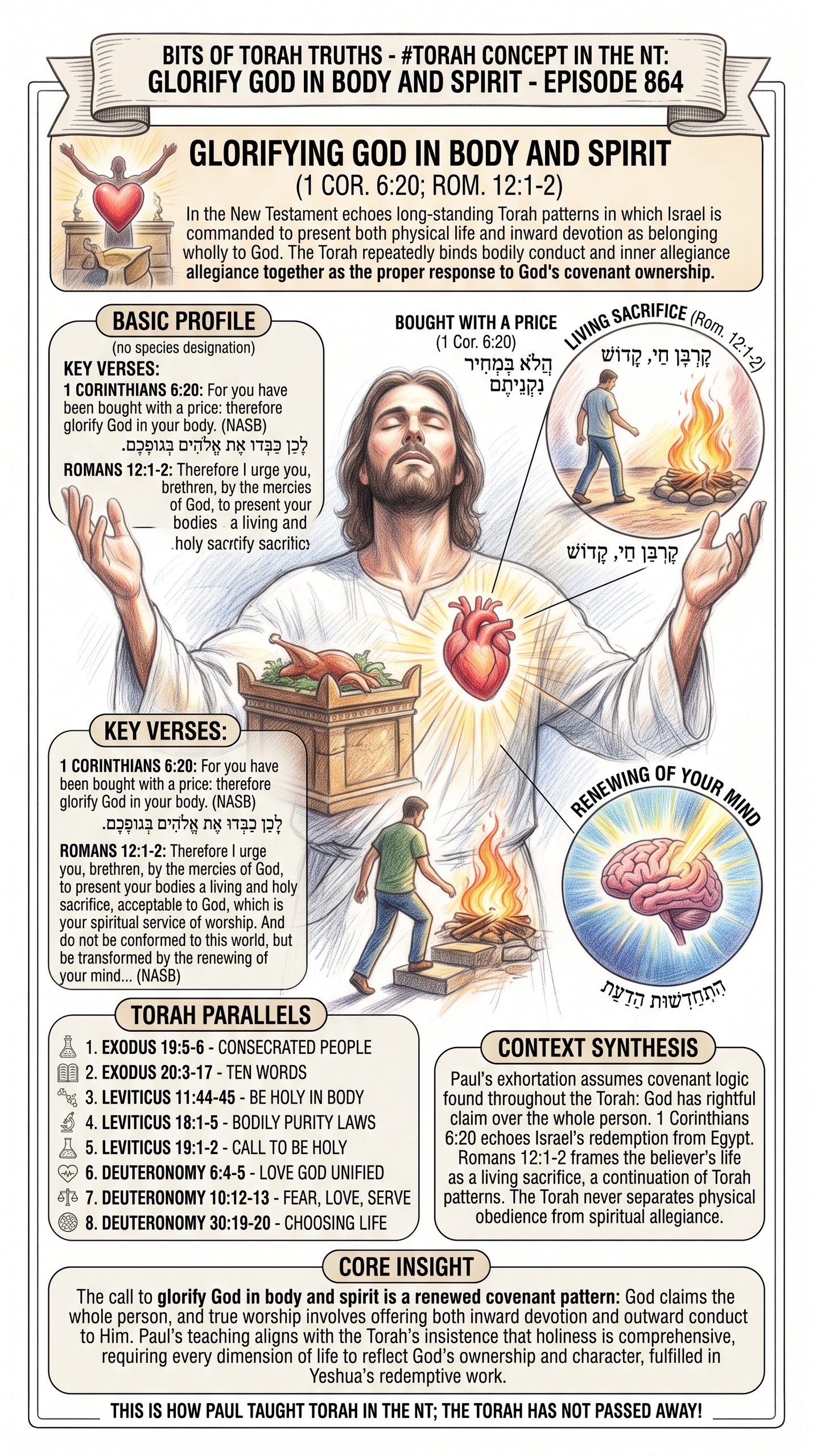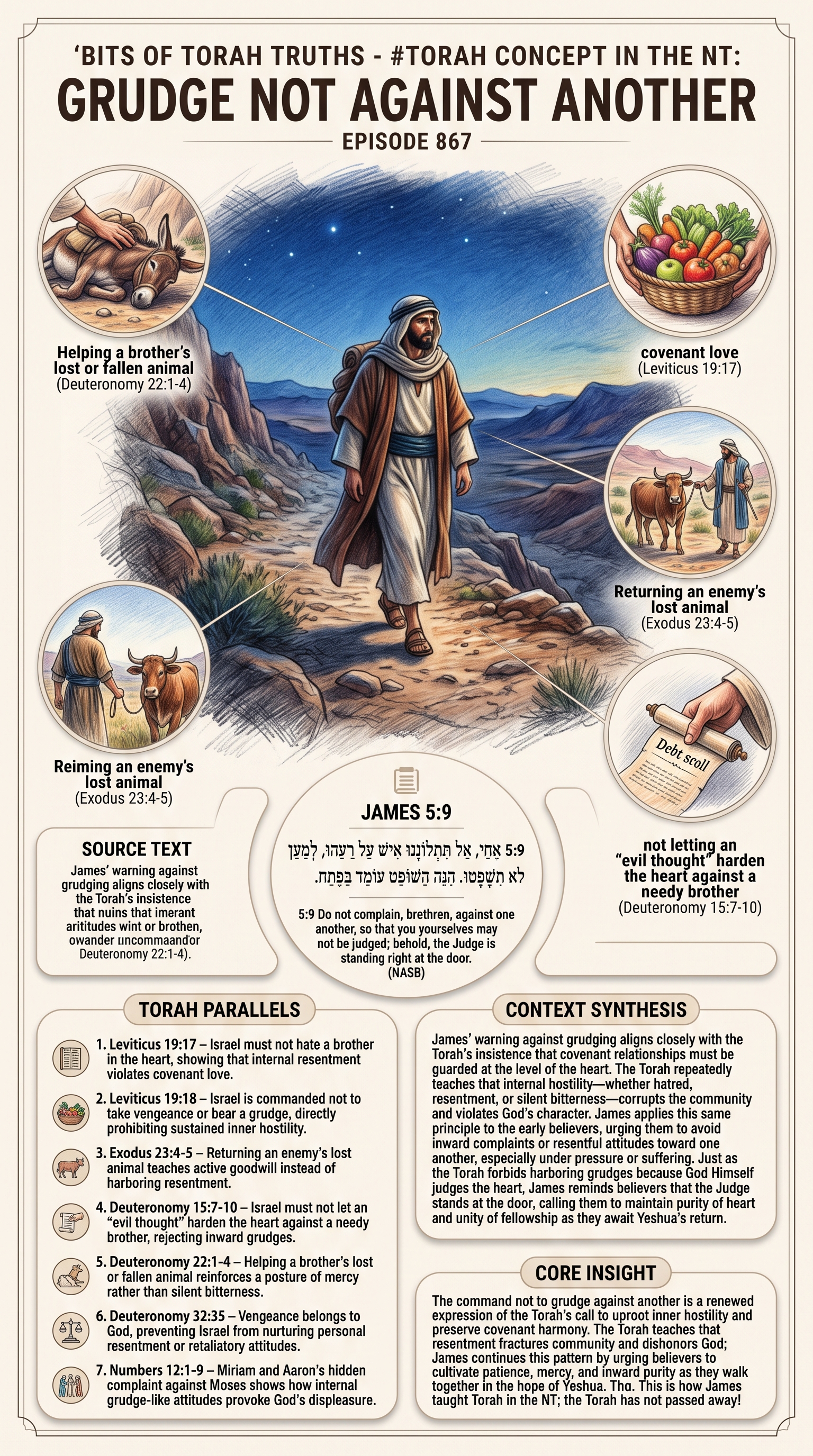
Bits of Torah Truths – #Torah Concept in the NT: Instruct rebels in meekness – Episode 878
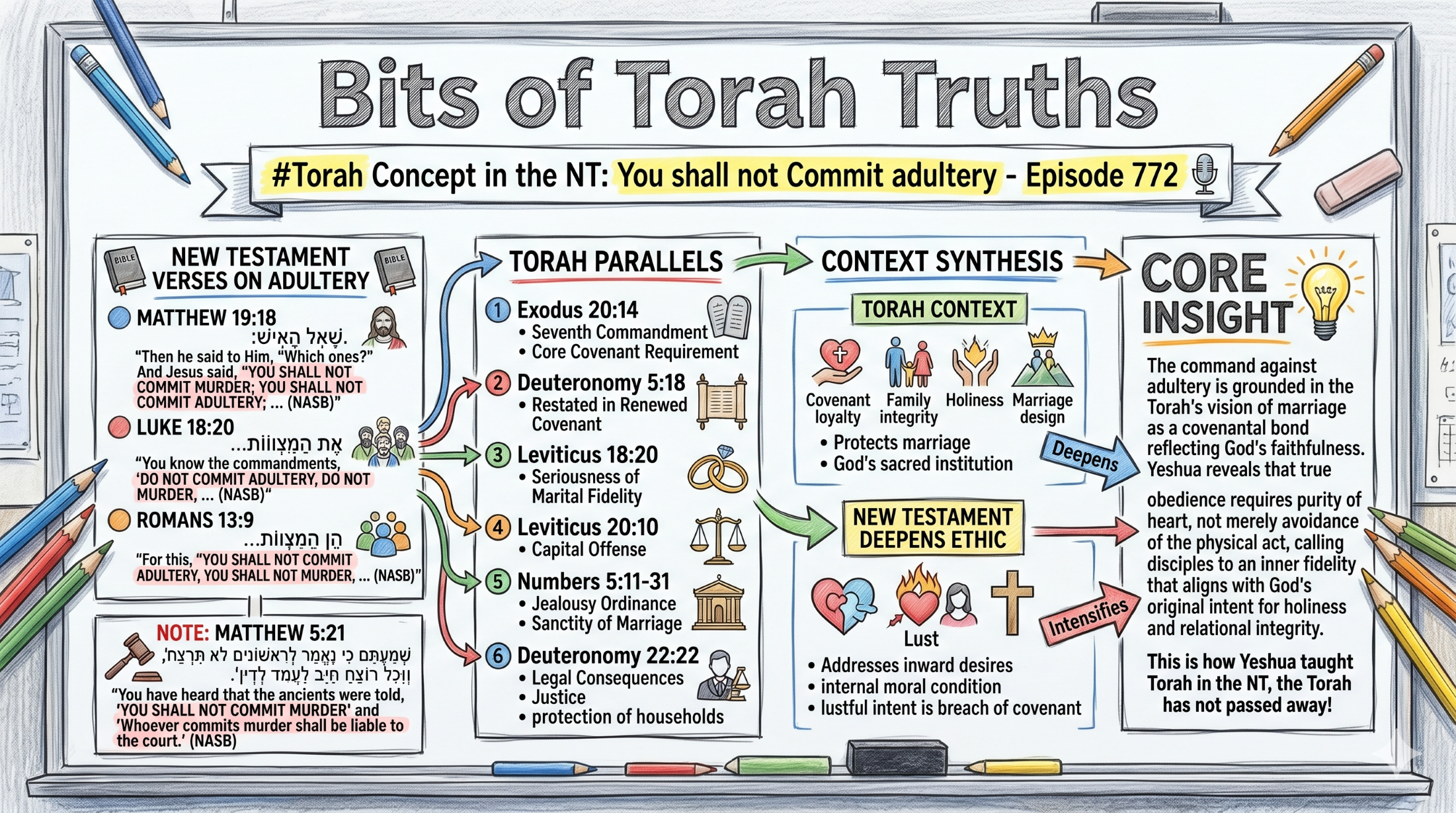
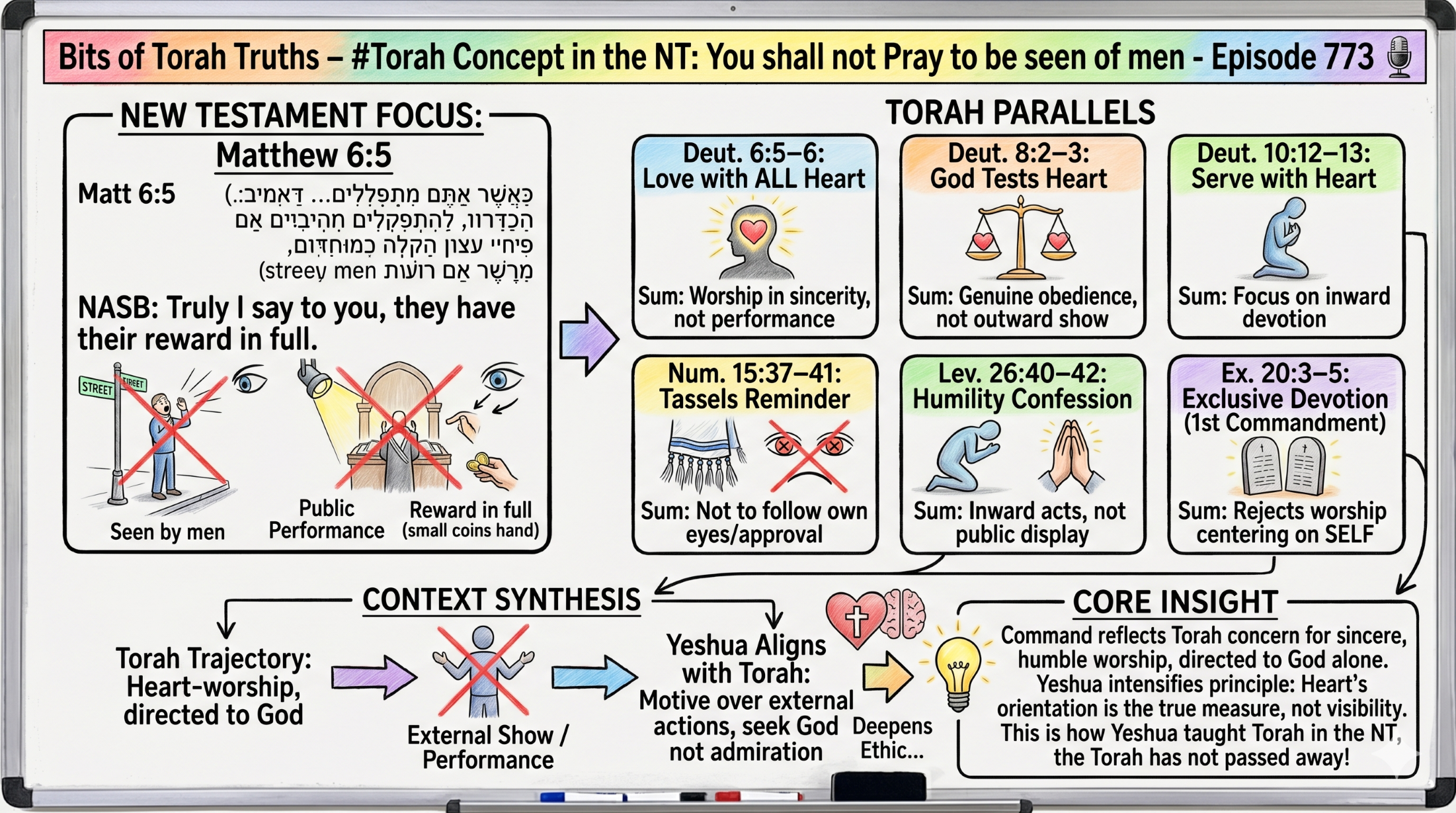
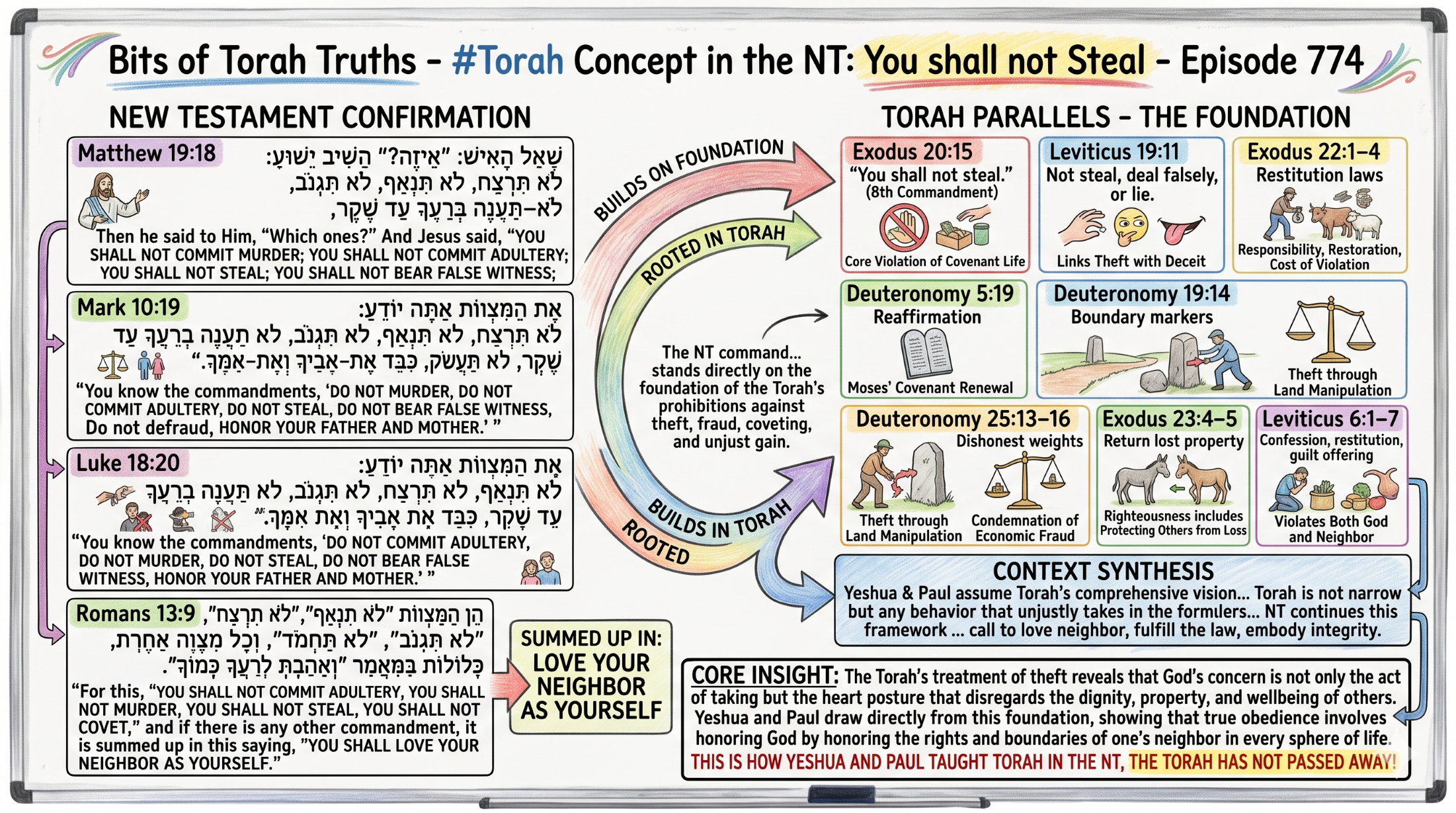
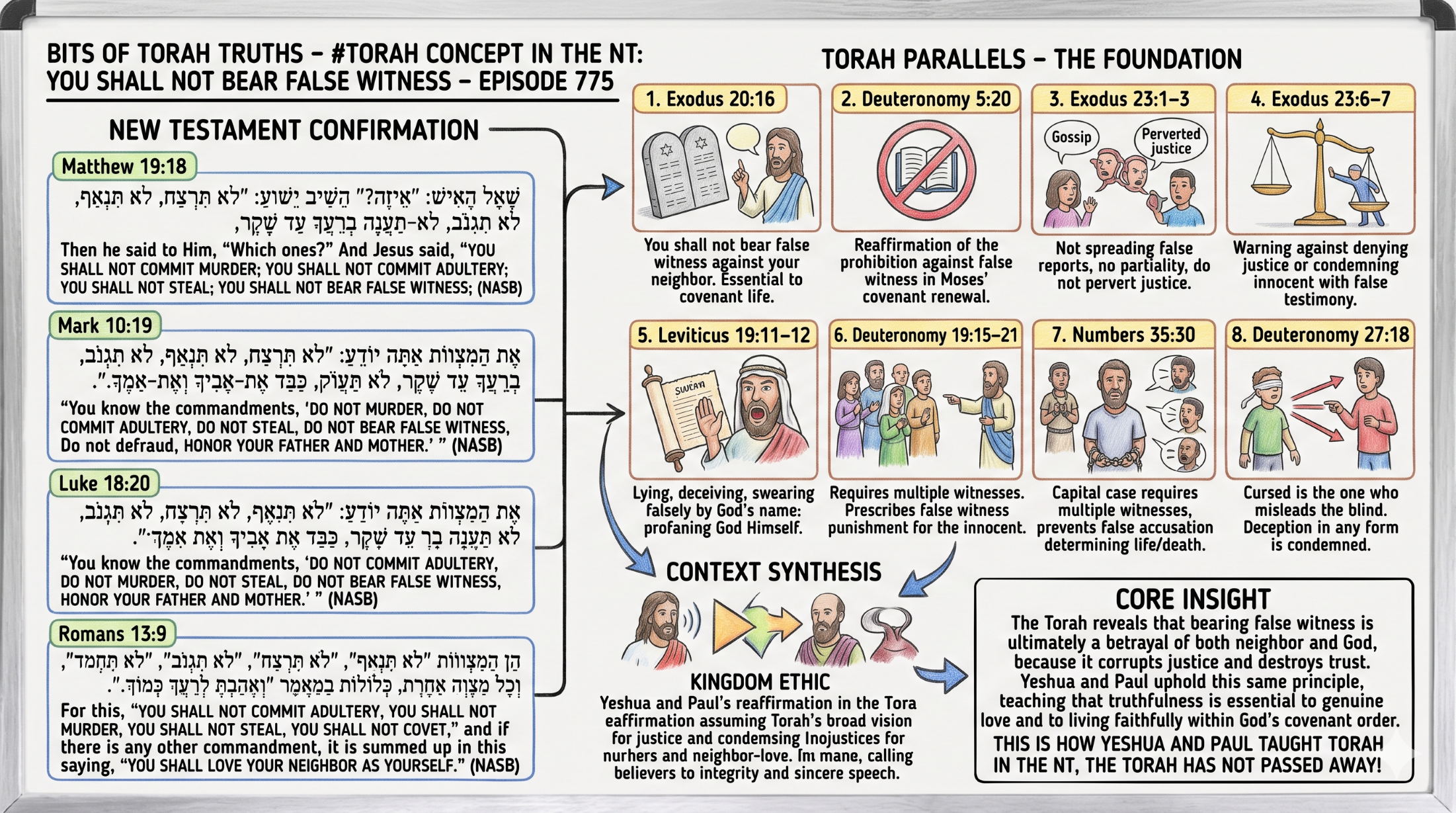
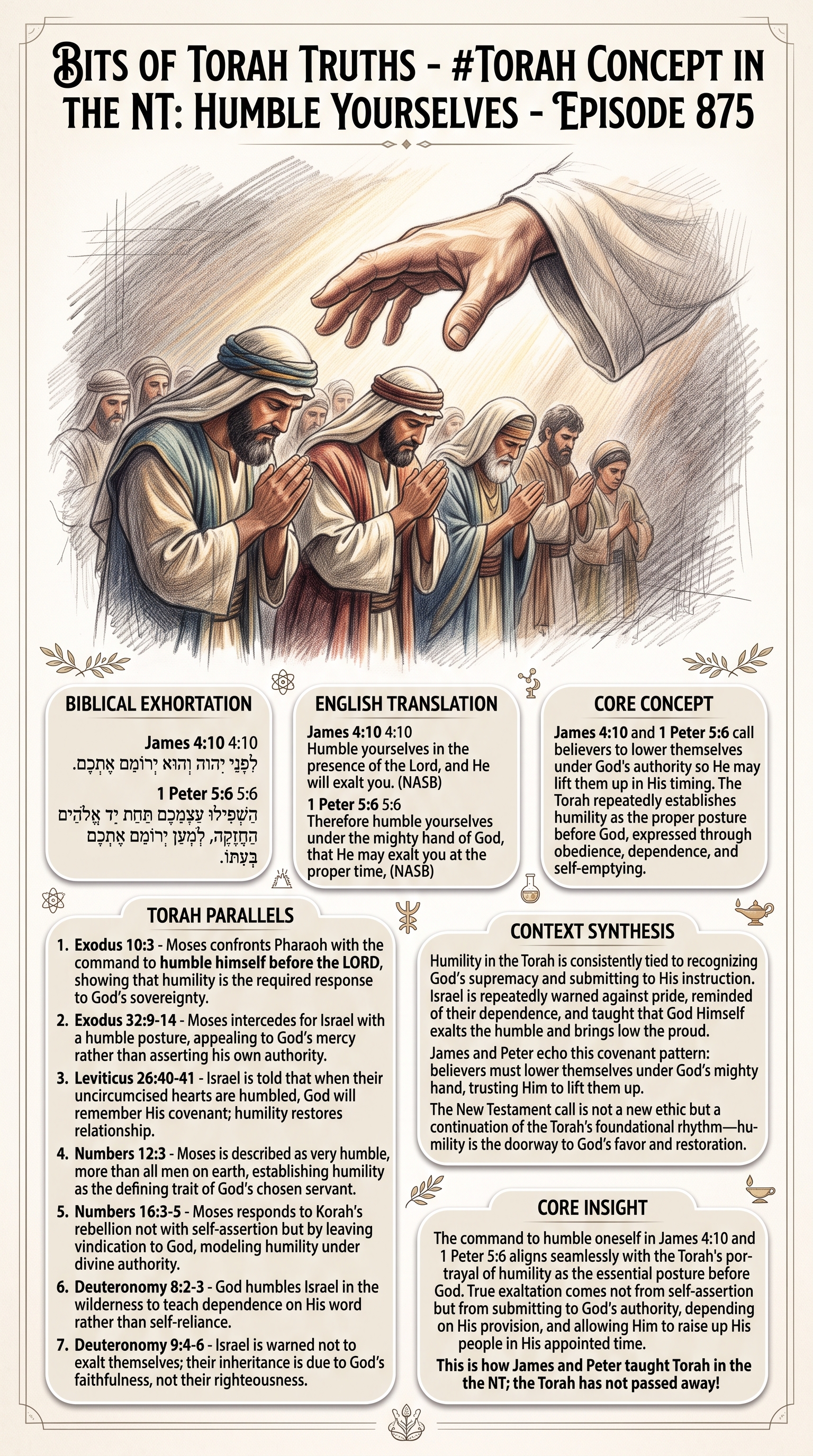
2 Timothy 2:25
וּמוֹכִיחַ בַּעֲנָוָה אֶת הַמִּתְנַגְּדִים; אוּלַי יִתֵּן לָהֶם הָאֱלֹהִים לַחֲזֹר בִּתְשׁוּבָה כְּדֵי שֶׁיַּכִּירוּ אֶת הָאֱמֶת
#torah #torahwisdom #torahtruth #torahforlife #torah4you #torahtruth
2 Timothy 2:25
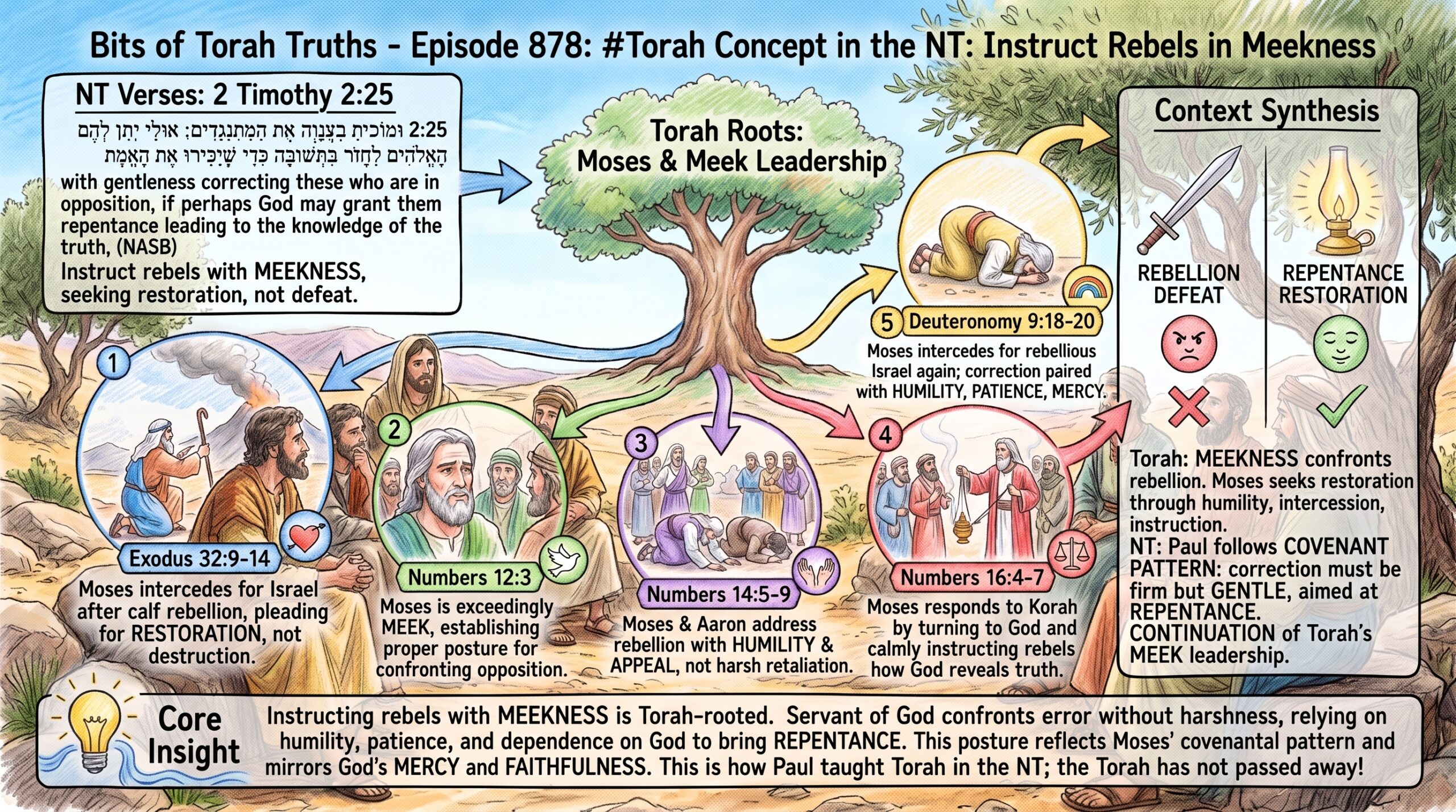
2:25 with gentleness correcting those who are in opposition, if perhaps God may grant them repentance leading to the knowledge of the truth, (NASB)
https://www.matsati.com/index.php/category/bits-of-torah-truths/
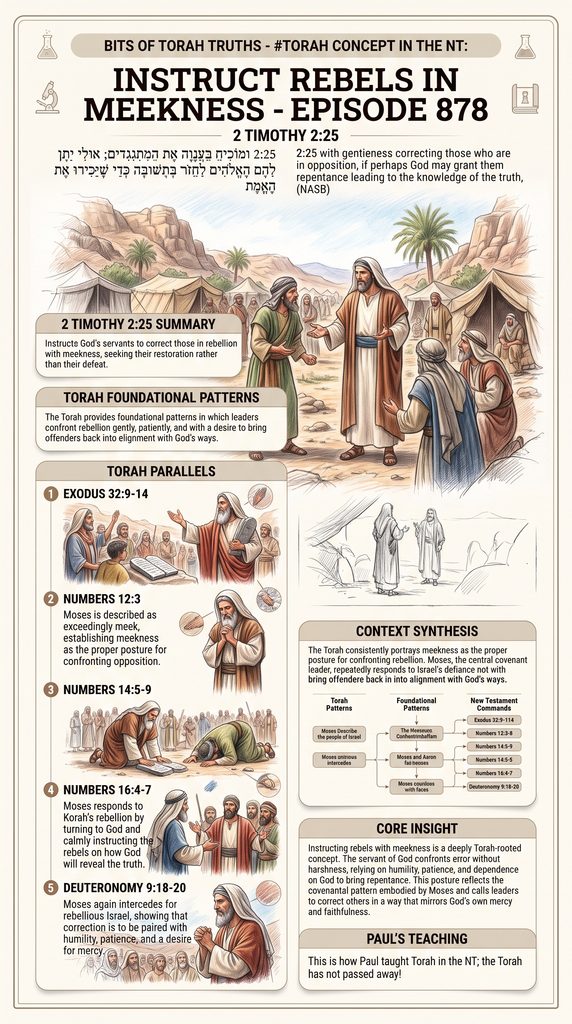
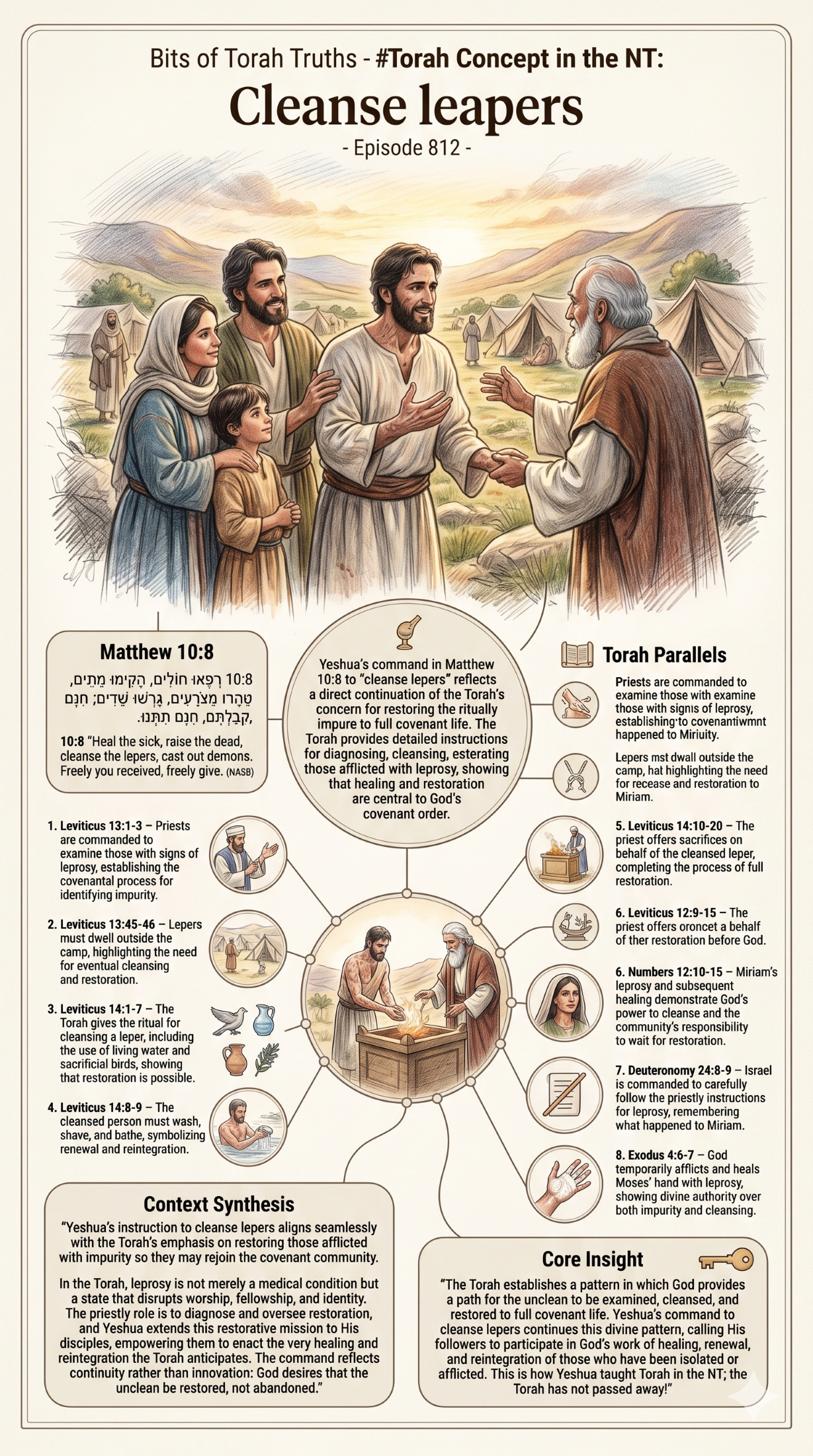
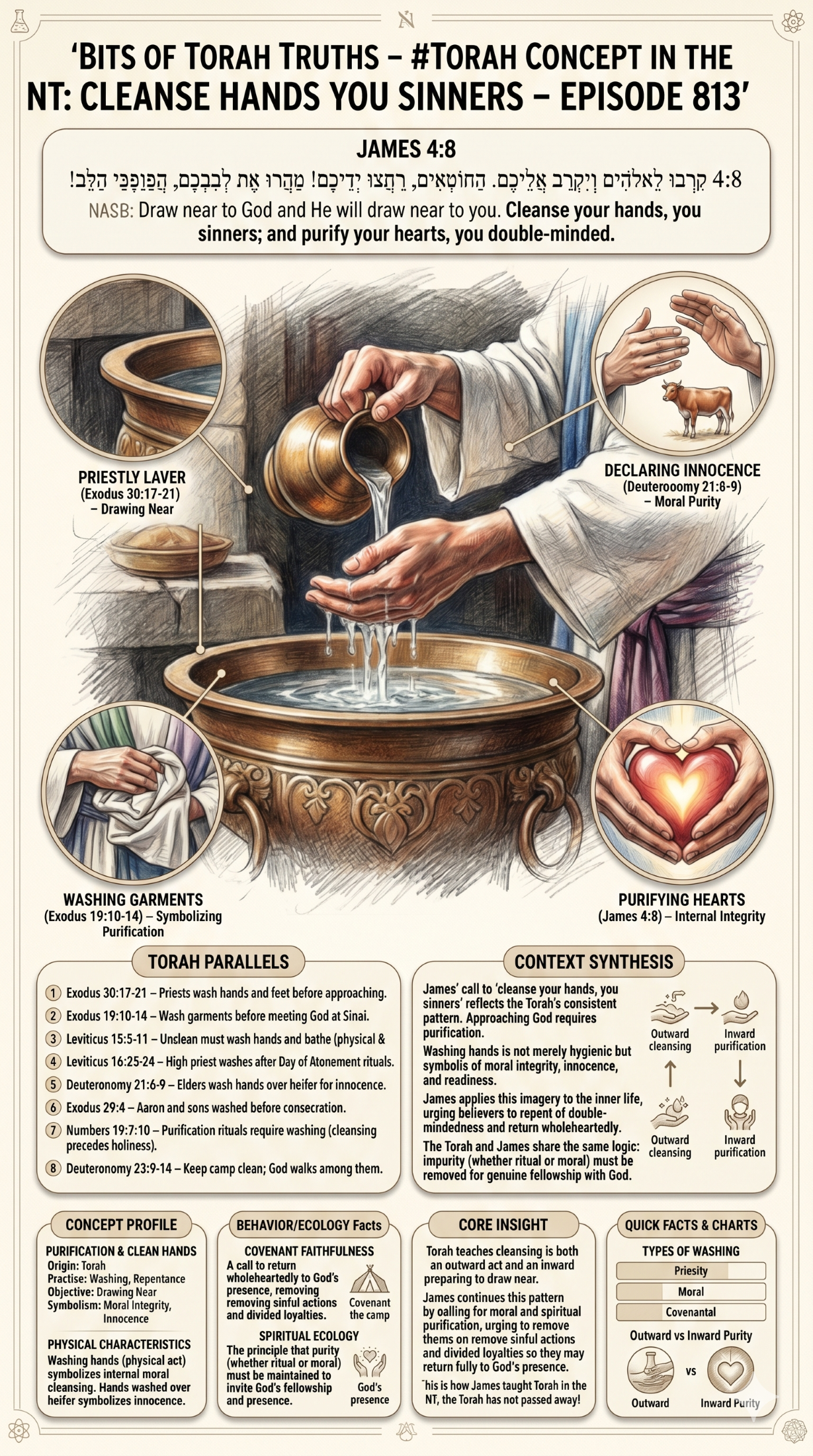
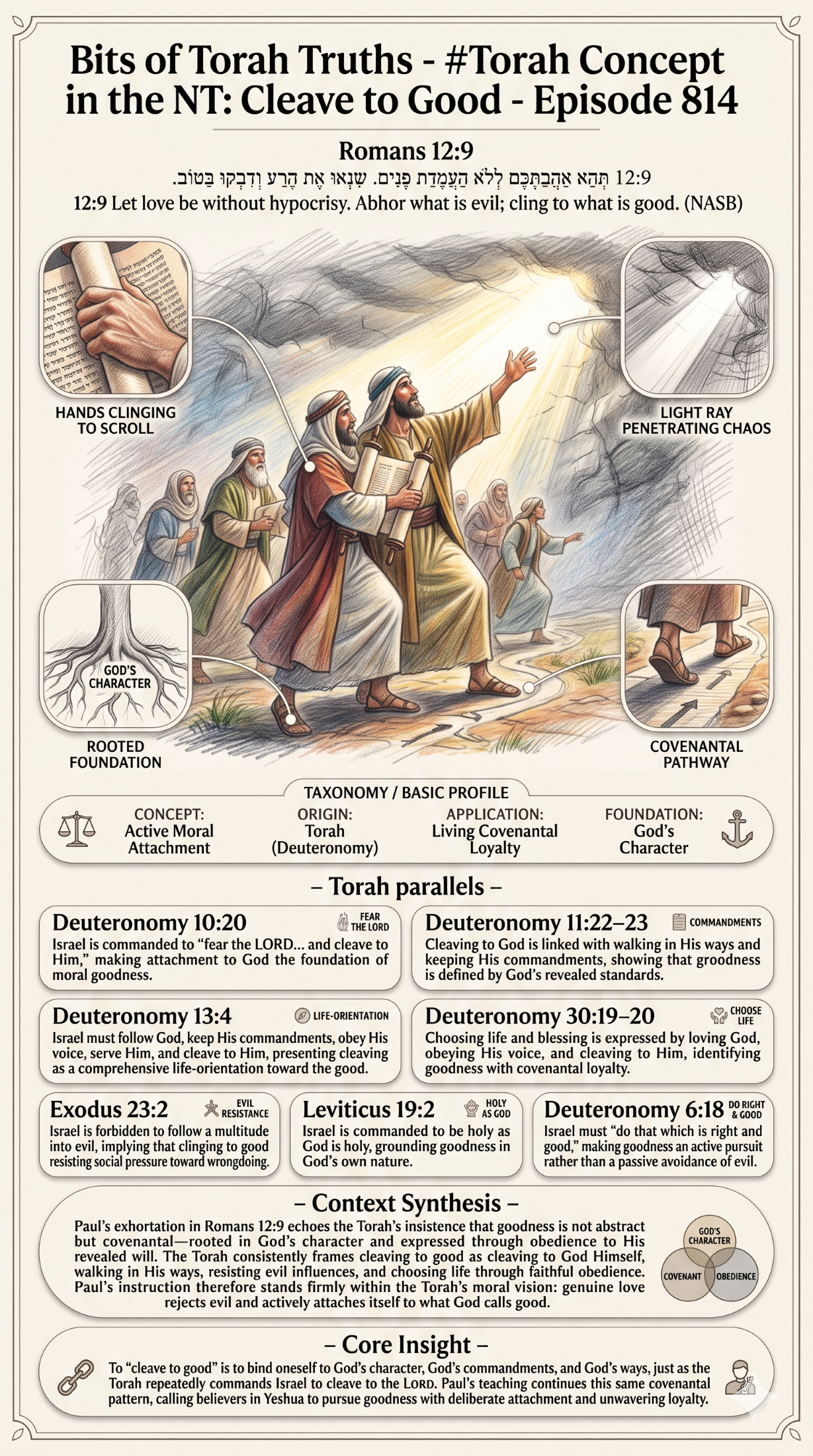
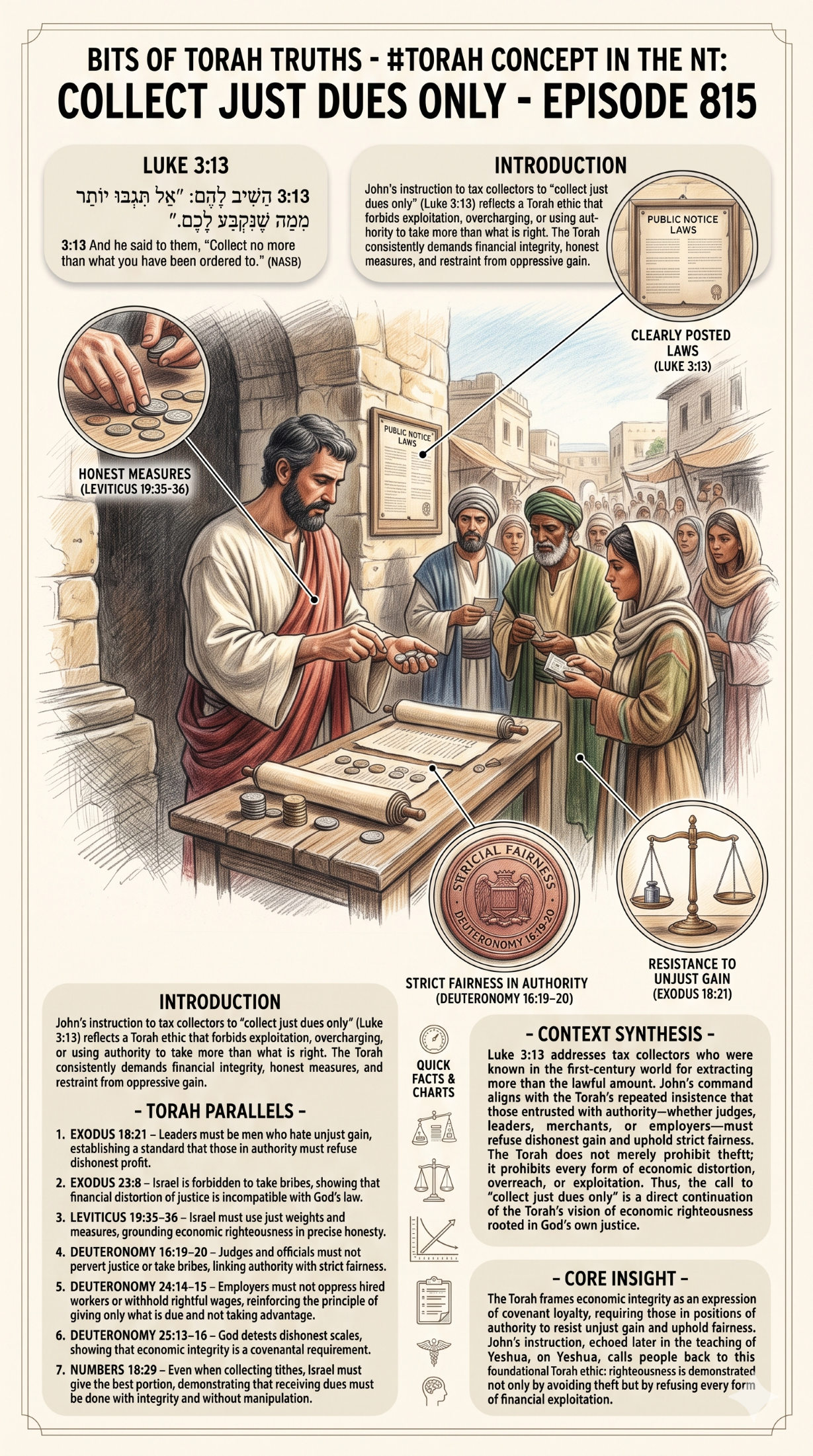
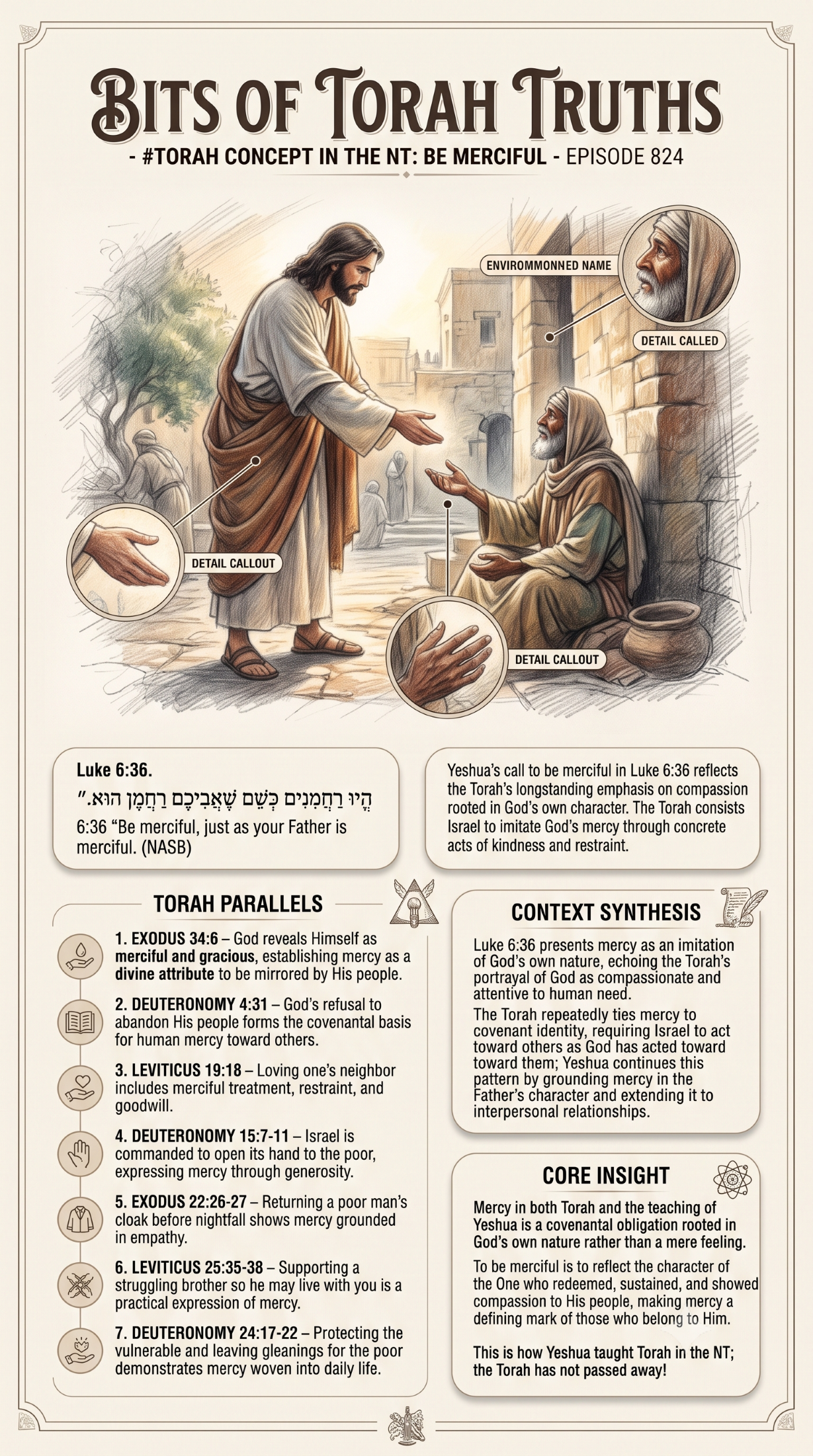
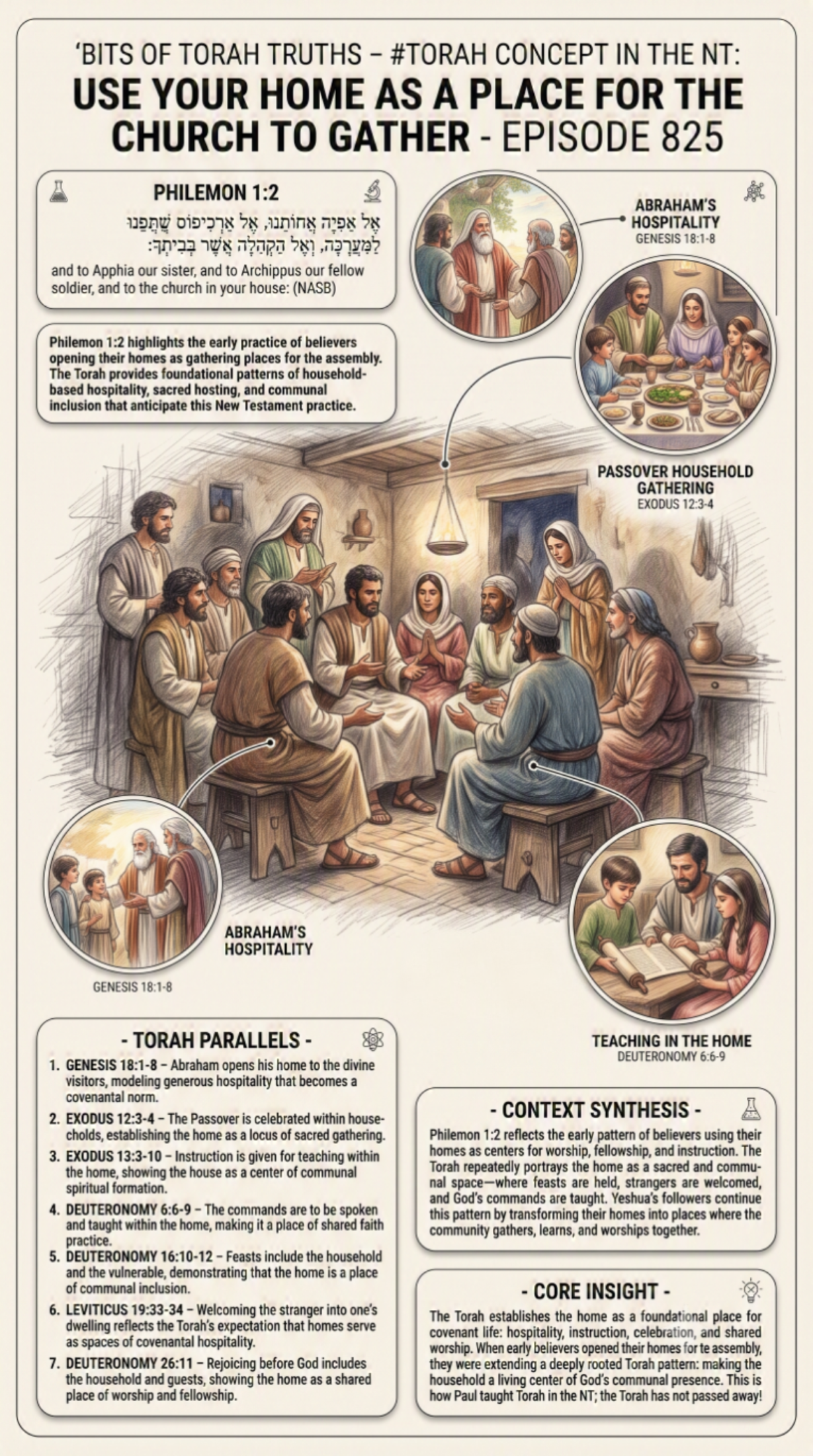
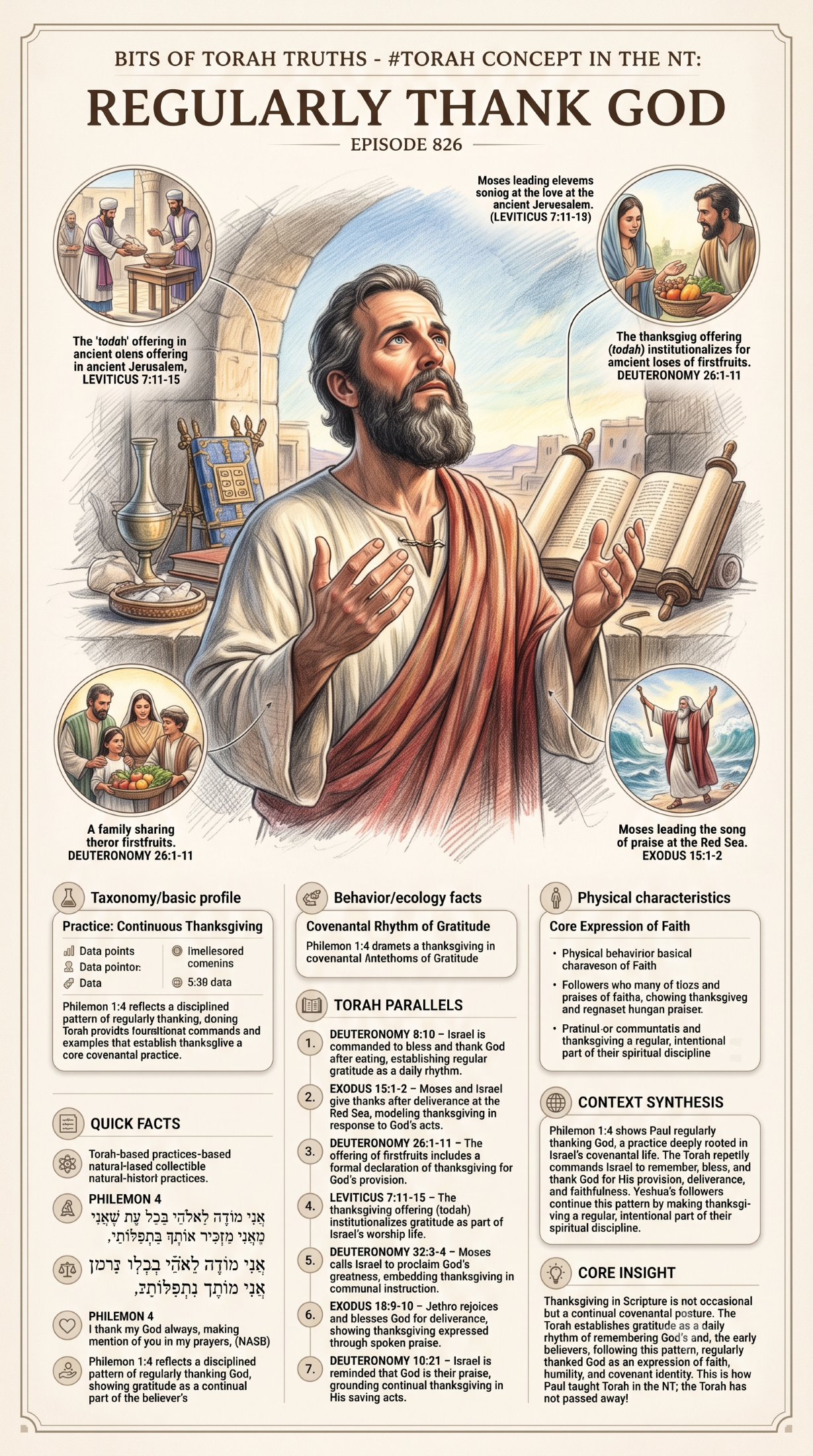
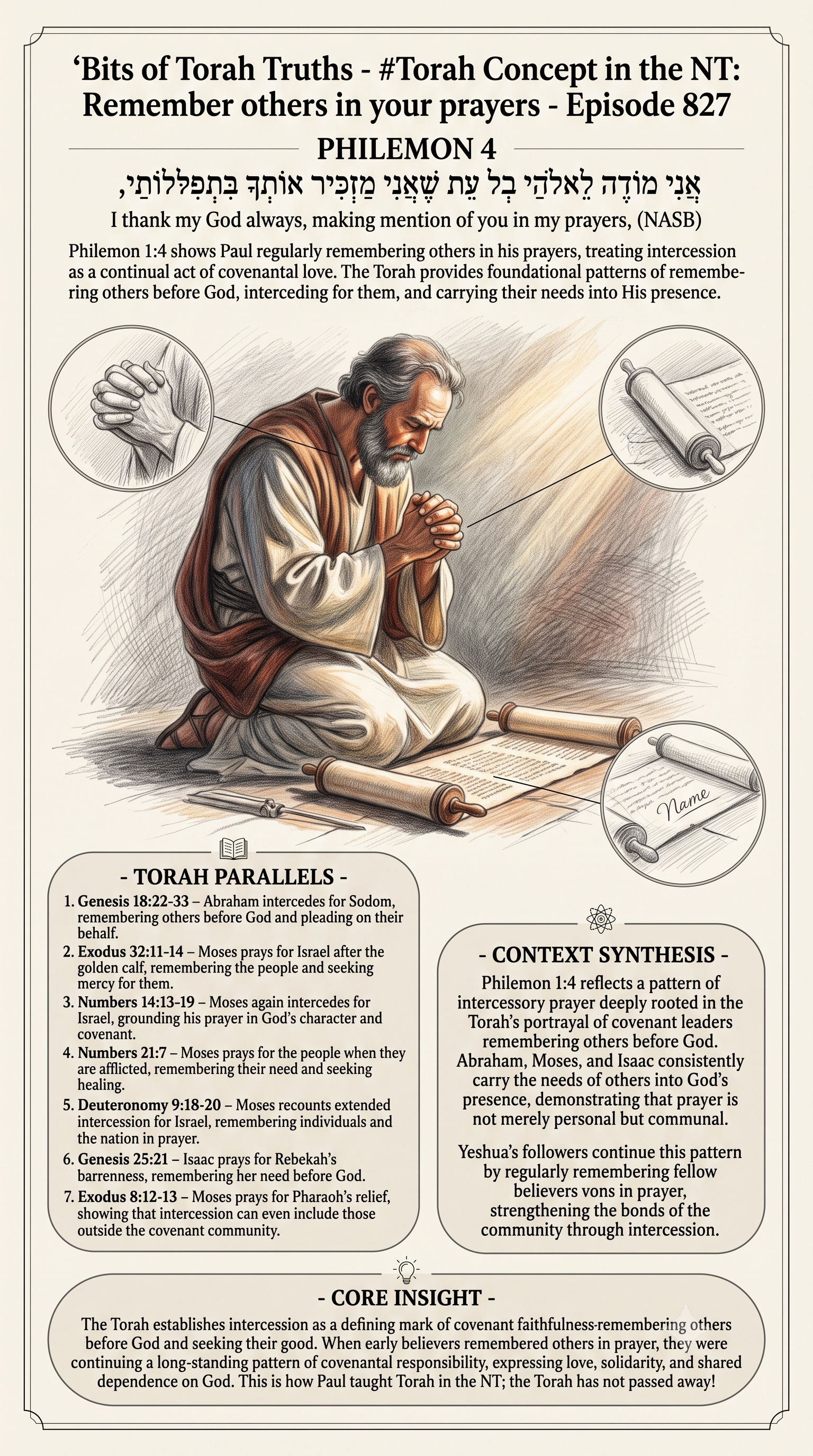
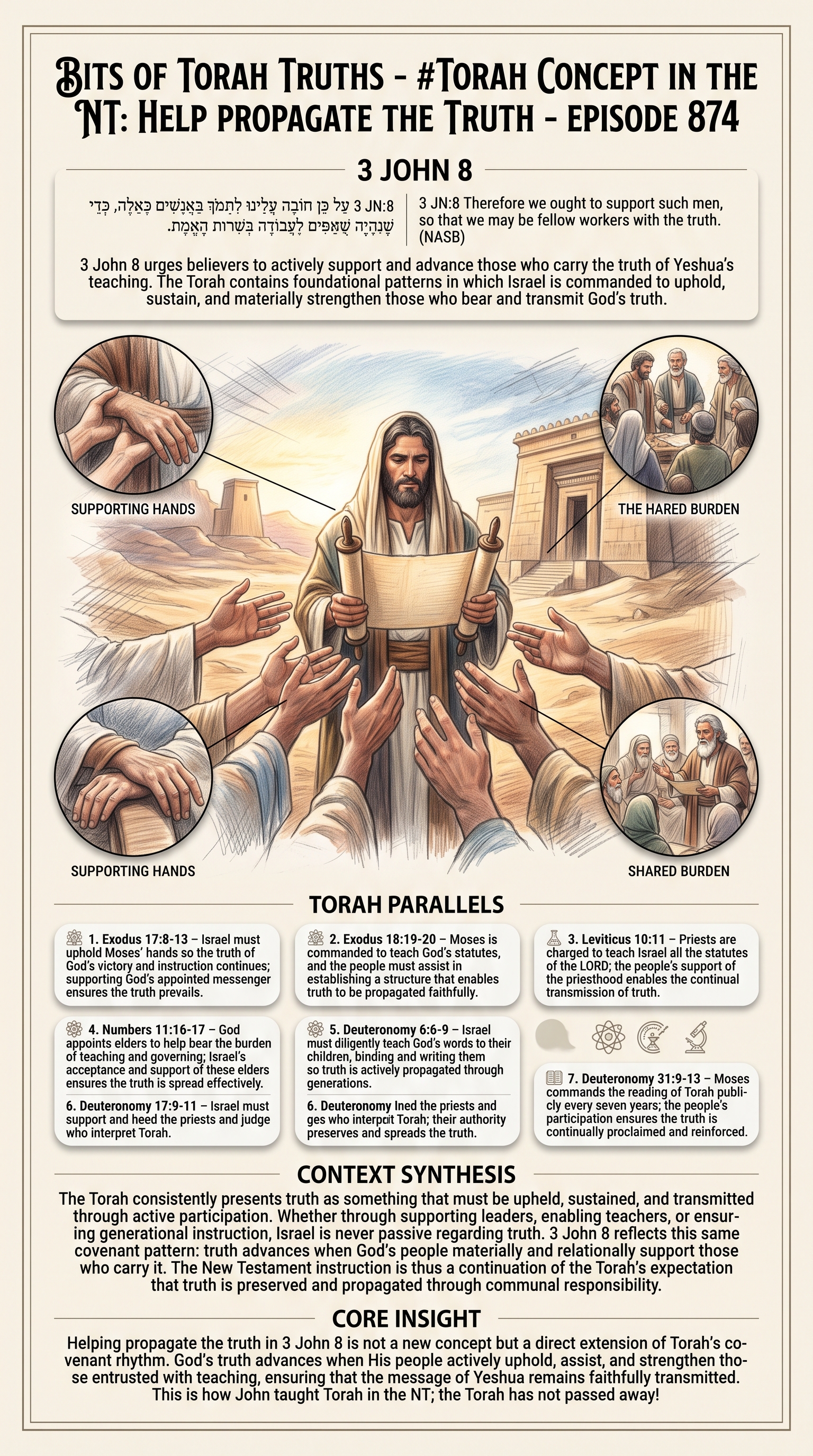
2 Timothy 2:25 instructs God’s servants to correct those in rebellion with meekness, seeking their restoration rather than their defeat. The Torah provides foundational patterns in which leaders confront rebellion gently, patiently, and with a desire to bring offenders back into alignment with God’s ways.
– Torah parallels –
- Exodus 32:9‑14 – Moses intercedes for Israel after their rebellion, responding with meekness and pleading for their restoration rather than destruction.
- Numbers 12:3 – Moses is described as exceedingly meek, establishing meekness as the proper posture for confronting opposition.
- Numbers 14:5‑9 – Moses and Aaron fall on their faces before the congregation, addressing rebellion with humility and appeal rather than harsh retaliation.
- Numbers 16:4‑7 – Moses responds to Korah’s rebellion by turning to God and calmly instructing the rebels on how God will reveal the truth.
- Deuteronomy 9:18‑20 – Moses again intercedes for rebellious Israel, showing that correction is to be paired with humility, patience, and a desire for mercy.
– Context Synthesis –
The Torah consistently portrays meekness as the proper posture for confronting rebellion. Moses, the central covenant leader, repeatedly responds to Israel’s defiance not with personal anger or vindictiveness but with humility, intercession, and patient instruction. His approach seeks restoration rather than humiliation. Paul’s instruction in 2 Timothy 2:25 follows this same covenant pattern: correction must be firm yet gentle, rooted in humility, and aimed at repentance. The New Testament command is therefore a continuation of the Torah’s model of meek leadership.
– Core Insight –
Instructing rebels with meekness is a deeply Torah‑rooted concept. The servant of God confronts error without harshness, relying on humility, patience, and dependence on God to bring repentance. This posture reflects the covenantal pattern embodied by Moses and calls leaders to correct others in a way that mirrors God’s own mercy and faithfulness. This is how Paul taught Torah in the NT; the Torah has not passed away!
Visual Summary of Concepts the Torah in the NT