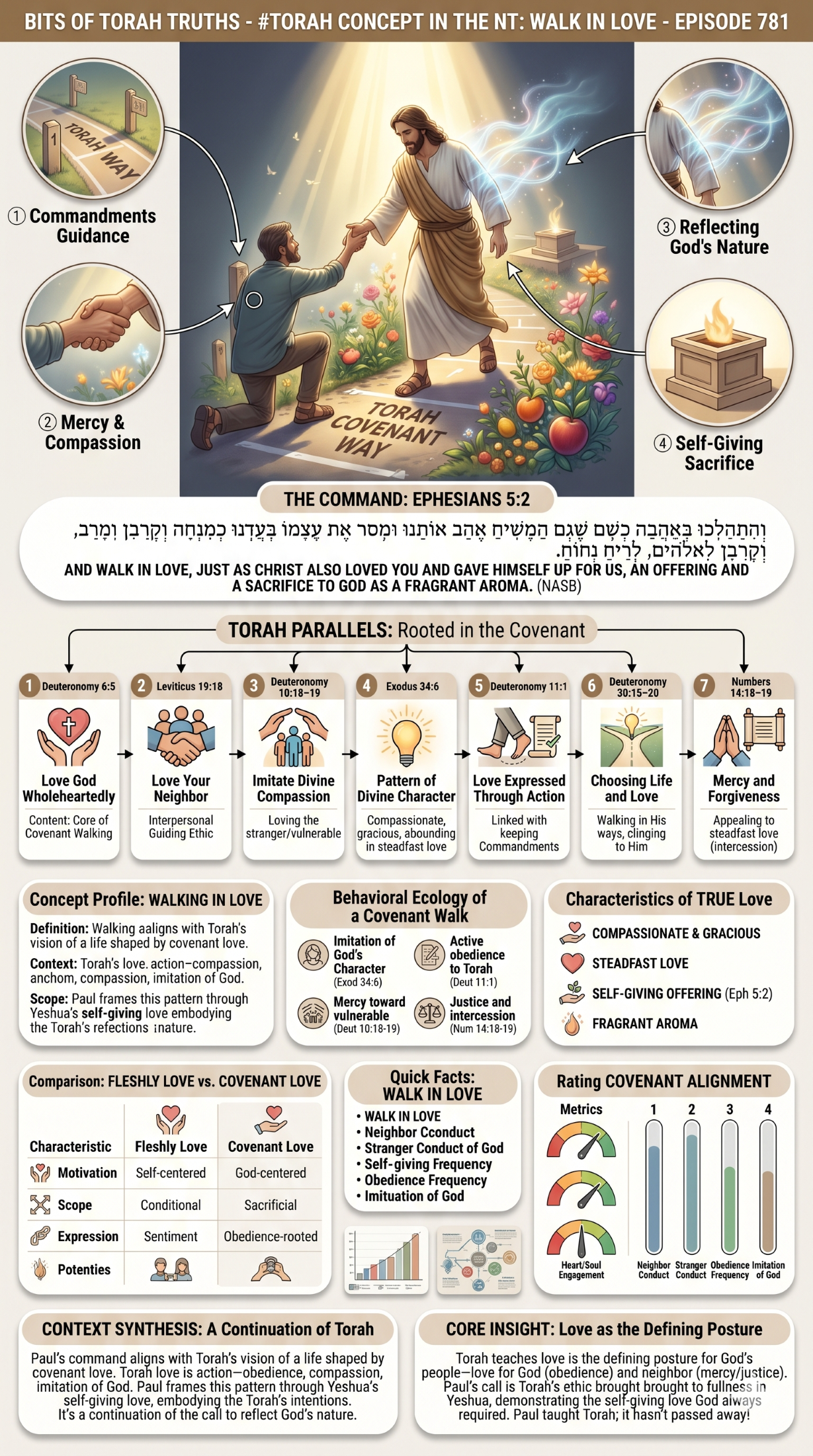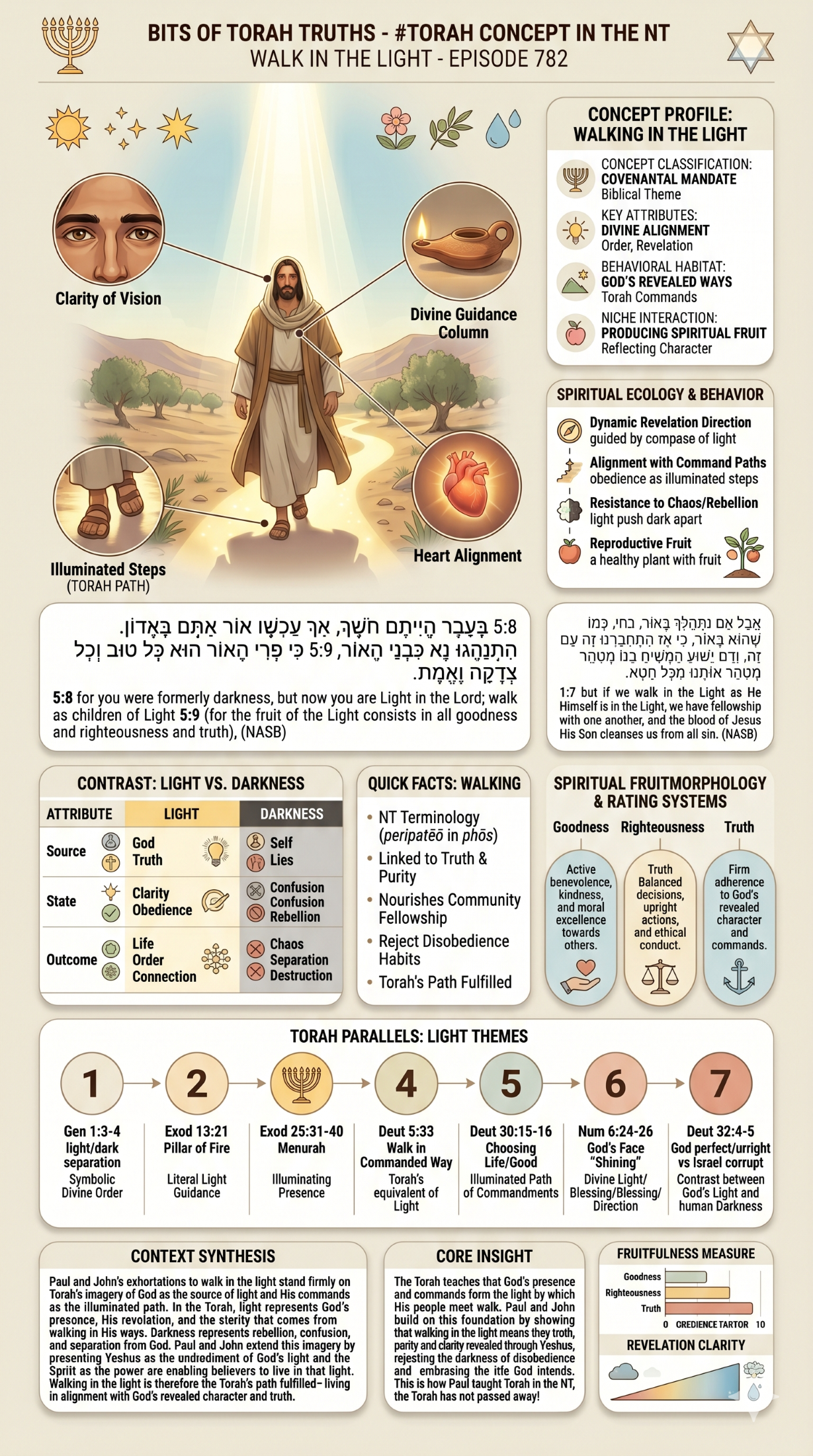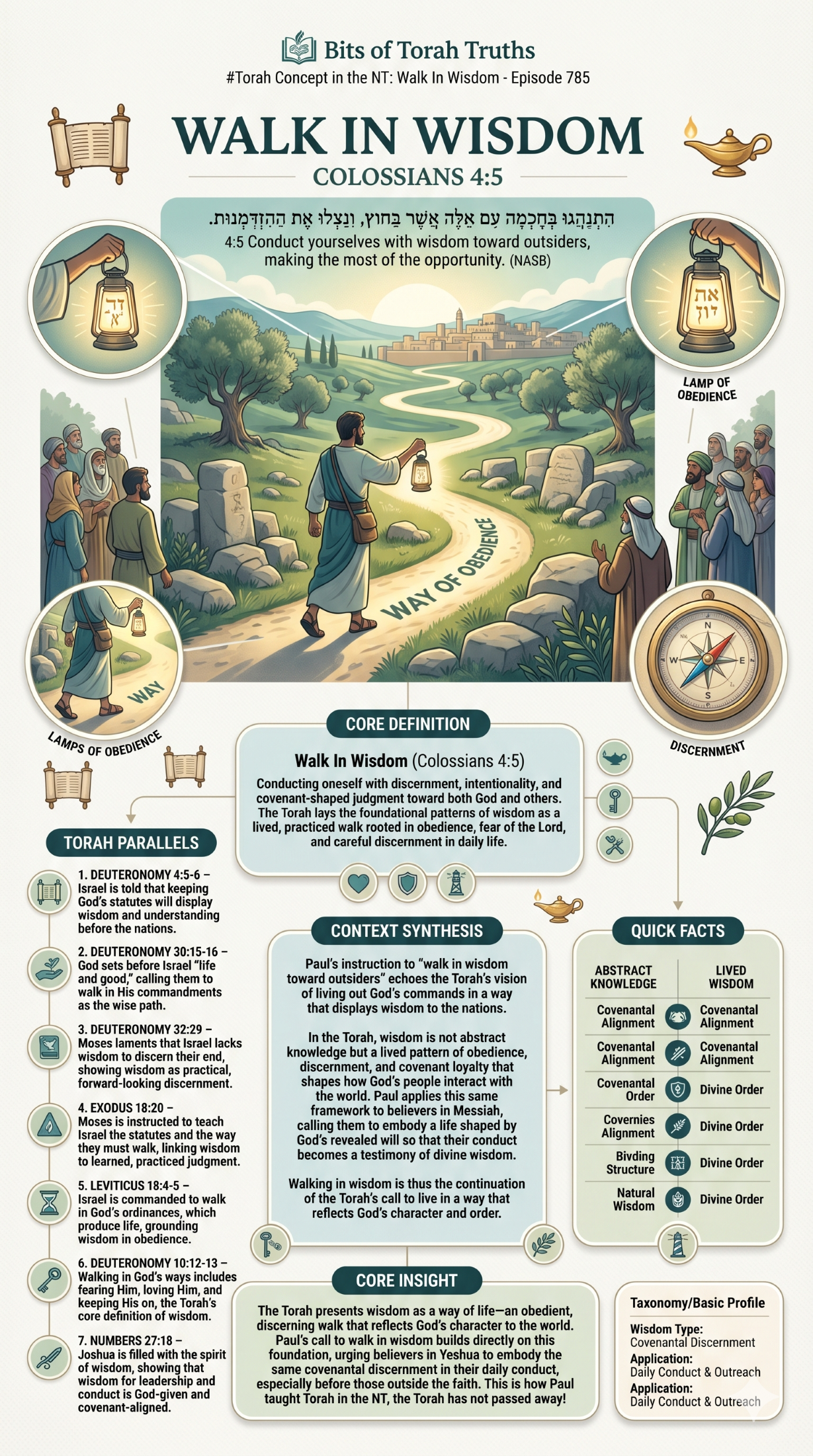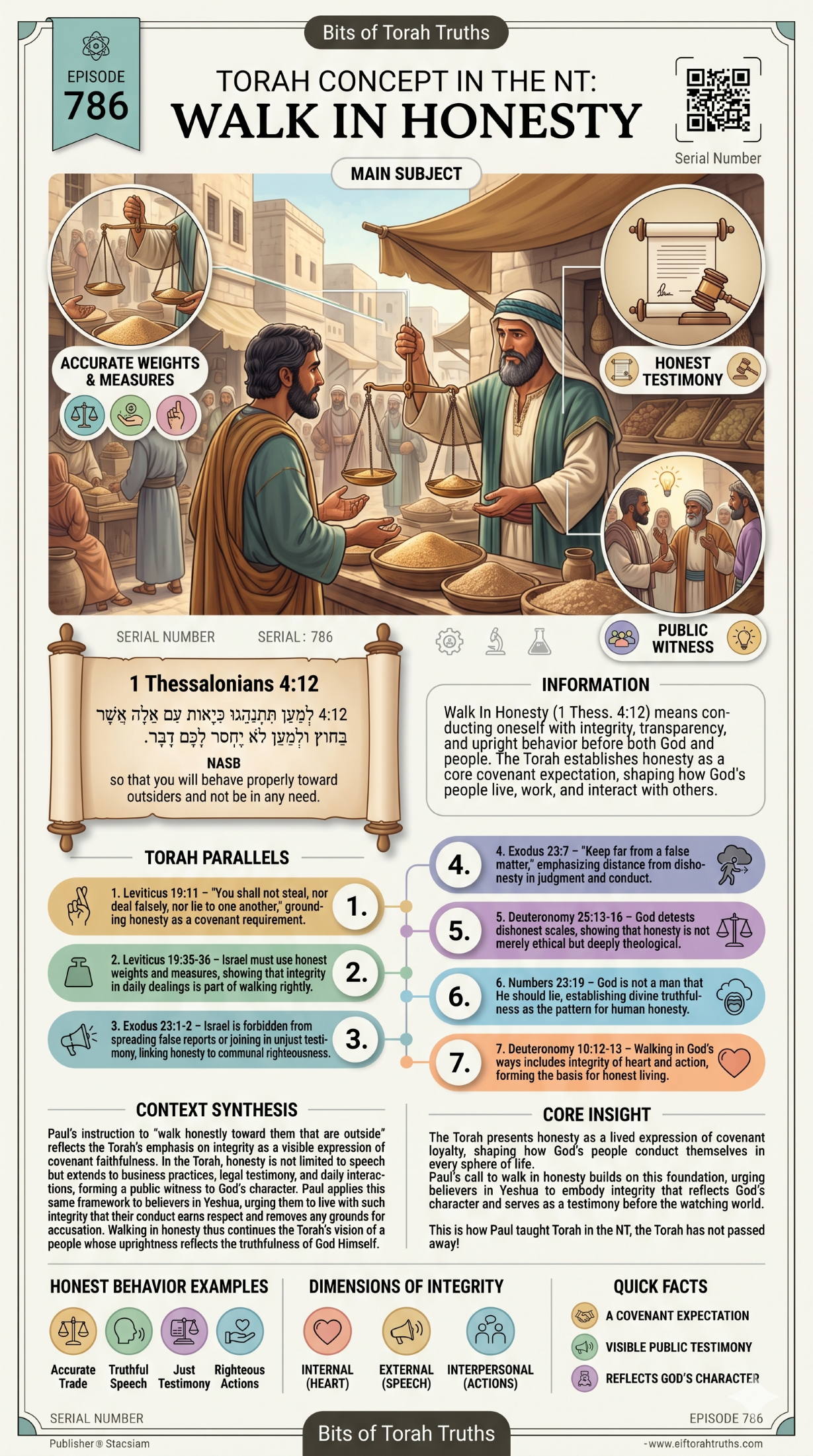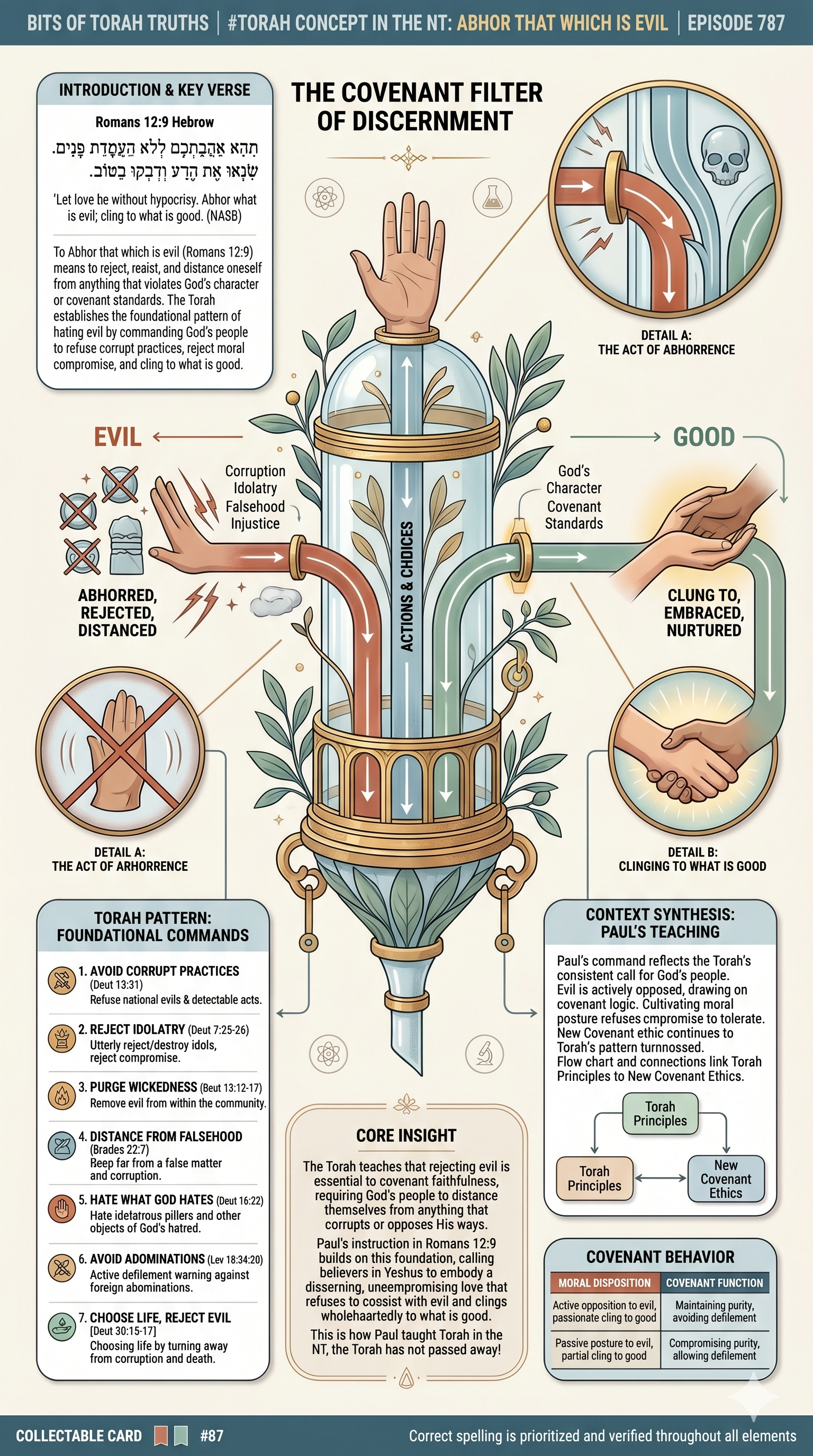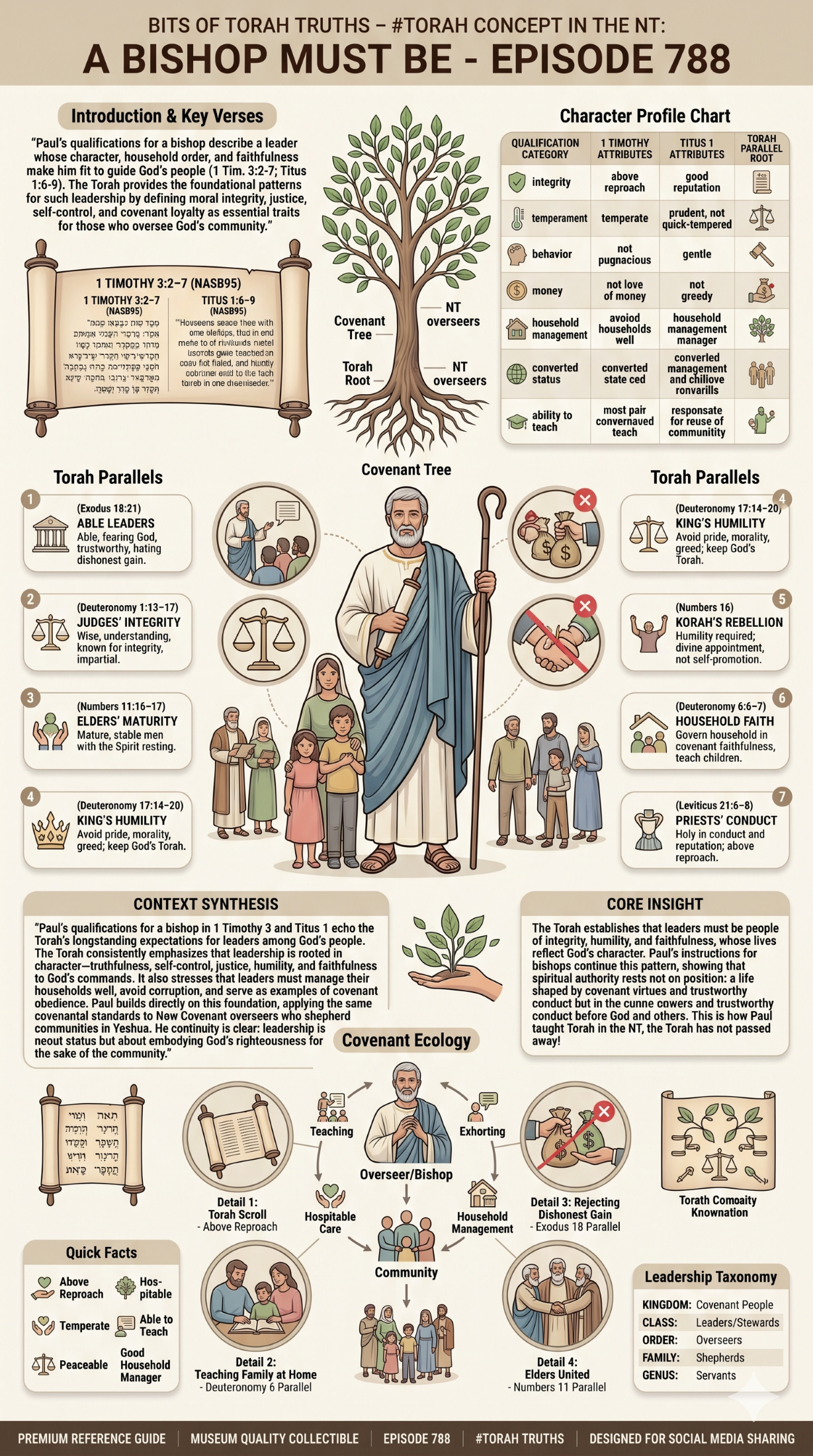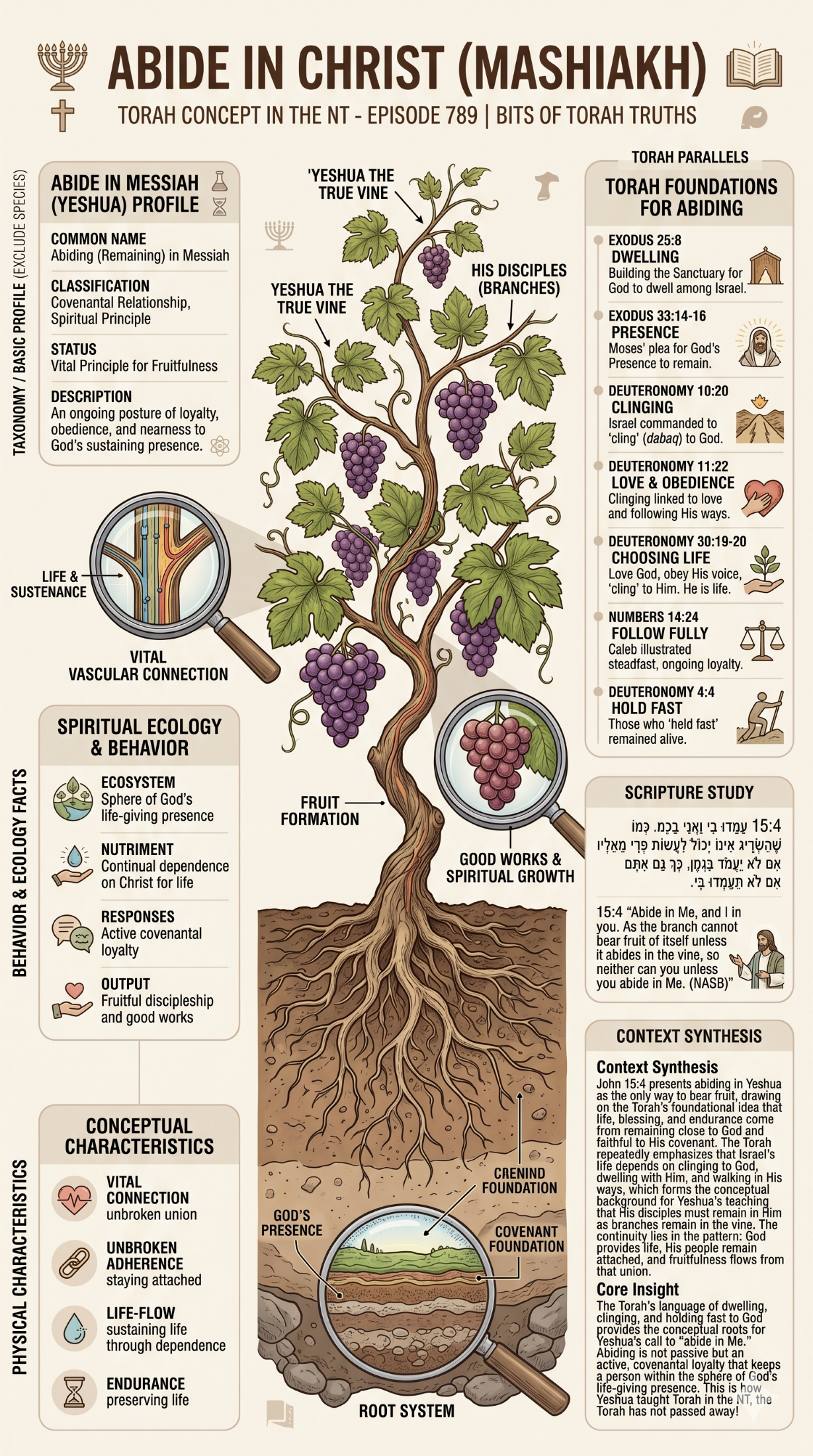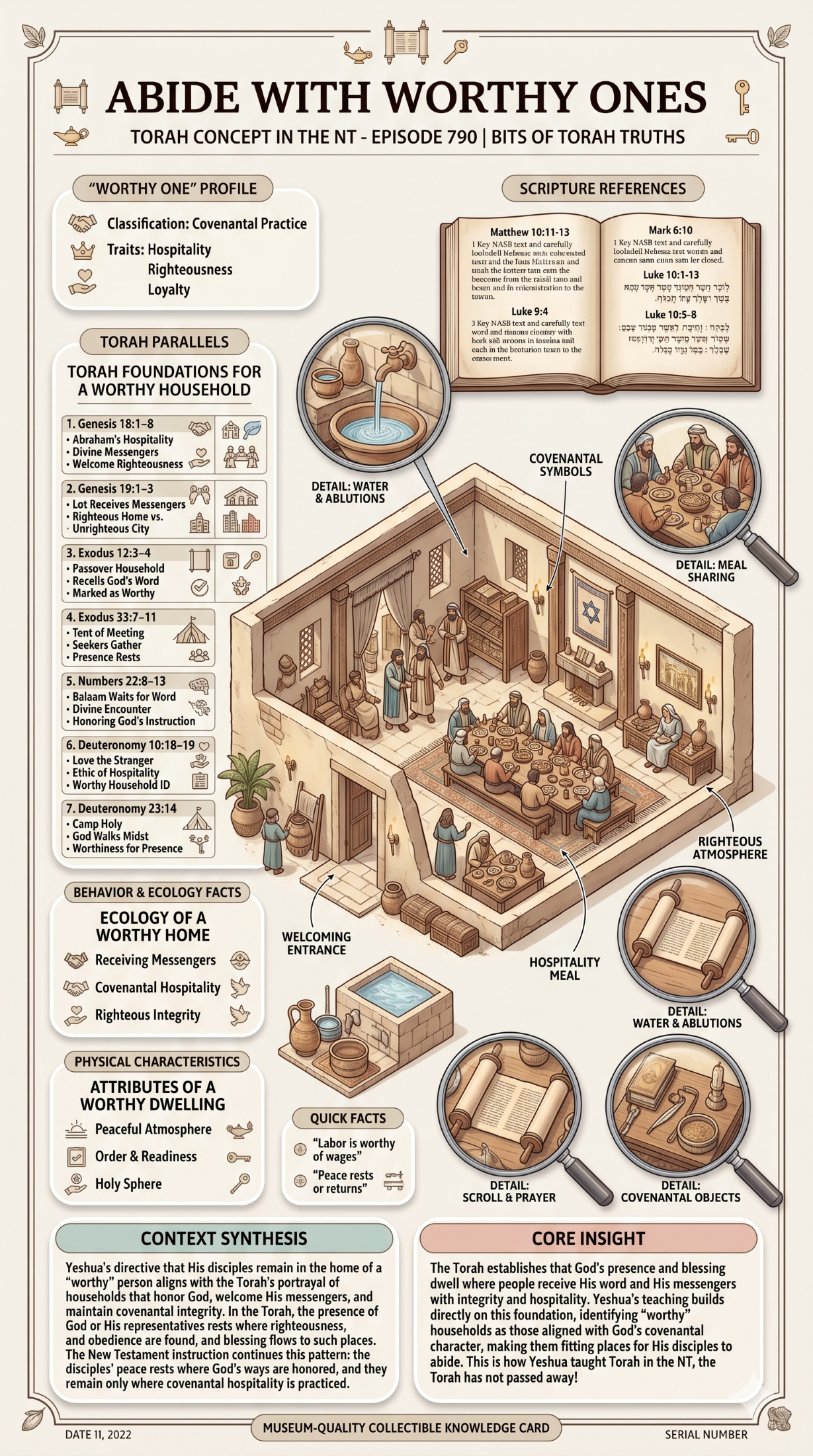
Bits of Torah Truths – #Torah Concept in the NT: Allow no liberty to ensnare you to commit sin – Episode 797
1 Corinthians 10:25–30
10:25 אִכְלוּ כָּל מַה שֶּׁנִּמְכָּר בַּשּׁוּק וְאַל תִּשְׁאֲלוּ שׁוּם שְׁאֵלָה שֶׁל מַצְפּוּן,10:26 כִּי לַיהוה הָאָרֶץ וּמְלוֹאָהּ.10:27 אִם יַזְמִינְכֶם אִישׁ בִּלְתִּי מַאֲמִין וּרְצוֹנְכֶם לָלֶכֶת אֵלָיו, אִכְלוּ כָּל מַה שֶּׁיֻּגַּשׁ לָכֶם וְאַל תִּשְׁאֲלוּ שׁוּם שְׁאֵלָה שֶׁל מַצְפּוּן.10:28 אֲבָל אִם מִישֶׁהוּ יֹאמַר לָכֶם׃ ״זֶה נִזְבַּח לֶאֱלִיל״, אַל תֹּאכְלוּ לְמַעַן הָאִישׁ שֶׁהוֹדִיעַ לָכֶם וּלְמַעַן הַמַּצְפּוּן.10:29 מַצְפּוּן, אֲנִי אוֹמֵר –– לֹא זֶה שֶׁלְּךָ אֶלָּא שֶׁל הָאַחֵר,שֶׁכֵּן לָמָּה שֶׁתִּשָּׁפֵט חֵרוּתִי עַל–יְדֵי מַצְפּוּנוֹ שֶׁל אַחֵר?10:30 אִם אֲנִי מְבָרֵךְ וְאוֹכֵל לָמָּה שֶׁיְּדֻבַּר בִּי רָעוֹת בִּגְלַל מַה שֶּׁאֲנִי מְבָרֵךְ עָלָיו?
#torah#torahwisdom#torahtruth#torahforlife#torah4you#torahtruth
1 Corinthians 10:25–30
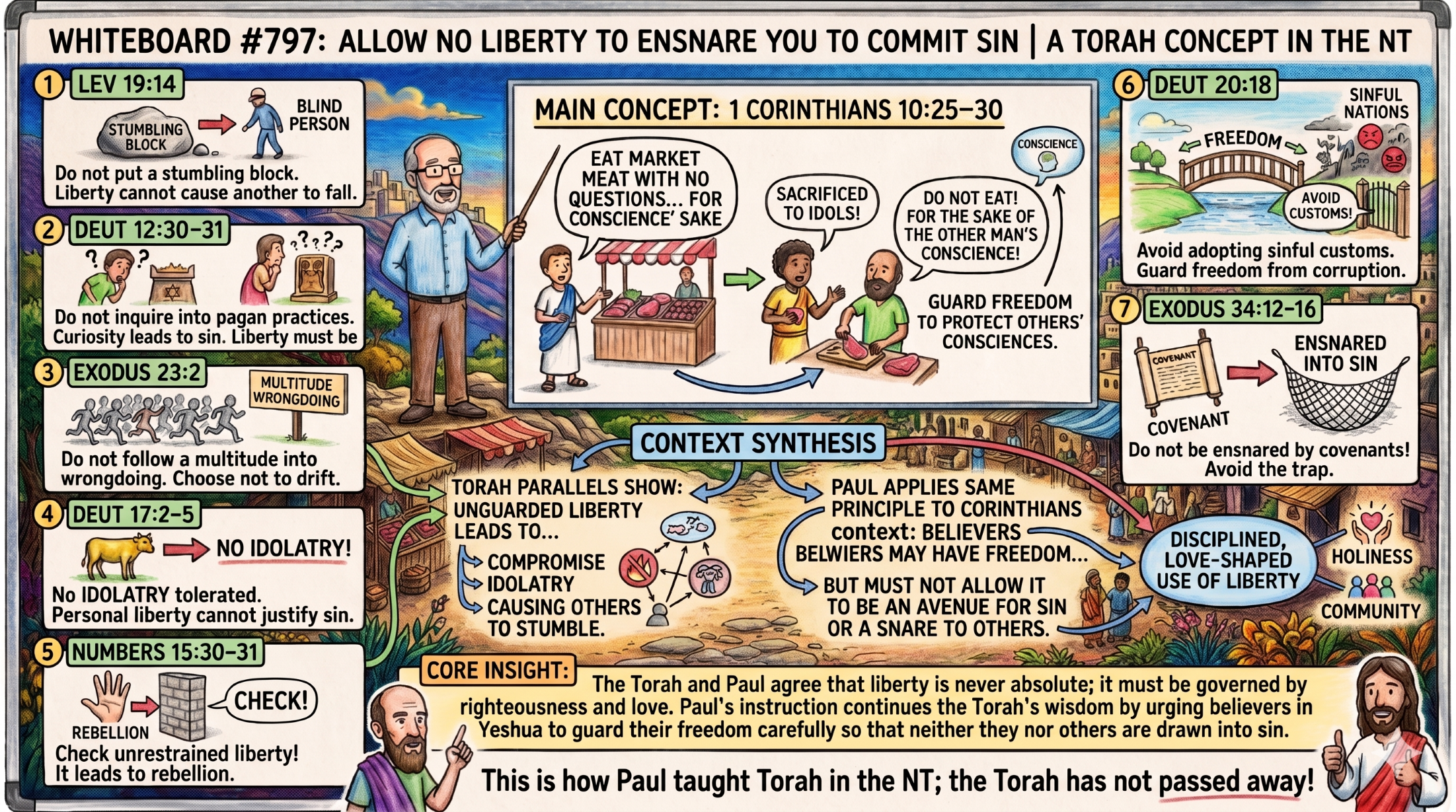
10:25 Eat anything that is sold in the meat market without asking questions for conscience’ sake; 10:26 FOR THE EARTH IS THE LORD’S, AND ALL IT CONTAINS. 10:27 If one of the unbelievers invites you and you want to go, eat anything that is set before you without asking questions for conscience’ sake. 10:28 But if anyone says to you, “This is meat sacrificed to idols,” do not eat it, for the sake of the one who informed you, and for conscience’ sake; 10:29 I mean not your own conscience, but the other man’s; for why is my freedom judged by another’s conscience? 10:30 If I partake with thankfulness, why am I slandered concerning that for which I give thanks? (NASB)
https://www.matsati.com/index.php/category/bits-of-torah-truths/
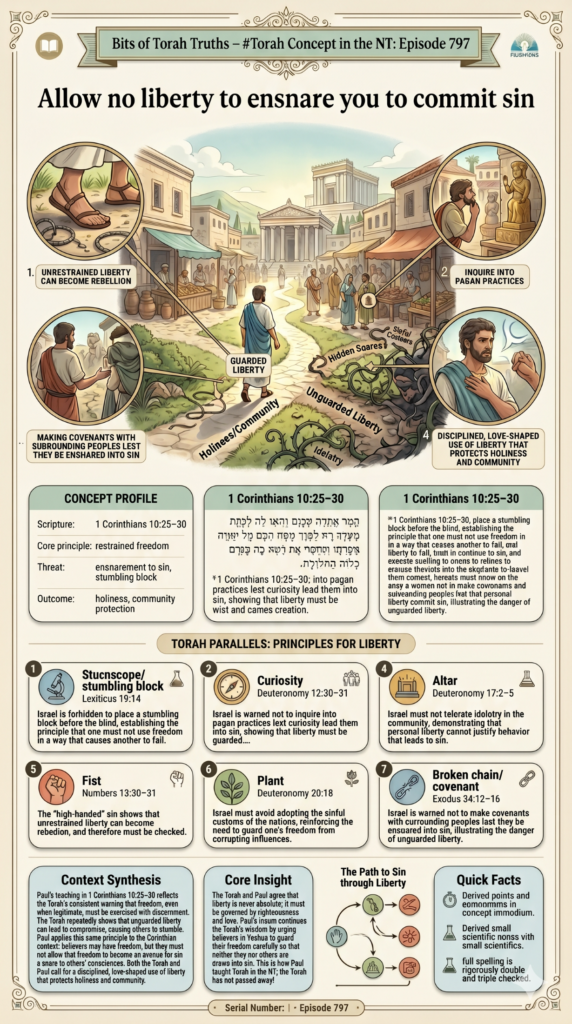
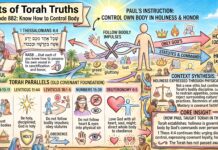
Paul’s instruction in 1 Corinthians 10:25–30 warns believers not to let their freedom become a doorway into sin or a stumbling block to others. The Torah likewise teaches that liberty must be restrained whenever it risks leading oneself or others into disobedience.
– Torah parallels –
- Leviticus 19:14 – Israel is forbidden to place a stumbling block before the blind, establishing the principle that one must not use freedom in a way that causes another to fall.
- Deuteronomy 12:30–31 – Israel is warned not to inquire into pagan practices lest curiosity lead them into sin, showing that liberty must be guarded.
- Exodus 23:2 – The people are commanded not to follow a multitude into wrongdoing, indicating that freedom of choice must not drift toward sin.
- Deuteronomy 17:2–5 – Israel must not tolerate idolatry in the community, demonstrating that personal liberty cannot justify behavior that leads to sin.
- Numbers 15:30–31 – The “high‑handed” sin shows that unrestrained liberty can become rebellion, and therefore must be checked.
- Deuteronomy 20:18 – Israel must avoid adopting the sinful customs of the nations, reinforcing the need to guard one’s freedom from corrupting influences.
- Exodus 34:12–16 – Israel is warned not to make covenants with surrounding peoples lest they be ensnared into sin, illustrating the danger of unguarded liberty.
– Context Synthesis –
Paul’s teaching in 1 Corinthians 10:25–30 reflects the Torah’s consistent warning that freedom, even when legitimate, must be exercised with discernment. The Torah repeatedly shows that unguarded liberty can lead to compromise, idolatry, or causing others to stumble. Paul applies this same principle to the Corinthian context: believers may have freedom, but they must not allow that freedom to become an avenue for sin or a snare to others’ consciences. Both the Torah and Paul call for a disciplined, love‑shaped use of liberty that protects holiness and community.
– Core Insight –
The Torah and Paul agree that liberty is never absolute; it must be governed by righteousness and love. Paul’s instruction continues the Torah’s wisdom by urging believers in Yeshua to guard their freedom carefully so that neither they nor others are drawn into sin. This is how Paul taught Torah in the NT; the Torah has not passed away!
Visual Summary of Concepts the Torah in the NT