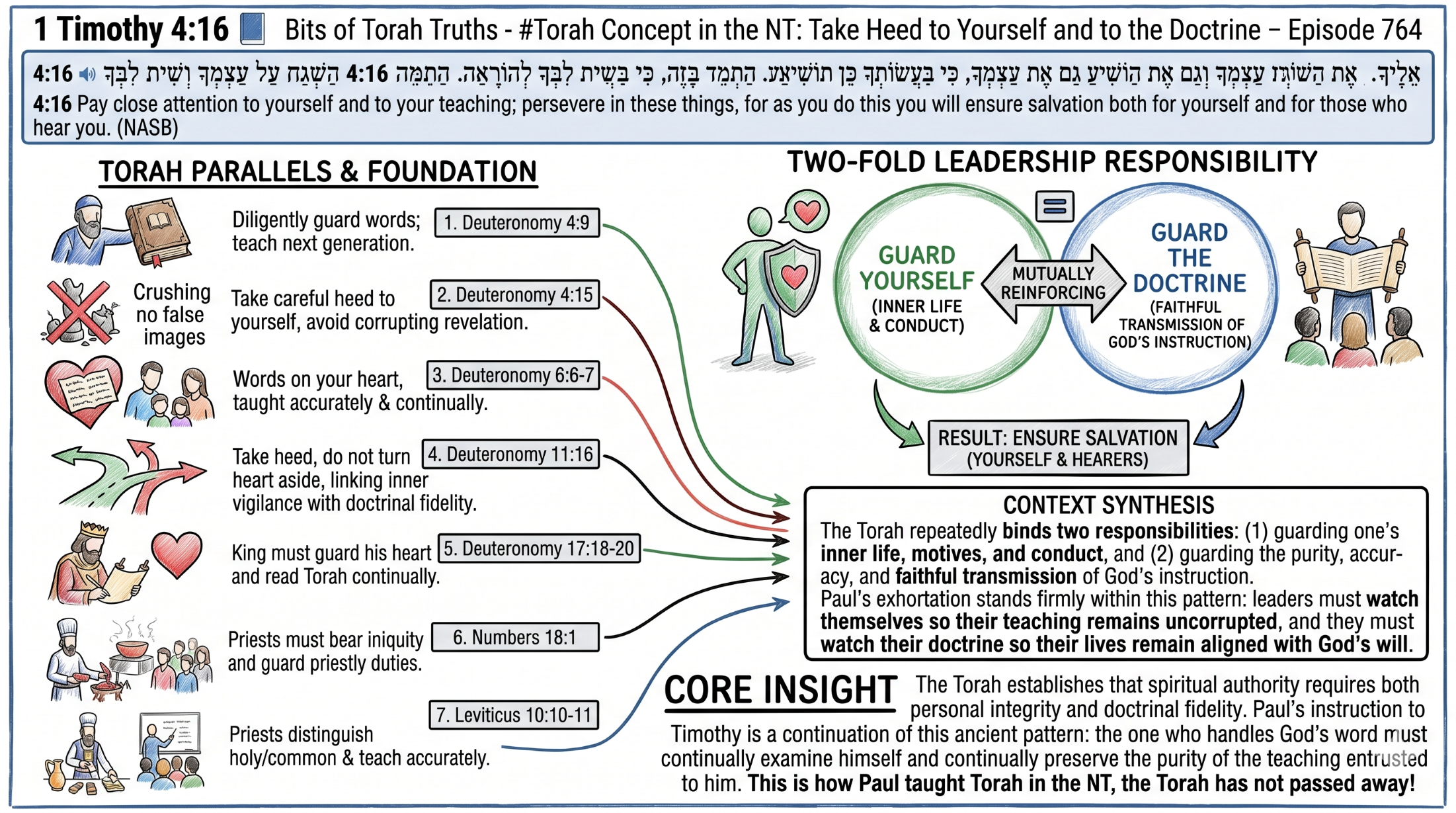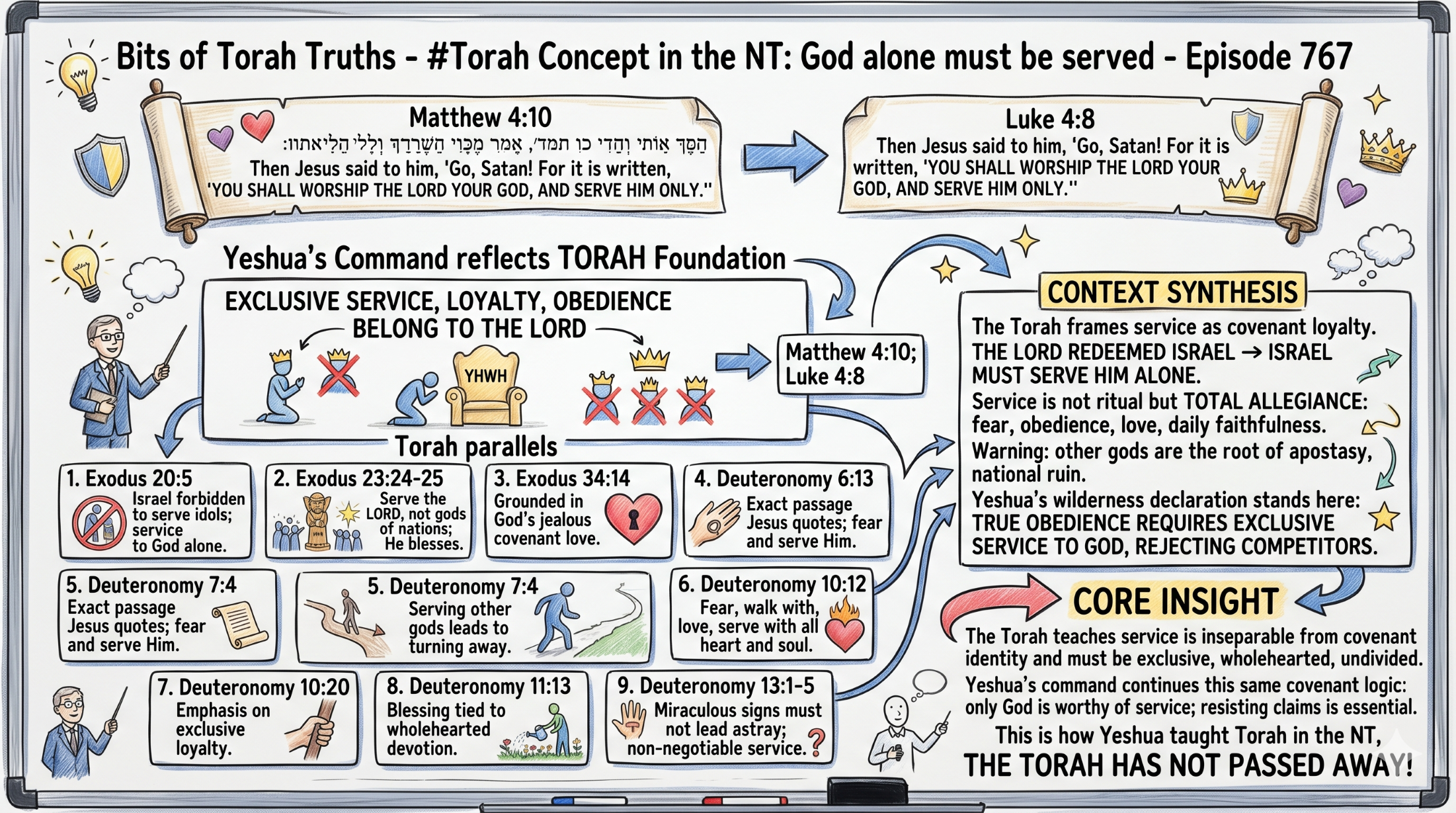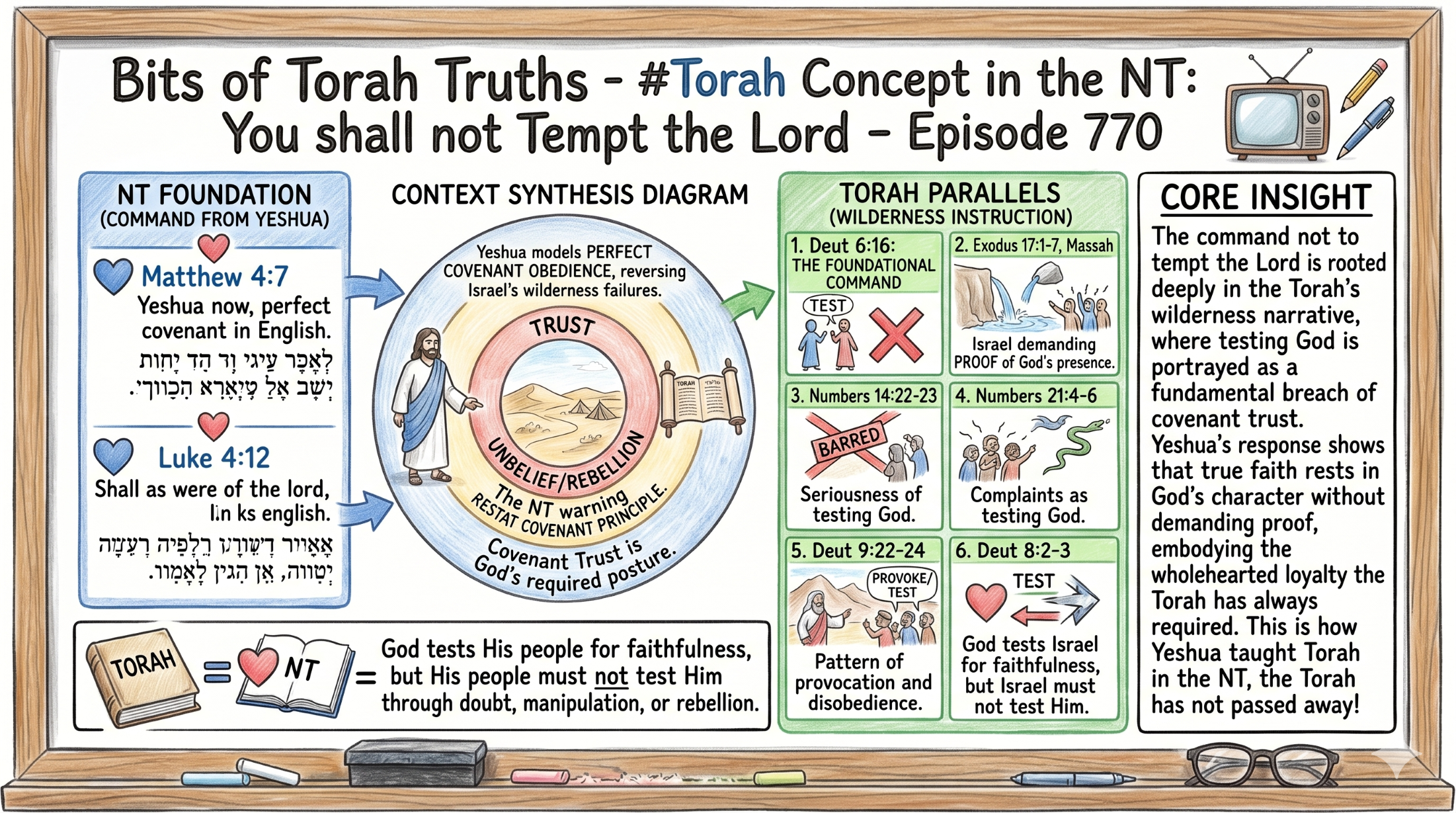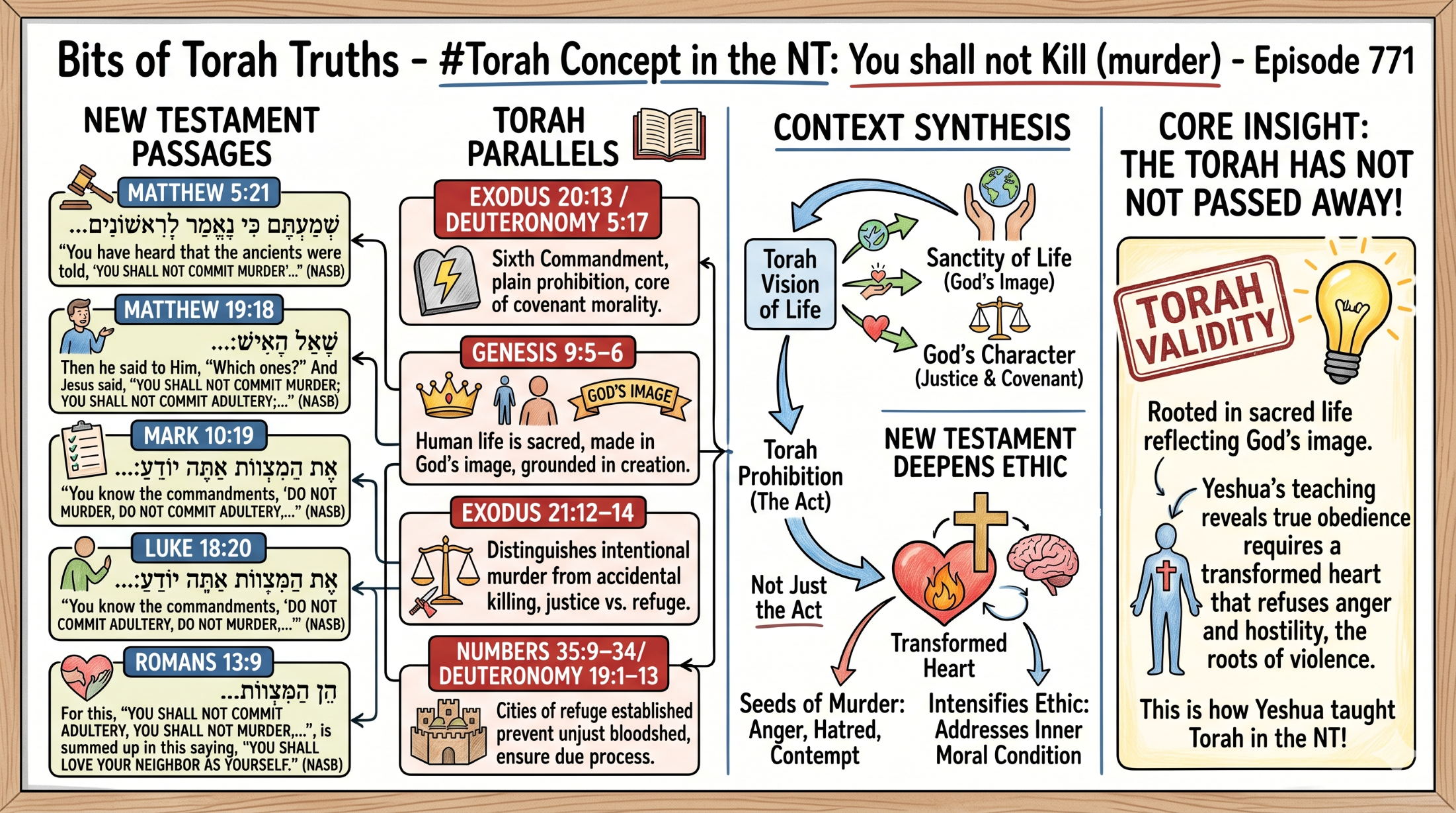
Bits of Torah Truths – #Torah Concept in the NT: Agree with your adversary – Episode 796
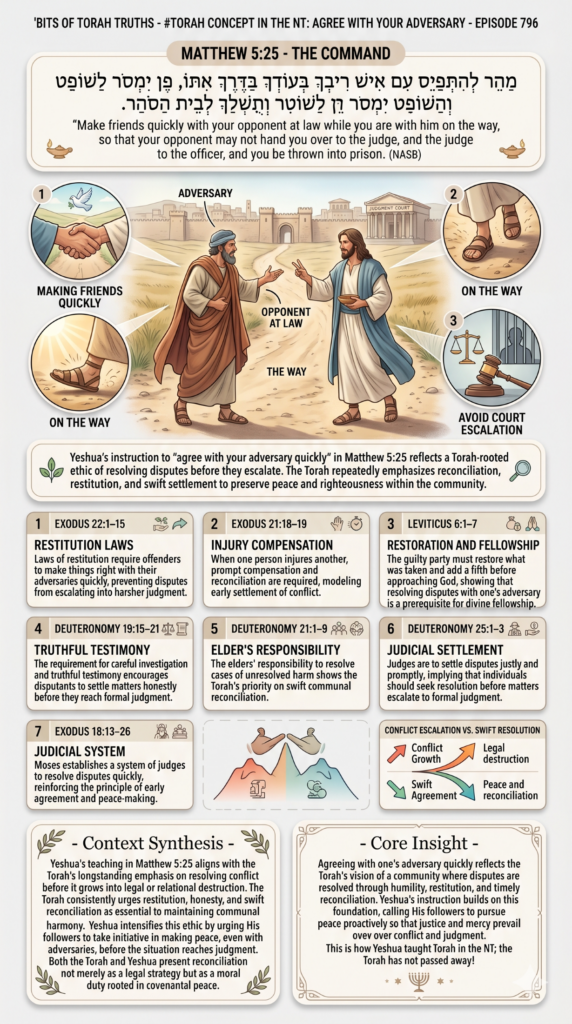
Matthew 5:25
מַהֵר לְהִתְפַּיֵּס עִם אִישׁ רִיבְךָ בְּעוֹדְךָ בַּדֶּרֶךְ אִתּוֹ, פֶּן יִמְסֹר אוֹתְךָ לַשּׁוֹפֵט וְהַשּׁוֹפֵט יִמְסֹר אוֹתְךָ לַשּׁוֹטֵר וְתֻשְׁלַךְ לְבֵית הַסֹּהַר.
#torah #torahwisdom #torahtruth #torahforlife #torah4you #torahtruth
Matthew 5:25
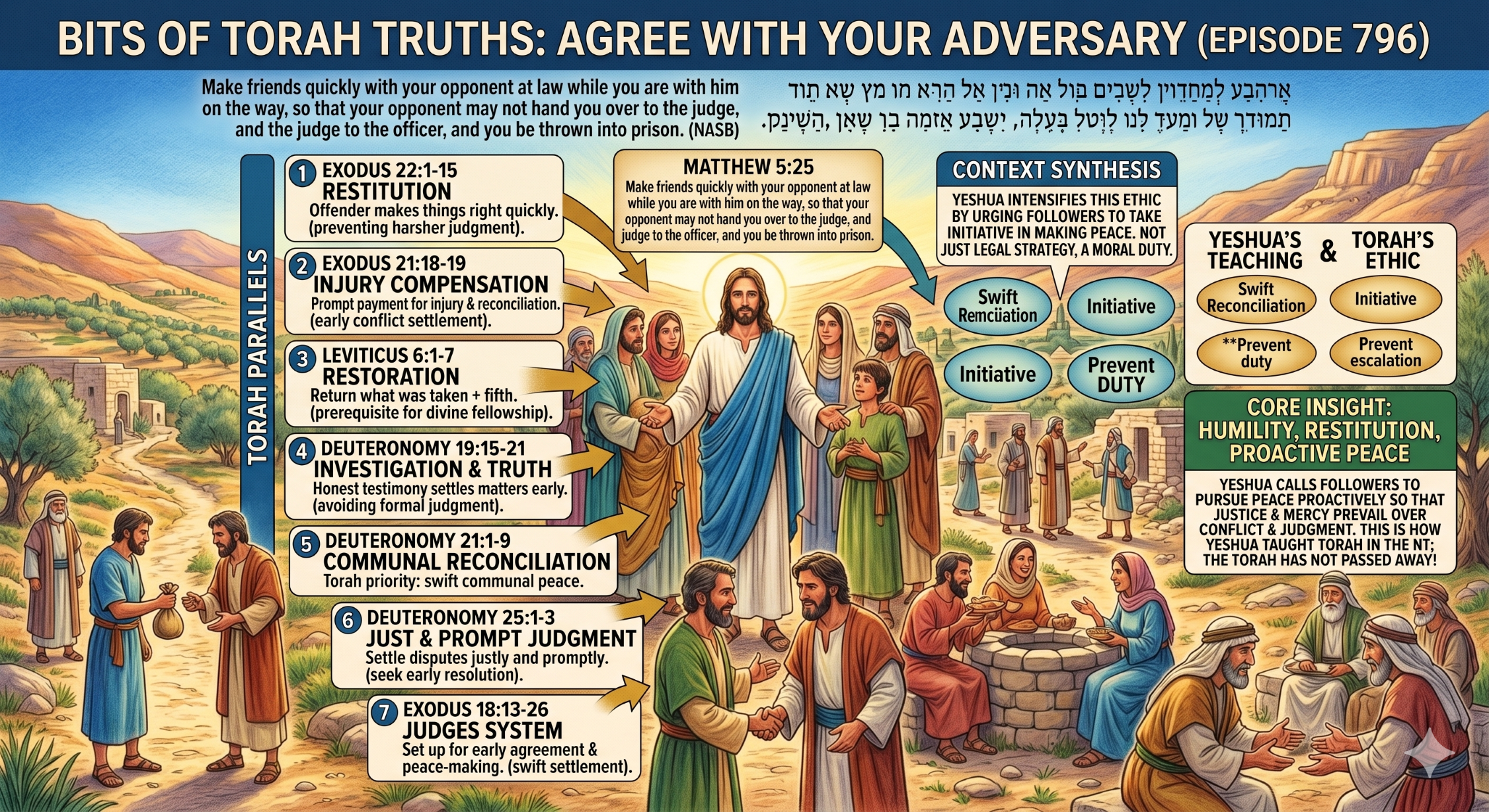
5:25 “Make friends quickly with your opponent at law while you are with him on the way, so that your opponent may not hand you over to the judge, and the judge to the officer, and you be thrown into prison. (NASB)
https://www.matsati.com/index.php/category/bits-of-torah-truths/
Yeshua’s instruction to “agree with your adversary quickly” in Matthew 5:25 reflects a Torah‑rooted ethic of resolving disputes before they escalate. The Torah repeatedly emphasizes reconciliation, restitution, and swift settlement to preserve peace and righteousness within the community.
– Torah parallels –
- Exodus 22:1–15 – Laws of restitution require offenders to make things right with their adversaries quickly, preventing disputes from escalating into harsher judgment.
- Exodus 21:18–19 – When one person injures another, prompt compensation and reconciliation are required, modeling early settlement of conflict.
- Leviticus 6:1–7 – The guilty party must restore what was taken and add a fifth before approaching God, showing that resolving disputes with one’s adversary is a prerequisite for divine fellowship.
- Deuteronomy 19:15–21 – The requirement for careful investigation and truthful testimony encourages disputants to settle matters honestly before they reach formal judgment.
- Deuteronomy 21:1–9 – The elders’ responsibility to resolve cases of unresolved harm shows the Torah’s priority on swift communal reconciliation.
- Deuteronomy 25:1–3 – Judges are to settle disputes justly and promptly, implying that individuals should seek resolution before matters escalate to formal judgment.
- Exodus 18:13–26 – Moses establishes a system of judges to resolve disputes quickly, reinforcing the principle of early agreement and peace‑making.
– Context Synthesis –
Yeshua’s teaching in Matthew 5:25 aligns with the Torah’s longstanding emphasis on resolving conflict before it grows into legal or relational destruction. The Torah consistently urges restitution, honesty, and swift reconciliation as essential to maintaining communal harmony. Yeshua intensifies this ethic by urging His followers to take initiative in making peace, even with adversaries, before the situation reaches judgment. Both the Torah and Yeshua present reconciliation not merely as a legal strategy but as a moral duty rooted in covenantal peace.
– Core Insight –
Agreeing with one’s adversary quickly reflects the Torah’s vision of a community where disputes are resolved through humility, restitution, and timely reconciliation. Yeshua’s instruction builds on this foundation, calling His followers to pursue peace proactively so that justice and mercy prevail over conflict and judgment. This is how Yeshua taught Torah in the NT; the Torah has not passed away!
Visual Summary of Concepts the Torah in the NT