Bits of Torah Truths – #Torah Concept in the NT: Allow no lust of evil in the body – Episode 798
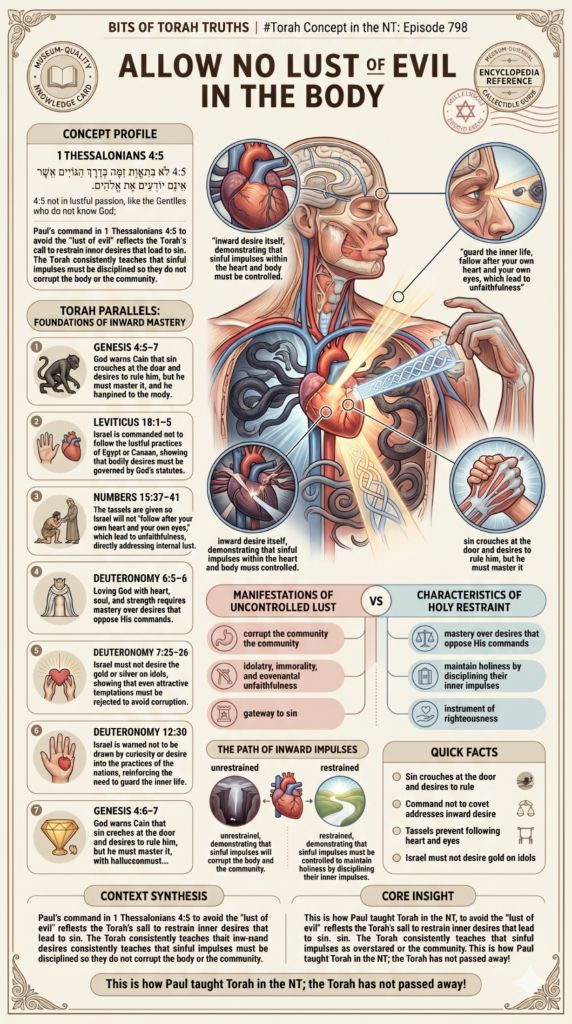
1 Thessalonians 4:5
לֹא בְּתַאֲוַת זִמָּה כְּדֶרֶךְ הַגּוֹיִים אֲשֶׁר אֵינָם יוֹדְעִים אֶת אֱלֹהִים.
#torah #torahwisdom #torahtruth #torahforlife #torah4you #torahtruth
1 Thessalonians 4:5
4:5 not in lustful passion, like the Gentiles who do not know God; (NASB)
https://www.matsati.com/index.php/category/bits-of-torah-truths/
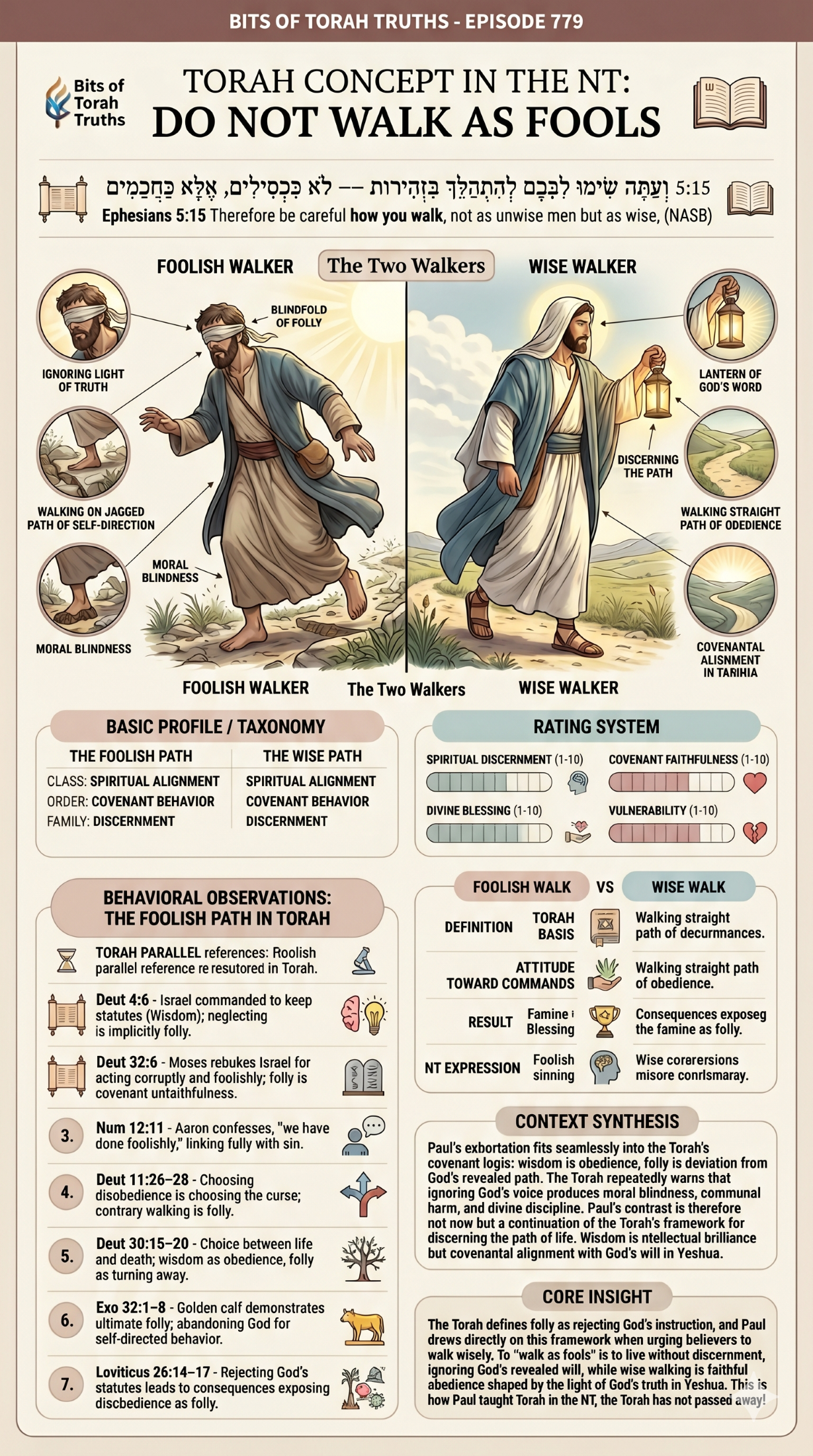
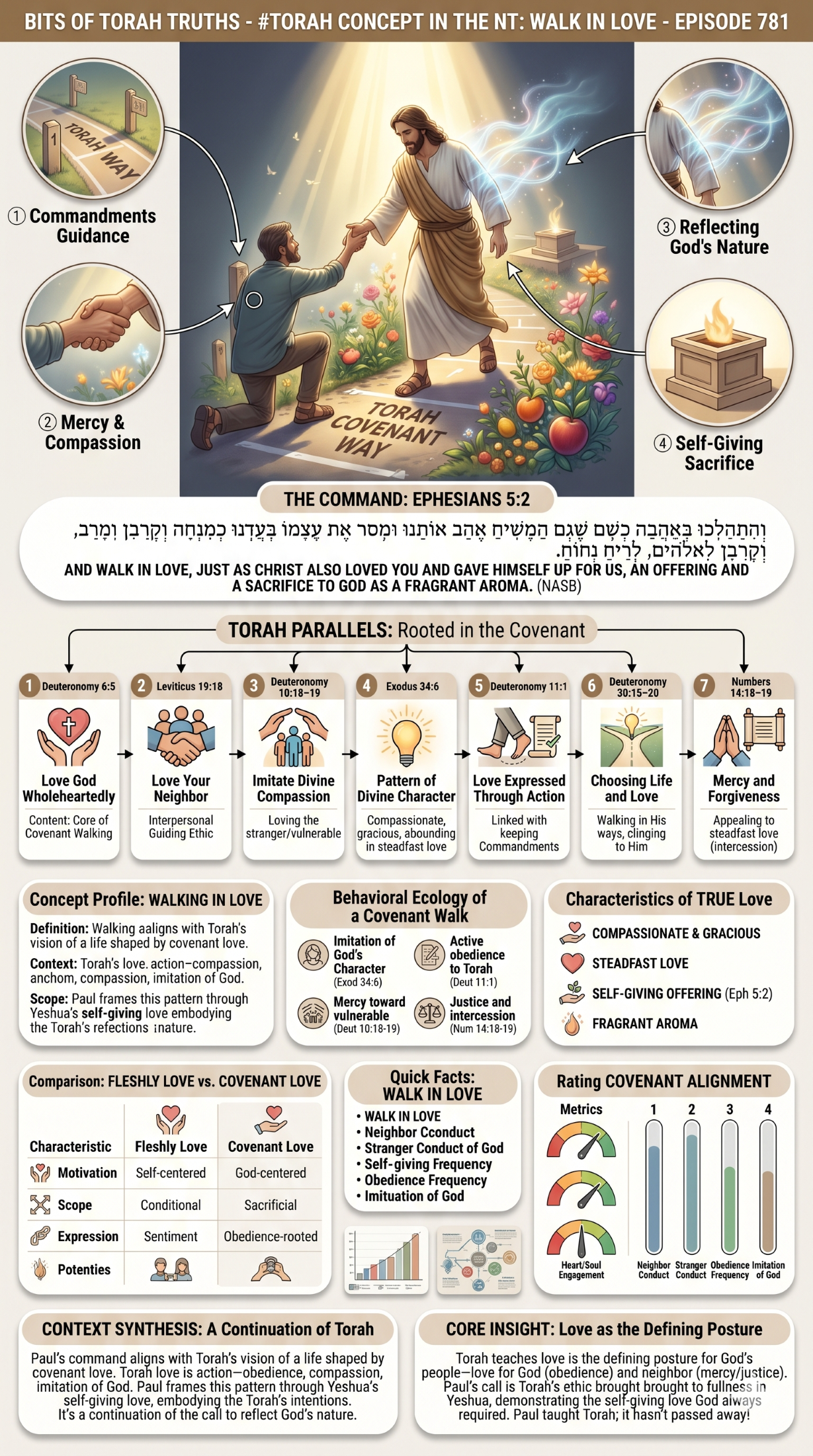
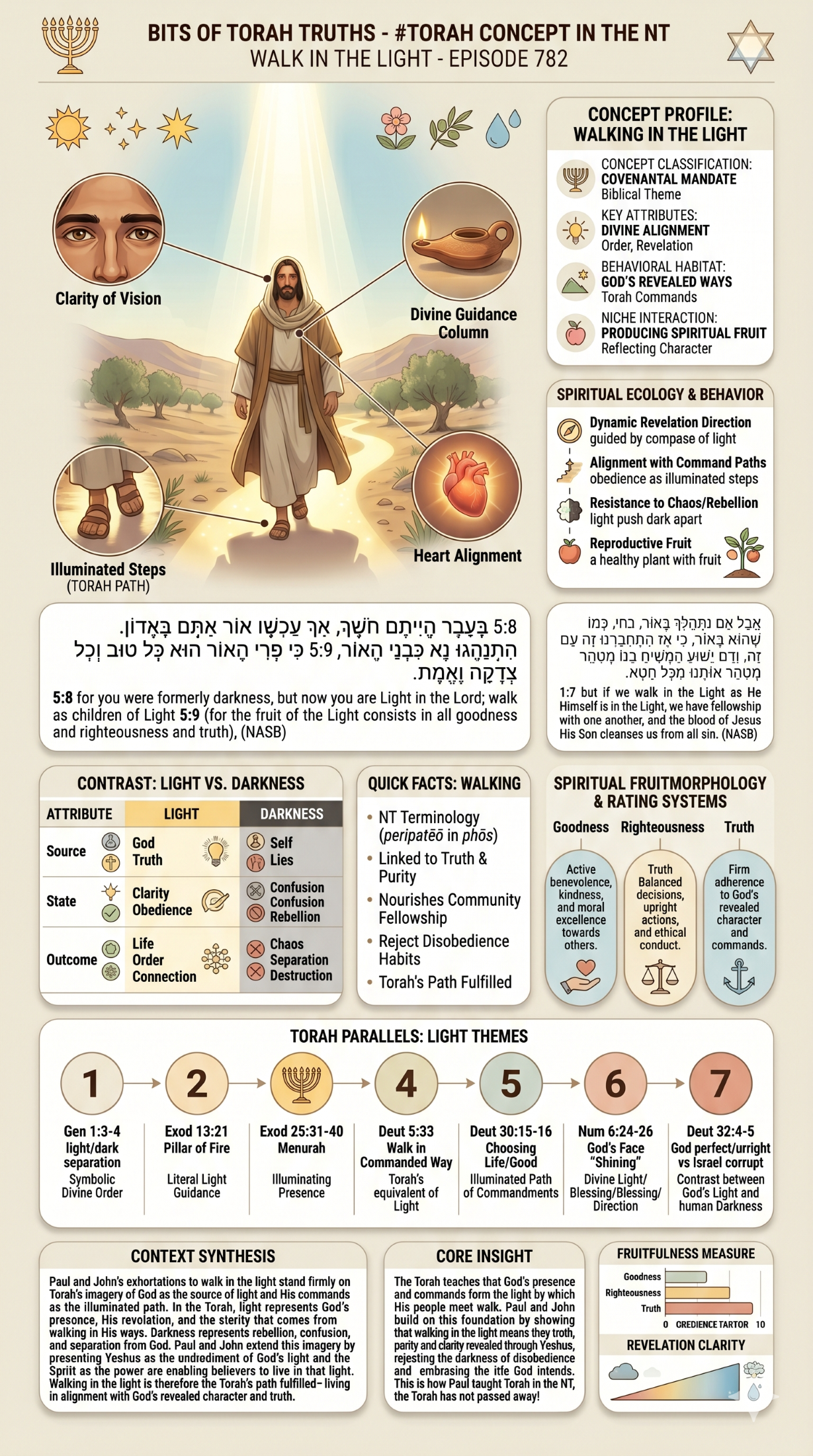
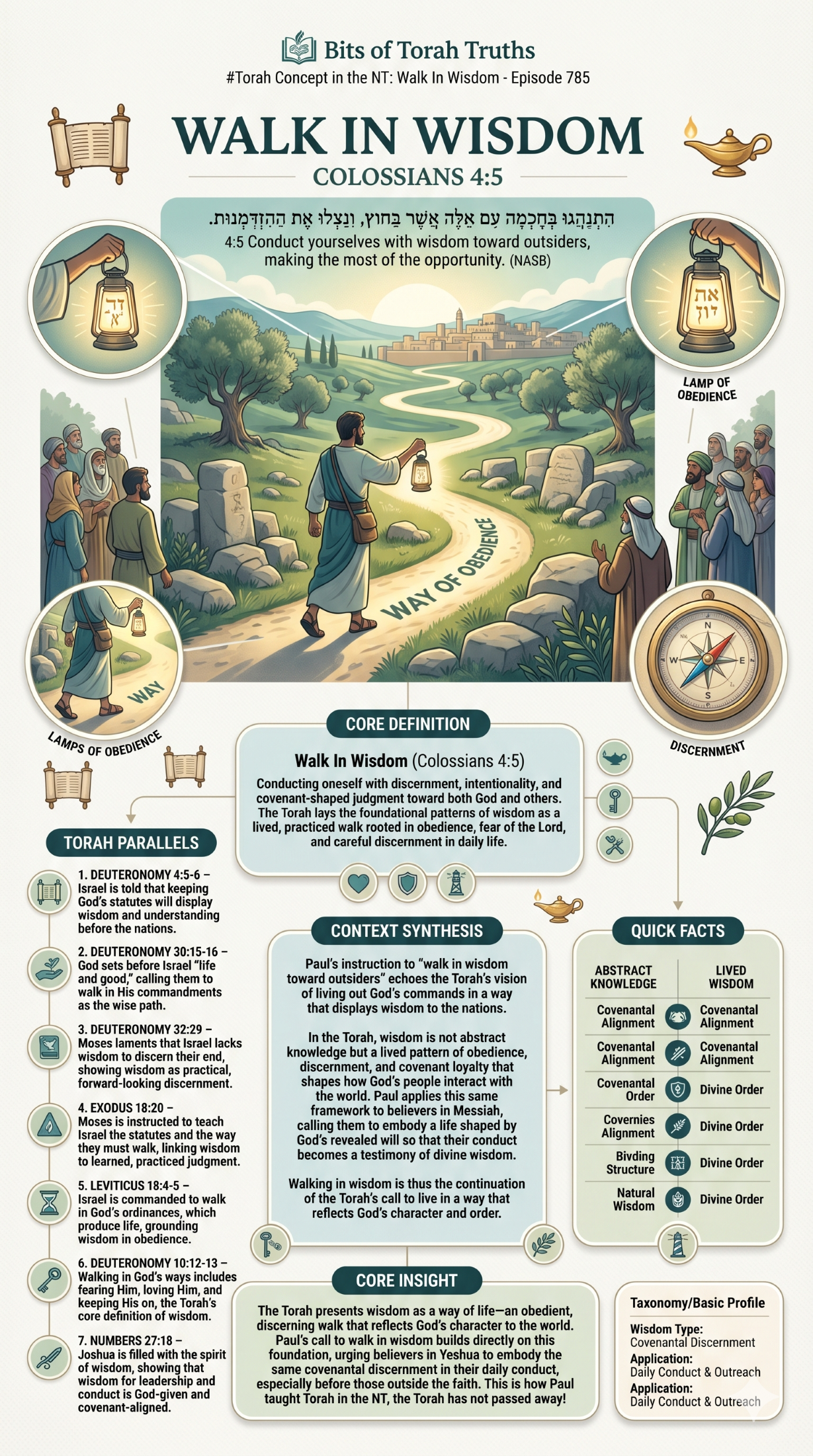
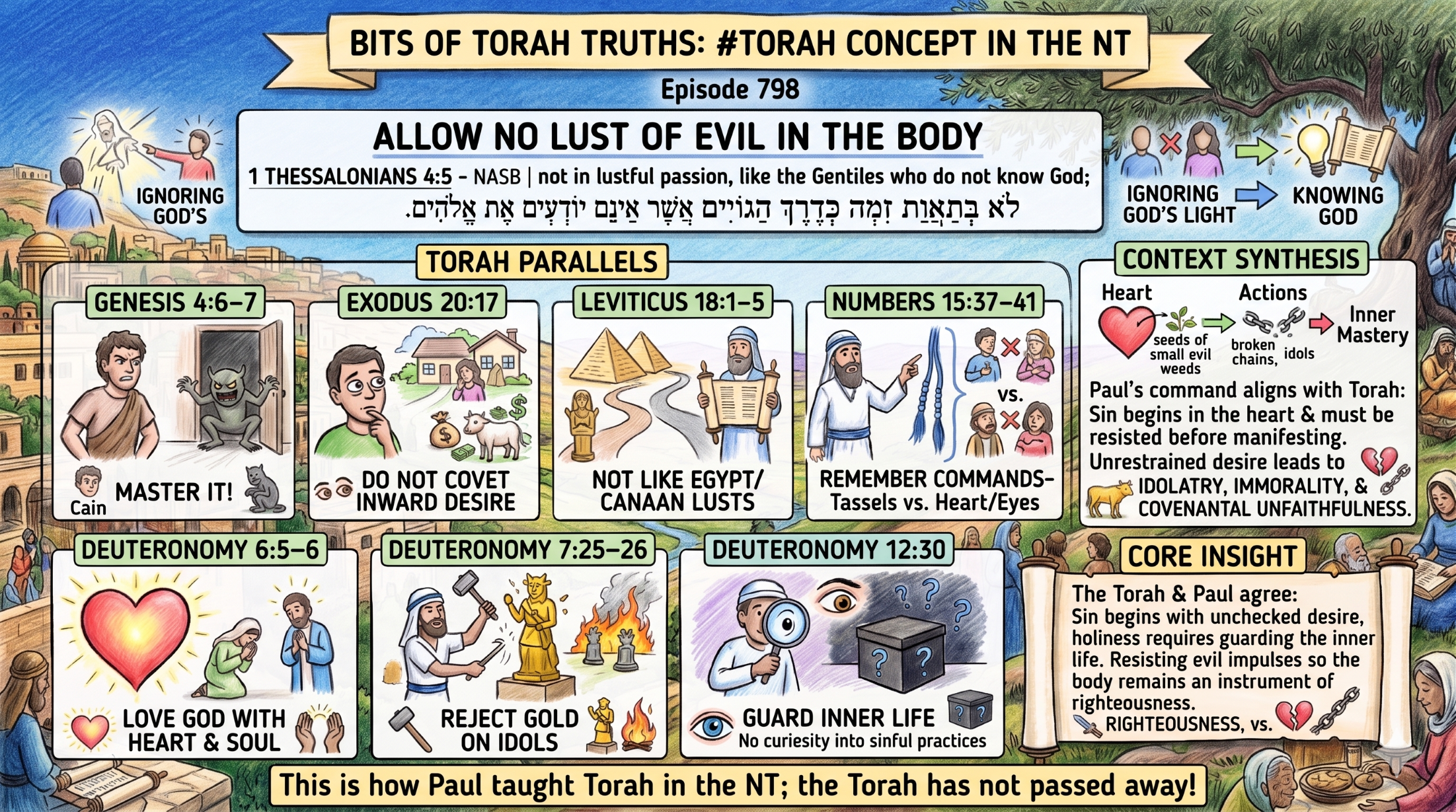
Paul’s command in 1 Thessalonians 4:5 to avoid the “lust of evil” reflects the Torah’s call to restrain inner desires that lead to sin. The Torah consistently teaches that sinful impulses must be disciplined so they do not corrupt the body or the community.
– Torah parallels –
- Genesis 4:6–7 – God warns Cain that sin crouches at the door and desires to rule him, but he must master it, showing that evil desire must be restrained before it acts.
- Exodus 20:17 – The command not to covet addresses inward desire itself, demonstrating that sinful impulses within the heart and body must be controlled.
- Leviticus 18:1–5 – Israel is commanded not to follow the lustful practices of Egypt or Canaan, showing that bodily desires must be governed by God’s statutes.
- Numbers 15:37–41 – The tassels are given so Israel will not “follow after your own heart and your own eyes,” which lead to unfaithfulness, directly addressing internal lust.
- Deuteronomy 6:5–6 – Loving God with heart, soul, and strength requires mastery over desires that oppose His commands.
- Deuteronomy 7:25–26 – Israel must not desire the gold or silver on idols, showing that even attractive temptations must be rejected to avoid corruption.
- Deuteronomy 12:30 – Israel is warned not to be drawn by curiosity or desire into the practices of the nations, reinforcing the need to guard the inner life.
– Context Synthesis –
Paul’s instruction to avoid the lust of evil aligns with the Torah’s foundational teaching that sin begins in the heart and must be resisted before it manifests in action. The Torah repeatedly warns that unrestrained desire leads to idolatry, immorality, and covenantal unfaithfulness. Paul applies this same principle to the Thessalonian believers, urging them to maintain holiness by disciplining their inner impulses. Both the Torah and Paul present holiness as a matter of both outward conduct and inward mastery over desire.
– Core Insight –
The Torah and Paul agree that sin begins with unchecked desire, and holiness requires guarding the inner life. Paul’s exhortation calls believers in Yeshua to continue the Torah’s pattern of resisting evil impulses so that the body remains an instrument of righteousness rather than a gateway to sin. This is how Paul taught Torah in the NT; the Torah has not passed away!
Visual Summary of Concepts the Torah in the NT