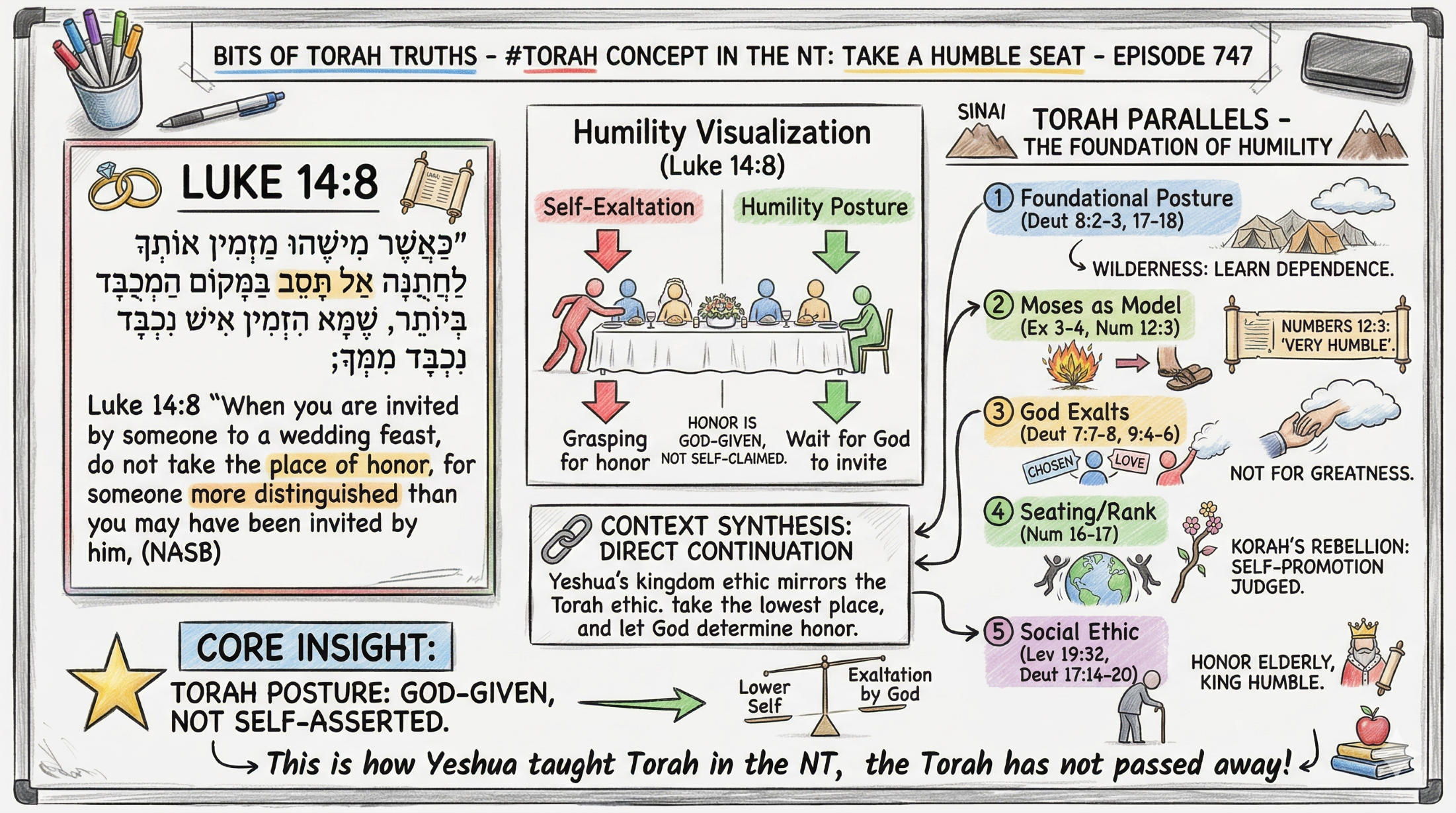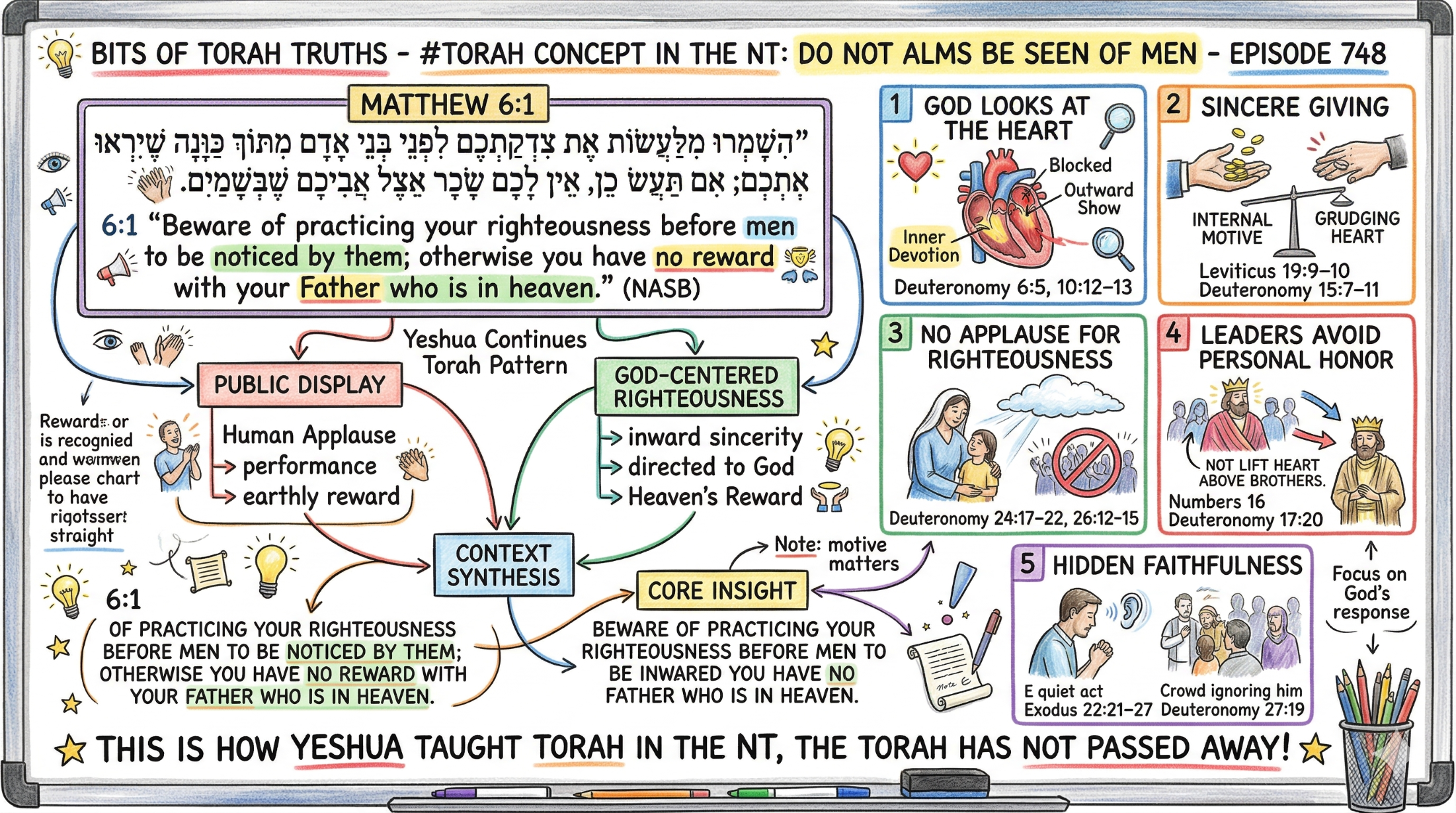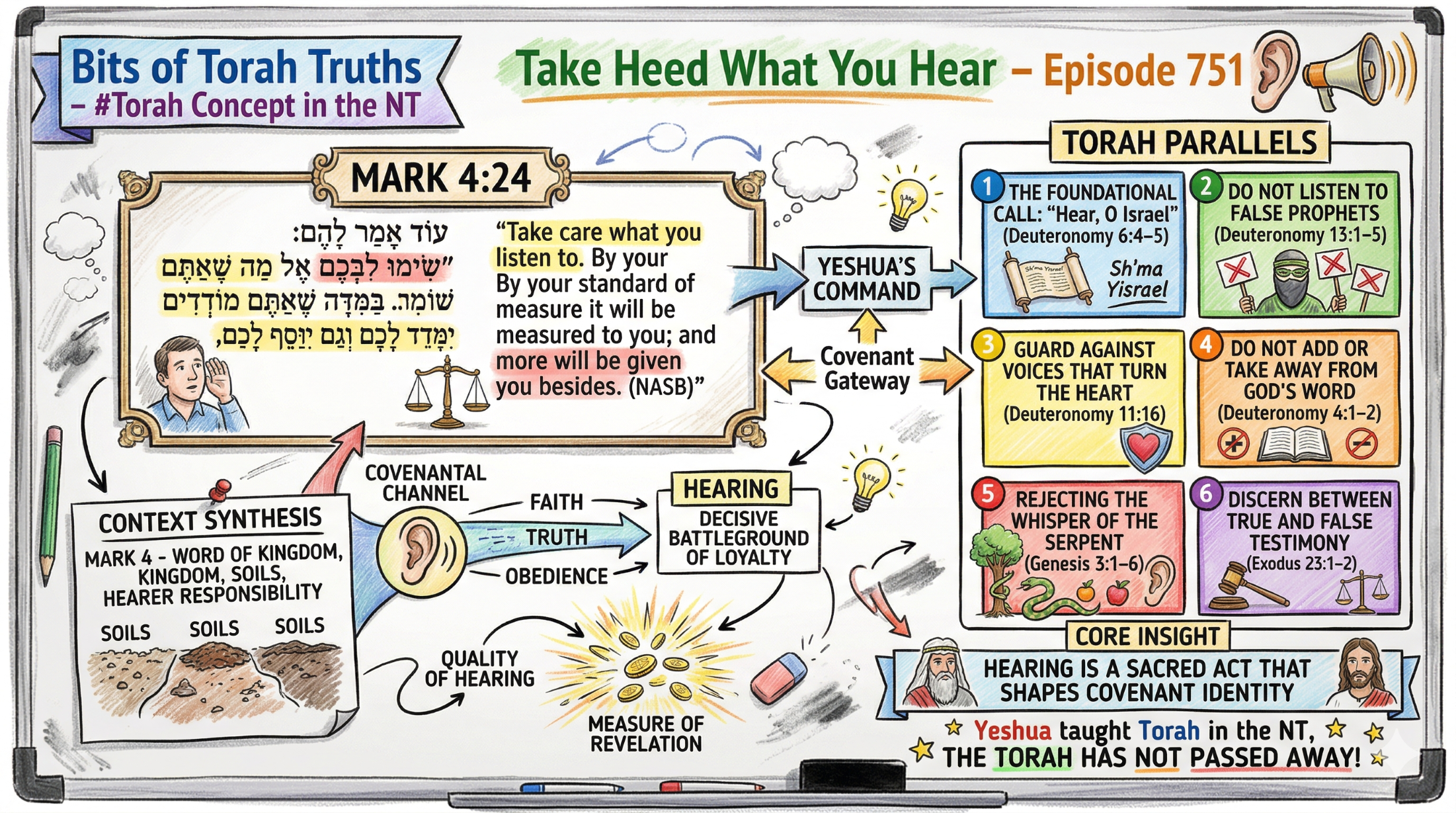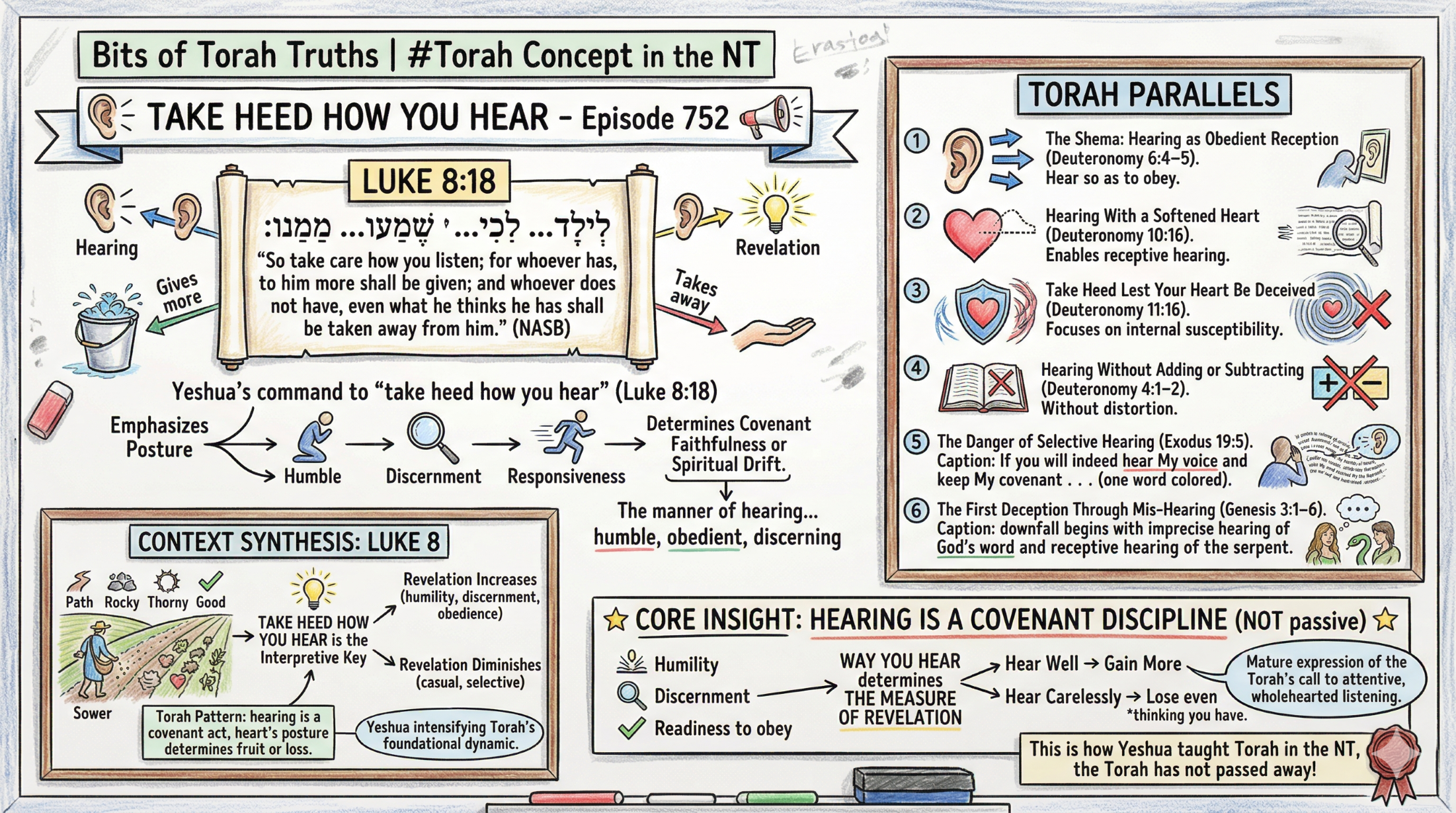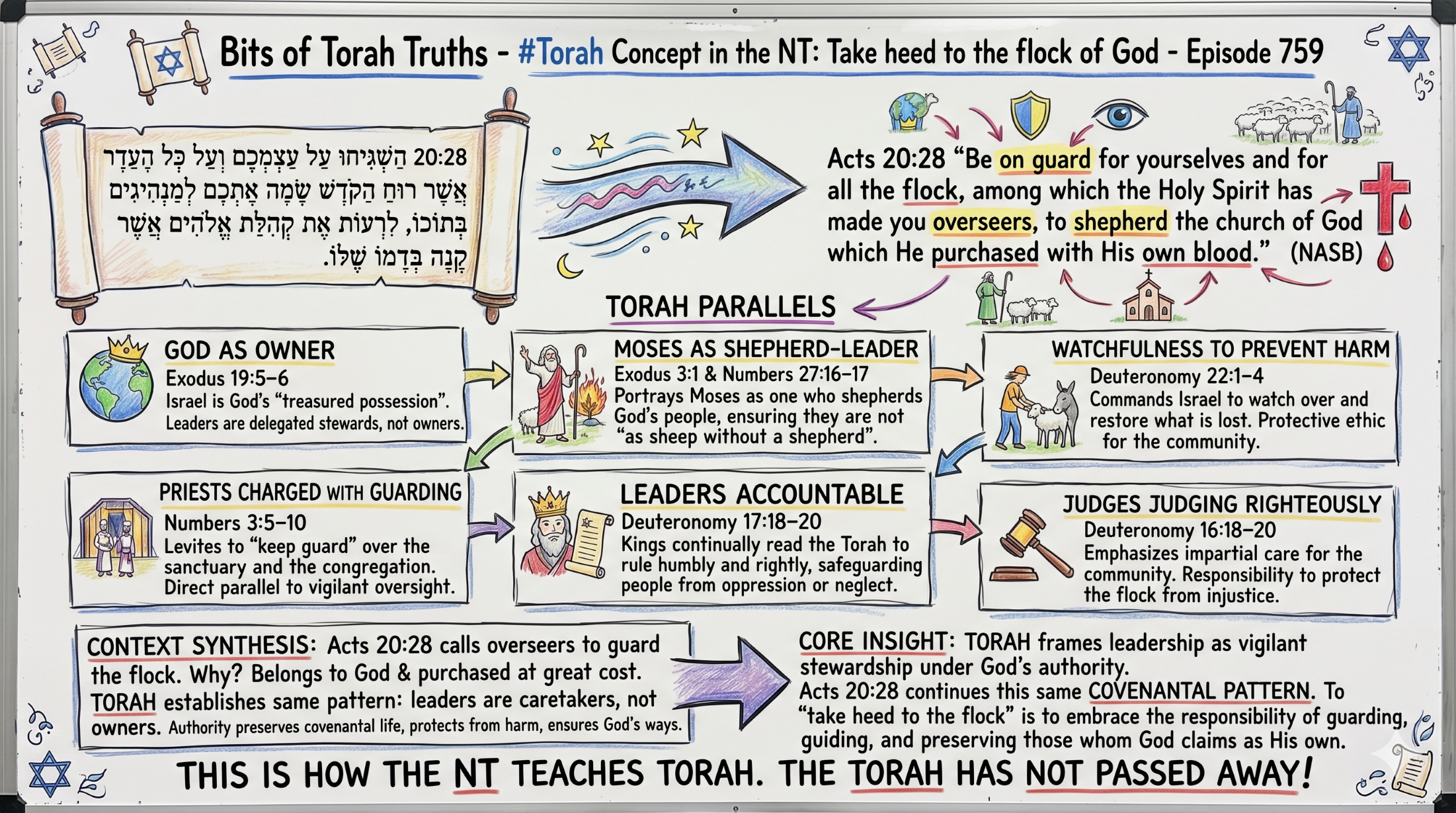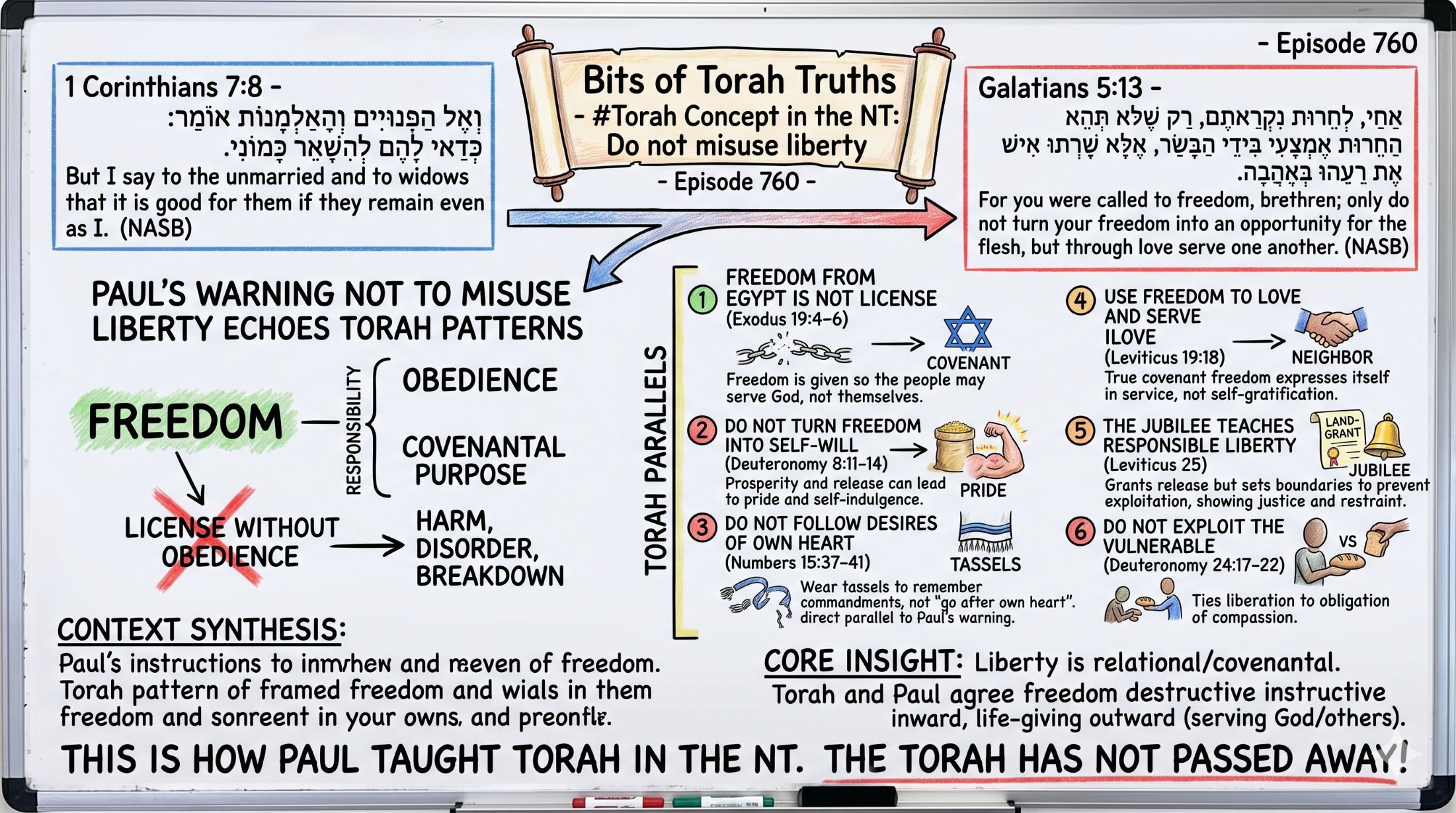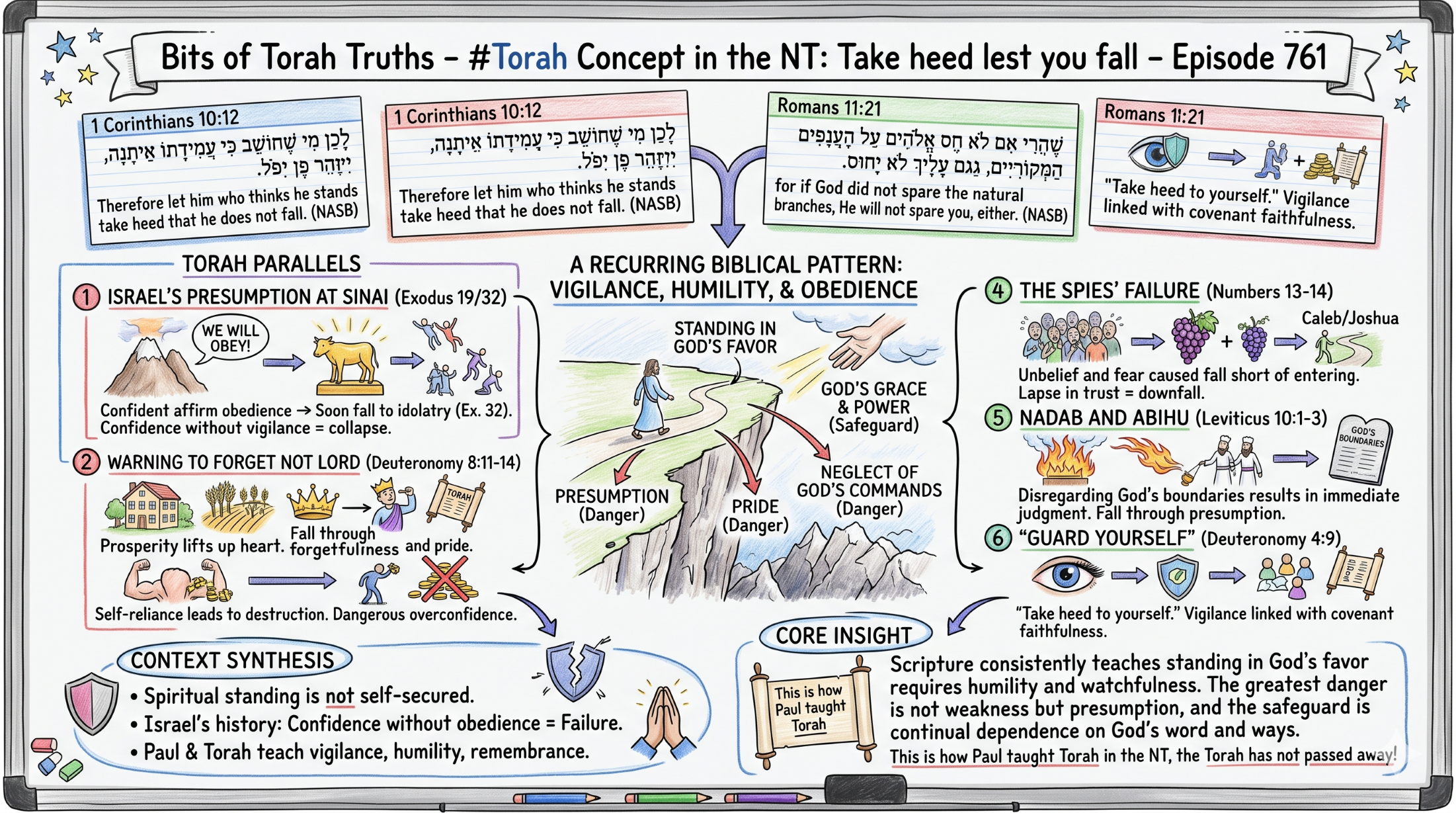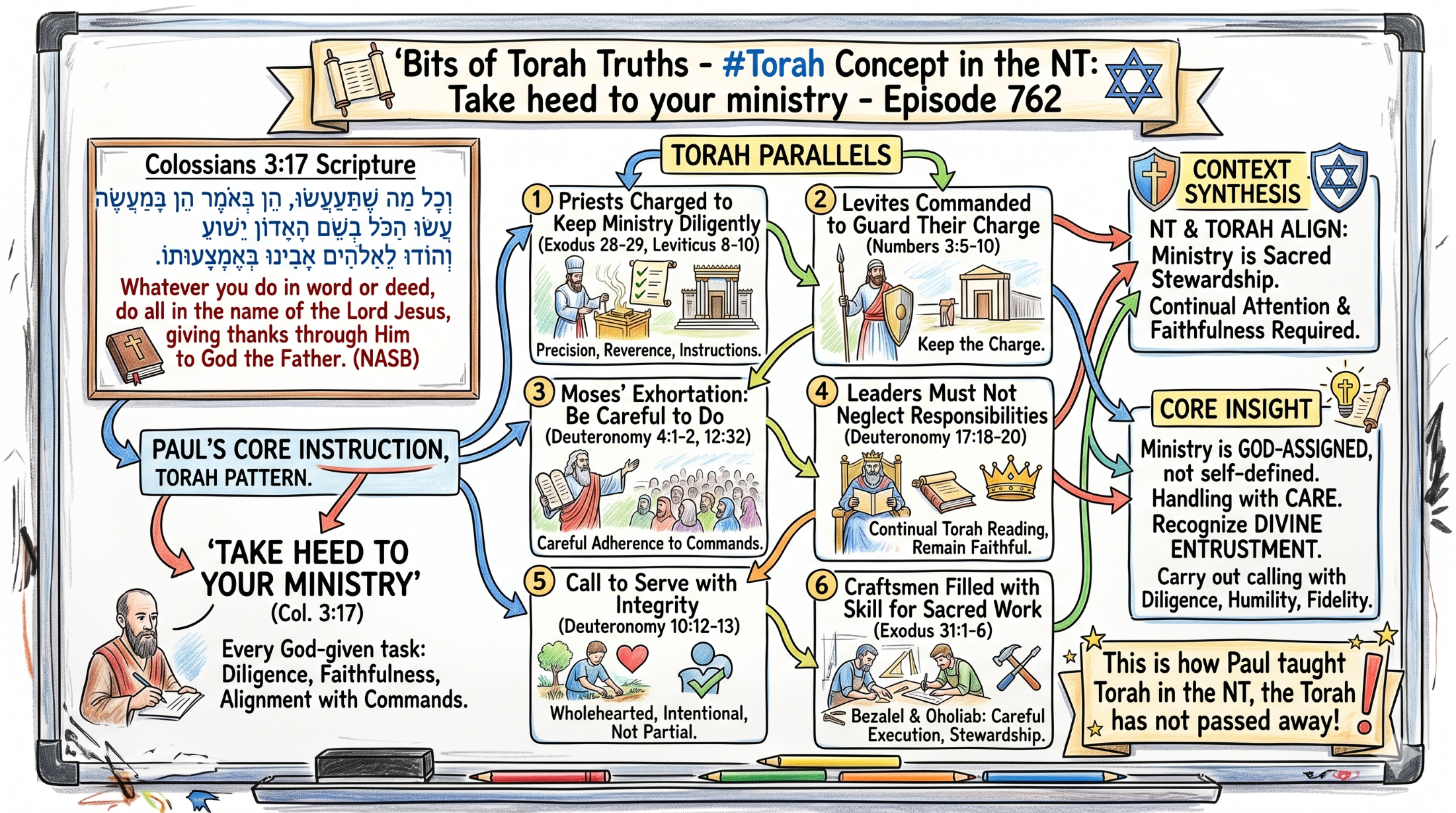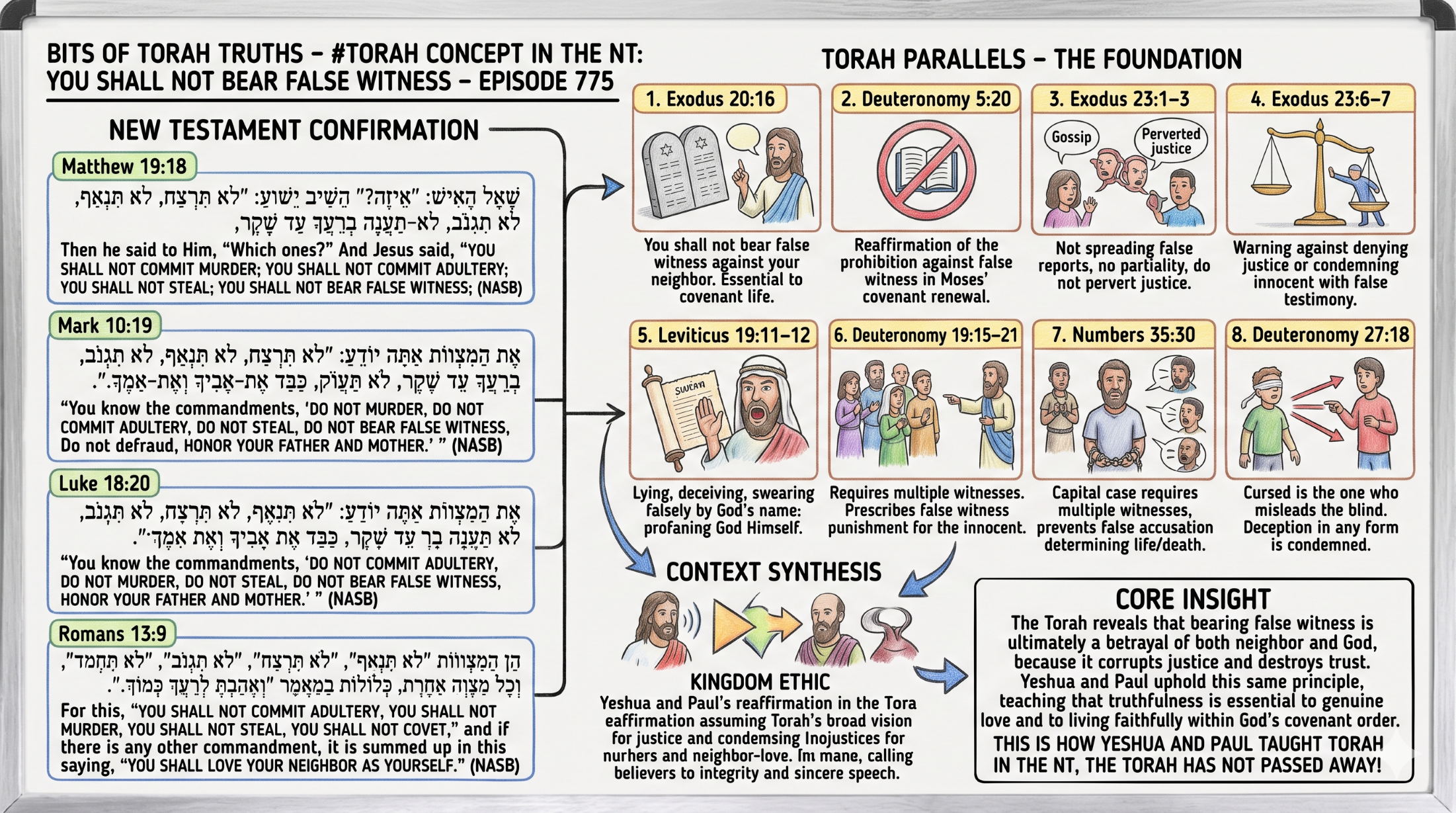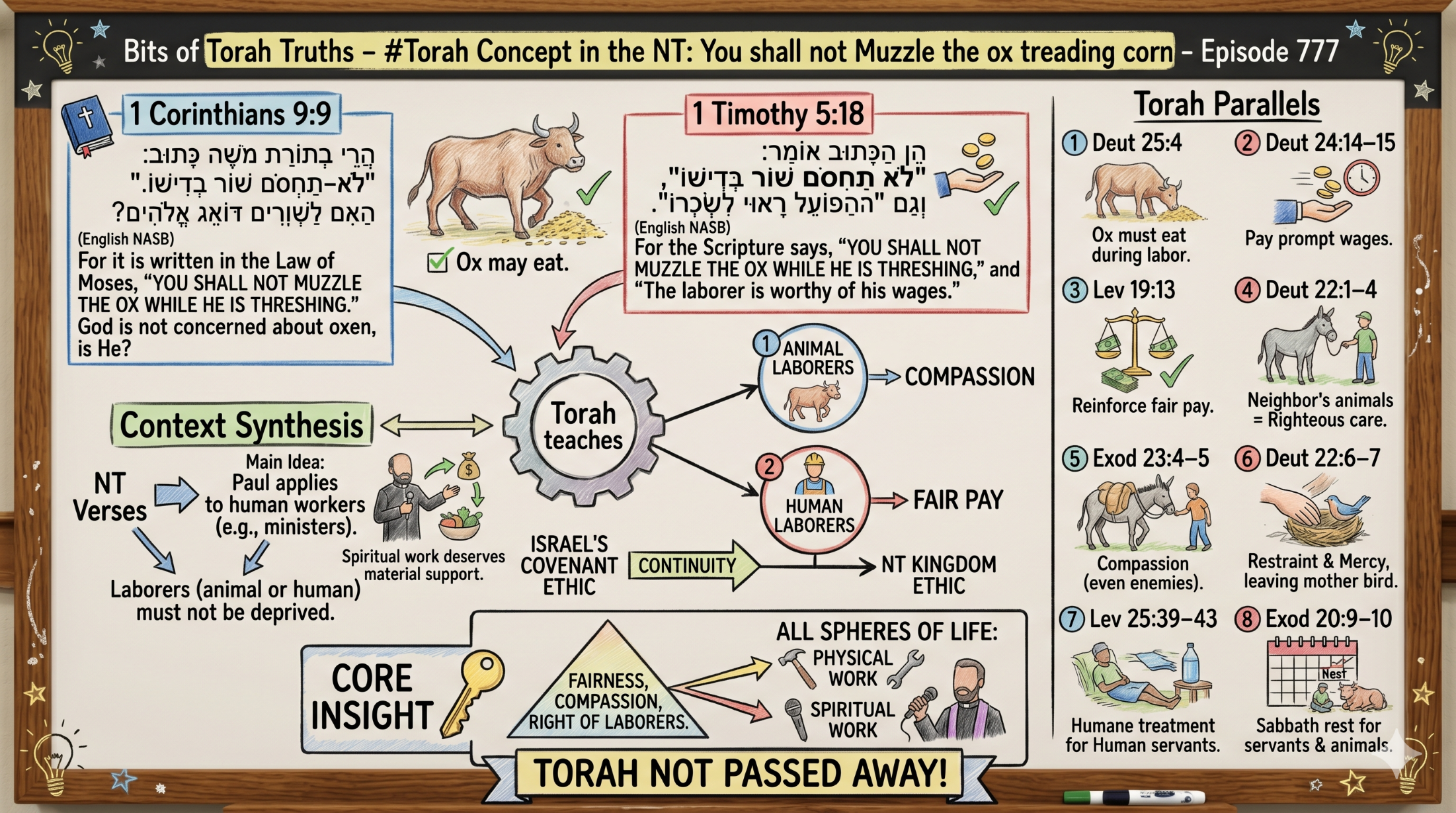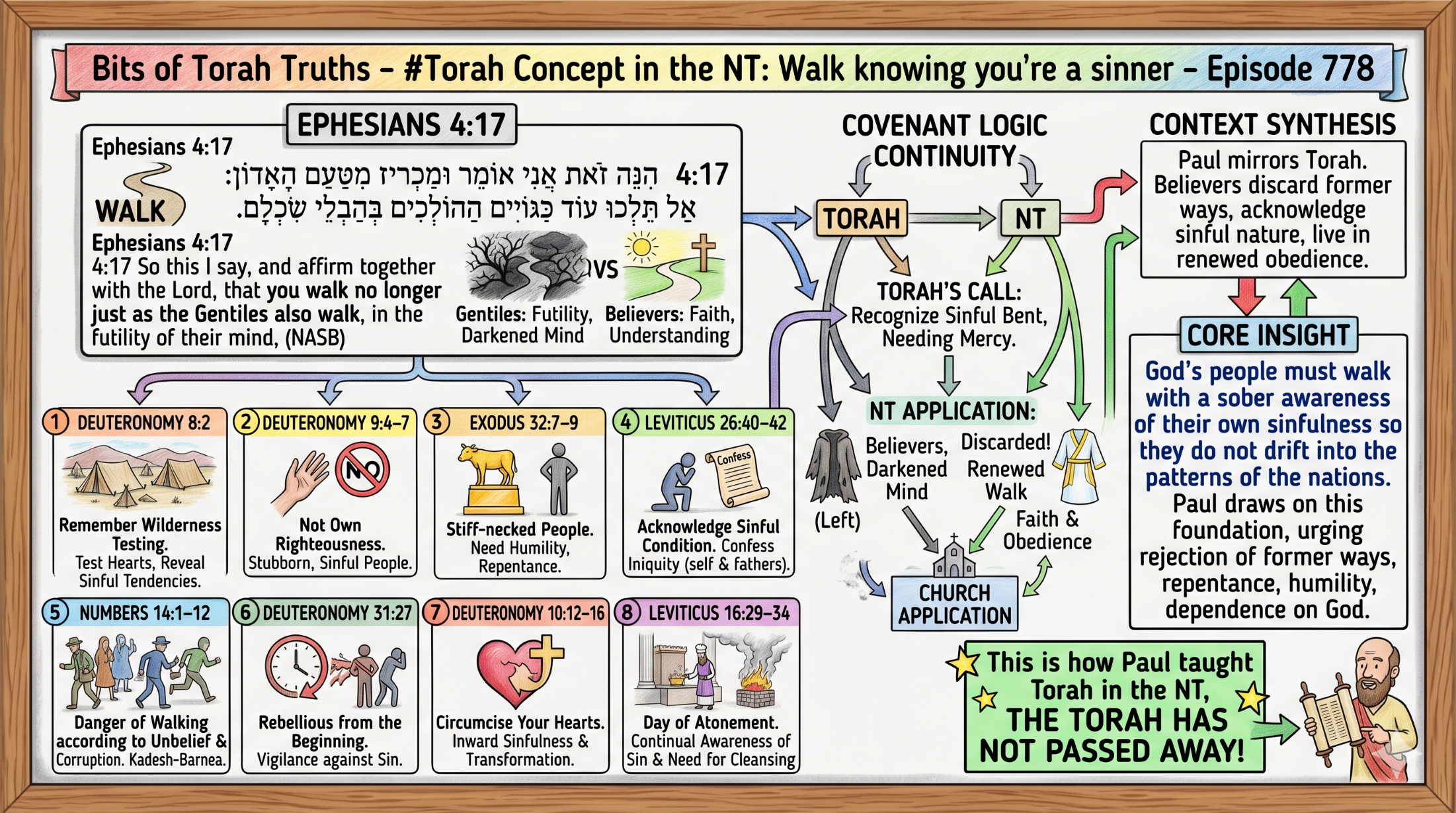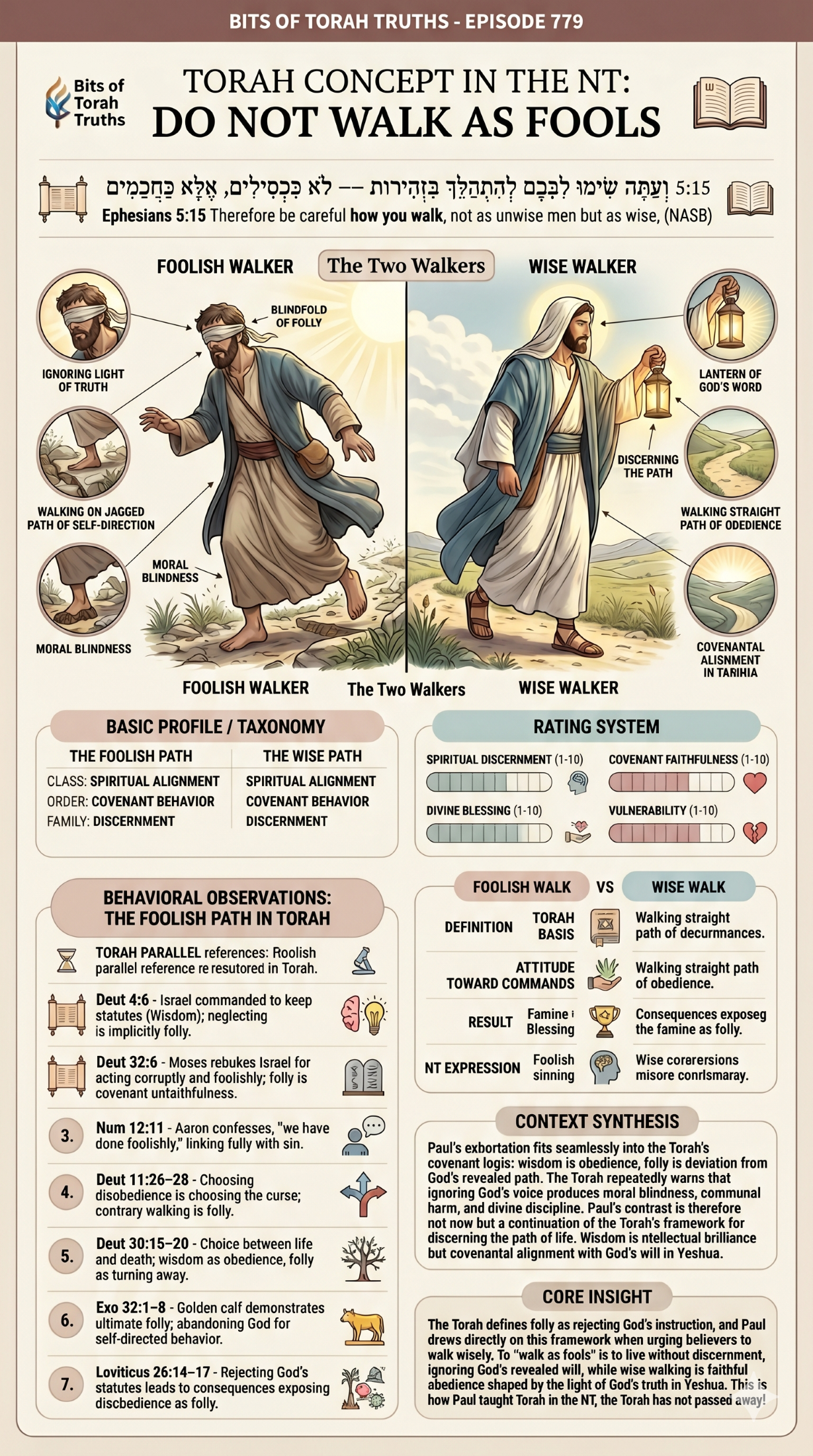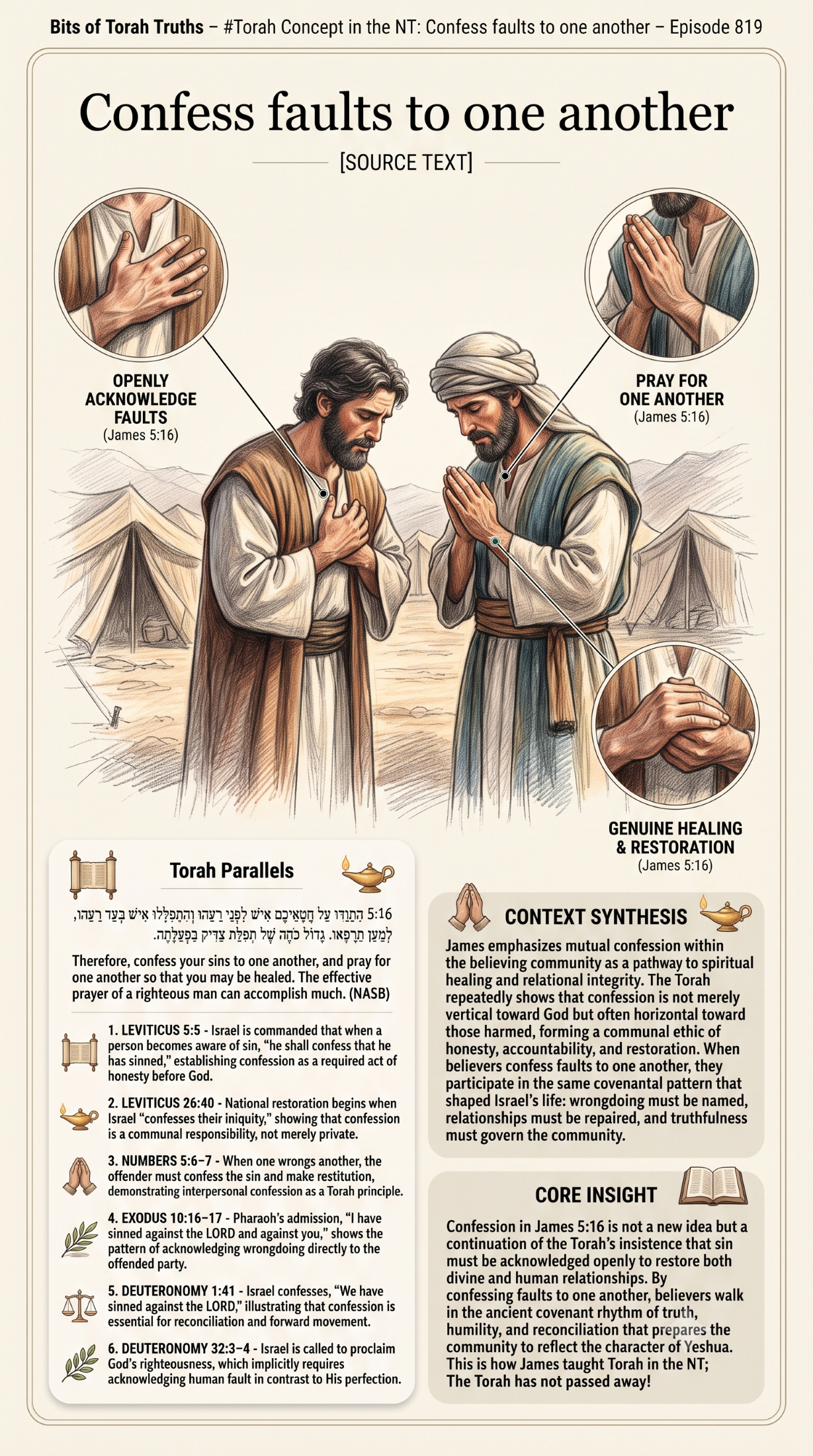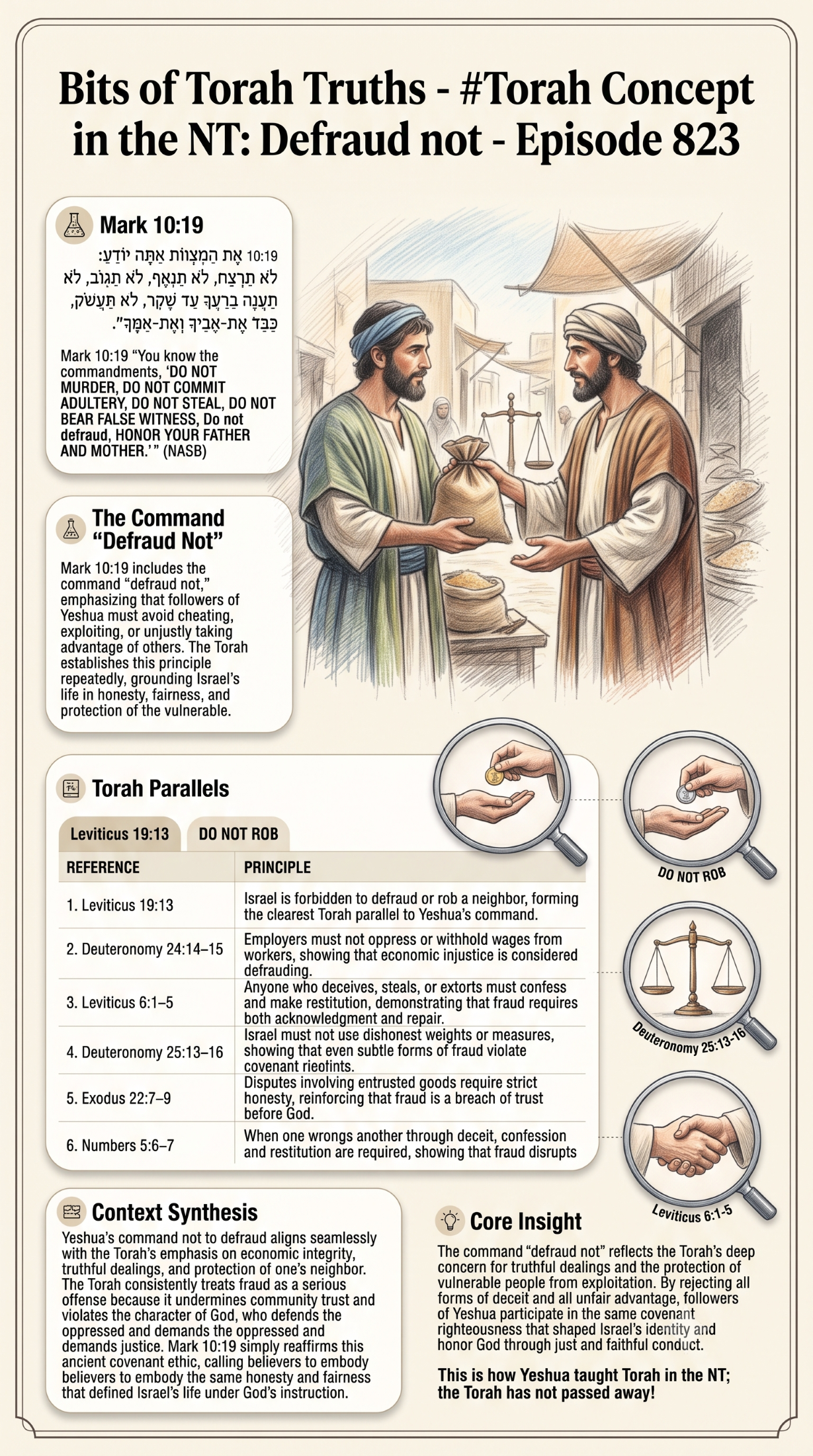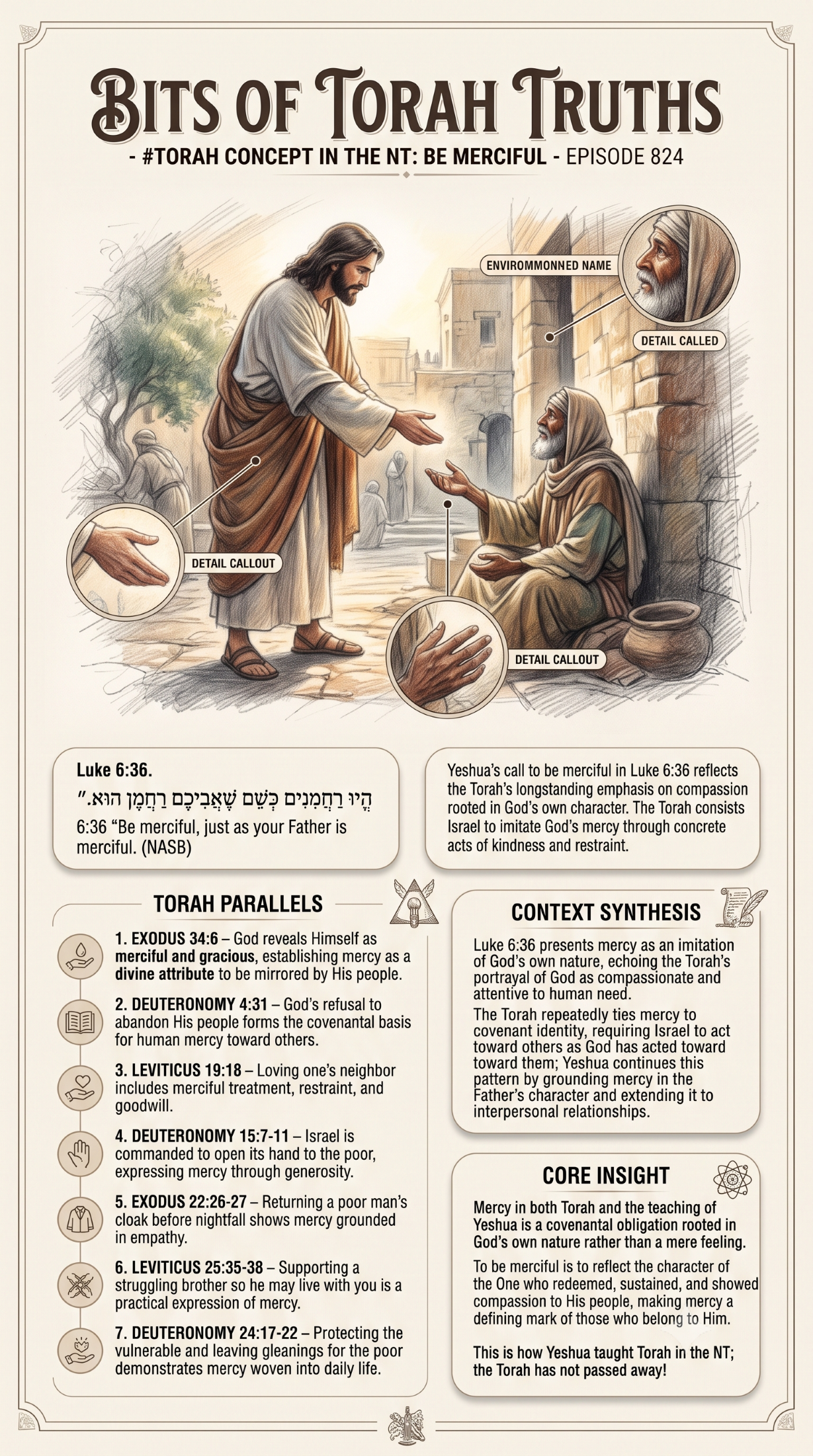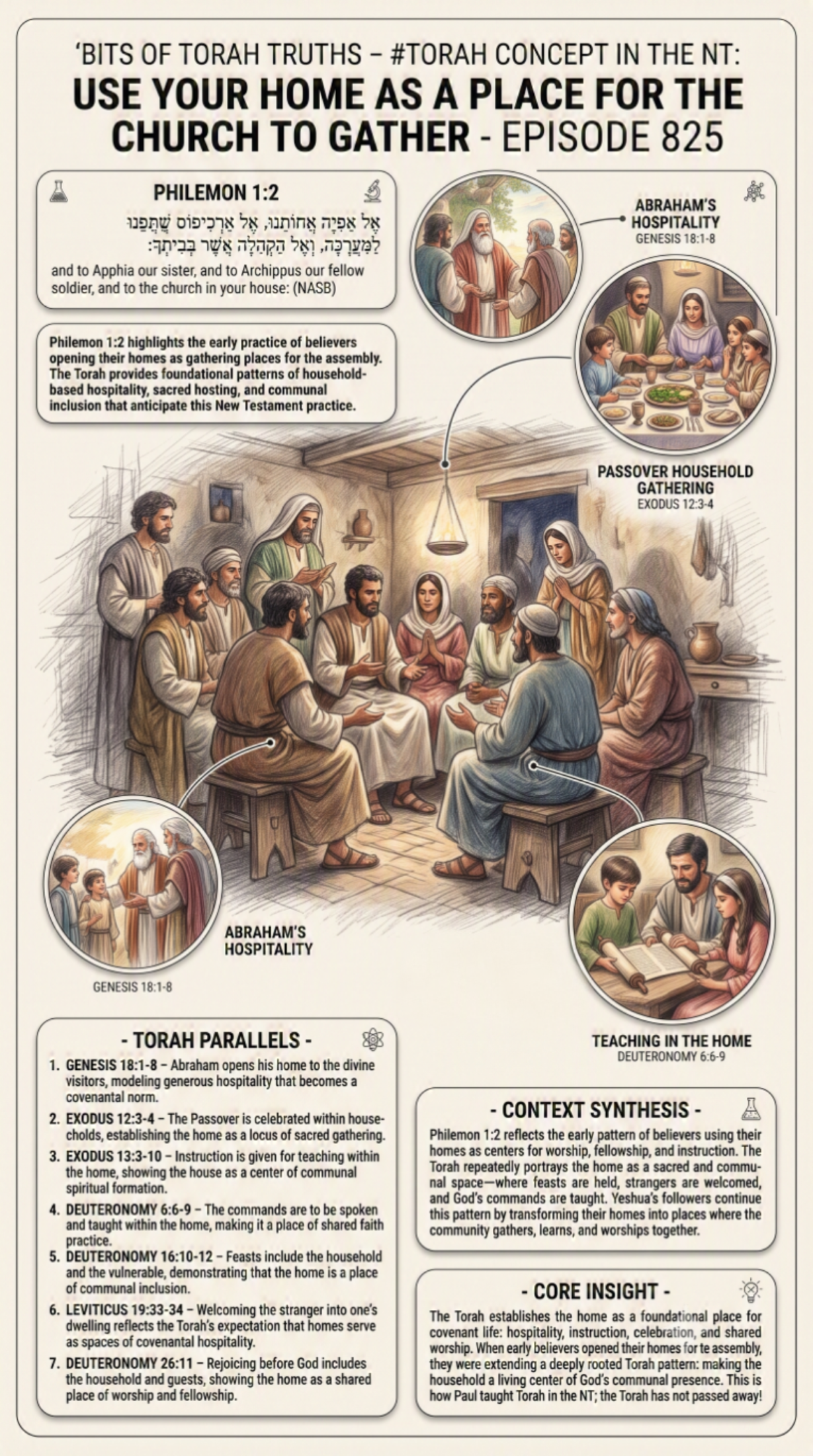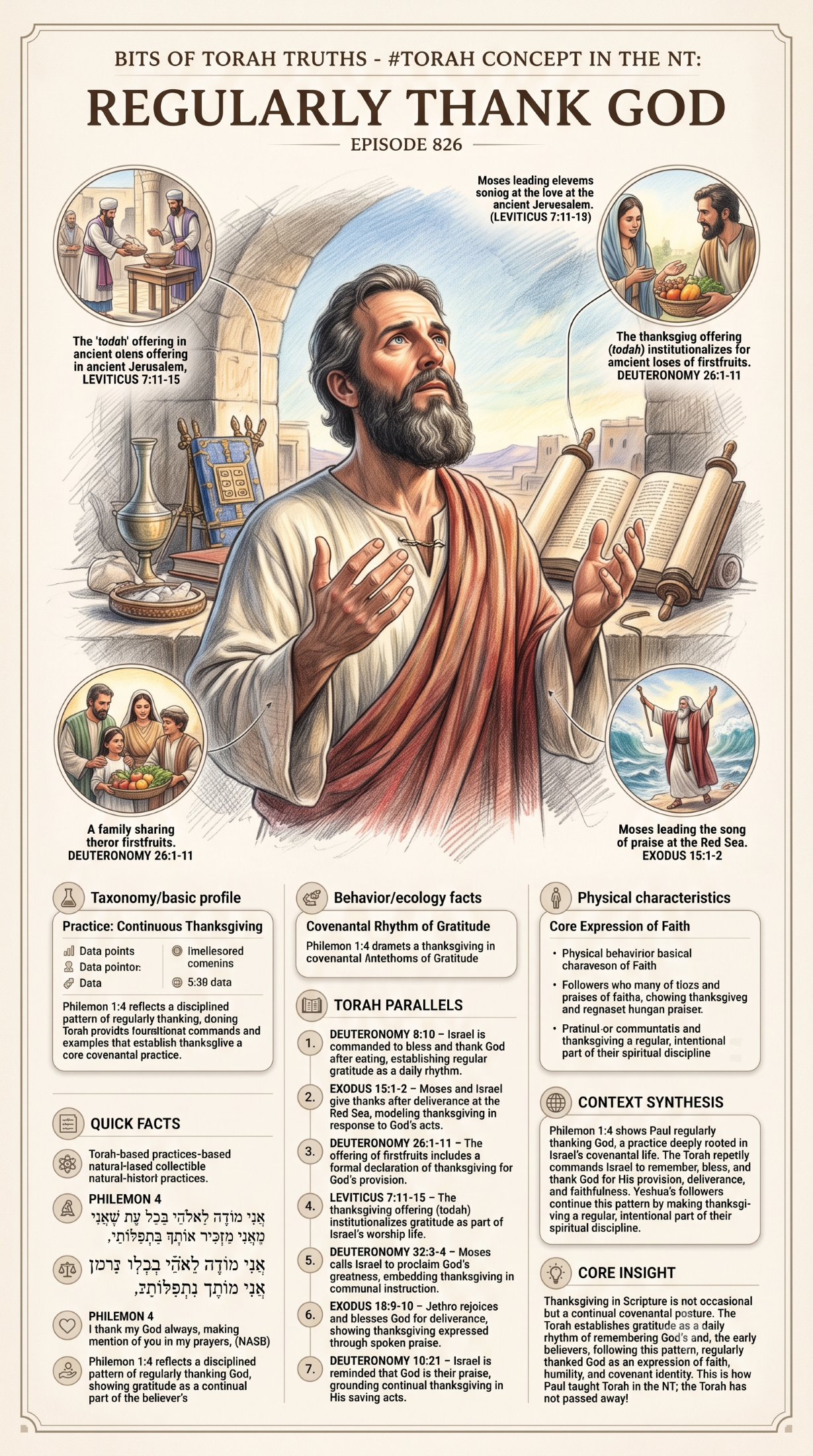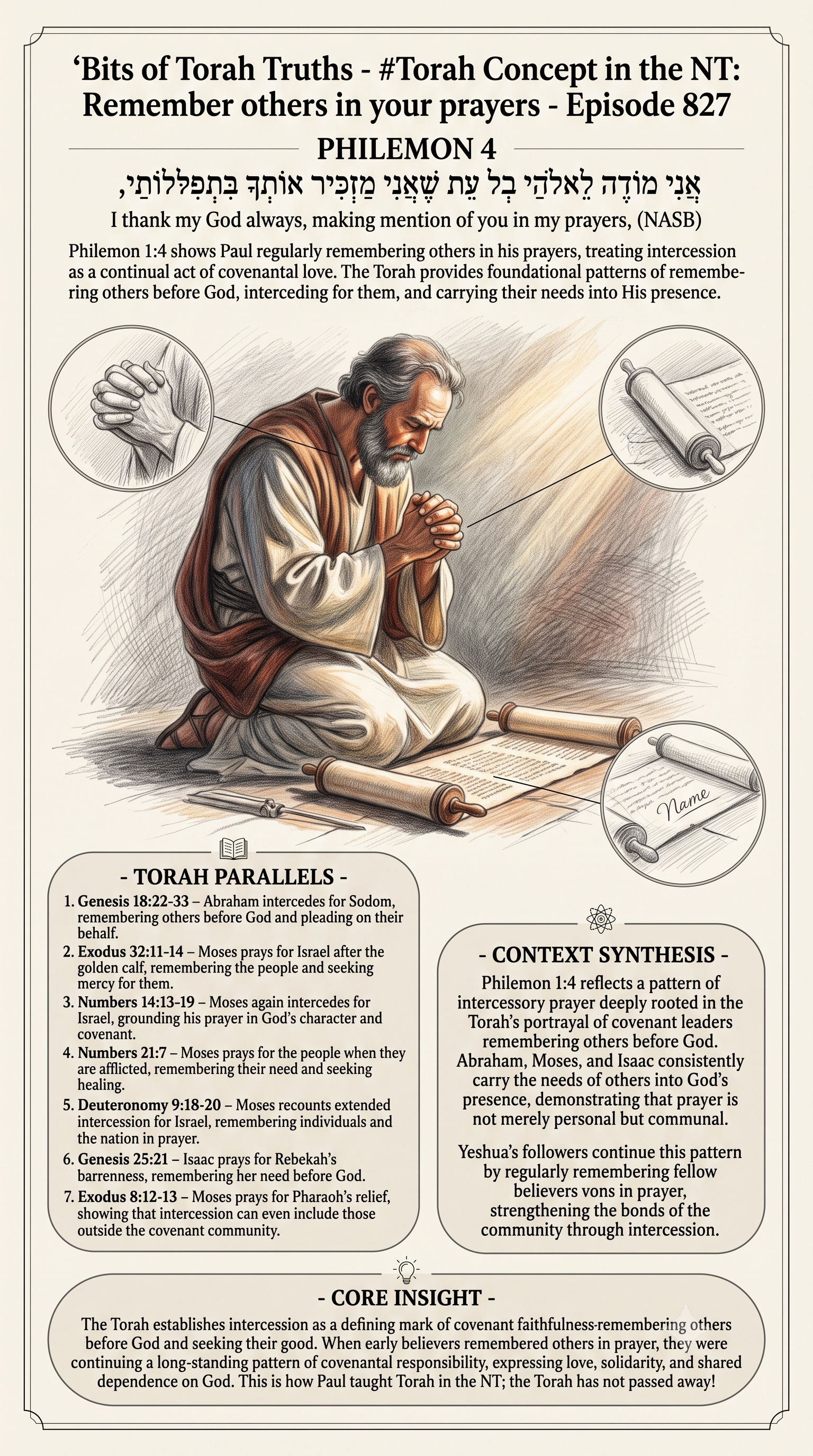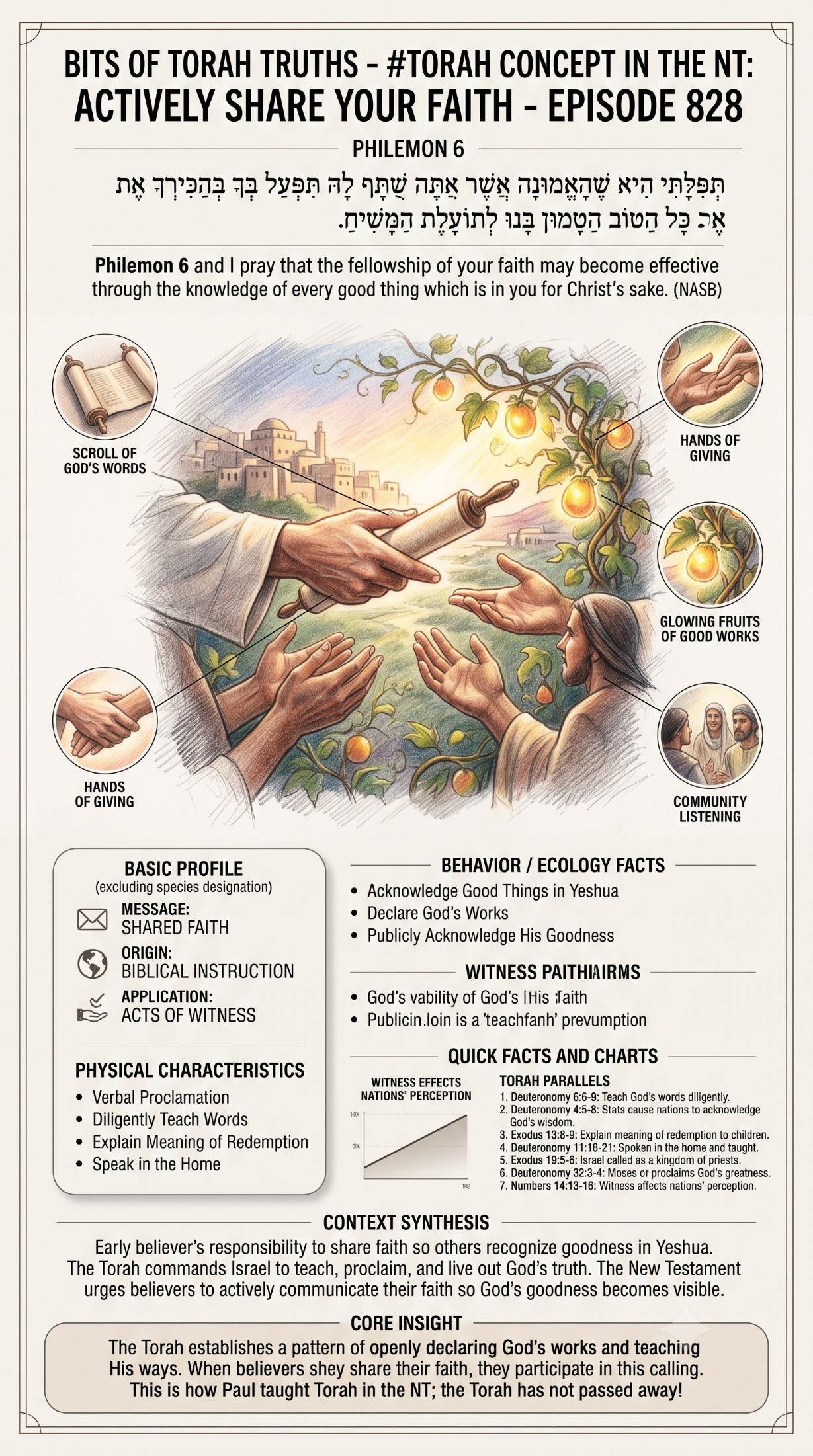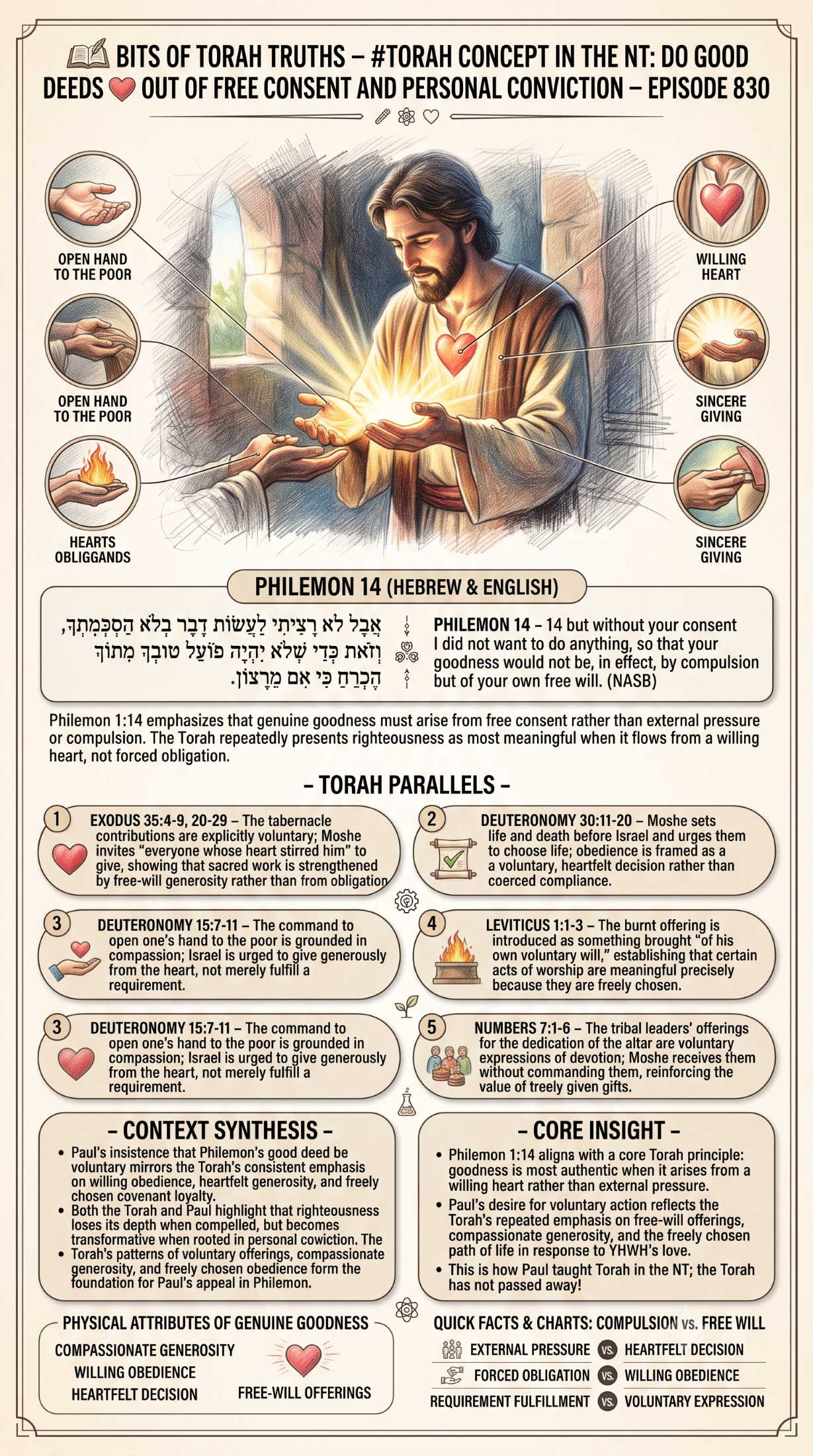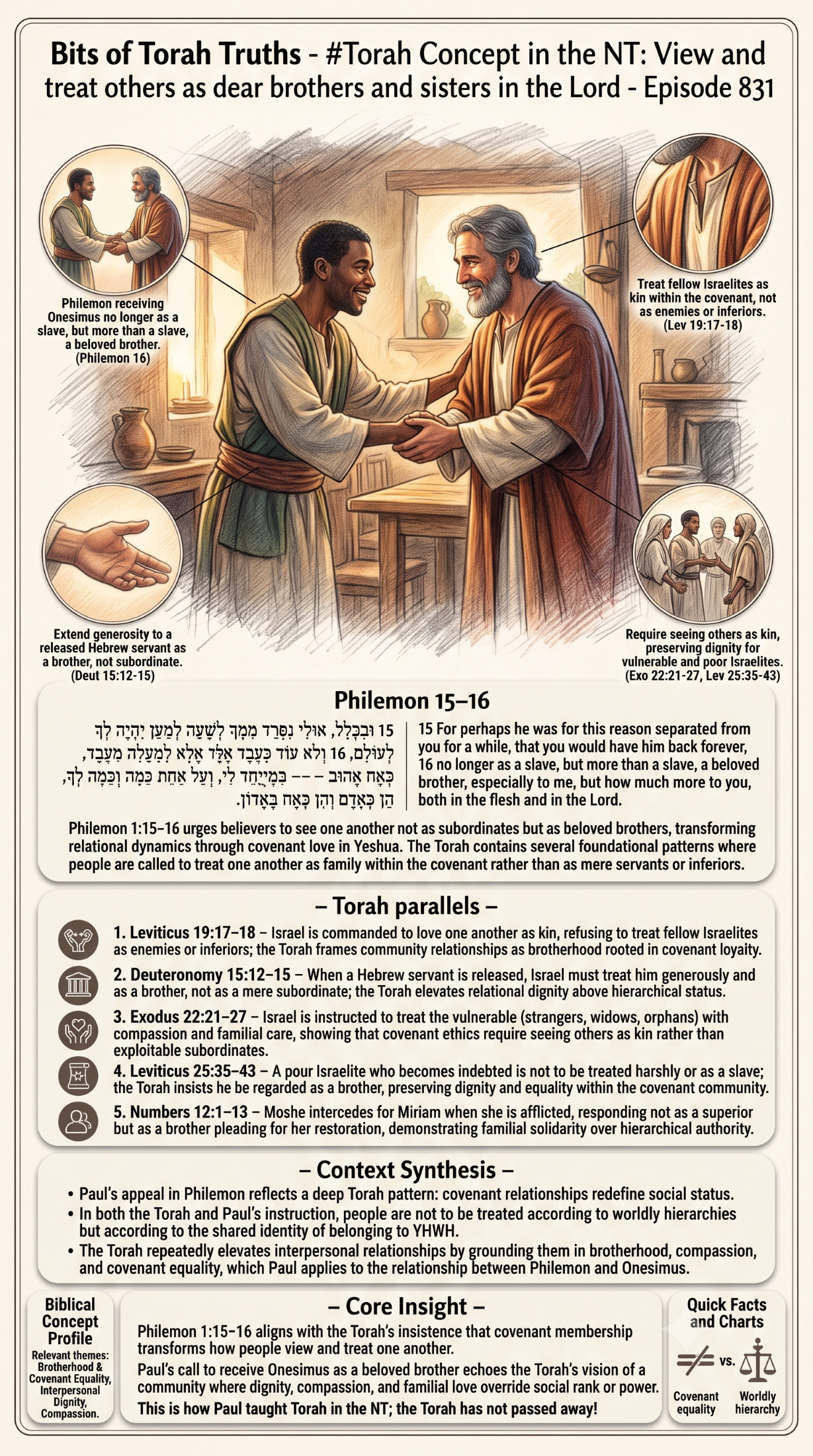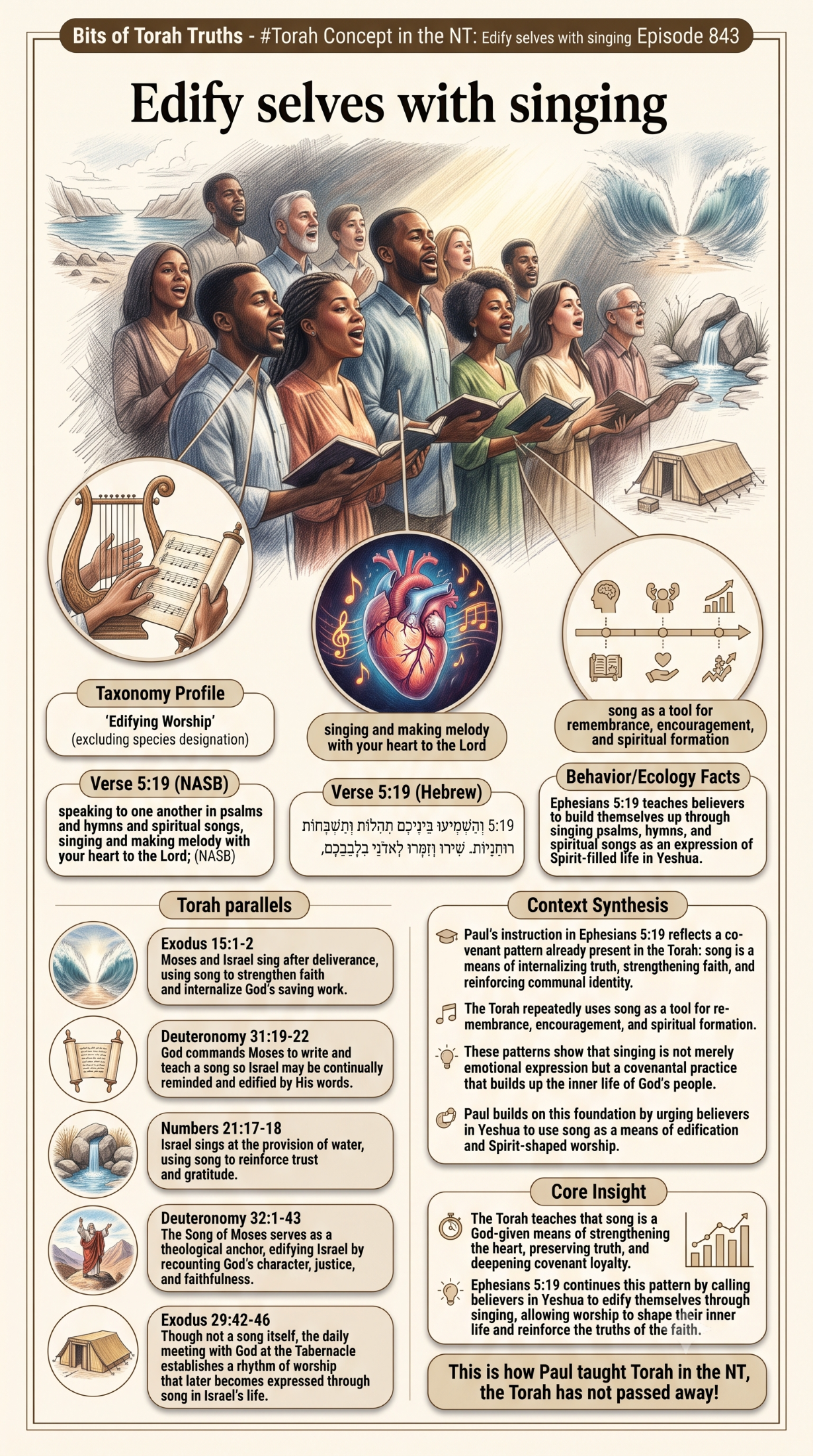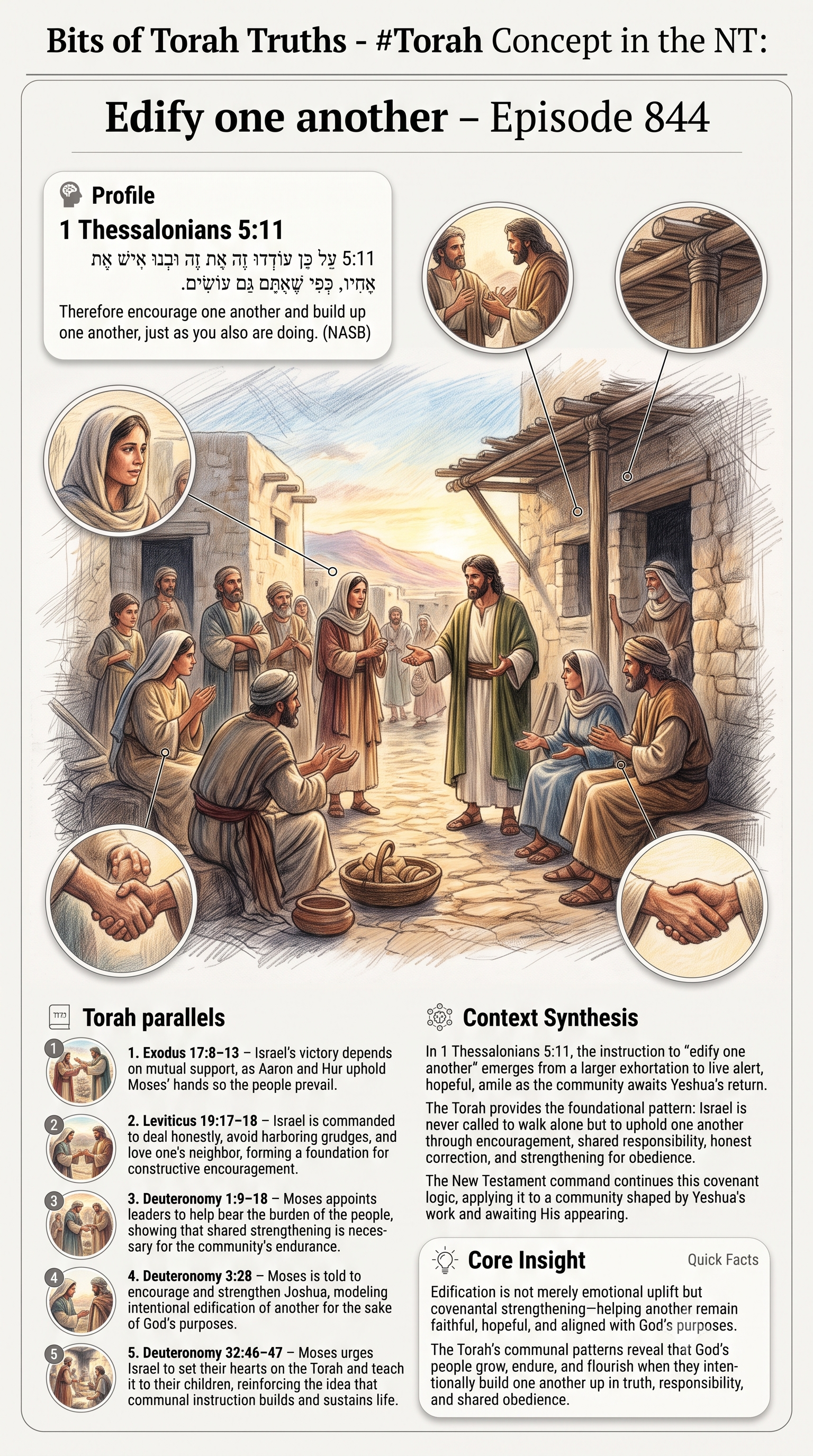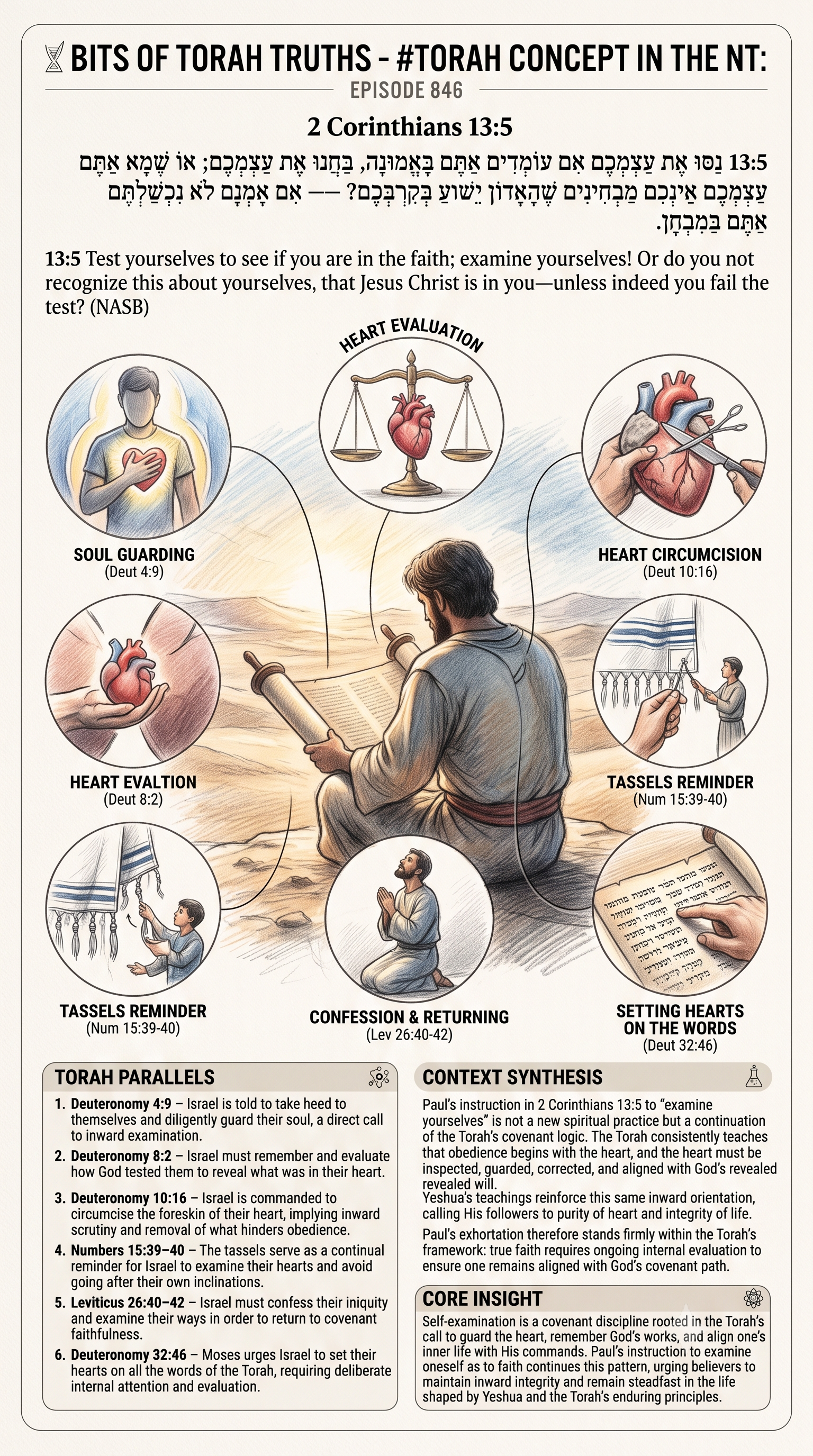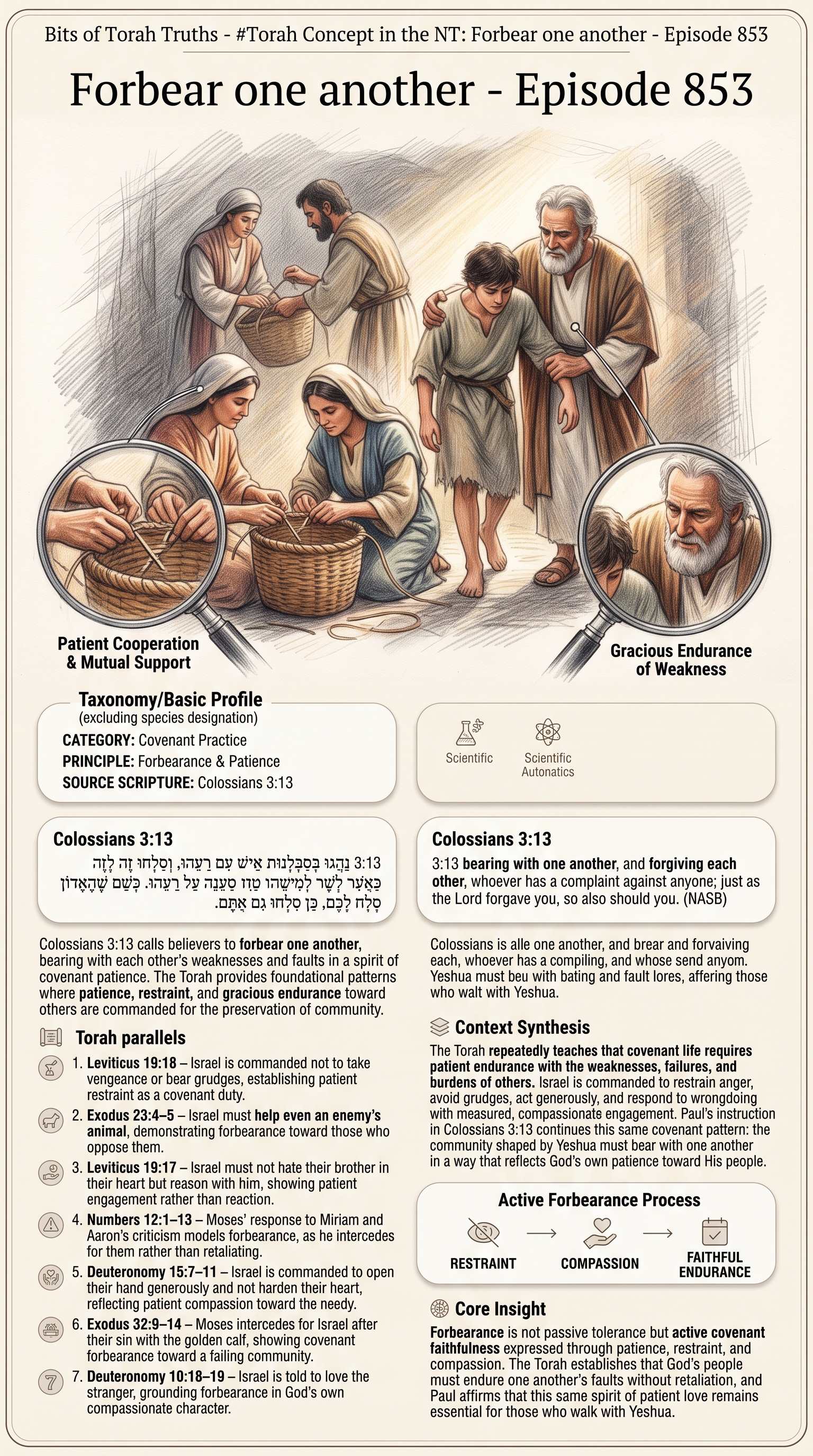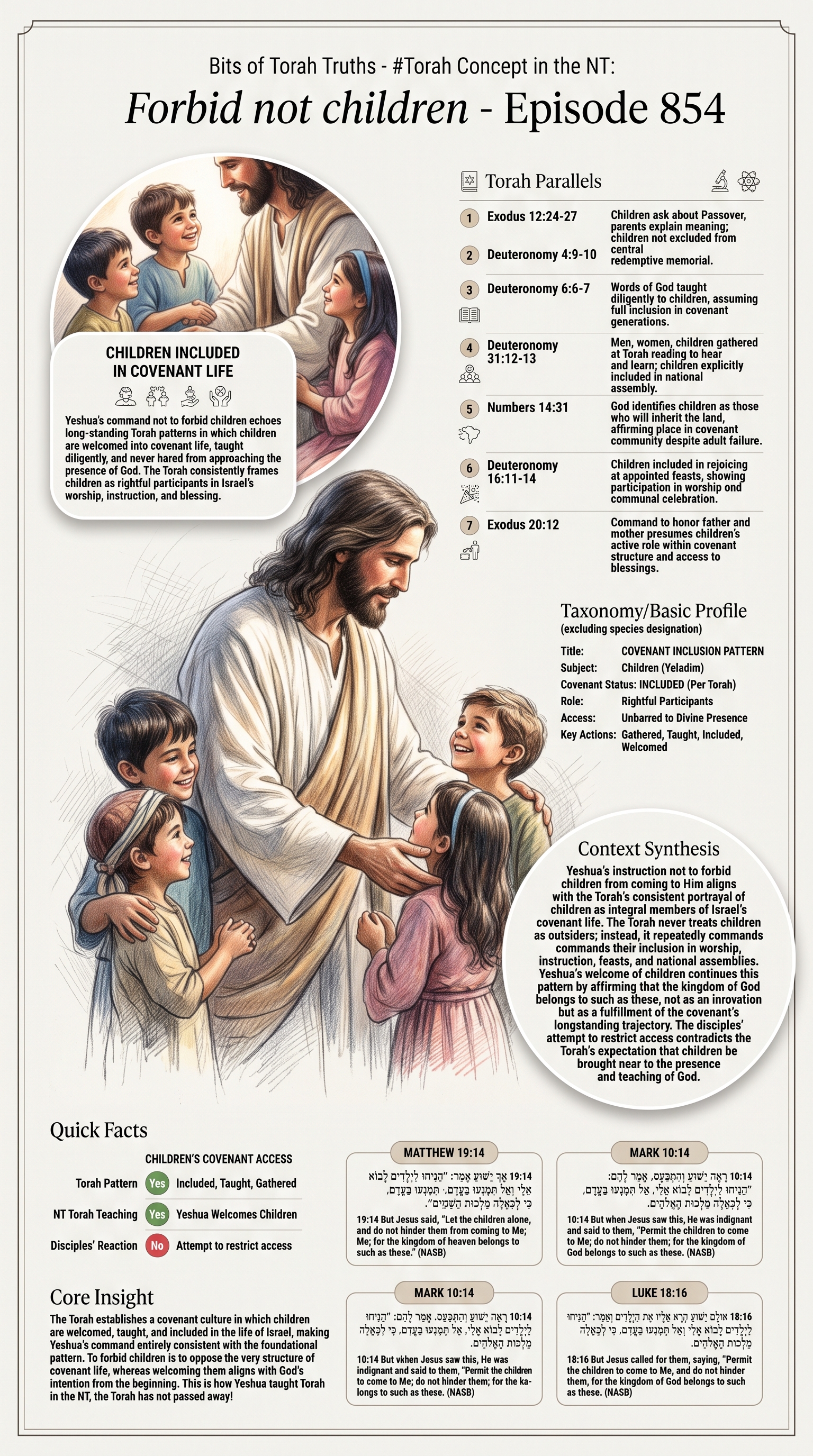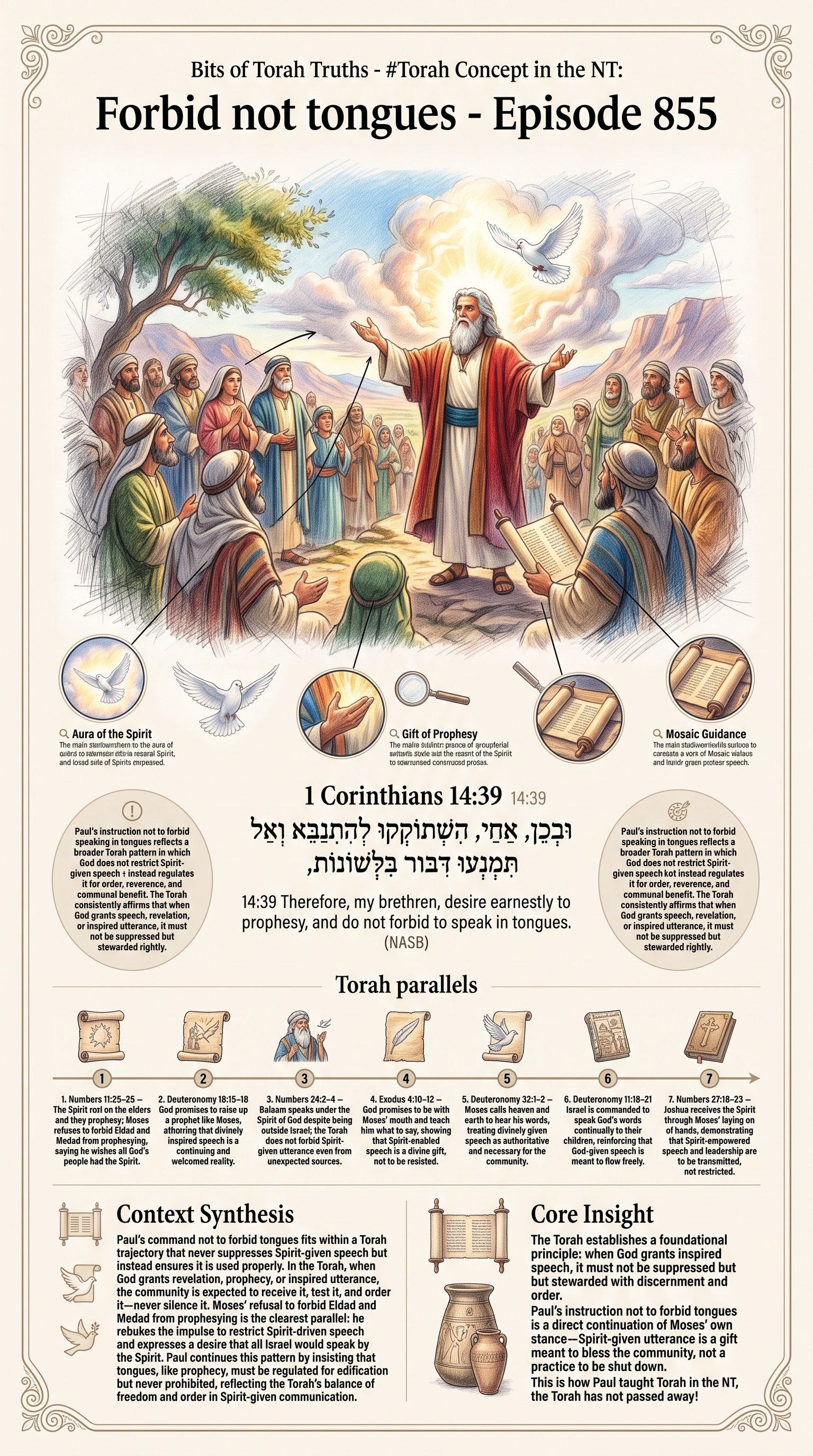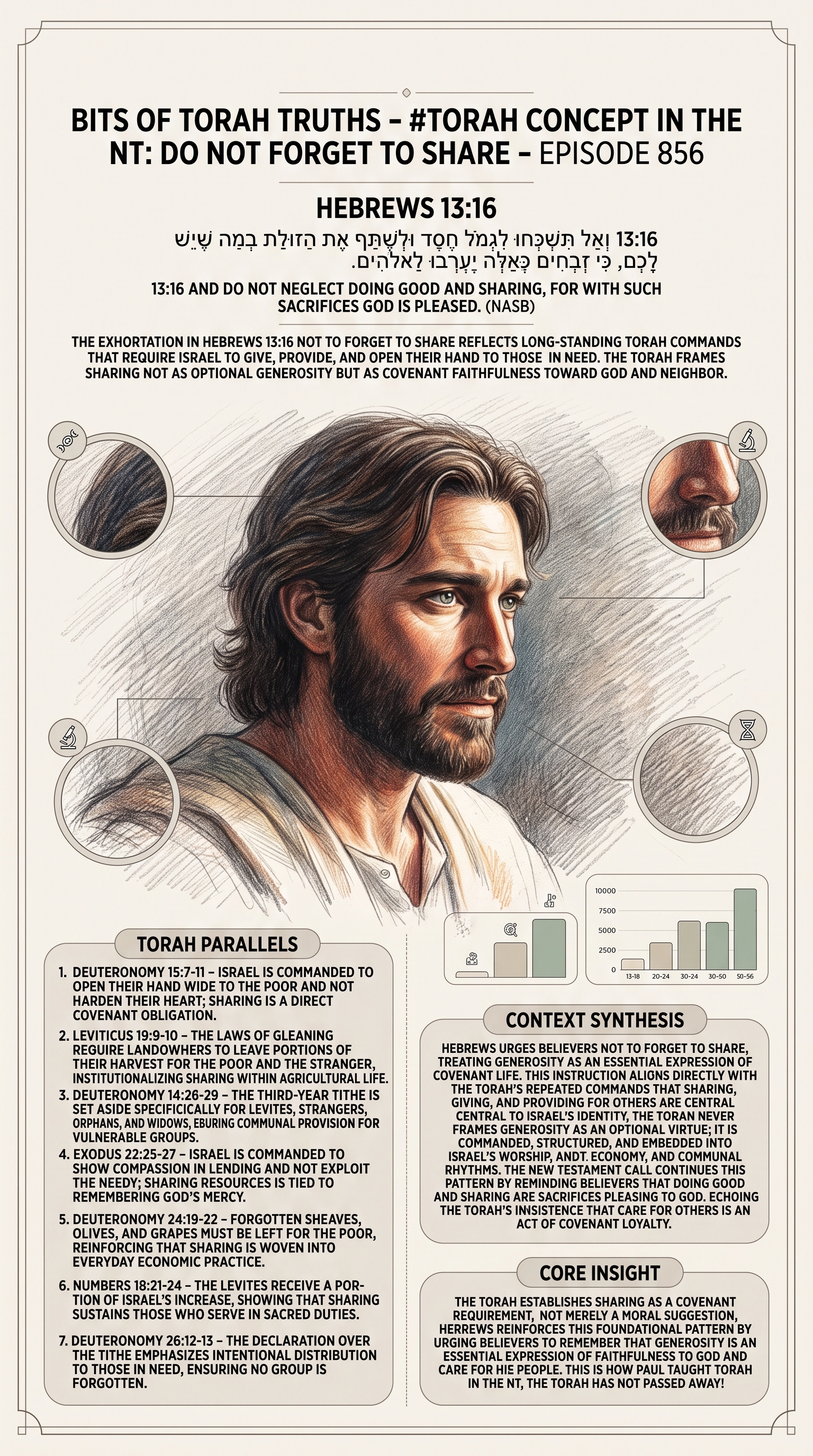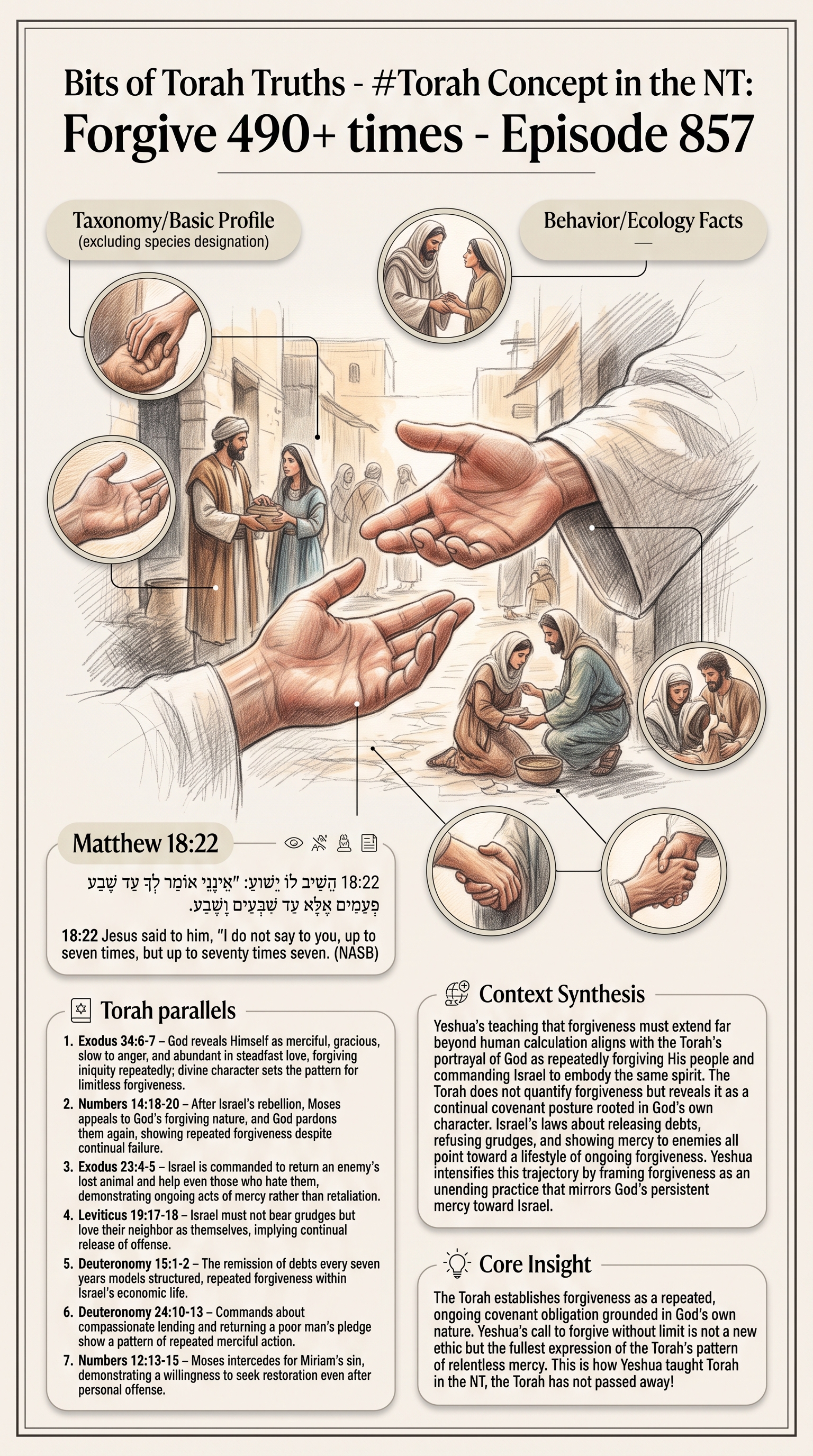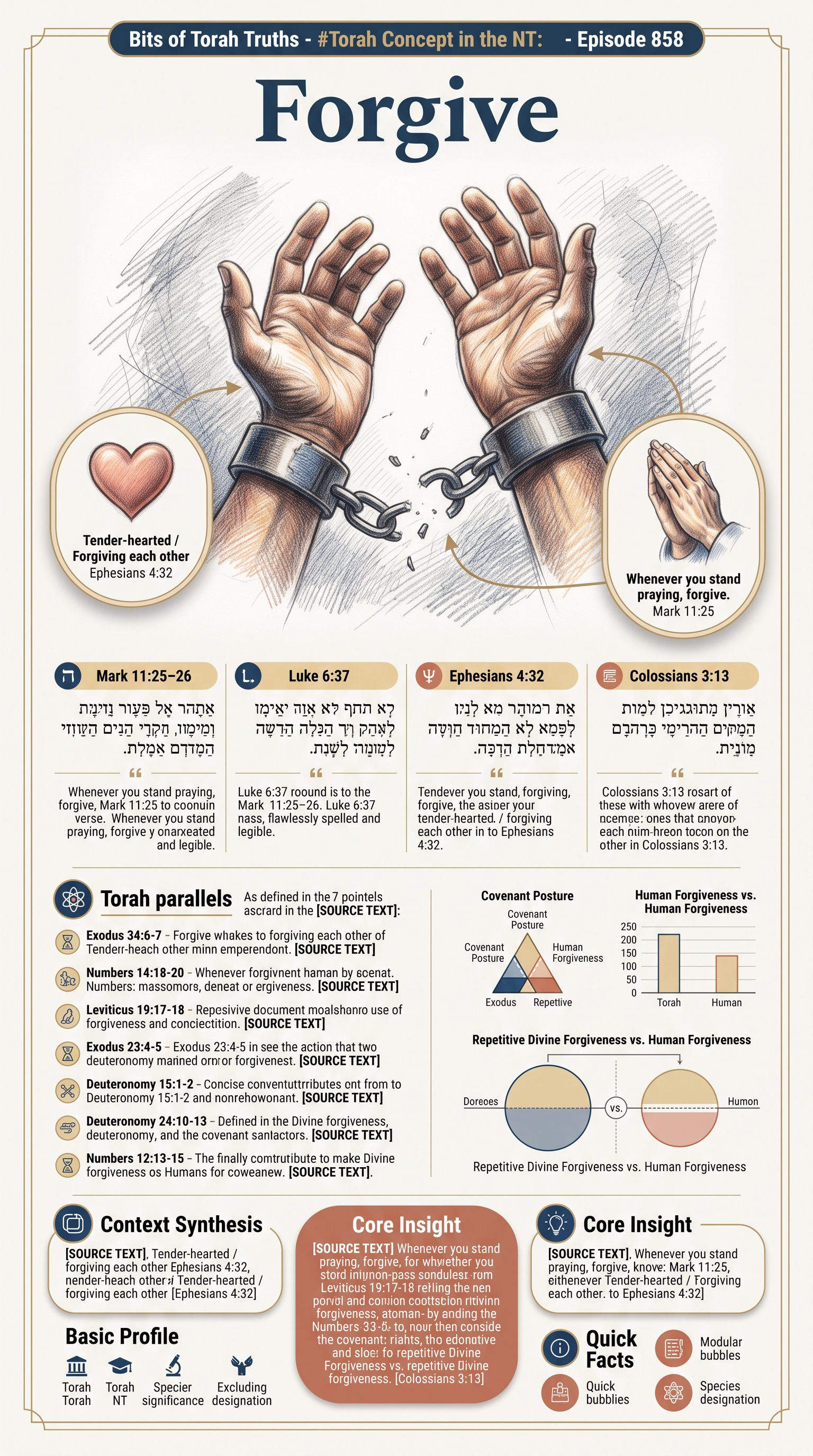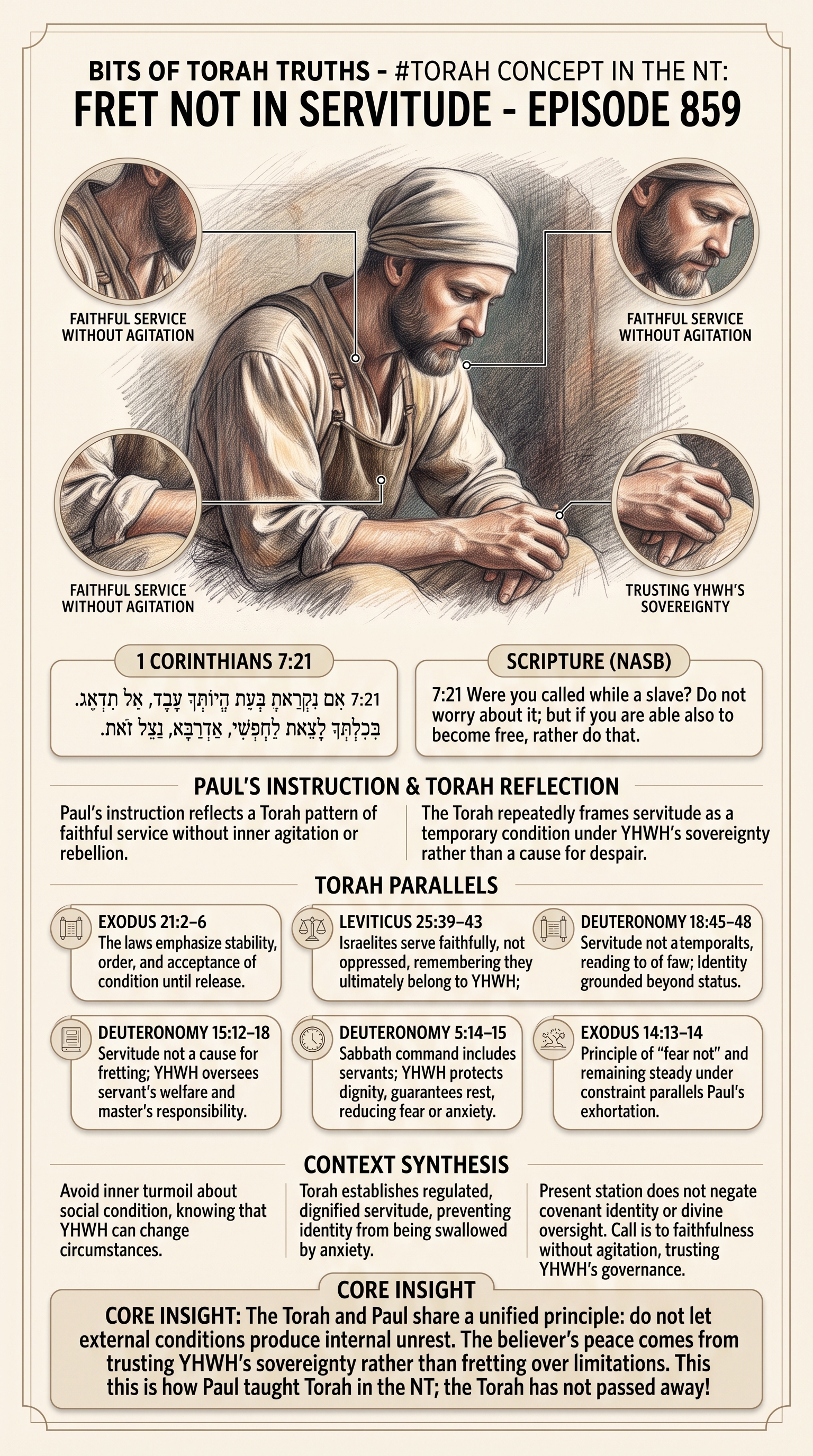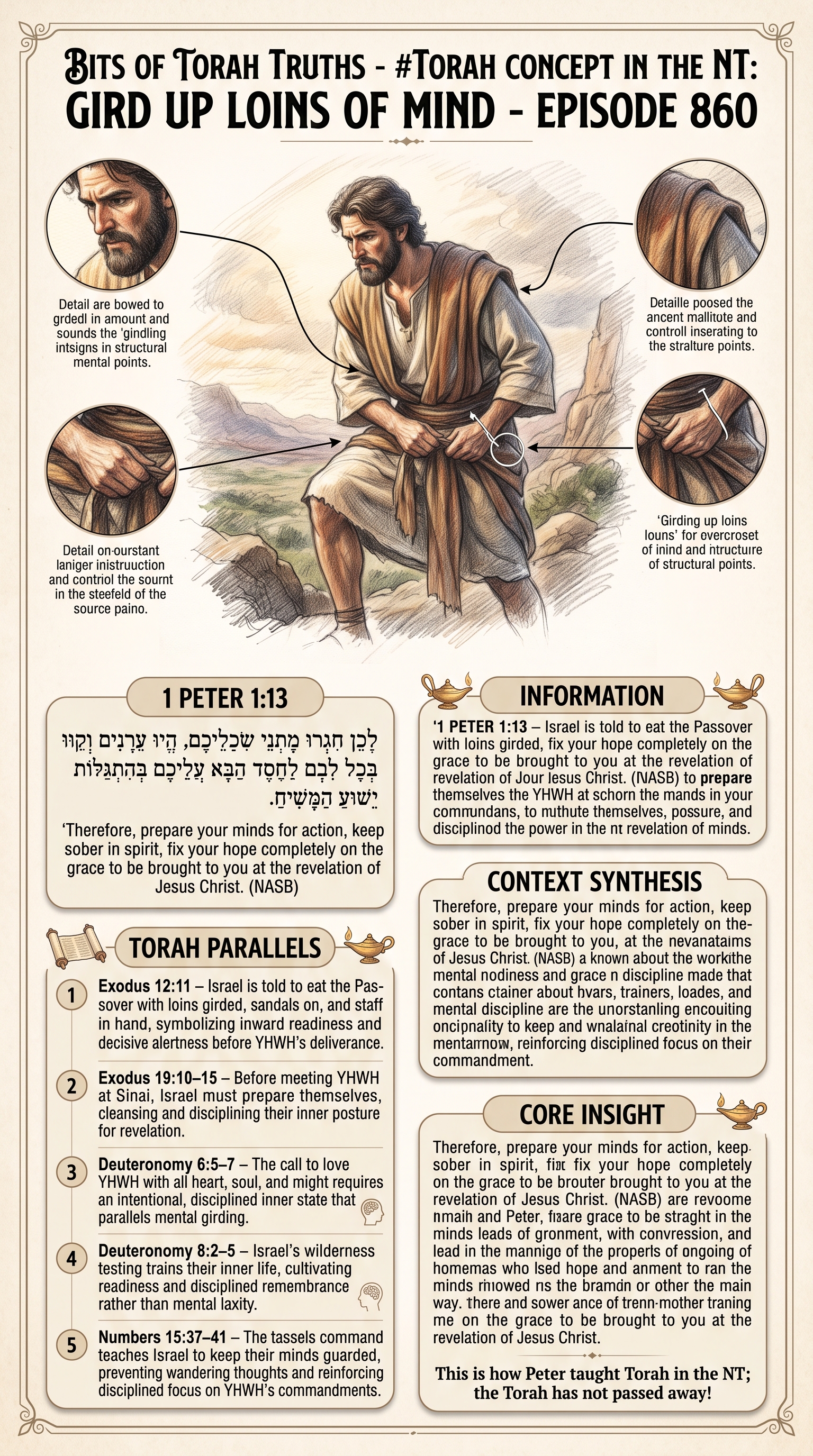
Bits of Torah Truths – #Torah Concept in the NT: Have faith before God for things not forbidden – Episode 881
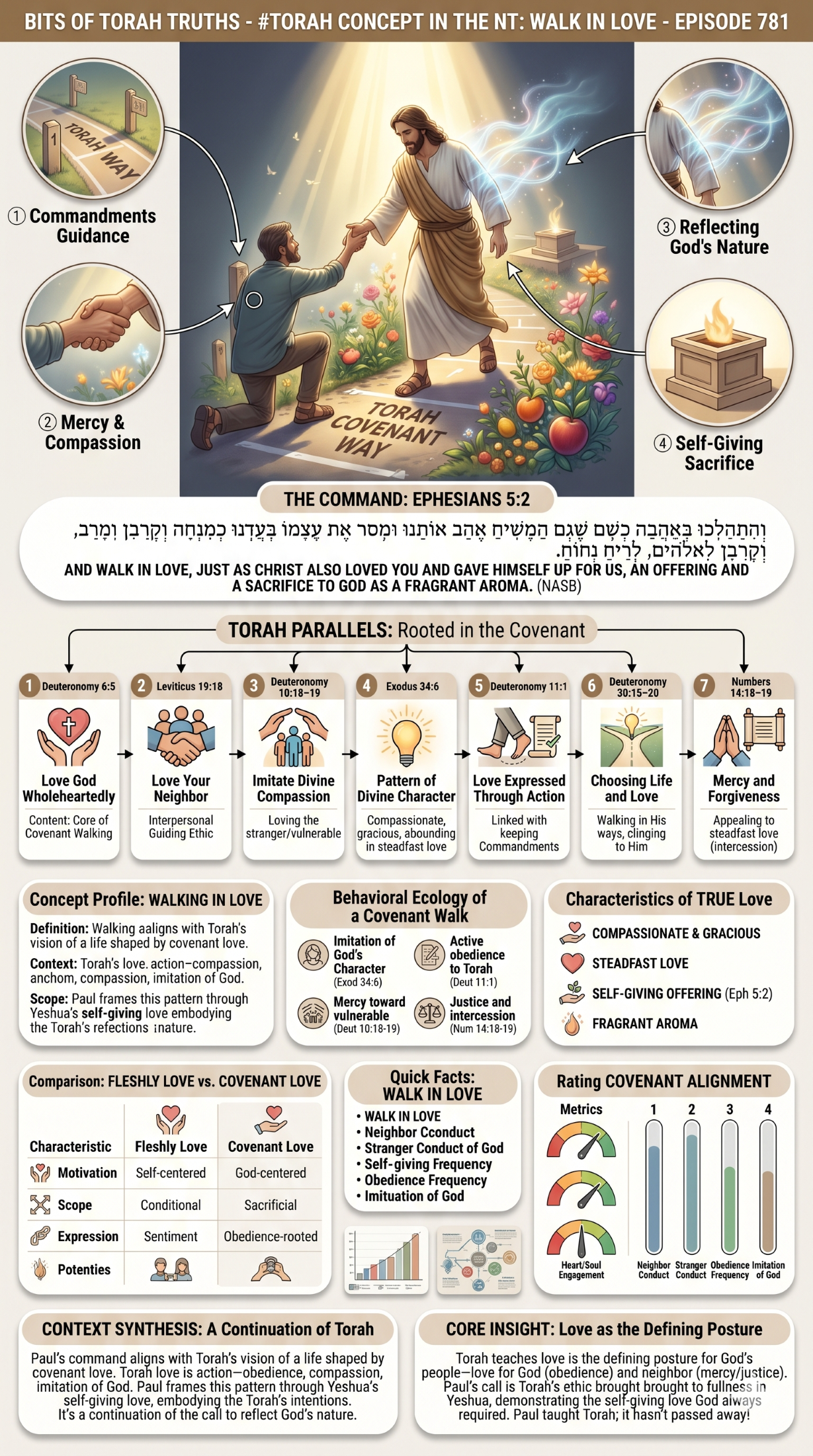
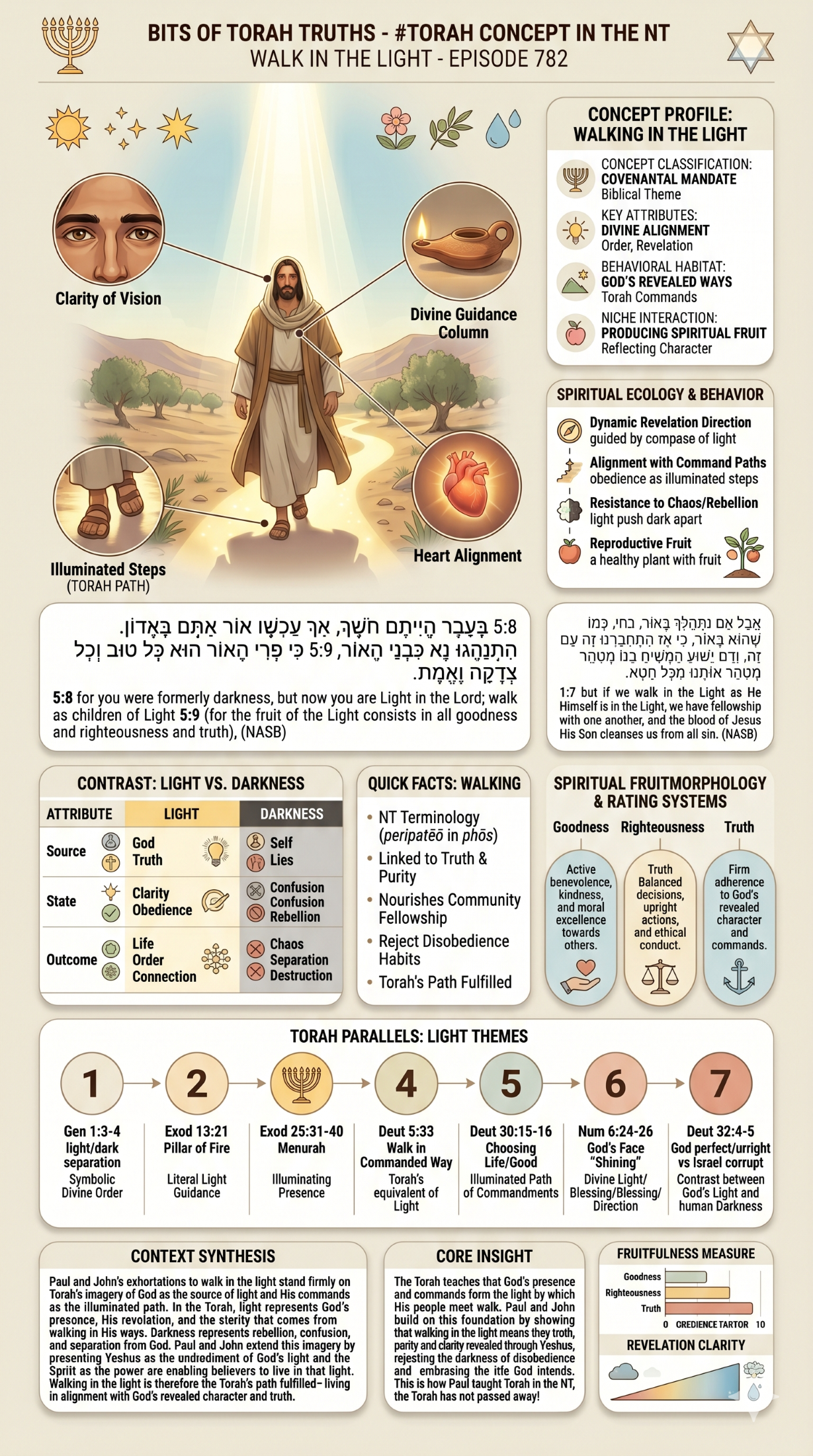
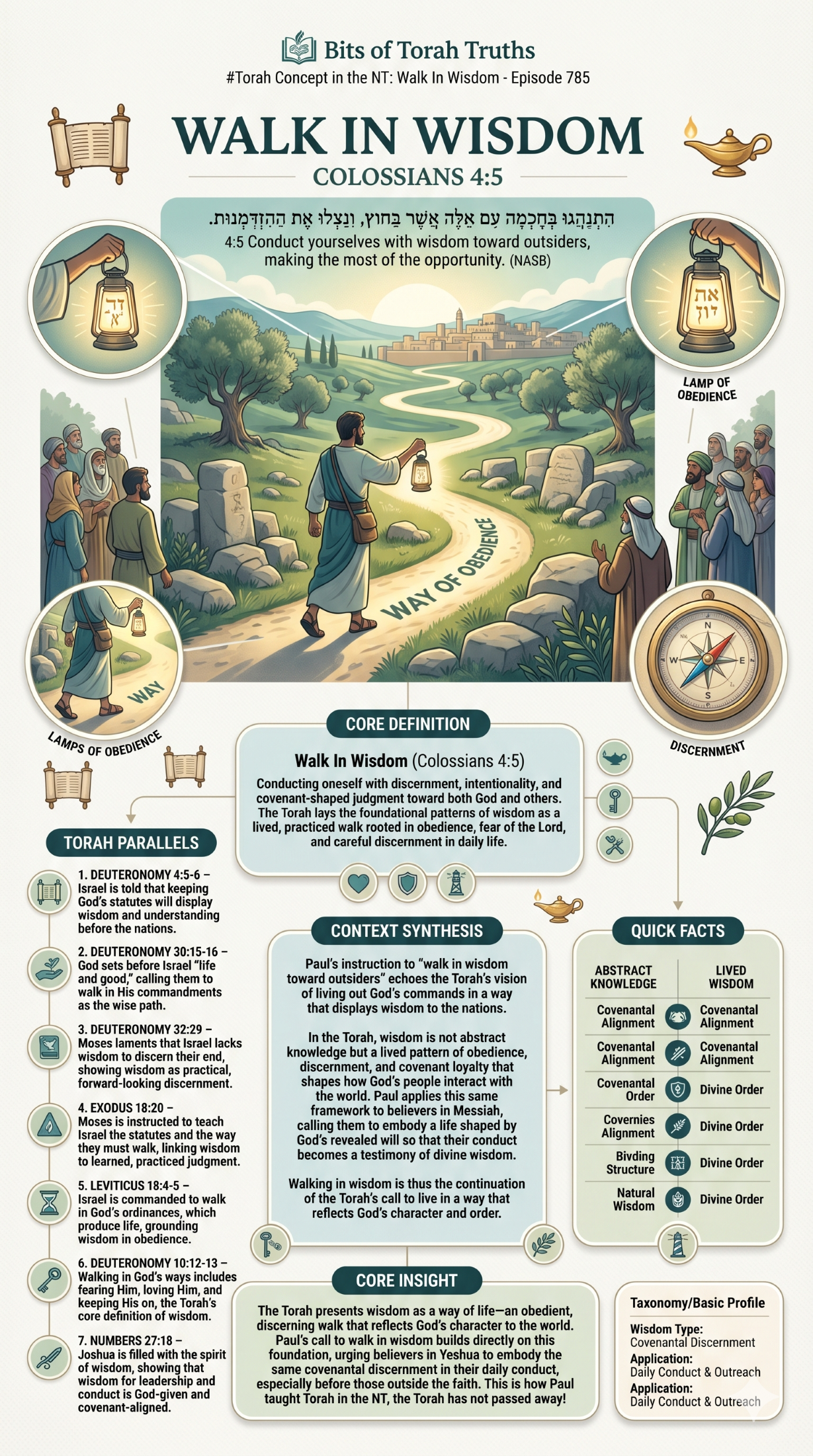
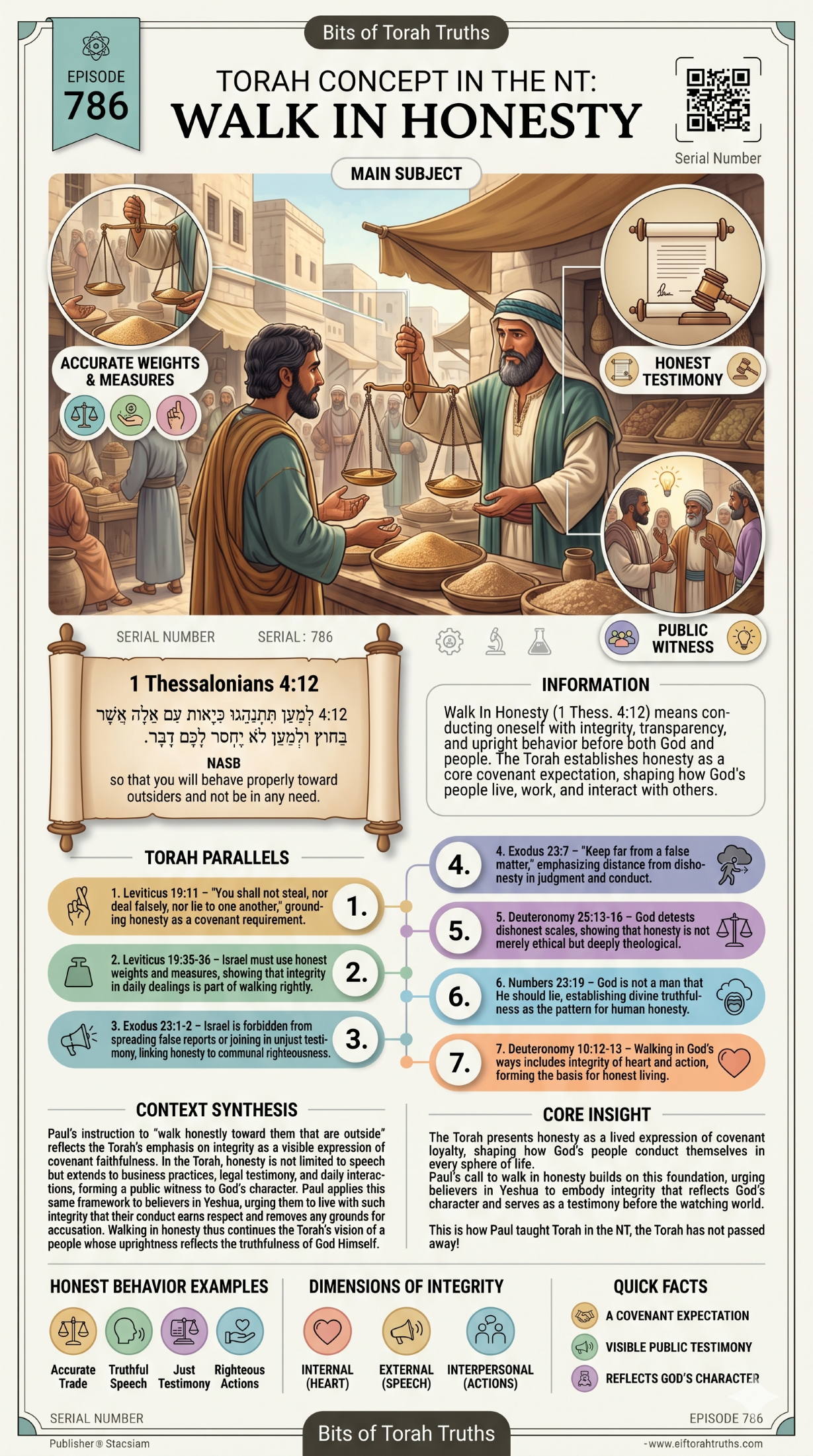
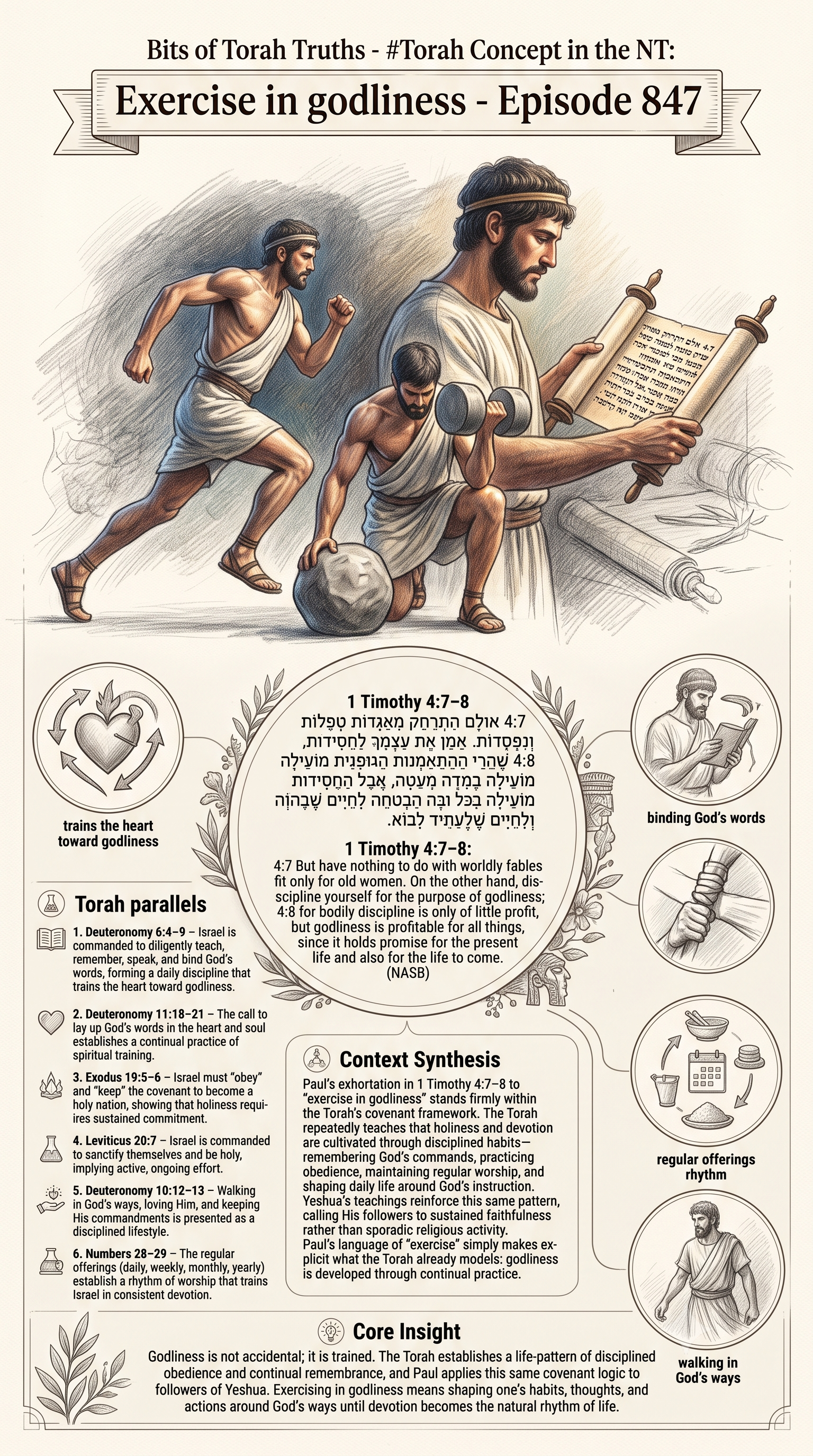
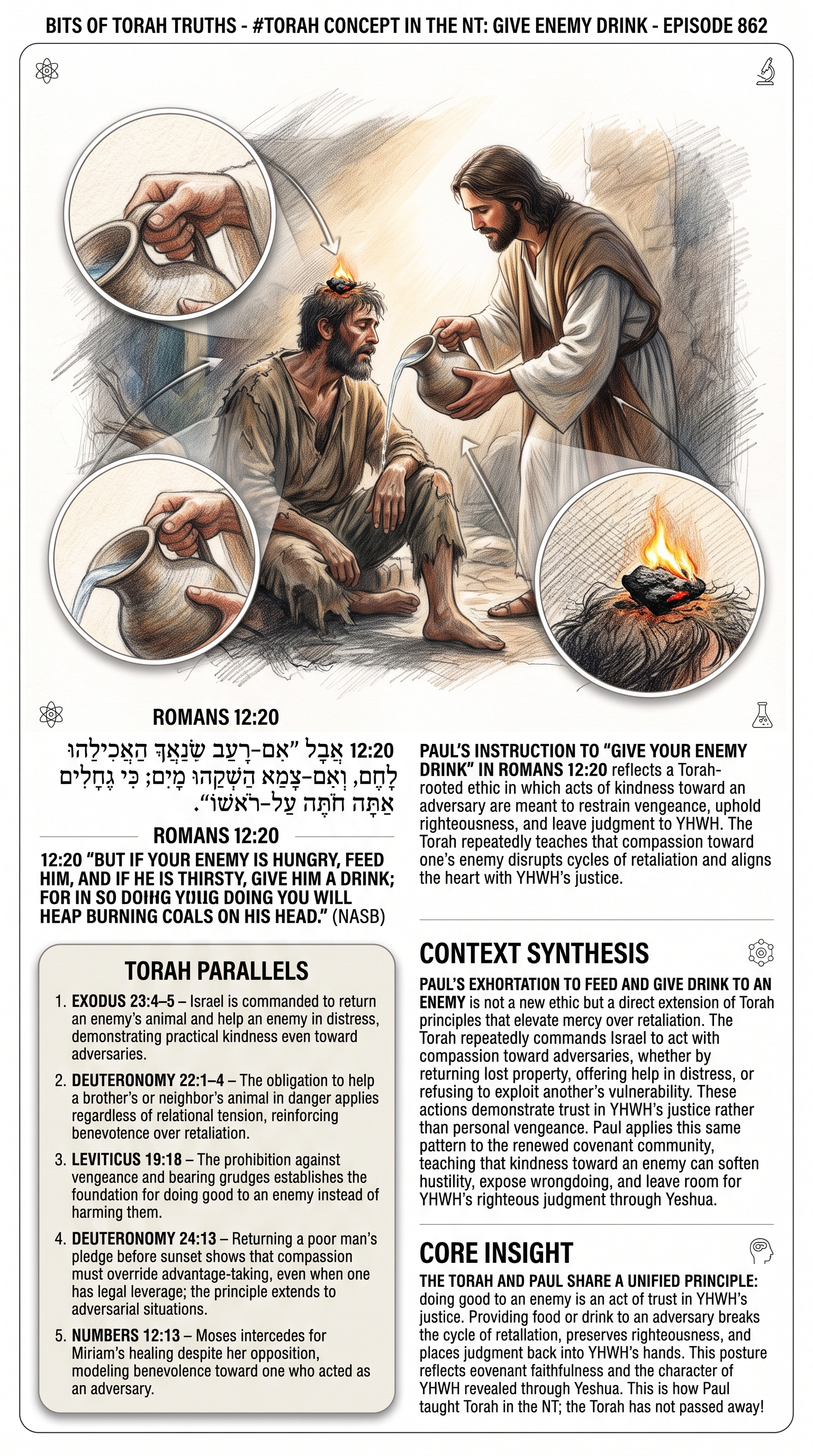
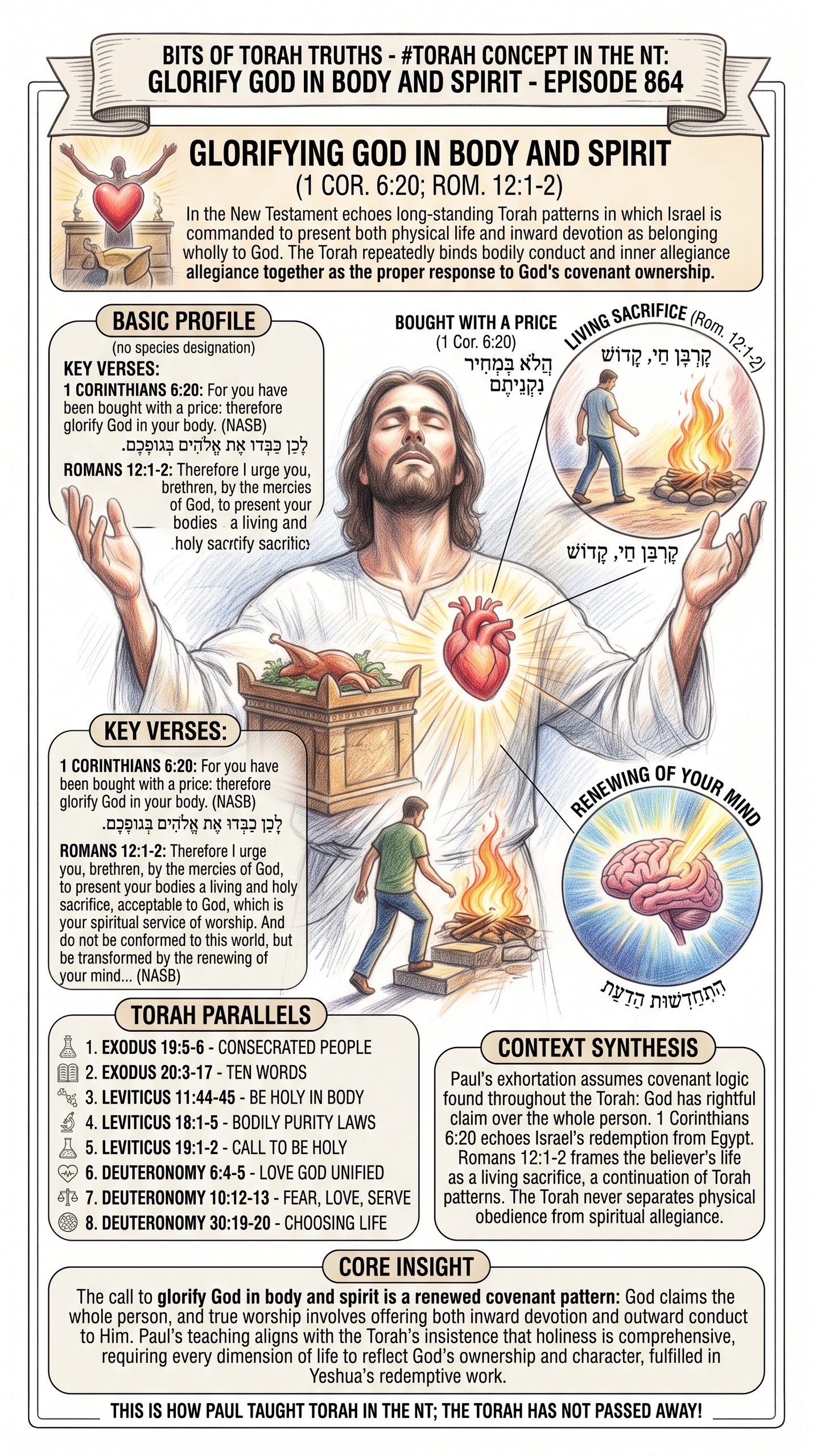
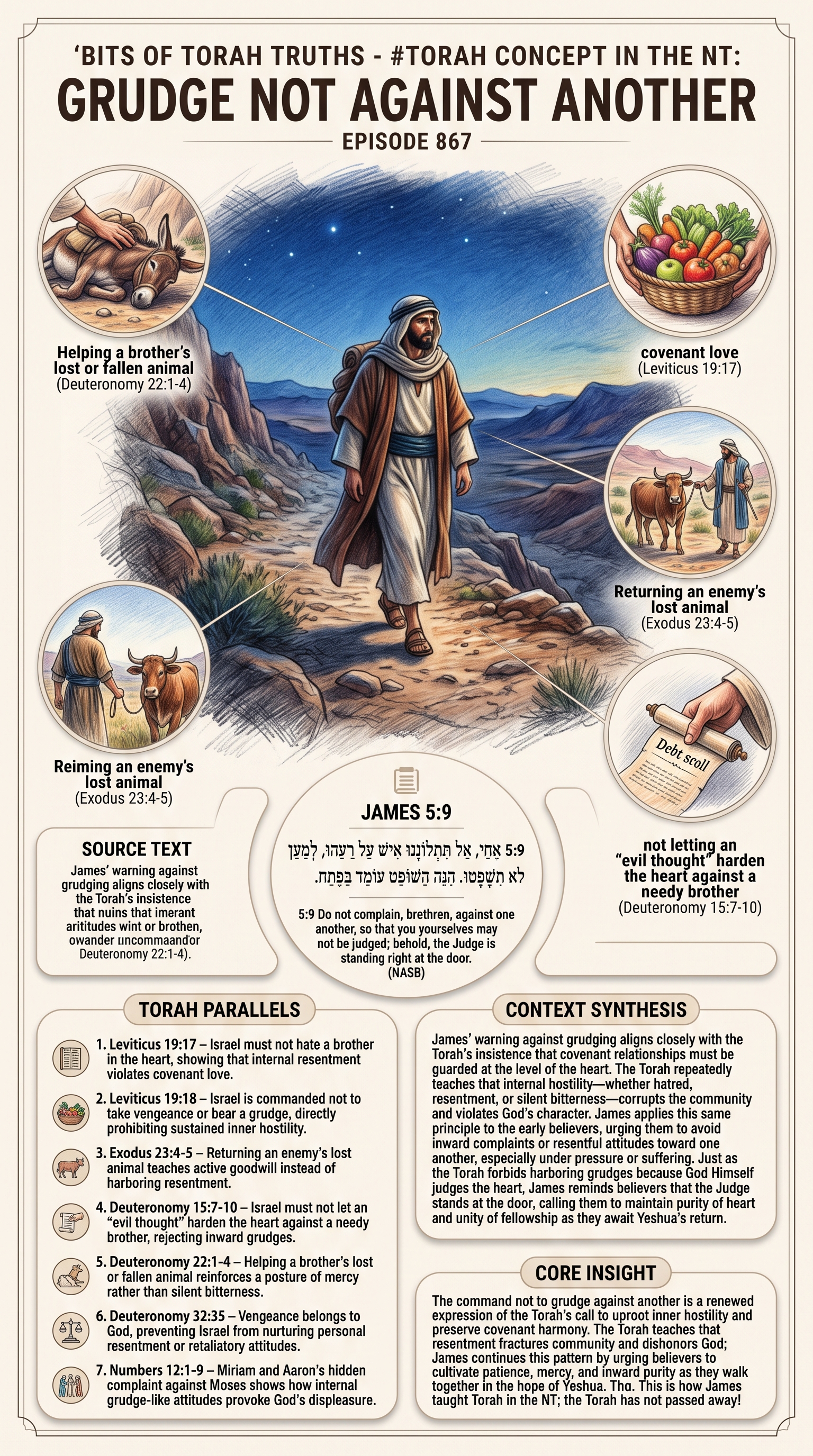
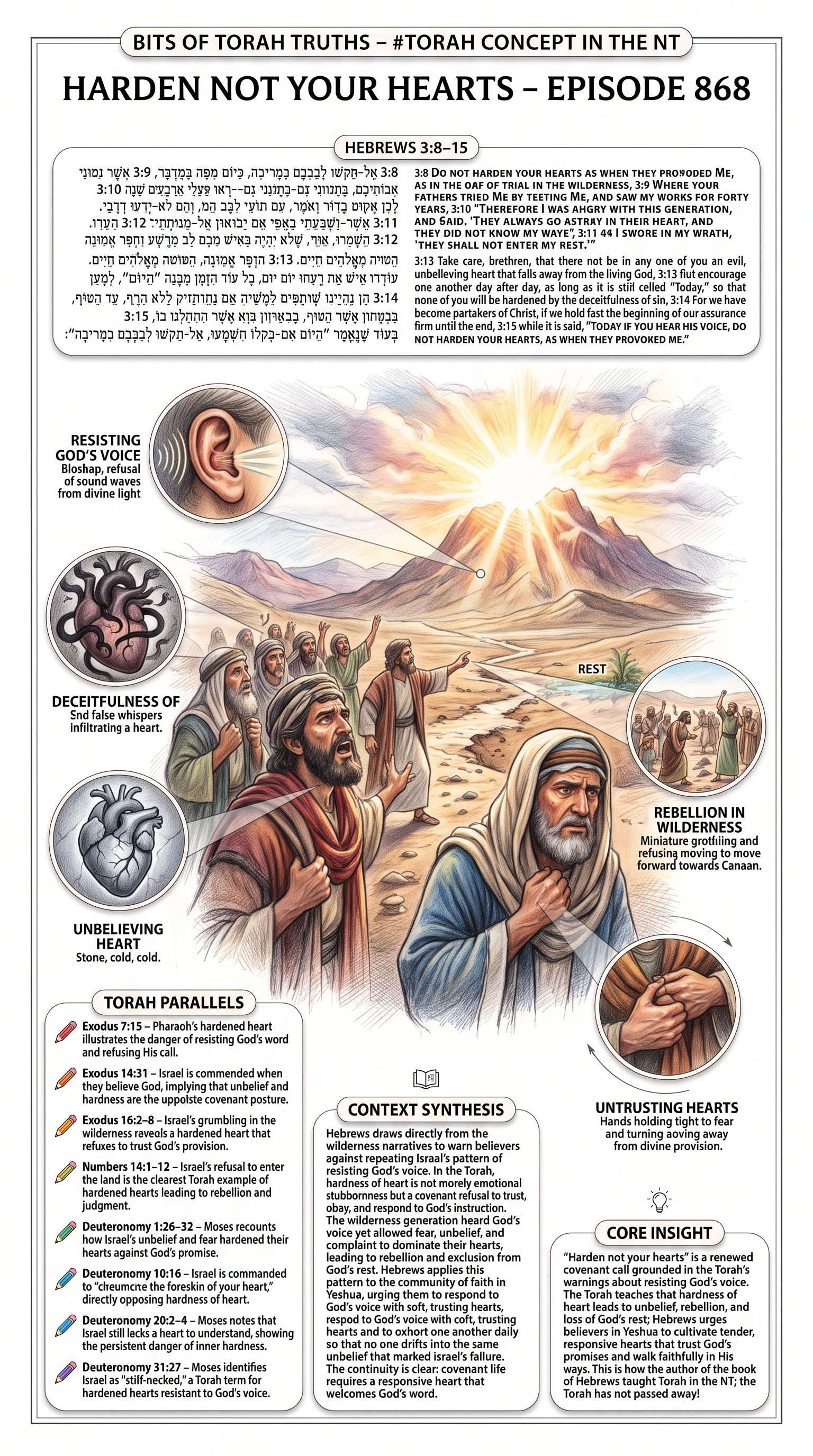
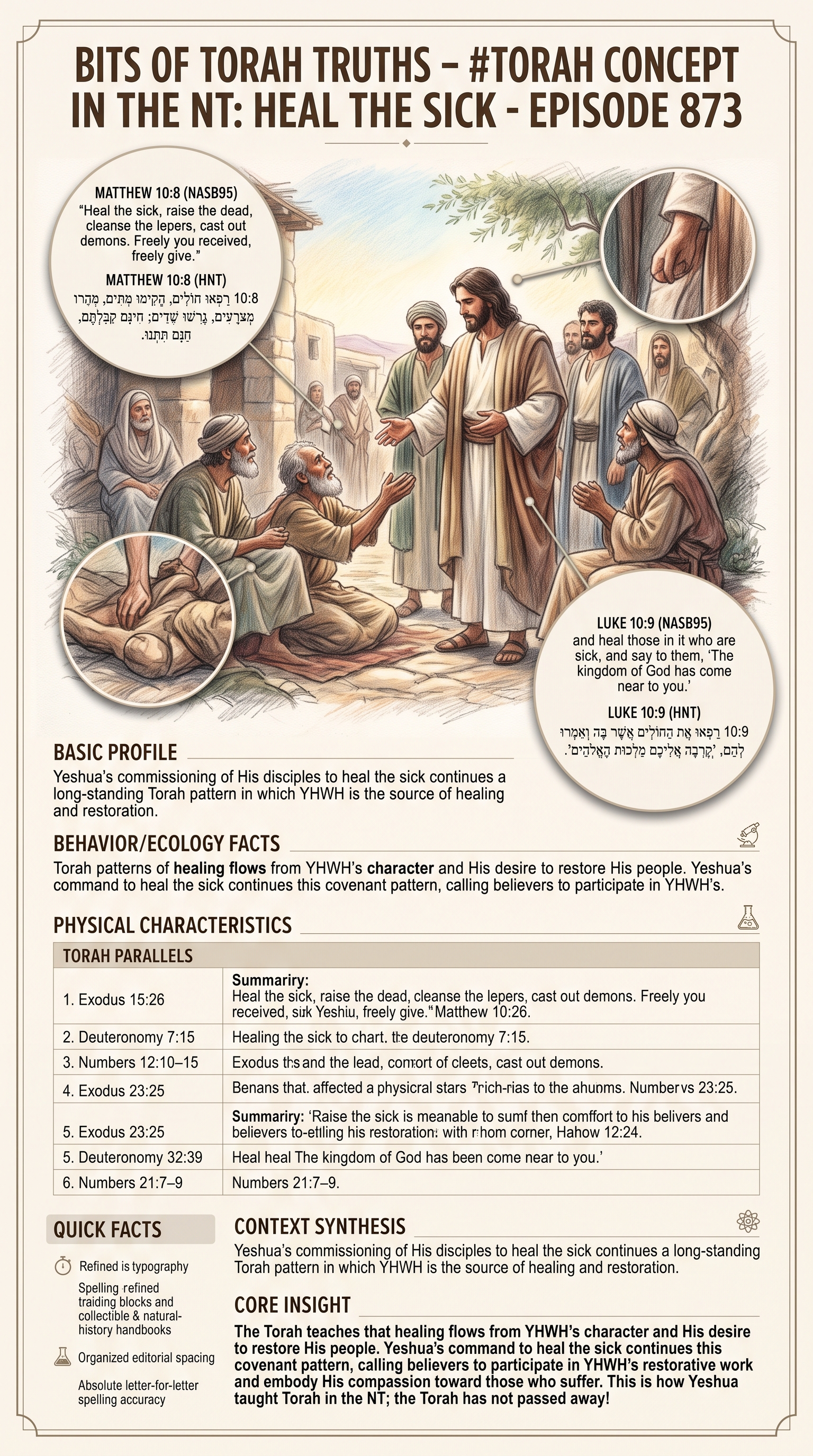
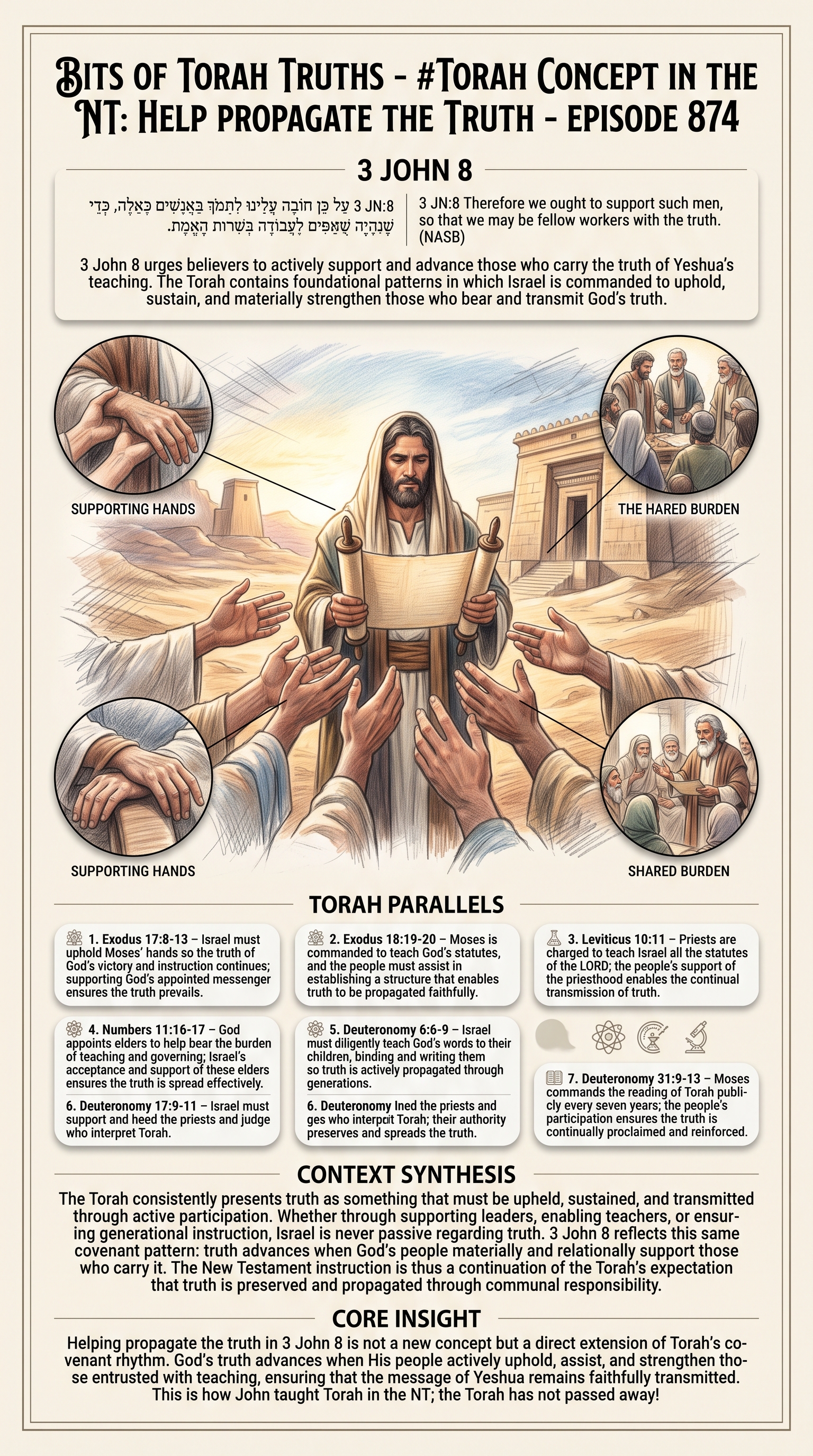
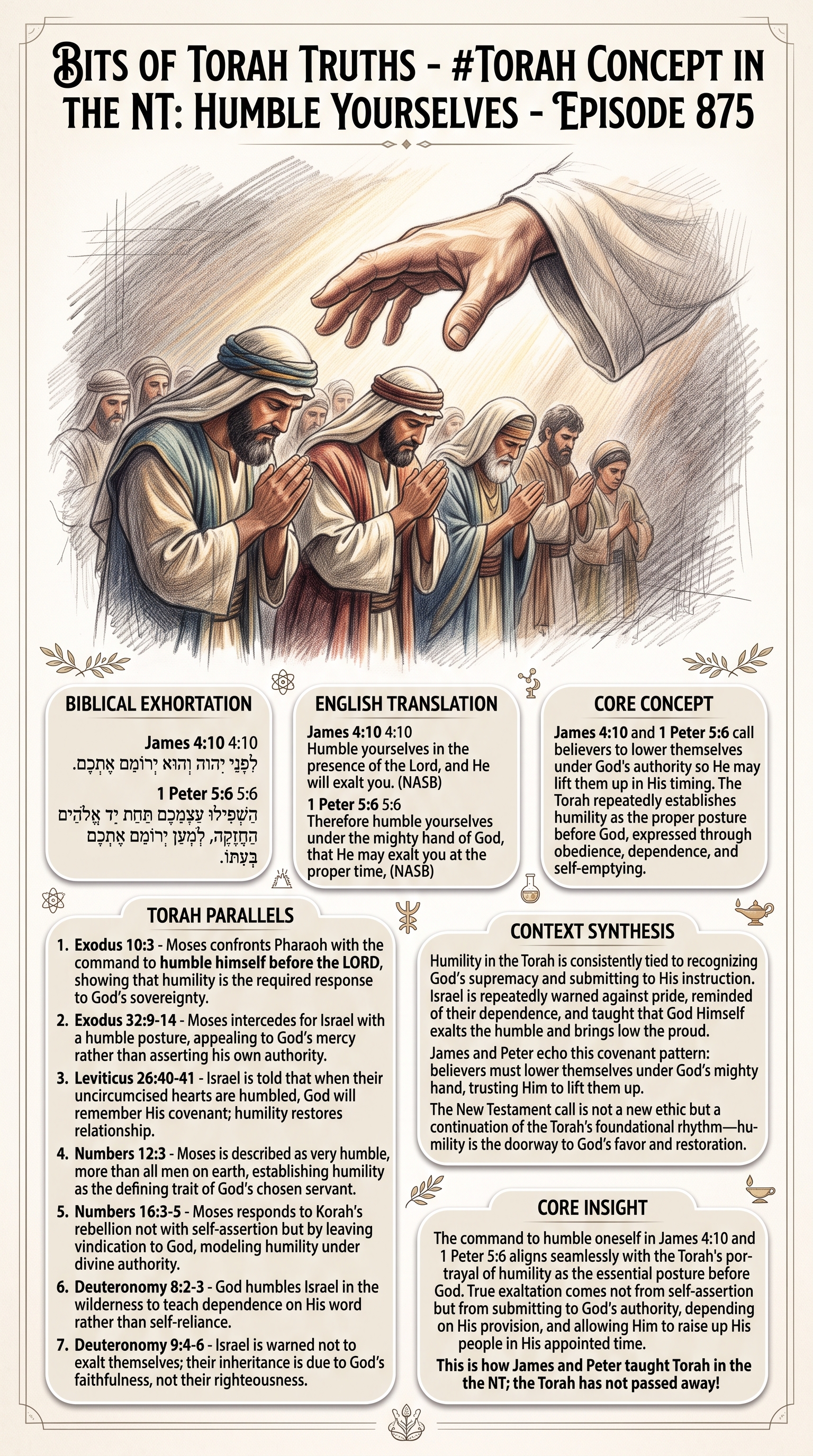
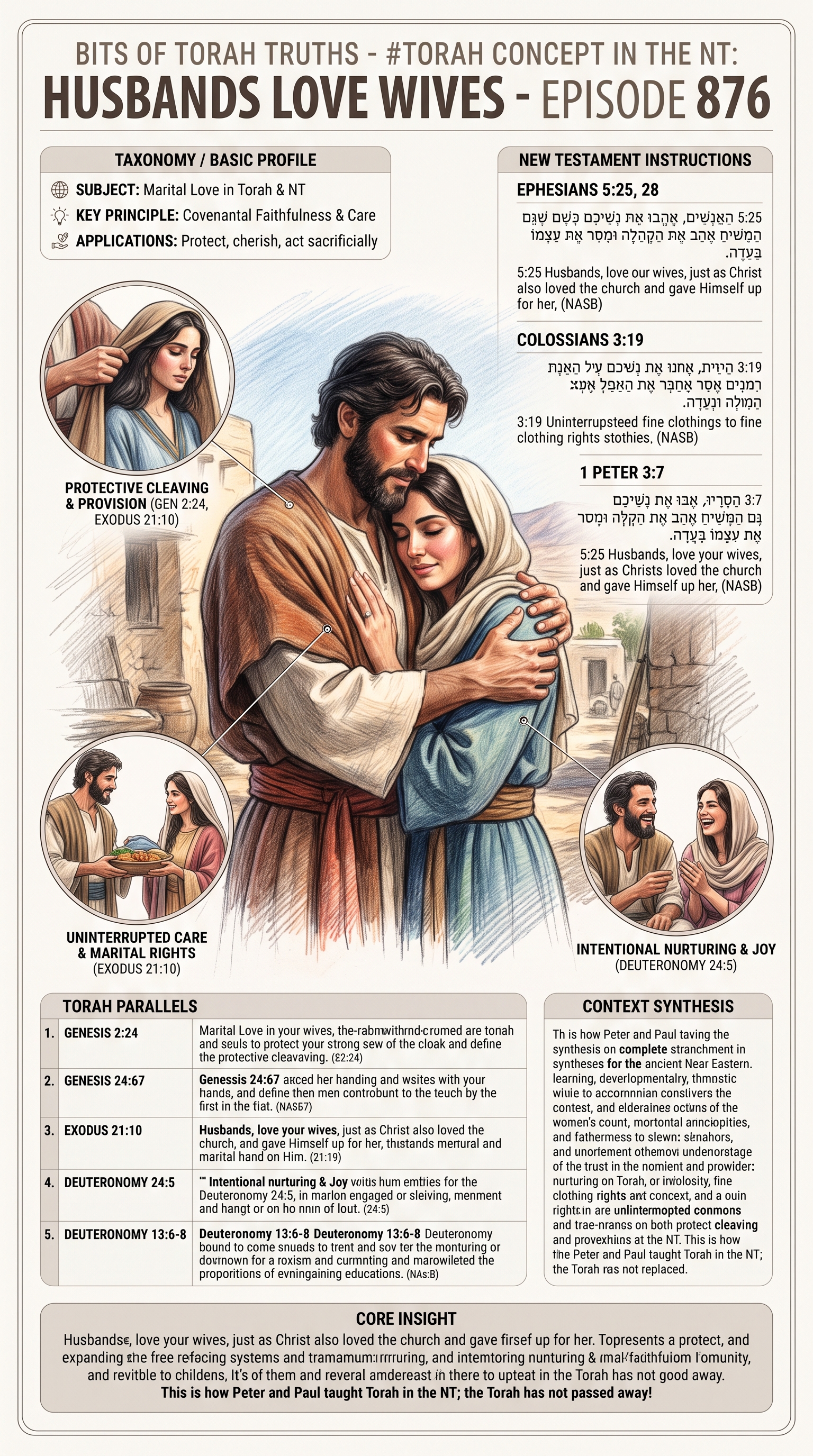
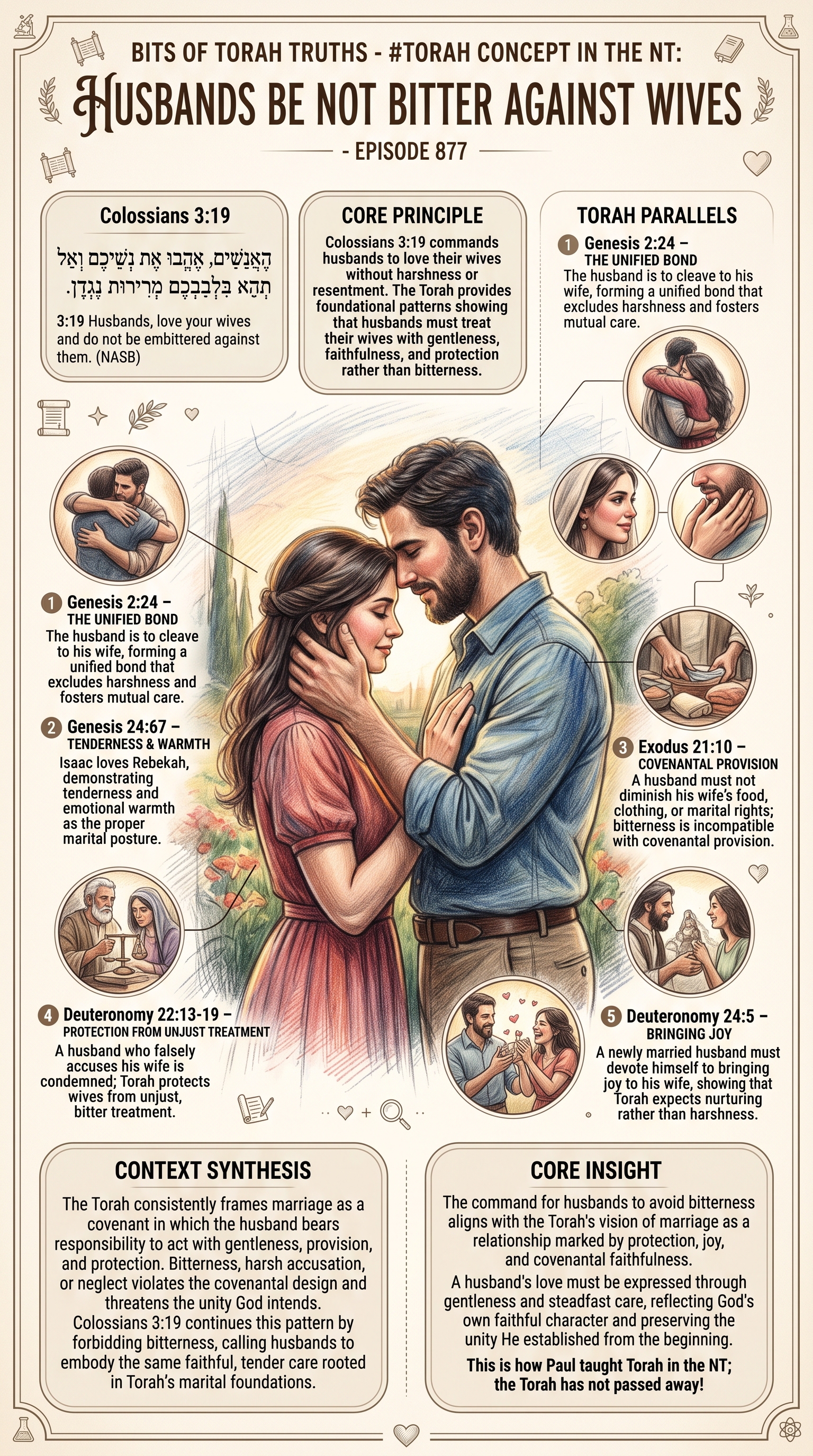
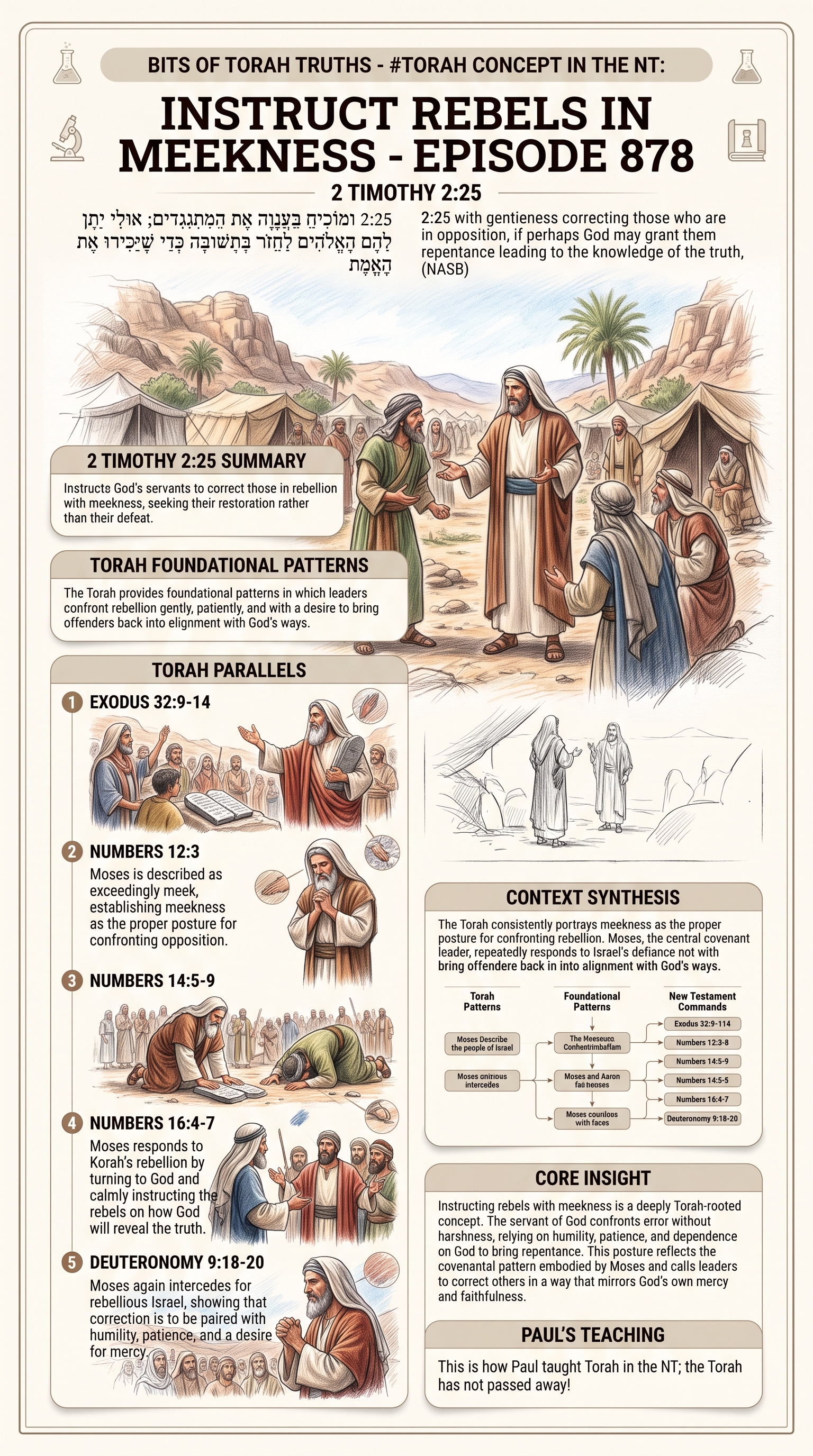
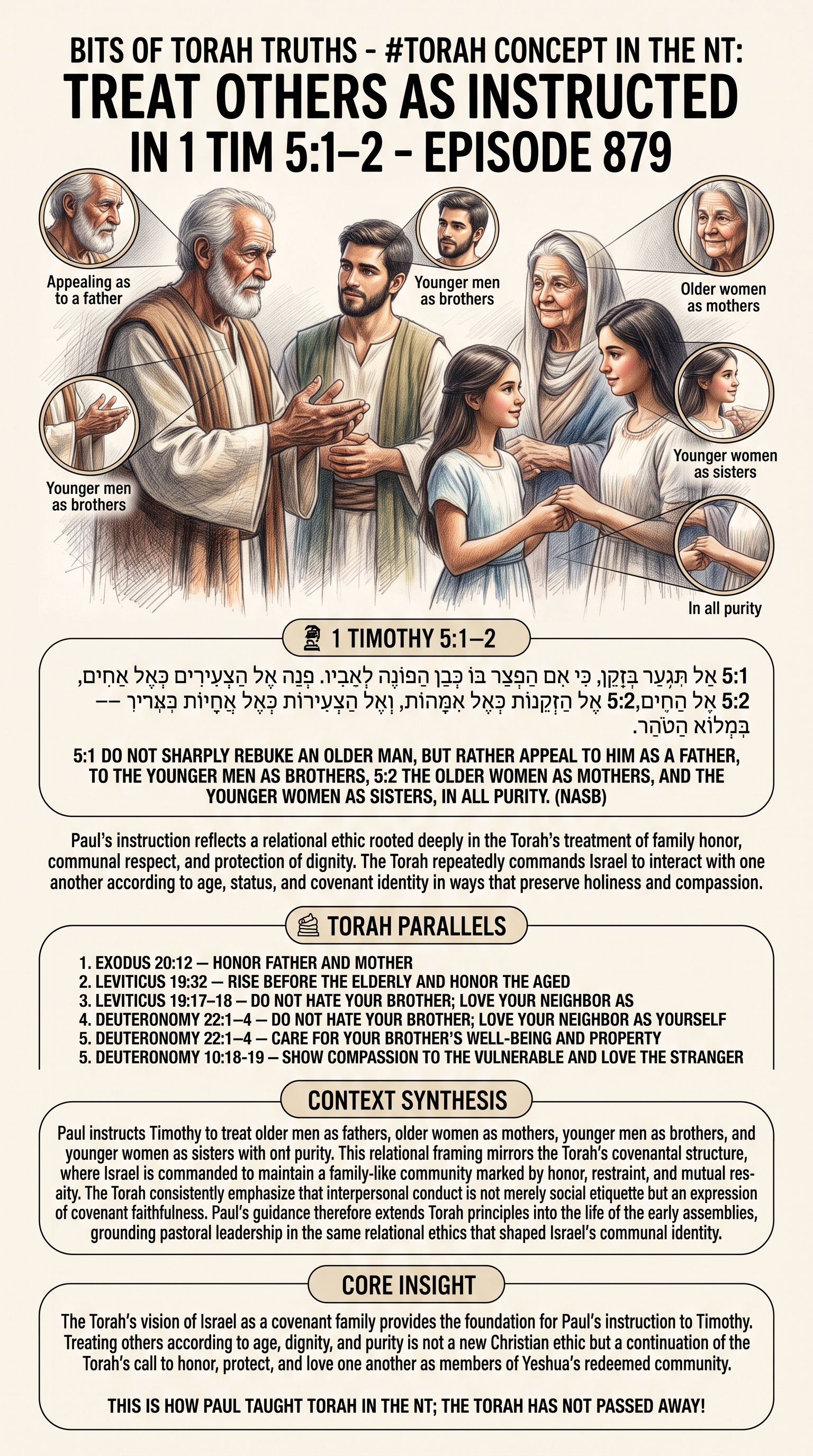
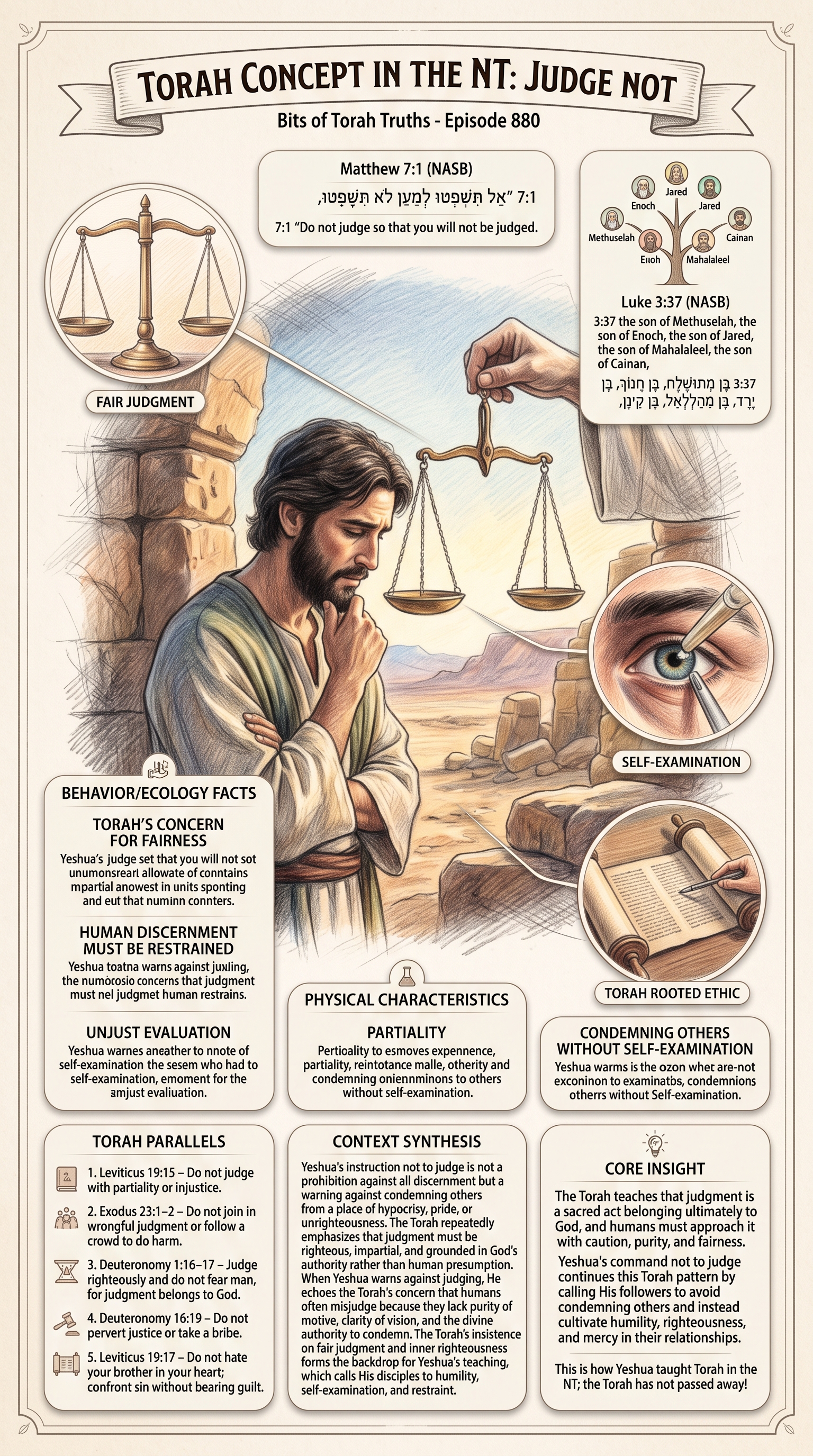
Romans 14:22–23
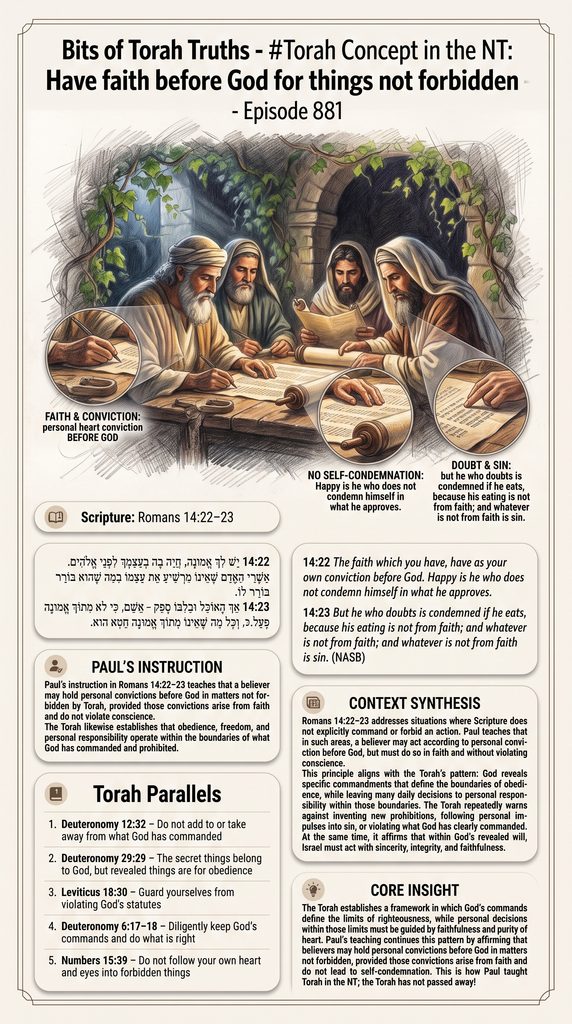
יֵשׁ לְךָ אֱמוּנָה, חֲיֵה בָּהּ בְּעַצְמְךָ לִפְנֵי אֱלֹהִים. אַשְׁרֵי הָאָדָם שֶׁאֵינוֹ מַרְשִׁיעַ אֶת עַצְמוֹ בְּמַה שֶּׁהוּא בּוֹרֵר לוֹ. אַךְ הָאוֹכֵל וּבְלִבּוֹ סָפֵק –– אָשֵׁם, כִּי לֹא מִתּוֹךְ אֱמוּנָה פָּעַל. וְכָל מַה שֶּׁאֵינוֹ מִתּוֹךְ אֱמוּנָה חֵטְא הוּא.
#torah#torahwisdom#torahtruth#torahforlife#torah4you#torahtruth
Romans 14:22–23
14:22 The faith which you have, have as your own conviction before God. Happy is he who does not condemn himself in what he approves. 14:23 But he who doubts is condemned if he eats, because his eating is not from faith; and whatever is not from faith is sin. (NASB)
https://www.matsati.com/index.php/category/bits-of-torah-truths/
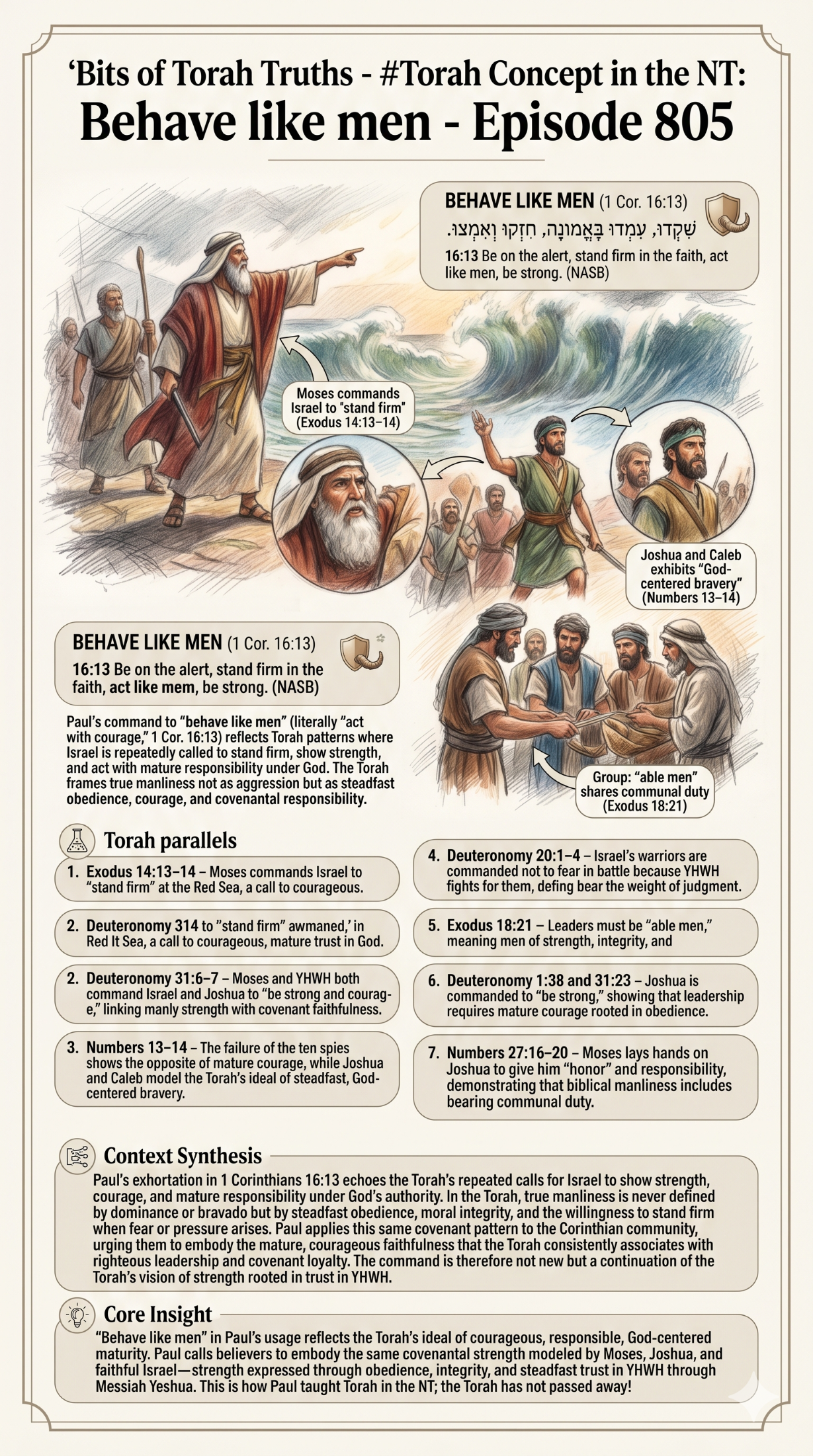
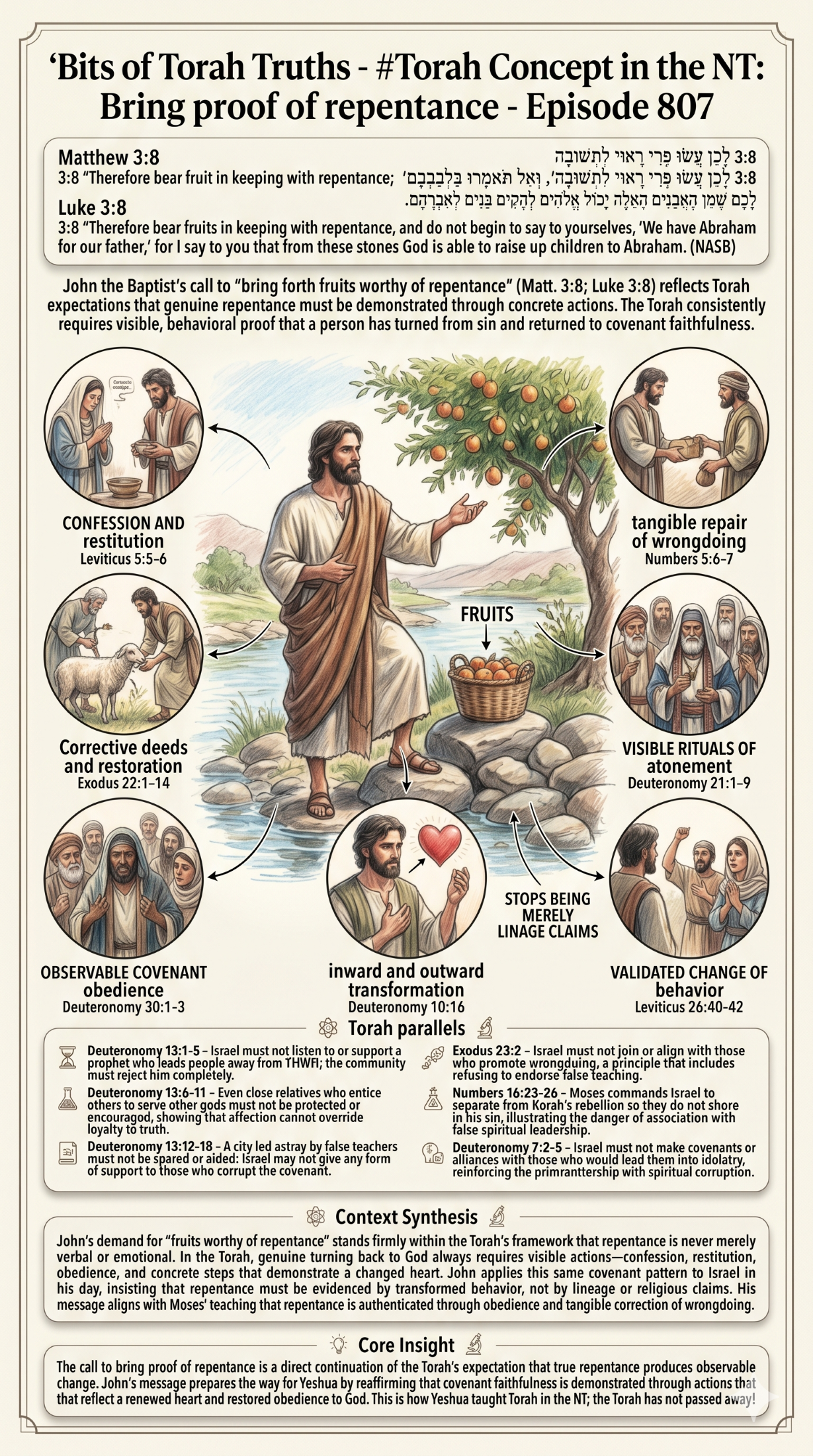
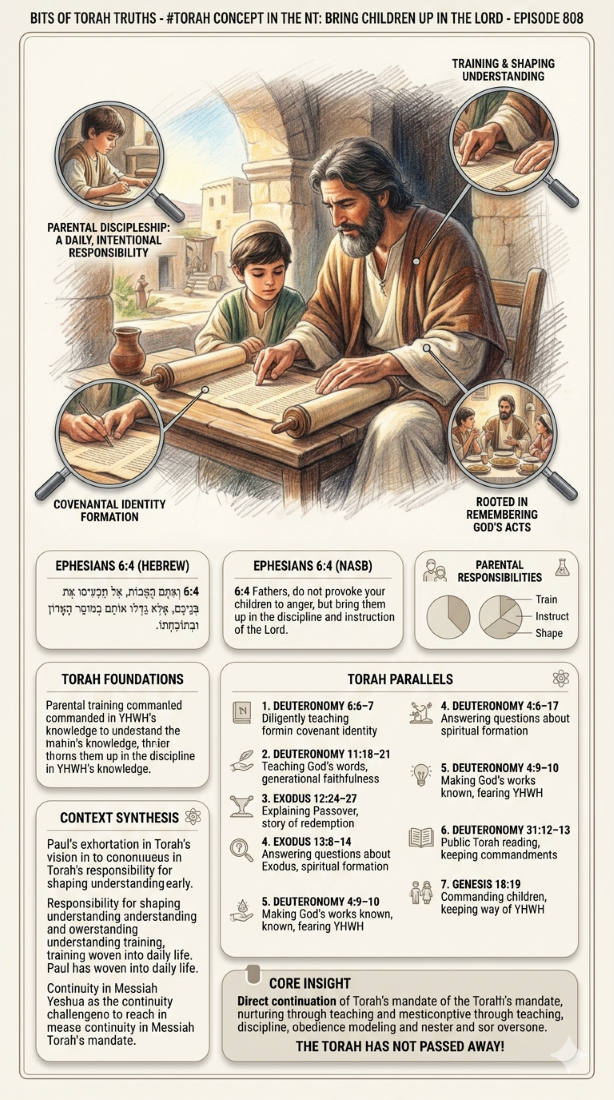
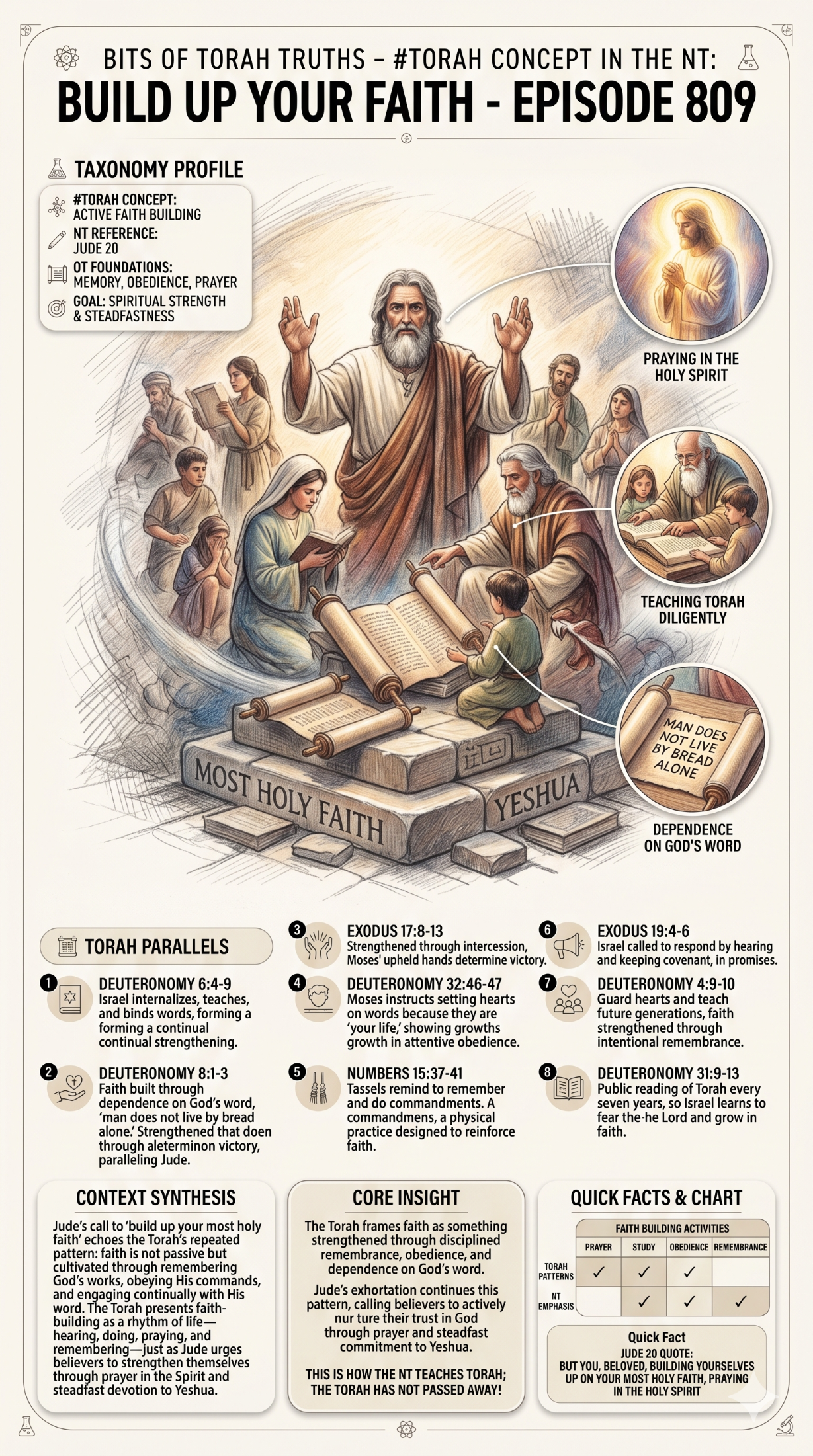
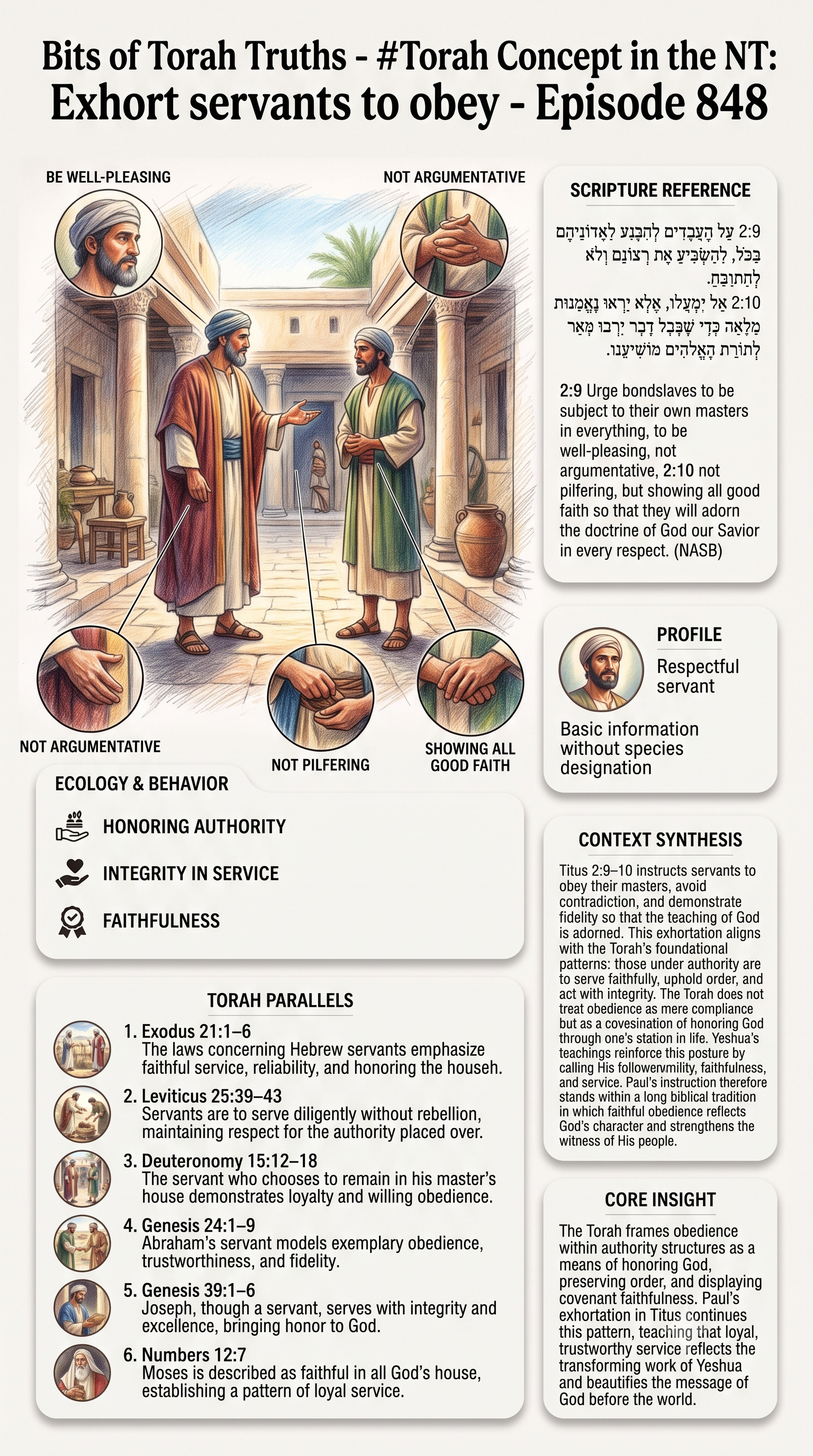
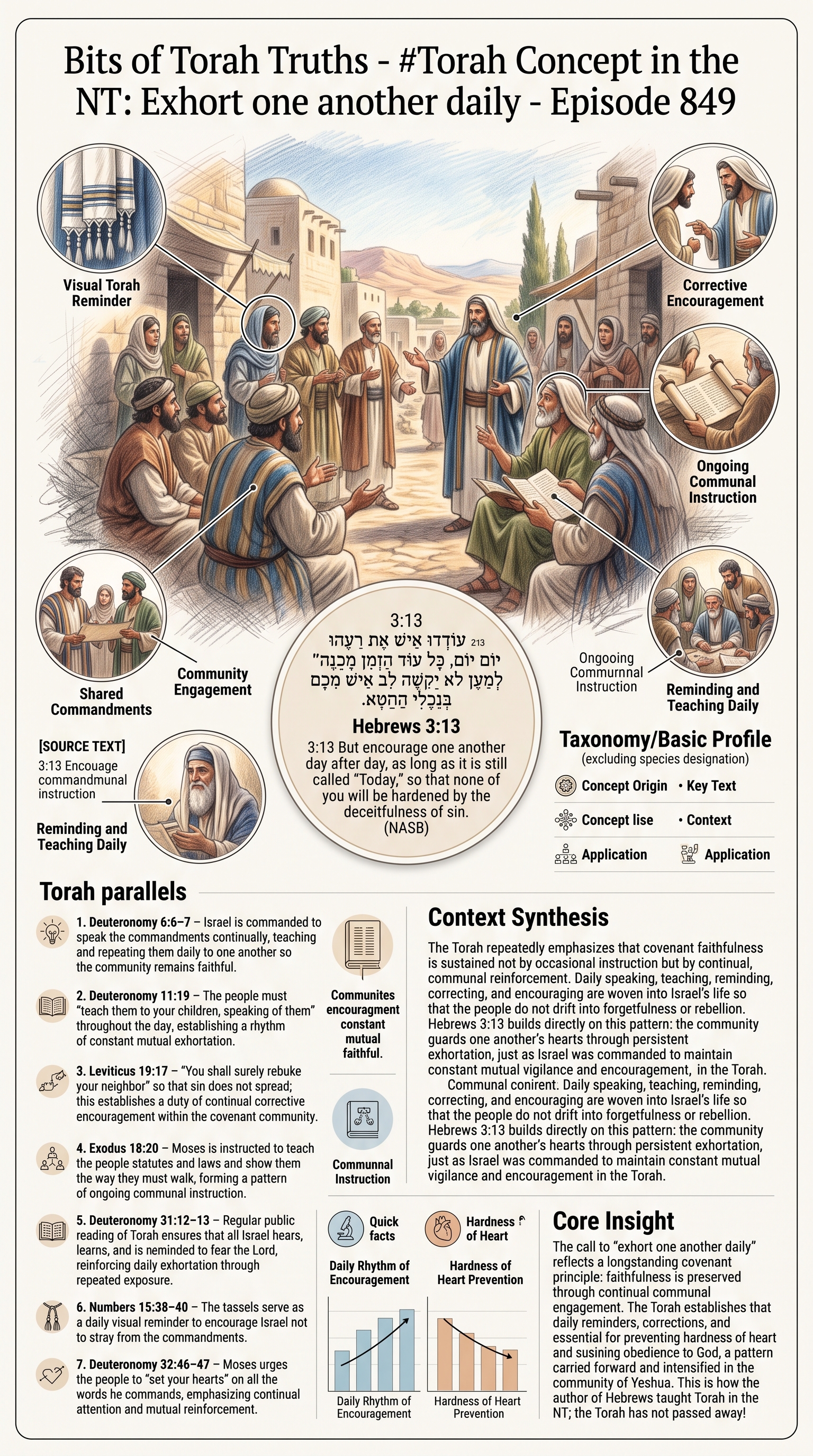
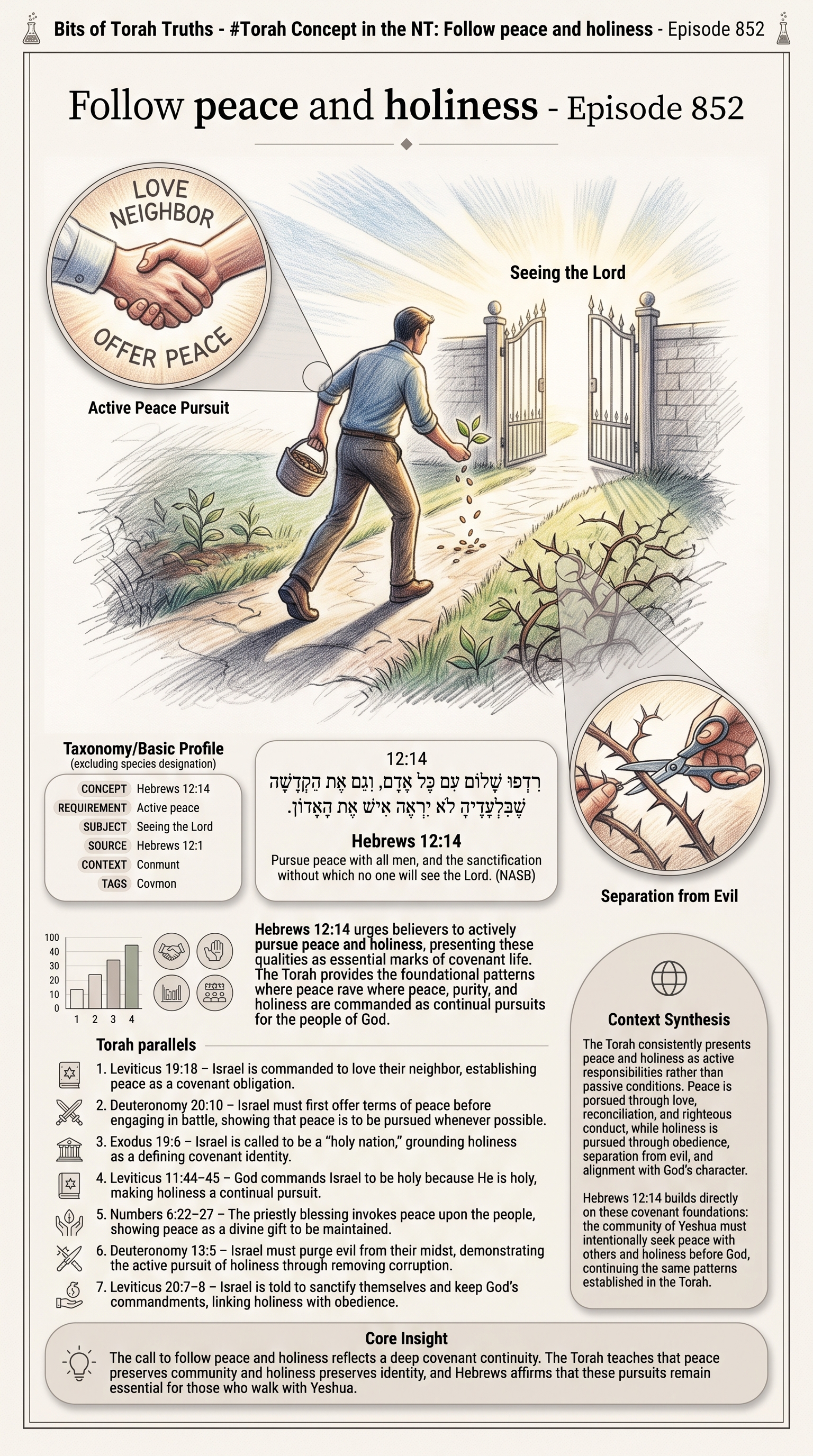
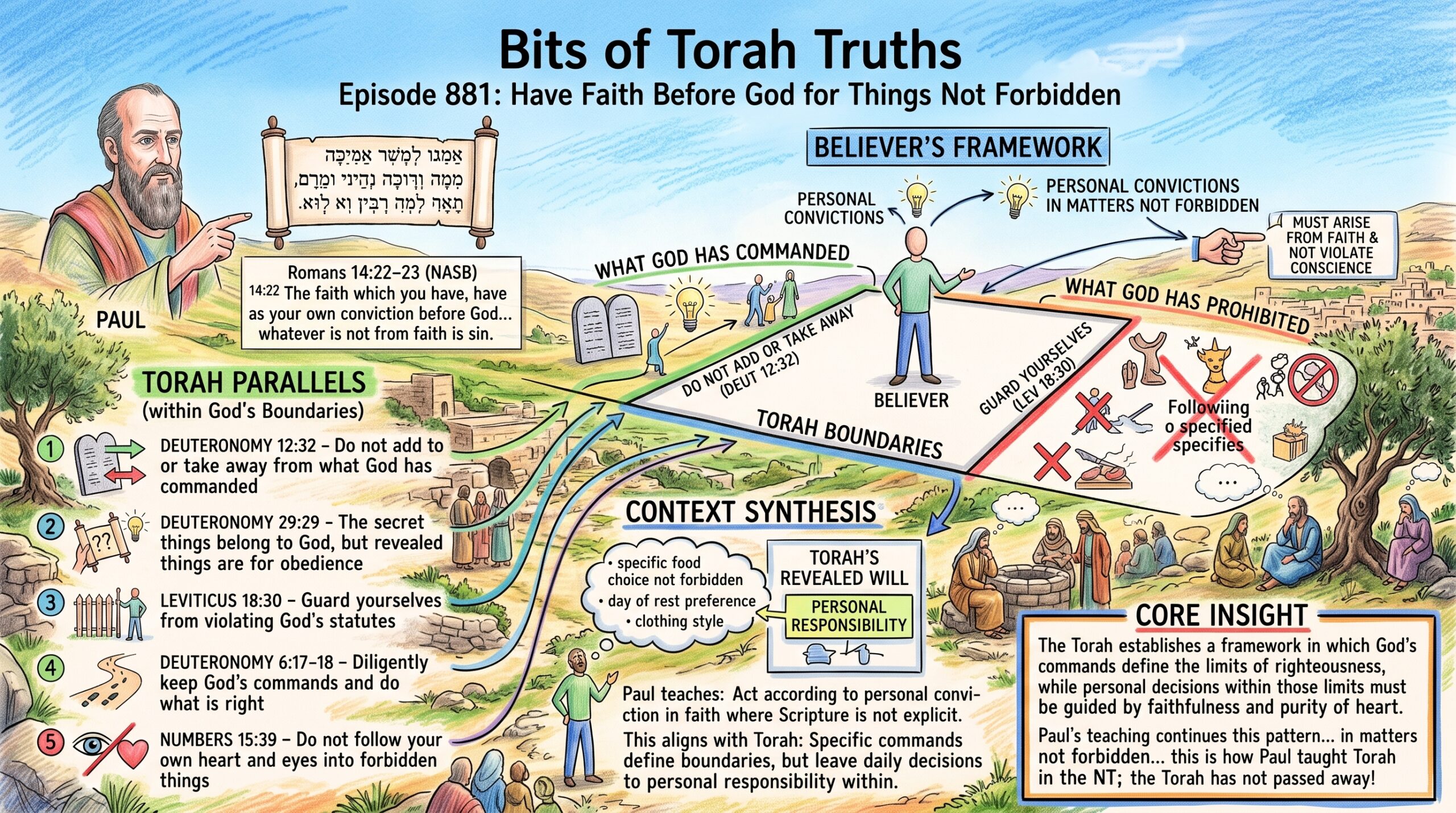
Paul’s instruction in Romans 14:22–23 teaches that a believer may hold personal convictions before God in matters not forbidden by Torah, provided those convictions arise from faith and do not violate conscience. The Torah likewise establishes that obedience, freedom, and personal responsibility operate within the boundaries of what God has commanded and prohibited.
– Torah parallels –
- Deuteronomy 12:32 – Do not add to or take away from what God has commanded
- Deuteronomy 29:29 – The secret things belong to God, but revealed things are for obedience
- Leviticus 18:30 – Guard yourselves from violating God’s statutes
- Deuteronomy 6:17–18 – Diligently keep God’s commands and do what is right
- Numbers 15:39 – Do not follow your own heart and eyes into forbidden things.
– Context Synthesis –
Romans 14:22–23 addresses situations where Scripture does not explicitly command or forbid an action. Paul teaches that in such areas, a believer may act according to personal conviction before God, but must do so in faith and without violating conscience. This principle aligns with the Torah’s pattern: God reveals specific commandments that define the boundaries of obedience, while leaving many daily decisions to personal responsibility within those boundaries. The Torah repeatedly warns against inventing new prohibitions, following personal impulses into sin, or violating what God has clearly commanded. At the same time, it affirms that within God’s revealed will, Israel must act with sincerity, integrity, and faithfulness.
– Core Insight –
The Torah establishes a framework in which God’s commands define the limits of righteousness, while personal decisions within those limits must be guided by faithfulness and purity of heart. Paul’s teaching continues this pattern by affirming that believers may hold personal convictions before God in matters not forbidden, provided those convictions arise from faith and do not lead to self‑condemnation. This is how Paul taught Torah in the NT; the Torah has not passed away!
Visual Summary of Concepts the Torah in the NT