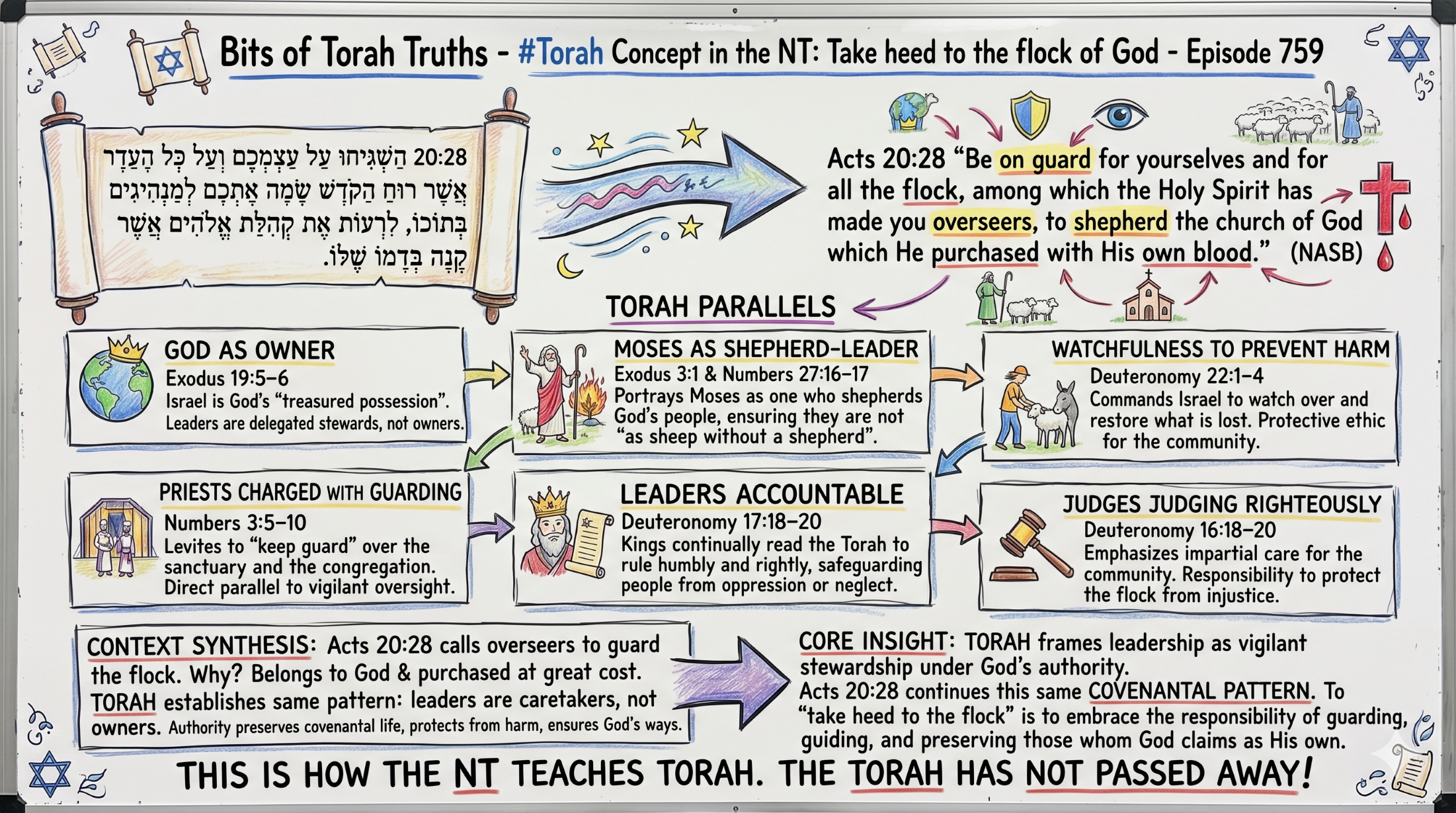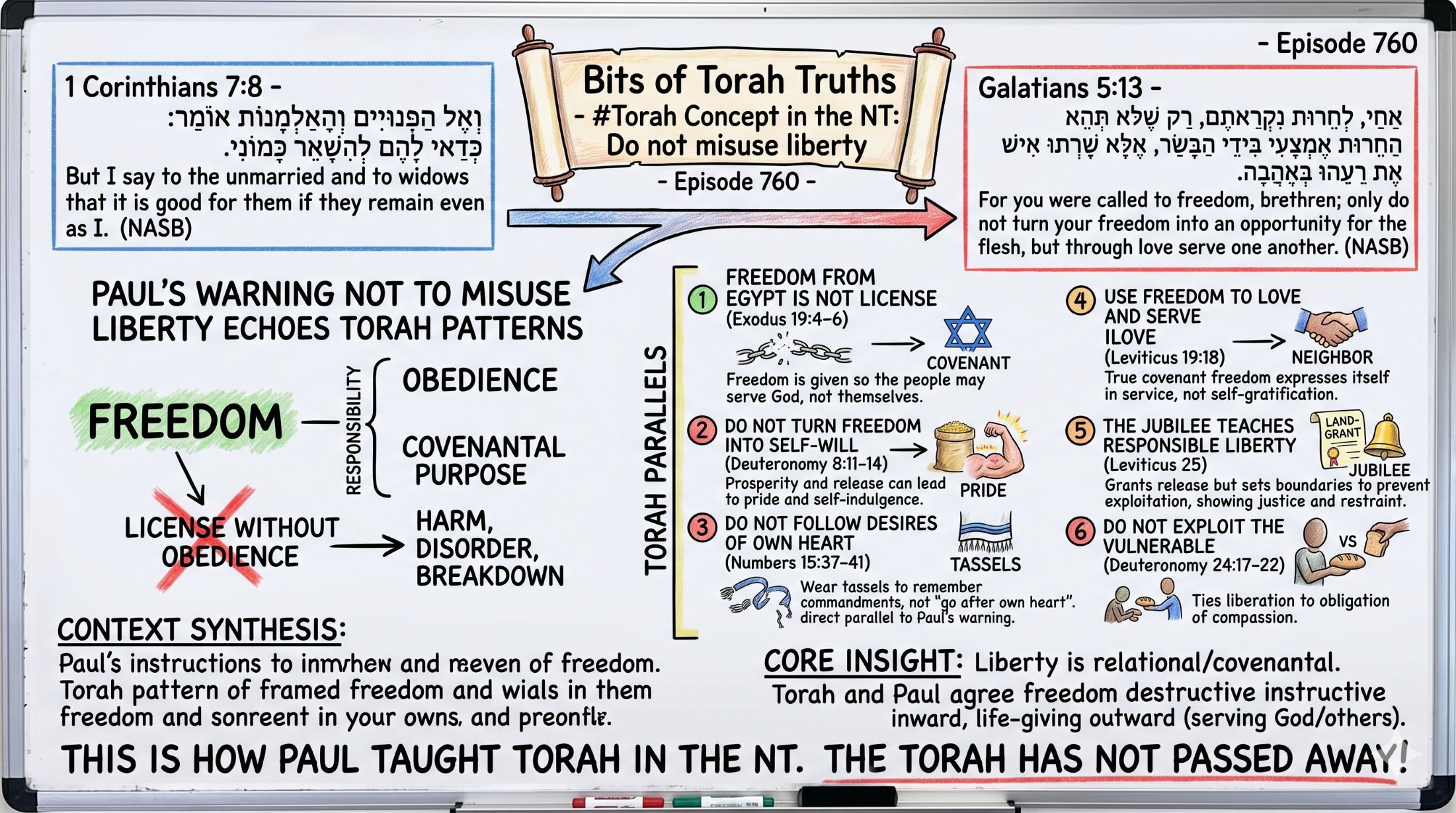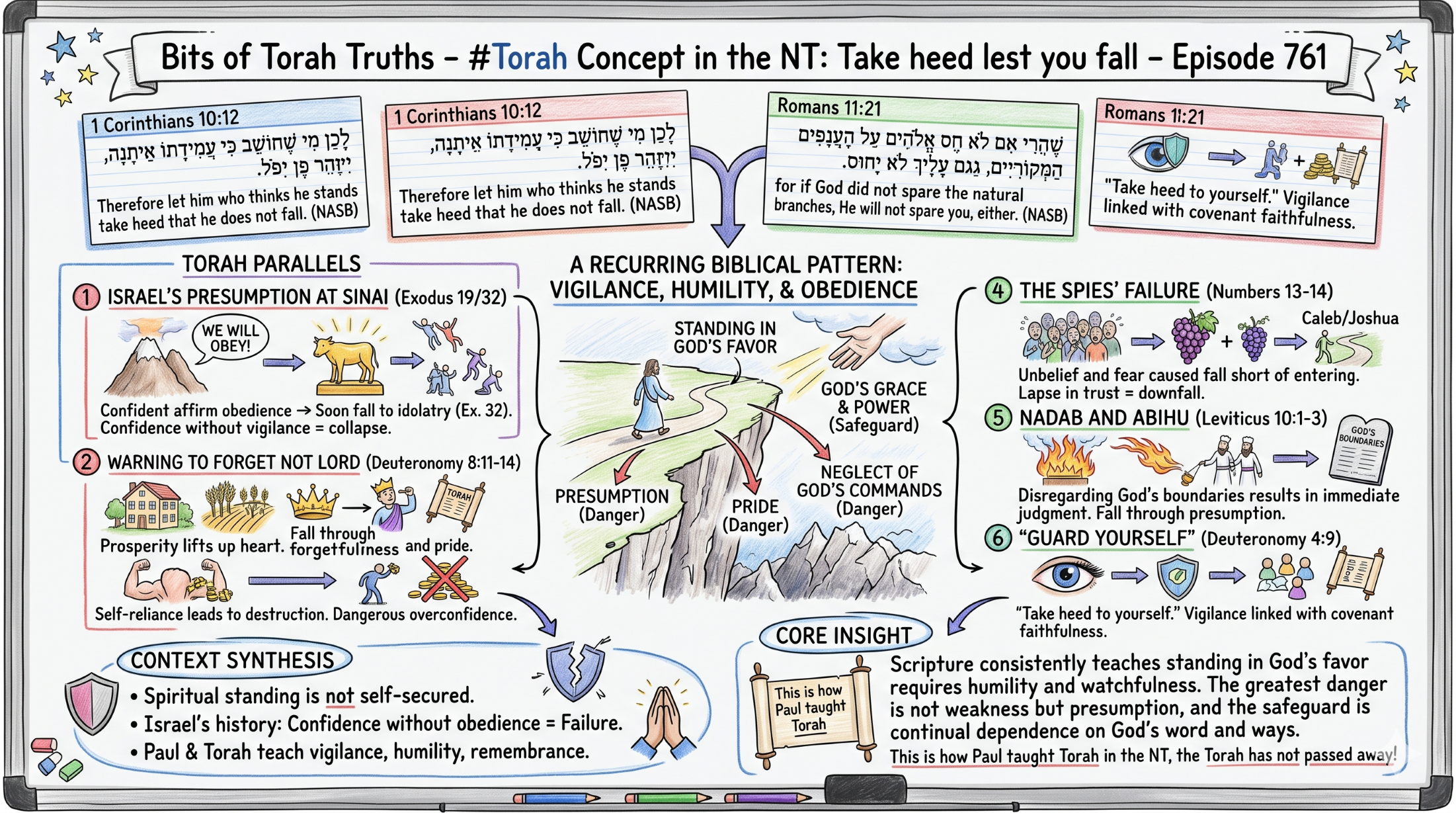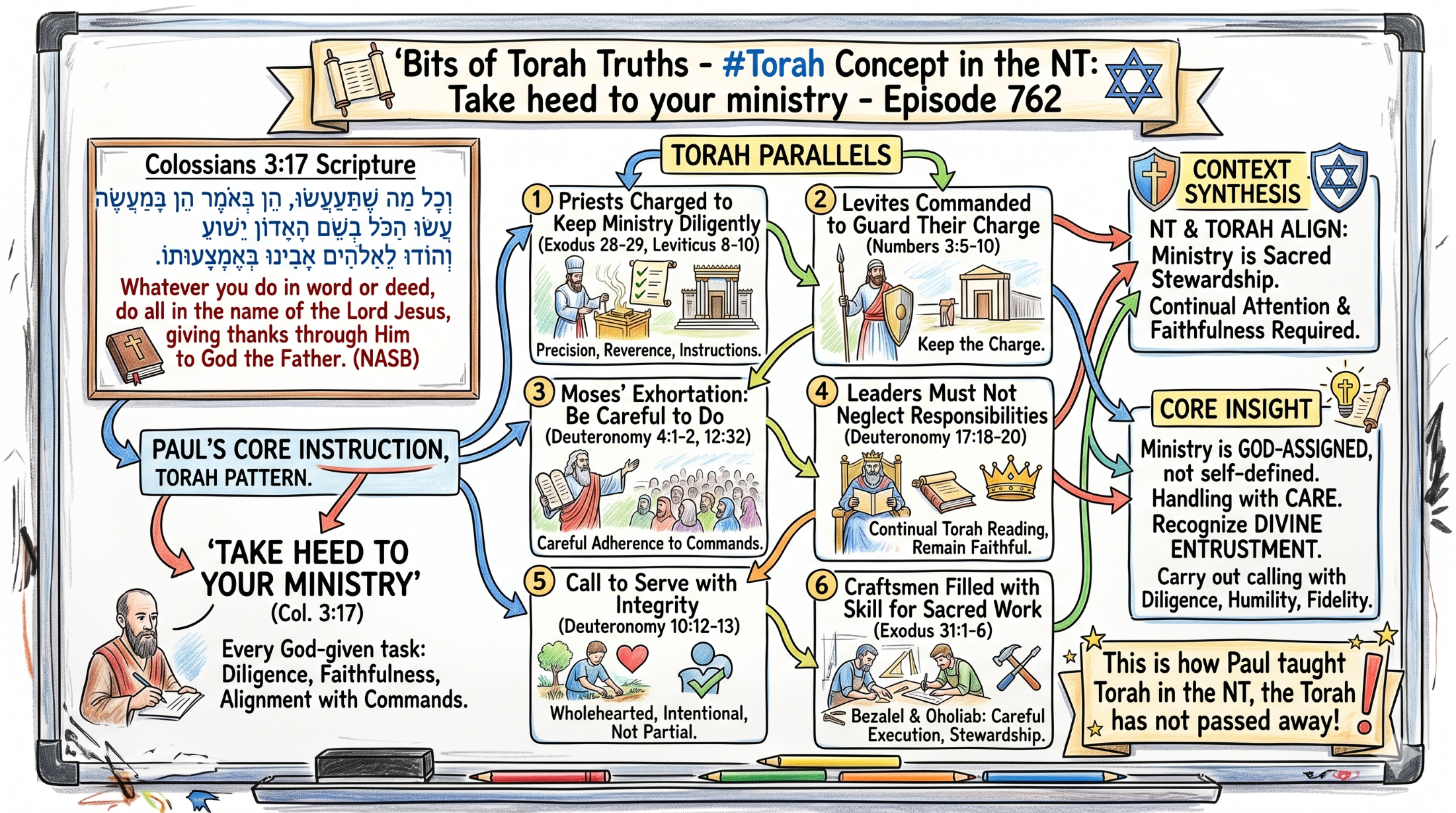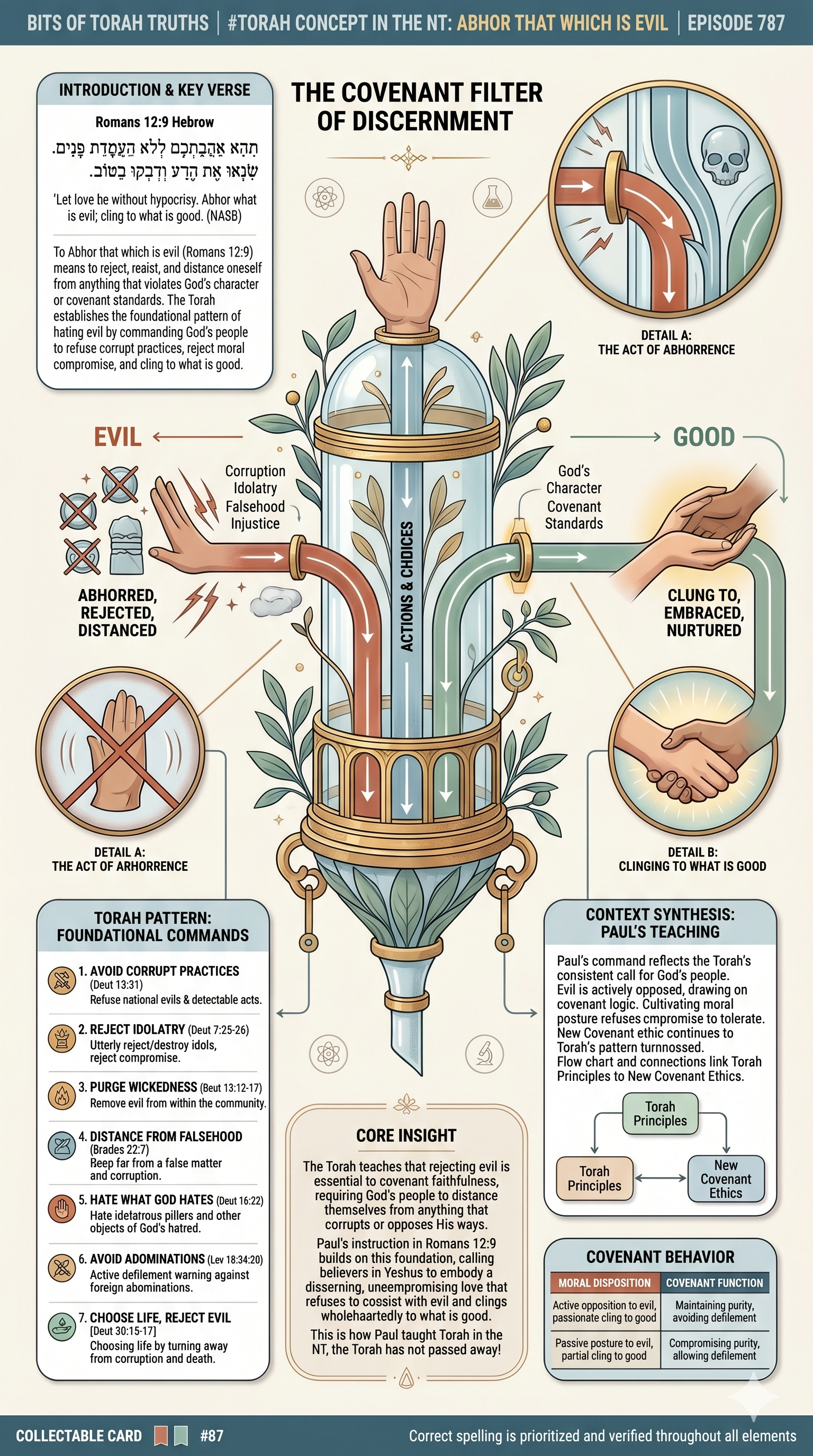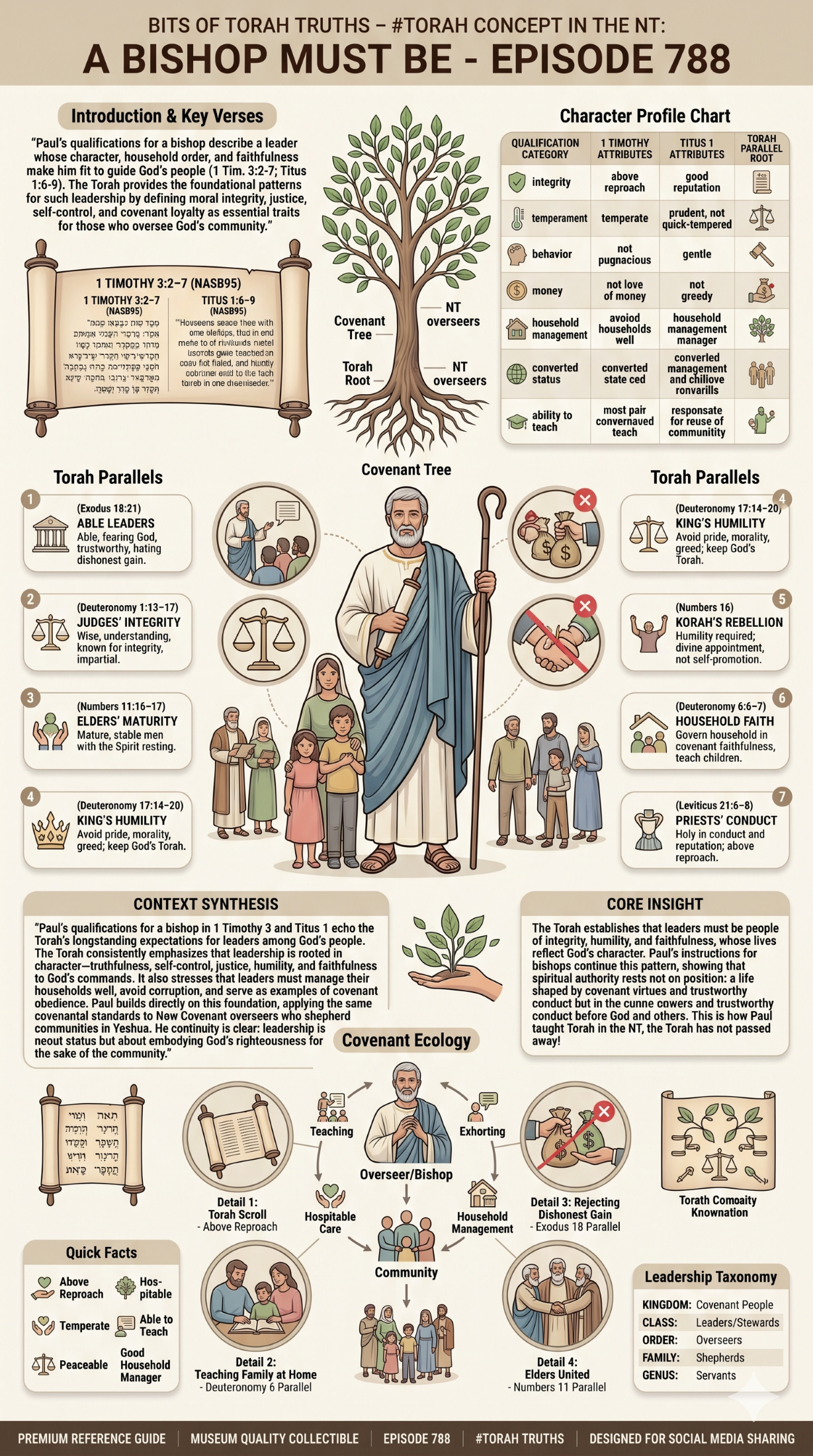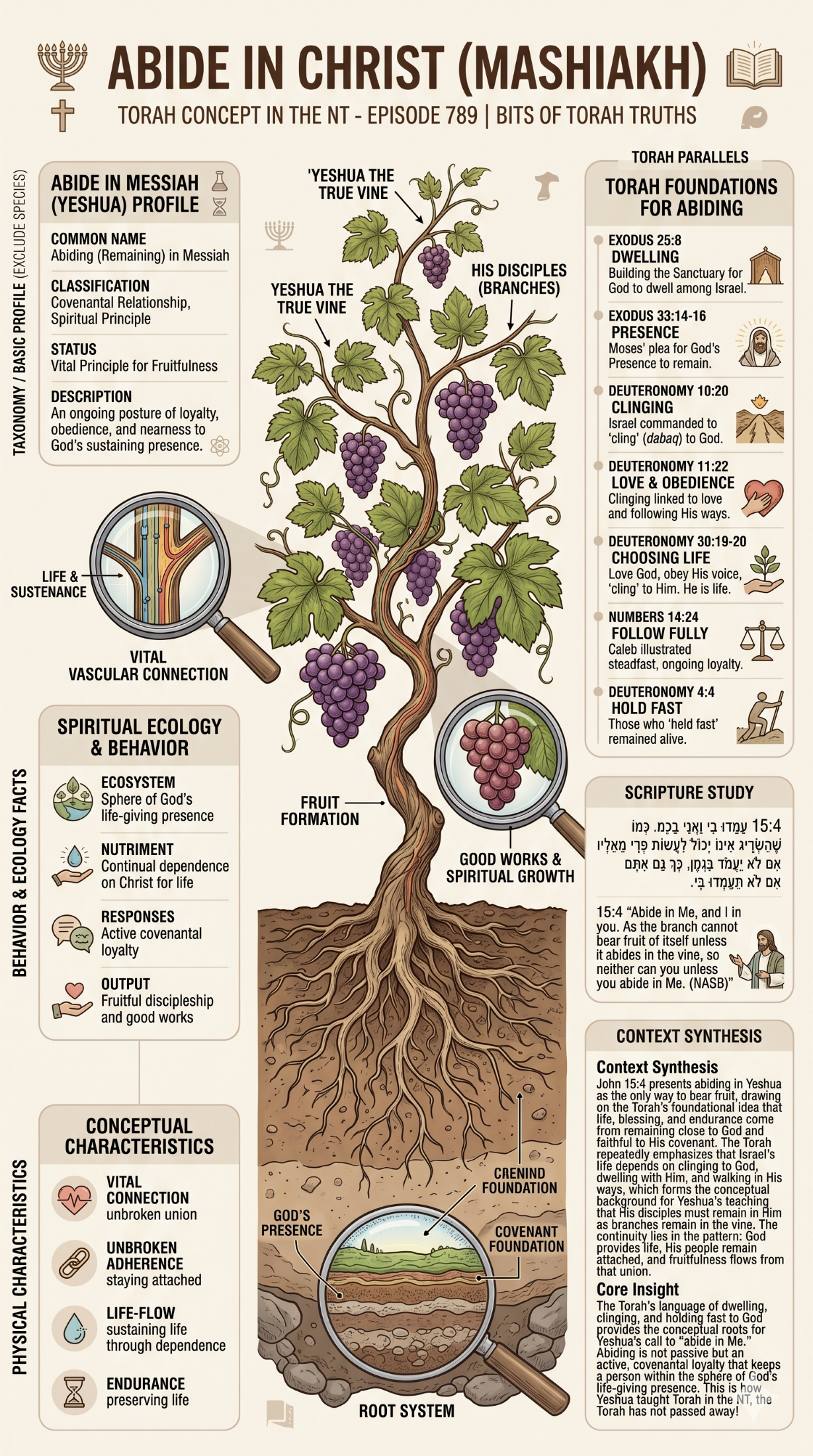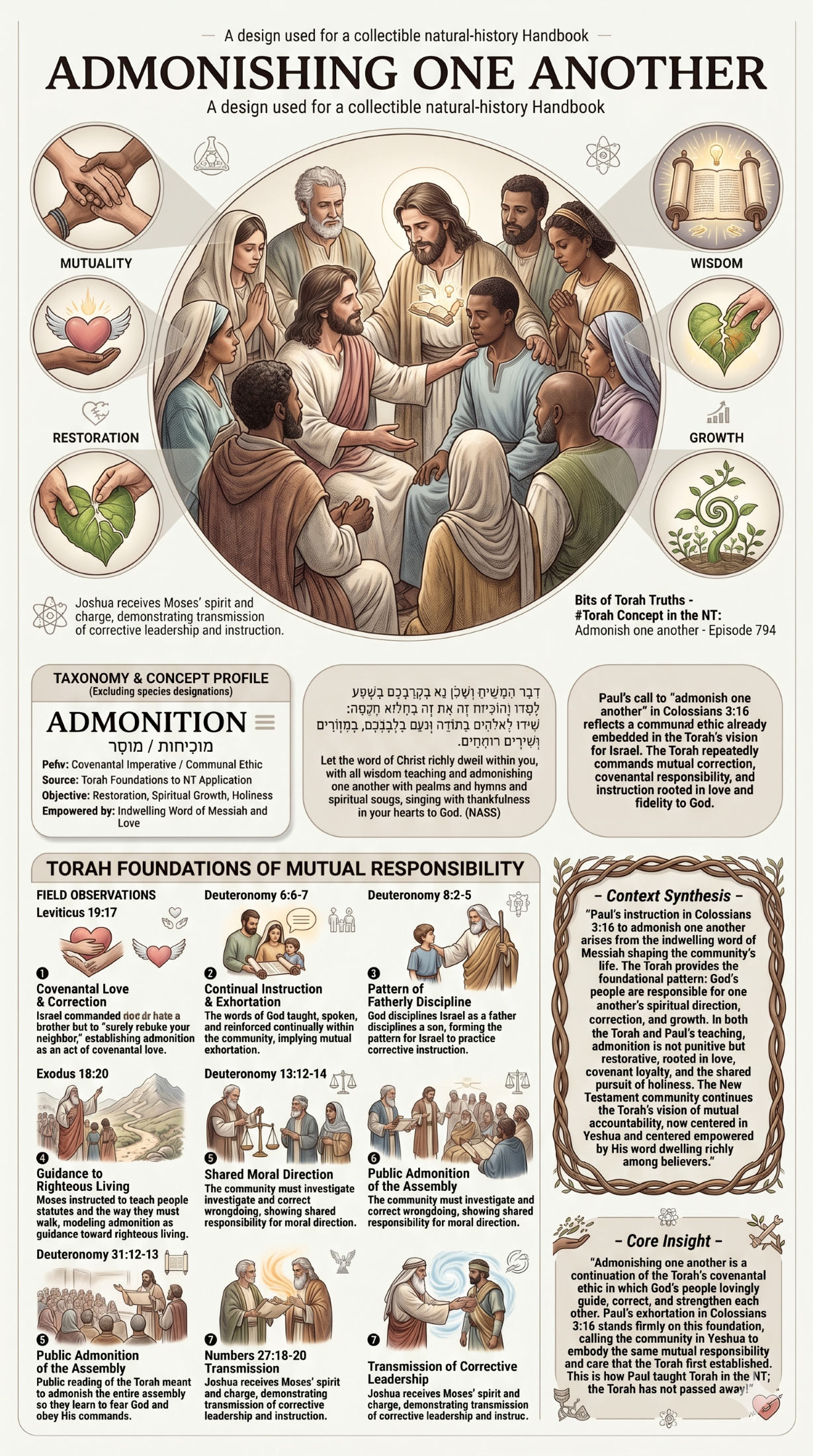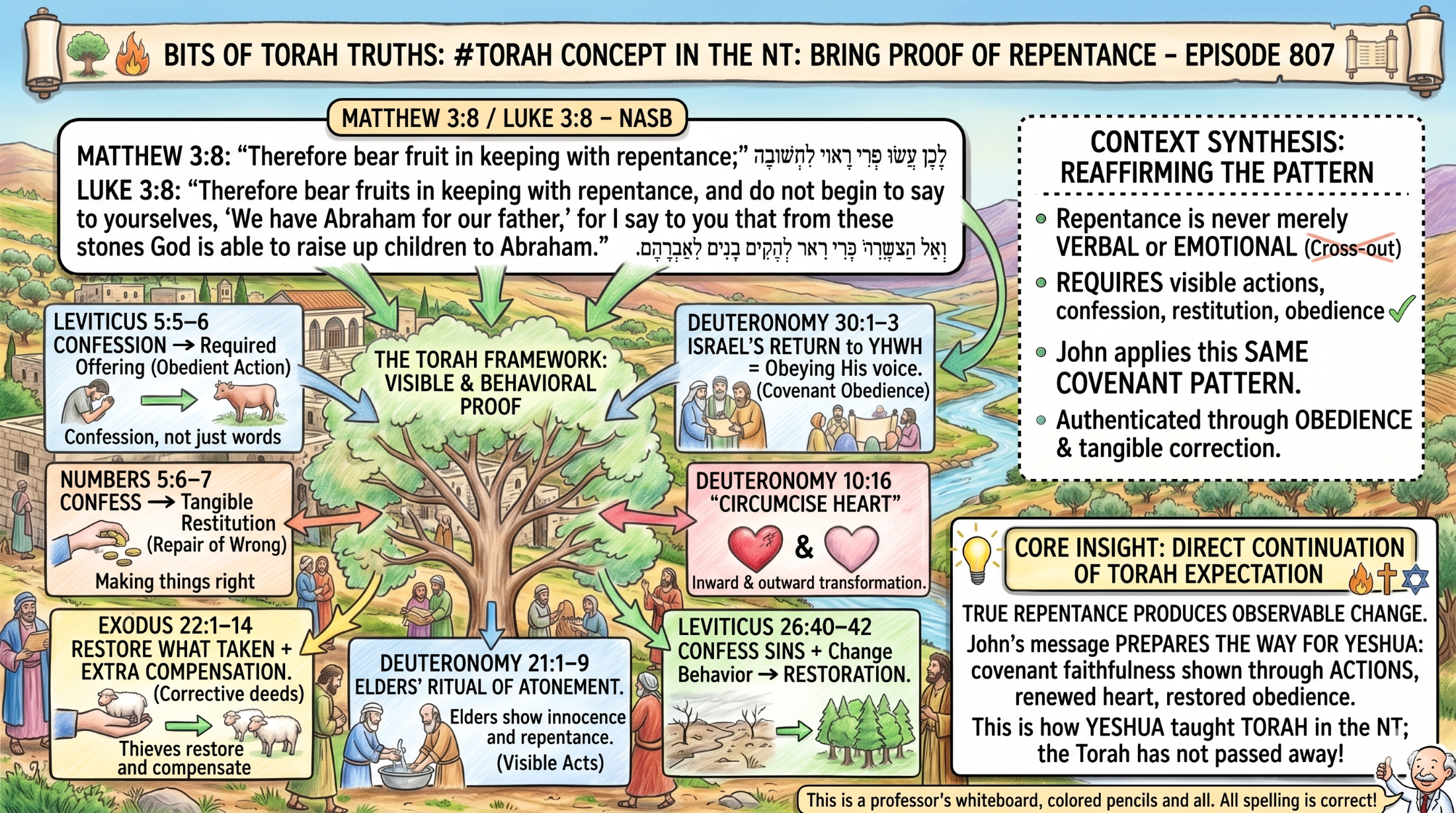
Bits of Torah Truths – #Torah Concept in the NT: Bring proof of repentance – Episode 807
Matthew 3:8
3:8 לָכֵן עֲשׂוּ פְּרִי רָאוּי לִתְשׁוּבָה Luke 3:8 3:8 לָכֵן עֲשׂוּ פְּרִי רָאוּי לִתְשׁוּבָה וְאַל תֹּאמְרוּ בִּלְבַבְכֶם ׳אַבְרָהָם הוּא אָבִינוּ׳, כִּי אֲנִי אוֹמֵר לָכֶם שֶׁמִּן הָאֲבָנִים הָאֵלֶּה יָכוֹל אֱלֹהִים לְהָקִים בָּנִים לְאַבְרָהָם.
Luke 3:8
3:8 לָכֵן עֲשׂוּ פְּרִי רָאוּי לִתְשׁוּבָה וְאַל תֹּאמְרוּ בִּלְבַבְכֶם ׳אַבְרָהָם הוּא אָבִינוּ׳, כִּי אֲנִי אוֹמֵר לָכֶם שֶׁמִּן הָאֲבָנִים הָאֵלֶּה יָכוֹל אֱלֹהִים לְהָקִים בָּנִים לְאַבְרָהָם.
#torah #torahwisdom #torahtruth #torahforlife #torah4you #torahtruth
Matthew 3:8
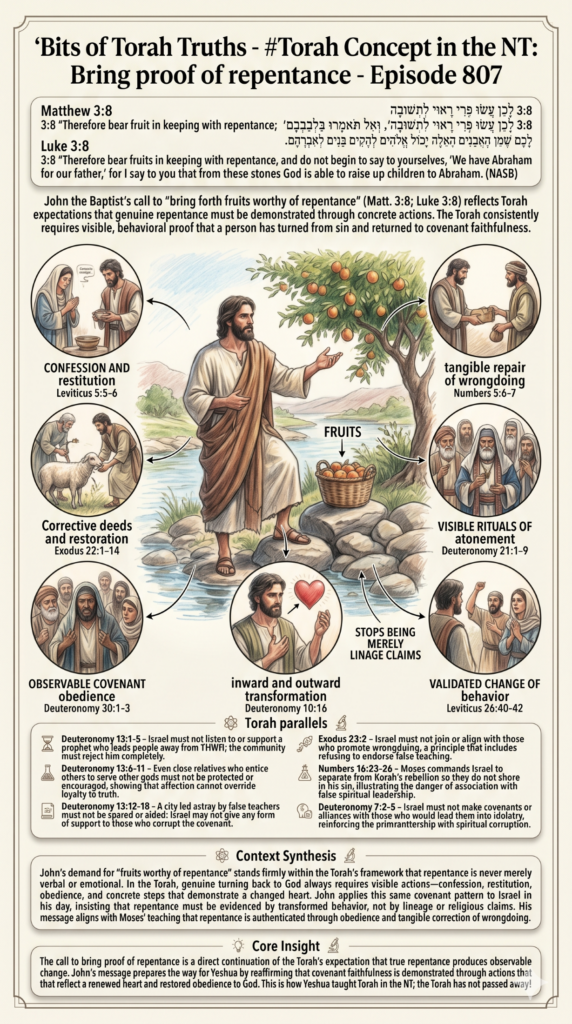
3:8 “Therefore bear fruit in keeping with repentance; (NASB)
Luke 3:8
3:8 “Therefore bear fruits in keeping with repentance, and do not begin to say to yourselves, ‘We have Abraham for our father,’ for I say to you that from these stones God is able to raise up children to Abraham. (NASB)
https://www.matsati.com/index.php/category/bits-of-torah-truths/
John the Baptist’s call to “bring forth fruits worthy of repentance” (Matt. 3:8; Luke 3:8) reflects Torah expectations that genuine repentance must be demonstrated through concrete actions. The Torah consistently requires visible, behavioral proof that a person has turned from sin and returned to covenant faithfulness.
– Torah parallels –
- Leviticus 5:5–6 – Confession of sin must be followed by the required offering, showing repentance is proven through obedient action.
- Numbers 5:6–7 – A sinner must confess and make restitution, demonstrating repentance through tangible repair of the wrong done.
- Exodus 22:1–14 – Thieves and wrongdoers must restore what was taken, often with additional compensation, showing repentance through corrective deeds.
- Deuteronomy 21:1–9 – The elders must perform a ritual of atonement to demonstrate innocence and repentance, showing that repentance requires visible acts.
- Deuteronomy 30:1–3 – Israel’s return to YHWH is shown by obeying His voice, linking repentance with observable covenant obedience.
- Deuteronomy 10:16 – Israel is commanded to “circumcise the foreskin of your heart,” meaning repentance must produce inward and outward transformation.
- Leviticus 26:40–42 – Israel’s repentance is validated when they confess their sins and change their behavior, leading to restoration.
– Context Synthesis –
John’s demand for “fruits worthy of repentance” stands firmly within the Torah’s framework that repentance is never merely verbal or emotional. In the Torah, genuine turning back to God always requires visible actions—confession, restitution, obedience, and concrete steps that demonstrate a changed heart. John applies this same covenant pattern to Israel in his day, insisting that repentance must be evidenced by transformed behavior, not by lineage or religious claims. His message aligns with Moses’ teaching that repentance is authenticated through obedience and tangible correction of wrongdoing.
– Core Insight –
The call to bring proof of repentance is a direct continuation of the Torah’s expectation that true repentance produces observable change. John’s message prepares the way for Yeshua by reaffirming that covenant faithfulness is demonstrated through actions that reflect a renewed heart and restored obedience to God. This is how Yeshua taught Torah in the NT; the Torah has not passed away!
Visual Summary of Concepts the Torah in the NT