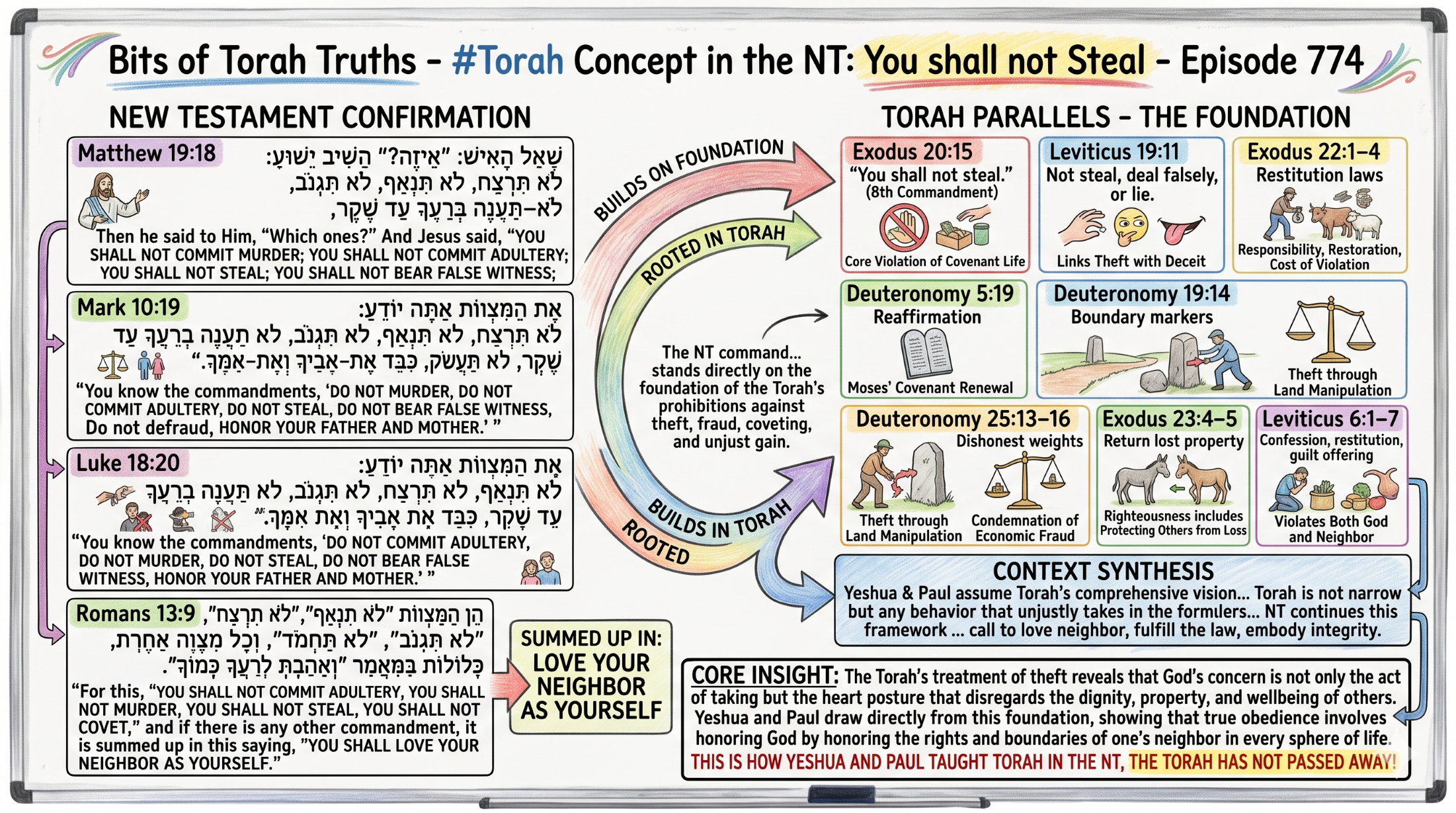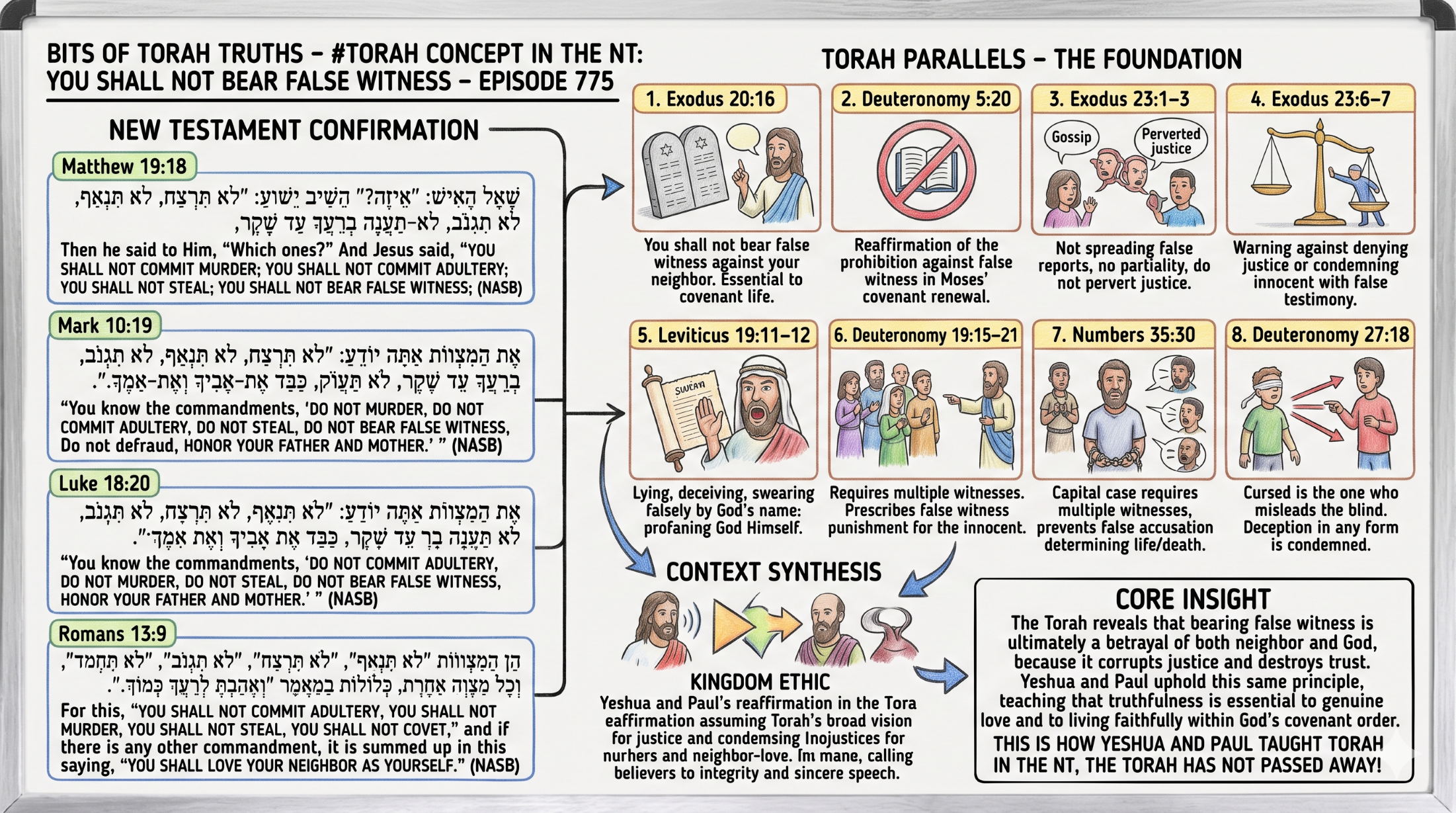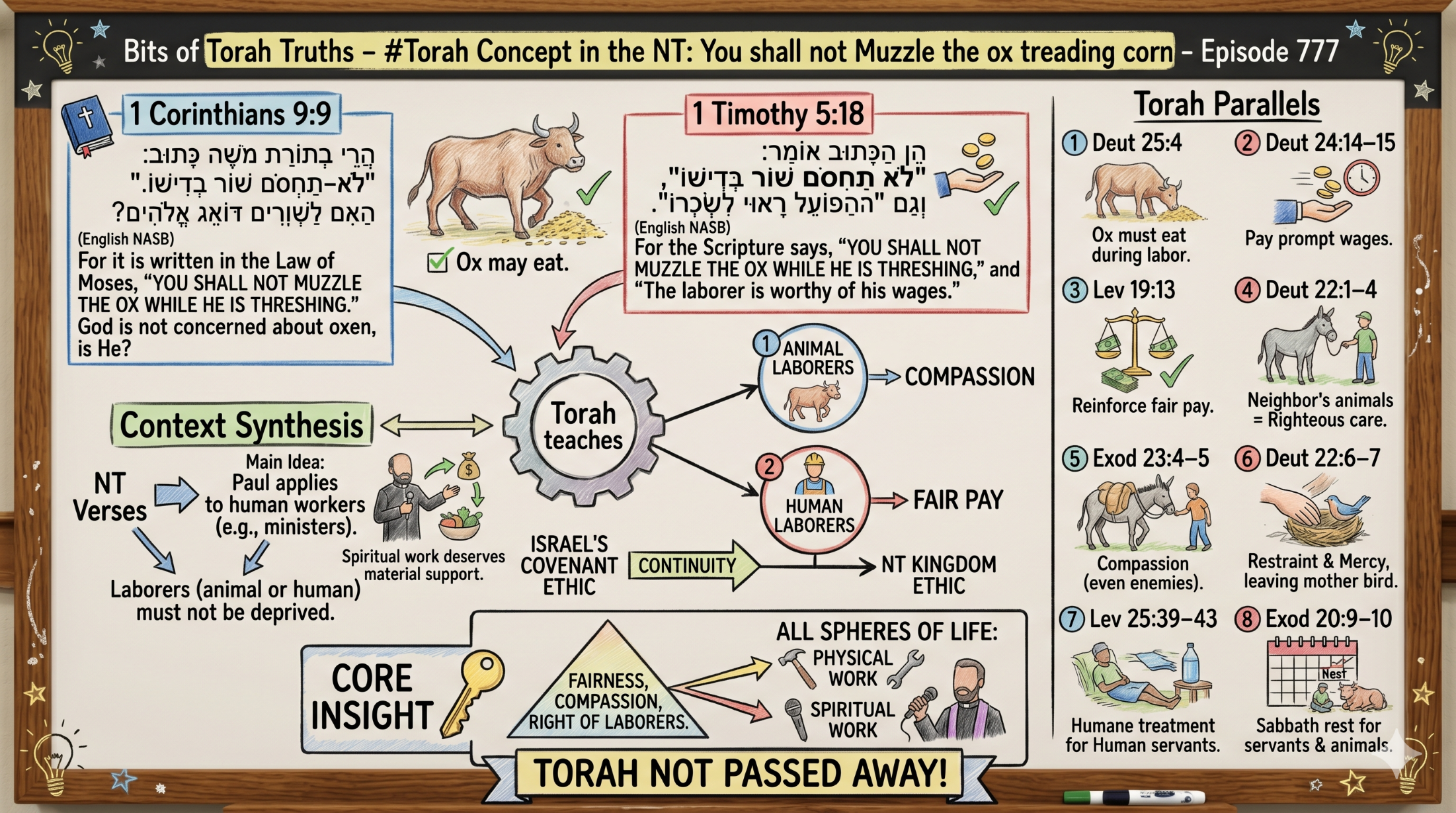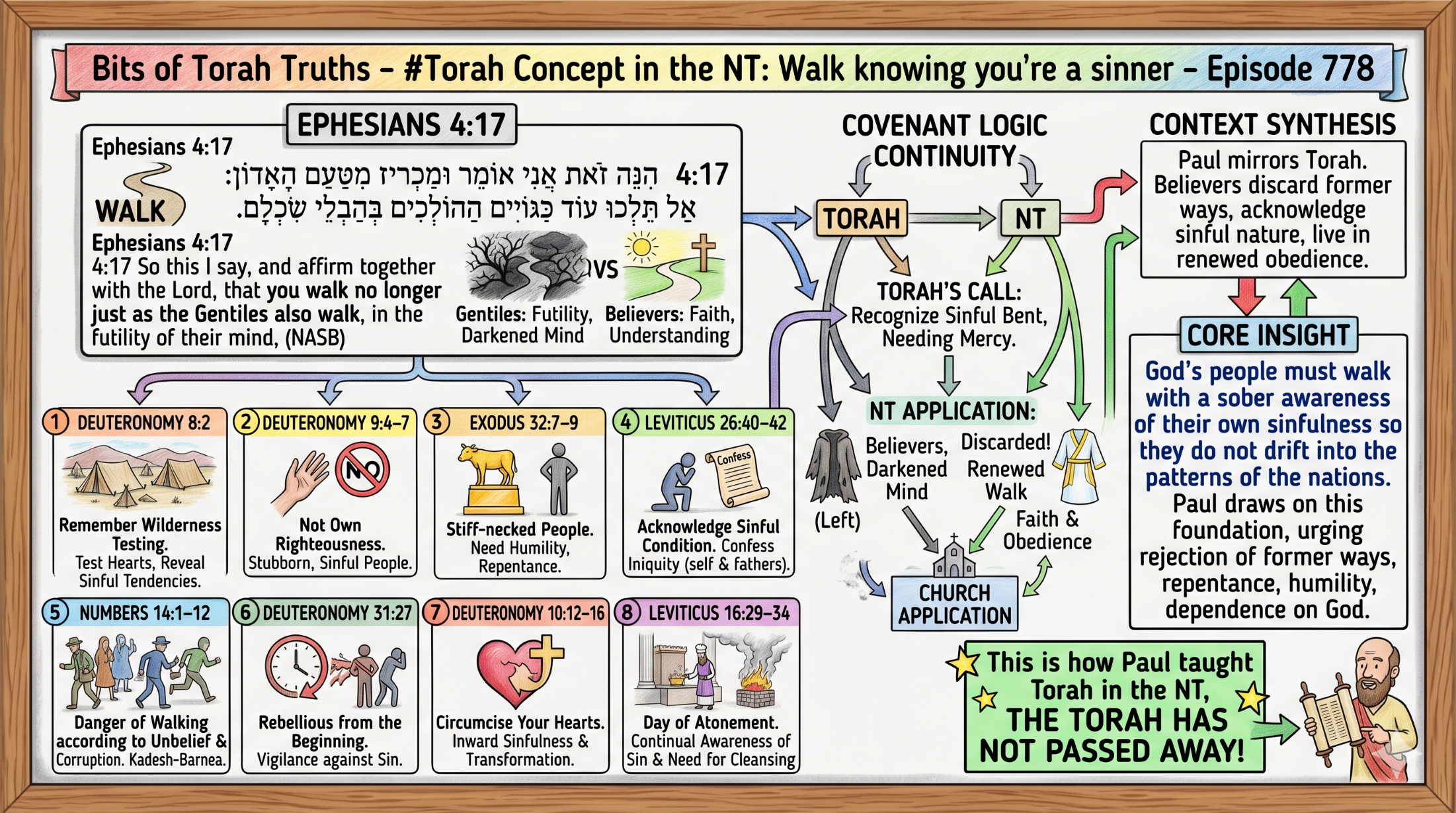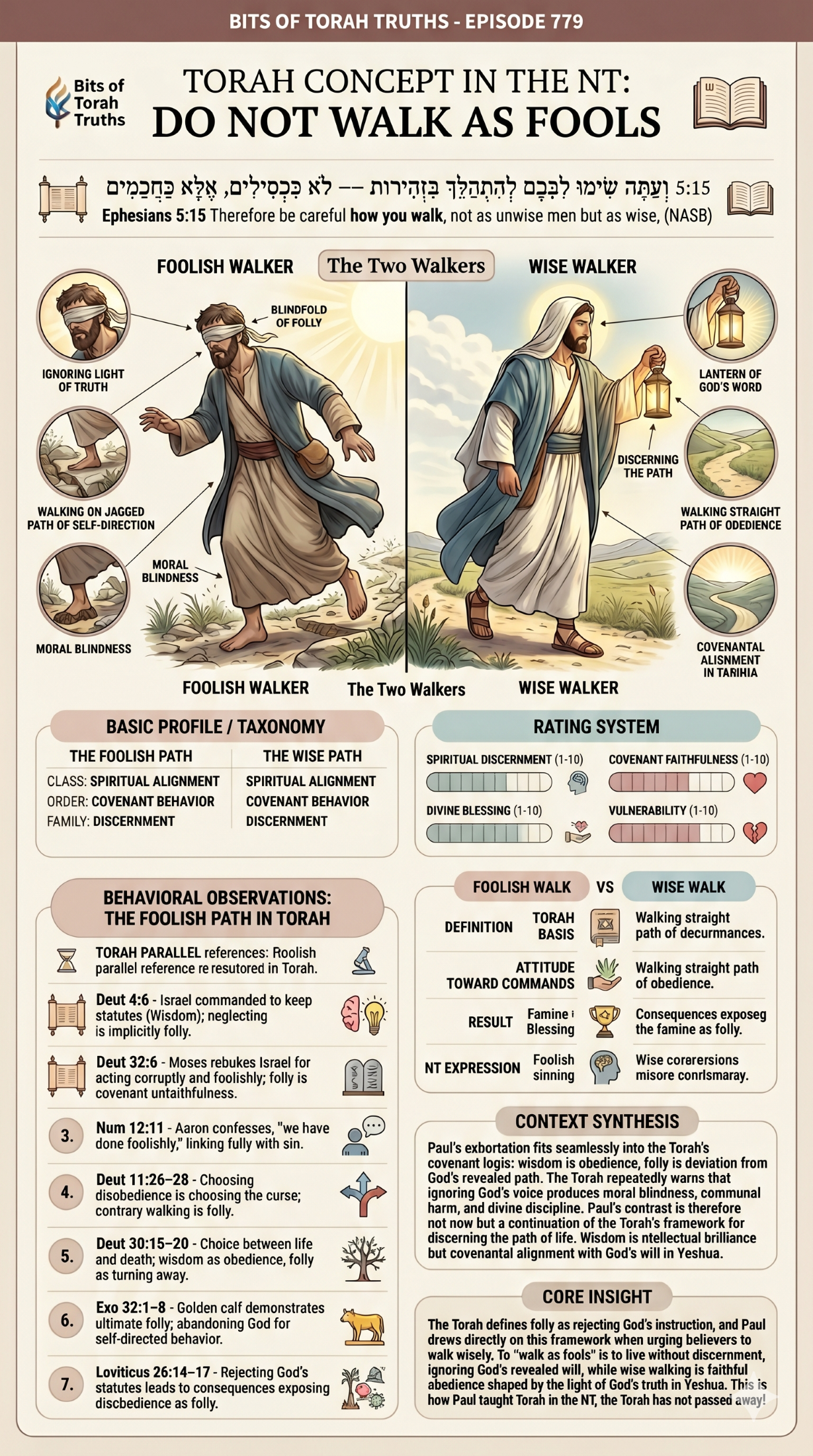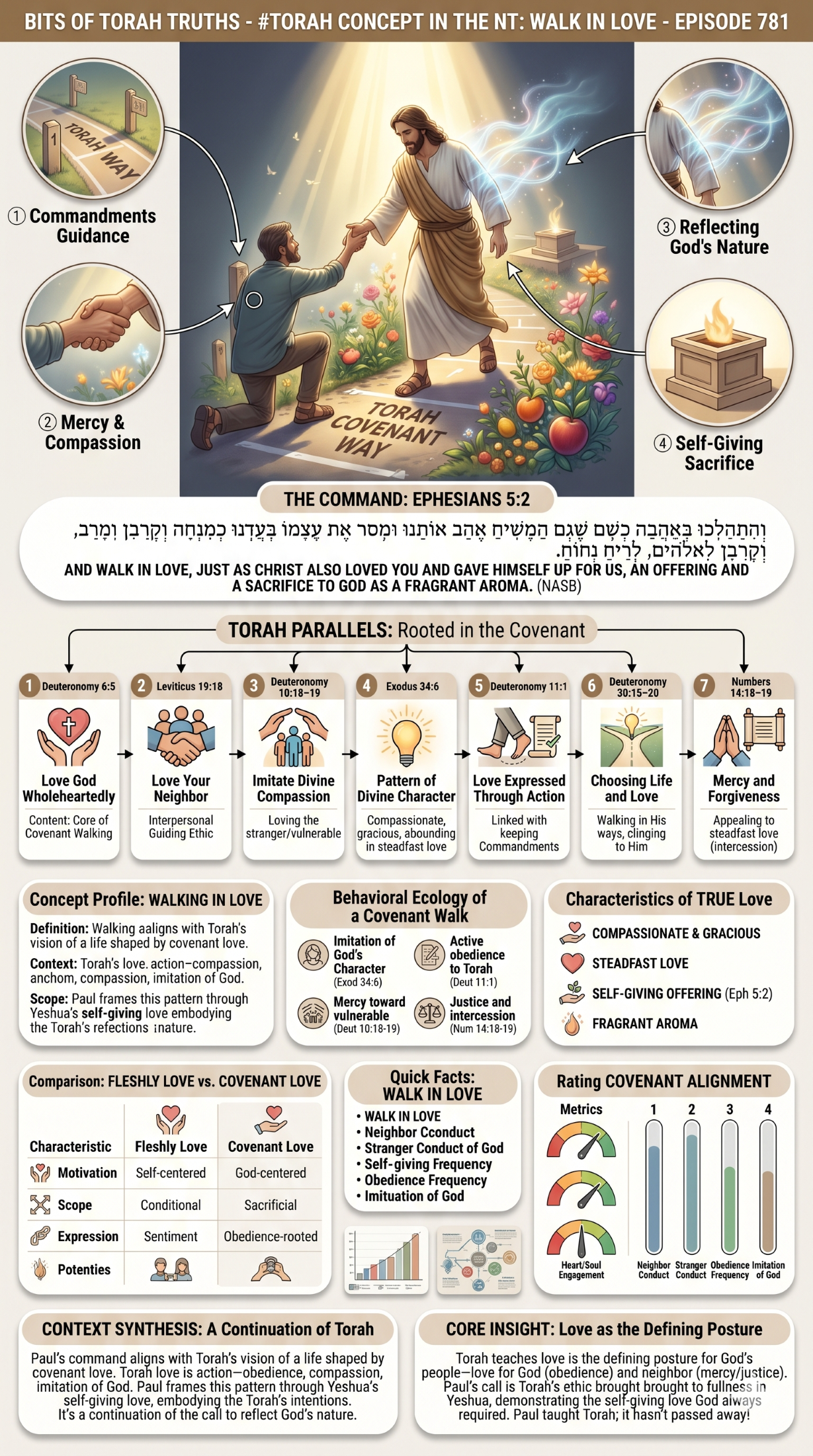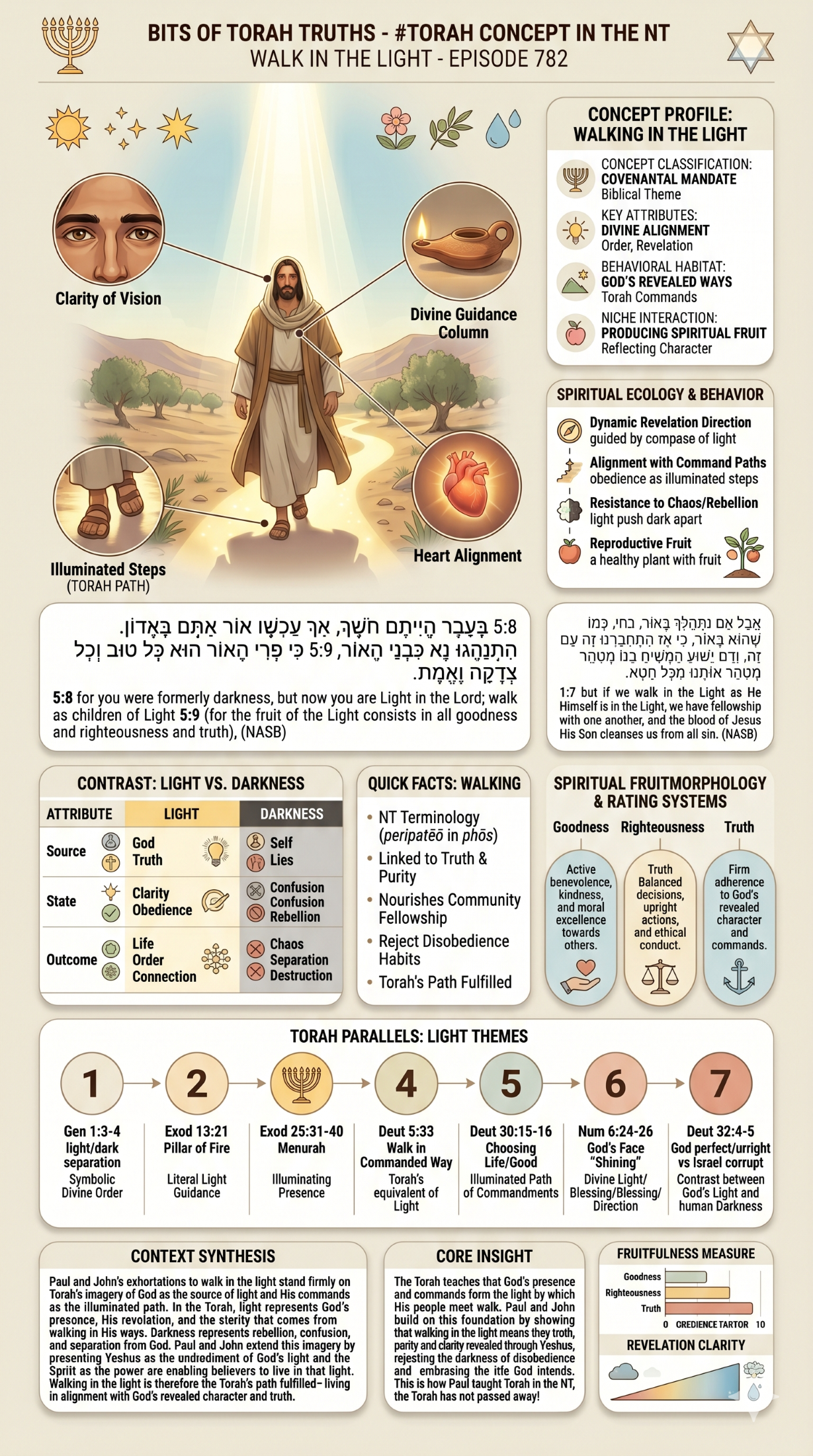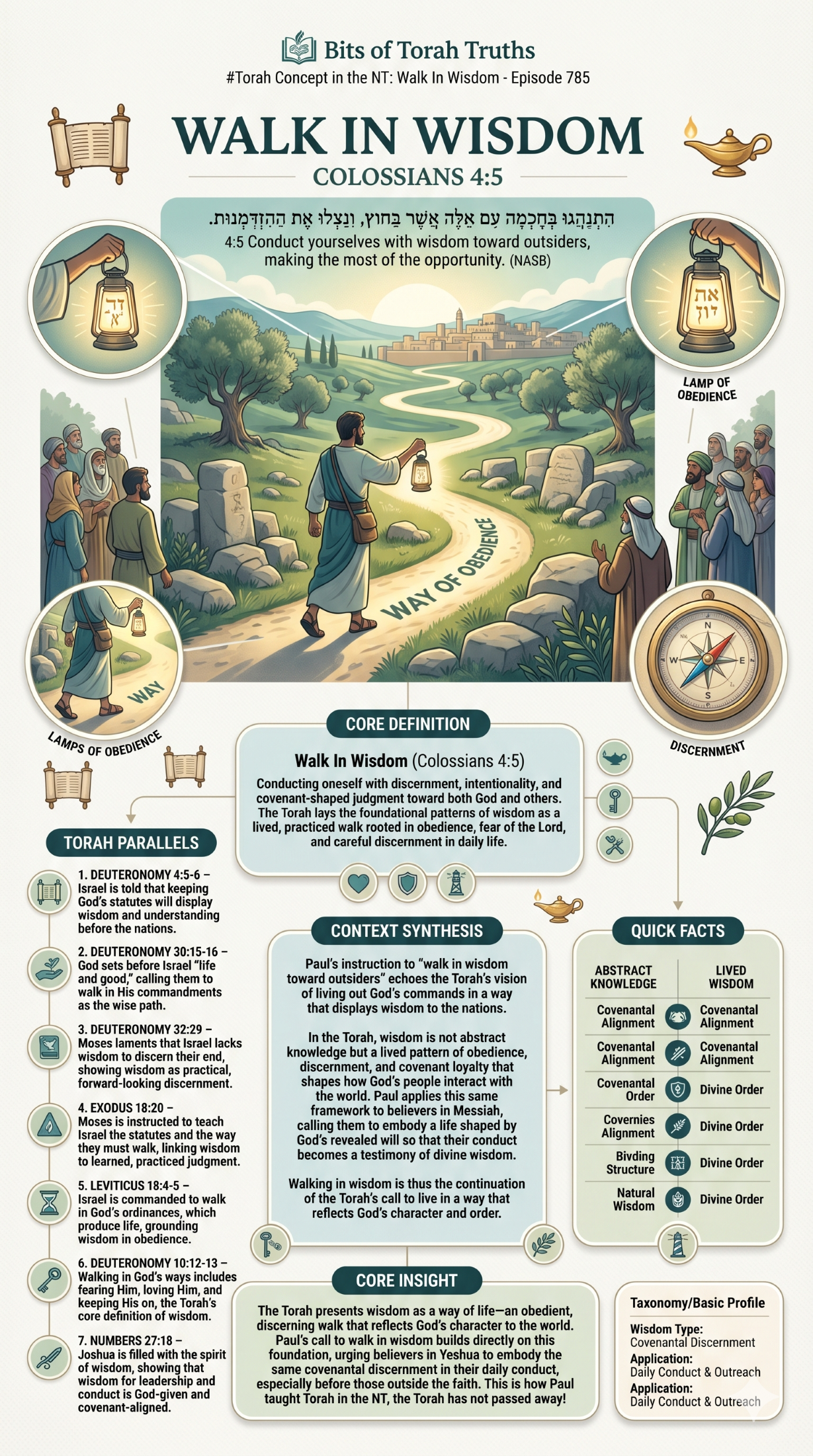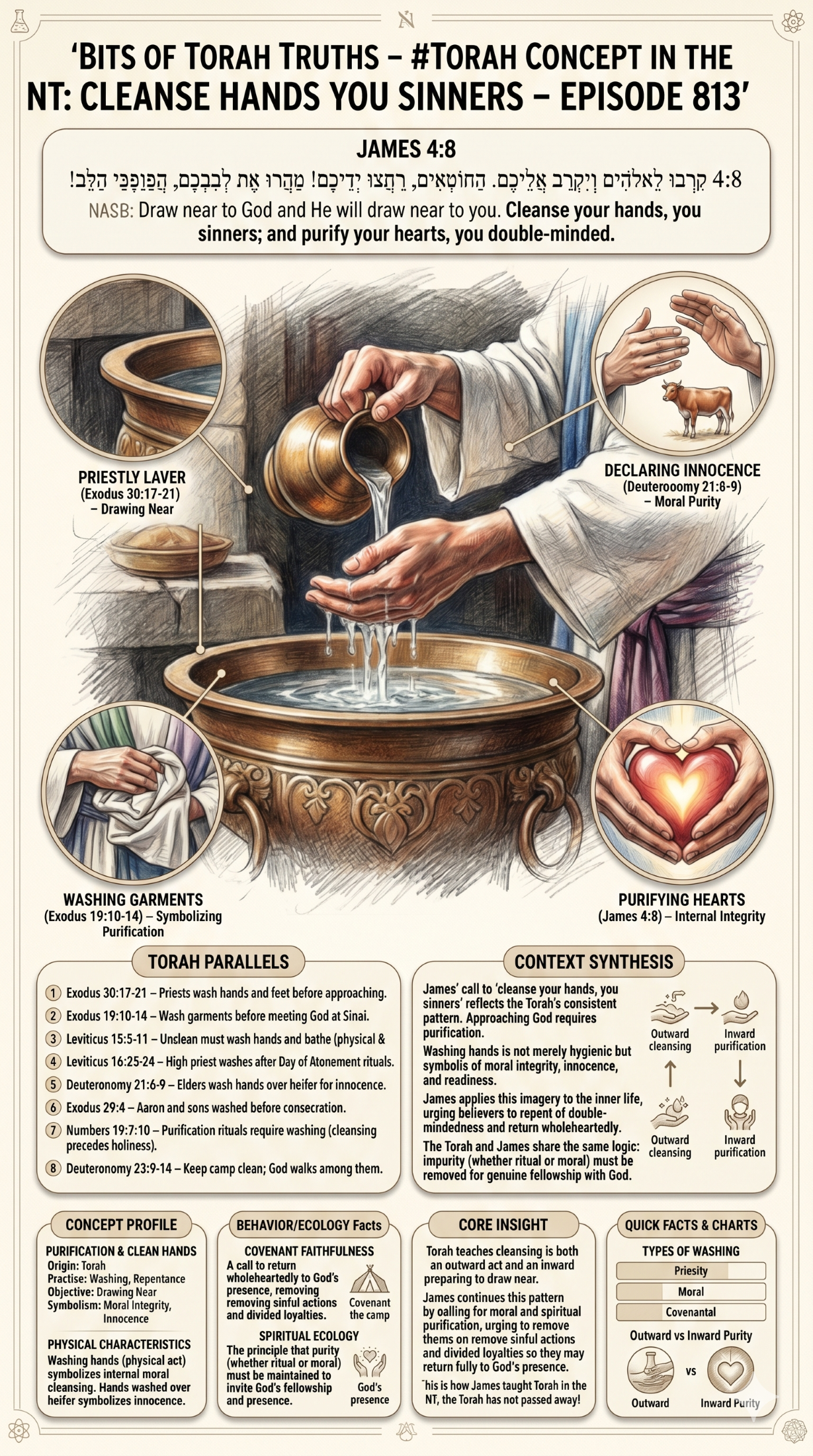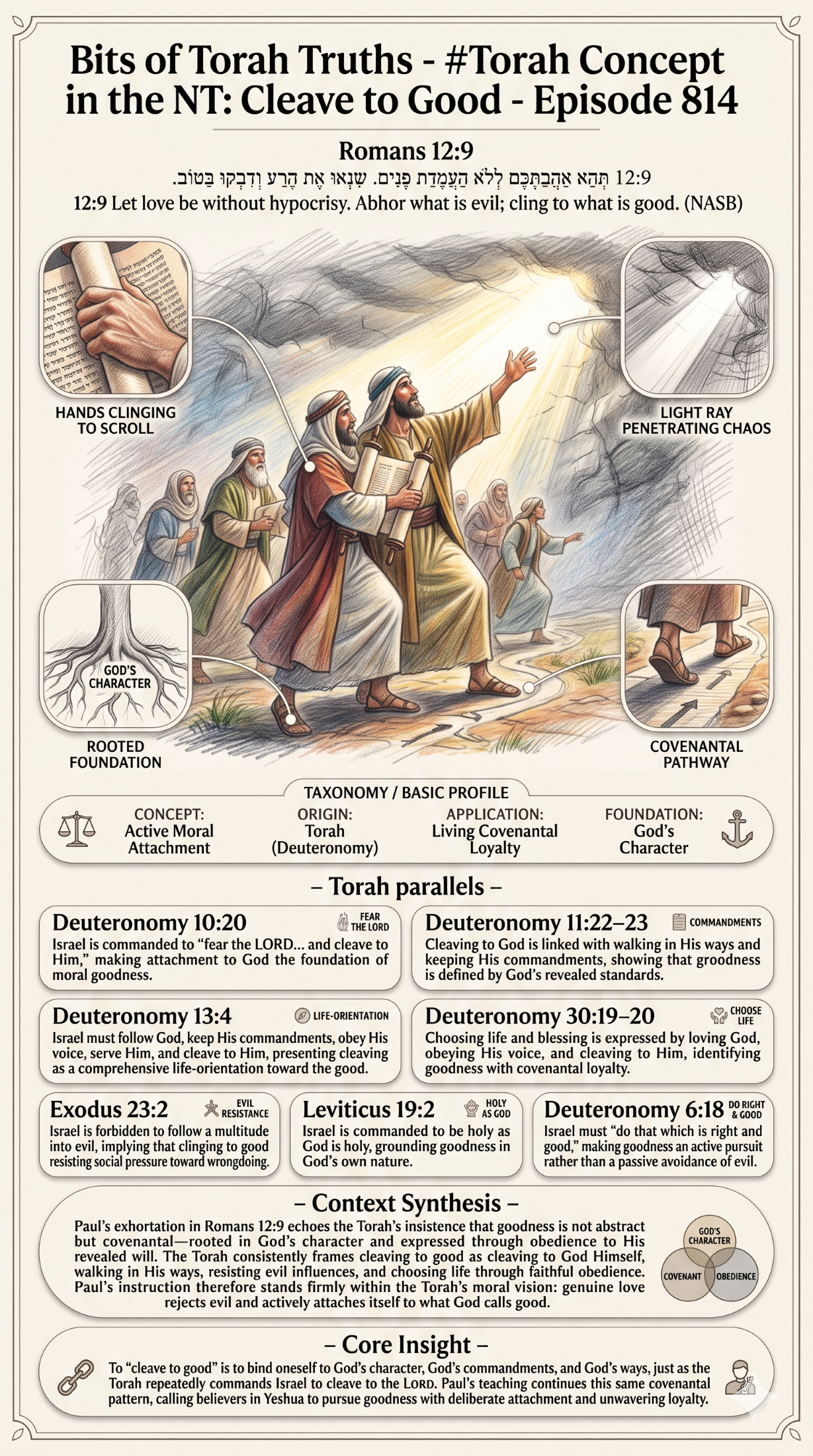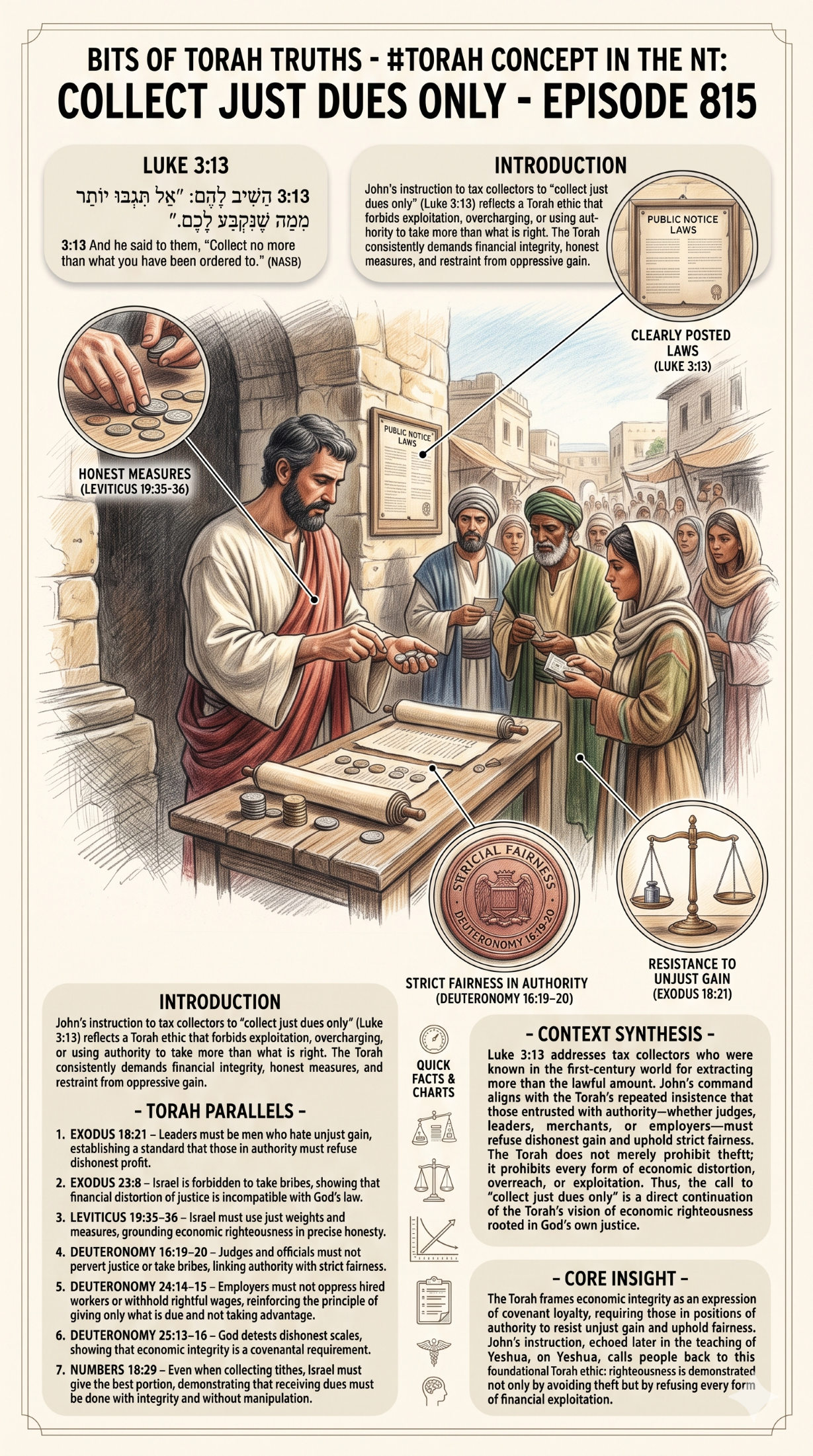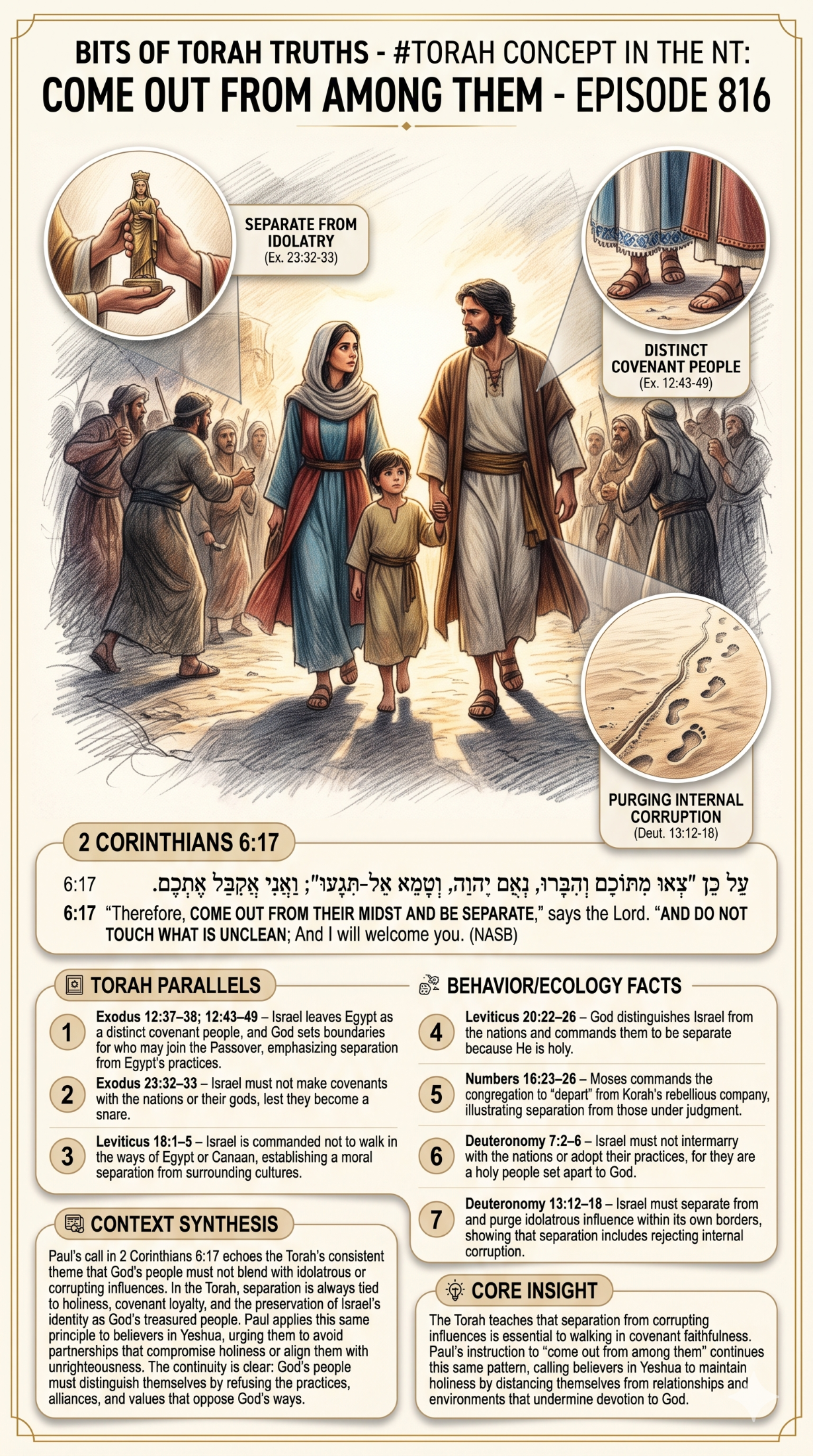
Bits of Torah Truths – #Torah Concept in the NT: Be willing to take responsibility for or pay the debts and wrongs of others – Episode 833
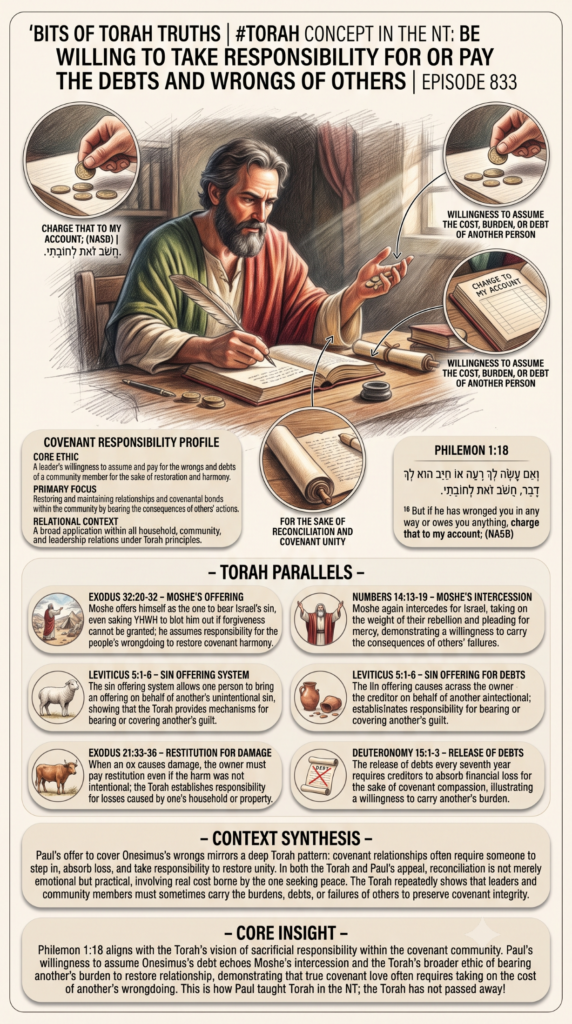
Philemon 18
18 וְאִם עָשָׂה לְךָ רָעָה אוֹ חַיָּב הוּא לְךָ דָּבָר, חֲשֹׁב זֹאת לְחוֹבָתִי.
#torah #torahwisdom #torahtruth #torahforlife #torah4you #torahtruth
Philemon 18
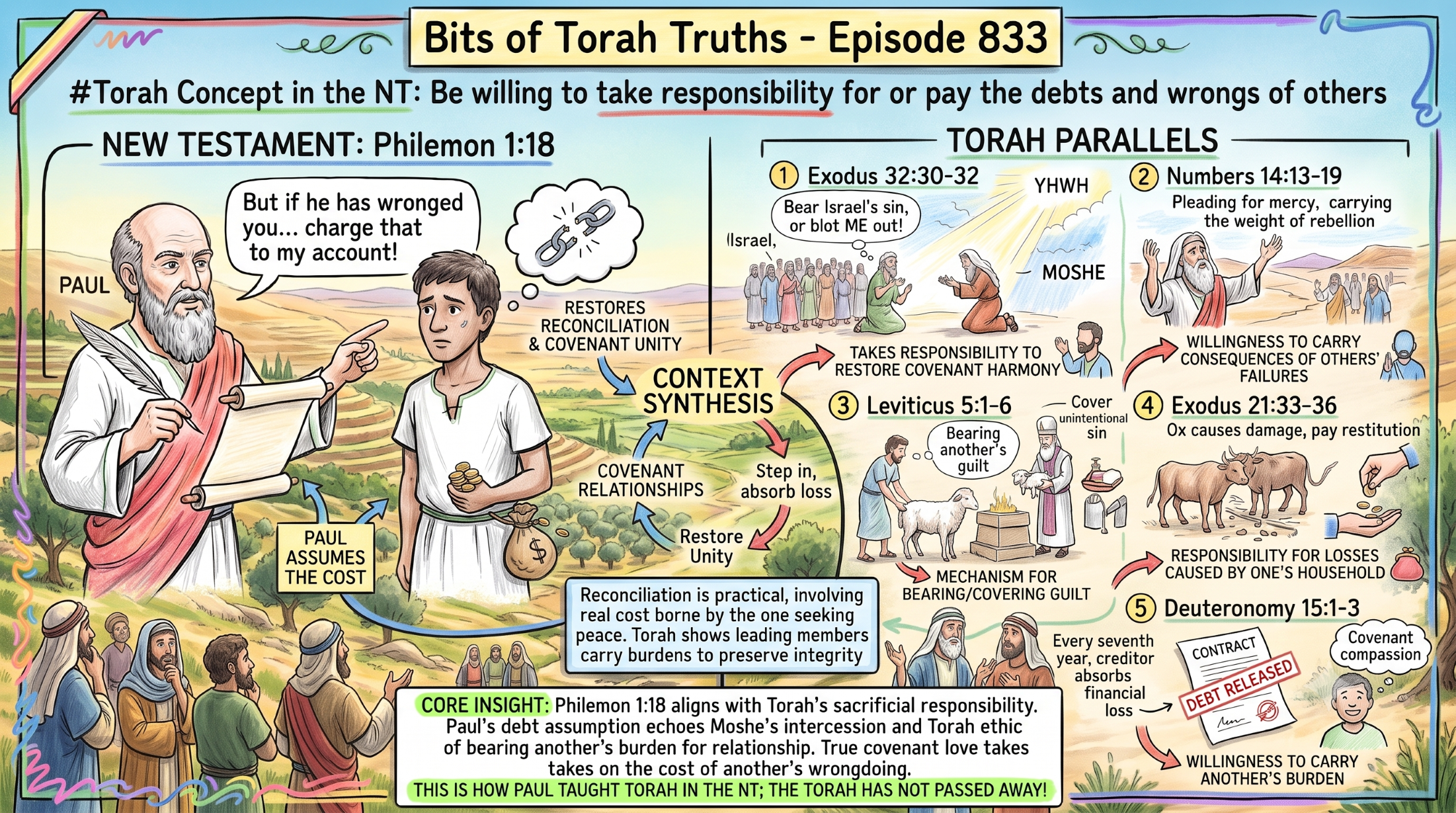
18 But if he has wronged you in any way or owes you anything, charge that to my account; (NASB)
https://www.matsati.com/index.php/category/bits-of-torah-truths/
Philemon 1:18 reflects a willingness to assume the cost, burden, or debt of another person for the sake of reconciliation and covenant unity. The Torah contains several foundational patterns where leaders or community members take responsibility for the wrongs or losses of others to preserve relationships and uphold righteousness.
– Torah parallels –
- Exodus 32:30‑32 – Moshe offers himself as the one to bear Israel’s sin, even asking YHWH to blot him out if forgiveness cannot be granted; he assumes responsibility for the people’s wrongdoing to restore covenant harmony.
- Numbers 14:13‑19 – Moshe again intercedes for Israel, taking on the weight of their rebellion and pleading for mercy, demonstrating a willingness to carry the consequences of others’ failures.
- Leviticus 5:1‑6 – The sin offering system allows one person to bring an offering on behalf of another’s unintentional sin, showing that the Torah provides mechanisms for bearing or covering another’s guilt.
- Exodus 21:33‑36 – When an ox causes damage, the owner must pay restitution even if the harm was not intentional; the Torah establishes responsibility for losses caused by one’s household or property.
- Deuteronomy 15:1‑3 – The release of debts every seventh year requires creditors to absorb financial loss for the sake of covenant compassion, illustrating a willingness to carry another’s burden.
– Context Synthesis –
Paul’s offer to cover Onesimus’s wrongs mirrors a deep Torah pattern: covenant relationships often require someone to step in, absorb loss, and take responsibility to restore unity. In both the Torah and Paul’s appeal, reconciliation is not merely emotional but practical, involving real cost borne by the one seeking peace. The Torah repeatedly shows that leaders and community members must sometimes carry the burdens, debts, or failures of others to preserve covenant integrity.
– Core Insight –
Philemon 1:18 aligns with the Torah’s vision of sacrificial responsibility within the covenant community. Paul’s willingness to assume Onesimus’s debt echoes Moshe’s intercession and the Torah’s broader ethic of bearing another’s burden to restore relationship, demonstrating that true covenant love often requires taking on the cost of another’s wrongdoing. This is how Paul taught Torah in the NT; the Torah has not passed away!
Visual Summary of Concepts the Torah in the NT