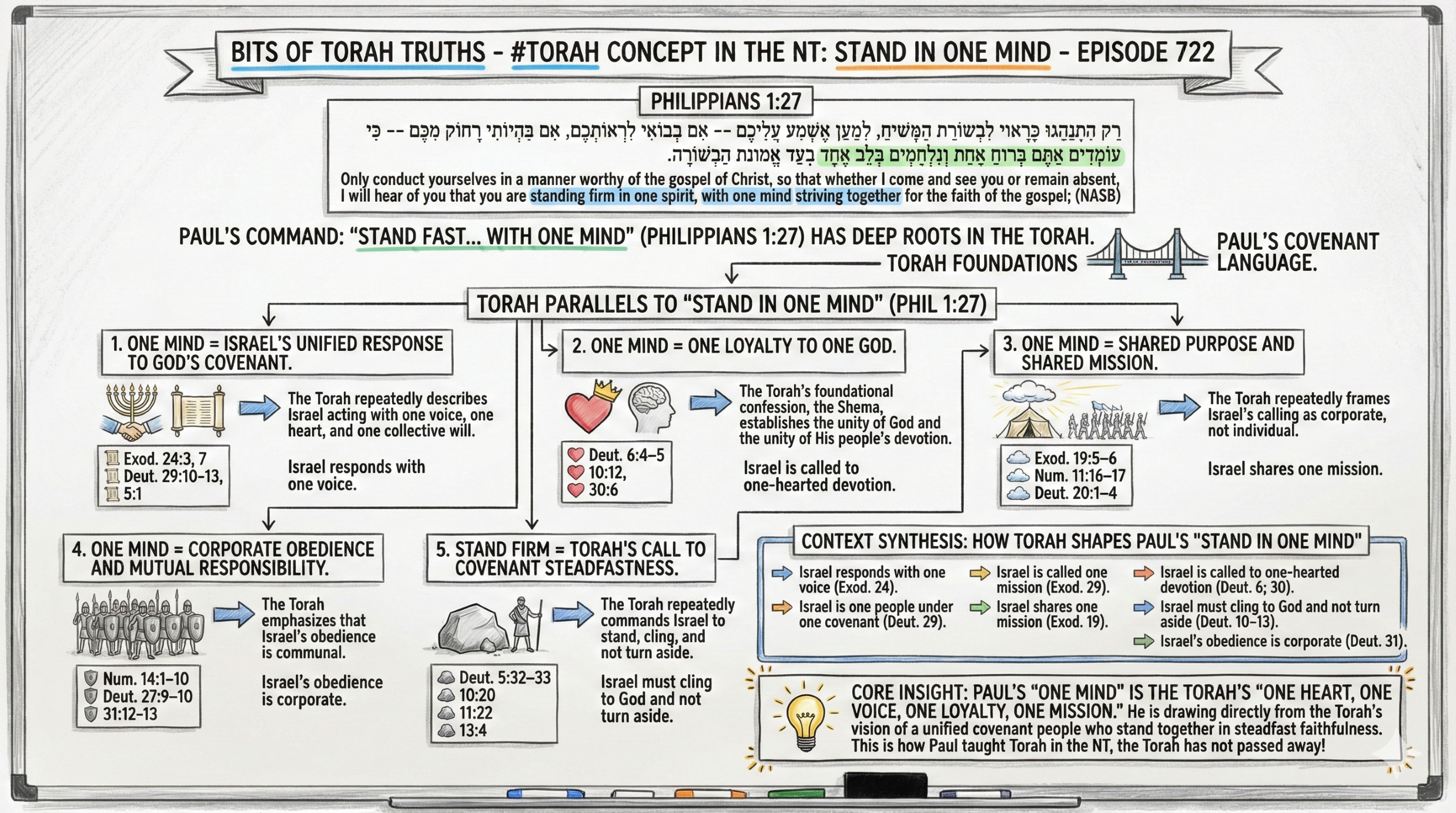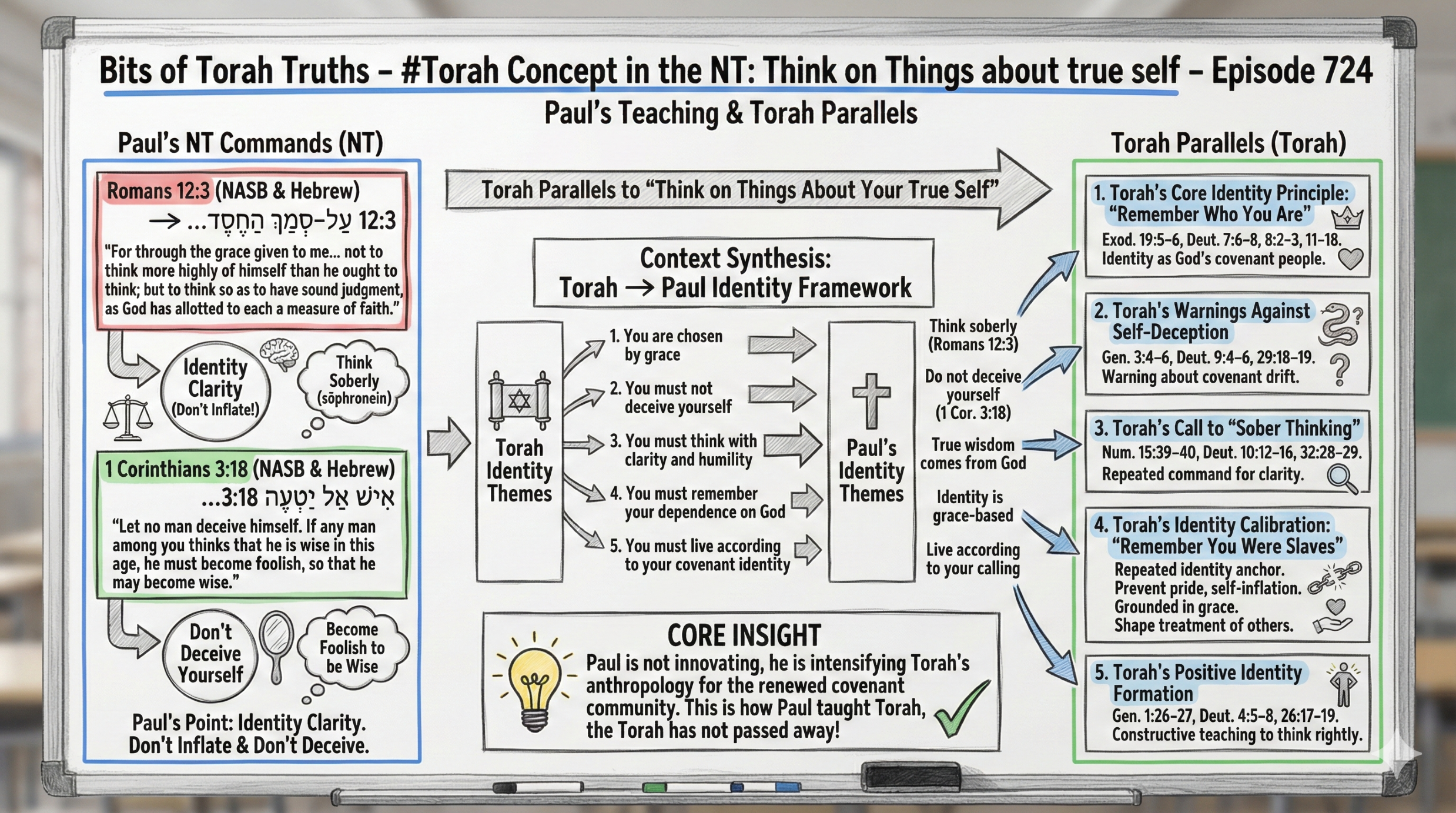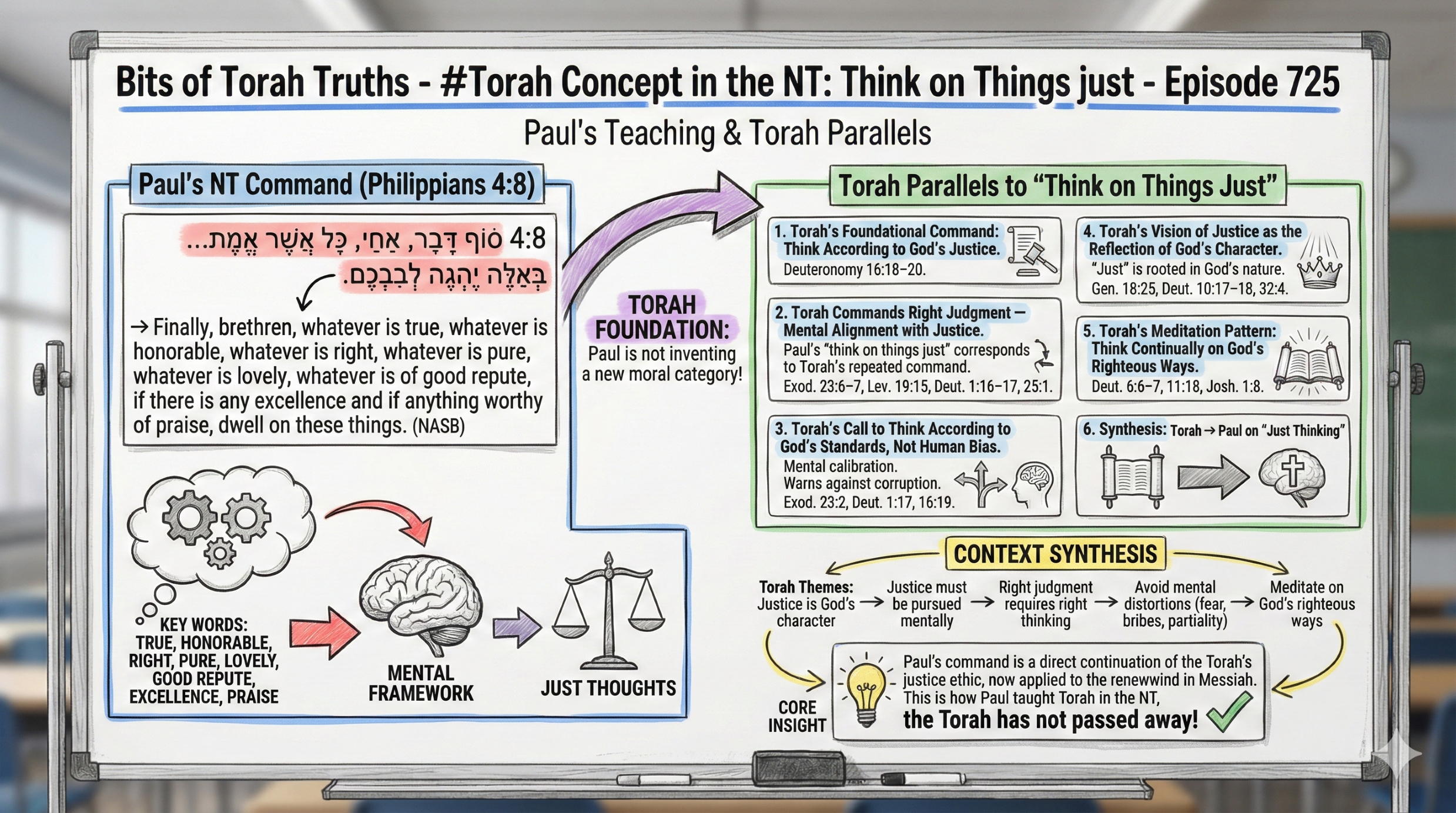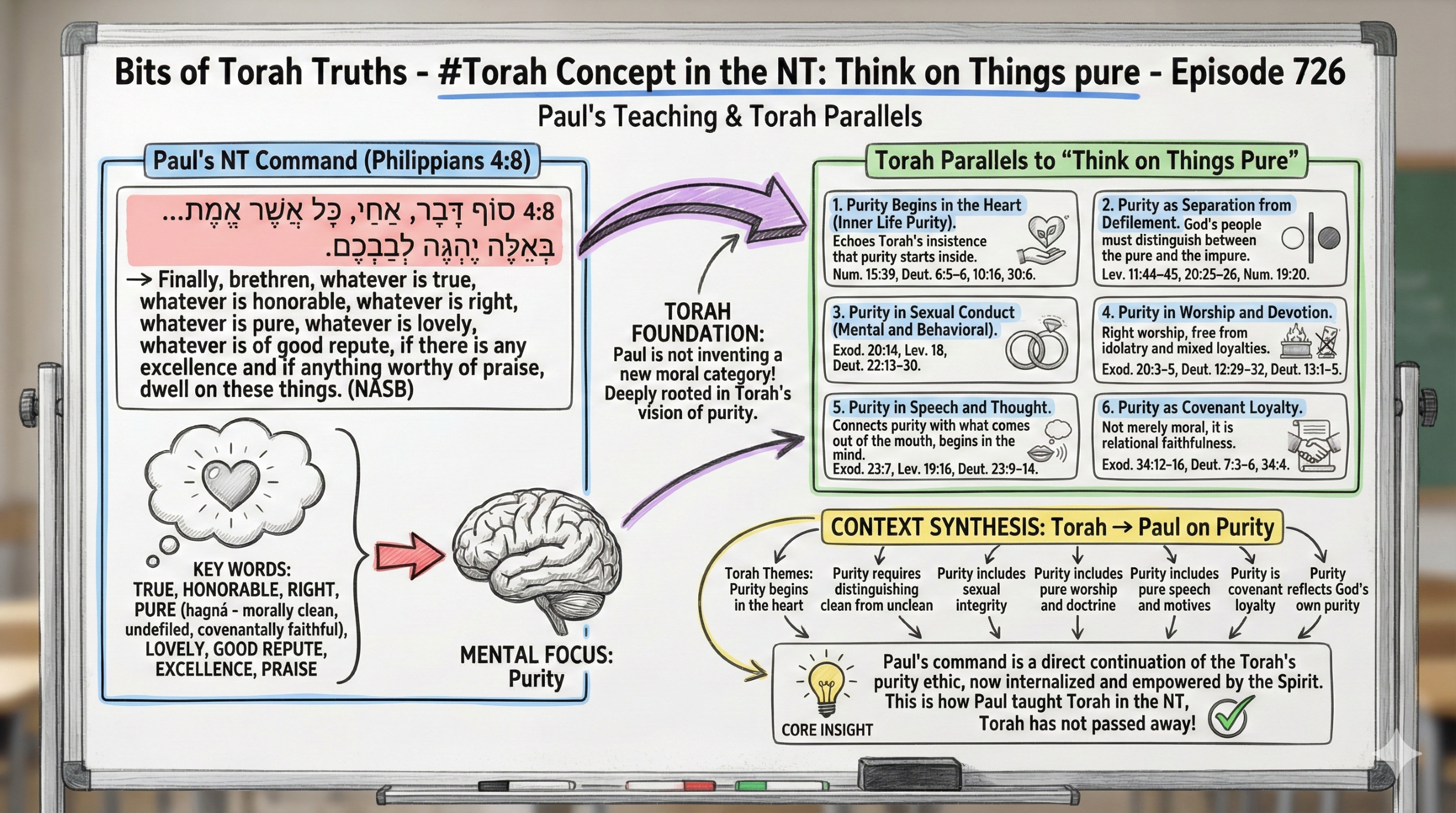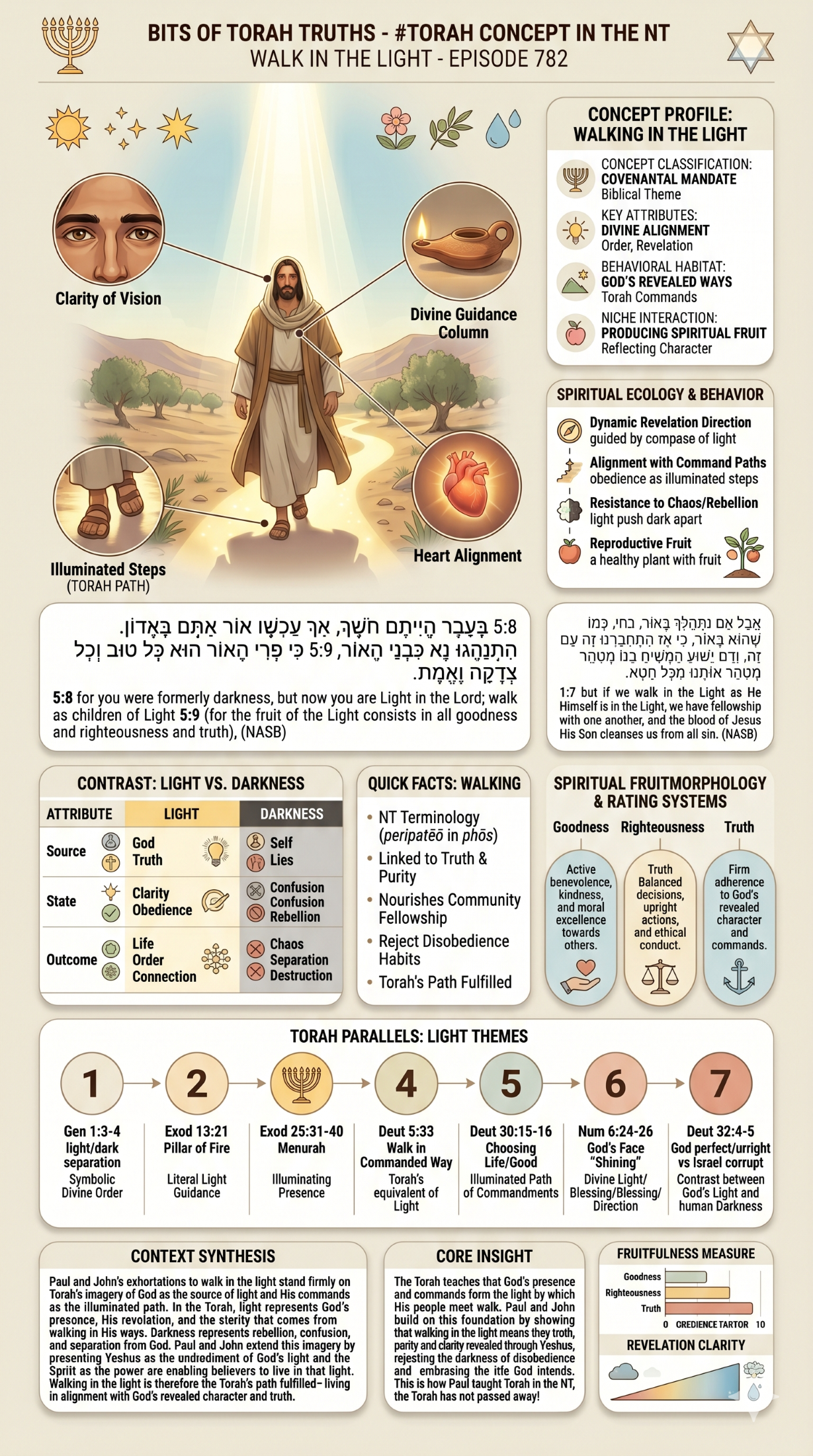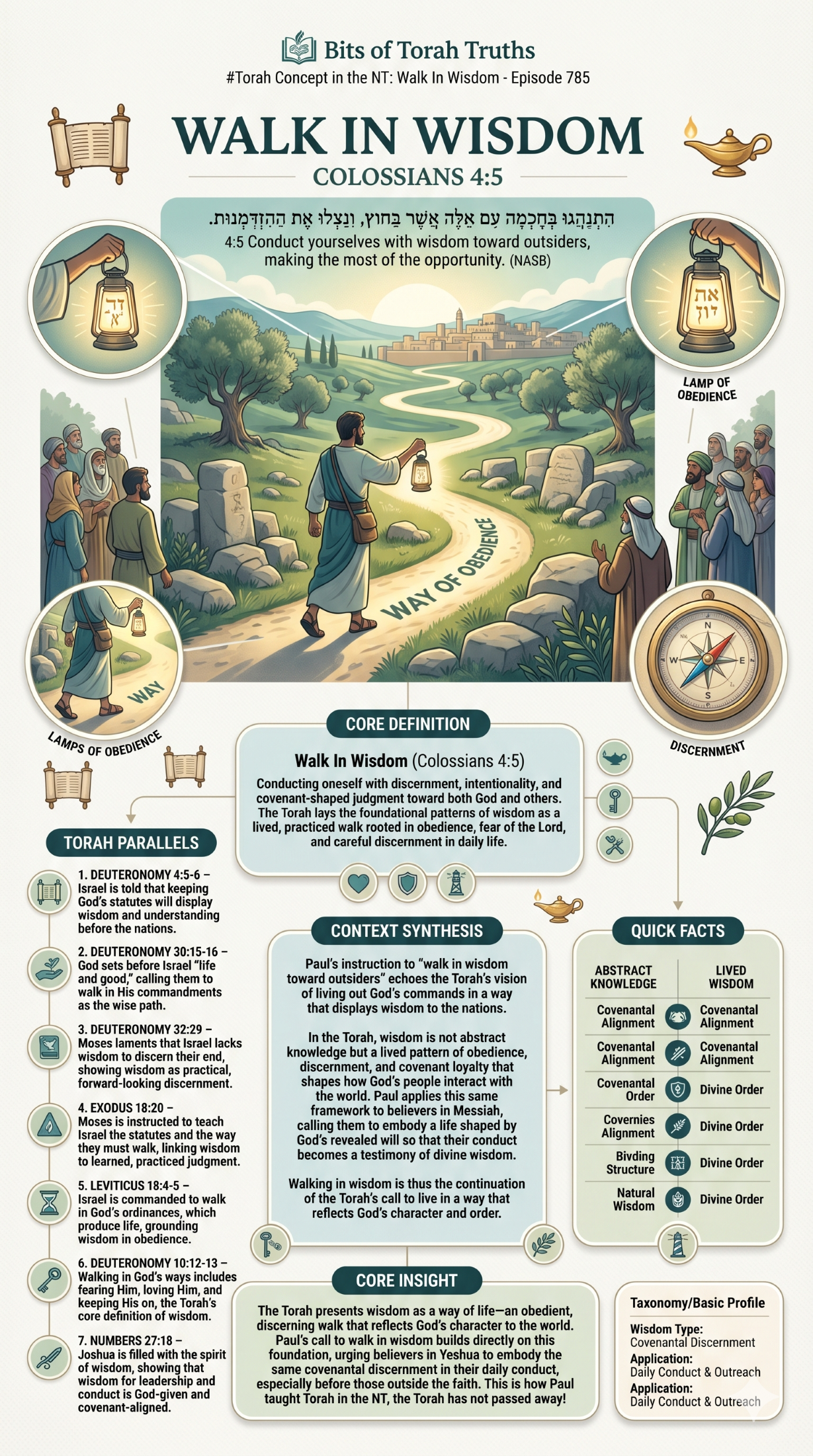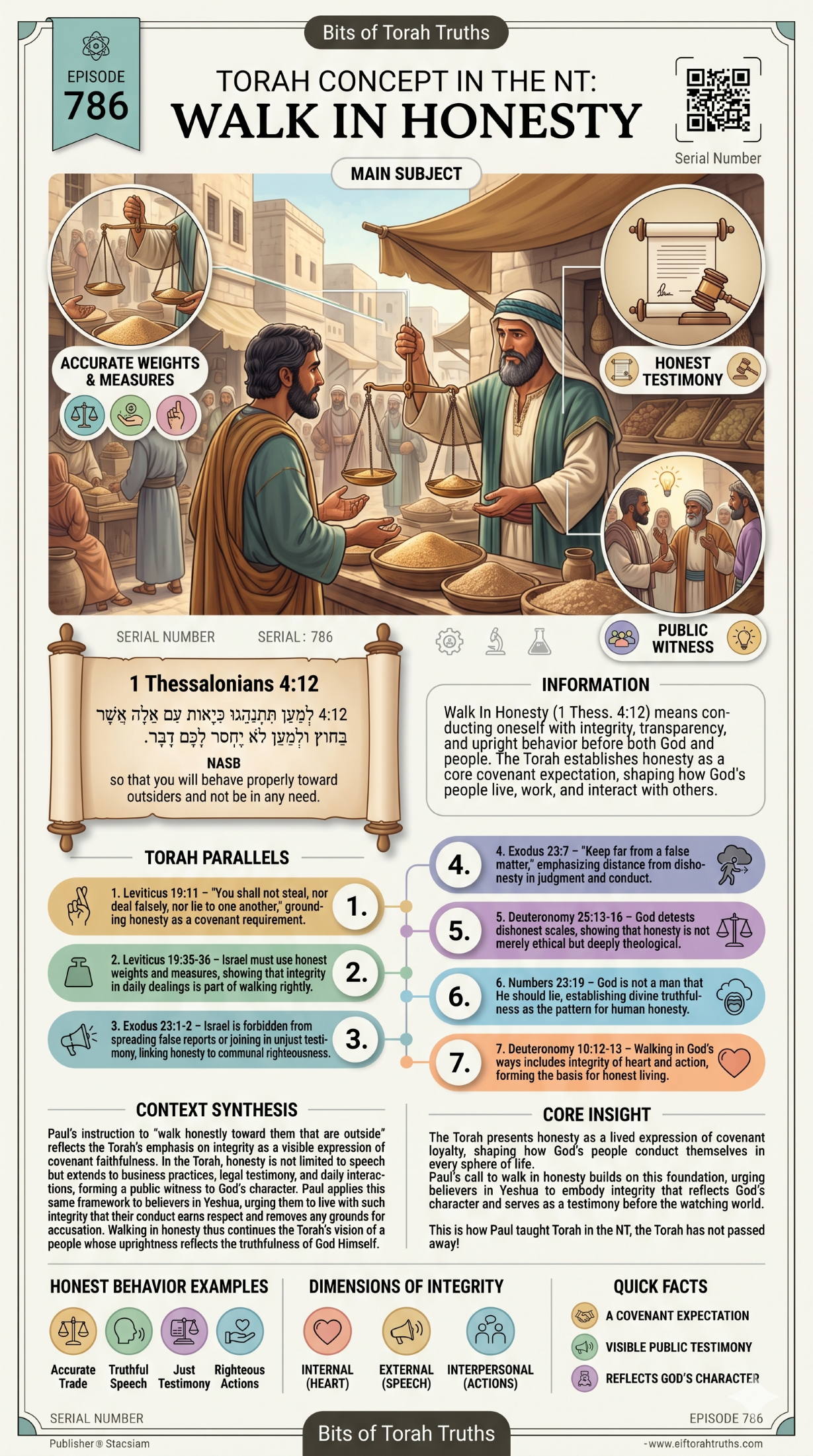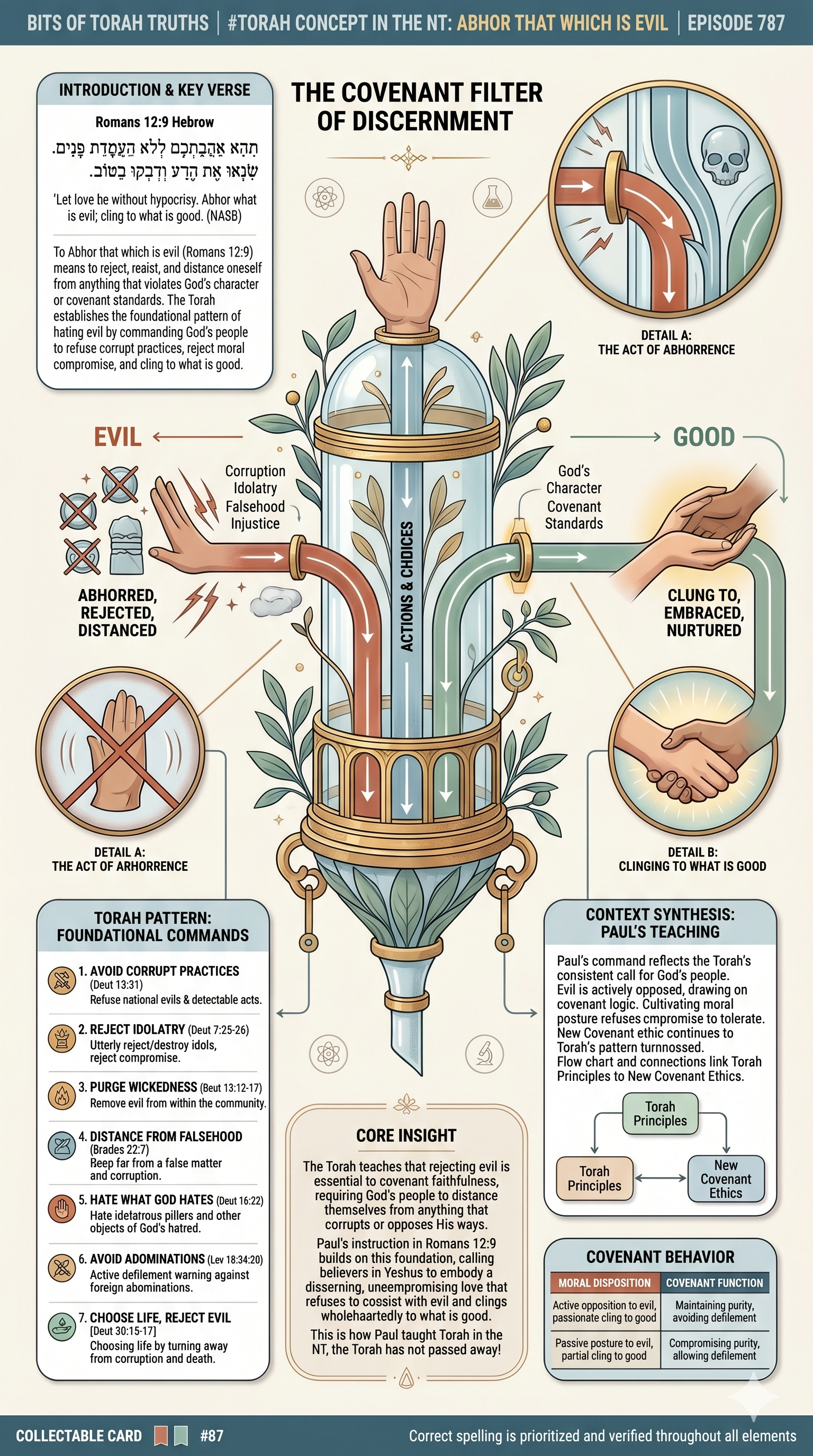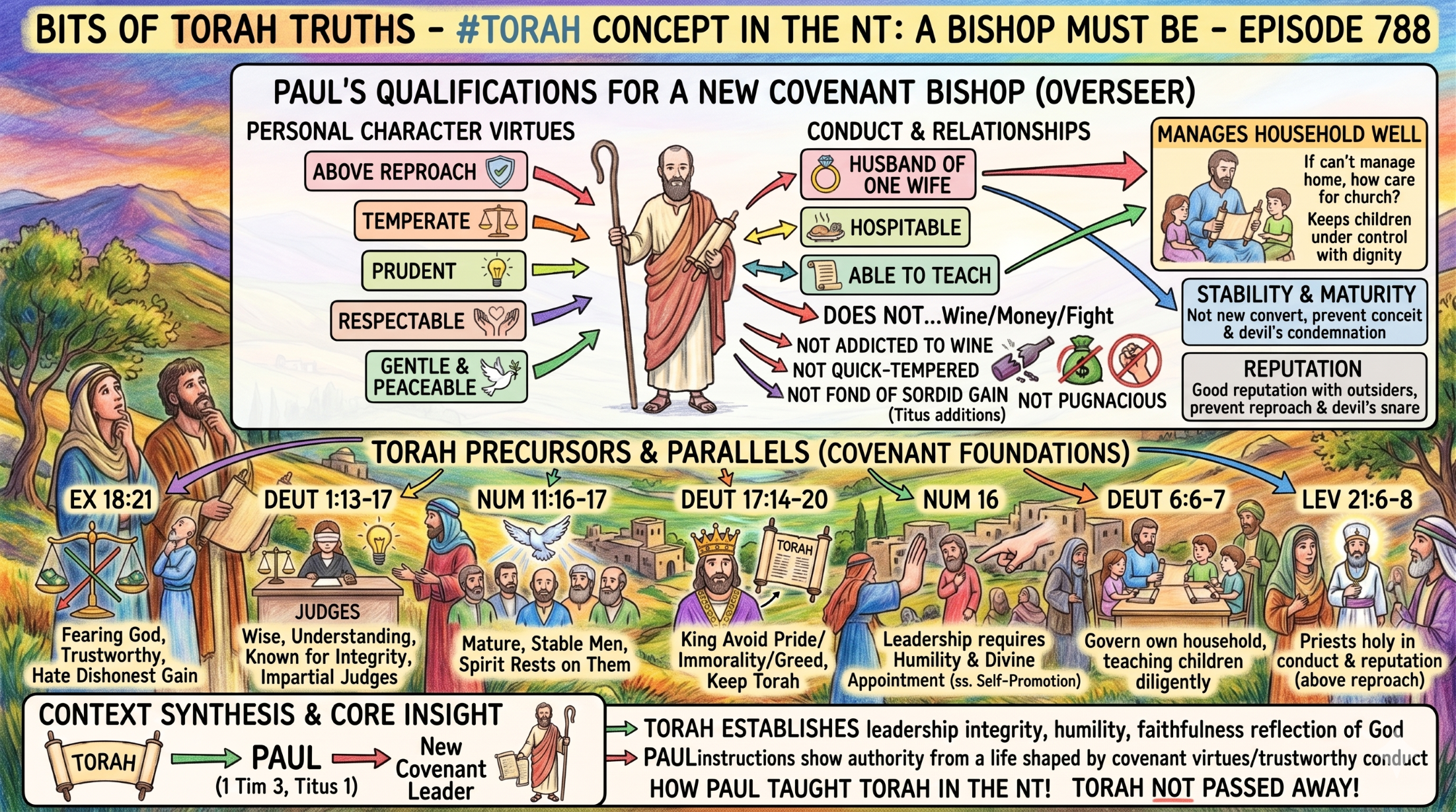
Bits of Torah Truths – #Torah Concept in the NT: A bishop must be Torah Obedient – Episode 788
1 Timothy 3:2–7
3:2 לָכֵן הַמַּנְהִיג צָרִיךְ לִהְיוֹת אִישׁ שֶׁאֵין בּוֹ דֹּפִי, בַּעַל אִשָּׁה אַחַת, אִישׁ מְפֻכָּח, מְאֻפָּק, מִתְנַהֵג בְּדֶרֶךְ אֶרֶץ, מַכְנִיס אוֹרְחִים, יוֹדֵעַ לְלַמֵּד;3:3 לֹא מִתְמַכֵּר לְיַיִן, לֹא בַּעַל אֶגְרוֹף אֶלָּא אָדָם הַנּוֹהֵג בְּסוֹבְלָנוּת, לֹא נִמְהָר לָרִיב וְלֹא רוֹדֵף כֶּסֶף;3:4 אָדָם שֶׁמַּנְהִיג הֵיטֵב אֶת בֵּיתוֹ שֶׁלּוֹ וּבָנָיו נִשְׁמָעִים לוֹ בִּמְלוֹא דֶּרֶךְ אֶרֶץ.3:5 הֲרֵי אִם לֹא יֵדַע אִישׁ לְנַהֵל אֶת בֵּיתוֹ שֶׁלּוֹ, כֵּיצַד יוּכַל לִדְאֹג לִקְהִלַּת אֱלֹהִים?3:6 וְאַל יְהֵא צָעִיר בָּאֱמוּנָה, פֶּן יִתְיַהֵר וְיִפֹּל בְּדִין הַשָּׂטָן.3:7 הוּא צָרִיךְ גַּם לְשֵׁם טוֹב בְּפִי אֵלֶּה שֶׁבַּחוּץ, כְּדֵי שֶׁלֹּא יִהְיֶה לְחֶרְפָּה וְלֹא יִפֹּל בְּפַח הַשָּׂטָן. (HNT)
Titus 1:6–9
1:6 אֶת מִי שֶׁאֵין בּוֹ דֹּפִי וְהוּא בַּעַל אִשָּׁה אַחַת וְיֵשׁ לוֹ בָּנִים מַאֲמִינִים אֲשֶׁר אֵין עֲלֵיהֶם טַעֲנַת הוֹלְלוּת אוֹ סוֹרְרוּת….
#torah#torahwisdom#torahtruth#torahforlife#torah4you#torahtruth
1 Timothy 3:2–7
3:2 An overseer, then, must be above reproach, the husband of one wife, temperate, prudent, respectable, hospitable, able to teach, 3:3 not addicted to wine or pugnacious, but gentle, peaceable, free from the love of money. 3:4 He must be one who manages his own household well, keeping his children under control with all dignity 3:5 (but if a man does not know how to manage his own household, how will he take care of the church of God?), 3:6 and not a new convert, so that he will not become conceited and fall into the condemnation incurred by the devil. 3:7 And he must have a good reputation with those outside the church, so that he will not fall into reproach and the snare of the devil. (NASB)
Titus 1:6–9
1:6 namely, if any man is above reproach, the husband of one wife, having children who believe, not accused of dissipation or rebellion. 1:7 For the overseer must be above reproach as God’s steward, not self-willed, not quick-tempered, not addicted to wine, not pugnacious, not fond of sordid gain, 1:8 but hospitable, loving what is good, sensible, just, devout, self-controlled, 1:9 holding fast the faithful word which is in accordance with the teaching, so that he will be able both to exhort in sound doctrine and to refute those who contradict. (NASB)
https://www.matsati.com/index.php/category/bits-of-torah-truths/
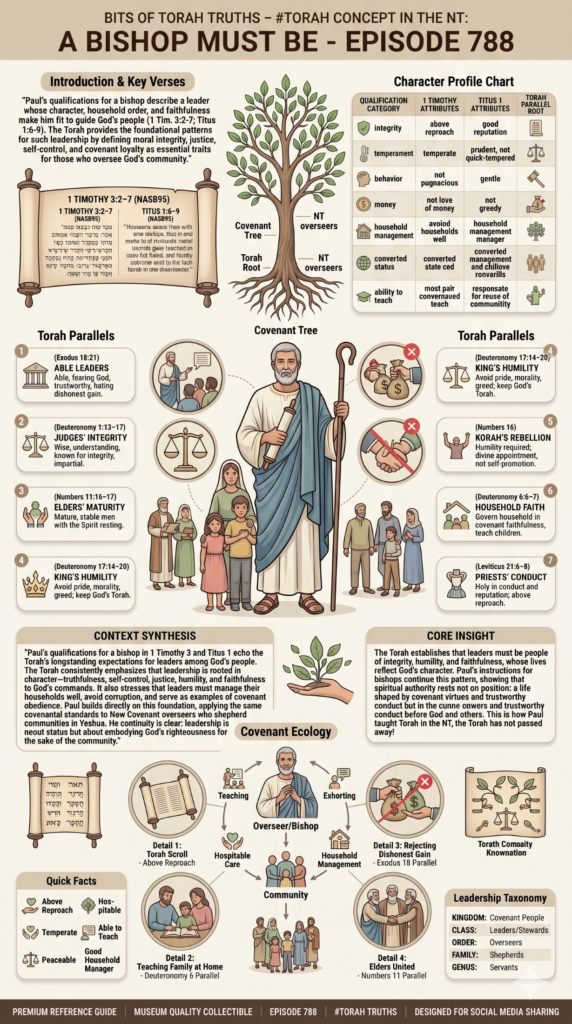
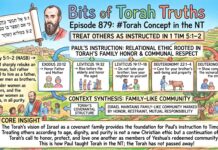
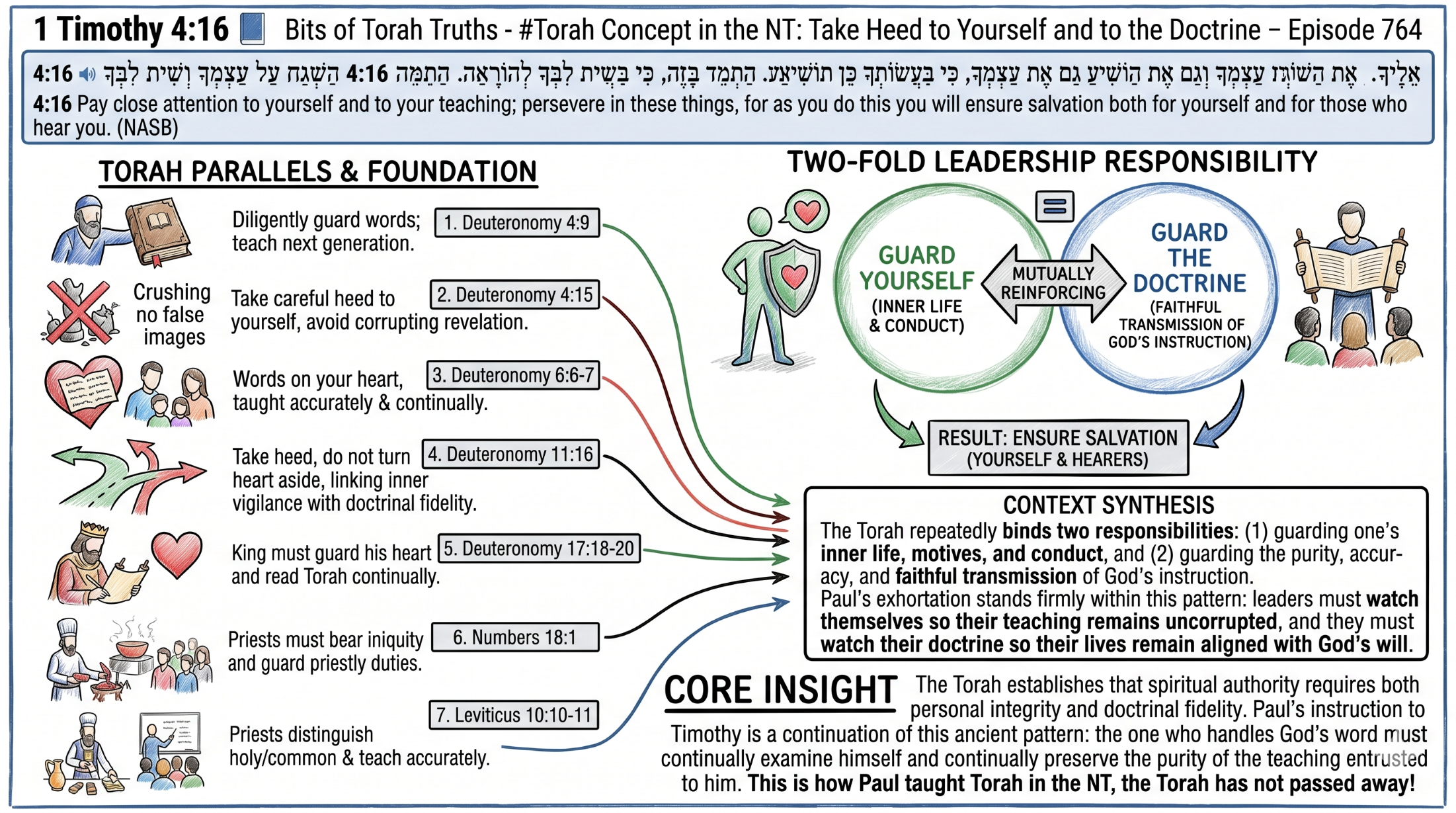
Paul’s qualifications for a bishop describe a leader whose character, household order, and faithfulness make him fit to guide God’s people (1 Tim. 3:2-7; Titus 1:6-9). The Torah provides the foundational patterns for such leadership by defining moral integrity, justice, self‑control, and covenant loyalty as essential traits for those who oversee God’s community.
– Torah parallels –
- Exodus 18:21 – Leaders must be able men, fearing God, trustworthy, and hating dishonest gain.
- Deuteronomy 1:13‑17 – Judges must be wise, understanding, known for integrity, impartial, and resistant to intimidation.
- Numbers 11:16‑17 – Elders appointed to assist Moses must be mature, stable men upon whom the Spirit rests.
- Deuteronomy 17:14‑20 – The king must avoid pride, immorality, greed, and must faithfully keep God’s Torah, modeling righteous leadership.
- Numbers 16 – The rebellion of Korah highlights that leadership requires humility and divine appointment, not self‑promotion.
- Deuteronomy 6:6‑7 – Leaders must first govern their own households in covenant faithfulness, teaching their children diligently.
- Leviticus 21:6‑8 – Priests must be holy in conduct and reputation, reflecting the principle that leaders must be above reproach.
– Context Synthesis –
Paul’s qualifications for a bishop in 1 Timothy 3 and Titus 1 echo the Torah’s longstanding expectations for leaders among God’s people. The Torah consistently emphasizes that leadership is rooted in character-truthfulness, self‑control, justice, humility, and faithfulness to God’s commands. It also stresses that leaders must manage their households well, avoid corruption, and serve as examples of covenant obedience. Paul builds directly on this foundation, applying the same covenantal standards to New Covenant overseers who shepherd communities in Yeshua. The continuity is clear: leadership is never about status but about embodying God’s righteousness for the sake of the community.
– Core Insight –
The Torah establishes that leaders must be people of integrity, humility, and faithfulness, whose lives reflect God’s character. Paul’s instructions for bishops continue this pattern, showing that spiritual authority rests not on position but on a life shaped by covenant virtues and trustworthy conduct before God and others. This is how Paul taught Torah in the NT, the Torah has not passed away!
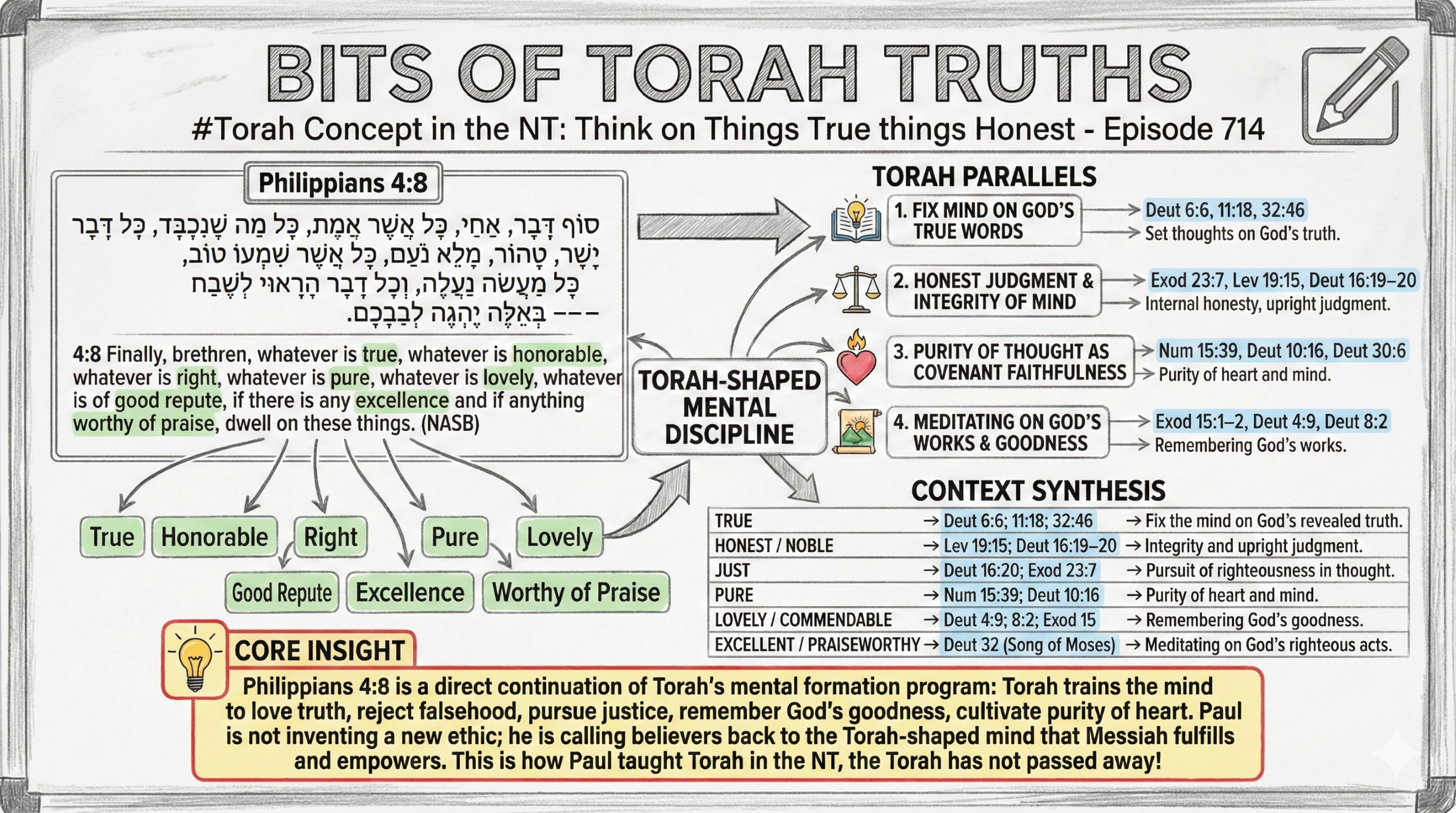
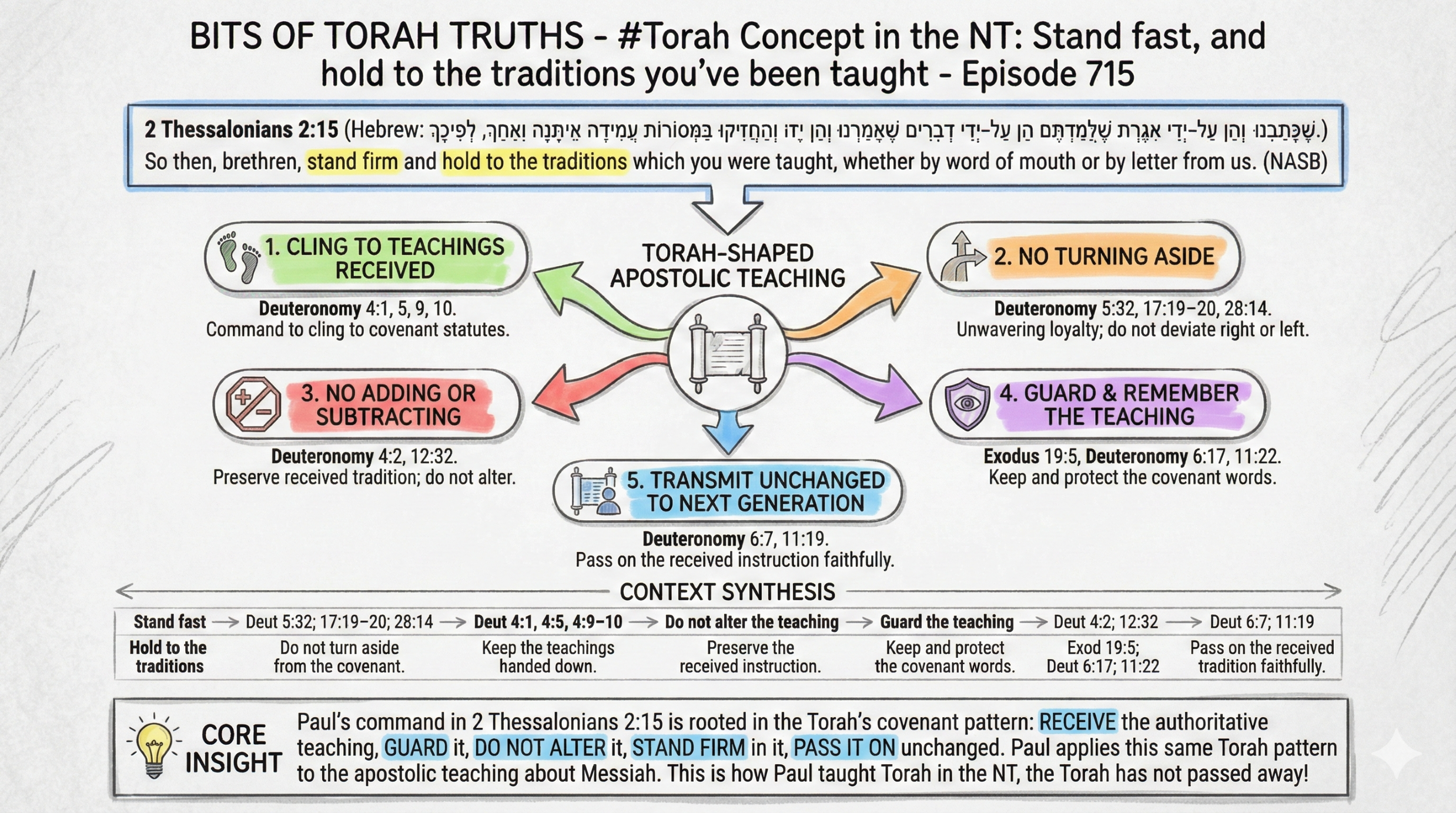
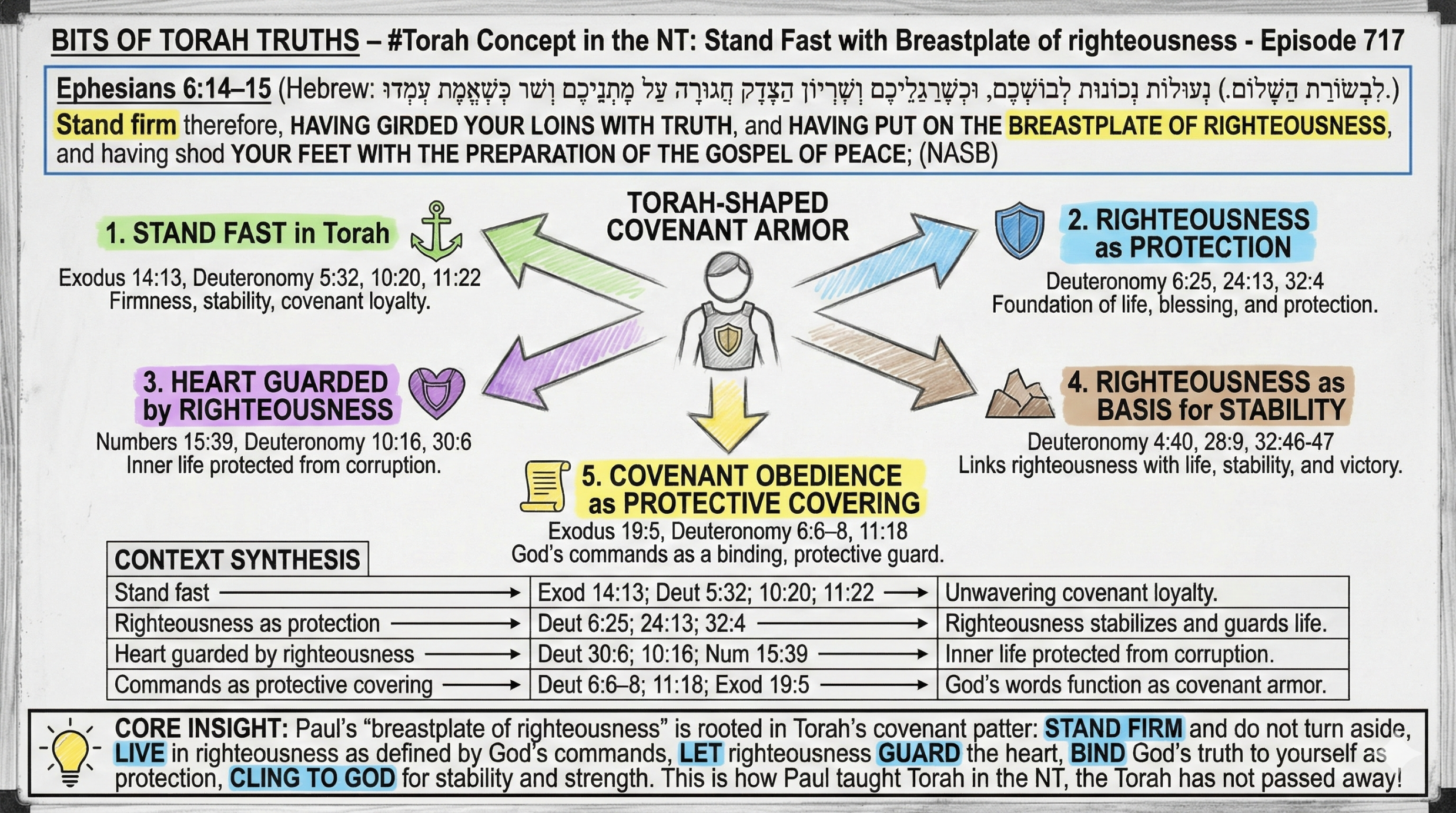
Visual Summary of Concepts the Torah in the NT