Bits of Torah Truths – #Torah Concept in the NT: Defraud not – Episode 823
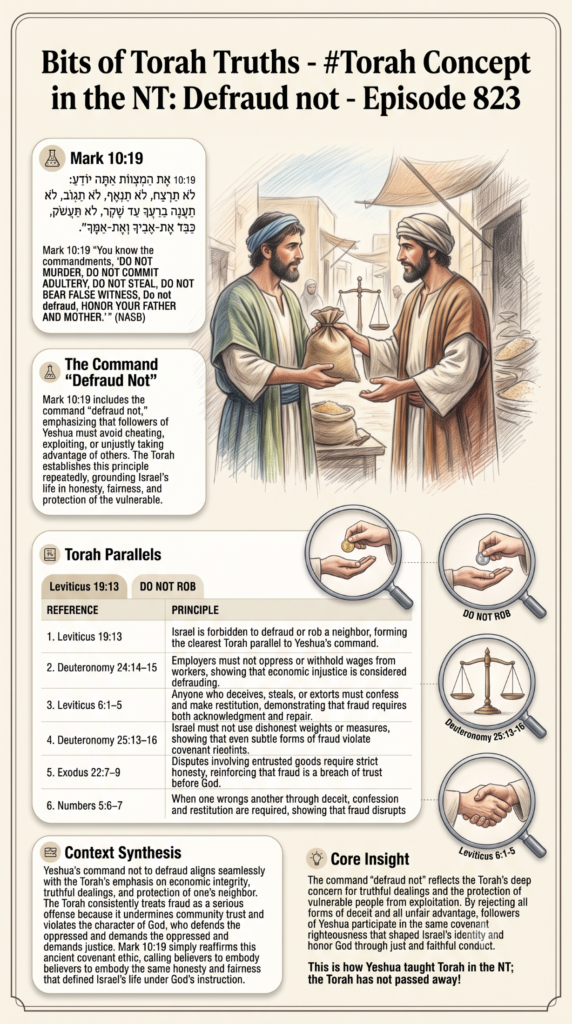
Mark 10:19
אֶת הַמִּצְווֹת אַתָּה יוֹדֵעַ׃ ׳לֹא תִרְצַח, לֹא תִנְאַף, לֹא תִגְנֹב, לֹא תַעֲנֶה בְרֵעֲךָ עֵד שָׁקֶר, לֹא תַּעֲשֹׁק, כַּבֵּד אֶת–אָבִיךָ וְאֶת–אִמֶּךָ.׳״
#torah #torahwisdom #torahtruth #torahforlife #torah4you #torahtruth
Mark 10:19
10:19 “You know the commandments, ‘DO NOT MURDER, DO NOT COMMIT ADULTERY, DO NOT STEAL, DO NOT BEAR FALSE WITNESS, Do not defraud, HONOR YOUR FATHER AND MOTHER.’ ” (NASB)
https://www.matsati.com/index.php/category/bits-of-torah-truths/
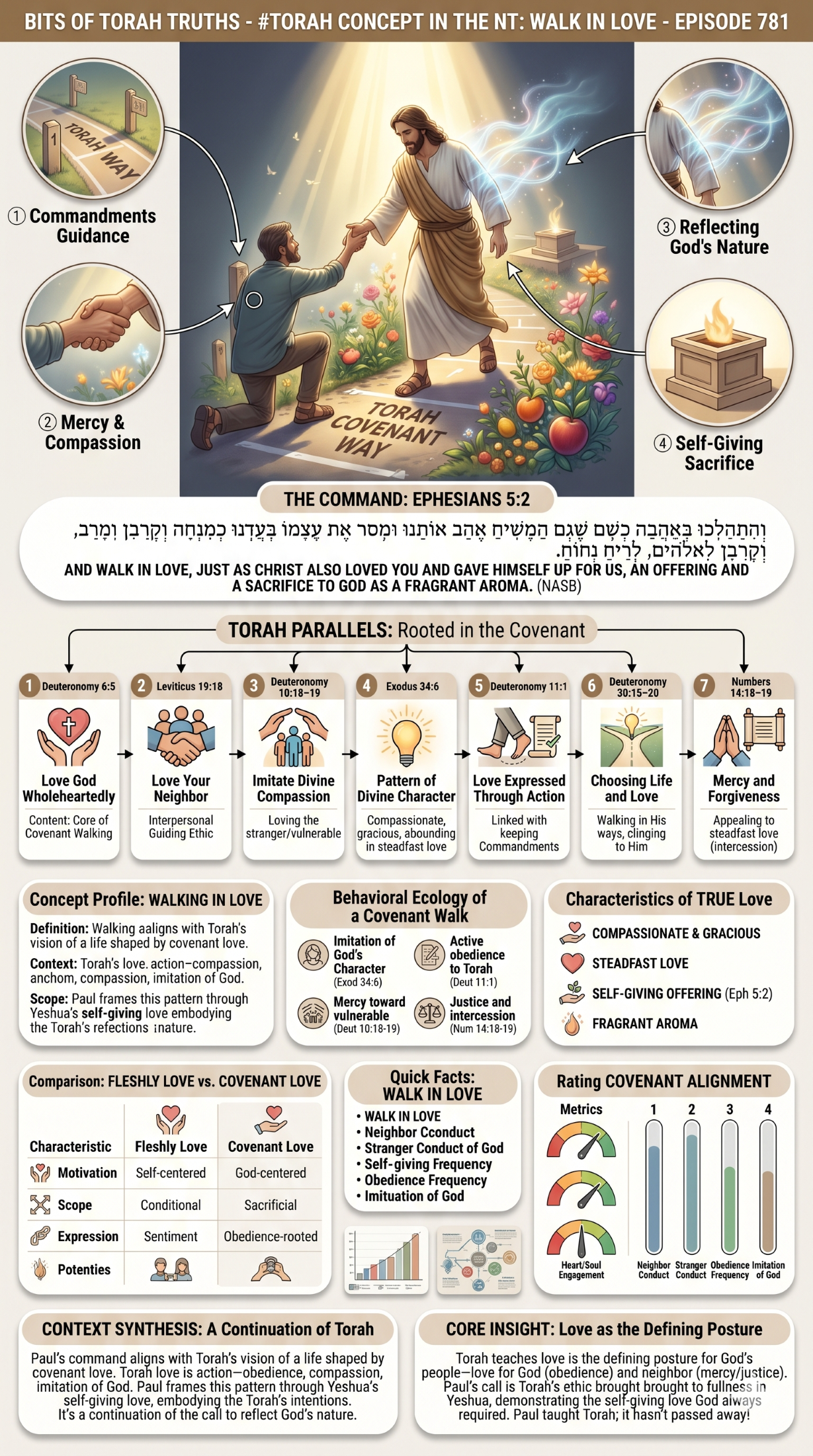
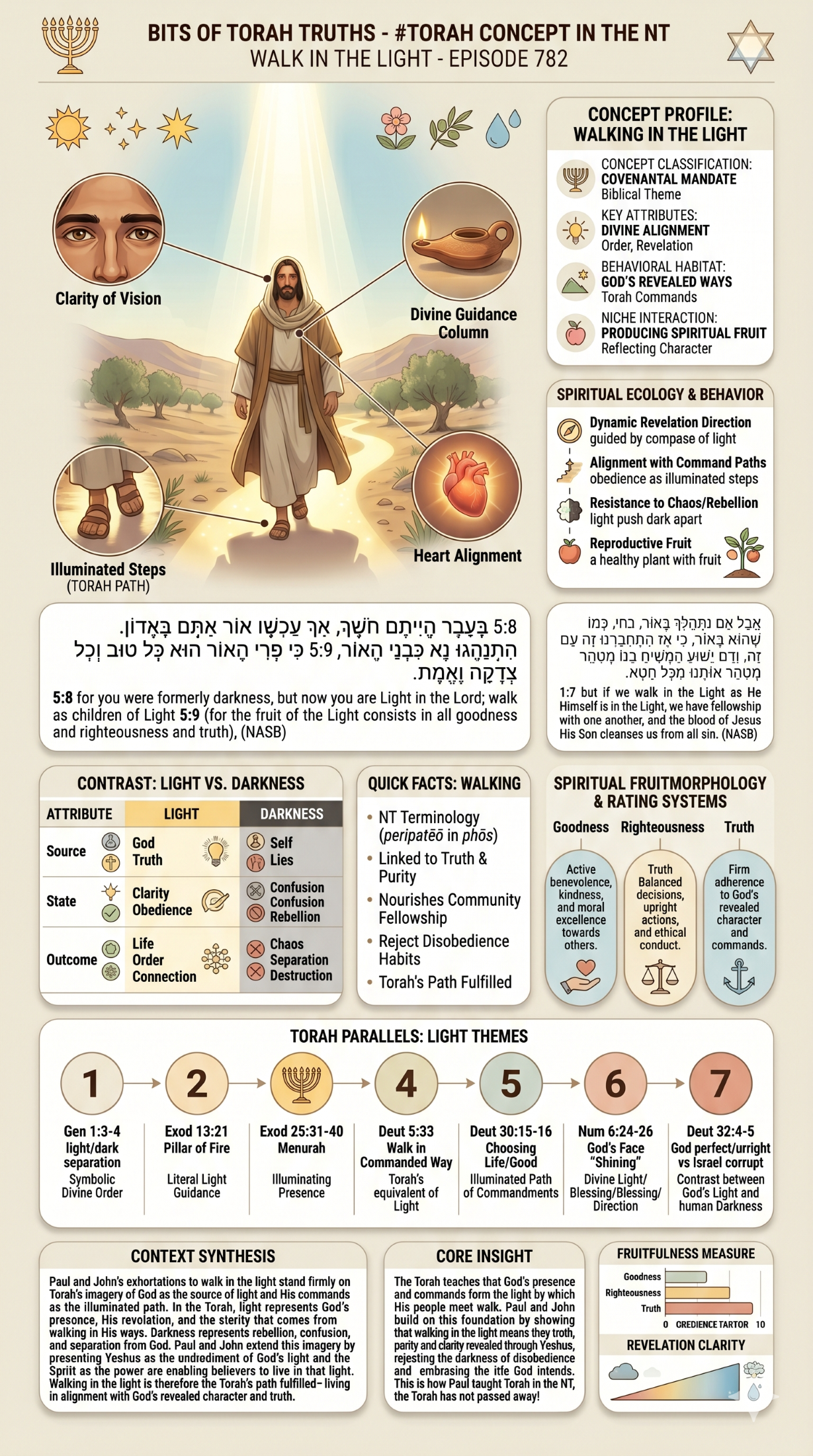
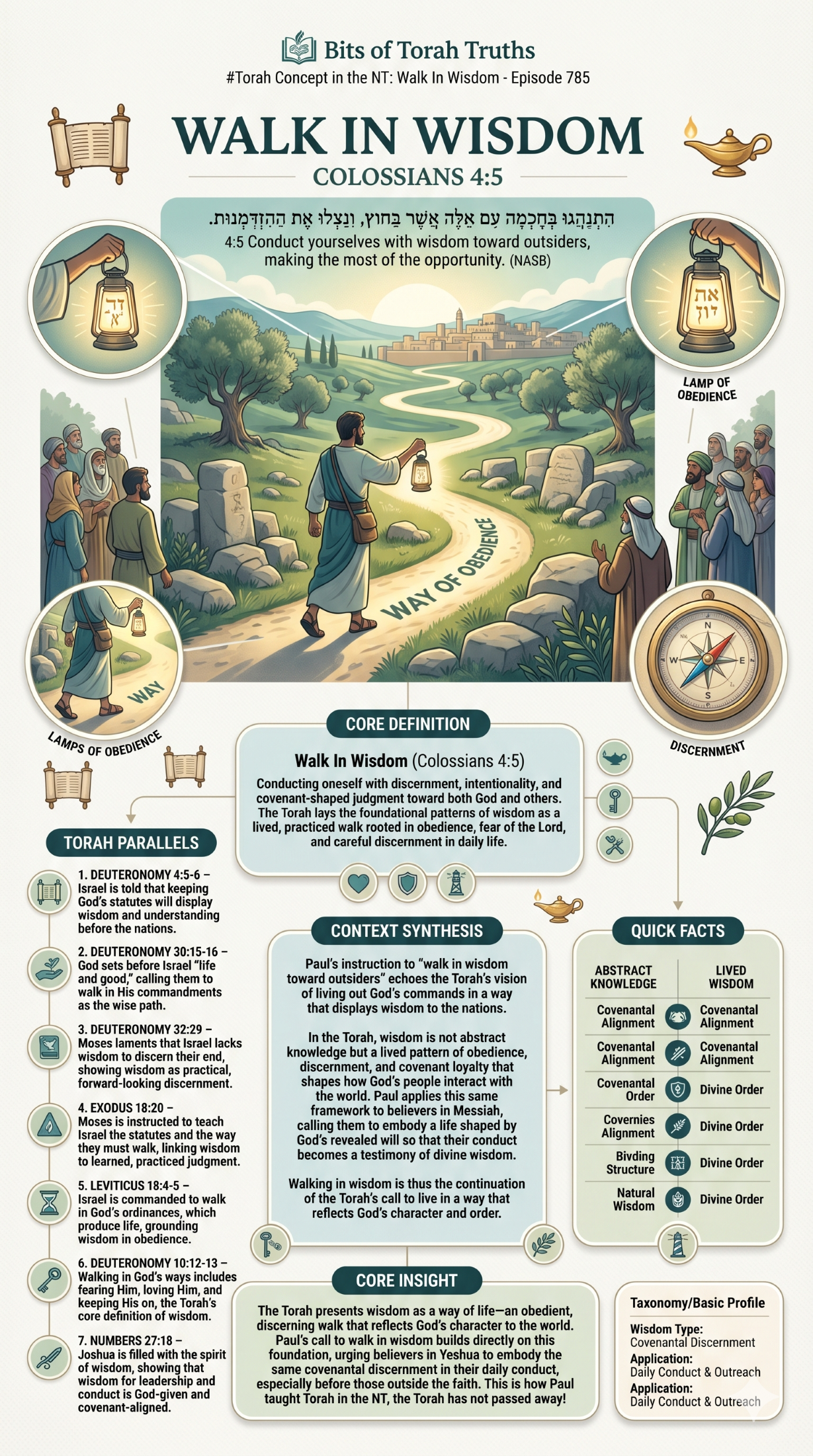
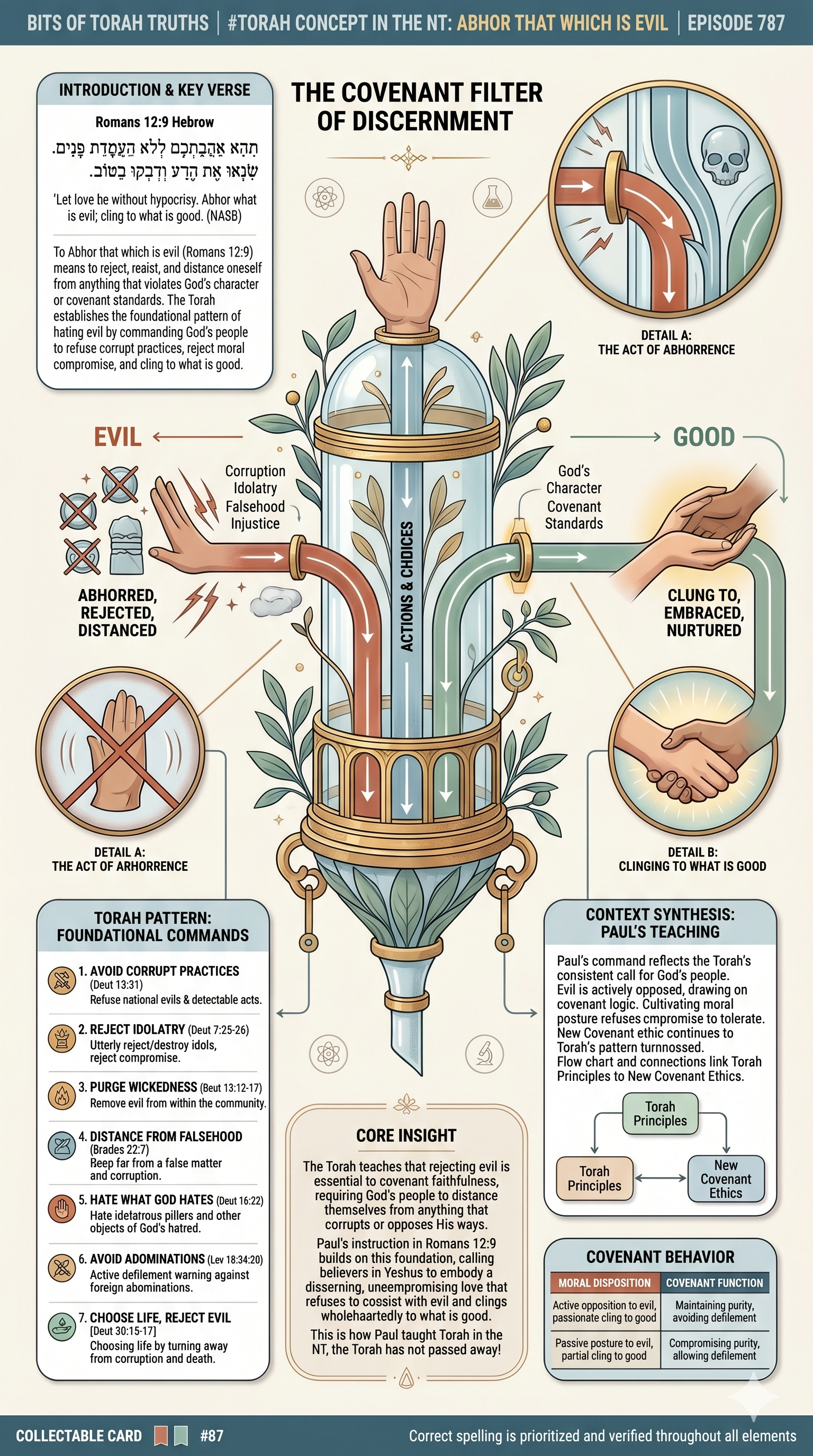
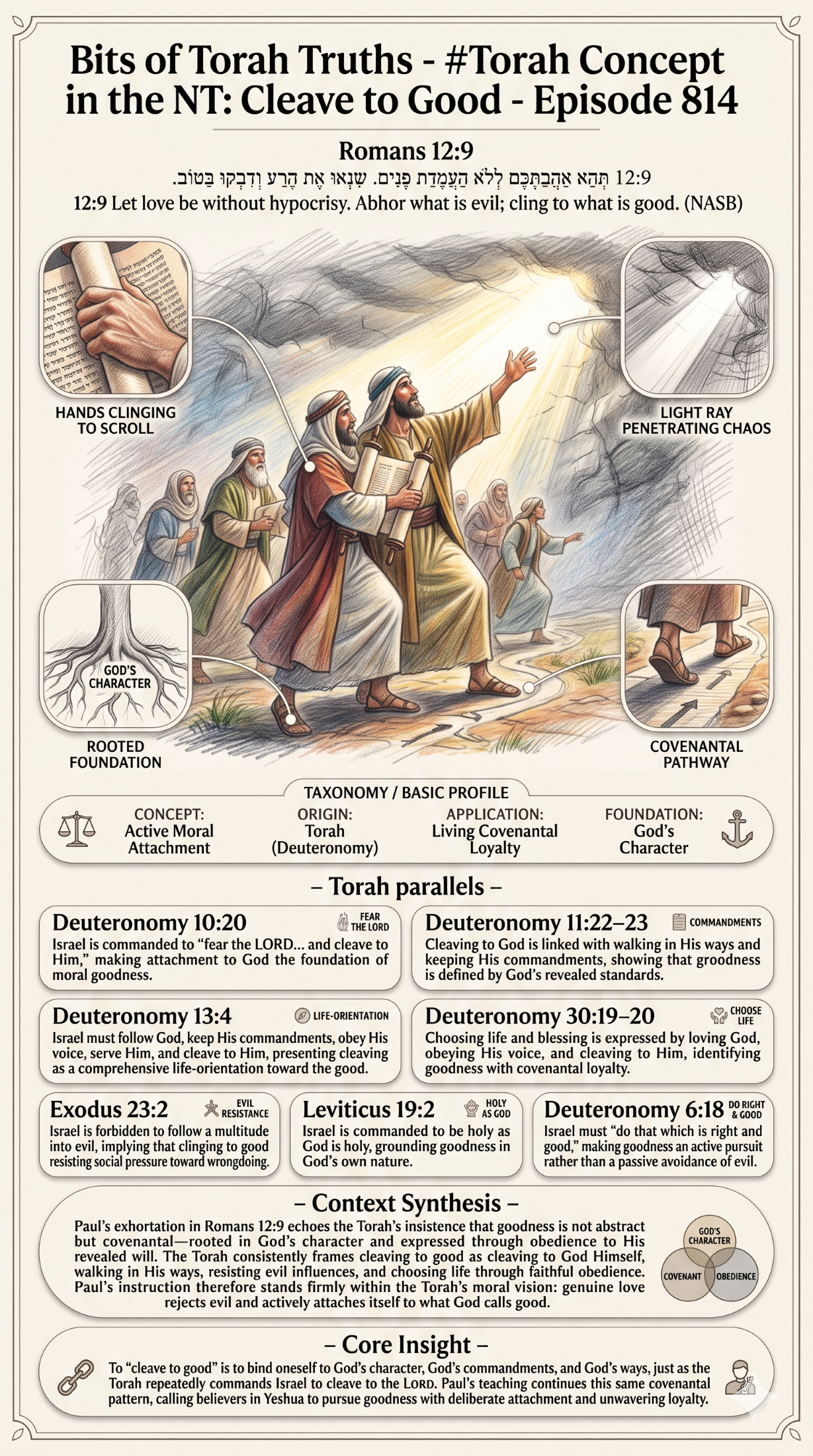
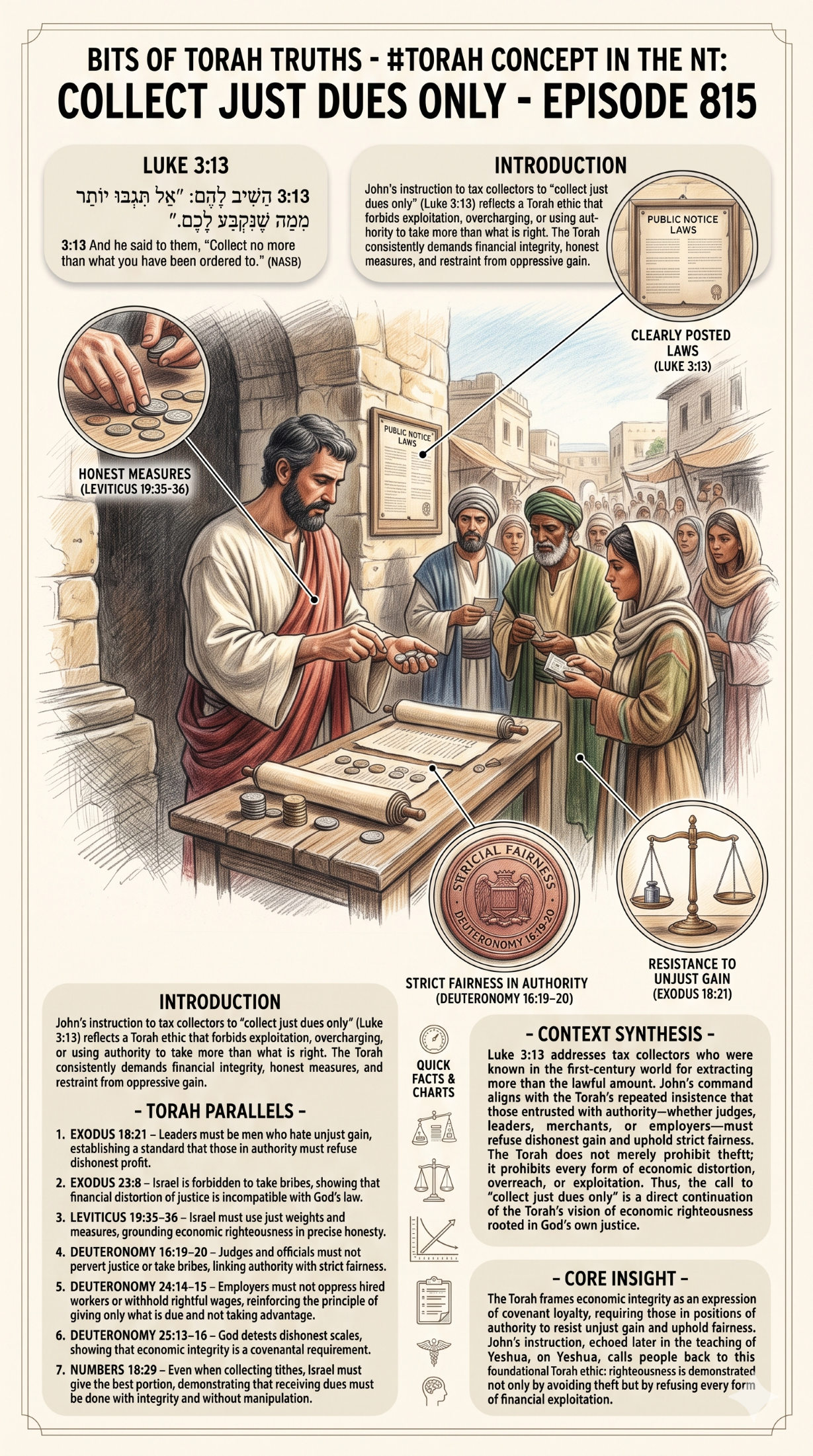
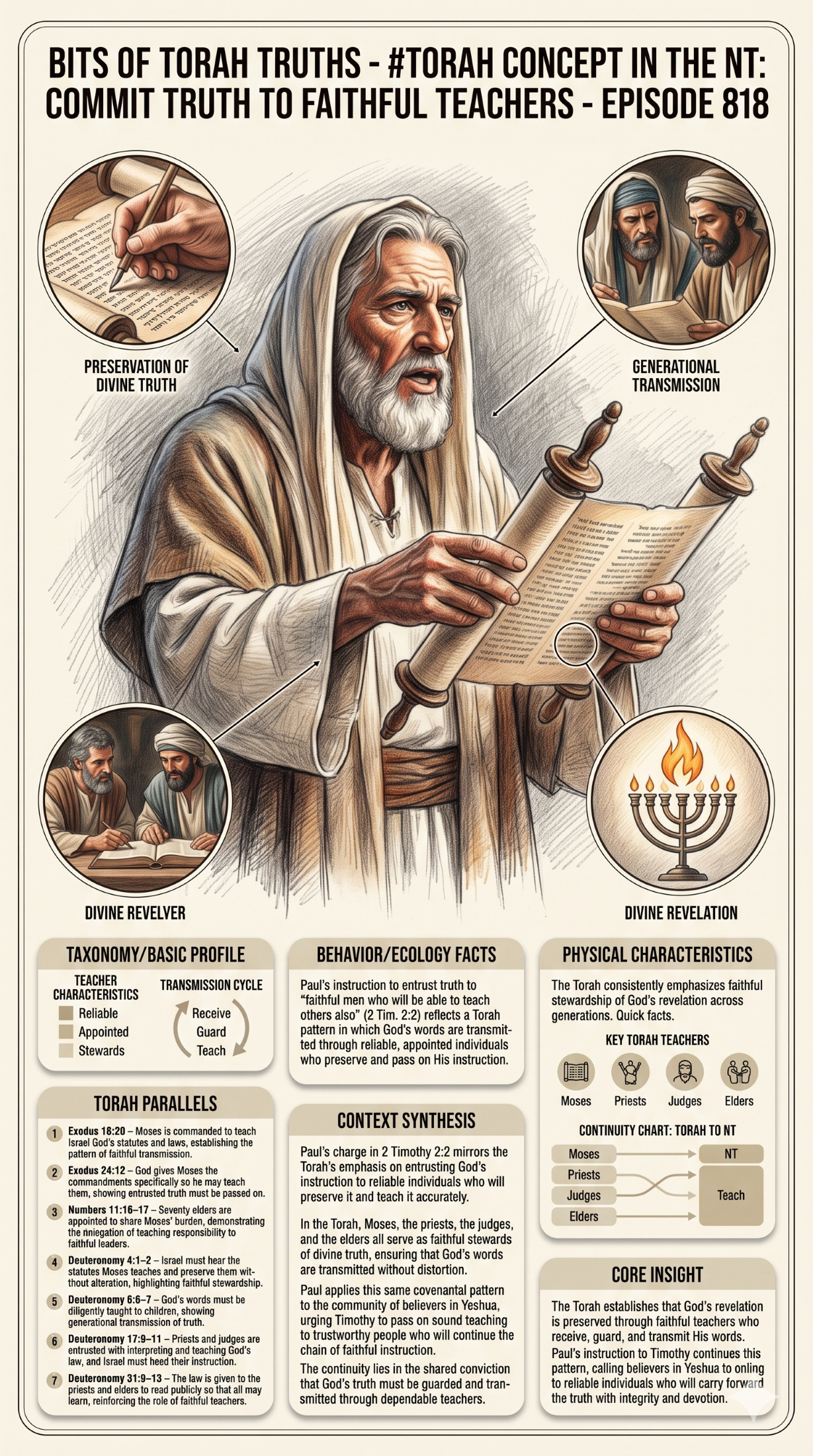
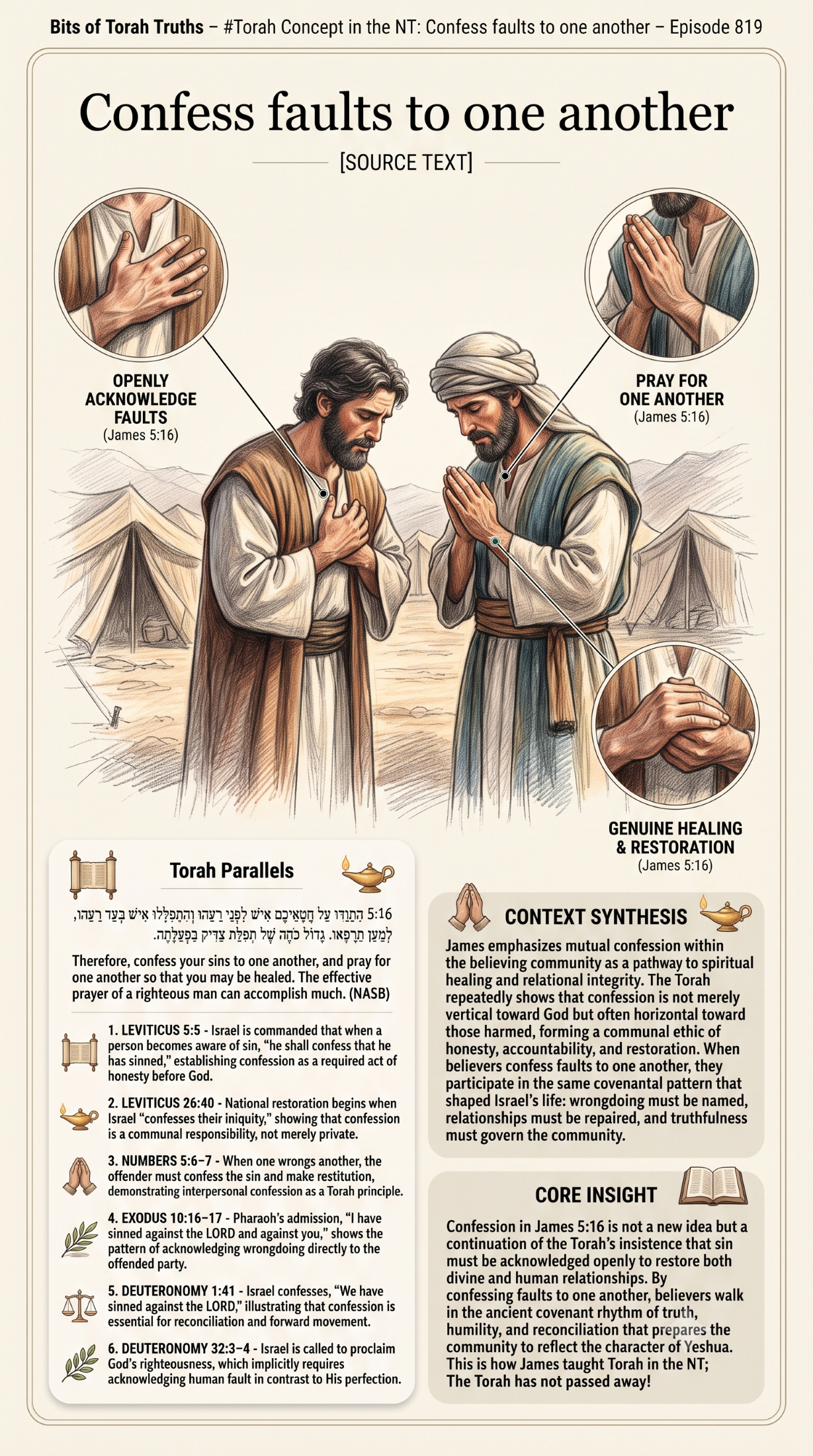
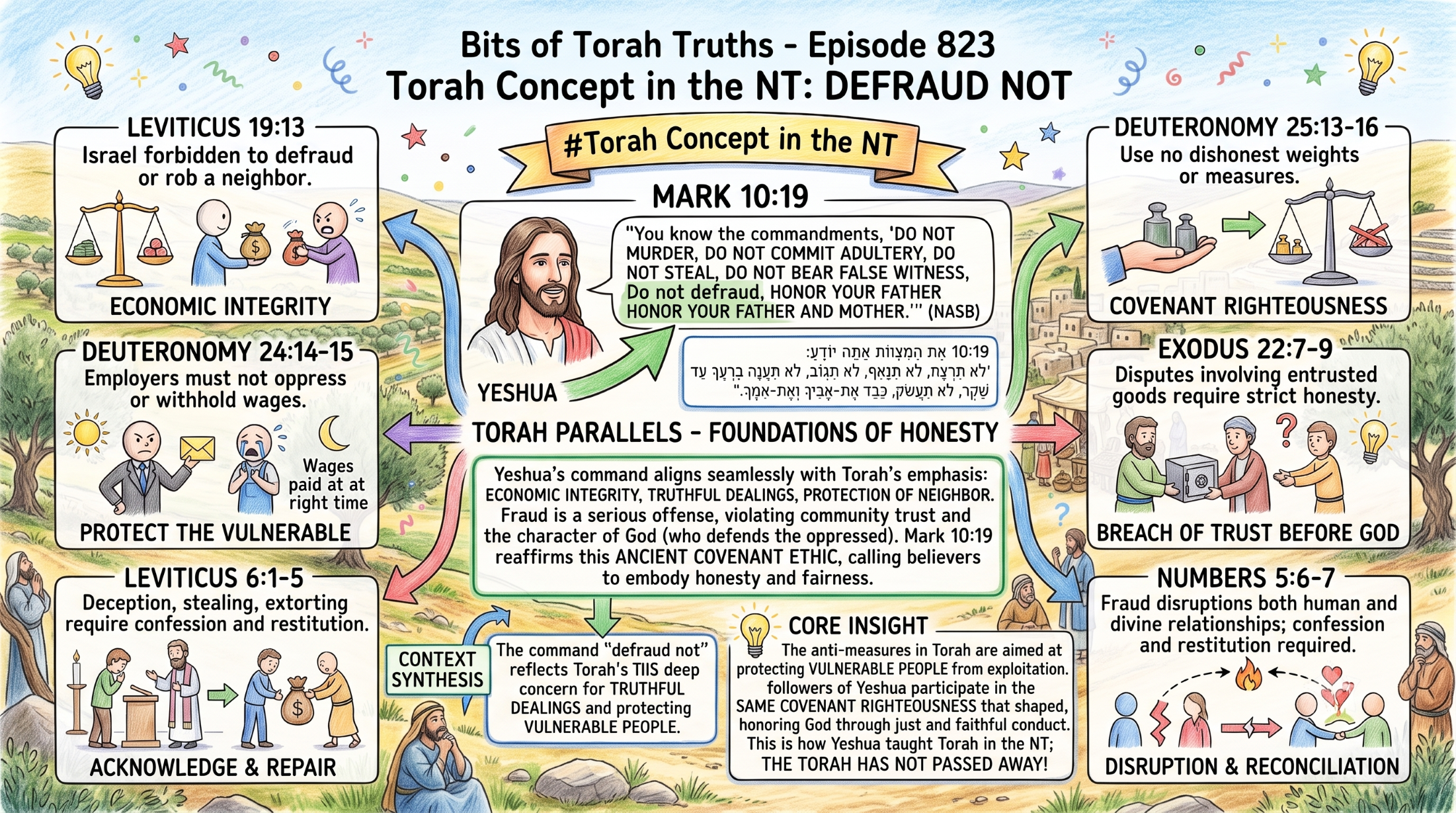
Mark 10:19 includes the command “defraud not,” emphasizing that followers of Yeshua must avoid cheating, exploiting, or unjustly taking advantage of others. The Torah establishes this principle repeatedly, grounding Israel’s life in honesty, fairness, and protection of the vulnerable.
– Torah parallels –
- Leviticus 19:13 – Israel is forbidden to defraud or rob a neighbor, forming the clearest Torah parallel to Yeshua’s command.
- Deuteronomy 24:14–15 – Employers must not oppress or withhold wages from workers, showing that economic injustice is considered defrauding.
- Leviticus 6:1–5 – Anyone who deceives, steals, or extorts must confess and make restitution, demonstrating that fraud requires both acknowledgment and repair.
- Deuteronomy 25:13–16 – Israel must not use dishonest weights or measures, showing that even subtle forms of fraud violate covenant righteousness.
- Exodus 22:7–9 – Disputes involving entrusted goods require strict honesty, reinforcing that fraud is a breach of trust before God.
- Numbers 5:6–7 – When one wrongs another through deceit, confession and restitution are required, showing that fraud disrupts both human and divine relationships.
– Context Synthesis –
Yeshua’s command not to defraud aligns seamlessly with the Torah’s emphasis on economic integrity, truthful dealings, and protection of one’s neighbor. The Torah consistently treats fraud as a serious offense because it undermines community trust and violates the character of God, who defends the oppressed and demands justice. Mark 10:19 simply reaffirms this ancient covenant ethic, calling believers to embody the same honesty and fairness that defined Israel’s life under God’s instruction.
– Core Insight –
The command “defraud not” reflects the Torah’s deep concern for truthful dealings and the protection of vulnerable people from exploitation. By rejecting all forms of deceit and unfair advantage, followers of Yeshua participate in the same covenant righteousness that shaped Israel’s identity and honor God through just and faithful conduct. This is how Yeshua taught Torah in the NT; the Torah has not passed away!
Visual Summary of Concepts the Torah in the NT