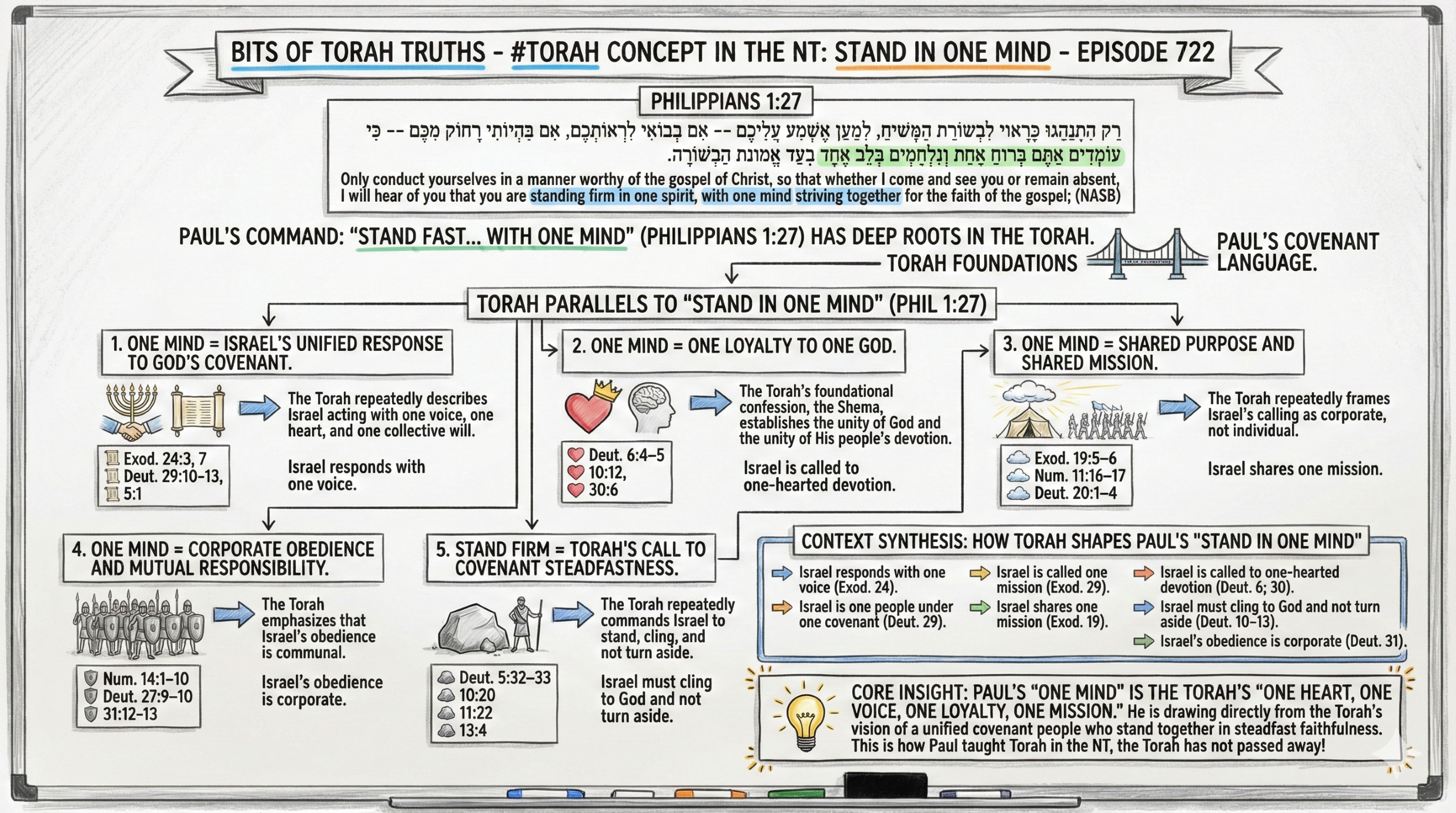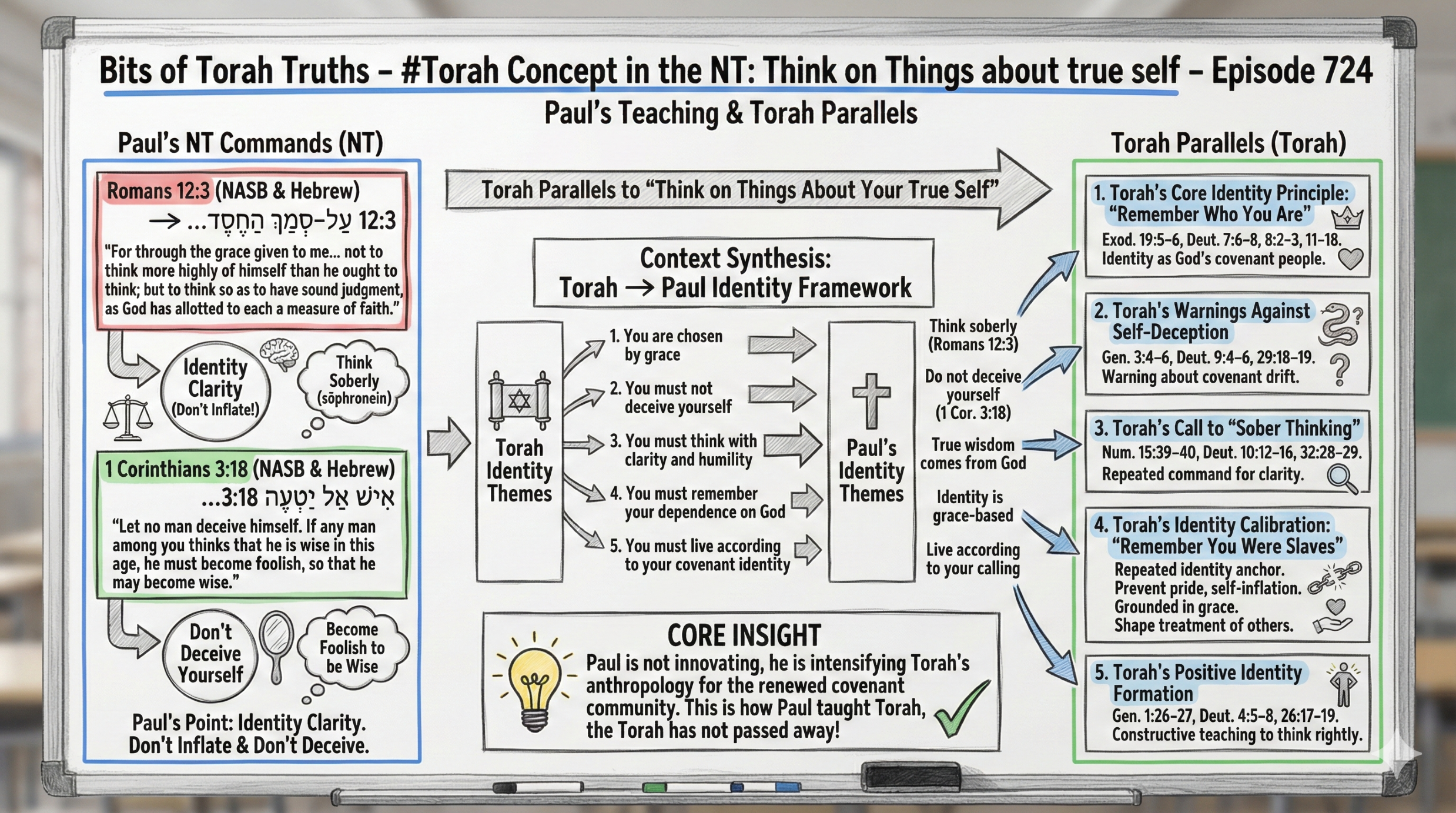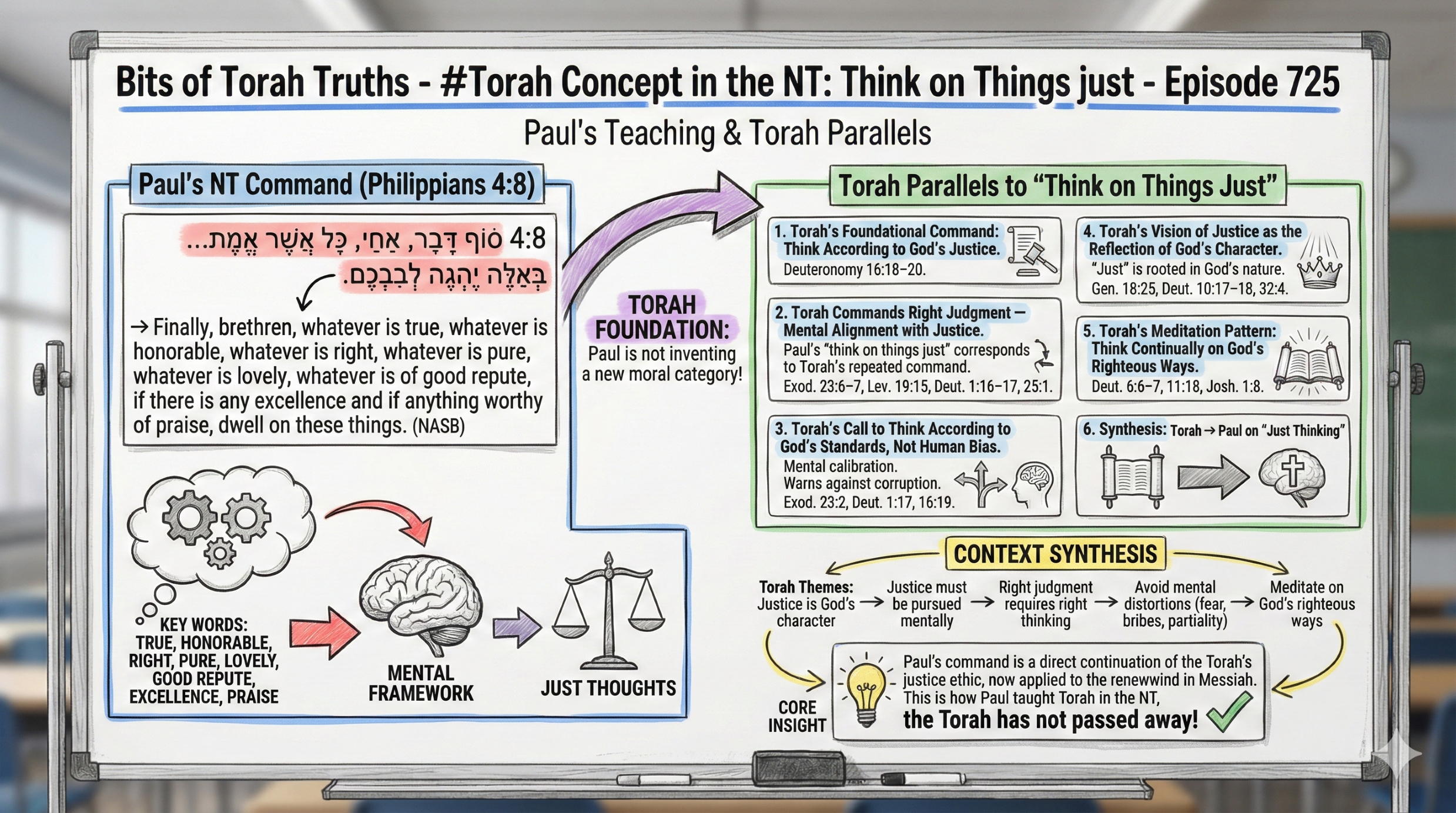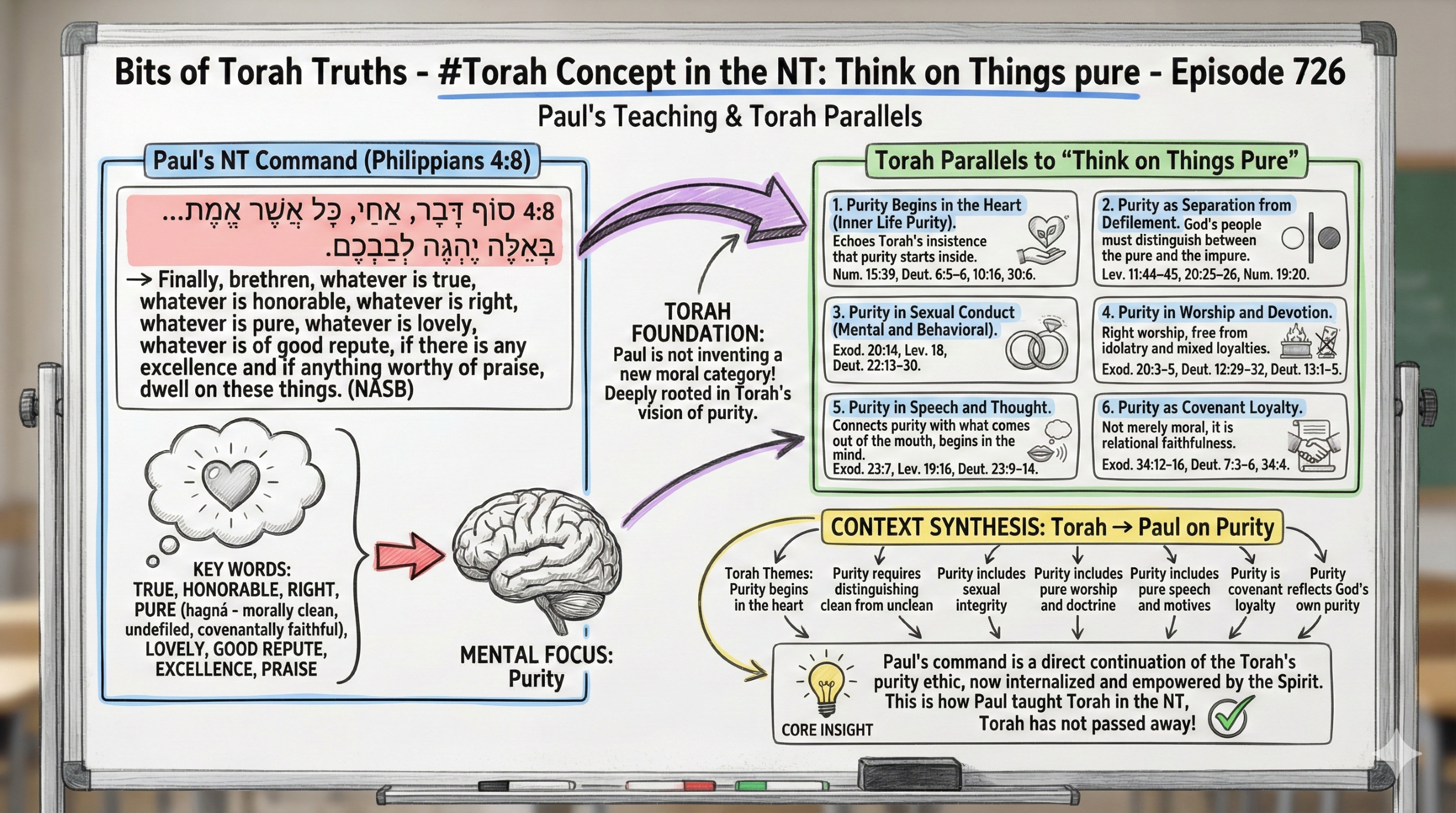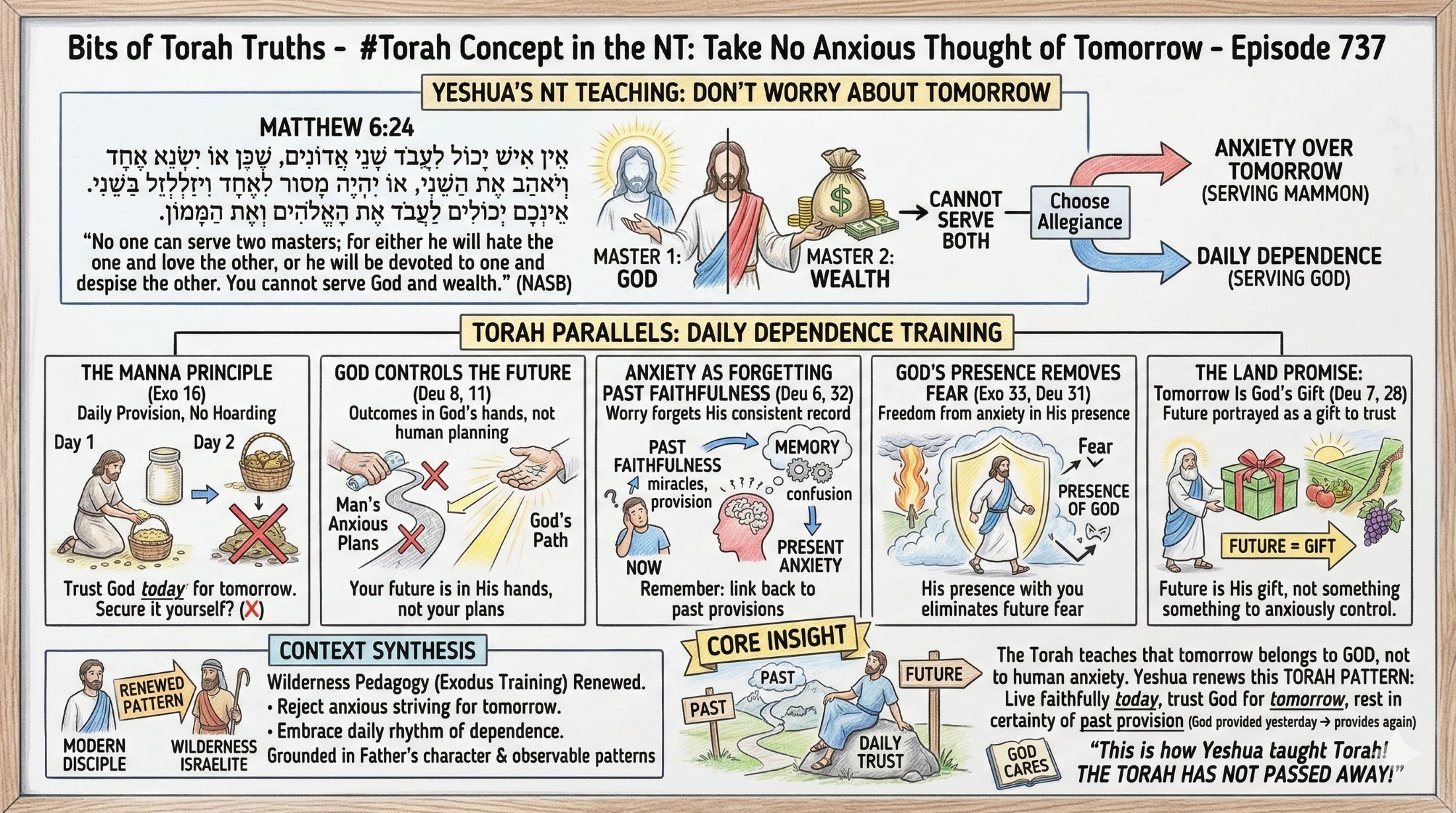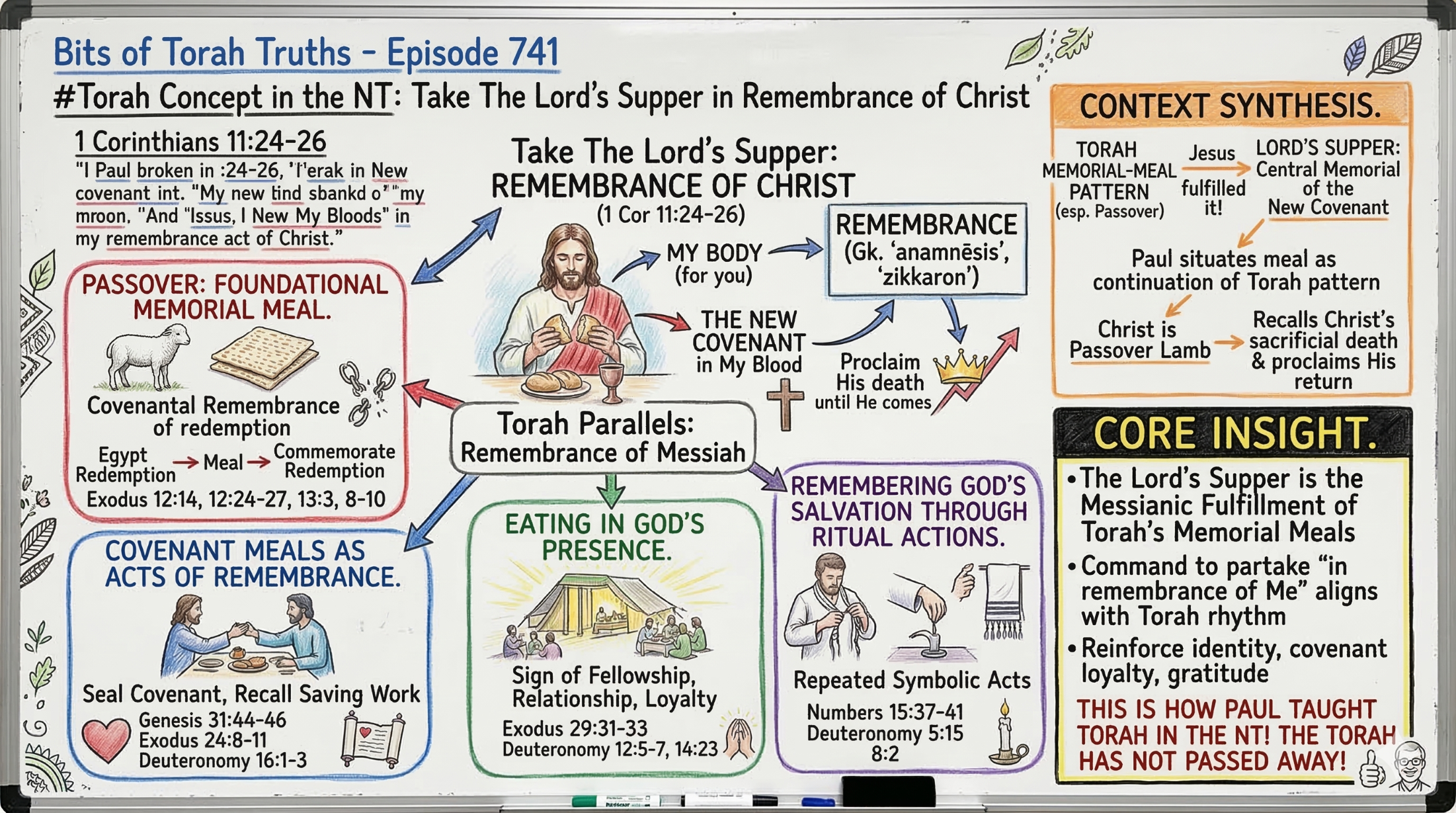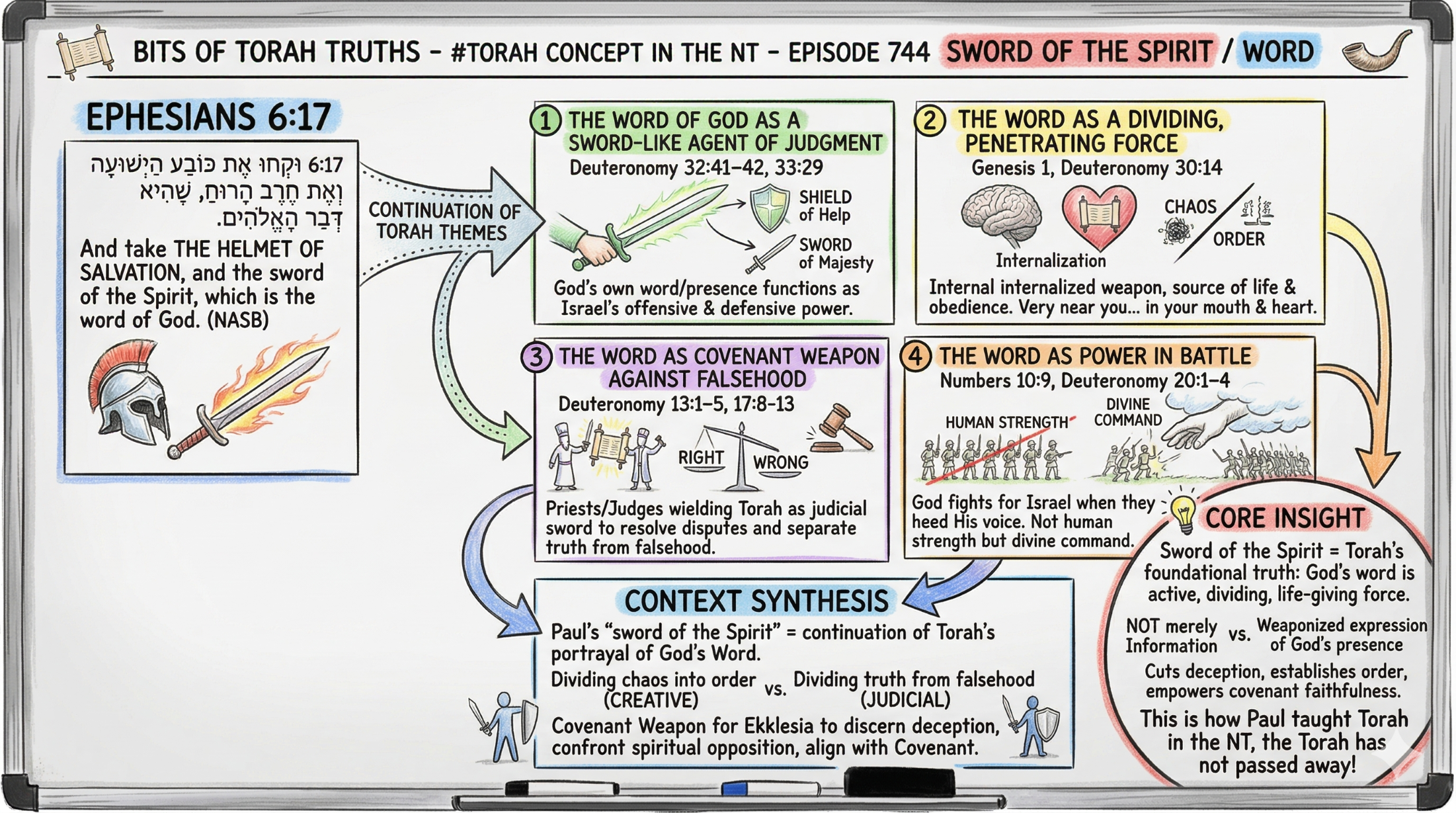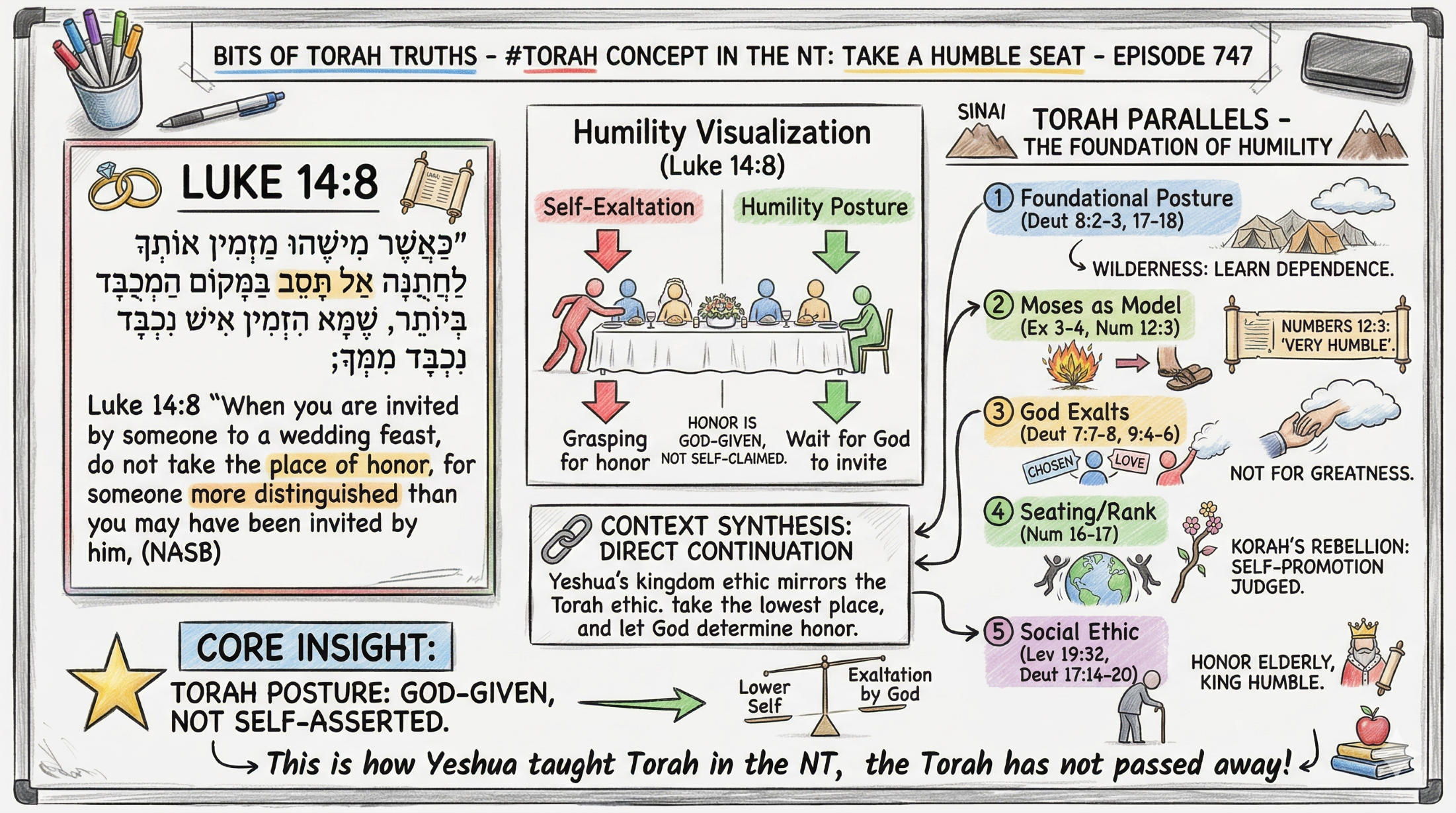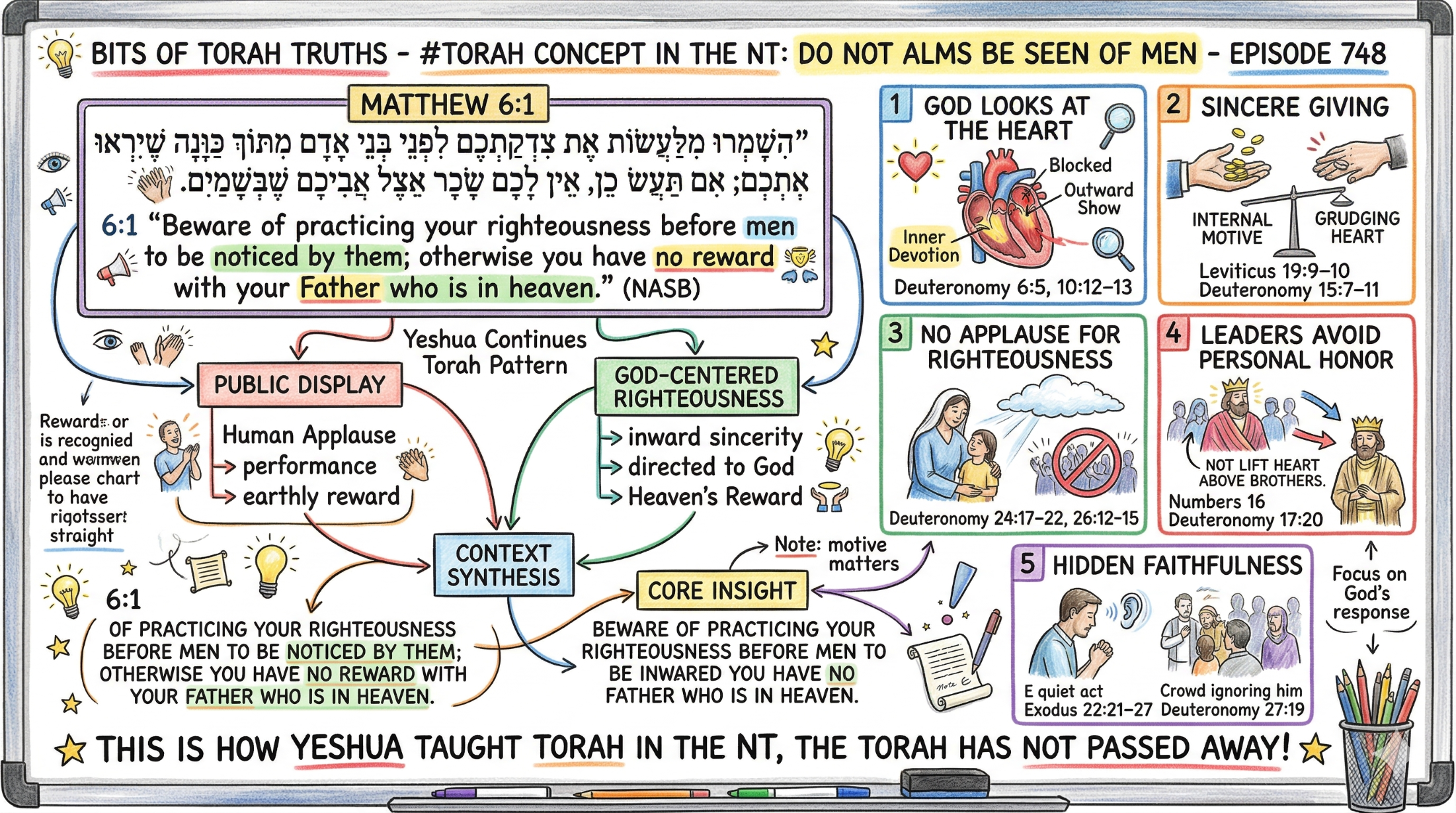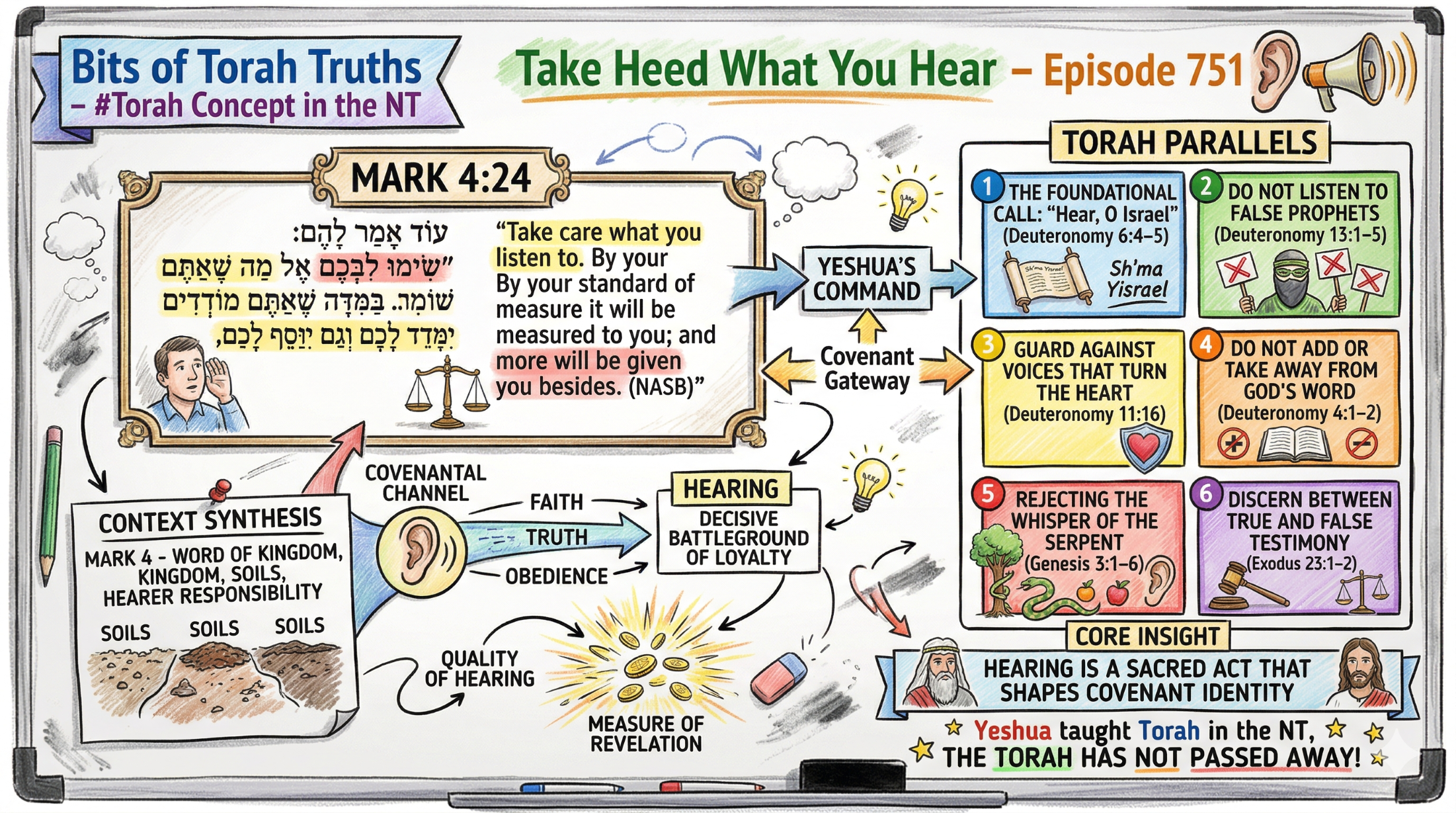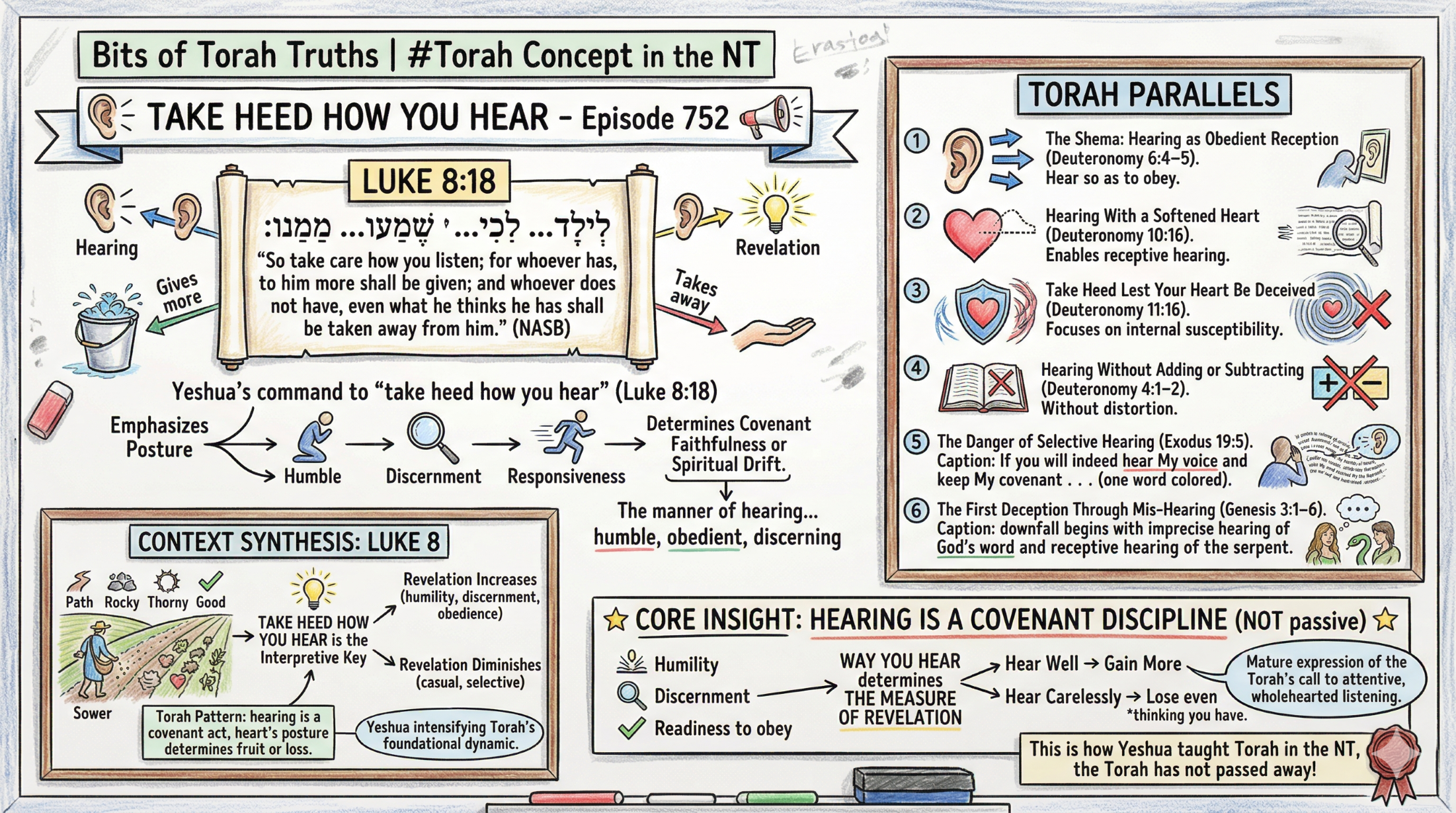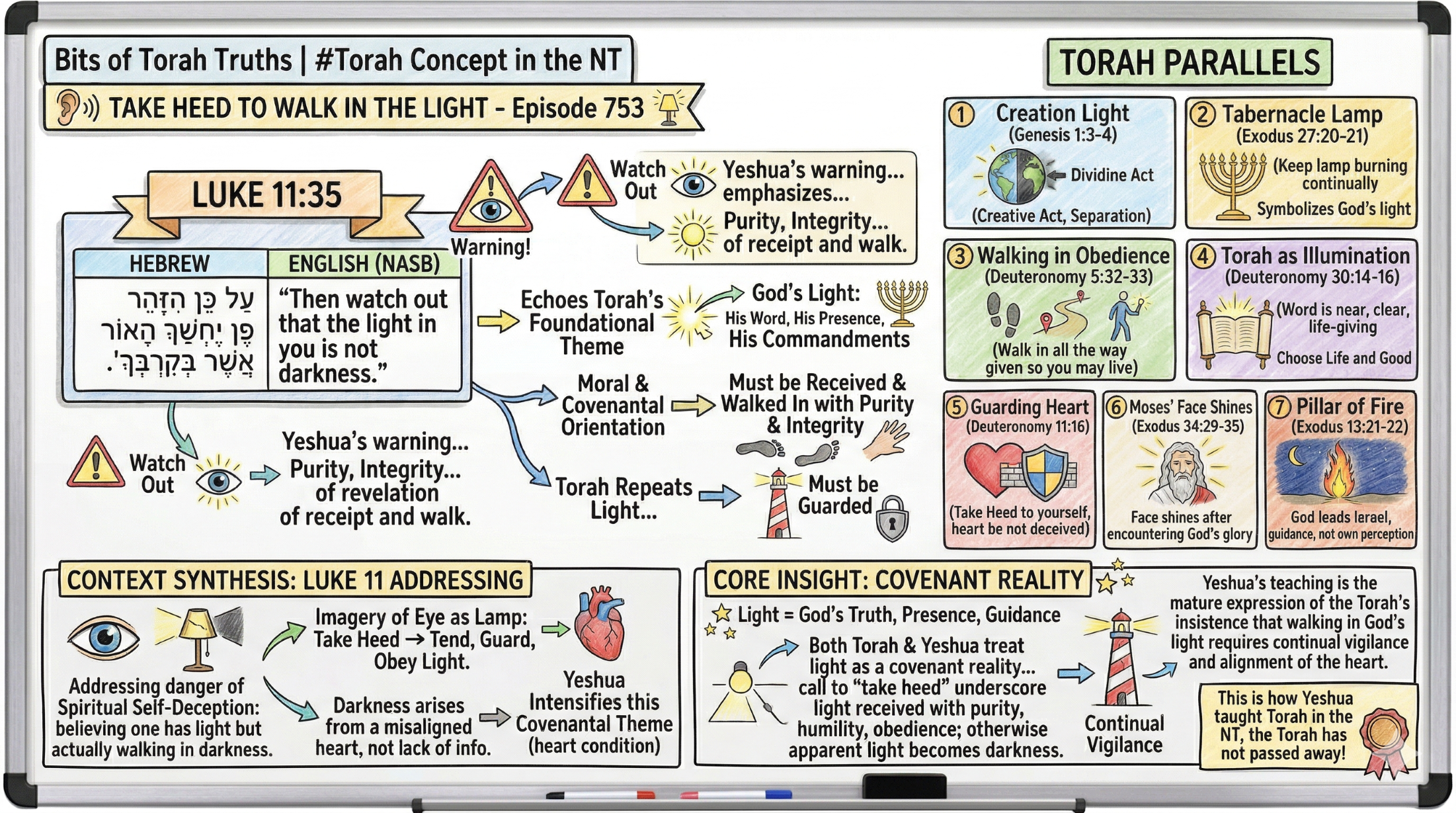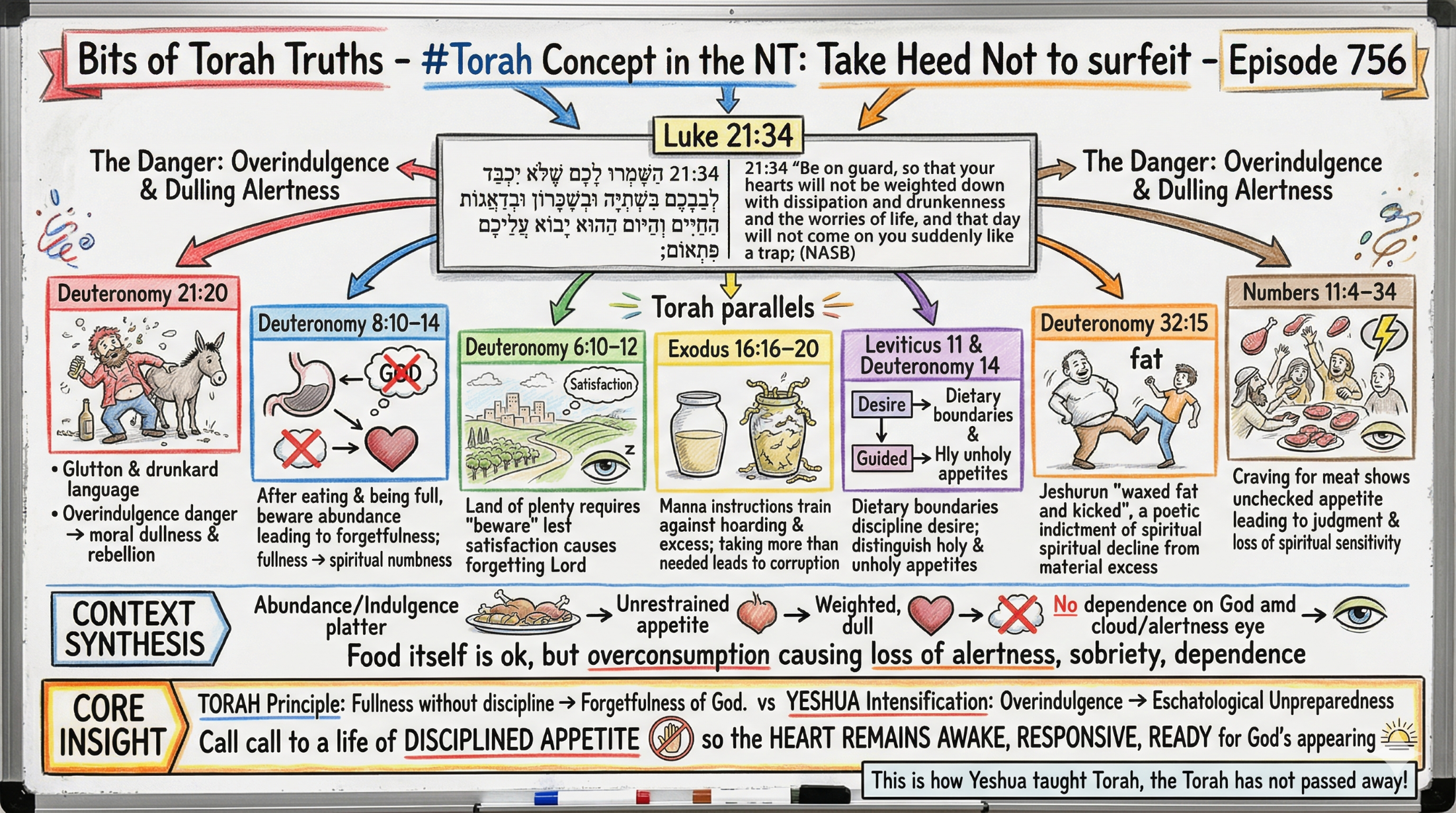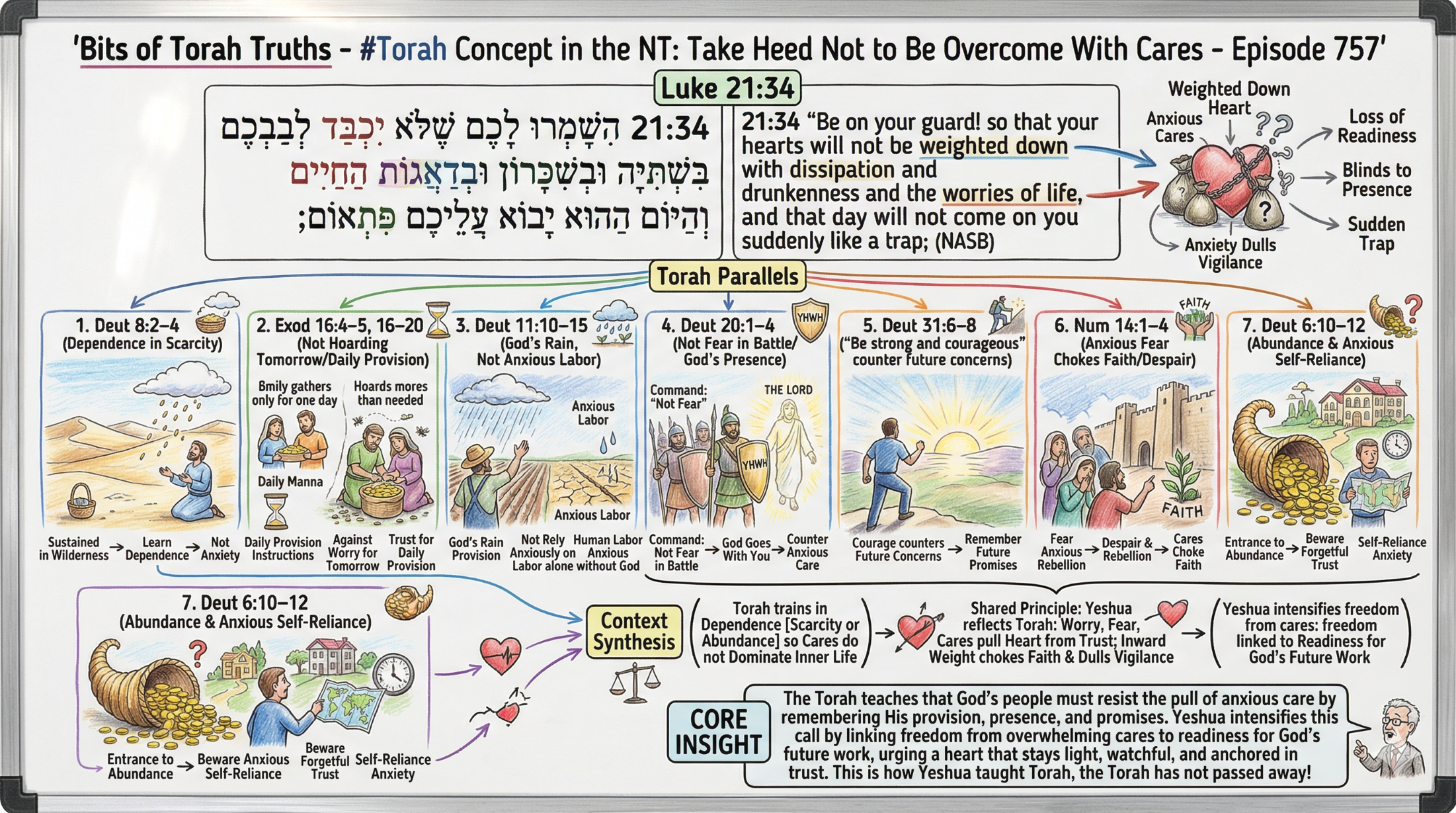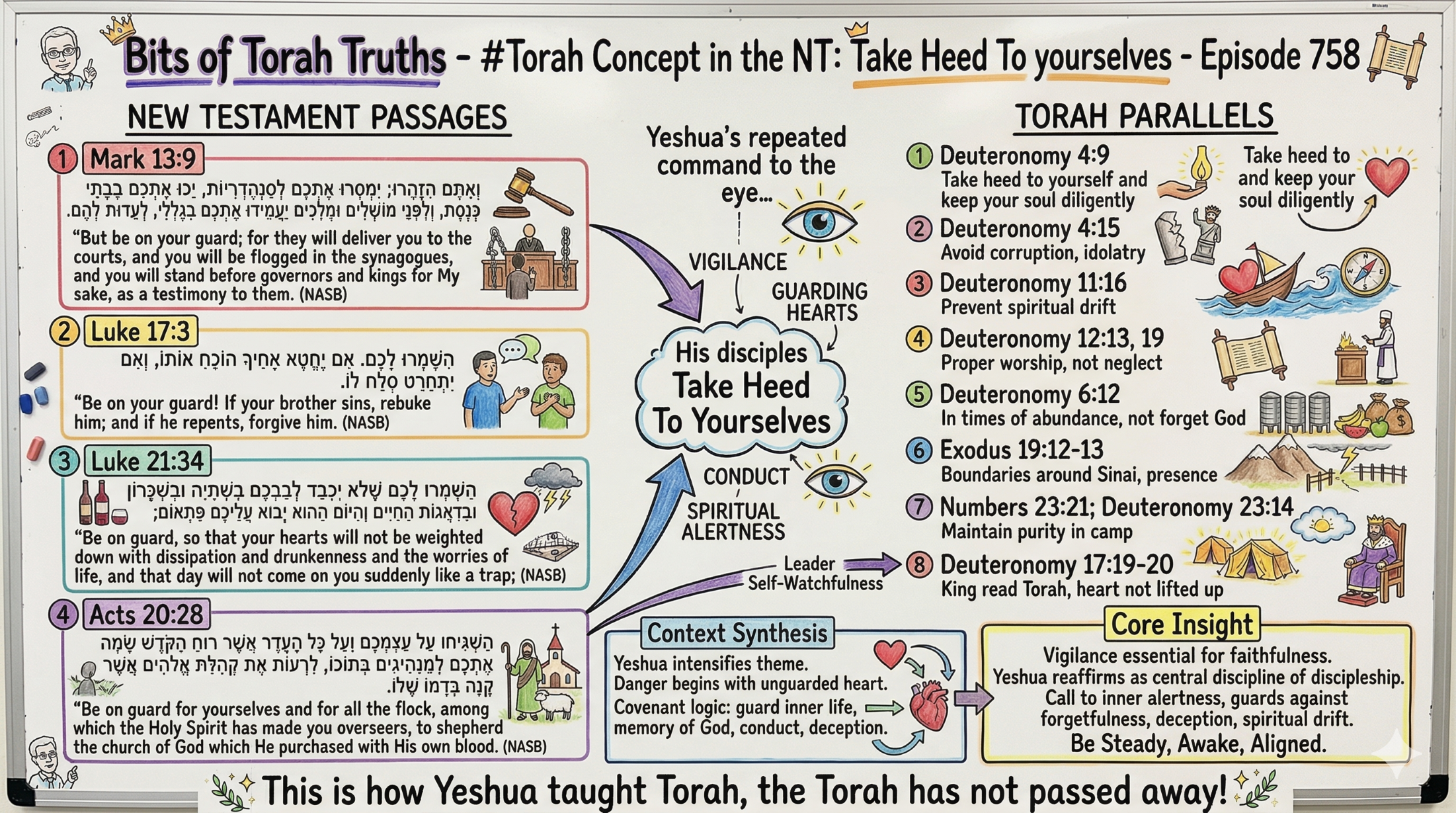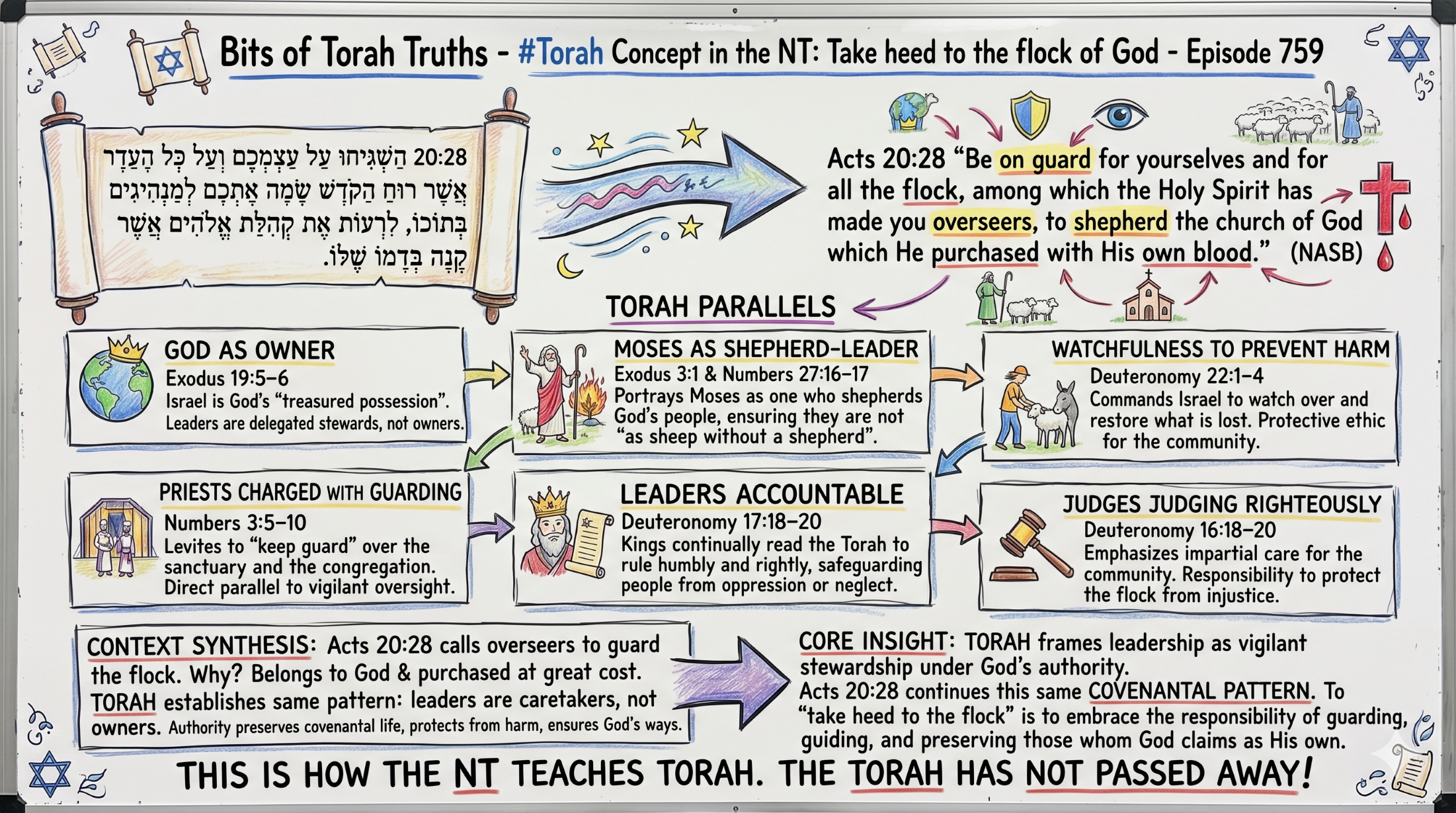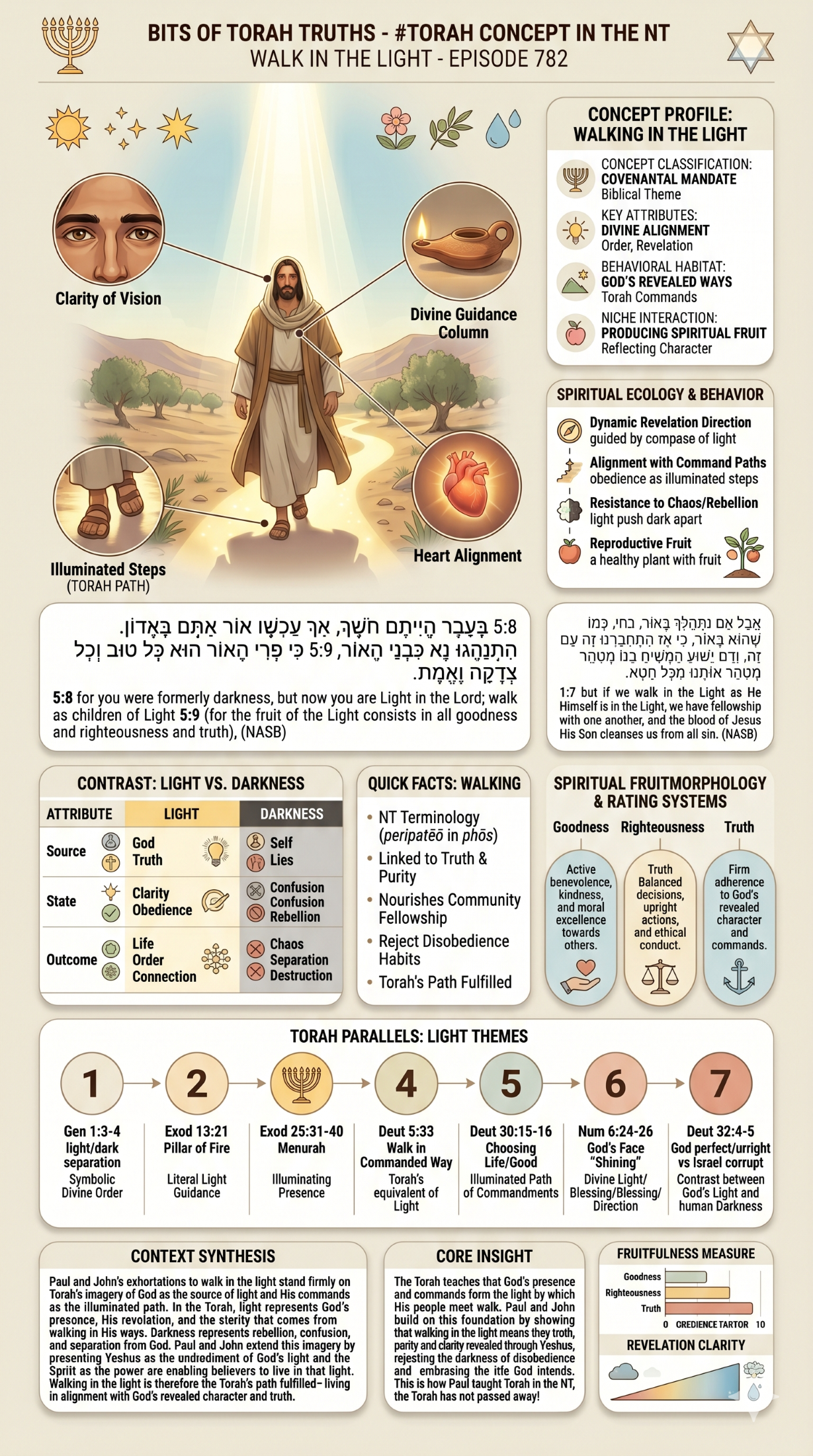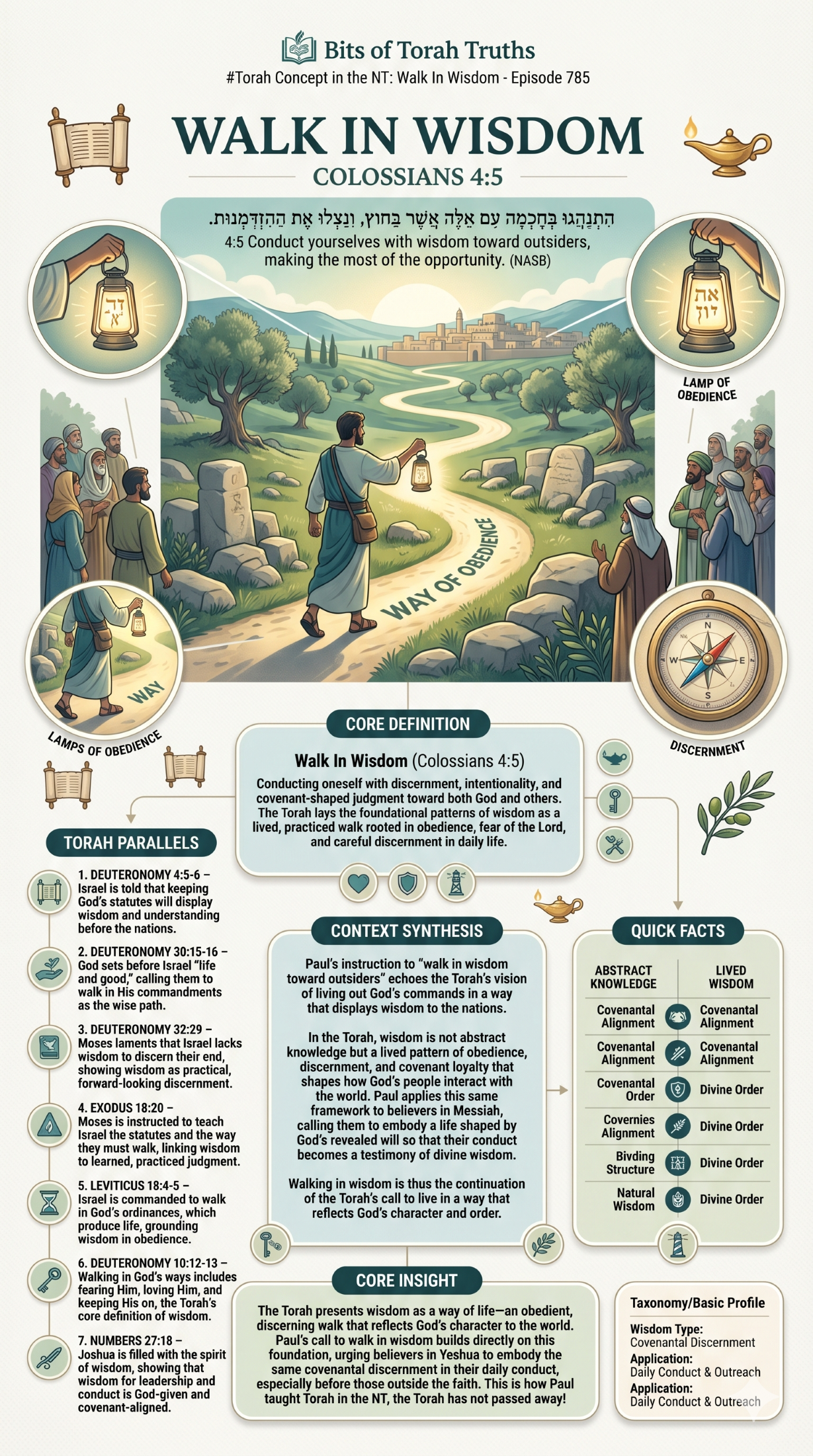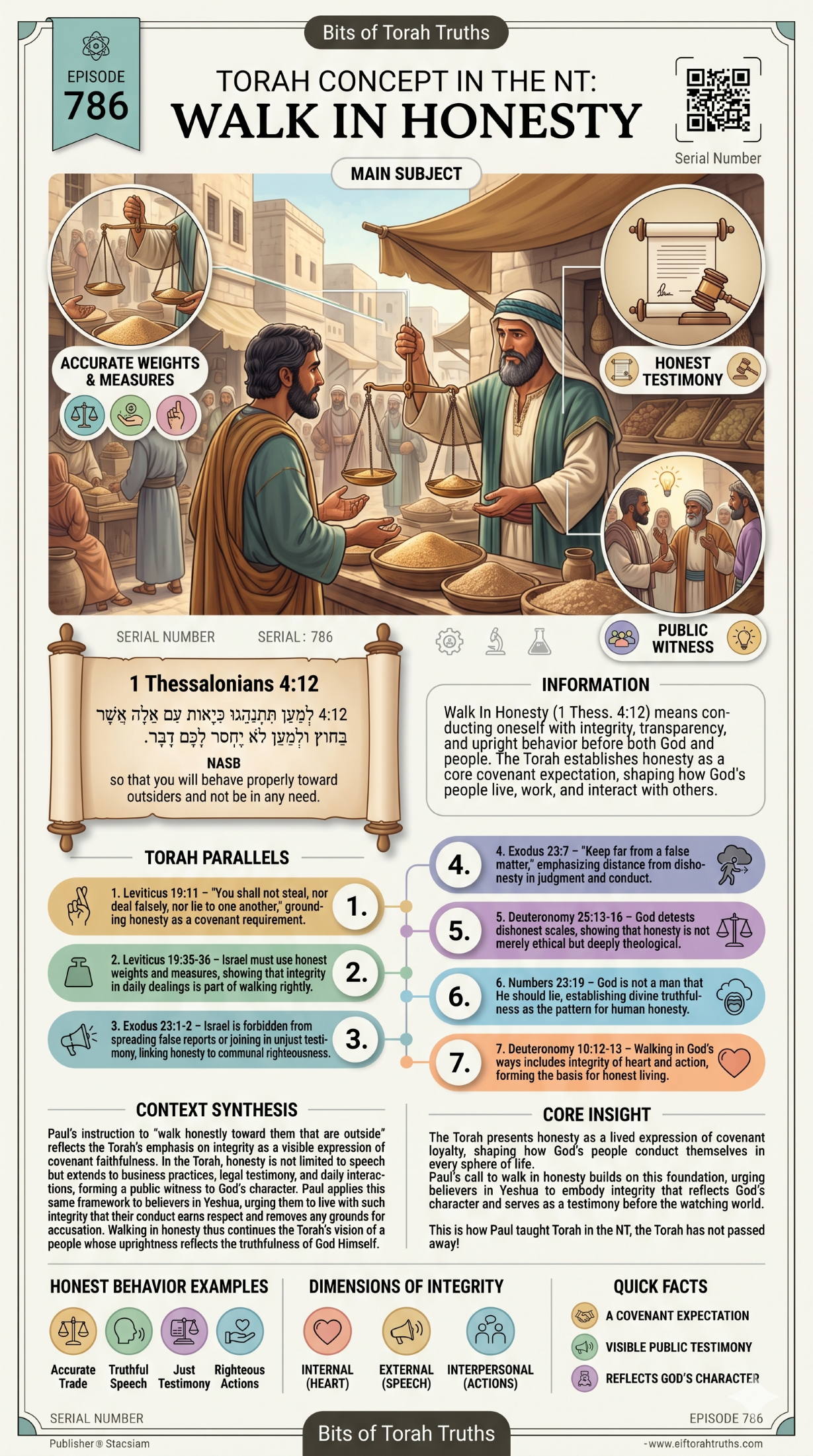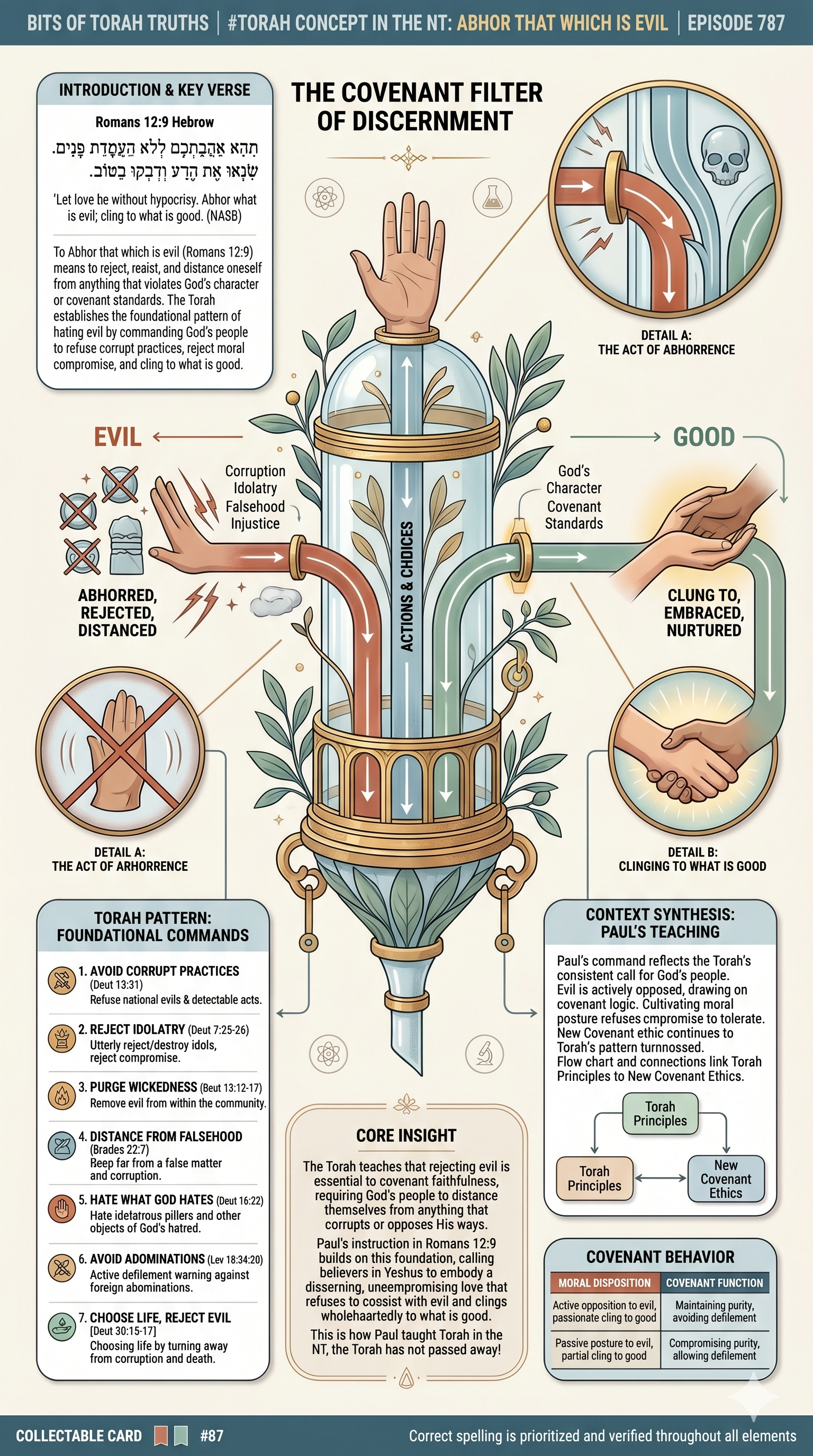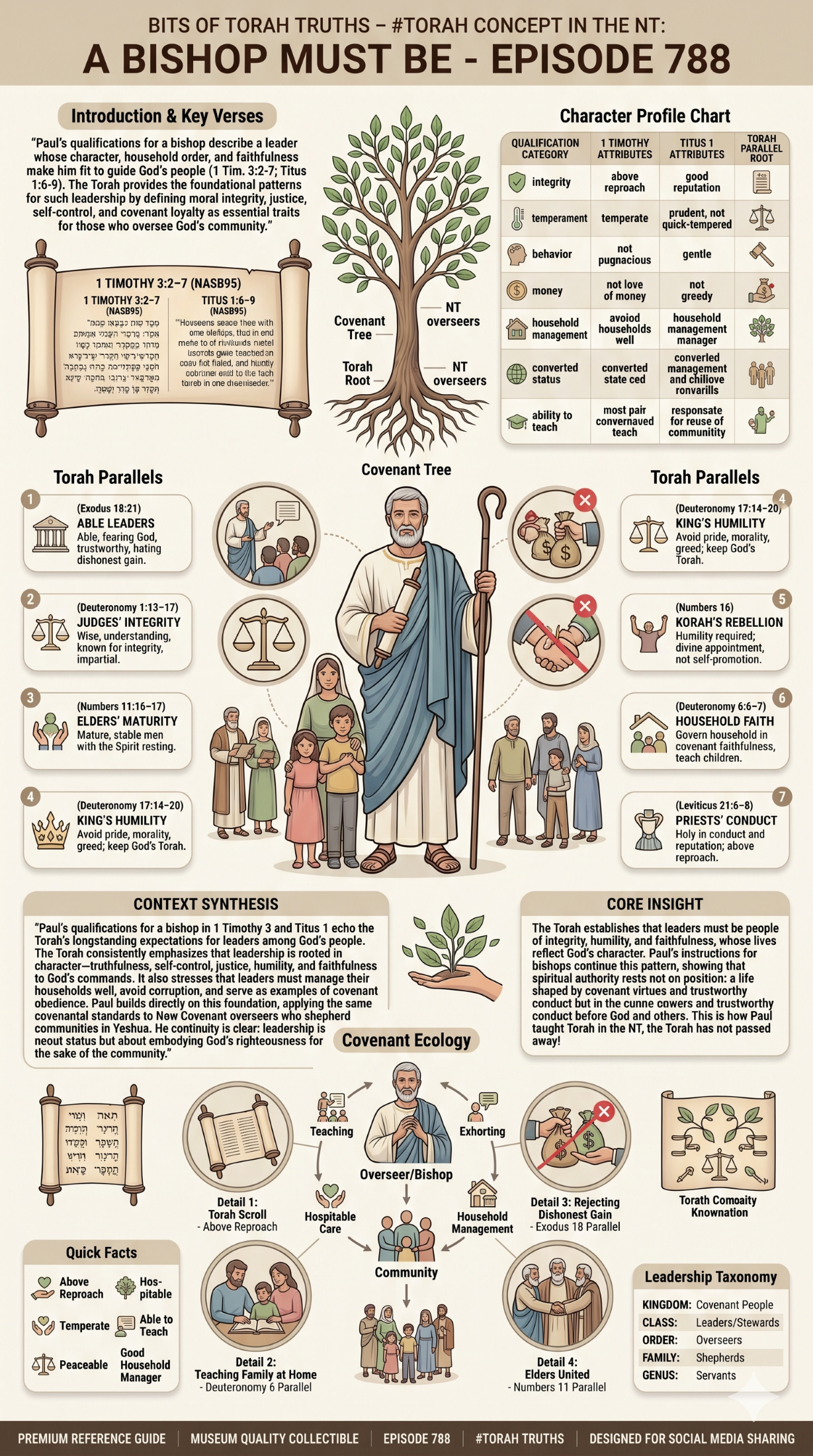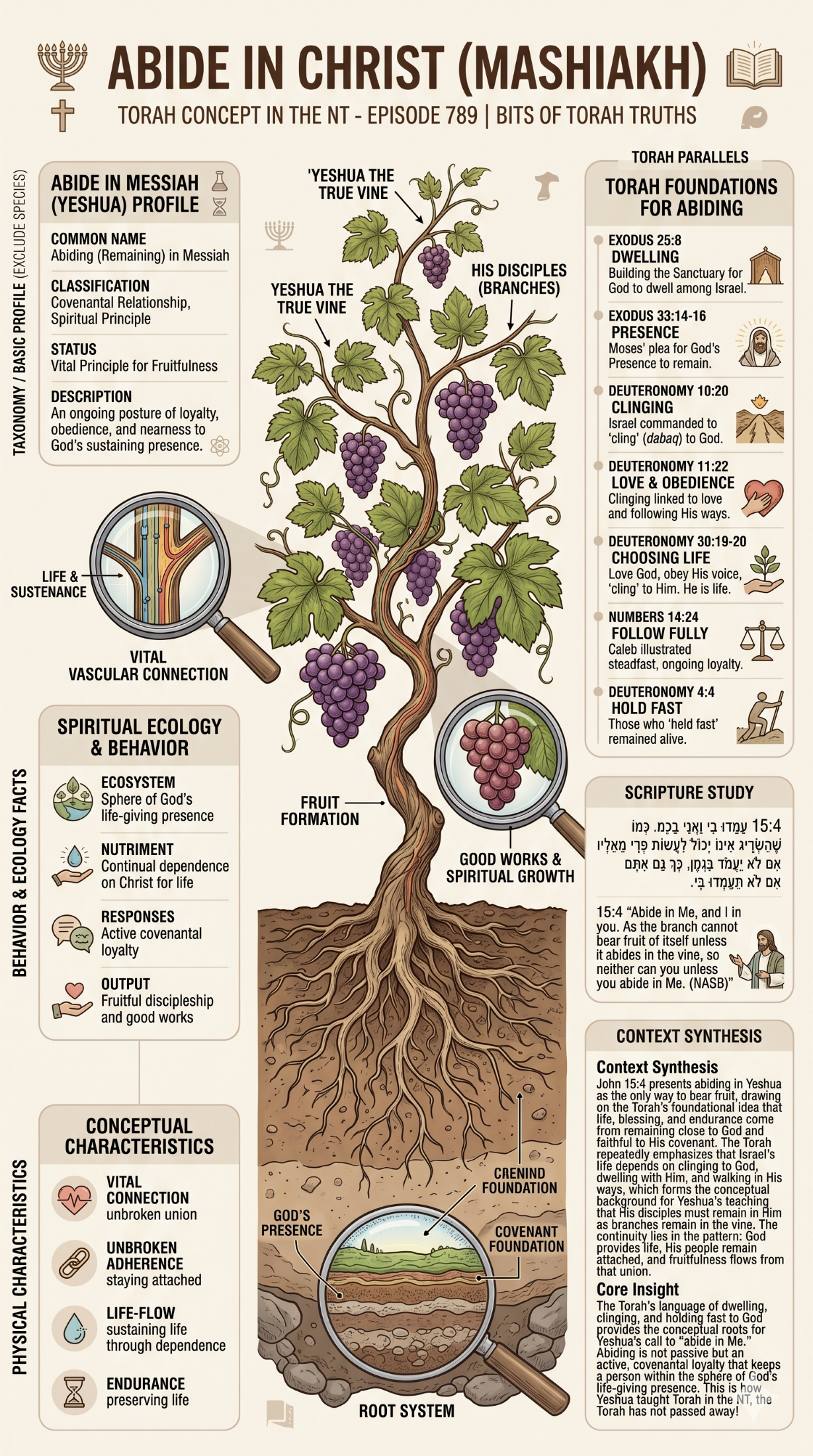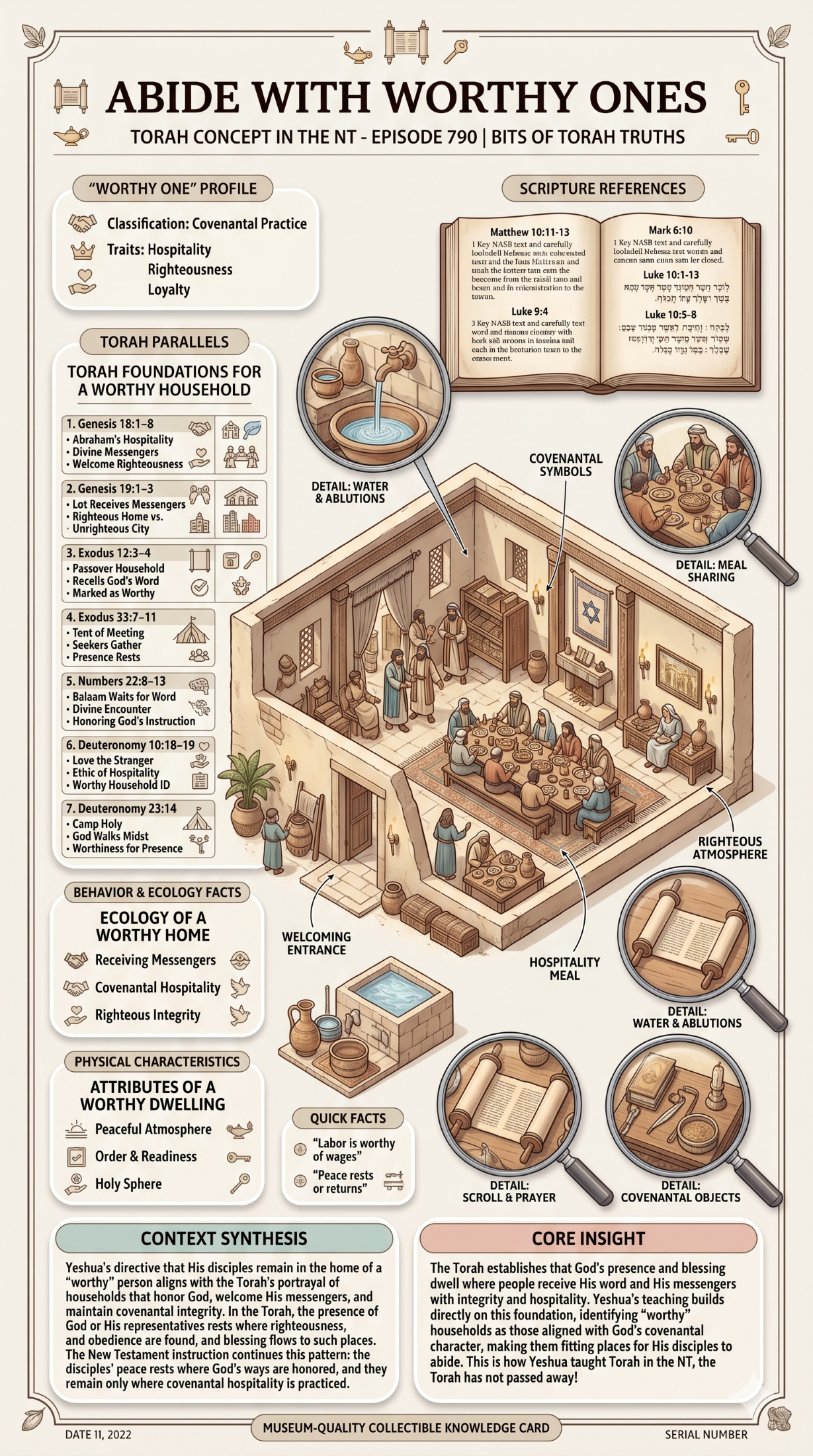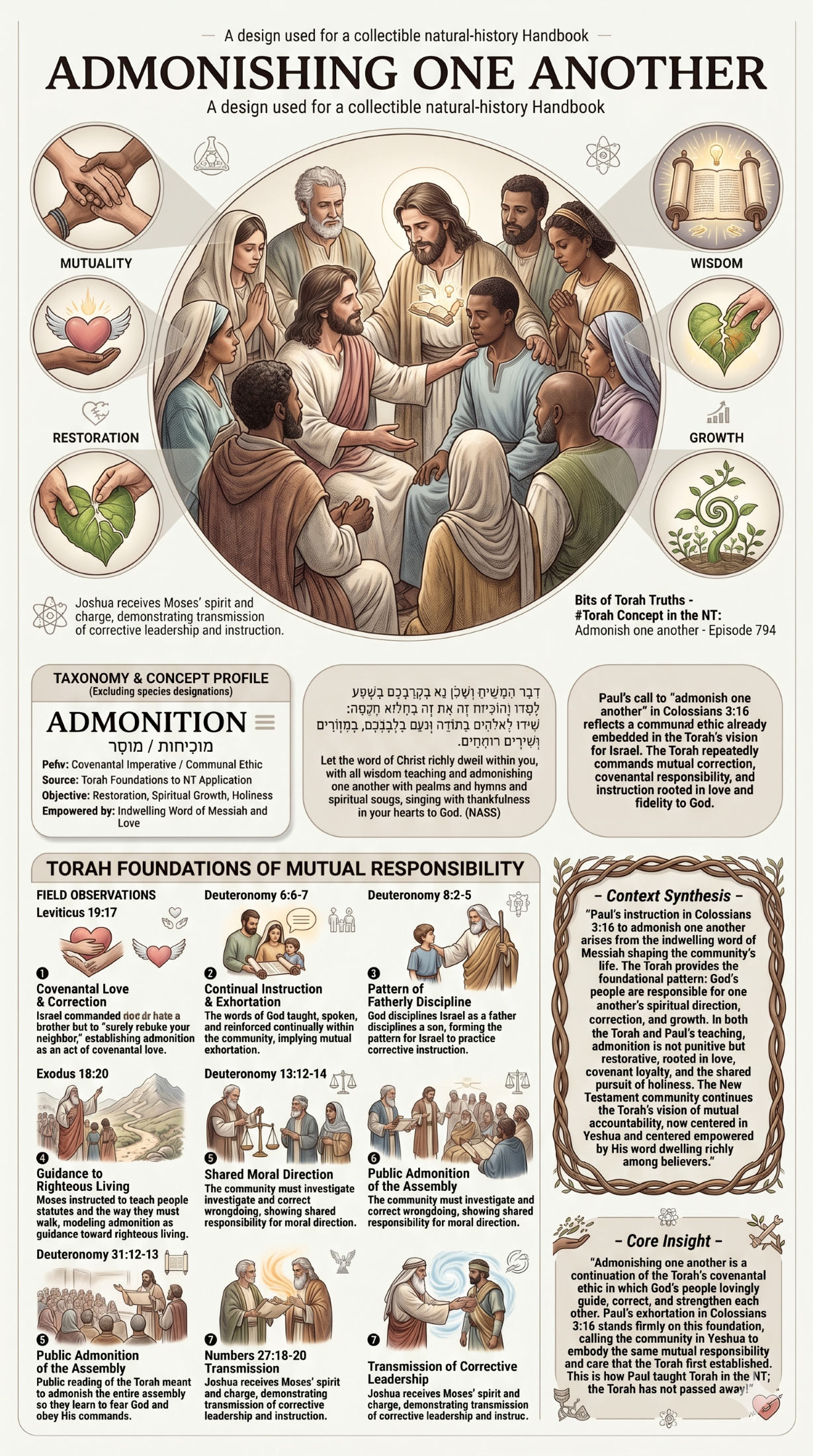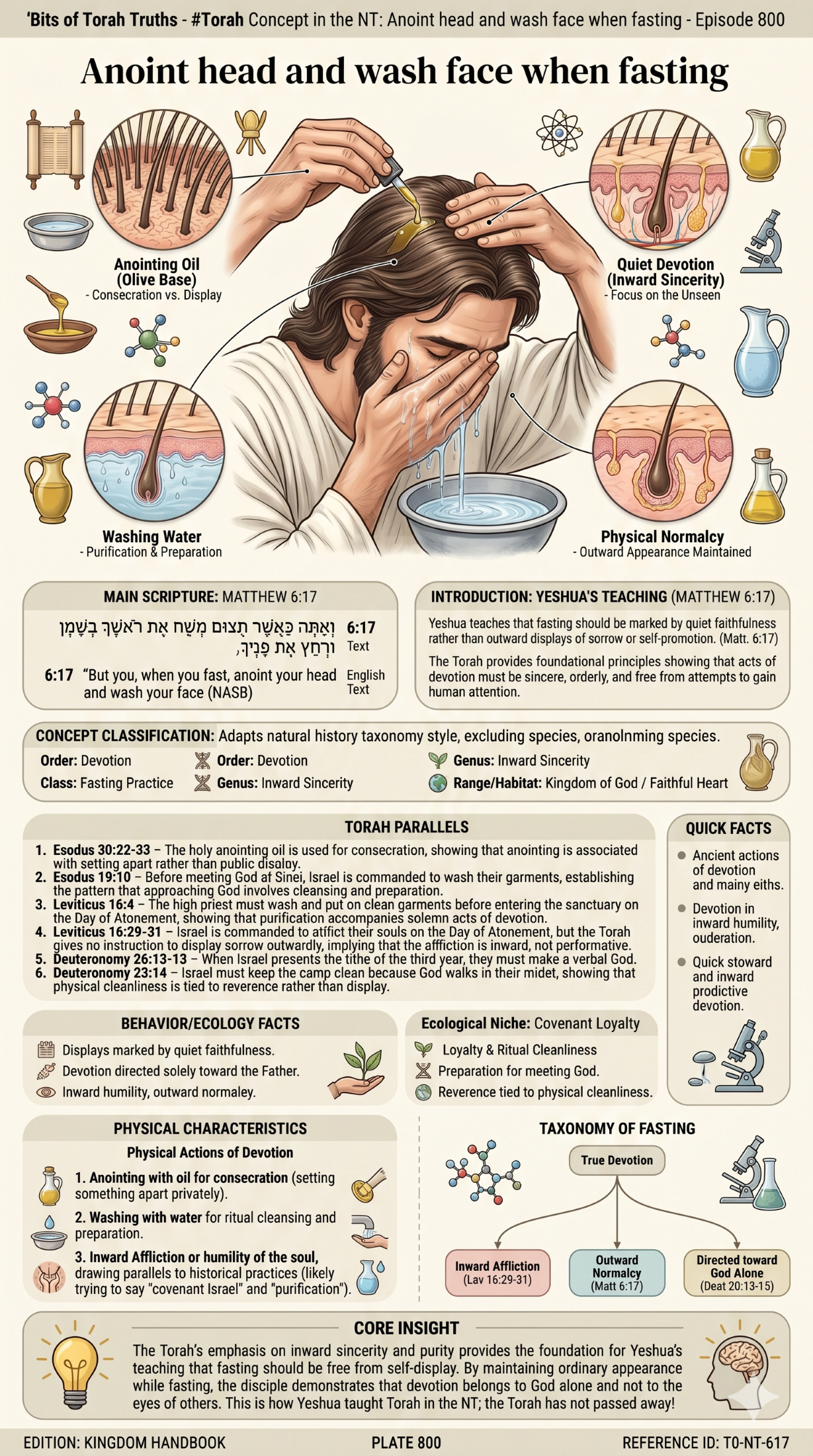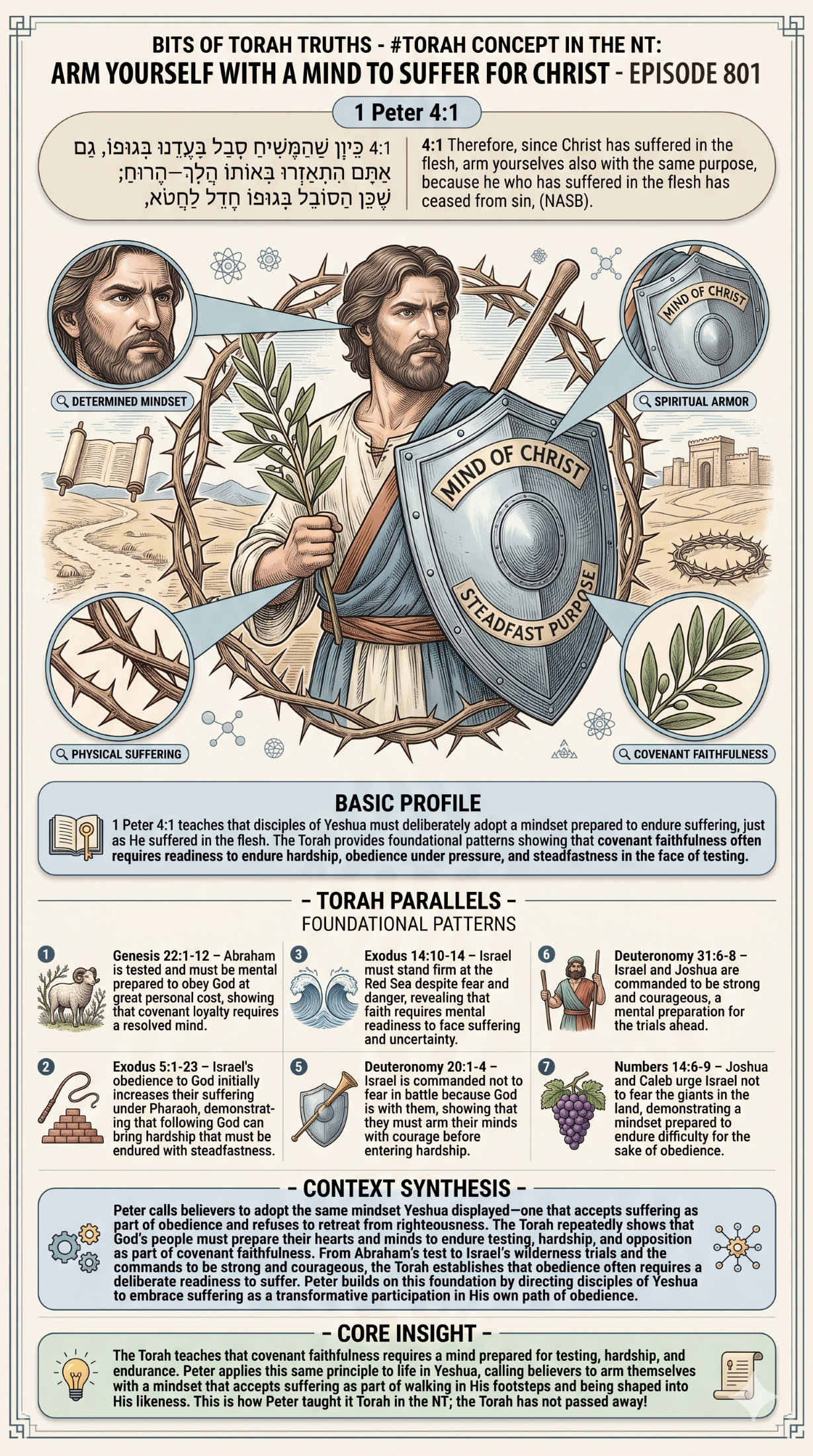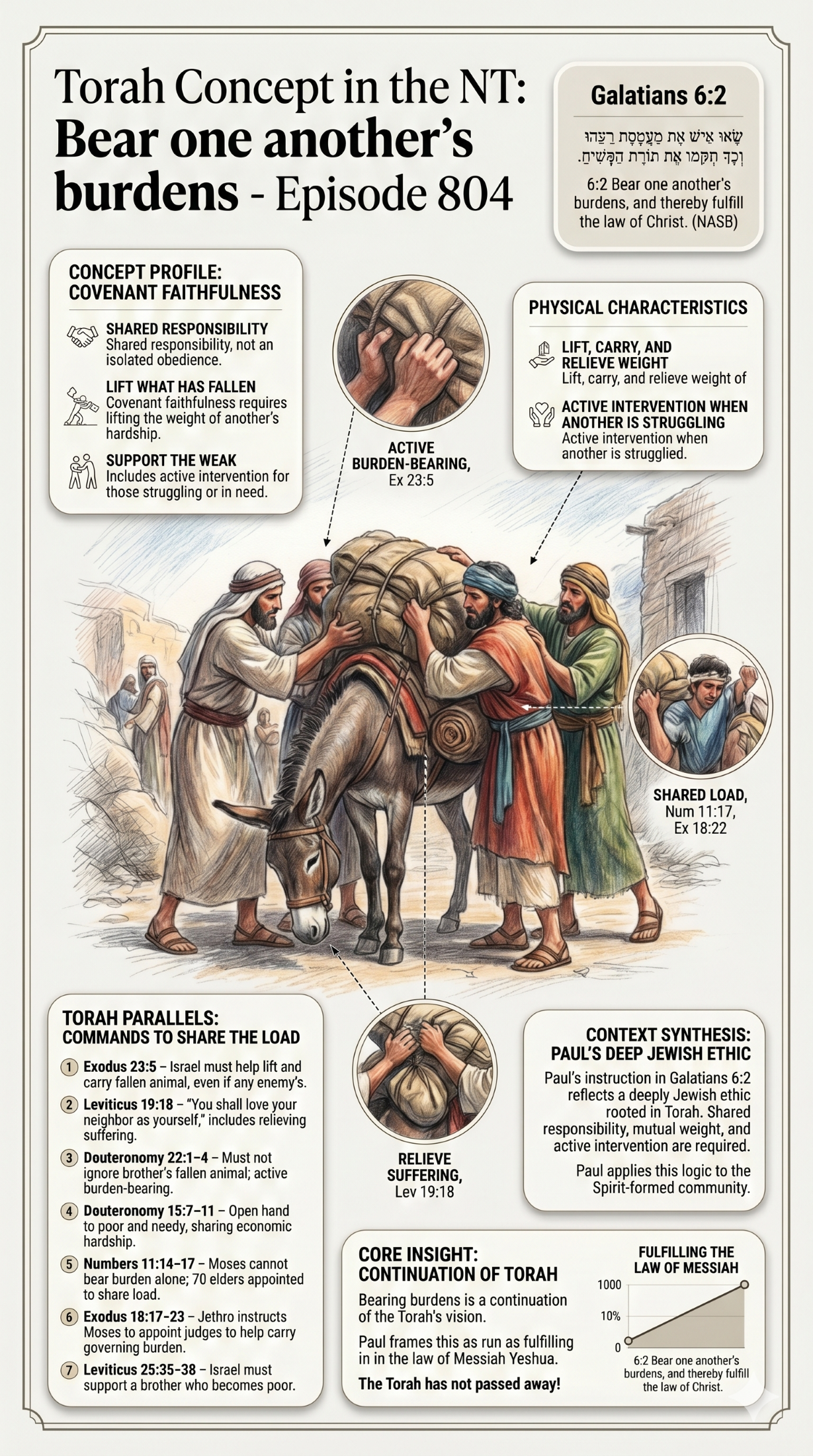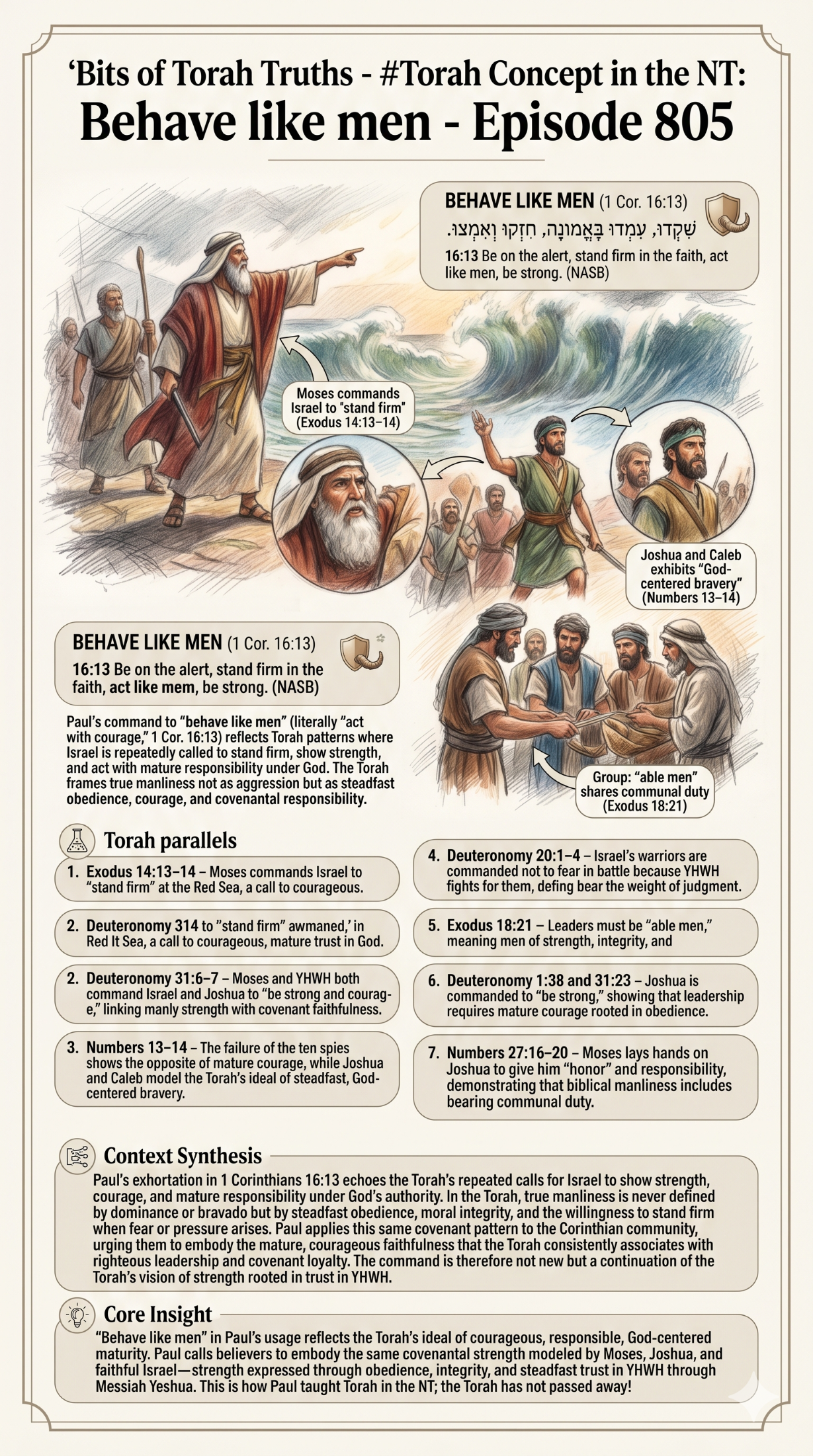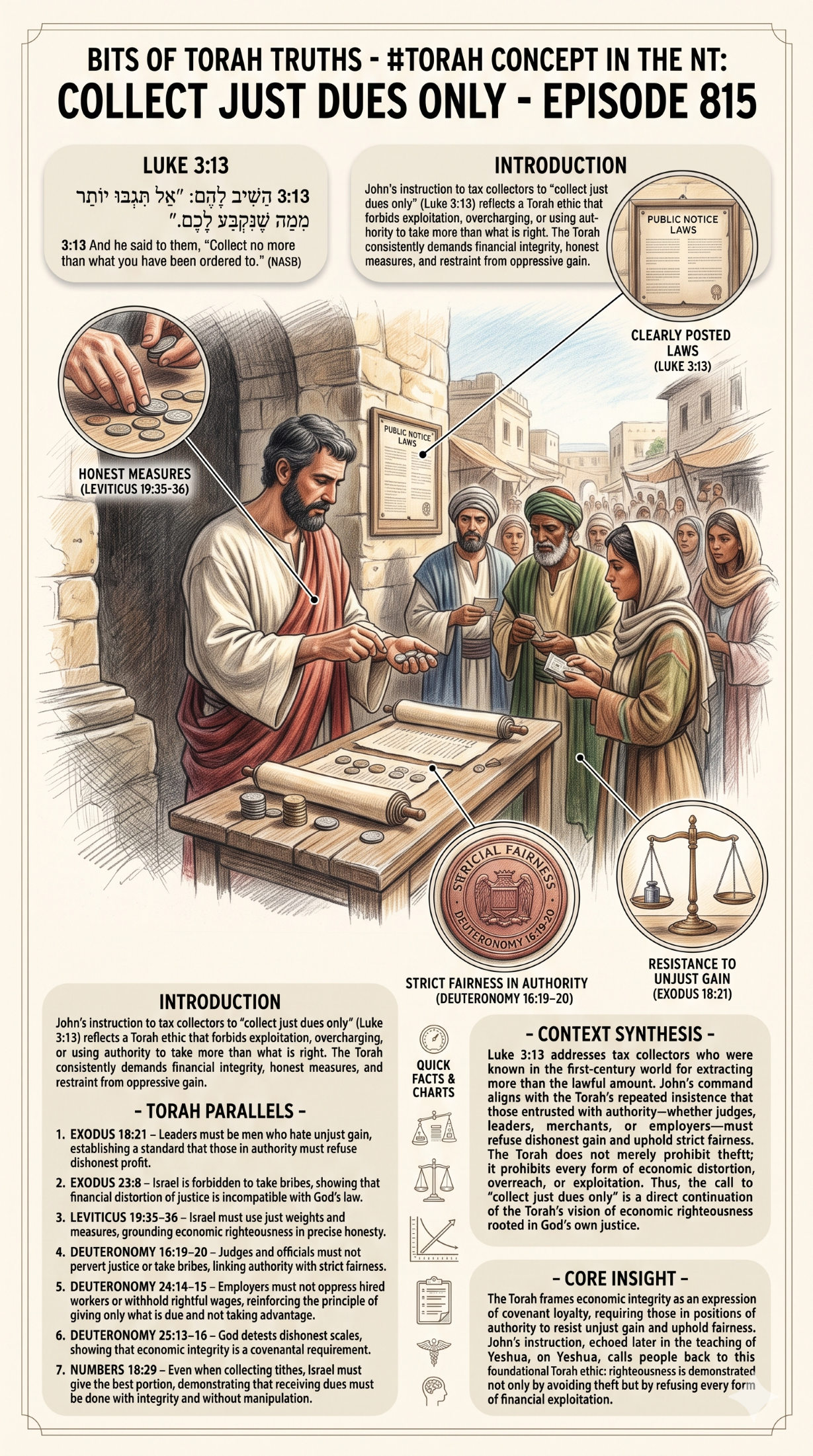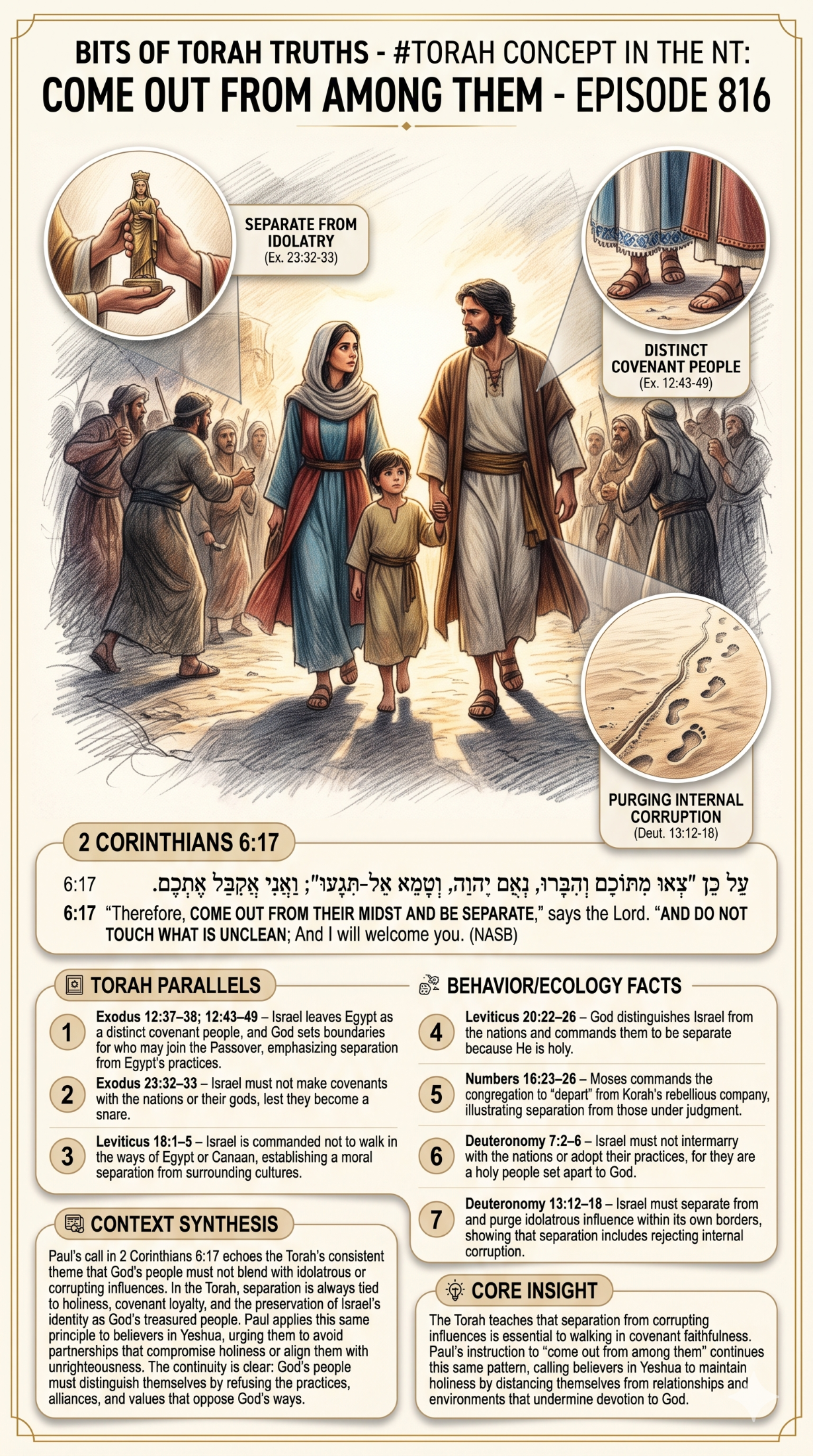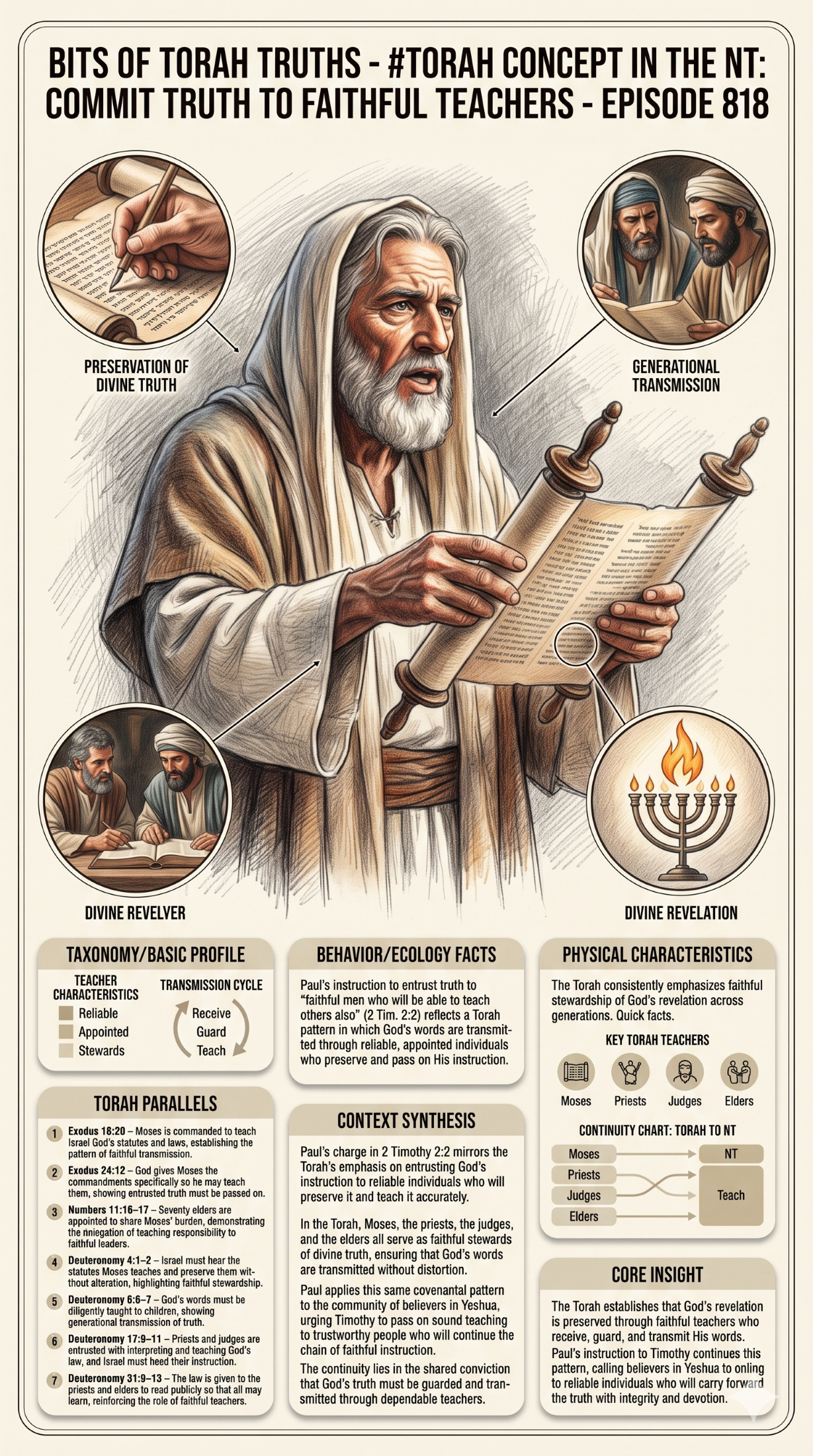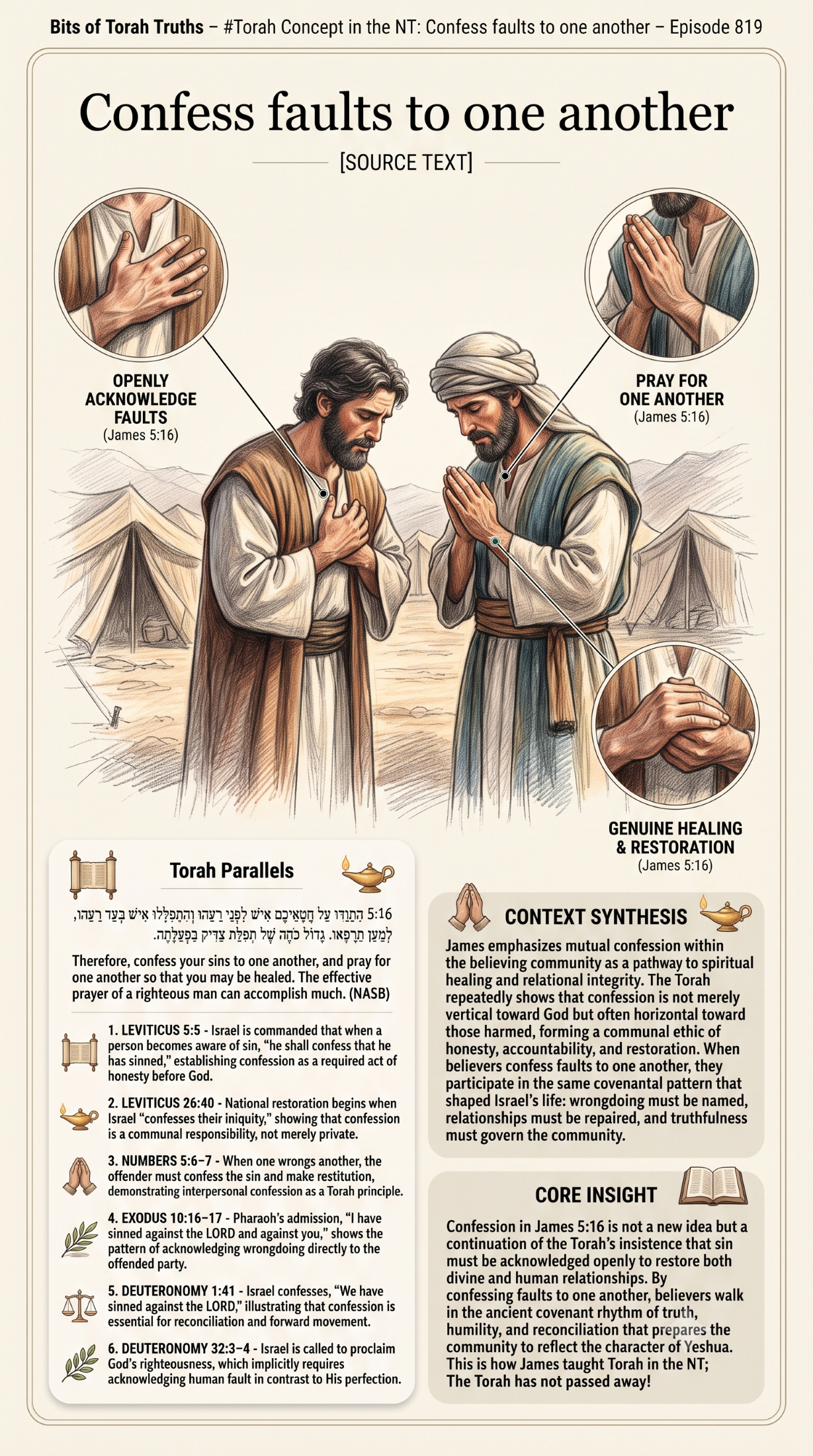
Bits of Torah Truths – #Torah Concept in the NT: Cut off offending members – Episode 821
Matthew 5:29–30
5:29 אִם עֵינְךָ הַיְמָנִית תַּכְשִׁיל אוֹתְךָ, נַקֵּר אוֹתָהּ וְהַשְׁלֵךְ אוֹתָהּ מִמְּךָ, כִּי מוּטָב לְךָ שֶׁיֹּאבַד אֶחָד מְאֵבָרֶיךָ מִשֶּׁיֻּשְׁלַךְ כָּל גּוּפְךָ לַגֵּיהִנּוֹם.5:30 וְאִם יָדְךָ הַיְמָנִית תַּכְשִׁיל אוֹתְךָ, קַצֵּץ אוֹתָהּ וְהַשְׁלֵךְ אוֹתָהּ מִמְּךָ, כִּי מוּטָב לְךָ שֶׁיֹּאבַד אֶחָד מְאֵבָרֶיךָ מֵרֶדֶת כָּל גּוּפְךָ לְגֵיהִנּוֹם.״
Matthew 18:8–9
18:8 אִם יָדְךָ אוֹ רַגְלְךָ תַּכְשִׁיל אוֹתְךָ, קַצֵּץ אוֹתָהּ וְהַשְׁלֵךְ אוֹתָהּ מִמְּךָ. מוּטָב לְךָ לָבוֹא לַחַיִּים גִּדֵּם אוֹ קִטֵּעַ מֵהֱיוֹתְךָ מֻשְׁלָךְ לְאֵשׁ עוֹלָם עִם שְׁתֵּי יָדַיִם אוֹ שְׁתֵּי רַגְלַיִם.18:9 וְאִם עֵינְךָ תַּכְשִׁיל אוֹתְךָ, נַקֵּר אוֹתָהּ וְהַשְׁלֵךְ אוֹתָהּ מִמְּךָ. מוּטָב לְךָ לָבוֹא לַחַיִּים עִם עַיִן אַחַת מֵהֱיוֹתְךָ מֻשְׁלָךְ לְגֵיהִנּוֹם הָאֵשׁ עִם שְׁתֵּי עֵינַיִם.״
#torah#torahwisdom#torahtruth#torahforlife#torah4you#torahtruth
Matthew 5:29–30
5:29 “If your right eye makes you stumble, tear it out and throw it from you; for it is better for you to lose one of the parts of your body, than for your whole body to be thrown into hell. 5:30 “If your right hand makes you stumble, cut it off and throw it from you; for it is better for you to lose one of the parts of your body, than for your whole body to go into hell. (NASB)
Matthew 18:8–9
18:8 “If your hand or your foot causes you to stumble, cut it off and throw it from you; it is better for you to enter life crippled or lame, than to have two hands or two feet and be cast into the eternal fire. 18:9 “If your eye causes you to stumble, pluck it out and throw it from you. It is better for you to enter life with one eye, than to have two eyes and be cast into the fiery hell. (NASB)
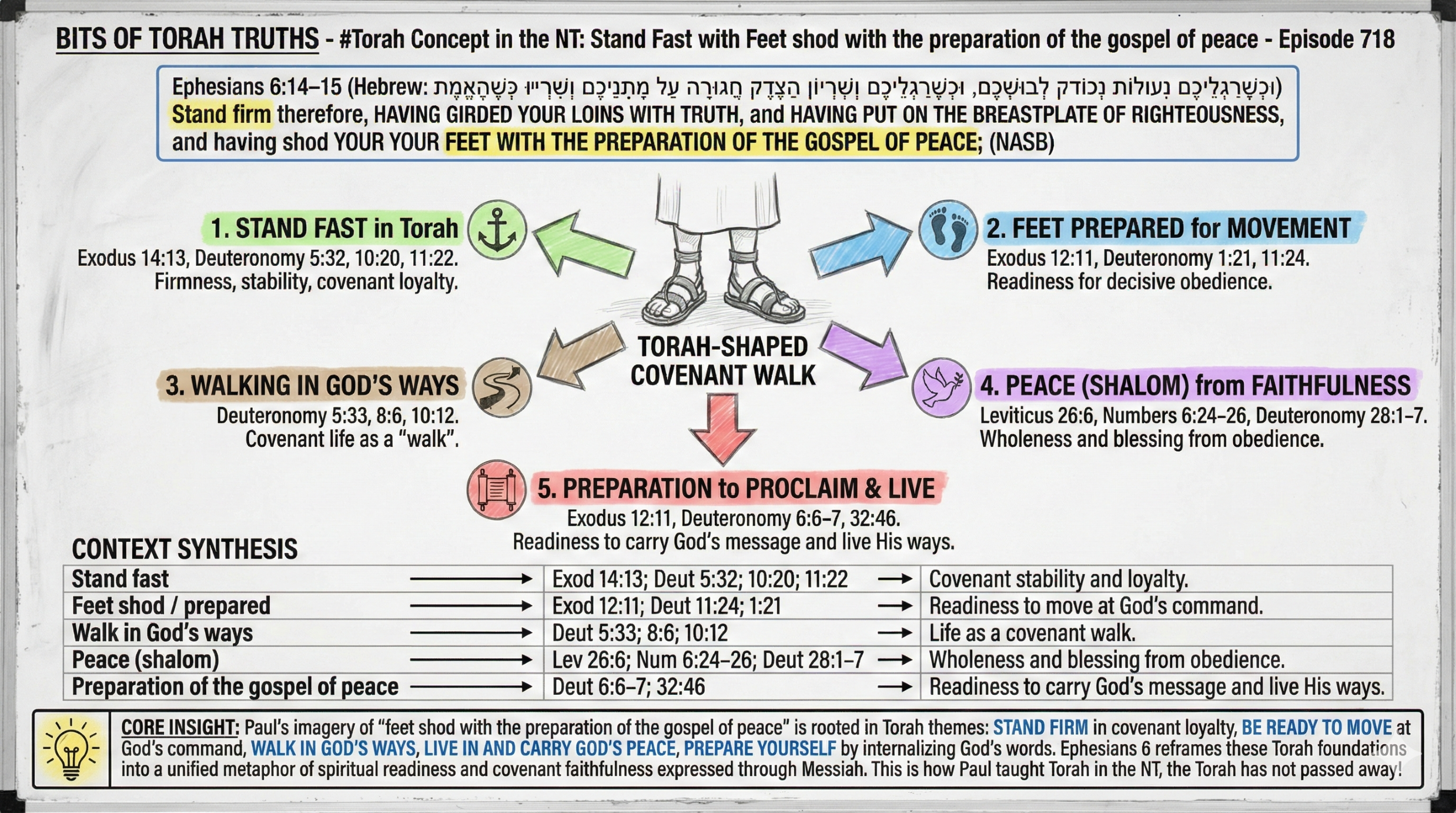
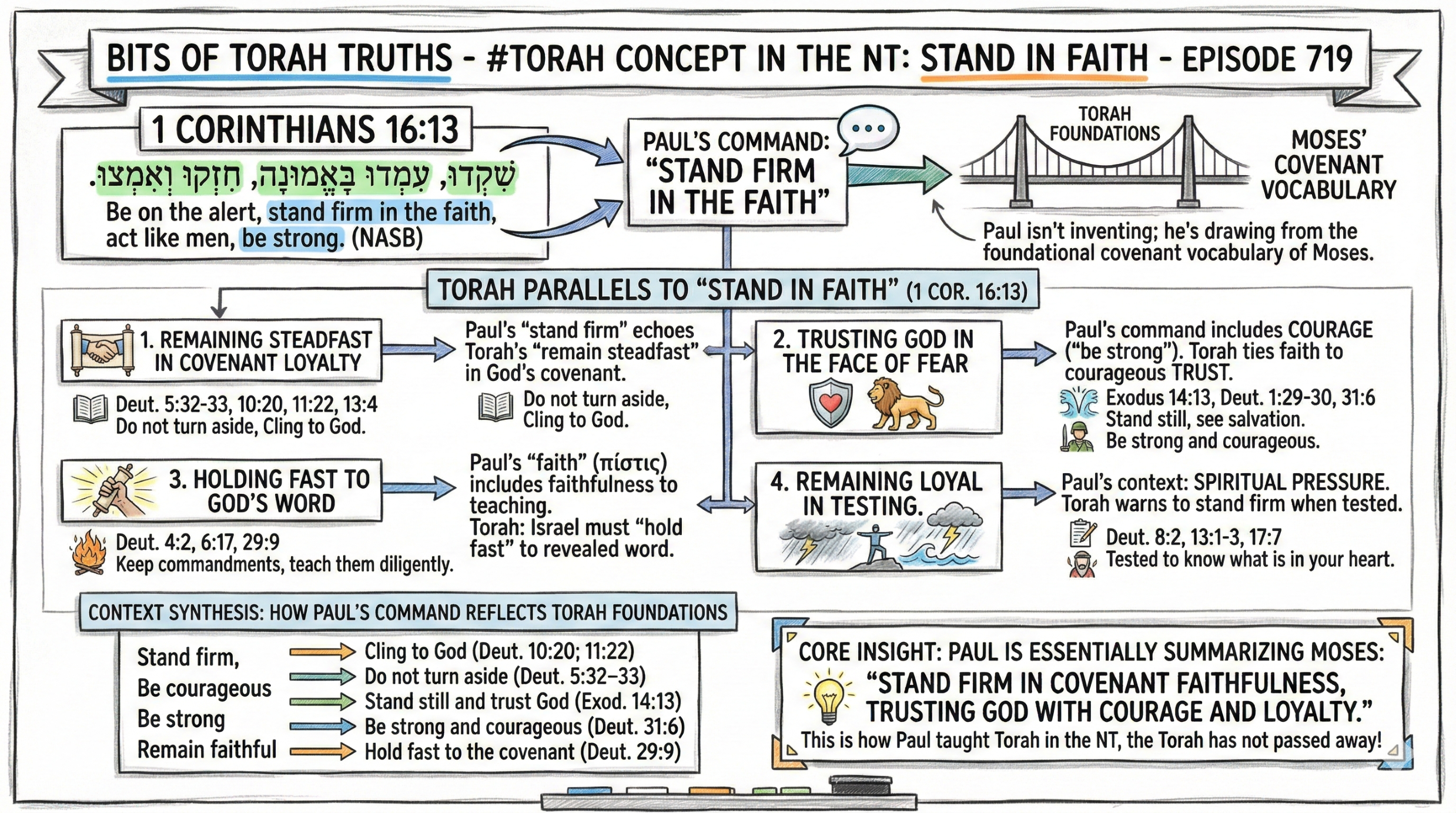
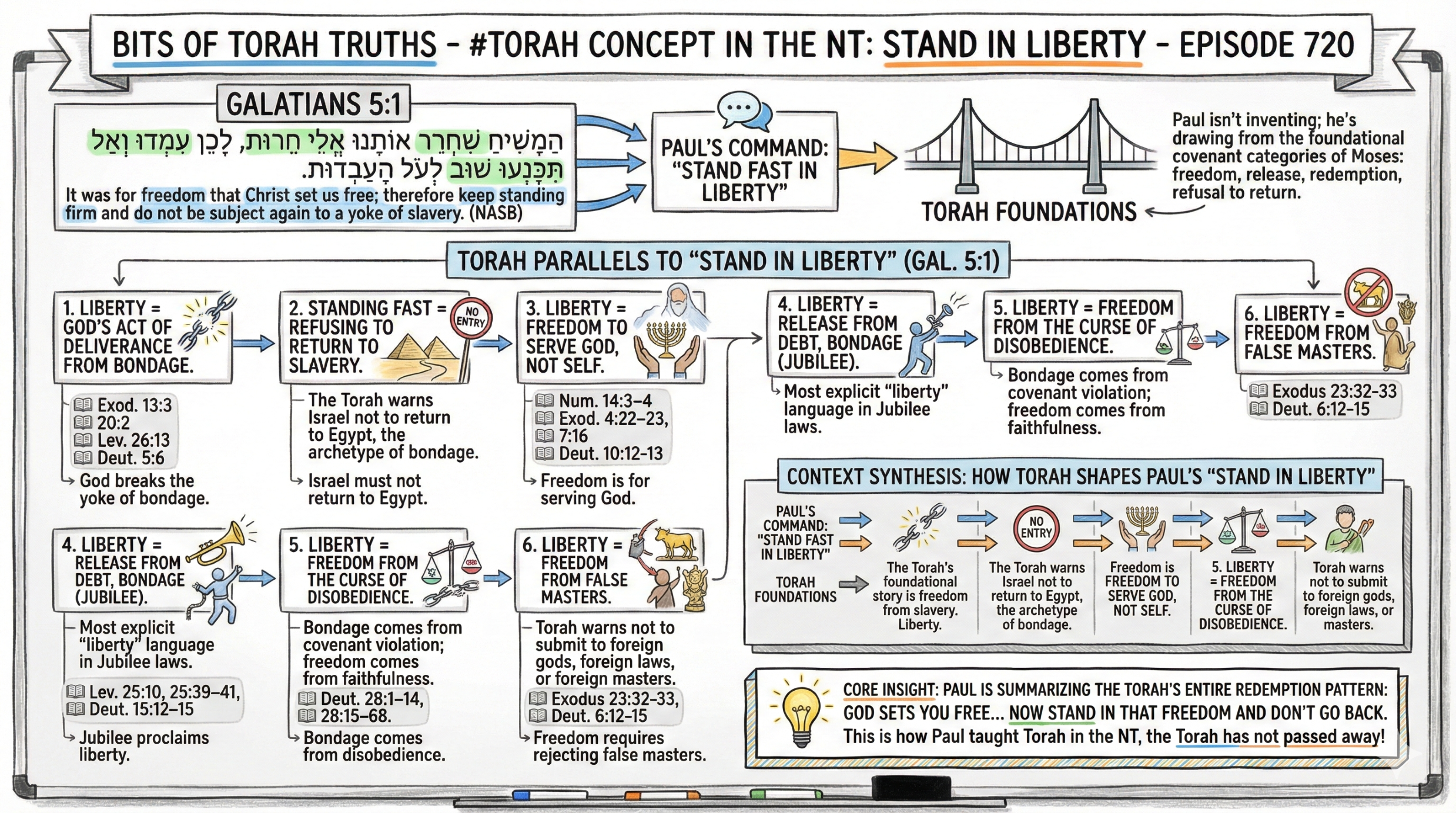
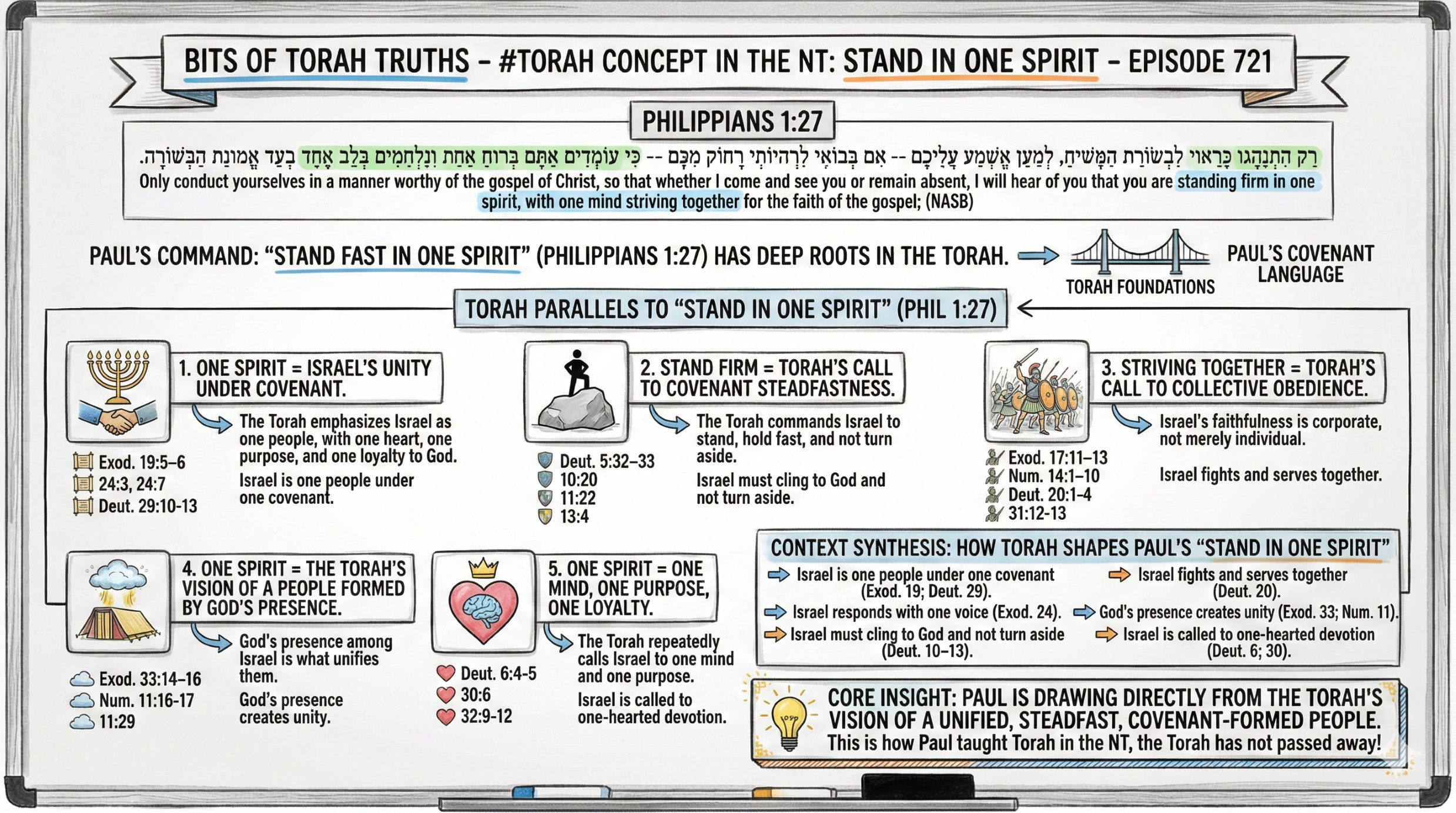
https://www.matsati.com/index.php/category/bits-of-torah-truths/
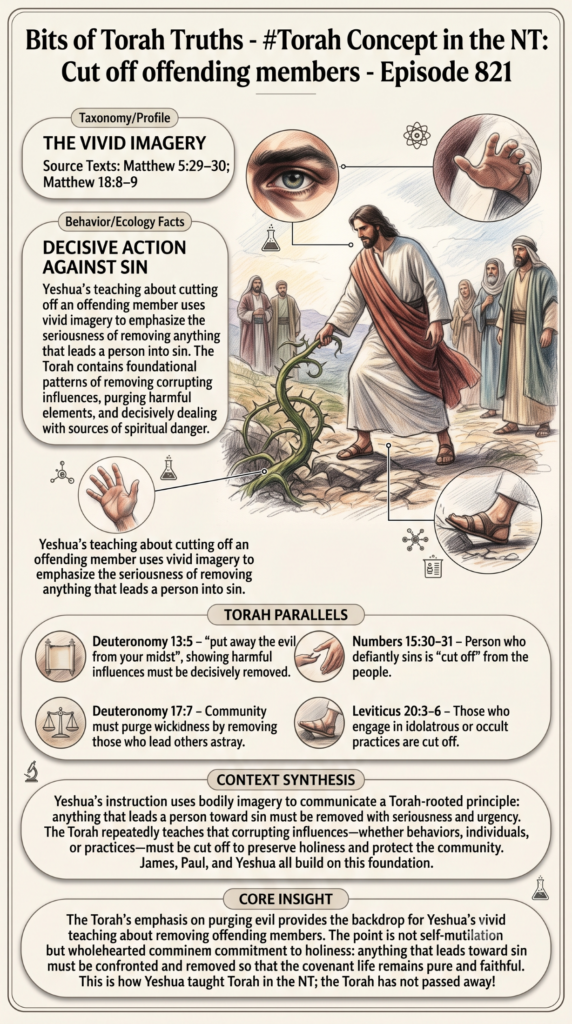
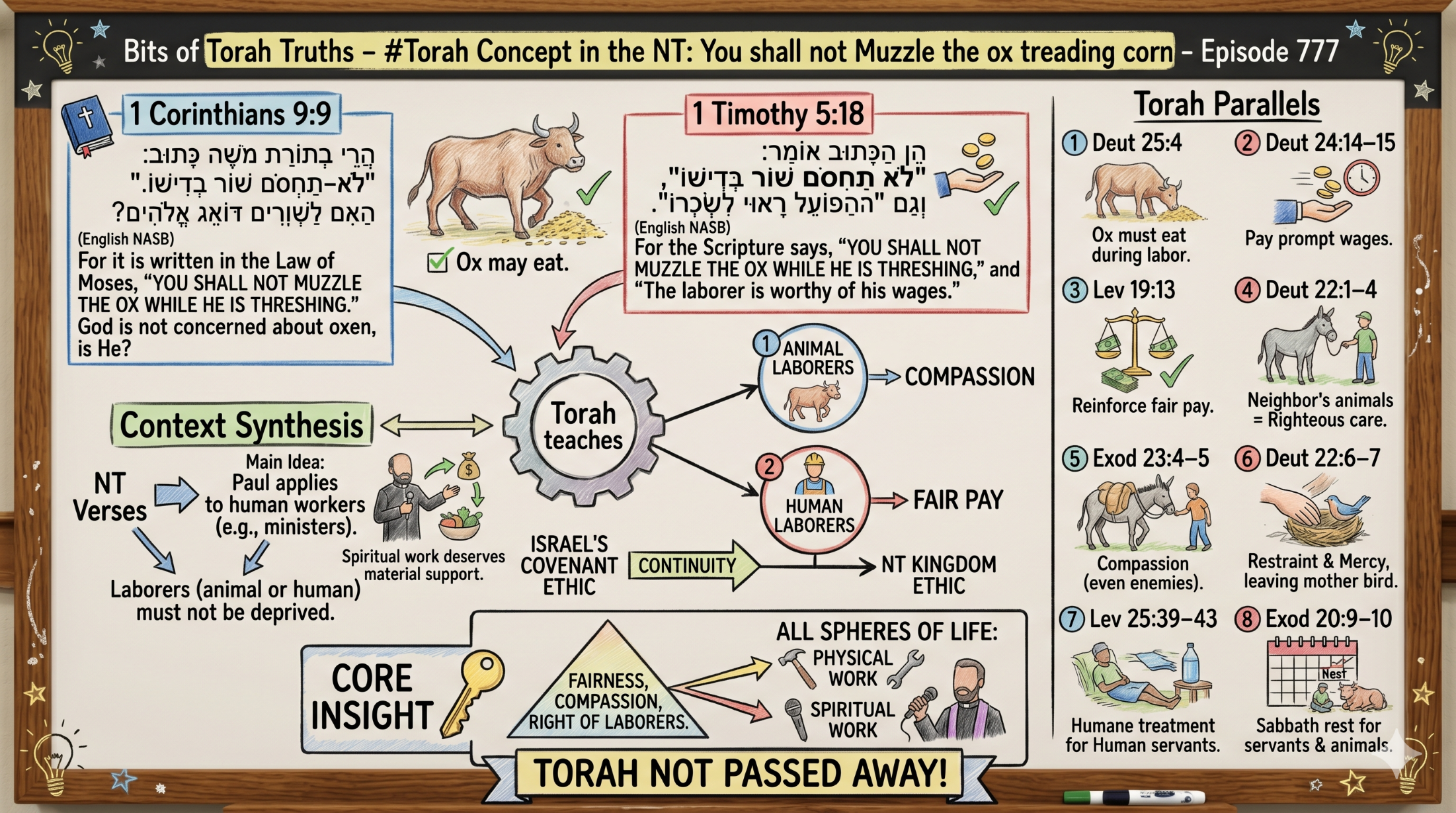
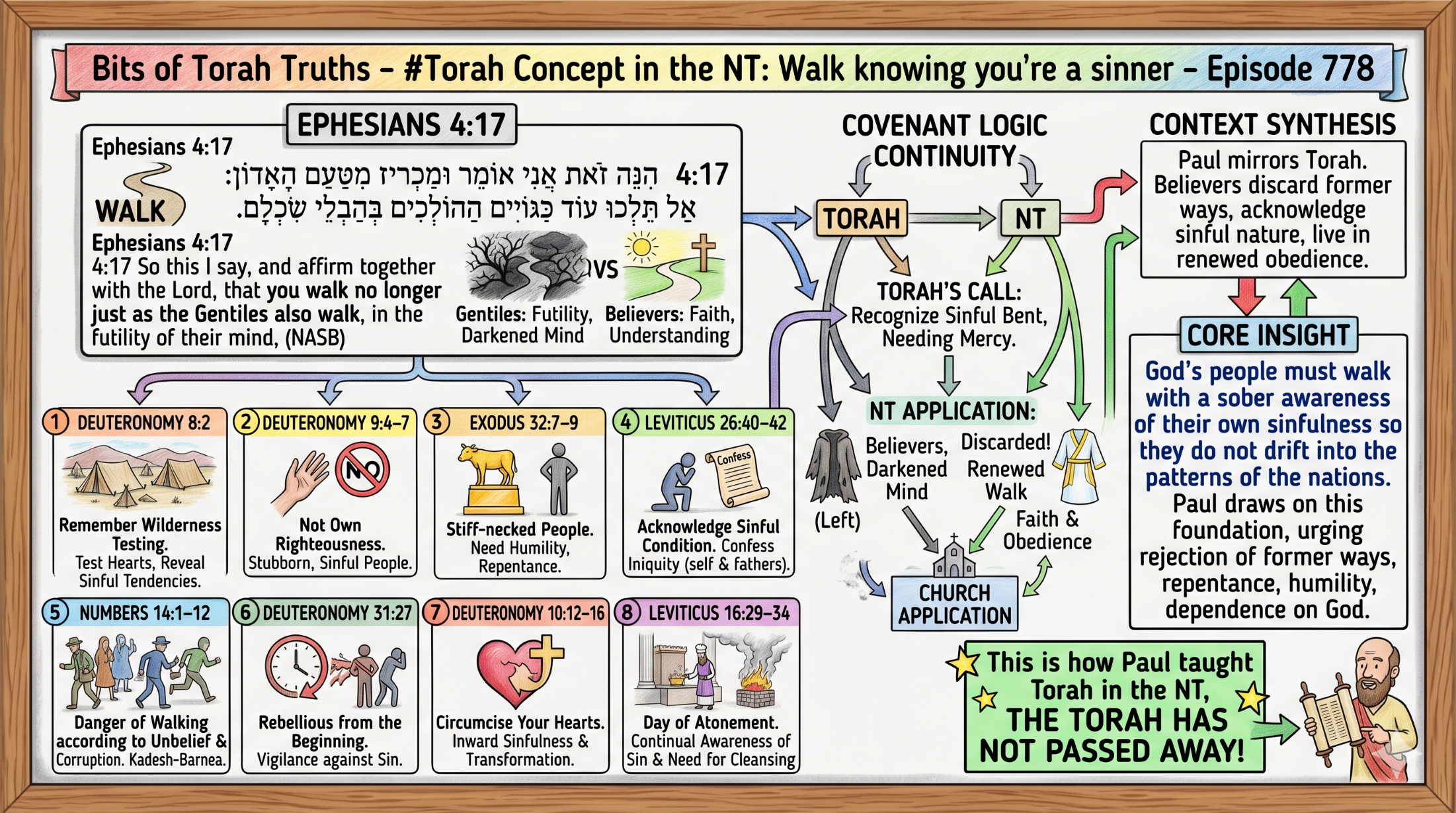
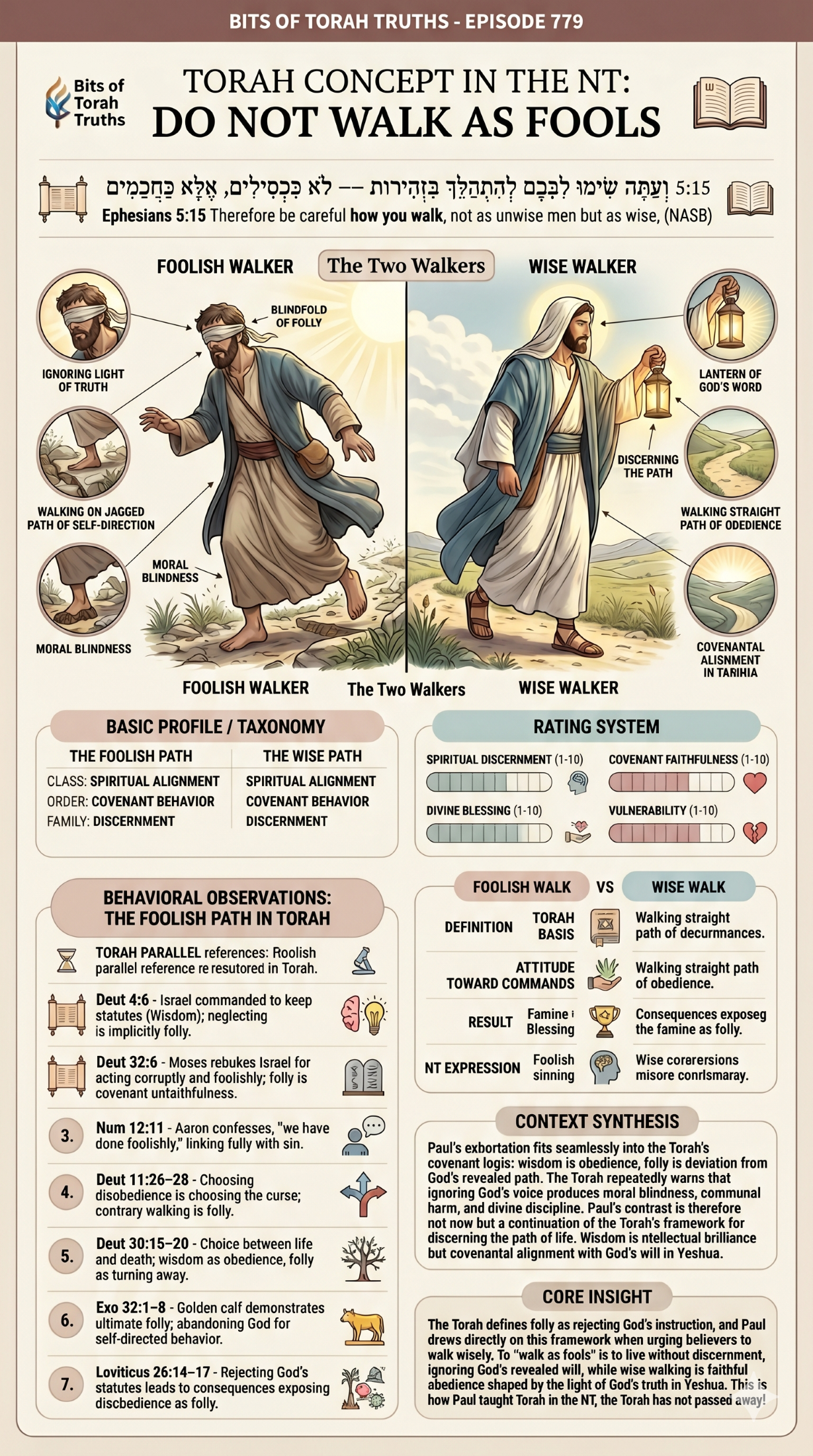
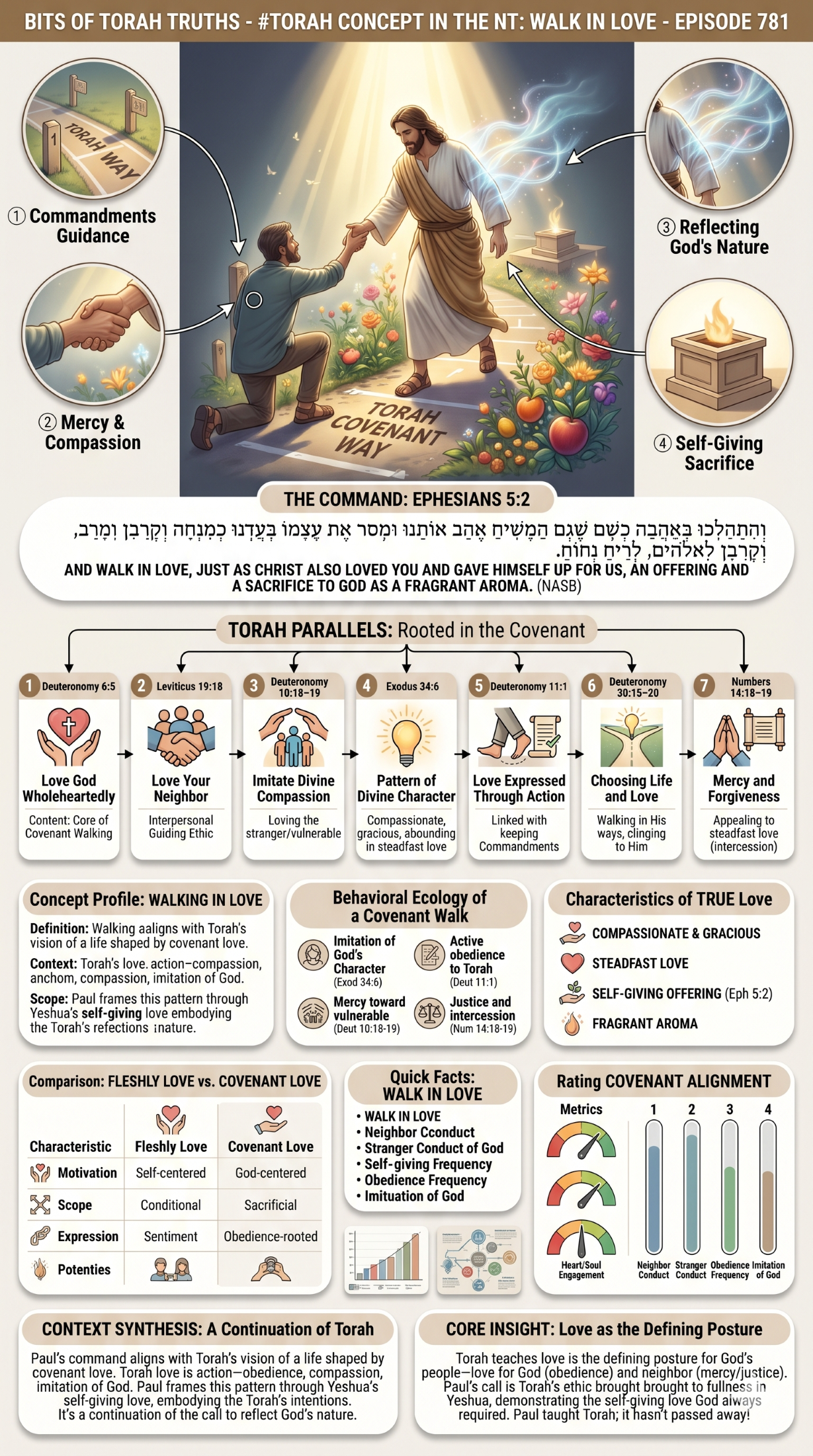
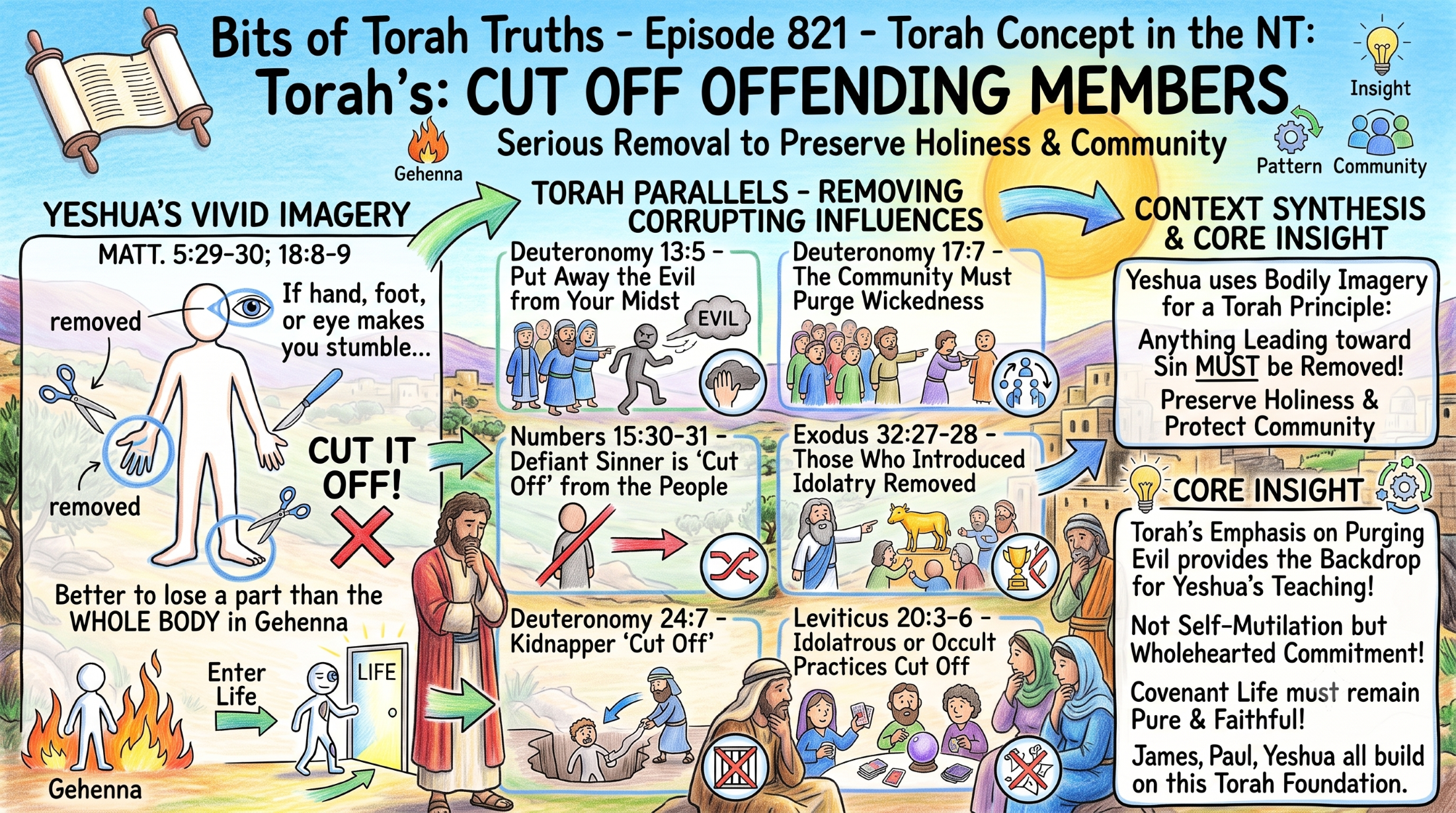
Yeshua’s teaching about cutting off an offending member (Matt. 5:29-30; 18:8-9) uses vivid imagery to emphasize the seriousness of removing anything that leads a person into sin. The Torah contains foundational patterns of removing corrupting influences, purging harmful elements, and decisively dealing with sources of spiritual danger.
– Torah parallels –
- Deuteronomy 13:5 – Israel is commanded to “put away the evil from your midst,” showing that harmful influences must be decisively removed.
- Deuteronomy 17:7 – The community must purge wickedness by removing those who lead others astray, illustrating the principle of cutting off what corrupts.
- Numbers 15:30–31 – The person who defiantly sins is “cut off” from the people, demonstrating that persistent rebellion must be separated from the community.
- Exodus 32:27–28 – Those who introduced idolatry are removed, showing that spiritual corruption must be dealt with firmly to protect the whole.
- Deuteronomy 24:7 – A kidnapper is to be “cut off,” reinforcing the Torah’s pattern of eliminating destructive behavior that threatens covenant life.
- Leviticus 20:3–6 – Those who engage in idolatrous or occult practices are cut off, showing that influences leading to sin must be removed for holiness to be preserved.
– Context Synthesis –
Yeshua’s instruction uses bodily imagery to communicate a Torah-rooted principle: anything that leads a person toward sin must be removed with seriousness and urgency. The Torah repeatedly teaches that corrupting influences, whether behaviors, individuals, or practices, must be cut off to preserve holiness and protect the community. James, Paul, and Yeshua all build on this foundation, showing that spiritual integrity requires decisive action against whatever causes stumbling.
– Core Insight –
The Torah’s emphasis on purging evil provides the backdrop for Yeshua’s vivid teaching about removing offending members. The point is not self-mutilation but wholehearted commitment to holiness: anything that leads toward sin must be confronted and removed so that the covenant life remains pure and faithful. This is how Yeshua taught Torah in the NT; the Torah has not passed away!
Visual Summary of Concepts the Torah in the NT