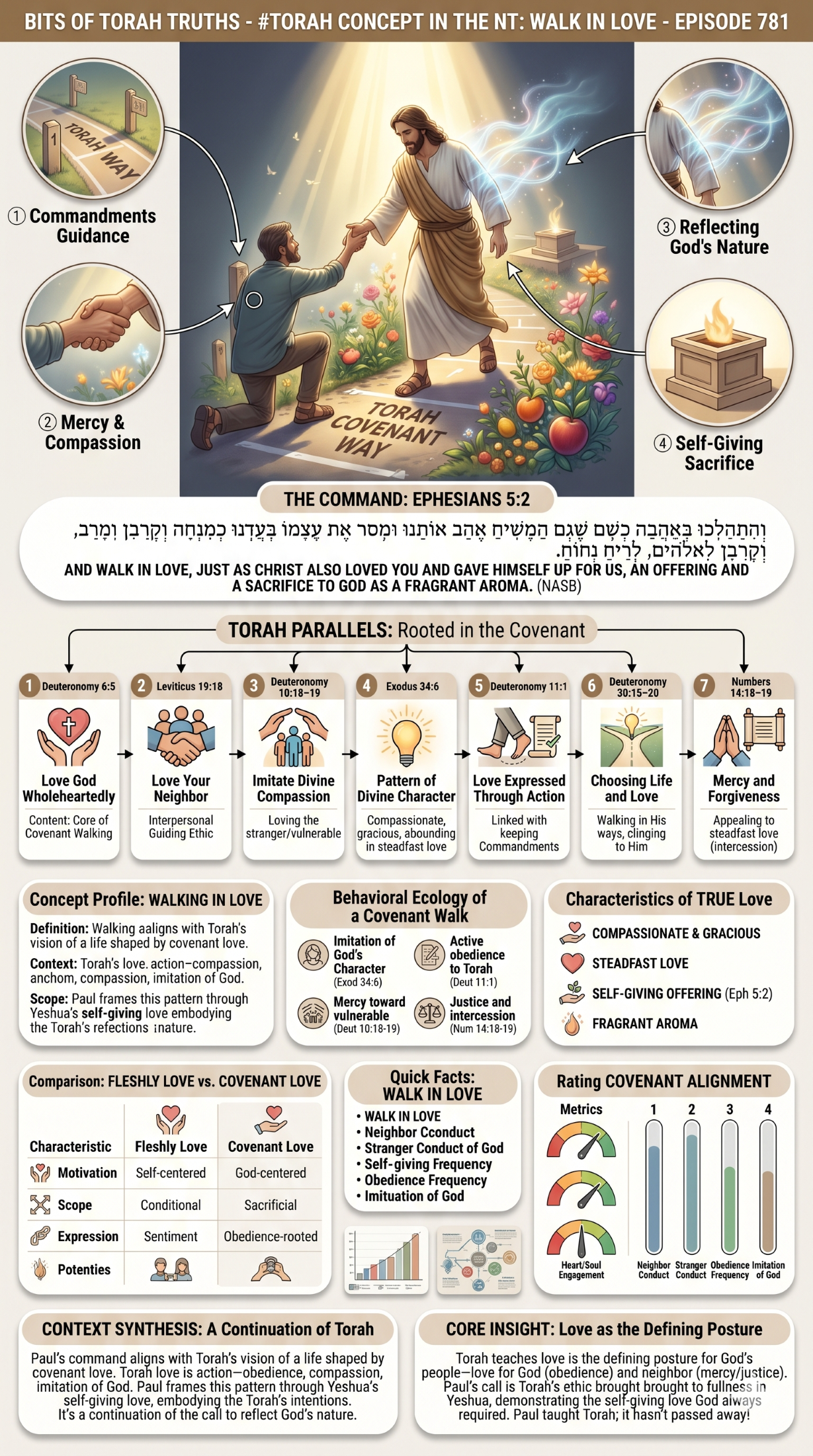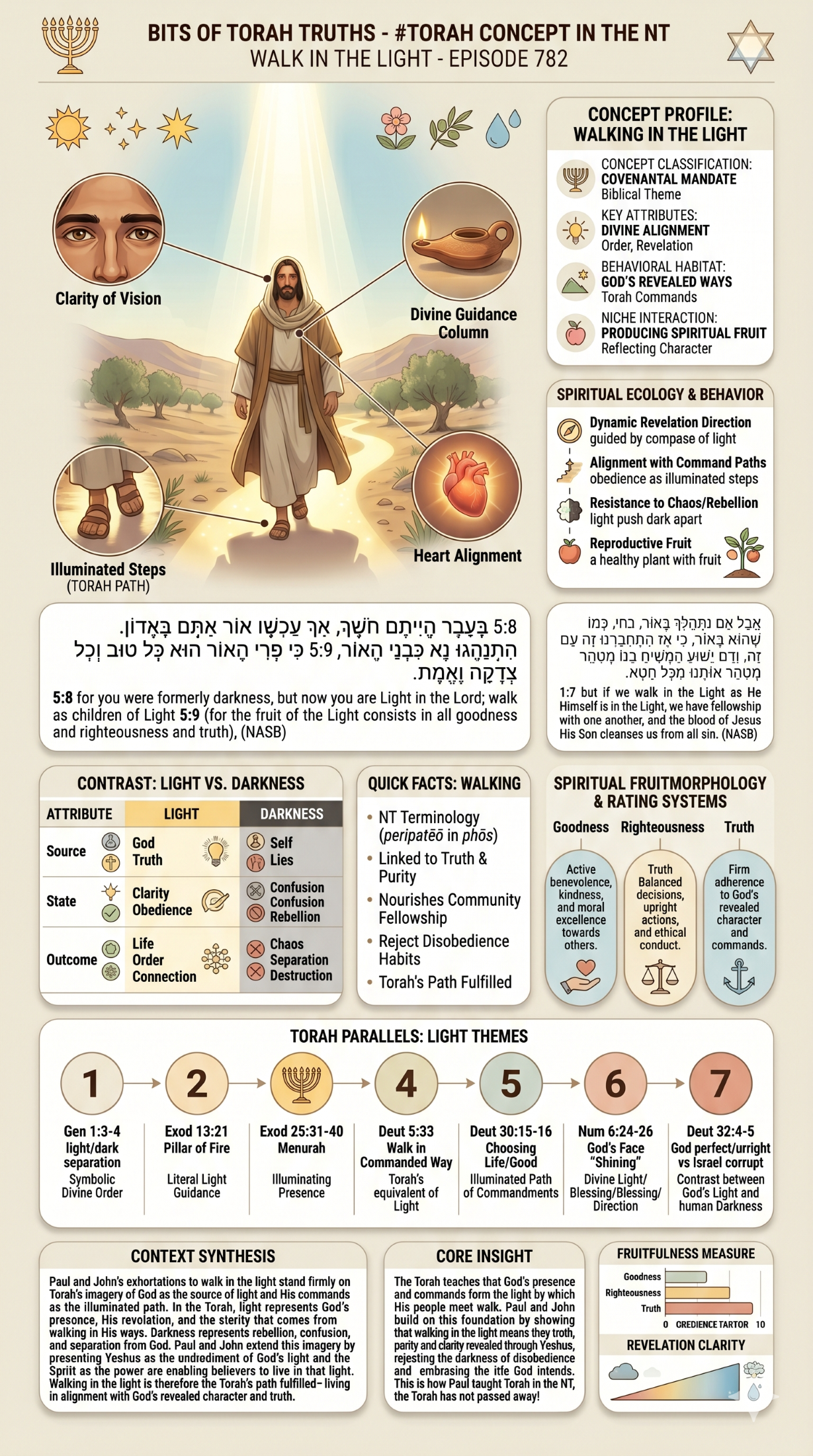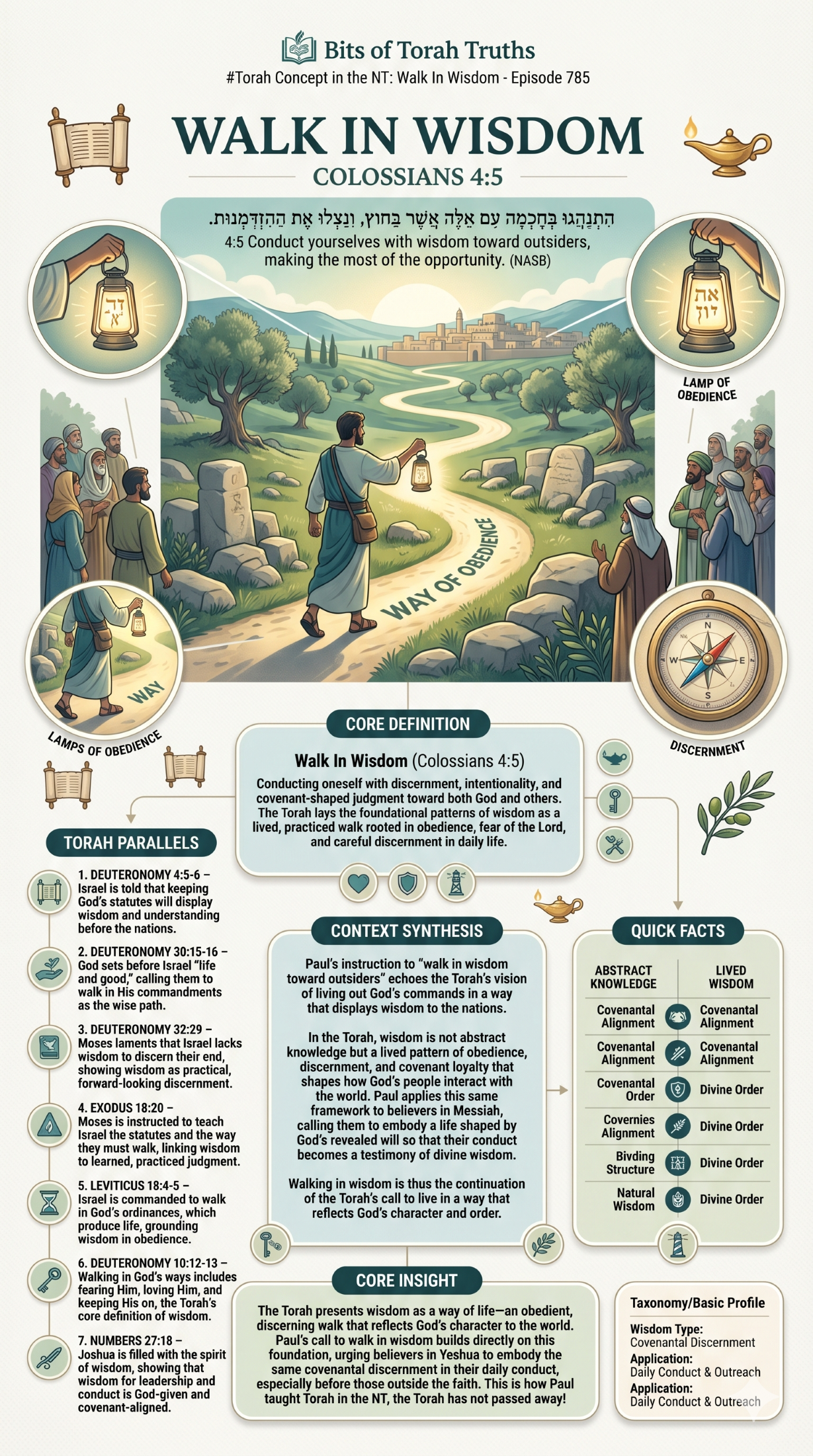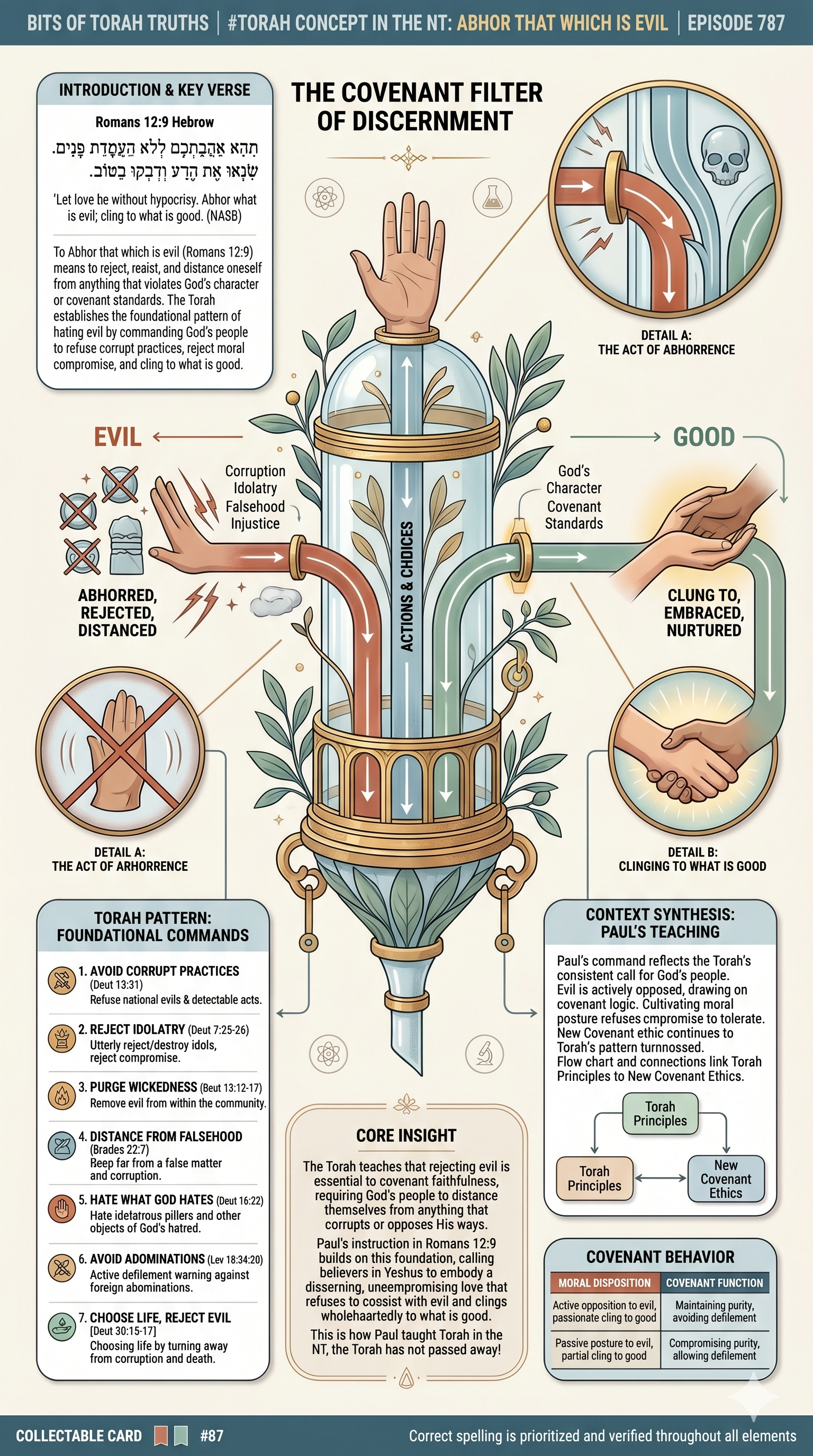
Bits of Torah Truths – #Torah Concept in the NT: Anoint head and wash face when fasting – Episode 800
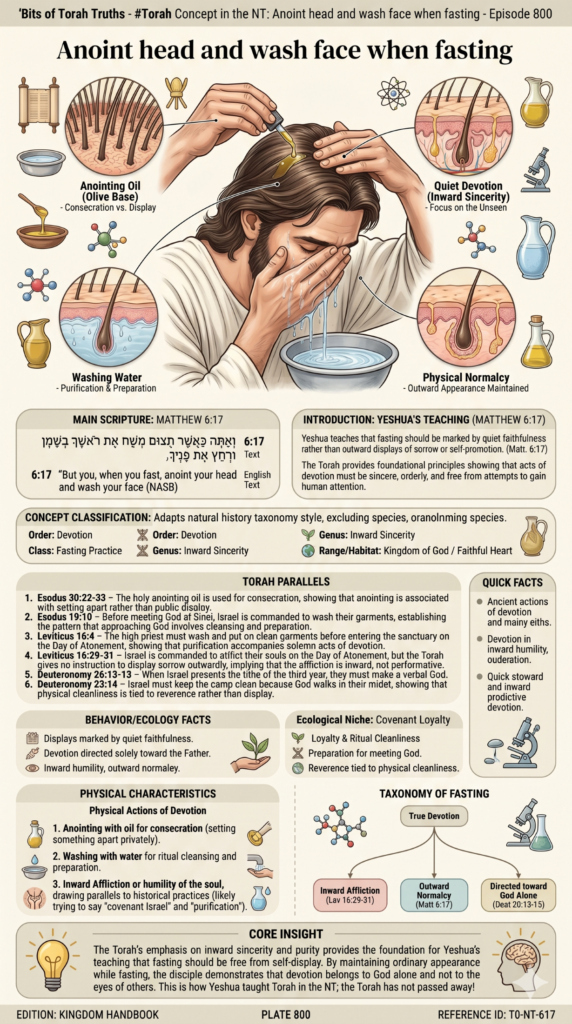
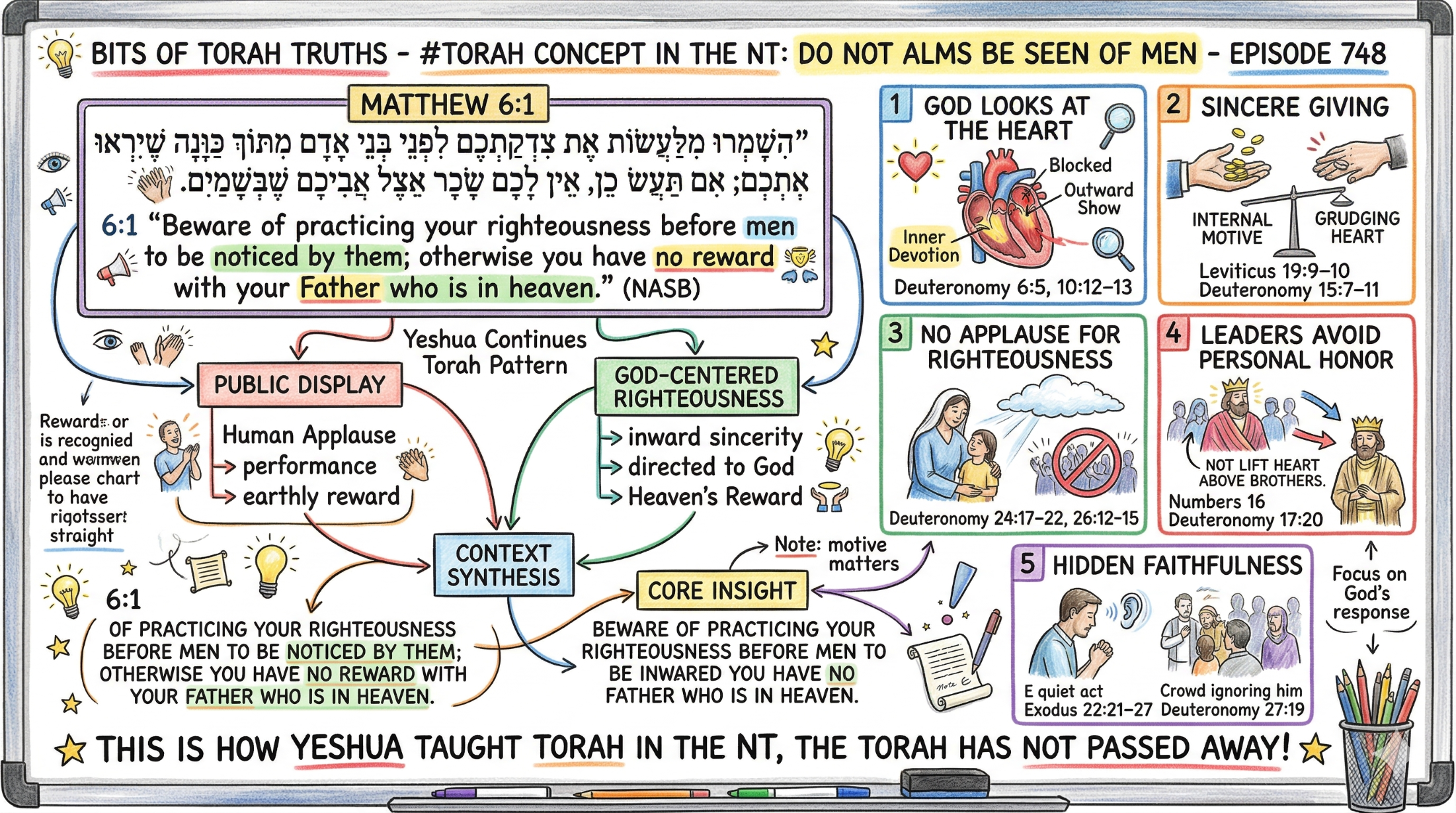
Matthew 6:17
וְאַתָּה כַּאֲשֶׁר תָּצוּם מְשַׁח אֶת רֹאשְׁךָ בְּשֶׁמֶן וּרְחַץ אֶת פָּנֶיךָ,
#torah#torahwisdom#torahtruth#torahforlife#torah4you#torahtruth
Matthew 6:17
6:17 “But you, when you fast, anoint your head and wash your face (NASB)
https://www.matsati.com/index.php/category/bits-of-torah-truths/
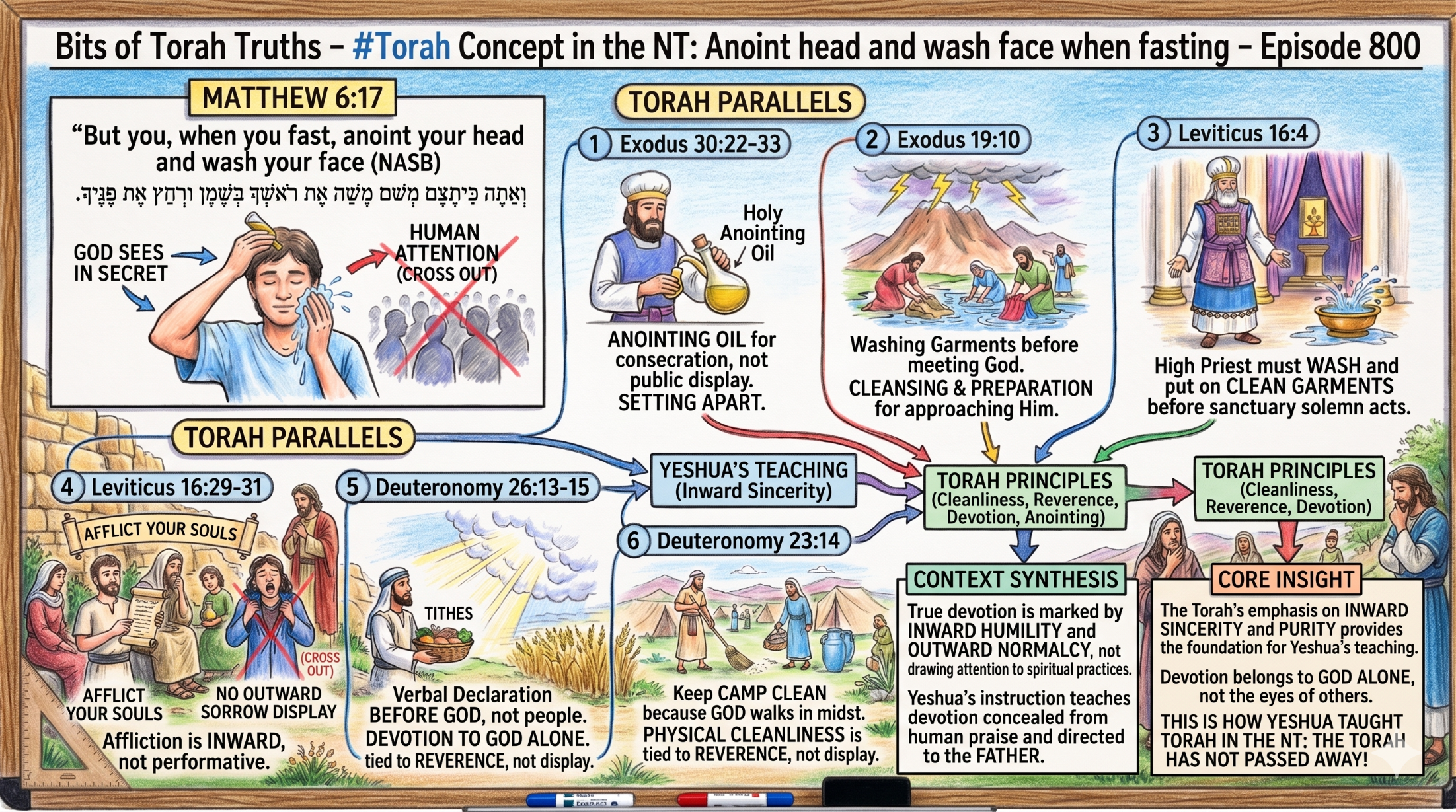
Yeshua teaches that fasting should be marked by quiet faithfulness rather than outward displays of sorrow or self‑promotion. (Matt. 6:17) The Torah provides foundational principles showing that acts of devotion must be sincere, orderly, and free from attempts to gain human attention.
– Torah parallels –
- Exodus 30:22‑33 – The holy anointing oil is used for consecration, showing that anointing is associated with setting apart rather than public display.
- Exodus 19:10 – Before meeting God at Sinai, Israel is commanded to wash their garments, establishing the pattern that approaching God involves cleansing and preparation.
- Leviticus 16:4 – The high priest must wash and put on clean garments before entering the sanctuary on the Day of Atonement, showing that purification accompanies solemn acts of devotion.
- Leviticus 16:29‑31 – Israel is commanded to afflict their souls on the Day of Atonement, but the Torah gives no instruction to display sorrow outwardly, implying that the affliction is inward, not performative.
- Deuteronomy 26:13‑15 – When Israel presents the tithe of the third year, they must make a verbal declaration before God, not before people, reinforcing that acts of devotion are directed toward God alone.
- Deuteronomy 23:14 – Israel must keep the camp clean because God walks in their midst, showing that physical cleanliness is tied to reverence rather than display.
– Context Synthesis –
Yeshua’s instruction to anoint the head and wash the face when fasting teaches that devotion should be concealed from human praise and directed solely toward the Father. The Torah repeatedly emphasizes inward sincerity, ritual cleanliness, and reverence before God without encouraging outward displays meant to impress others. Together, these themes show that true devotion is marked by inward humility and outward normalcy, not by drawing attention to one’s spiritual practices.
– Core Insight –
The Torah’s emphasis on inward sincerity and purity provides the foundation for Yeshua’s teaching that fasting should be free from self‑display. By maintaining ordinary appearance while fasting, the disciple demonstrates that devotion belongs to God alone and not to the eyes of others. This is how Yeshua taught Torah in the NT; the Torah has not passed away!
Visual Summary of Concepts the Torah in the NT